
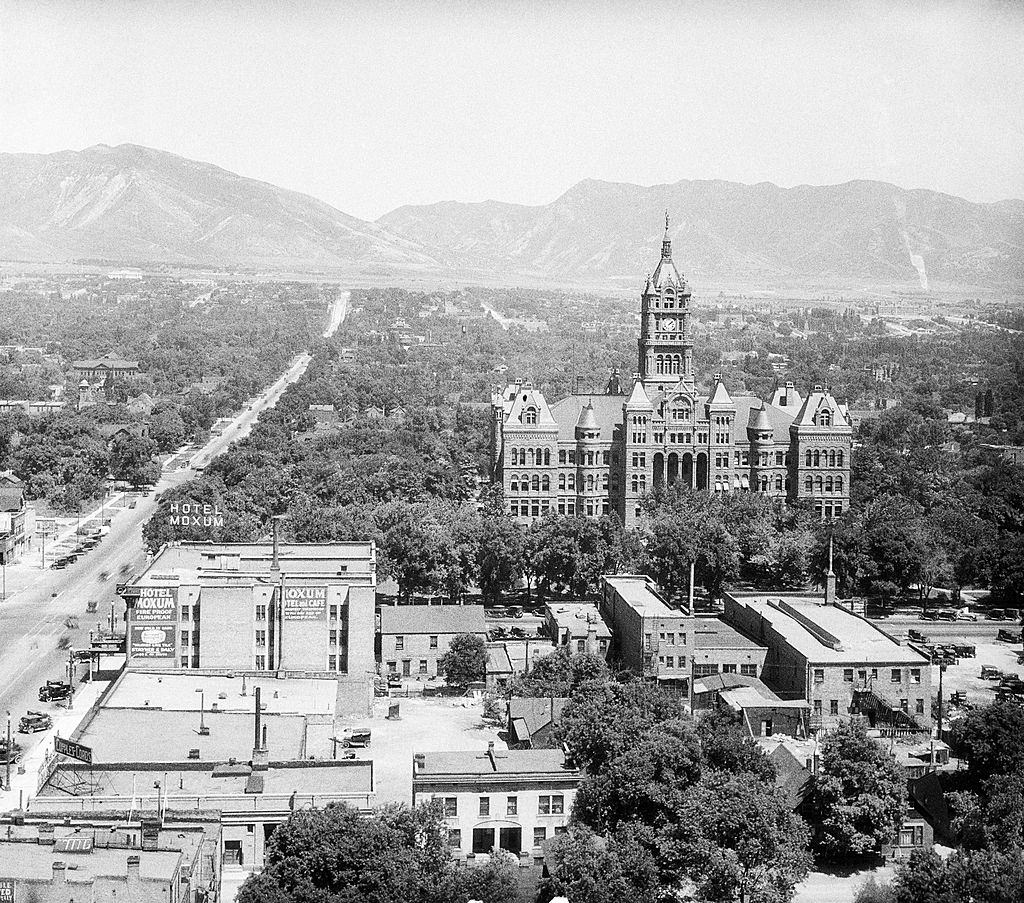
Salt Lake City in the 1940s was a city in motion. Its population grew by nearly seven percent during the decade, driven in large part by the economic surge that came with World War II. Military installations sprang up across the city, and war industries brought a steady stream of workers and soldiers into the urban core. Those men and women spent their money in the city’s restaurants, shops, ballrooms, and theaters, keeping the downtown economy alive and busy in ways that left a visible mark on the streets.
One of the biggest changes to daily life came early in the decade. Salt Lake City’s last streetcar line was shut down in 1941, and trolley buses were later suspended during the war years. Despite fewer cars on the road than today, the downtown streets were packed with foot traffic, buses, and the constant movement of a wartime city. The Crystal Palace at South Temple and 200 East opened as the first large-scale supermarket downtown, a sign that modern retail life was taking shape. The Bamberger train depot, which stood where Symphony Hall sits today, was a central hub for the thousands of people moving through the city during the war.
When the war ended, Salt Lake City celebrated with two full days of merrymaking and dancing in the streets. The city had carried the weight of wartime life and was ready to let loose. The photos below capture Salt Lake City across the 1940s — the Great Salt Lake, the city’s landmarks, its people at work and at play, and the quiet moments in between.
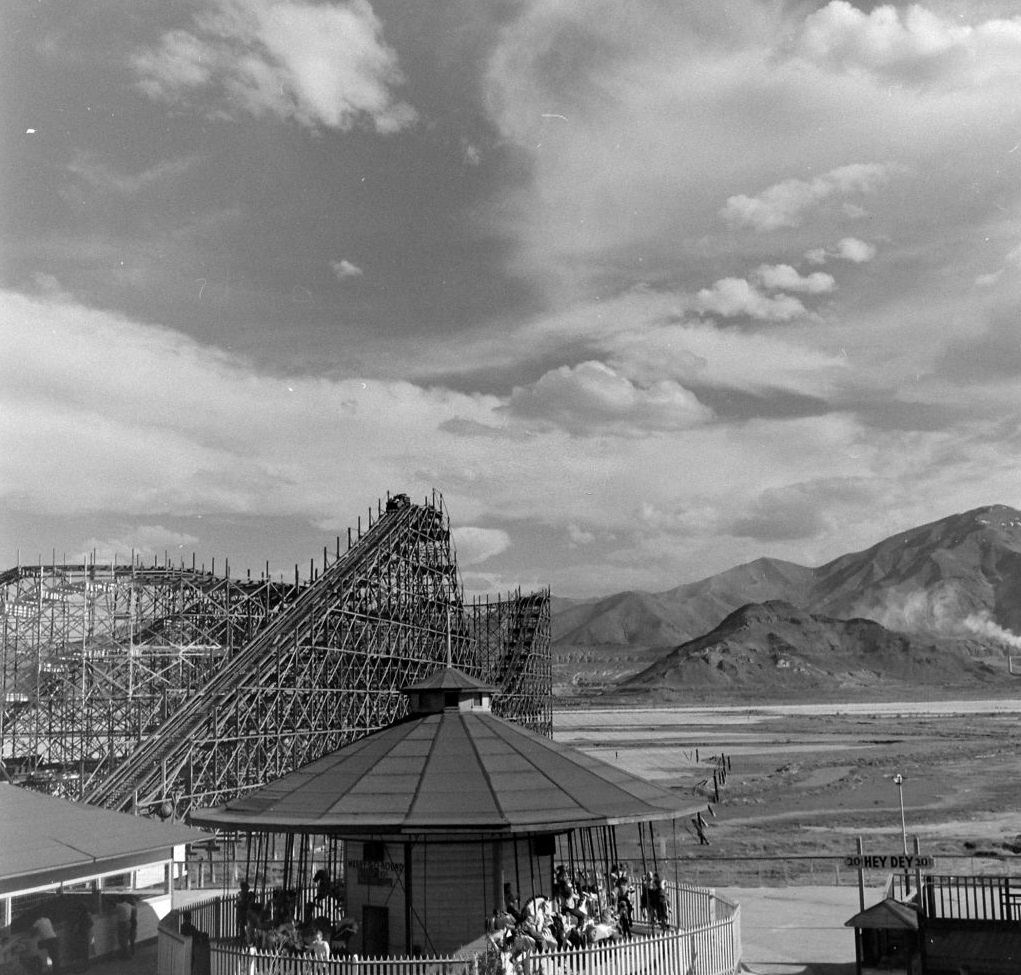
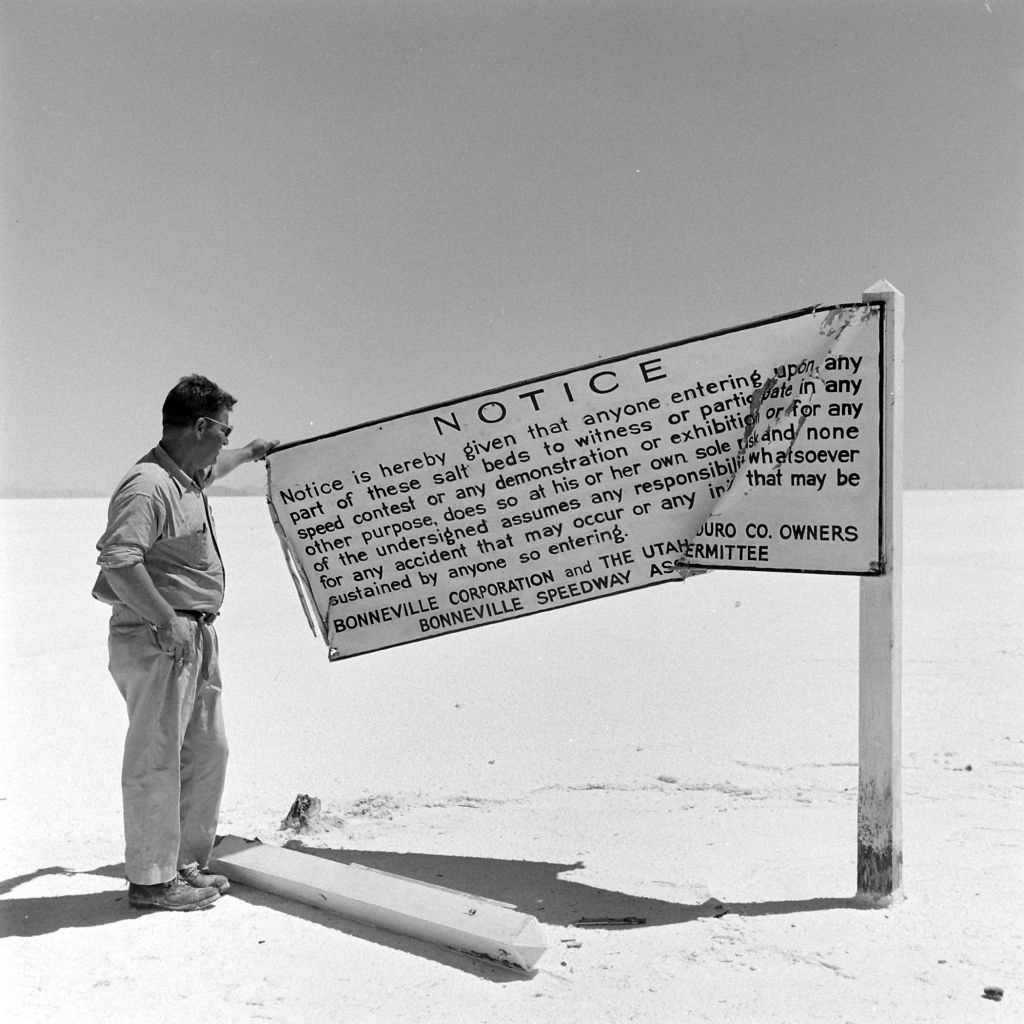
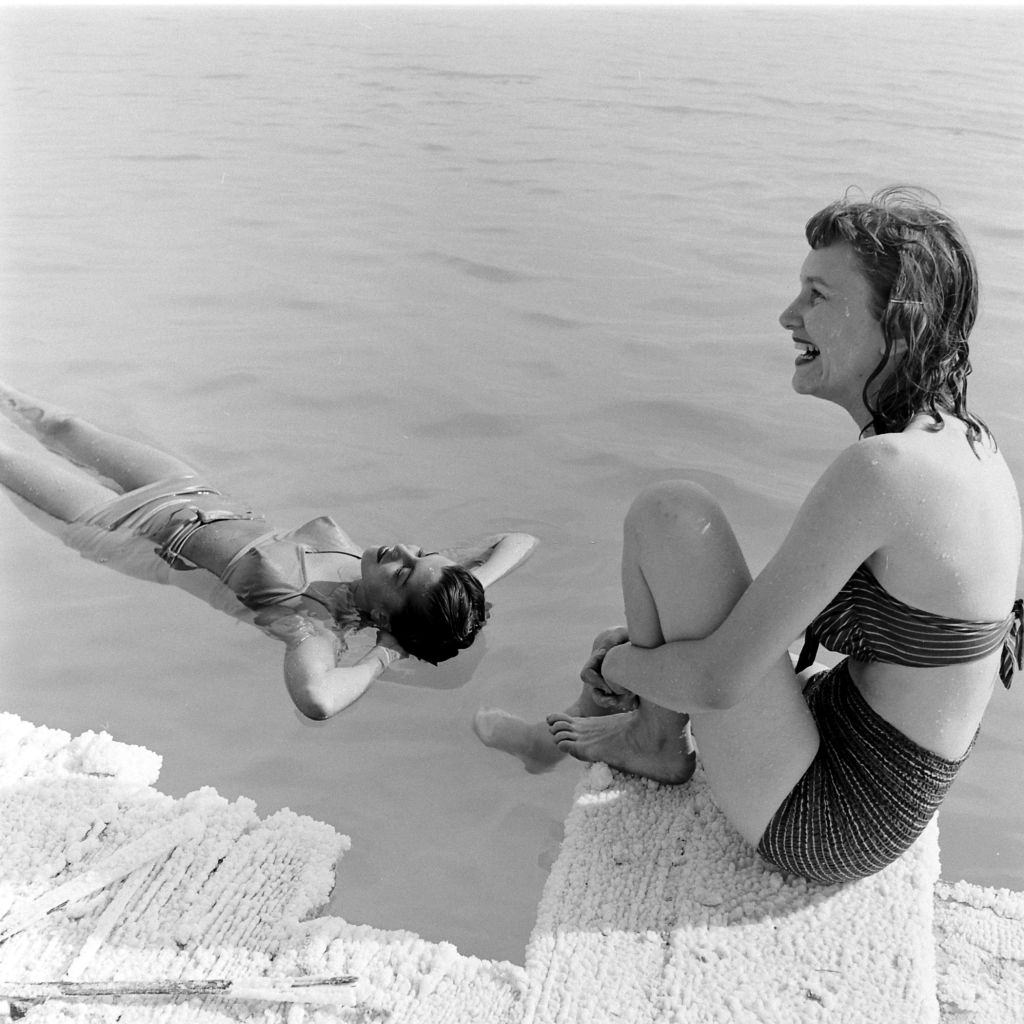
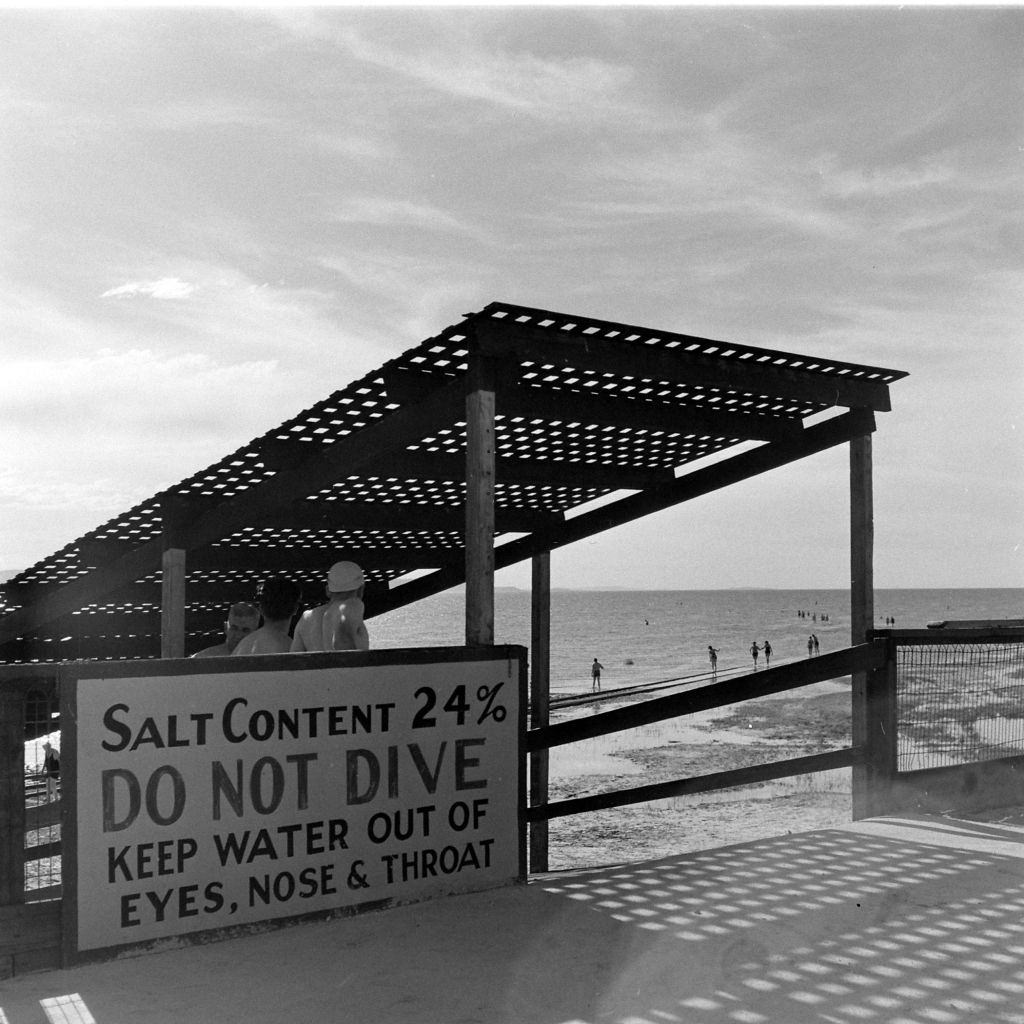
The Great Salt Lake was one of the region’s most popular destinations during the 1940s. Tourists and locals alike made the trip out to its shores, drawn by the lake’s unusual buoyancy and its wide-open landscape. The lake’s salt content was so extreme — reaching 24 percent in some areas — that posted signs warned visitors not to dive and to keep the water out of their eyes, nose, and throat.
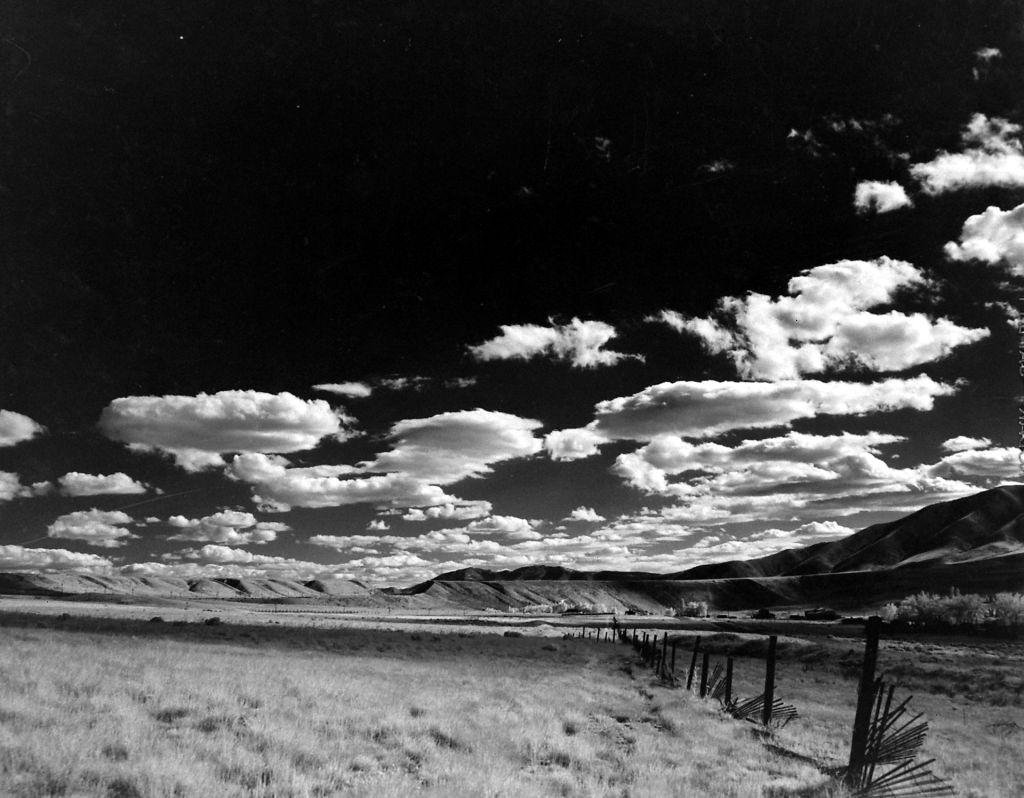
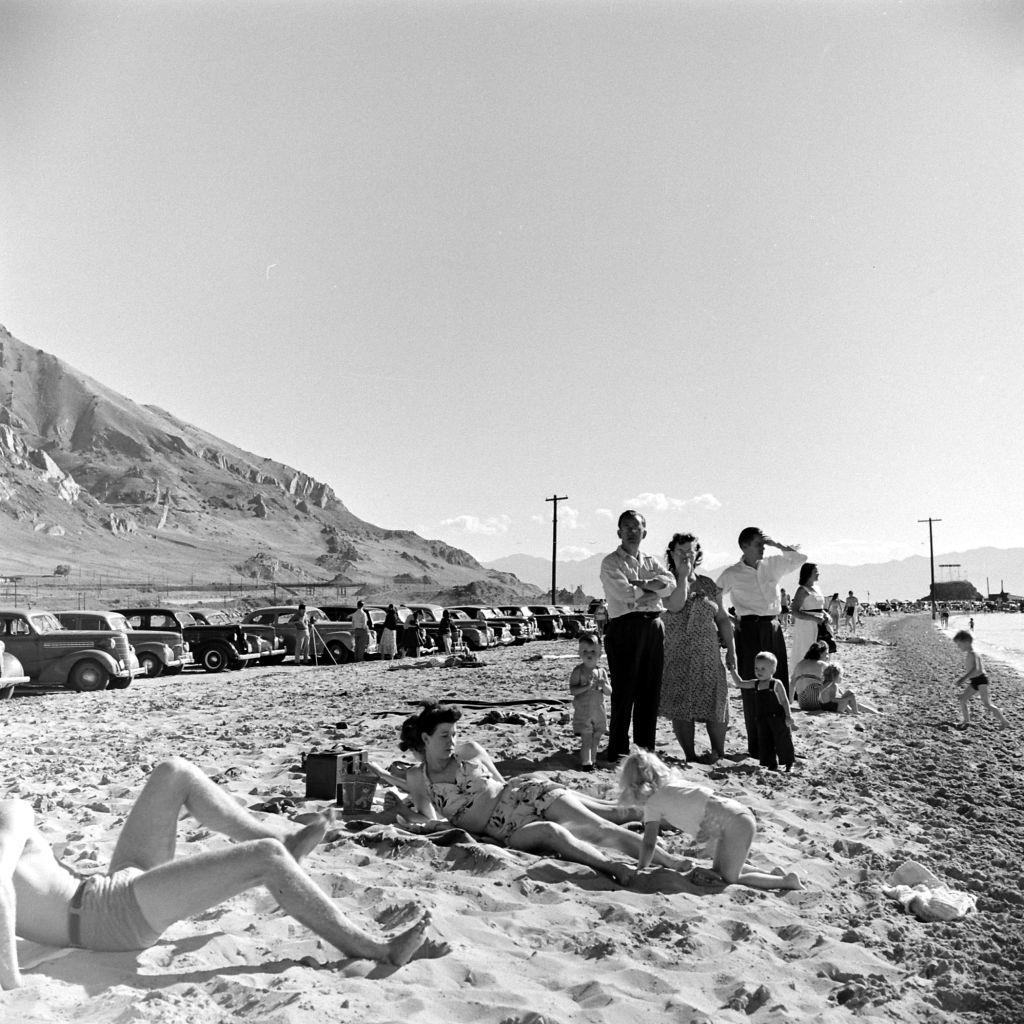
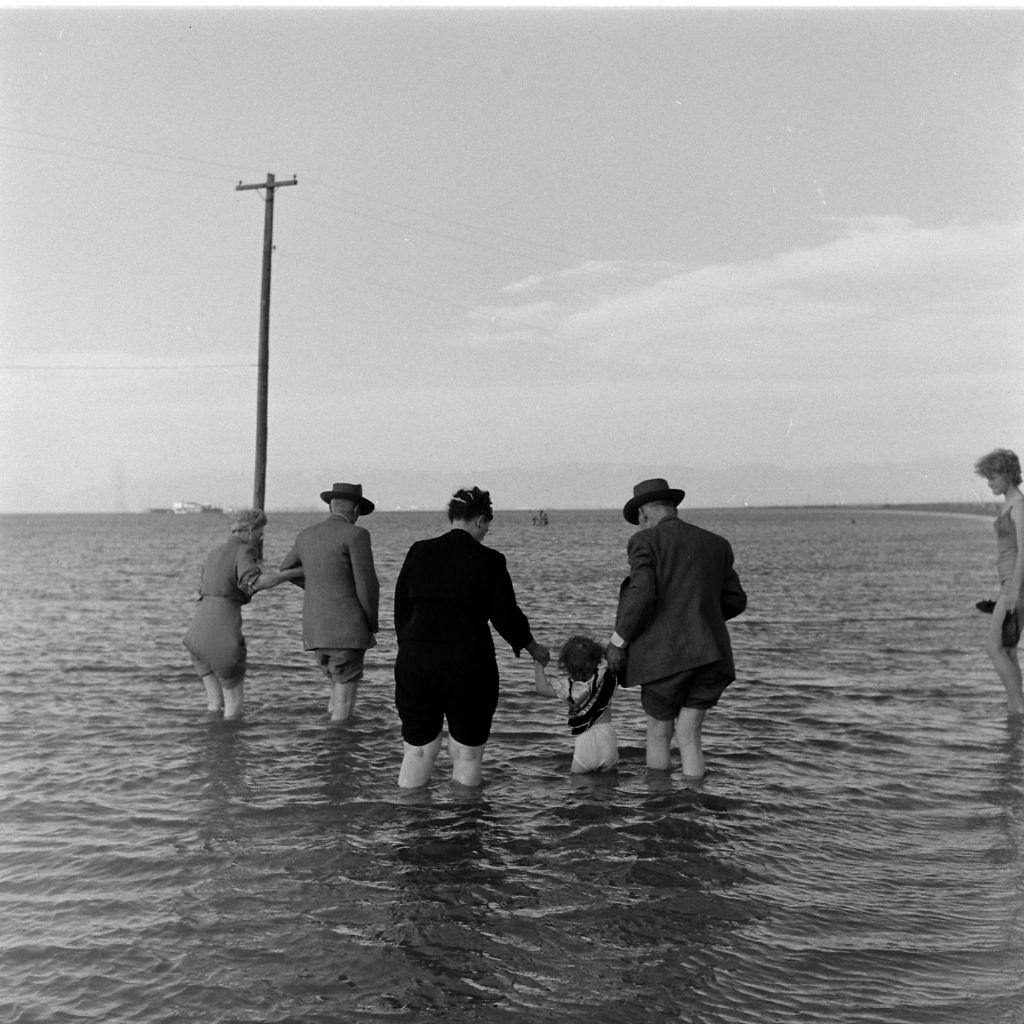
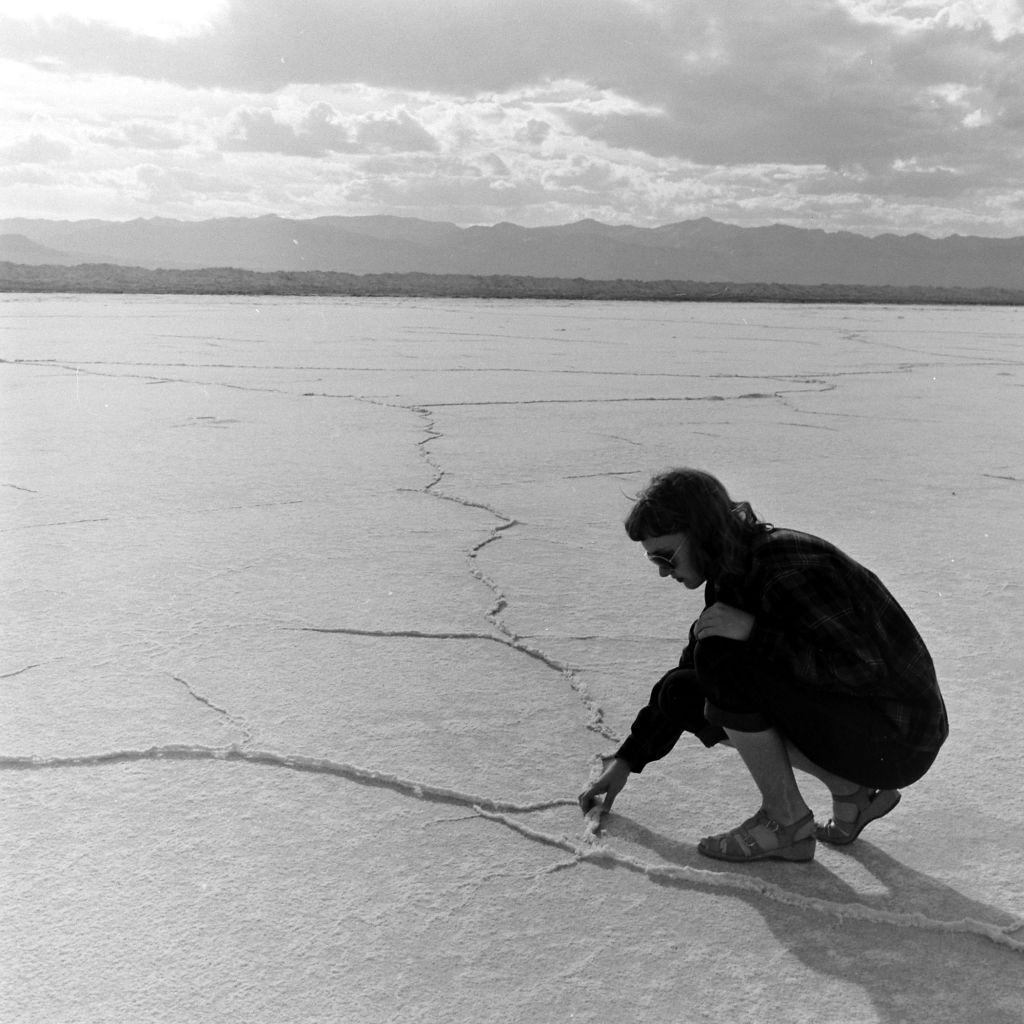
Visitors waded out across the shallow flats and floated effortlessly on the dense, salty surface. The lake’s shoreline was a social scene in summer — families spread out on the beach, women tested the salt flats with their hands, and swimmers bobbed in the buoyant water without much effort at all.
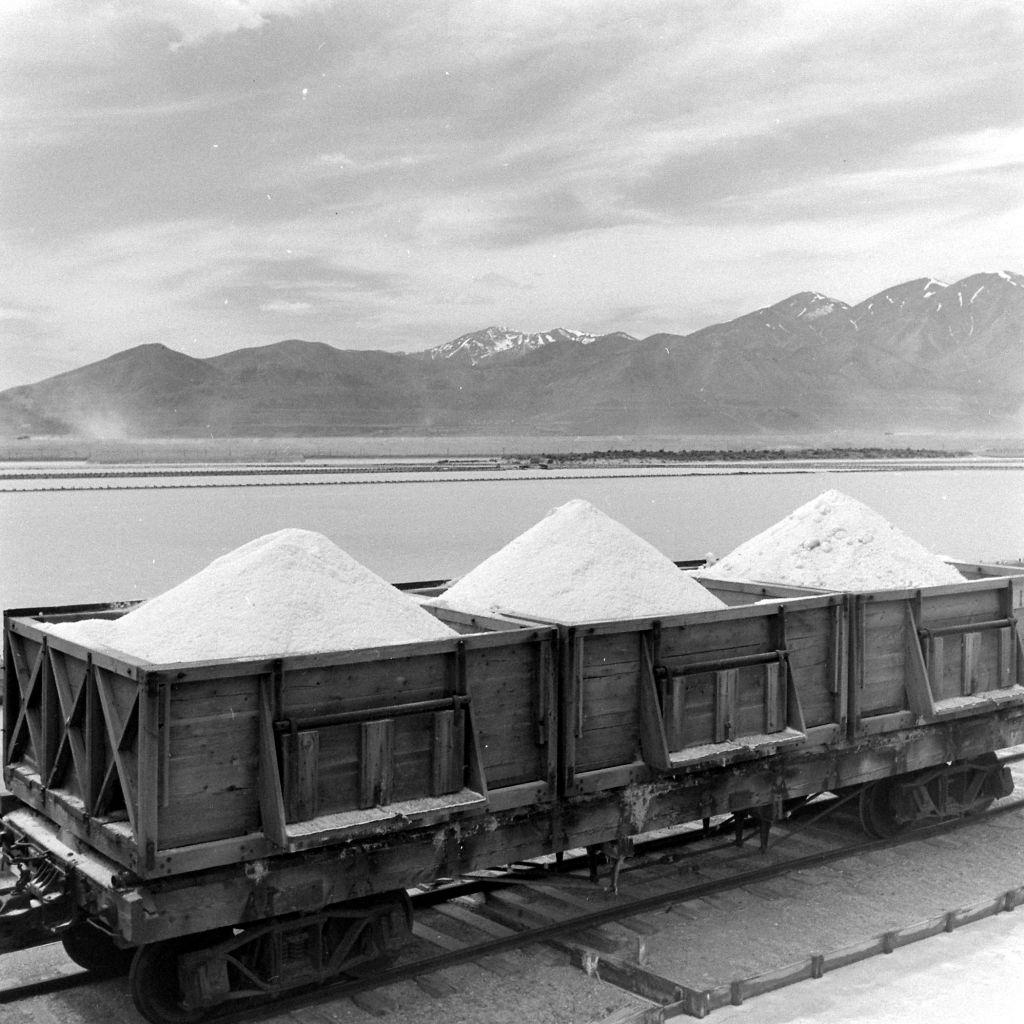
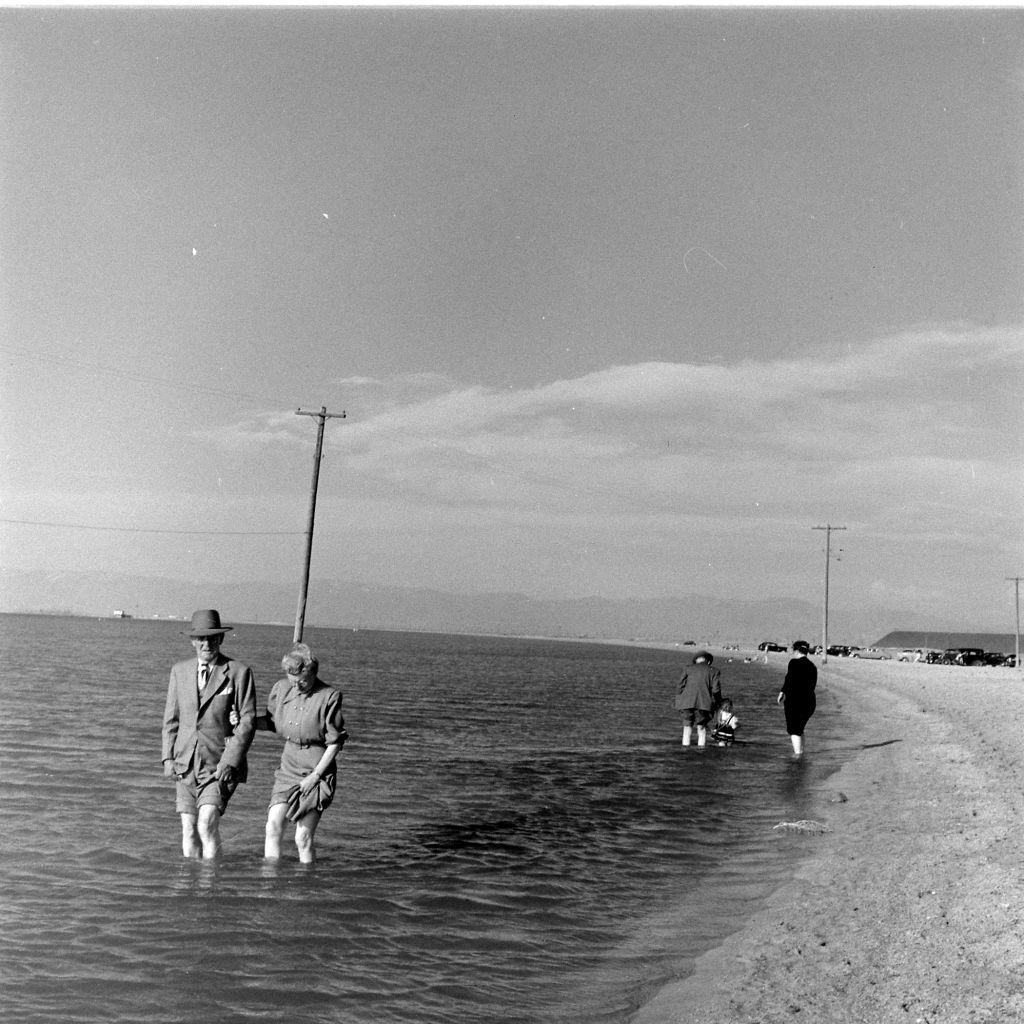
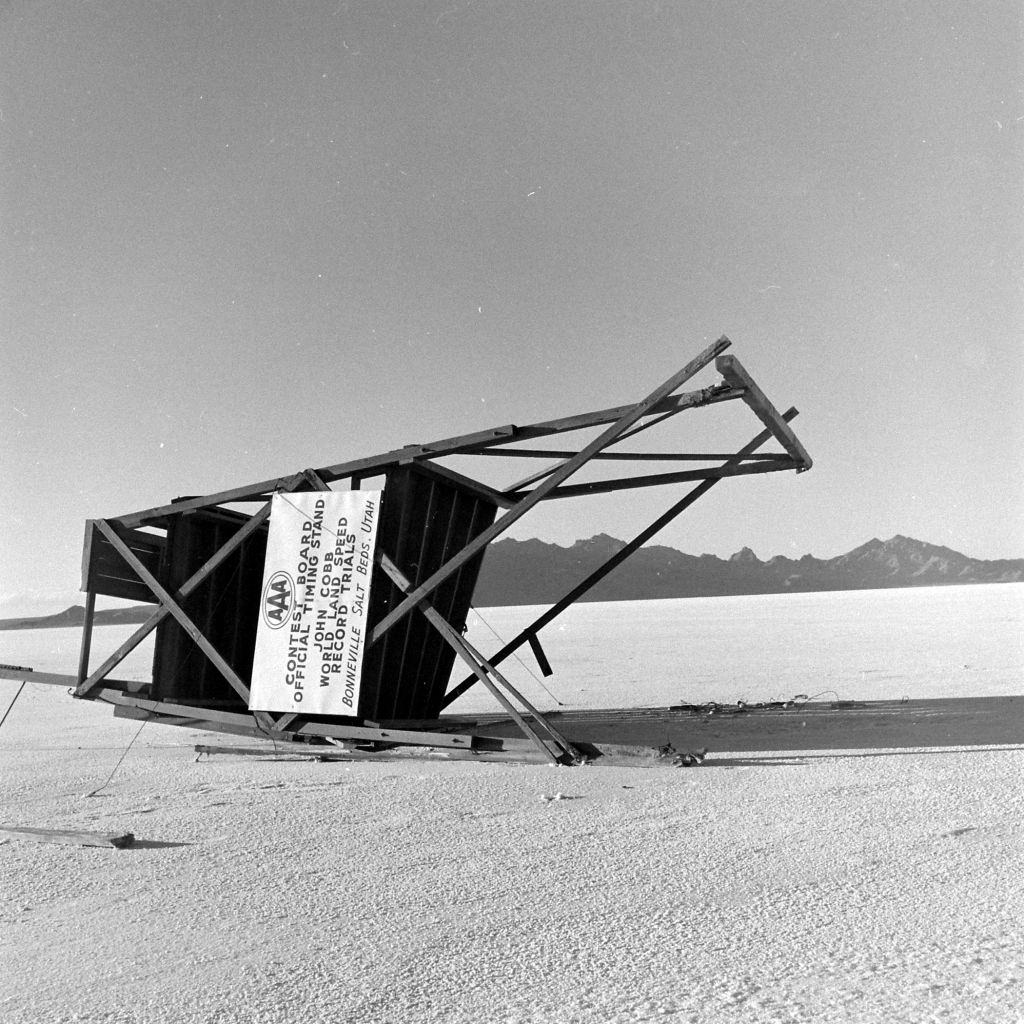
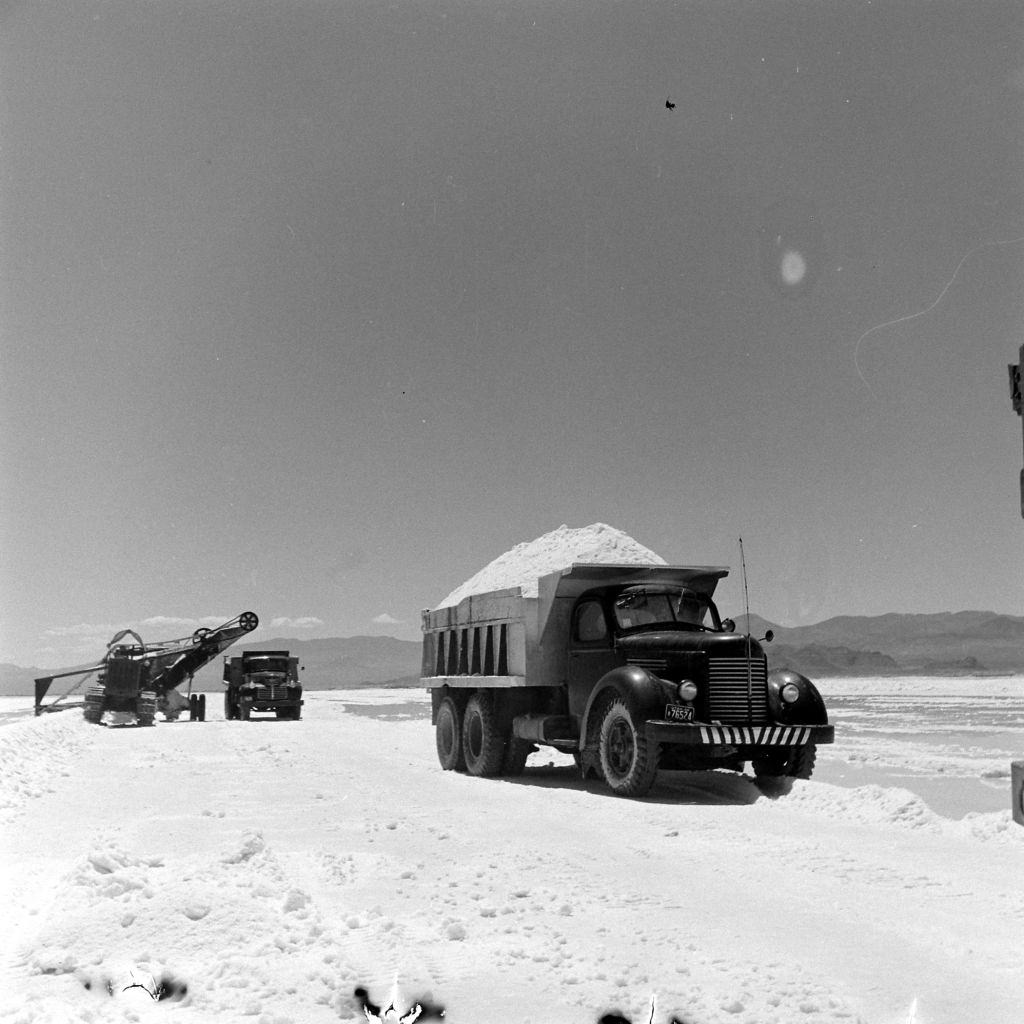
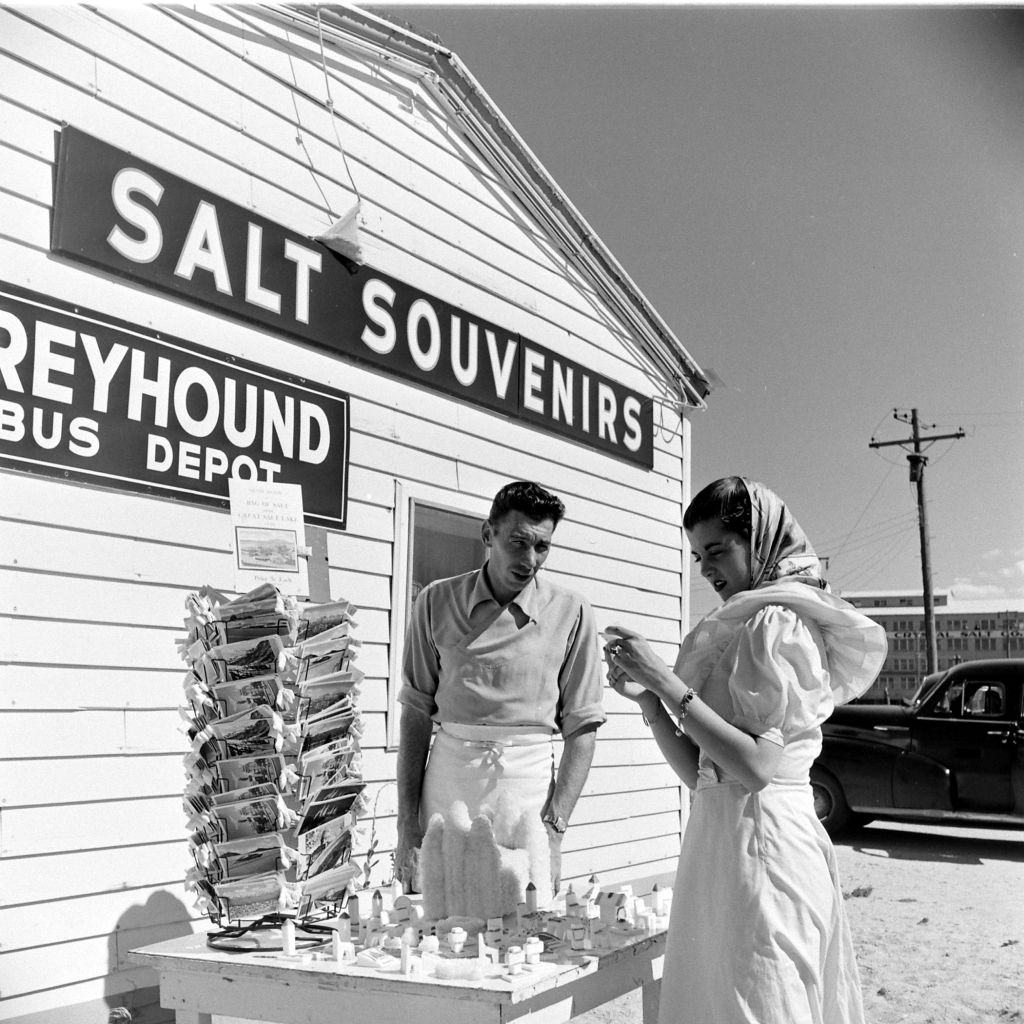
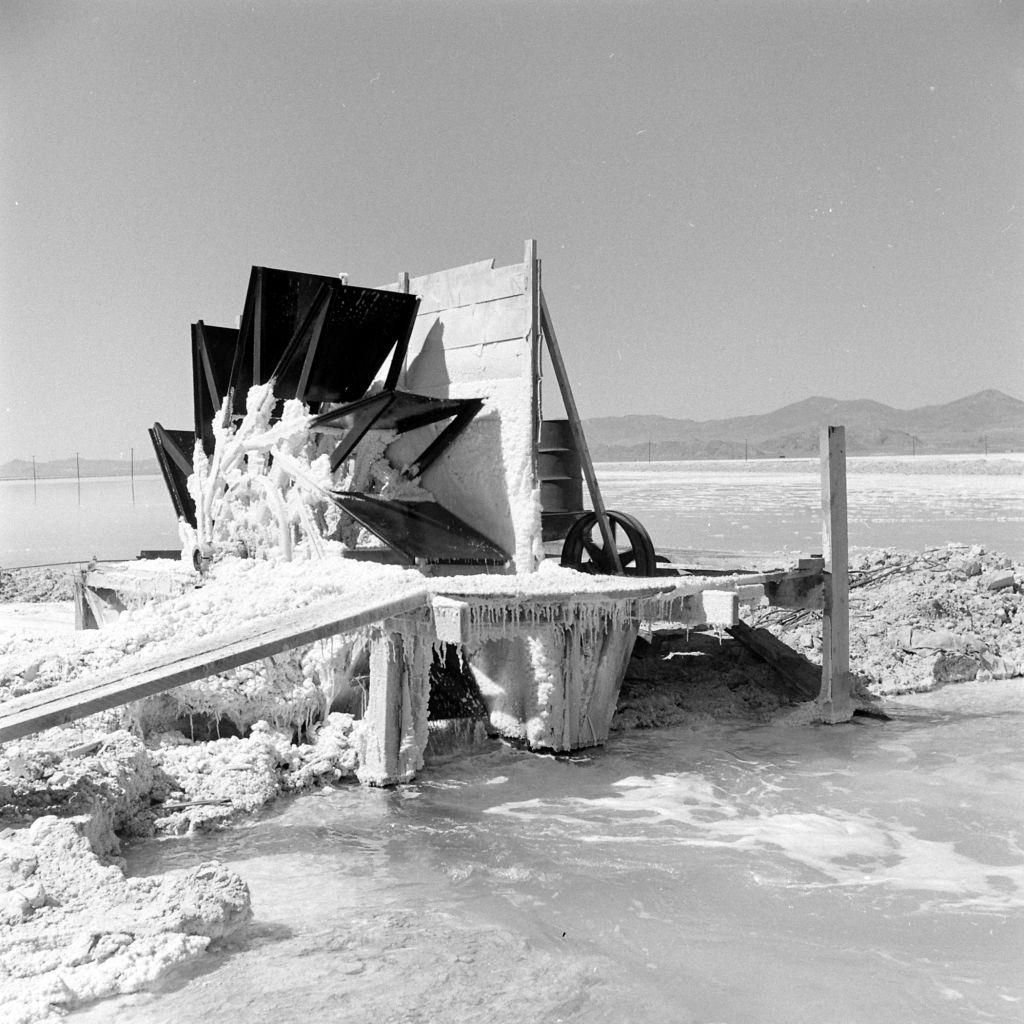
The area around the lake was also an active worksite. Dump trucks hauled sand away from the shores, and water turbines operated as part of the infrastructure that managed the lake’s resources. Contest boards and vendor stands catered to the crowds that gathered during warmer months, giving the shoreline a lively, carnival-like atmosphere.
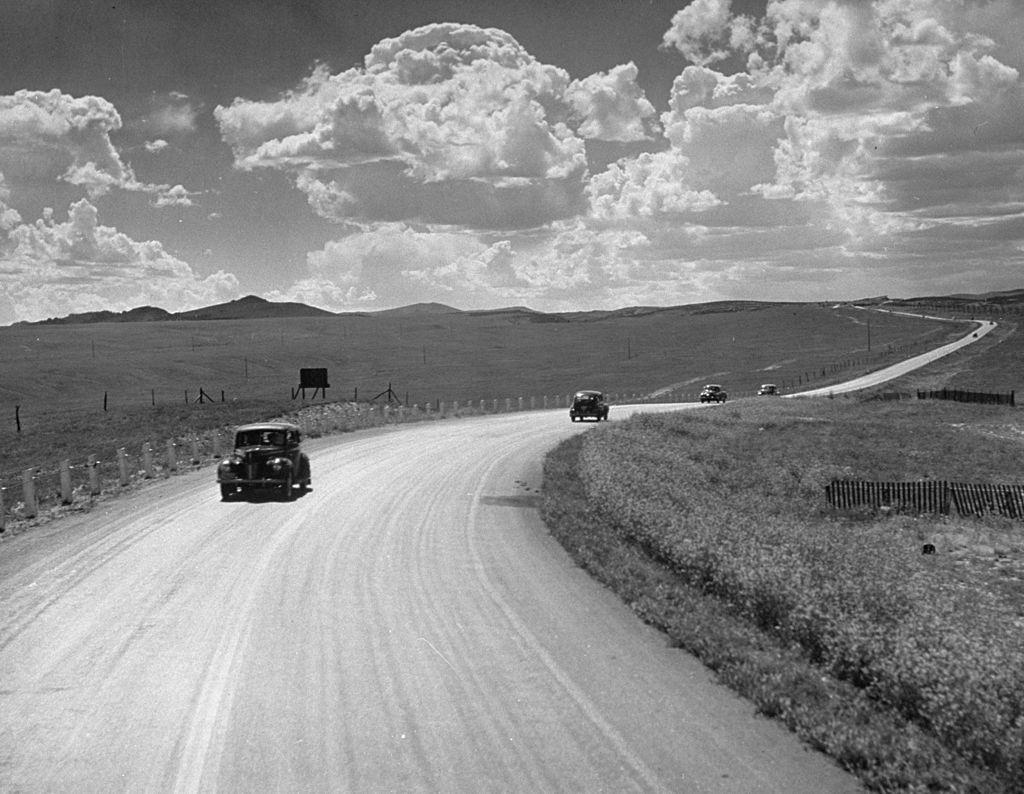
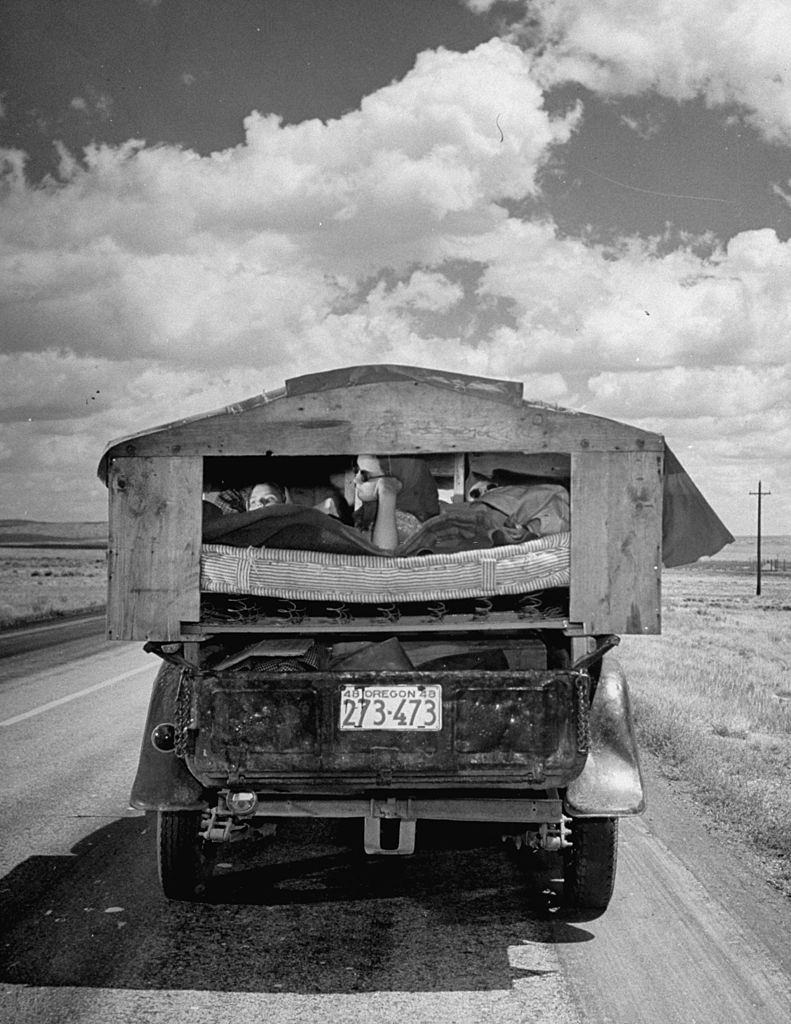
Travel to and from Salt Lake City in the 1940s was a serious undertaking. Families drove long stretches of highway — including the cross-country Highway 30 from Omaha, Nebraska — to reach the city. The roads were open, the distances were vast, and the journey itself was part of the experience.
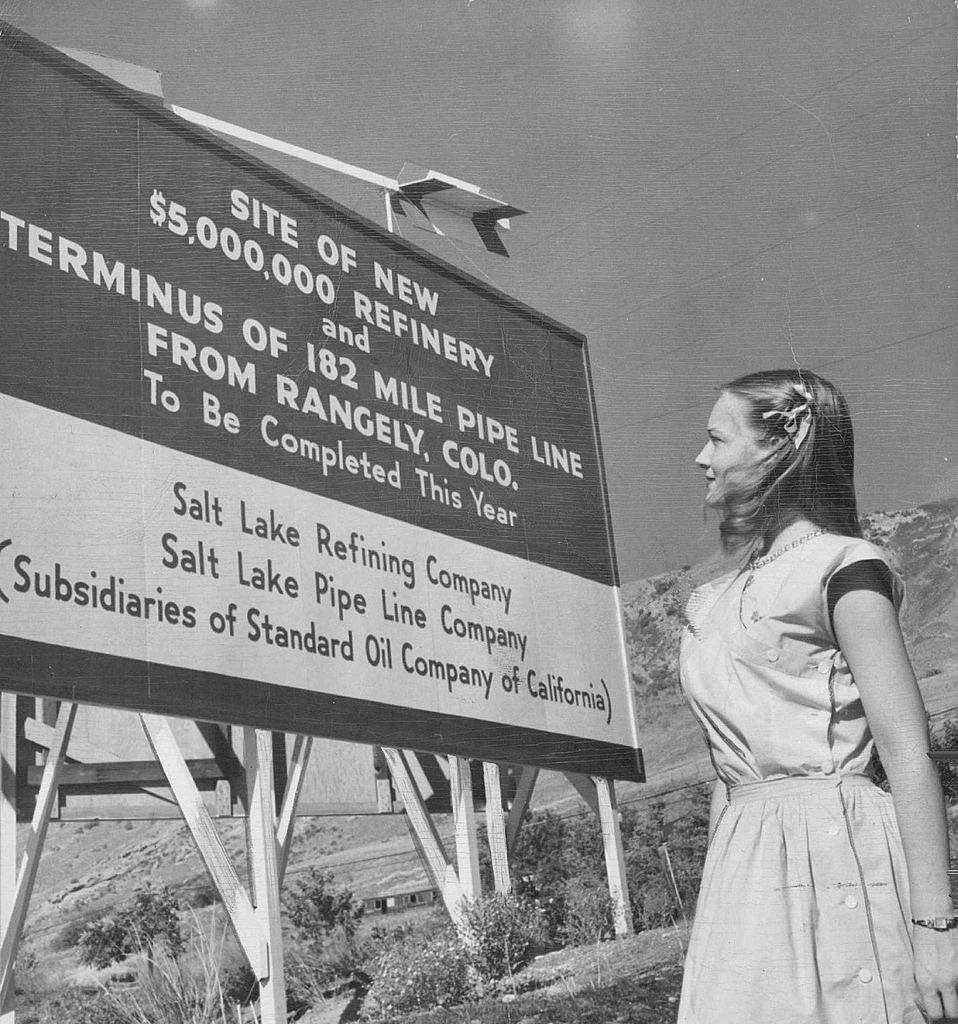
The region’s oil industry was also expanding during this period. A sign photographed by Jerry Stewart of Salt Lake City announced the construction of a new multi-million dollar refinery set to process crude oil from Colorado’s Rangely oil field — a clear sign that the postwar economy was shifting into higher gear.
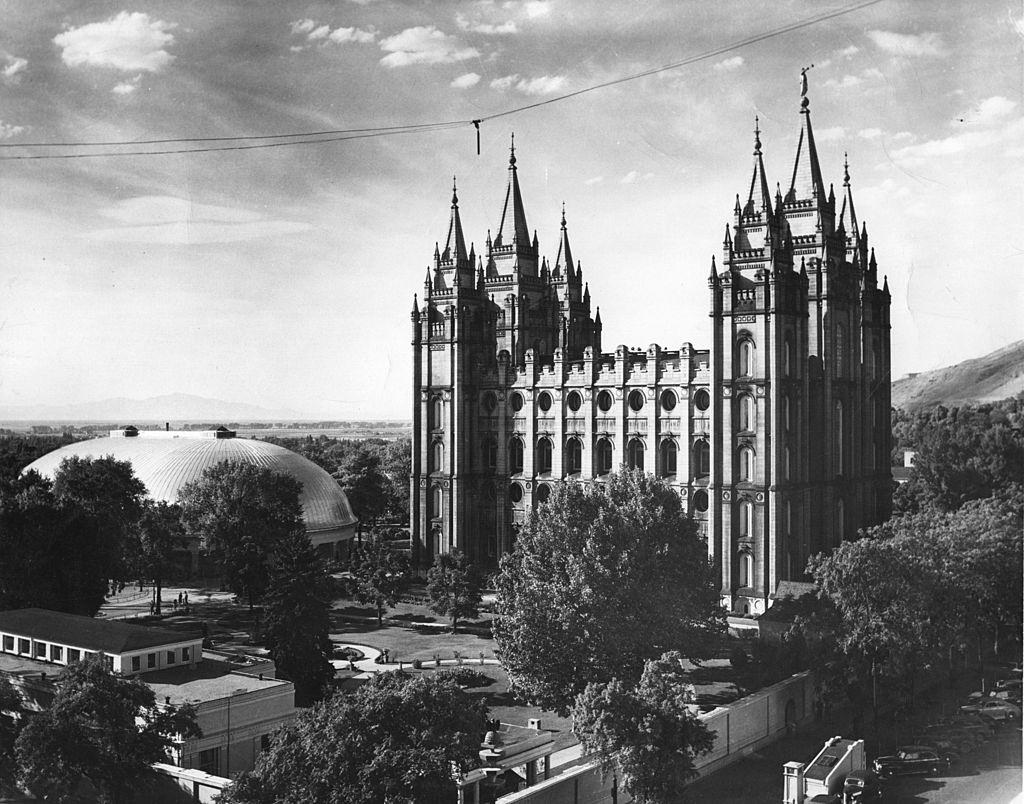
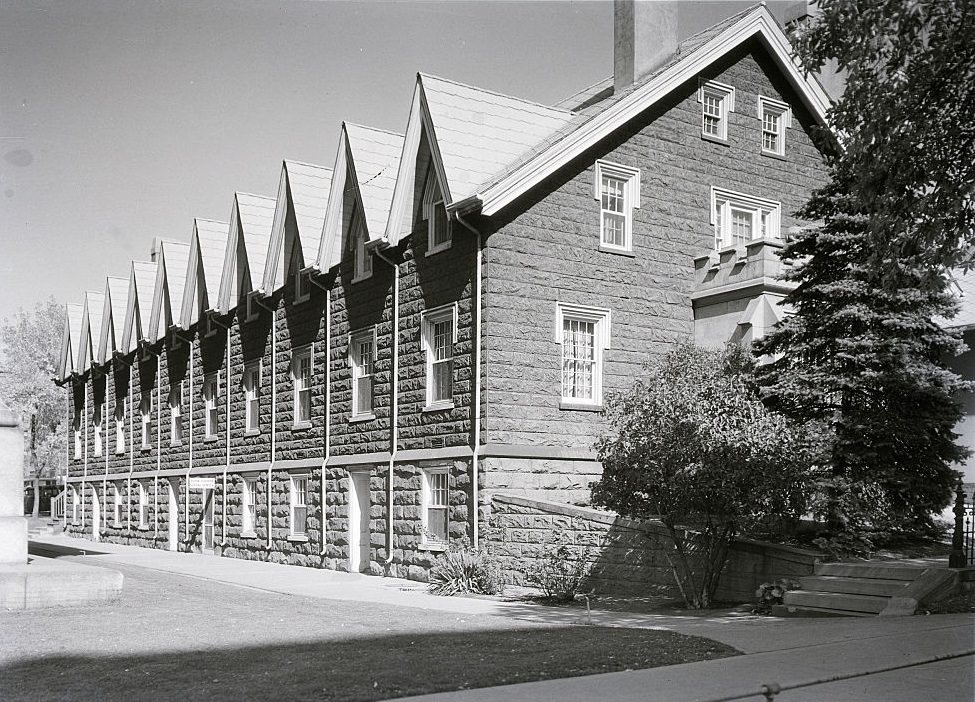
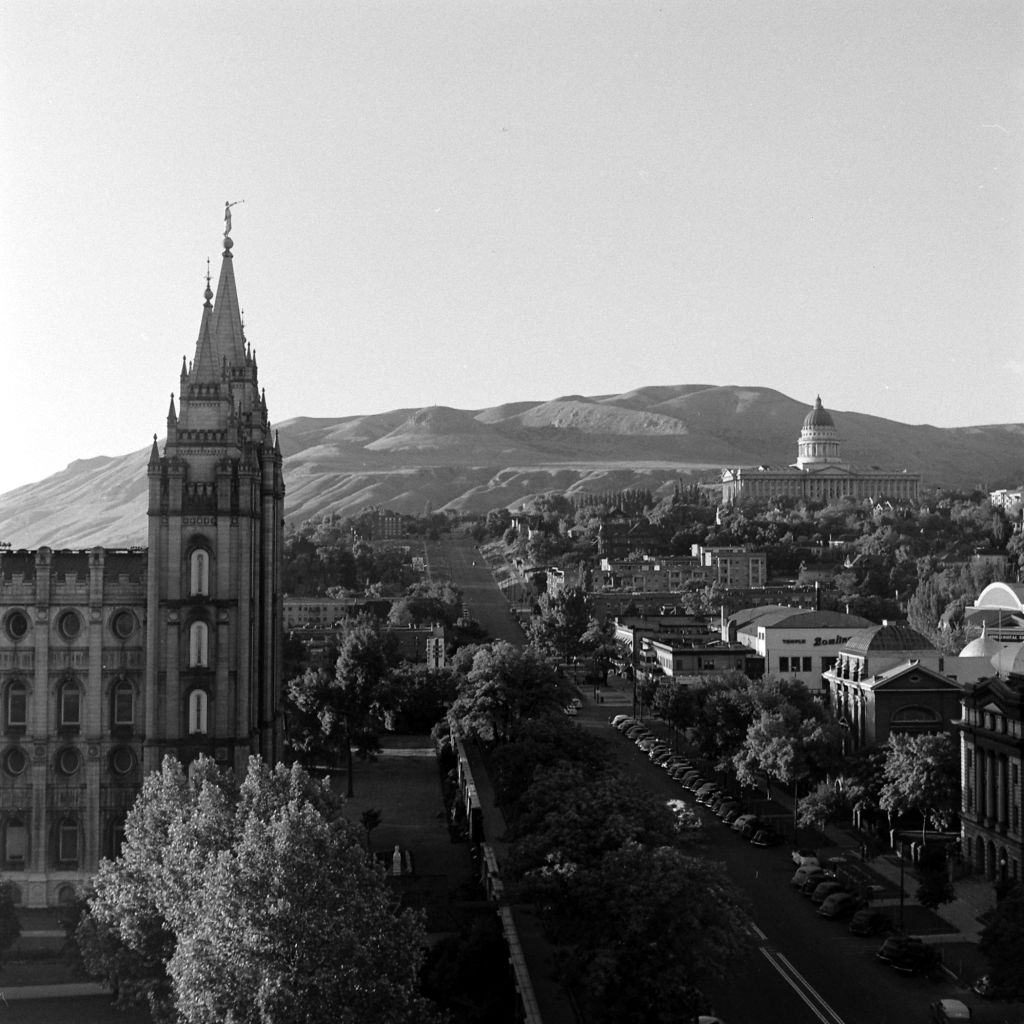
Salt Lake City’s most iconic landmarks stood as anchors through all the change of the decade. The Salt Lake Temple and Tabernacle on Temple Square remained central to the city’s identity, drawing visitors and worshippers alike. Brigham Young’s gabled house, still standing in the 1940s, was a physical tie to the city’s founding generation.
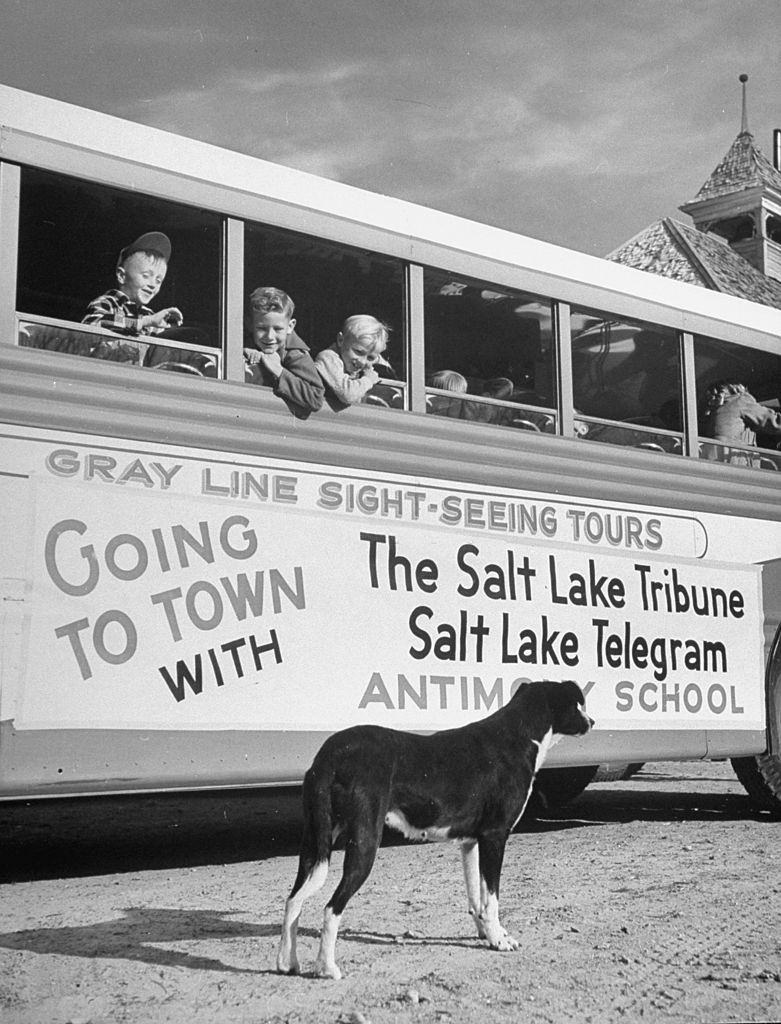
School trips to Salt Lake City were a rite of passage for children from smaller Utah towns. In May 1948, students from Antimony made the journey to the city, taking in its sights and scale — a striking contrast to their small rural community back home.
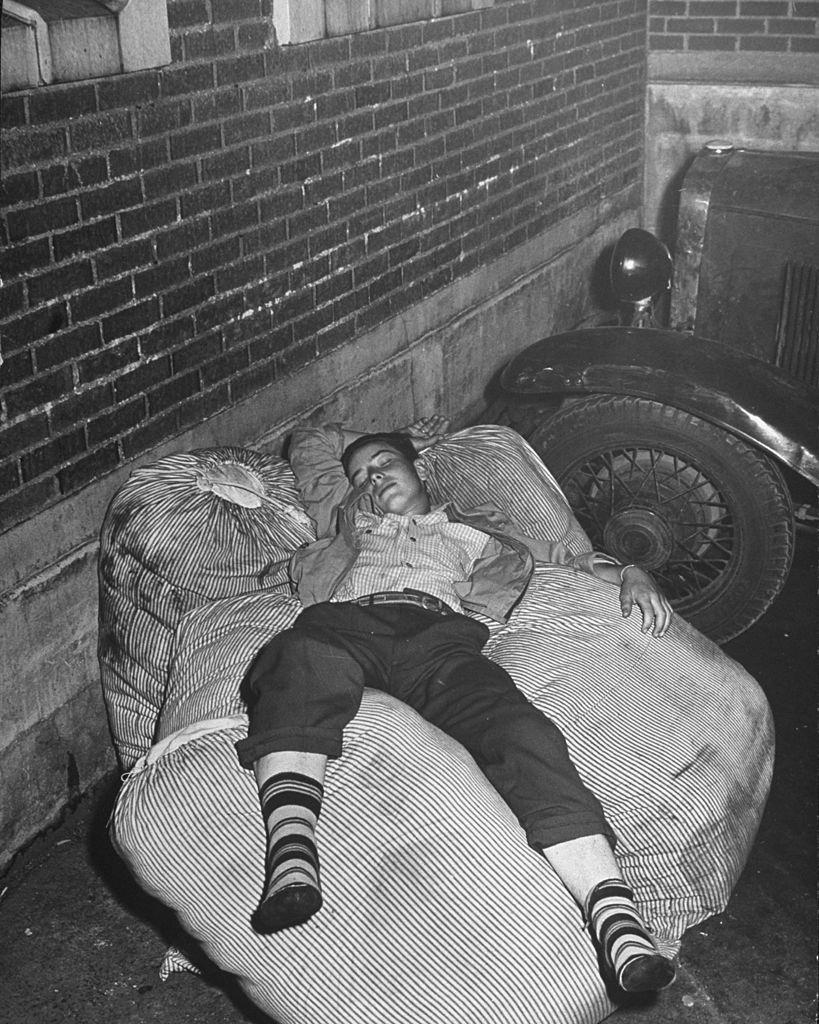
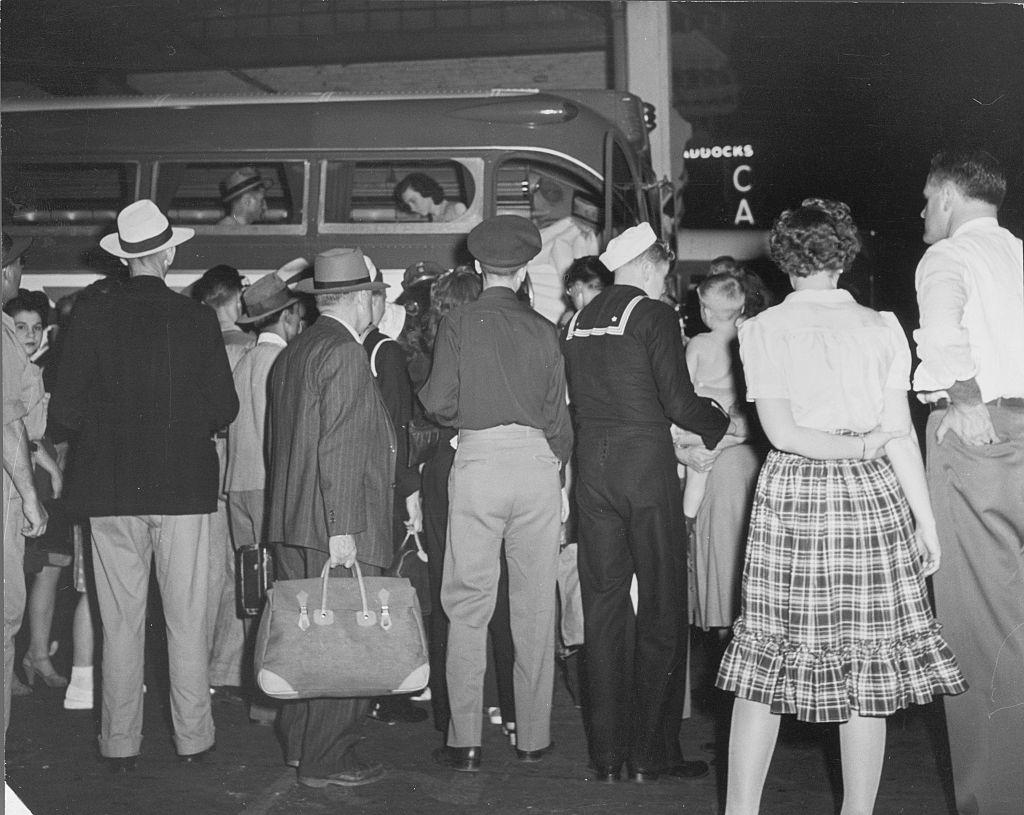
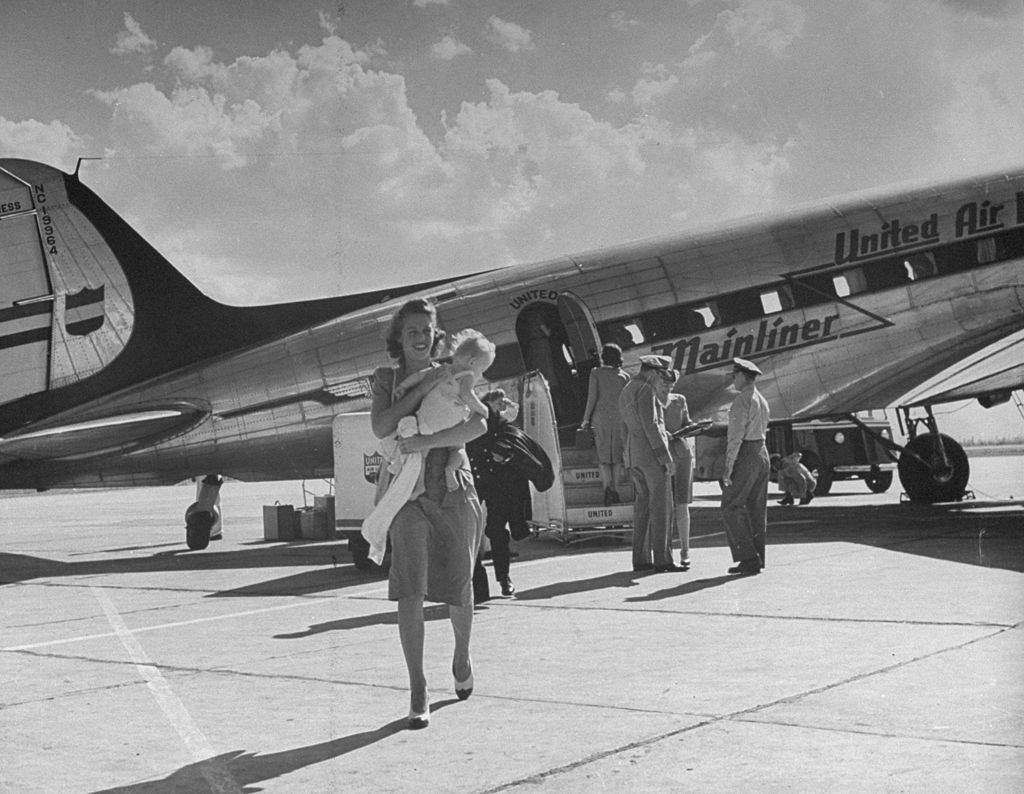
The city’s bus and rail depots were at their most active during the war years. Soldiers, workers, and civilians all moved through the same crowded terminals. A boy caught a few moments of sleep while waiting for his bus in 1945, a small human detail inside the larger machinery of wartime transit. Crowds boarded buses, passengers stepped off planes, and freight office workers kept up with the relentless pace of goods moving in and out of the region.
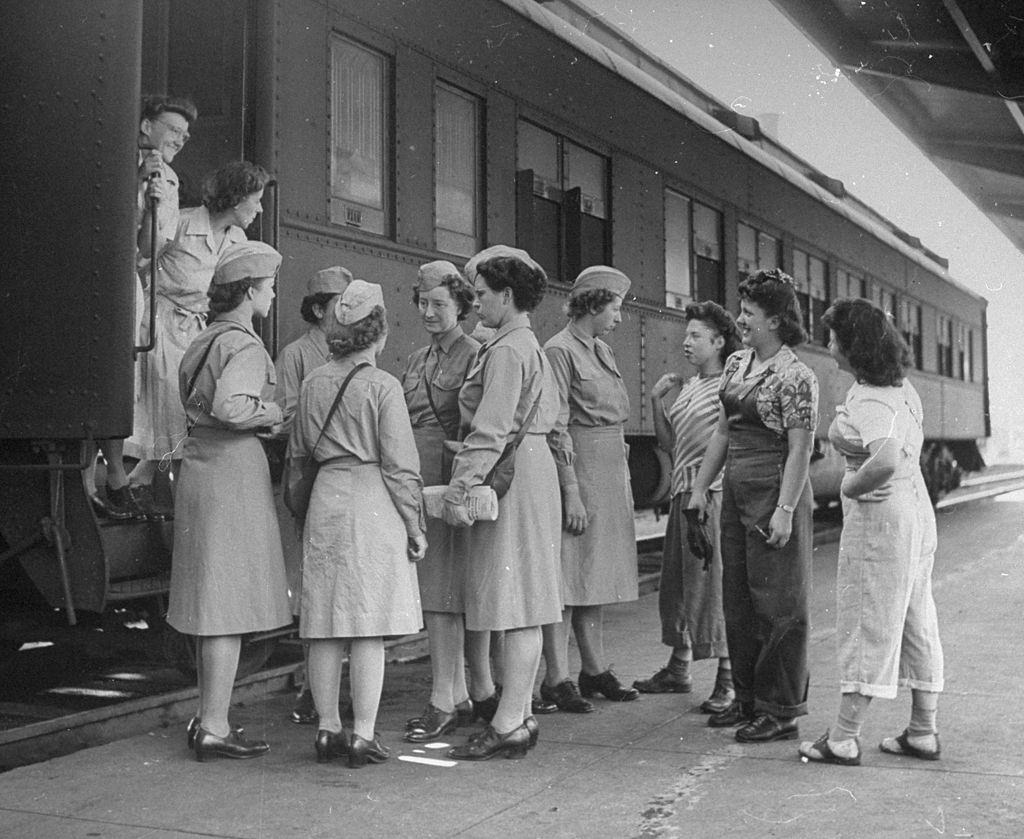
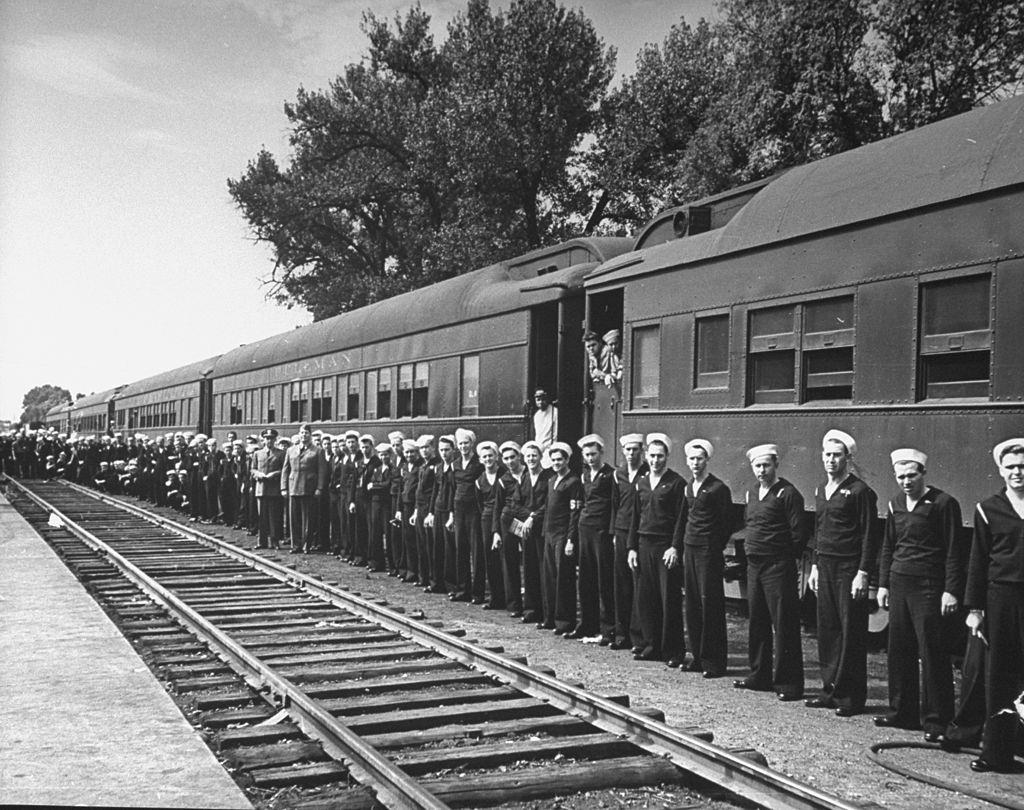
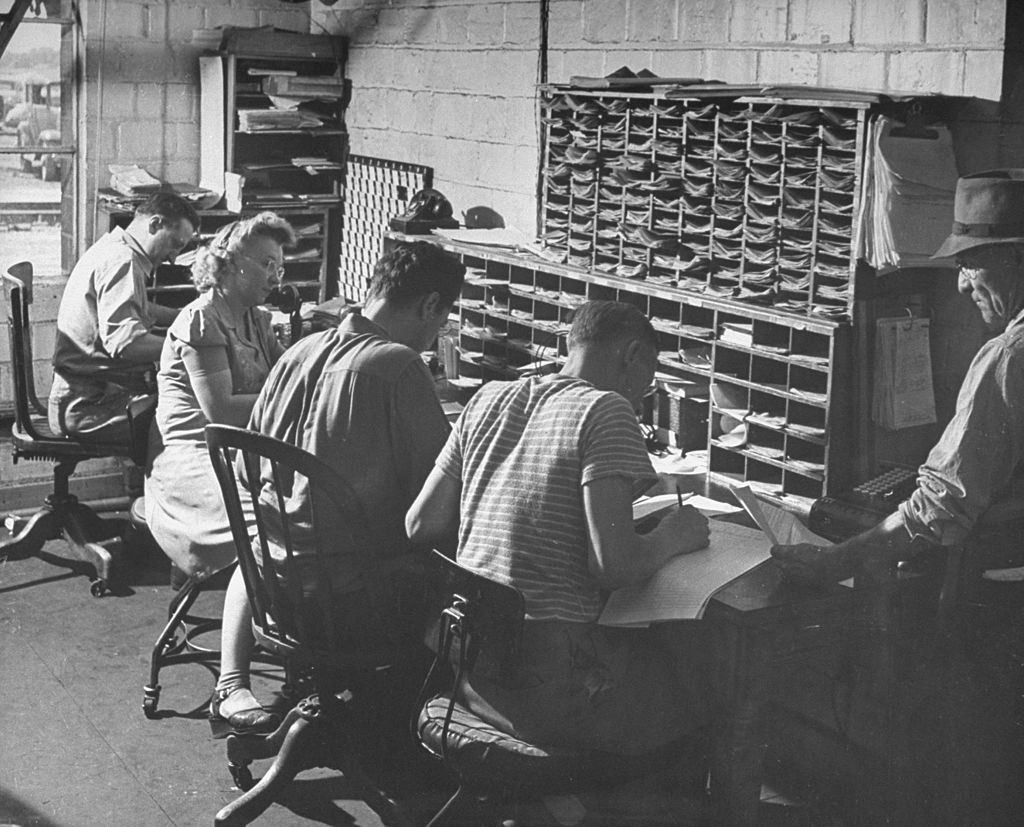
Military life had its own rhythms inside the city. Men in barracks went about their daily routines, and members of the Women’s Army Corps — WACs — prepared for their own assignments, boarding old Pullman cars without air conditioning as they moved across the country. Salt Lake City’s barracks and installations were a constant backdrop to civilian life during those years.
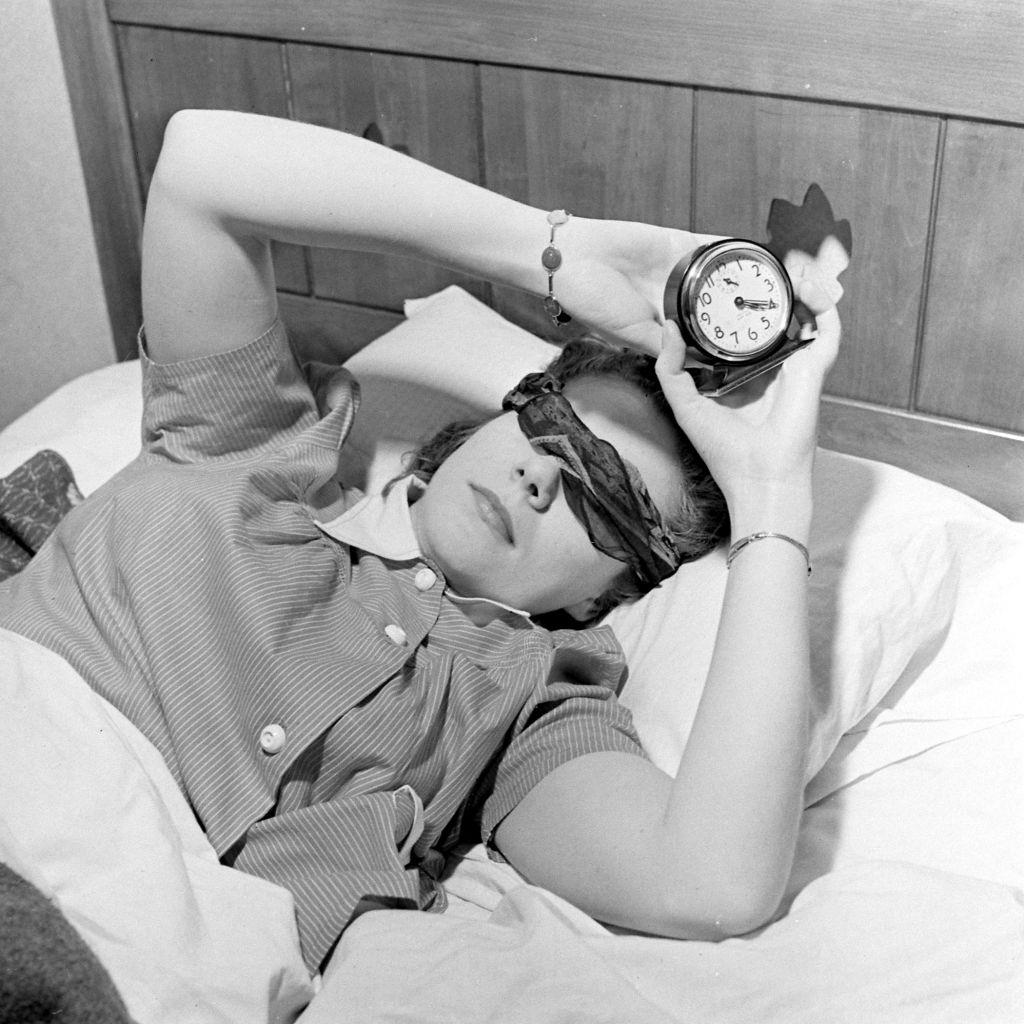
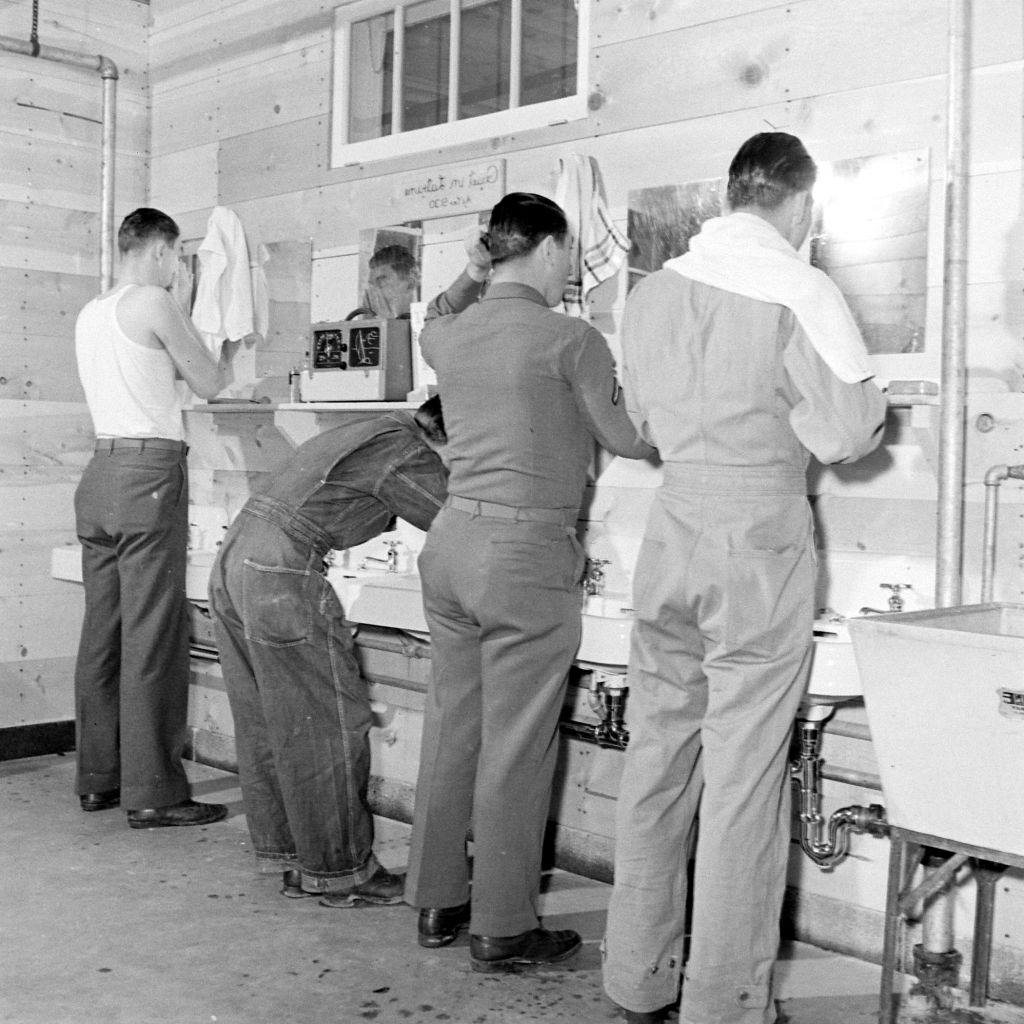
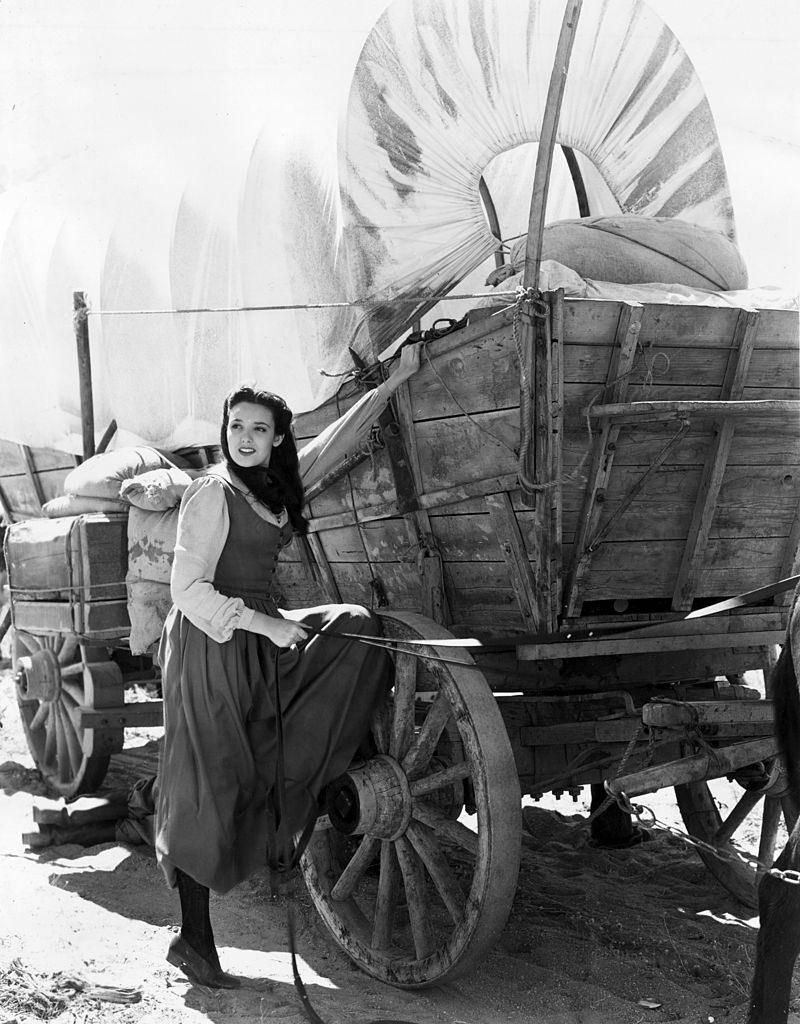
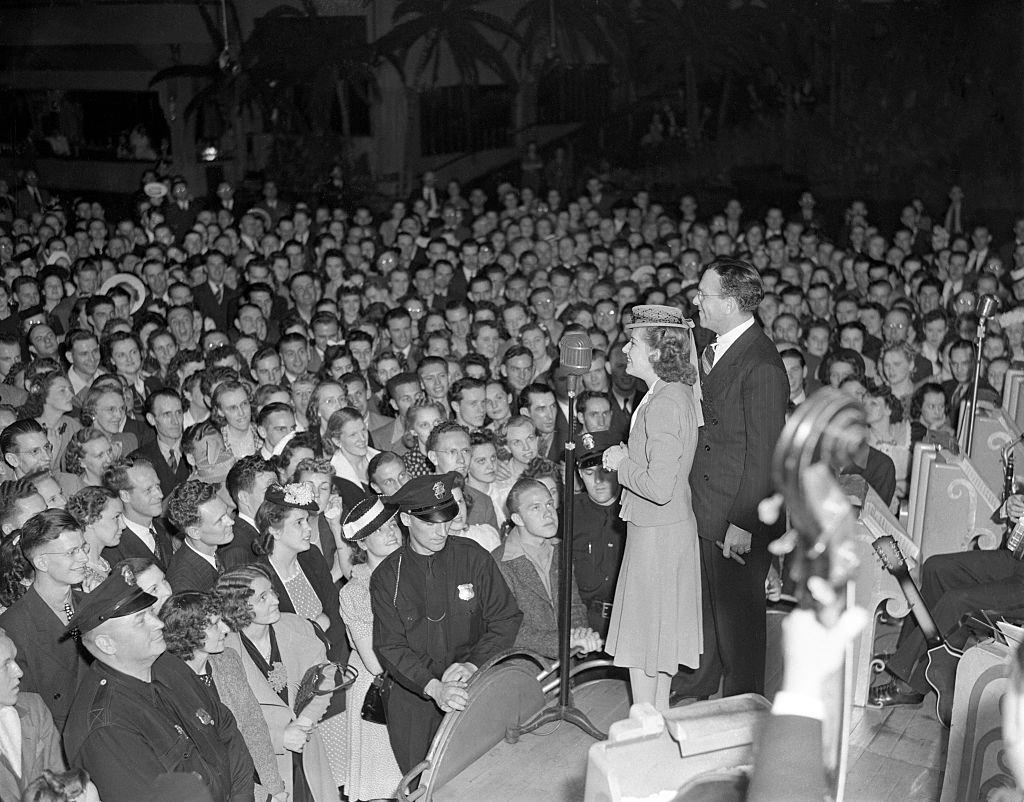
Hollywood also found its way to Salt Lake City during the decade. Actress Linda Darnell was photographed in the city in 1940 during the filming of Brigham Young, a major studio production that used the area’s landscape and history as its setting. Celebrities George Burns and Gracie Allen stopped through Salt Lake City the same year as part of a whistle-stop tour across the western United States.
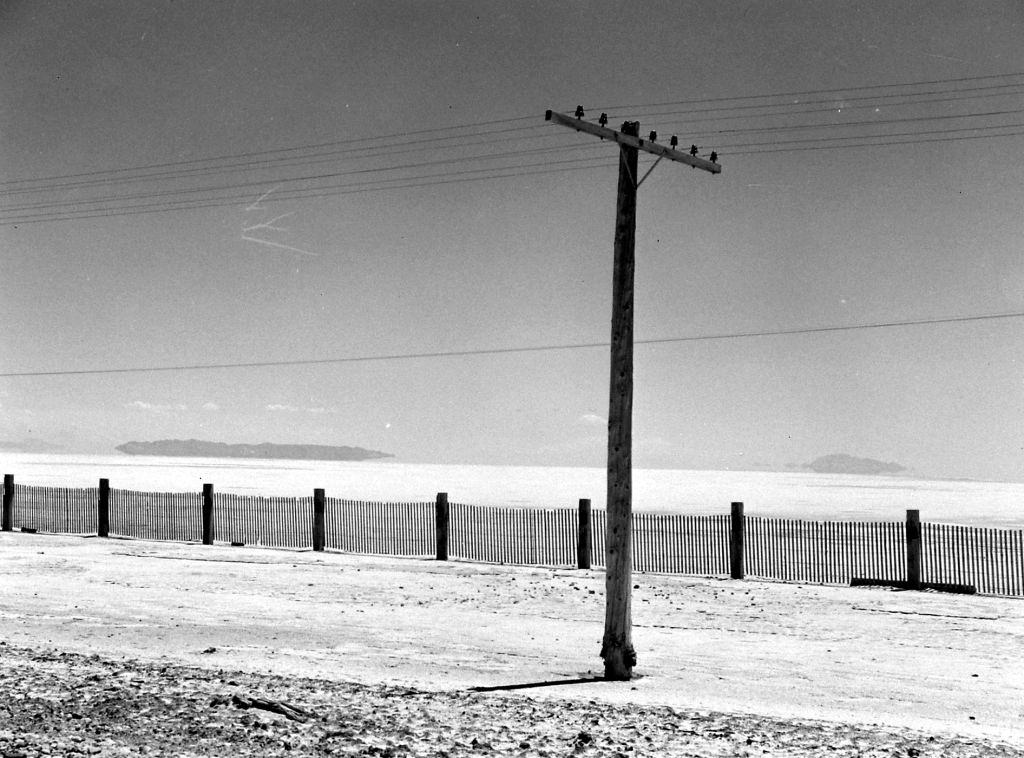
Back at the Great Salt Lake, pylons marked the shoreline and safety signs reminded visitors of just how different this body of water was from any ordinary beach. The combination of natural wonder and posted warnings gave the lake a character that was uniquely its own — beautiful, strange, and a little unforgiving.





I liked the pictures, but the captions could be better. Most likely, the “sand” in the train hoppers is salt. People do not walk “on” a lakeshore. A beach at a lake is not a “seashore.”
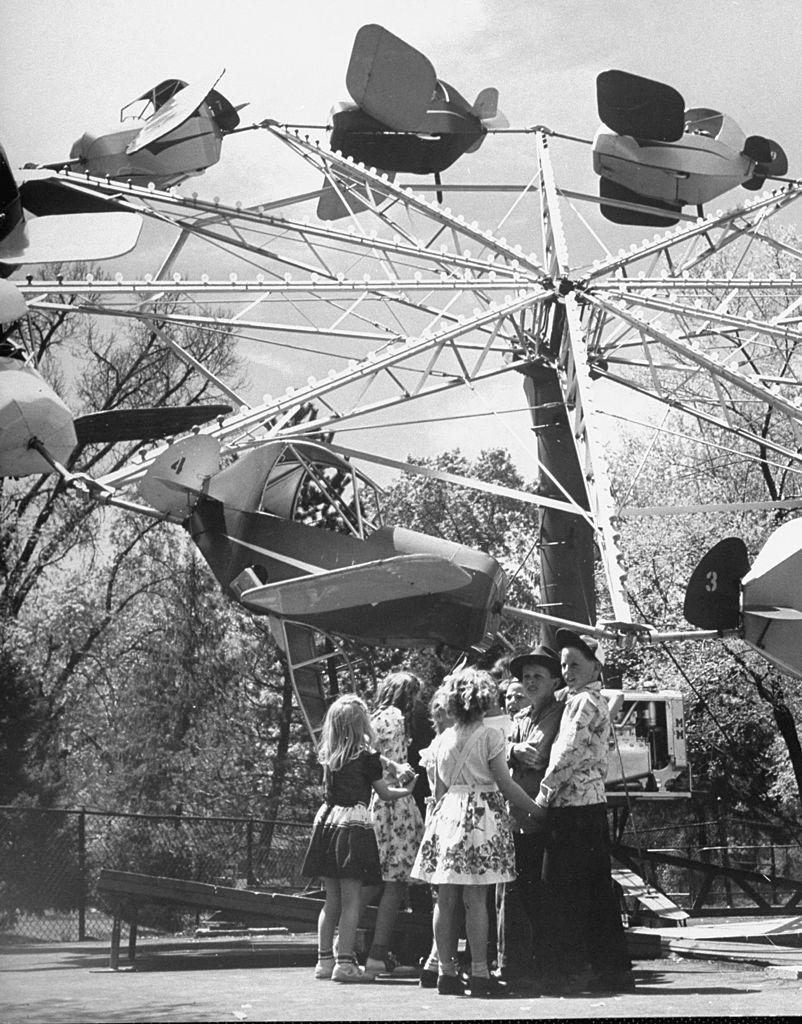
Is that the same roller coaster and merry-go-round at Lagoon now?
The rollercoaster is the seventh oldest in the world.
The white rollercoaster is old. I never rode it because of that.
No, that’s the roller-coaster that used to be at Saltair.
The lake used to have sand and beaches, which always amazes me.