Ruby Dee was one of the most versatile and determined performers in American history. She was an actress, poet, playwright, screenwriter, journalist, and civil rights activist — all at once. Her career stretched across more than seven decades, taking her from the stages of Harlem to Hollywood films and national television. Along the way, she collected a Grammy, an Emmy, an Obie, a Drama Desk Award, a National Medal of Arts, a Kennedy Center Honor, and a Screen Actors Guild Life Achievement Award. She was also nominated for an Academy Award. Few artists have matched the range she brought to her work, and fewer still used their platform as boldly as she did.
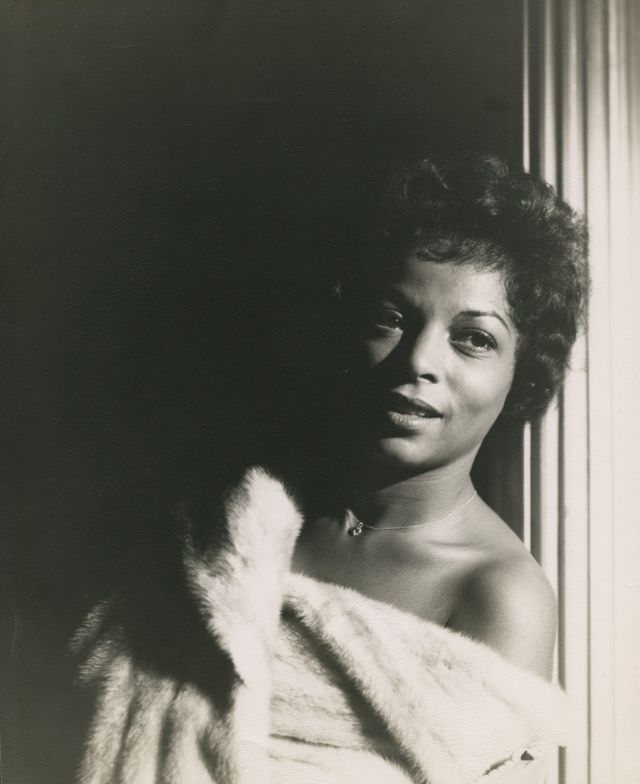
Ruby Dee grew up in the Harlem neighborhood of New York City. As a teenager, she got involved in acting and began formal training at the American Negro Theatre — the same institution that shaped Sidney Poitier and Harry Belafonte. That training gave her a strong foundation. In 1946, she made her Broadway debut in Anna Lucasta, and that same year she appeared on screen for the first time in That Man of Mine. She was already building a reputation before most performers her age had landed their first role.
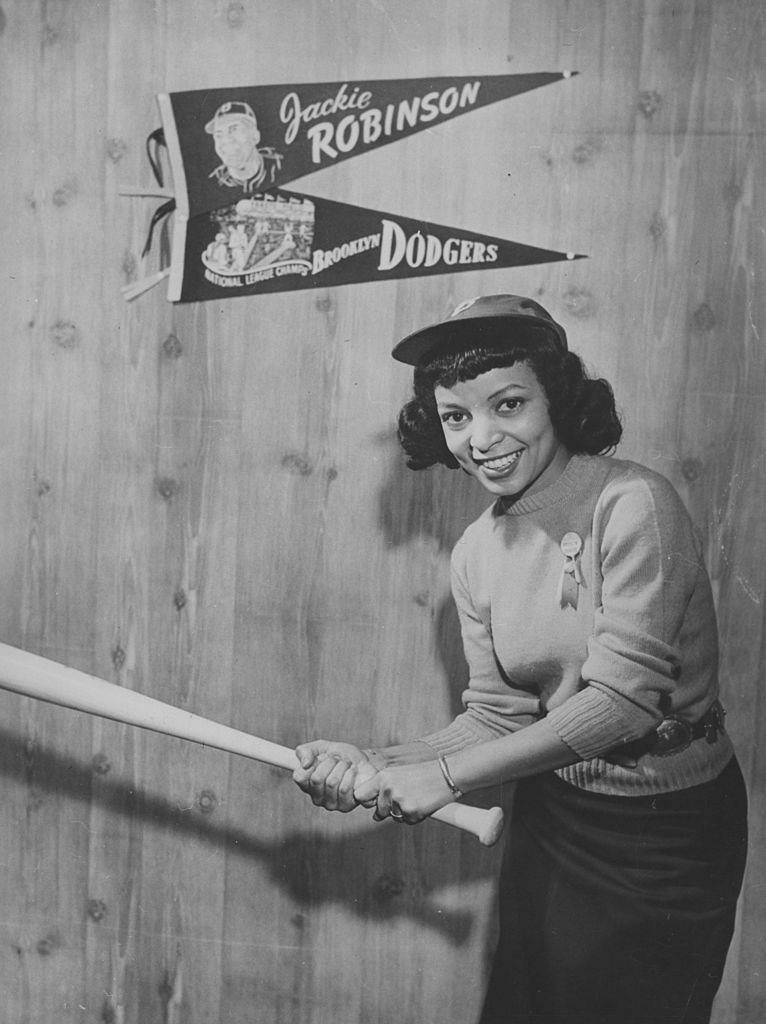
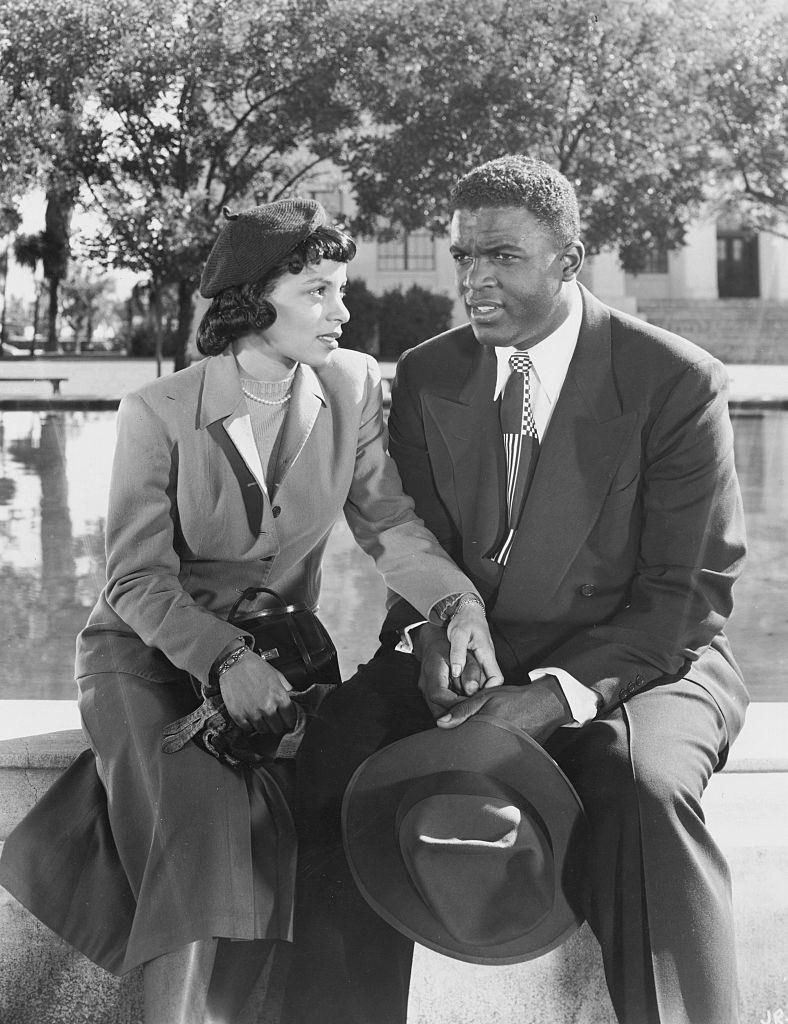
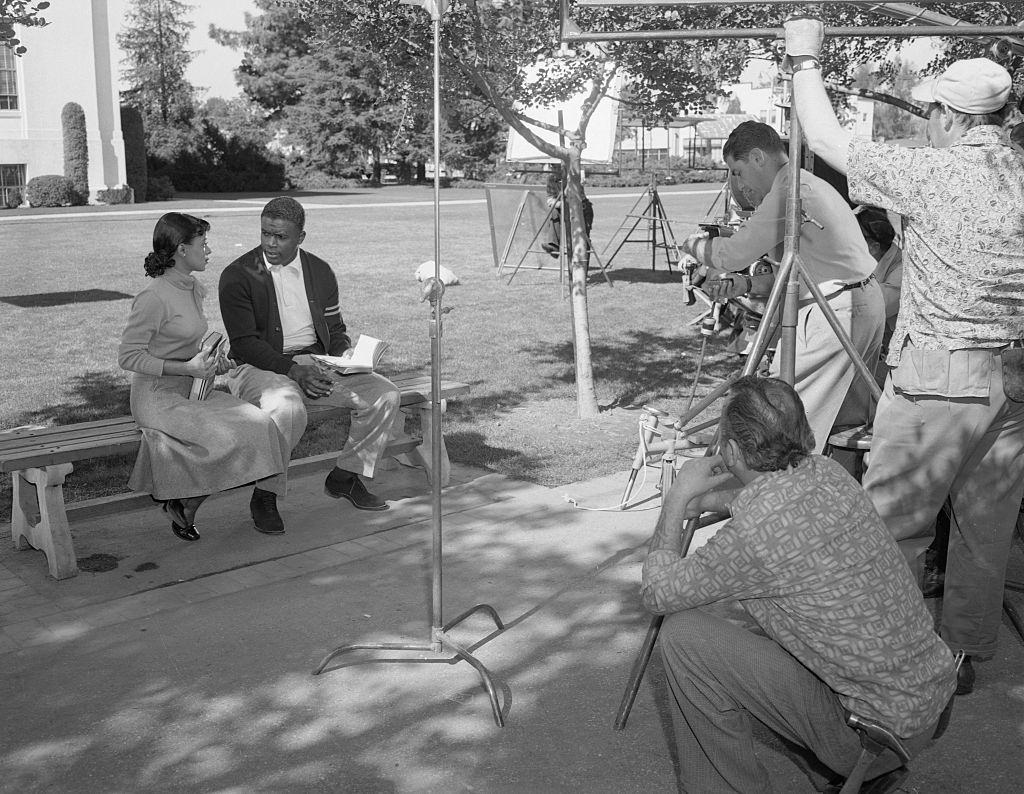
The role that first put Ruby Dee on the national map came in 1950. She appeared in The Jackie Robinson Story, a biographical film about the baseball pioneer who broke Major League Baseball’s color barrier. The film starred Jackie Robinson himself playing his own life story, and Dee played his wife, Rachel. The performance brought her widespread recognition and proved she could hold her own in a major production.
In 1959, Dee landed a starring role in Lorraine Hansberry’s groundbreaking play A Raisin in the Sun. She played Ruth Younger, a woman holding together a struggling African American family in Chicago. Sidney Poitier played her husband. The play was a landmark moment in American theatre — unflinching, emotional, and politically charged. Dee’s portrayal earned her enormous acclaim. Two years later, she reprised the role in the film version, cementing her connection to one of the most important works in Black American storytelling.
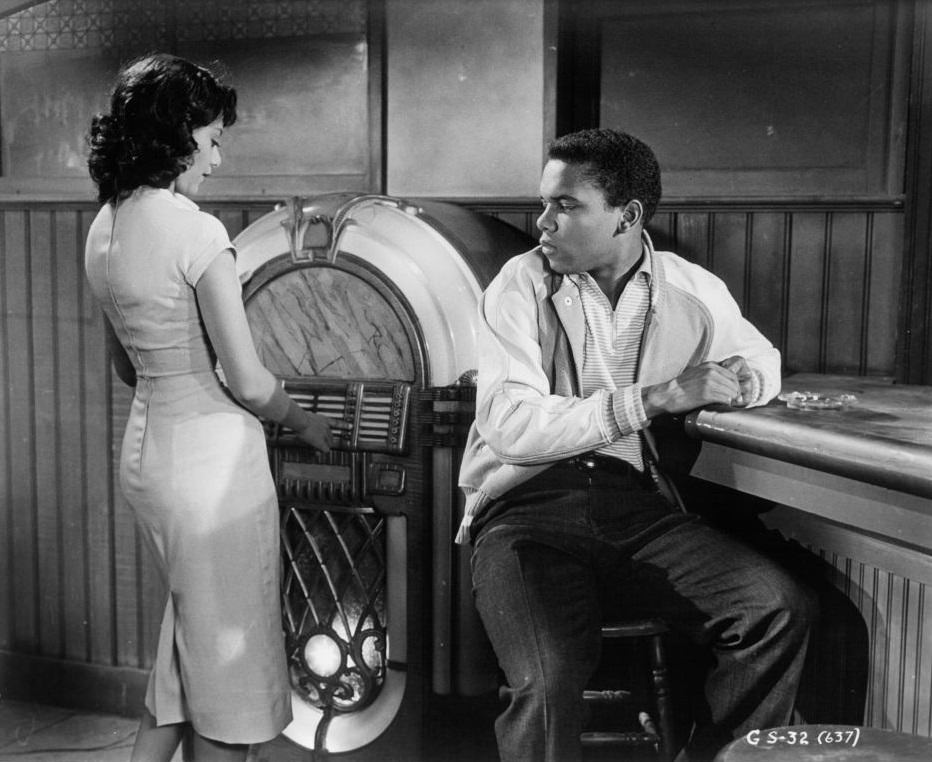
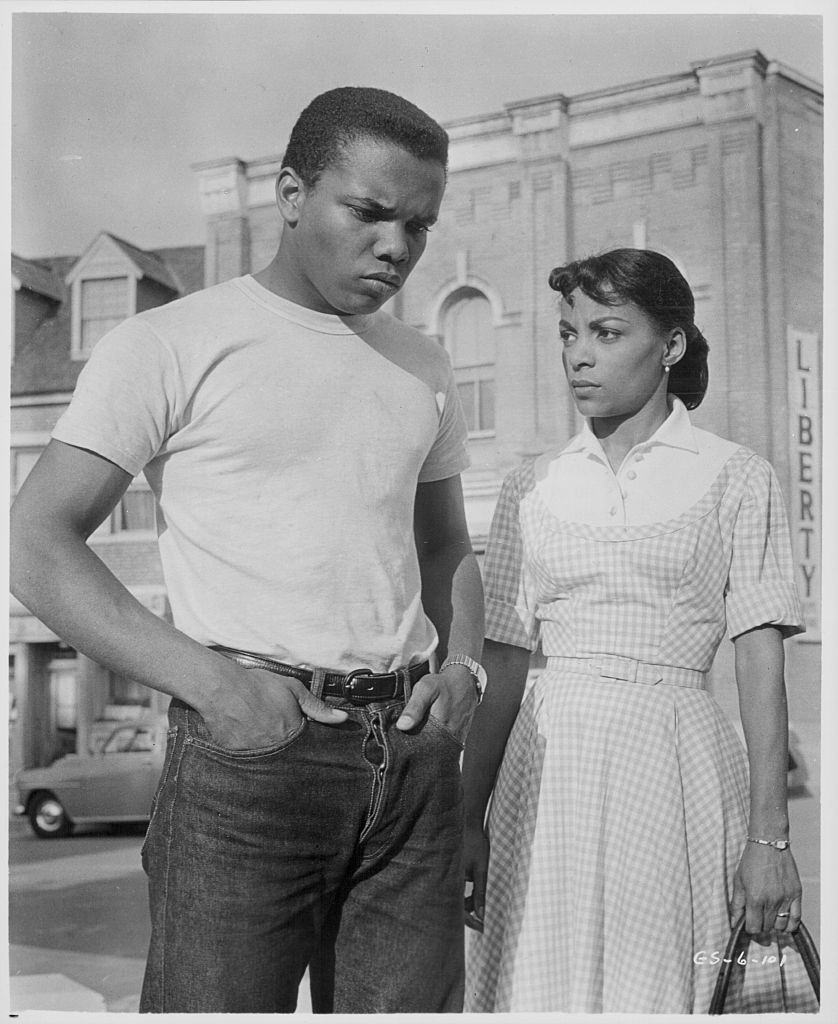
By the early 1960s, Ruby Dee was a recognized name across theatre and film. She continued to take on demanding roles while also building a personal life with actor Ossie Davis, whom she had met on the set of the play Jeb in 1946 and married two years later. The two became one of American entertainment’s most celebrated couples, frequently appearing together on stage and screen.
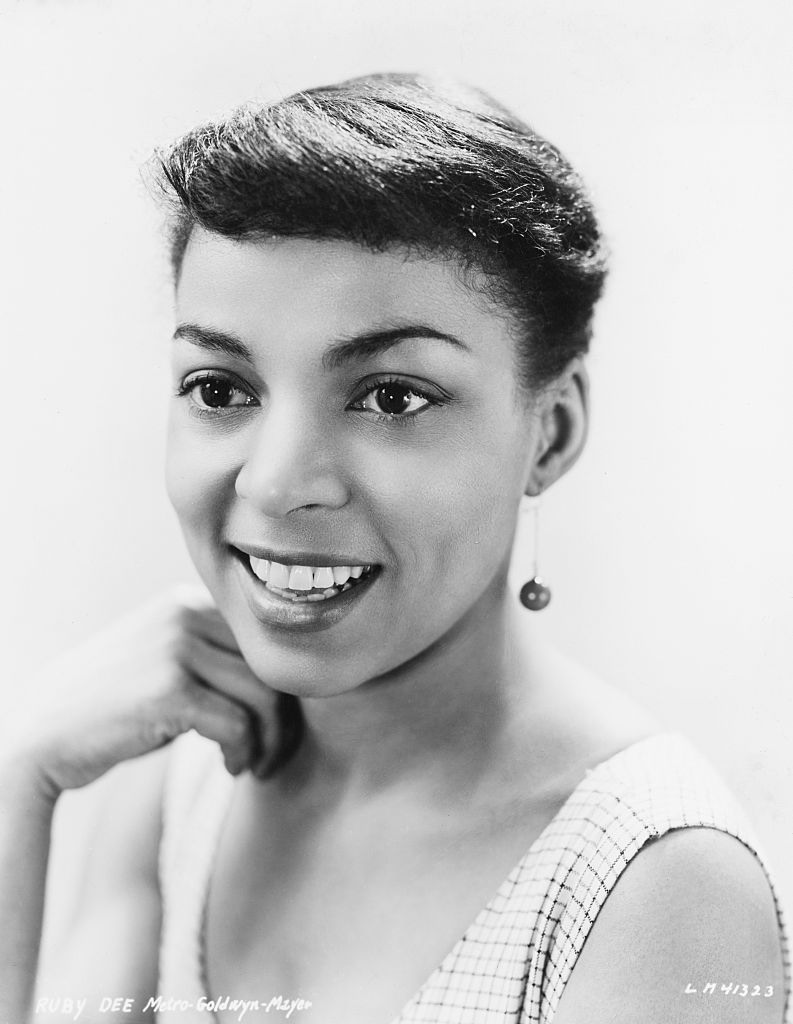
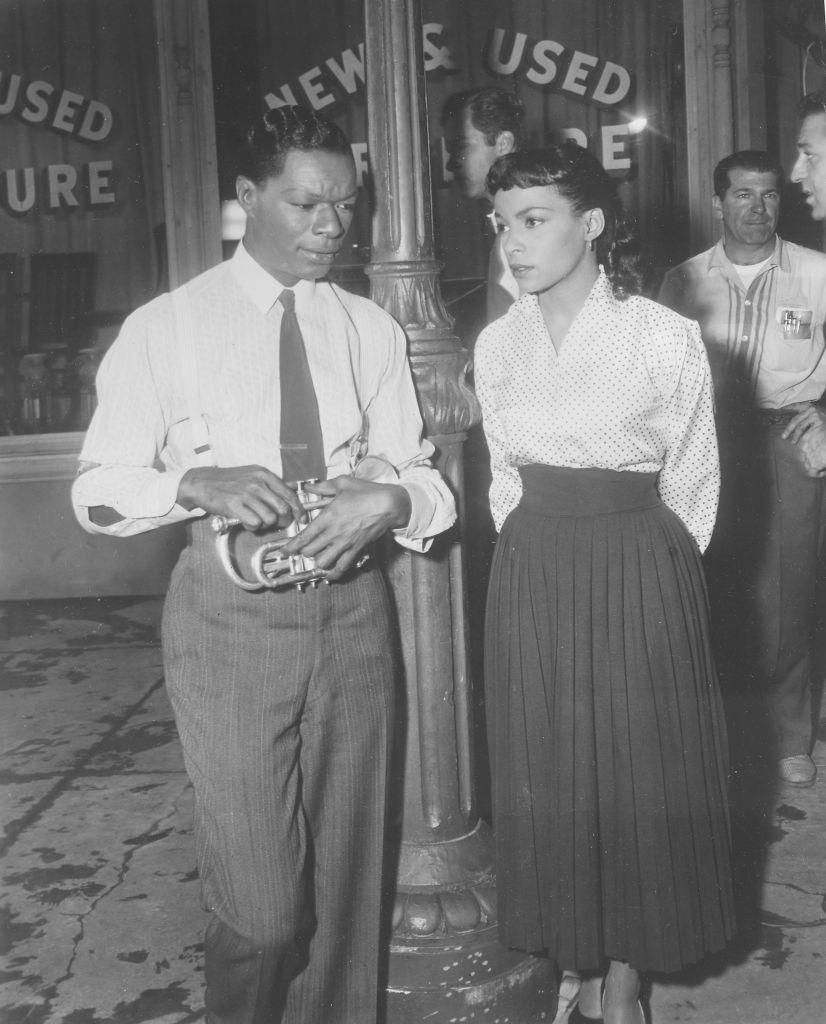
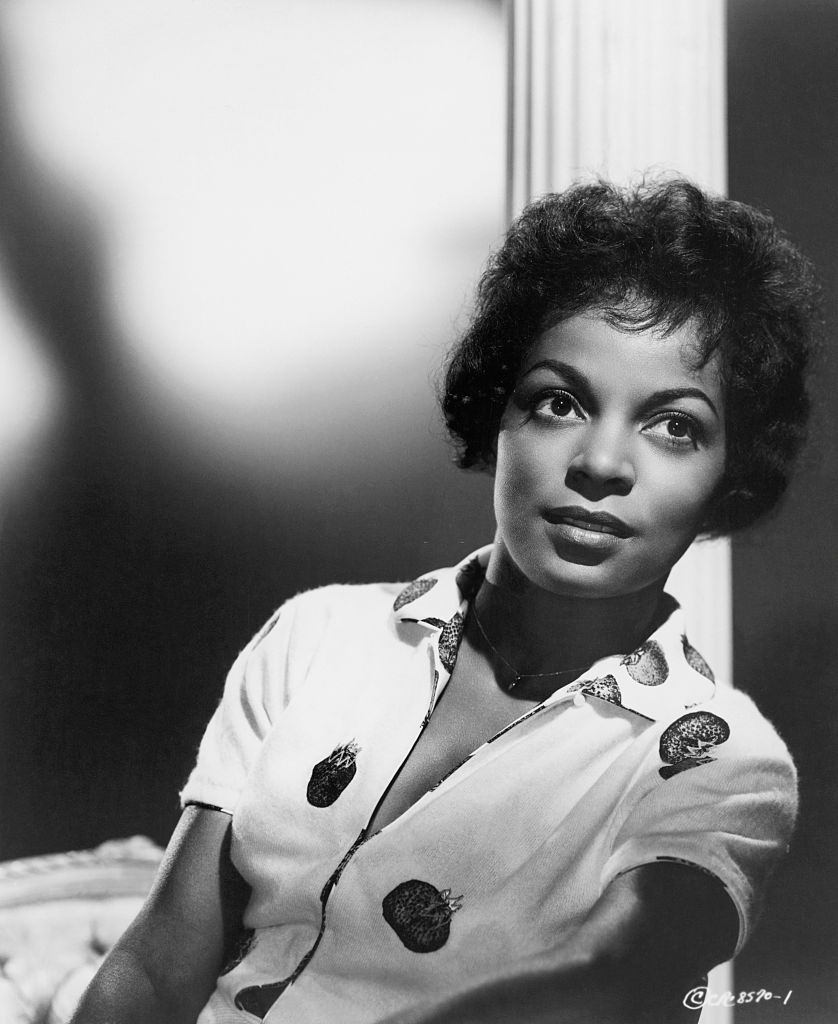
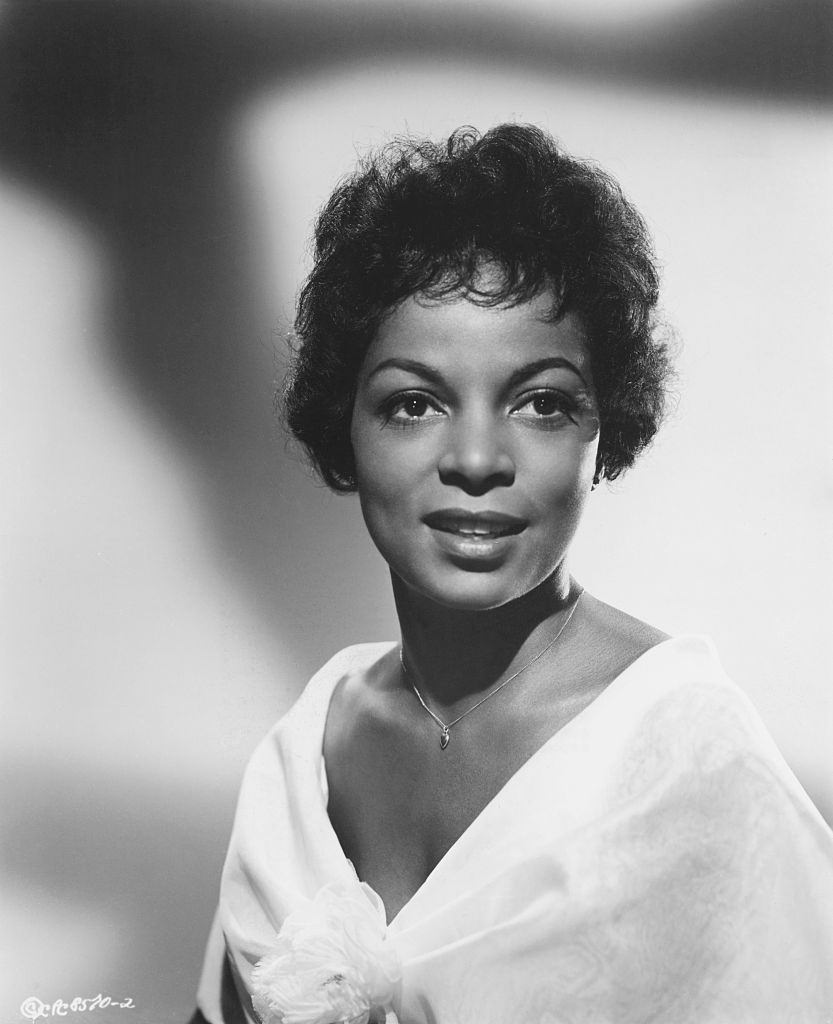
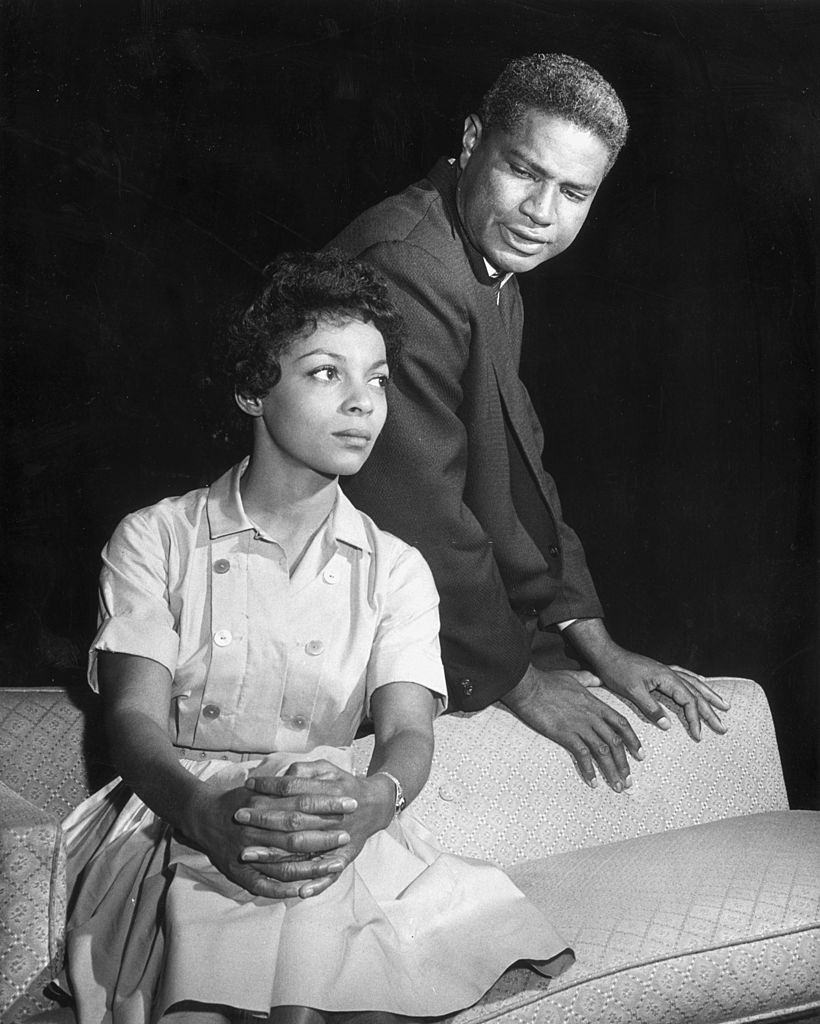
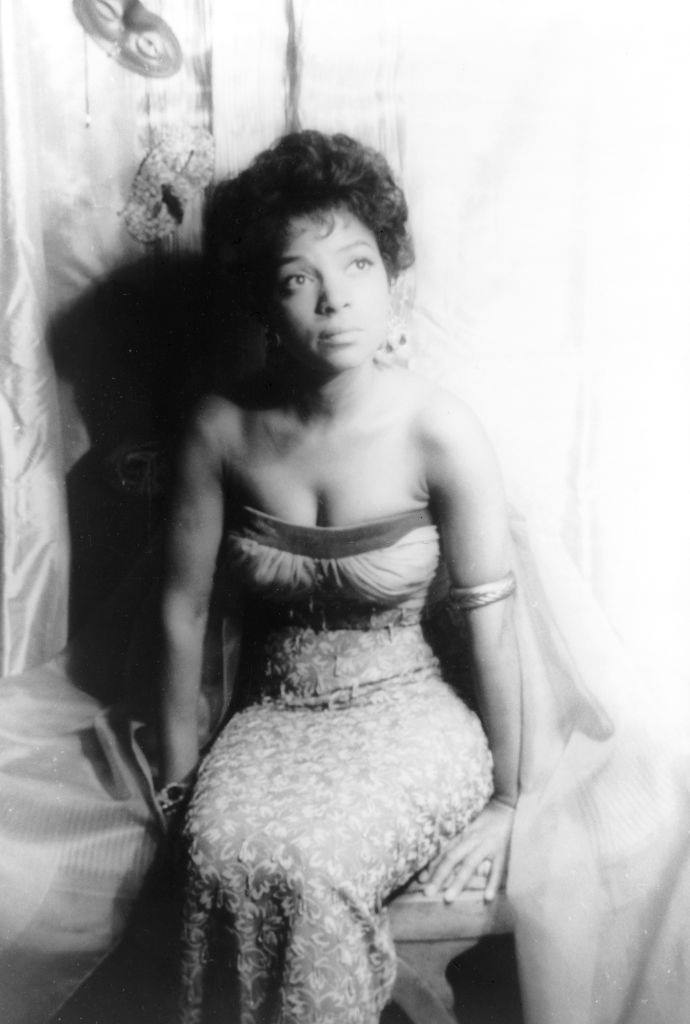
In 1965, Dee made history again. She became the first Black actress to perform a lead role at the American Shakespeare Festival, appearing in both The Taming of the Shrew and King Lear. It was a barrier no one had broken before her, and she broke it with no fanfare — simply by showing up and delivering. That same decade, she also worked behind the scenes, co-writing the screenplay for the 1968 film Up Tight!, in which she also starred.
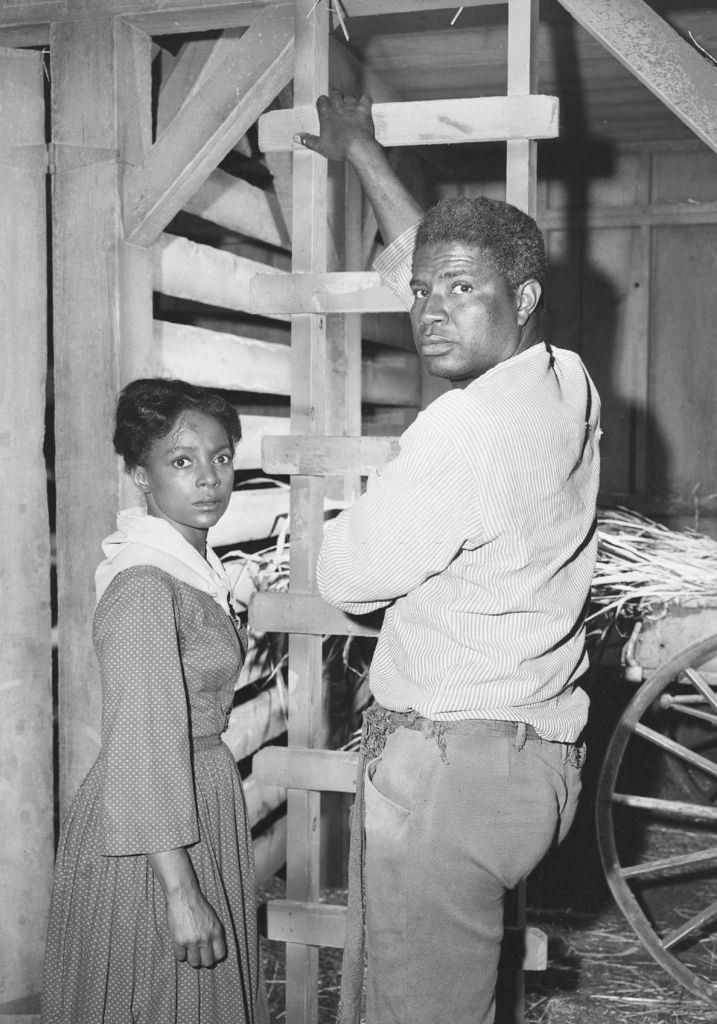
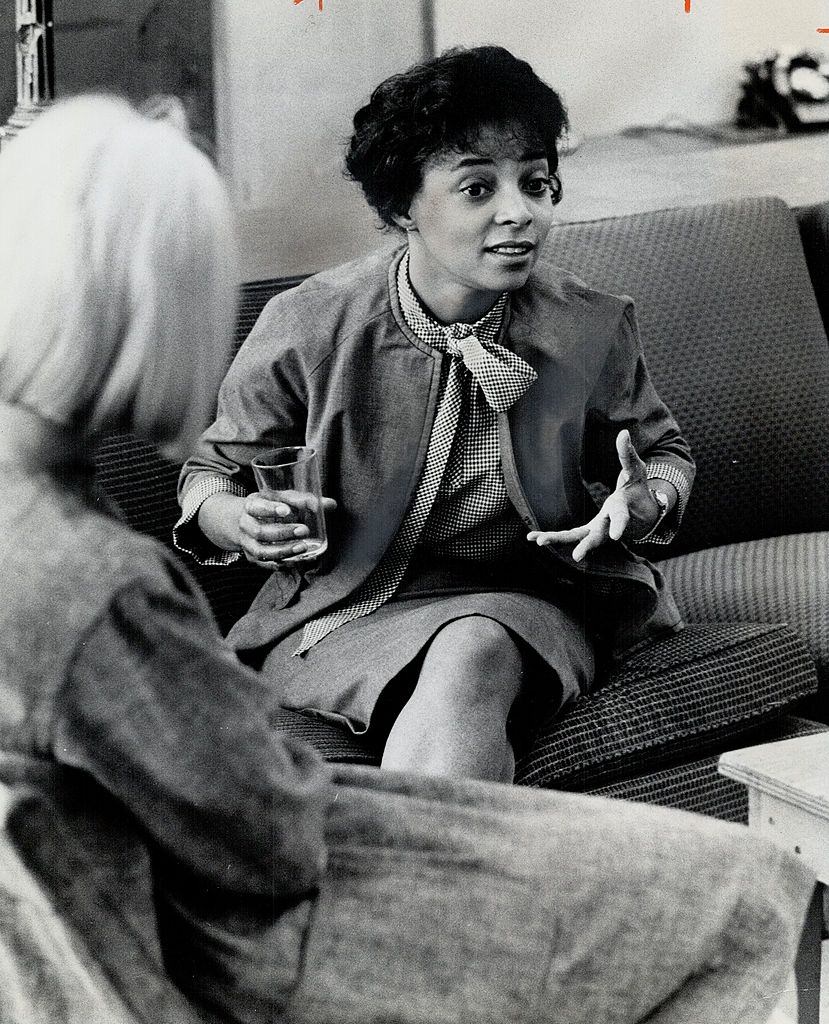
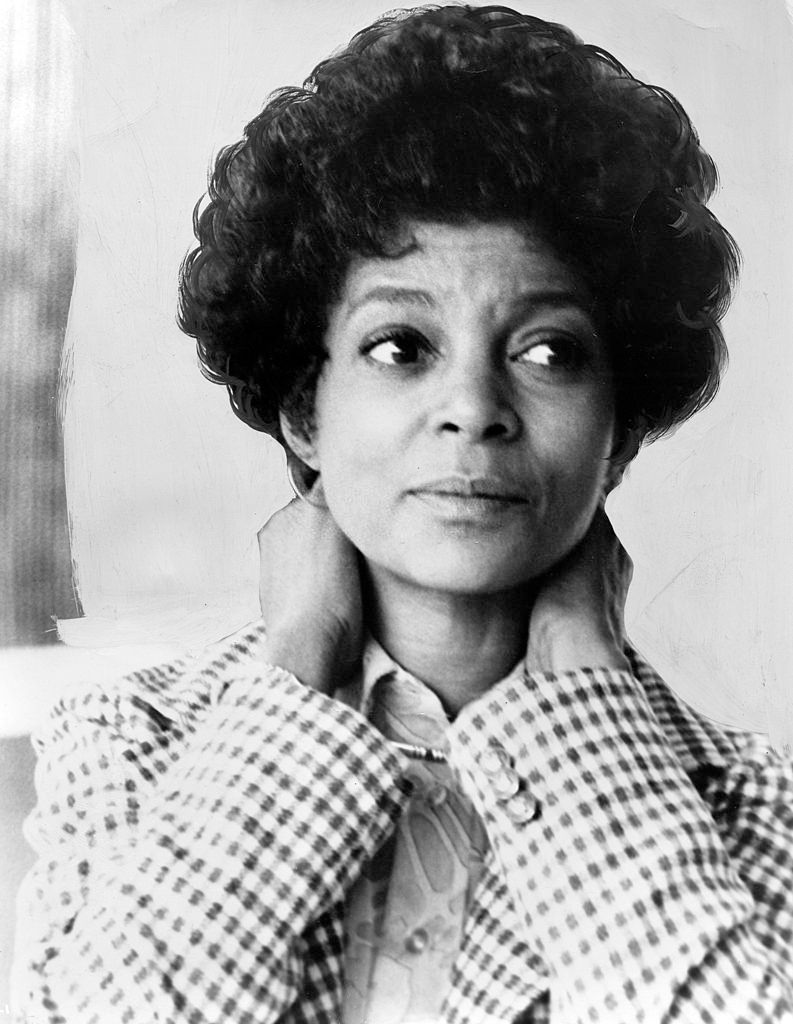
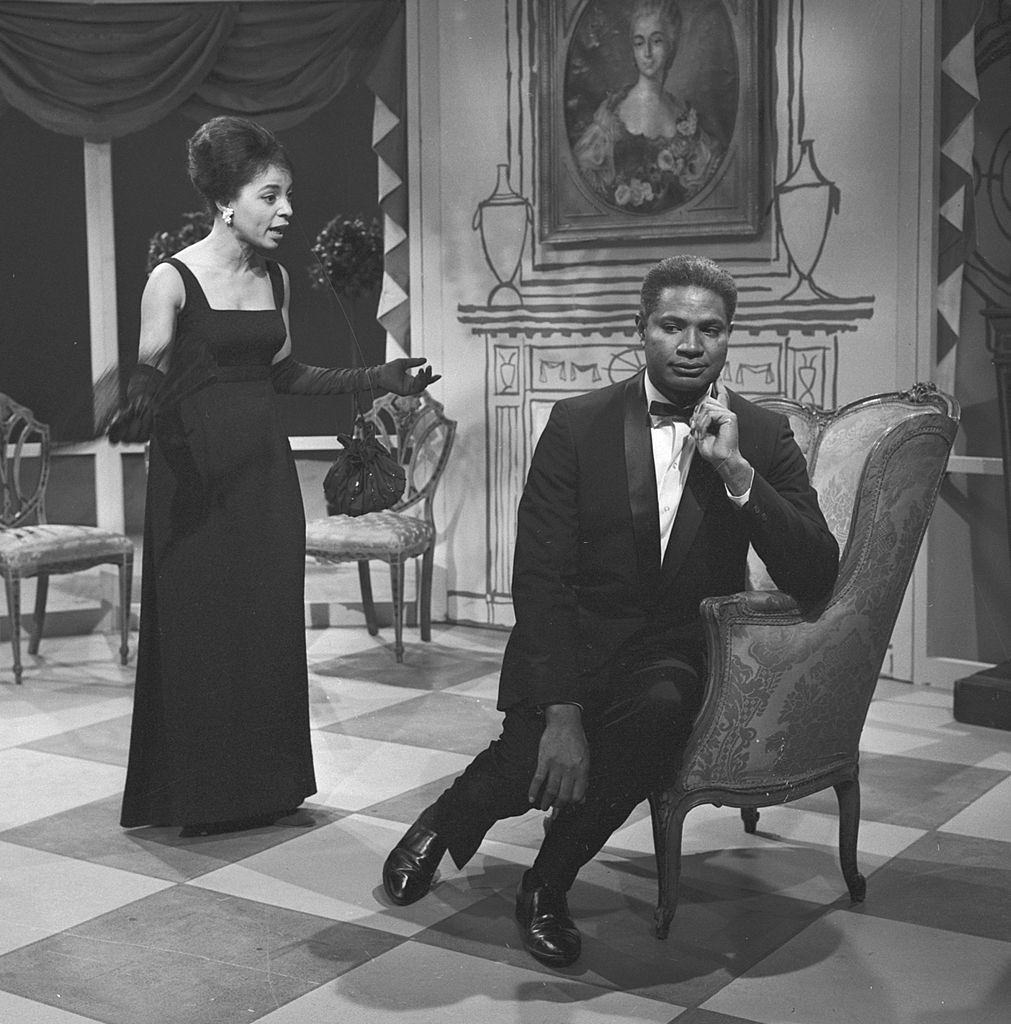
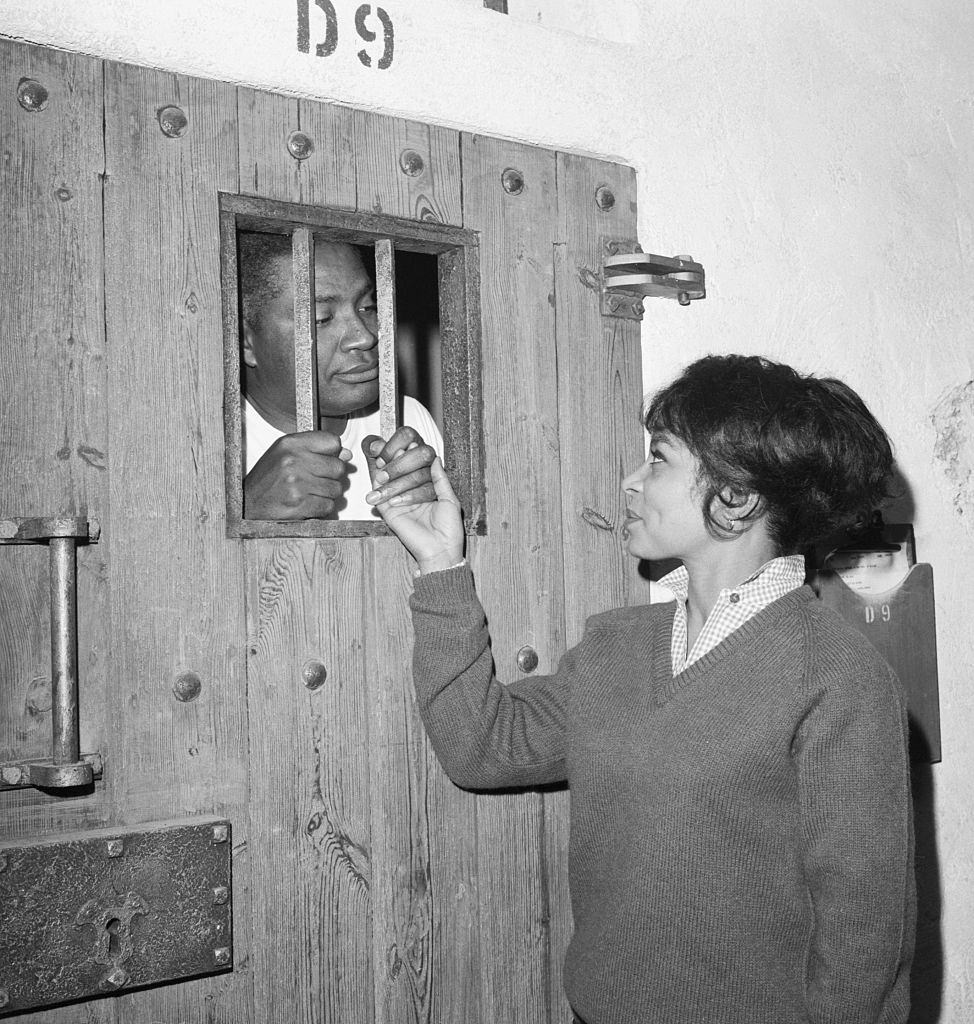
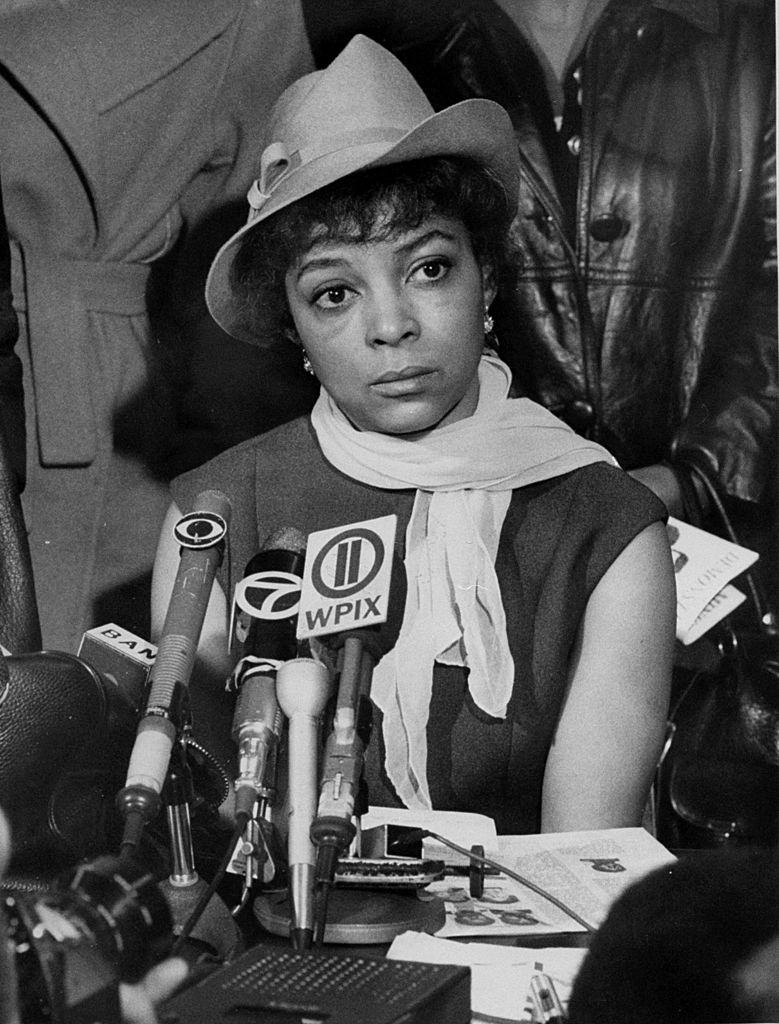
Off the stage, Ruby Dee and Ossie Davis were deeply committed civil rights activists. They were close to Martin Luther King Jr. and Malcolm X, and both served as masters of ceremonies at the 1963 March on Washington. Dee’s activism wasn’t background noise to her career — it was inseparable from it. In 1969, she appeared at a press conference in support of relatives of twenty-one jailed Black Panthers, making her political stance visible and public at a time when doing so carried real risk.
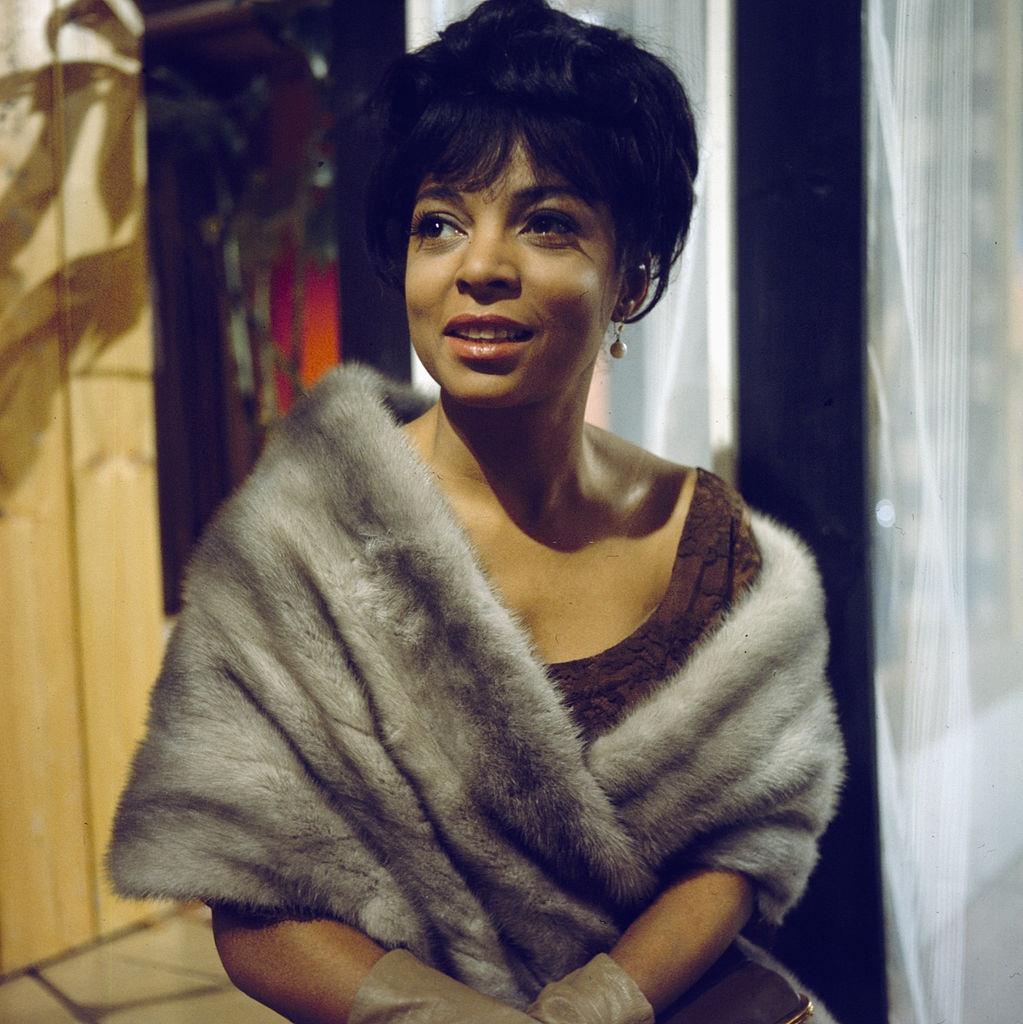
The 1970s brought more acclaimed work. Dee won both the Drama Desk Award and the Obie Award for her performance in Boesman and Lena in 1970. She was nominated for an Emmy Award for her role in the landmark miniseries Roots in 1979. She also appeared in multiple television movies throughout the decade, including Wedding Band in 1974. Her first television appearance had been on the soap opera Peyton Place, and she later co-hosted her own public television series, With Ossie & Ruby, alongside her husband.
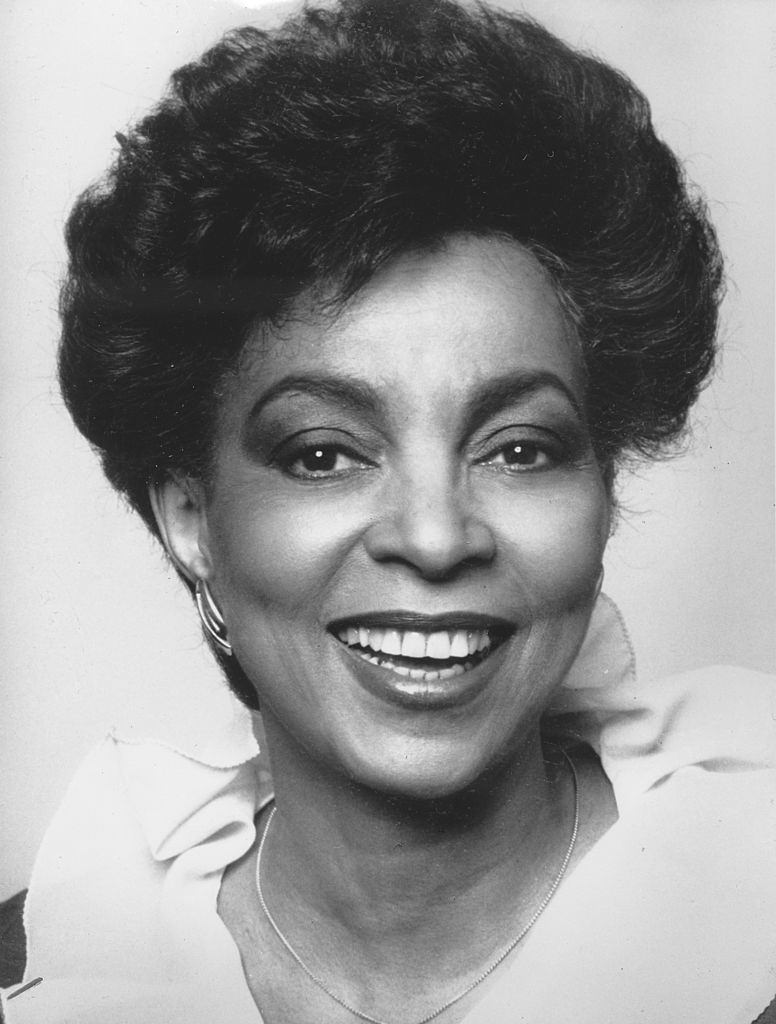
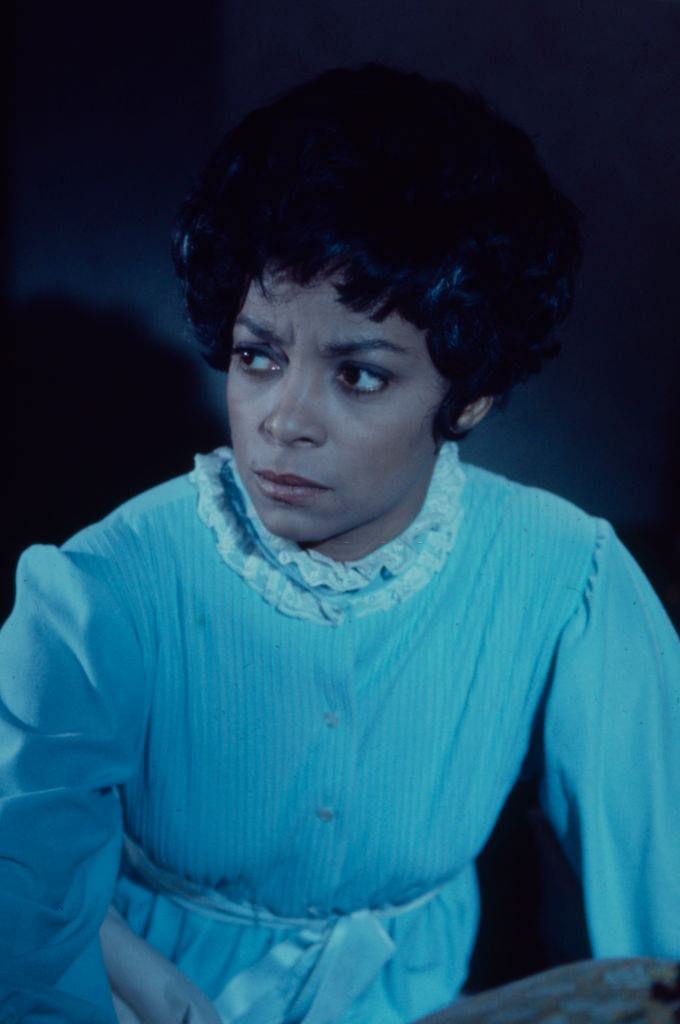
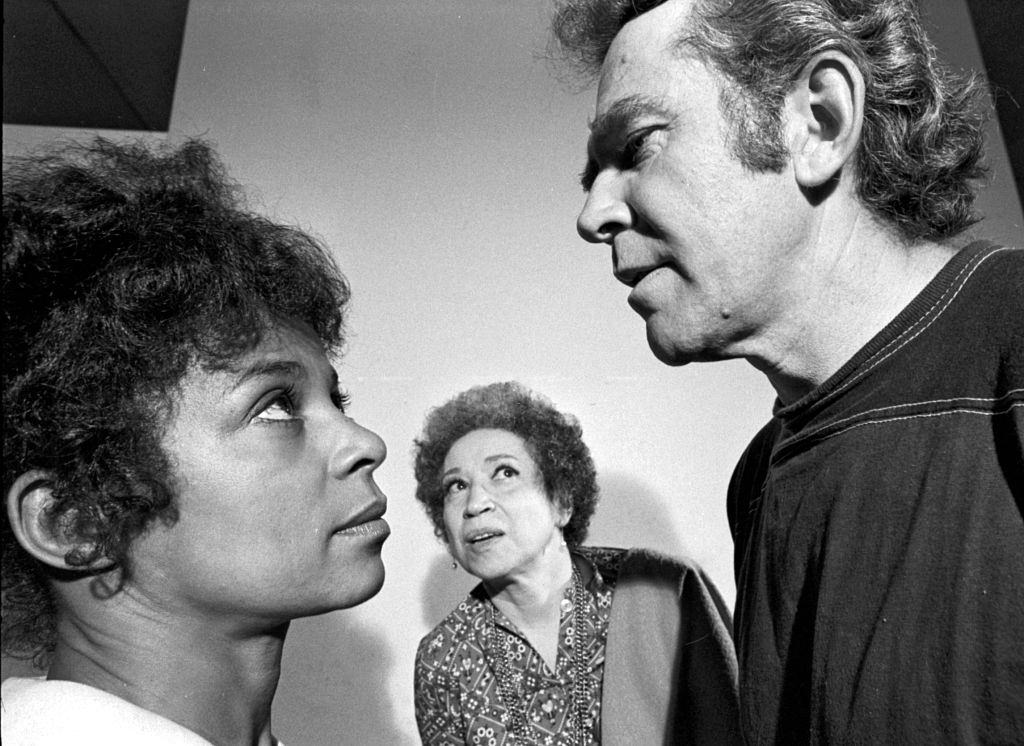
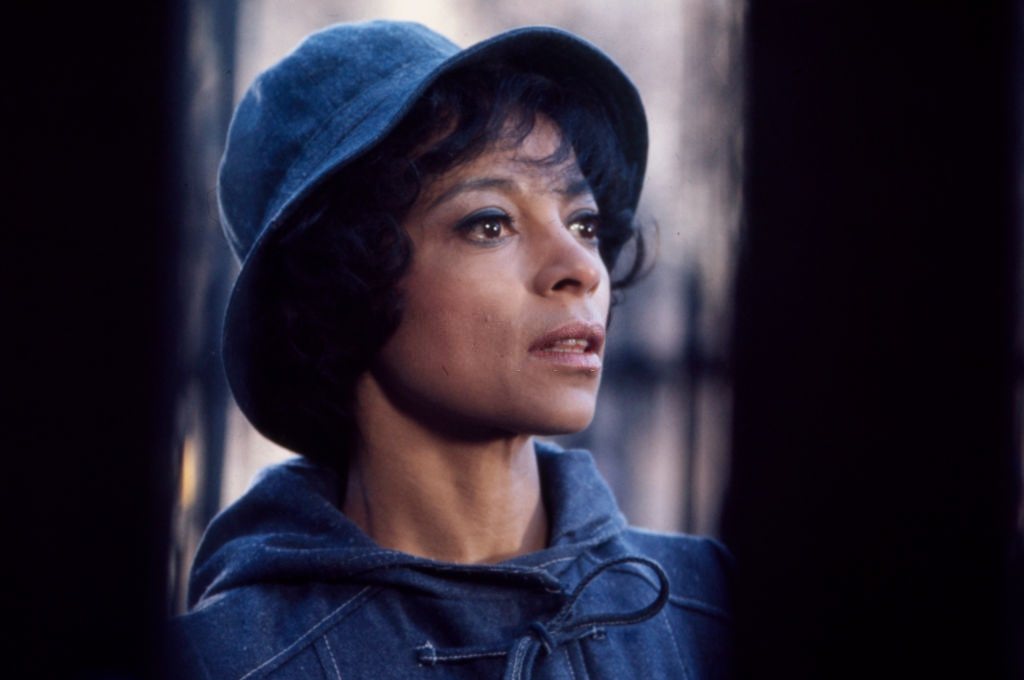
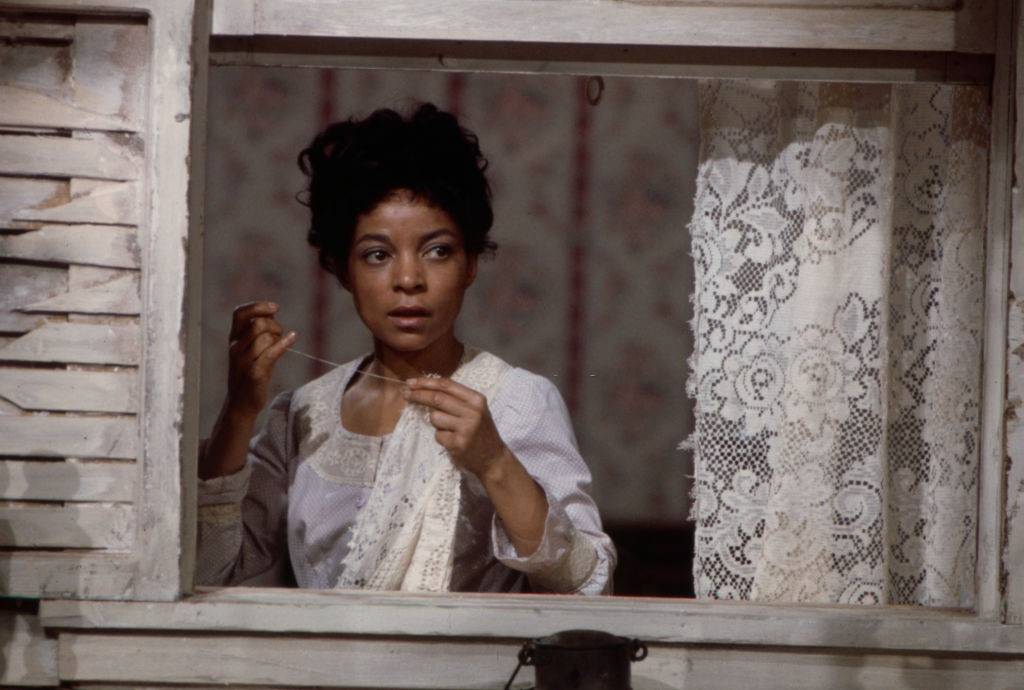
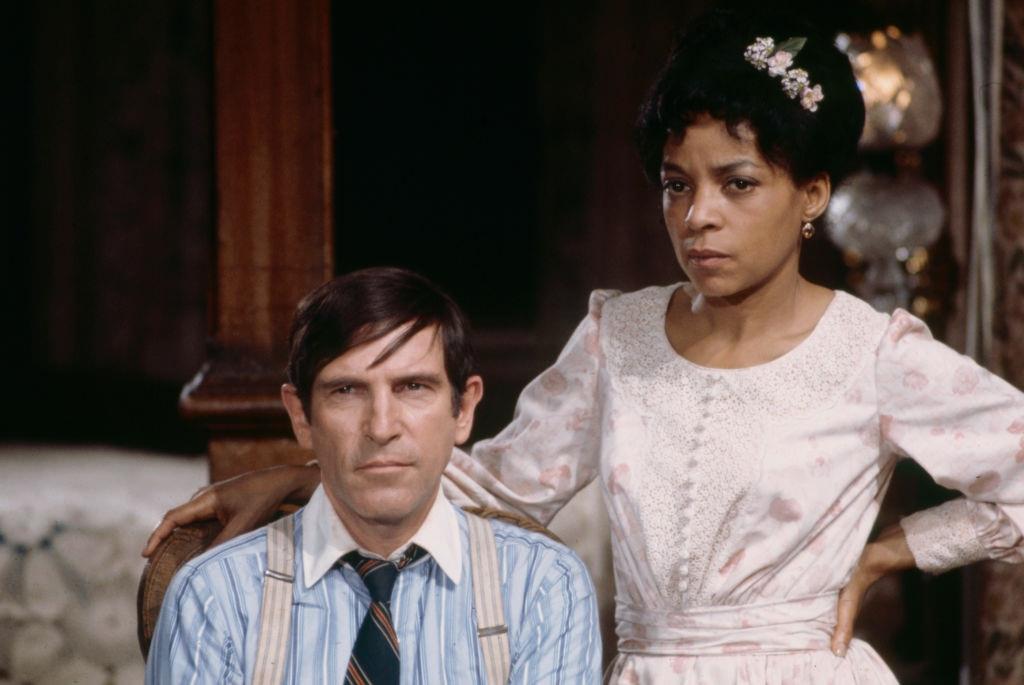
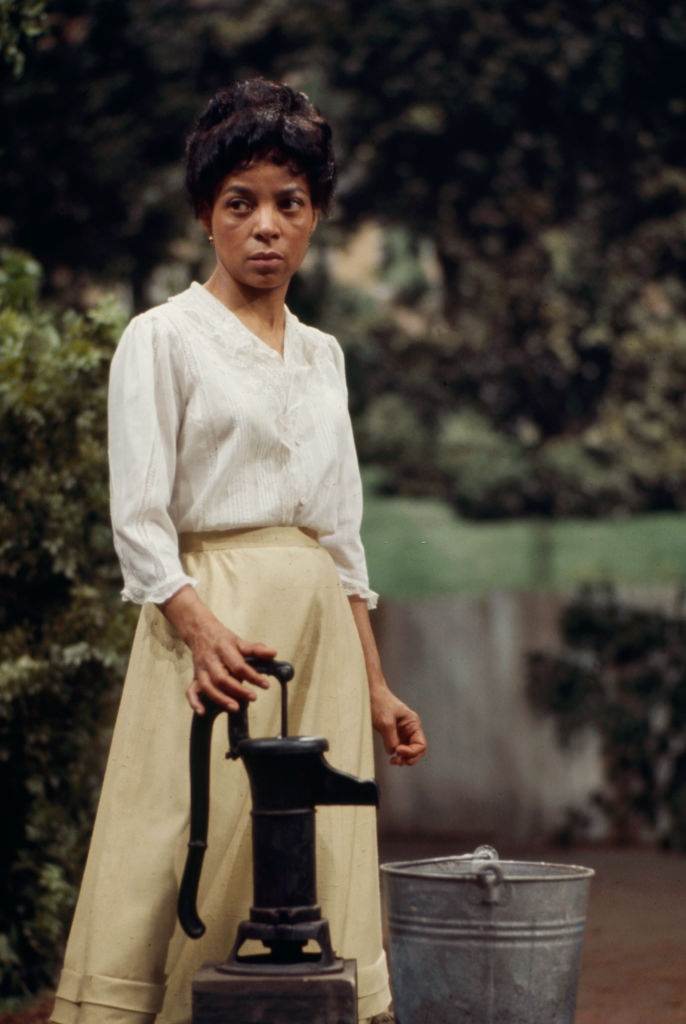
In the early 1980s, Dee played writer and folklorist Zora Neale Hurston in Zora Is My Name, which aired on PBS. She brought the same care to that biographical role as she had to every character before it. In 1989, she and Ossie Davis appeared together in Spike Lee’s Do the Right Thing, a film set in a Brooklyn neighborhood on a sweltering summer day. The film was widely praised and won multiple awards. Two years later, in 1991, Dee won an Emmy Award for her performance in the television movie Decoration Day.
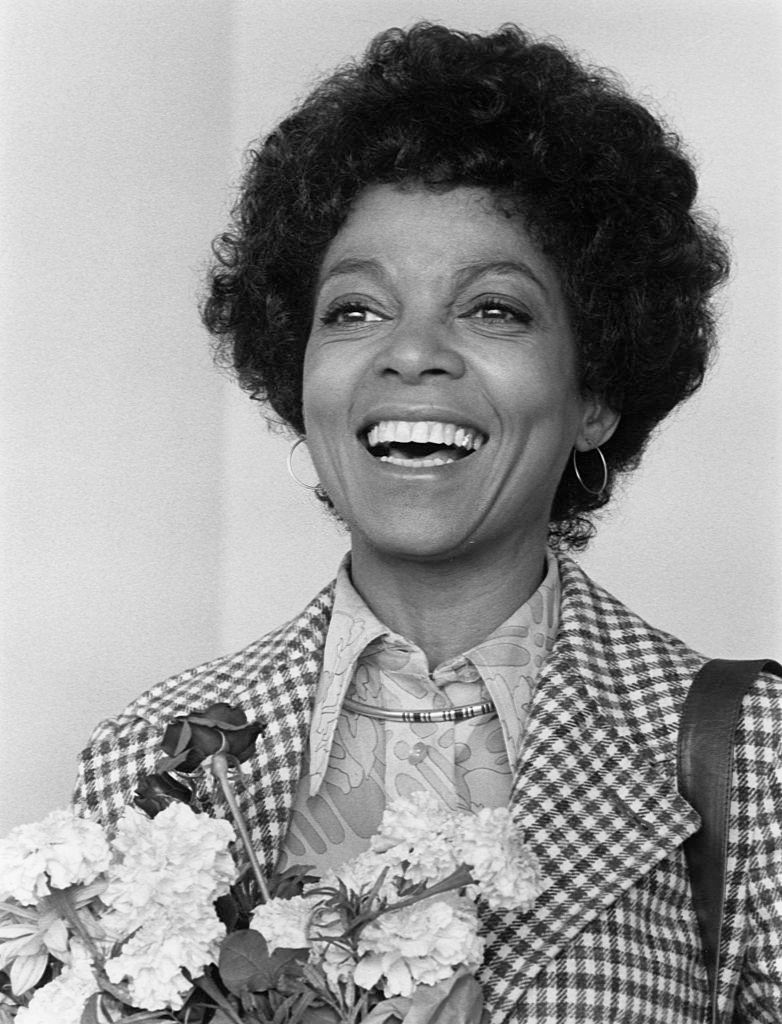
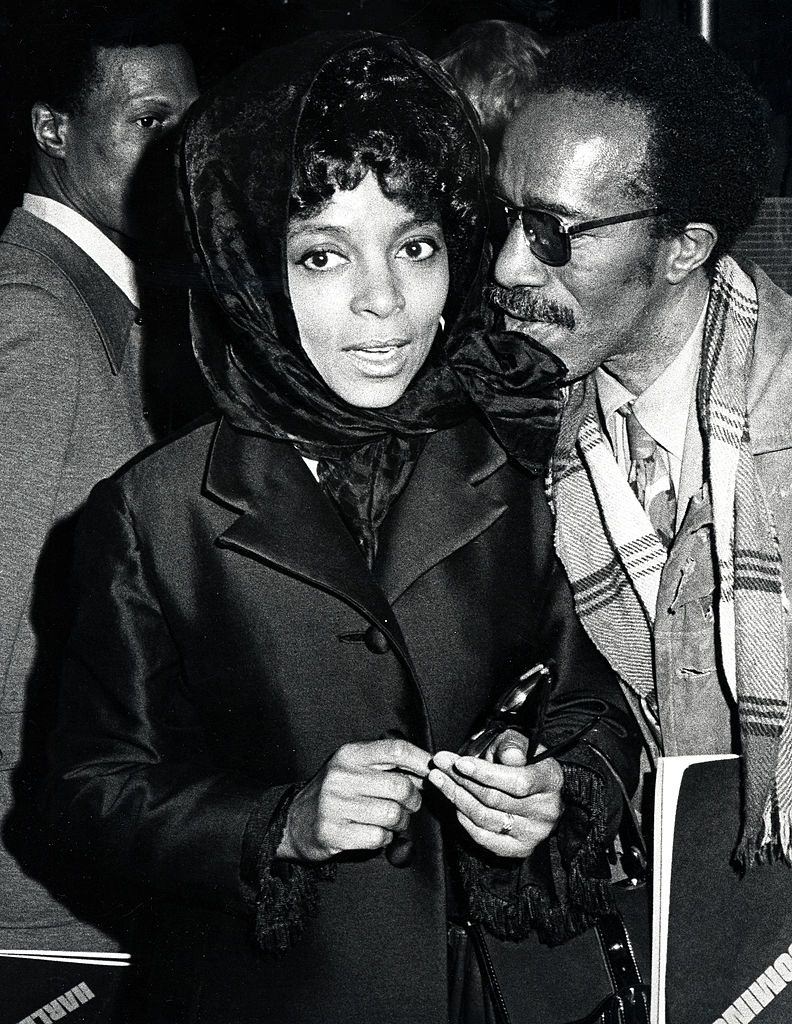
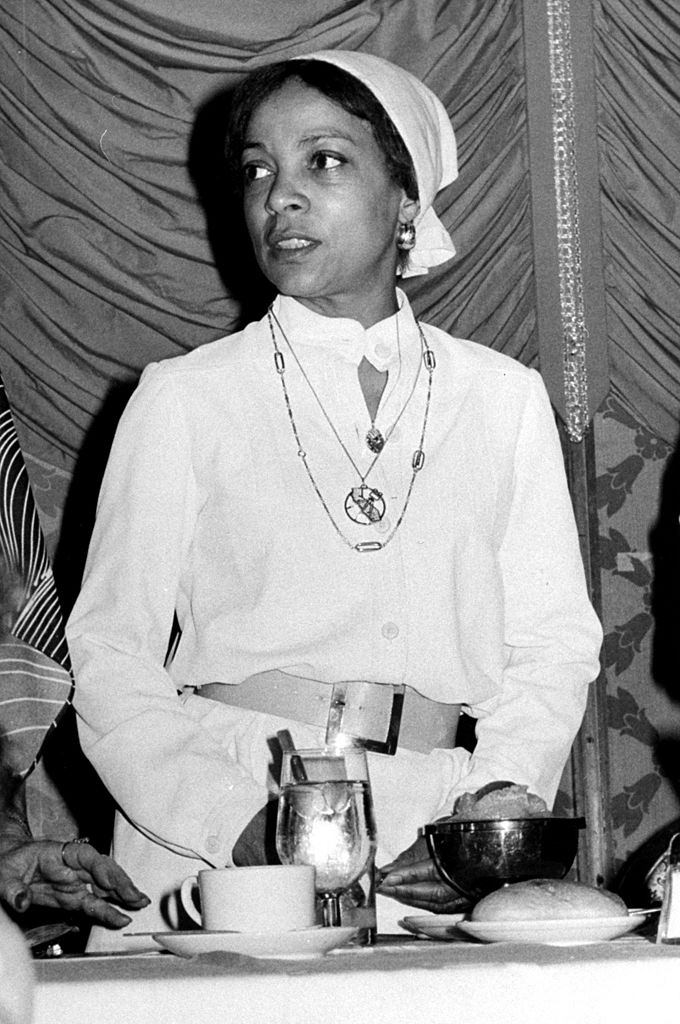
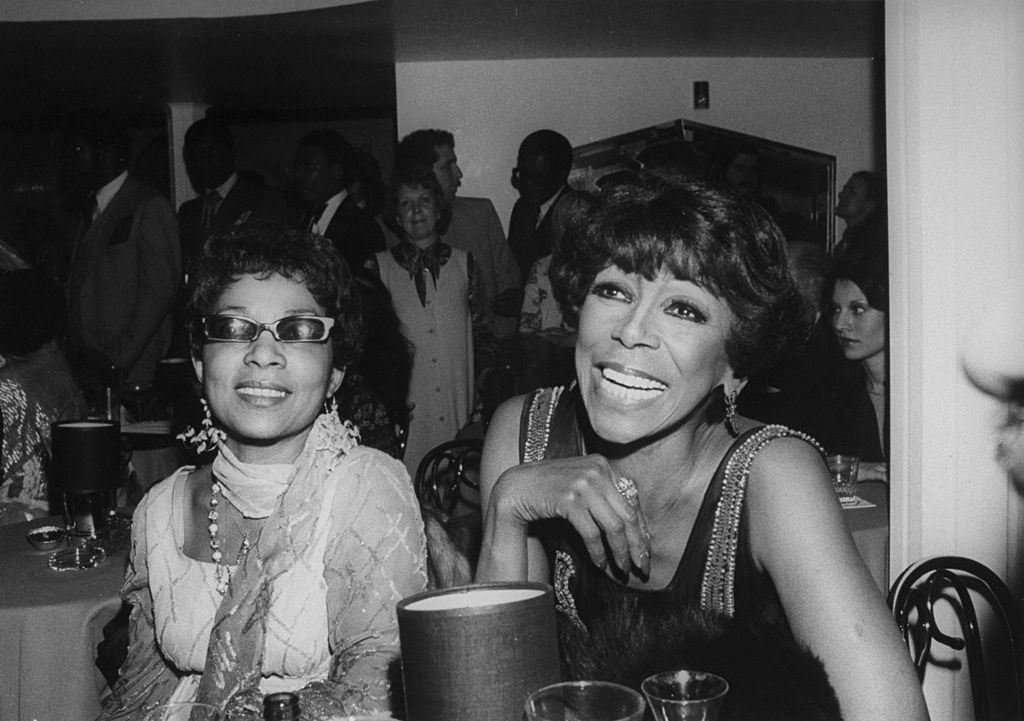
Ruby Dee’s personal life was a story of love, partnership, and resilience. She had first married blues singer Frankie Dee Brown in 1941, taking his middle name as her stage name. That marriage ended in 1945. After meeting Ossie Davis on the set of Jeb in 1946 and marrying him in 1948, the two built a life together that lasted more than fifty years. They had three children: son Guy Davis, who became a blues musician, and daughters Nora Day and Hasna Muhammad. Together, Dee and Davis published their memoir, With Ossie and Ruby: In This Life Together, which was praised for its humor and honesty about their fifty years of marriage.
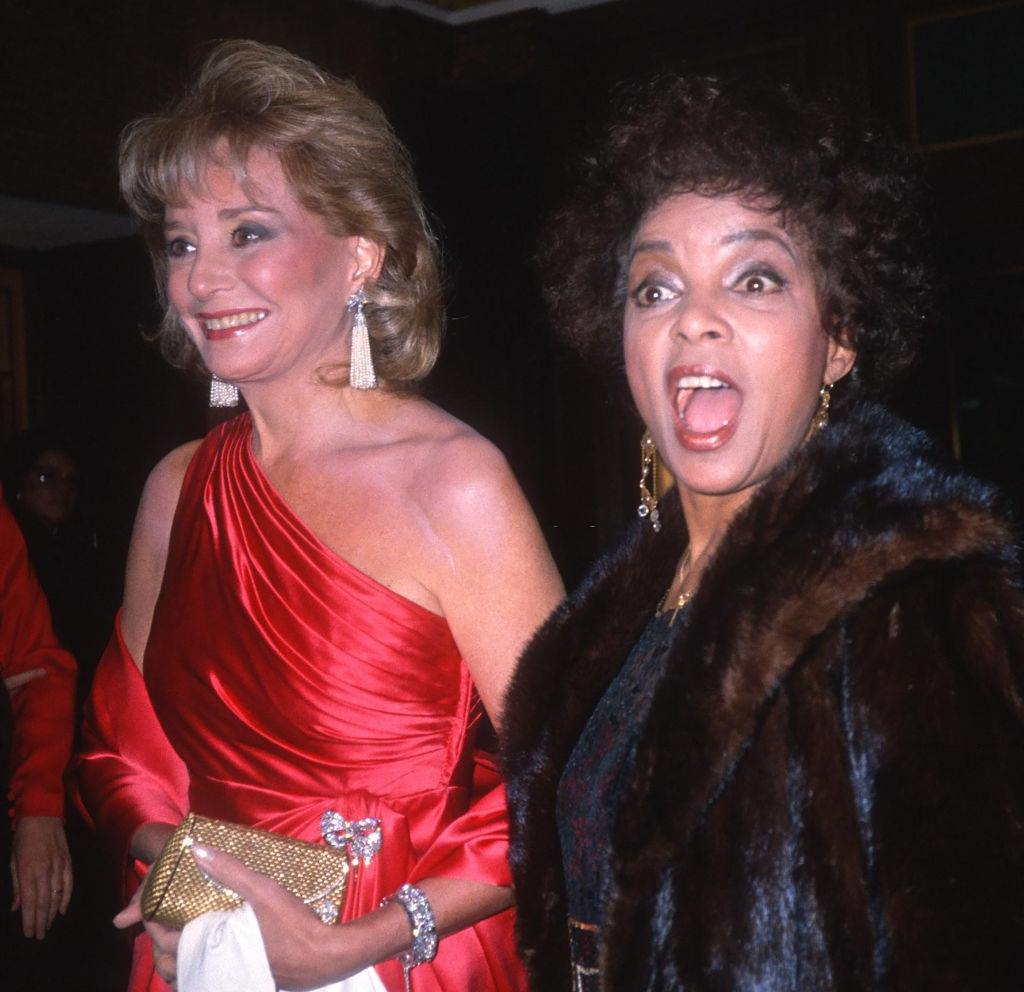
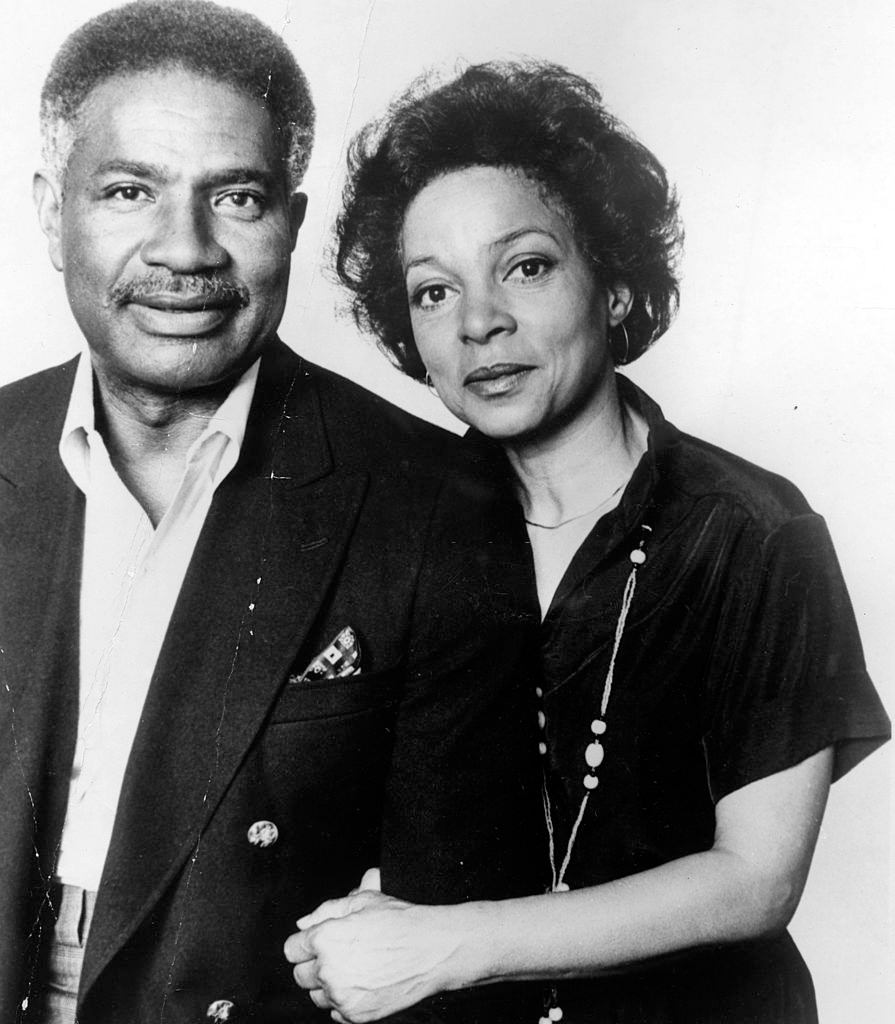
Ossie Davis died unexpectedly in 2005 while working on a film in Miami. Dee was in New Zealand filming at the time of his death. That same year, the National Civil Rights Museum in Memphis presented both Dee and her late husband with the Lifetime Achievement Freedom Award. Despite her grief, she kept working. She also wrote and performed a one-woman show, My One Good Nerve, and survived breast cancer during this period of her life.
In 2007, Dee delivered what many consider her finest screen performance. In American Gangster, directed by Ridley Scott and starring Denzel Washington as notorious drug lord Frank Lucas, Dee played Lucas’s mother. The performance earned her an Academy Award nomination for Best Supporting Actress and a Screen Actors Guild Award. She was 83 years old at the time of the film’s release. Her final film appearance came in 2013’s Betty and Coretta, which followed the lives of Coretta Scott King, played by Angela Bassett, and Betty Shabazz. Ruby Dee died on June 11, 2014, at the age of 91, from natural causes. She was cremated, and her ashes were placed in the same urn as Ossie Davis’s, bearing the inscription: “In this thing together.”