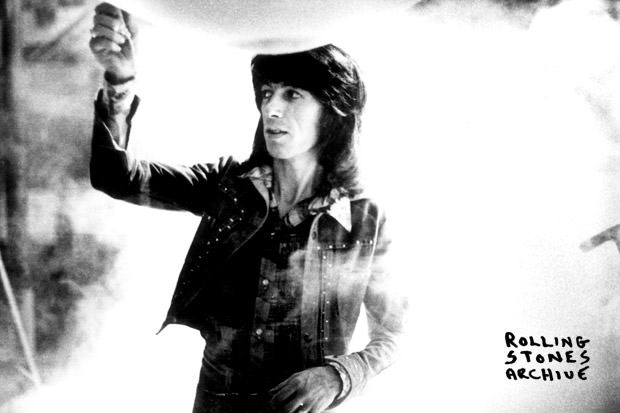
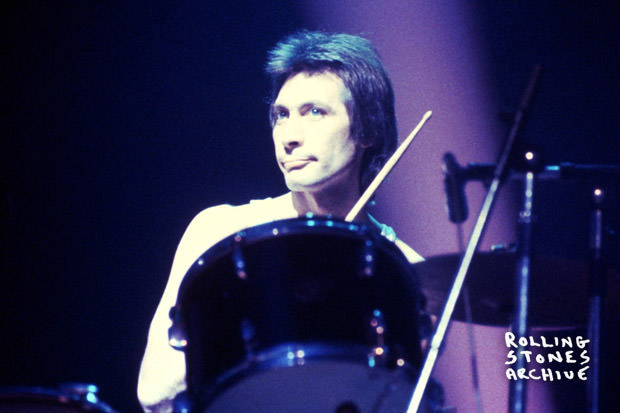
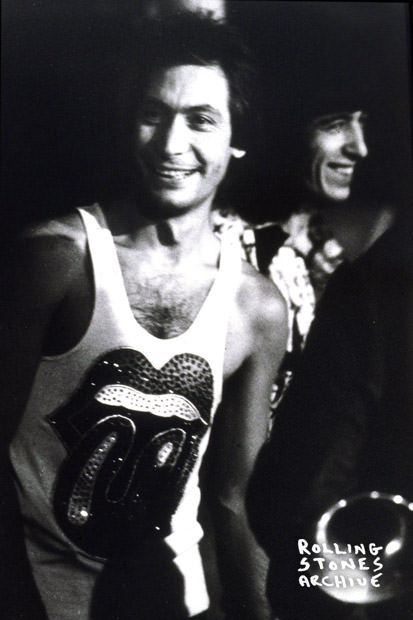
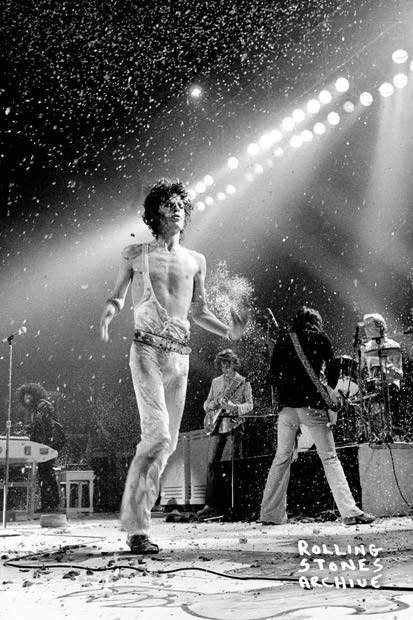
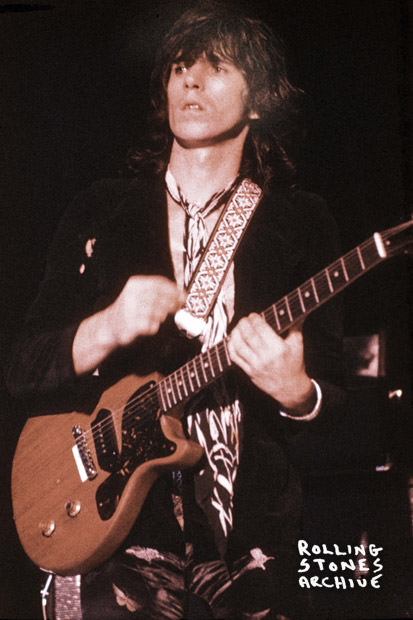
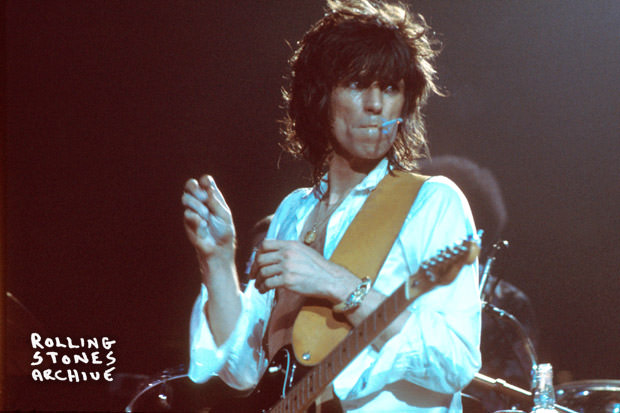
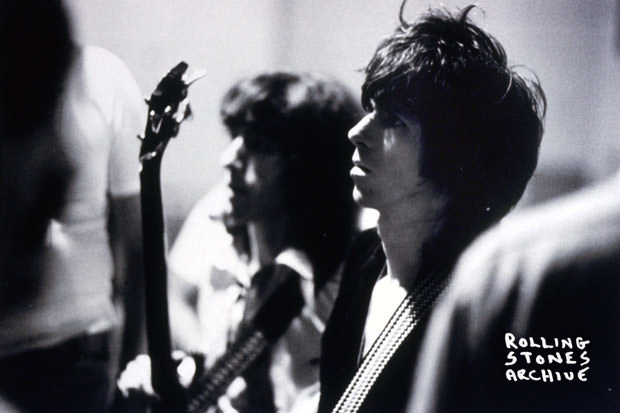
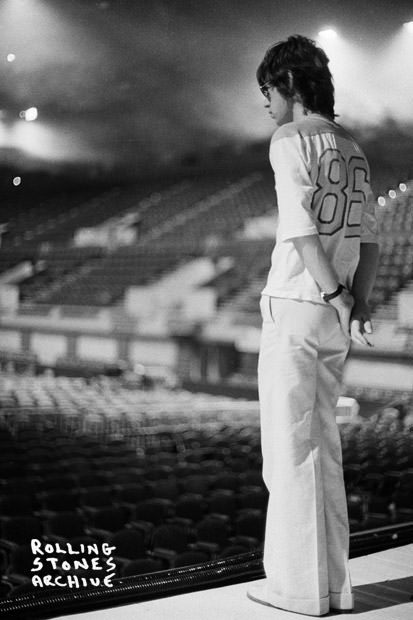
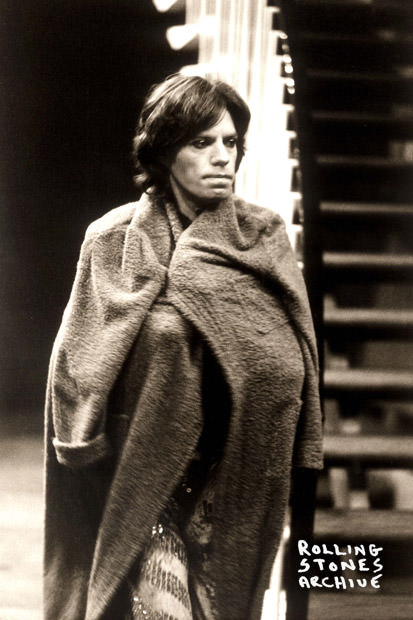
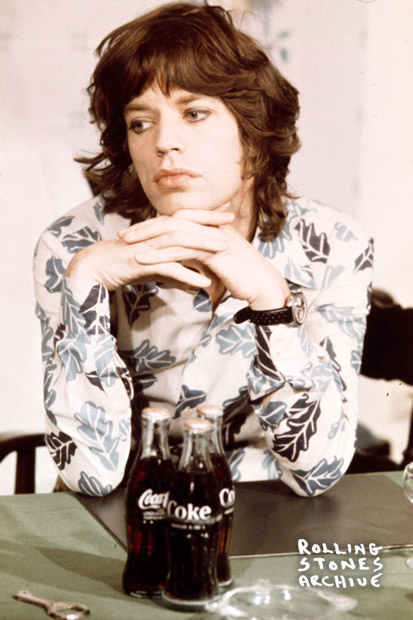
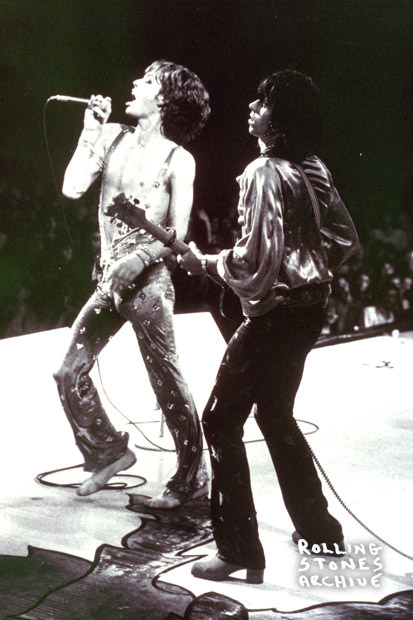
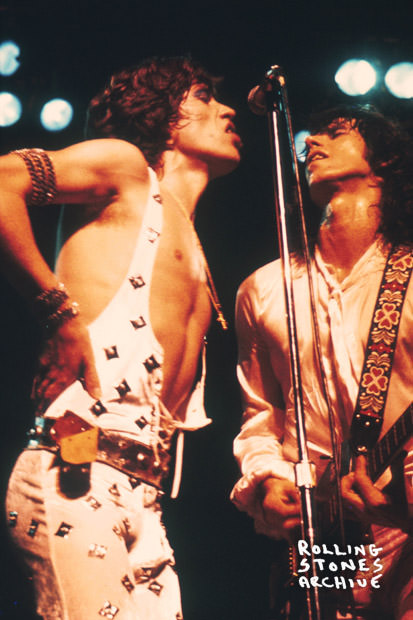
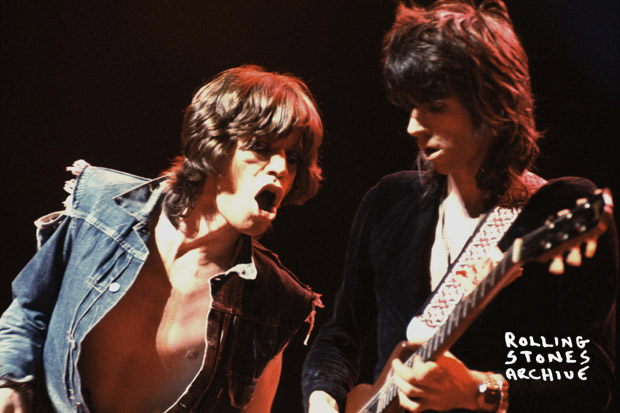
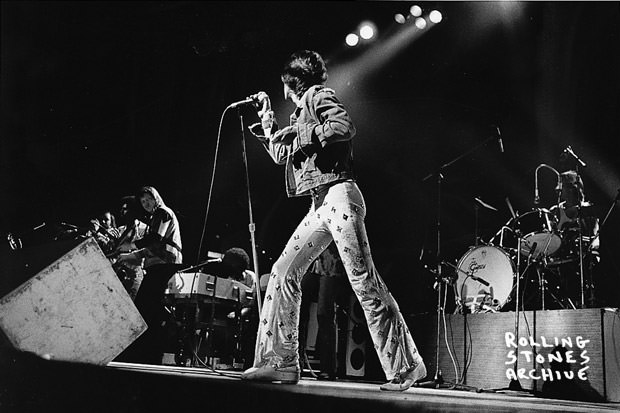
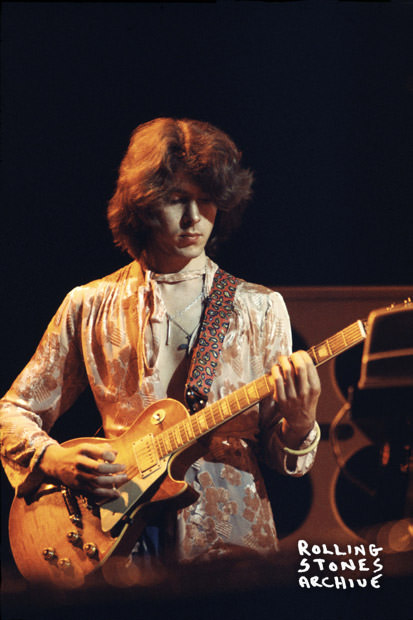
The year was 1973. The Rolling Stones, already rock and roll royalty, were riding high on the wave of their latest album, “Goats Head Soup.” To bring their new music to the masses, they embarked on an ambitious European tour, a journey that would take them across the continent and solidify their status as one of the greatest live acts in the world.
Kicking Off in Vienna
The tour began on September 1st in Vienna, Austria, at the Stadthalle. This location was significant, as it was the closest the Stones would get to the Eastern Bloc during the Cold War era. Interestingly, a representative from the Soviet Union’s Ministry of Culture, Yuri Kurinoff, was in attendance, perhaps a sign of the band’s global appeal even in politically divided times.
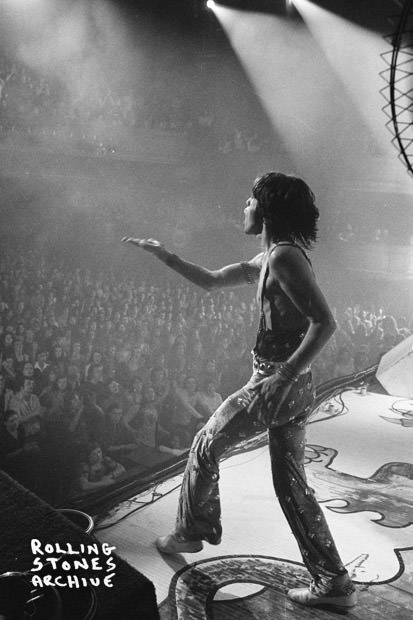
From Vienna, the Stones stormed through West Germany, playing to enthusiastic crowds in cities like Frankfurt, Essen, and Berlin. The energy was electric as fans eagerly absorbed the band’s raw power and Jagger’s charismatic stage presence.
Conquering the UK
The tour then headed to the band’s home turf, the United Kingdom. They played multiple shows in England and Scotland, including a four-night stand at the Empire Pool in London. These shows were legendary, filled with the raw energy and bluesy rock and roll that had become the Stones’ signature.
Read more
The tour continued its relentless pace, with the Stones making stops in Switzerland, Denmark, Sweden, The Netherlands, and Belgium. It was a demanding schedule, often with two shows packed into a single day. The band powered through, fueled by their passion for performing and the enthusiastic response of their European fans.
The Music
The setlist for the 1973 tour was a mix of classic hits and new material from “Goats Head Soup.” Fans were treated to electrifying performances of “Brown Sugar,” “Gimme Shelter,” “Jumpin’ Jack Flash,” and “Street Fighting Man.” The new songs, including “Angie,” “Dancing with Mr. D,” and “Doo Doo Doo Doo Doo (Heartbreaker),” were warmly received and quickly became fan favorites.
The Rolling Stones were at their peak during this period. Mick Jagger, with his dynamic stage presence and powerful vocals, was the undisputed frontman. Keith Richards, the rock and roll outlaw, provided the gritty guitar riffs that defined the band’s sound. Charlie Watts, the stoic drummer, laid down the solid foundation for their music. Bill Wyman, the bassist, held down the low end with his cool, understated style. Mick Taylor, the lead guitarist, brought his bluesy virtuosity to the band, adding a layer of musicality that perfectly complemented the Stones’ raw energy.
The Shows
The concerts on the 1973 tour were more than just musical performances; they were spectacles. The stage production was elaborate, with impressive lighting and visual effects. Jagger, a master showman, commanded the stage with his flamboyant costumes and energetic dance moves. The band’s chemistry was undeniable, and their passion for the music was infectious.
Beyond the Music
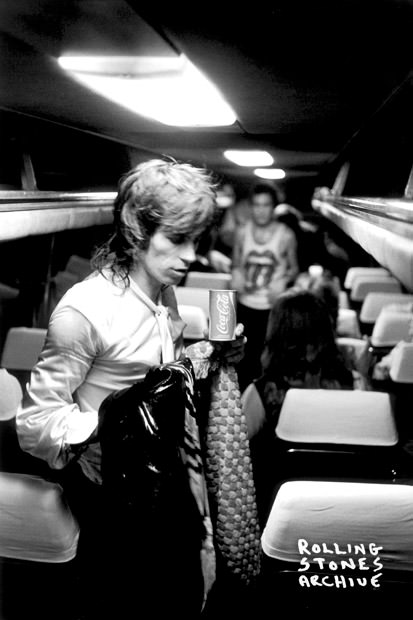
The band’s rock and roll lifestyle, coupled with the grueling schedule, took its toll. There were reports of infighting and exhaustion. However, the Stones persevered, driven by their dedication to their music and their fans.
The tour concluded on October 19th in West Berlin, at the Deutschlandhalle. This show marked the end of an era, as it was Mick Taylor’s last live performance with the Rolling Stones. His departure would leave a void in the band’s sound, and his contributions to their music are still celebrated today.