The 1920s were a decade of rapid change. World War I had ended, jazz was filling dance halls across America, and women were pushing back against the rigid fashion rules of previous generations. Hemlines crept upward, silhouettes loosened, and a new kind of woman — bold, energetic, and visible — stepped into the spotlight. Rolled stockings were one of the clearest signs of that shift.
The trend emerged in the early 1920s and spread quickly among young women. Rather than wearing their stockings pulled up and neatly fastened, women began rolling them down — sometimes to mid-thigh, sometimes just below the knee. The look was deliberate and unmistakable. It wasn’t accidental, and it wasn’t subtle.
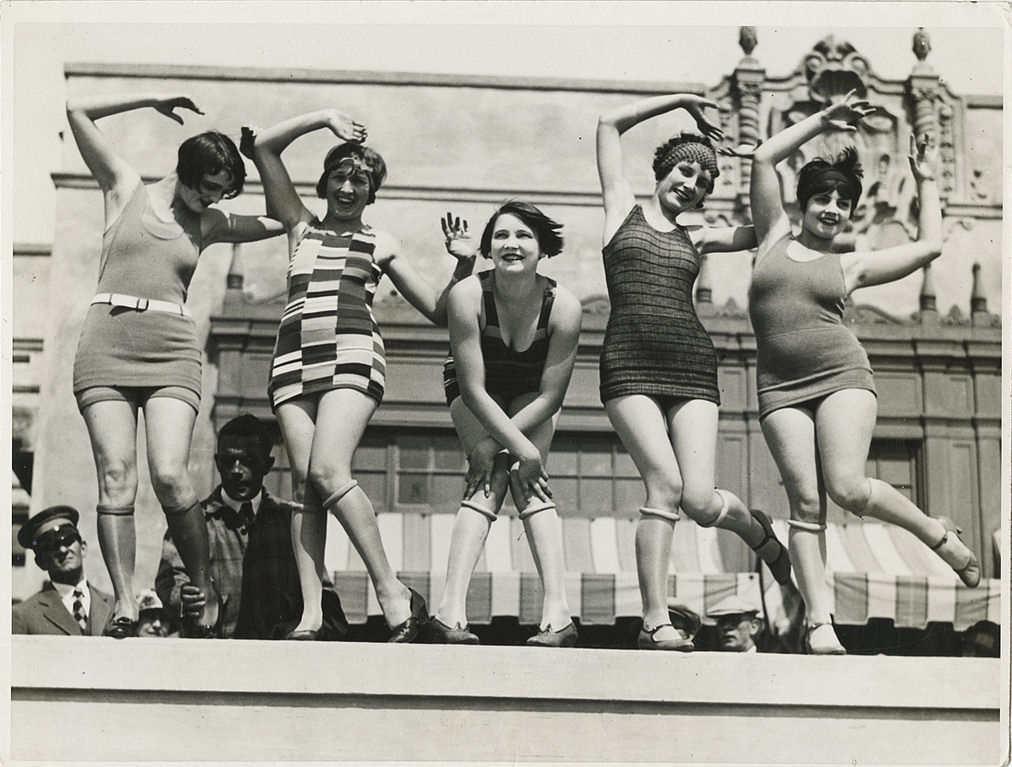
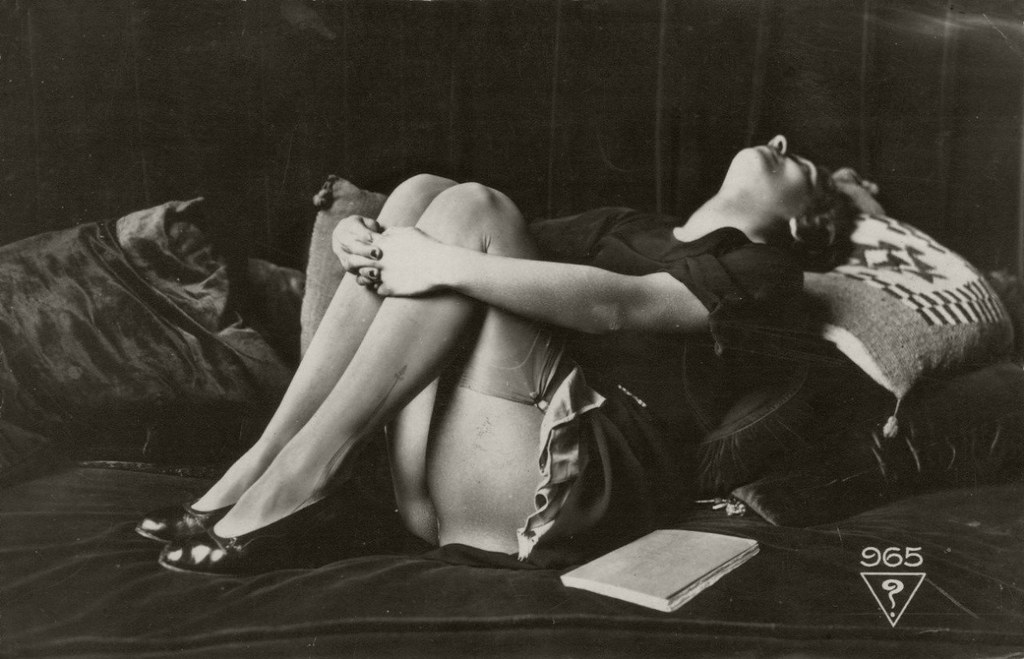
Traditionally, stockings were held up by clips or gilt mounts attached to a corset or girdle. Many women in the 1920s still used that method, but others favored elastic bands worn above the knee to keep their rolled stockings in place. The elastic band method was especially popular because it didn’t require a corset at all — a garment that younger women were increasingly abandoning.
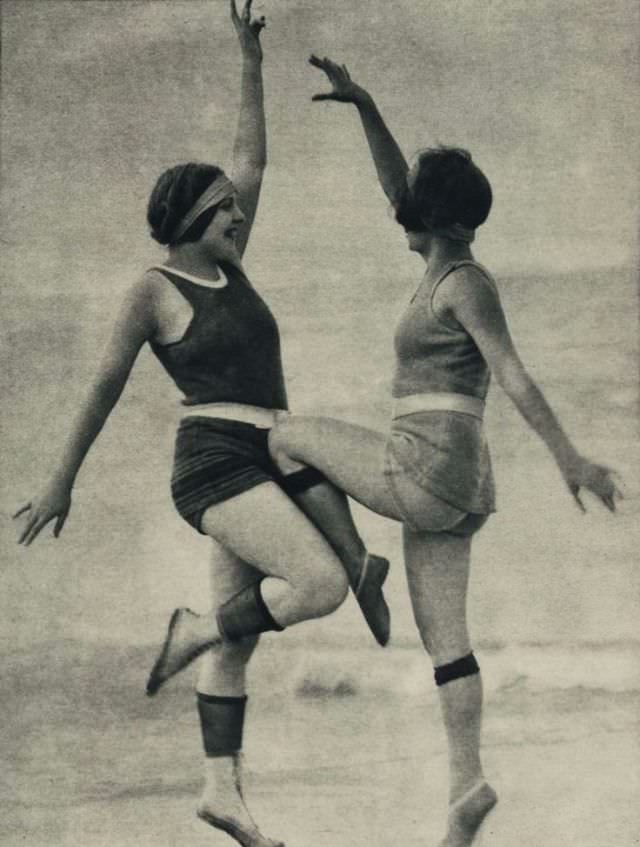
Beyond style, rolled stockings served a practical purpose. Stockings that weren’t properly secured had a habit of slipping down and bunching around the ankles — an embarrassing and inconvenient problem. Rolling them down and holding them with an elastic band kept everything in place, especially during dancing or physical activity.
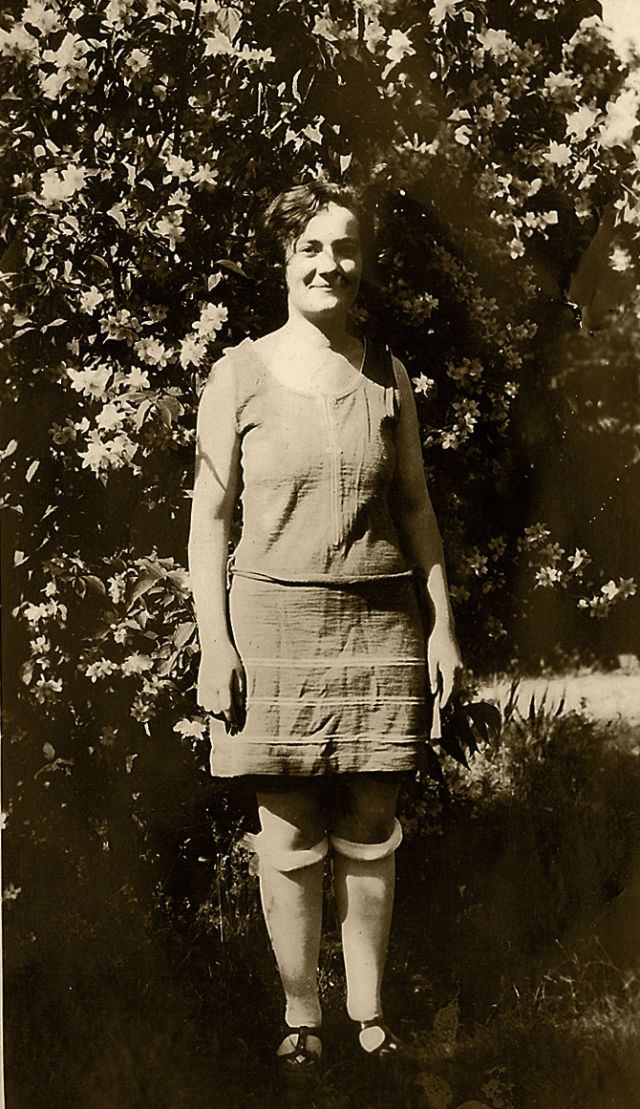
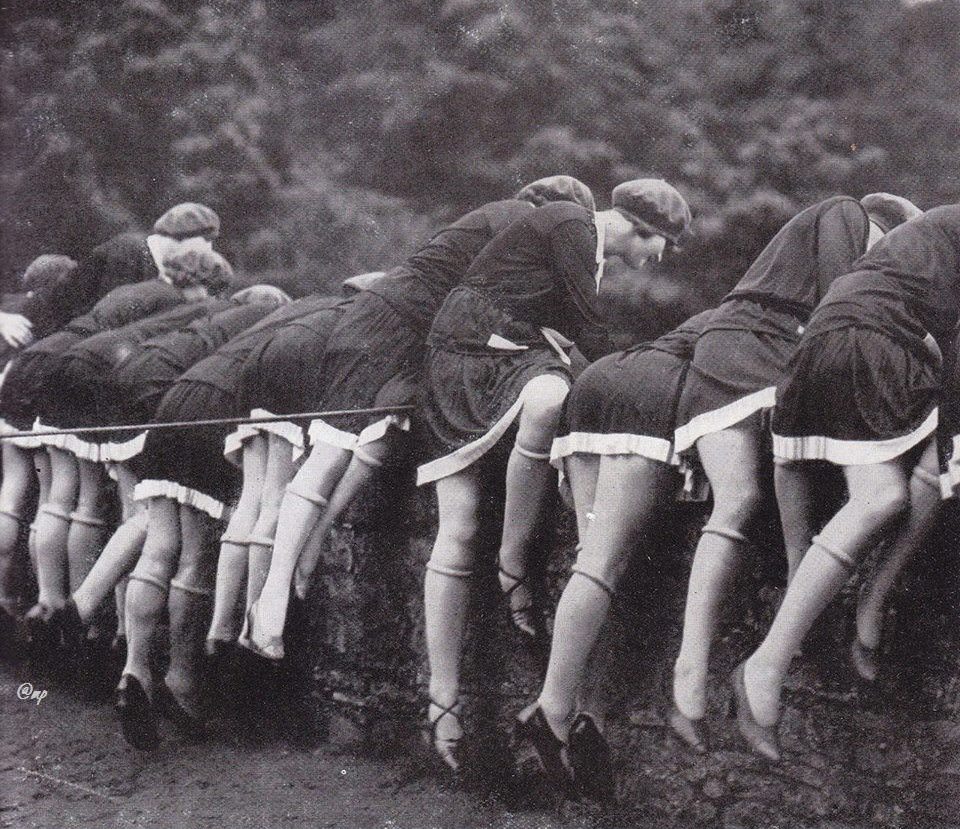
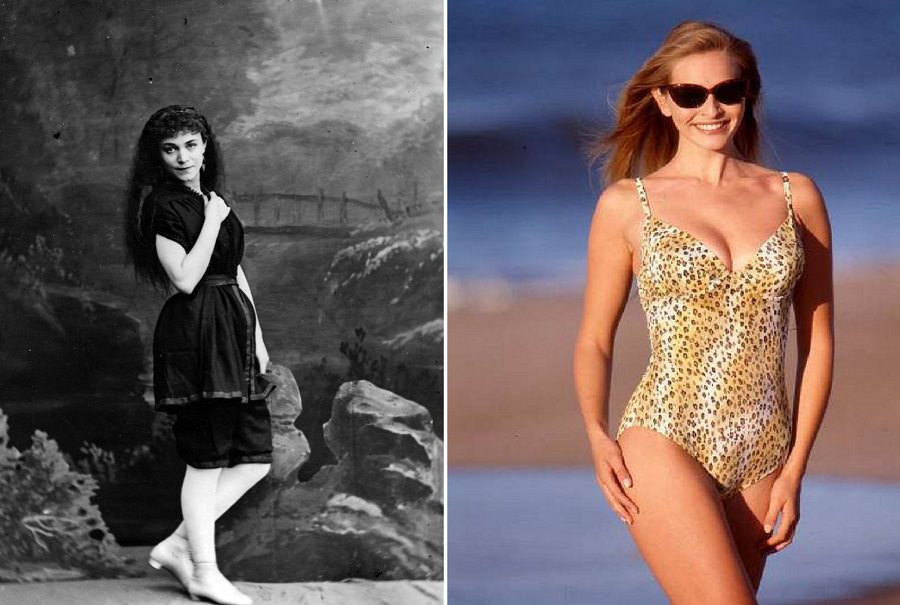
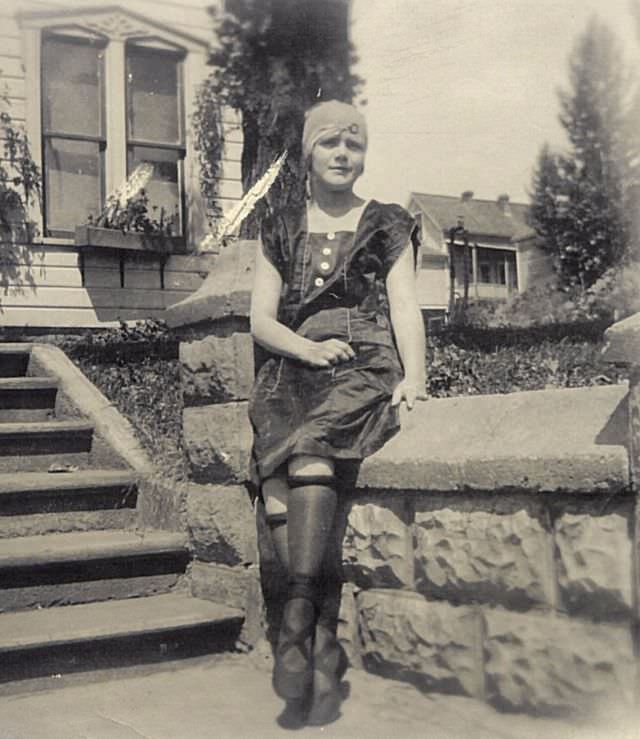
The trend wasn’t limited to city streets or dance floors. Rolled stockings were worn in summer as a warm-weather staple, and they showed up at the beach too — paired with bathing suits and flip-flops. Seeing a woman at the shore with her stockings rolled down was a common sight by the mid-1920s.
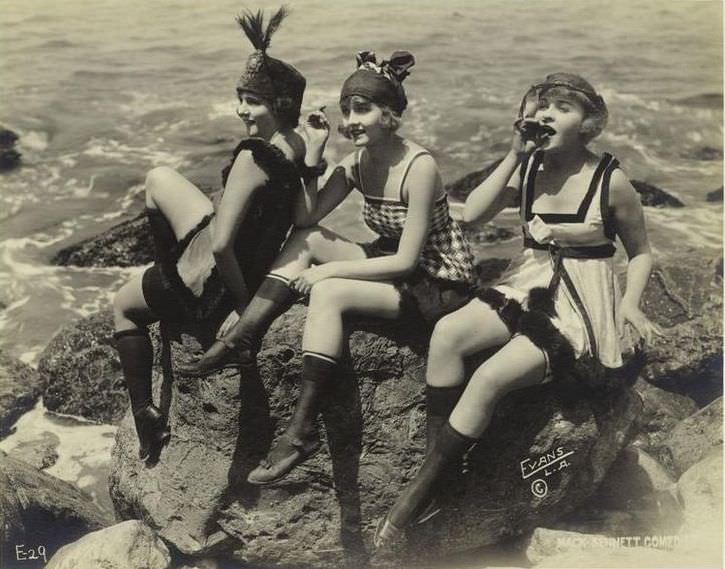
By the late 1920s, the rolled stocking had become so firmly embedded in popular culture that Hollywood took notice. In 1927, Paramount Pictures released a silent film simply titled Rolled Stockings. The film starred Louise Brooks, one of the era’s most recognizable actresses and a defining face of flapper fashion. The fact that a film took its name from a clothing trend speaks to just how widespread the style had become.
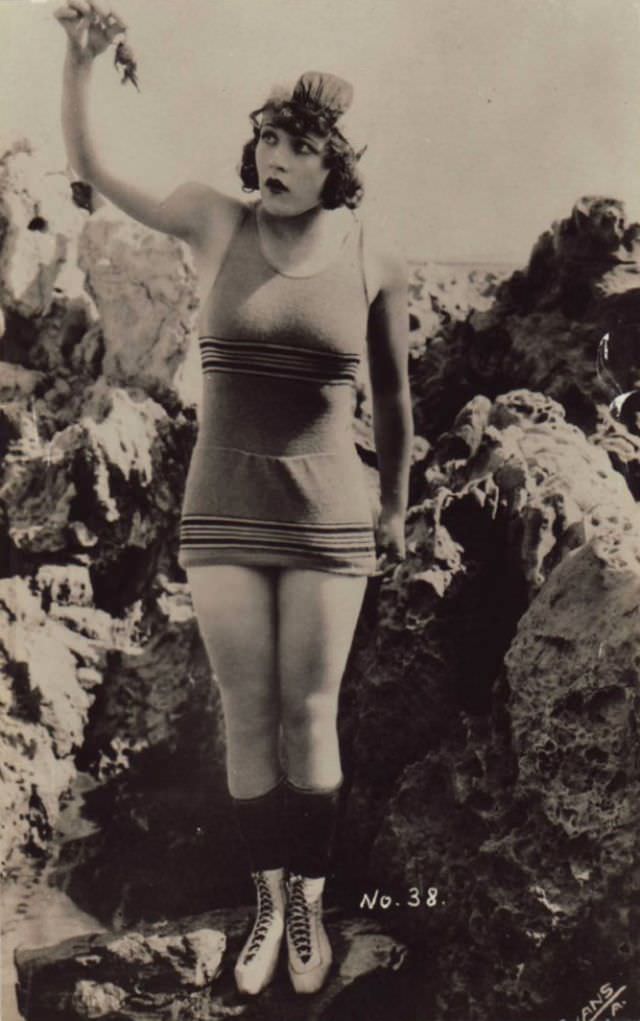
The women who wore rolled stockings came from different backgrounds and wore them in different ways. Some rolled to mid-thigh for a more dramatic look. Others kept the roll just below the knee for something slightly less conspicuous. The variation was part of the appeal — there was no single right way to wear them, which gave women room to make the style their own.
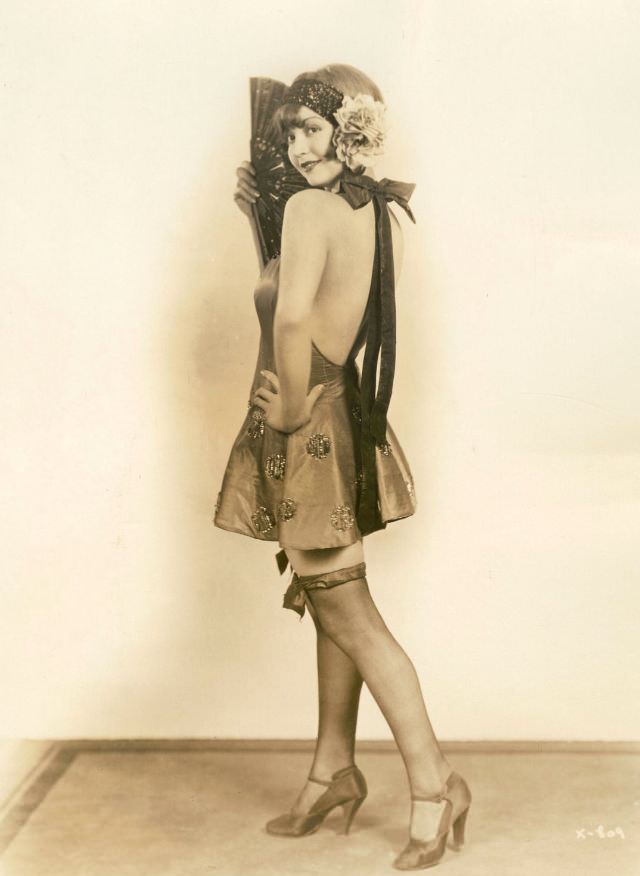
Rolled stockings fit naturally alongside the other hallmarks of 1920s women’s fashion — dropped waistlines, shorter hemlines, and clothing designed specifically for movement and sport. Women in the 1920s were dressing for active lives, and their fashion reflected that. Rolled stockings were part of a broader rejection of restrictive clothing that had dominated women’s wardrobes for decades.
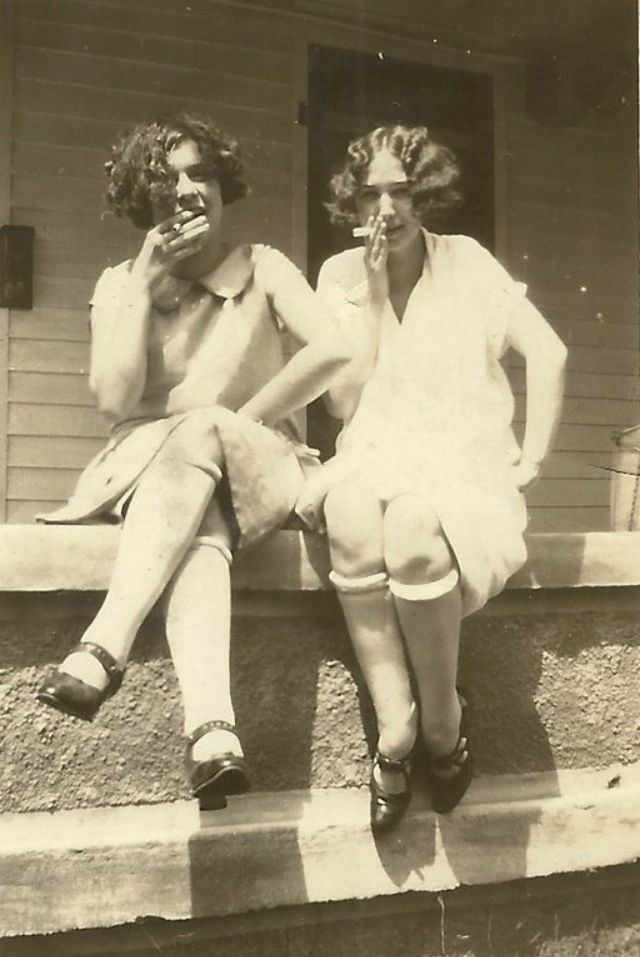
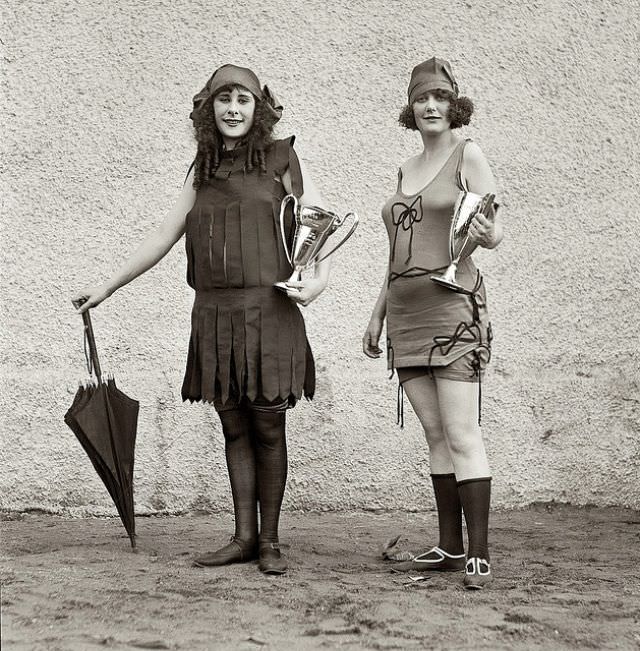
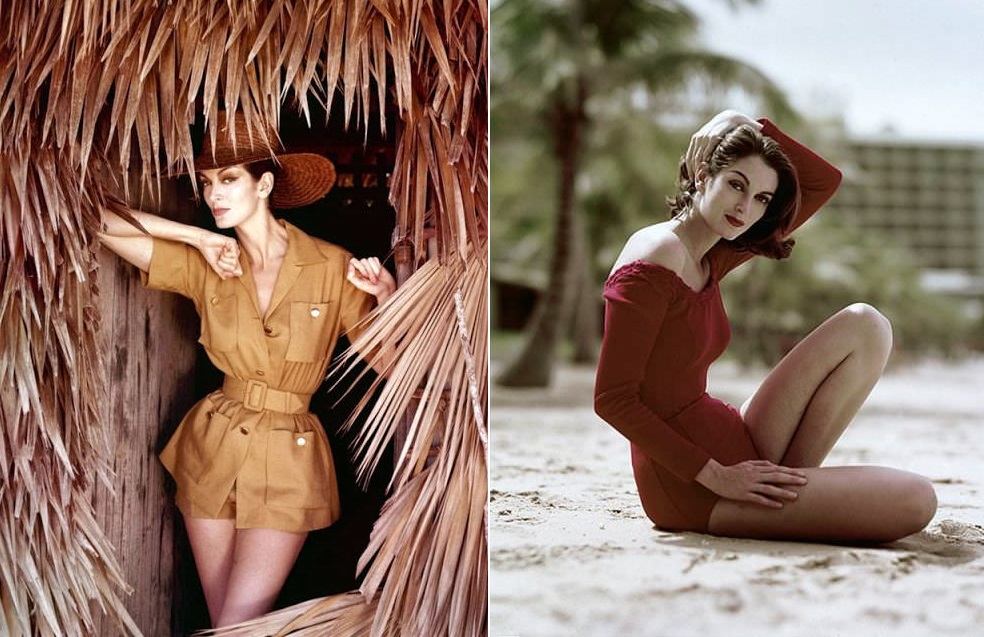
The vintage photographs below capture women of the 1920s wearing rolled stockings in everyday settings — at the beach, outdoors, and in casual portraits. These images are a direct record of how real women dressed during one of the most energetic decades in fashion history.