The story of Salome has fascinated artists, writers, and filmmakers for centuries. It draws from the biblical account of the execution of John the Baptist, in which a young woman dances before King Herod II in exchange for a reward. The Bible does not name the dance she performs, but over time, storytellers layered the tale with rich detail. By the modern era, that dance had a name: the Dance of the Seven Veils. It became one of the most recognizable performances in Western culture, appearing in operas, stage plays, paintings, and eventually, film.
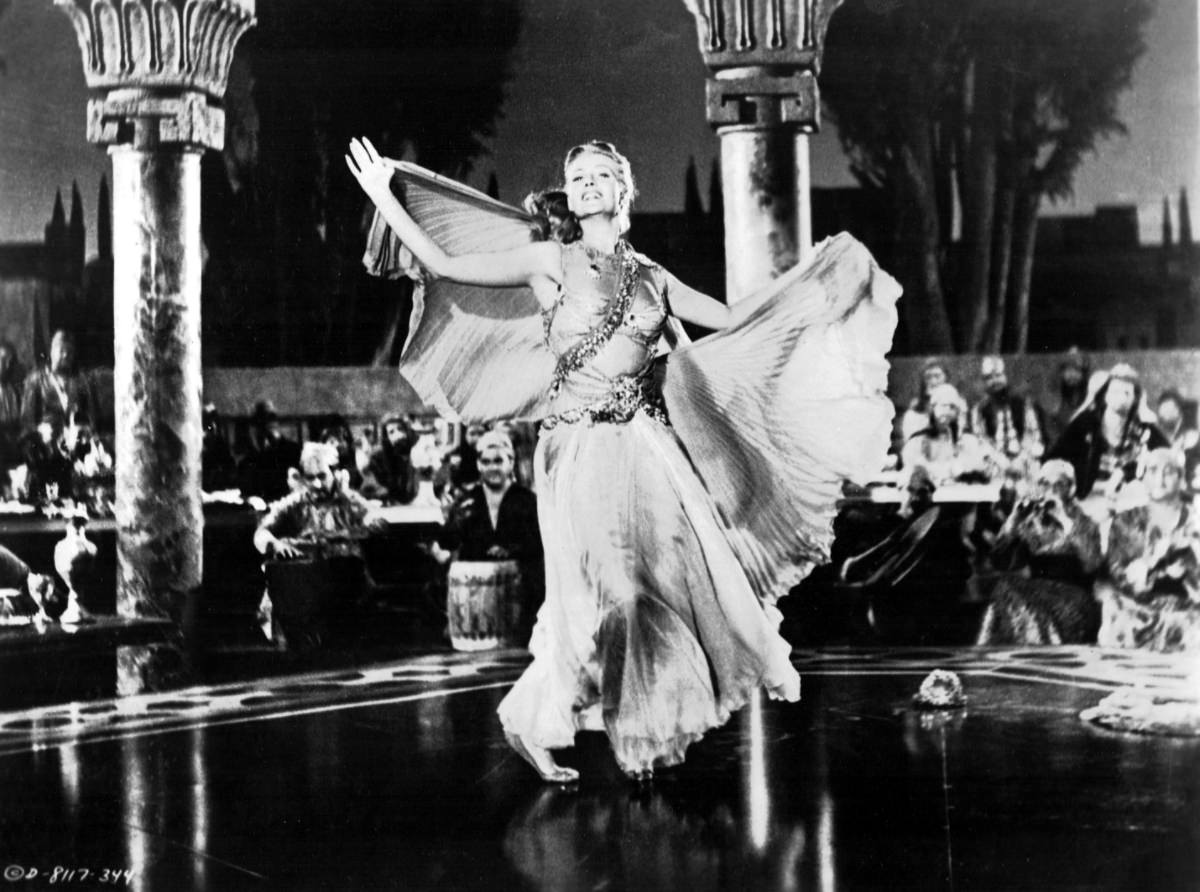
When Columbia Pictures brought the story to the screen in 1953, they cast Rita Hayworth in the title role. By that point, Hayworth was already one of Hollywood’s biggest stars, known for her beauty, her screen presence, and her dancing. The 1953 film gave her a chance to combine all three in a single, demanding sequence.
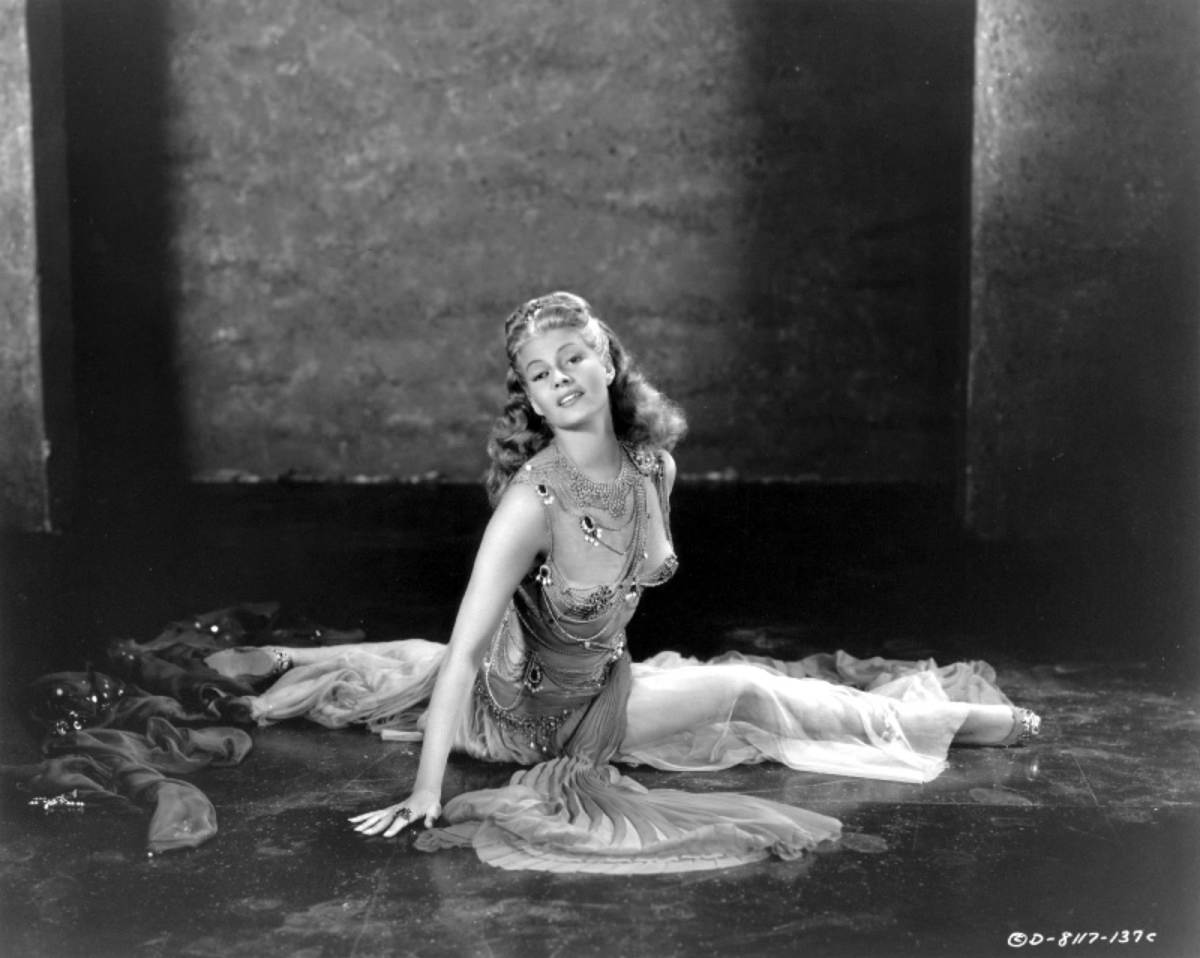
The film takes creative liberties with the original biblical narrative. In the traditional telling, Salome requests the head of John the Baptist as her reward after dancing for Herod. In the 1953 version, Hayworth’s Salome does not want John killed. When John’s severed head is delivered on a platter mid-performance, she stops dancing before removing her final veil. The scene is deliberately staged to show her horror and grief rather than triumph.
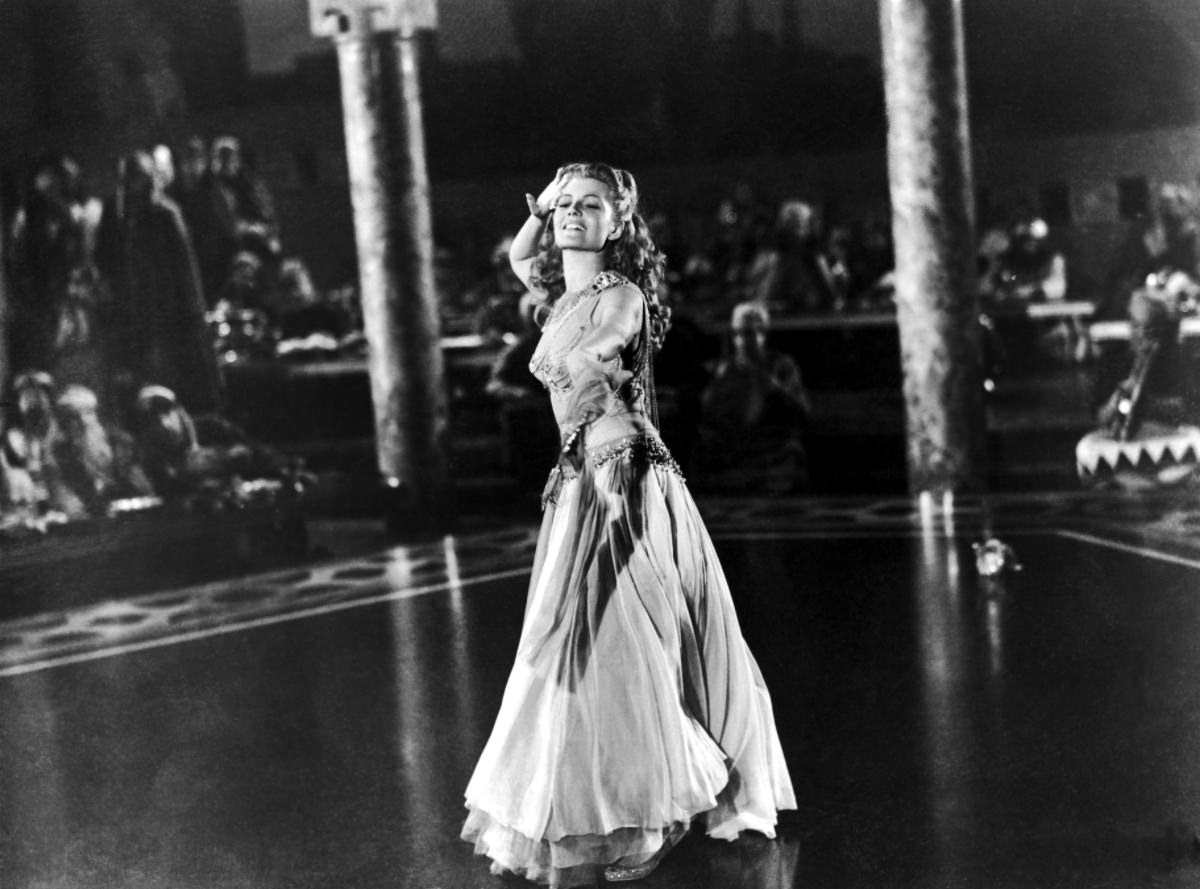
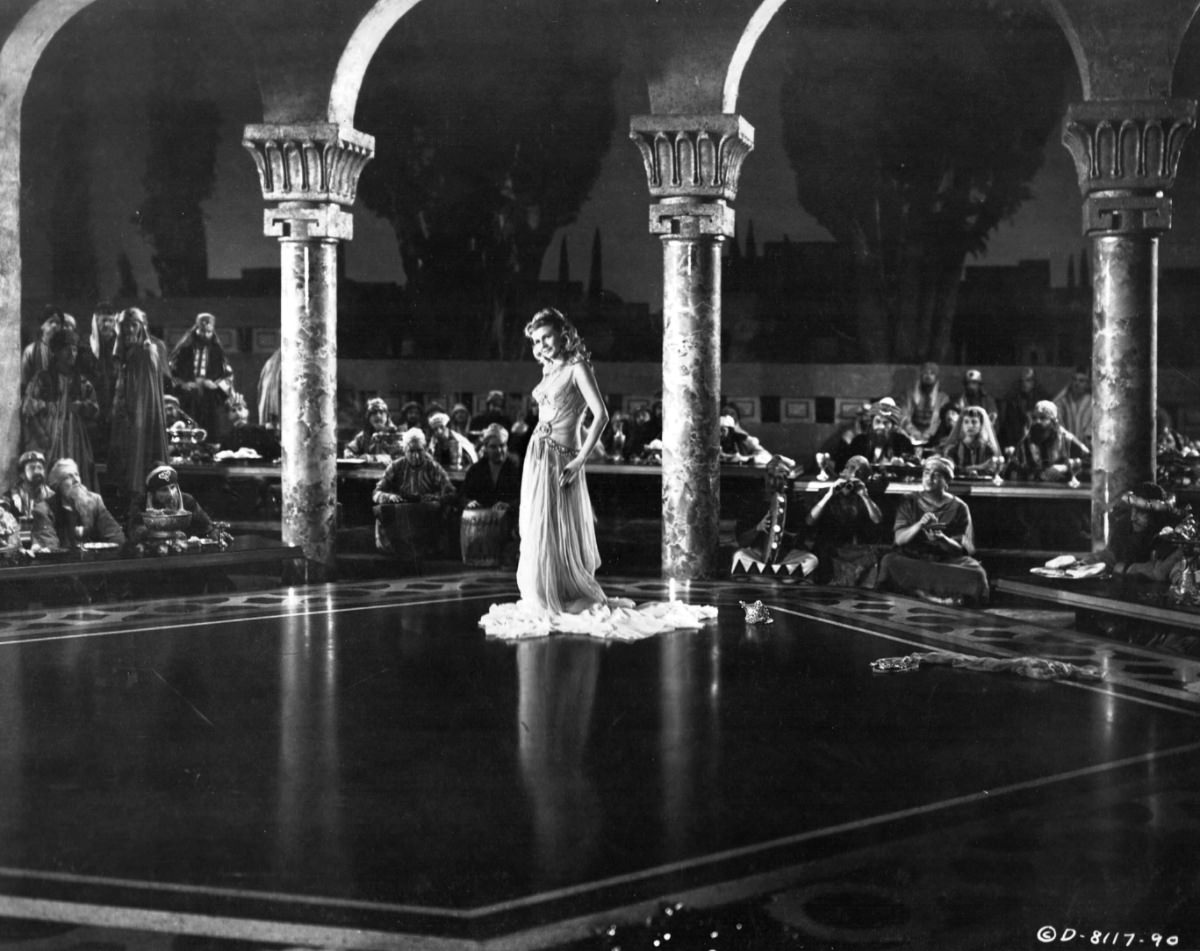
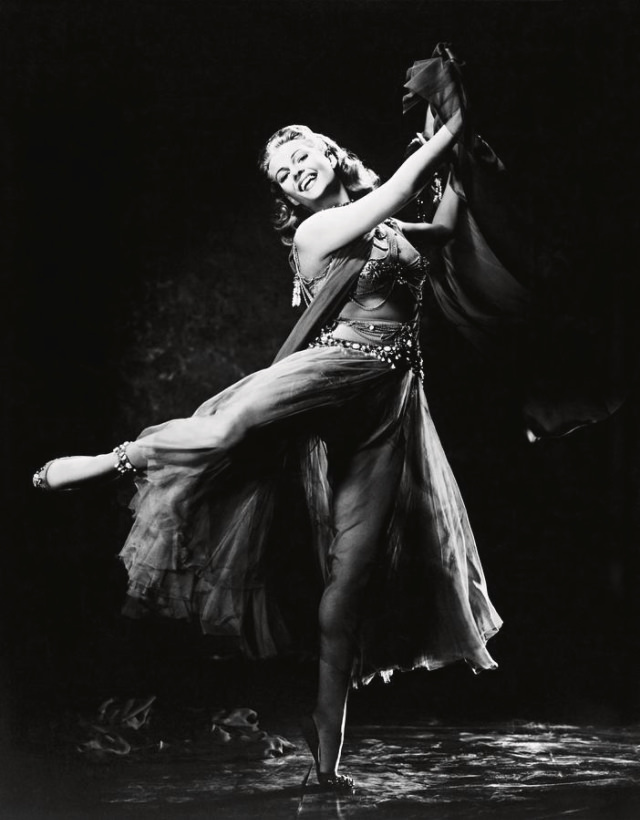
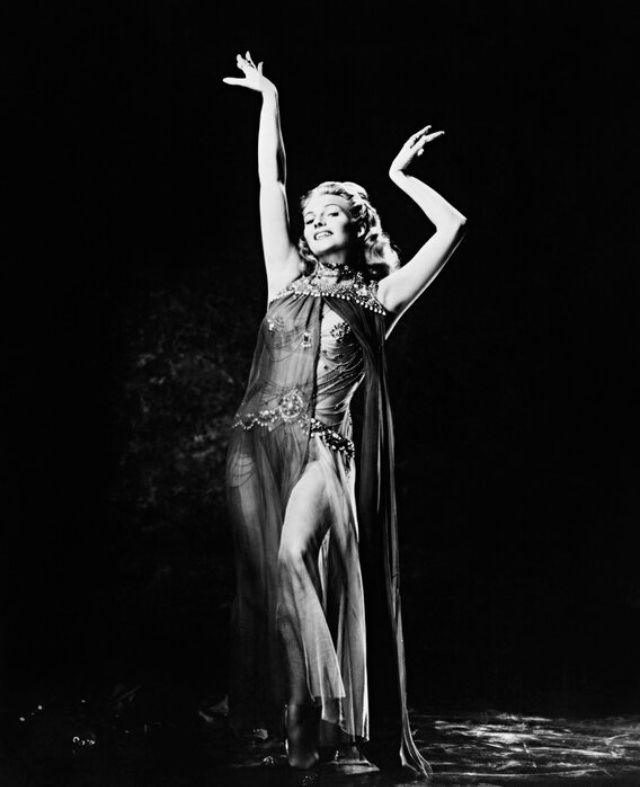
The Dance of the Seven Veils itself is a gradual, theatrical strip dance. Each veil removed marks a step in the performance, building tension with the audience and with the king watching her. Staging it for the camera required precise choreography, careful costume design, and a performer capable of holding the audience’s attention through every moment of it. Hayworth delivered all of that.
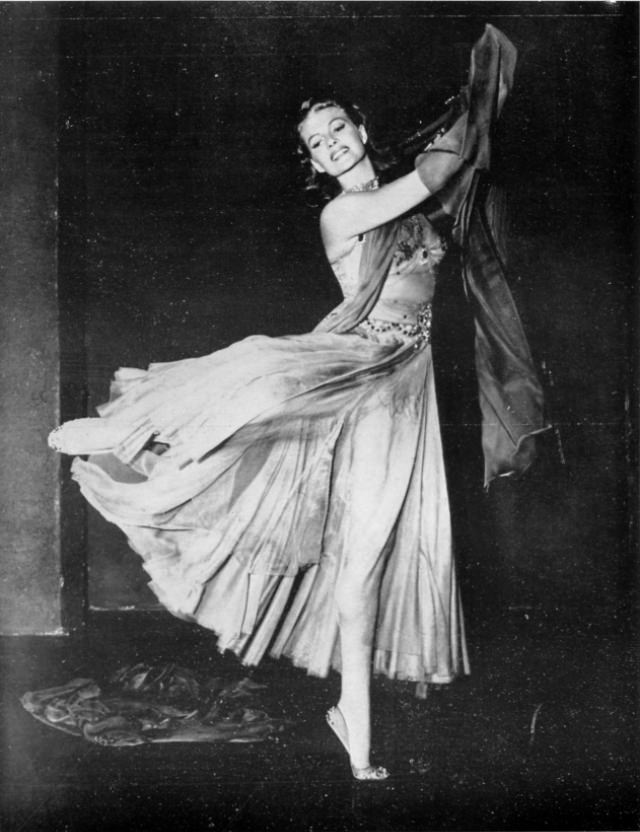
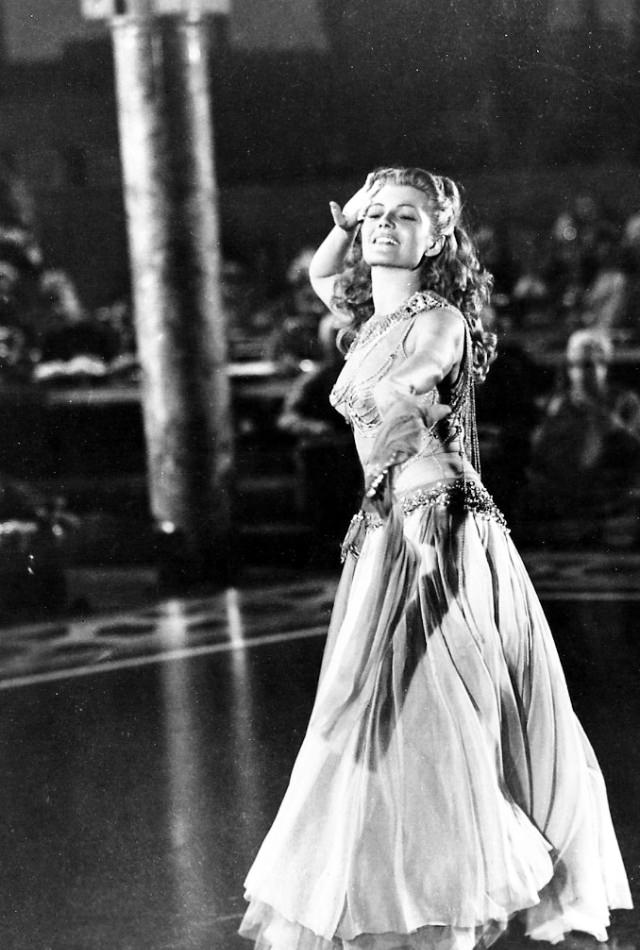
Hayworth later described the Dance of the Seven Veils in Salome as one of the most challenging performances of her entire career. That statement carries real weight. She had been dancing professionally since childhood and had performed in some of Hollywood’s most celebrated musicals. For her to single out this particular number as especially difficult speaks to just how demanding the sequence was to execute.
Salome holds a specific place in Hayworth’s professional history beyond just its famous dance. It was the final film produced by The Beckworth Company, her own production company. She had formed Beckworth in the late 1940s as a way to take greater control over her projects and her image. Salome marked the end of that chapter.
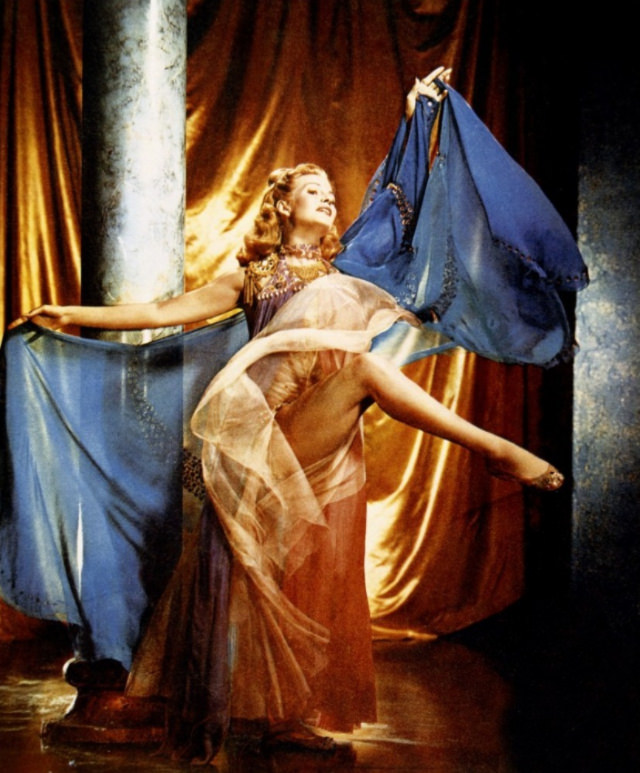
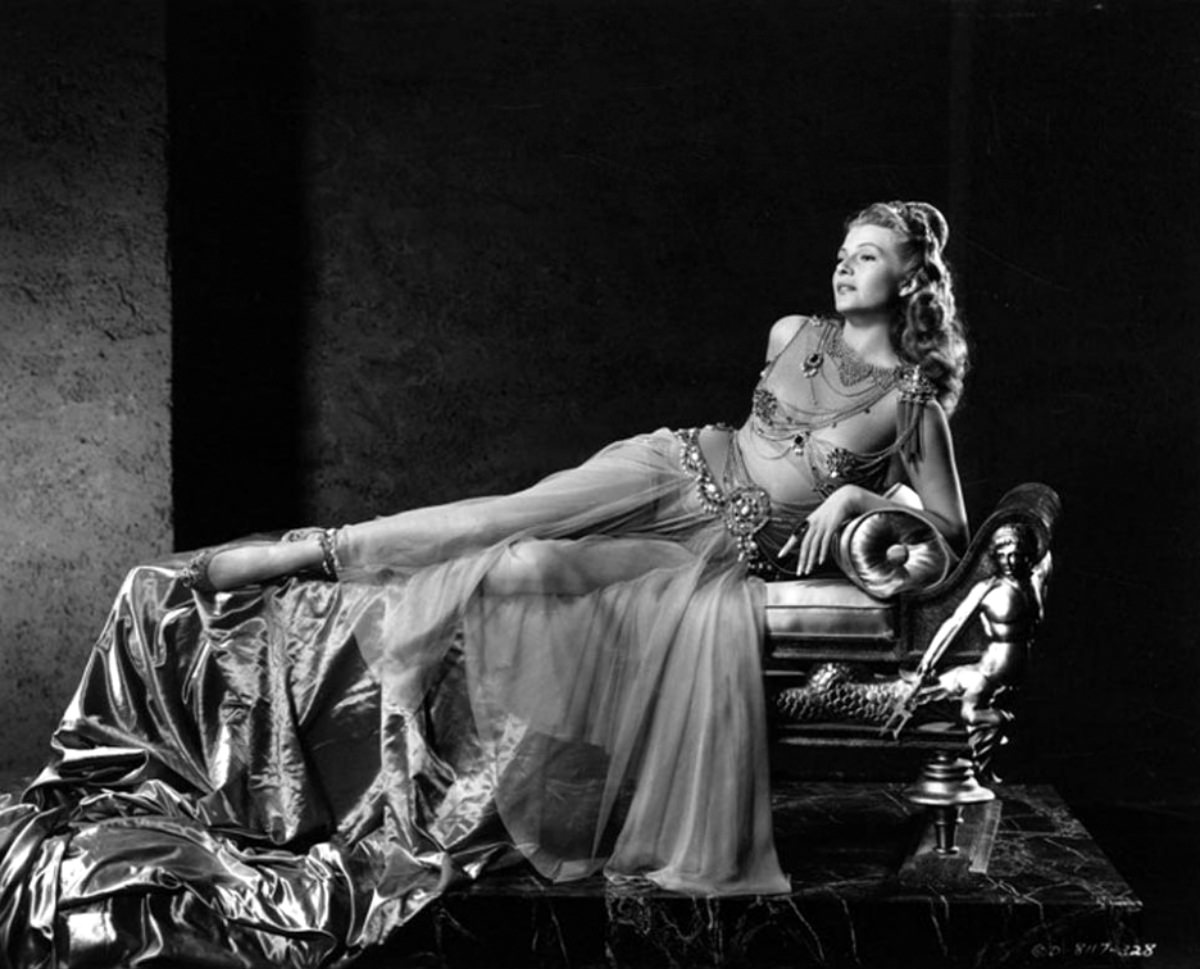
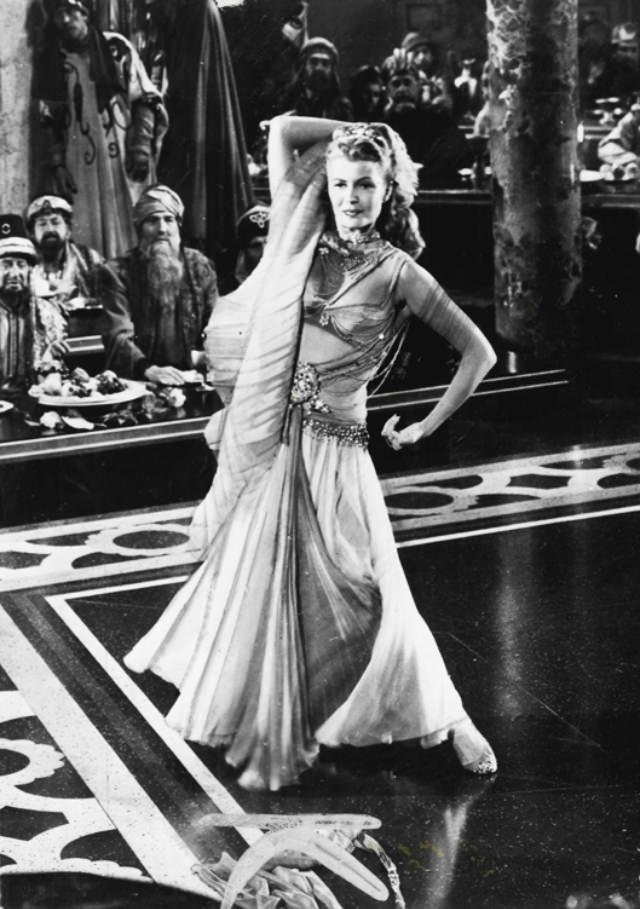
The production brought together a substantial cast and crew to recreate the ancient world of Herod’s court. Elaborate sets, detailed costumes, and period-appropriate staging were all part of making the film feel authentic. Hayworth’s dance sequence was shot with those same high production values, giving the performance a visual scale that matched its dramatic weight.
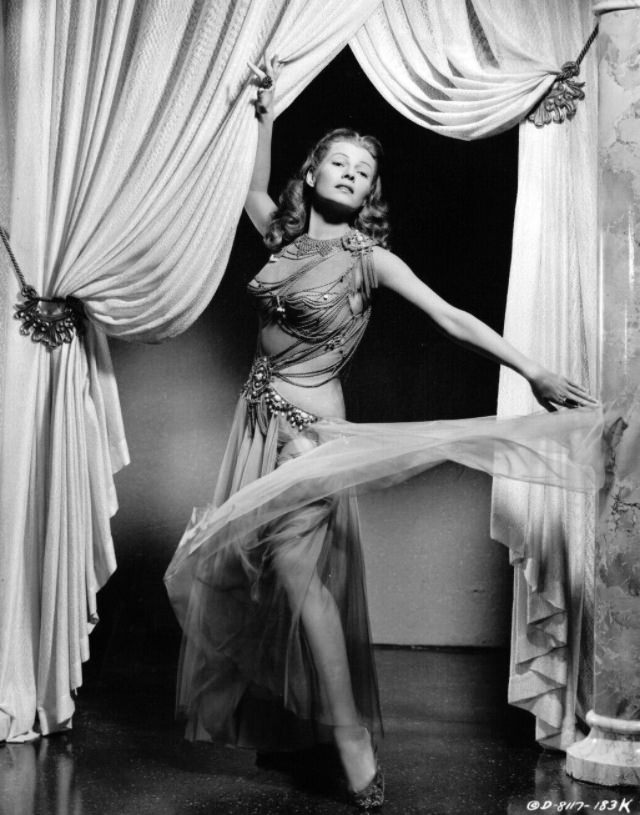
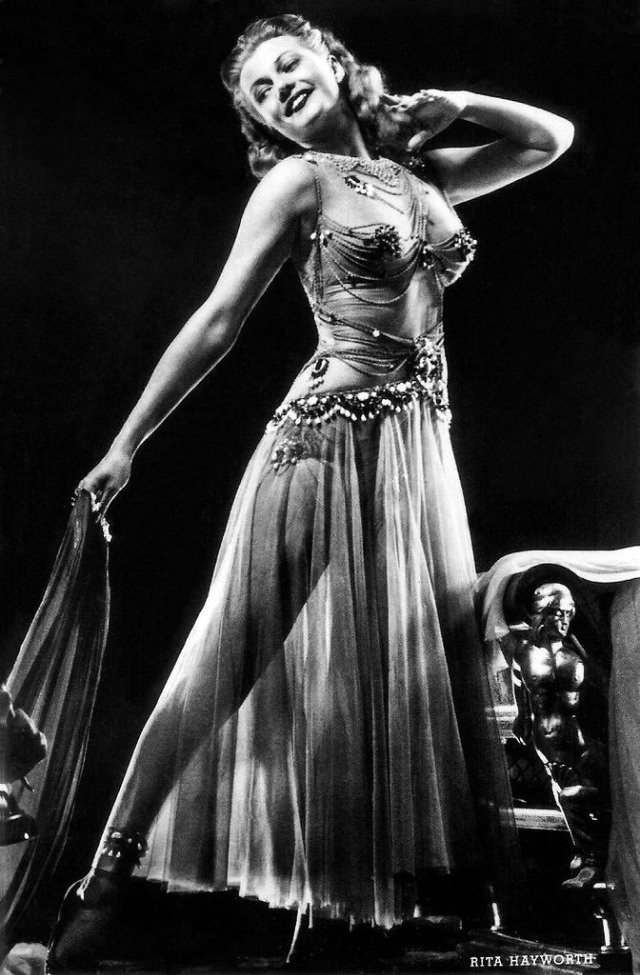
Rita Hayworth began her career as a dancer before she became a film actress. Her father, Eduardo Cansino, was a professional dancer from a family of performers, and he trained her from a very young age. She was performing publicly as a teenager and built a reputation as a skilled dancer before Hollywood took notice of her. That foundation showed throughout her film career, and it showed most clearly in Salome.
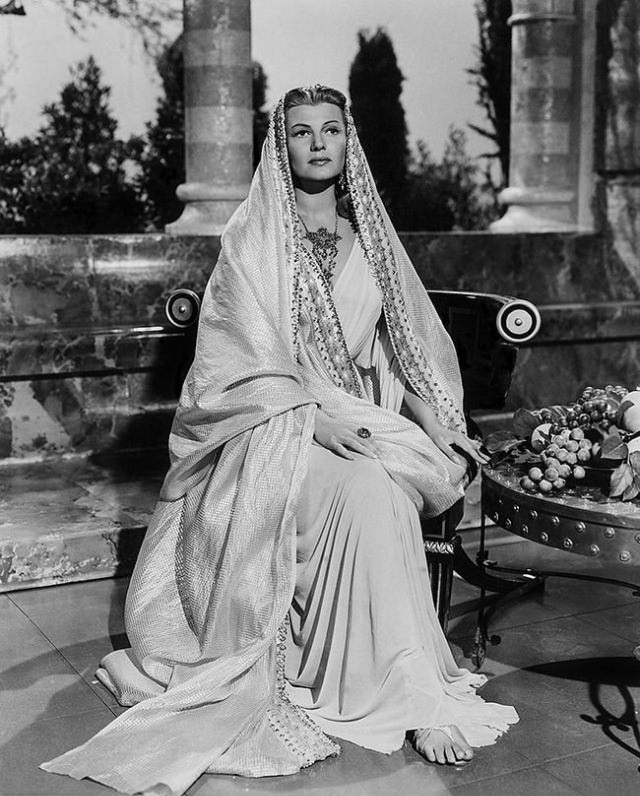
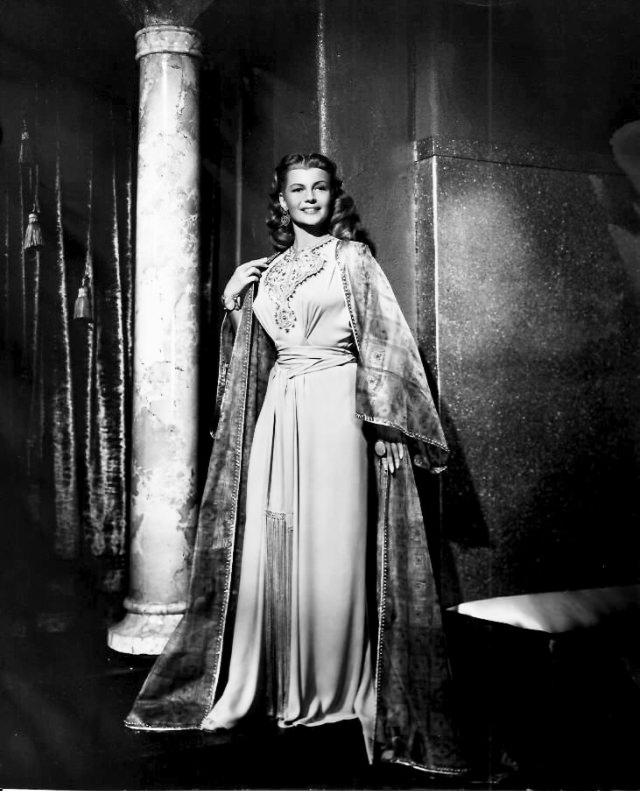
The 1953 Salome arrived during a golden period for epic historical films in Hollywood. Studios were investing heavily in large-scale productions set in the ancient world, and audiences were responding. Hayworth’s star power made Salome a commercial draw, but the dance sequence gave the film a memorable centerpiece that set it apart from others in the genre.
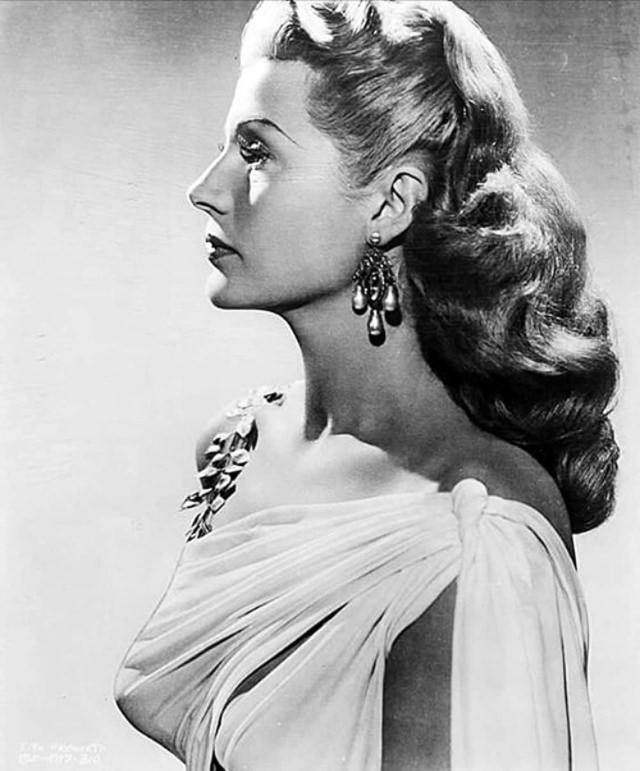
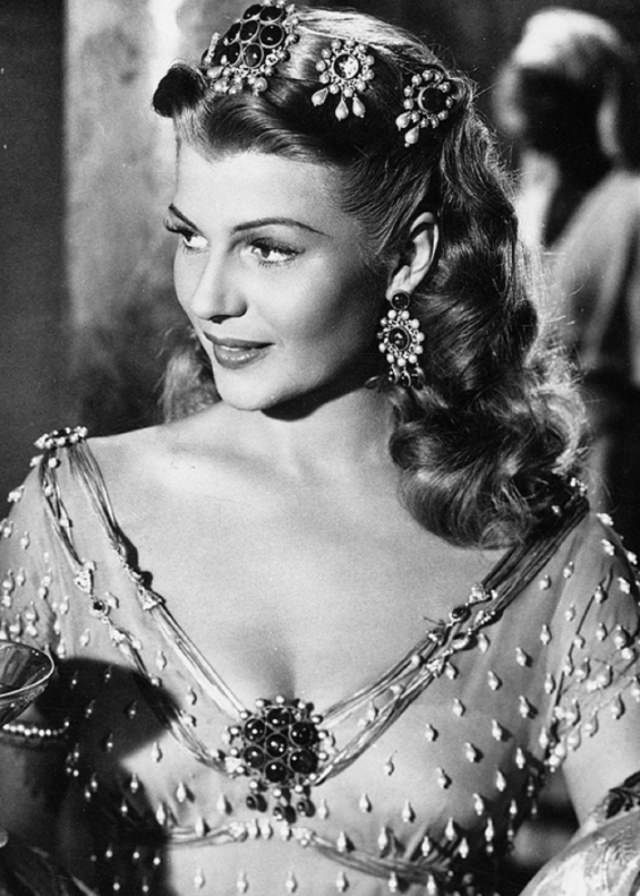
The decision to rewrite Salome’s motivation changes the emotional tone of the entire dance. In older versions of the story, the dance is an act of seduction and manipulation. In Hayworth’s version, it becomes a tragedy. The audience watches her perform knowing she is trying to save John’s life, not end it. That dramatic irony adds a layer of tension to every movement she makes.
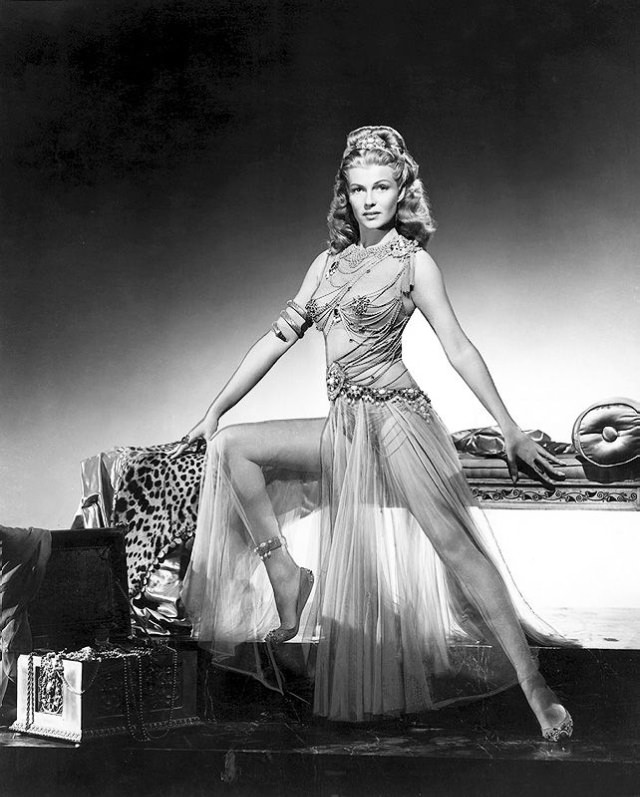
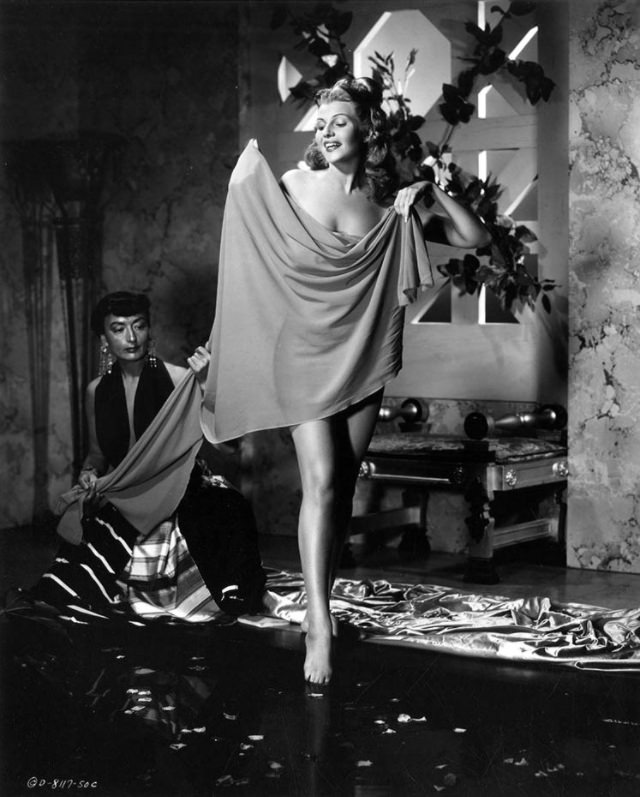
Photographs from the production capture Hayworth in full costume mid-performance, draped in layered fabrics and surrounded by the ornate décor of Herod’s palace set. The images reflect the intensity of the sequence. Her posture, expression, and body language all communicate the emotional stakes of the scene in a way that still reads clearly decades later.
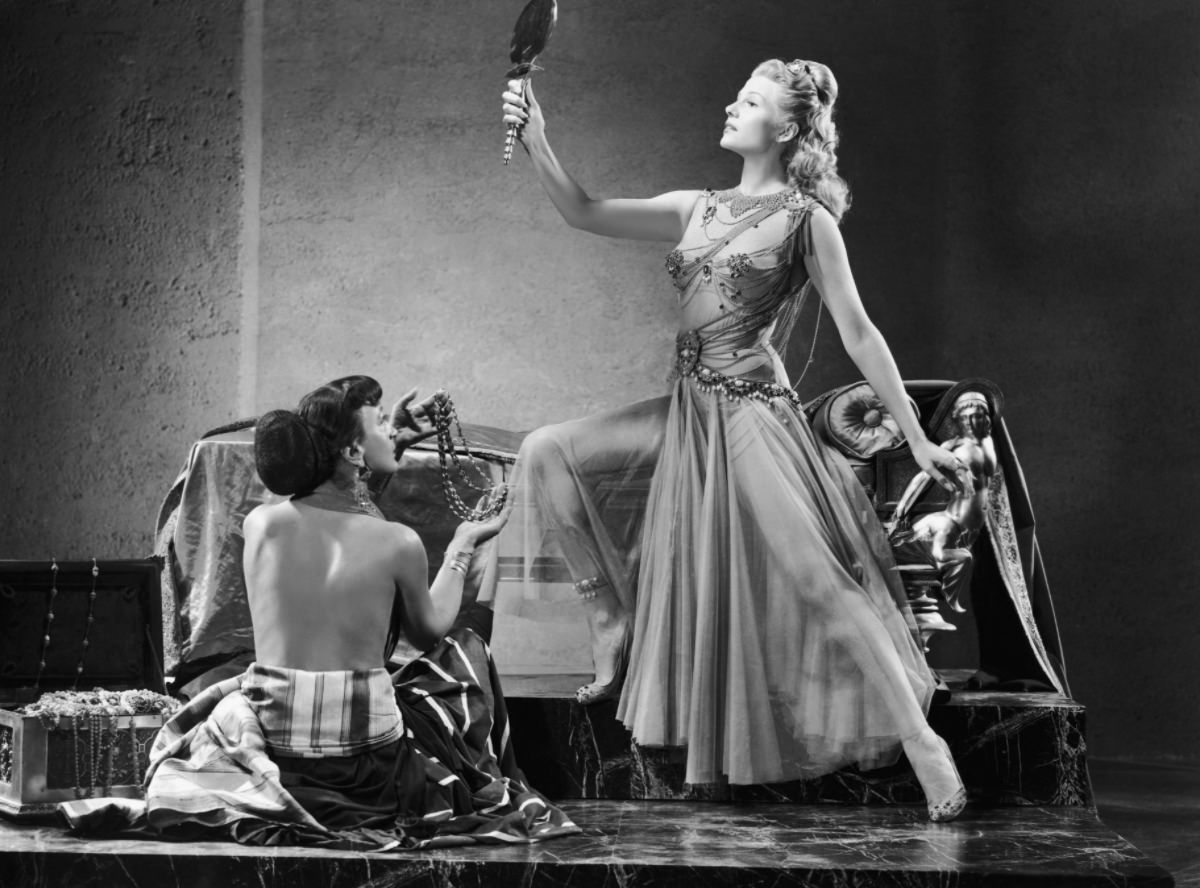
Rita Hayworth’s reputation in Hollywood rested largely on her looks and her acting. But her dancing ability was a separate and significant skill that trained eyes recognized as exceptional. The Dance of the Seven Veils in Salome required physical stamina, precise technique, and the ability to perform under the pressure of the camera while conveying a character’s inner emotional state. Hayworth brought all of that to the role.