

Richmond, Virginia in the 1910s was a city in motion. Its streets hummed with factory workers, merchants, students, and streetcars. The James River kept the city’s industrial engine running, while grand hotels, churches, and monuments gave the skyline its unmistakable character. This was a decade of real growth — but also real pain — and the photographs left behind tell both stories clearly.
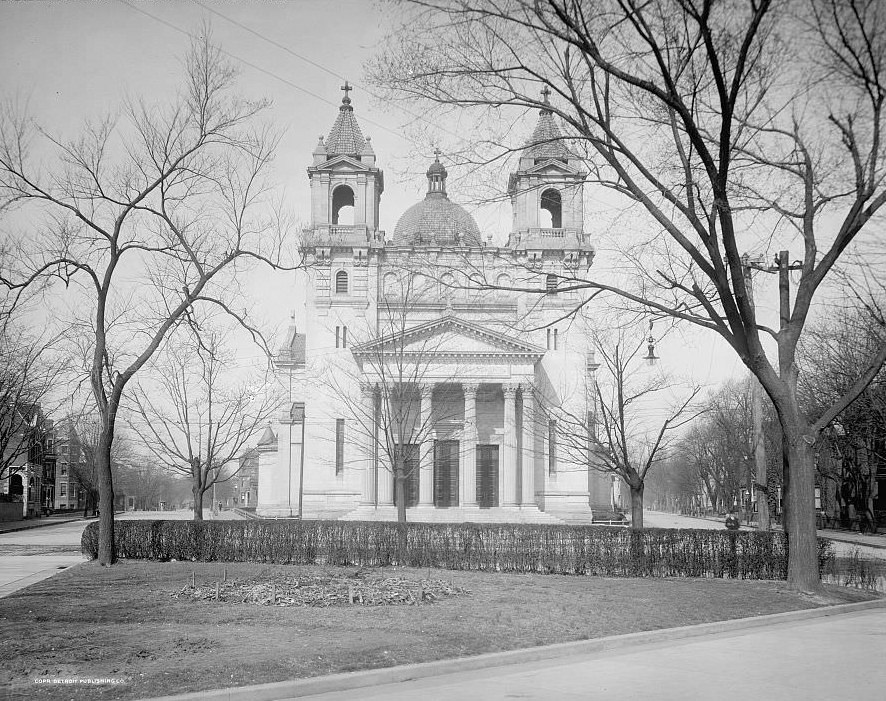
Richmond’s position on the James River had always made it a natural center of trade. By the 1910s, that advantage was in full use. The tobacco industry dominated, with companies like the American Tobacco Company processing and shipping product from Richmond warehouses. Ironworks and textile mills added more jobs, drawing workers from across the region. The city’s economy was expanding, and that growth showed on its streets.
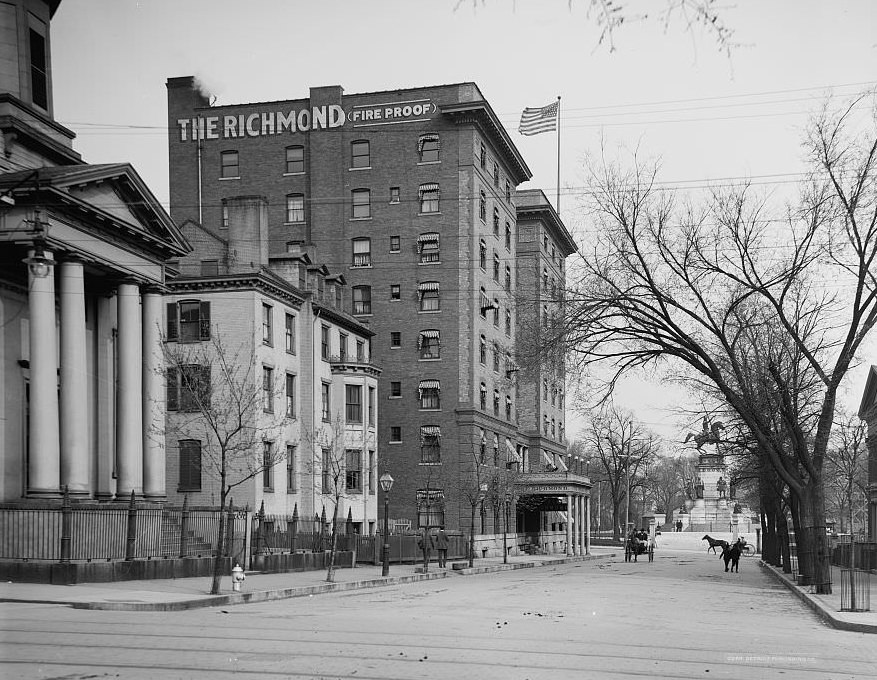
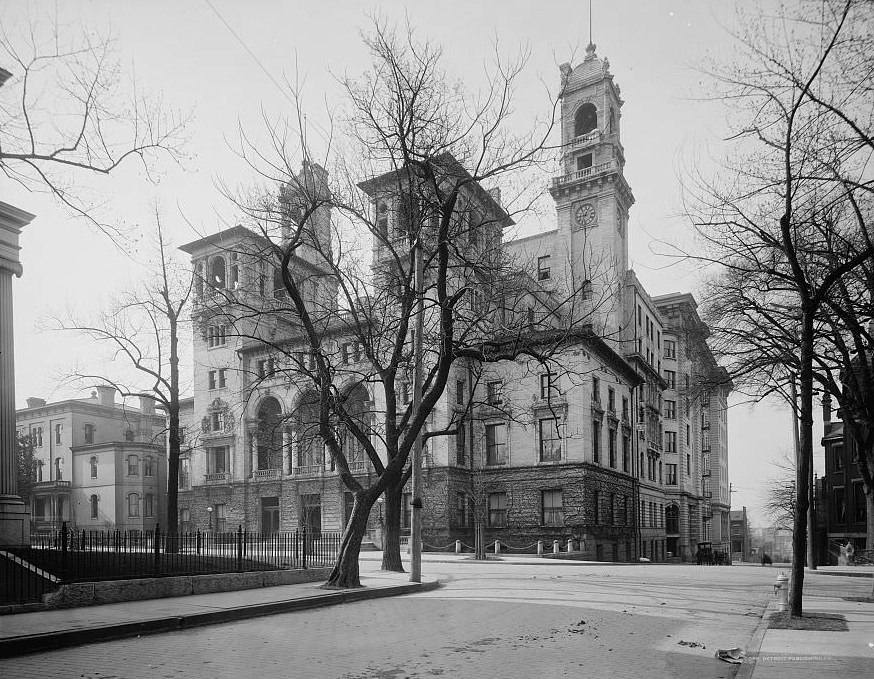
The physical city grew along with its economy. New neighborhoods spread outward from the original city core, and established areas filled in with commercial and civic buildings. Churches like St. Paul’s anchored neighborhoods spiritually and socially, and their grand architecture reflected the city’s ambitions.
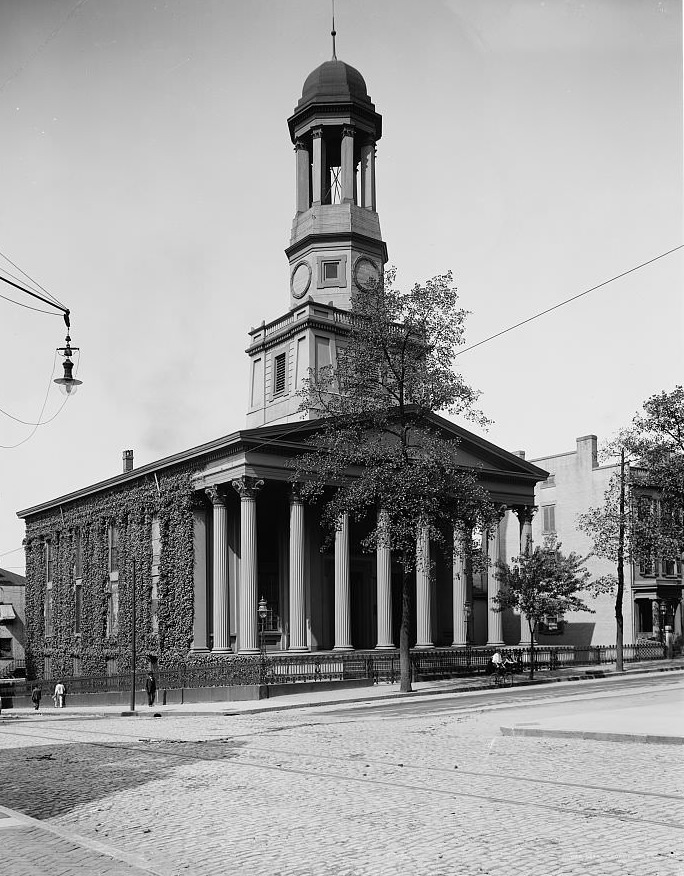
Civic organizations played a large role in city life during this era. The YMCA offered working men a place to meet, exercise, and find community in an age before organized recreation was common. Buildings like these were central gathering points — part gymnasium, part social club, and part support network.
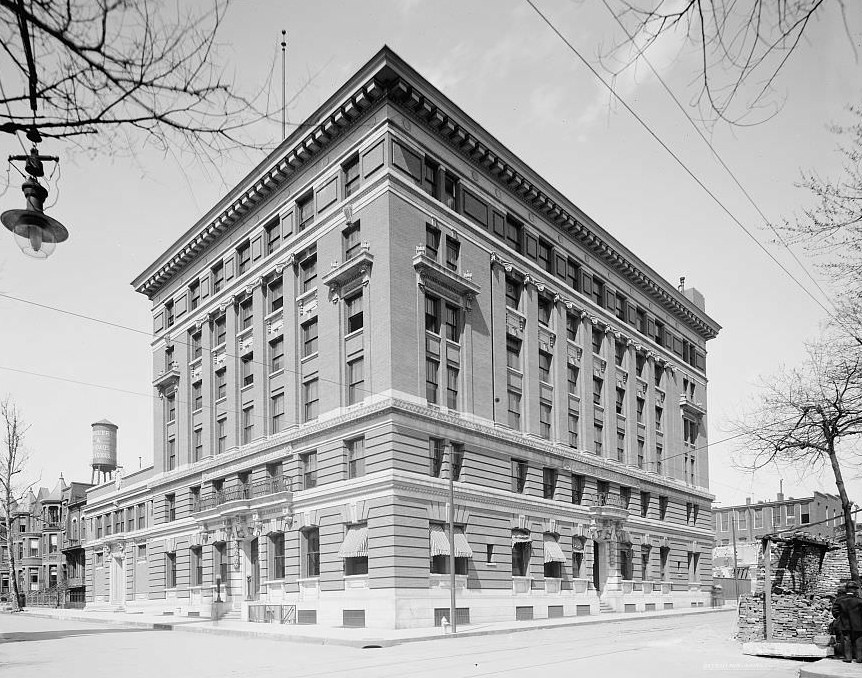
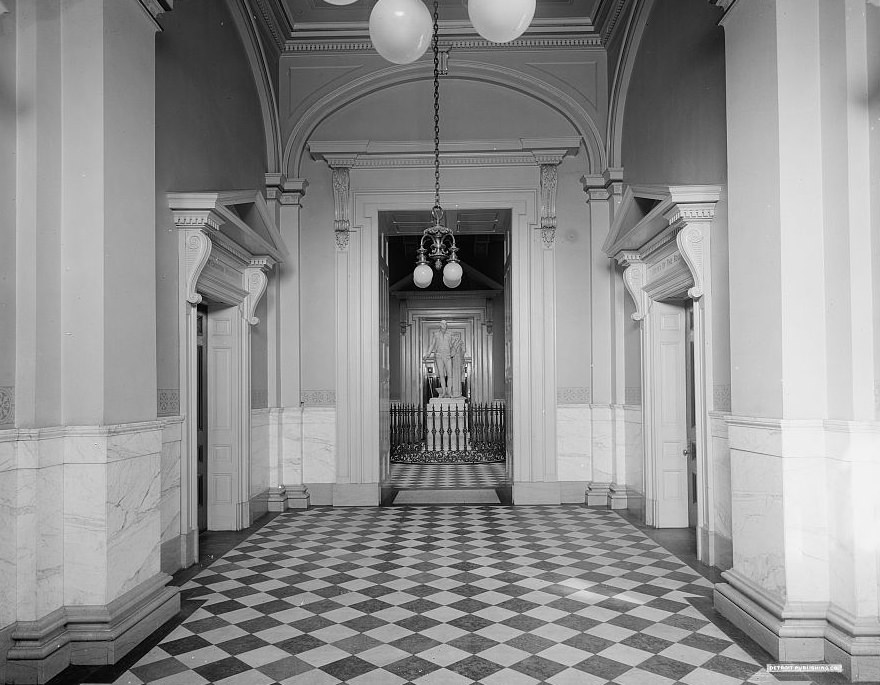
At the center of Virginia’s political life stood the State Capitol, designed by Thomas Jefferson and still in active use. Its main entrance hall was a space that Richmond residents viewed with civic pride. State government business moved through these halls daily, and the building served as a constant reminder of the city’s role as the state capital.
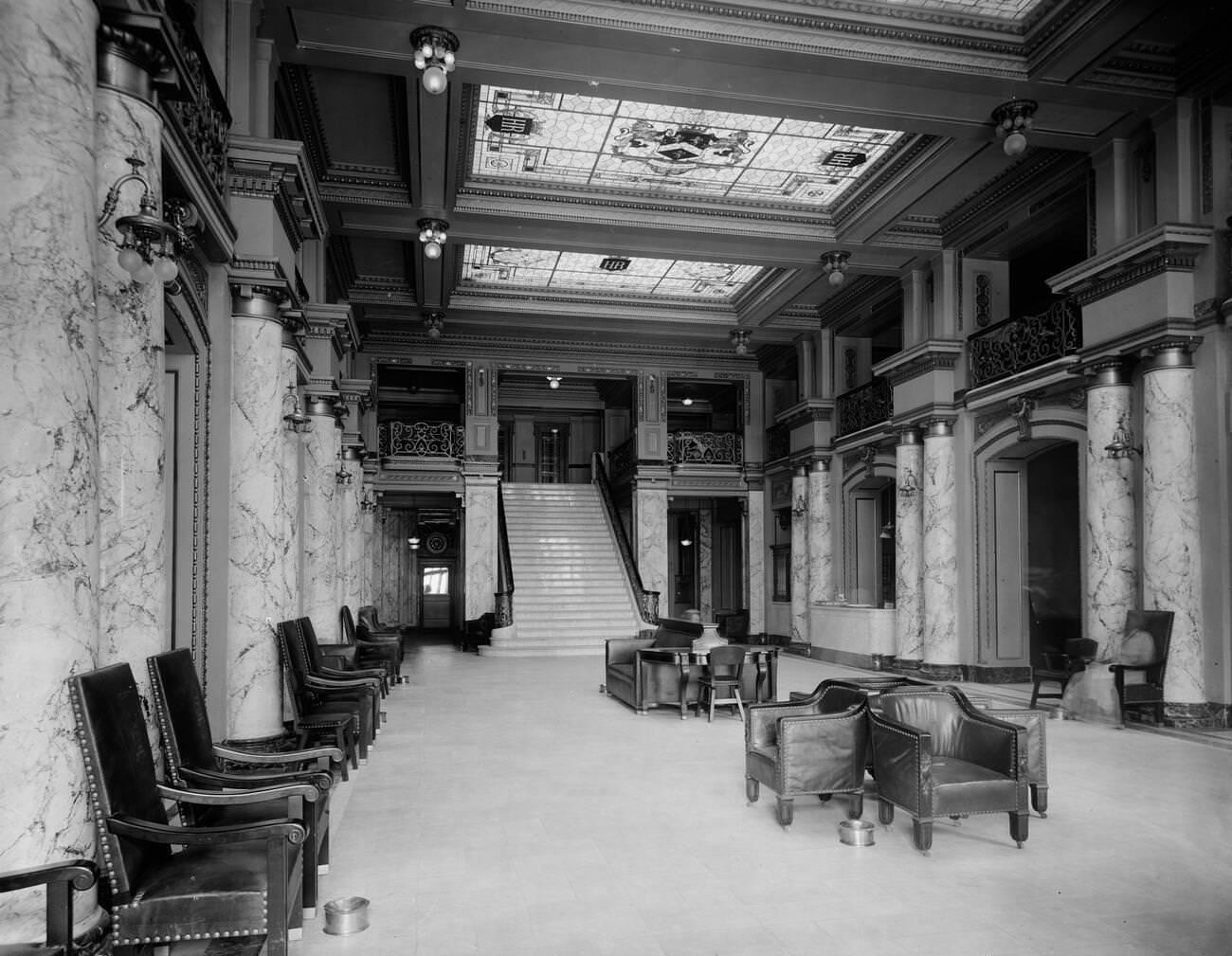
Hospitality was a serious business in Richmond. The Jefferson Hotel, one of the finest in the South, attracted wealthy travelers, politicians, and businessmen. Its ornate lobby and formal dining rooms made it a landmark. Guests arriving in the city by rail would often head straight there from the station.
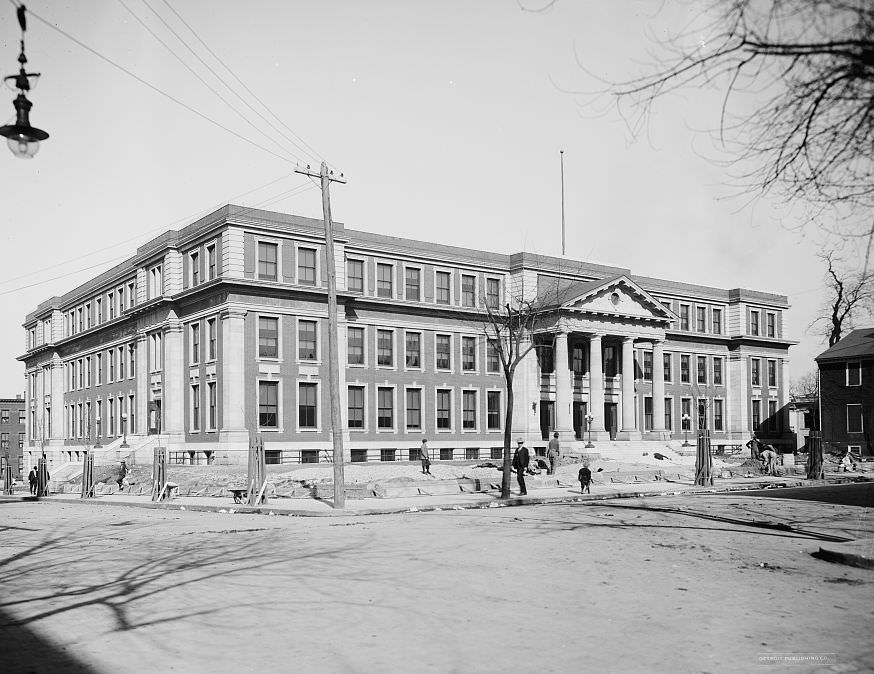
Education was expanding as well. John Marshall High School served white students in the public system and stood as one of the prominent secondary schools in the city. Its brick facade and formal design reflected the era’s belief that public schools should look as serious as the education happening inside them.
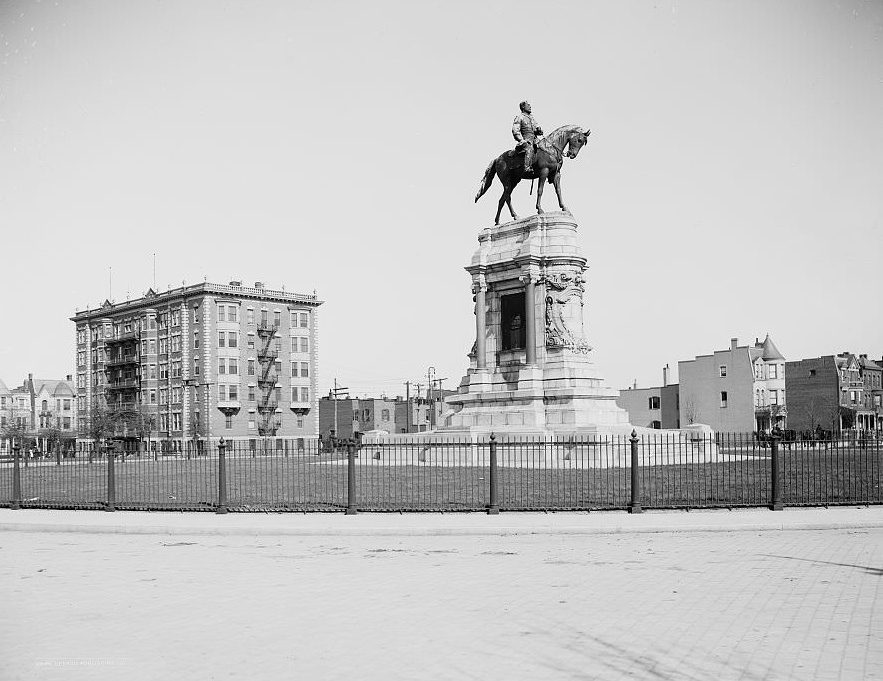
Monument Avenue was already one of Richmond’s most distinctive streets by the 1910s. The Lee Monument, unveiled in 1890, stood at the head of the boulevard and remained a defining feature of the city’s identity. Confederate commemoration was deeply embedded in Richmond’s public spaces during this decade, with new monuments still being added.
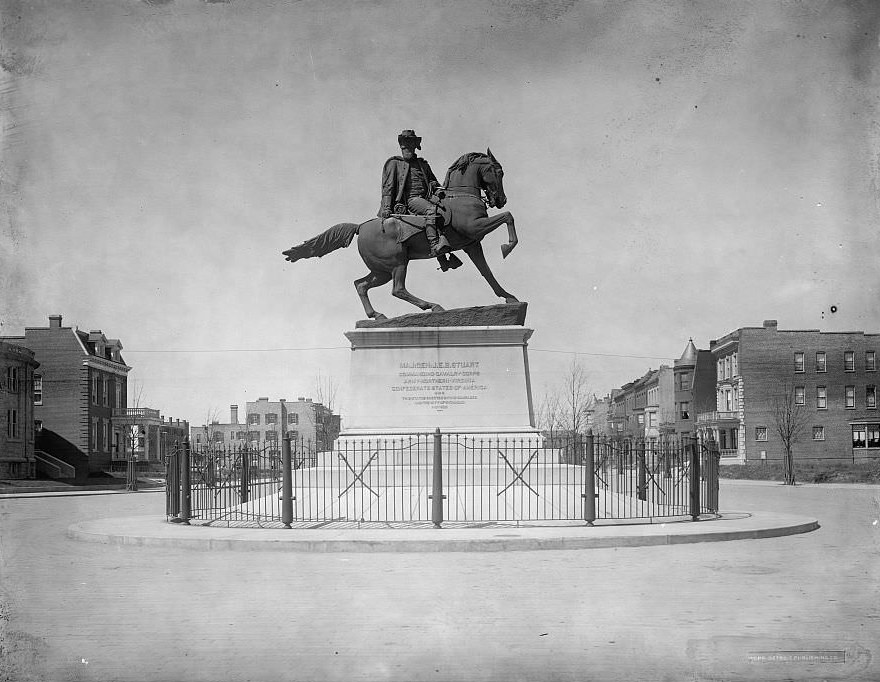
Along the same avenue, the J.E.B. Stuart Monument honored the Confederate cavalry commander. These statues lined Monument Avenue like an open-air museum of the Confederacy, and they shaped how Richmond presented itself to visitors and residents alike throughout the entire decade.
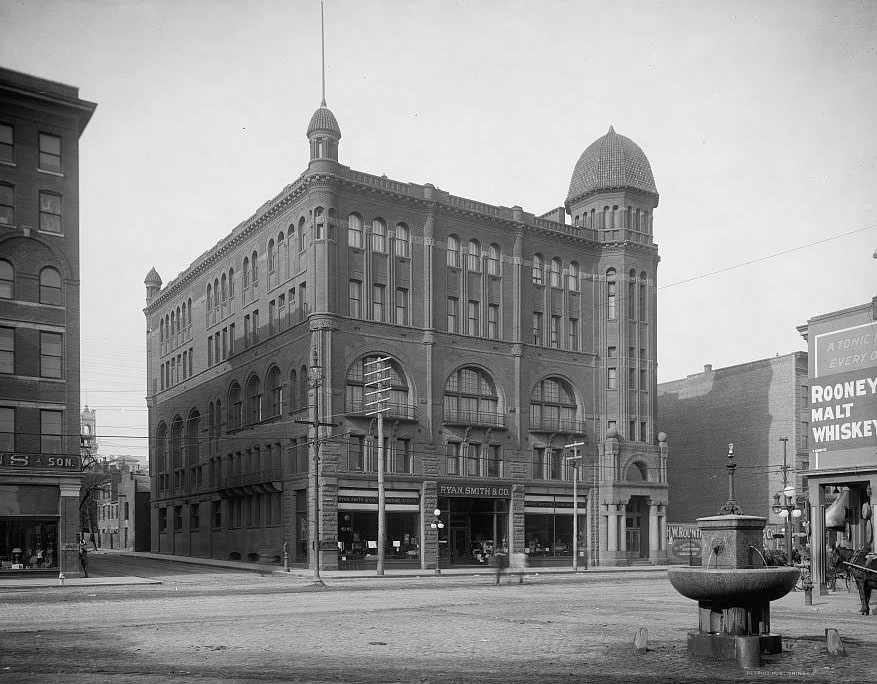
Fraternal organizations were woven into the fabric of daily life for many Richmond men. The Masonic Temple was one of the most recognizable buildings in the city, and Masonic lodges provided networking, mutual aid, and social structure for members across class lines. The building itself was a statement of permanence and influence.
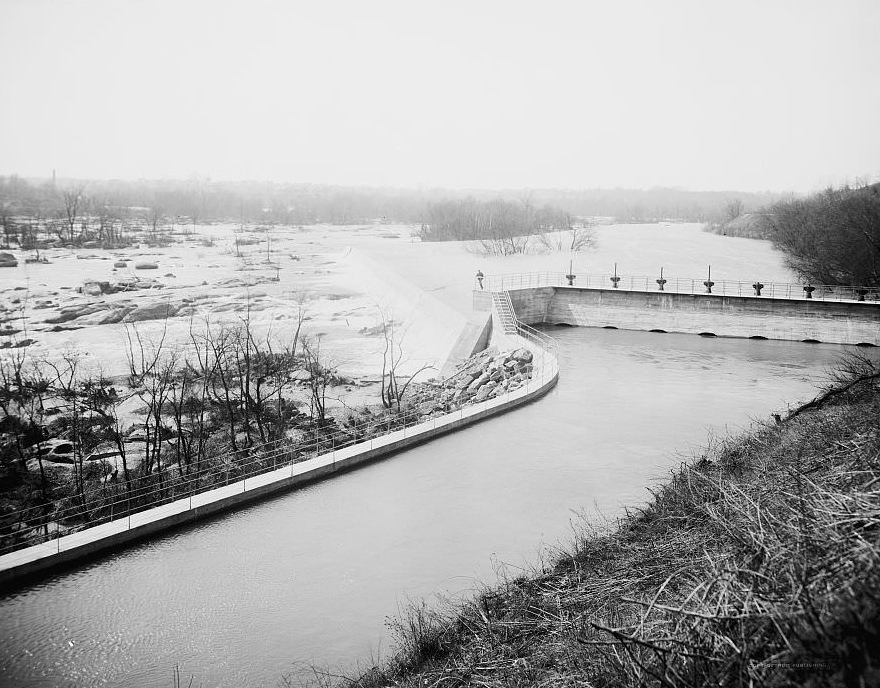
The James River ran through the city’s story as much as it ran through its geography. The falls of the James provided water power that had driven Richmond’s mills for generations. By the 1910s, the river was both a working industrial feature and a natural landmark that residents knew well.
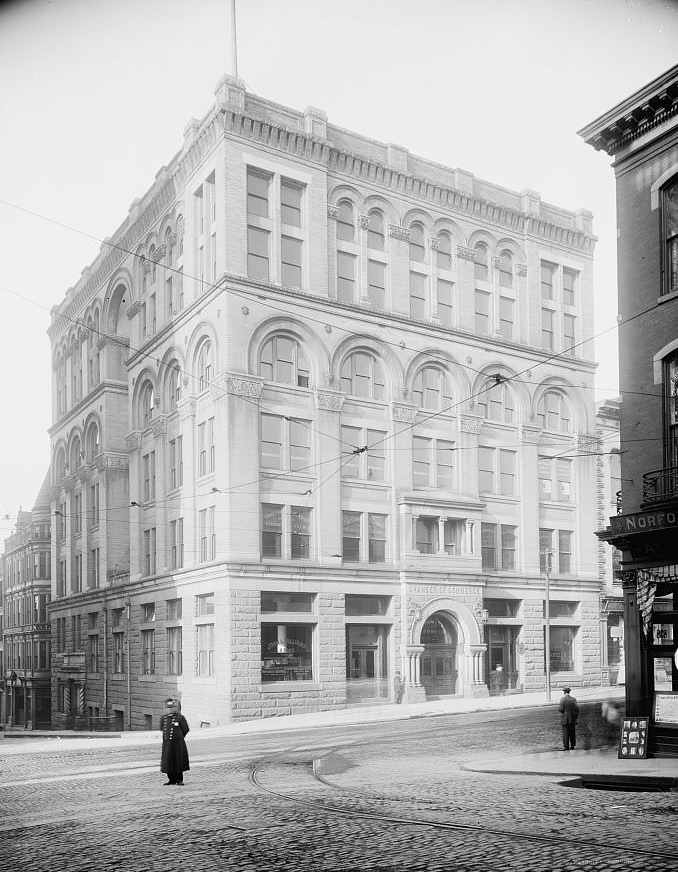
Commerce organized itself formally through institutions like the Chamber of Commerce, which brought together business leaders to shape city policy and attract investment. Its building projected stability and professional organization — a signal to outside investors that Richmond was a city serious about growth.
Rail travel was the primary way people moved between cities in the 1910s, and Richmond had the infrastructure to match its ambitions. Main Street Station — also referred to as Union Station — handled significant passenger traffic and stood as an architectural showpiece. The city’s rail connections tied it directly to the commercial networks of the East Coast.
![Union [i.e. Main Street] Station, Richmond, 1910s](https://www.bygonely.com/wp-content/uploads/2023/07/Richmond_1910s_13.jpg)
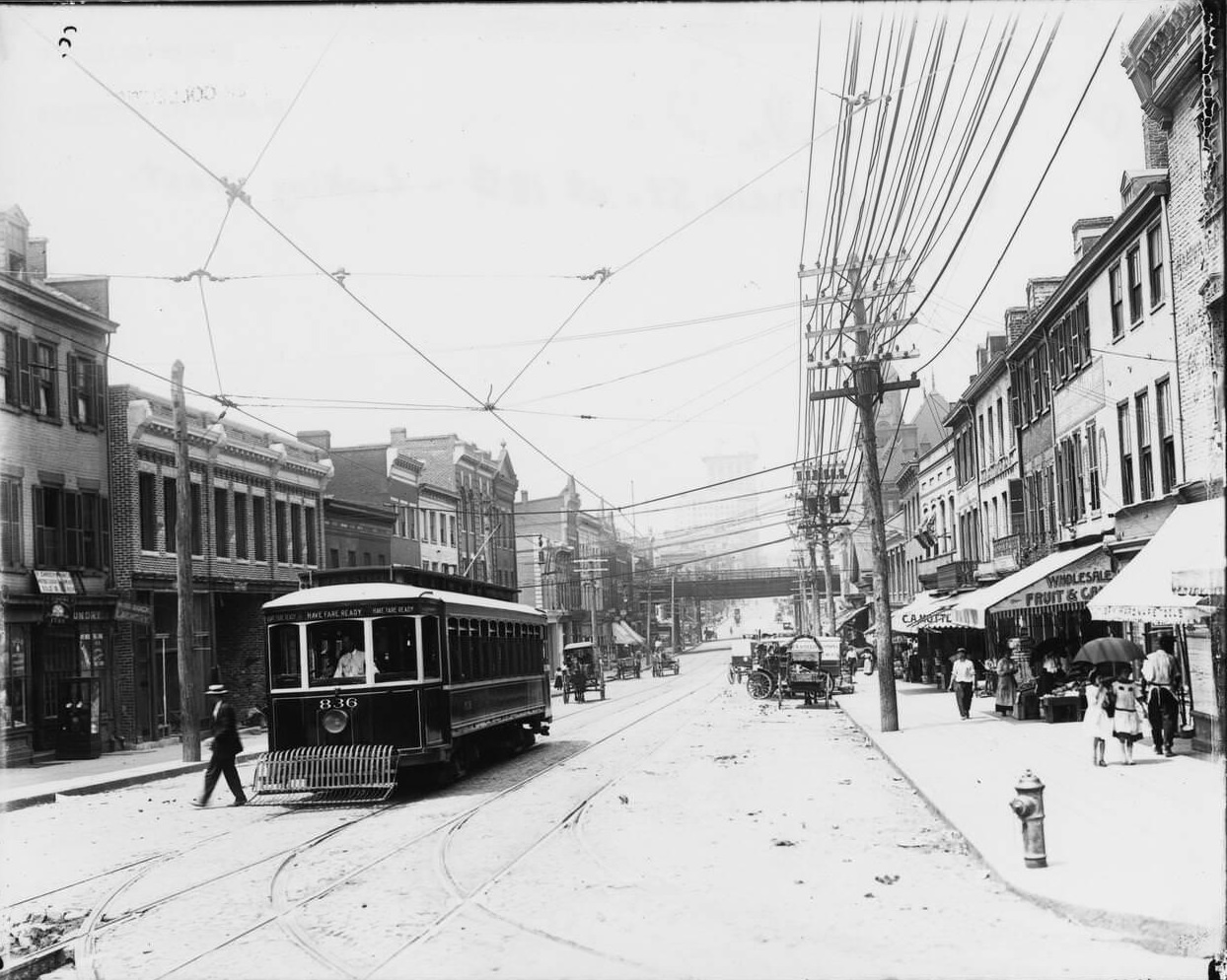
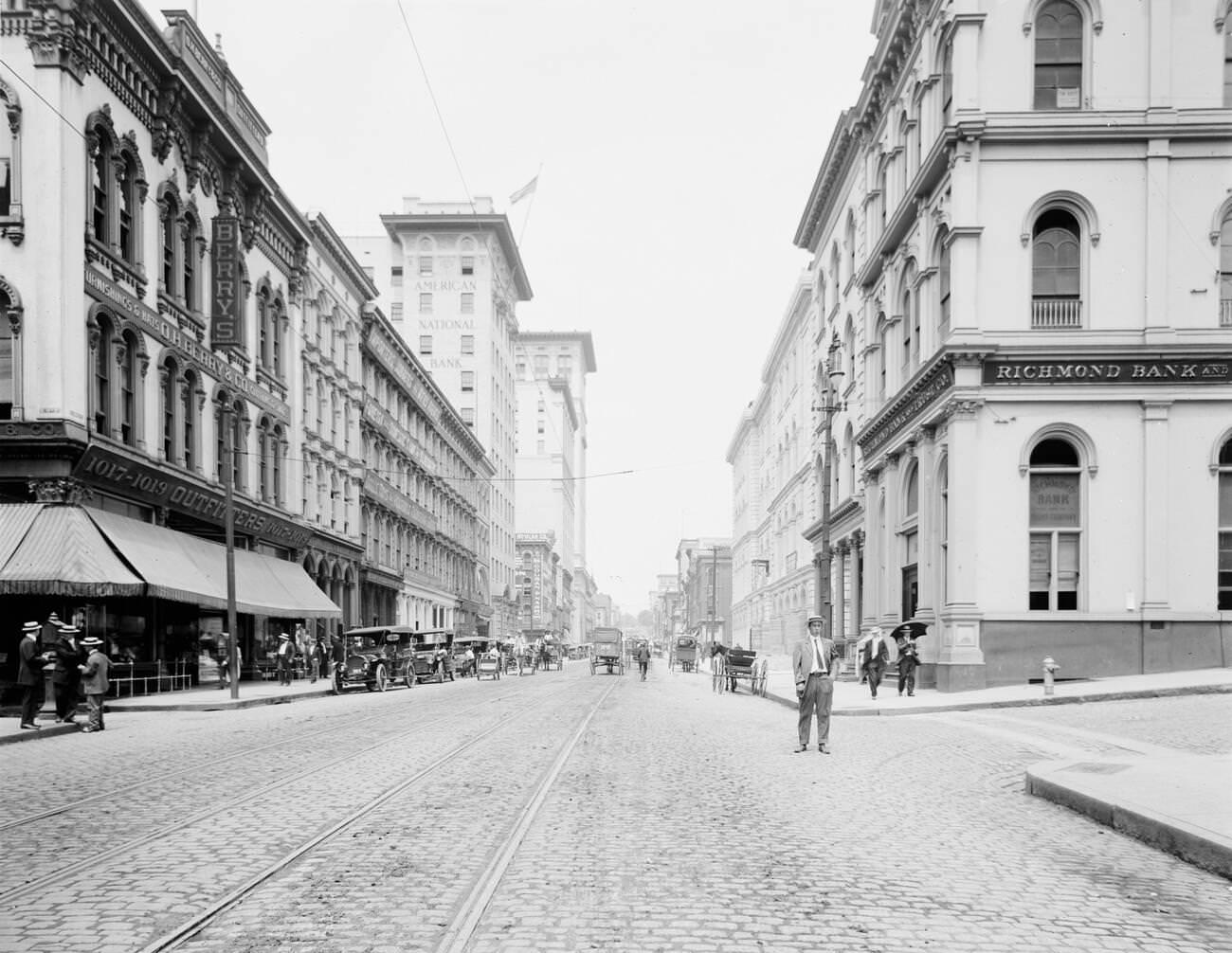
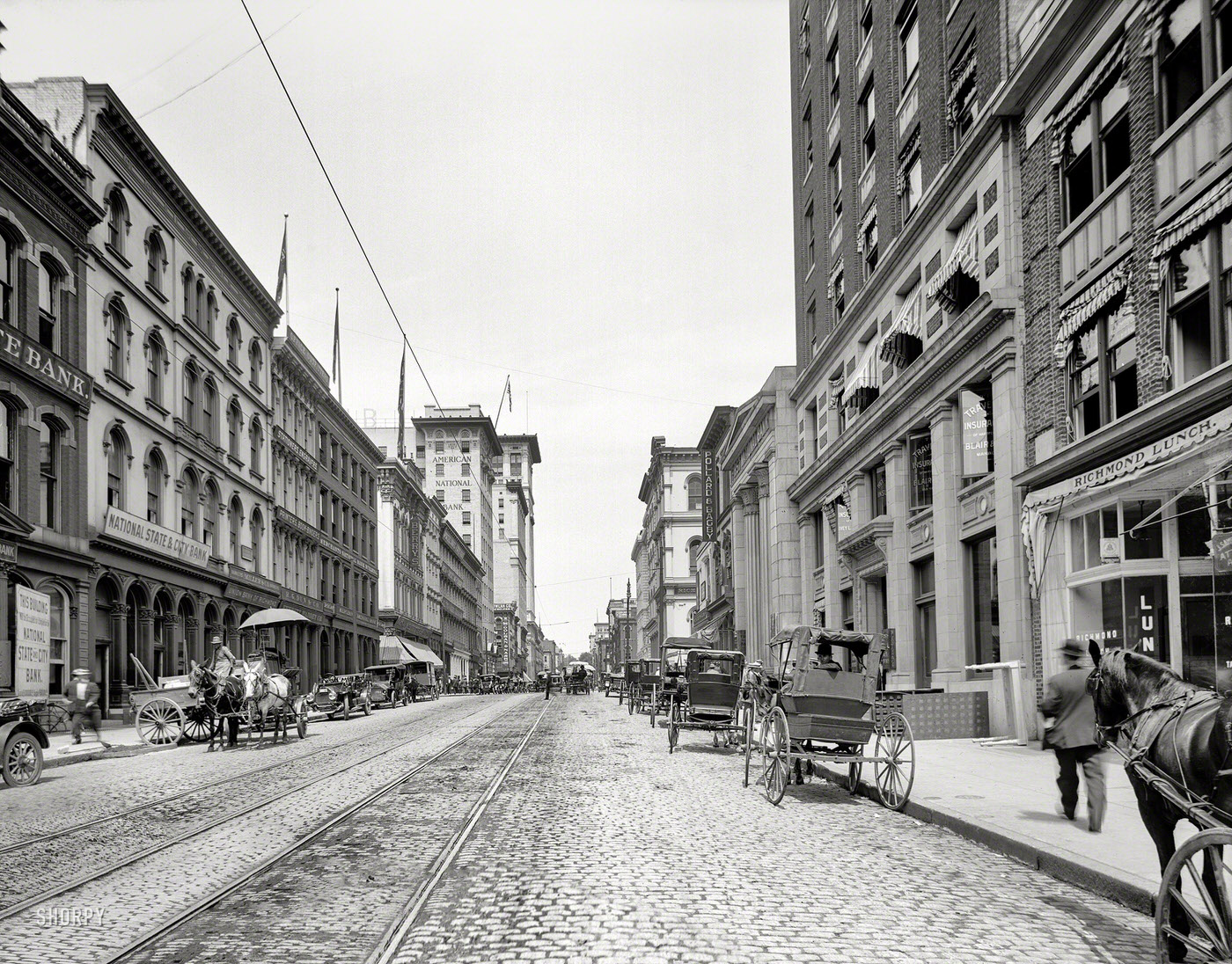
Main Street was the commercial spine of the city. Shops, banks, and offices lined both sides, and pedestrian traffic was constant. Electric streetcars moved people up and down the corridor — Richmond had been a pioneer in electric streetcar technology since the 1880s, and by the 1910s the system was fully mature.
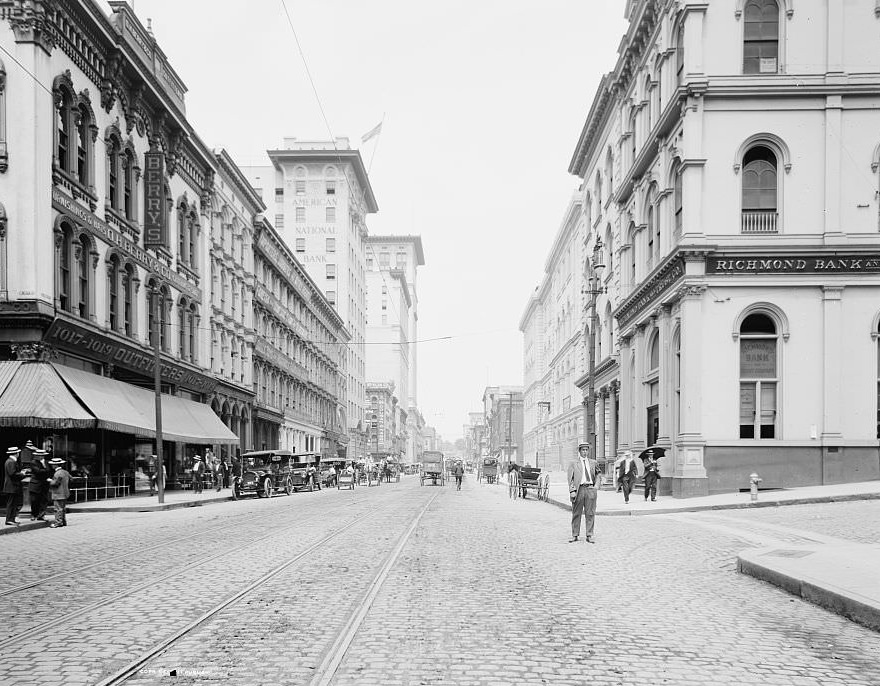
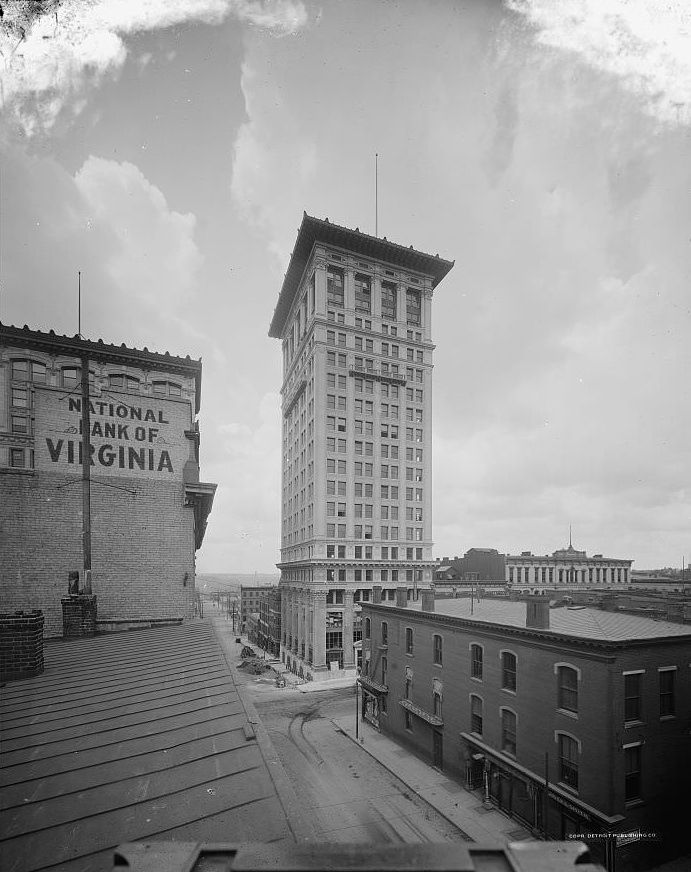
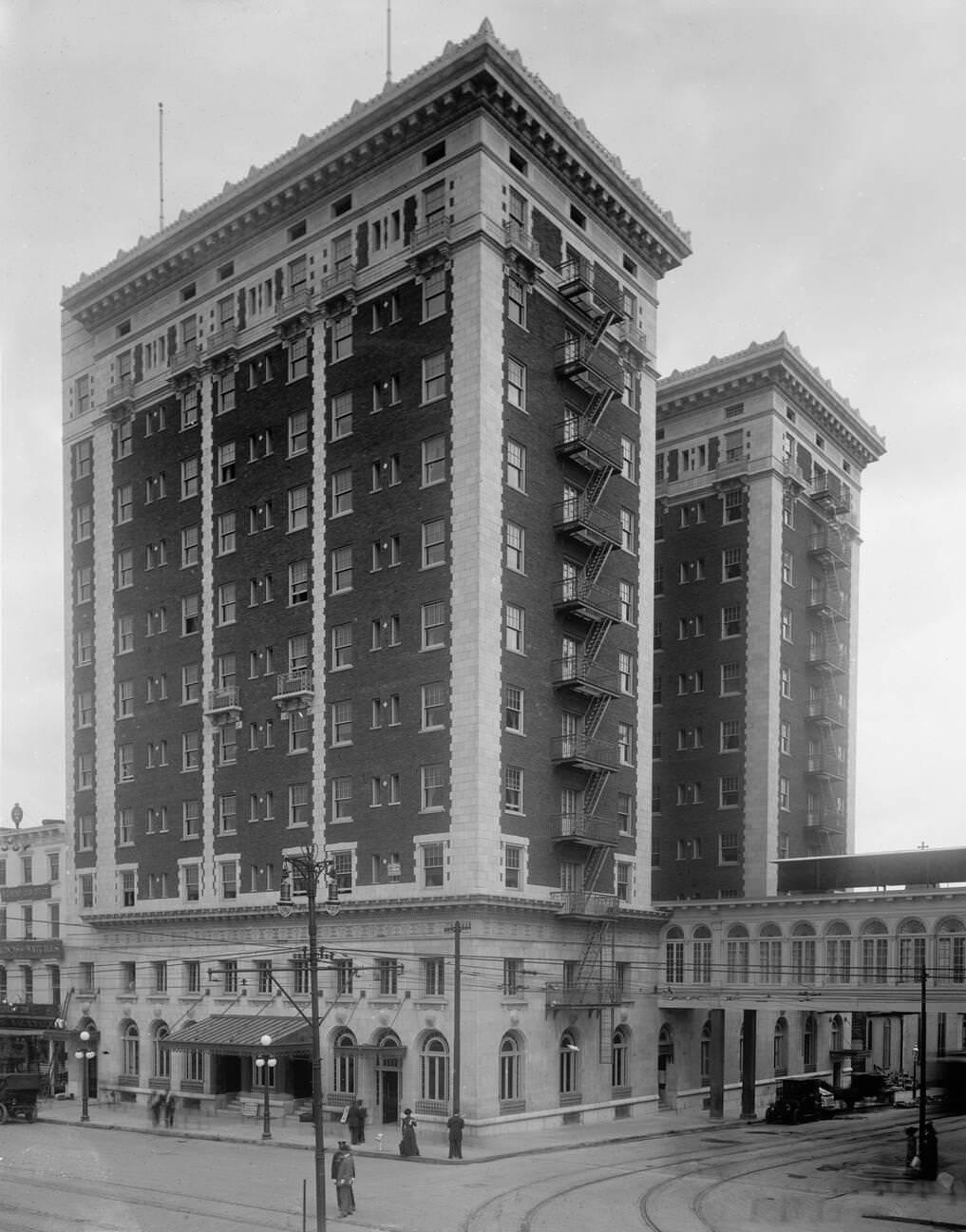
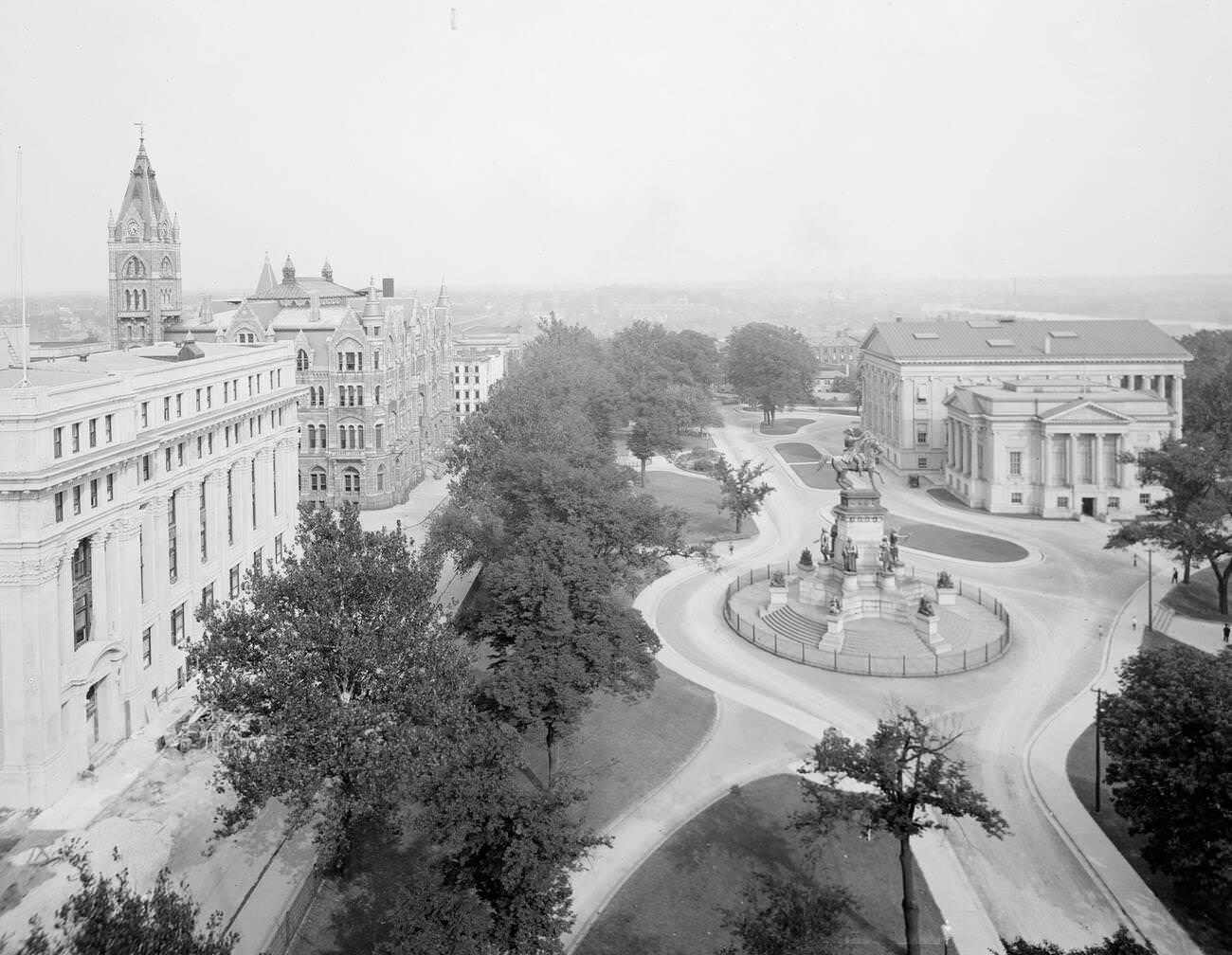
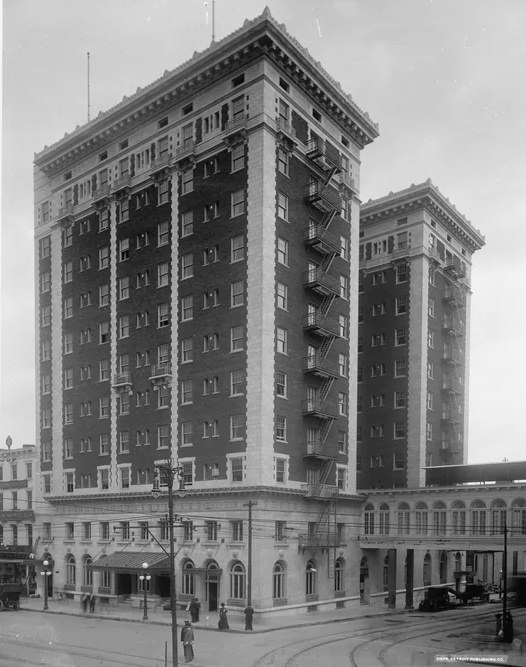
The view east from Hotel Richmond gave a clear picture of the city’s density and vertical ambitions. Buildings had grown taller in the previous two decades, and the downtown skyline reflected the prosperity that industry and commerce had brought to the city. Richmond was not a sleepy Southern town — it was a working, growing urban center.
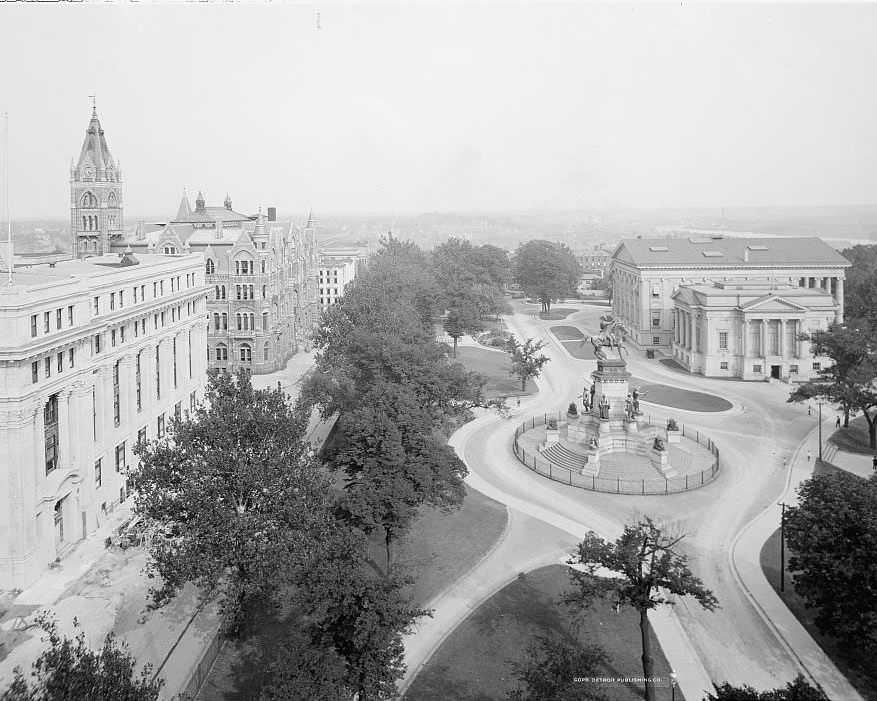
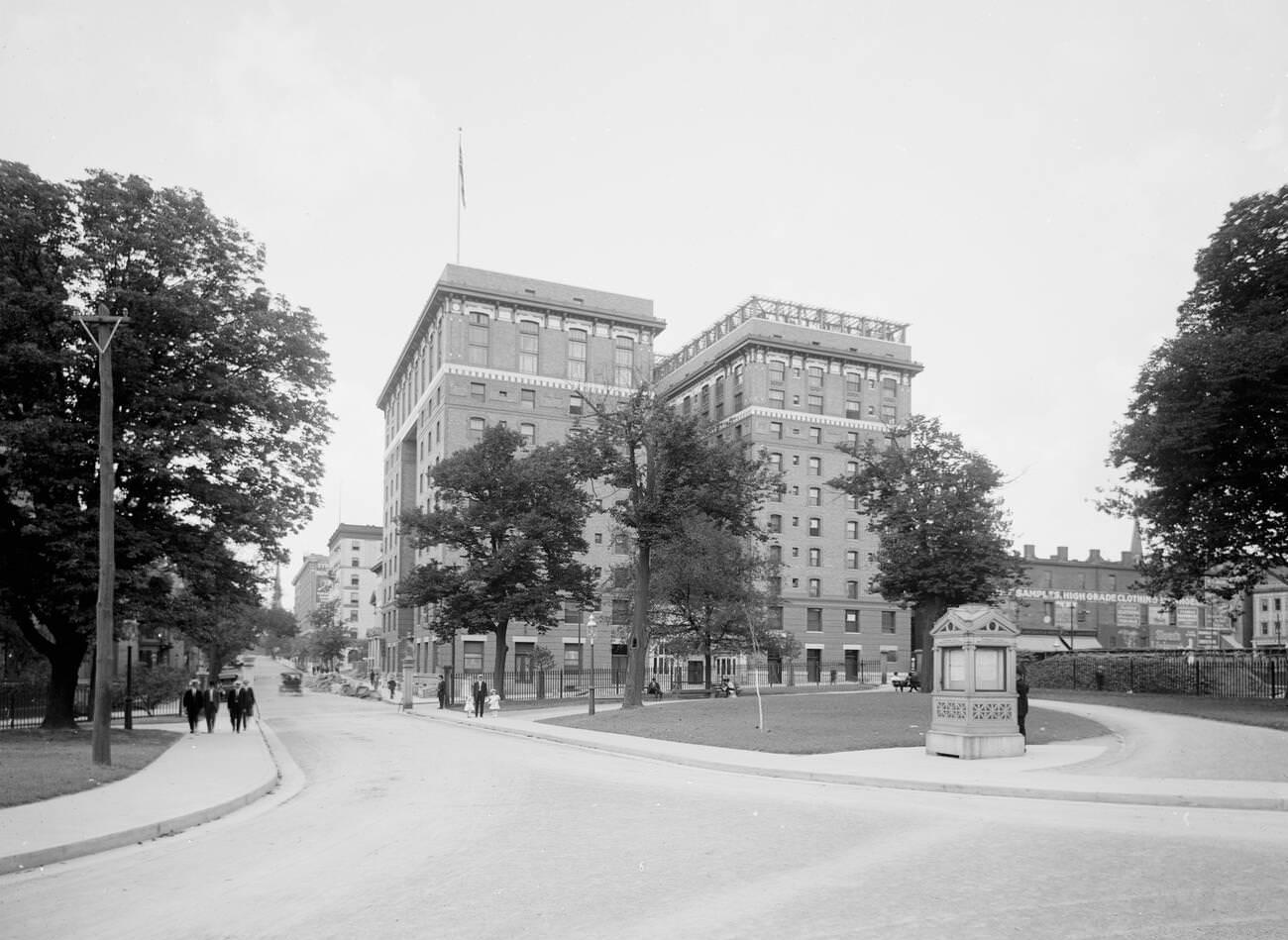
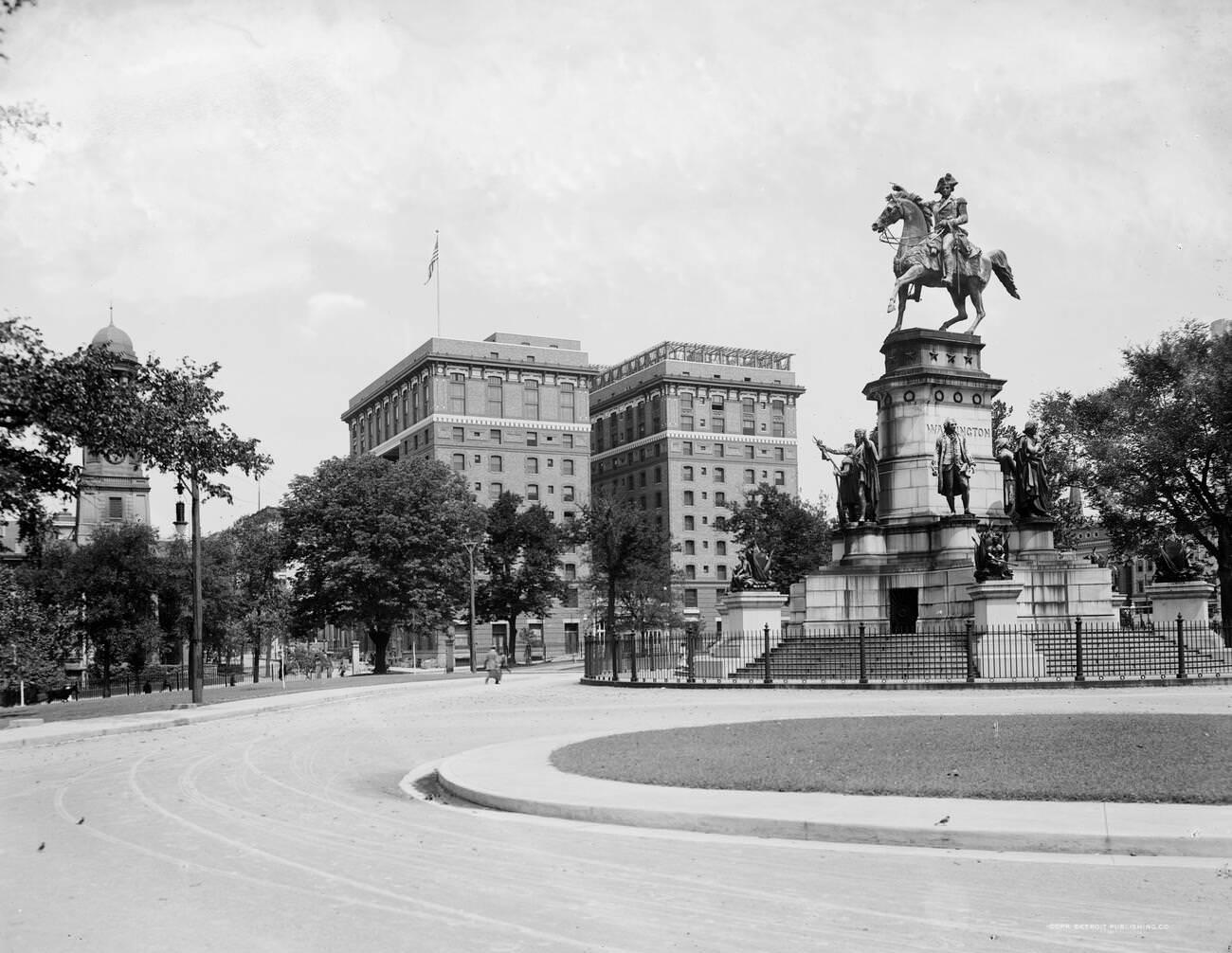
Seen from the Capitol grounds, Hotel Richmond dominated the nearby streetscape. The Capitol itself sat elevated on a hill, giving it a commanding view over the city below. That pairing — state government above, commercial enterprise below — summed up a lot about how power and money operated in Richmond.
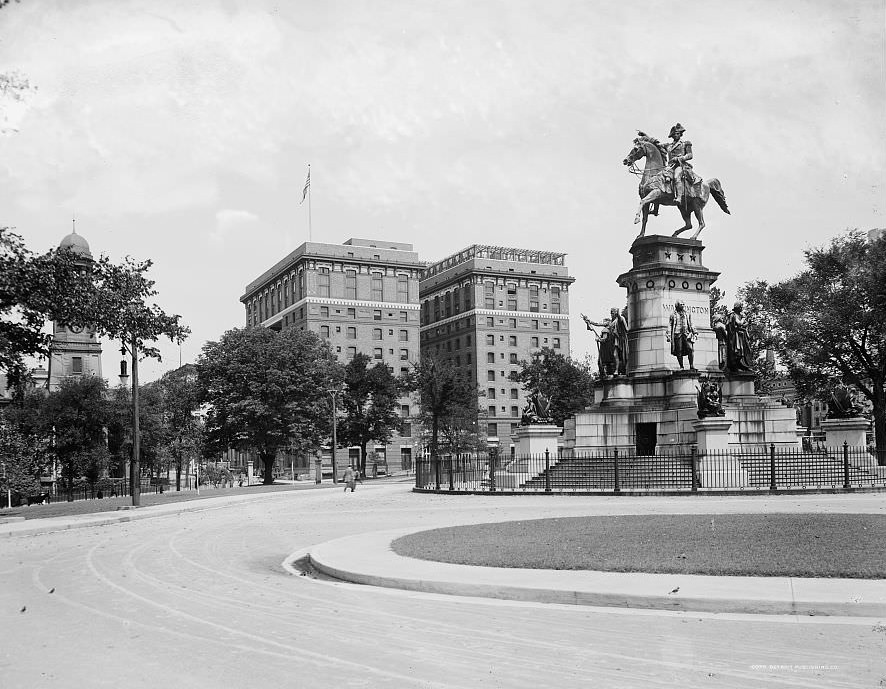
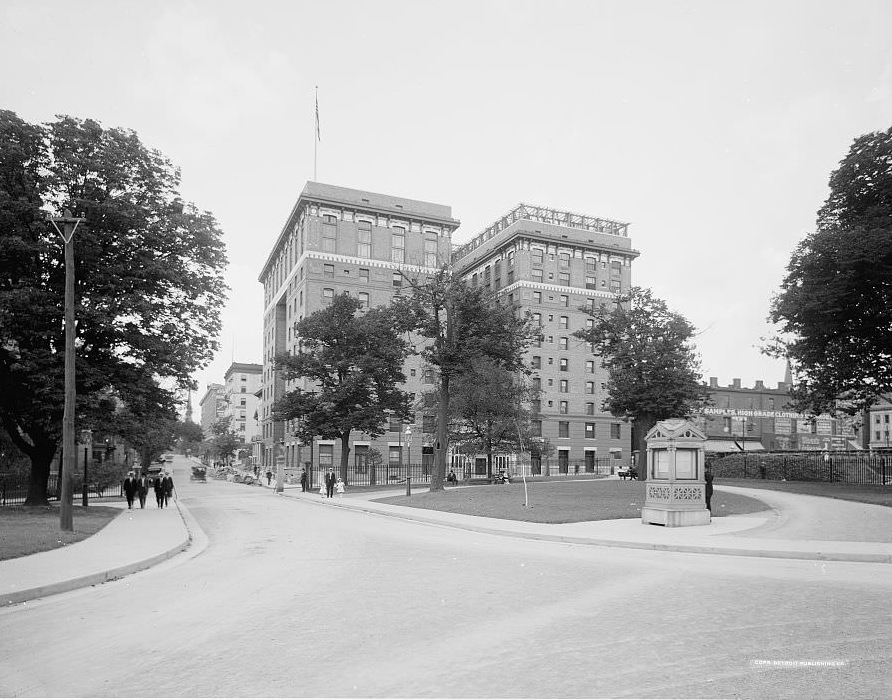
Hotel Richmond was one of several major hotels competing for guests in the city’s booming hospitality market. Its exterior was formal and imposing, and its central location made it a top choice for travelers arriving on business or attending government sessions at the nearby Capitol.
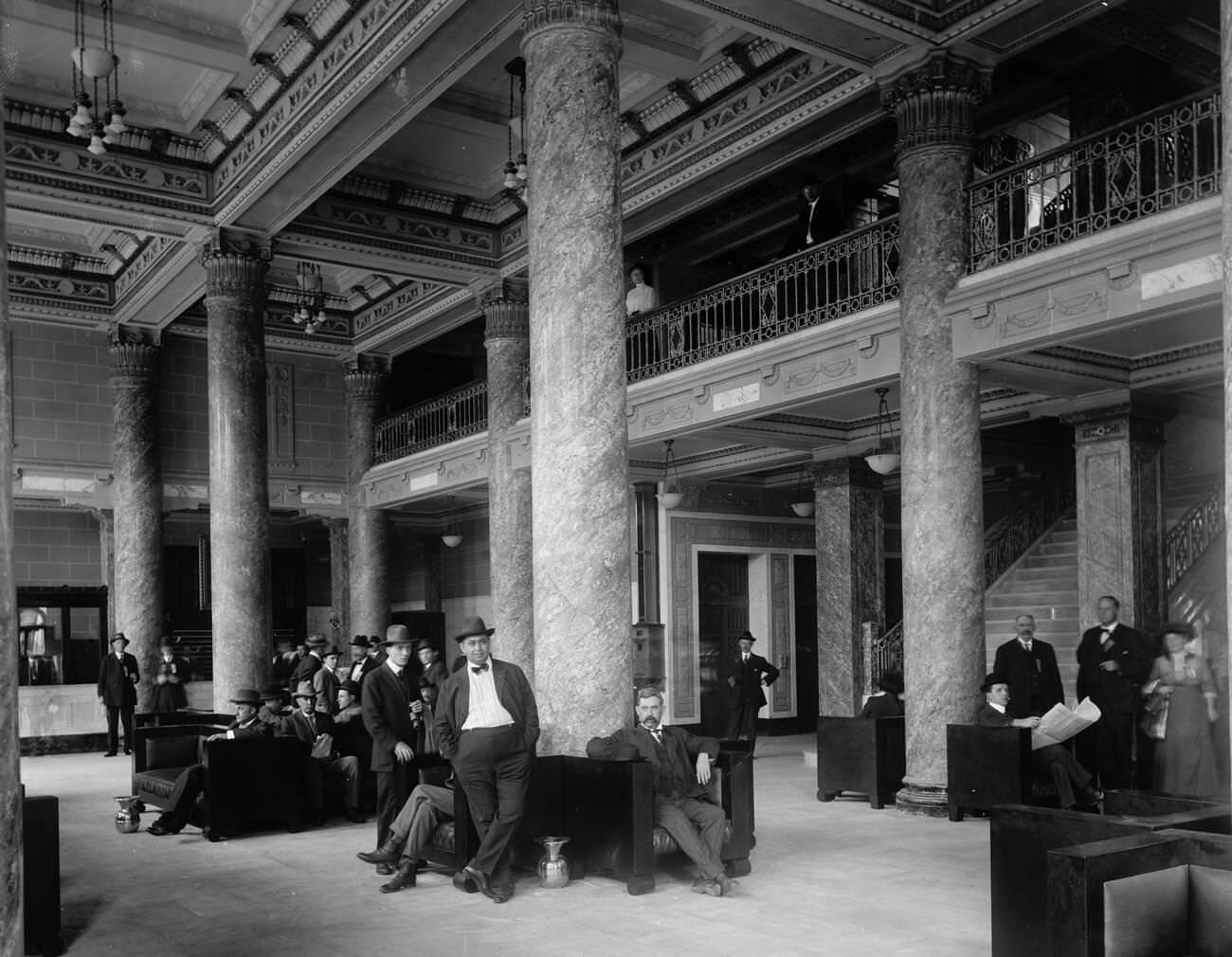
Murphy’s Hotel offered a different experience — its lobby was a social hub where men gathered, deals were made, and news was exchanged. In an era before telephones were widespread, hotel lobbies functioned as informal business centers. A photograph from 1910 captures a group of men doing exactly that, gathered in the space between the front desk and the parlor chairs.
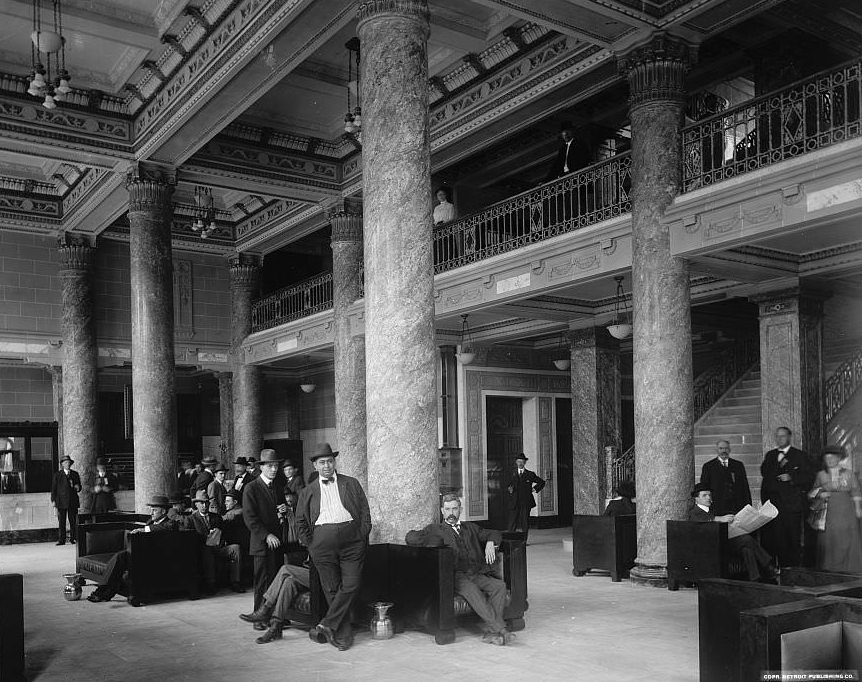
Murphy’s Hotel itself was a well-known address in the city. Its rooms served travelers of moderate means, and its street-level presence made it a familiar landmark for anyone moving through that part of downtown.
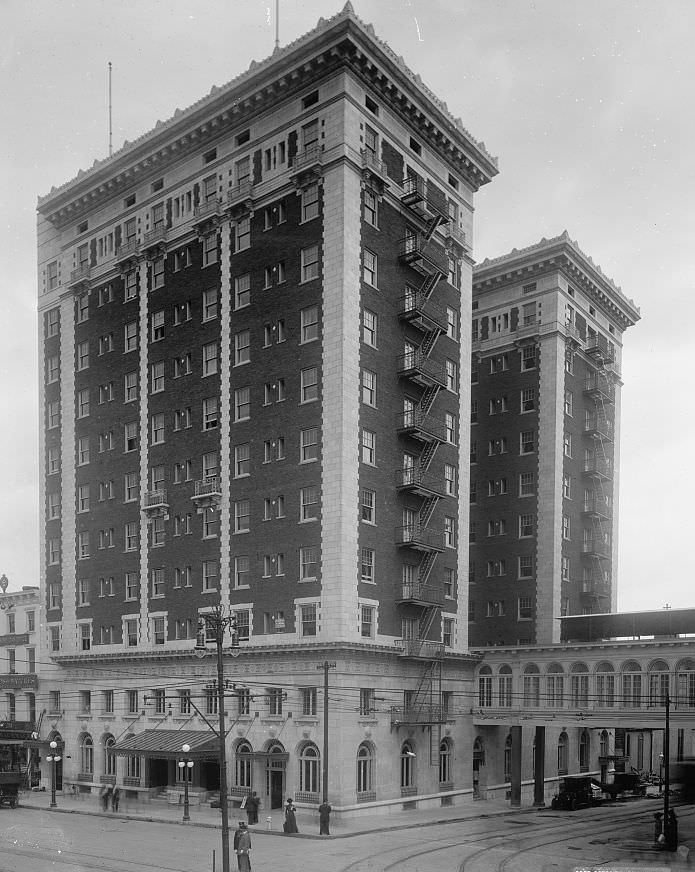
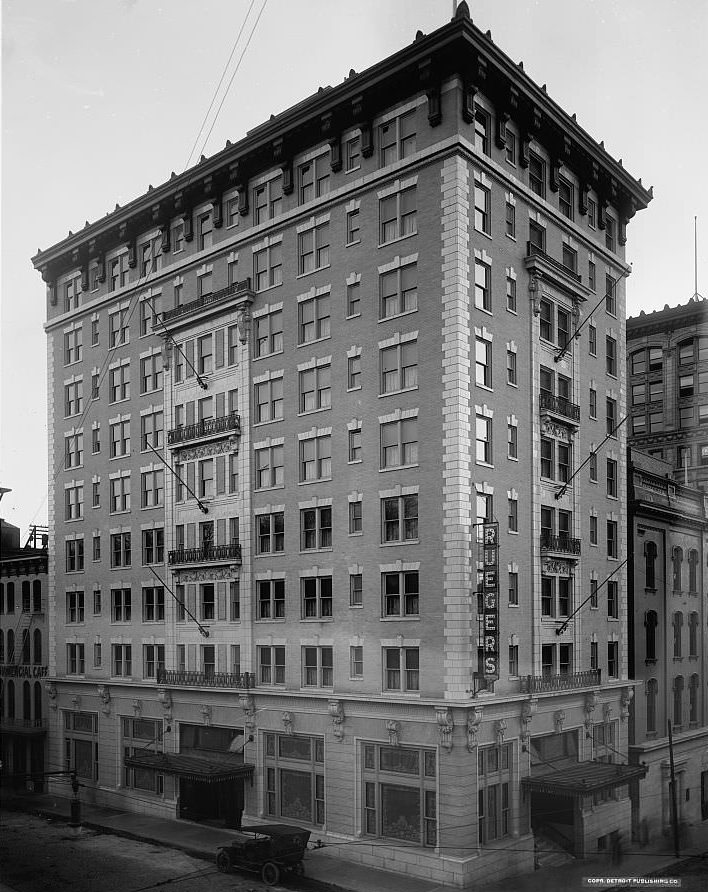
Hotel Ruegers rounded out the city’s accommodation options for visitors who wanted comfort without the extravagance of the Jefferson or Hotel Richmond. Richmond’s hotel landscape in the 1910s was diverse, catering to politicians, salesmen, tourists, and everyone in between.
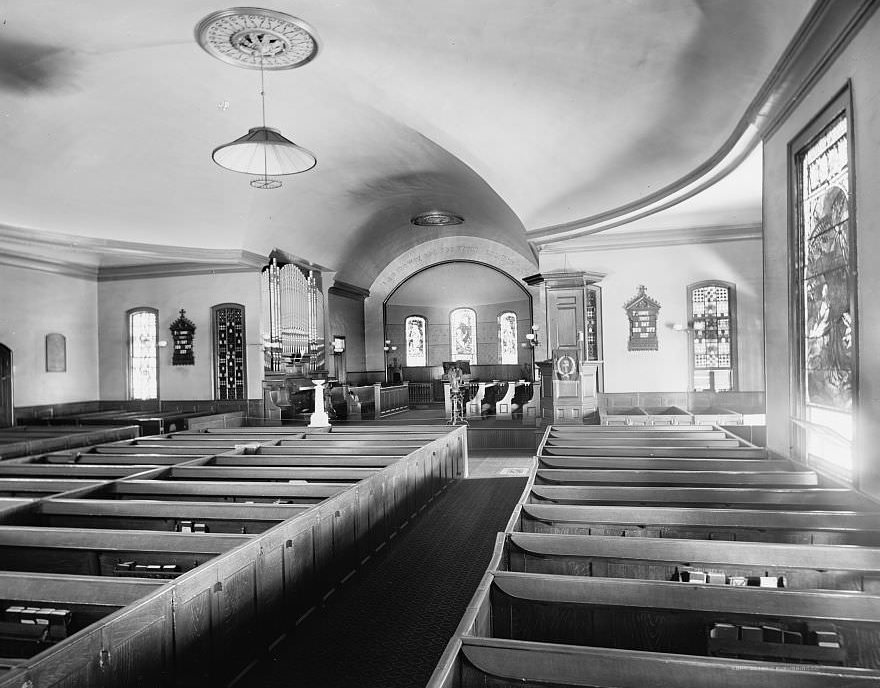
St. John’s Church held a special place in Richmond’s history as the site of Patrick Henry’s famous ‘Give me liberty or give me death’ speech in 1775. By the 1910s it was both a functioning Episcopal congregation and a historic landmark. Its interior, with box pews and a simple colonial layout, remained largely unchanged from its revolutionary-era appearance.
Not everyone in Richmond’s streets was an adult businessman or hotel guest. Child labor was routine in the 1910s, and newsboys — children who sold newspapers on street corners for pennies — were a common sight across American cities. Five-year-old Richard Green was photographed working the streets of Richmond, hat on, papers in hand.
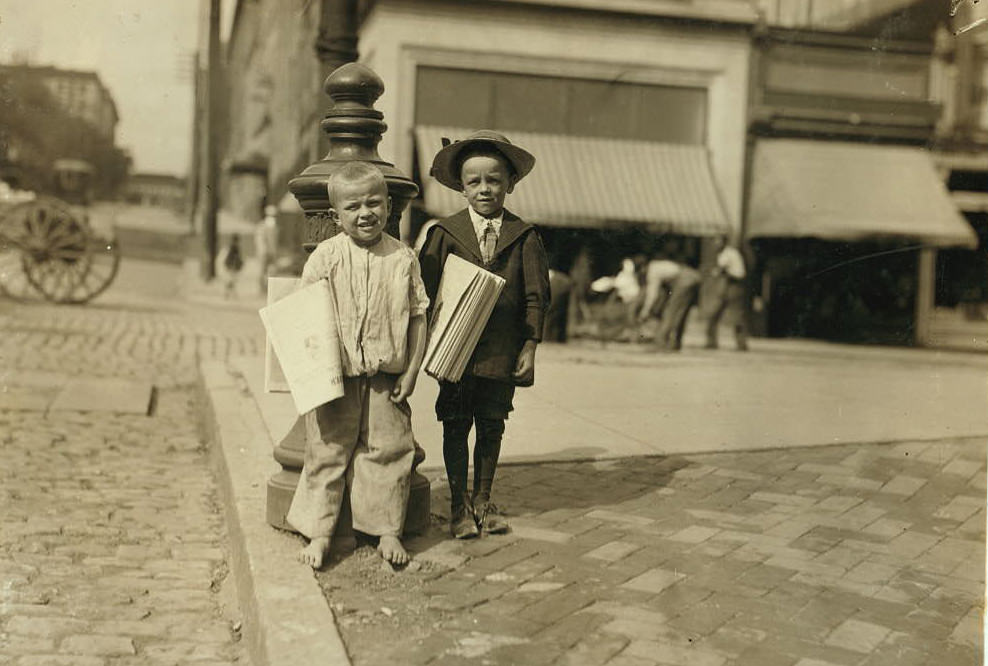
Photographer Lewis Hine documented child labor across the country for the National Child Labor Committee, and Richmond was one of his stops. Six-year-old Willie Hutchinson was photographed in 1911, already working as a newsie. These children often worked long hours in all weather, contributing income to struggling family households.
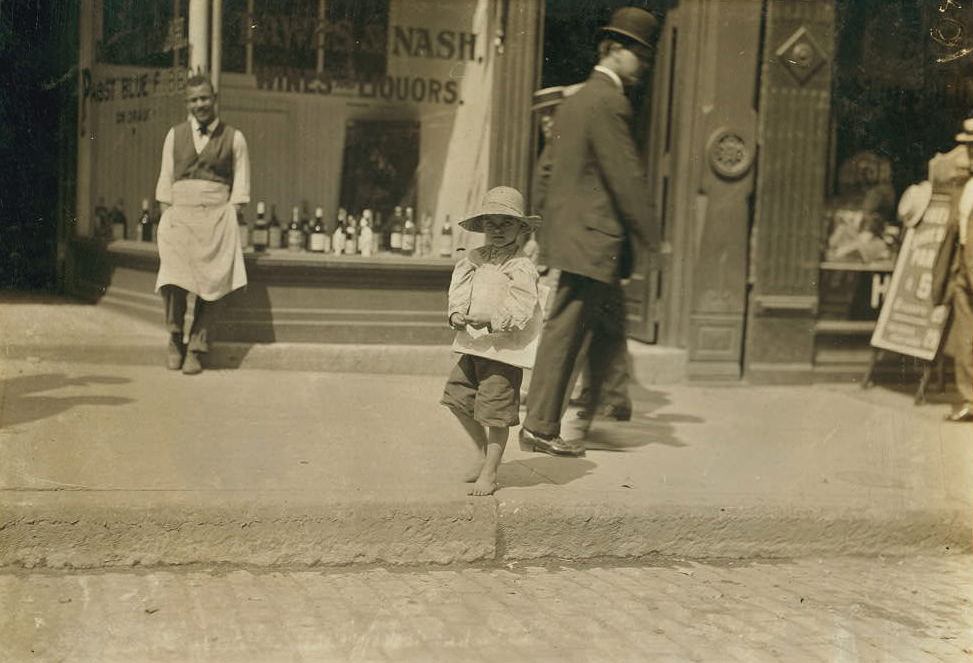
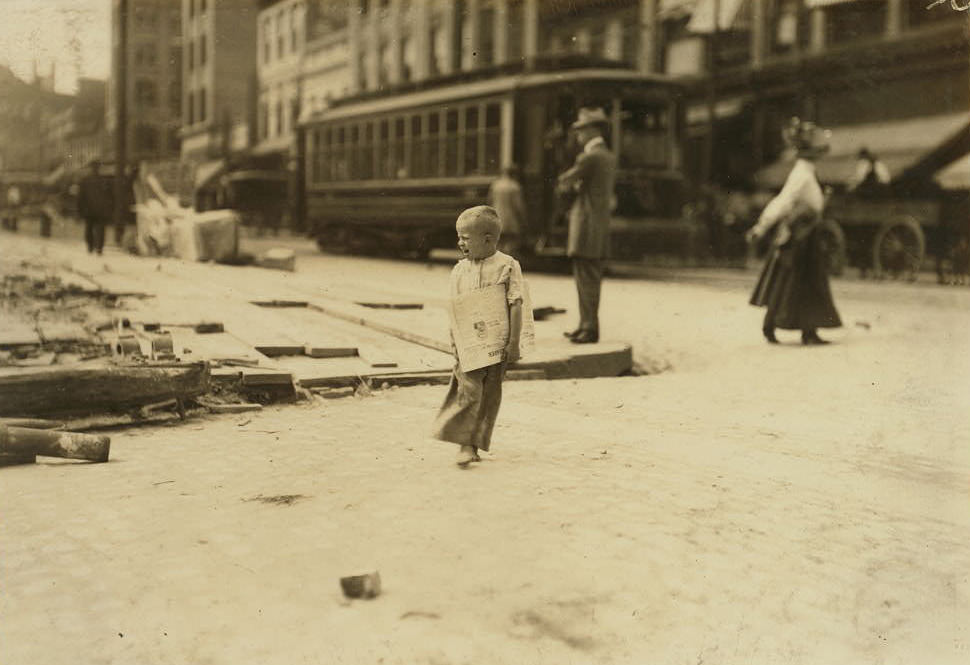
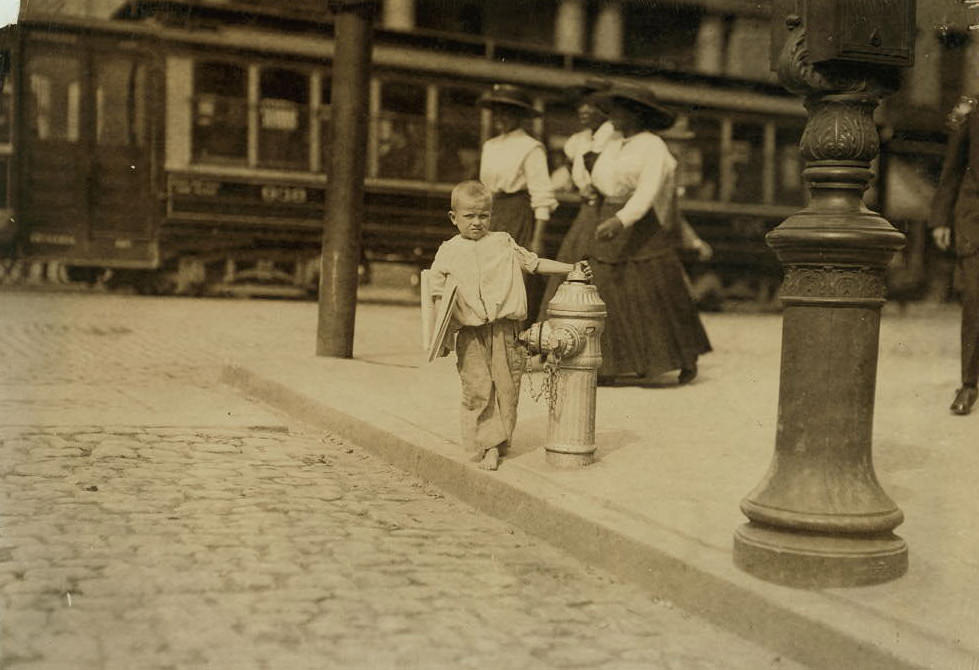
Hine’s photographs of Richmond’s newsboys were part of a broader national campaign to expose child labor conditions and push for reform. His images put faces to the statistics, and Richmond’s young street workers were among those who ended up in the public record.
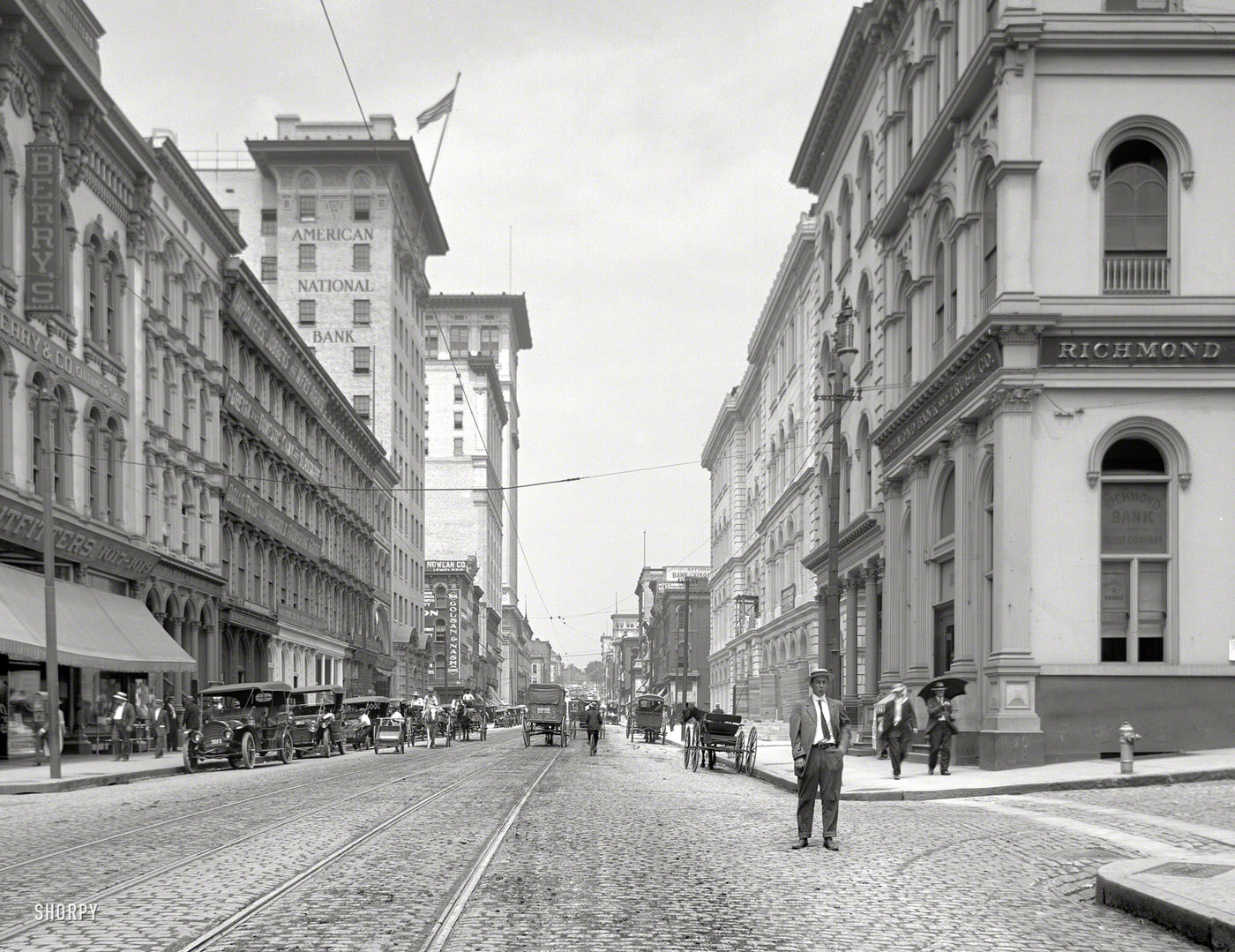
Banking anchored Main Street’s financial district. The First National Bank, photographed in 1912, was one of the institutions that managed the capital flowing through Richmond’s tobacco, textile, and rail industries. Its substantial stone facade communicated exactly what a bank needed to communicate: solidity and permanence.
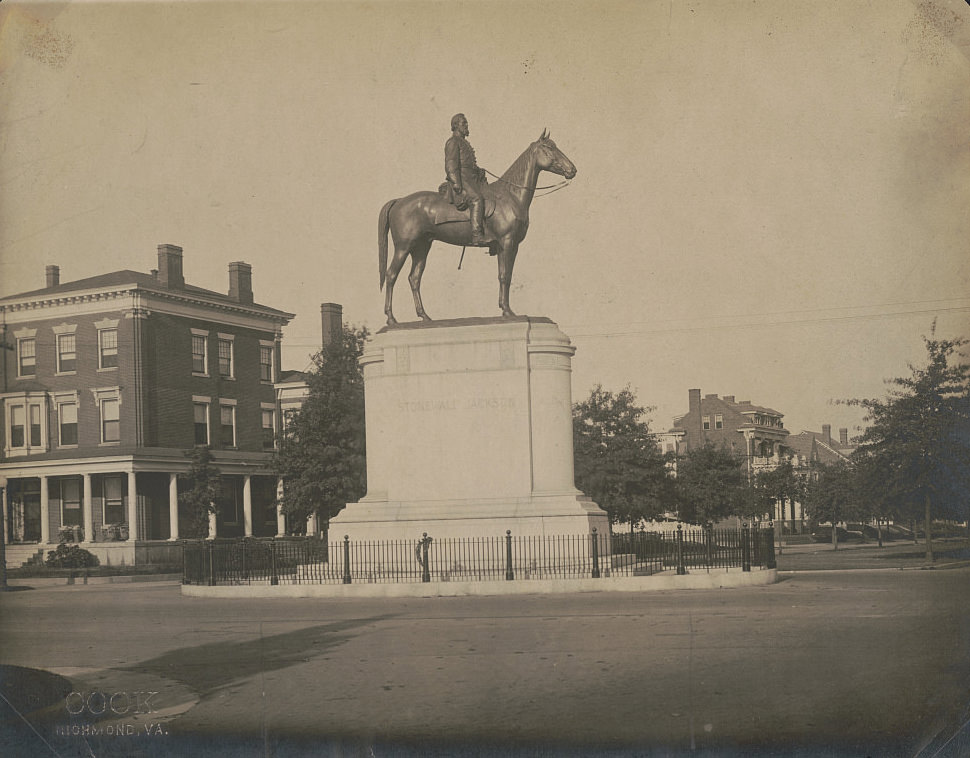
Monument Avenue received another addition in 1919 when the Stonewall Jackson statue was unveiled. Jackson joined Lee, Stuart, and Matthew Fontaine Maury on the boulevard that had become one of the most Confederate-monument-dense streets in the country. The addition marked the close of the decade with another act of public commemoration.
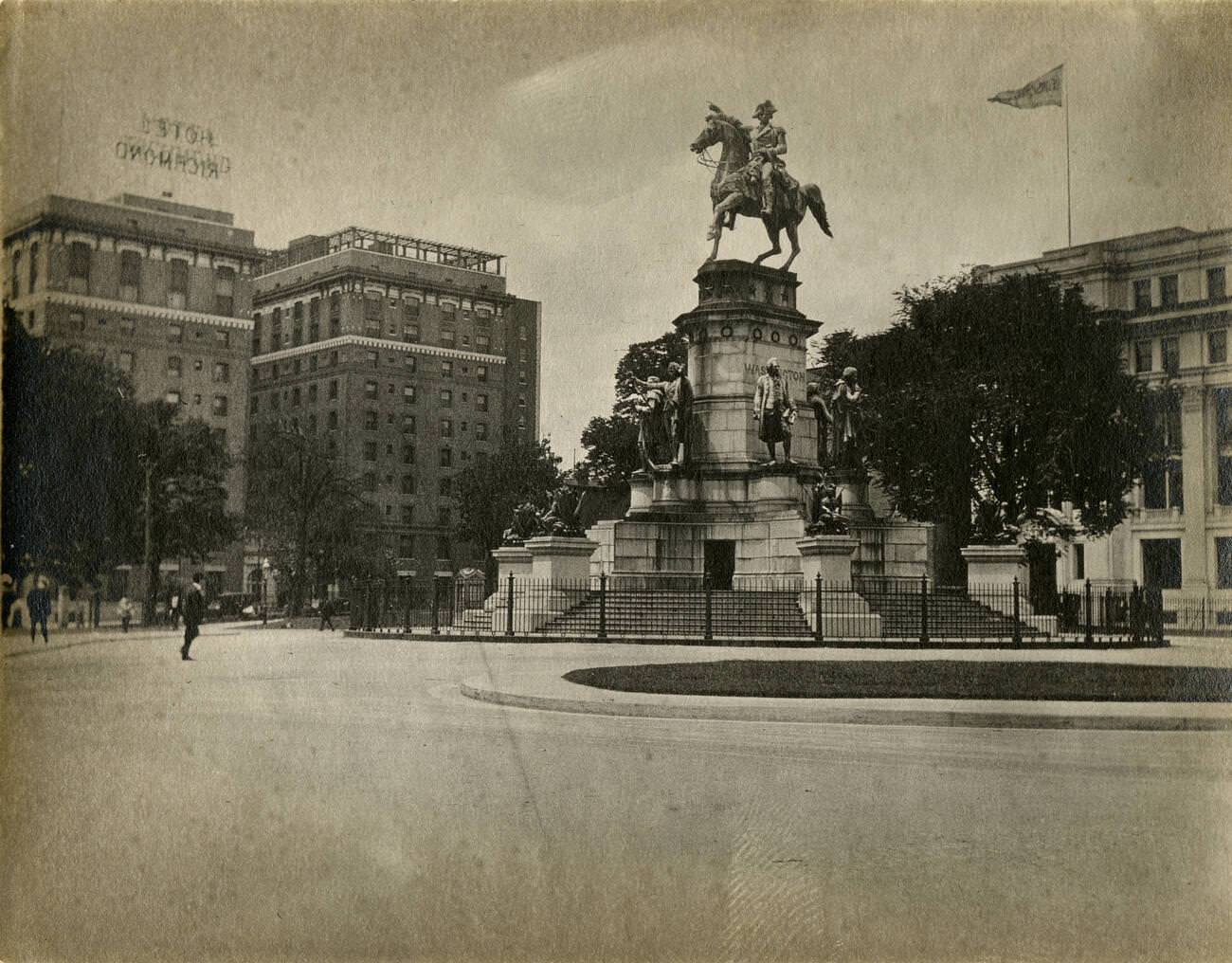
The equestrian statue of George Washington stood near the Capitol, with Hotel Richmond visible behind it. That pairing of founding-era iconography and modern commercial architecture captured something true about Richmond in the 1910s — a city that lived in conversation with its own past while pushing forward economically.
Street scenes from 1913 show a city alive with movement. Horse-drawn wagons shared the road with early automobiles and electric streetcars. Pedestrians filled the sidewalks. Richmond was in that particular transitional moment when the old ways and the new existed side by side on the same block.
Main Street Station was one of Richmond’s architectural gems. Its Romanesque Revival clock tower made it instantly recognizable, and its train sheds handled a steady flow of passengers connecting Richmond to the wider national rail network. The station was a point of arrival and departure for thousands of people each week.
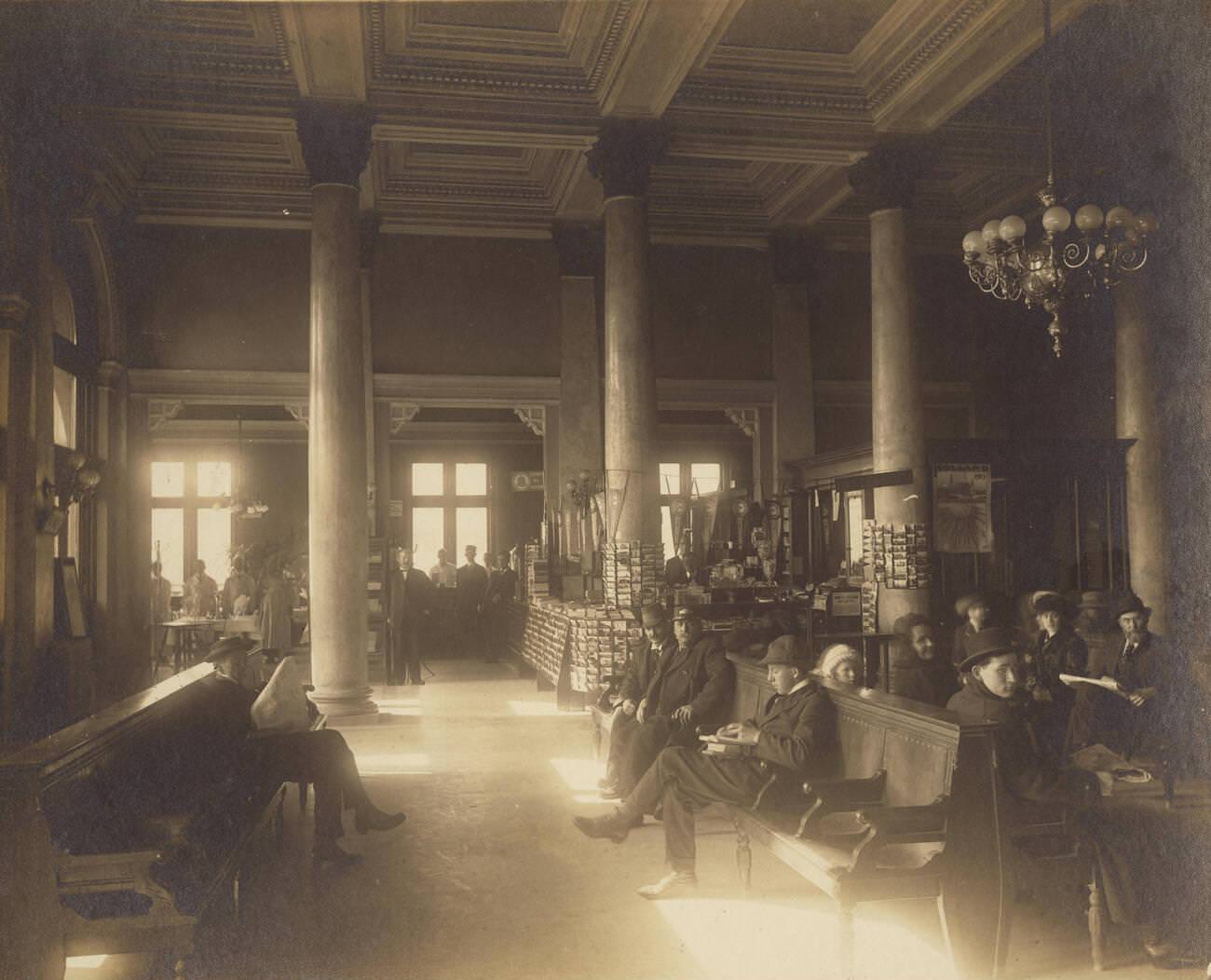
The social world of Richmond’s hotels was captured in photographs that documented ordinary moments. A group of men in the lobby of Murphy’s Hotel in 1910 shows how these spaces functioned as informal meeting rooms — comfortable chairs, good lighting, and proximity to the front desk where messages could be left or received.
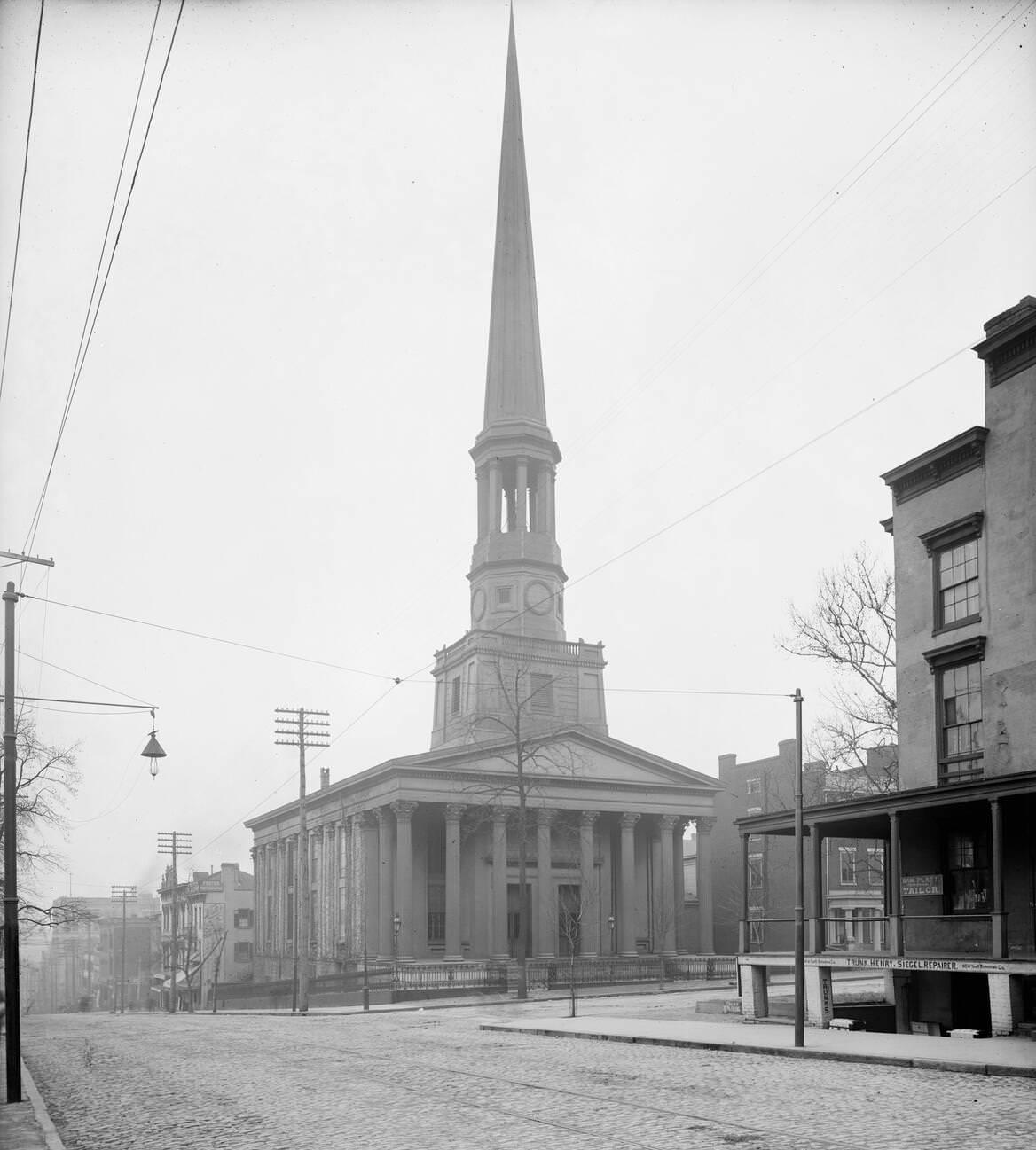
St. Paul’s Church appeared repeatedly in photographs of Richmond during this period, a sign of its prominence. Located near the Capitol, it had served as the ‘Confederate Cathedral’ during the Civil War, and it remained one of the city’s most socially prominent congregations well into the twentieth century.
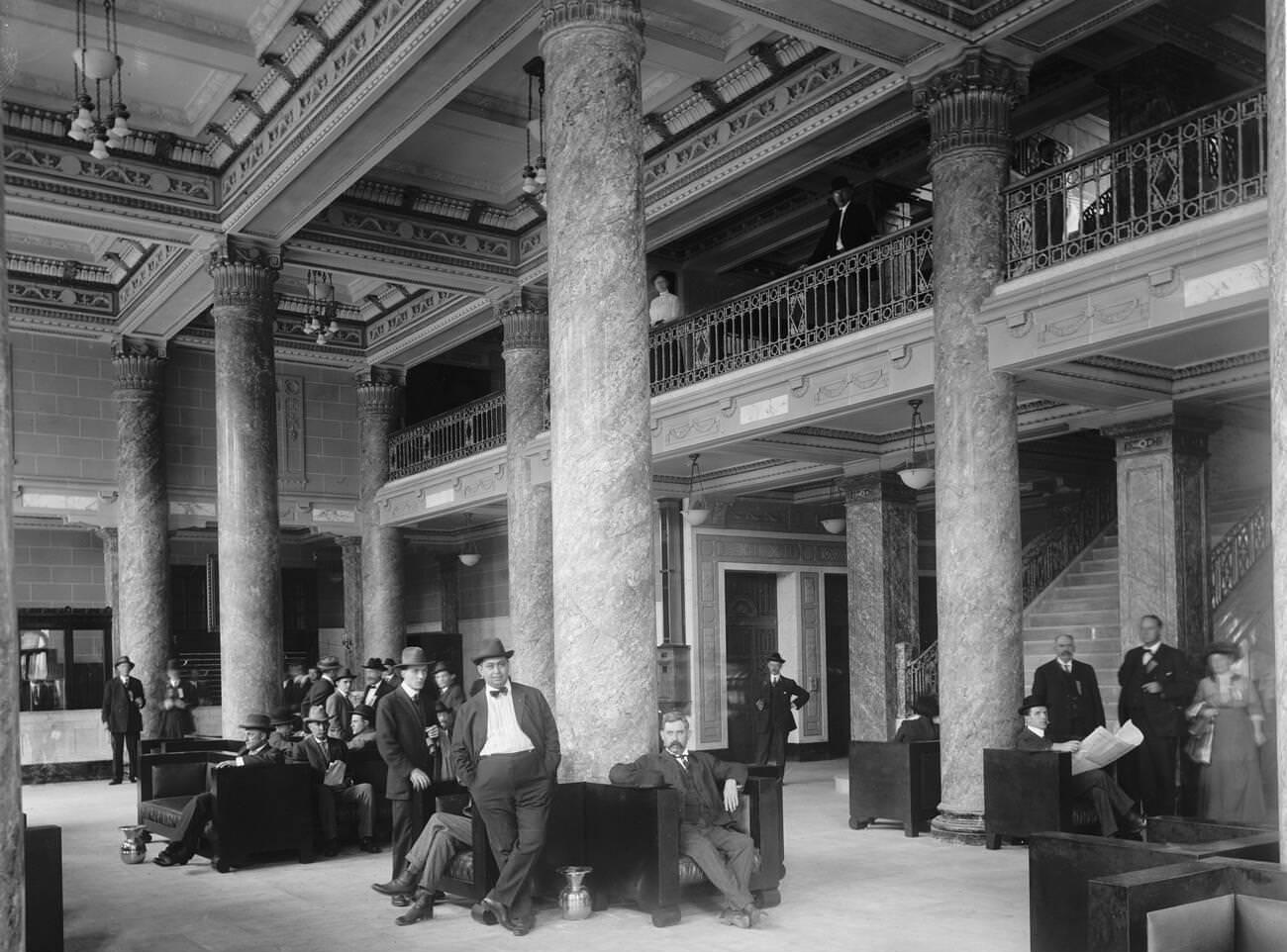
Hotel Jefferson’s interior was as impressive as its exterior. Its lobby featured a grand staircase, ornate columns, and a level of decoration that rivaled hotels in New York and Washington. For many visitors to Richmond, the Jefferson set the standard for what the city could offer.
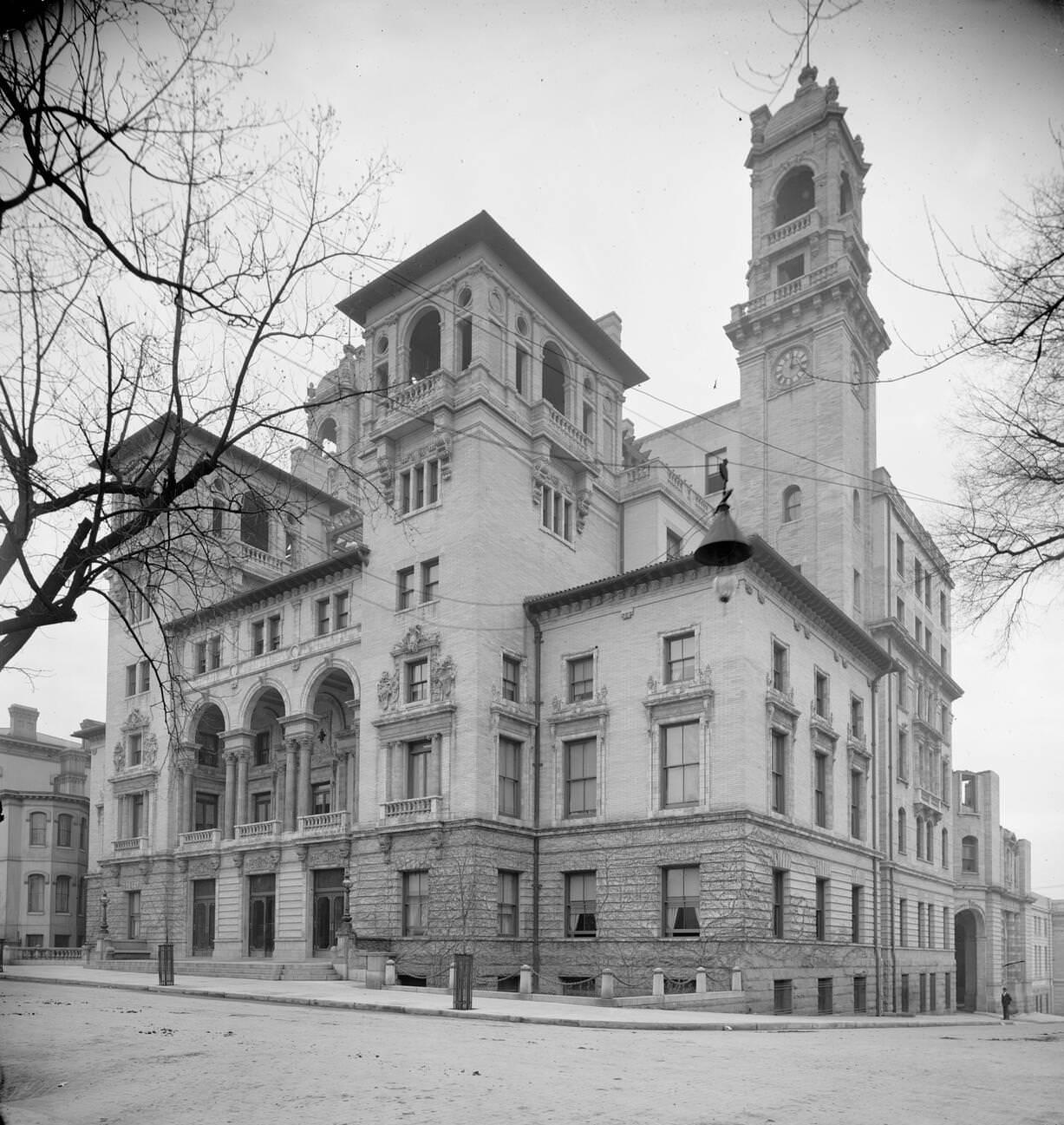
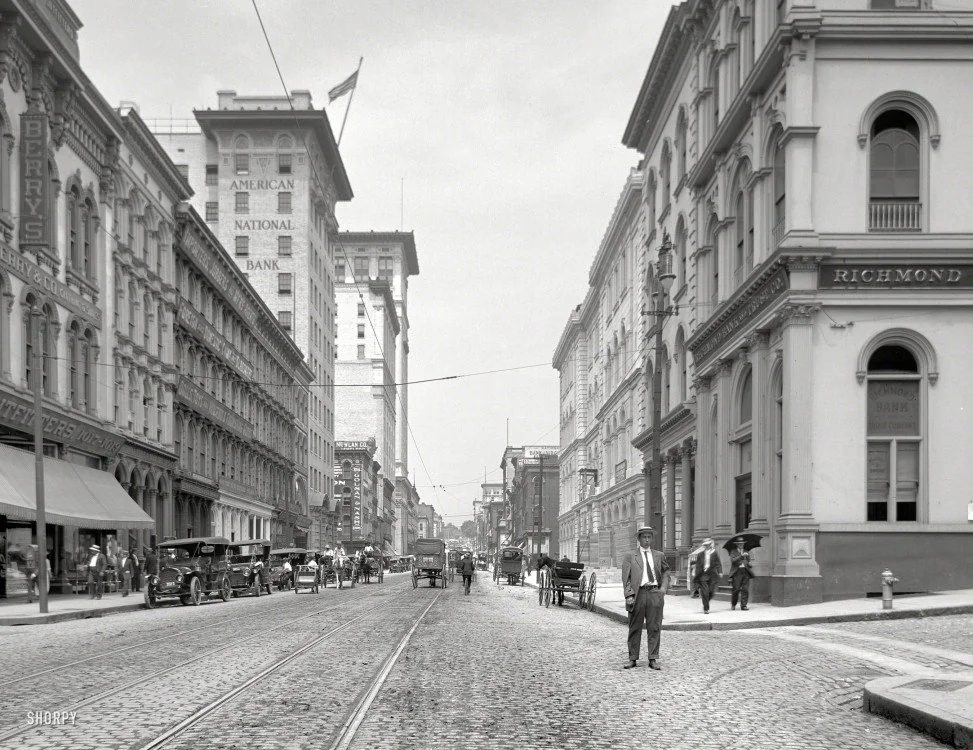
The 1910 view west along Main Street from 12th shows the street at its commercial peak. Signage competed for attention, awnings shaded storefronts, and the overhead wires of the streetcar system laced the sky above. The street was built for business, and it showed.
In 1911, a fire broke out at the Robertson-Taylor Company warehouse in the Shockoe Slip district. It spread rapidly through neighboring buildings, destroying significant amounts of property. The city responded by tightening fire safety regulations and revising building codes — changes that shaped how new construction was designed going forward.
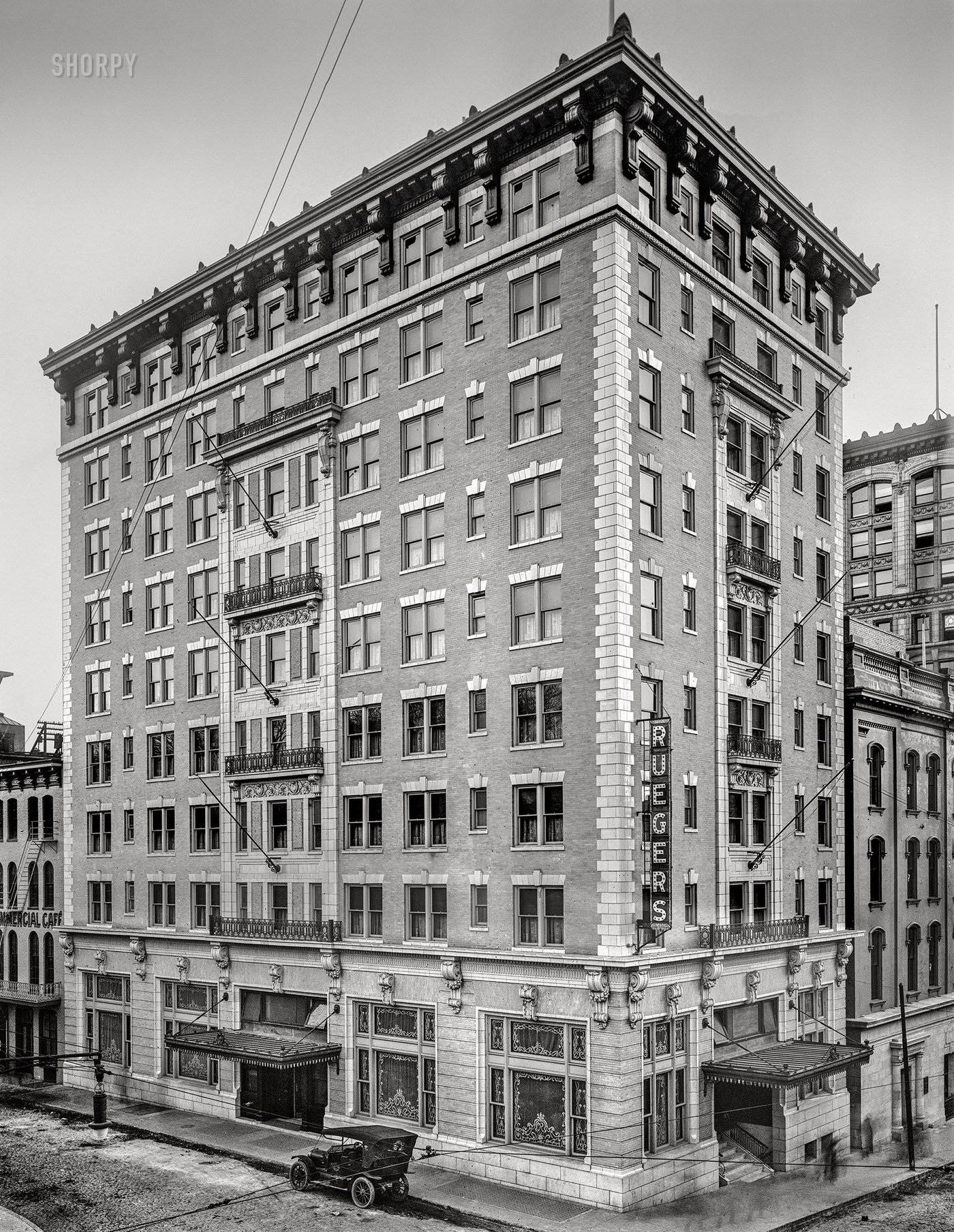
By 1912, the Main Street banking district was well established. Photographs from that year show the street lined with financial institutions — solid, imposing buildings designed to reassure depositors and clients. Richmond’s banks managed the capital that kept its factories, tobacco warehouses, and rail operations running.
The intersection of the Masonic Temple and early automobile culture produced one of the decade’s more unusual scenes: a filling station operating in the shadow of the temple’s formal stonework in 1910. The automobile was still a novelty for many Richmond residents, but its presence was already reshaping the city’s infrastructure.
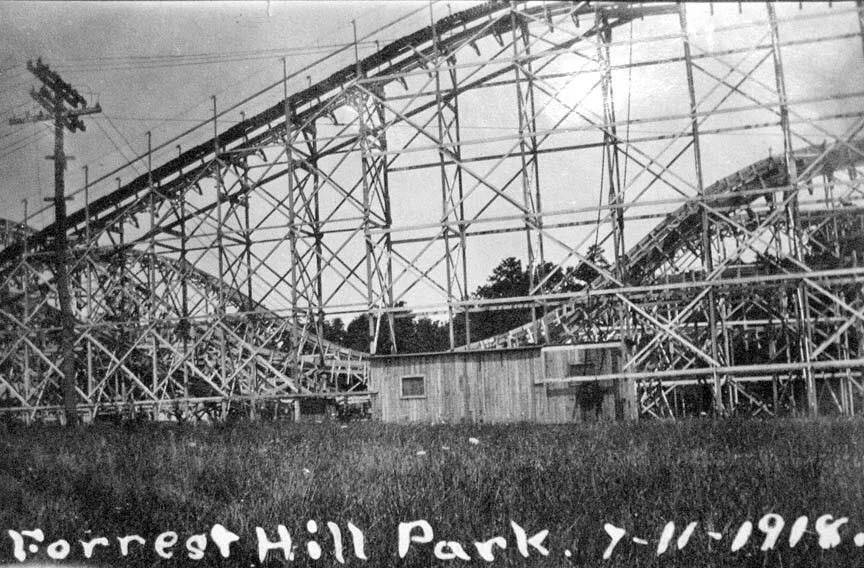
Not all of Richmond’s 1910s was defined by industry and tragedy. Forrest Hill Park offered residents a place to relax, and its roller coaster was a genuine attraction. Photographed in 1918, the coaster drew crowds looking for a break from wartime anxieties and the daily grind of city life.
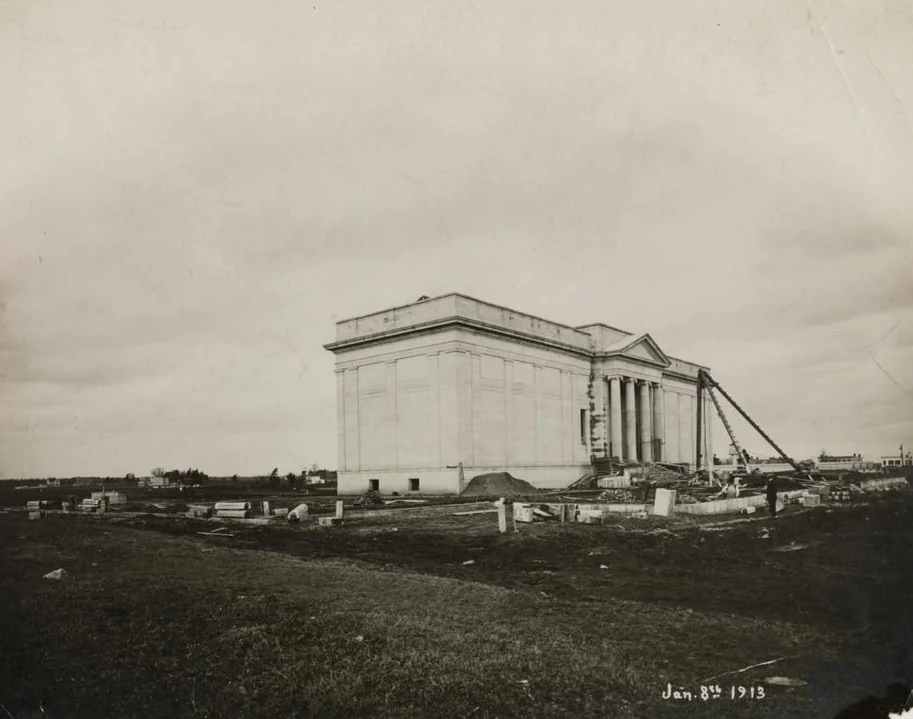
Battle Abbey, photographed in 1913 in what is now the Museum District, was built as a Confederate memorial hall. It housed Civil War records, portraits, and artifacts, and it reflected Richmond’s ongoing investment in preserving and promoting Confederate memory. The building sat in a part of the city that was developing rapidly in the early twentieth century.
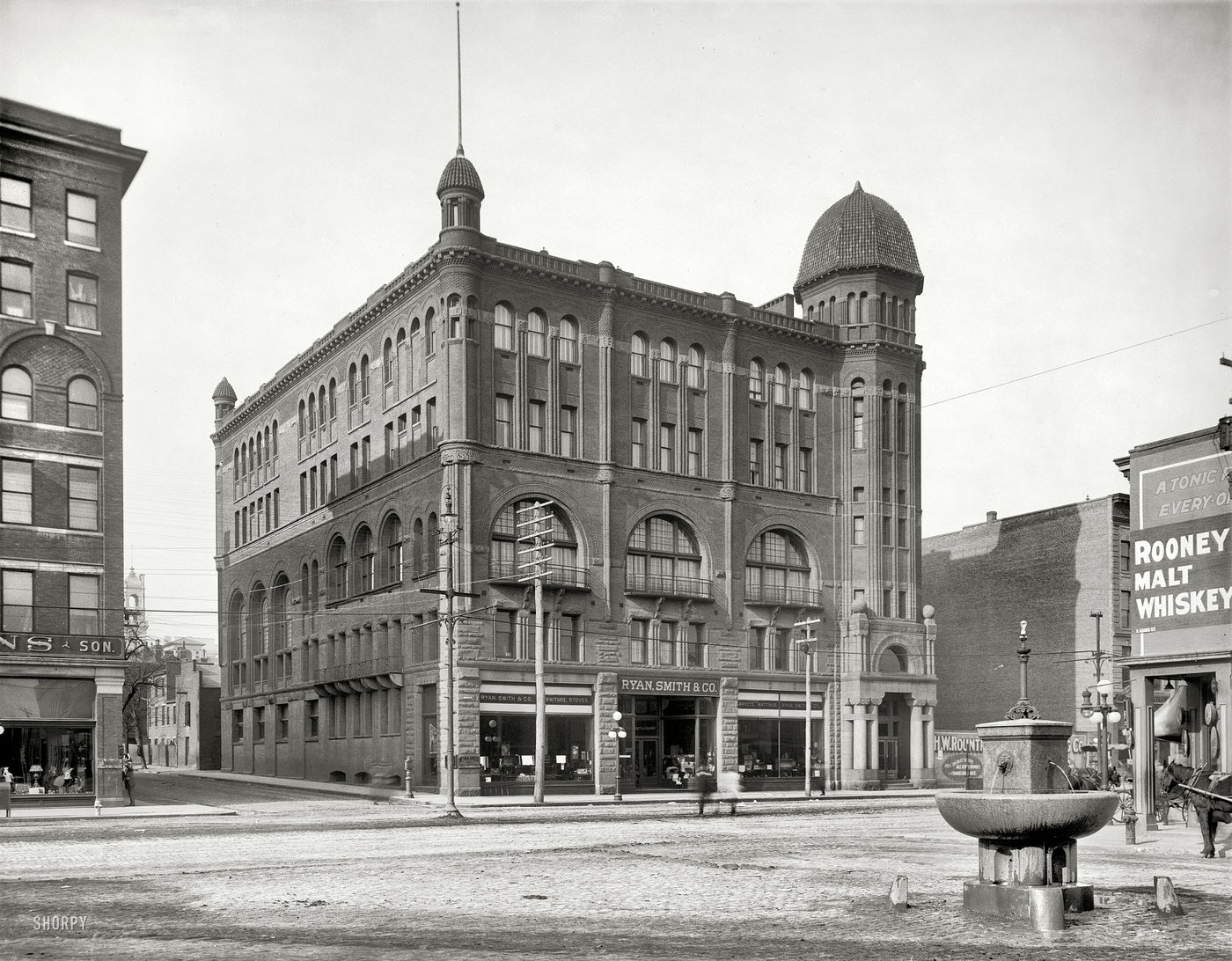
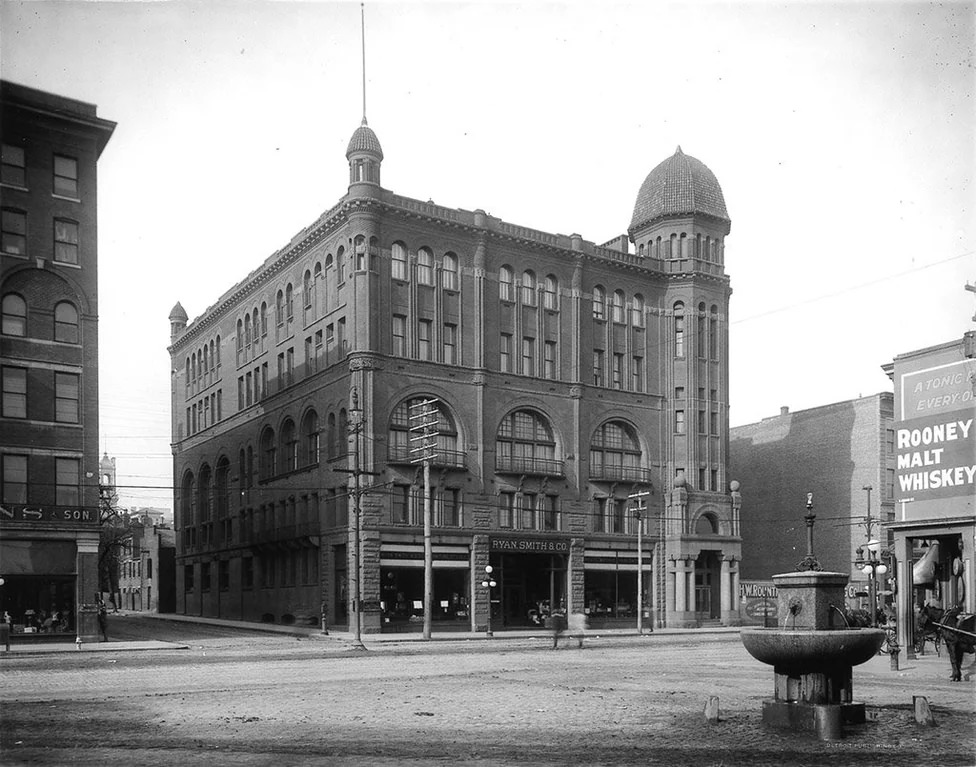
The Masonic Temple photographed in 1910 shows an interesting detail: a horse fountain with electric illumination beside it. That combination — a watering trough for horses and electric lights — captures exactly where Richmond stood in 1910. The city had electricity, but horses still pulled much of its freight. The old and the new occupied the same corners.
Murphy’s Hotel in 1910 looked outward onto a city that was changing faster than at any point in its post-Civil War history. The Spanish Influenza pandemic would hit in 1918, killing thousands of Richmond residents and overwhelming hospitals like Virginia Hospital and St. Luke’s. Virginia Union University, a historically Black institution, continued providing education and leadership to the African American community throughout the decade despite the pressures of legal segregation. The women’s suffrage movement, led in Virginia by organizations like the Equal Suffrage League of Virginia, fought through the entire decade for voting rights that would not arrive until 1920. Through fire, pandemic, inequality, and change, Richmond carried on — and these photographs are what it looked like while it did.

Looks like there used to be a lot more monuments on Monument Ave.
Imagine seeing barefooted 5 years running around seeking stuff on the streets in 2023.
Sad to see the trolleys gone.