Richard Dormer was a British fashion photographer whose work appeared in some of the most respected publications of his time — Harper’s Bazaar UK, Vogue, and Elegance Magazine. In the early 1950s, he helped define how fashion was seen on the printed page. His photographs balanced polish with a sense of real life, giving readers both the glamour of high fashion and a feeling that the moment had been genuinely captured.
By September 1950, Dormer was already placing his work in Harper’s Bazaar UK, shooting some of the era’s most recognizable faces in carefully chosen designer pieces. One of his favorite subjects was Barbara Goalen, whose sharp features and poised presence translated exceptionally well on camera.
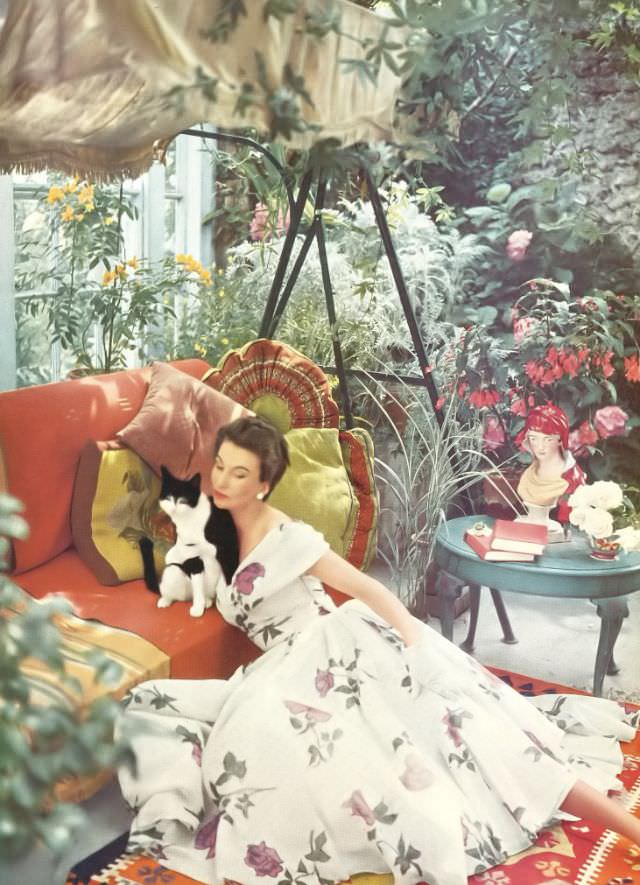
Goalen appeared in multiple Dormer shoots throughout 1950, and each photograph showed a different dimension of the season’s fashion. From fine jewelry to dramatic accessories, the styling was always precise and intentional.
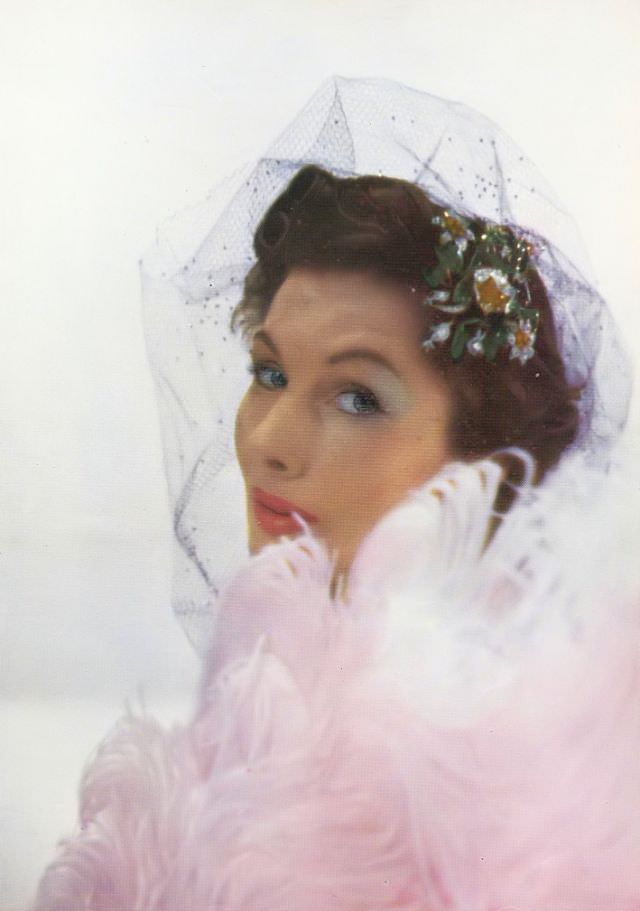
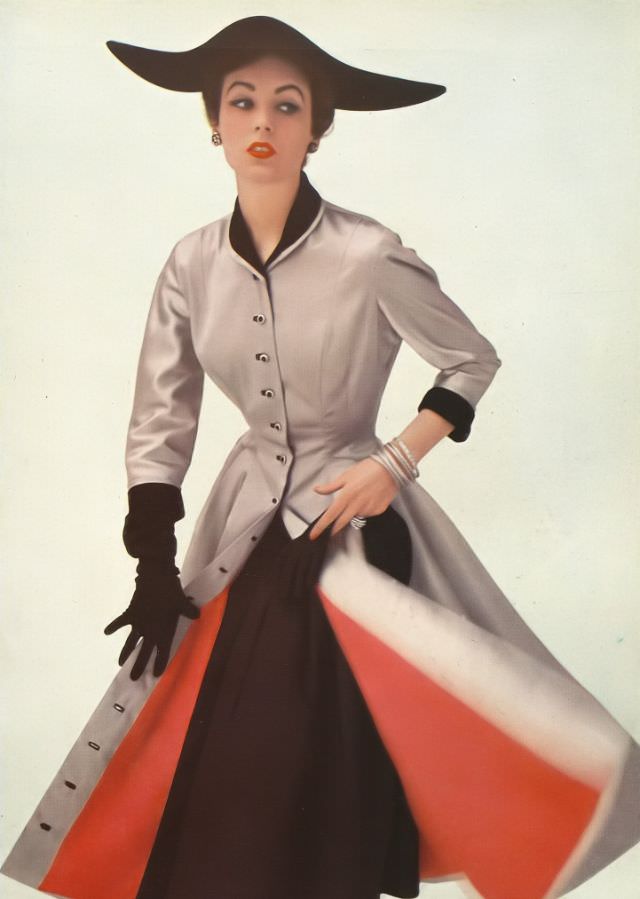
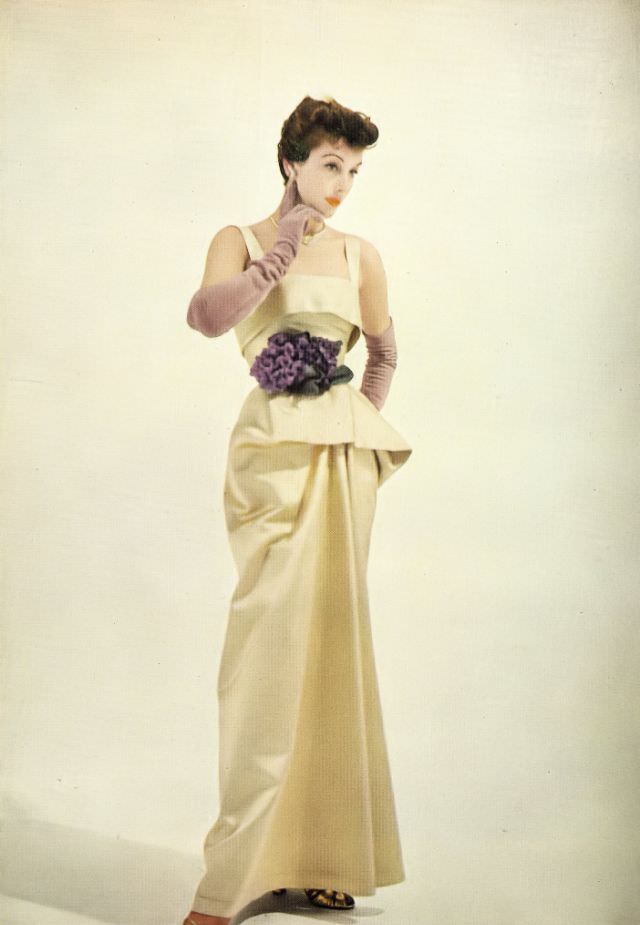
Dormer’s autumn 1950 work leaned heavily into luxury materials and evening wear. Designer names like Frederick Starke and Hardy Amies appeared regularly in his shoots, paired with fine jewelry from houses like Cartier. These weren’t casual editorial choices — they reflected the high expectations that Harper’s Bazaar held for every spread.
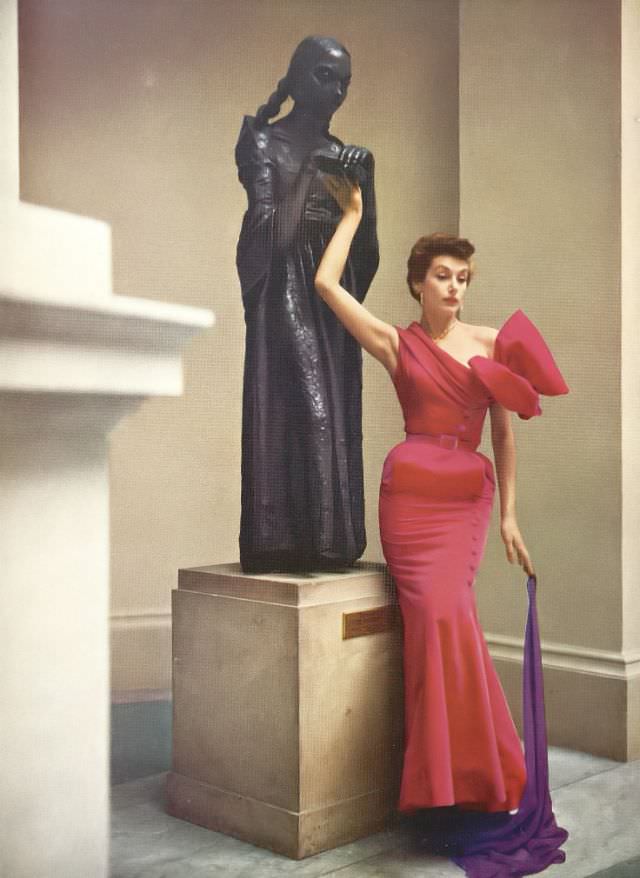
For the November 1950 issue, Dormer took his camera to the Tate Gallery in London, using the building’s architecture as a backdrop for a Hardy Amies velvet gown. Shooting on location, rather than in a studio, gave his photographs a more expansive quality.
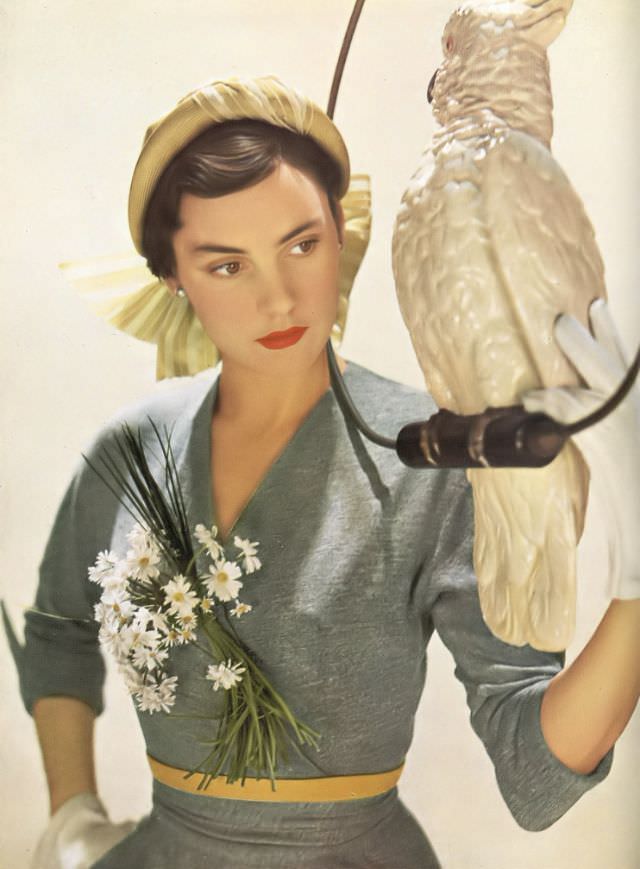
Not all of Dormer’s work centered on eveningwear. His February 1950 shoot featured daywear — a lime straw hat by R.M.Hats paired with a gray wool dress by Matita. These editorial choices showed that Harper’s Bazaar was as interested in accessible, wearable fashion as it was in haute couture.
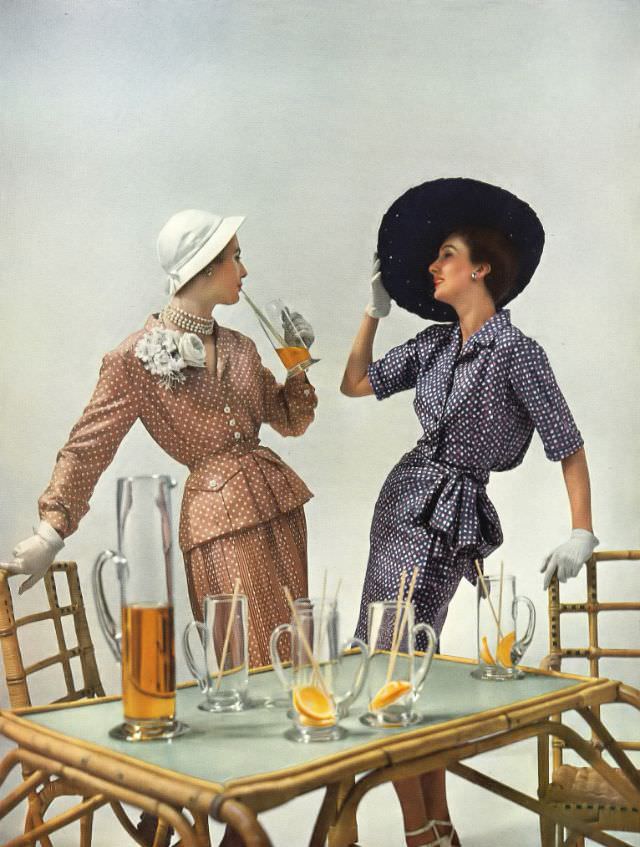
Dormer also worked with multiple models in a single frame. A May 1950 shoot featured Pat O’Reilly and Barbara Goalen together, both dressed by top British designers Molyneux and Hardy Amies. This kind of dynamic composition added energy to the page.
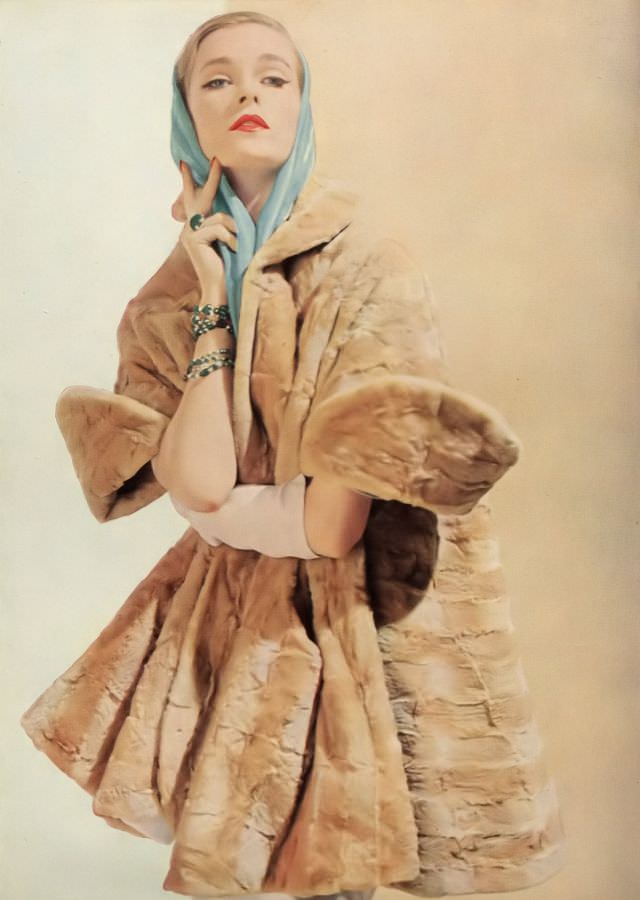
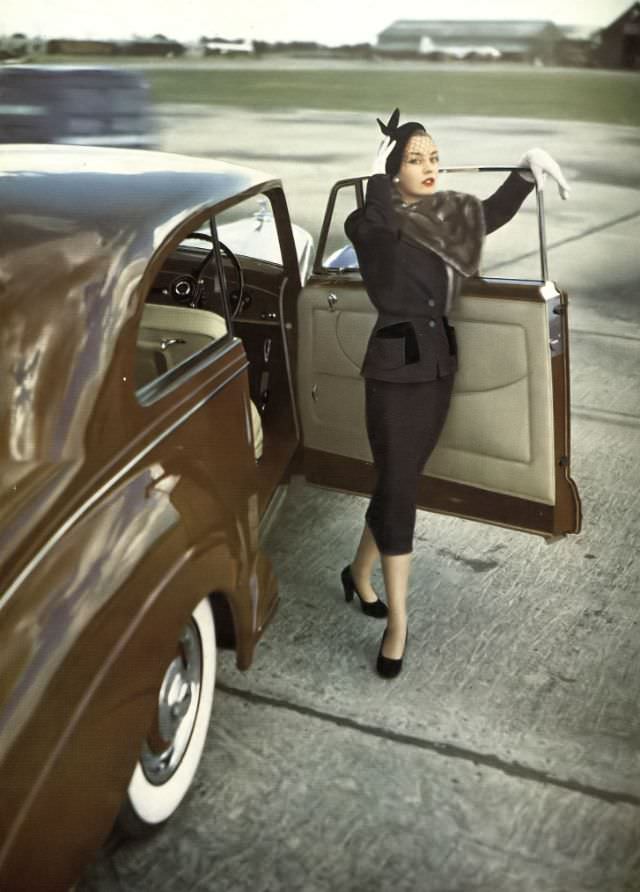
Shelagh Wilson was another model who appeared regularly in Dormer’s work. For the October 1950 issue, she wore a Jacqmar barathea suit alongside a Molho mink stole — a pairing that captured the formal, put-together aesthetic that defined early 1950s British fashion.
Into 1951, Dormer introduced a third key model to his roster: Anne Gunning. Her looks were strikingly different from Goalen’s — softer, with an elegance that suited both structured outerwear and flowing evening pieces. She appeared in the August 1951 issue wearing a grosgrain evening coat by Susan Small.
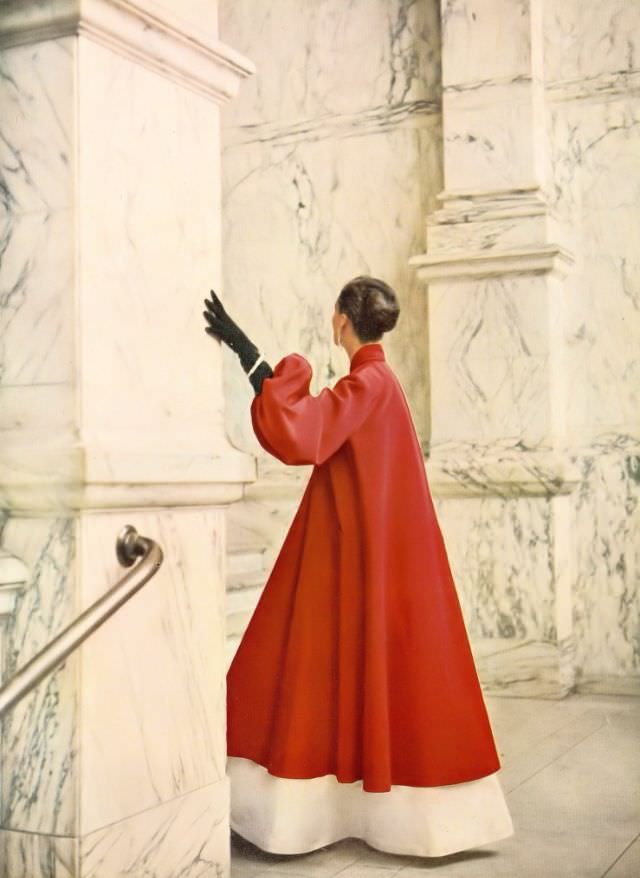
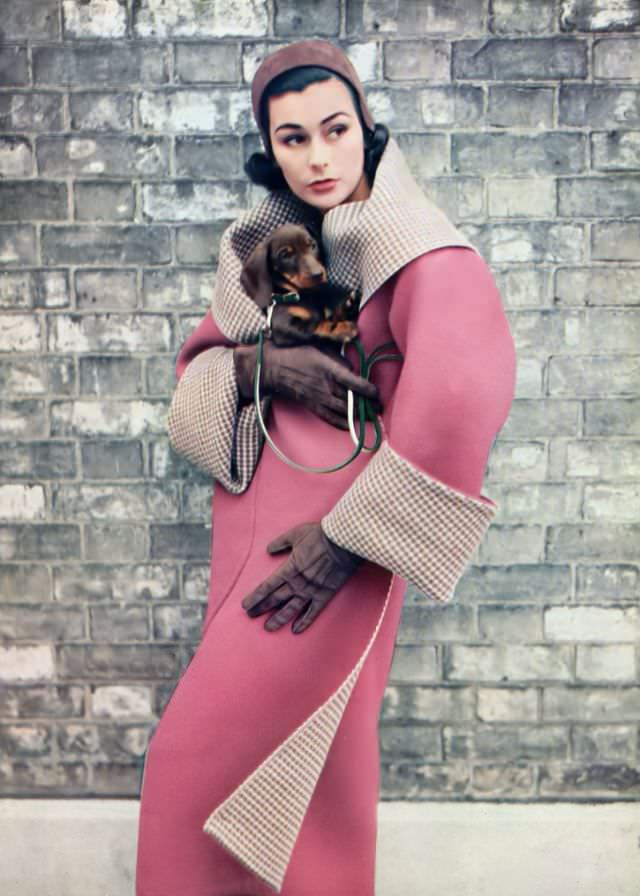
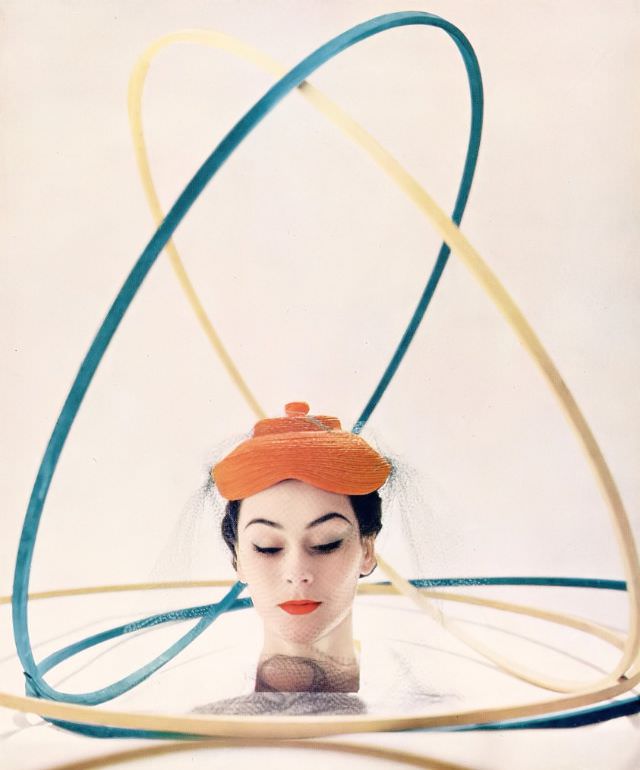
Accessories were never an afterthought in Dormer’s work. The April 1951 issue featured Anne Gunning in a Mandarin hat by Gilbert Orcel — the hat itself serving as the focal point of the image rather than the background or the model’s expression.
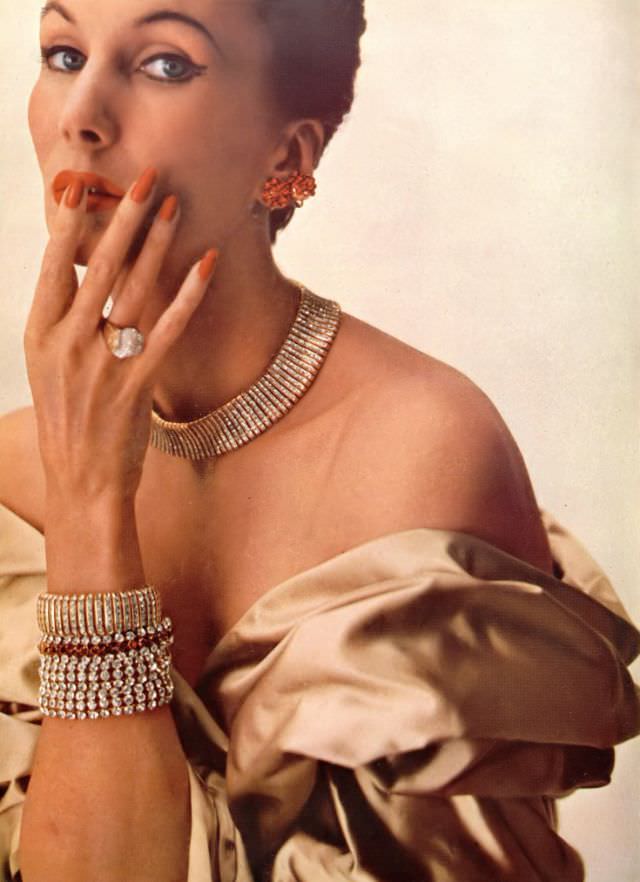
Barbara Goalen continued to appear throughout 1951. In the December issue, she was photographed in a Jacqmar stole accessorized with Adrian Mann jewelry. The February issue placed her in a Liberty sari styled alongside Yardley cosmetics, showing the range of editorial concepts Dormer was asked to execute.
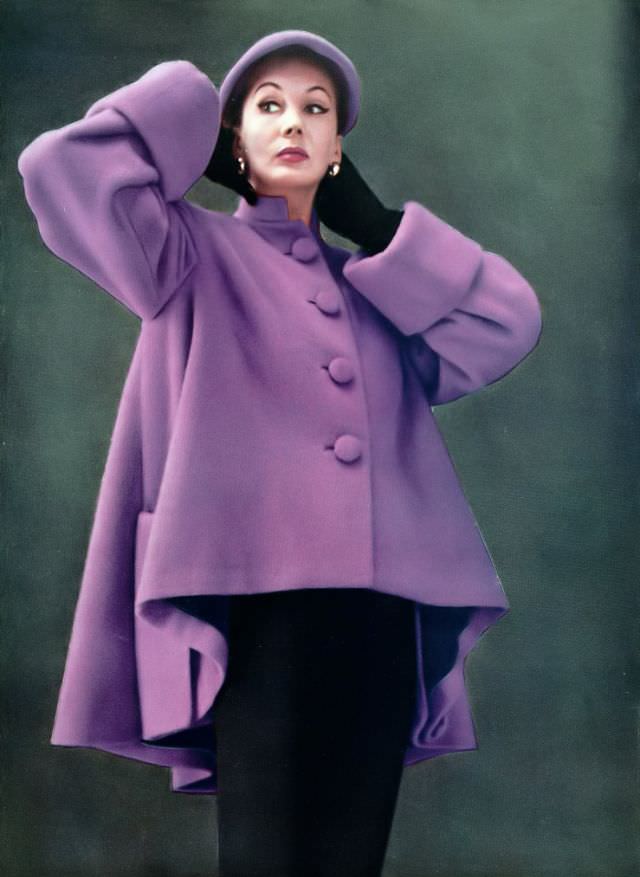
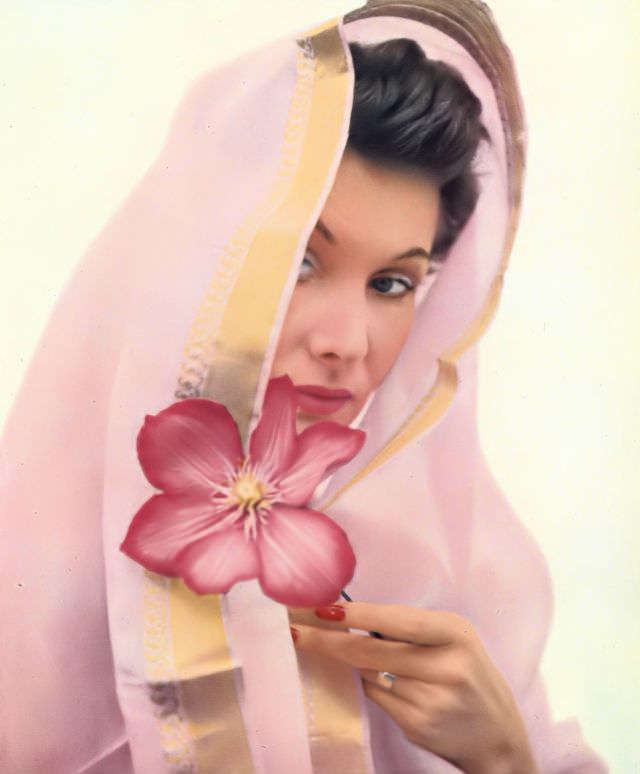
Other models filled out the pages of Harper’s Bazaar during this period. June Duncan appeared in the November 1951 issue in a Dorville wool dress topped with an Otto Lucas hat, while an unnamed model wore a Debenham & Freebody velvet bed jacket in February’s lifestyle pages.
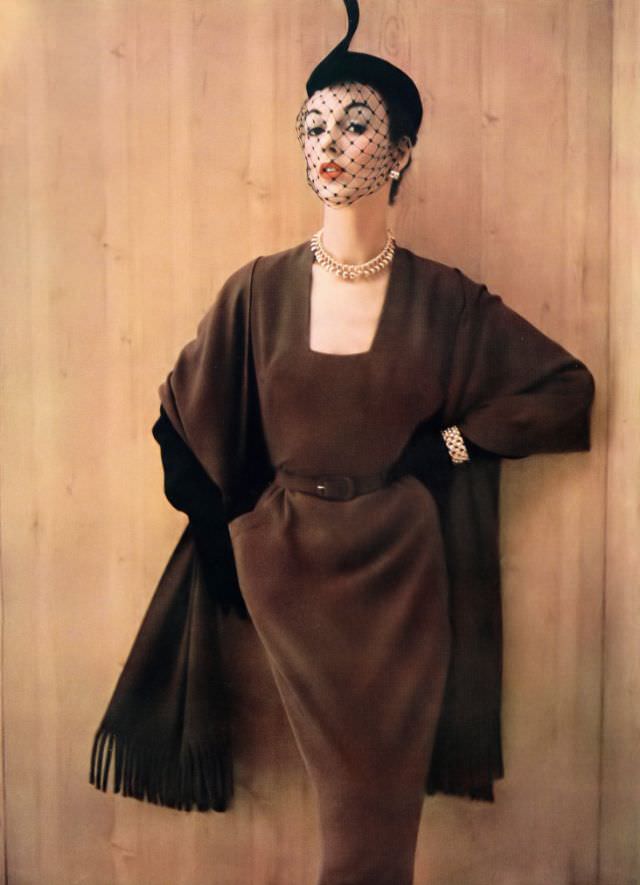
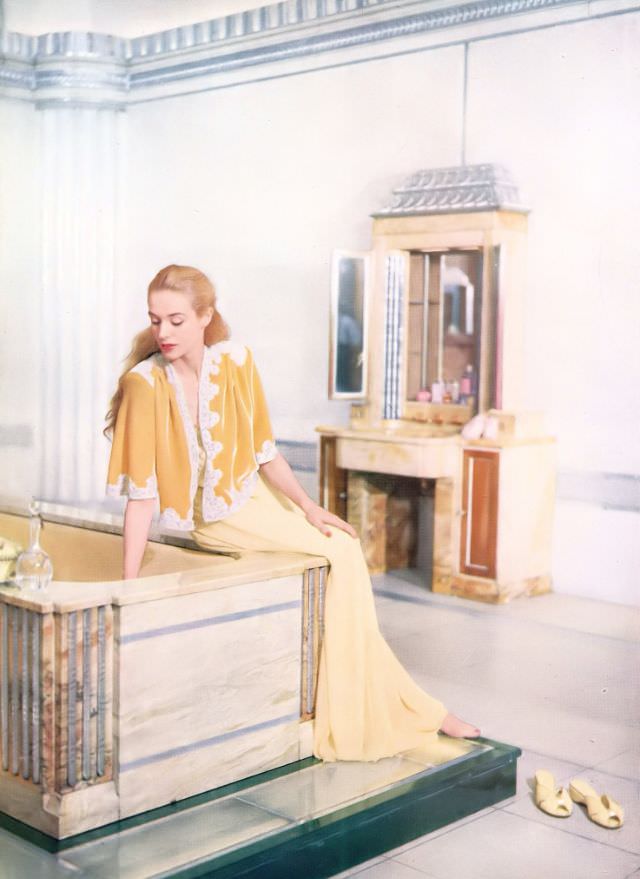
Spring and summer editorials in 1951 gave Dormer room to work with lighter fabrics and softer silhouettes. A Victor Stiebel embroidered organdie dance dress appeared in April, a Susan Small muslin summer dress in June, and an R.M.Hats blue shantung cartwheel hat in July.
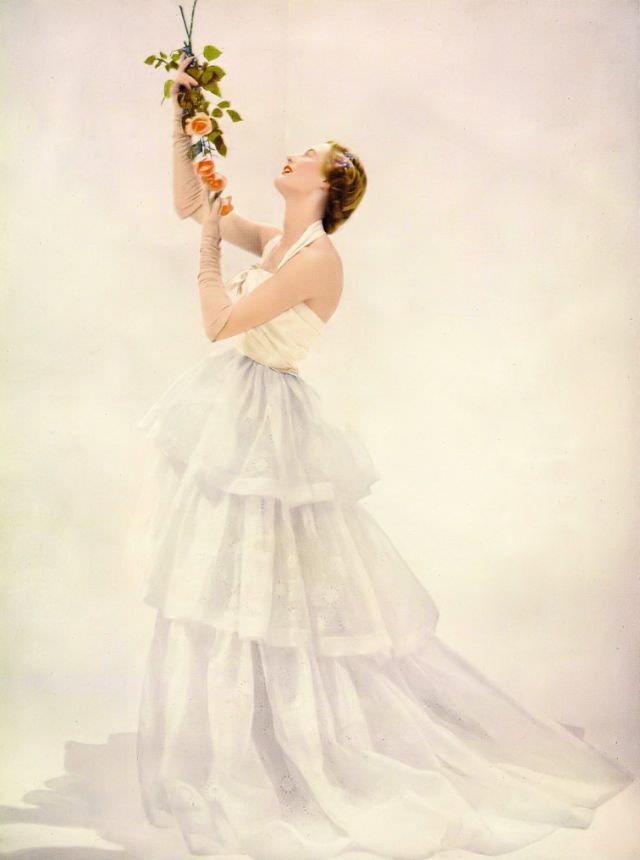
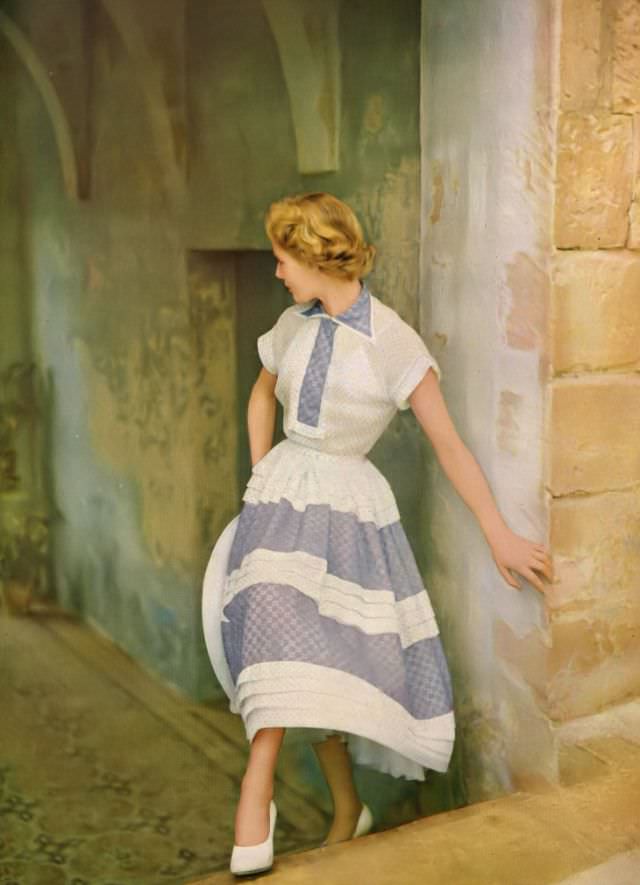
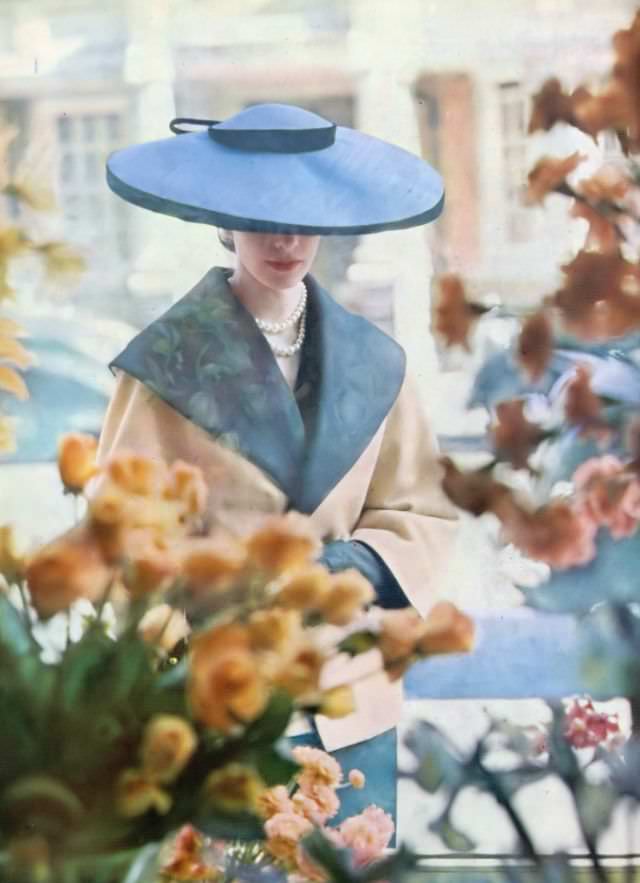
Pat O’Reilly returned to Dormer’s lens in April 1951, this time wearing a Hardy Amies wool ottoman suit with a Deanfield Furs mink stole. Shelagh Wilson closed out the year in two memorable shots — a Victor Stiebel flame tulle evening dress and a red velour hat by R.M.Hats.
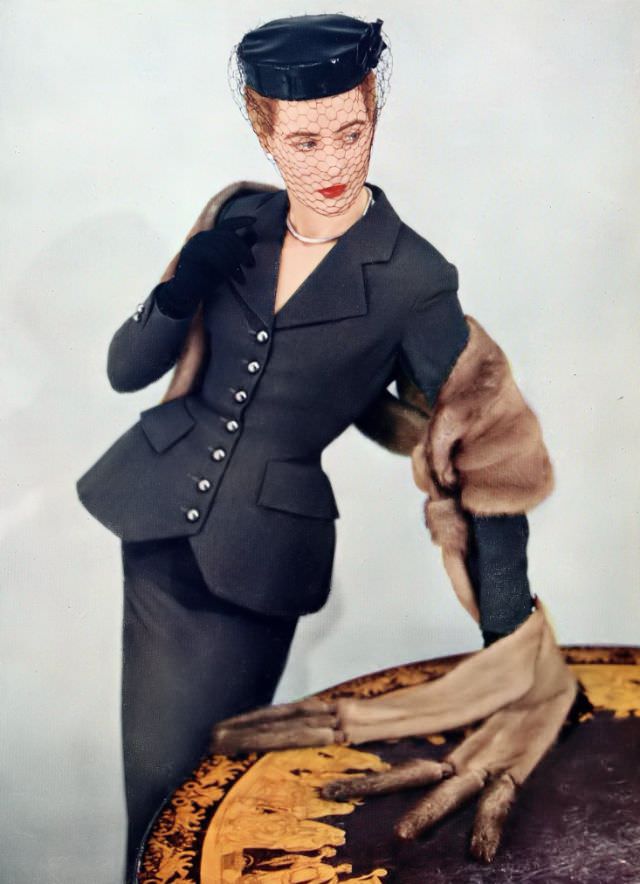
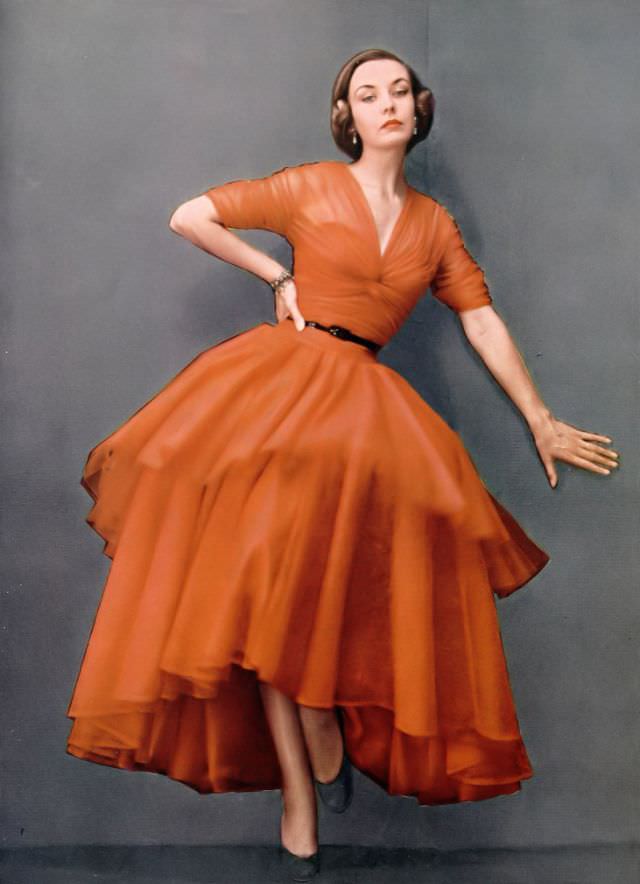
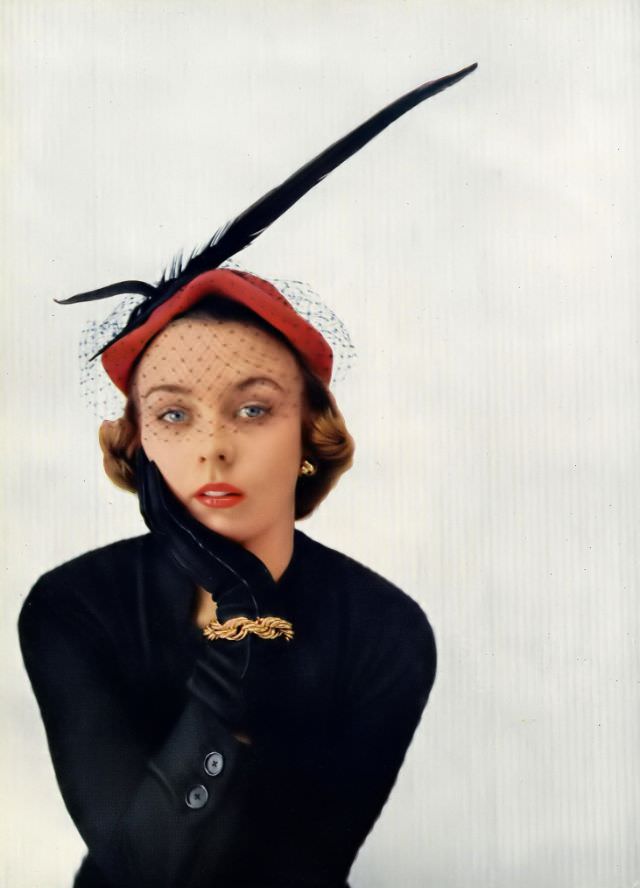
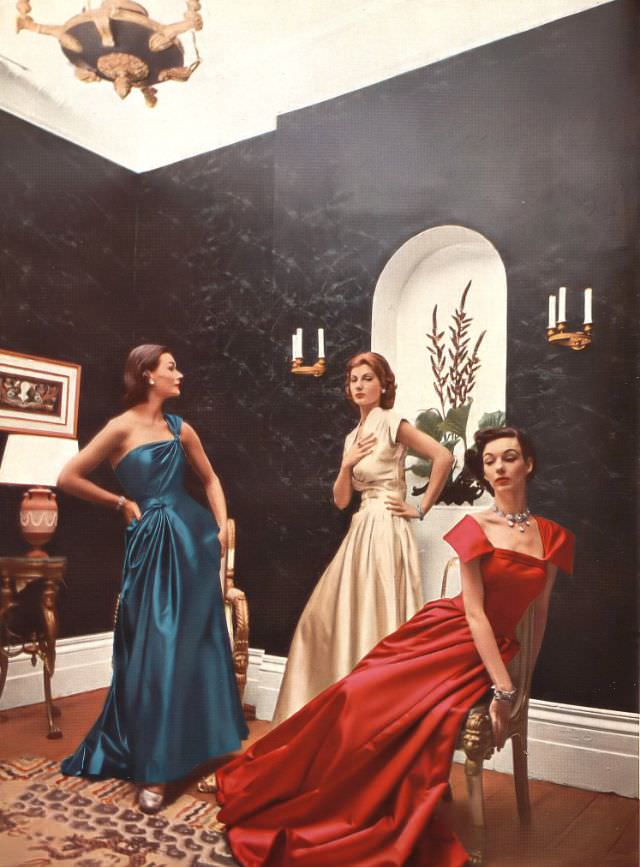
By 1952, Dormer’s assignments had grown in scale and variety. One shoot featured Anne Gunning alongside other models wearing evening gowns by three major British designers — Paterson, Hartnell, and Morton — in what reads as a full survey of the season’s formal options.
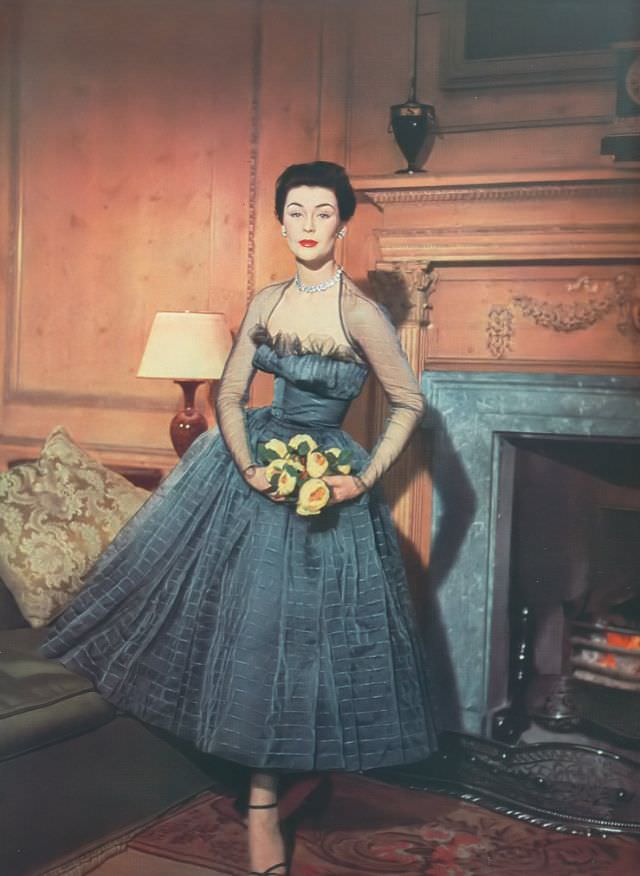
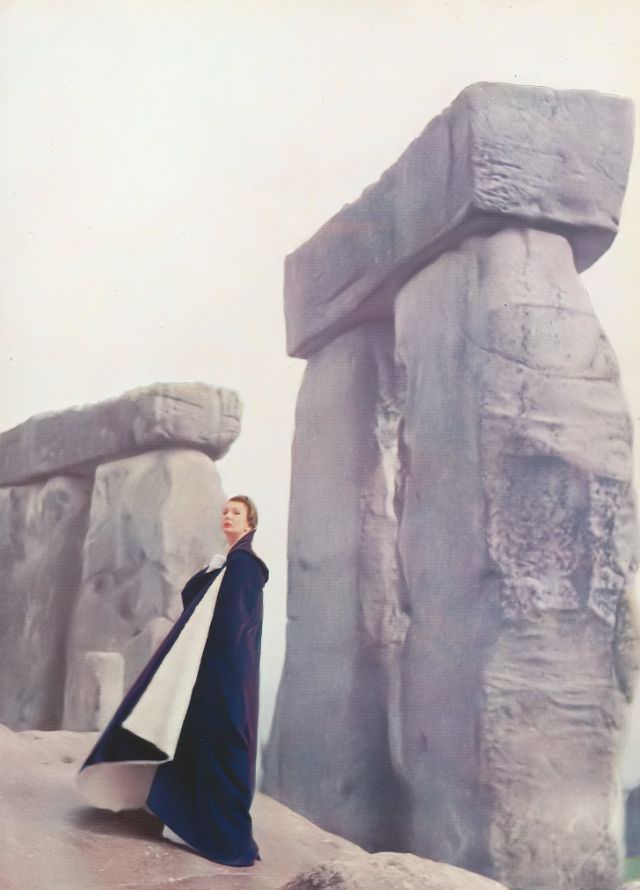
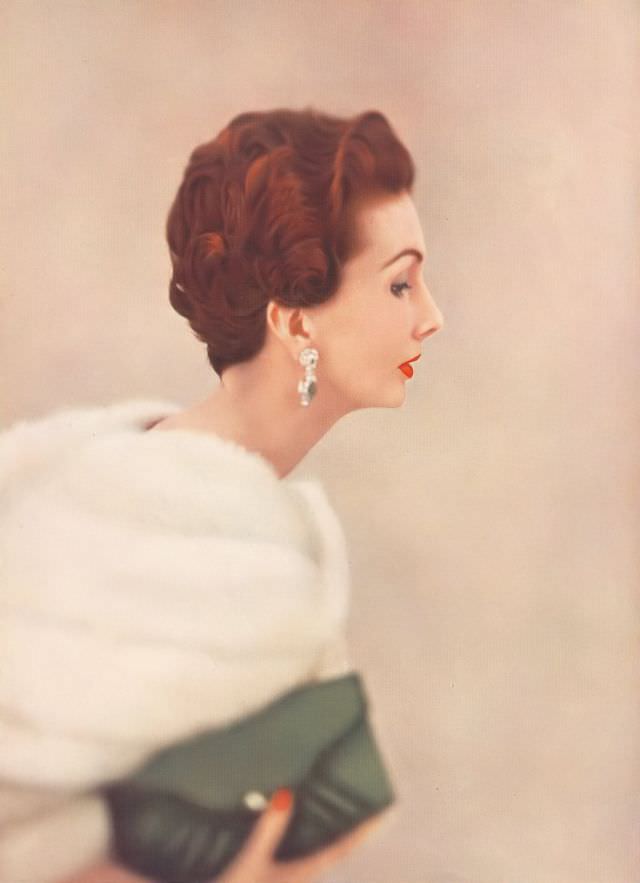
Barbara Goalen’s 1952 appearances pushed into more theatrical territory. Dormer photographed her at Stonehenge in July, draped in a Bradleys amethyst velvet cape. The ancient stone monument behind her created a striking contrast with the richness of the fabric. An April shoot focused purely on styling — Raymond hair, fine earrings, and a structured purse.
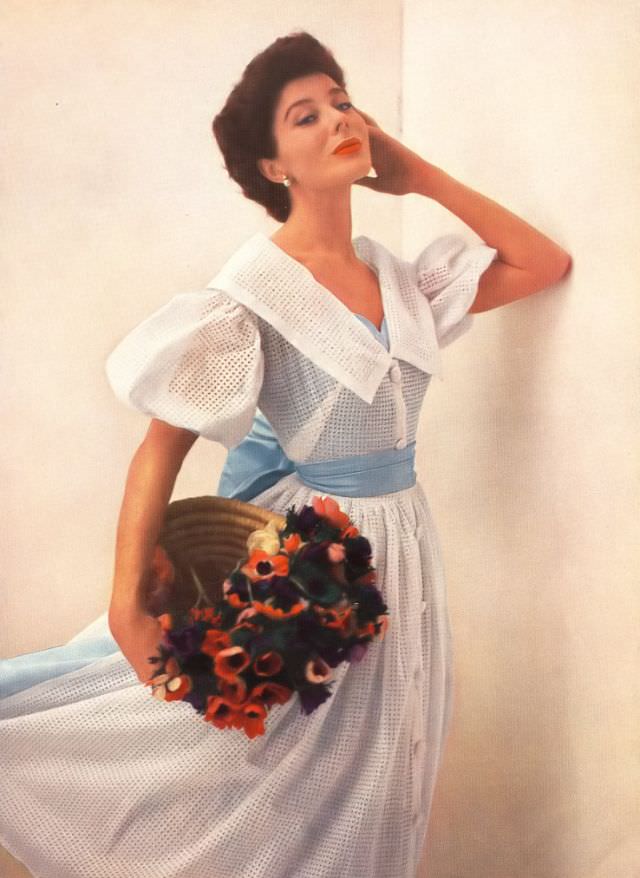
French model Bettina Graziani appeared in Dormer’s work in 1952, adding an international dimension to his portfolio. She appeared in a Susan Small transformable dress in June and in a Health & Beauty editorial for the April issue of Harper’s Bazaar UK.
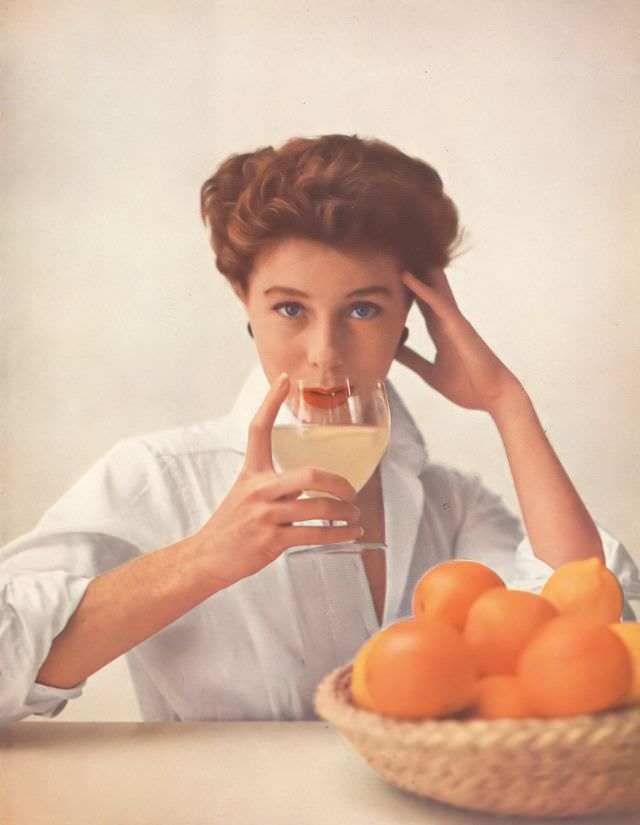
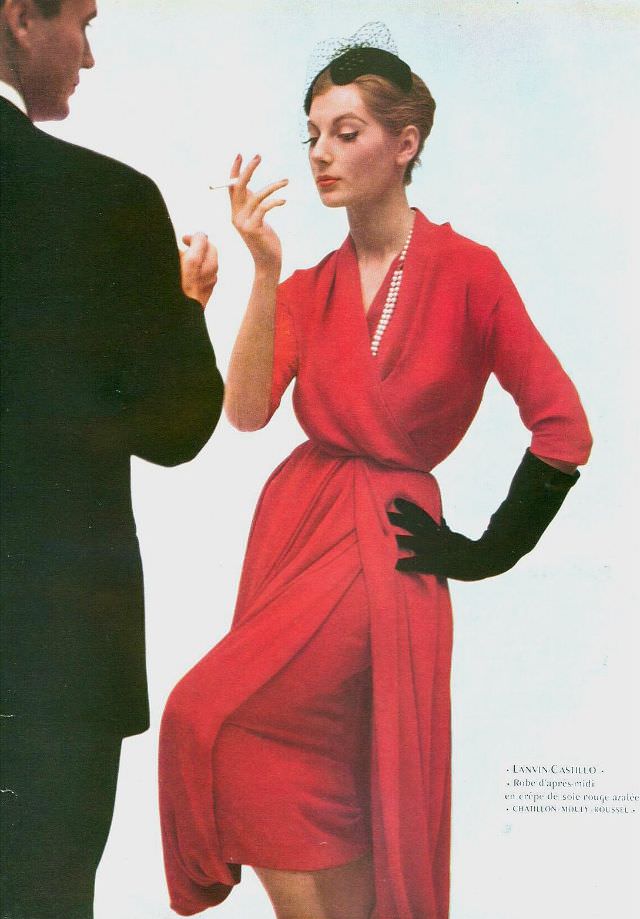
Dormer’s reach extended beyond British publications. For the October 1952 issue of Paris Vogue, he photographed Fiona Campbell-Walter in a Lanvin-Castillo red silk-crêpe dress. Campbell-Walter was one of the most sought-after models in Europe at the time, and the assignment confirmed Dormer’s standing on an international level.
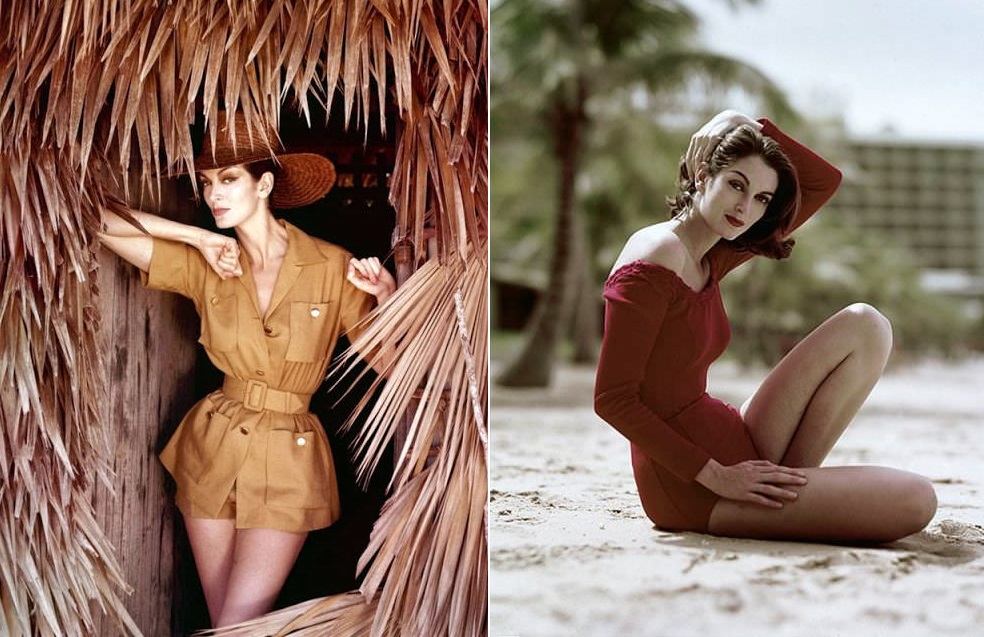
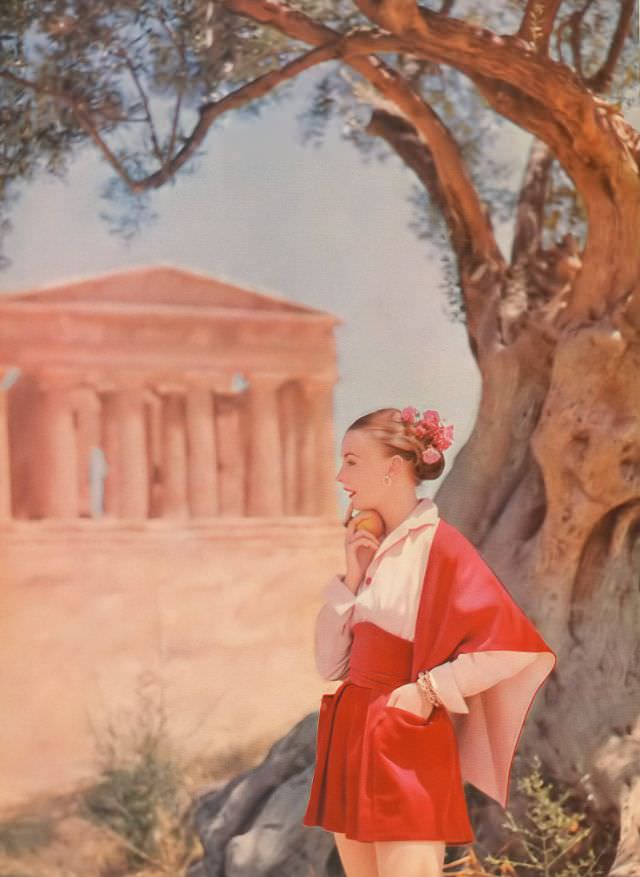
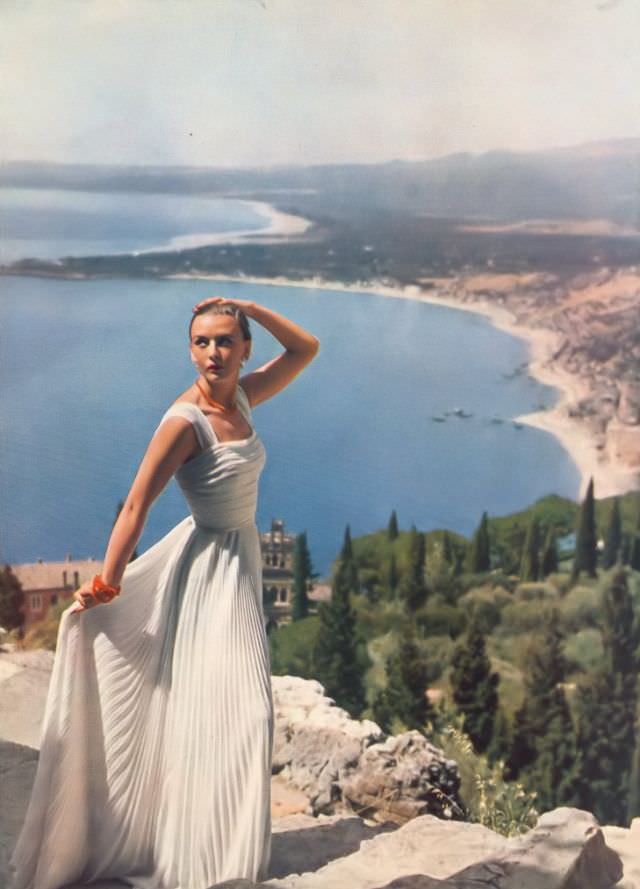
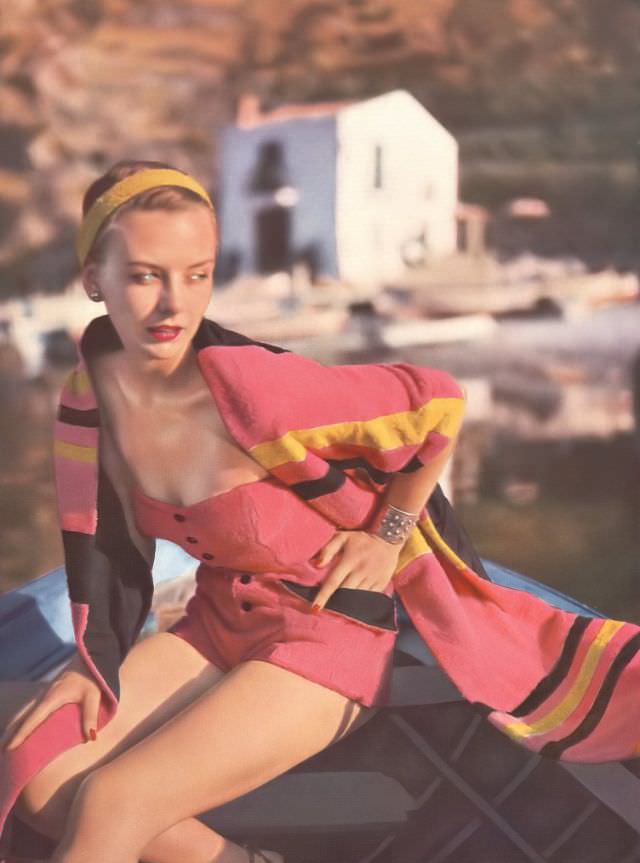
Across the rest of 1952, Dormer continued to work steadily with the Harper’s Bazaar UK team. June Duncan appeared in a Marcus Spring suit for February, while Pat O’Reilly wore a Norman Hartnell camel-wool coat in September. Shelagh Wilson, meanwhile, brought the same composed energy she always did — whether photographed against the ancient ruins of Agrigento in Sicily or closer to home in a Horrockses swimsuit.
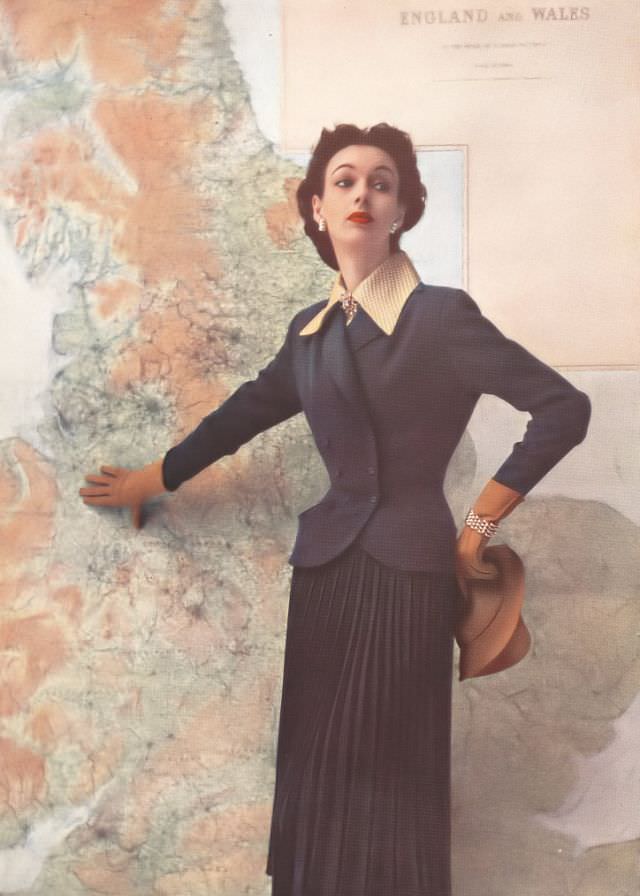
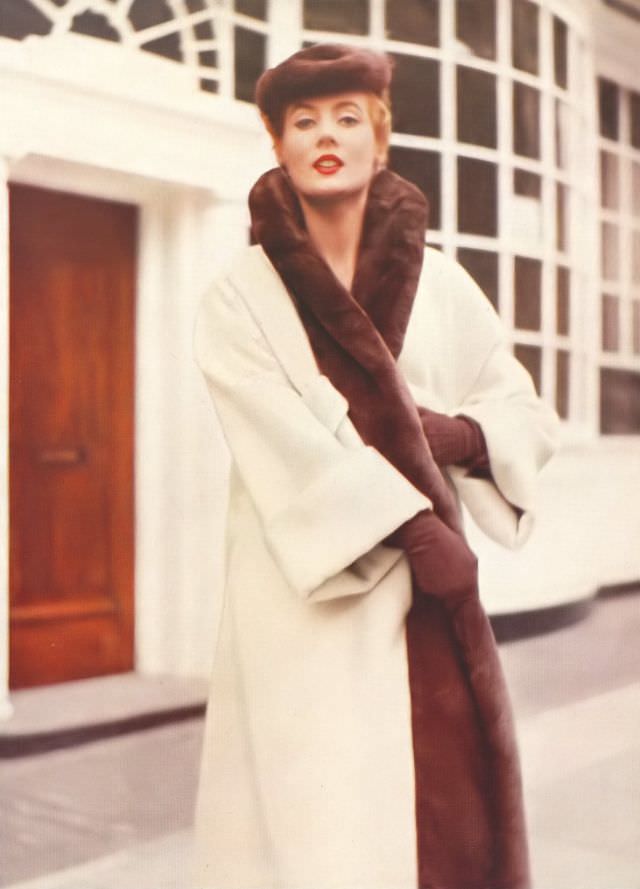
The final months of 1952 saw Dormer wrapping up a remarkable three-year run of editorial work. Susan Abraham appeared in an Arthur Poliakoff mole evening wrap for the September issue, and Susan Hook closed out the summer in a Susan Small cocktail coat-dress for August — two more precisely styled photographs in what had become one of the most consistent bodies of fashion work produced in early postwar Britain.