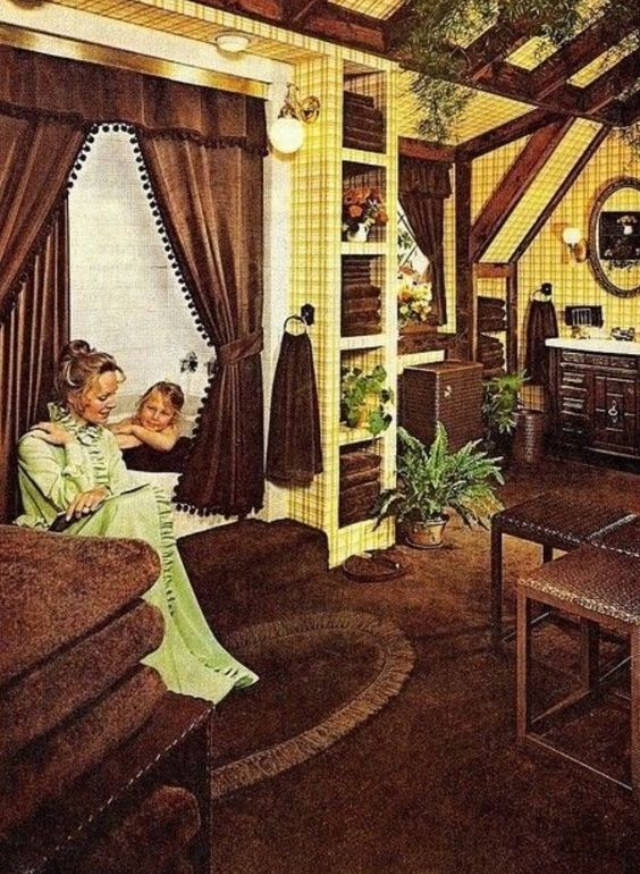
Before the disco era faded and shoulder pads took over, one fixture defined the ultimate in home luxury: the hot tub. In the 1970s, having a Jacuzzi meant something. It sat alongside shag rugs and wood-paneled walls as a symbol of a lifestyle that was equal parts relaxed and indulgent. These bubbling tubs weren’t just a place to soak — they were a social statement.
The story of the modern Jacuzzi starts far from any California backyard. Seven brothers from Italy immigrated to California in the early 1900s. The Jacuzzi family quickly made a name for themselves through engineering. They worked on advances in aviation and developed water pumps widely used in farming, particularly in orange groves across California.
One of the family’s most significant early achievements was the invention of the world’s first submersible pump. This device pulled water directly from the ground and sent it through pipes to wherever it was needed. It was a practical, powerful invention — and it set the stage for what the Jacuzzi name would eventually become famous for.
In 1956, the brothers turned their engineering focus toward personal health. A family member had developed rheumatoid arthritis, and the brothers wanted to find a way to bring hydrotherapy home. Their solution was the J-300 — a pump-and-piping system that moved hot water from a furnace into a separate tub, creating a therapeutic soaking experience. It was the first hot tub the family ever built.
The design kept evolving. By 1968, Jacuzzi had introduced the world’s first integrated jet whirlpool bath — a single self-contained unit with built-in jets. This was a major leap forward. No more separate pumps or piping rigs. The whole system was built into the tub itself.
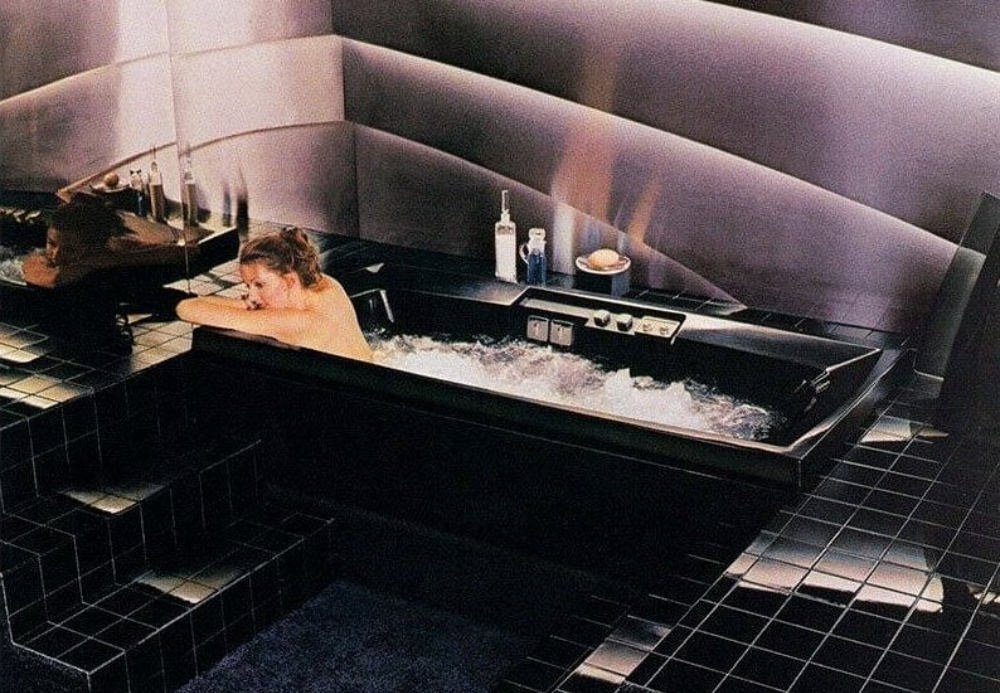
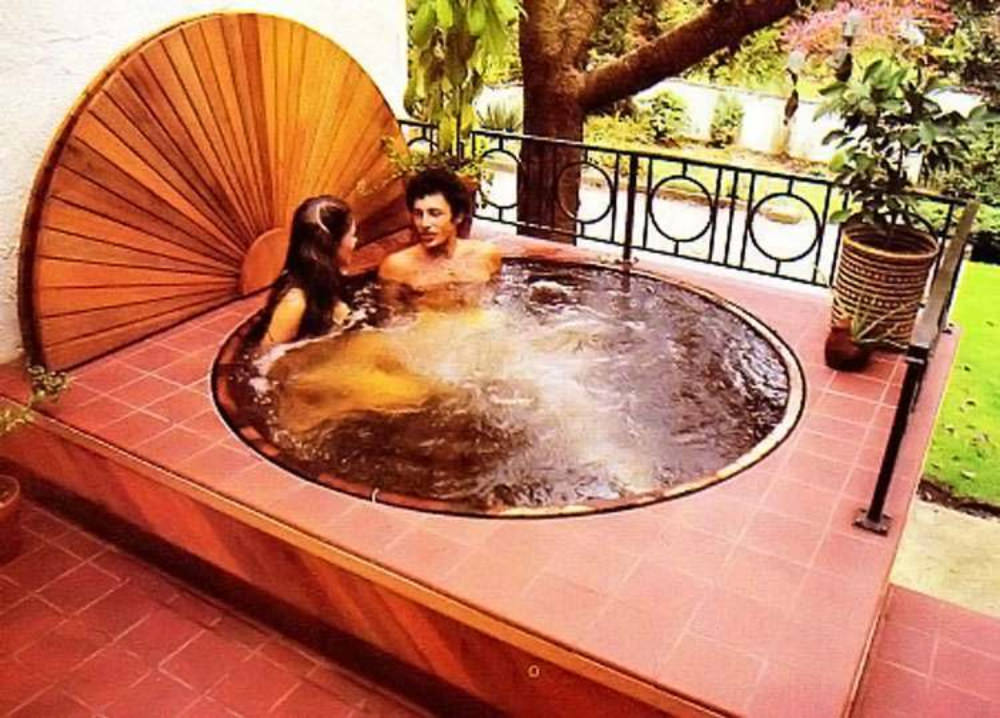
Then came 1970, and everything got bigger. Jacuzzi began producing larger indoor tubs designed to hold more than one person — whole families or groups of friends. Design adjustments also made the tubs suitable for outdoor use, which opened up a whole new market. The backyard hot tub was born.
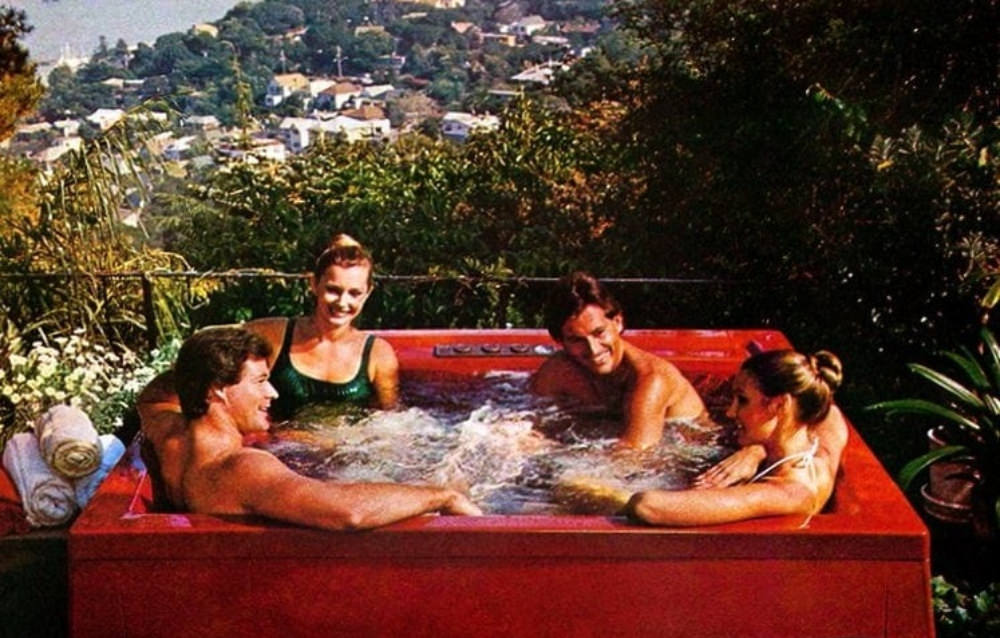
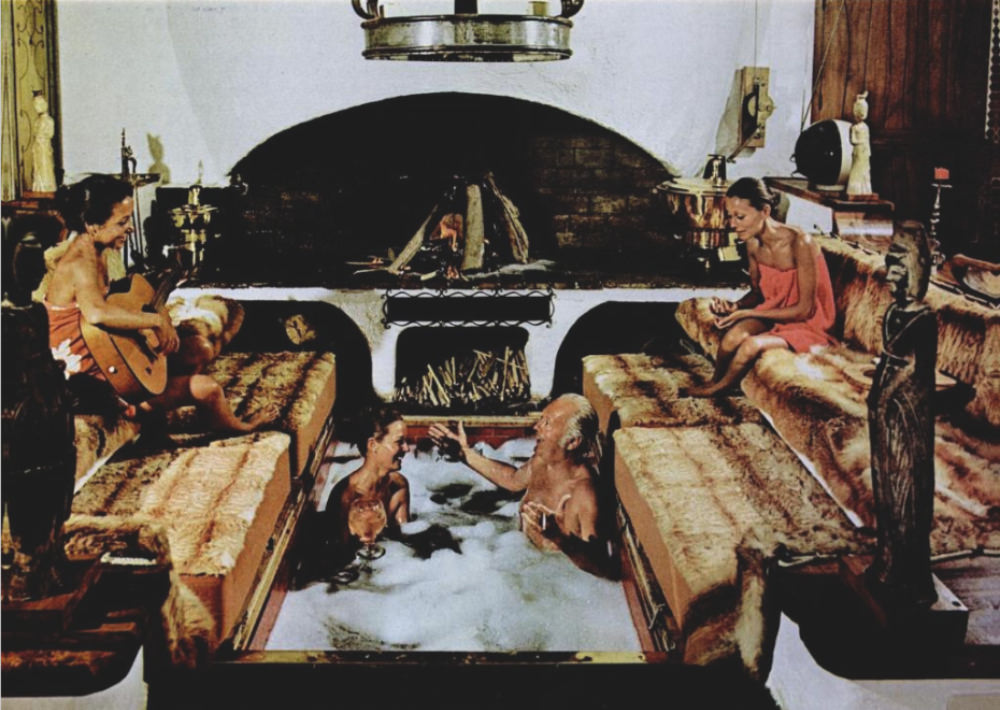
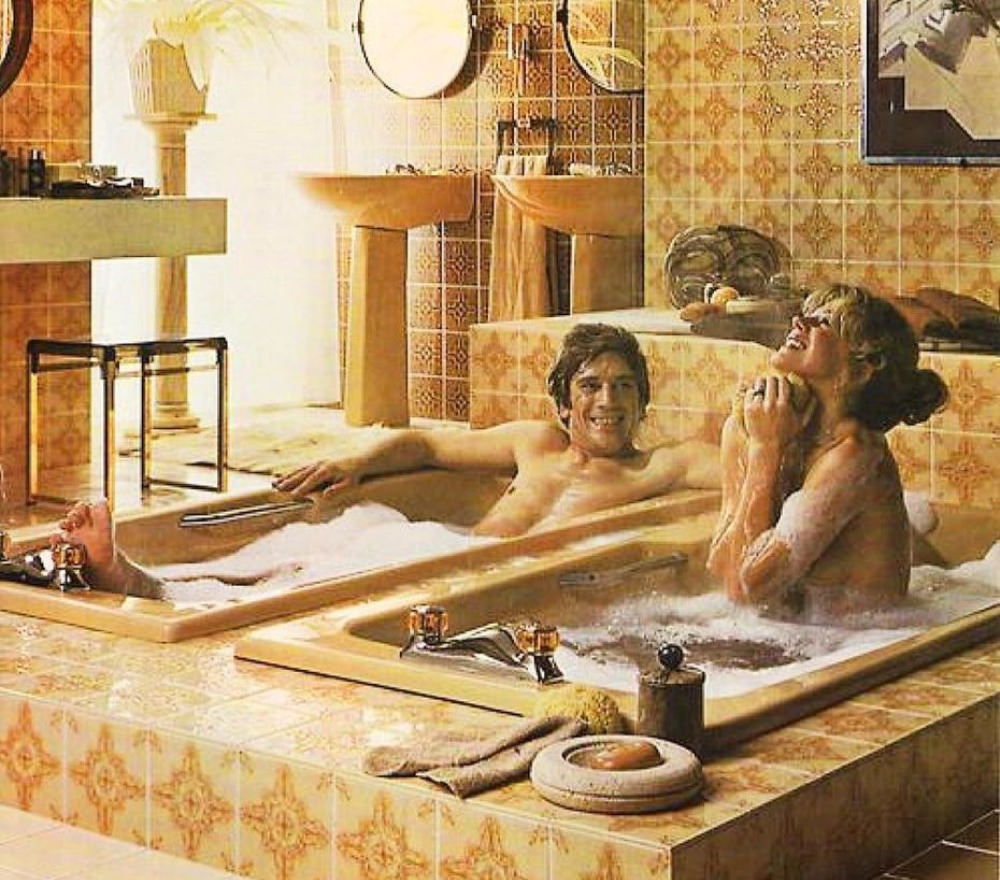
By the mid-1970s, multiperson hot tubs were everywhere in popular culture. Neighbors gathered around them. Couples relaxed in them. Party hosts made them the centerpiece of the evening. The Jacuzzi name had become so tied to the product that most people used it as a generic term for any hot tub, regardless of brand.
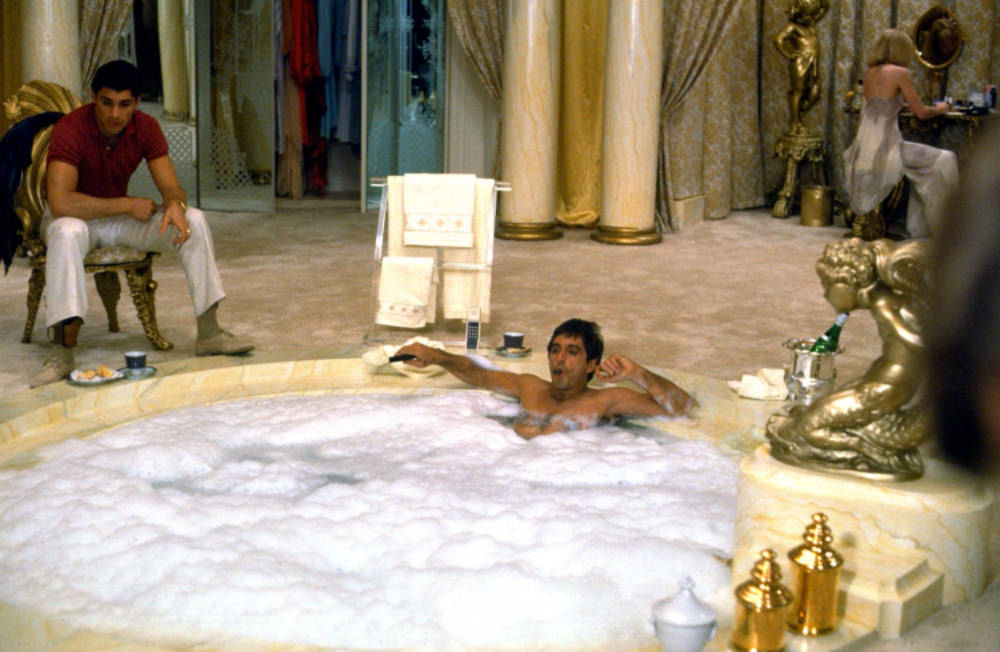
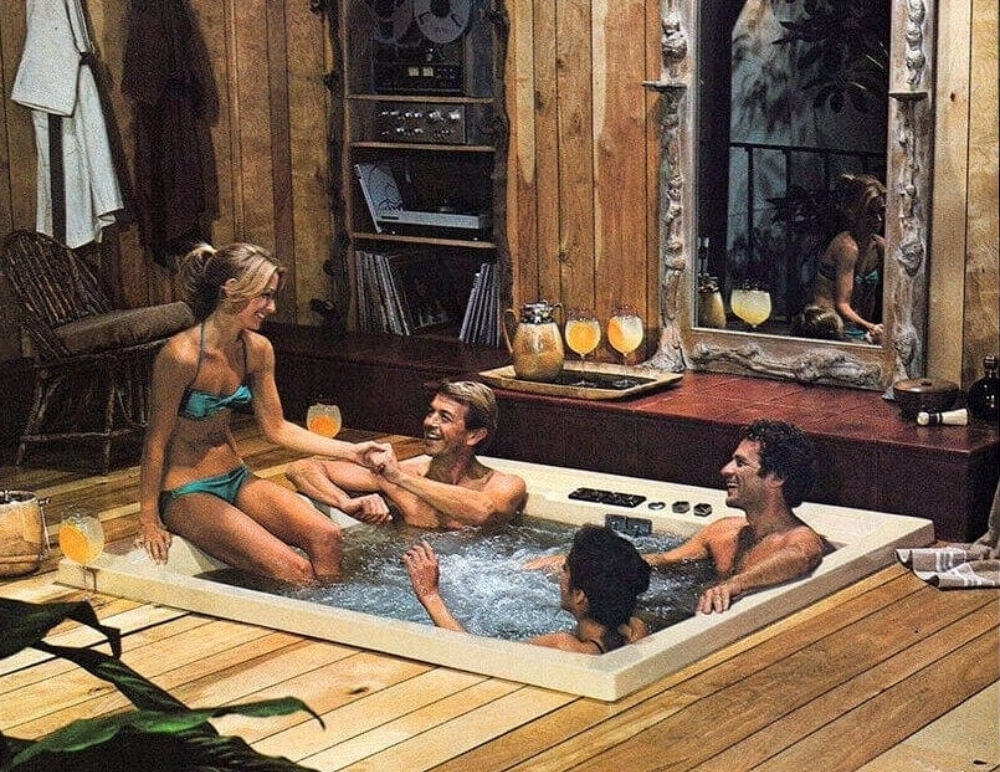
The aesthetic of these tubs matched the era perfectly. Earth tones, rounded shapes, and sunken designs fit right in with the interior trends of the 1970s. A Jacuzzi tucked into a tiled platform with ferns hanging overhead was considered the height of home style.
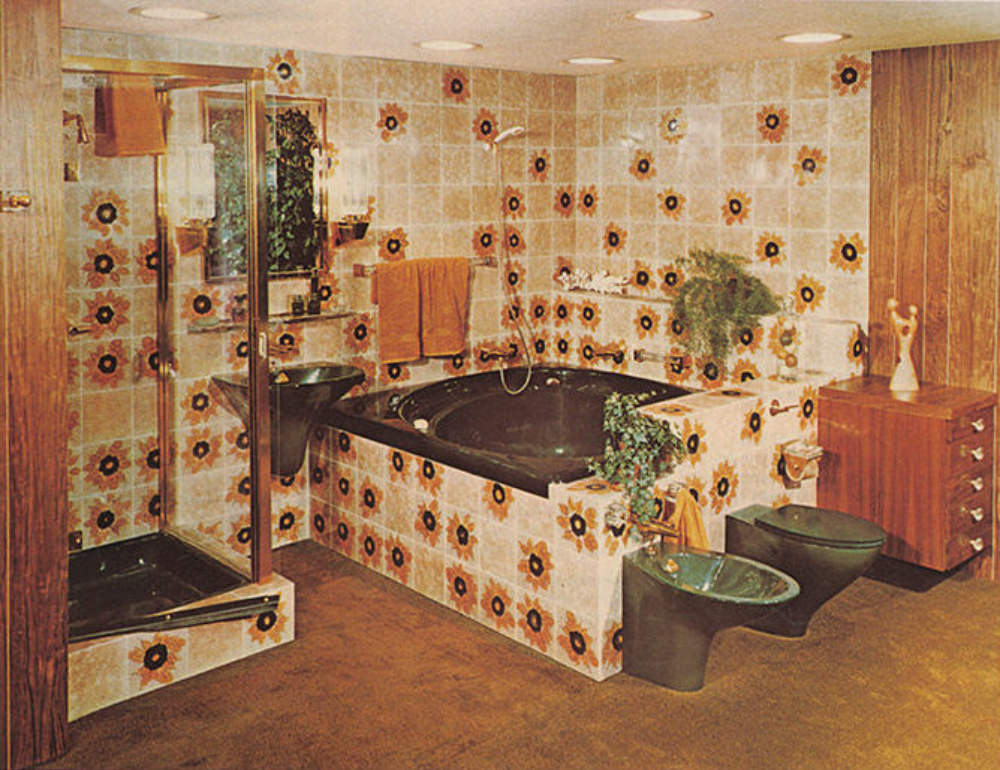
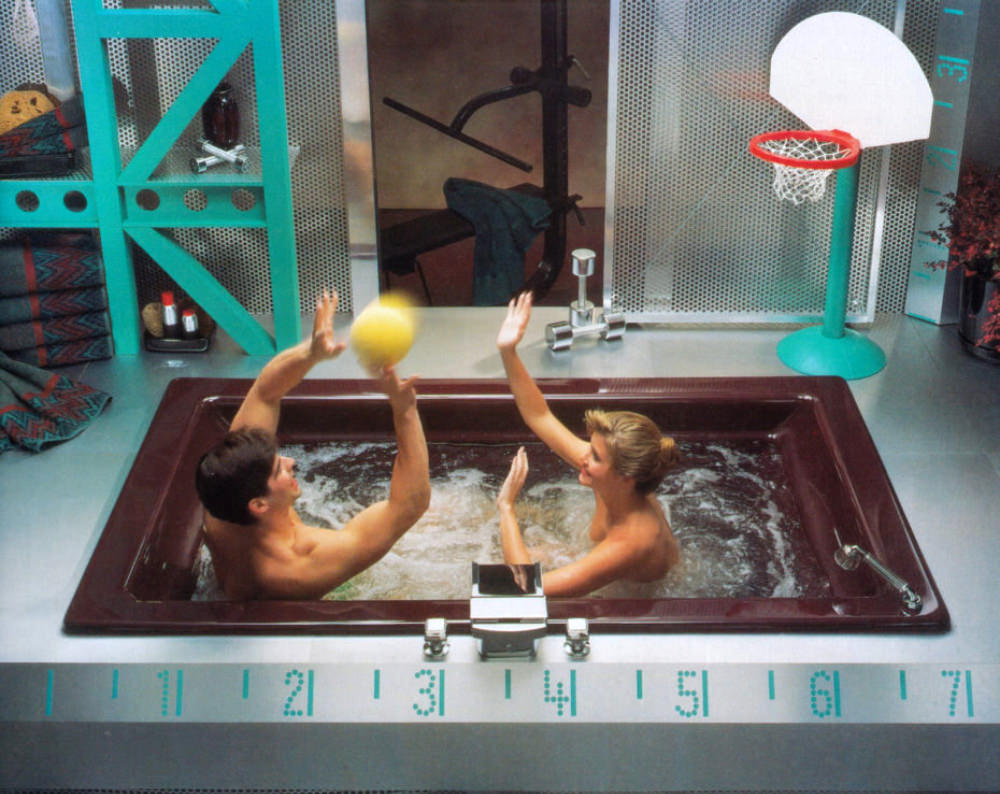
Into the 1980s, the hot tub remained a fixture of aspirational living. The designs grew more angular and the color palettes shifted — pastel tones and glossy surfaces replaced the warm wood finishes of the previous decade. But the appeal stayed the same: a personal escape built right into your home.
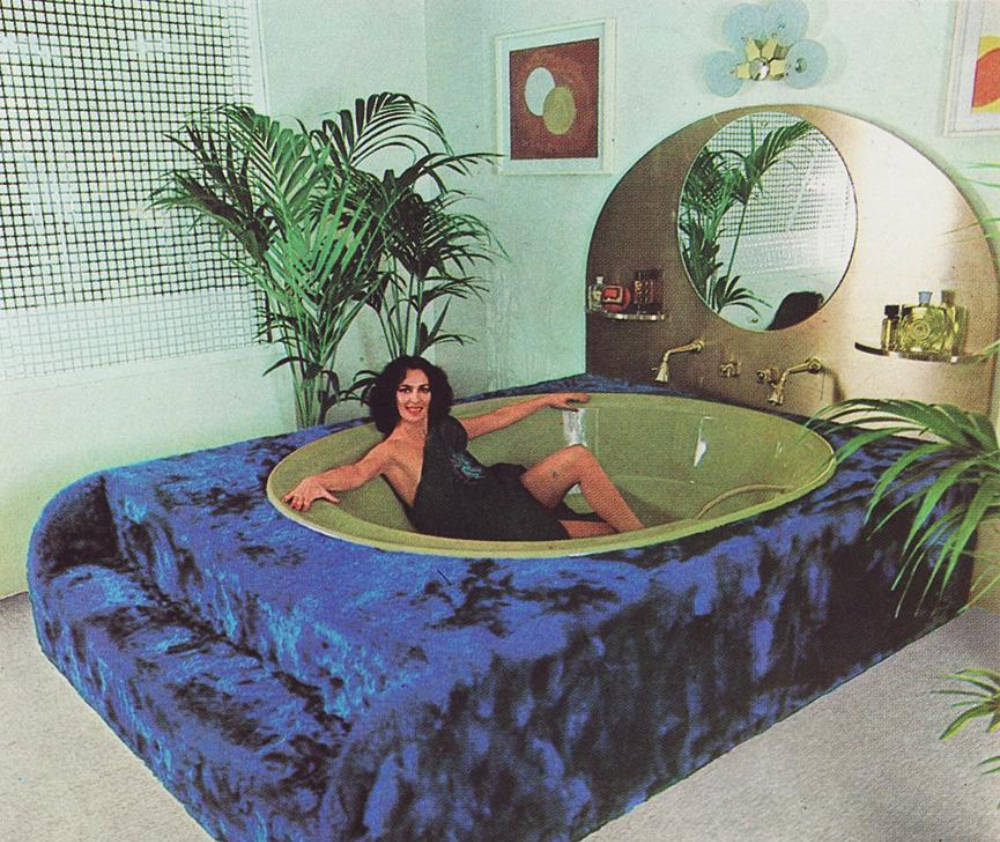
Outdoor models became especially popular during the 1980s. Decks were built specifically to house them. Some homeowners installed entire enclosures — glass-walled sunrooms or cedar gazebos — just to frame the hot tub experience. It was a serious investment, and people treated it as such.
The jets themselves became more sophisticated over the years. Early models pushed water through basic nozzles. By the late 1970s and into the 1980s, adjustable jets targeting specific muscle groups were standard features. The hydrotherapy roots of the original J-300 were still very much present in the design philosophy.
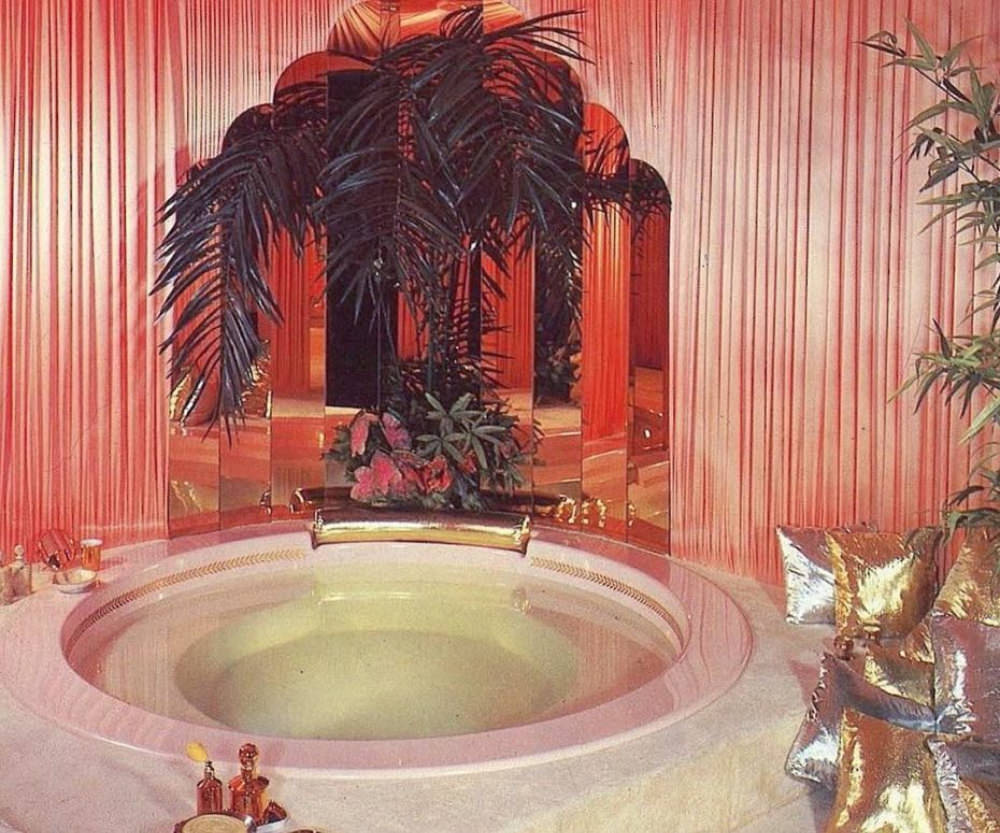
Hot tubs also found a natural home in hotels, resorts, and gyms during this period. Facilities added them alongside pools as a premium amenity. Guests expected them. The transition from private luxury to public fixture happened quickly, and the Jacuzzi brand name traveled along with that expansion.
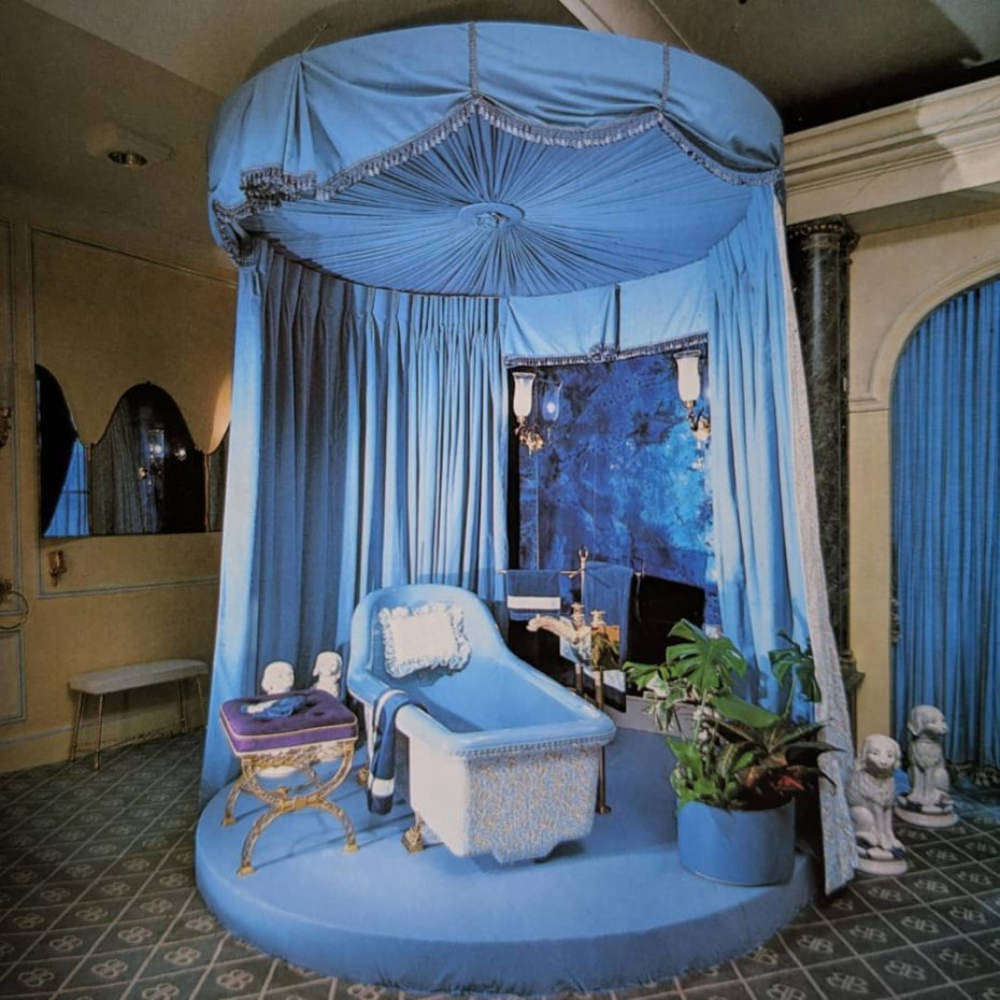
At home, the social dimension of the hot tub set it apart from any other bathroom fixture. A regular bathtub was a solo experience. The Jacuzzi was designed to be shared. Its size, its placement — often in a living space or on a patio rather than locked away in a bathroom — made it a gathering point.
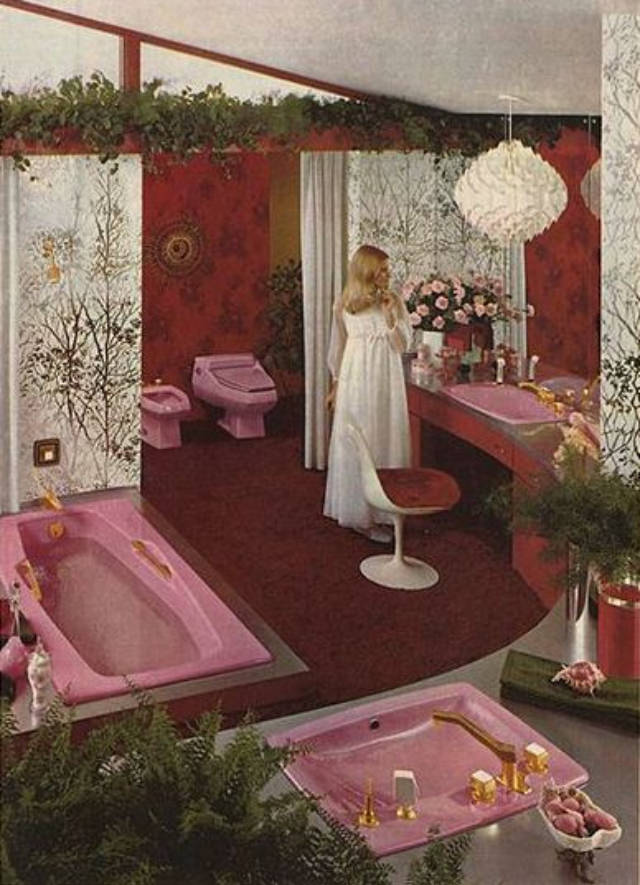
Retro advertisements from the 1970s and 1980s captured exactly how the hot tub was marketed: as a lifestyle upgrade. Glossy magazine spreads showed couples soaking under string lights or families enjoying Sunday afternoons in the backyard tub. The pitch was always the same — once you have one, you won’t want anything else.
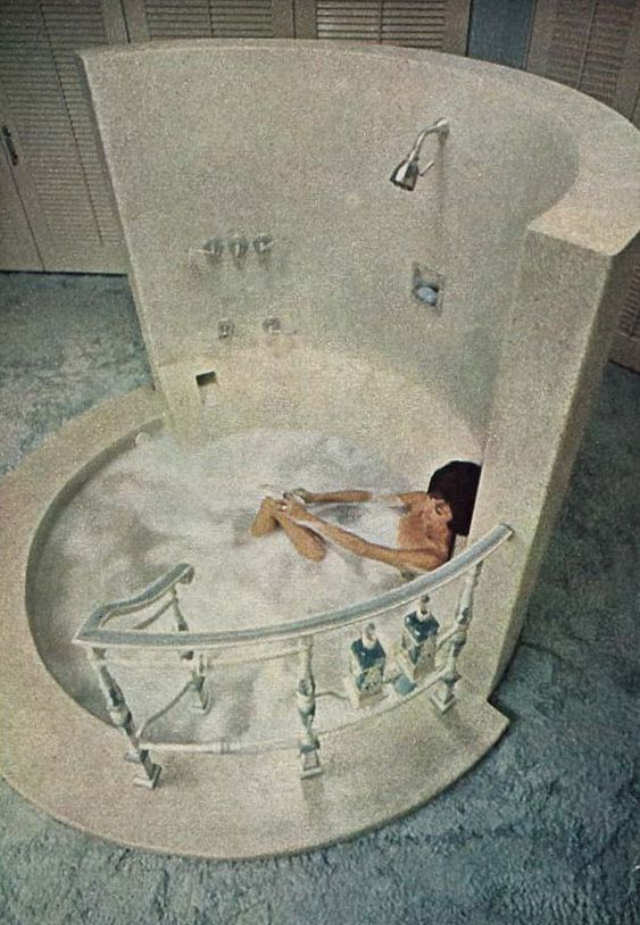
Looking back at these retro models, what stands out is how much personality they had. The wood surrounds, the colored acrylic shells, the built-in steps and seats — every detail was considered. These weren’t just functional appliances. They were designed objects that reflected the tastes and culture of their time.