Queensland is the second-largest state in Australia. It covers the most tropical part of the continent, stretching from the rainforests of the far north to the beaches of the Gold Coast. By the 1930s, its population was growing steadily, and the state was home to some of the country’s most important agricultural and industrial operations. These photographs offer a direct window into that world — the work, the leisure, the fashion, and the public events that shaped daily life across Queensland during one of the most turbulent decades of the 20th century.
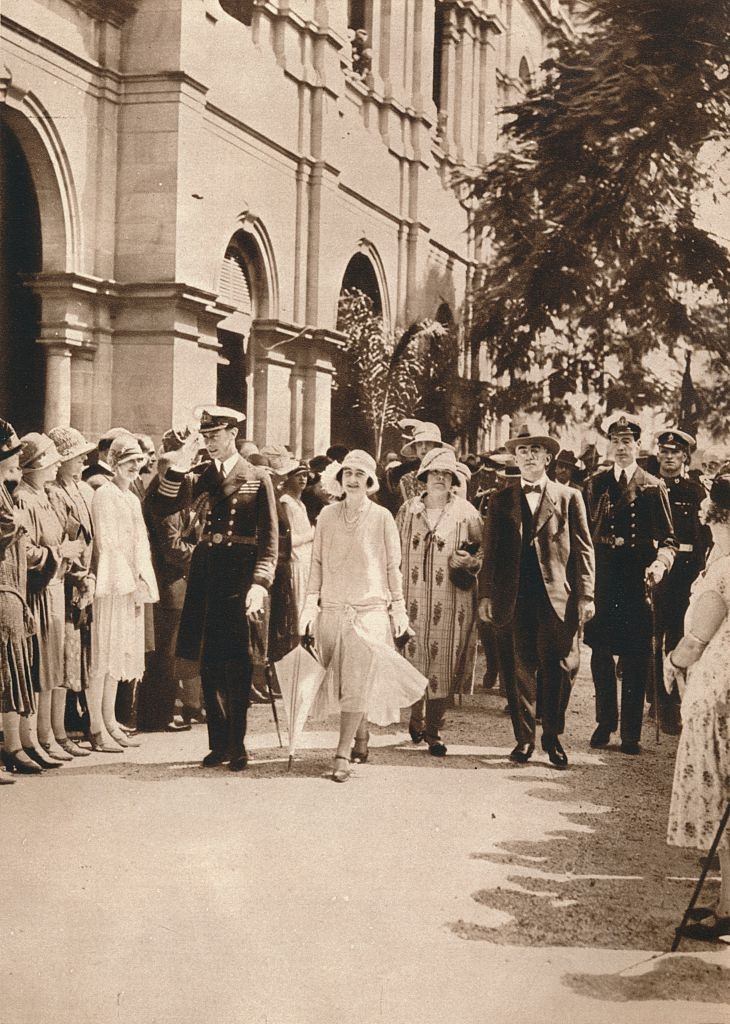
The 1930s began on an optimistic note for Queensland, with a royal visit drawing large crowds to Brisbane. The Duke and Duchess of York toured Australia in 1927 and again in 1930, and their presence in Brisbane was a major public occasion.
Agriculture was the backbone of Queensland’s economy. Sugar cane was one of the state’s most important crops, grown across the tropical north and processed at large mills. The Mulgrave Mill at Gordonvale, near Cairns, was one of the key facilities handling that output.
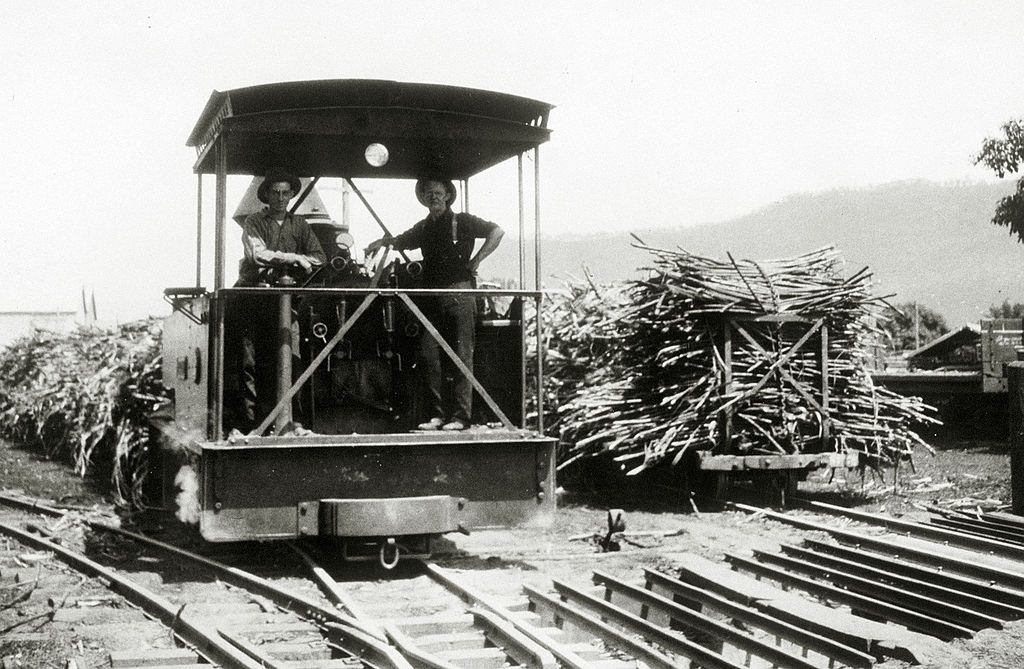
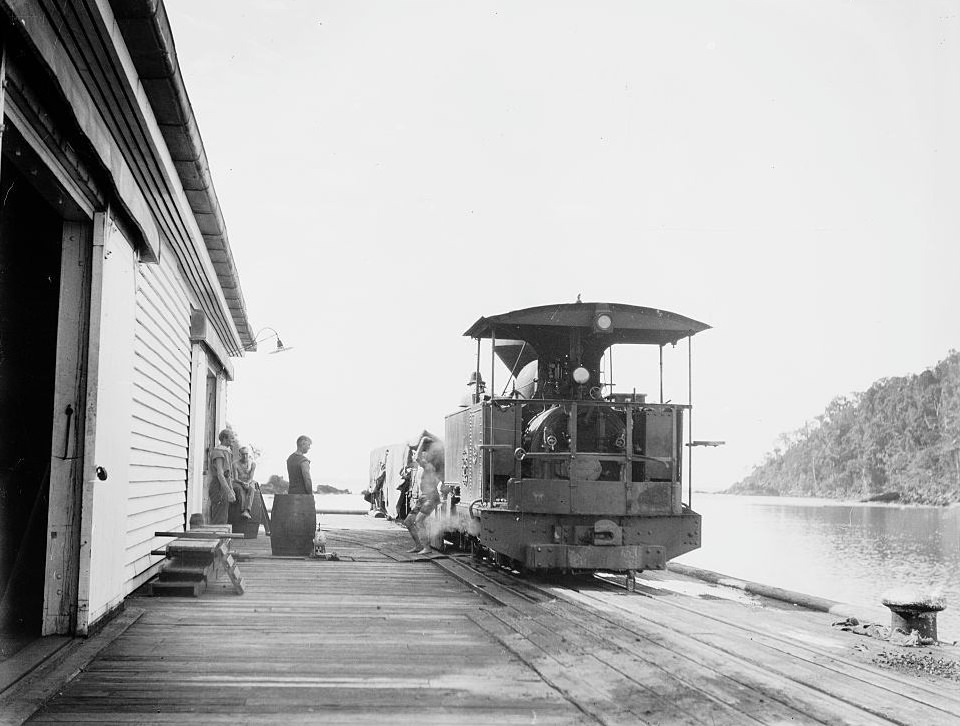
The sugar industry relied heavily on rail to move cane from the fields to the mills. Narrow-gauge steam trains were a common sight across Queensland’s tropical farming regions throughout the decade.
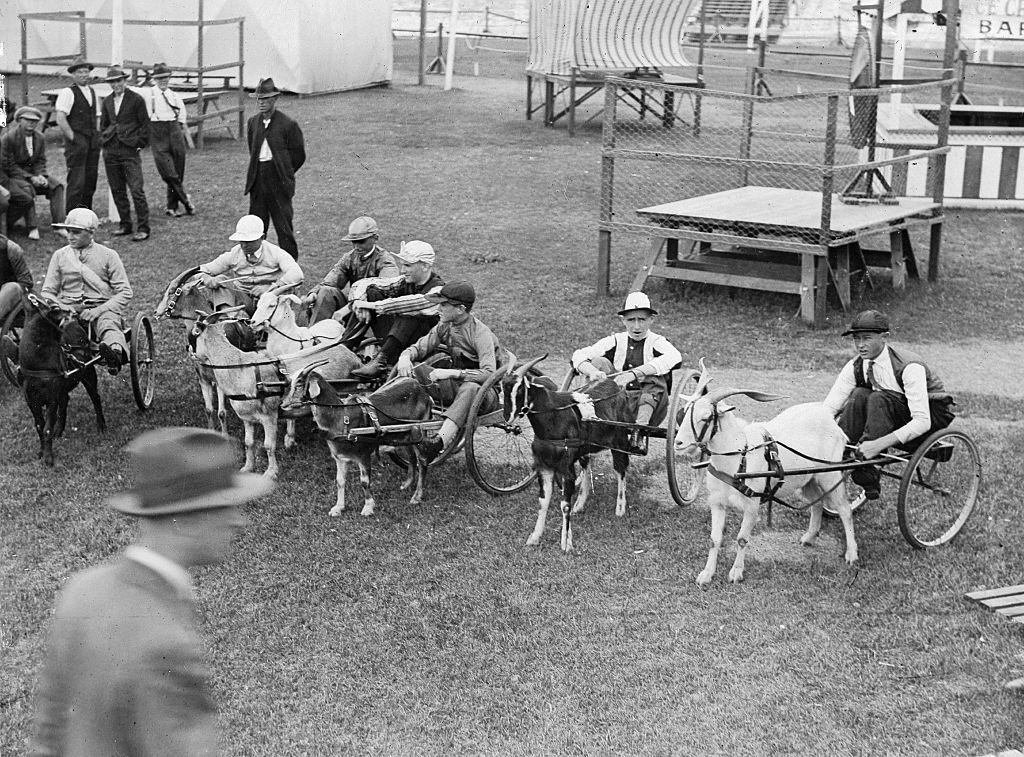
Life in Queensland wasn’t all work. Residents found creative ways to entertain themselves, and animal races drew crowds in both urban and rural communities. Goat racing, in particular, was a popular novelty event that brought communities together for a day of fun.
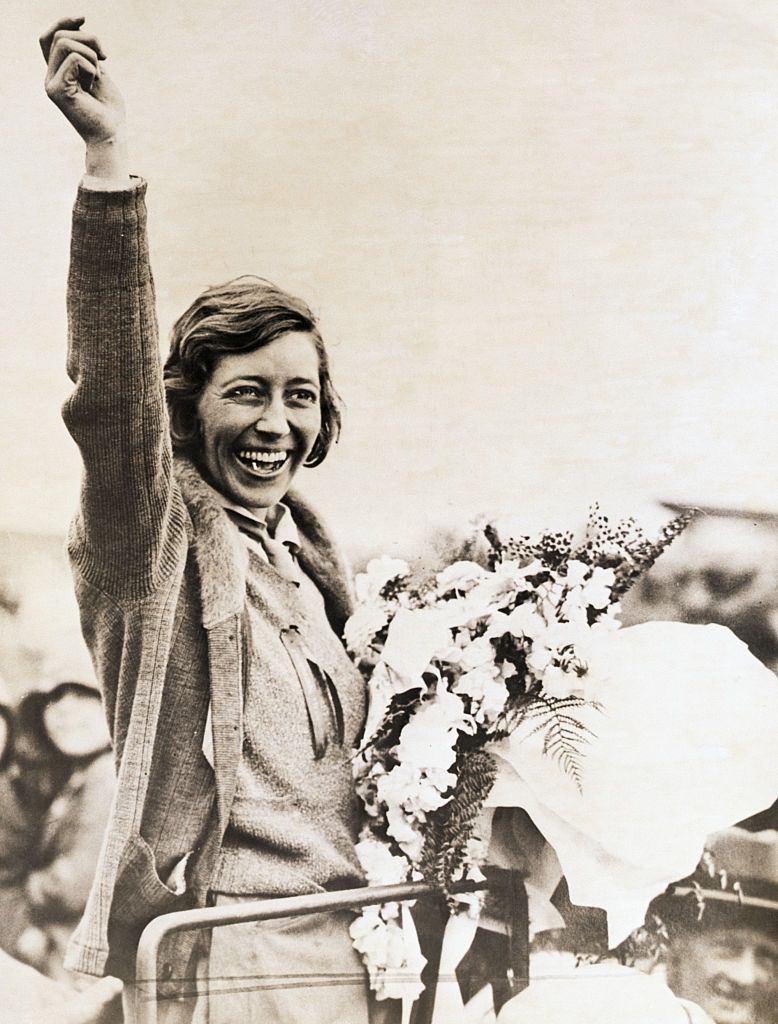
Aviation was capturing the public imagination in 1930. When British pilot Amy Johnson completed her solo flight from England to Australia, she became an international sensation. Johnson was just 27 years old when she landed in Brisbane, and the crowd that greeted her reflected how extraordinary the achievement was considered at the time.
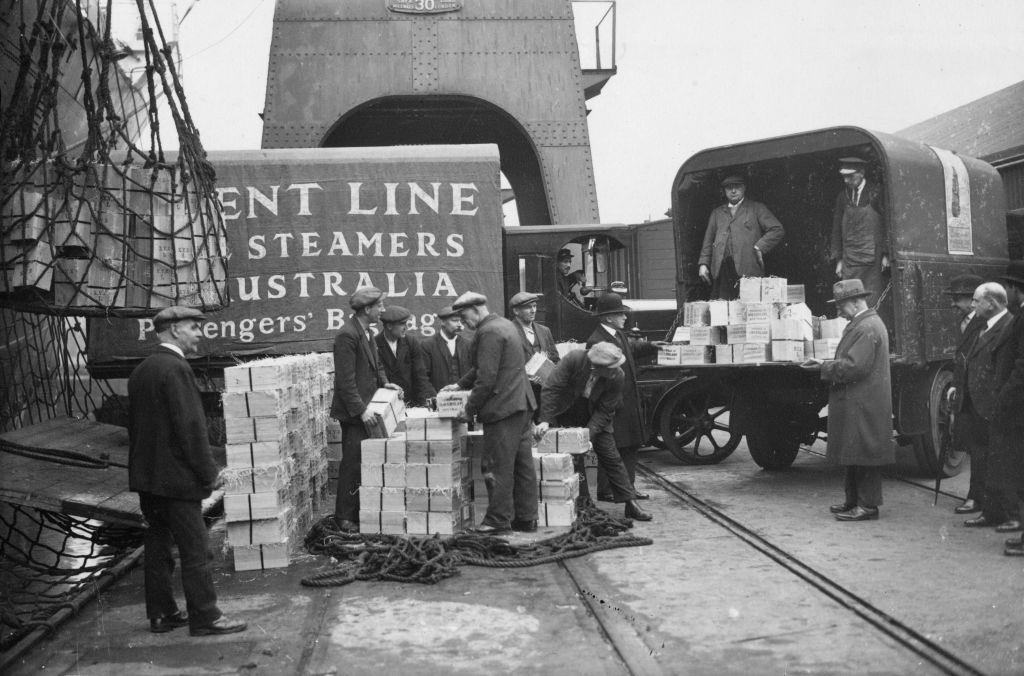
Queensland’s dried fruit industry had reach well beyond Australia’s borders. Shipments were sent to Britain and unloaded at major ports like Tilbury Docks, often timed as Christmas gifts — a sign of the strong trade ties between Australia and the United Kingdom during this era.
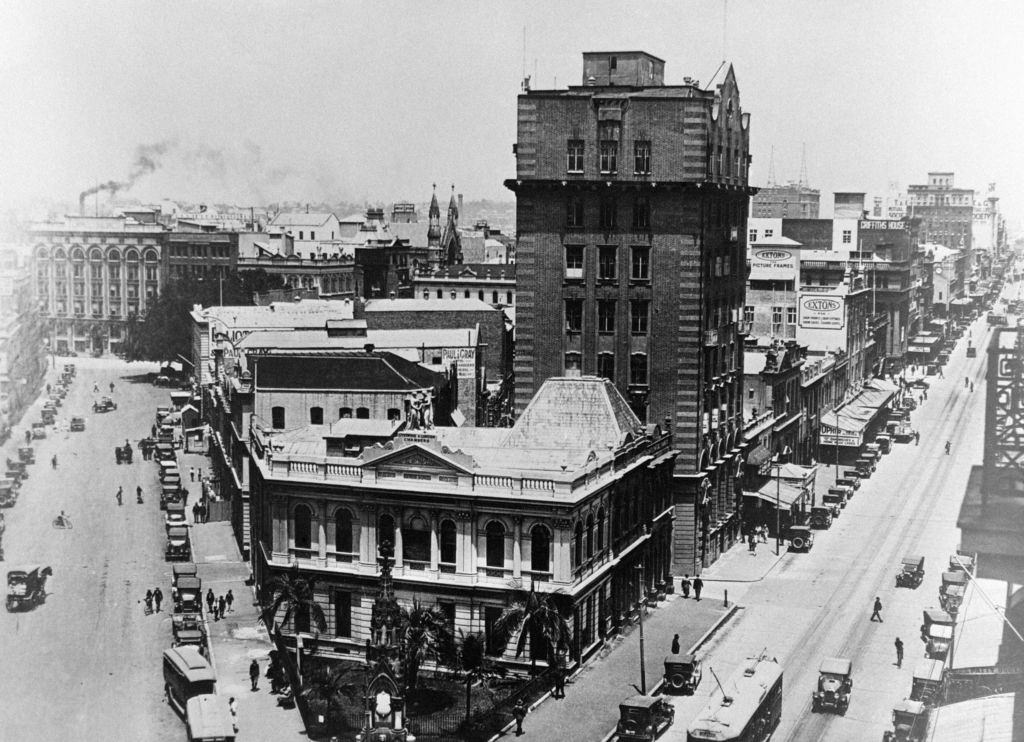
Back in Brisbane, the city’s streets reflected a bustling commercial hub. The intersection of Queen and Eagle Streets was one of the city’s busiest corners, lined with shops, offices, and trams moving people through the centre of town.
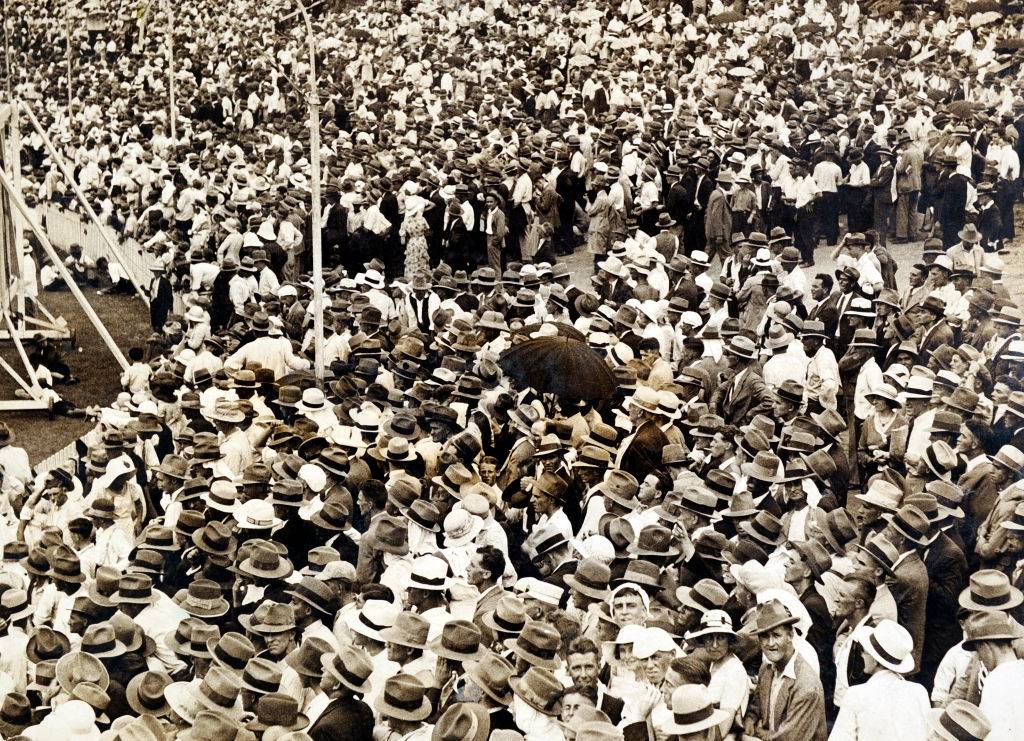
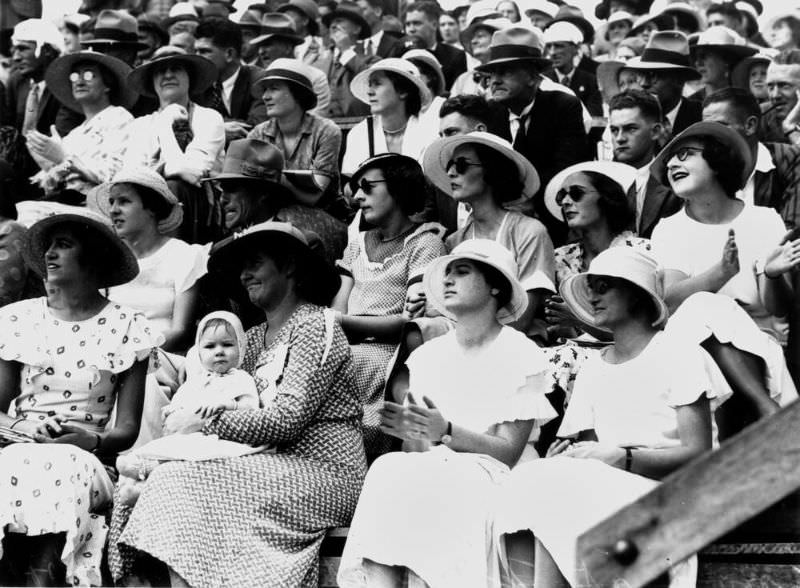
Cricket brought Queensland to a standstill when England toured Australia in 1933. The Ashes series that summer was one of the most controversial in history, due to England’s use of “Bodyline” bowling tactics. The Brisbane Test drew vast crowds to the Woolloongabba ground.
The Gold Coast was already establishing itself as a social hub. By 1935, it had its own bar culture and community of regulars who gathered at local establishments along the coast.
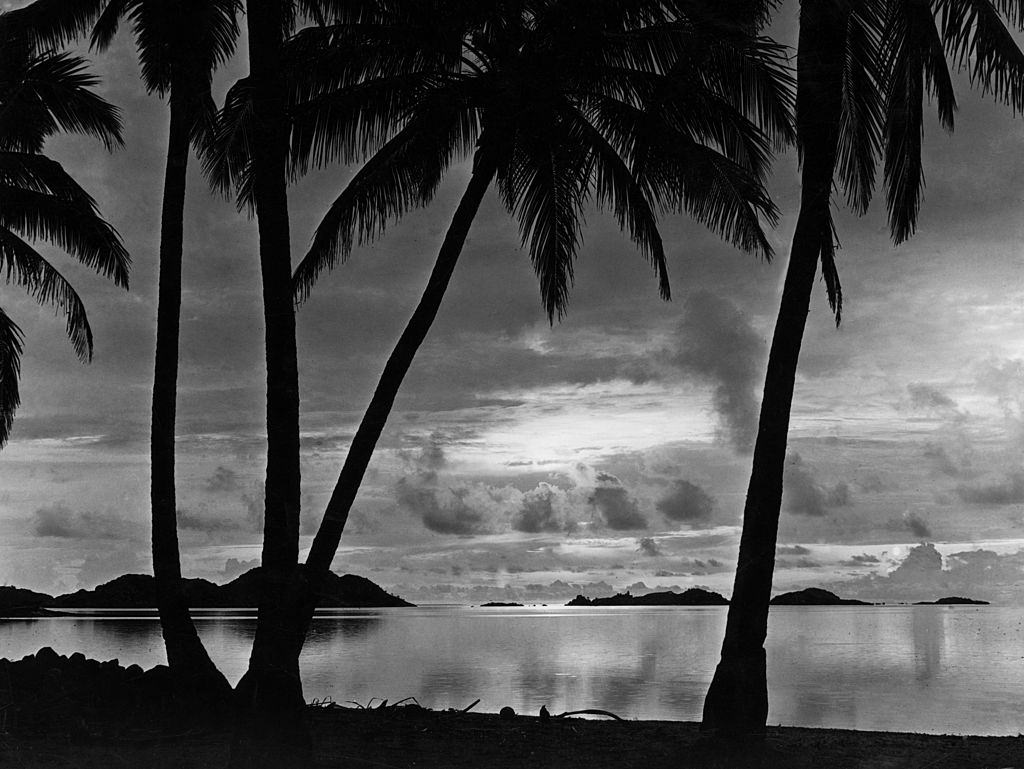
Queensland’s natural wonders were well known even in the 1930s. The Great Barrier Reef, stretching along the northeast coast, drew visitors and photographers who marvelled at its islands and coral formations.
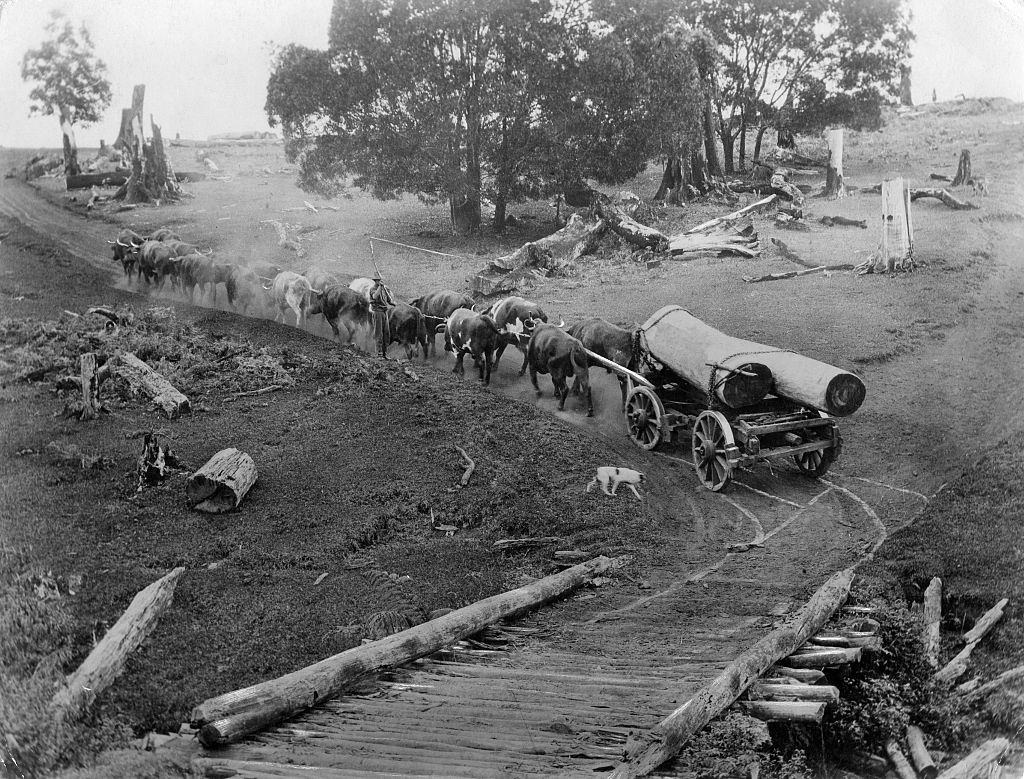
Inland, farmers relied on traditional methods to get heavy loads across difficult terrain. Ox carts were still in regular use in Queensland’s rural districts well into the 1930s, as this photograph from 1936 shows.
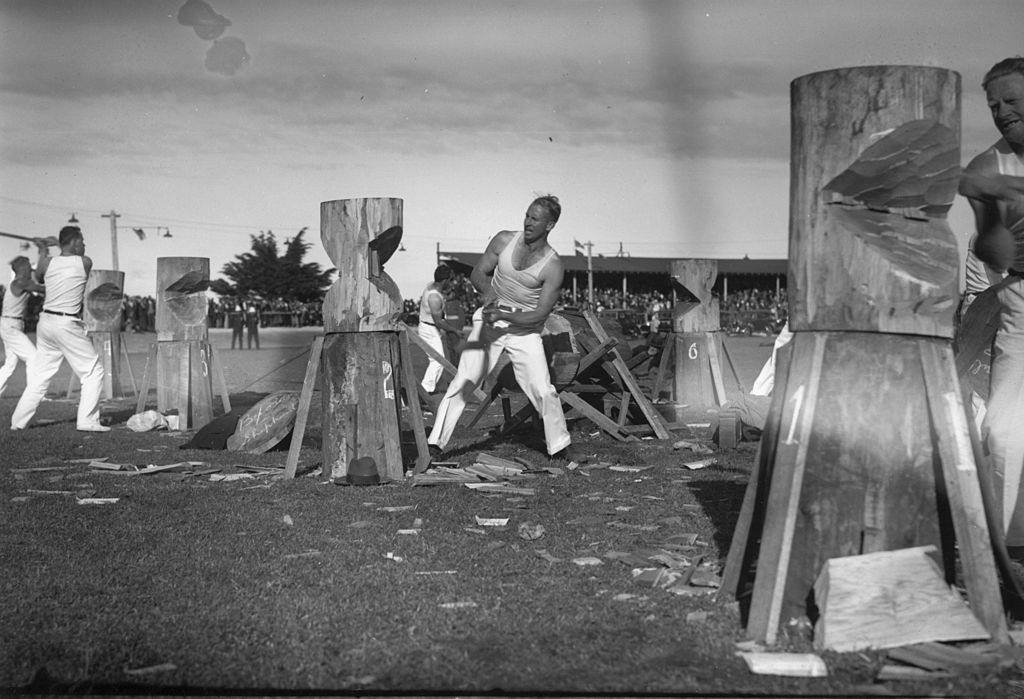
Physical competitions were a staple of Queensland’s show and festival circuit. Wood chopping contests required both strength and technique, and competitors trained seriously to take part in events held at agricultural shows and fairs across the state.
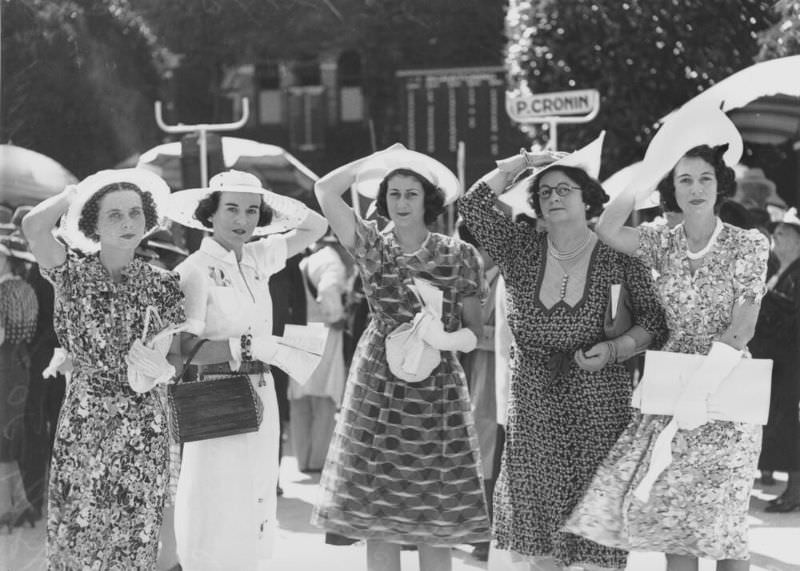
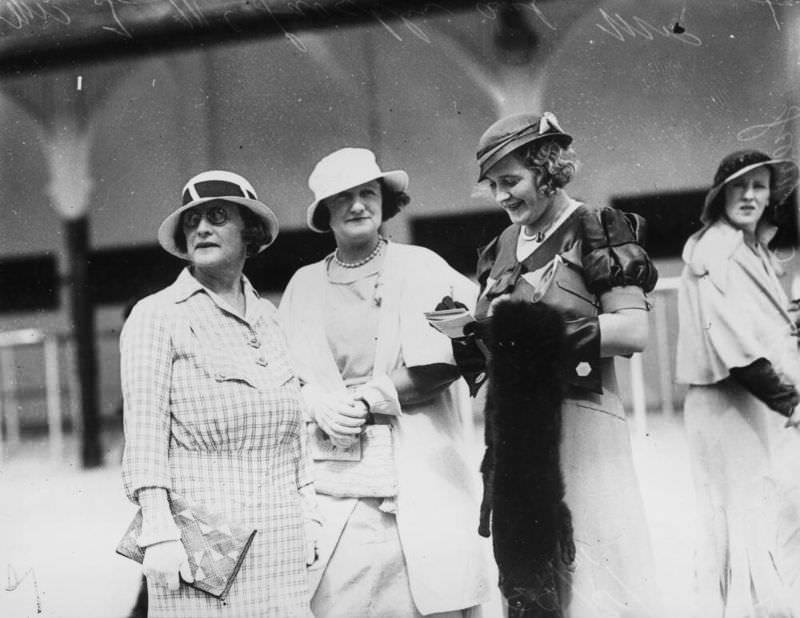
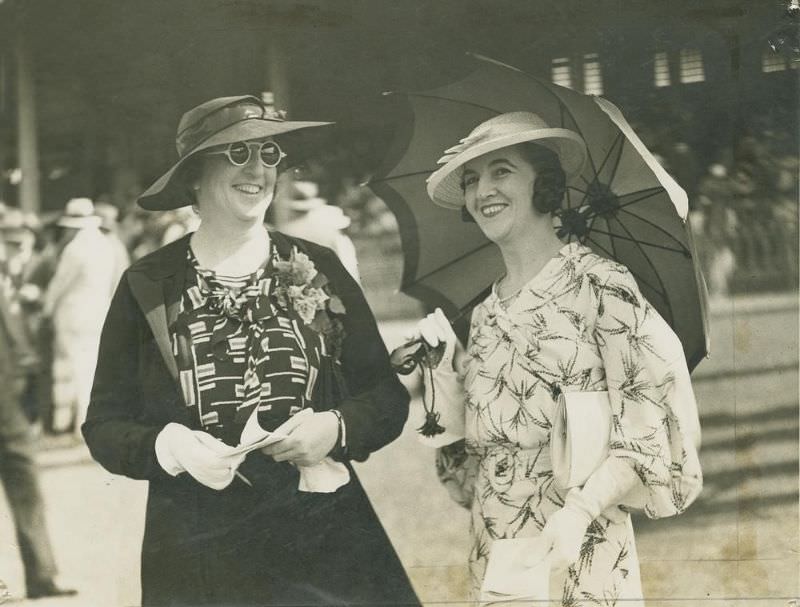
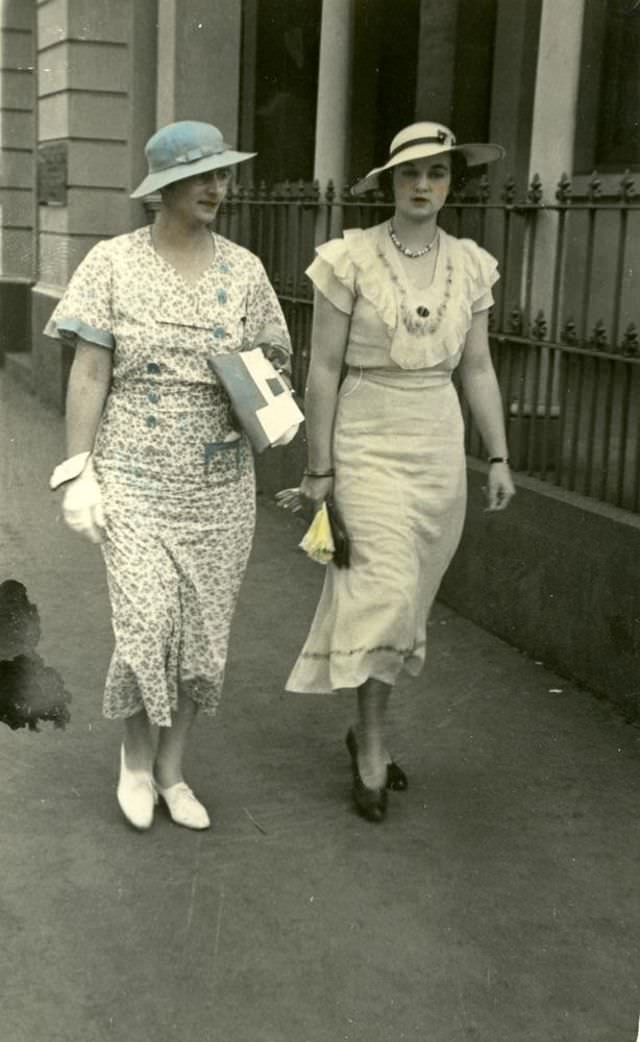
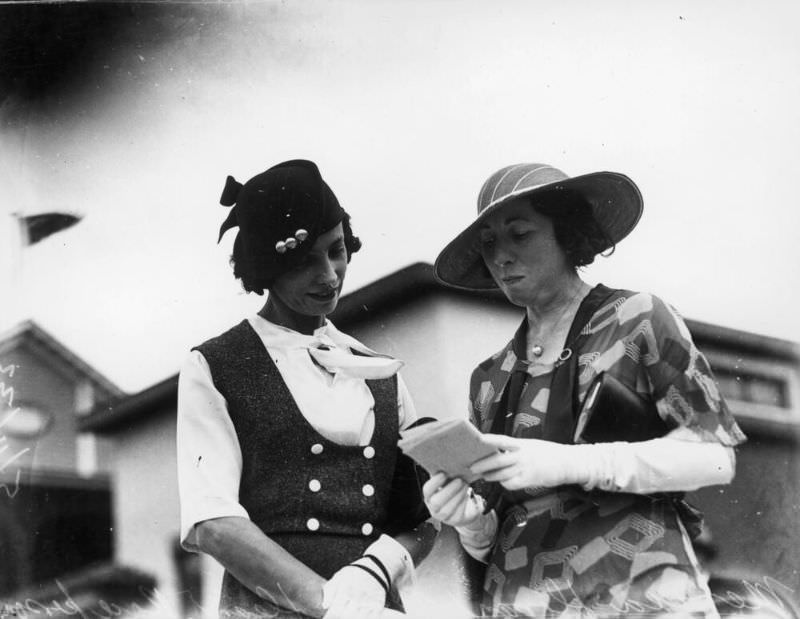
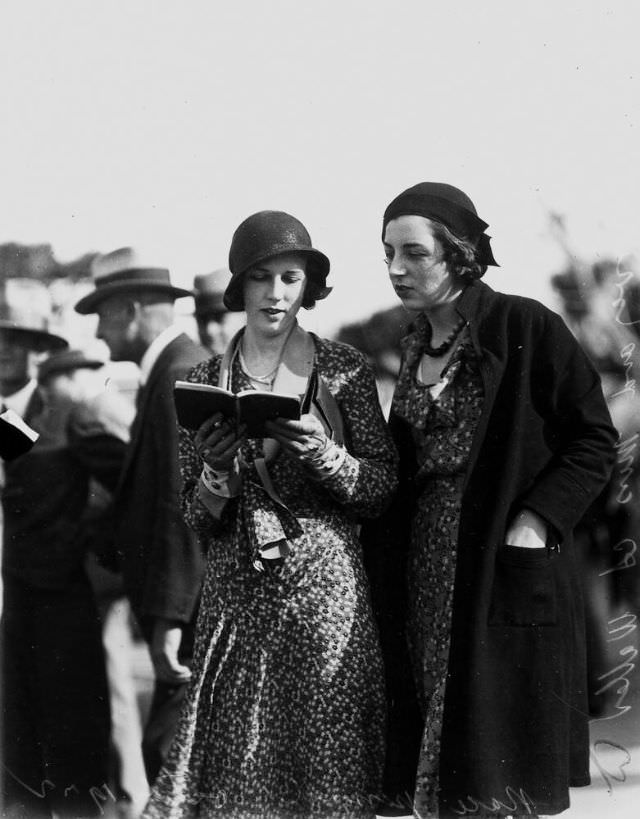
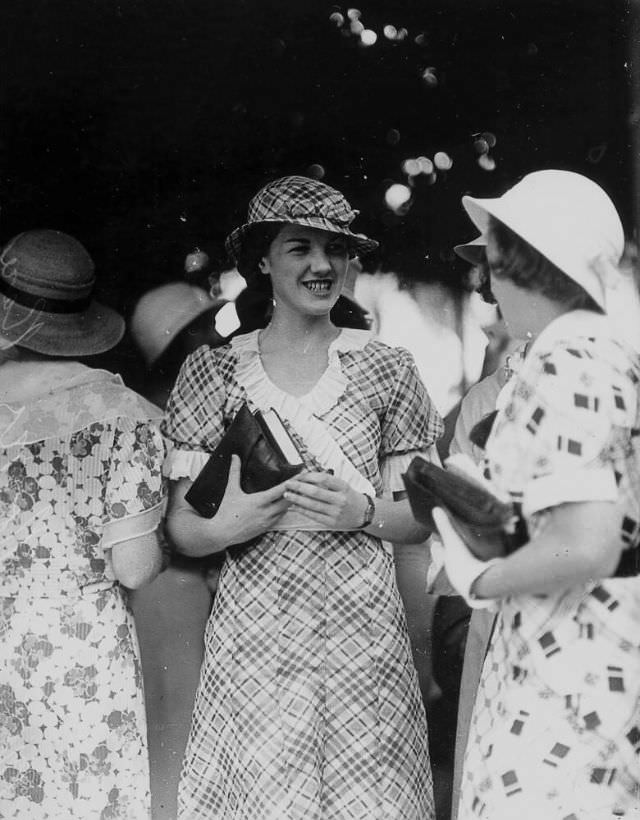
Race days were among the most important social events in Queensland, attracting people from all walks of life. Women dressed in their finest outfits for a day at the track.
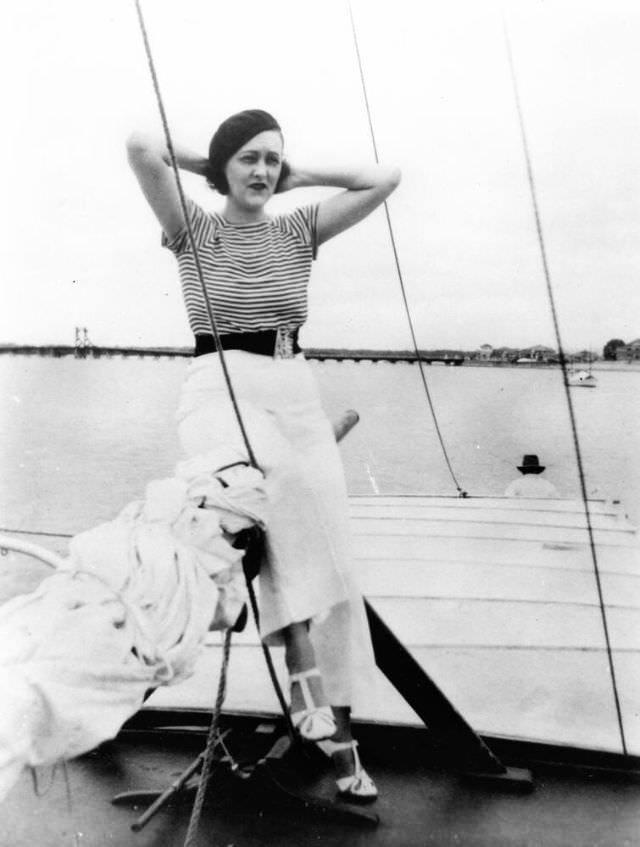
The coast offered more relaxed pleasures. Sailing was popular along Queensland’s sheltered waterways, and the warm climate made outdoor recreation a natural part of life for those who lived near the sea.
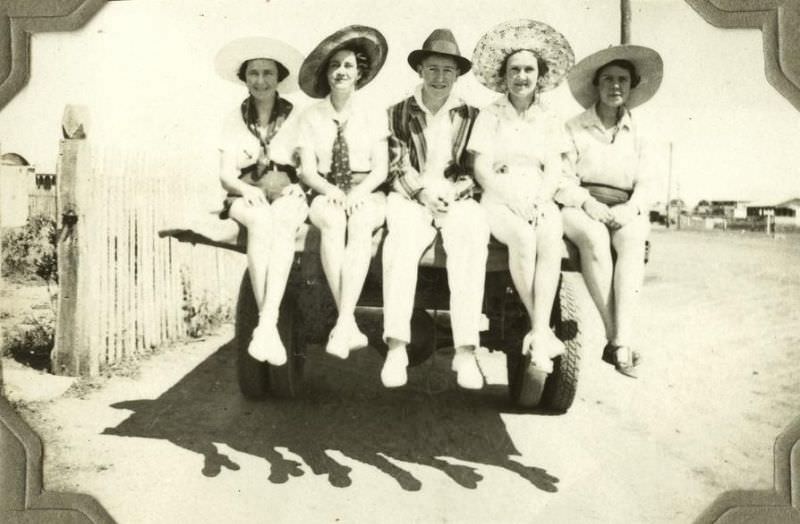
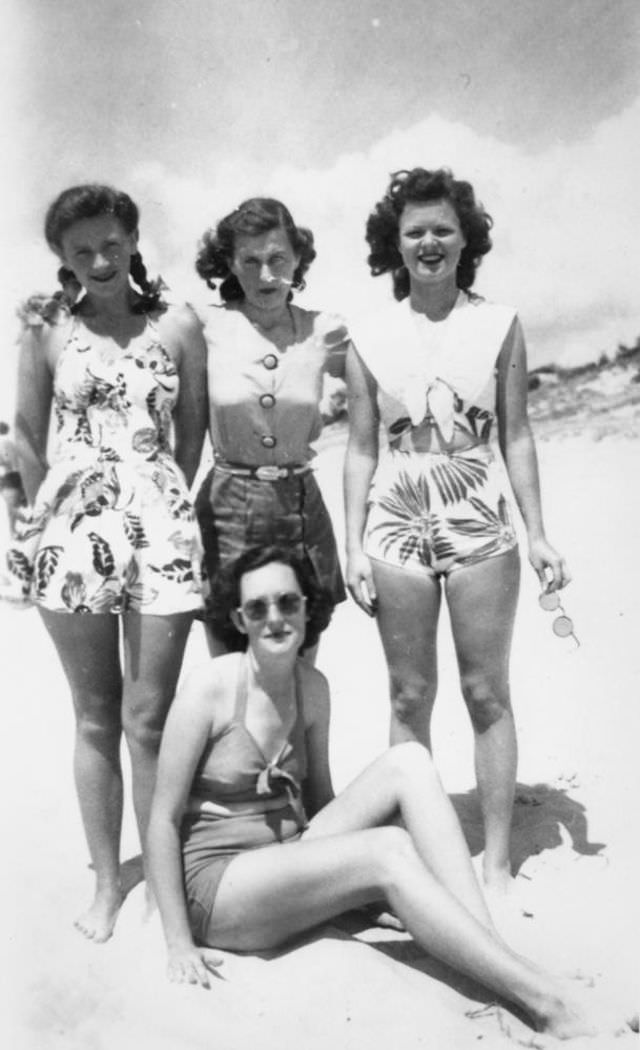
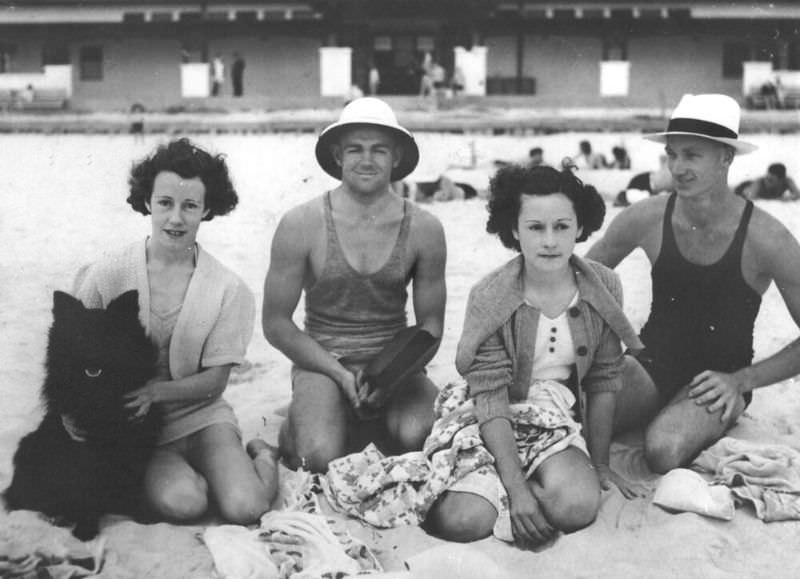
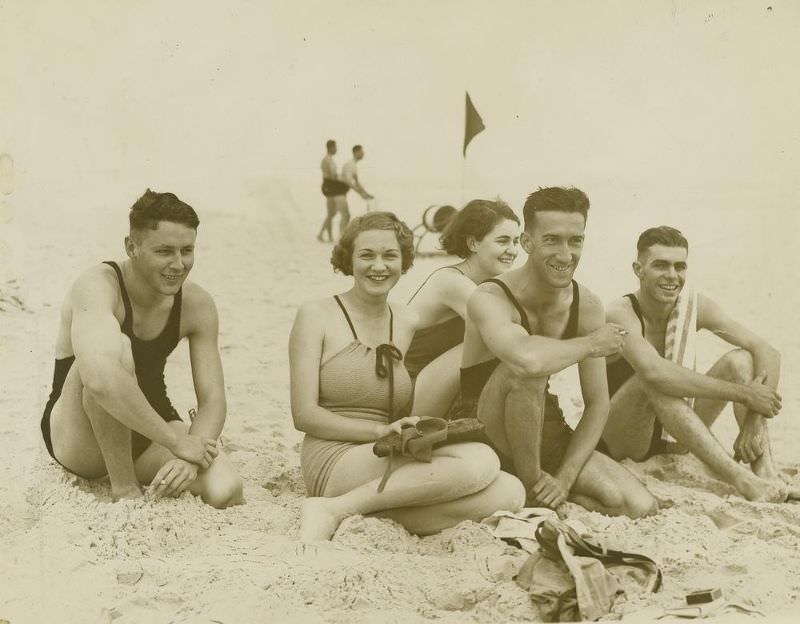
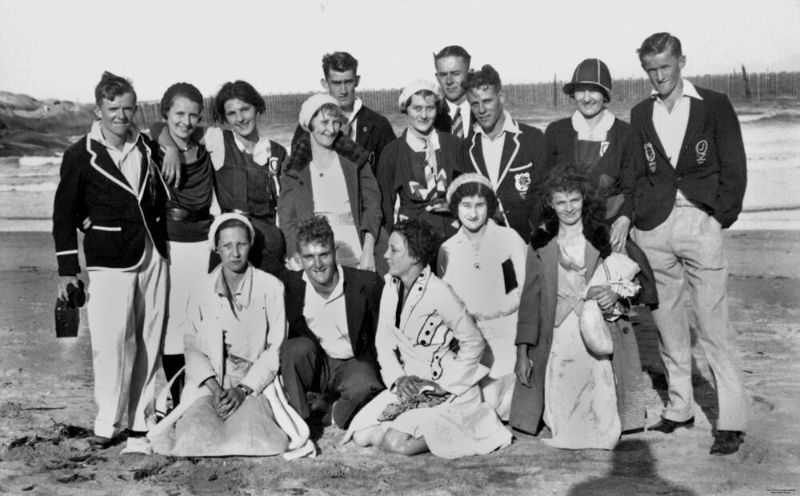
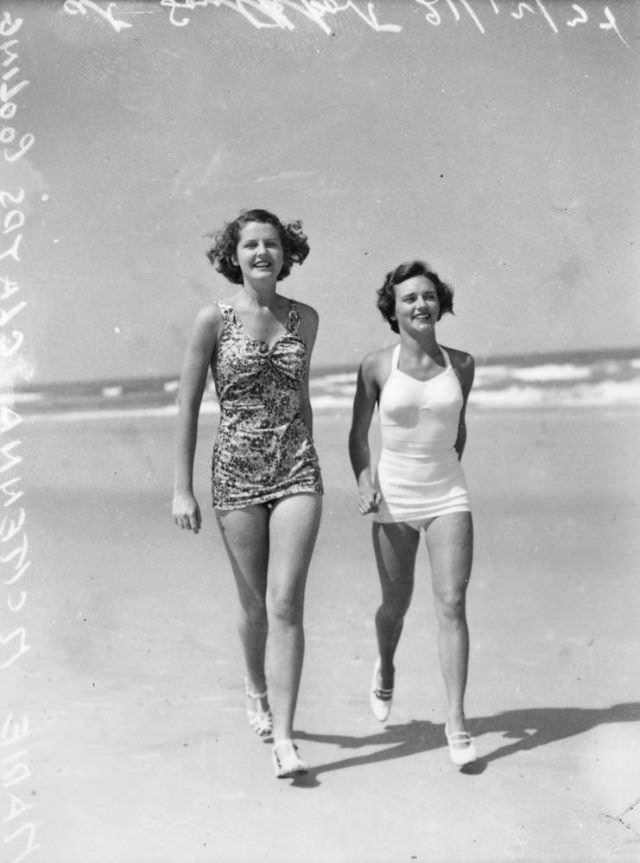
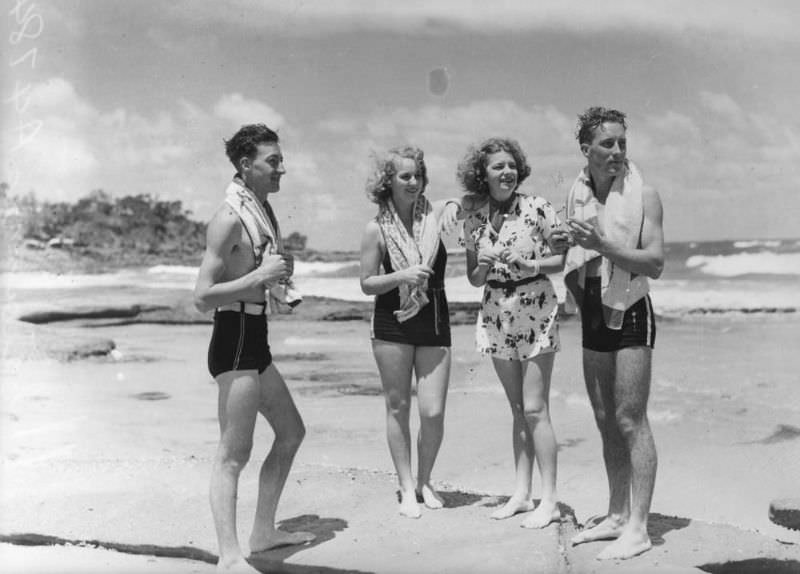
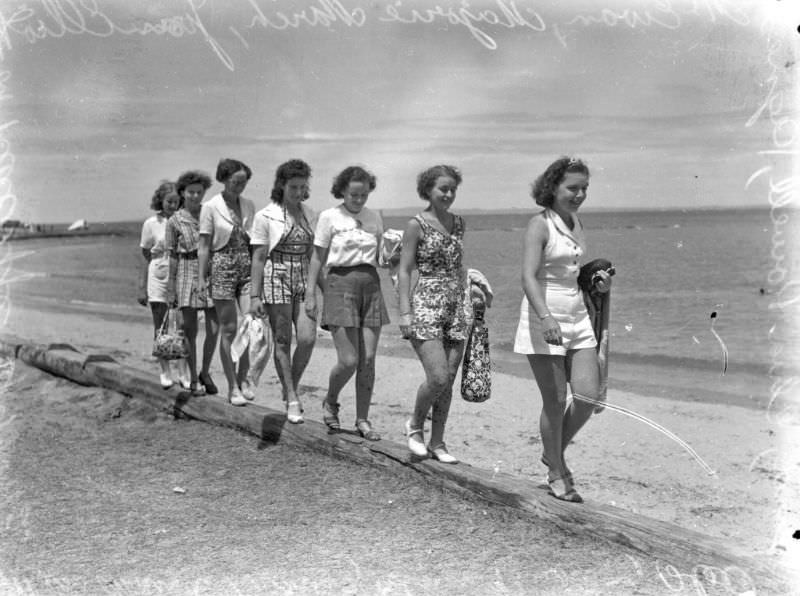
Queensland’s beaches were a central part of social life. Families and friends gathered at spots like Burleigh for swimming, sunbathing, and socialising on weekends.
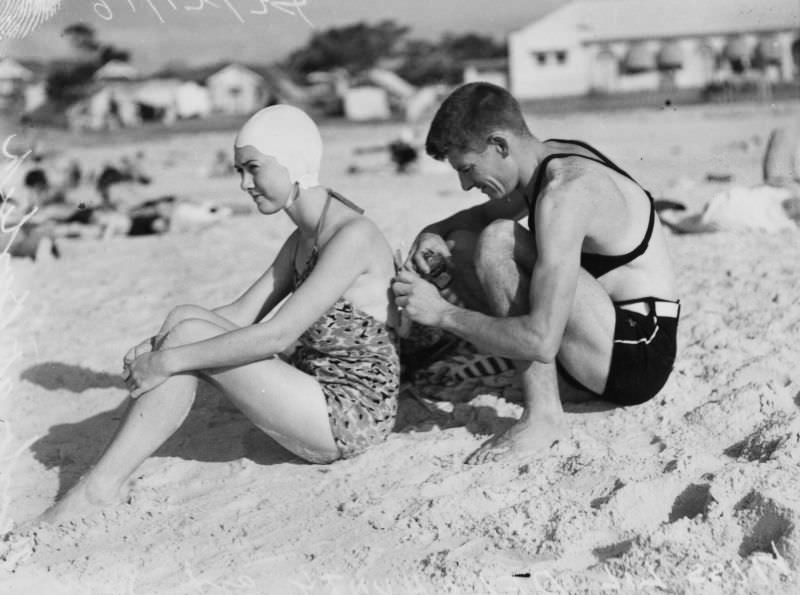
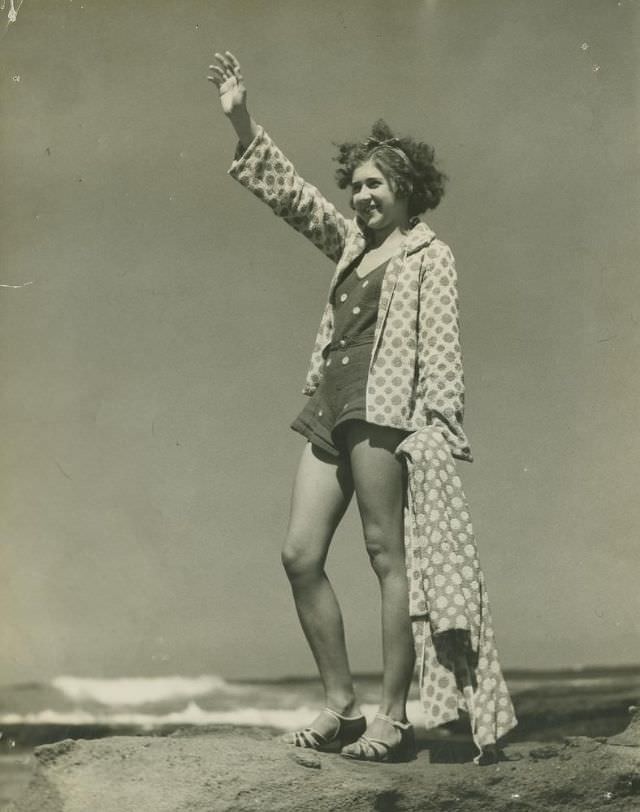
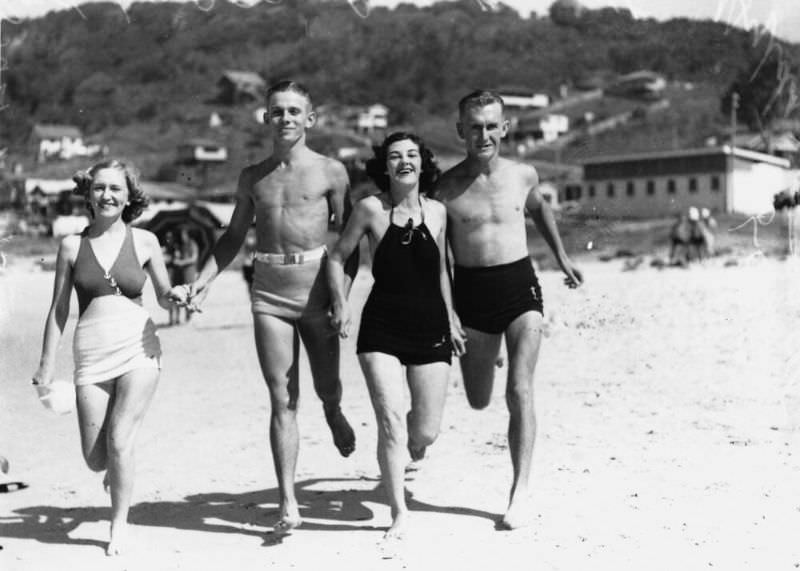
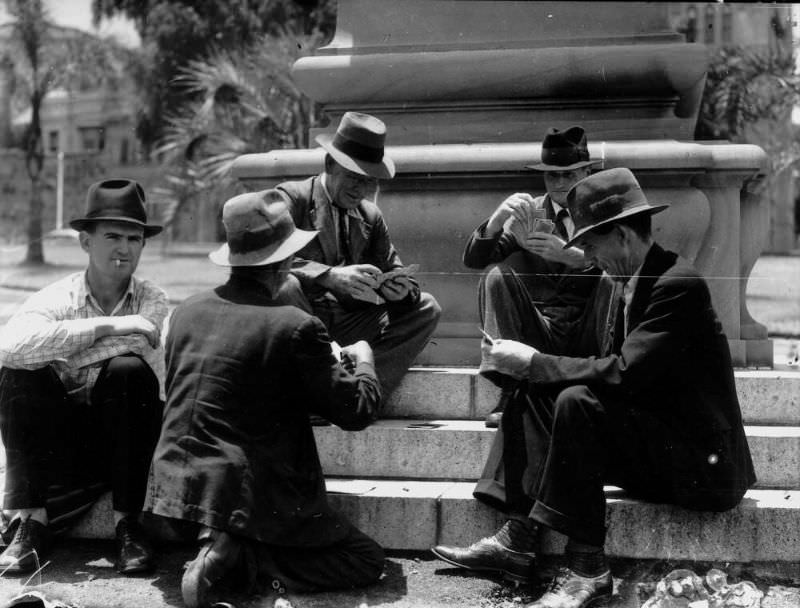
Away from the beach, city parks and public spaces were gathering points for everyday social life. Card games in Brisbane’s Centennial Place drew men who spent their afternoons in easy company.
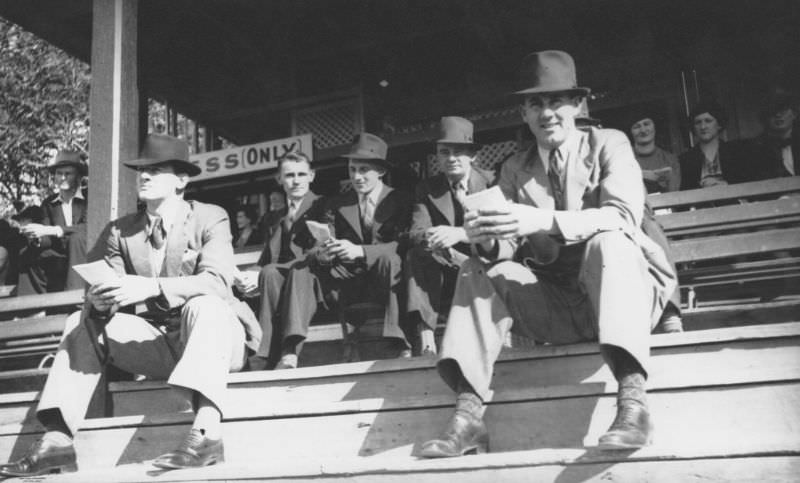
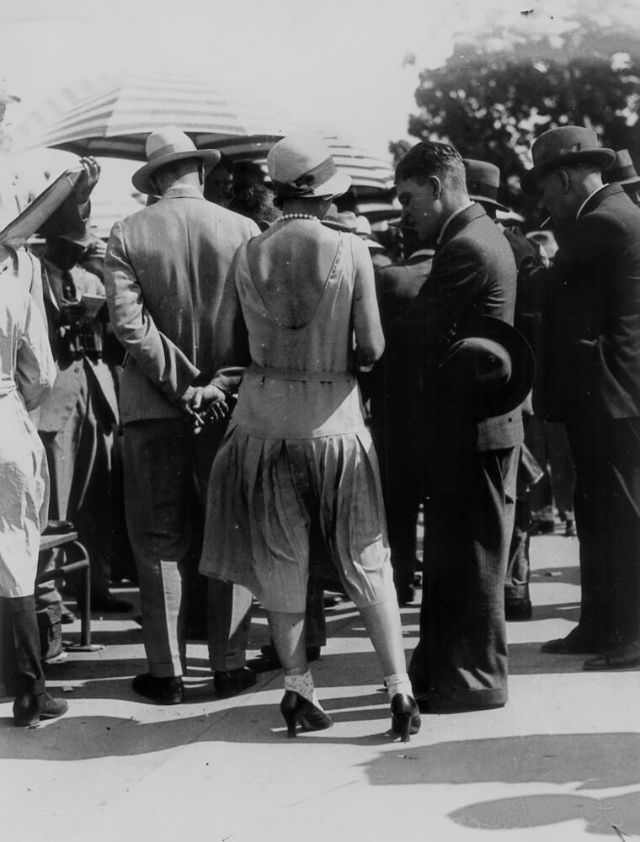
Horse racing was more than a sport — it was a social institution. The Ascot Racecourse in Brisbane was one of the premier venues in the country, and attending the races meant dressing well, studying the form guide, and being seen.
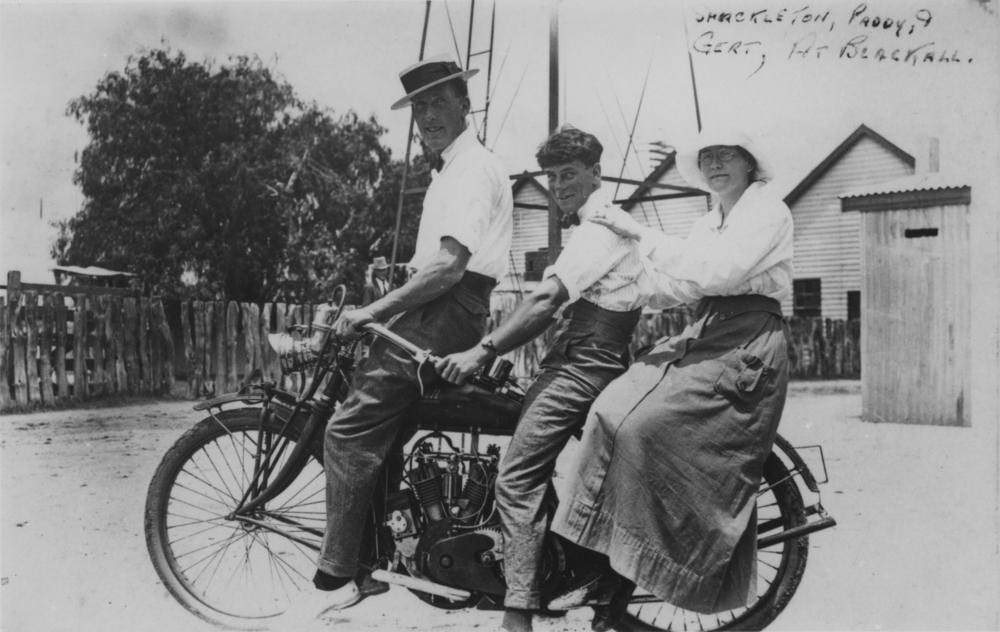
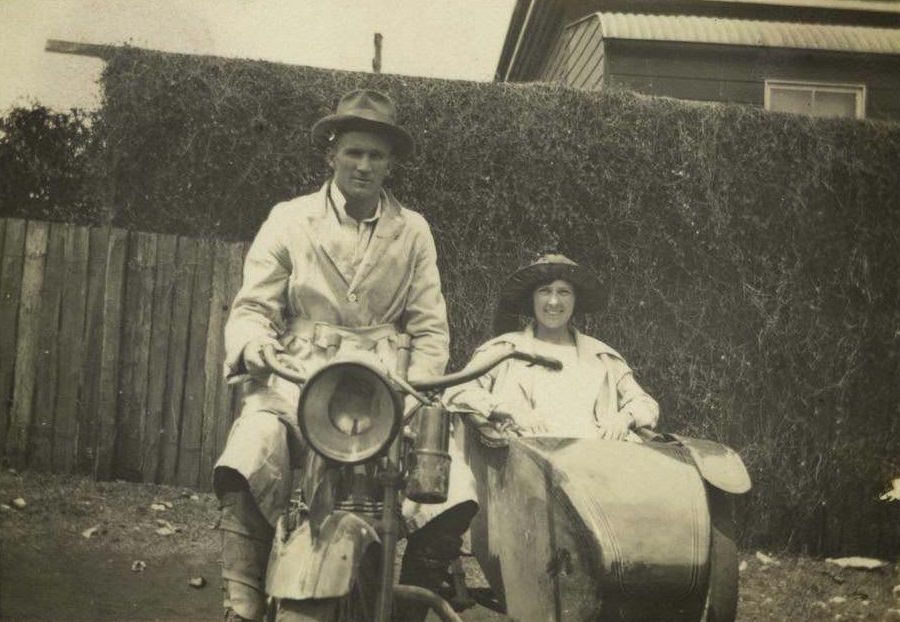
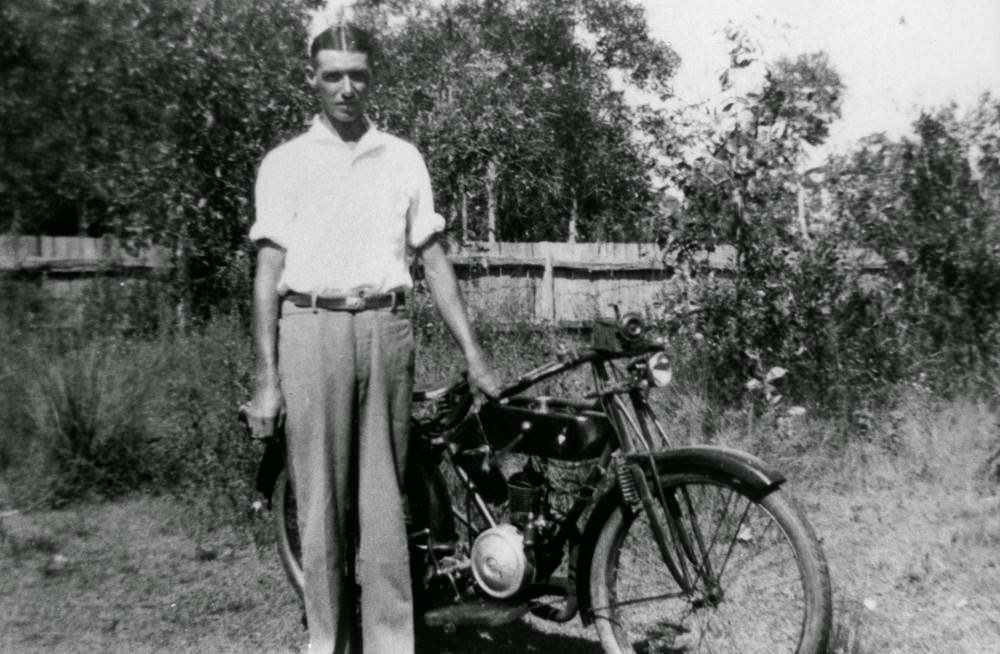
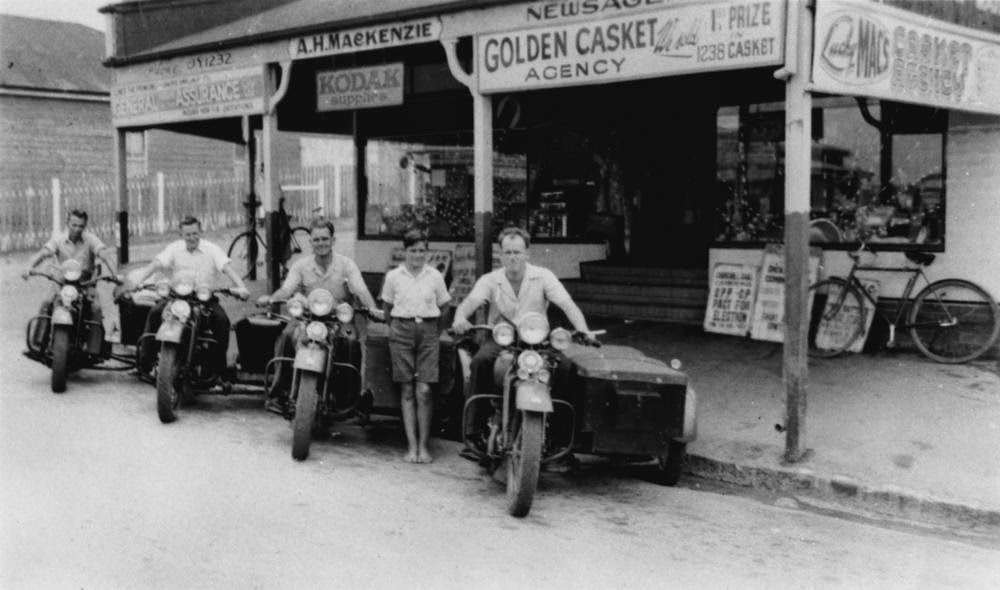
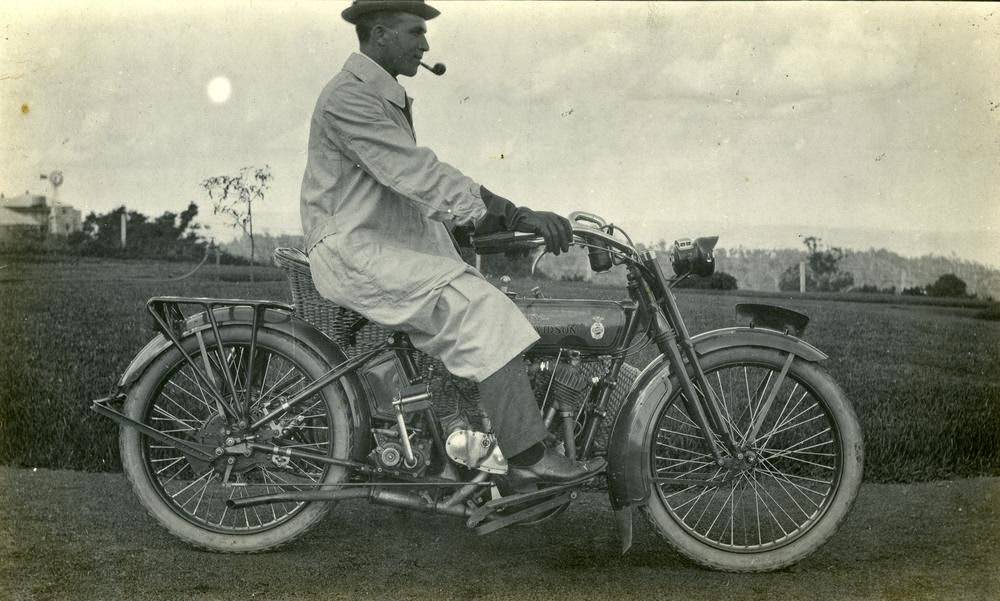
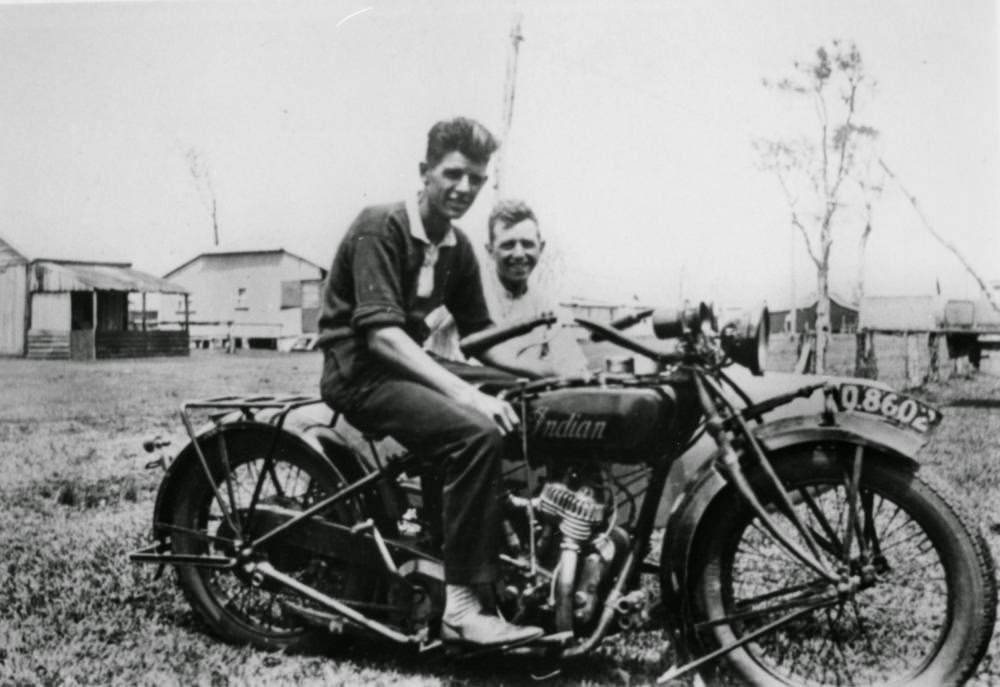
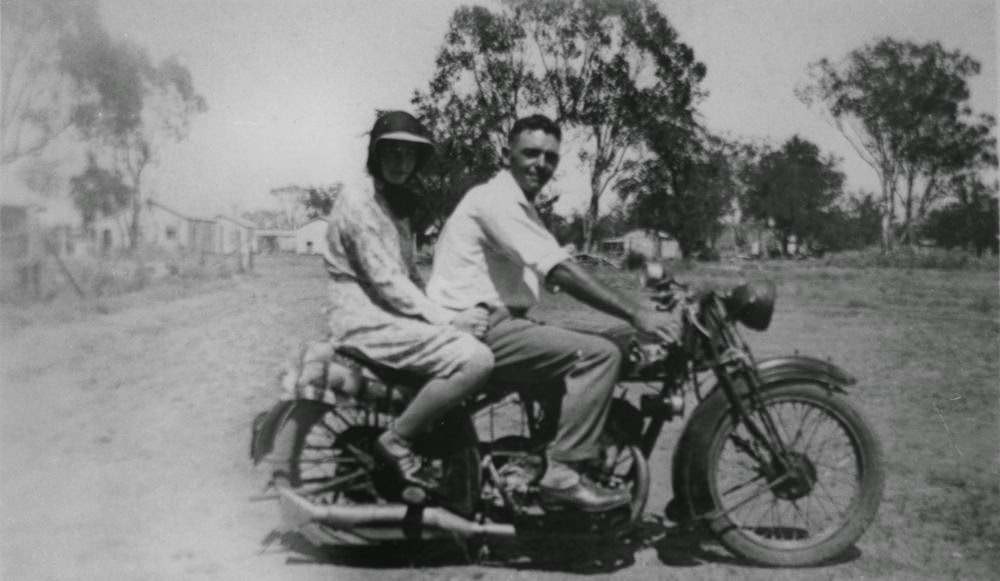
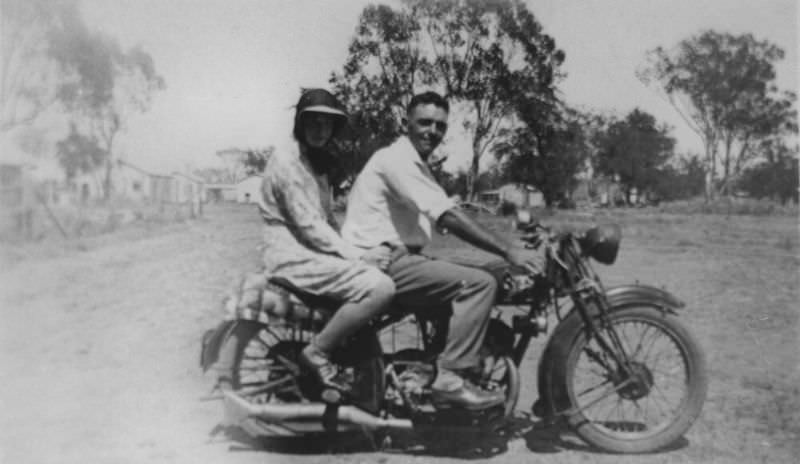
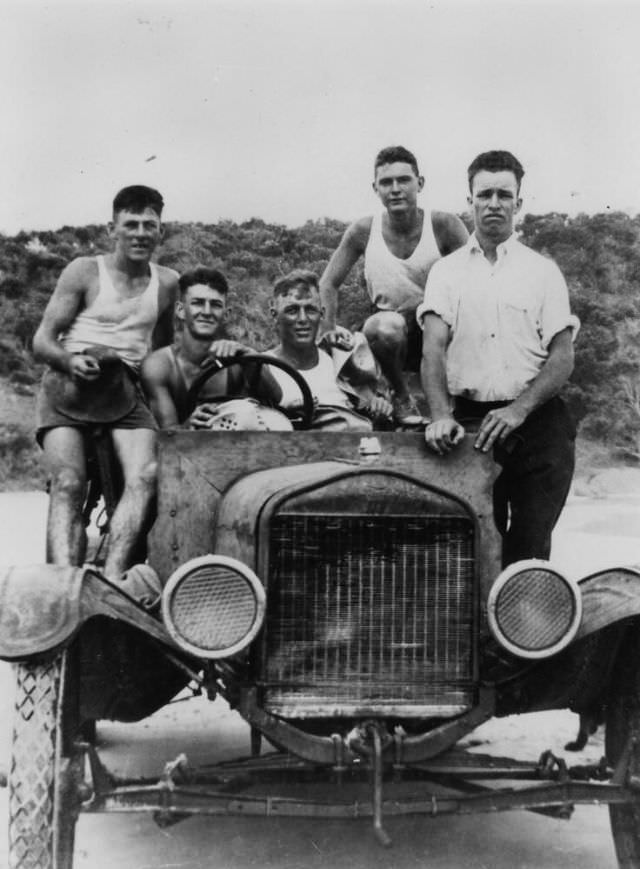
Motorcycles were a popular and affordable way to get around Queensland’s vast distances. Couples and friends took to the roads on bikes, particularly in the more remote inland towns like Blackall.
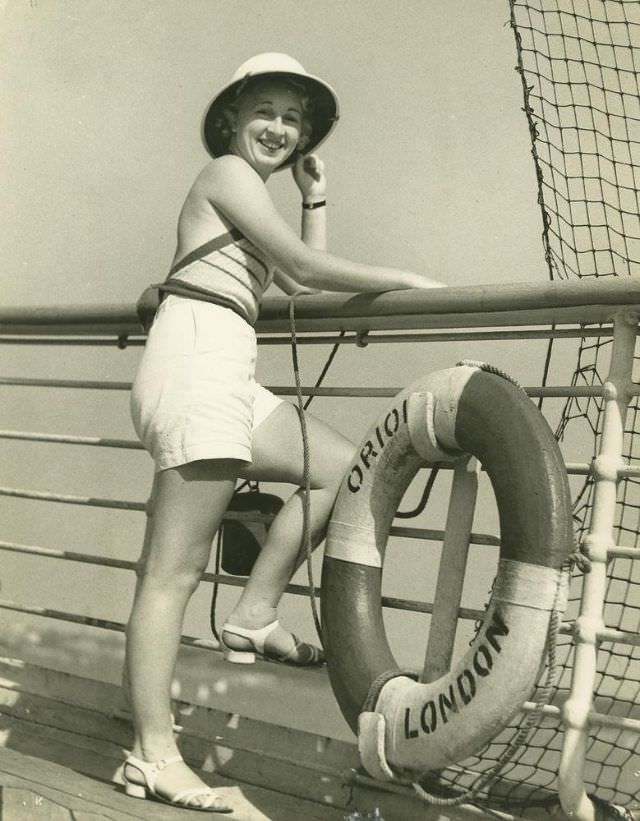
For those with more money to spend, cruise ships offered a different kind of leisure. The Orion was one of the notable passenger liners that called at Brisbane, and passengers enjoyed the warm Queensland sun from its decks.
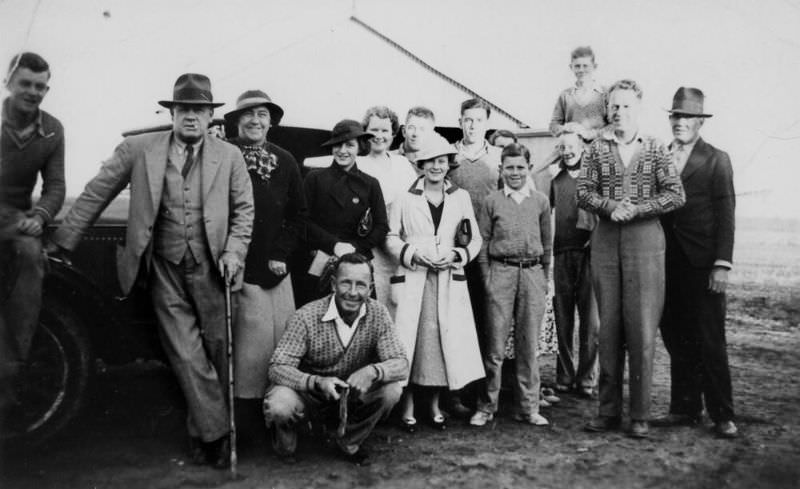
Country race meetings like those held at Muttaburra drew large gatherings from surrounding properties and towns. These events served as an important social outlet for people living in isolated rural areas.
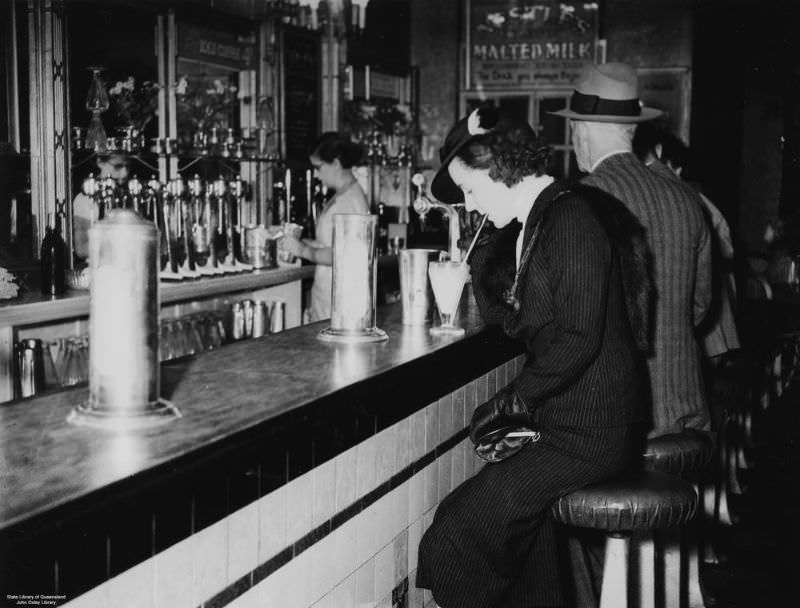
Milk bars became fashionable social spaces in 1930s Australia. The Regent Theatre Milk Bar in Brisbane was a stylish spot where young people gathered for refreshments before or after catching a film.
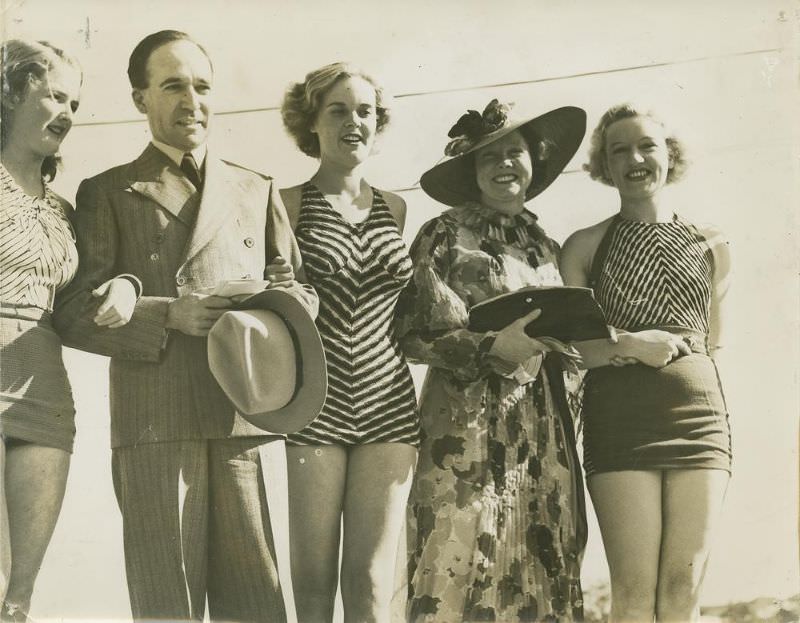
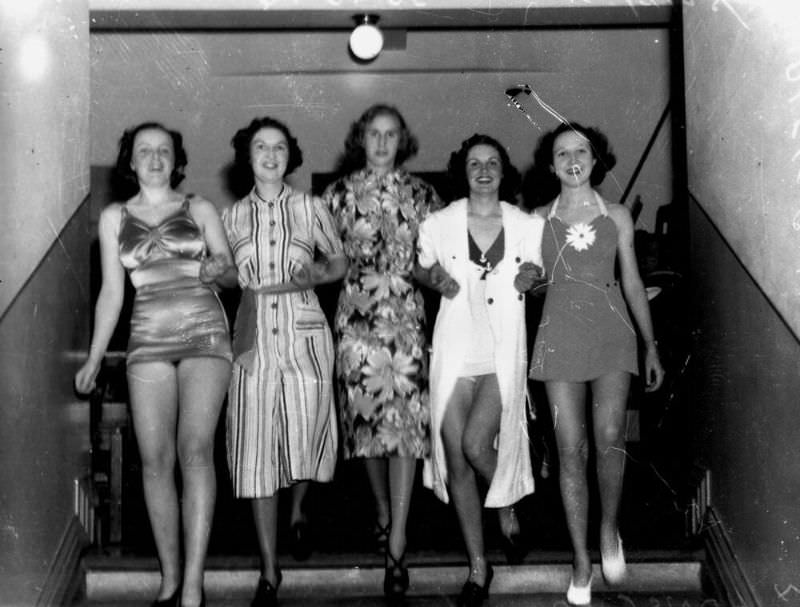
Surf competitions along the Gold Coast drew large audiences. Events like the Sirens of the Surf competition combined sport with spectacle, and judging panels took their roles seriously in front of the assembled crowds.
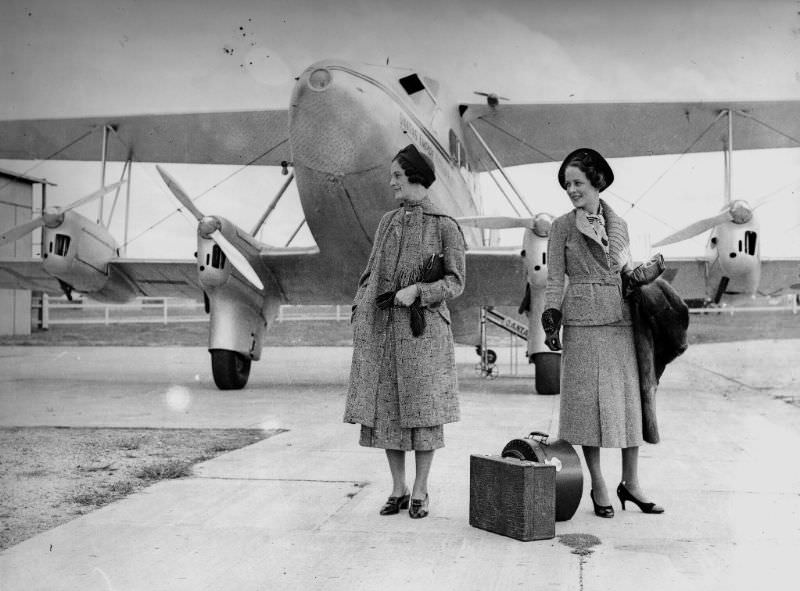
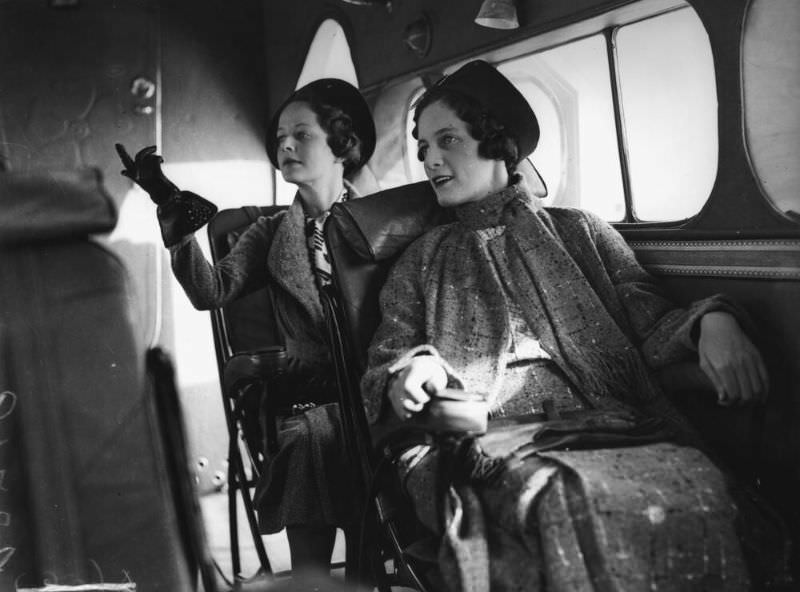
Qantas was already operating in Queensland during the 1930s, running services across the state’s vast interior. The airline’s biplanes were a symbol of modern progress, and being photographed in front of one — or stepping inside — was considered quite a novelty.
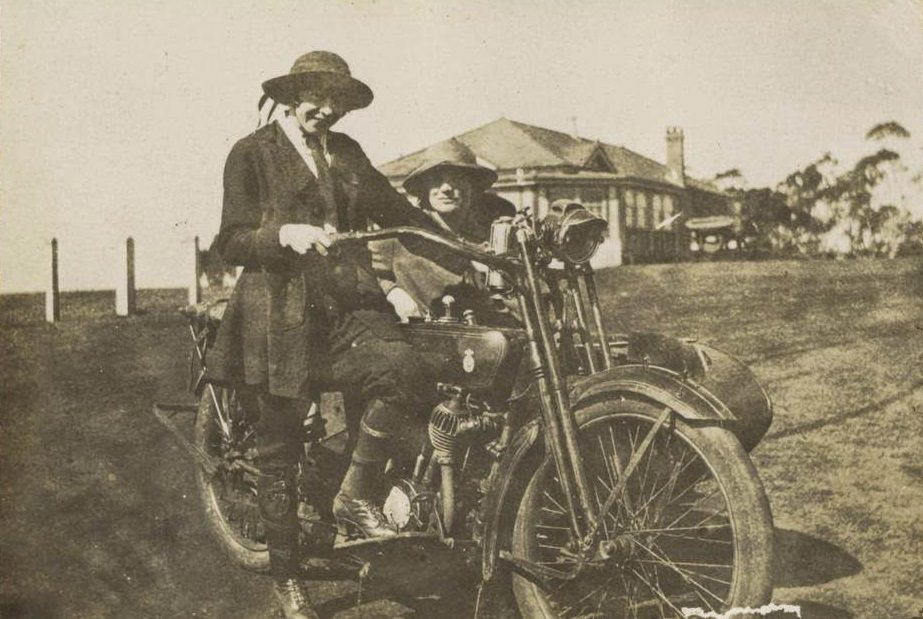
As the decade moved toward its end, the threat of war in Europe was beginning to change the mood in Australia. The Women’s Emergency Legion was formed to train women in practical skills that could support the war effort. Learning to ride a motorcycle was one of those skills — dispatch riding required both confidence and competence on the road.
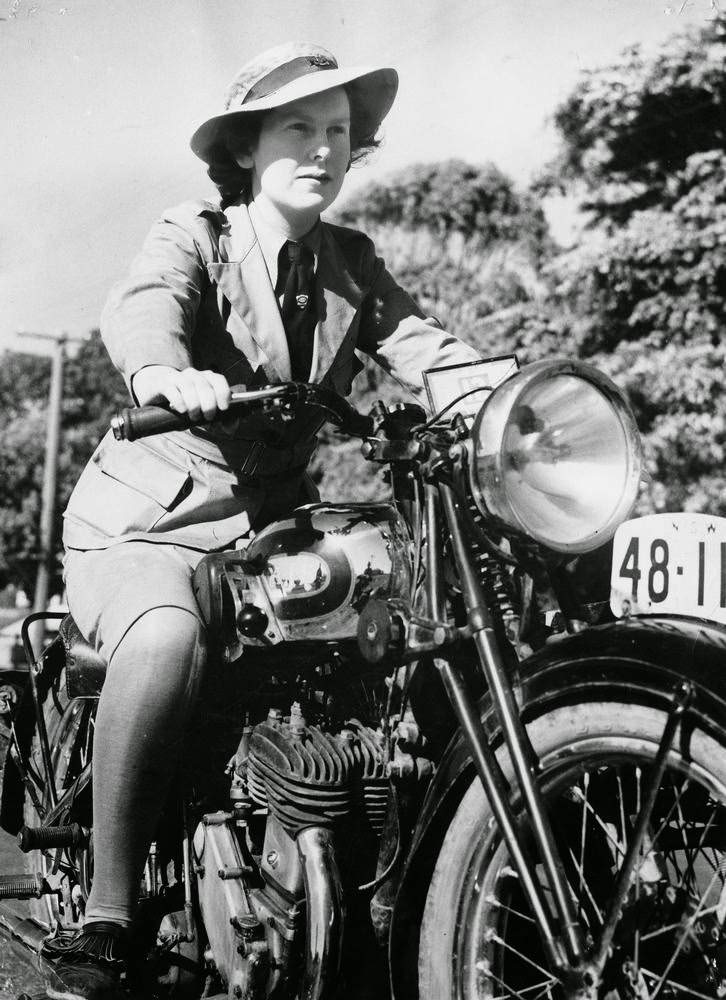
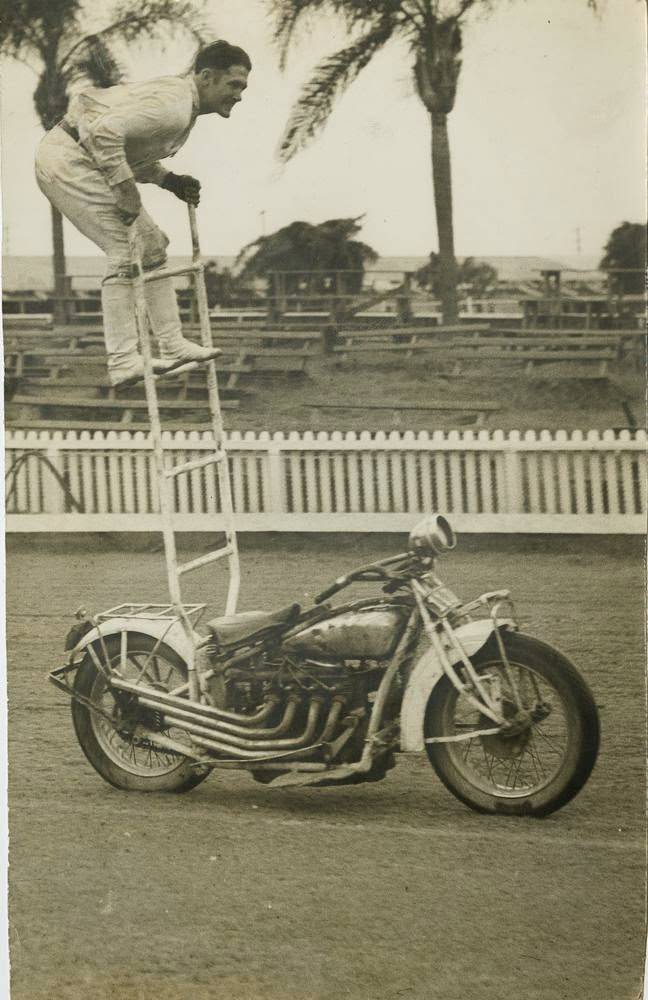
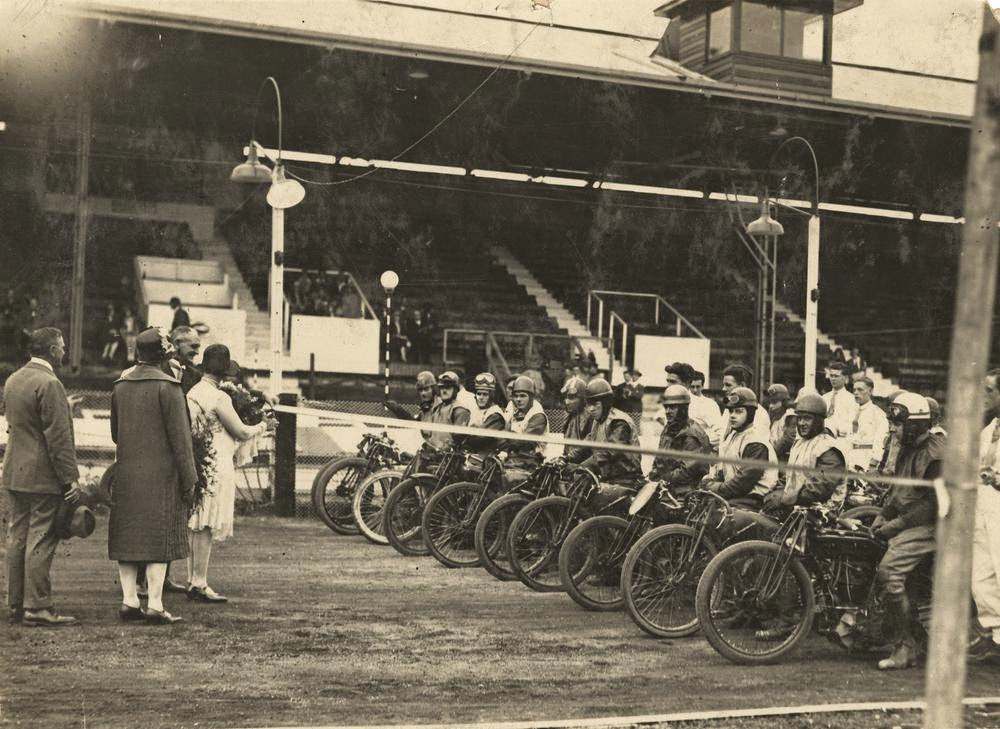
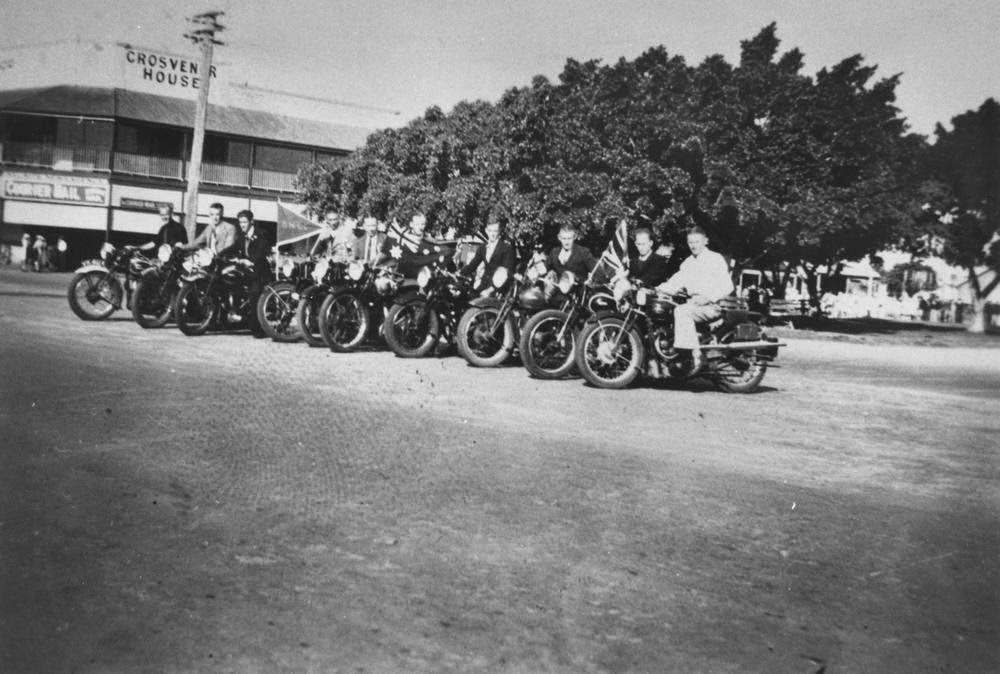
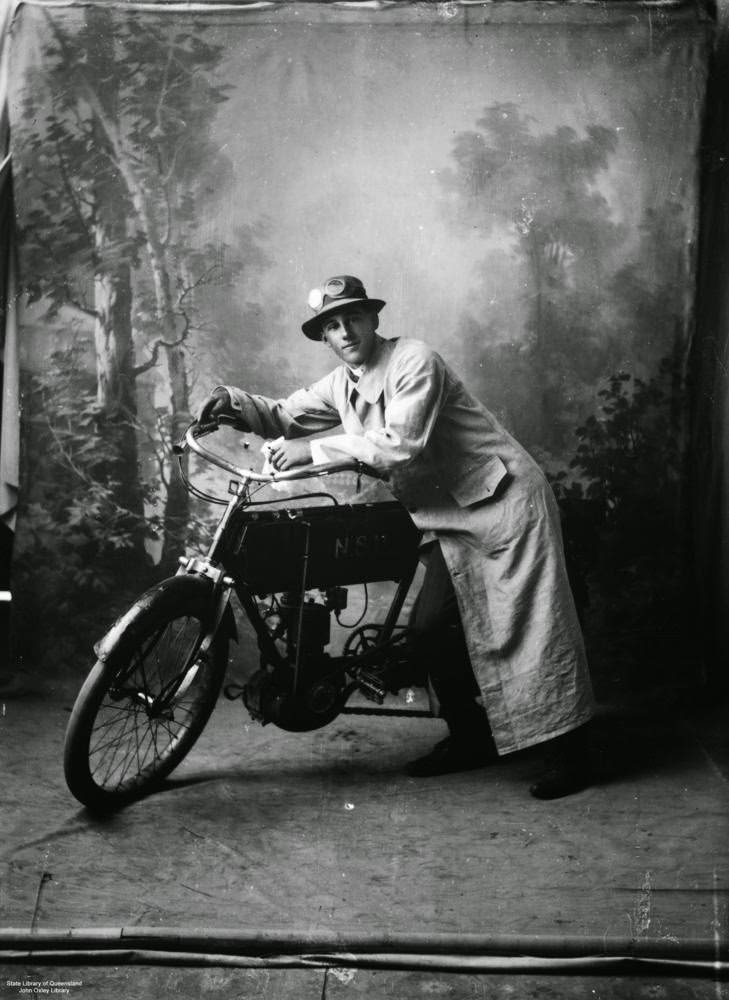
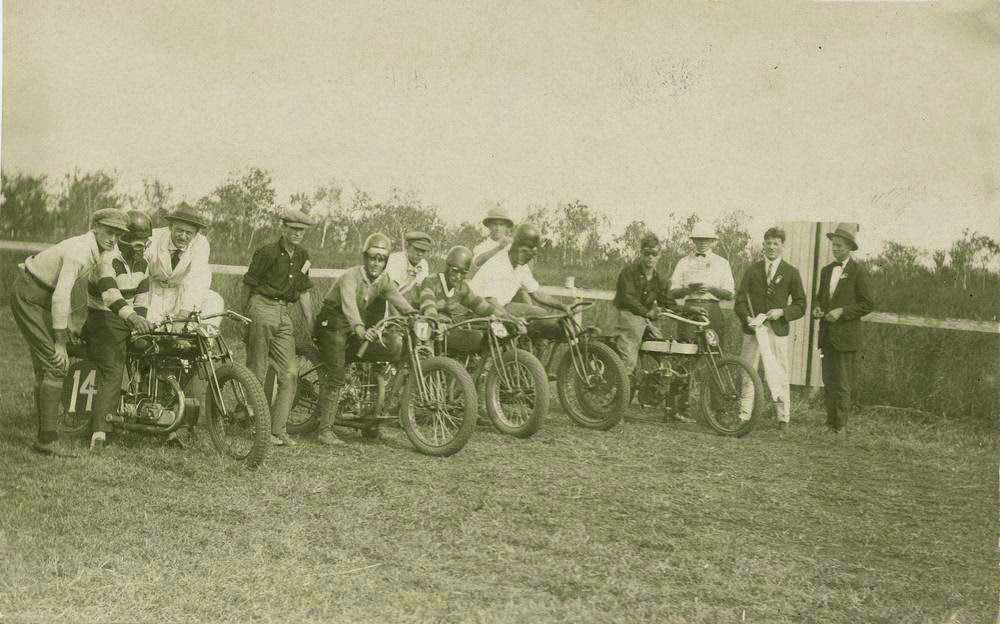
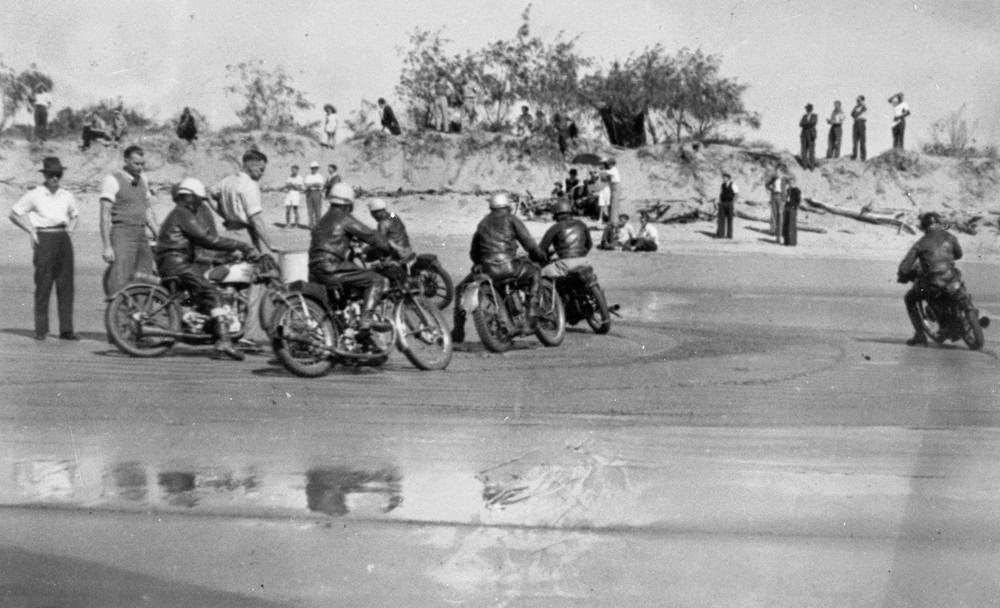
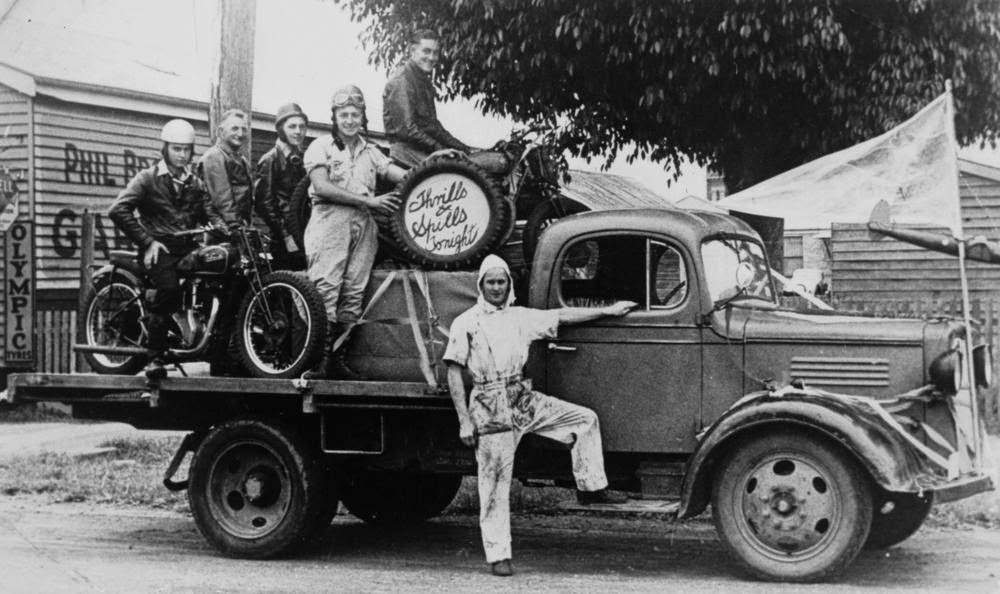
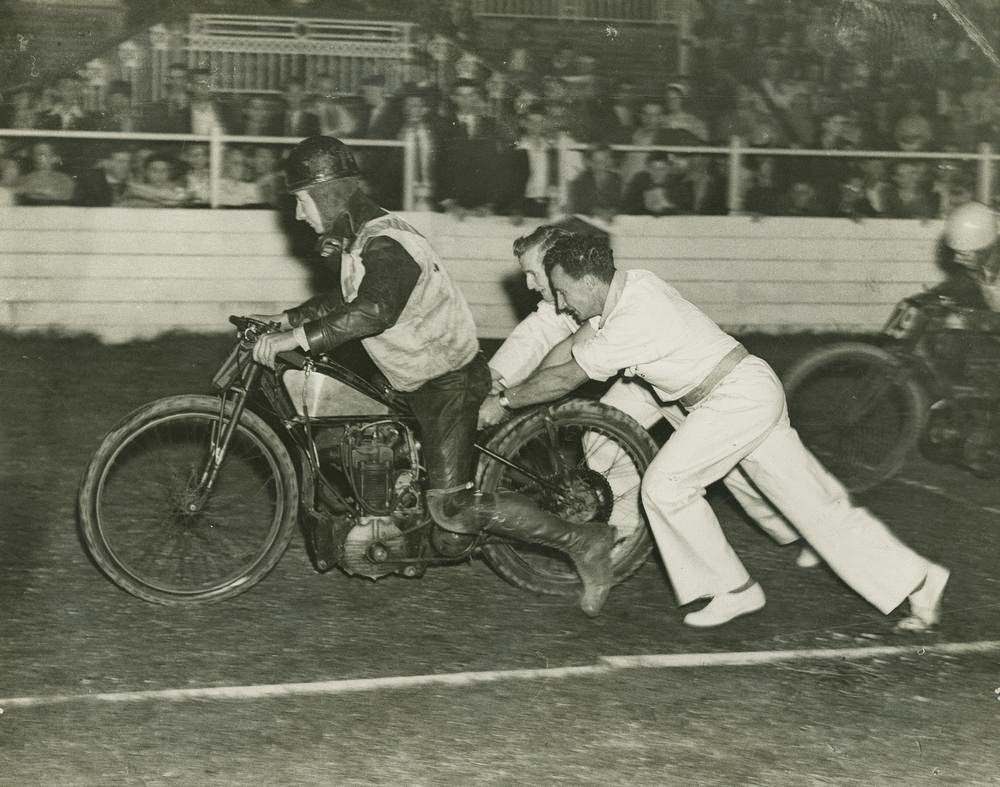
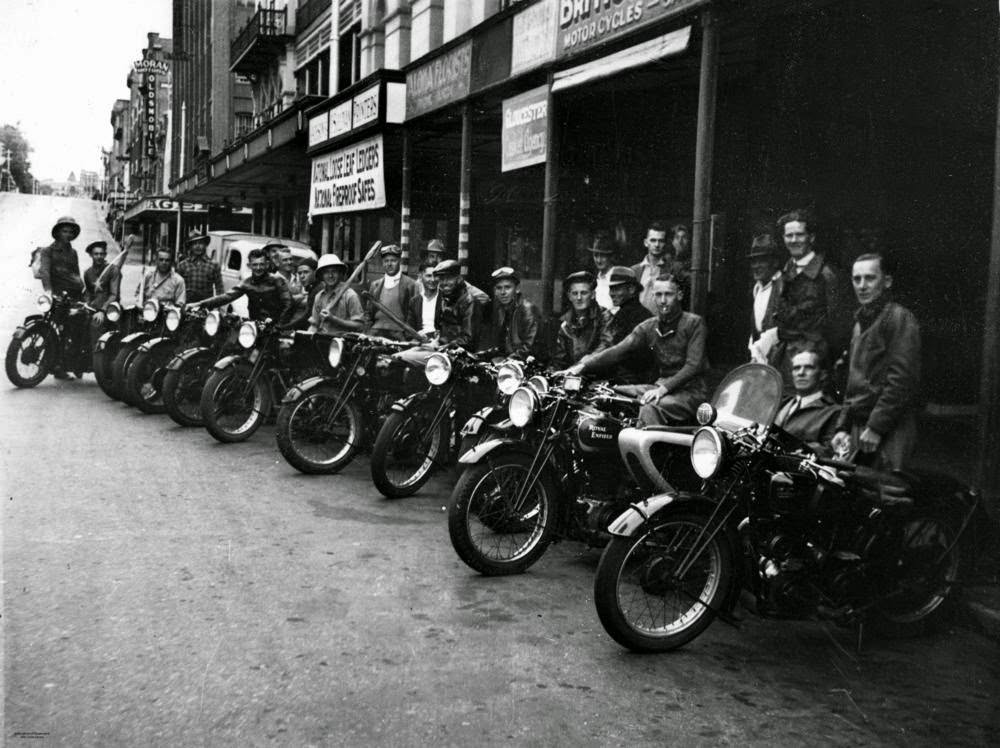
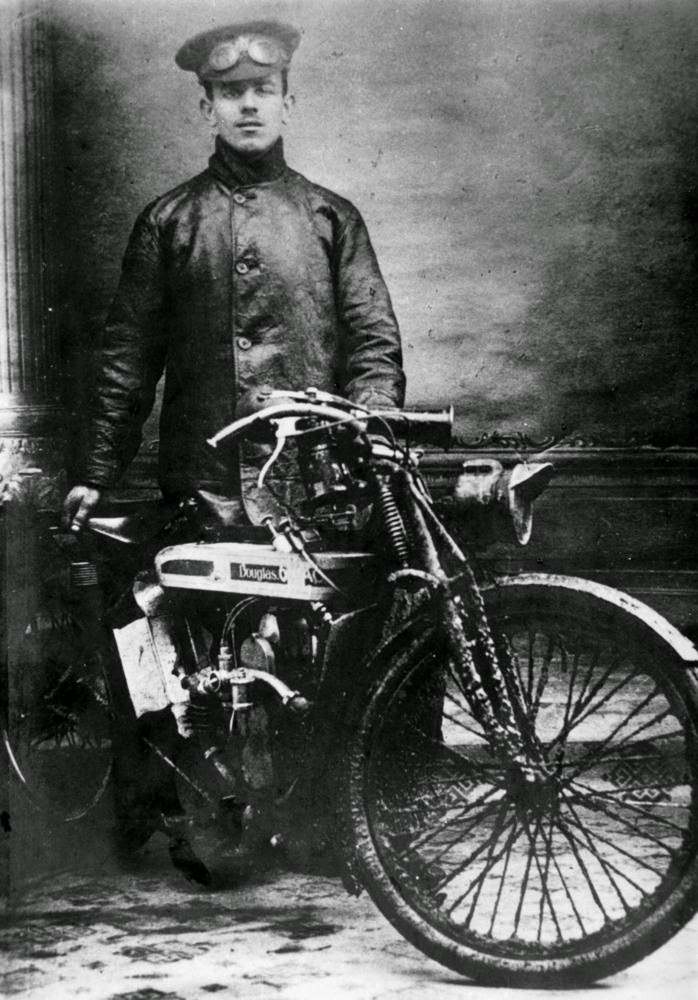
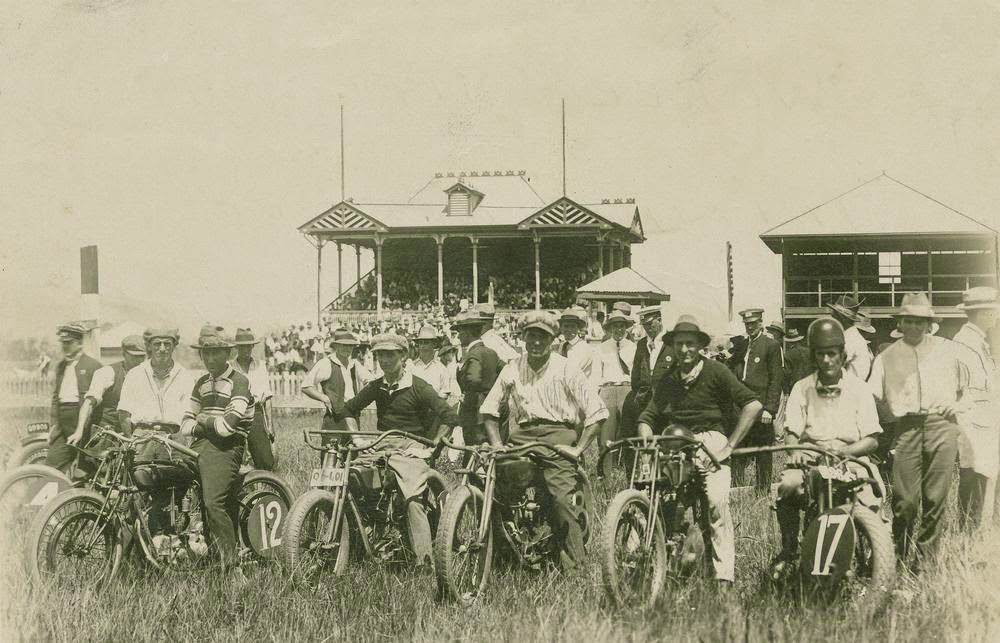
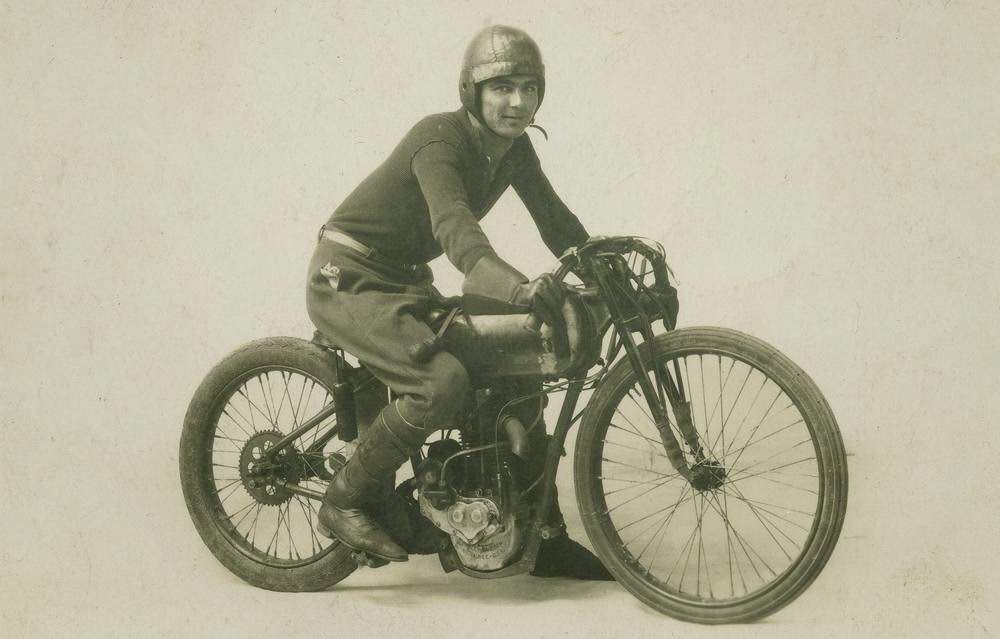
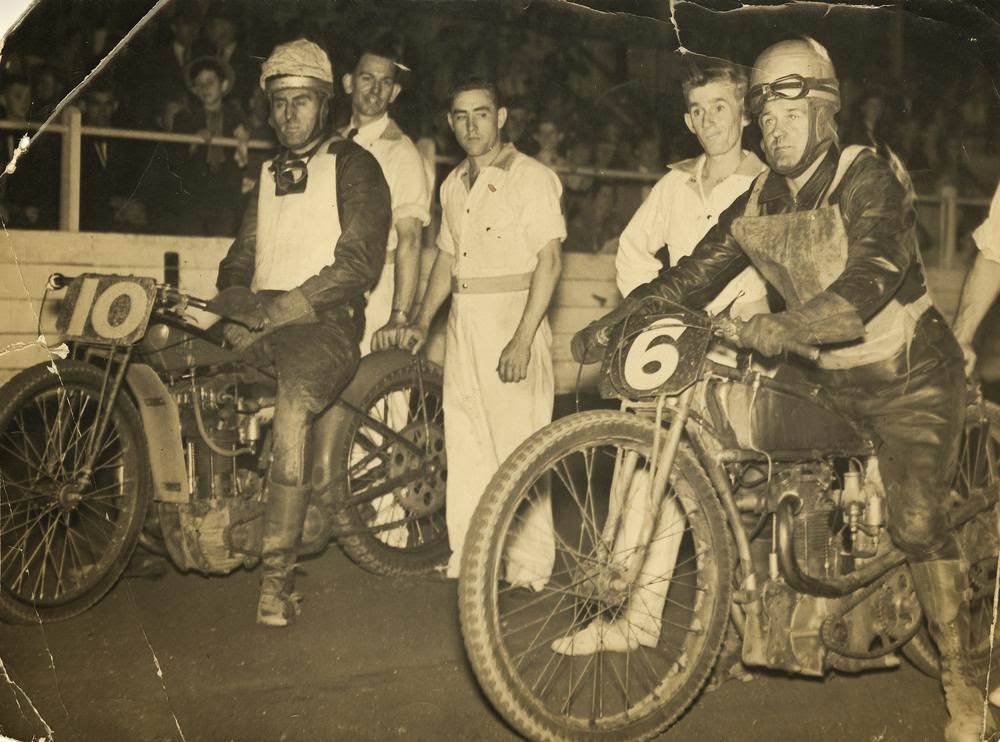
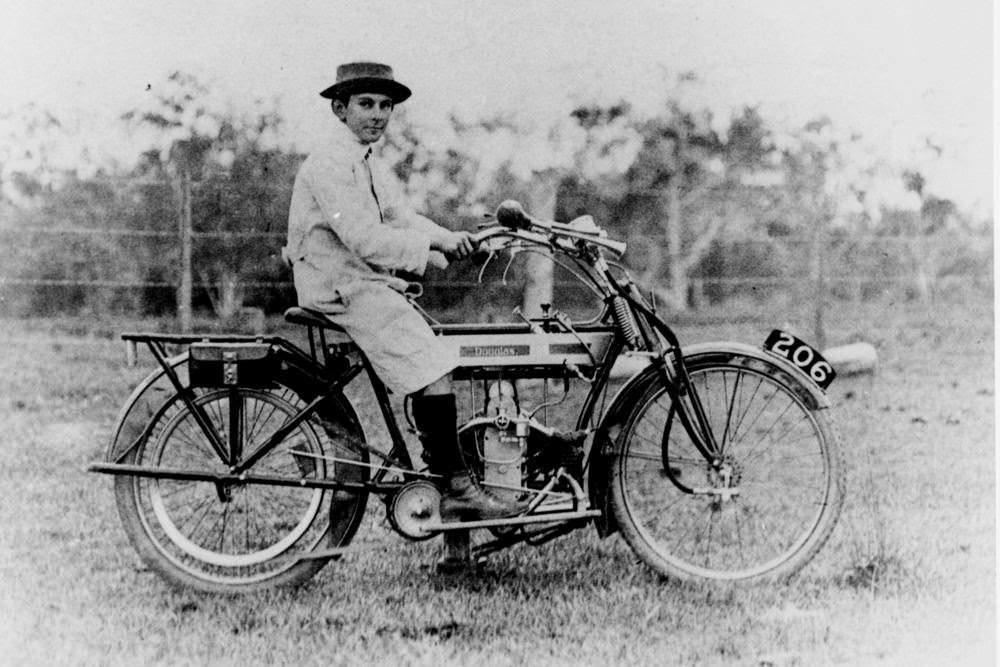
Motorcycles featured prominently in Queensland life throughout the 1930s. From remote country towns to the streets of Brisbane, bikes were used for transport, recreation, and sport. The culture around motorcycling was strong, and clubs, races, and gatherings drew enthusiasts from across the state.