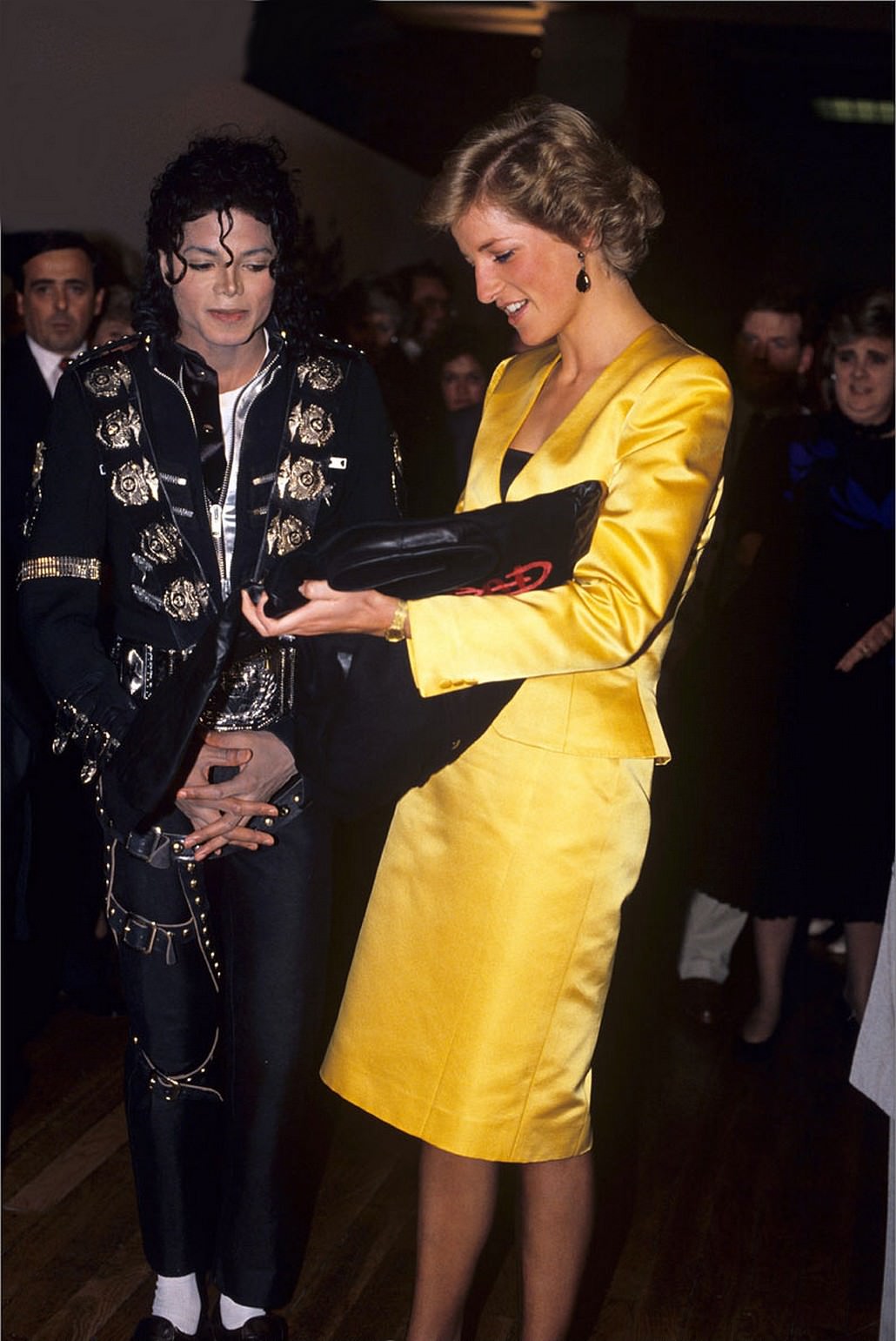
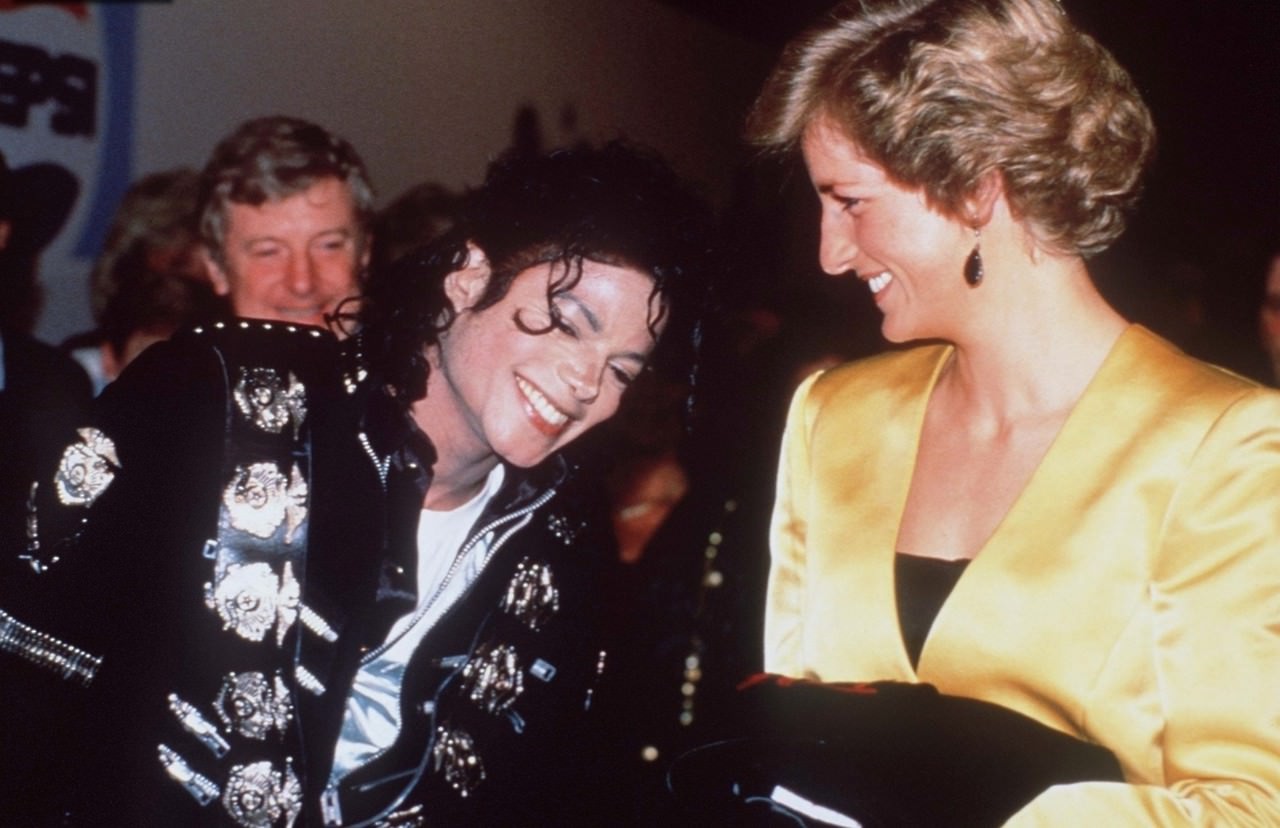
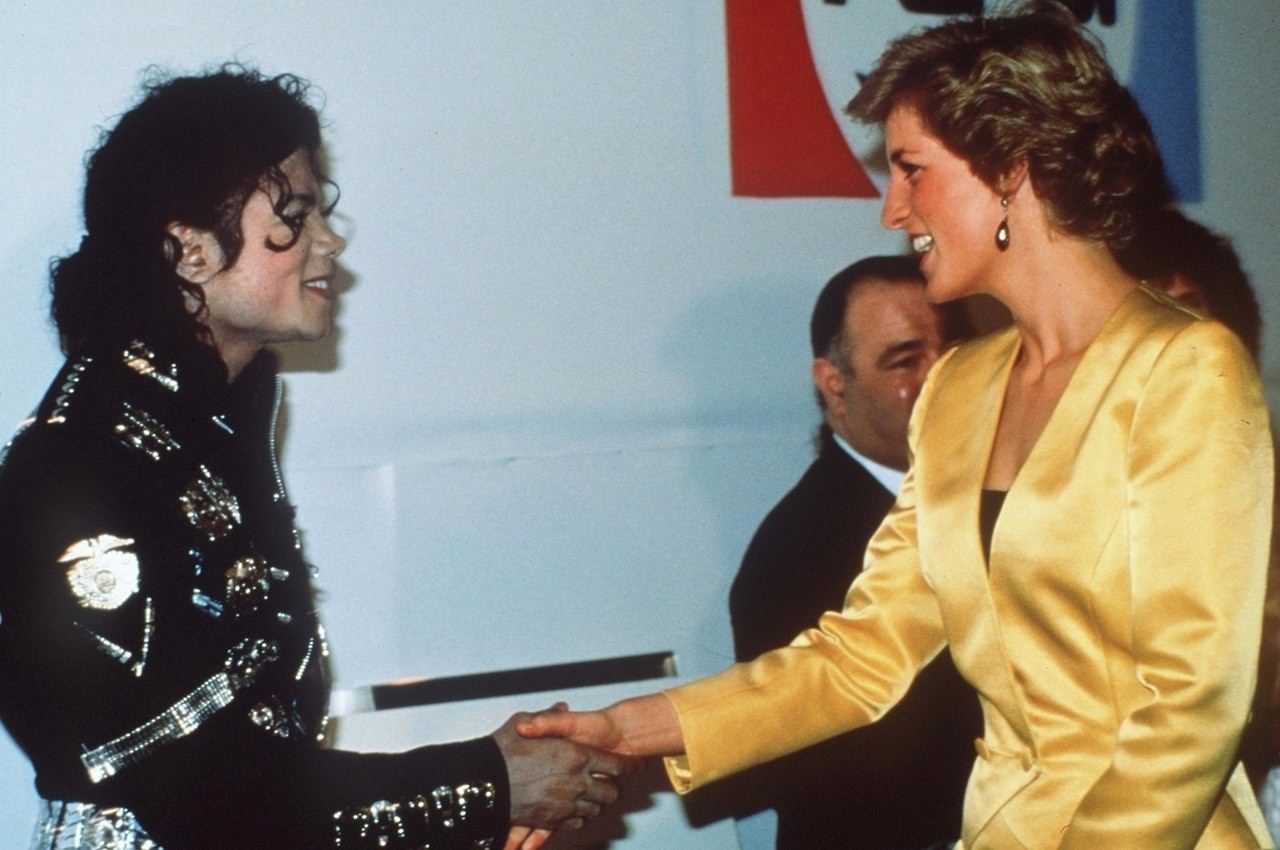
Princess Diana and Michael Jackson only ever met in person once — but that single meeting sparked a genuine friendship that lasted years. The date was July 16, 1988. Diana and her then-husband Prince Charles attended Jackson’s concert at Wembley Stadium in London, part of his record-breaking Bad world tour. Diana was already a devoted fan long before that night. She had reportedly listened to his Thriller and Bad albums on repeat, making her one of the most famous fans Jackson would ever meet.
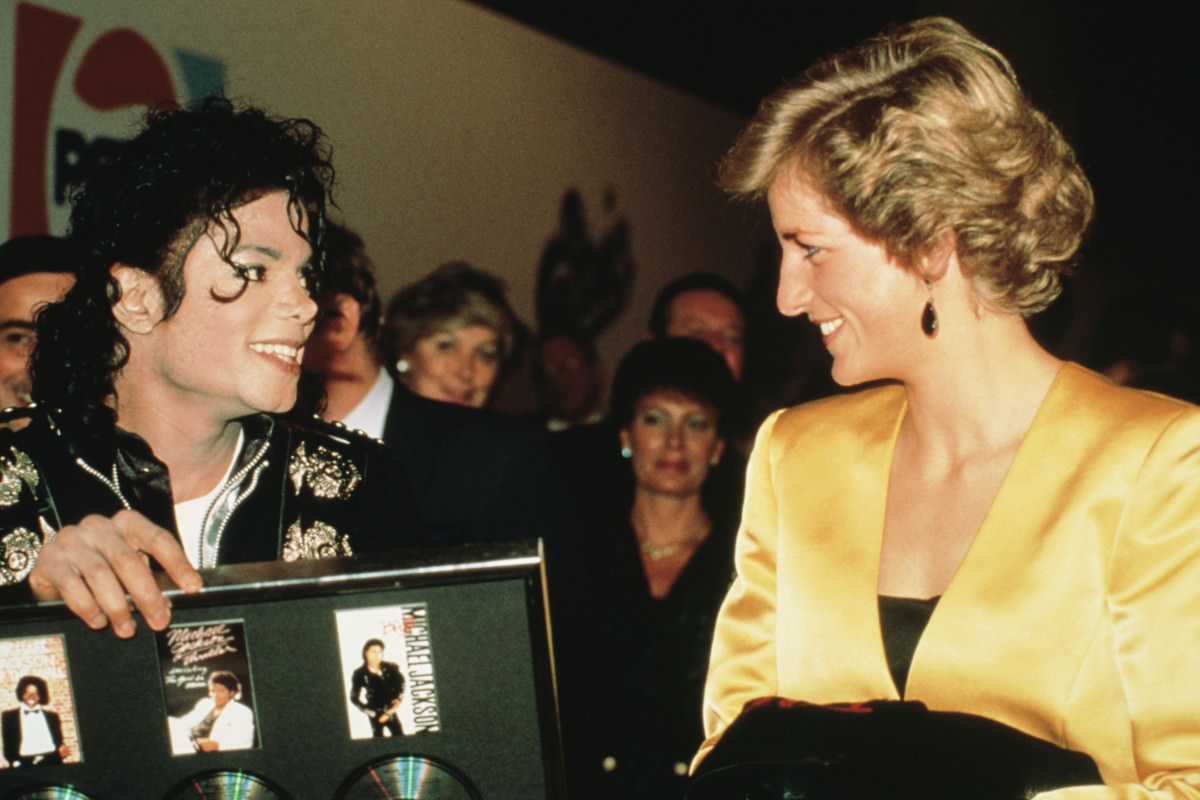
The Wembley show was already a massive event, but the royal attendance made it historic. Jackson’s Bad tour was one of the biggest concert tours ever staged at that point, and having the Princess of Wales in the audience added a layer of spectacle unlike any other stop on the tour. Diana arrived alongside Prince Charles, and the evening quickly became about more than just the music.
Before the concert, Jackson made a quiet decision: he would remove “Dirty Diana” from the setlist. The song, about a predatory rock groupie, felt inappropriate to perform in front of a member of the royal family — at least in his mind. When Diana was told about this, she pushed back immediately. Jackson later recalled her exact words in an interview: “No! I want you to do it. Do it. Do the song.” It was one of her favorites, and she refused to let it be cut on her account. Jackson put it back in.
During the performance, Diana danced. Prince Charles sat. That contrast alone said a great deal about the evening. Diana was fully engaged with the show, and her enthusiasm was visible to those around her. It was a rare and candid public moment for the princess, who was rarely seen letting loose so openly at an official engagement.
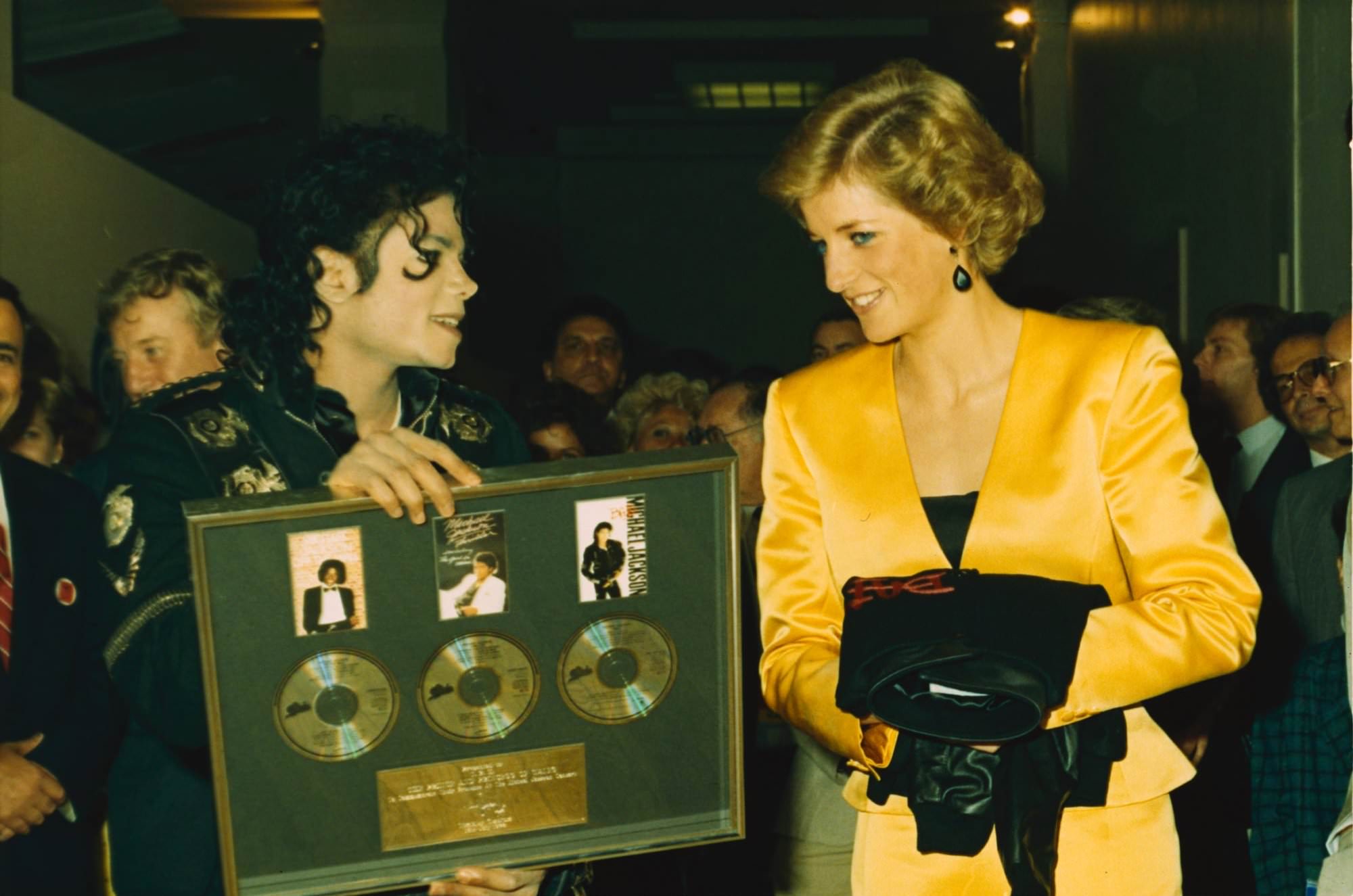
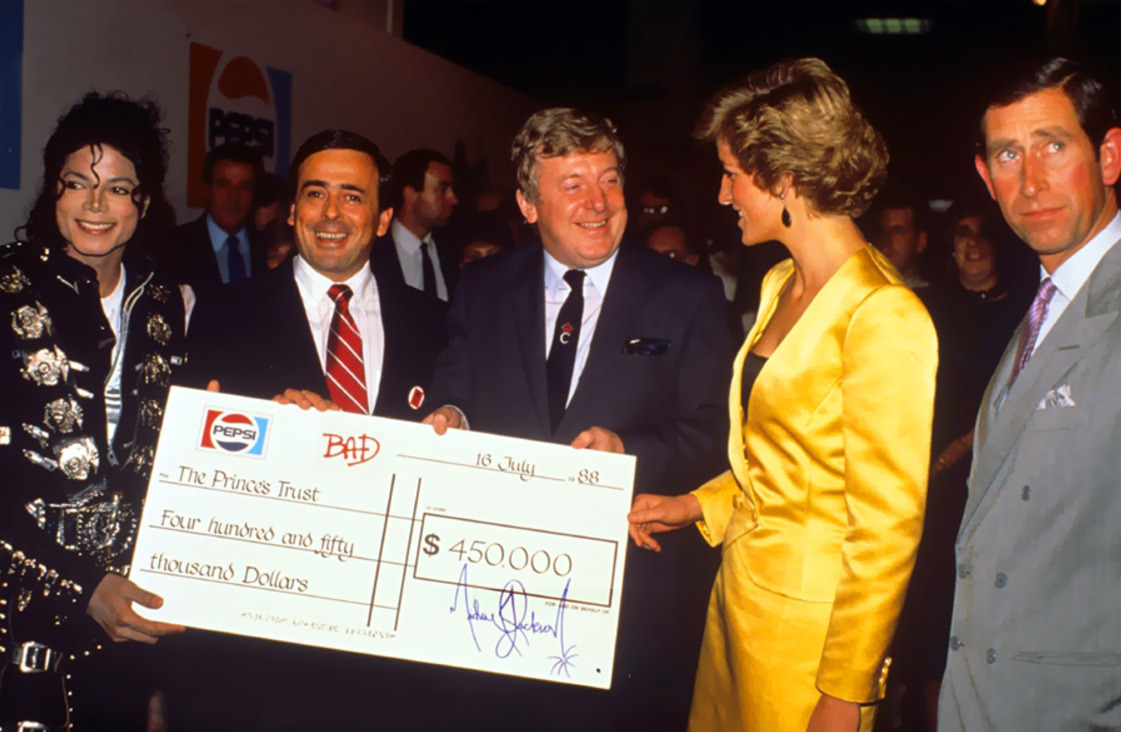
Jackson’s generosity extended well beyond the stage that night. He donated £150,000 to the Prince’s Trust, a youth-focused charity closely associated with Prince Charles. He also donated $100,000 to Great Ormond Street Hospital’s children’s charity in London. These were significant sums, and they reflected Jackson’s well-documented commitment to children’s causes throughout his career.
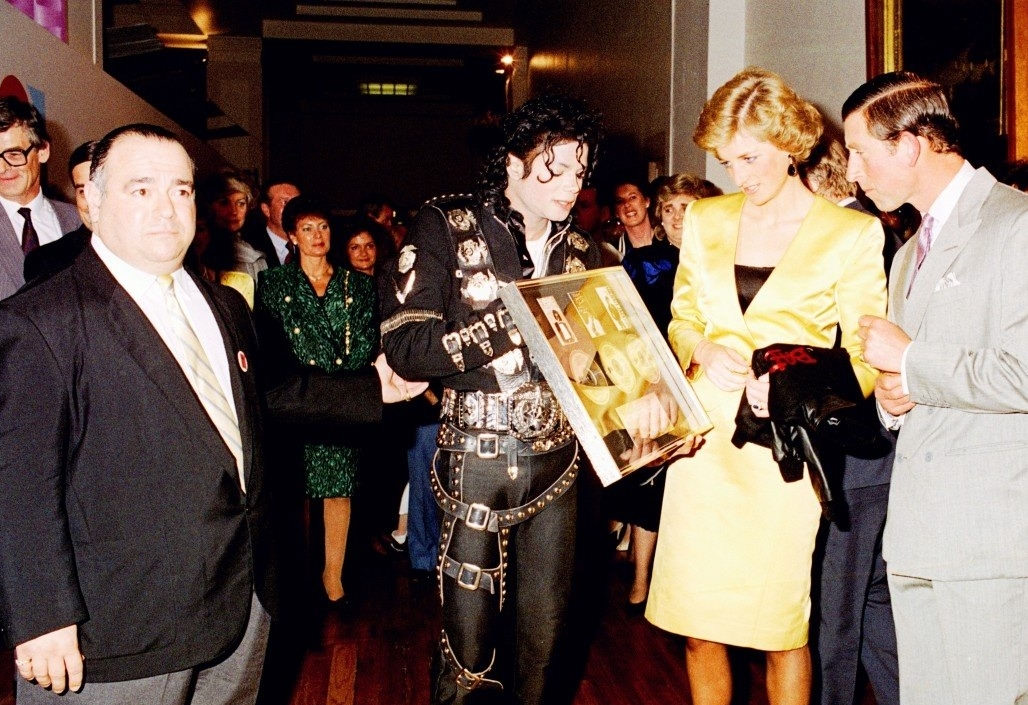
Jackson also gave the royal couple a personal gift: two miniature Bad tour jackets, one for Prince William and one for Prince Harry. The princes were young boys at the time — William was six, Harry was three — and the gesture showed Jackson’s characteristic warmth toward children. It was a thoughtful touch that went beyond the formality of the evening.
After Wembley, Diana and Jackson never met face-to-face again. But their connection didn’t end that night. According to Jackson, the two stayed in close contact by phone for years. In his own words: “She was extremely close by phone.” He noted that Diana would call late at night, usually after three in the morning. During his marriage to Lisa Marie Presley, those calls still came. Diana would talk for hours, covering topics like children and the relentless pressure of the press.
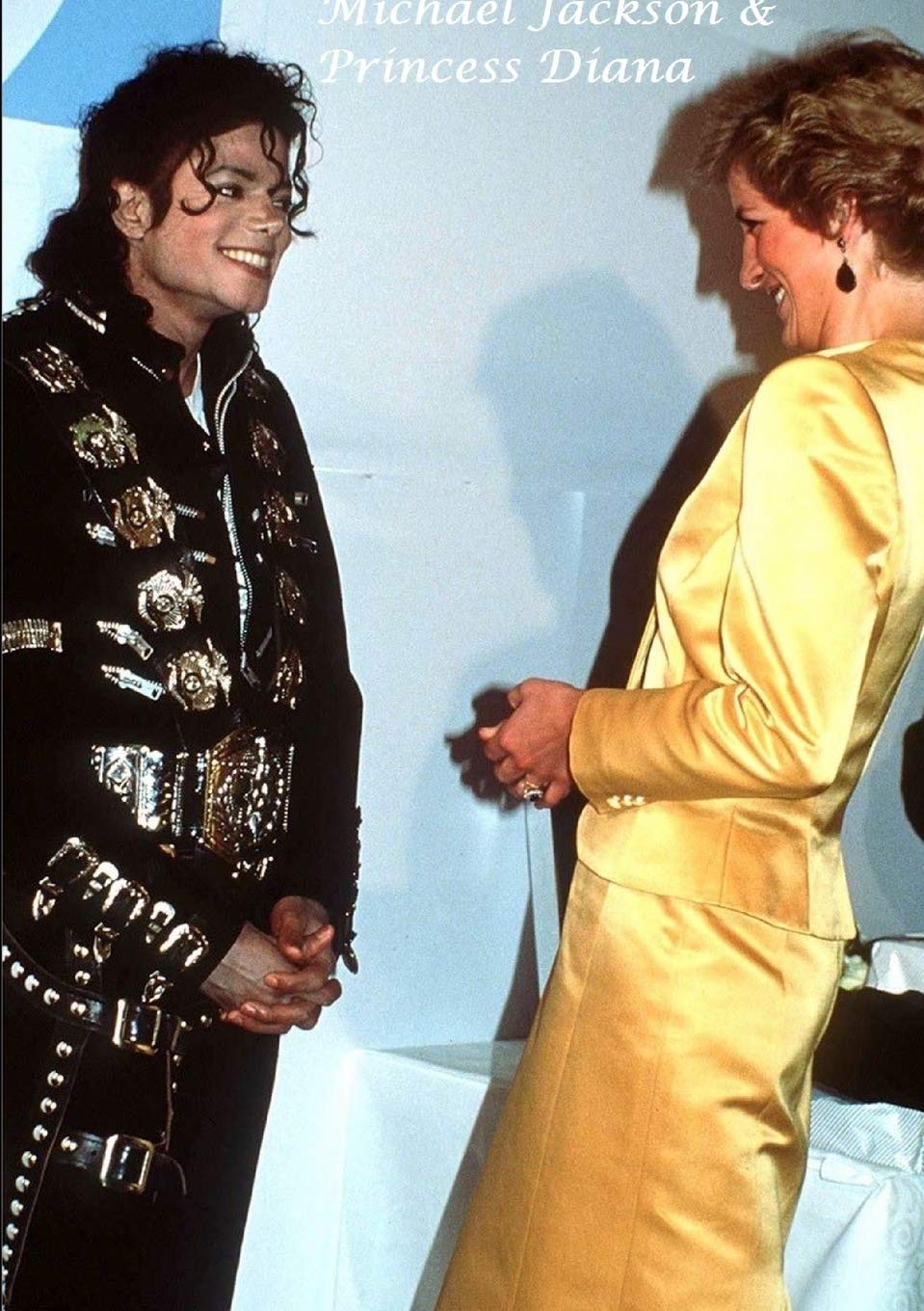
The subjects Diana chose to talk about — children and the media — were deeply personal for both of them. Jackson had been under intense public scrutiny for years, and Diana was living through her own very public unraveling within the royal family. They shared an understanding of what it meant to be watched, criticized, and misrepresented by the press on a global scale. That common ground formed the core of their bond.
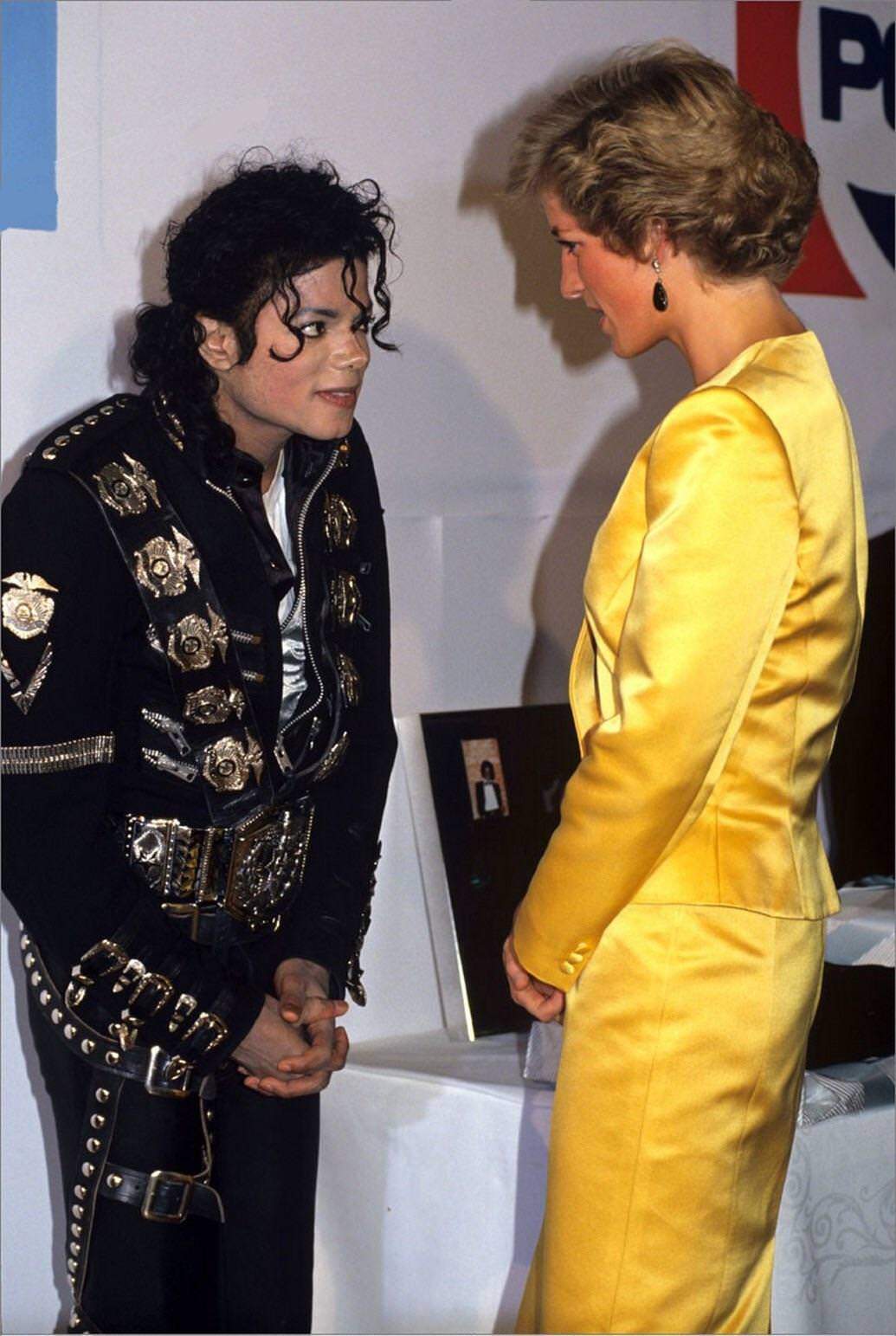
Jackson spoke about Diana frequently throughout his life. By any account, he held her in genuine high regard. Their friendship — built almost entirely over the phone after that one July night — was an unlikely but real connection between two of the most famous people on earth.
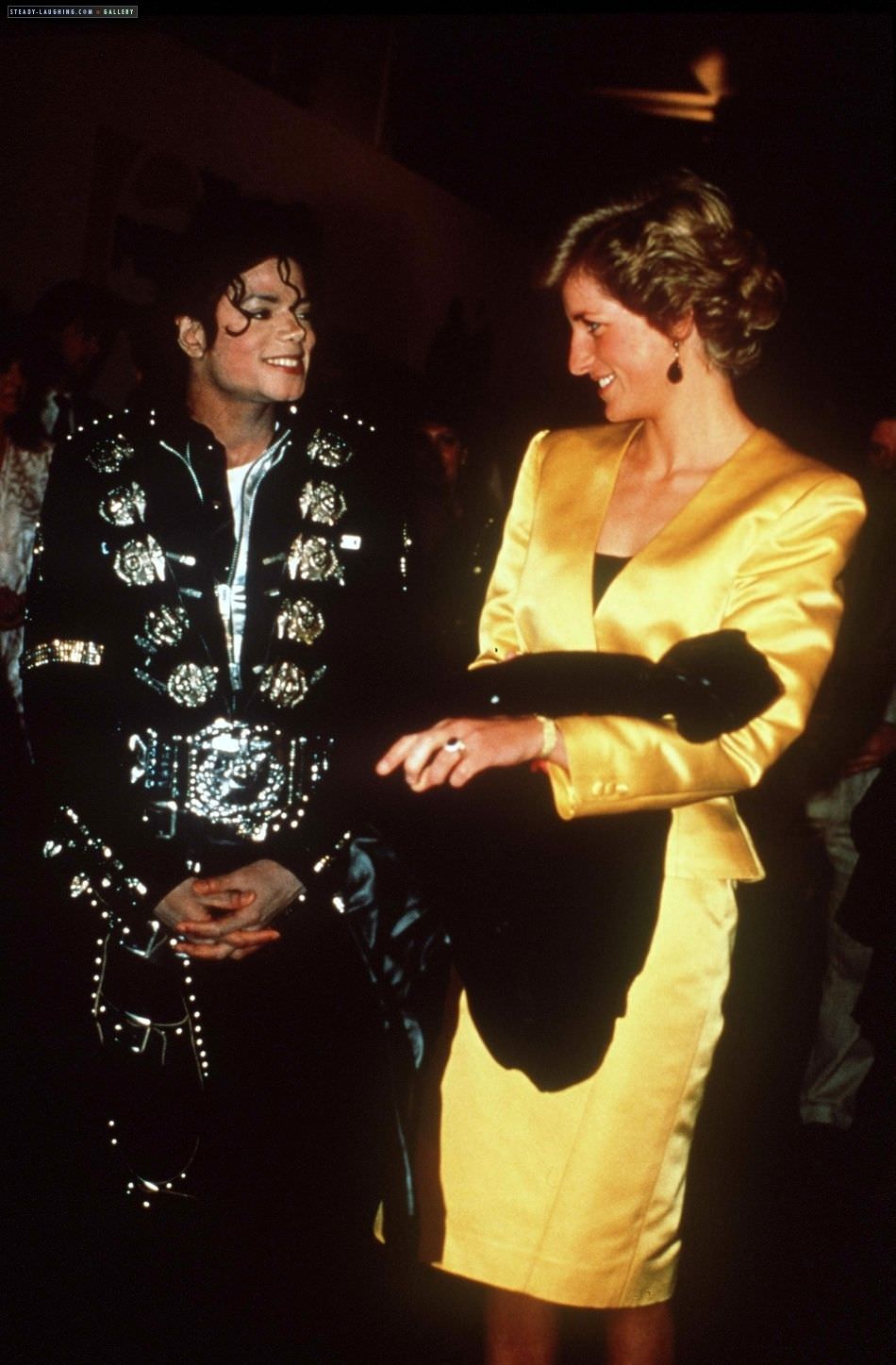
The 1988 Wembley meeting remains the only documented in-person encounter between Princess Diana and Michael Jackson. The photographs from that night capture two global icons at the height of their fame, sharing a moment that neither of them would forget. Jackson continued to reference Diana in interviews long after her death in 1997, making clear that the connection they formed on that July evening in London was something he carried with him.