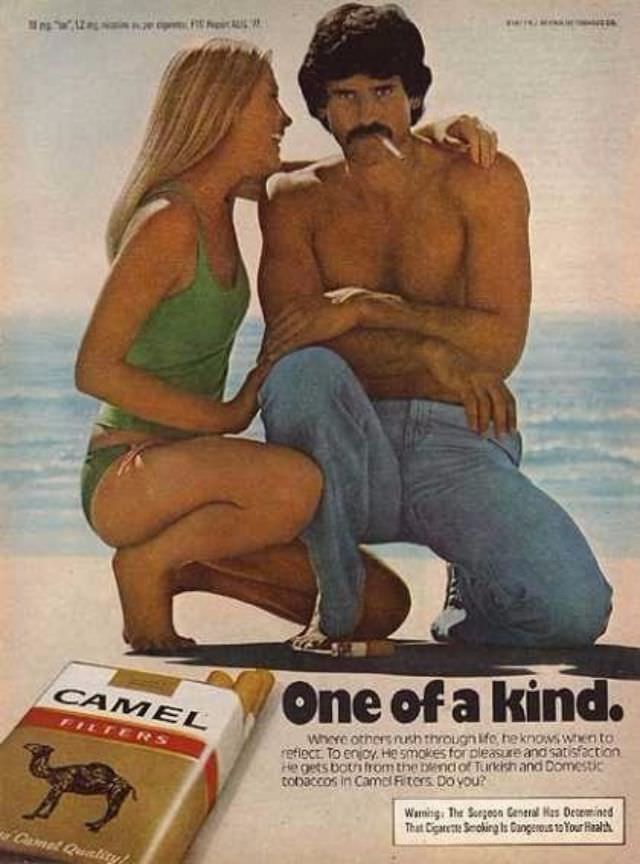
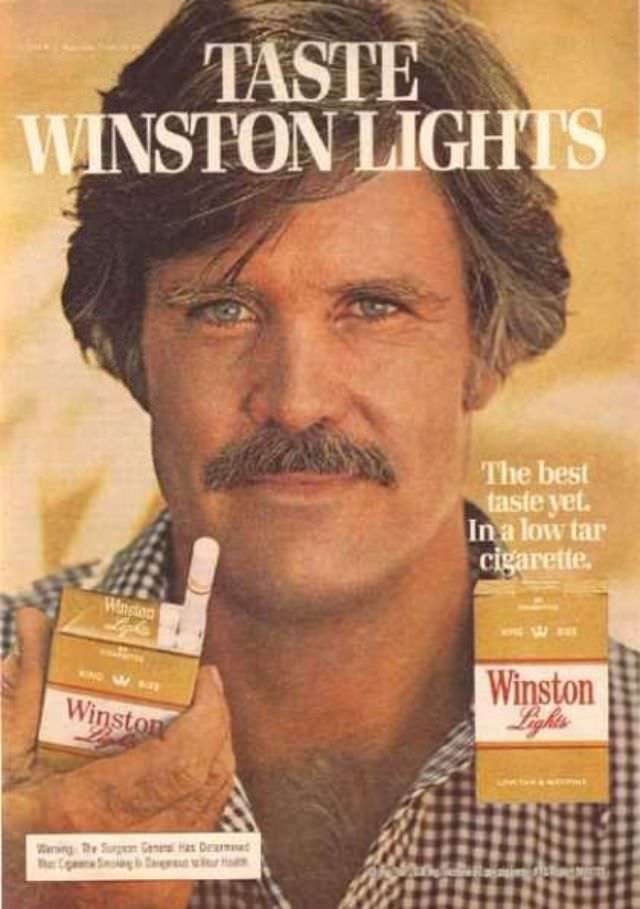
The thick, bushy mustache — nicknamed the “pornstache” — was one of the defining looks of the 1970s. Worn alongside feathered hair and open-collar shirts, it carried a clear cultural message: this was a man’s man. Cigarette companies took notice fast.
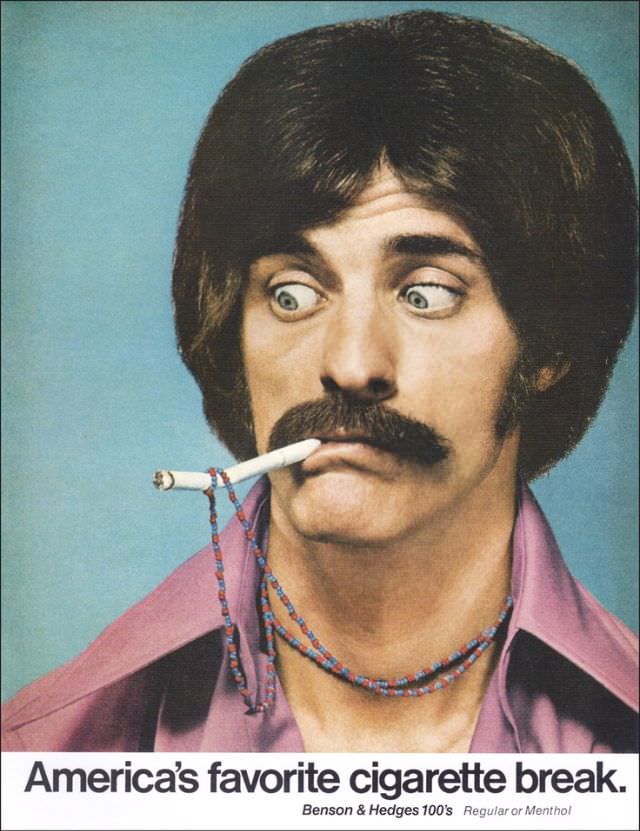
Throughout the decade, tobacco brands built entire ad campaigns around mustachioed men. The formula was simple — place a rugged, mustached figure front and center, cigarette in hand or dangling from his lips, and let the image do the talking. The mustache signaled toughness, confidence, and sex appeal all at once.
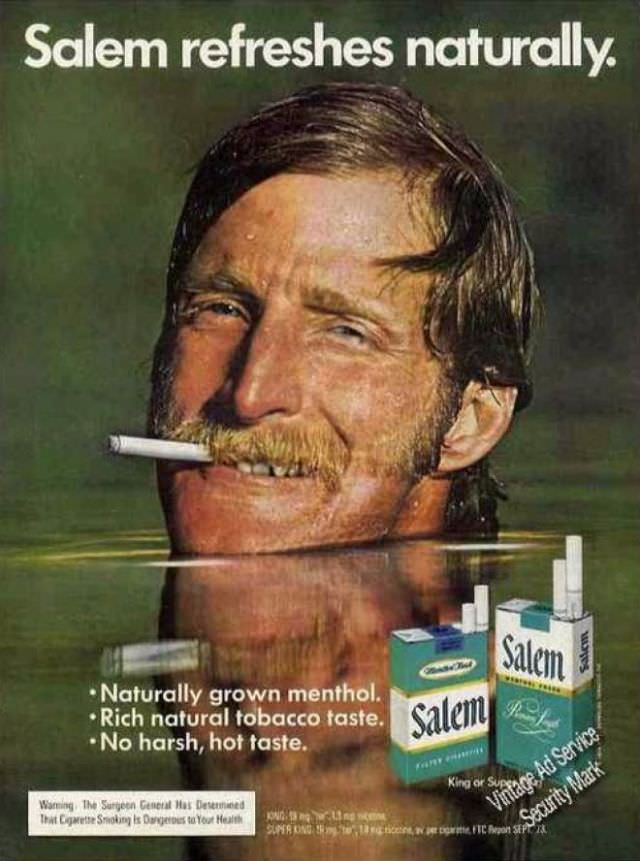
No campaign leaned into this harder than Marlboro’s. The Marlboro Man was a weathered cowboy — boots, denim, and a thick mustache — photographed against open Western landscapes. He rarely spoke. He didn’t need to. The visual alone told smokers what kind of man used Marlboro cigarettes.
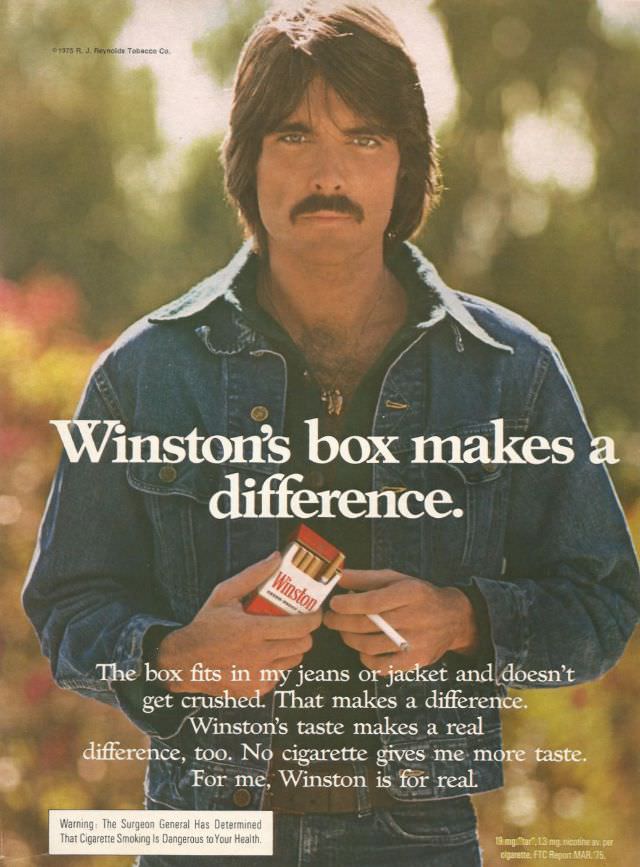
Marlboro wasn’t alone. Kent ran ads featuring a mustached man in clean, confident poses. Winston did the same, placing their mustachioed spokesman in blue-collar, working-man settings. Each brand tailored the aesthetic slightly, but the core strategy was identical — the mustache meant masculinity, and masculinity sold cigarettes.
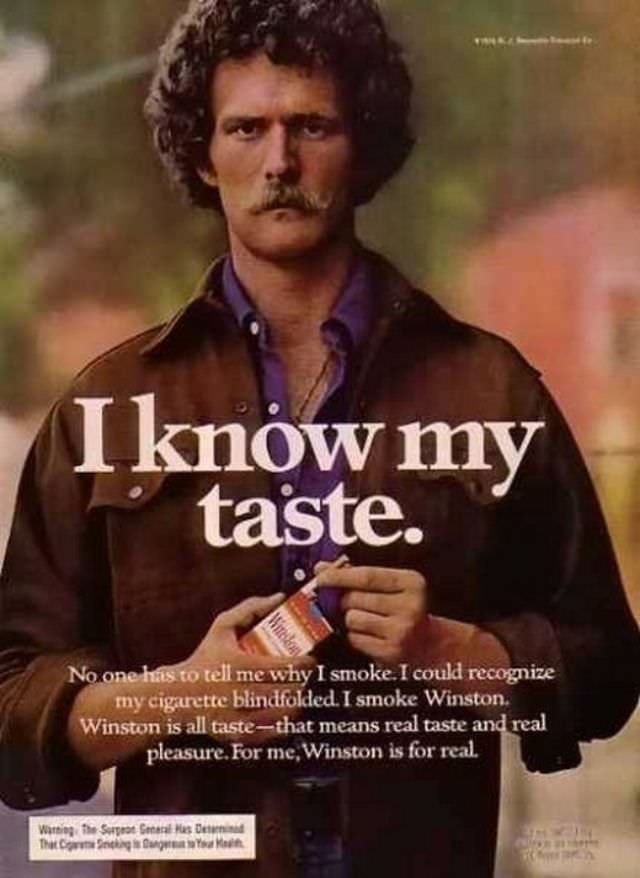
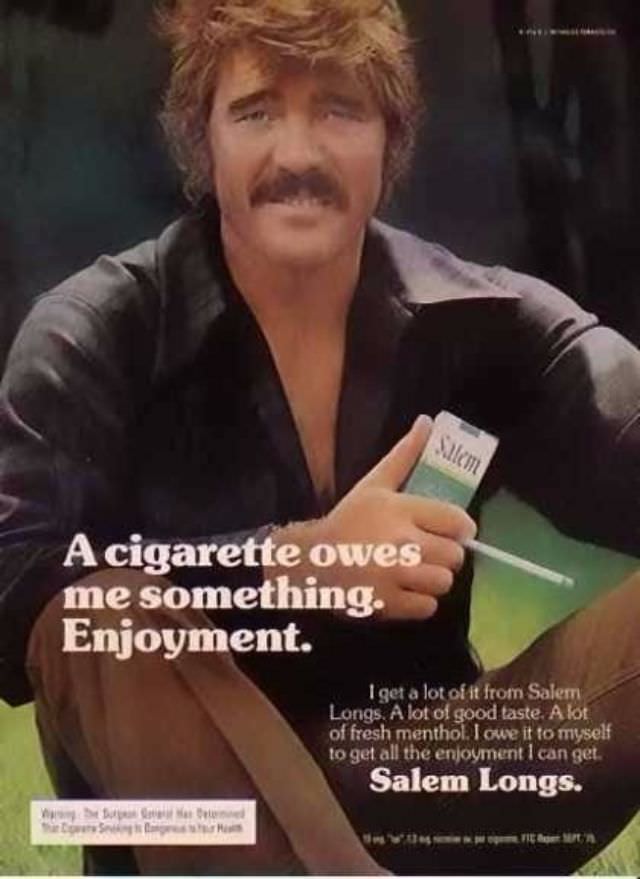
These ads weren’t created in a vacuum. The 1970s saw a broader cultural push toward hard masculinity. After the social upheaval of the 1960s, many American men gravitated toward images of strength and self-sufficiency. The pornstache fit neatly into that moment — it was effortless, bold, and visually dominant.
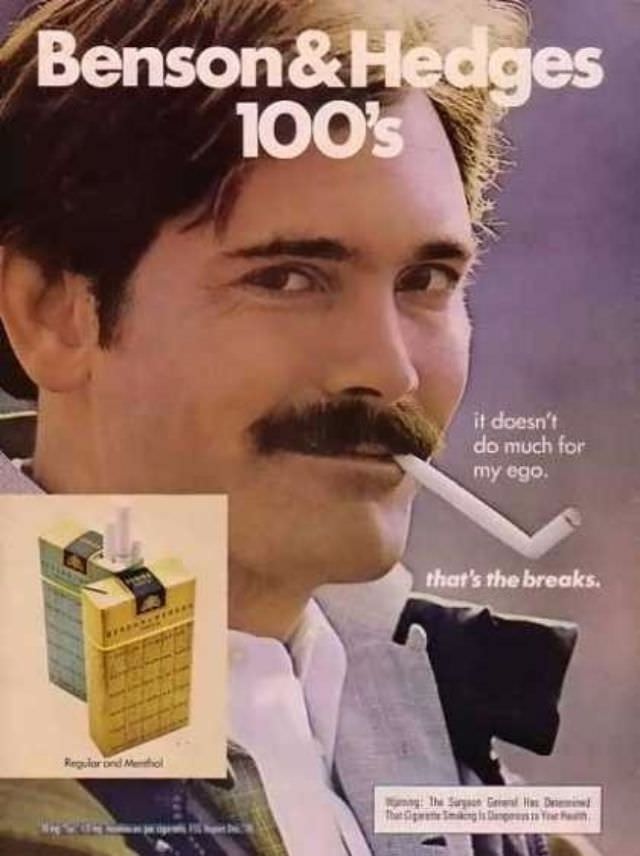
Tobacco marketers understood that they weren’t just selling a product — they were selling an identity. A man who smoked the right brand, with the right mustache, was framed as more attractive and more desirable. The ads reinforced that idea in print, on billboards, and in television commercials before the 1971 broadcast ban took hold.
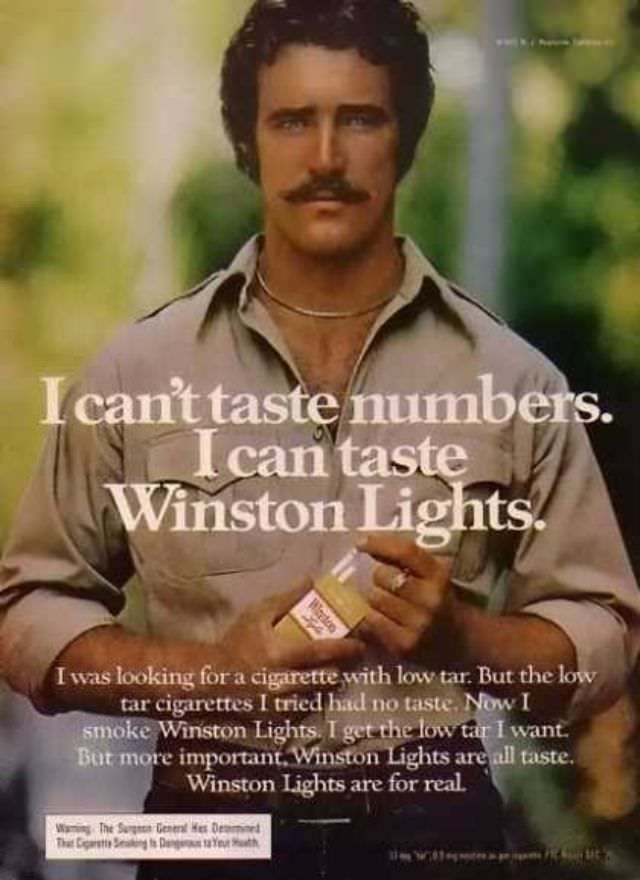
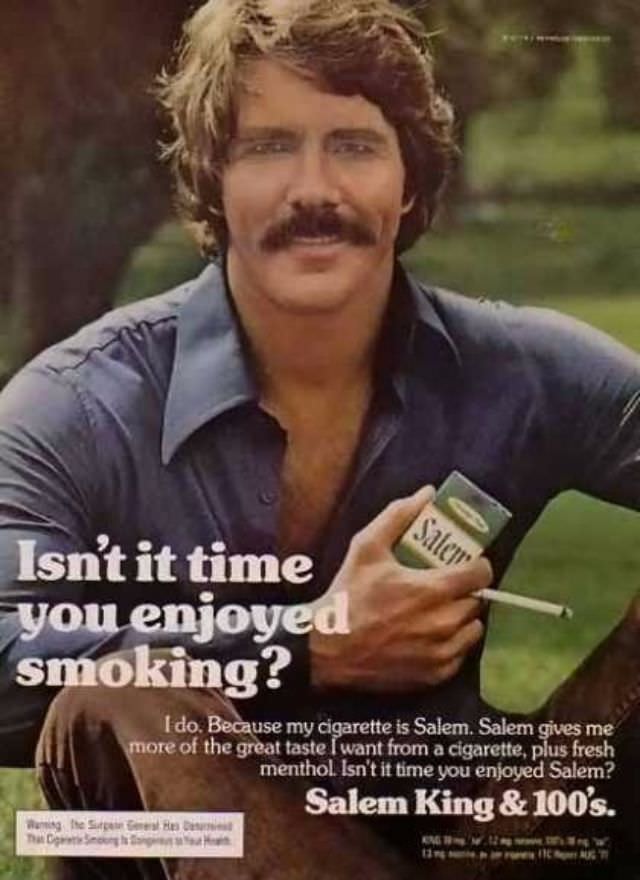
Print ads became the dominant format after TV restrictions kicked in, and the pornstache thrived on the page. Full-page magazine spreads gave art directors room to frame the mustached smoker as a full lifestyle — a man of leisure, labor, or adventure, depending on the brand’s target audience.
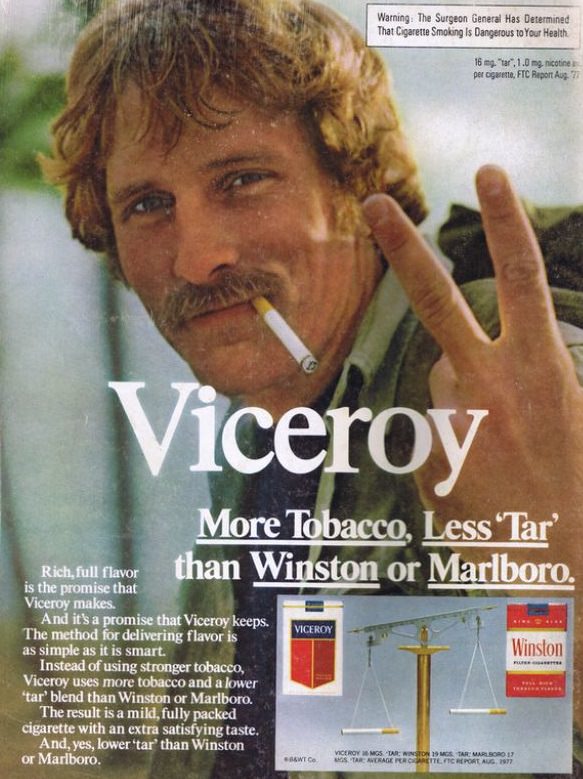
The sheer volume of these ads across the decade shows how deeply the strategy was embedded in tobacco marketing. Brand after brand recycled the same visual shorthand: facial hair, a lit cigarette, and a direct stare into the camera.