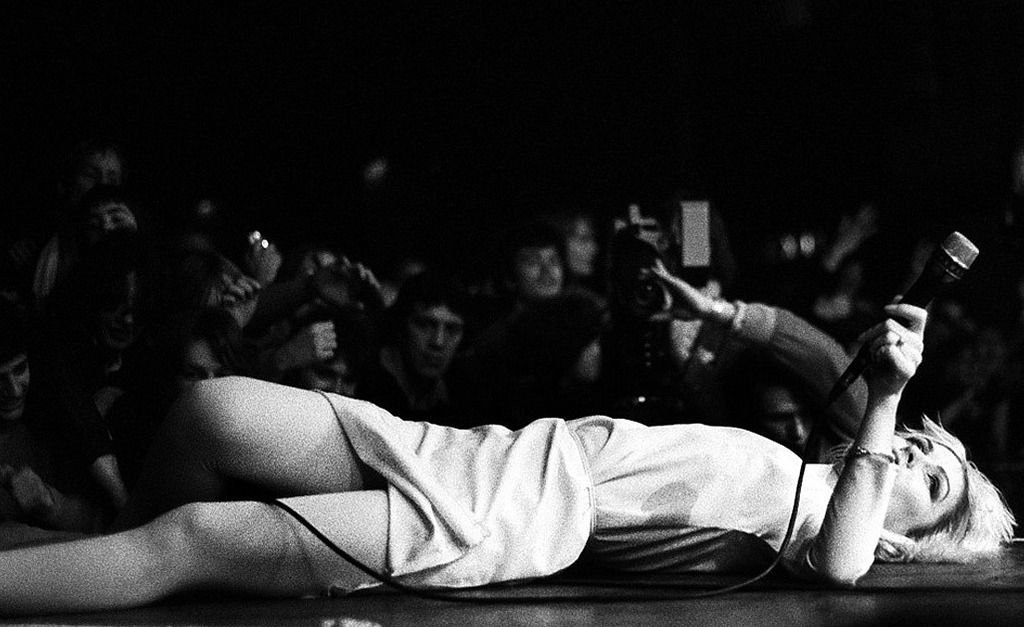
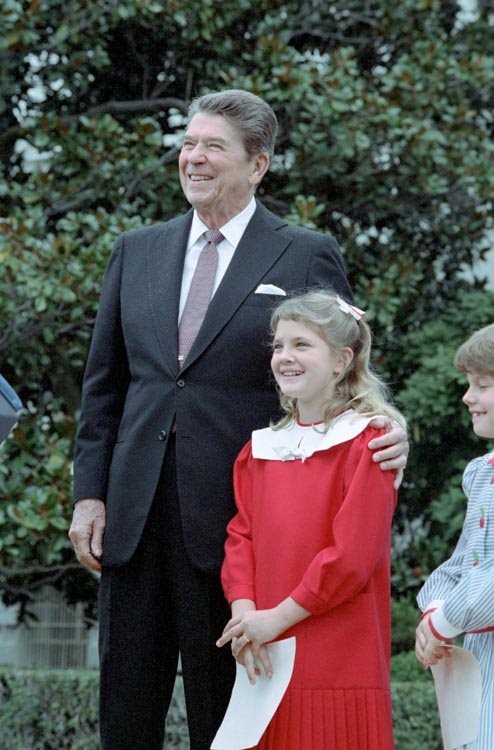
Ronald Reagan was no ordinary president. Before entering politics, he spent decades in Hollywood as an actor. He understood celebrity better than almost any commander-in-chief before him — and he used that knowledge to shape his presidency. Throughout the 1980s, the White House became an unexpected meeting point between political power and pop culture stardom. Performers, athletes, and film legends walked the same halls as senators and foreign dignitaries. Reagan’s team saw the value in these connections. Bringing famous faces to Washington helped the administration reach younger Americans who might otherwise tune out politics entirely.
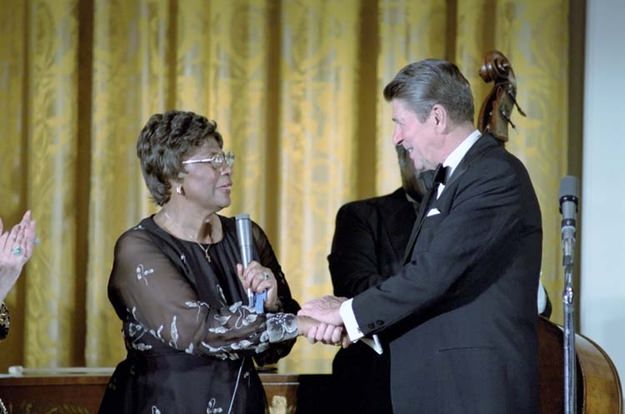
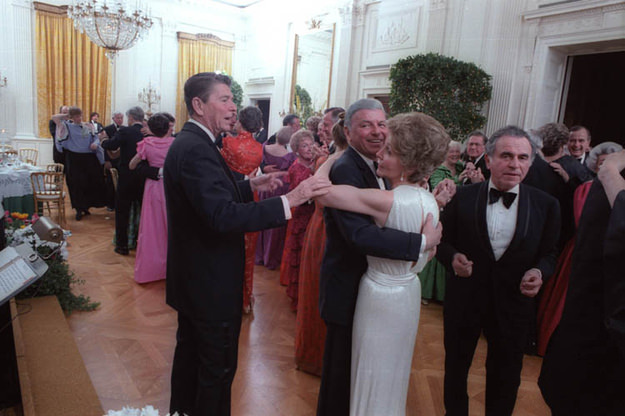
Legendary performers like Ella Fitzgerald graced White House events attended by world leaders. Frank Sinatra was a regular presence as well — close enough to Reagan that the president once had to personally intervene on the dance floor.
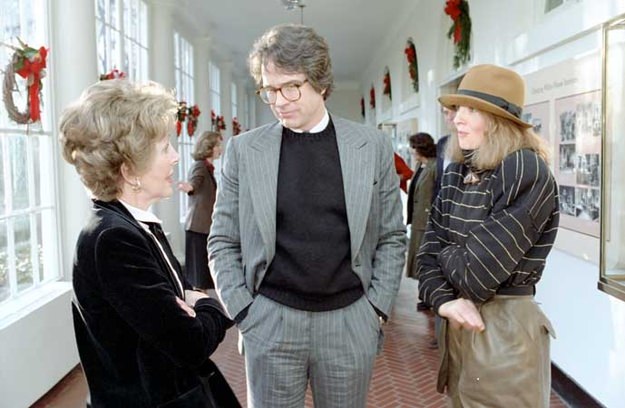
Nancy Reagan was equally plugged into celebrity culture. She attended film screenings and rubbed elbows with Hollywood royalty. One notable evening brought her face-to-face with actors Warren Beatty and Diane Keaton at a screening of the film “Reds.”
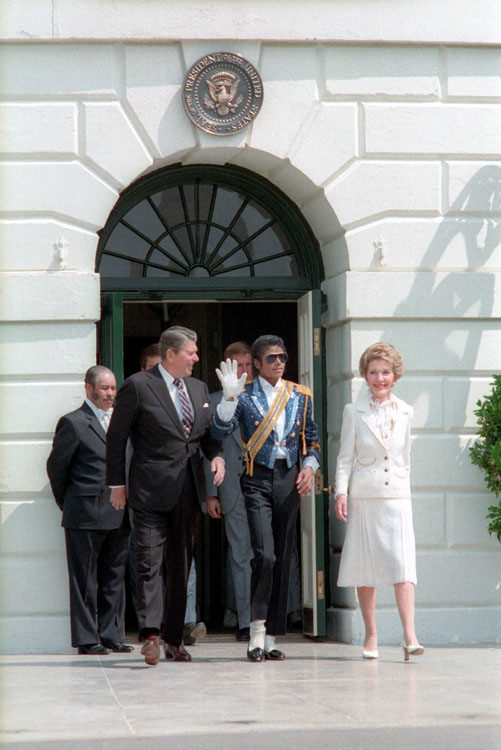
Perhaps the single most iconic celebrity visit of the Reagan era came in 1984, when Michael Jackson arrived at the White House. Jackson was at the absolute peak of his global fame following “Thriller.” He received a presidential award recognizing his public service work on a drunk driving awareness campaign. Photos of the two men together circulated worldwide.
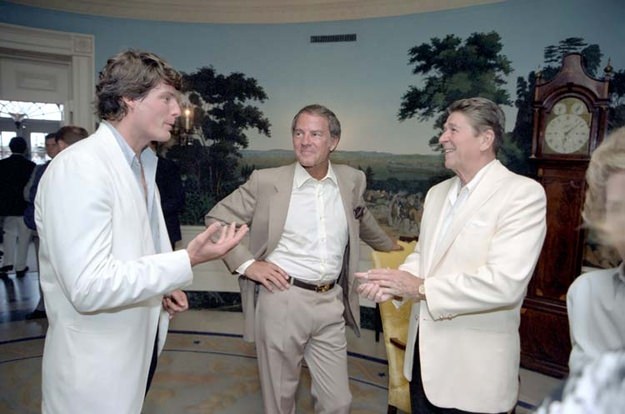
The Reagan White House also drew major names from sports and film. Actors like Christopher Reeve — then best known for playing Superman — attended events alongside sports figures.
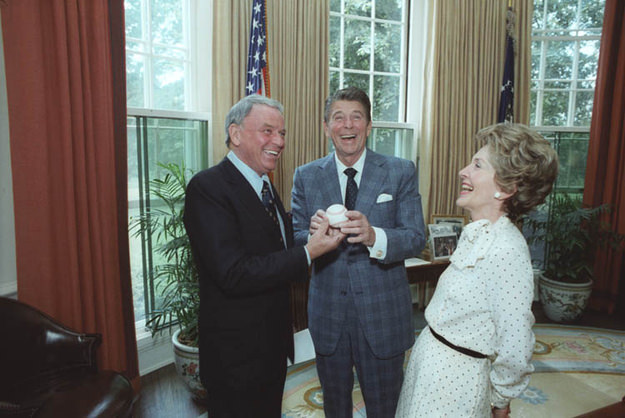
Frank Sinatra’s relationship with the Reagans extended well beyond the dance floor. The legendary entertainer was a trusted friend of the First Family throughout the decade.
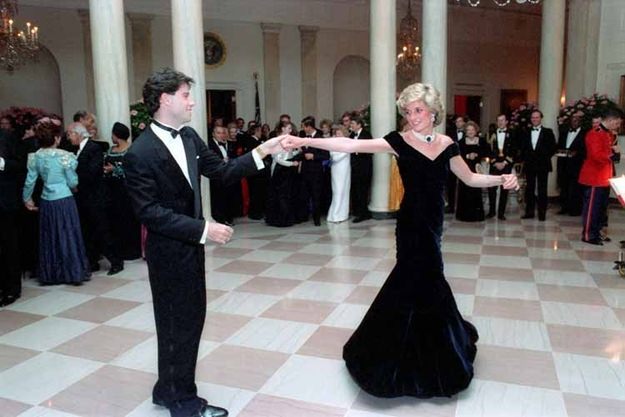
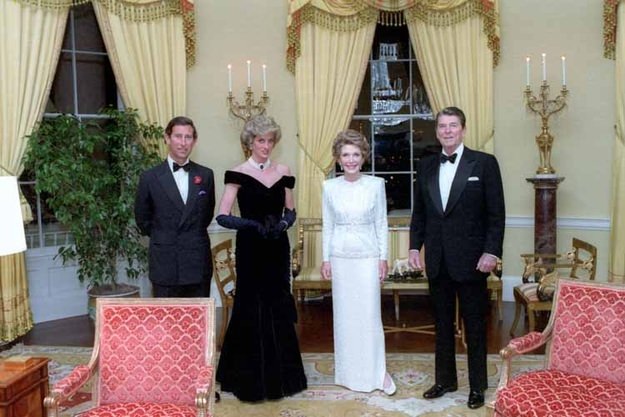
One of the most memorable nights of the entire Reagan era came in November 1985, when Princess Diana visited the White House for a state dinner. At the end of the evening, she took to the dance floor with actor John Travolta — a moment that became one of the decade’s most photographed.
Young TV stars also found their way into Reagan-era events. Actors like Michael J. Fox and Nancy McKeon, both household names thanks to hugely popular 1980s television shows, were part of the broader celebrity world that intersected with the administration.
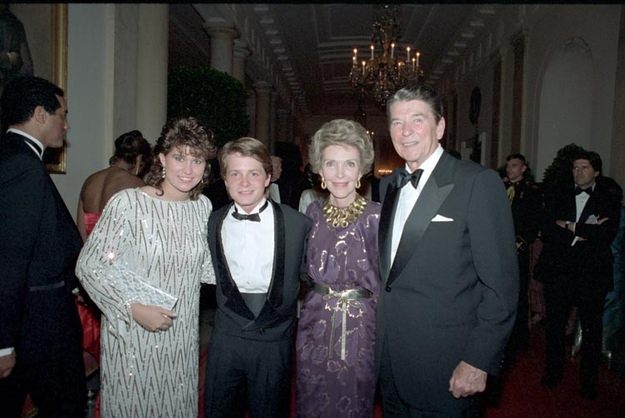
The breadth of celebrities connected to Reagan’s orbit was striking. On any given occasion, the guest list could range from action stars to pop icons to supermodels.
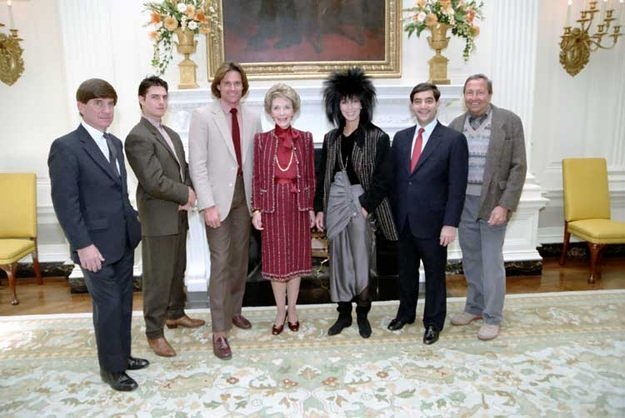
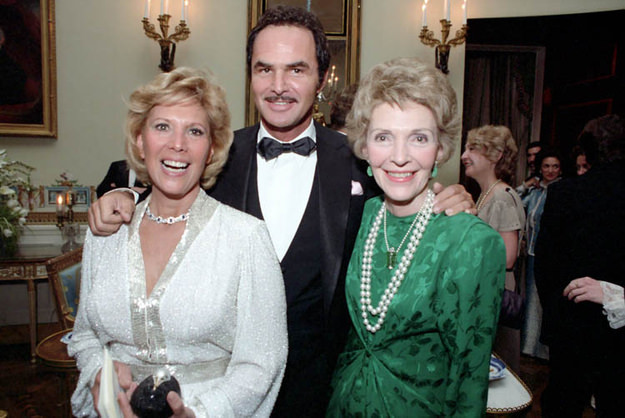
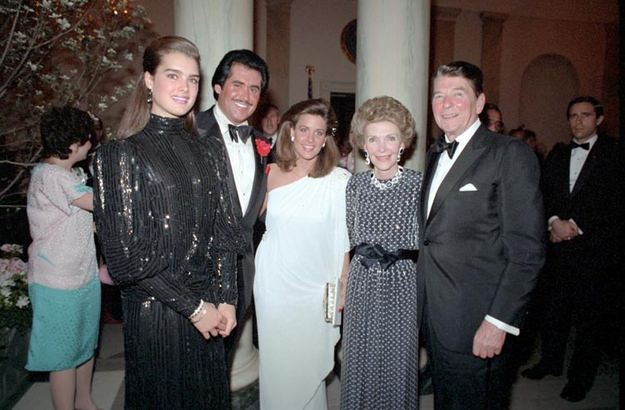
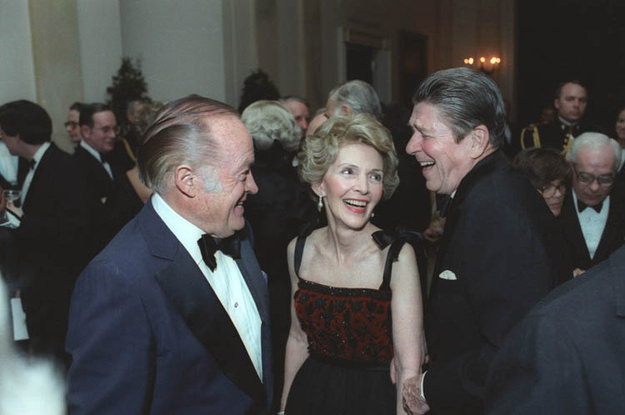
Bob Hope was a fixture at White House entertainment throughout multiple presidencies, and the Reagan years were no different. His 80th birthday celebration drew an extraordinary collection of Hollywood talent.
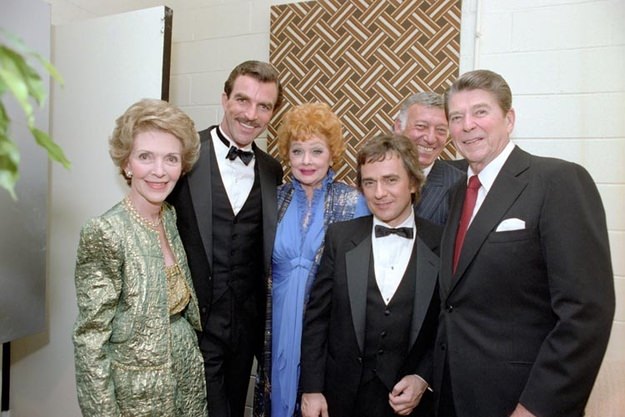
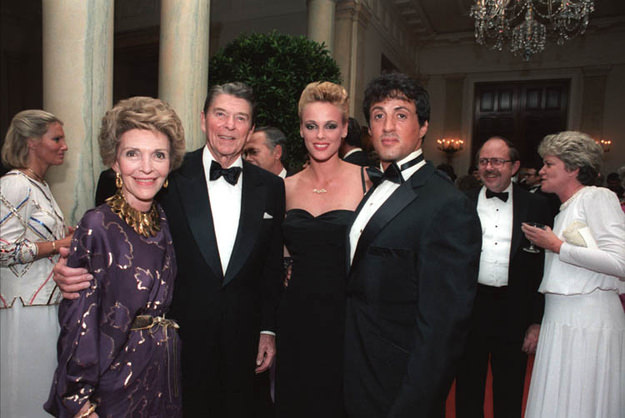
Nancy Reagan’s “Just Say No” anti-drug campaign brought its own wave of celebrity involvement. She enlisted stars like Elizabeth Taylor to help amplify the message, appearing alongside them at events and on television.
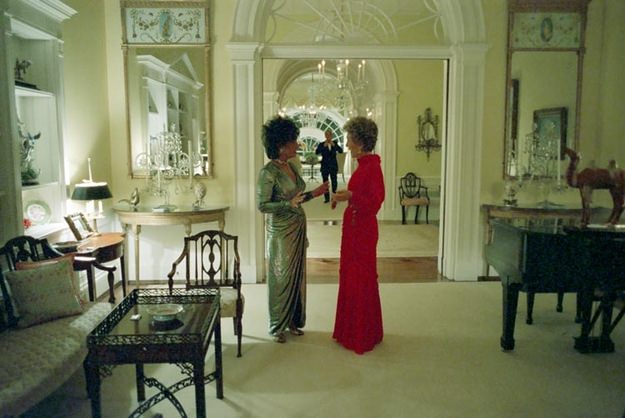
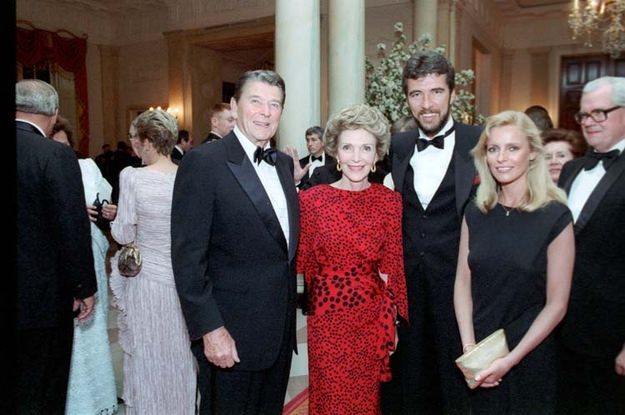
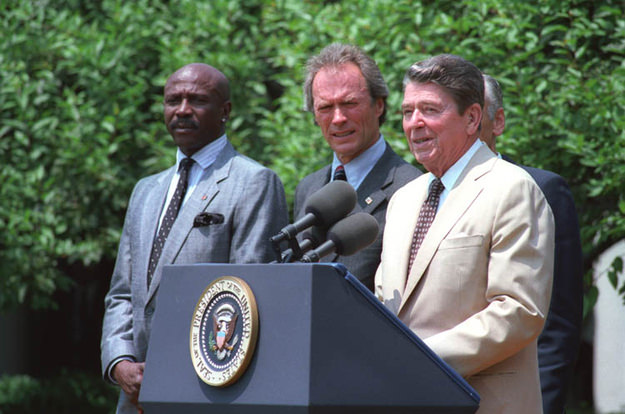
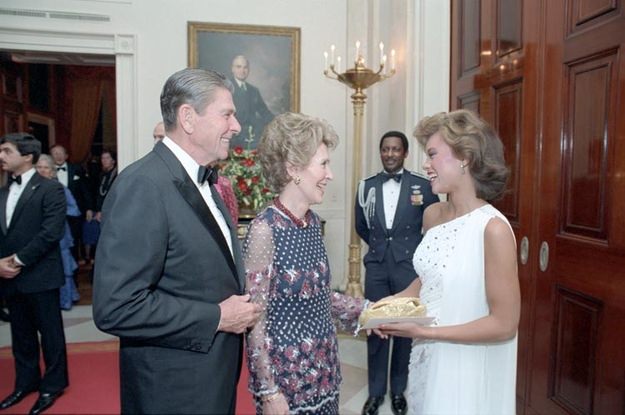
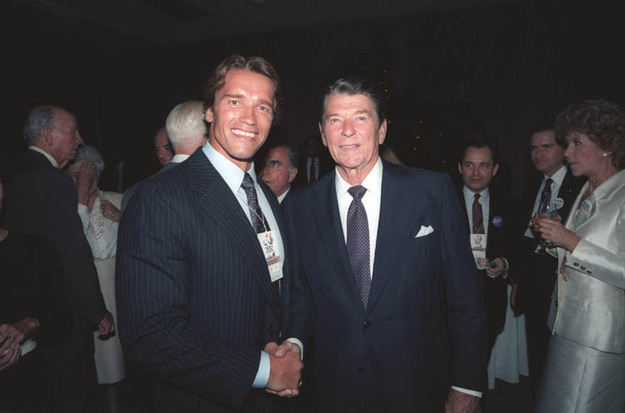
Reagan’s political world and Hollywood muscle combined nowhere more visibly than at the 1984 Republican National Convention, where he appeared alongside rising action star Arnold Schwarzenegger.
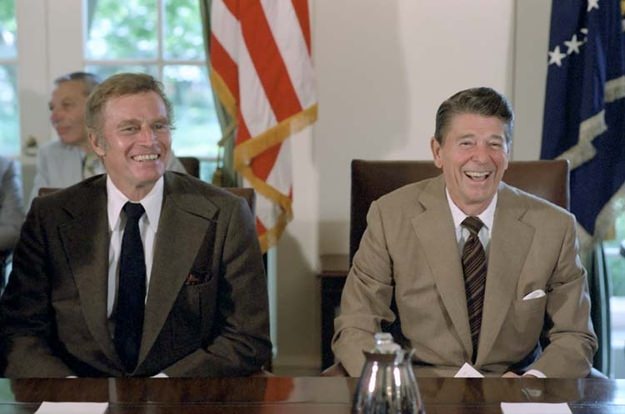
The arts were taken seriously as a policy matter too. Charlton Heston participated in formal White House discussions about the role of arts and humanities in American public life.
The royal connection added another layer of glamour to Reagan-era Washington. Prince Charles and Princess Diana’s visit to the United States generated enormous public attention.
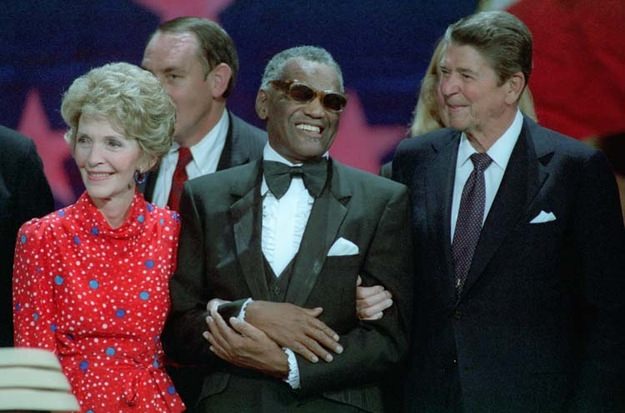
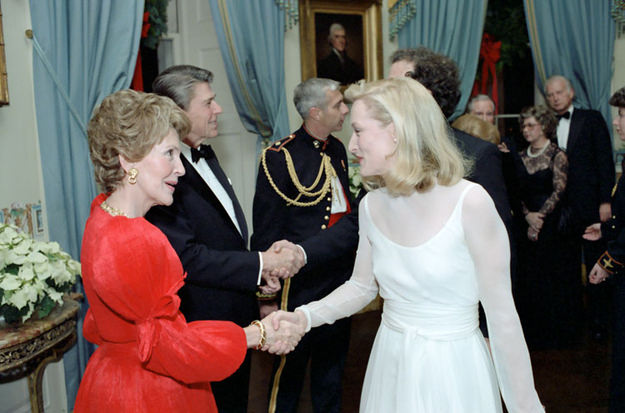
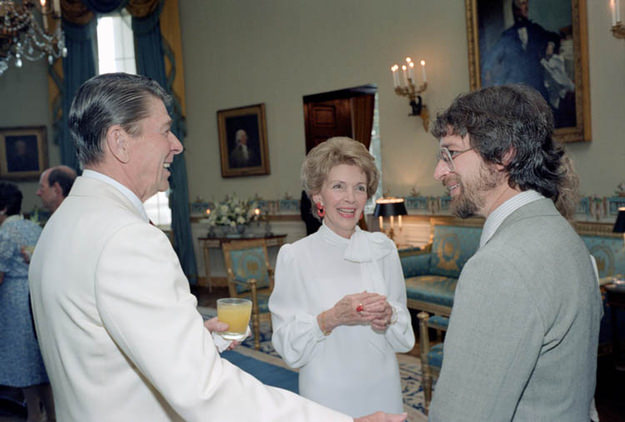
Steven Spielberg, fresh off the cultural phenomenon of “E.T.,” was another high-profile figure who moved through the Reagan White House’s entertainment circles.
British Prime Minister Margaret Thatcher was among the world leaders hosted at formal White House dinners, and even those serious state occasions featured entertainment from major performers like Bob Hope.
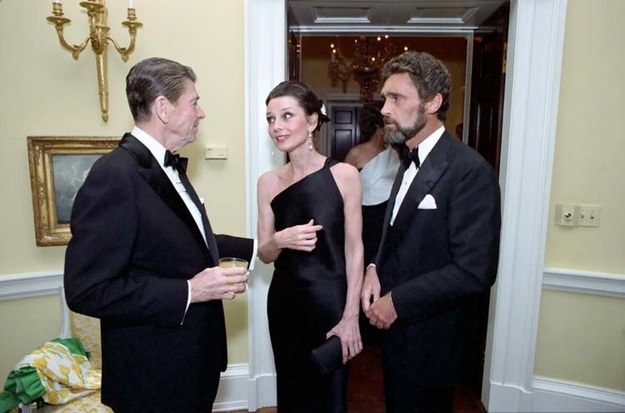
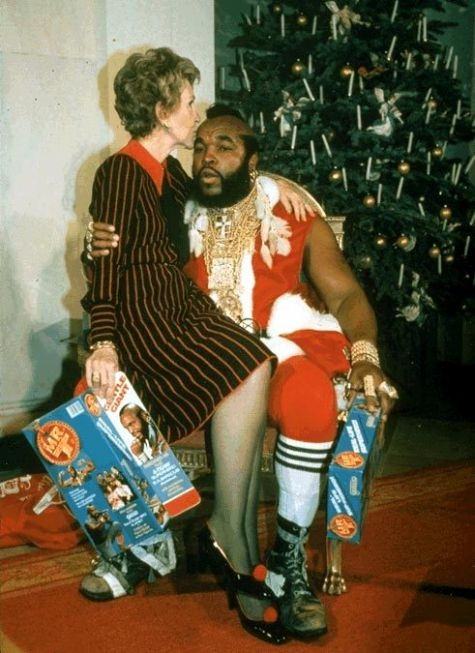
Not every White House celebrity moment was stiff or formal. Nancy Reagan famously showed her playful side when she sat on Mr. T’s lap — a photo that captured just how freely pop culture and presidential politics mixed throughout the decade.