William Henry Jackson was an American photographer, artist, and explorer who became one of the most important visual recorders of the 19th-century American West. Born in 1843, he started out as a commercial portrait photographer before turning his lens westward in 1870. His work went far beyond landscapes — he created a rare and detailed visual record of Native American tribal life at a time when that world was changing rapidly.
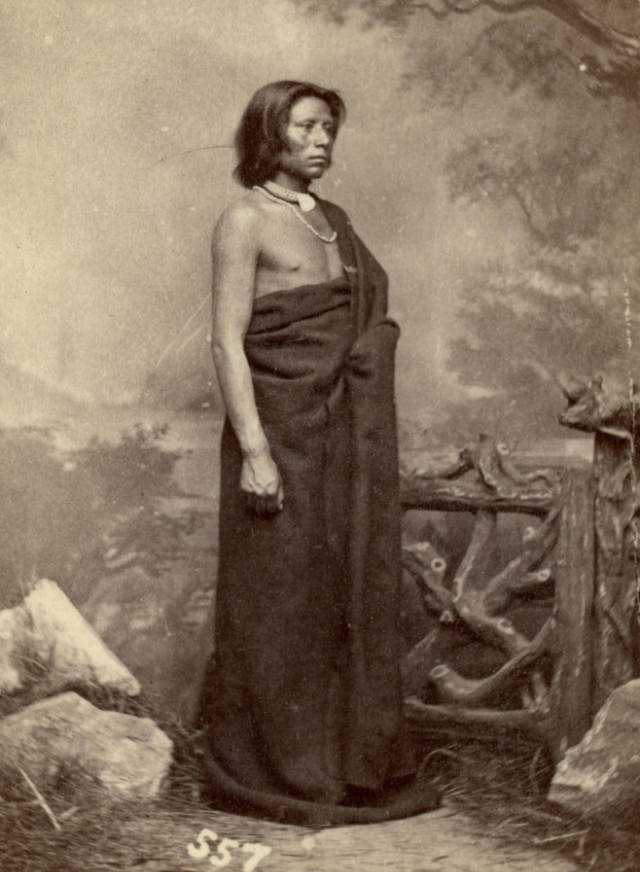
Jackson used the albumen print process, a technique that produced exceptionally sharp images on paper coated with egg white and silver nitrate. This gave his photographs a level of detail that was uncommon for the era. Every feather, bead, and piece of clothing in his portraits comes through with striking clarity.
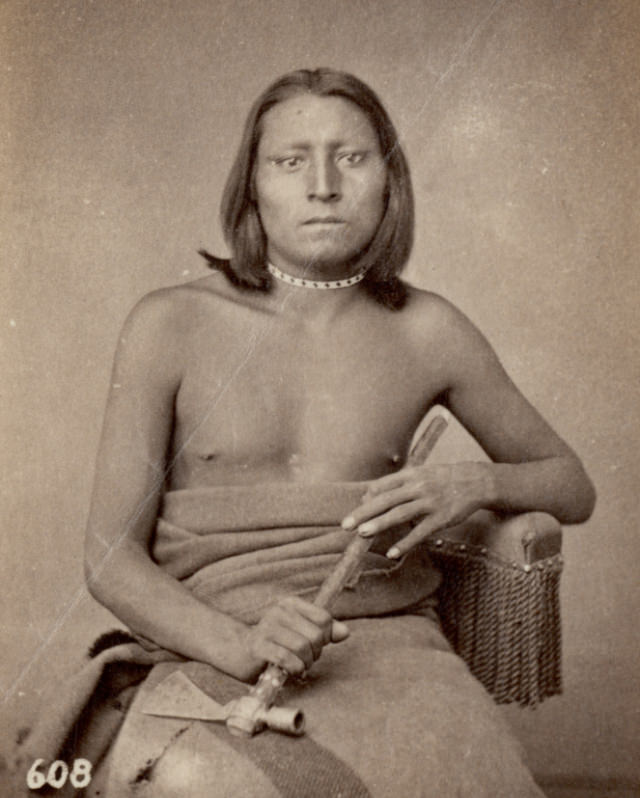
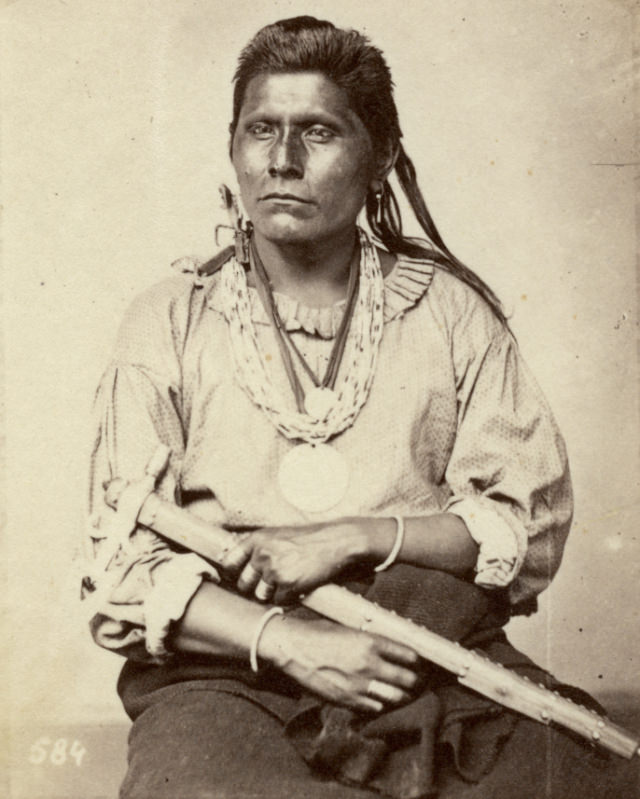
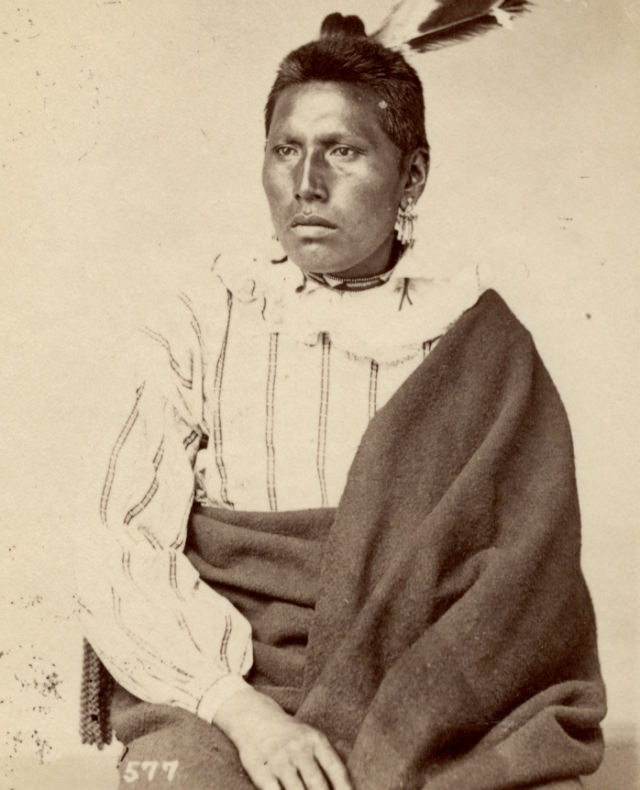
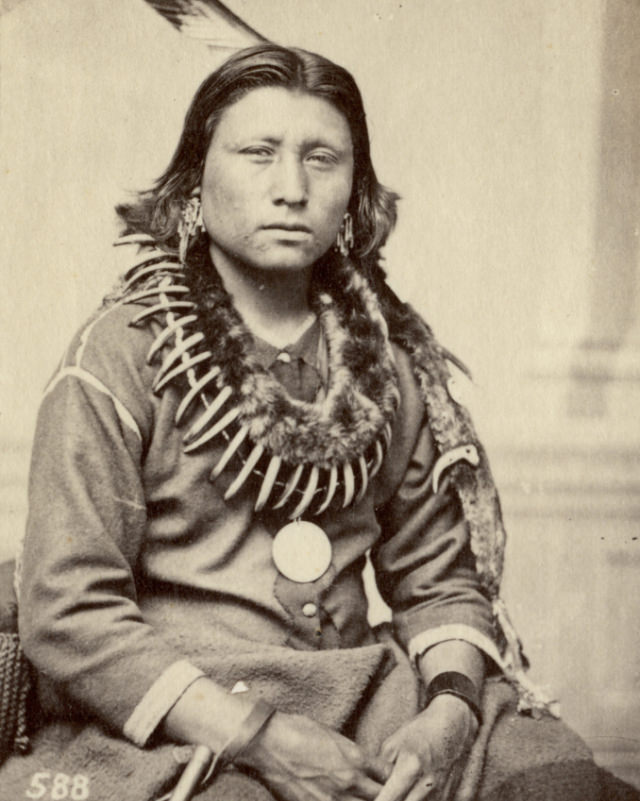
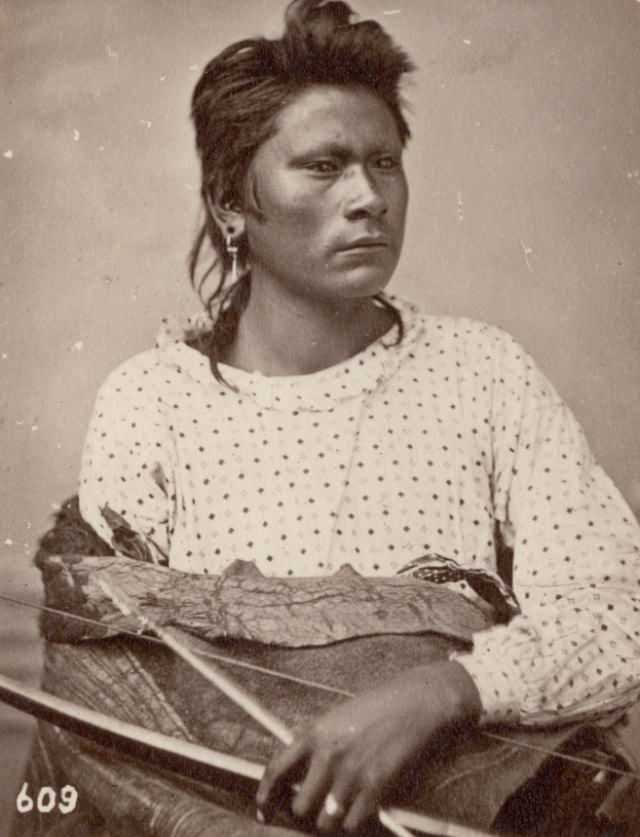
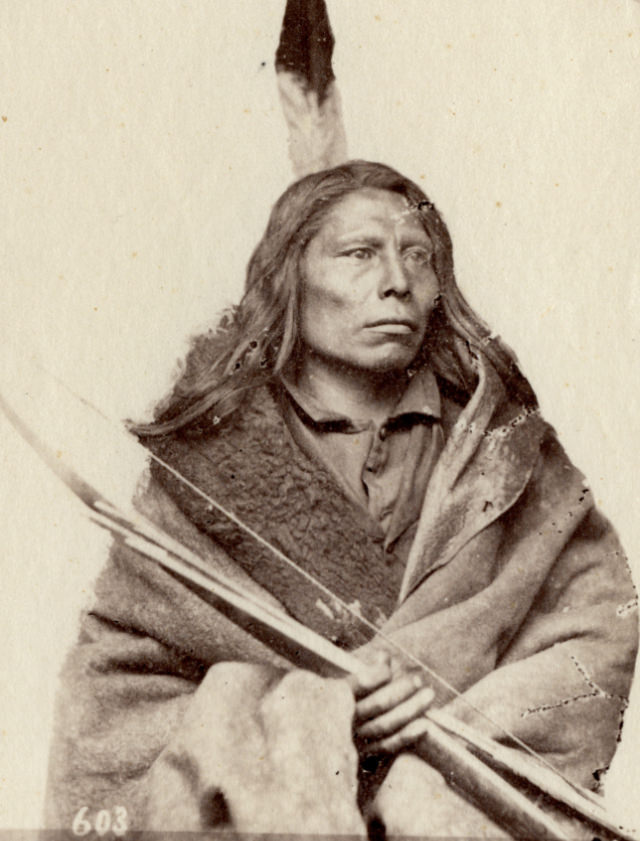
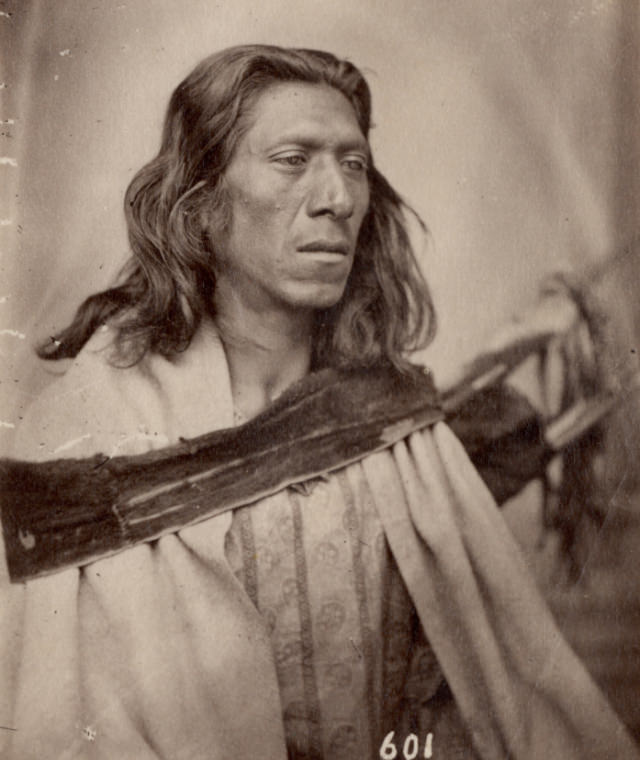
Among the most compelling subjects in Jackson’s body of work are the Pawnee people, a Native American nation whose homeland centered on the Loup and Platte rivers in present-day Nebraska. Jackson photographed Pawnee men and women in studio settings, carefully posed and dressed in traditional clothing and adornments.
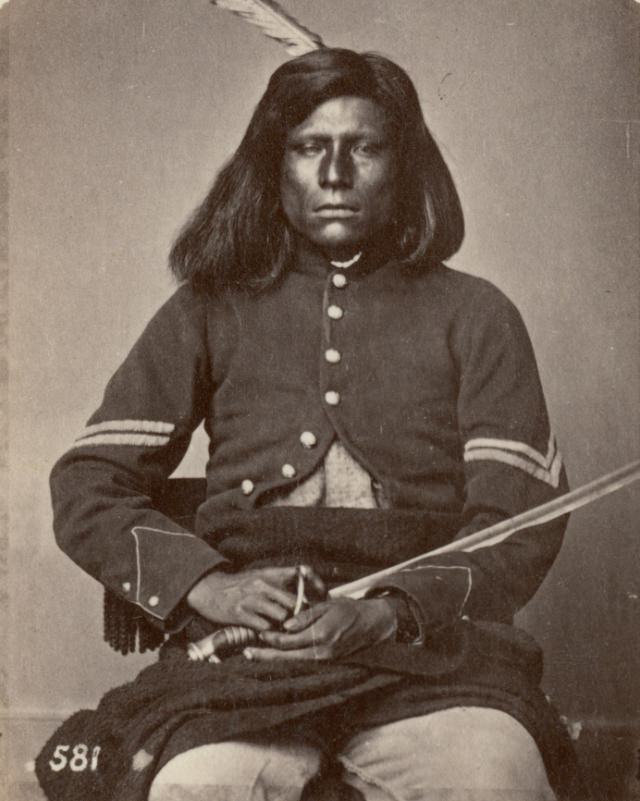
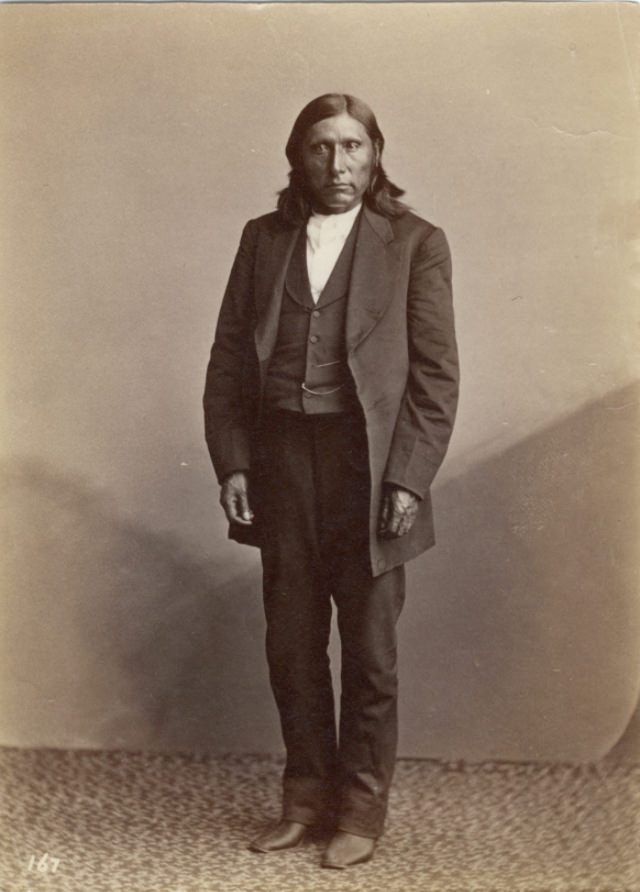
His early career as a portrait photographer shaped exactly how he approached these images. The subjects are positioned with intention — facing the camera directly, or turned at a slight angle to show detail. Lighting is controlled. The compositions are formal, much like any studio portrait of the period, but the subjects bring their own visual authority to each frame.
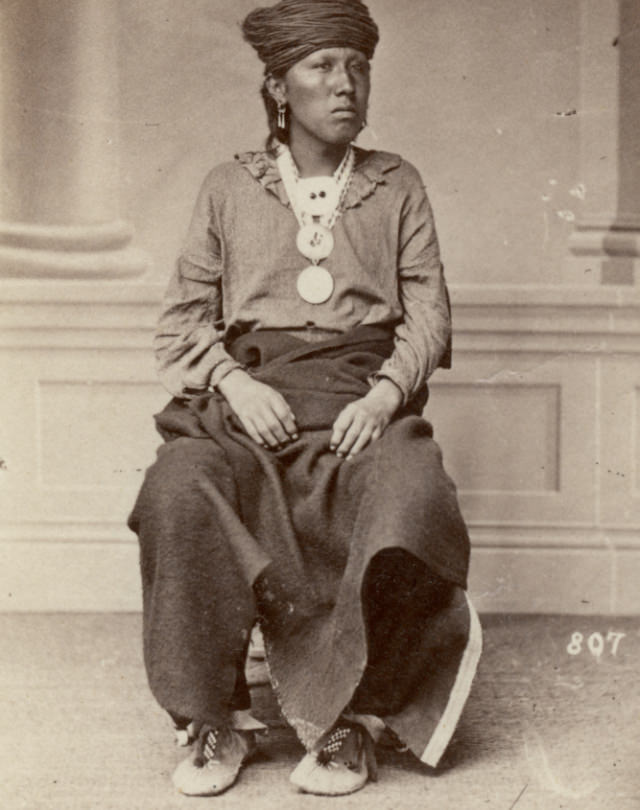
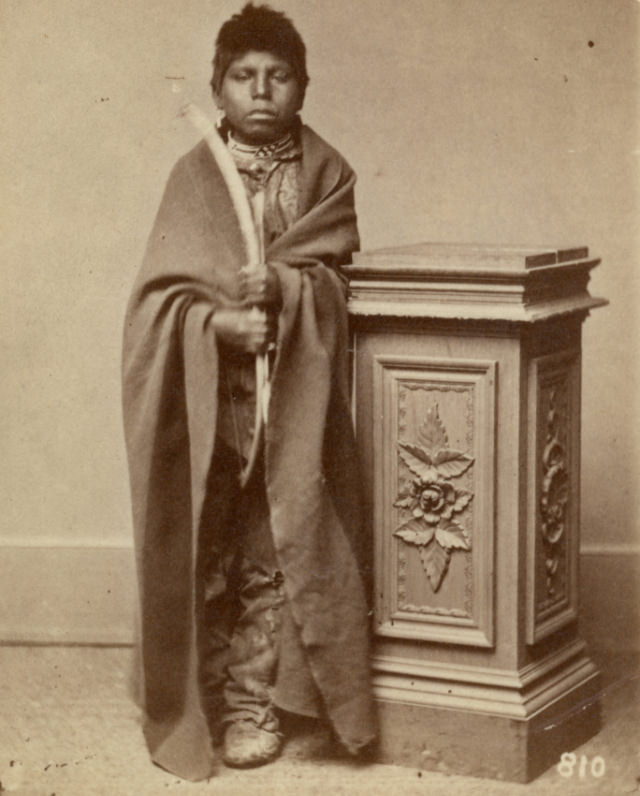
These photographs were taken away from the Pawnee’s own lands and surroundings — in studios, under controlled conditions. That context matters. The images reflect a documented moment in time rather than everyday Pawnee life. Yet they remain one of the few detailed visual records of Pawnee dress, ornamentation, and personal appearance from the 1870s.
Jackson was also a distant relative of Samuel Wilson, the man widely believed to be the real-life basis for Uncle Sam, America’s national symbol. Wilson was Jackson’s great-great uncle — a detail that places the photographer in an unexpected corner of American cultural history.
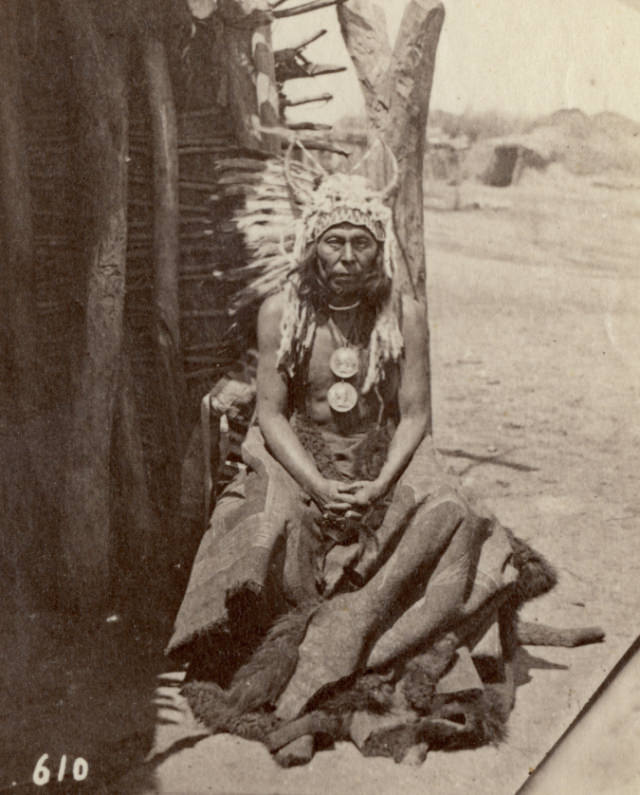
By 1870, Jackson had joined the U.S. Geological Survey of the Territories, led by Ferdinand V. Hayden. This gave him direct access to remote parts of the West that few photographers ever reached. His work during these expeditions documented not just land formations and geological features, but the people living in and around those territories.
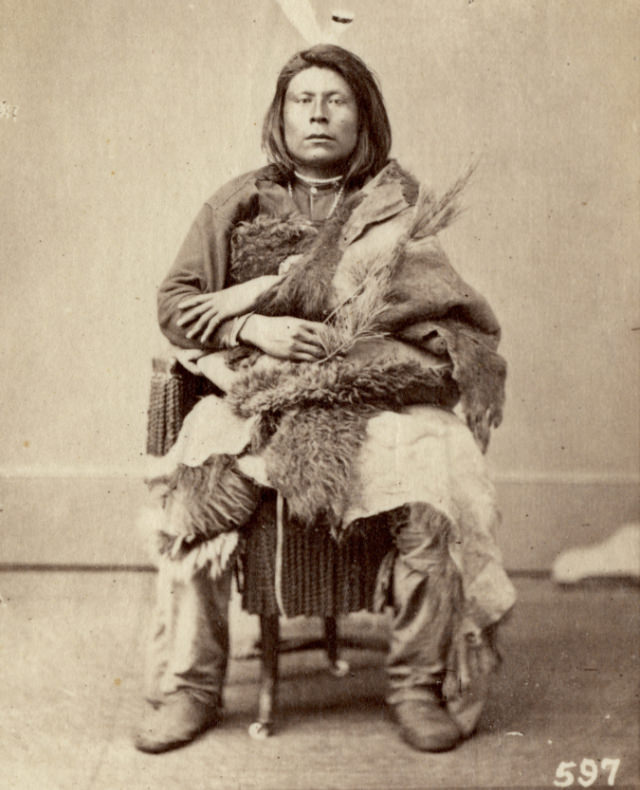
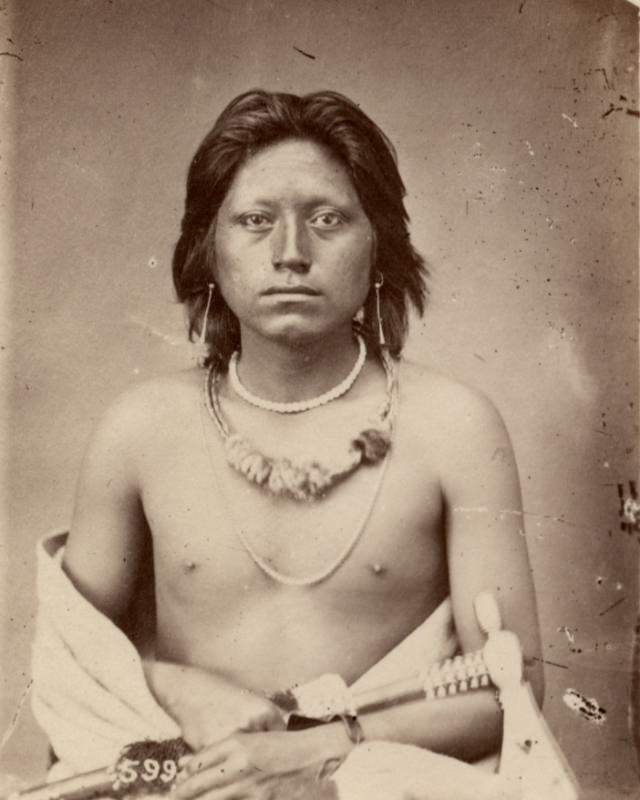
The Pawnee portraits stand apart from Jackson’s landscape work. Where his wilderness photographs capture scale and geography, these studio images focus tightly on individuals. Each portrait preserves a specific person — their face, their regalia, their presence — at a precise moment in history.
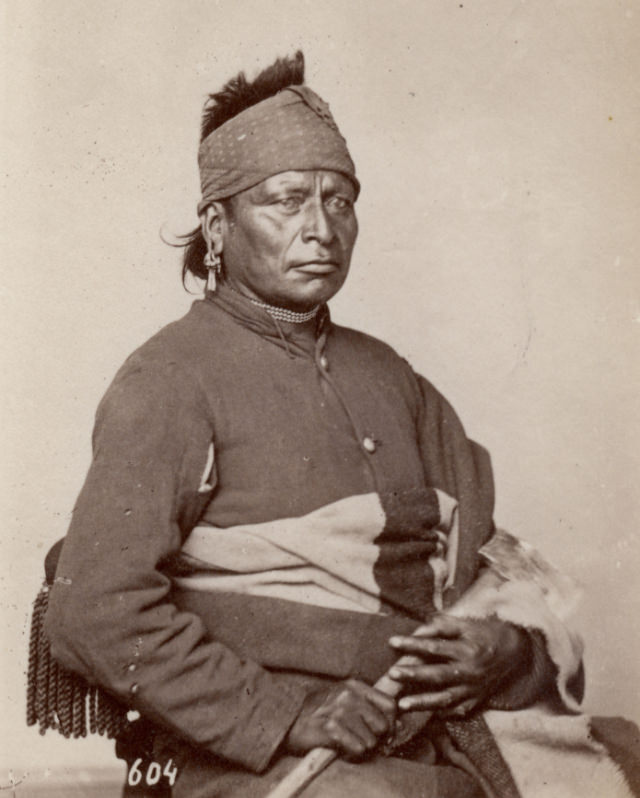
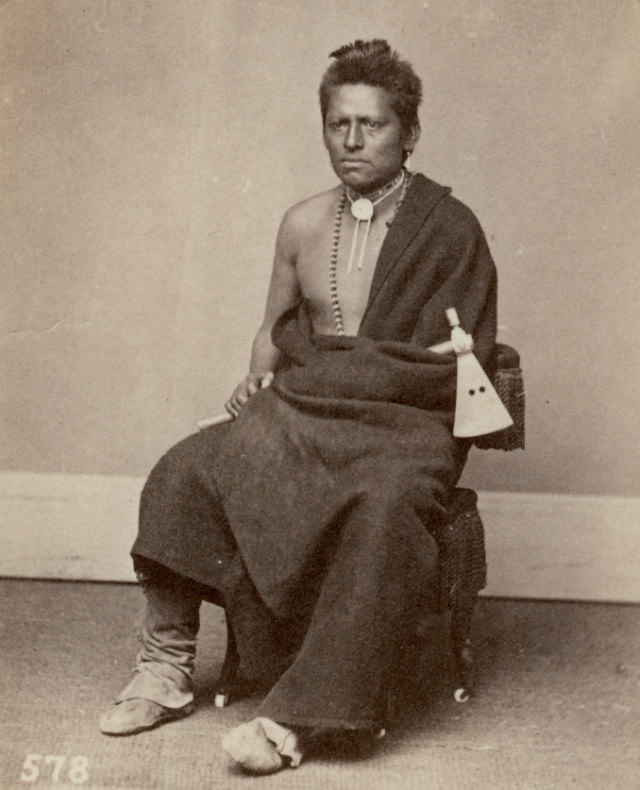
Traditional Pawnee dress shown in these photographs includes items like robes, blankets, and decorated garments, along with personal ornaments such as necklaces, earrings, and hair adornments. These were not props or costumes assembled for the camera — they were the subjects’ own clothing and belongings, worn as they would be for a significant occasion.
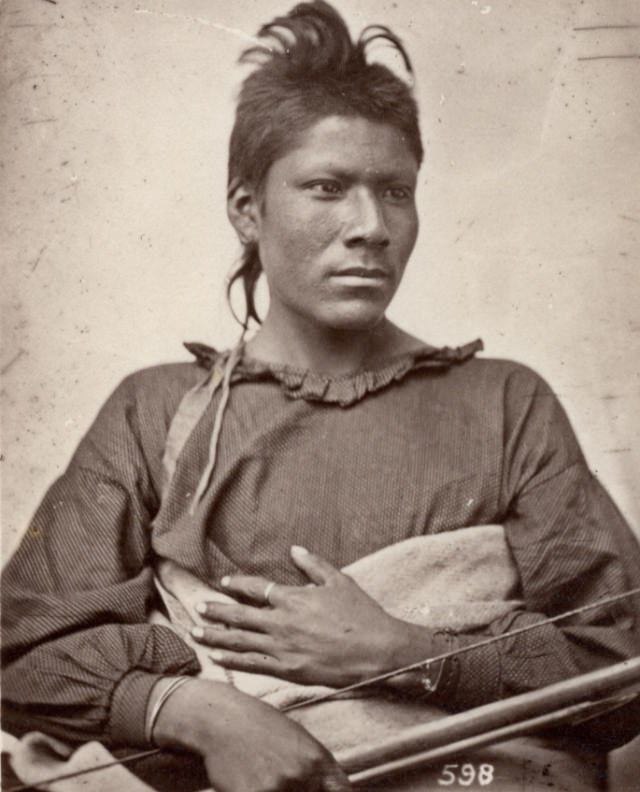
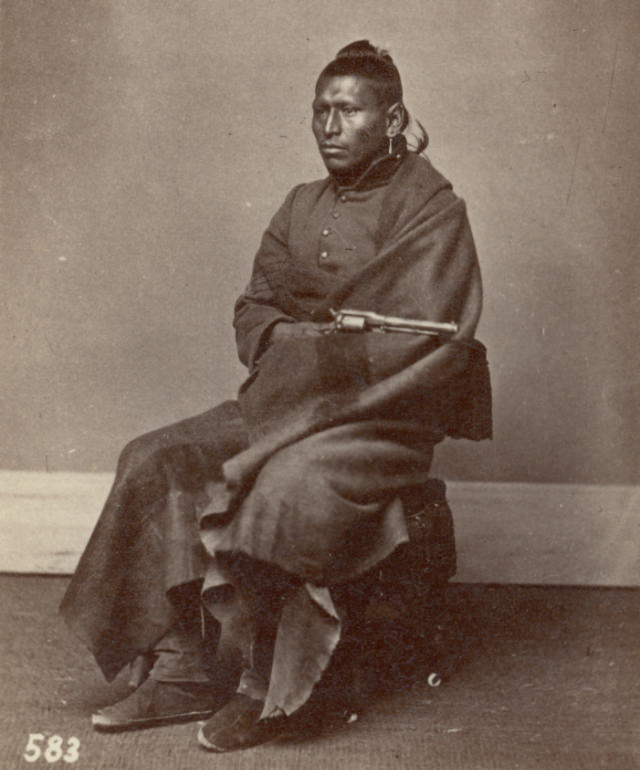
Jackson’s photographs are now held in archives and collections across the United States, including the Library of Congress and the Smithsonian Institution. They are studied by historians, anthropologists, and descendants of the people pictured in them.
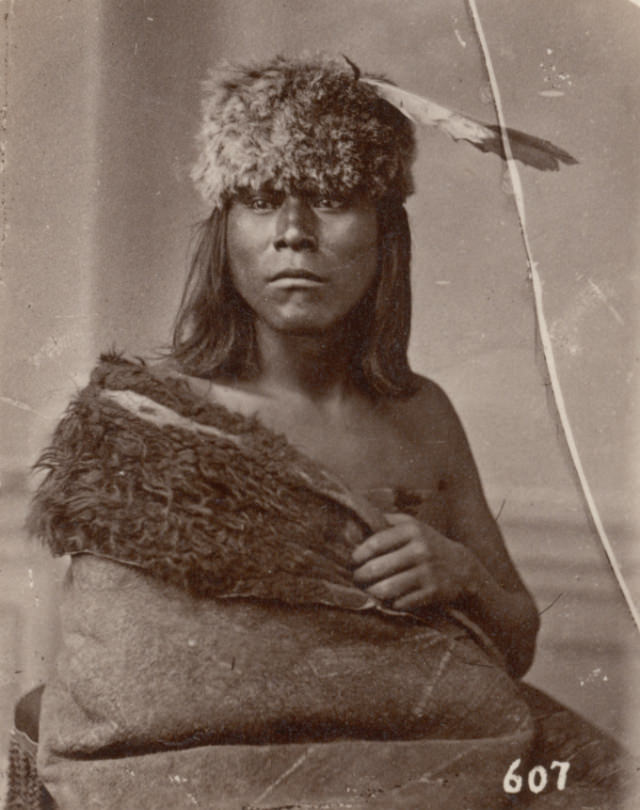
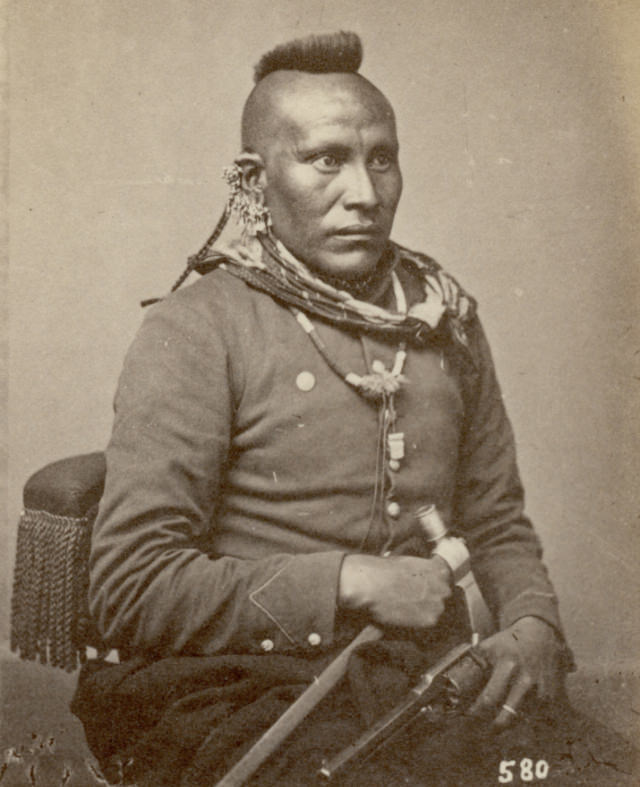
What makes these portraits particularly valuable is their rarity. Relatively few photographers of the 1870s had both the technical skill and the access to create this kind of record. Jackson had both, along with a portrait photographer’s understanding of how to frame a human subject with care and precision.
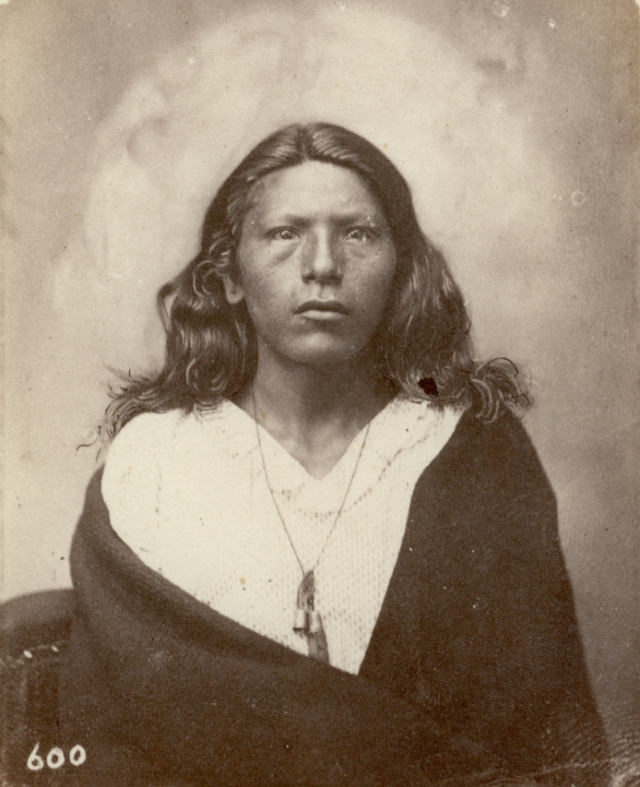
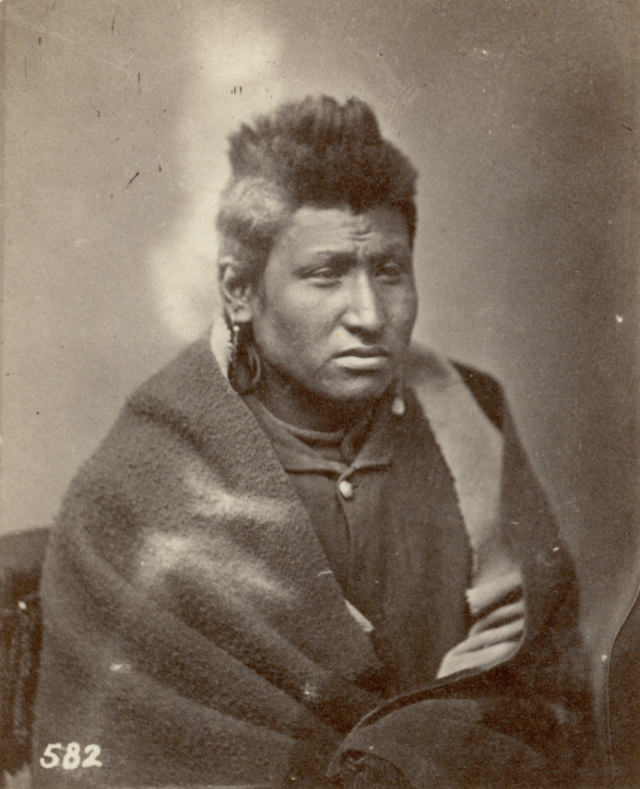
The faces in these photographs are not anonymous. They belong to real individuals who lived through a period of enormous upheaval for Native peoples across the continent. Jackson’s camera captured them not as curiosities, but as subjects worthy of the same careful attention he gave to any portrait commission.