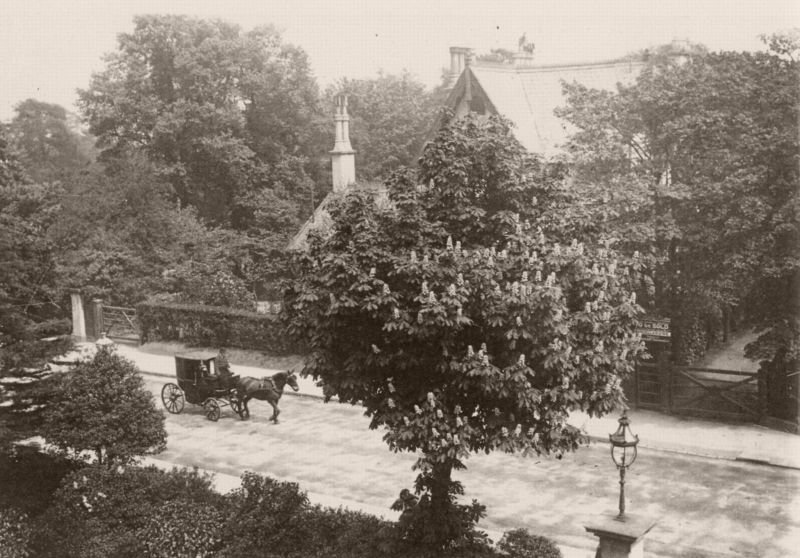
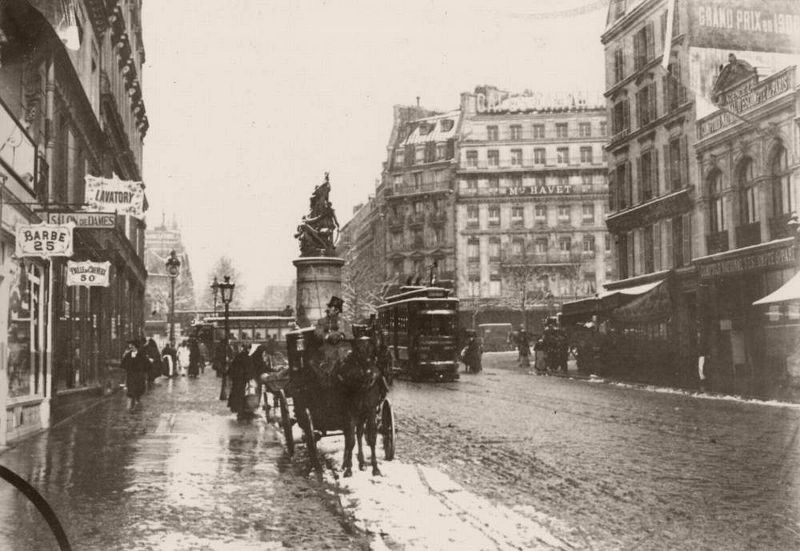
Émile Zola, the renowned French novelist, journalist, and playwright, is most famously recognized for his contributions to naturalism, a literary school that emphasizes observation and the scientific method in the story of human beings. However, there was another facet to his creative life that provides us with an illuminating window into Paris at the turn of the century: his passion for photography.
Born on April 2, 1840, and departing this world on September 29, 1902, Zola was an important figure in the literary landscape of France. But beyond his compelling narratives and captivating theatre, he also used his discerning eye to capture the spirit of Paris in the late 19th and early 20th centuries.
A Writer’s Eye Behind the Camera
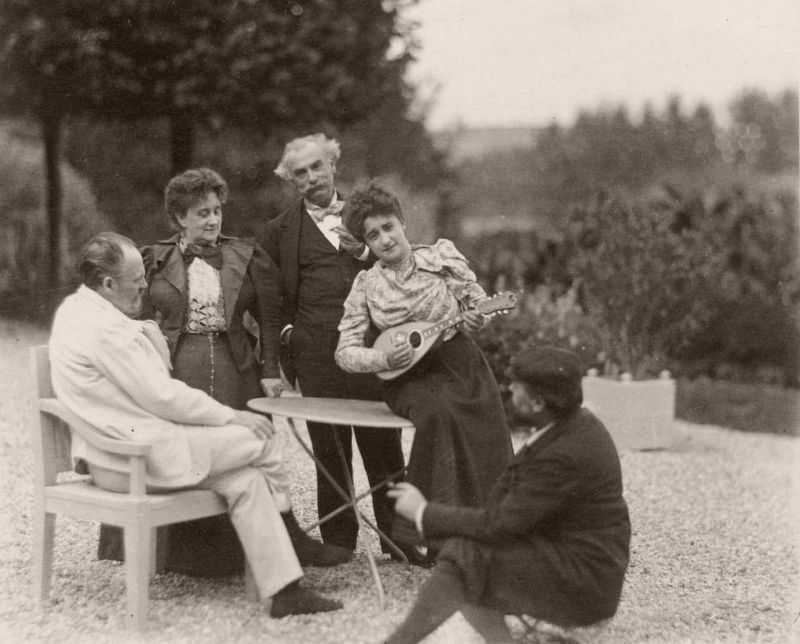
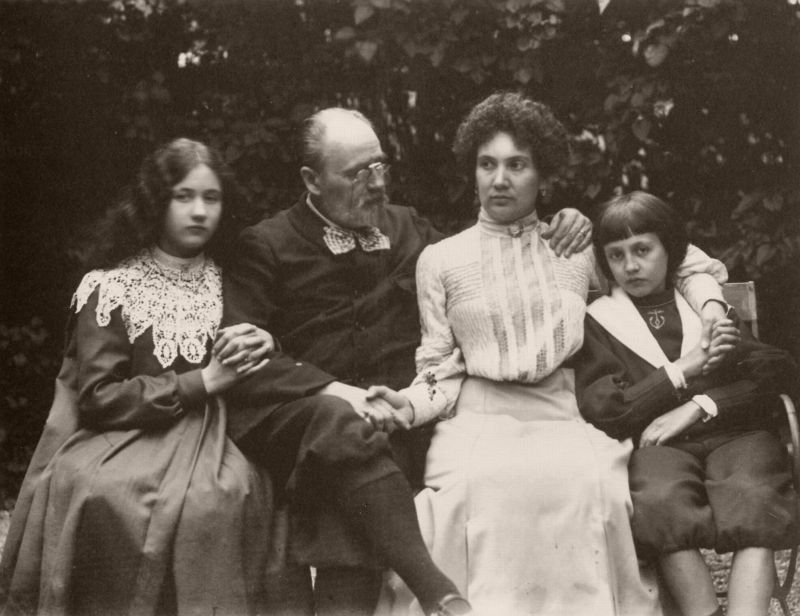
Photography at that time was a burgeoning field, still new and exciting. As a writer, Zola had a unique perspective when he looked through the lens of his camera. He brought the same attention to detail that he used in his novels and plays to his photography. The results are images that capture not just the structures and landscapes of Paris, but the very essence of the city at a time of significant change and growth.
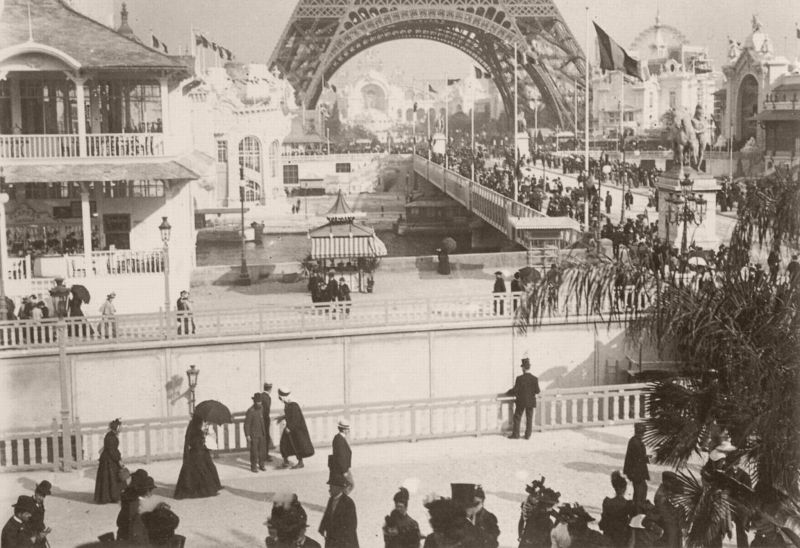
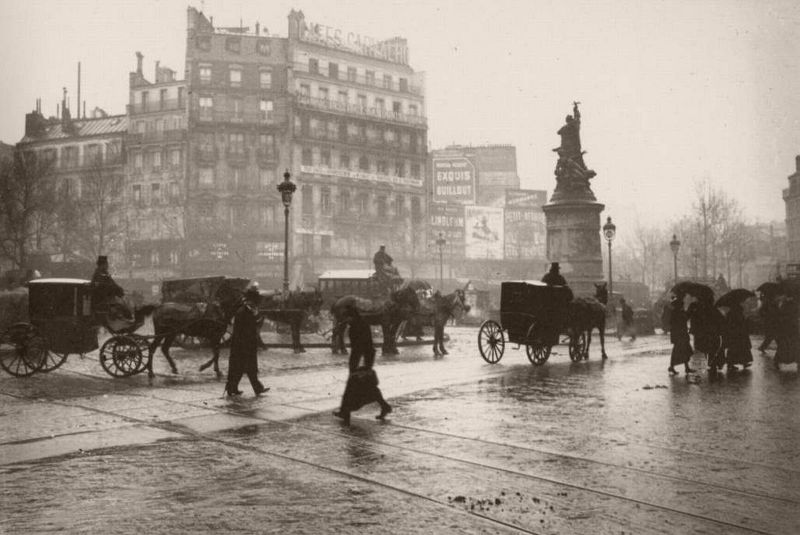
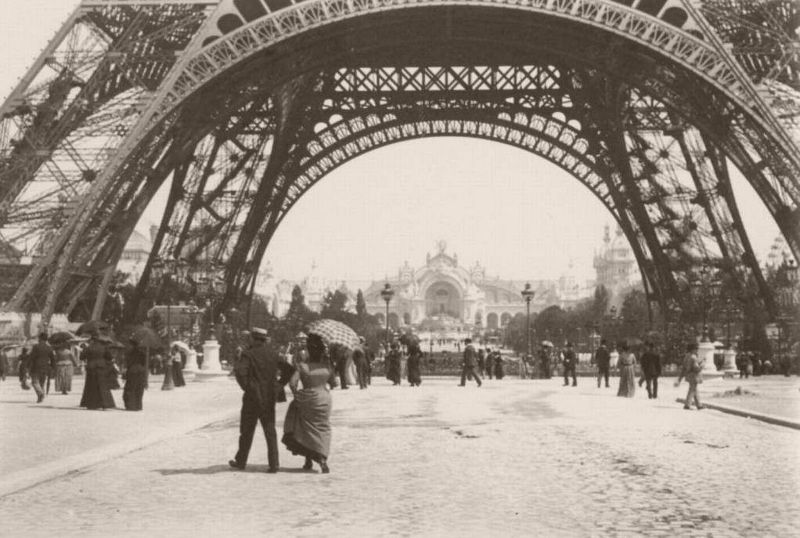
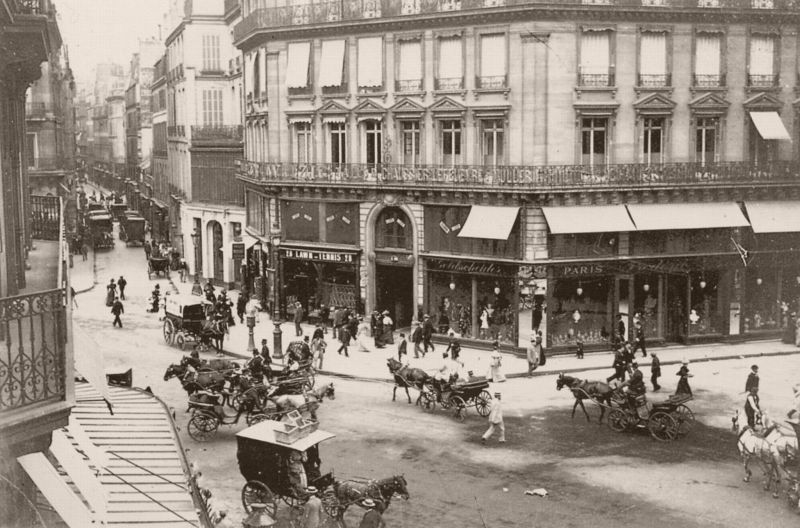
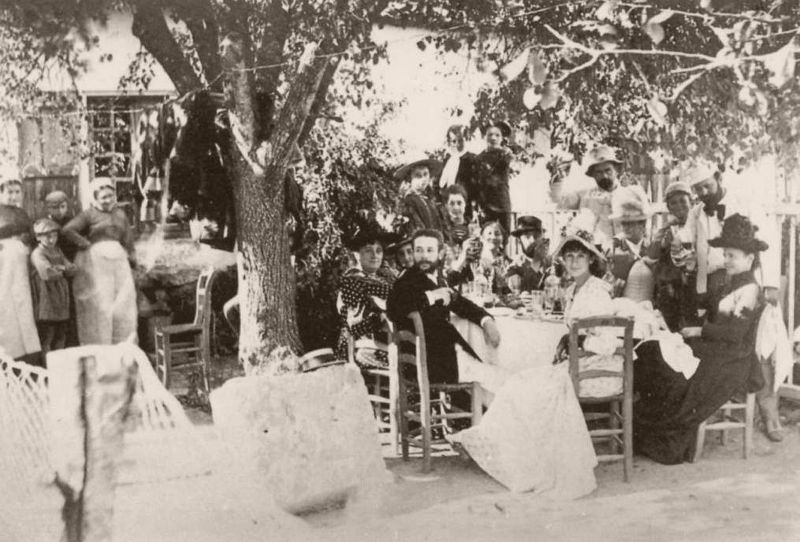
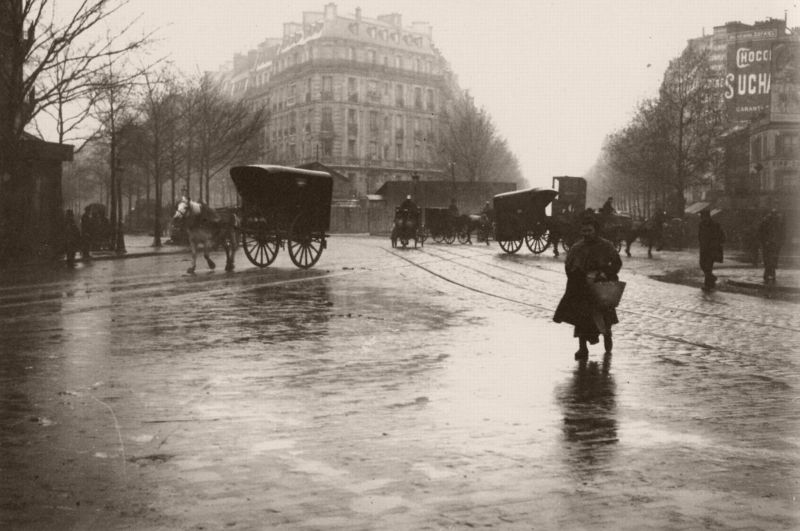
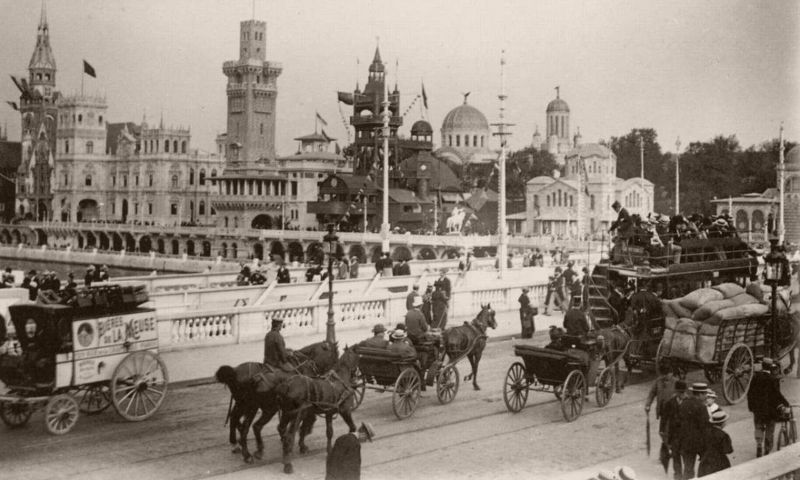
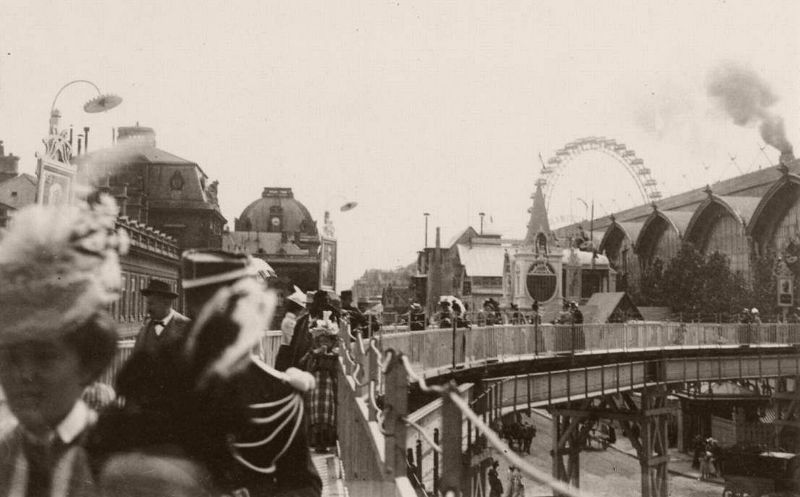
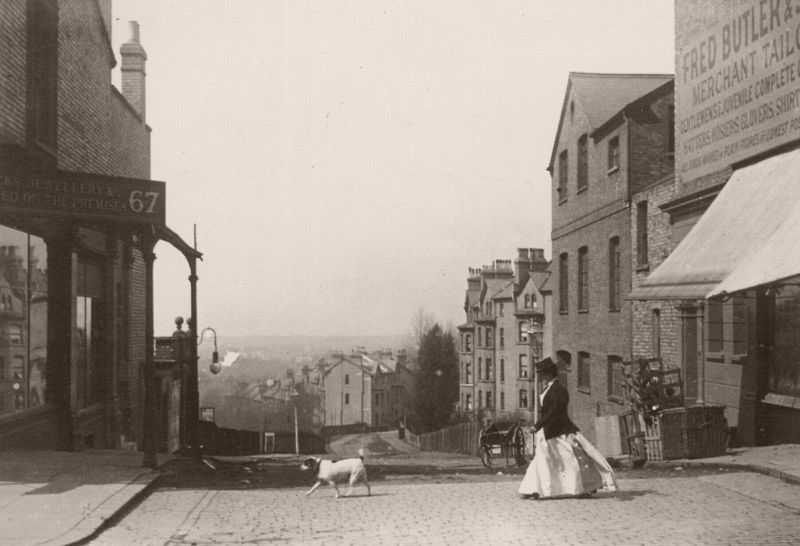
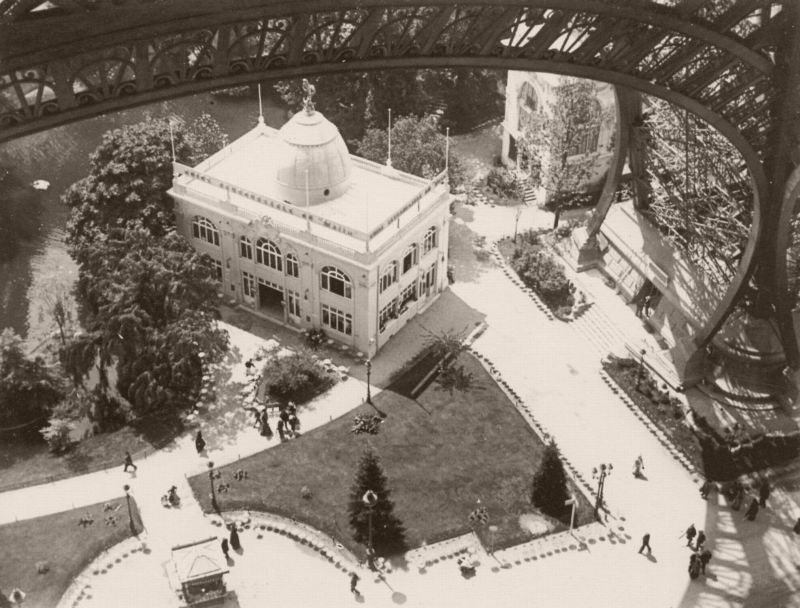
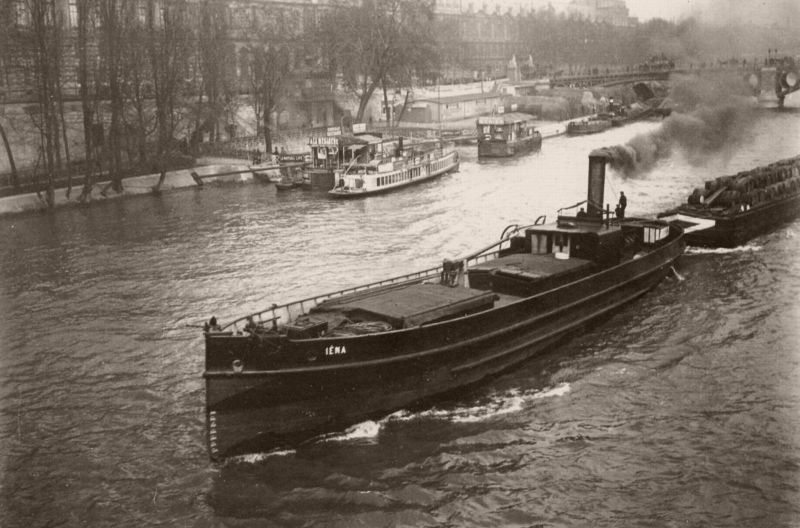
Zola was a keen observer, and through his photos, he managed to encapsulate a Paris that was transforming from the quiet charm of the 19th century to the bustling modern city of the 20th. His images feature iconic landmarks like the Eiffel Tower and the Louvre, but also the less glamorous parts of the city – its backstreets, its workaday citizens, and the Seine flowing quietly through it all. In Zola’s photos, we see the grandeur and the grit of Paris, the contrast that gives the city its unique character.
The Storyteller in the Shadows
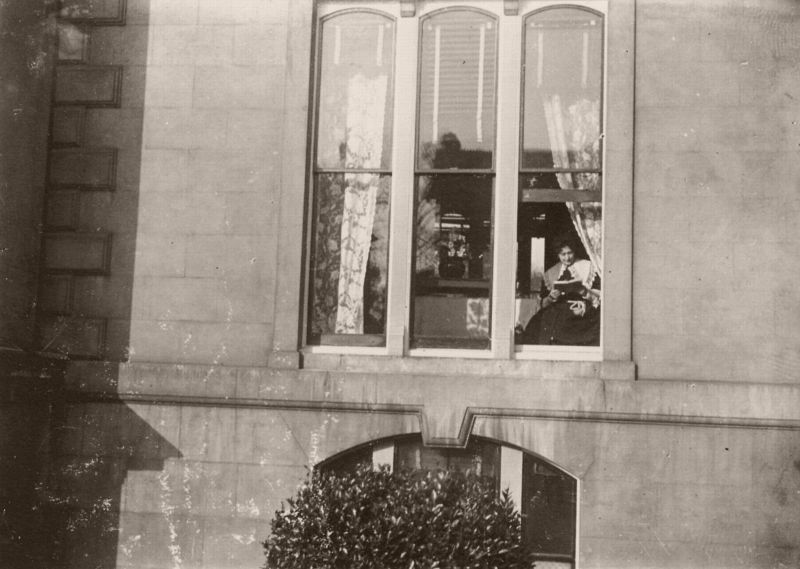
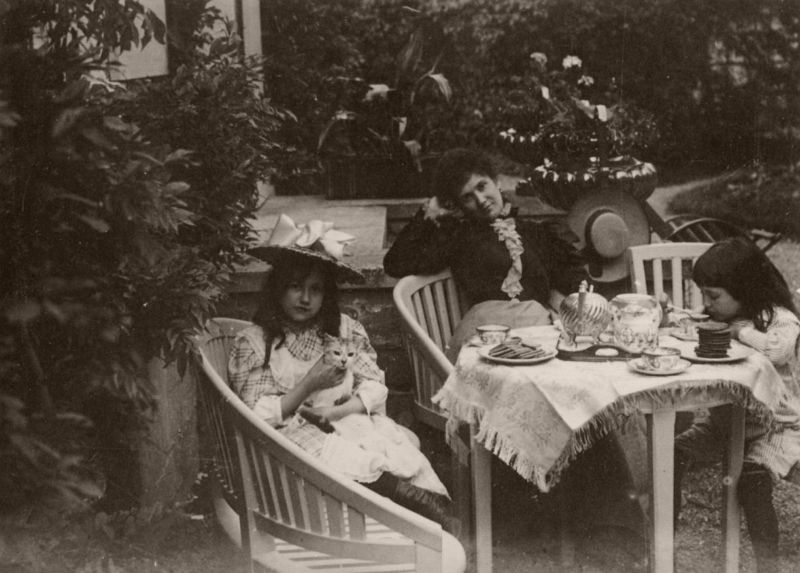
As a practitioner of literary naturalism, Zola was interested in the realities of life, and his photographs reflect this. They are not sanitized or romanticized versions of Paris, but a real, living city with its joys and sorrows, its light and shadows. This stark realism is what makes them so fascinating, providing a candid, almost voyeuristic peek into the everyday life of Parisians at the turn of the century.
Zola’s approach to photography was much like his approach to writing: he was a silent observer, allowing the city and its people to tell their own stories through his lens. He did not seek to impose a narrative on his subjects, but rather let them speak for themselves. This unobtrusive approach allowed him to capture authentic moments that resonate with viewers even a century later.
Zola’s Paris – A Timeless Legacy
Despite his untimely death in 1902, Zola’s legacy lives on, not just through his written work, but also through his photography. His vivid images give us a fascinating glimpse into a bygone era and offer a deeper understanding of Paris at a crucial point in its history. Through his camera, we can see the transformation of the city, the birth of modern Paris, and the timeless spirit of its people.
Zola’s photographs are a treasure trove for historians, artists, and anyone interested in the life and culture of Paris at the turn of the century. They are a testament to his artistic vision and a beautiful illustration of the city he loved. Through his eyes, we are able to journey back in time and experience the magic of Paris in an era of transformation and change.