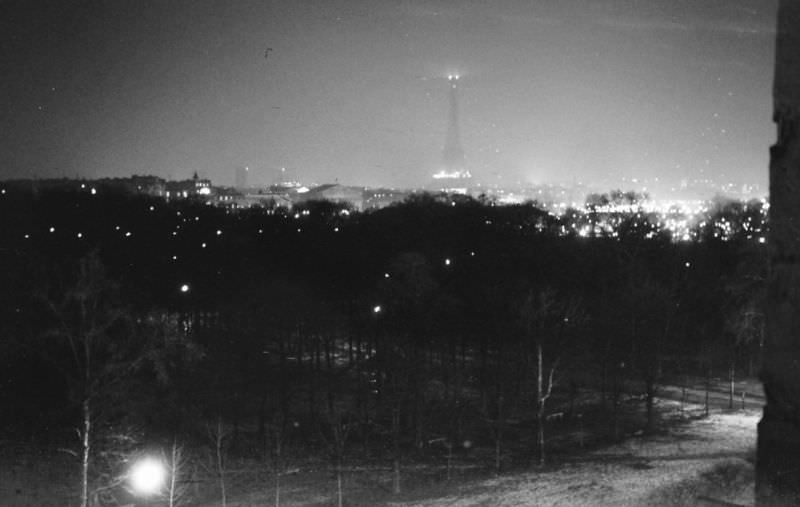
Paris in December 1969 was a city caught between two eras. The upheaval of May 1968 — the student riots, the general strikes, the near-collapse of de Gaulle’s government — was still fresh. The streets hadn’t fully settled. Political posters clung to walls, and a restless energy ran just beneath the surface of everyday life. These photographs, taken by a visitor documenting the city’s transport network and street life, offer a ground-level view of Paris at that exact moment.
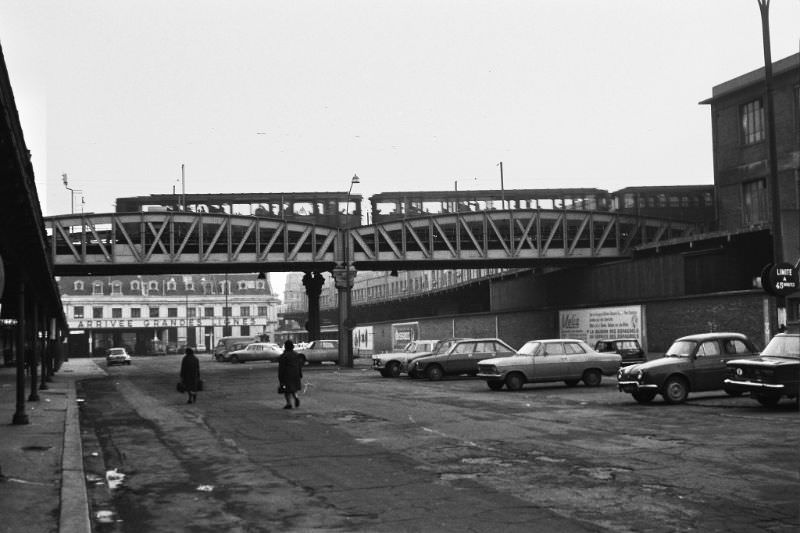
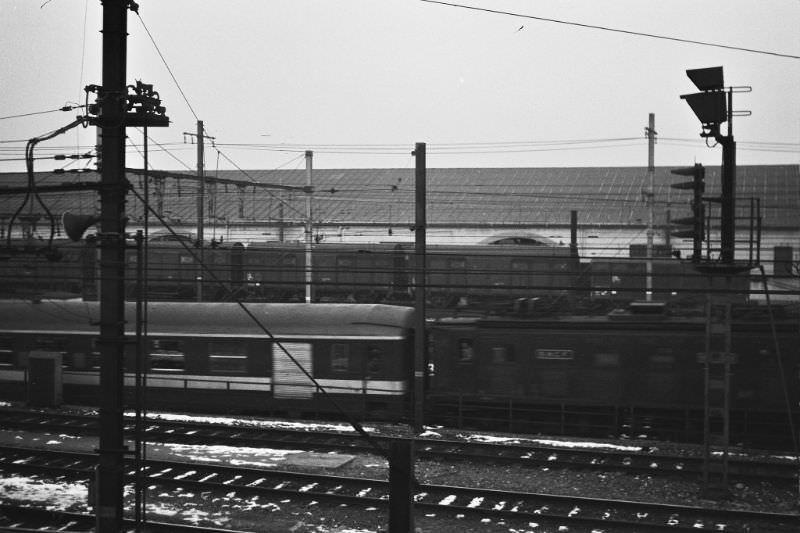
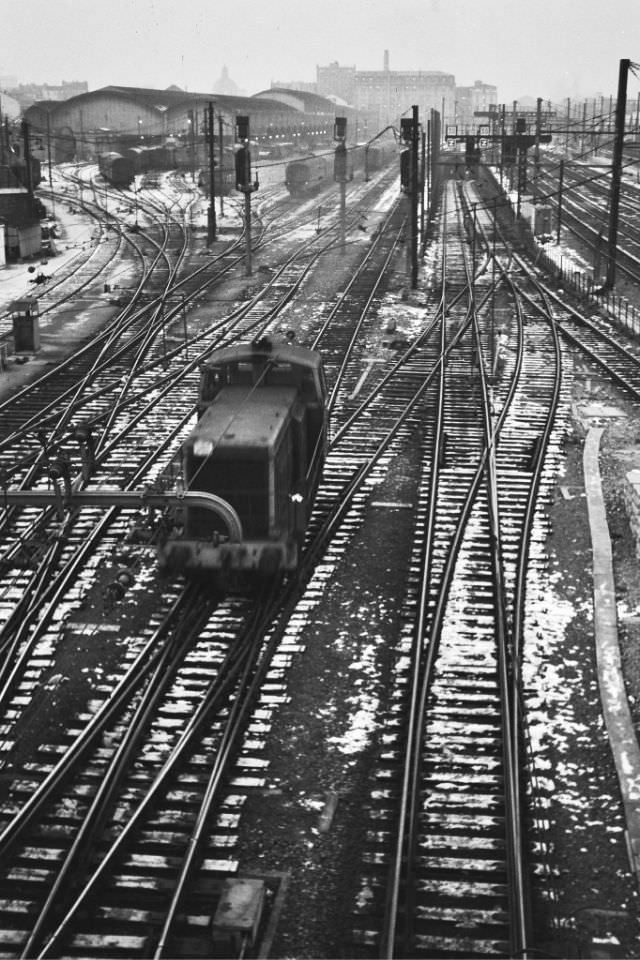
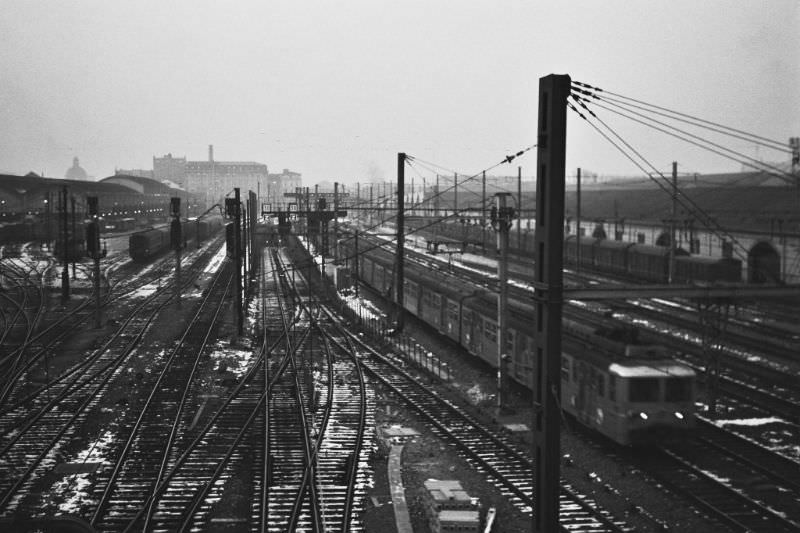
Gare d’Austerlitz was one of the city’s major rail hubs, anchoring routes that ran southwest toward Bordeaux, Toulouse, and beyond. In December 1969, the station hummed with the movement of commuters, long-distance travelers, and freight. Platforms were dense with activity — porters, passengers dragging luggage, and the constant arrival and departure of SNCF locomotives.
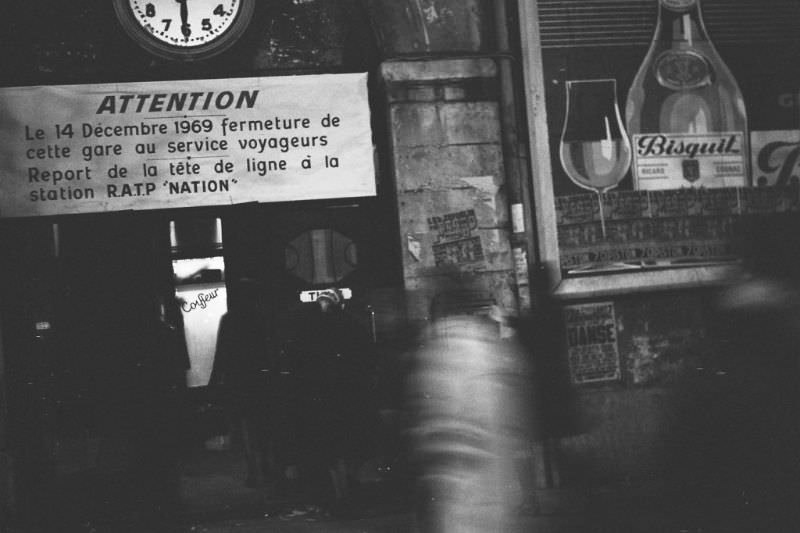
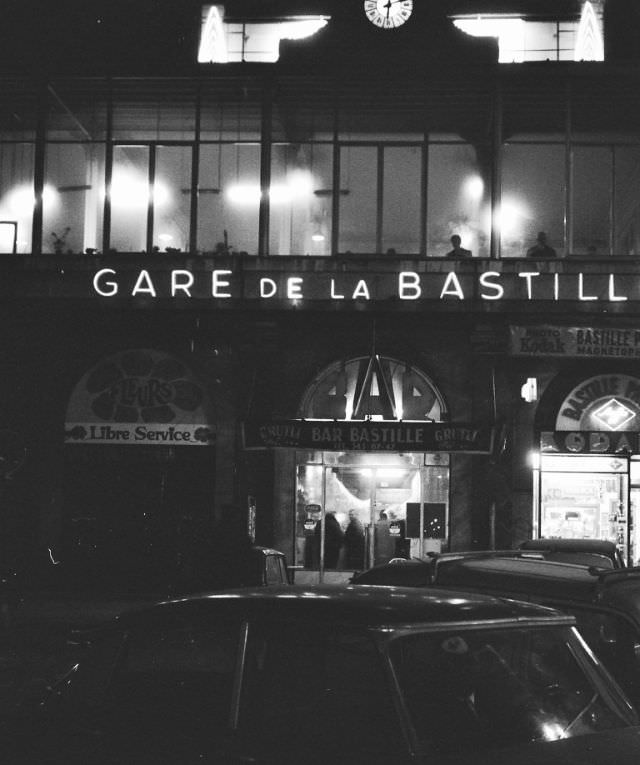
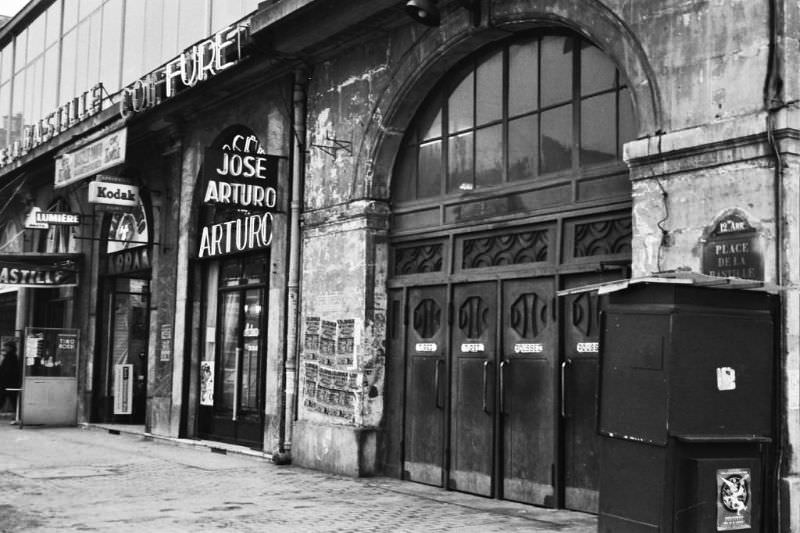
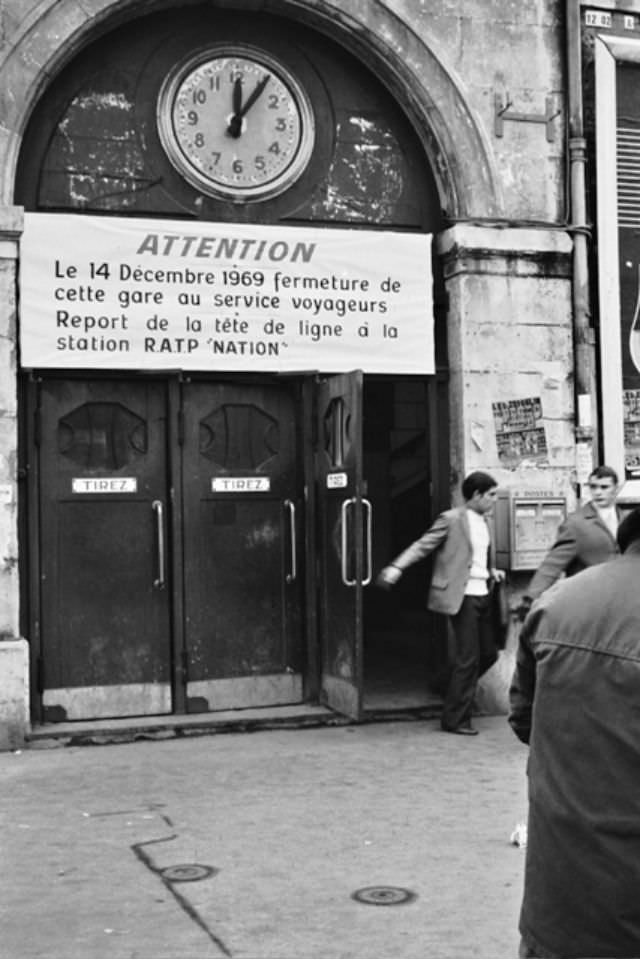
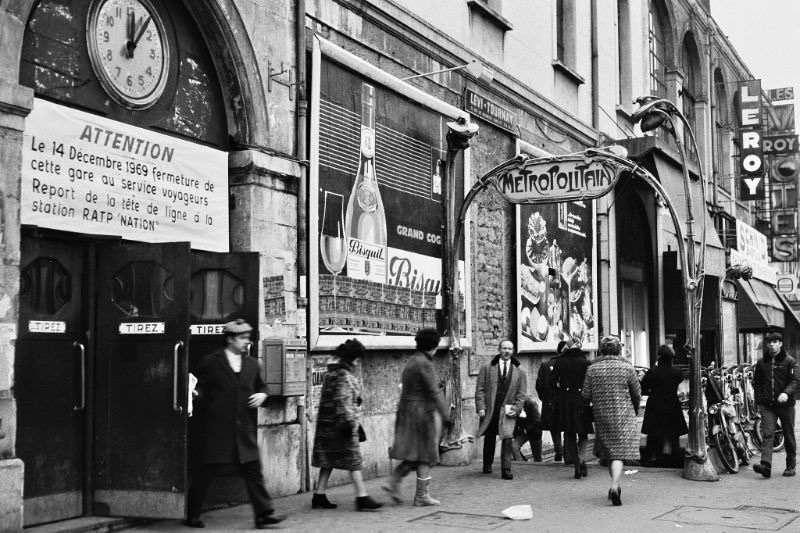
Not every station had a future. Gare de la Bastille, which had served the Vincennes line since 1859, was days away from permanent closure. A “train-off” poster announced the end of service and the transfer of the line’s terminus to Nation Métro station. The closure marked the end of a 110-year chapter in Parisian rail history.
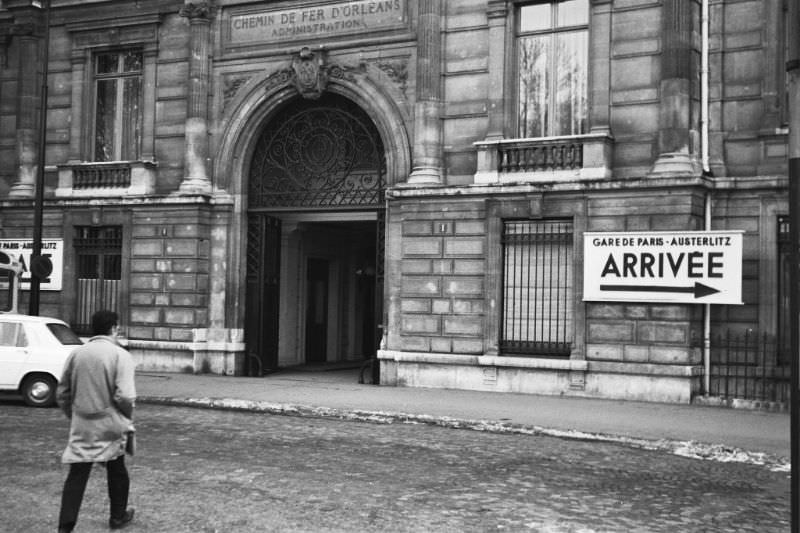
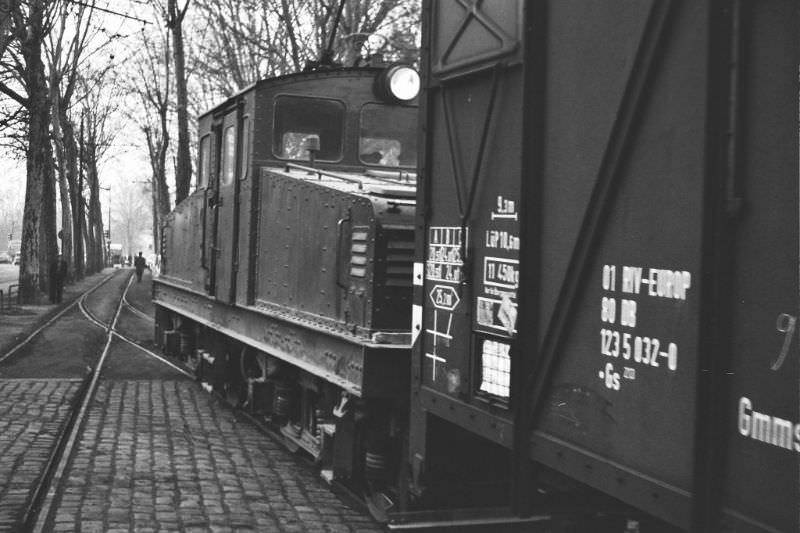
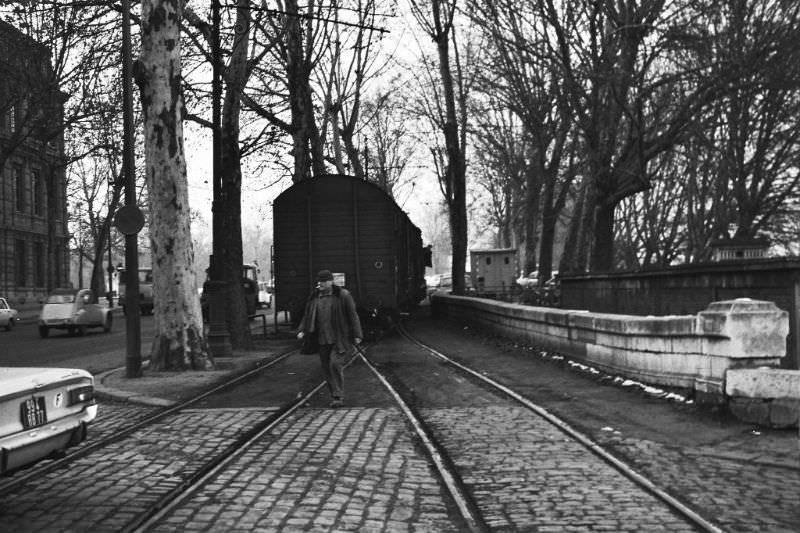
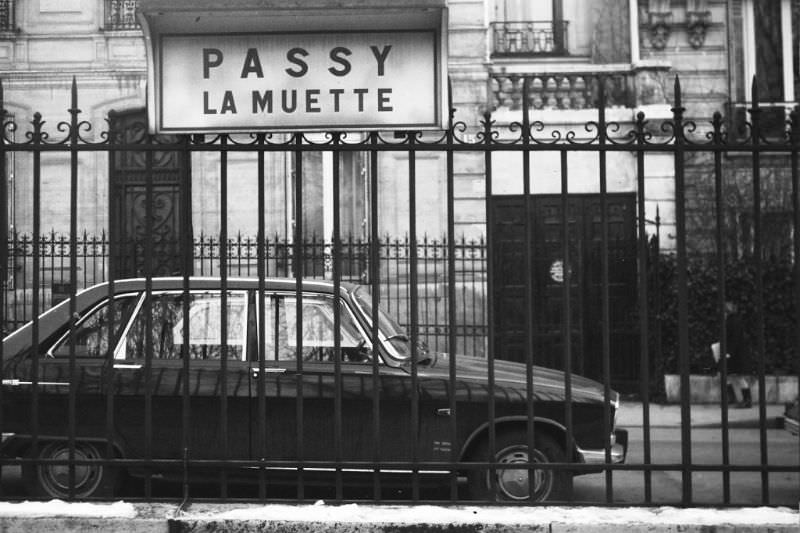
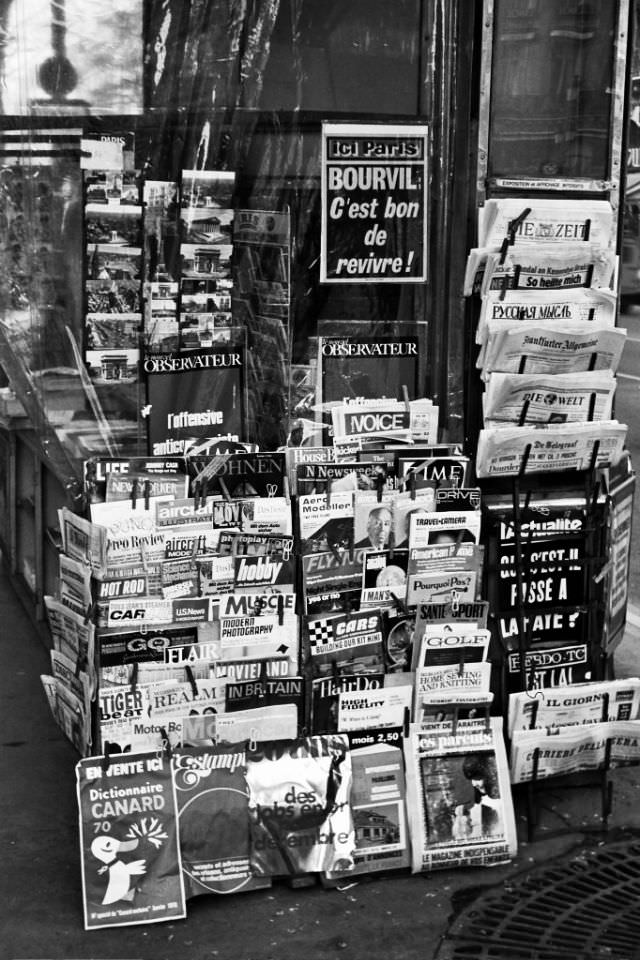
Outside the stations, the streets told their own story. Citroëns and Peugeots jostled for space on narrow roads. Vendors worked the sidewalks. Coal smoke and diesel exhaust hung over the rooftops, especially in the colder months, giving the city a hazy, gray-toned atmosphere that these photographs capture plainly.
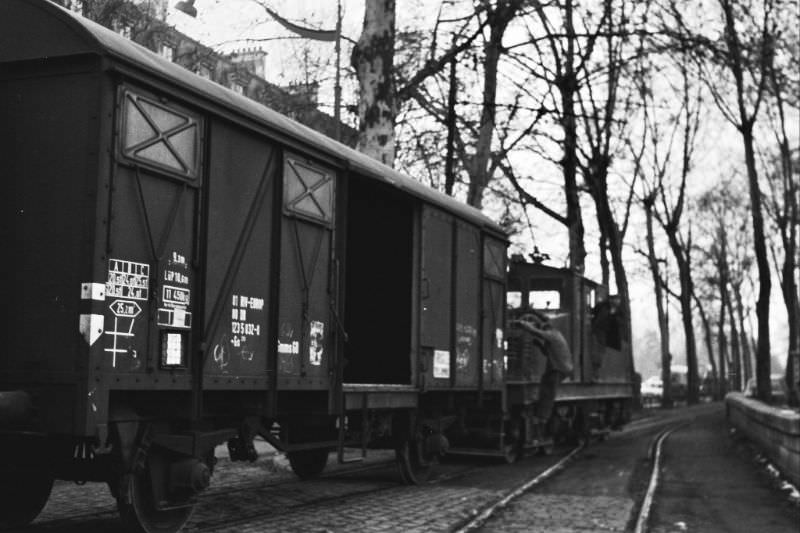
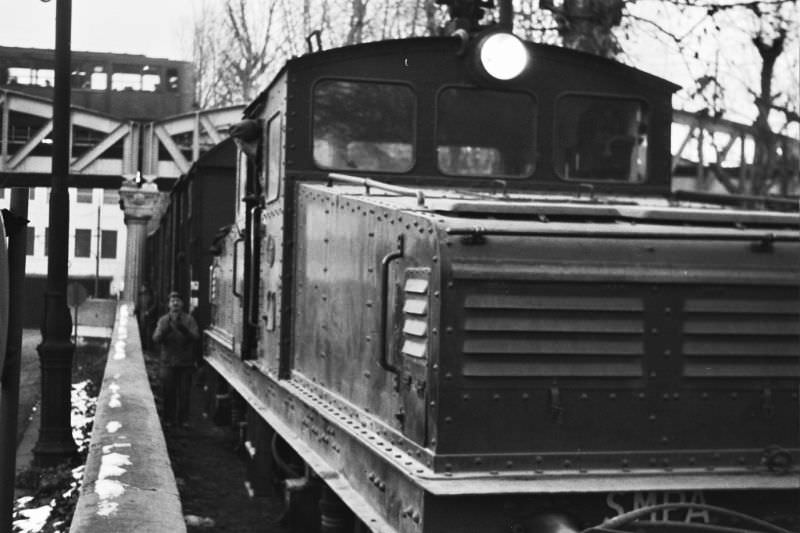
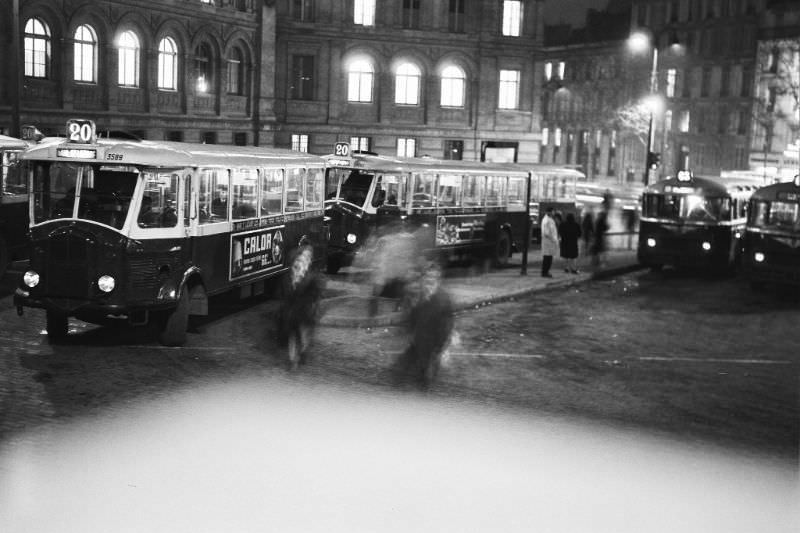
Gare de Lyon, another of Paris’s six major terminals, served as a convergence point for bus lines threading through the city’s core. Buses looped tightly around its forecourt, loading and unloading in a rhythm dictated by timetables and traffic.
Gare Saint-Lazare was — and remains — the busiest train station in France. In 1969, it handled a massive volume of suburban commuter traffic entirely within the city’s bounds. Trains departed in rapid succession, carrying workers from the western suburbs into central Paris and back again each day.
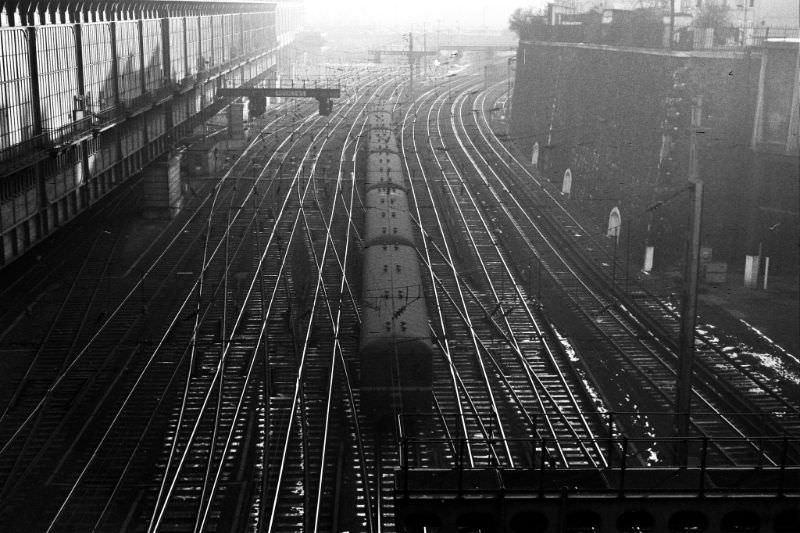
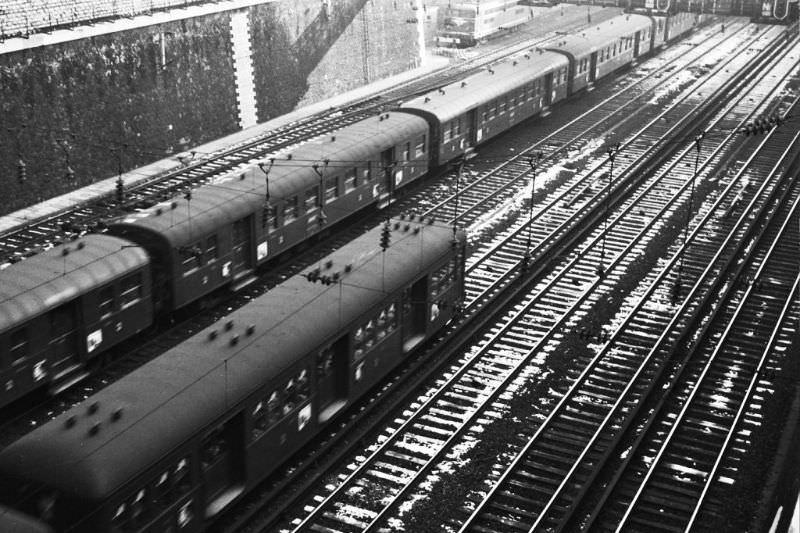
Safety infrastructure at Saint-Lazare was practical and direct. A dedicated walkway crossed the tracks and forced pedestrians to pause and look both ways — a simple but effective measure given the volume of trains moving through the terminal throat at any given time.
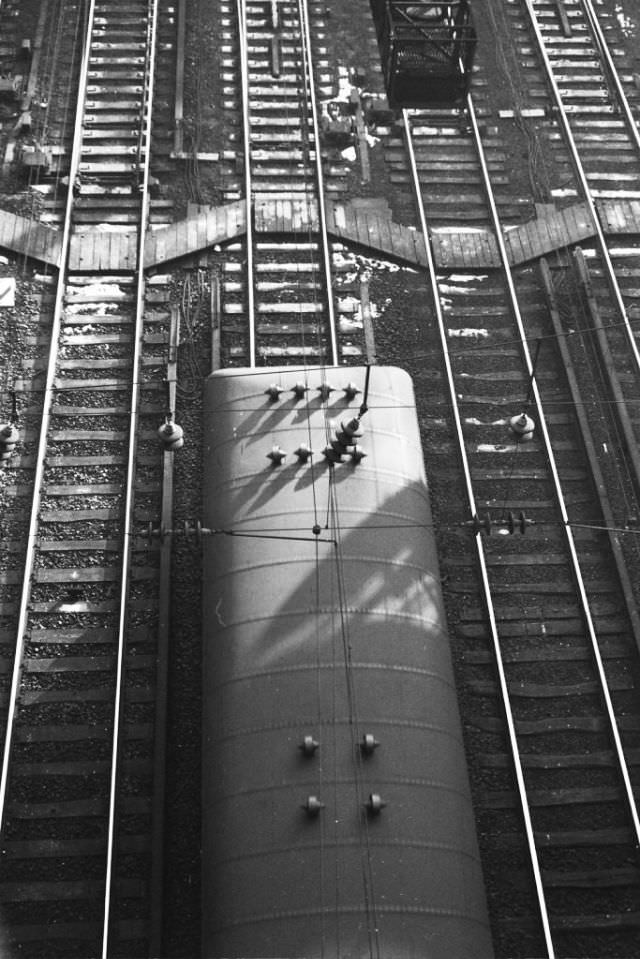
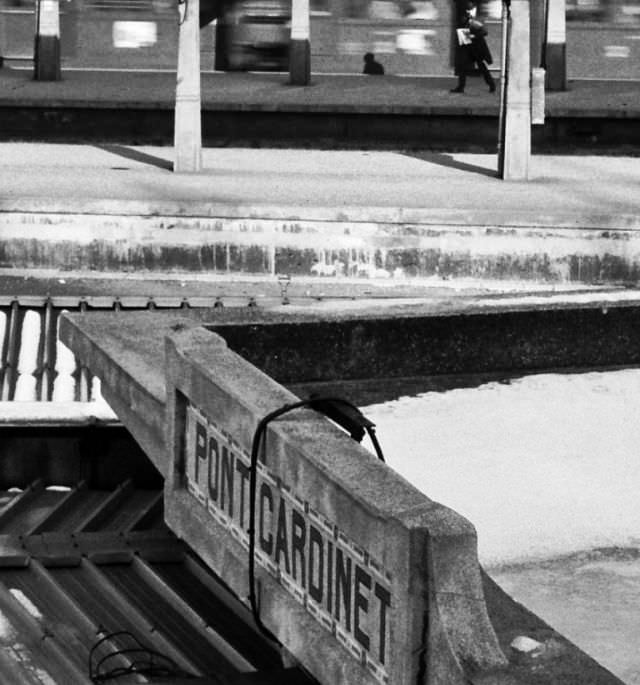
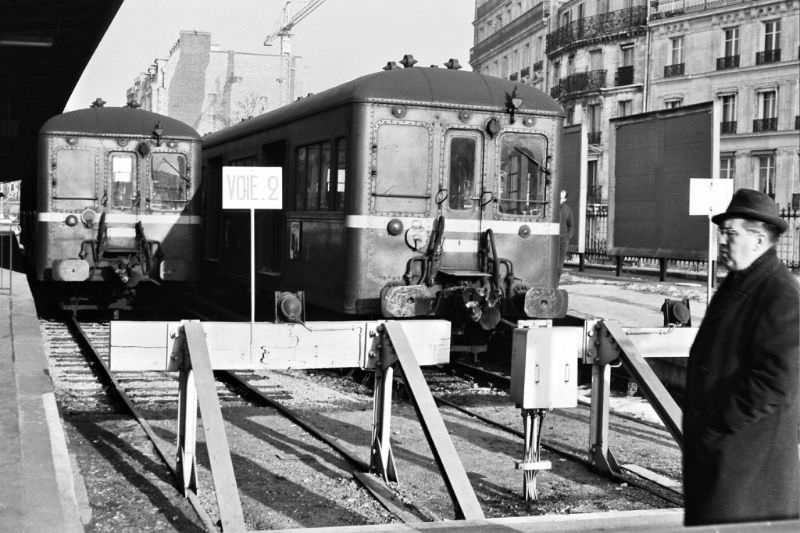
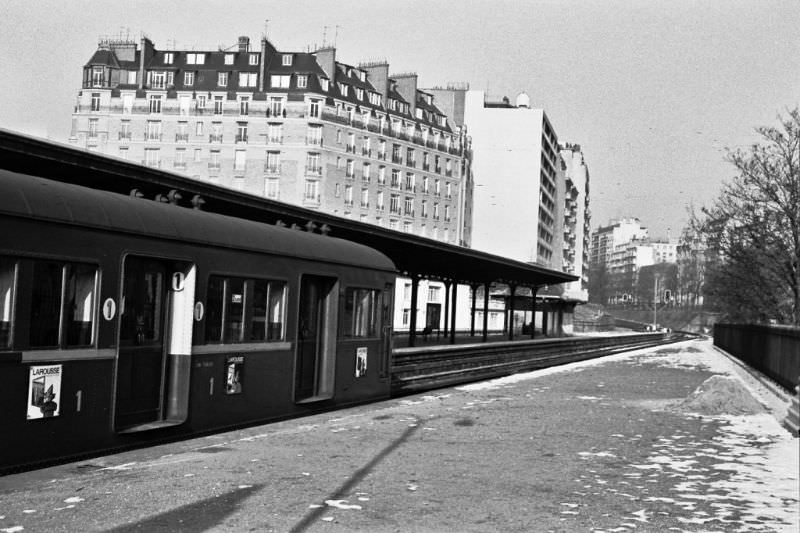
Riding the commuter line out of Saint-Lazare offered a view of Paris that most tourists never saw — back walls of apartment buildings, rail yards, signal gantries, and the dense geometry of the city’s working infrastructure.
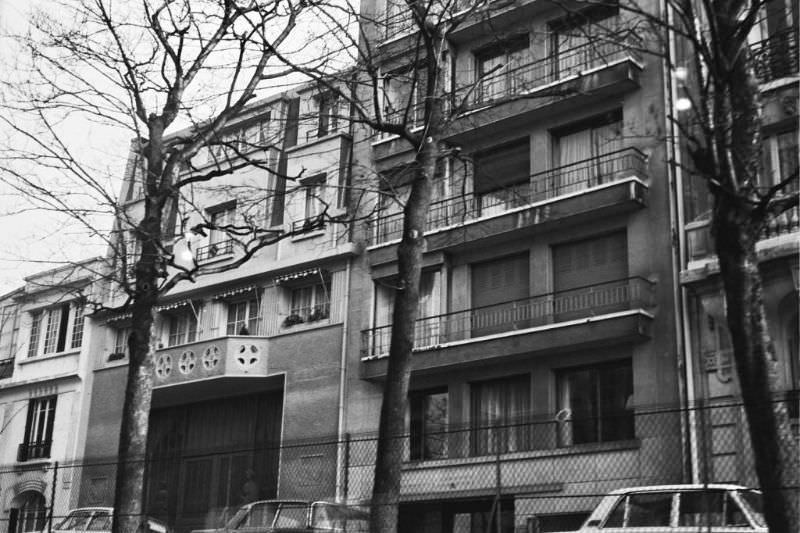
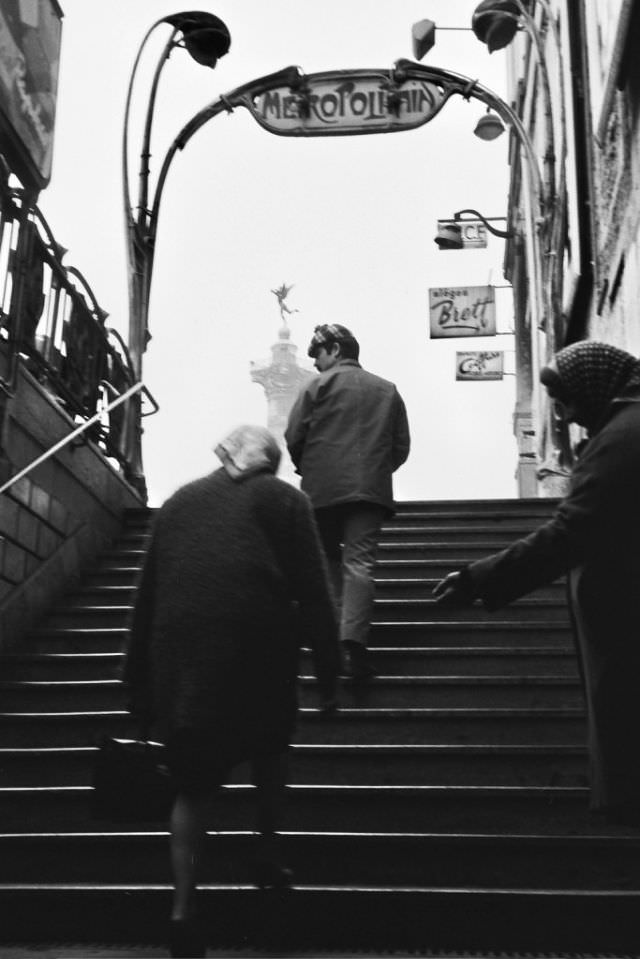
Gare de la Bastille stood in its final weeks of operation. The station, tucked near the Place de la Bastille, had served as the city terminus of the Ligne de Vincennes. By the time these photos were taken, passenger numbers had dwindled and closure was imminent.
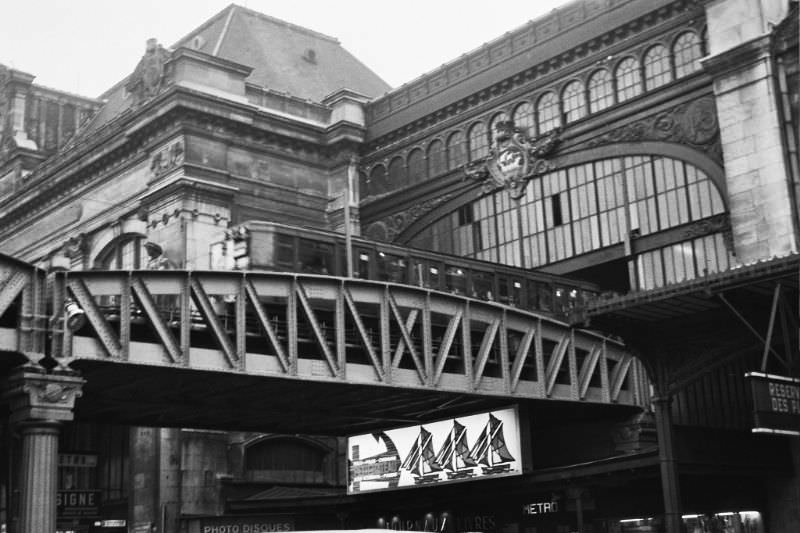
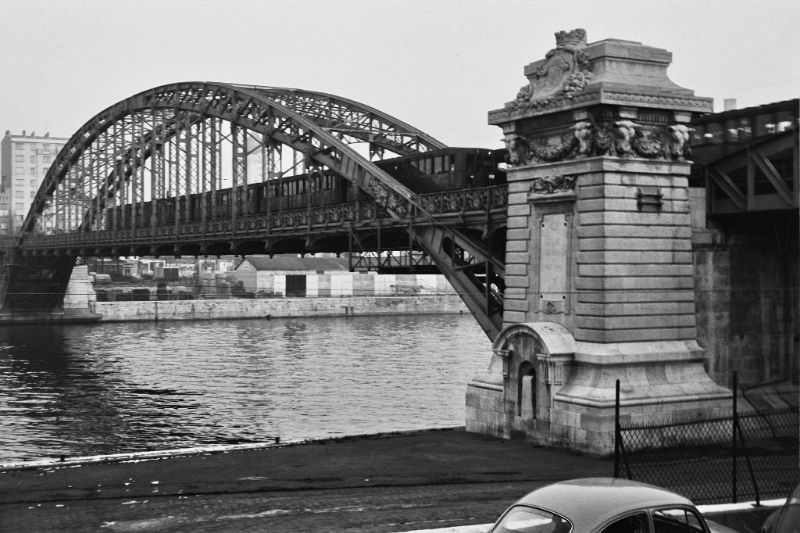
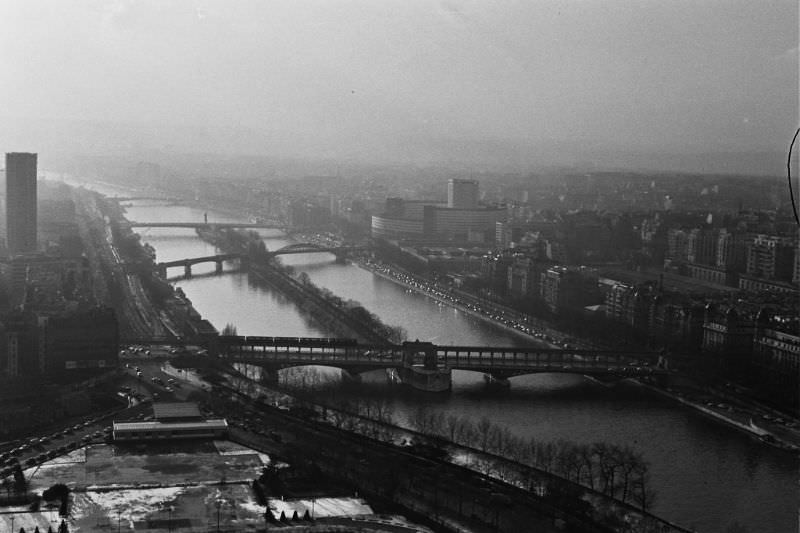
The Métro ran above ground in sections, crossing the Seine on iron viaducts and cutting directly through the SNCF station at Austerlitz. The elevated lines gave riders — and photographers — a clear view over the rooftops and down into the river.
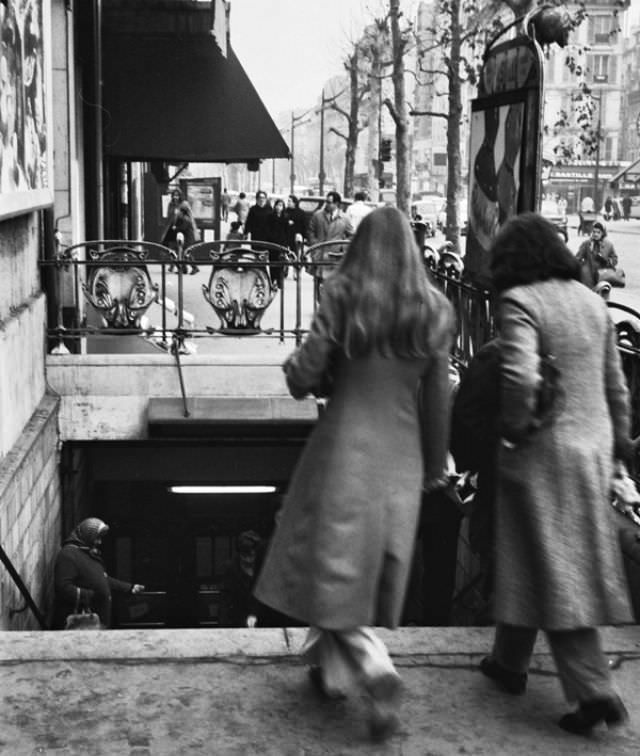
Away from the stations, inner-city streets showed a different pace. Shopfronts, parked scooters, pedestrians in winter coats, and the occasional delivery truck filled the frame. These were the everyday scenes of a city going about its business.
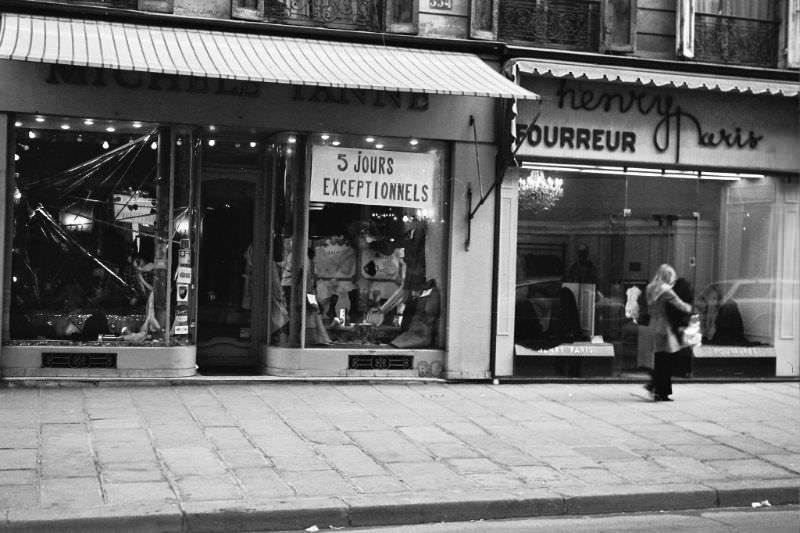
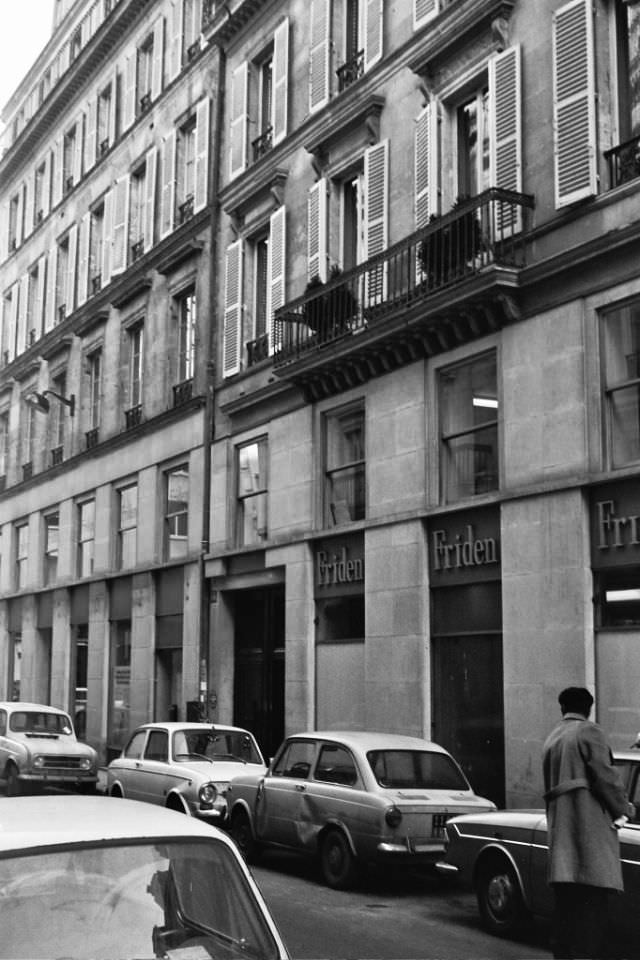
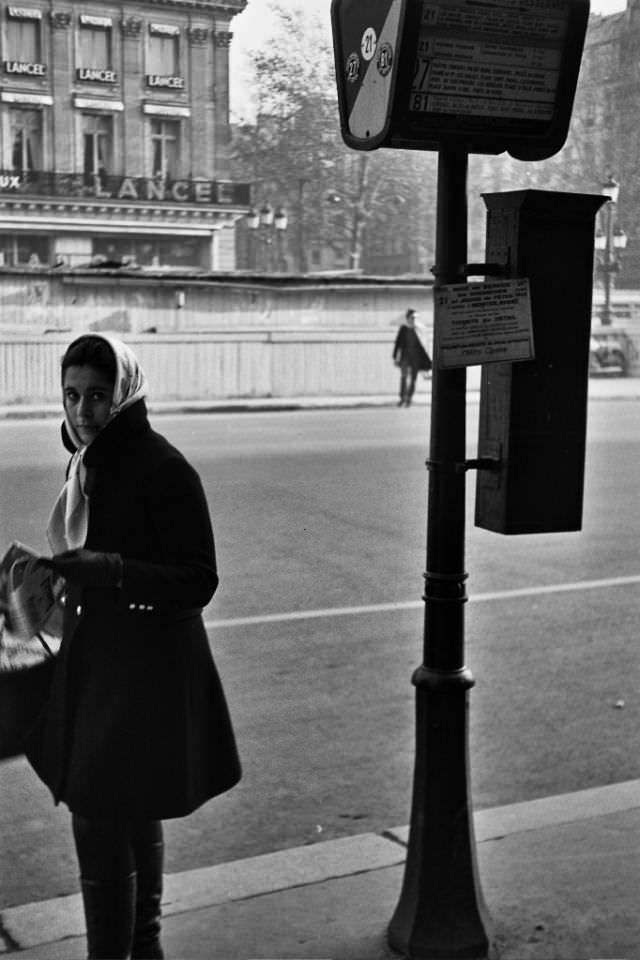
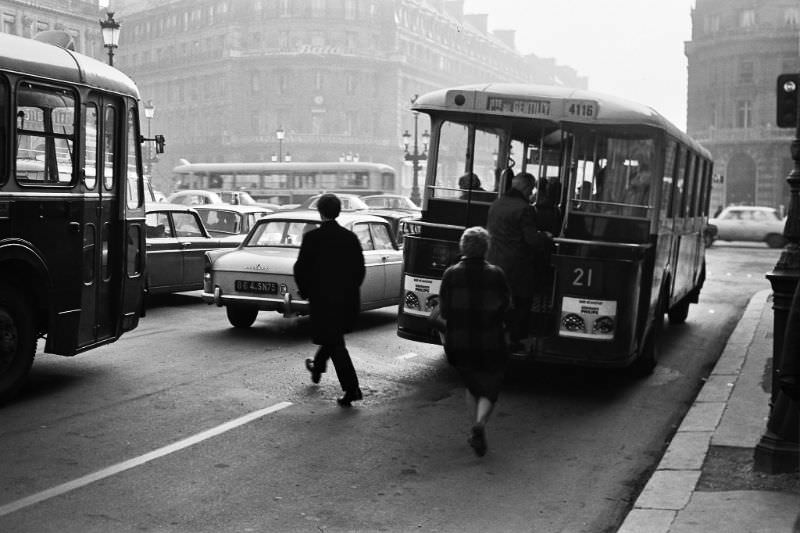
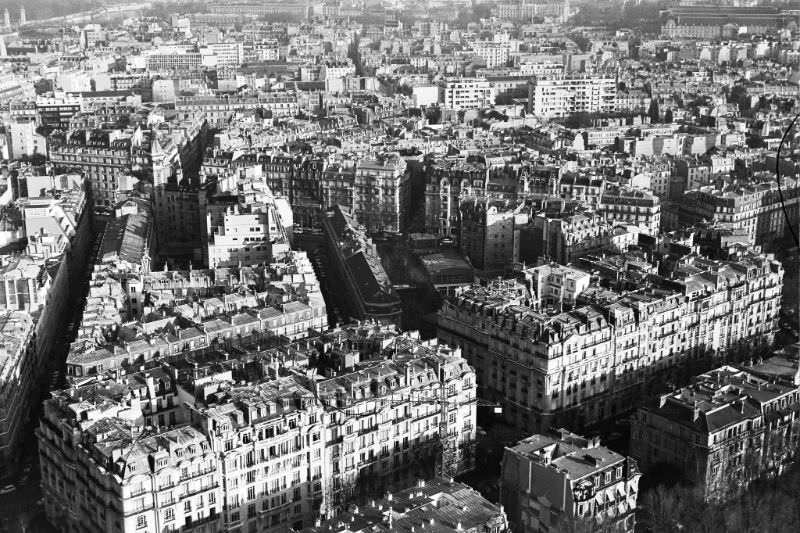
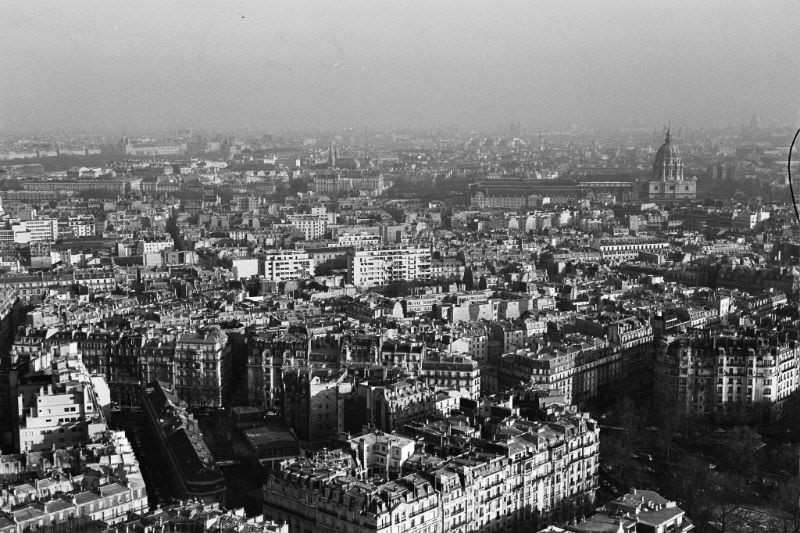
Coal heating was still widespread in Paris in 1969, and combined with vehicle exhaust, it wrapped the city in a visible haze during cold months. These photographs document that pollution directly — not as a background detail, but as a defining feature of the December atmosphere.
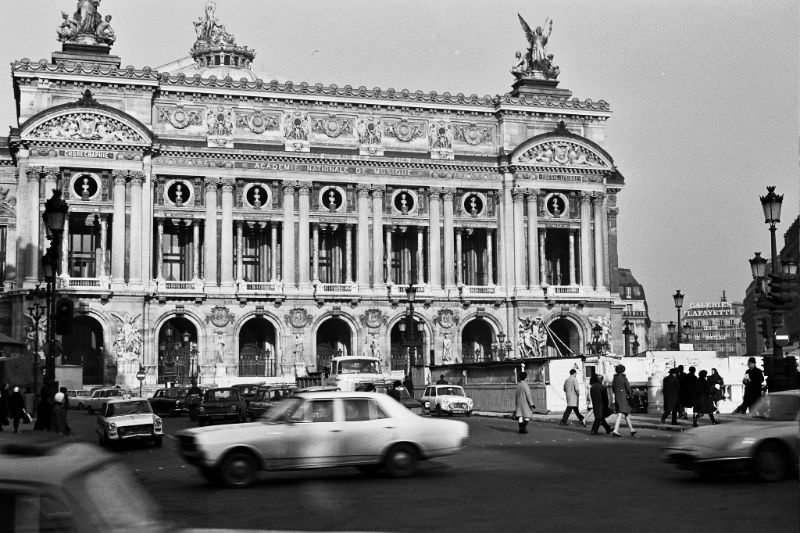
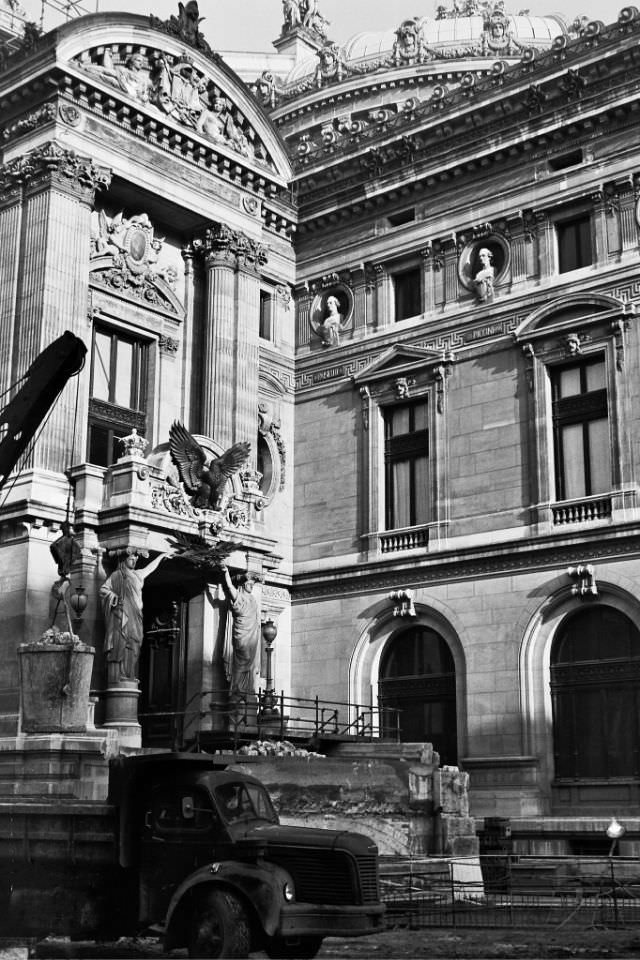
The Palais Garnier — Paris’s grand opera house, built in 1875 — was undergoing restoration work in late 1969. Scaffolding covered sections of its ornate facade as crews worked to clean and repair the stone. Even at its most famous landmarks, the city was actively renewing itself.
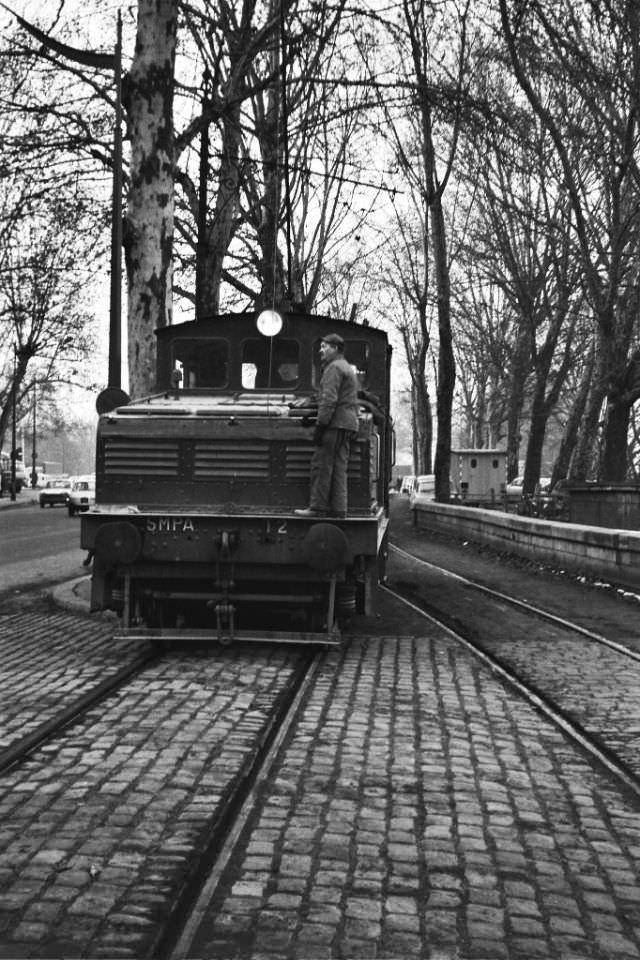
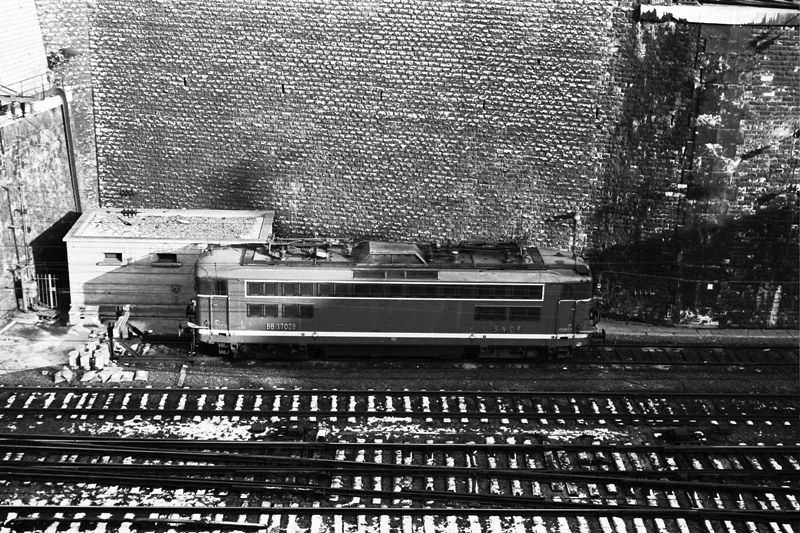
Back at Gare d’Austerlitz, the working end of the station revealed the mechanical reality behind the passenger experience. Locomotives were staged and serviced here before taking on the long runs southwest toward Bordeaux, Limoges, and Toulouse.
Passengers climbing from the Métro to the street level at Bastille found a station already showing signs of abandonment. Foot traffic had dropped, and the platforms carried the quiet of a place winding down.
One final vantage point captures the city from above. The photographer stayed at the Hotel Brighton on the Rue de Rivoli, occupying a fifth-floor room under the mansard roof at a discounted NATO rate. From that window, the rooftops, chimneys, and hazy December sky of Paris spread out in every direction.