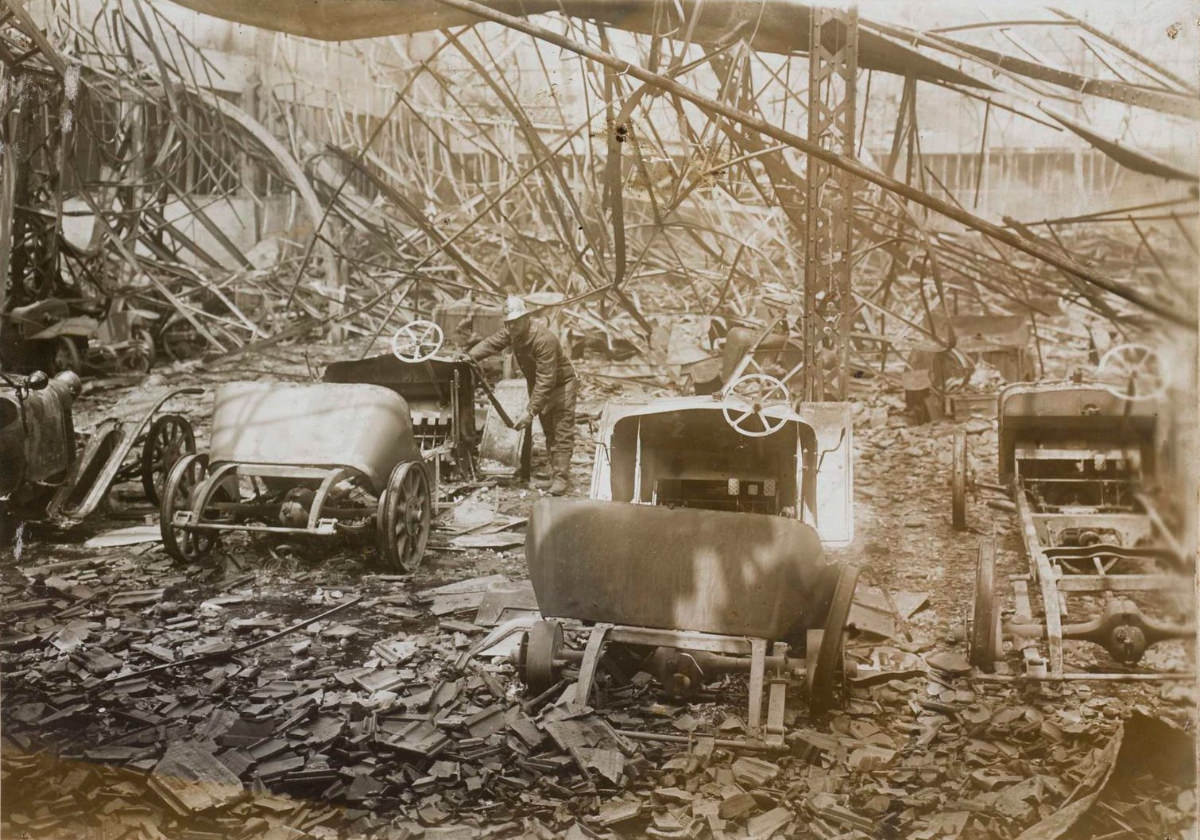
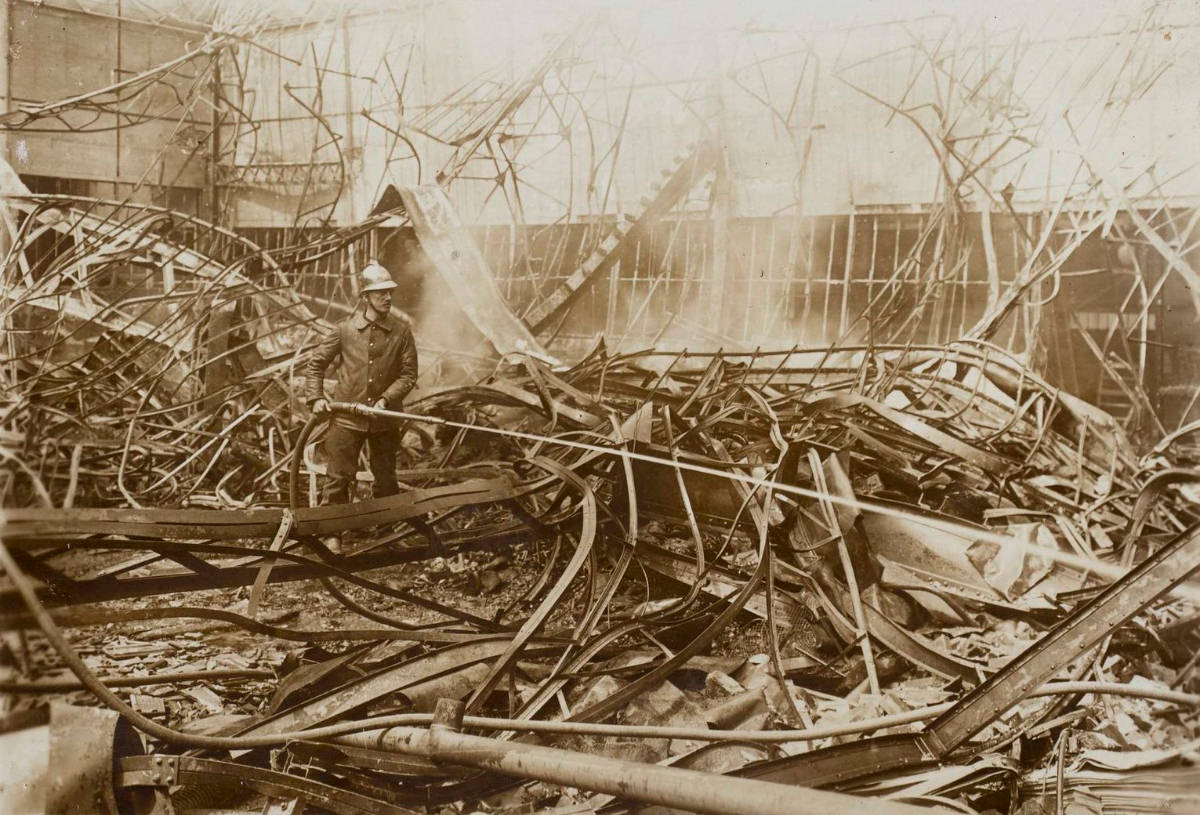
On June 15, 1914, a violent storm tore through Paris in just three hours. Heavy rain and strong winds battered the city, flooding low-lying neighborhoods, shutting down roads, and halting public transportation. For a city built on centuries of underground tunnels and excavations, the timing could not have been worse.
The storm’s damage reached well beyond flooded streets. Major landmarks felt its force — Notre-Dame Cathedral, the Eiffel Tower, and the Louvre Museum all sustained effects from the severe weather. Outdoor events across the city were cancelled, including the Paris-Roubaix bicycle race, which had drawn crowds eager for a day of competition.
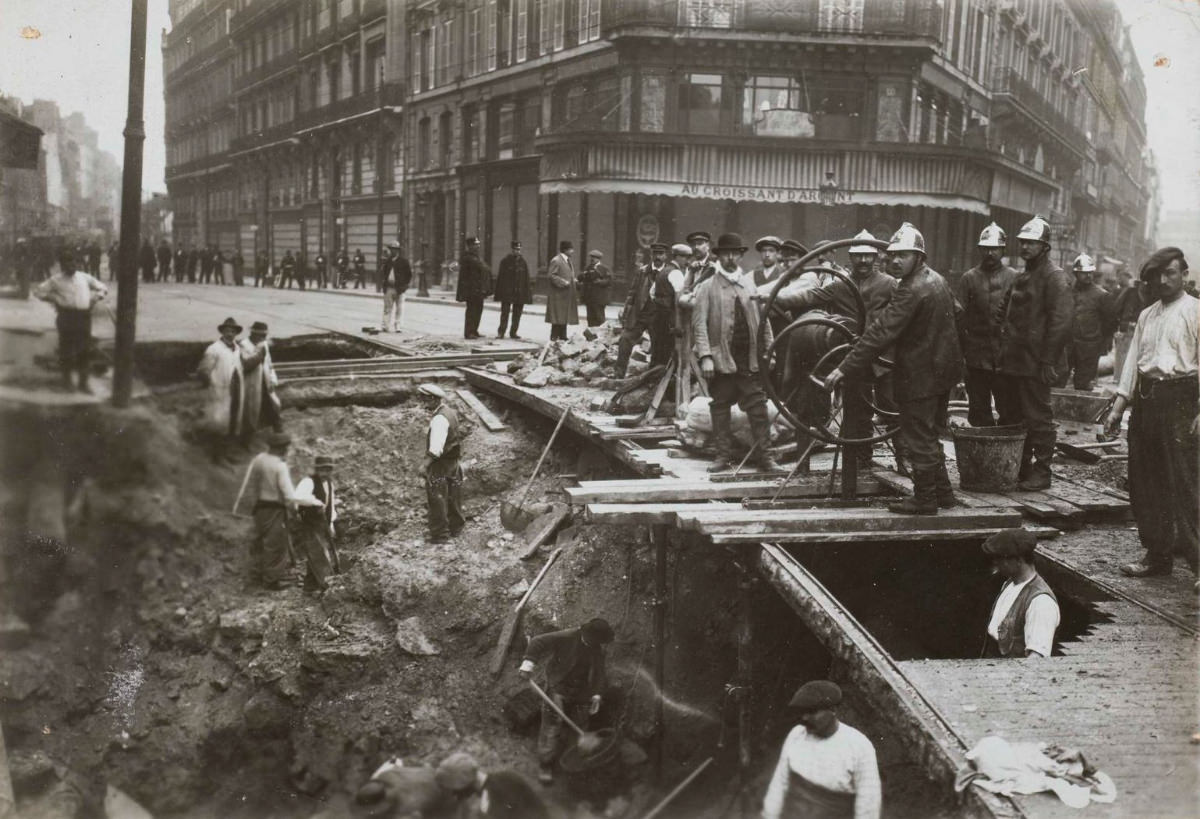
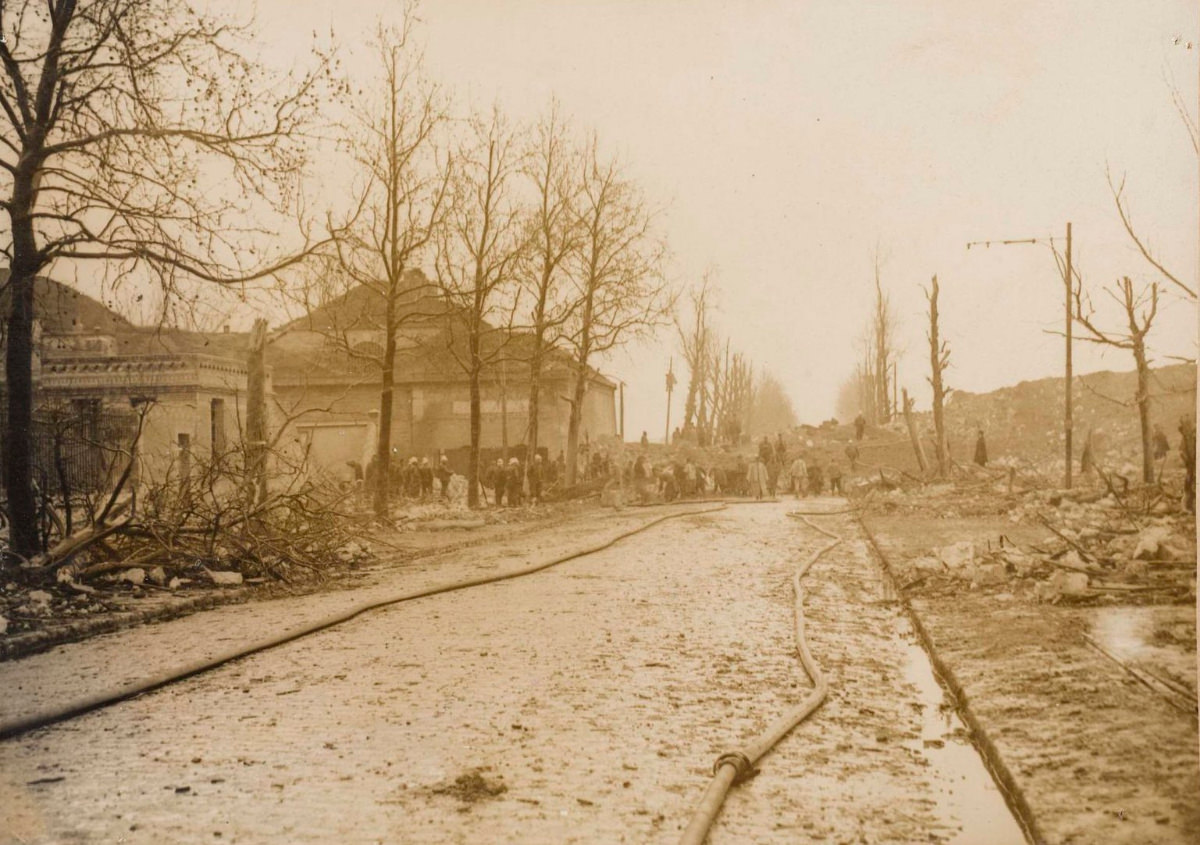
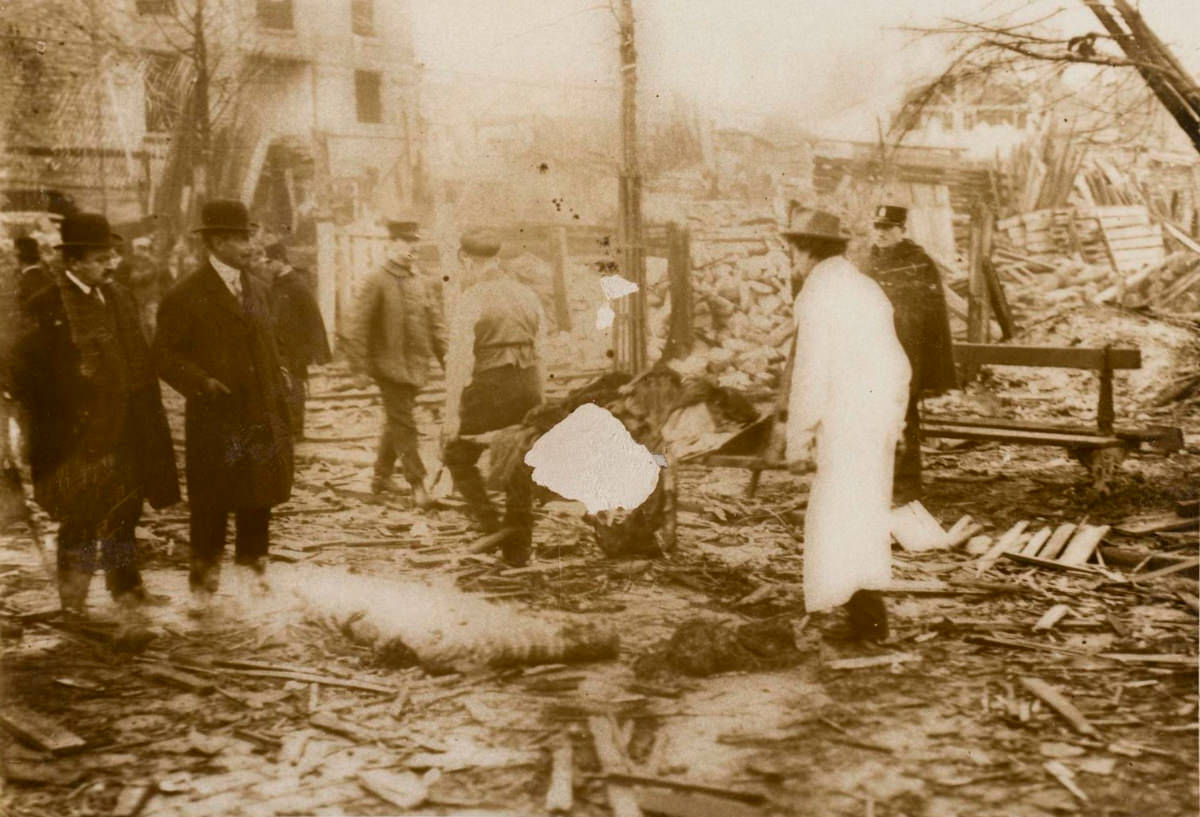
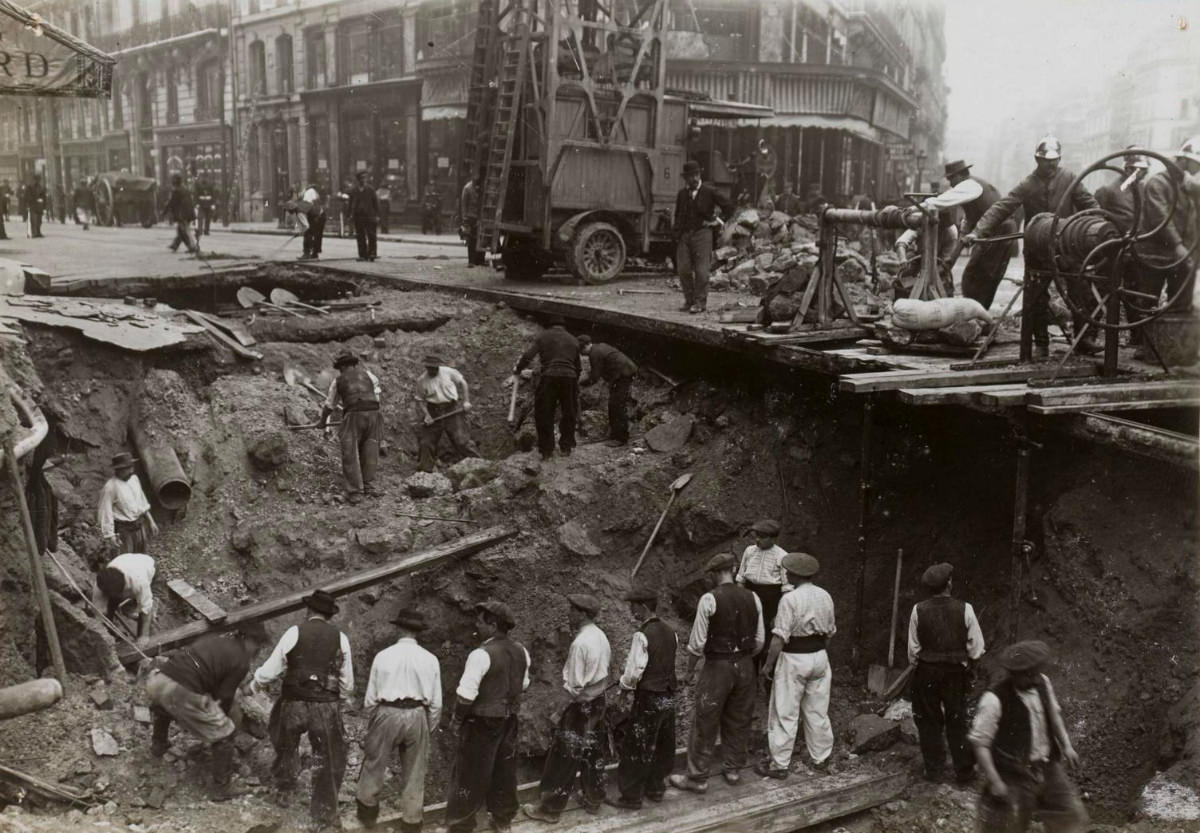
The most deadly and dramatic event of the storm happened at the intersection of Rue de Boétie and Faubourg Saint-Honoré. More than 500 square feet of pavement suddenly caved in, swallowing the street and trapping people who had ducked under a nearby café awning to wait out the rain.
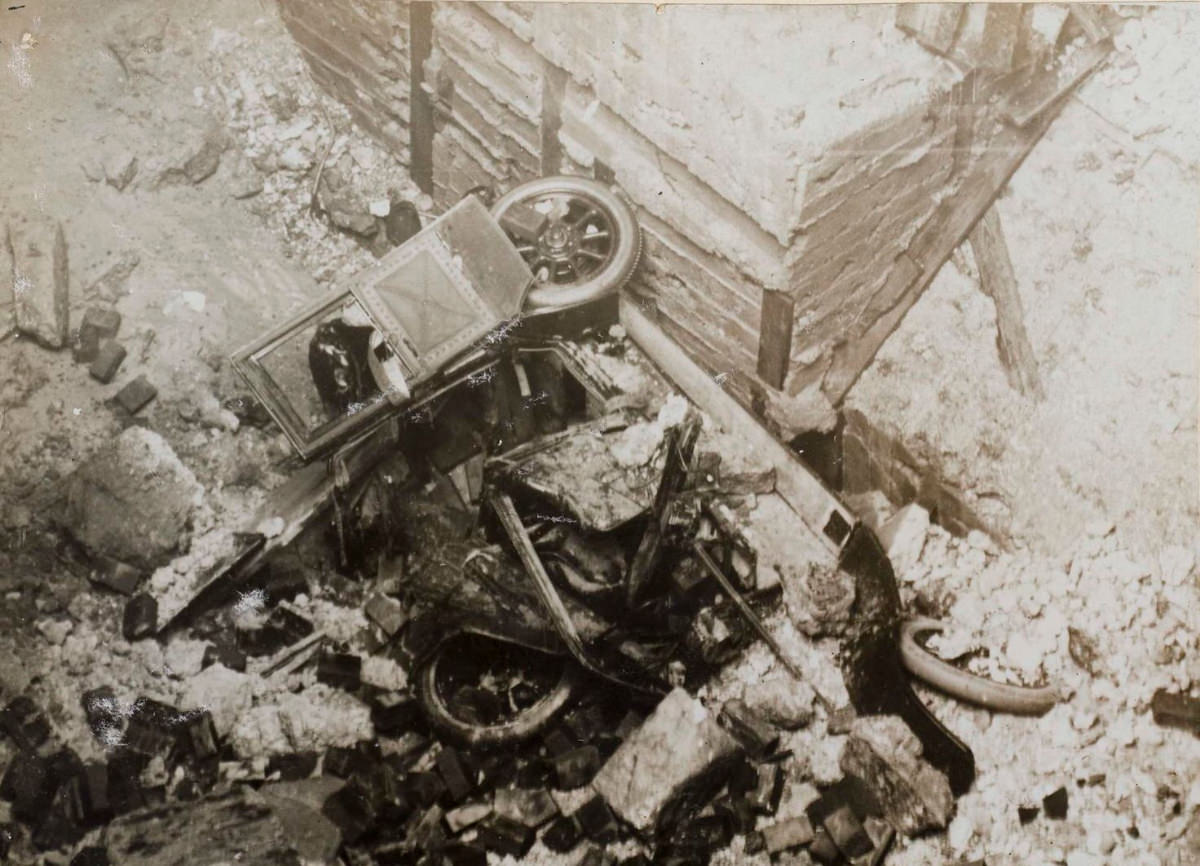
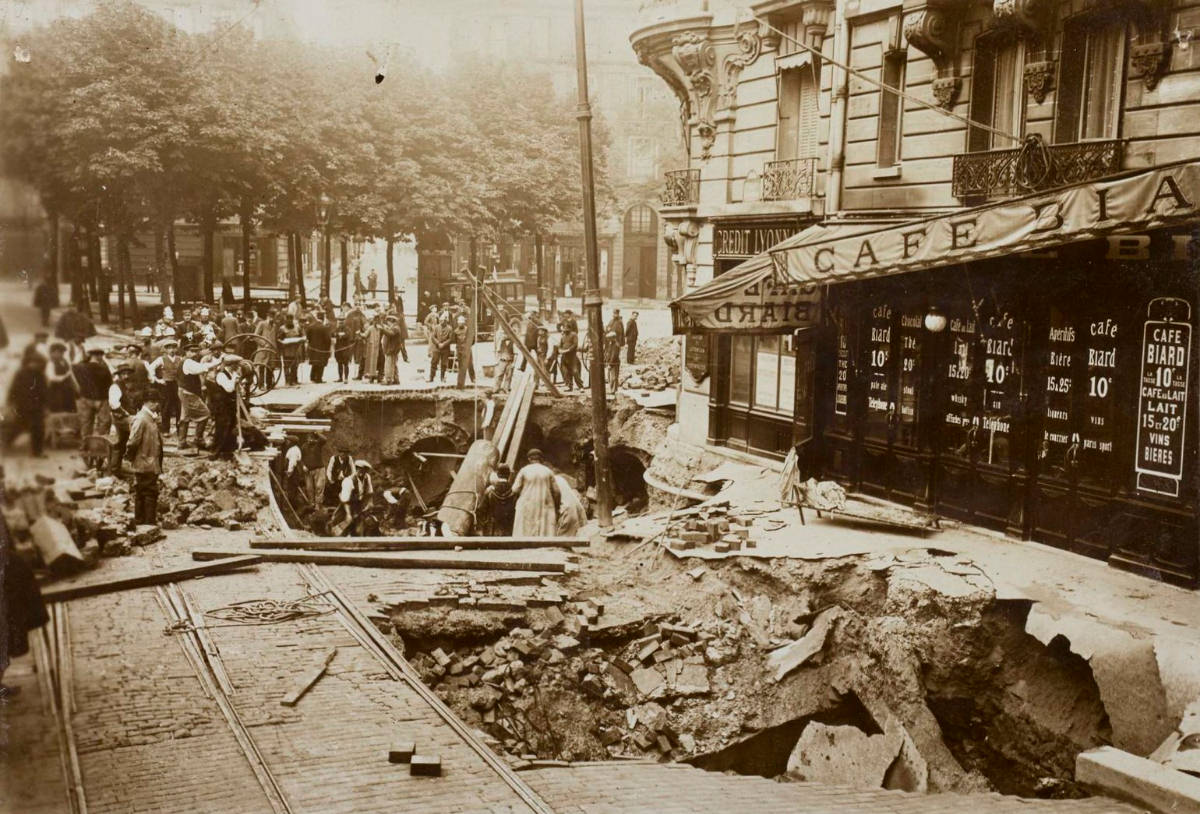
The collapse was not a freak accident. Paris sits above a vast network of underground spaces — catacombs, sewers, and metro tunnels weave beneath nearly every street in the city. That underground world had already been weakened. The catastrophic 1910 flood, which had submerged much of Paris just four years earlier, had saturated the soil and rock below the surface. The 1914 storm pushed that already-stressed ground past its breaking point.
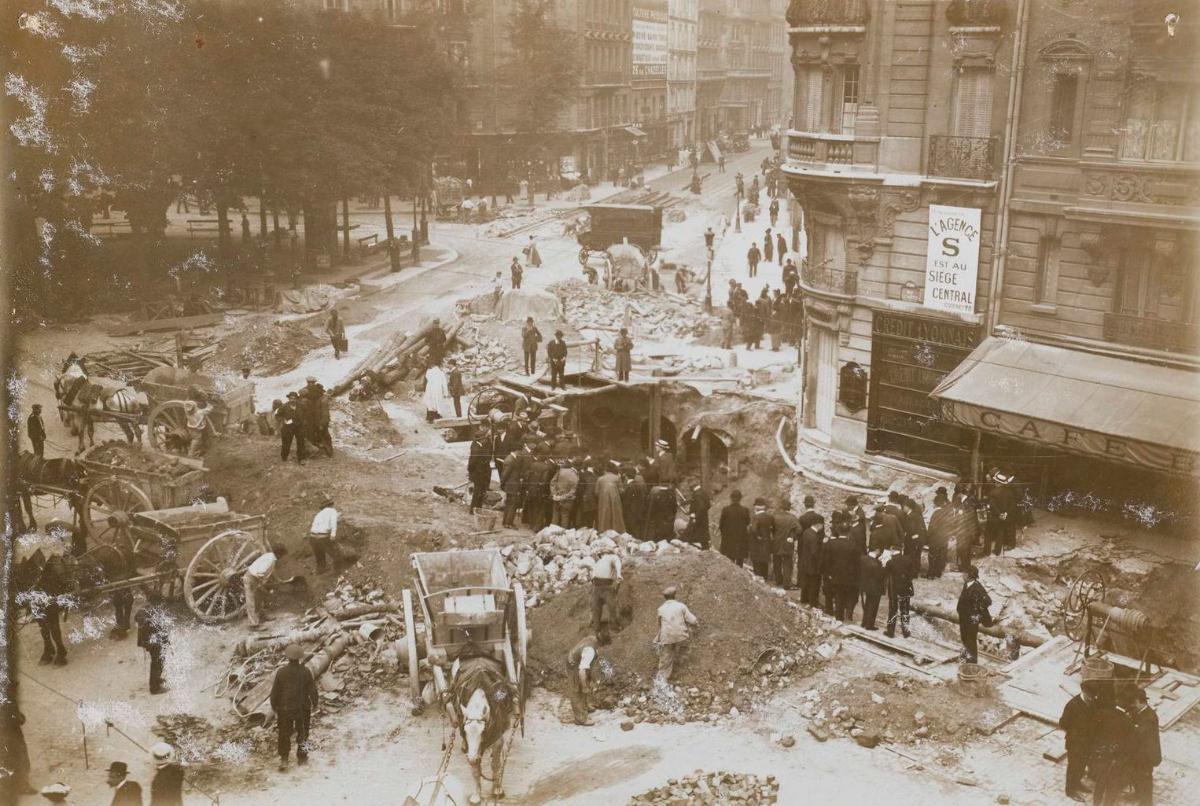
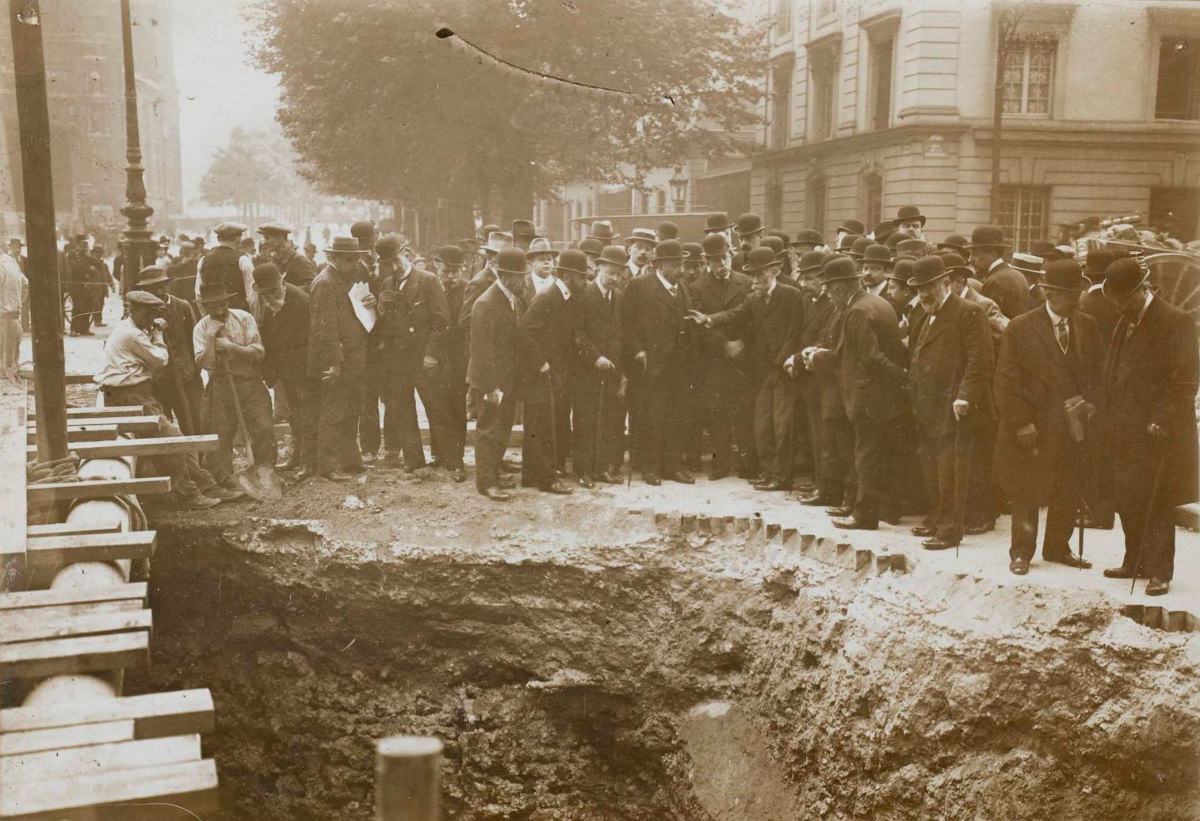
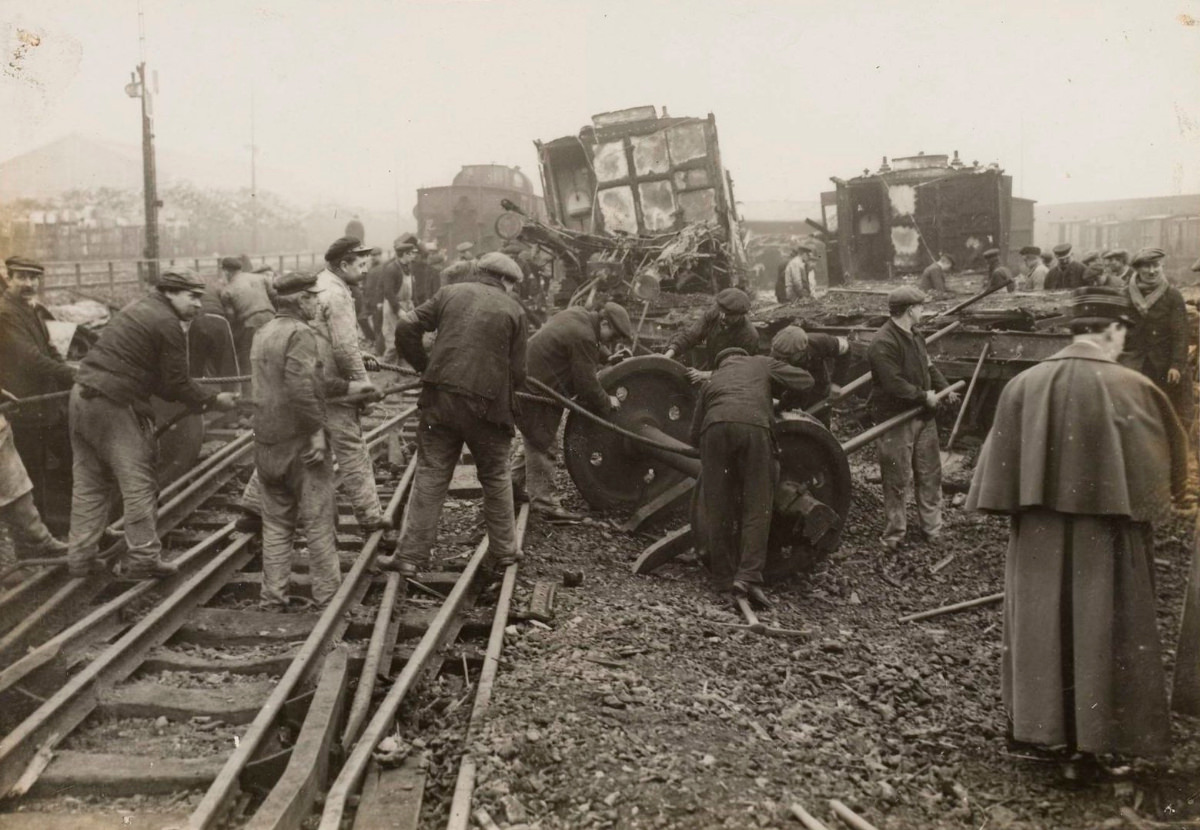
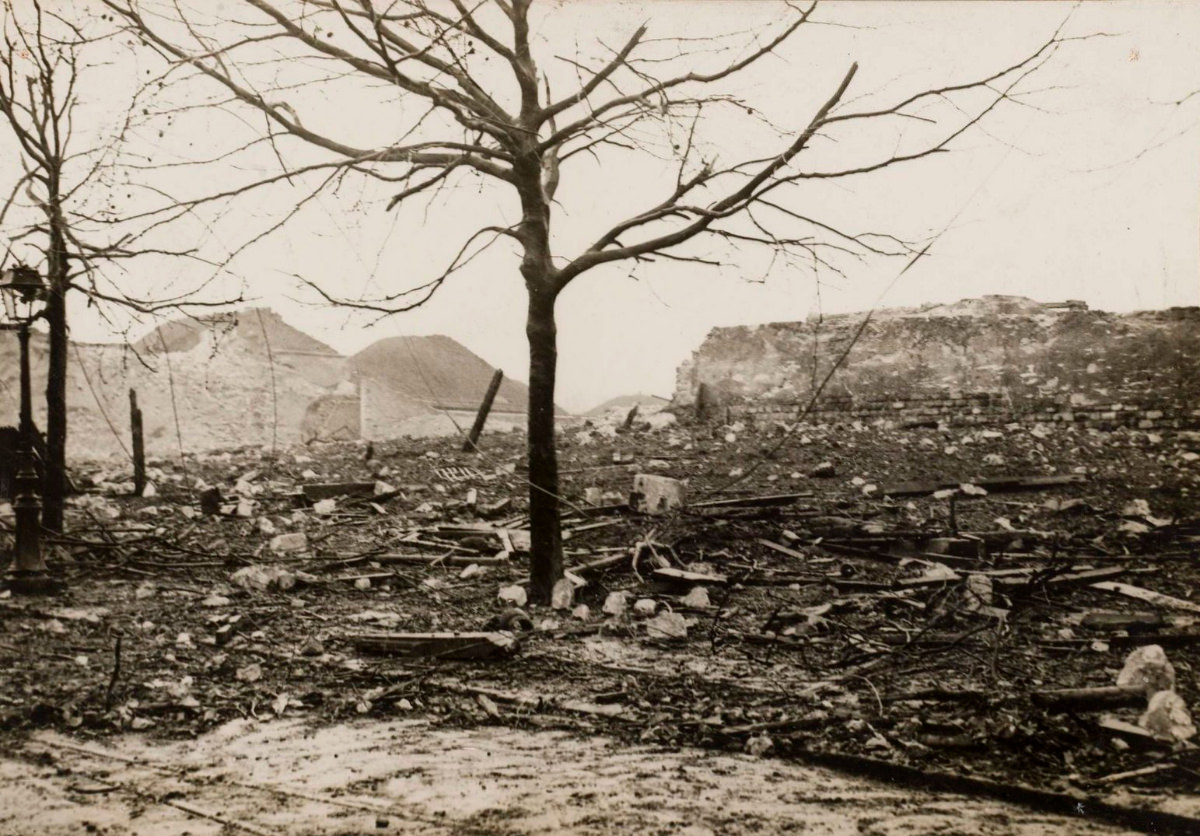
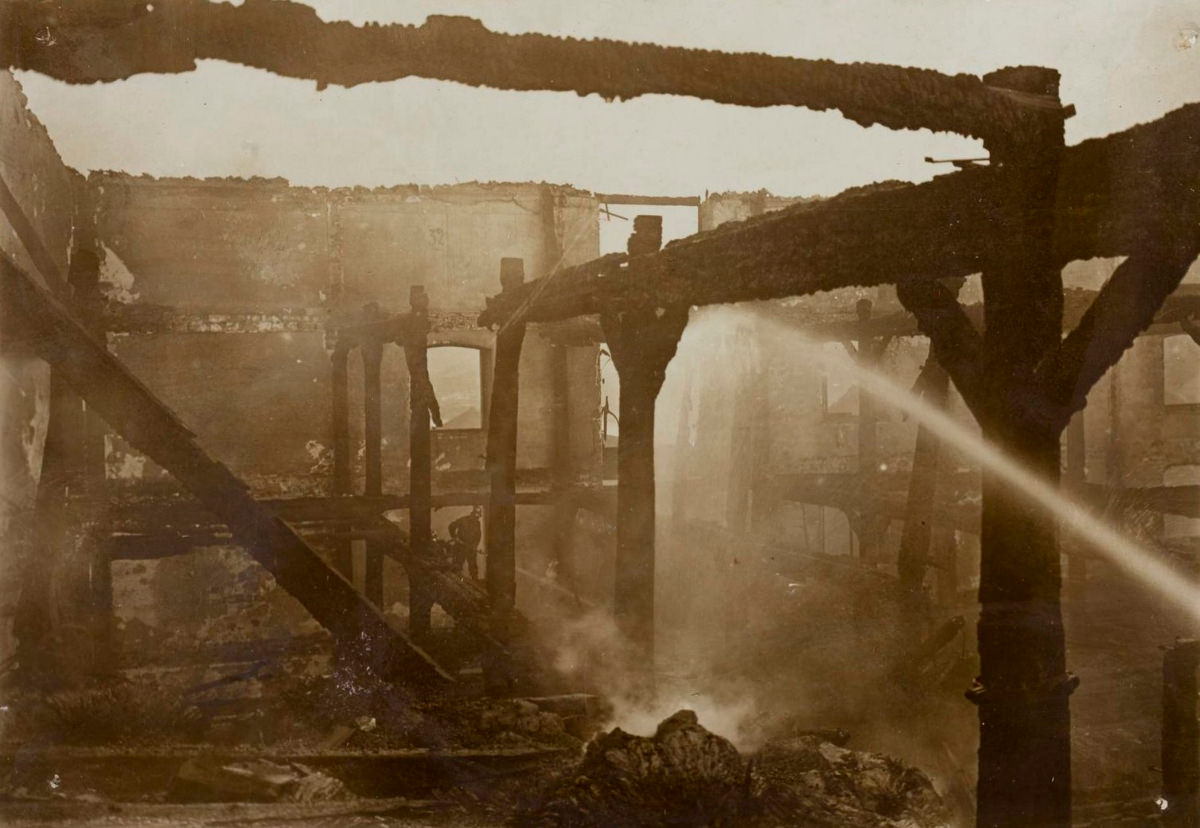
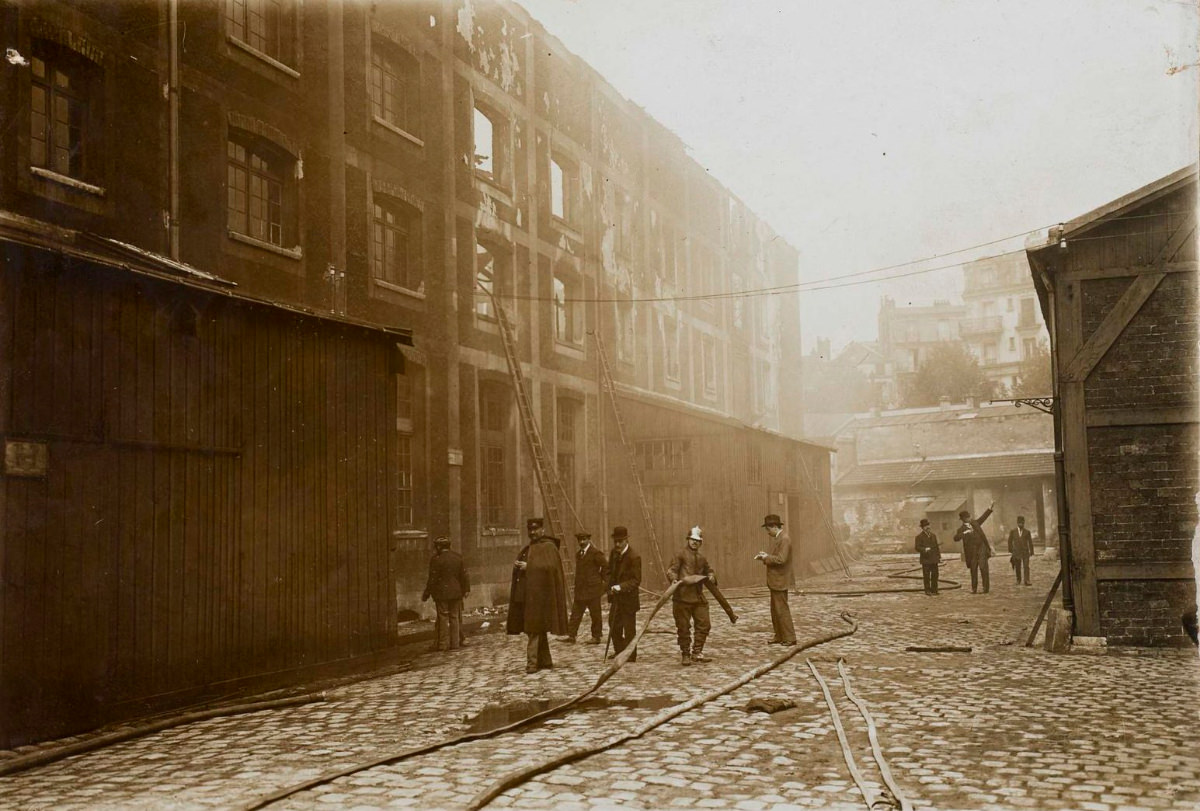
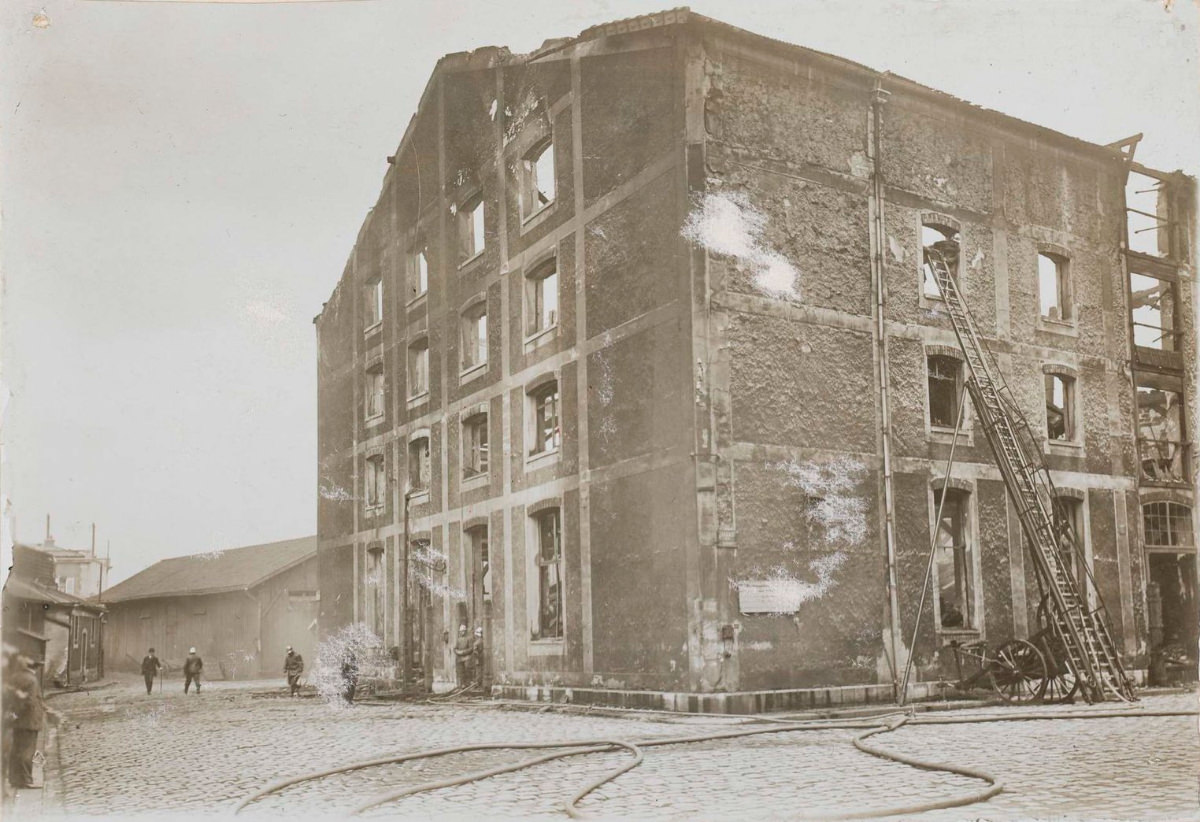
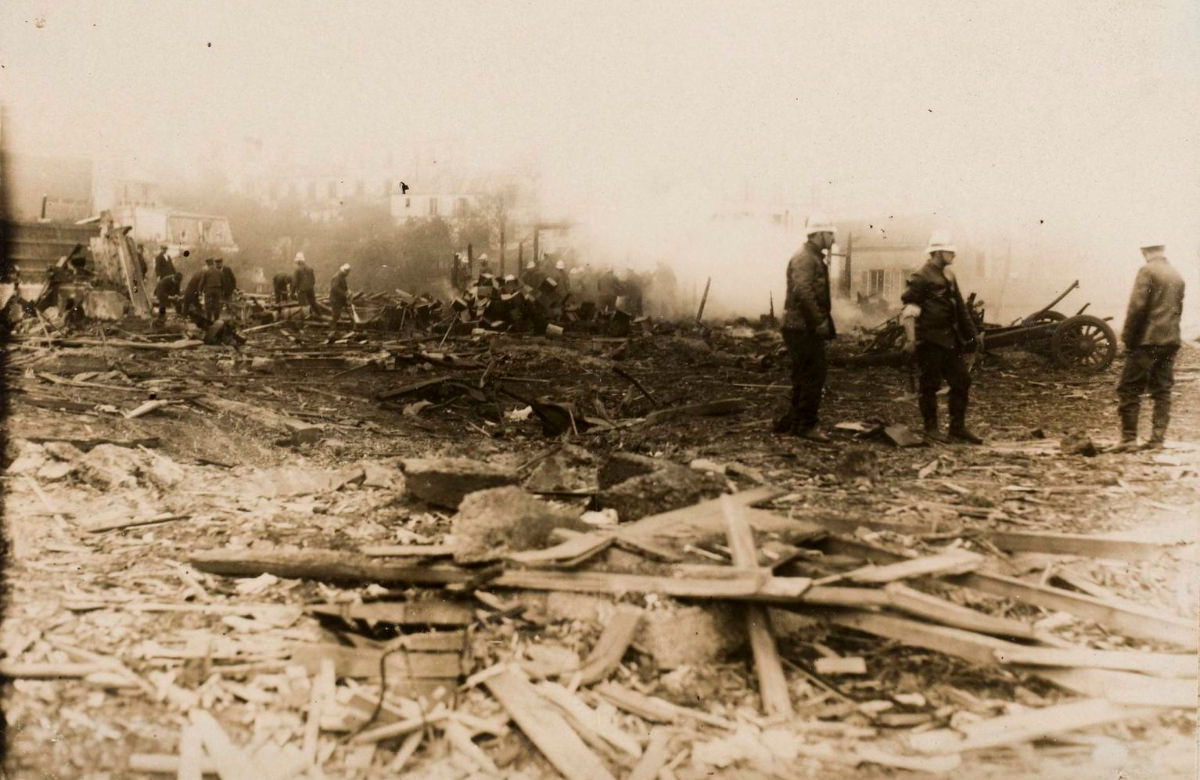
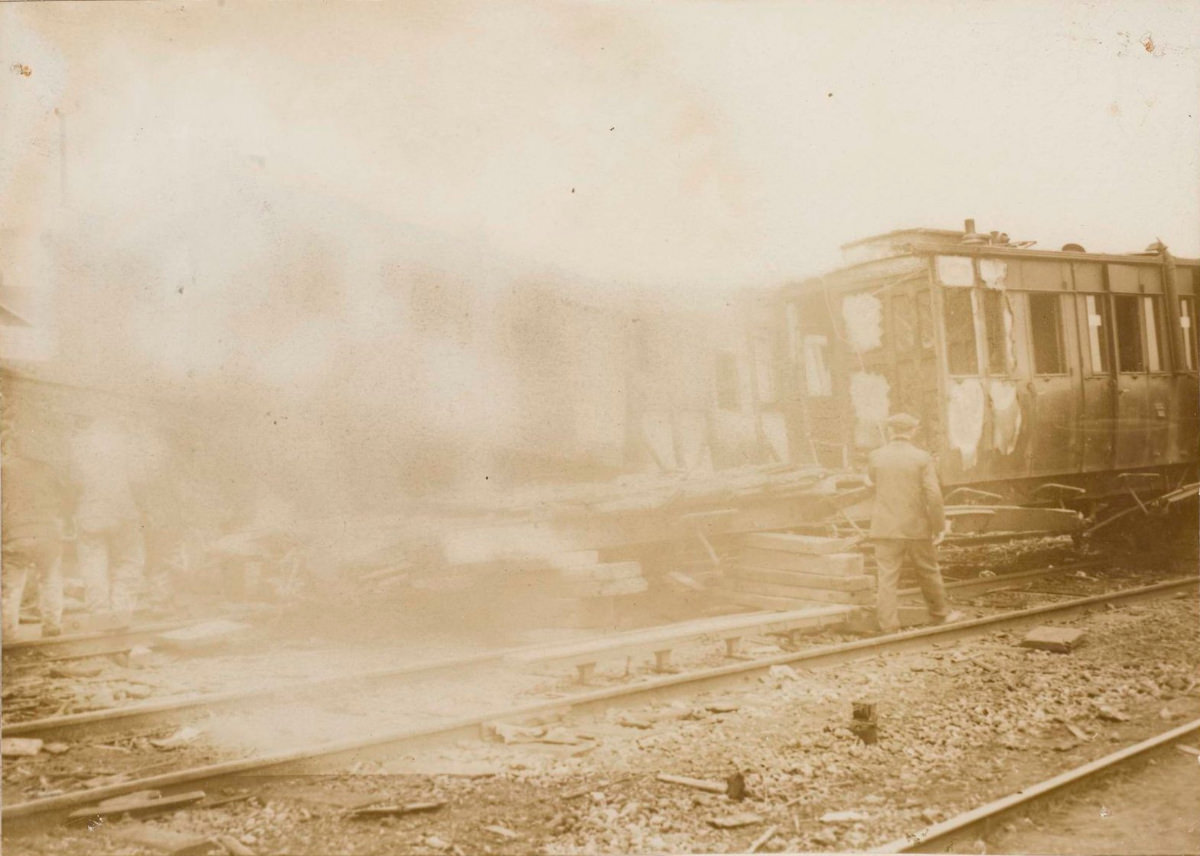
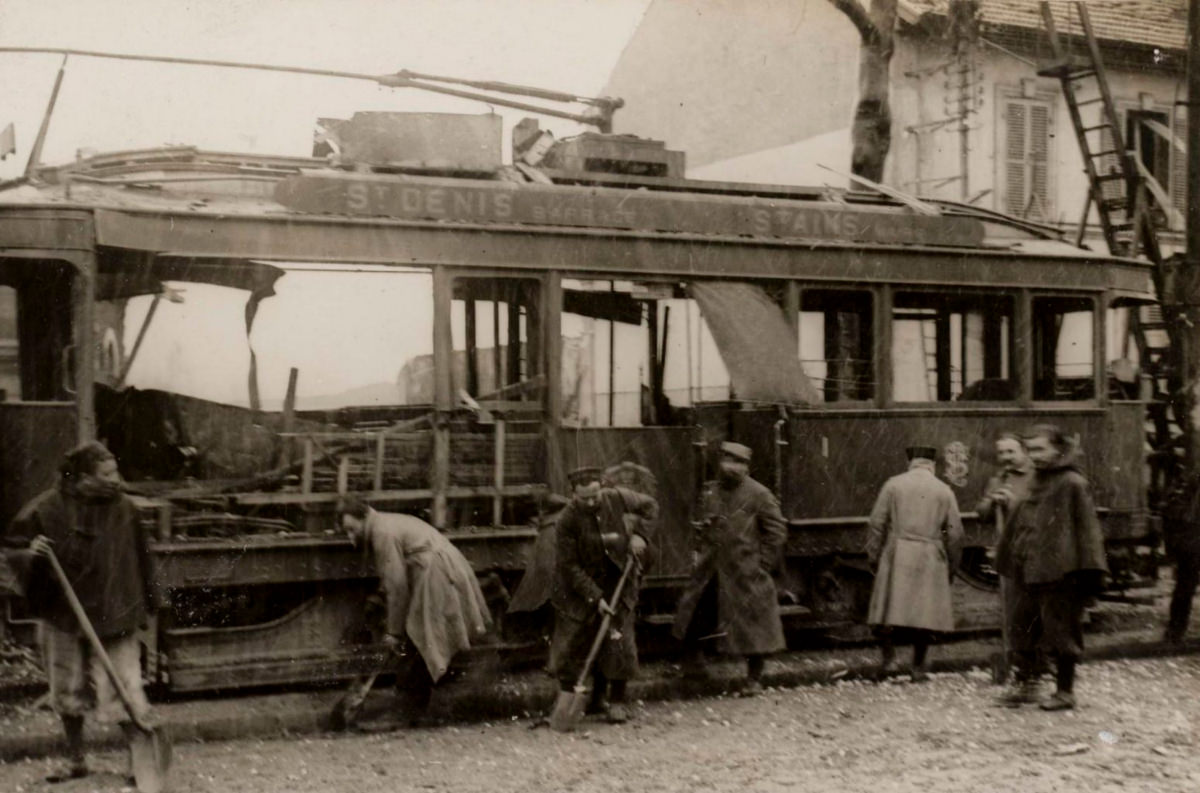
The cave-in was not the only source of death. As the storm ruptured underground gas mains across the city, gas explosions broke out in multiple locations. The combination of a collapsing street and exploding gas lines turned a rainstorm into a multi-front disaster, resulting in several fatalities and widespread destruction to buildings and infrastructure.
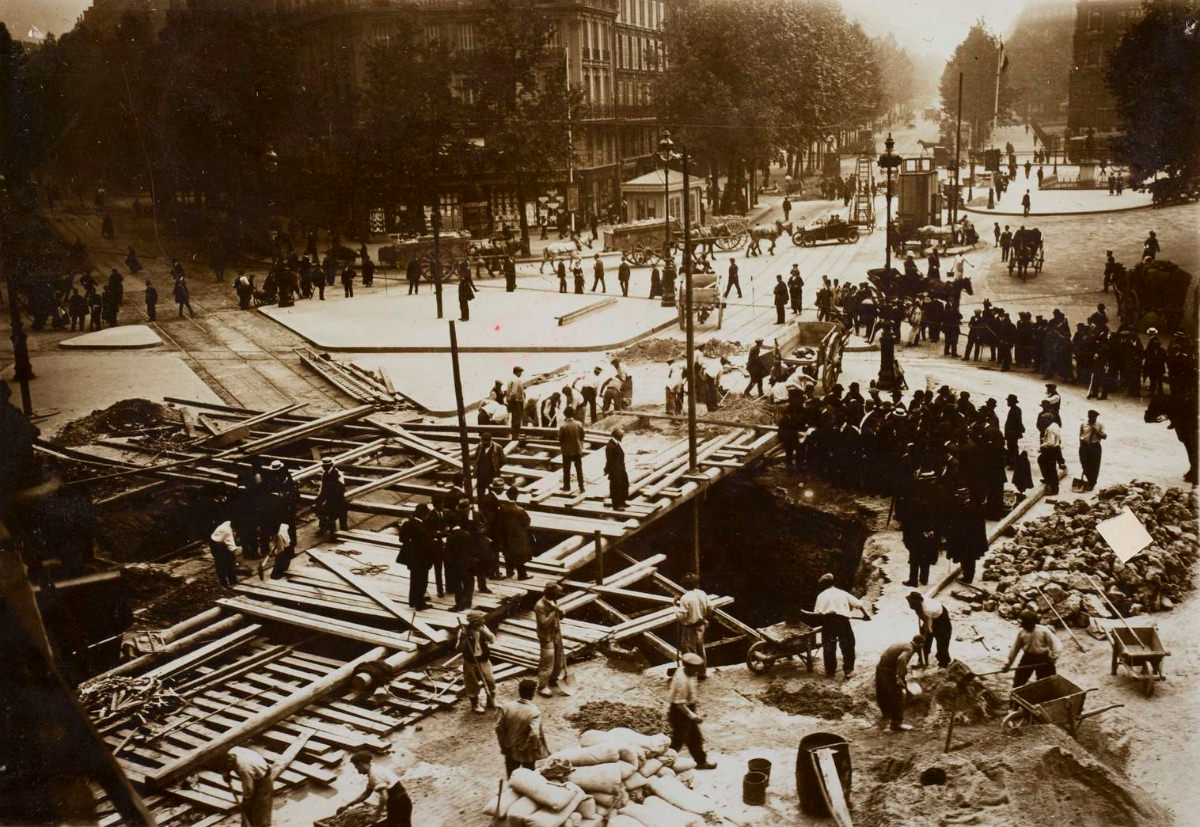
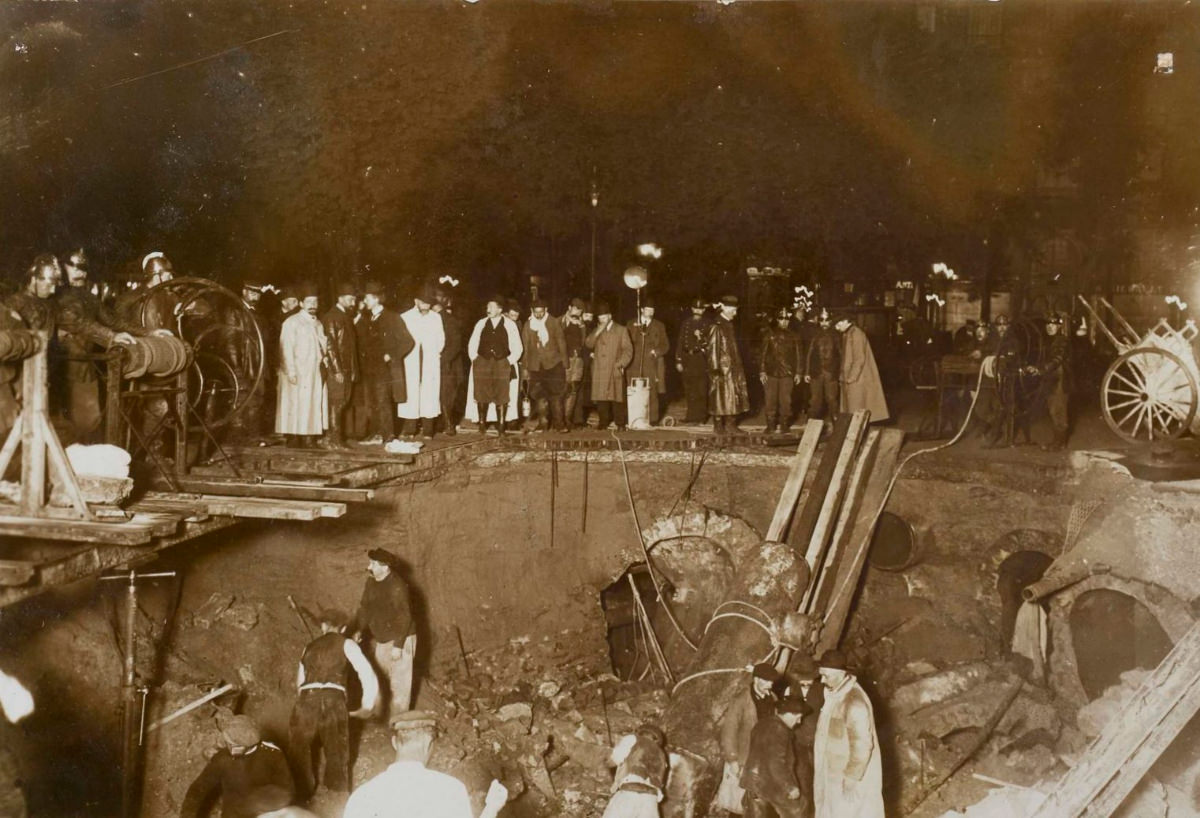
Rescue efforts focused first on the Rue de Boétie collapse, where survivors were trapped beneath fallen debris. Emergency workers had to navigate the unstable edges of the sinkhole while the ground around it remained waterlogged and unpredictable.
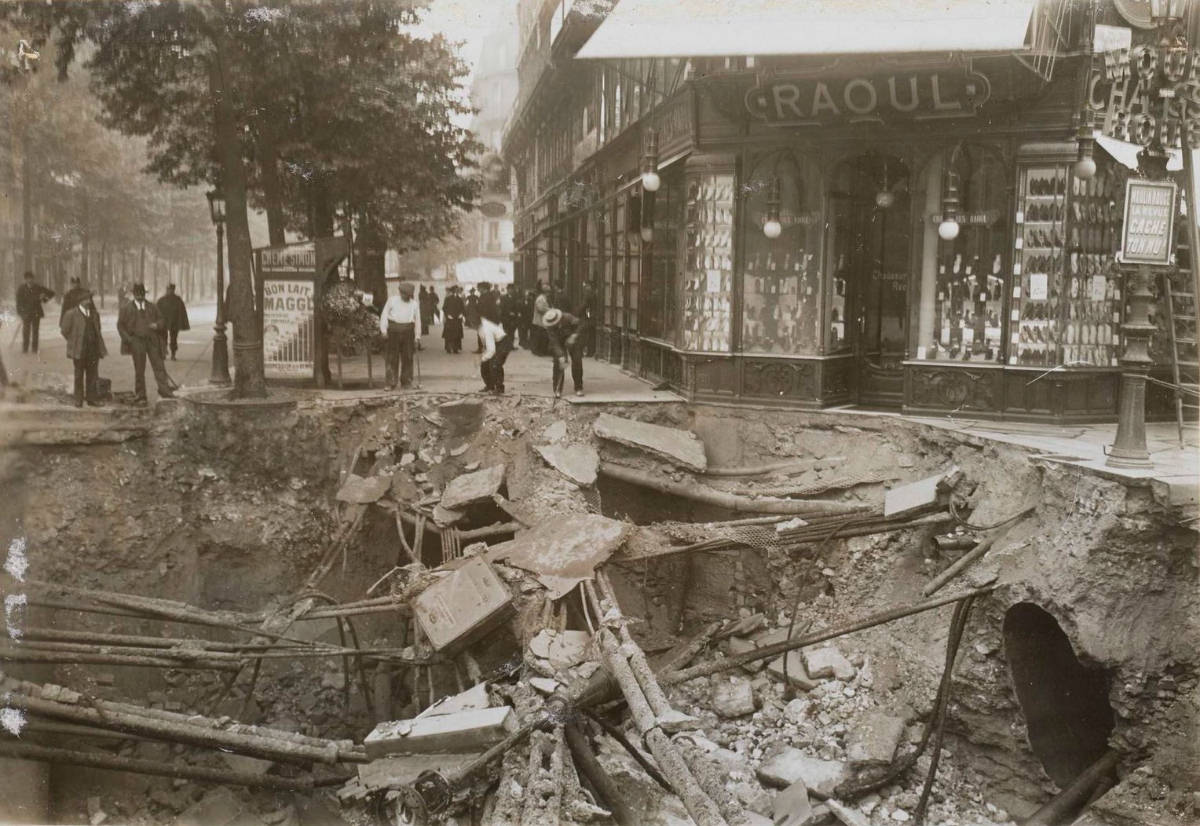
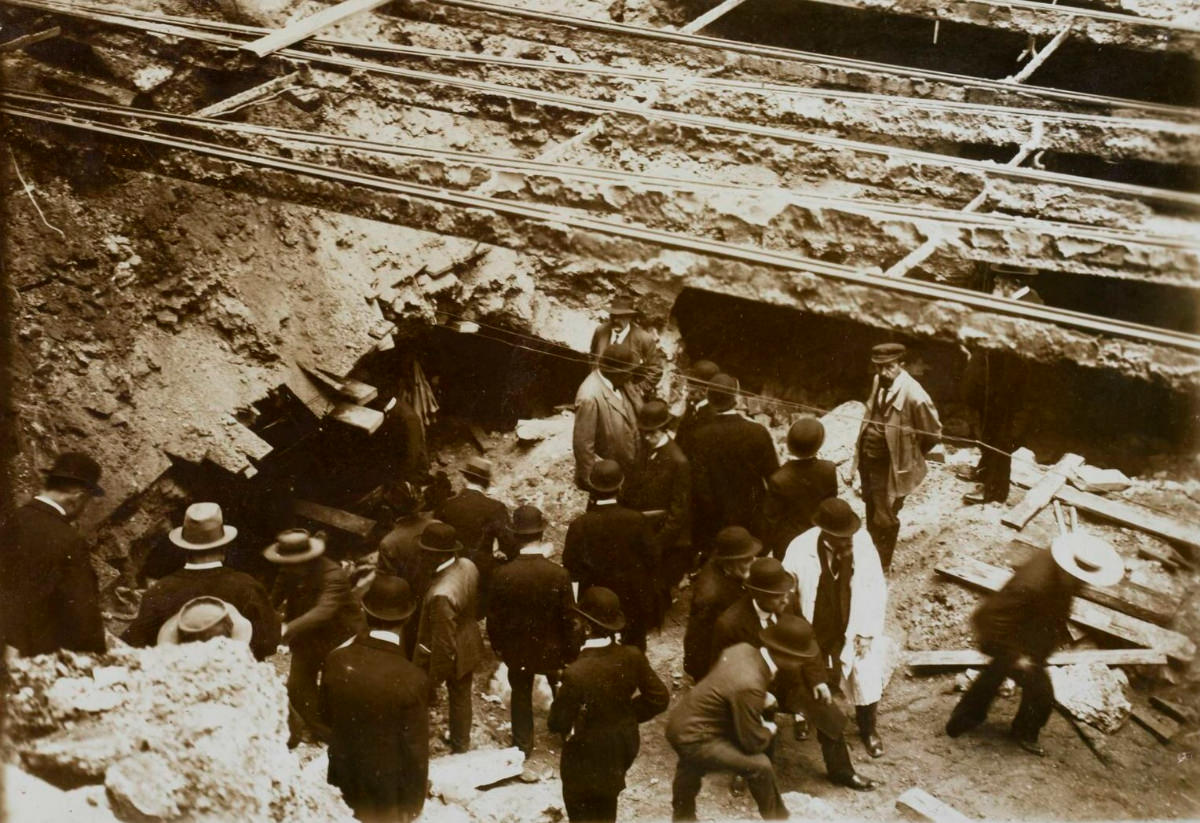
Across the city, the flooding overwhelmed drainage systems quickly. Streets in lower-elevation districts turned into rivers, and residents were cut off from essential services. Transportation ground to a halt as roads became impassable.
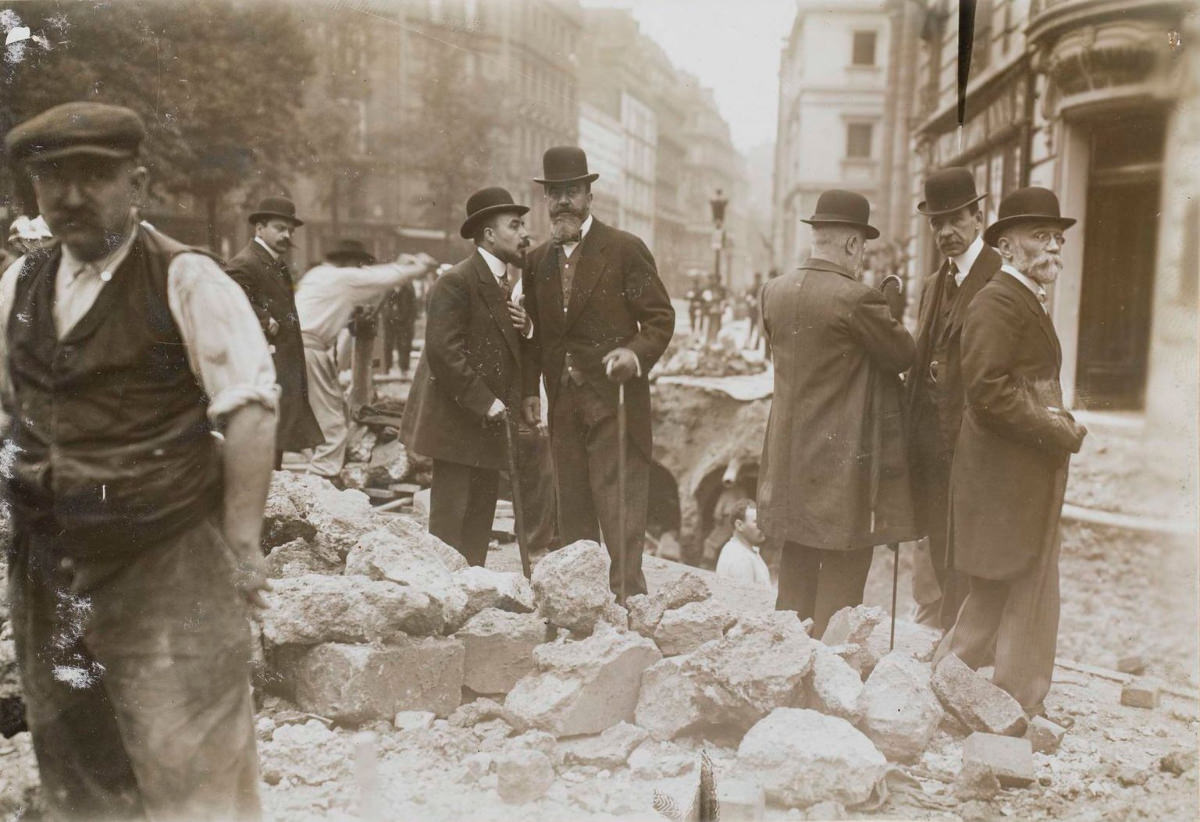
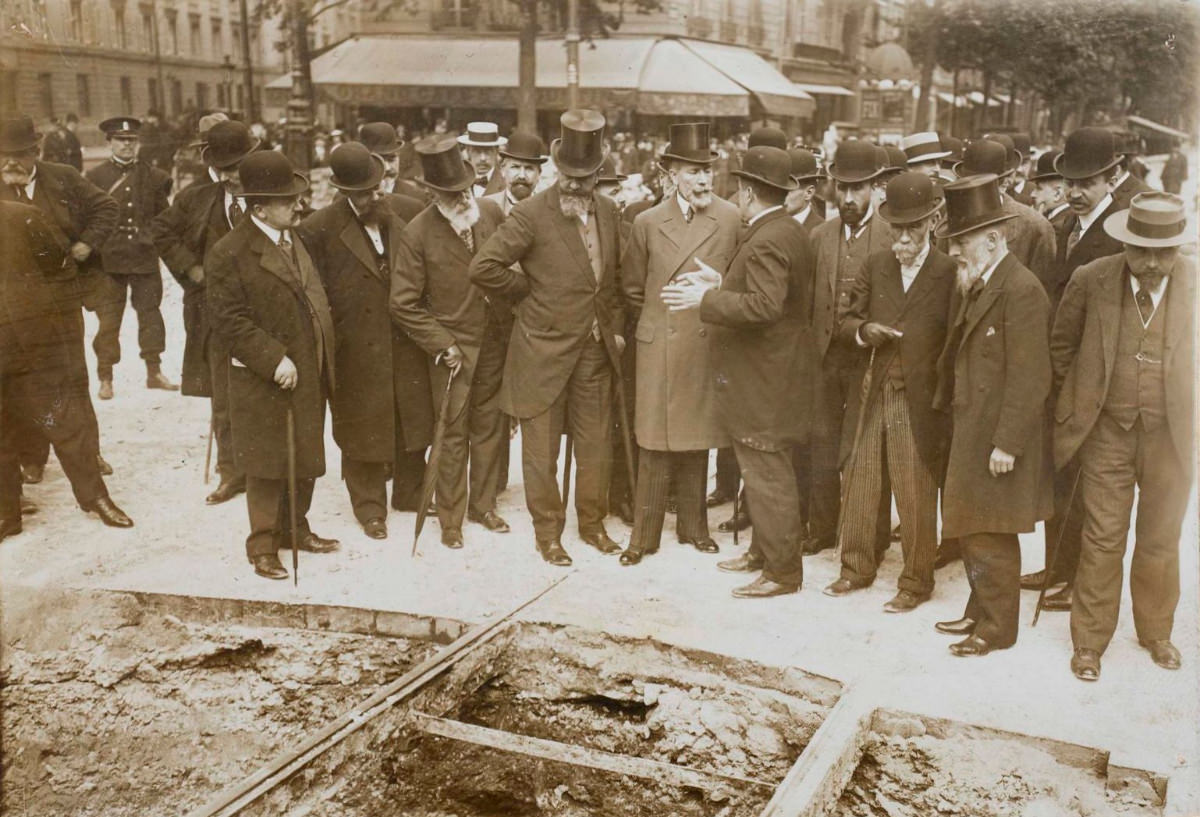
The storm exposed a fundamental vulnerability in Paris’s urban design. The city’s beauty and history rest on top of an underground maze that is highly sensitive to water saturation. When the ground absorbs more water than it can hold, the surface above it becomes unreliable — and in a city this dense, that instability is immediately life-threatening.
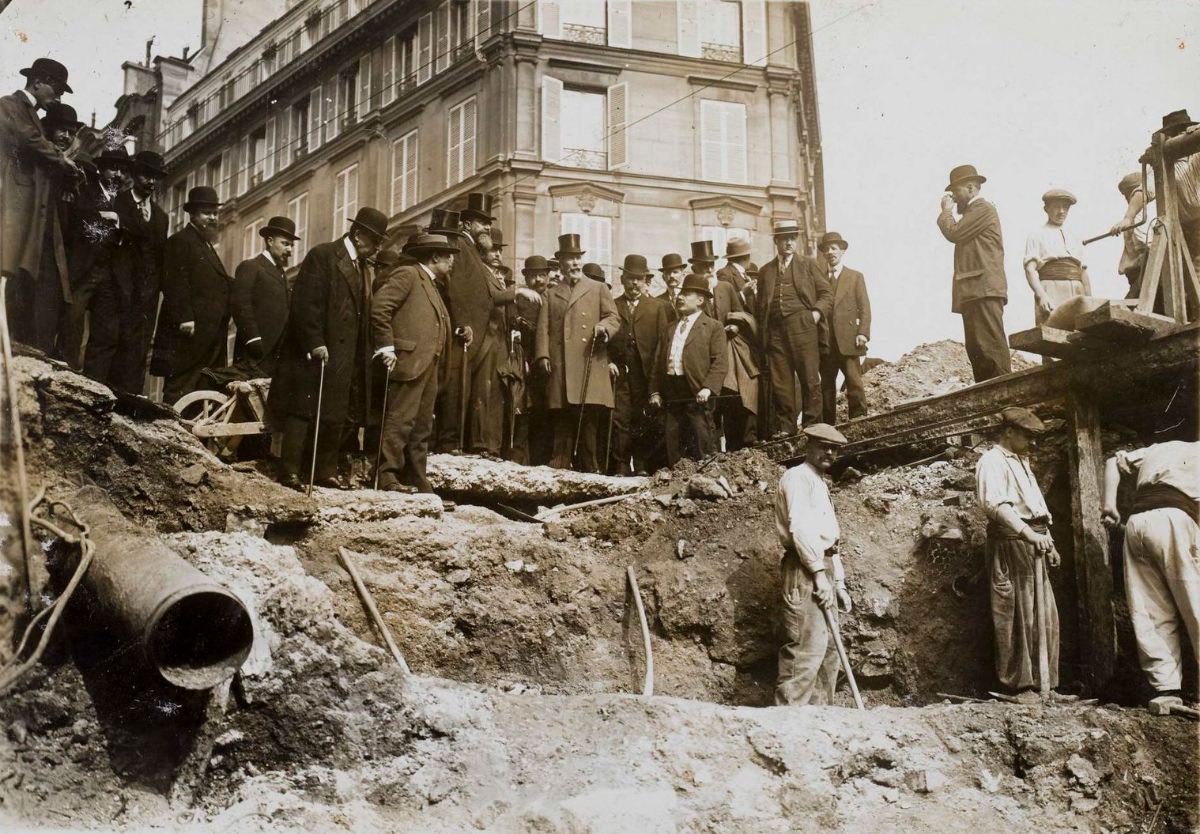
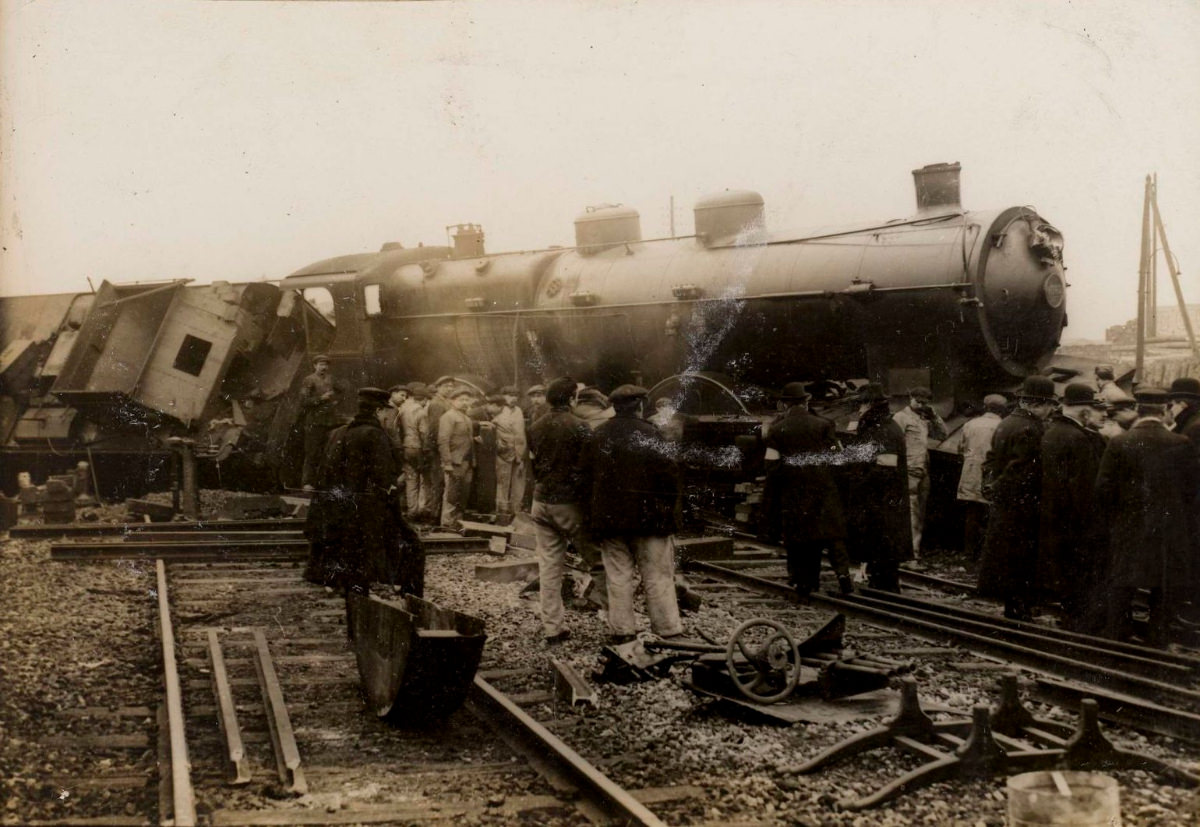
The gas main failures added another layer of danger that emergency responders were not fully equipped to handle simultaneously. With multiple explosions reported across different parts of the city, resources were stretched thin and damage assessments took days to complete.
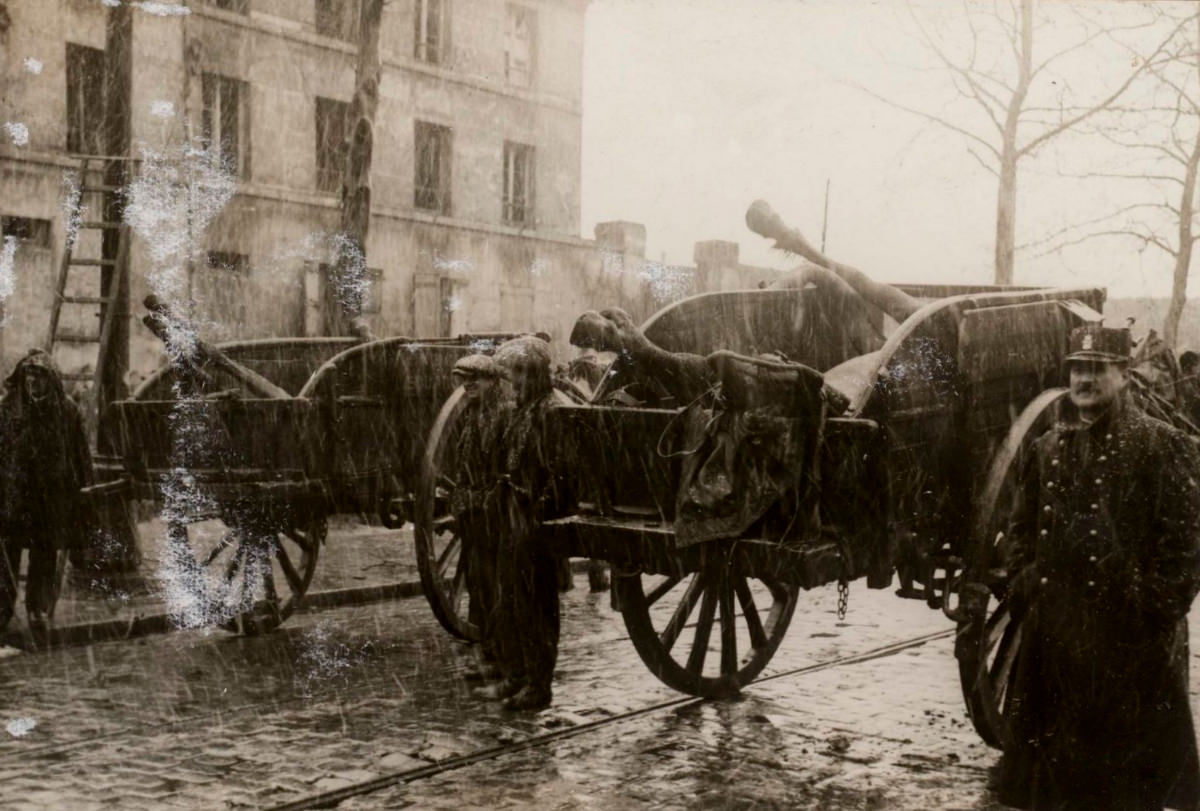
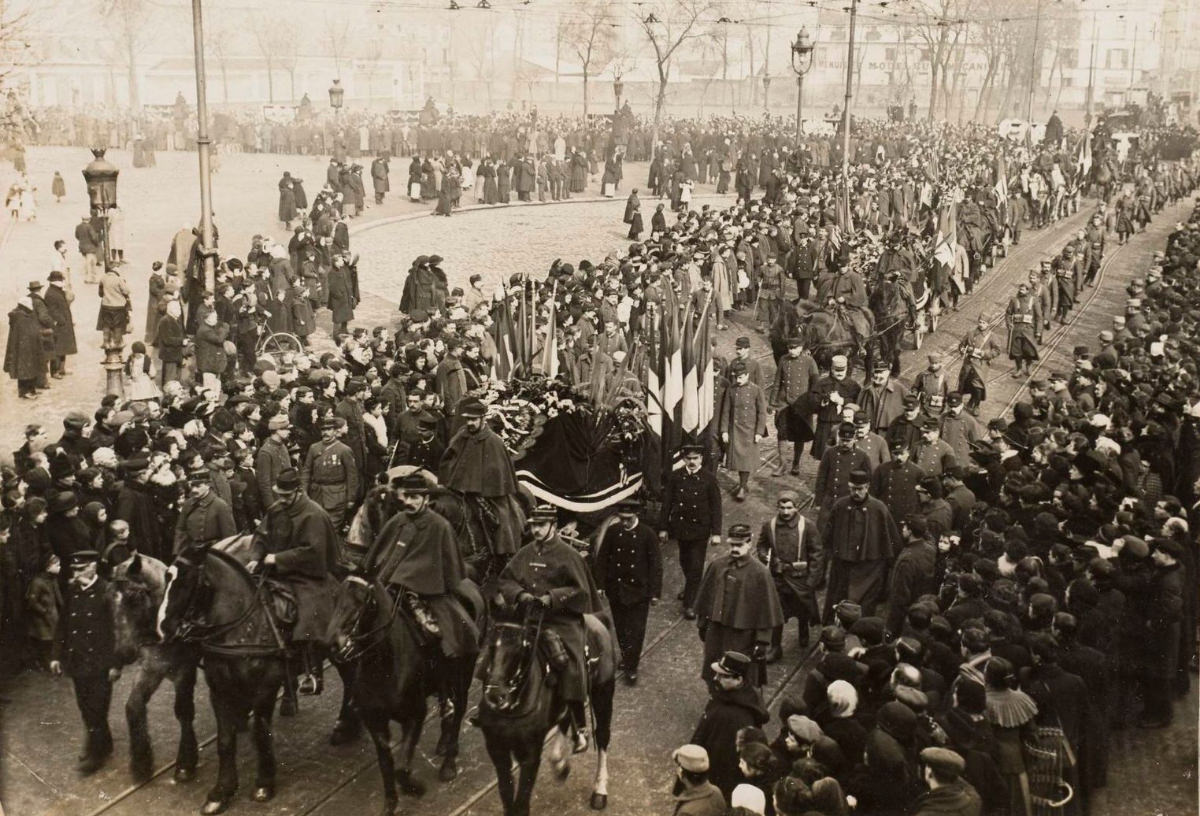
Three hours. That is all the time the storm needed to bring one of the world’s most famous cities to its knees. The rain stopped, but the craters, the wreckage, and the grief it left behind told the full story of what waterlogged ground and aging infrastructure could do when pushed too far.