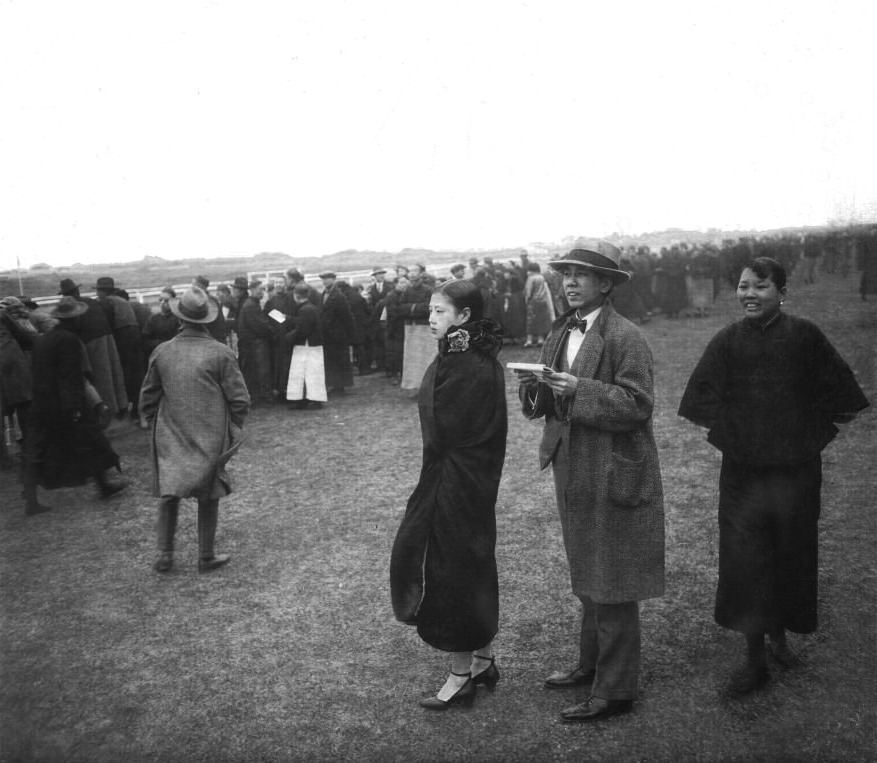
In the 1920s and 1930s, Shanghai was one of the most extraordinary cities on earth. It operated as a free port, which meant that people from nearly every corner of the world could arrive, settle, and do business with few restrictions. European expats, Americans, Russians, Jews, and Japanese nationals all lived side by side in a city carved into foreign concessions and Chinese neighborhoods. No single culture dominated — Shanghai belonged to everyone and no one at the same time.
At the heart of that world was the Bund, Shanghai’s famous waterfront strip. Lined with grand European-style buildings on one side and the busy Huangpu River on the other, it was the commercial and social spine of the city. Ships, merchants, and crowds moved through it constantly.
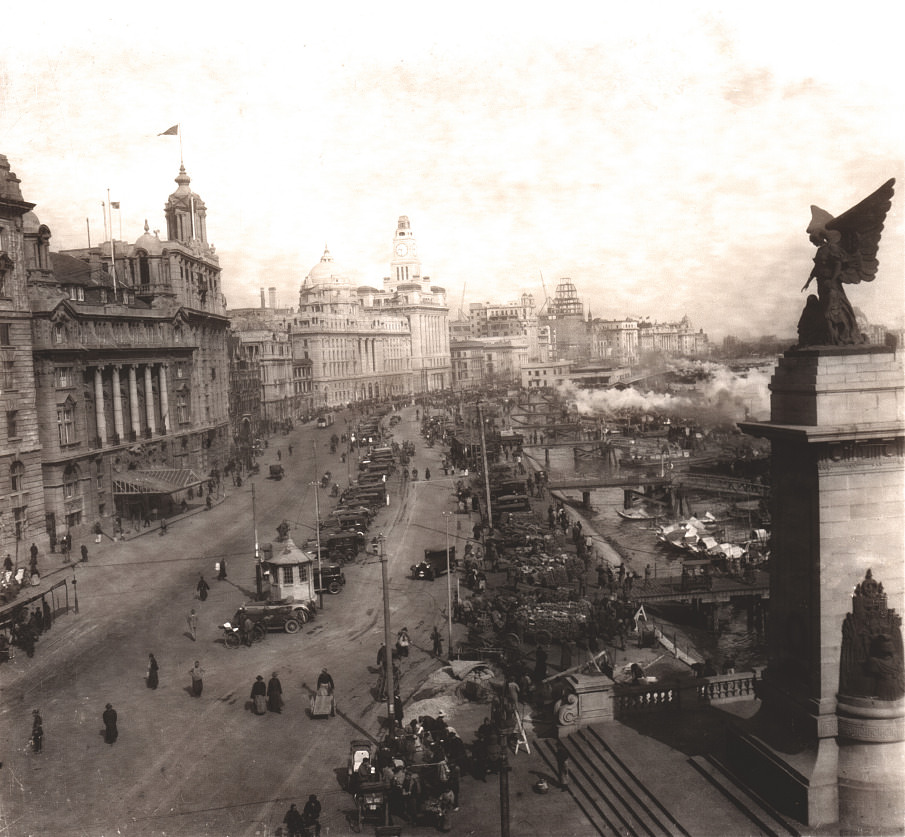
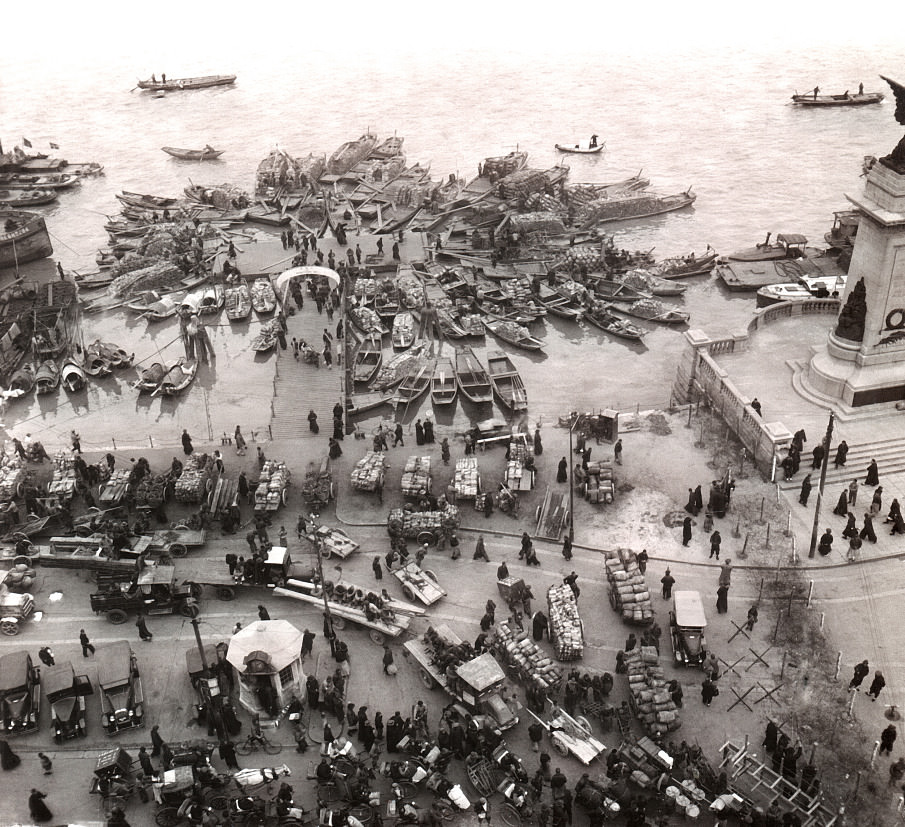
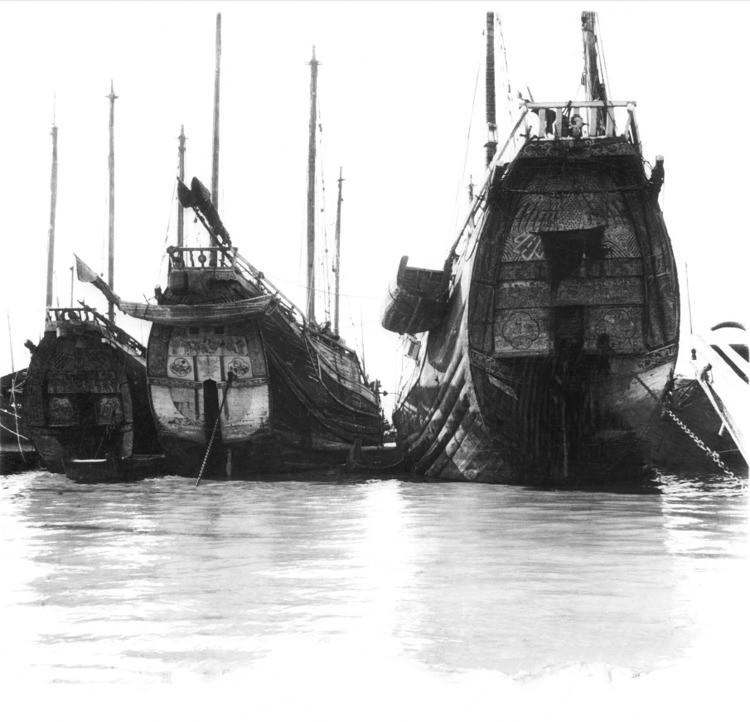
The riverbanks were never quiet. Wooden junks and trading vessels packed the water’s edge while crowds spilled along the walkways. The Bund was not just a financial district — it was a living, breathing crossroads where deals were struck, news traveled, and the city’s pulse was felt most strongly.
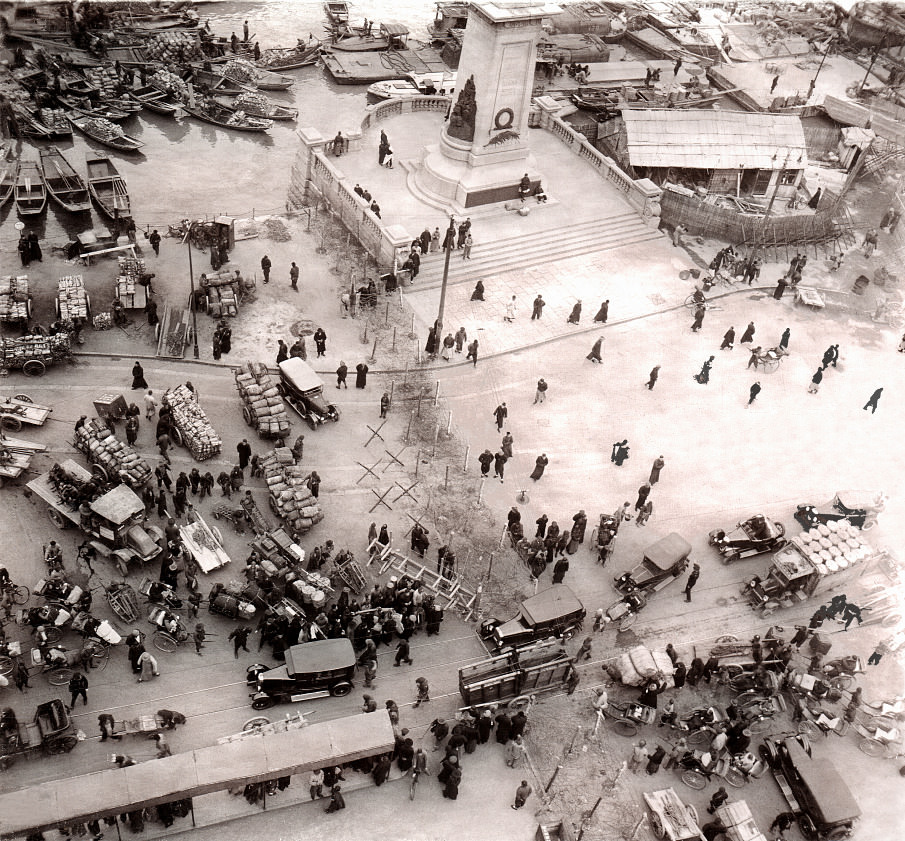
It was into this world that Louis-Philippe Messelier arrived in the 1920s. He was just 18 years old and had traveled from France to take part in Shanghai’s booming wool trade. While building his business career in the French Concession, he also carried a camera everywhere he went. The French Journal of Shanghai published his photographs, which captured daily life with a directness and curiosity that set them apart from more formal documentary work of the era.
Street performers were a fixture of Shanghai life, and Messelier photographed them closely. Snake charmers drew crowds in open spaces, commanding attention with live animals and practiced showmanship.
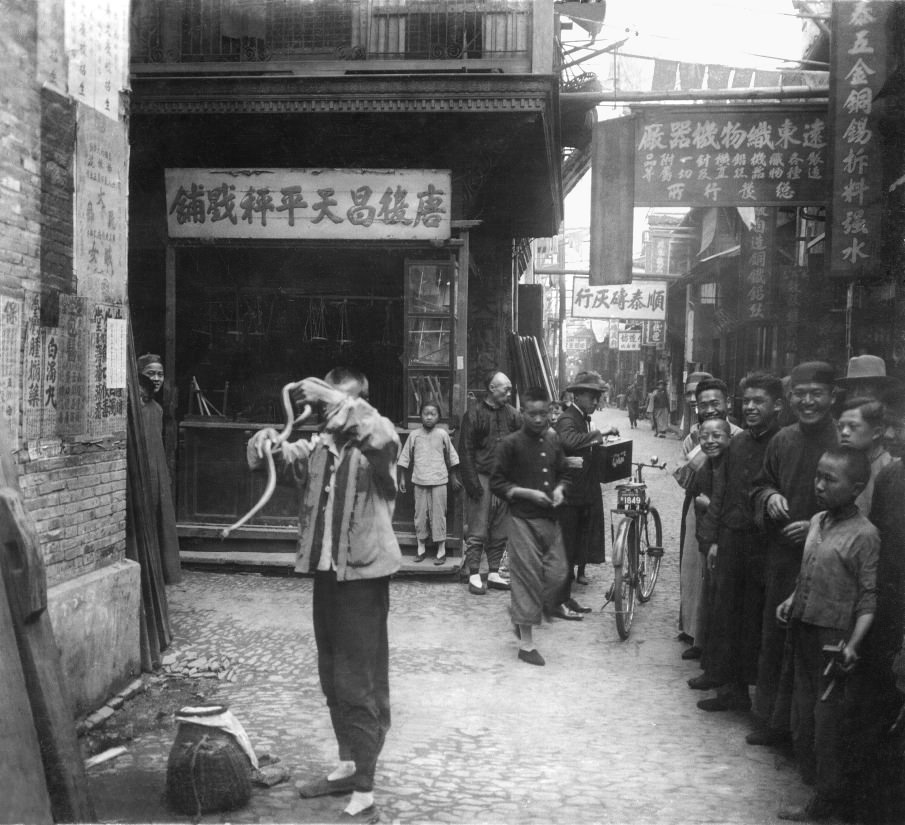
Young acrobats also performed throughout the French Concession. Children trained in physical acts that required years of discipline, performing for passersby on the streets for whatever they could earn.
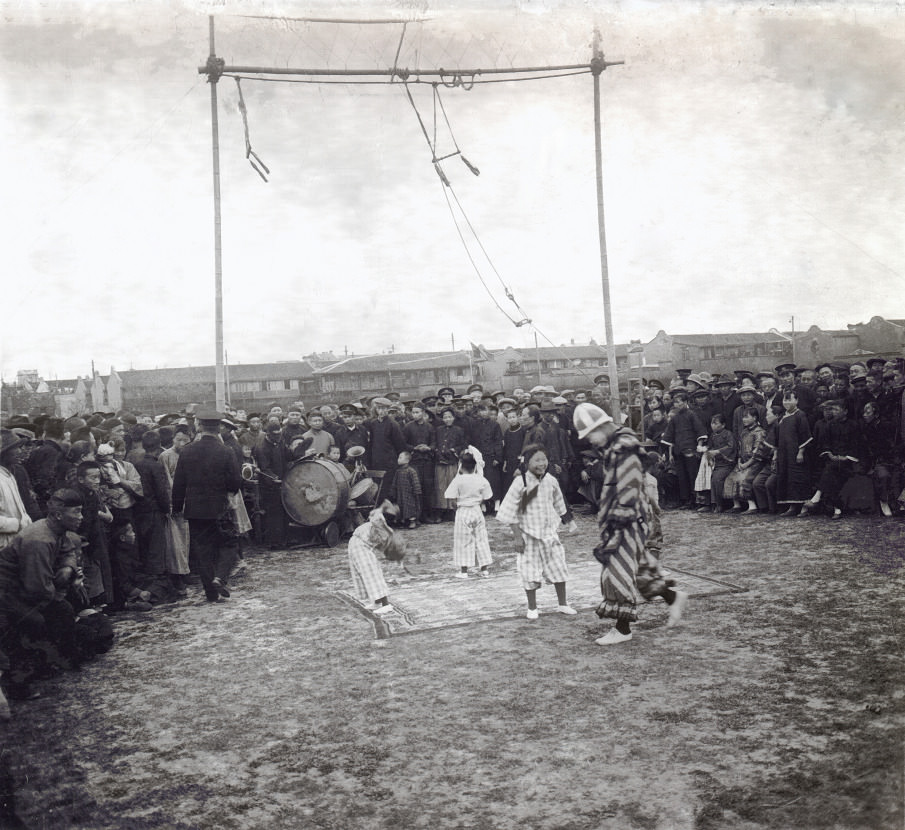
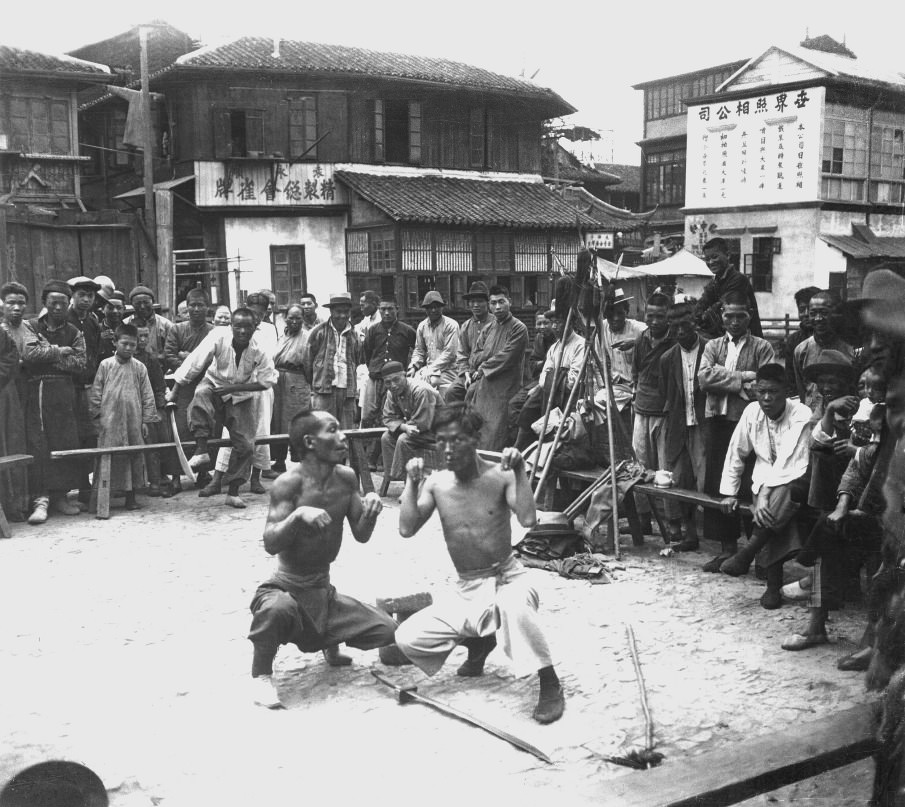
Street theater was another common sight. Performers staged dramatic scenes in open-air settings, drawing in crowds who gathered to watch stories unfold in real time. These performances blended music, costume, and spoken word — a tradition that had roots stretching back centuries in Chinese culture.
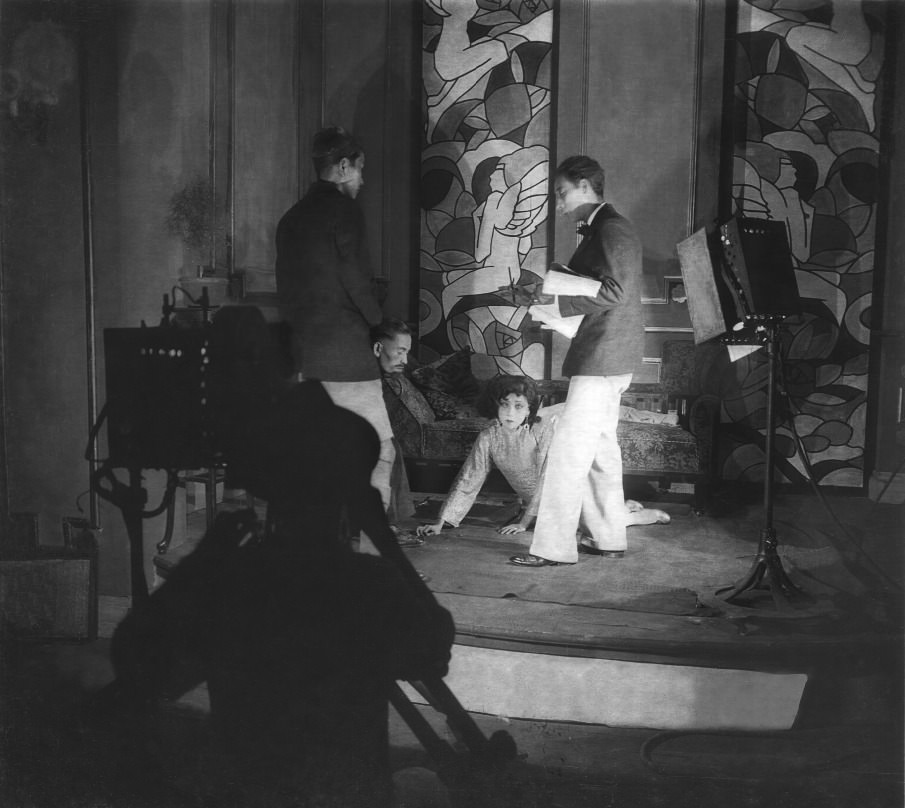
Shanghai in this period was also becoming a center of Chinese cinema. Film studios were active in and around the city, producing pictures that drew audiences from across the country. Messelier photographed a film shoot in progress around 1930, capturing a slice of an industry that was still finding its footing.
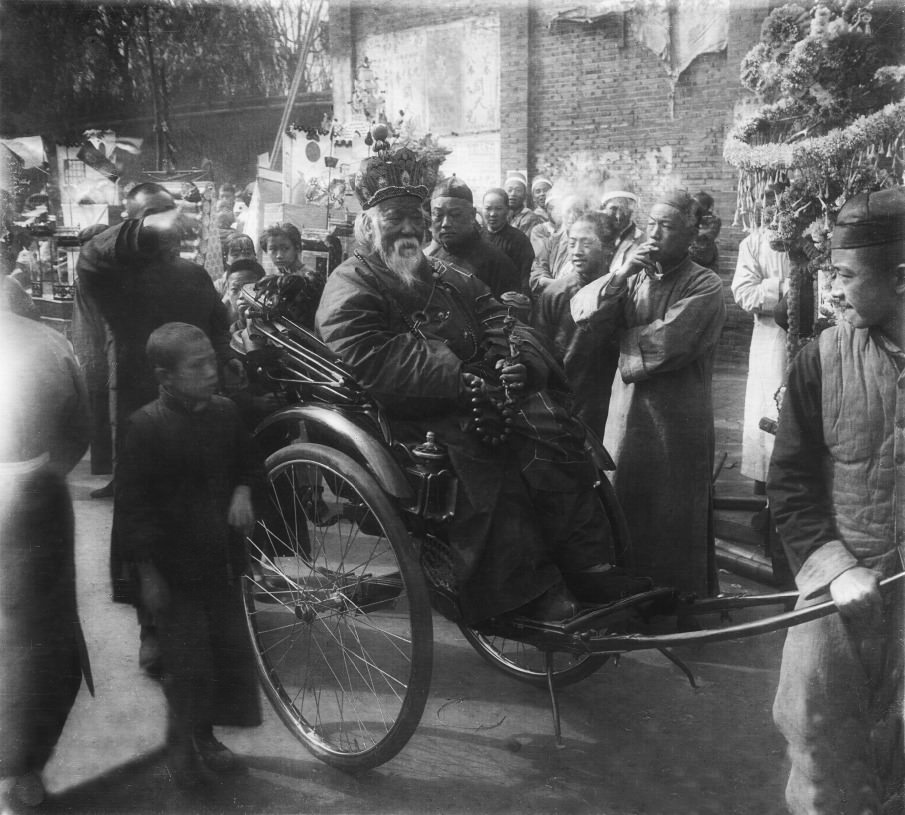
Religion was woven deeply into Shanghai’s streets. Ritual processions moved through neighborhoods, led by figures of spiritual authority. Messelier photographed religious dignitaries in ceremonial dress, documenting practices that remained central to daily life even as the city modernized rapidly around them.
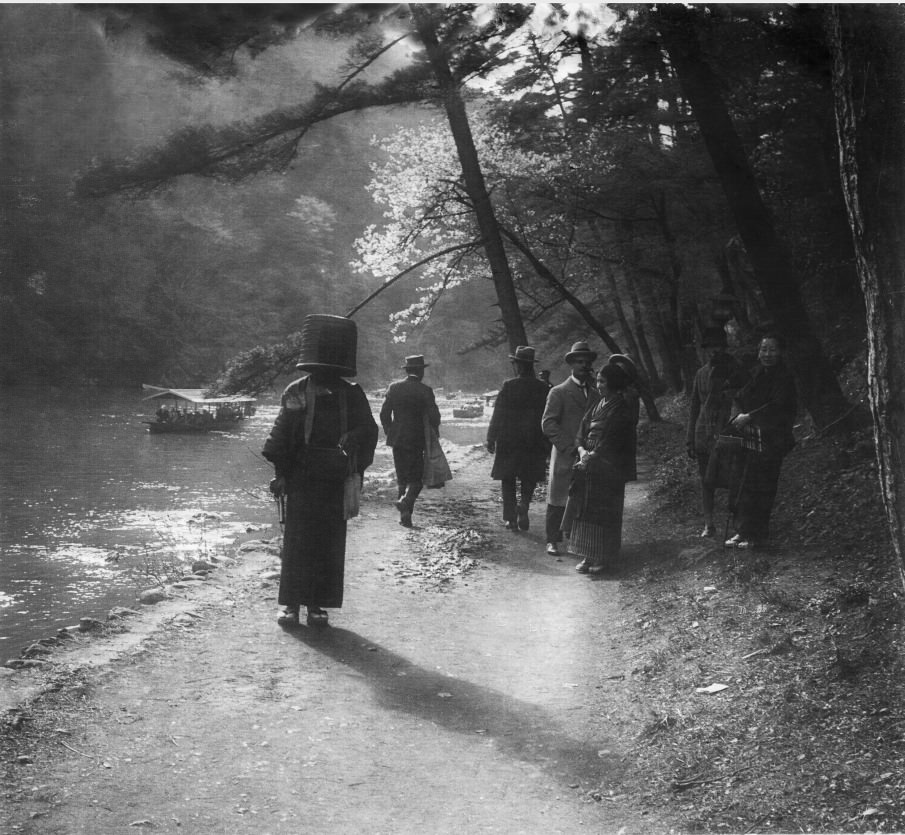
The city’s international character showed up in unexpected places. Japanese itinerant Kumosu monks walked Shanghai’s streets in 1932, their presence a reminder of how many different communities had taken root in the city. Japanese nationals made up one of the largest foreign populations in Shanghai, and their cultural practices appeared openly in public life.
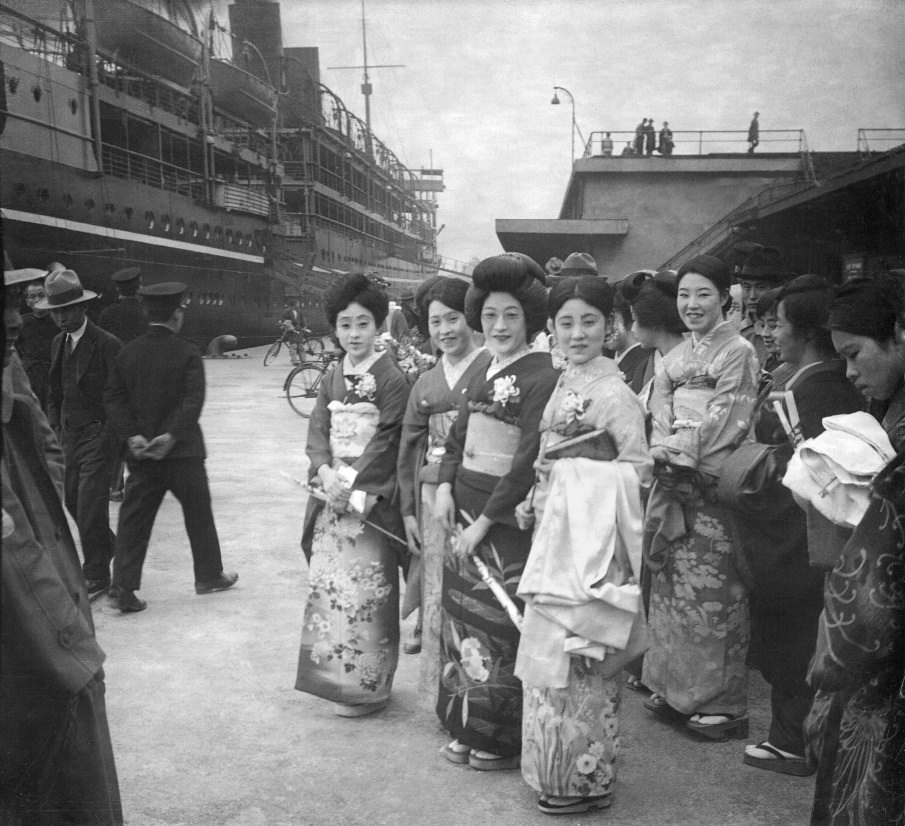
Japanese women were also a common sight at the harbor, dressed in traditional clothing as they arrived or departed by ship. Shanghai’s port connected East Asia in constant motion, and the harbor was a place where cultures literally came ashore.
Away from the harbor, the Huangpu River carried the wooden junks that had sailed Chinese waterways for generations. These vessels handled much of the local trade and fishing that kept the city fed and supplied, running parallel to the massive commercial shipping operations of the international port.
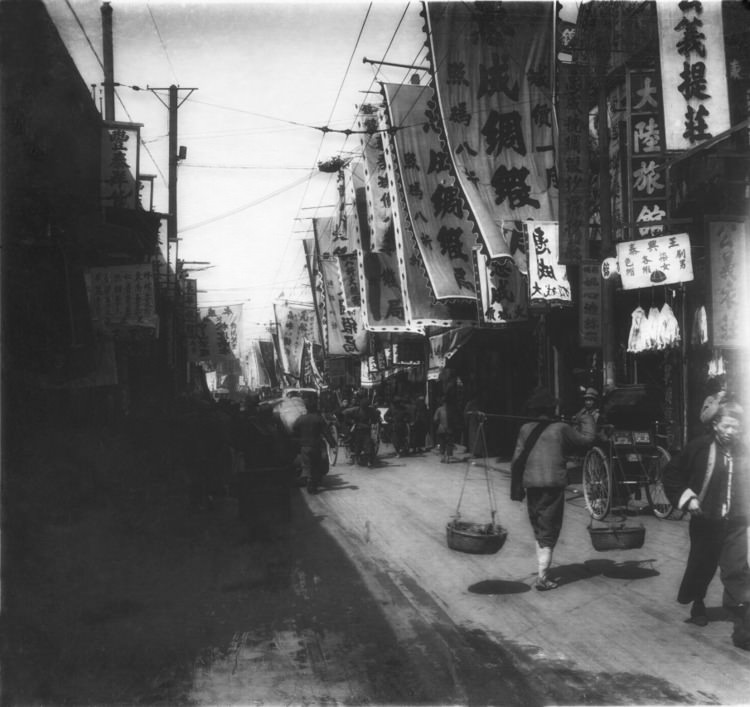
On land, Shanghai’s streets had their own rhythm. The French Concession’s Fuzhou Street was lined with shops and foot traffic, a lively stretch that reflected the neighborhood’s mix of commerce and everyday life.
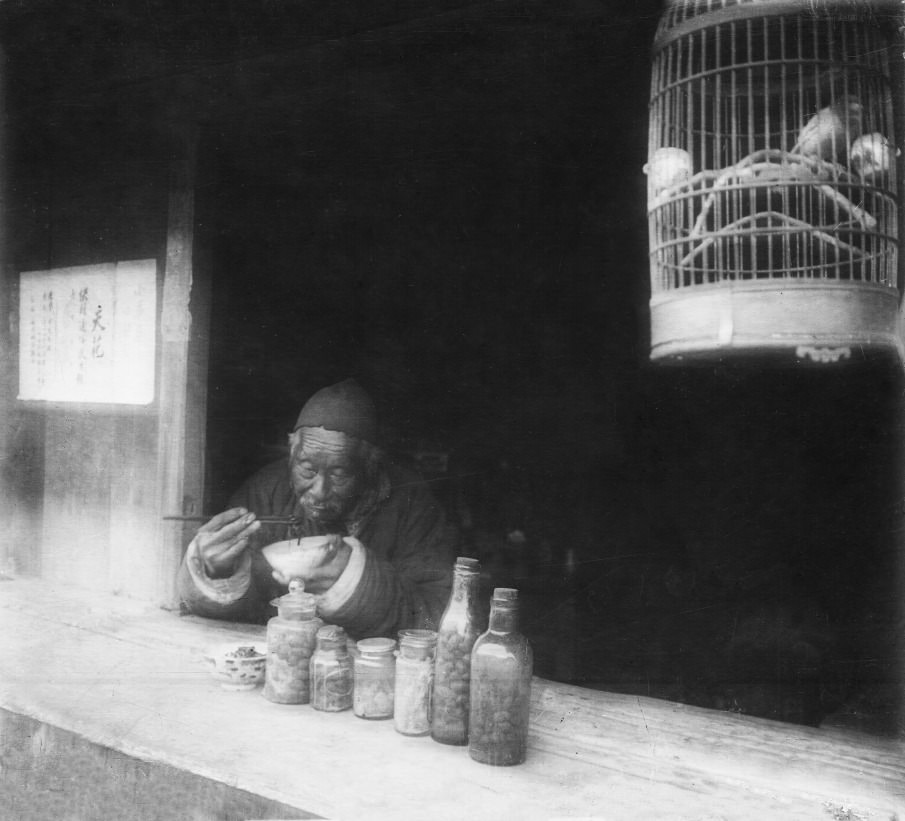
In quieter corners, life moved at a slower pace. An old man eating noodles in his shop, a caged bird hanging nearby, summed up a kind of Shanghai that existed far from the grand buildings of the Bund — small, personal, and unhurried. Messelier photographed this scene as early as 1923, one of his earliest recorded images from the city.
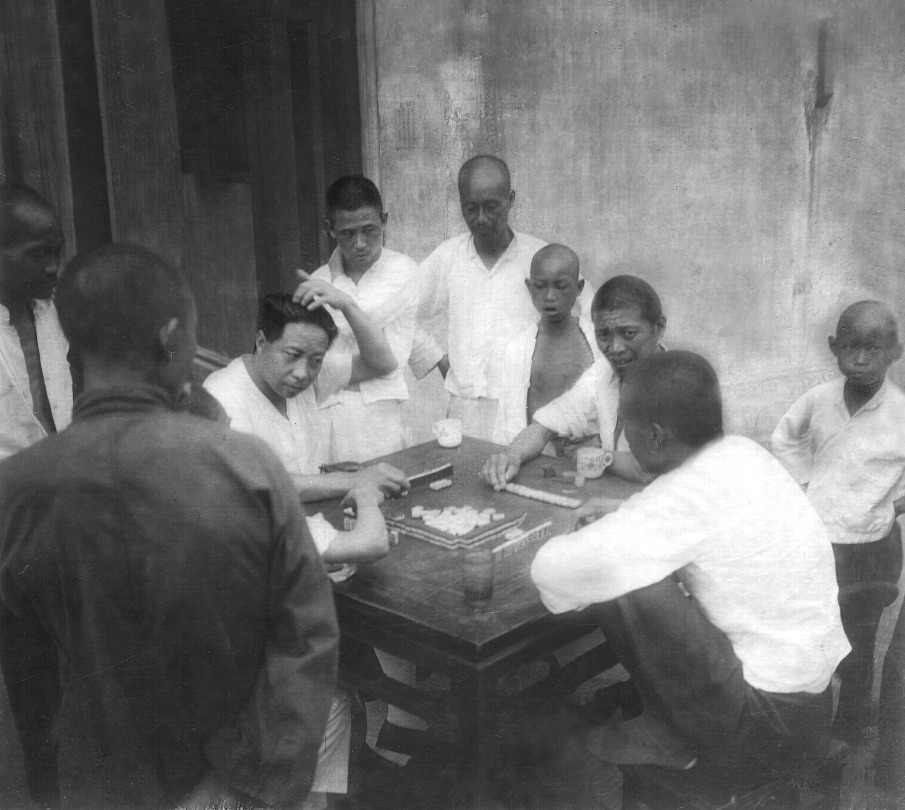
Mahjong was played everywhere — in back rooms, on sidewalks, and in teahouses. The game was a social institution in Chinese life, and the sound of tiles clicking on a table was as much a part of Shanghai’s soundtrack as any street noise.
For the foreign community, the racecourse was one of the city’s great social arenas. Horse racing in Shanghai drew crowds from across the expatriate world, and attending the races was as much about being seen as it was about the sport itself. It was one of the few spaces where Shanghai’s many communities mixed in a relatively informal setting.