
Memphis, Tennessee, was founded in 1819 on a bluff overlooking the Mississippi River. Its founders named it after the ancient Egyptian capital on the Nile — a fitting tribute given its position as a gateway city built around water, trade, and movement. Within just a few decades, it had grown into one of the most economically significant cities in the American South, and its story across the 20th century is one of industry, hardship, music, and civil rights.
By the 1850s, Memphis had become the largest inland cotton market in the world. That industry was built entirely on the labor of enslaved people. More than one million enslaved men, women, and children were transported through the Upper South, and Memphis served as a major hub in the domestic slave trade during the early 19th century. The weight of that history shaped the city’s demographics, economy, and culture for generations to come.
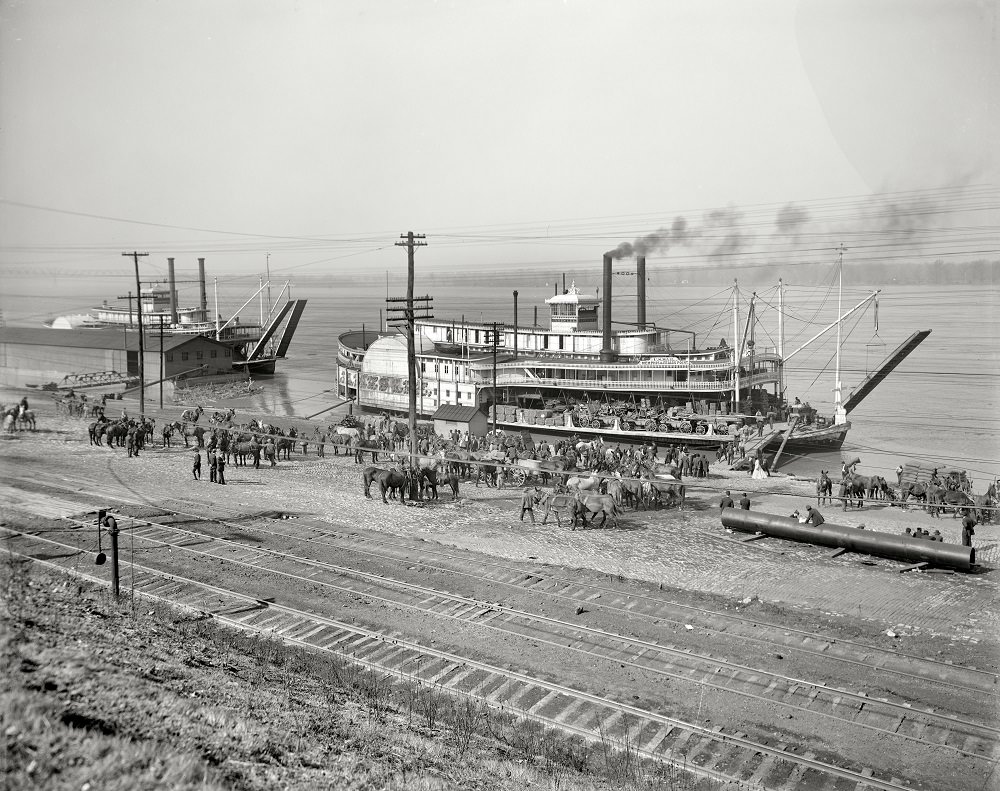
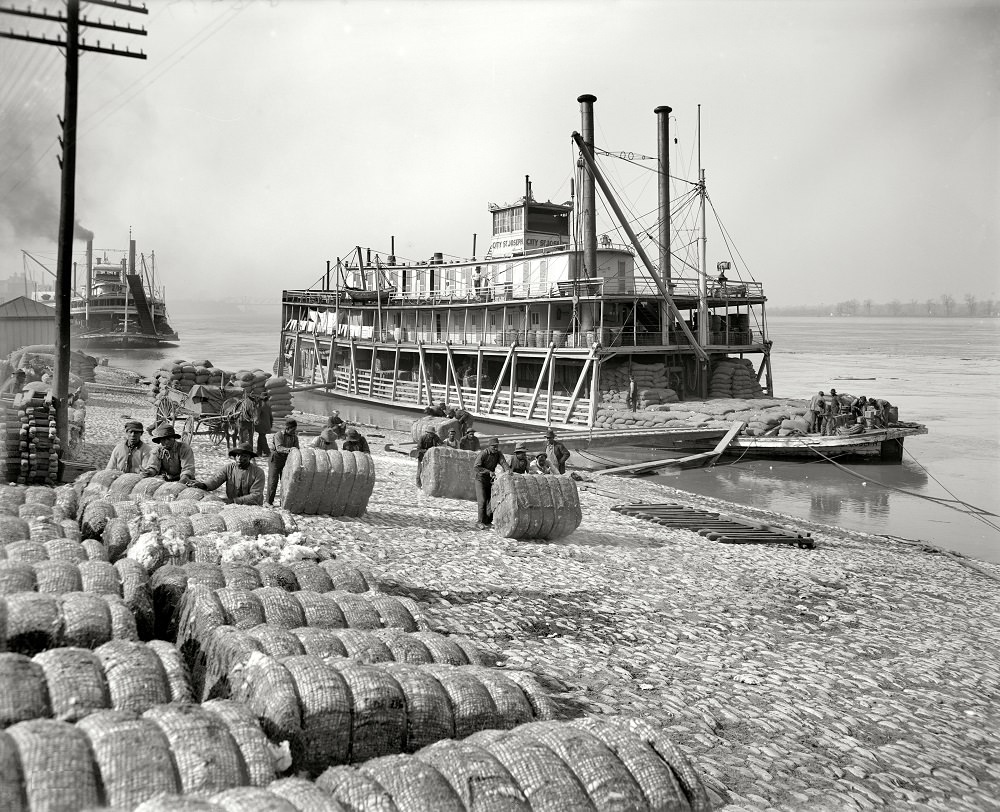
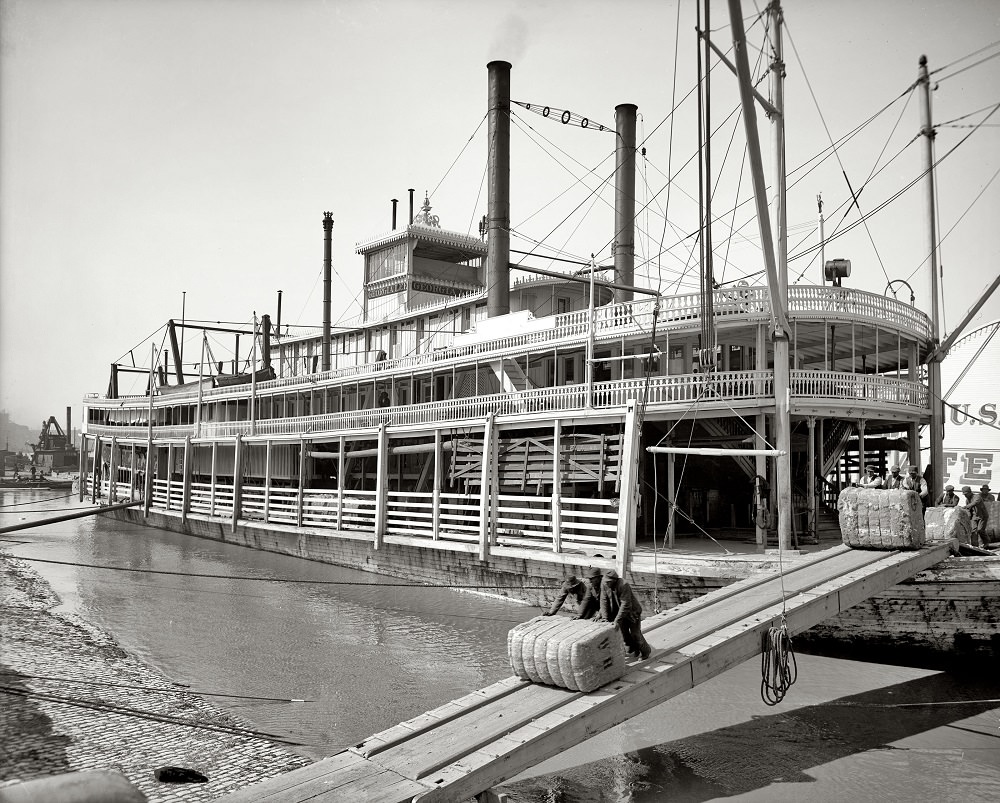
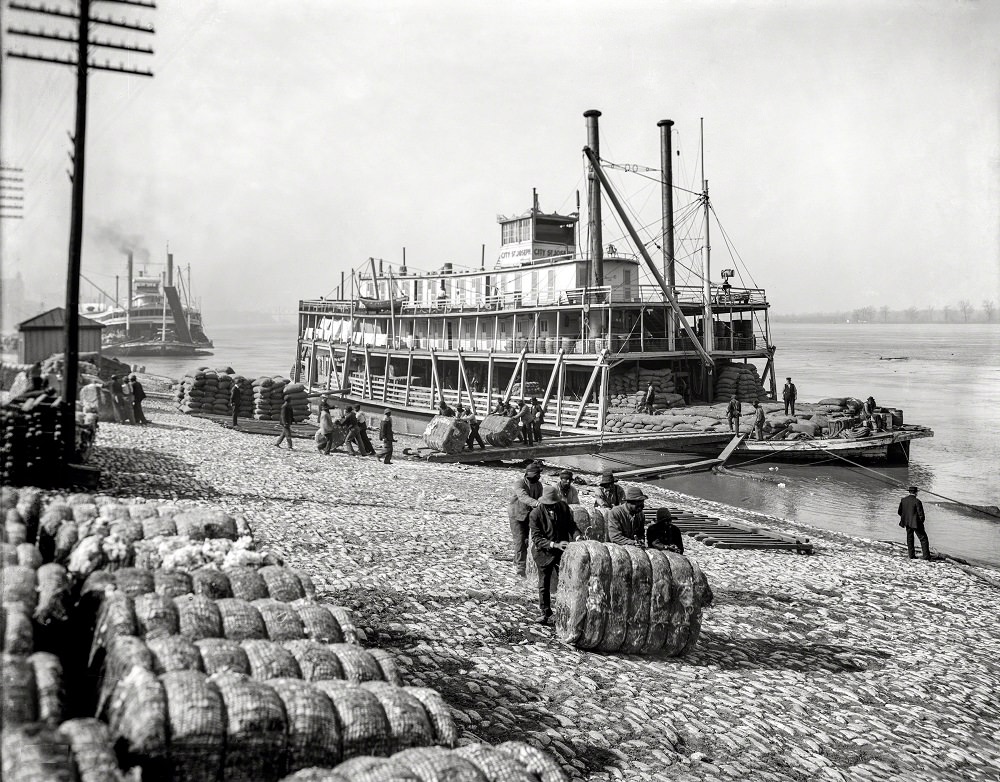
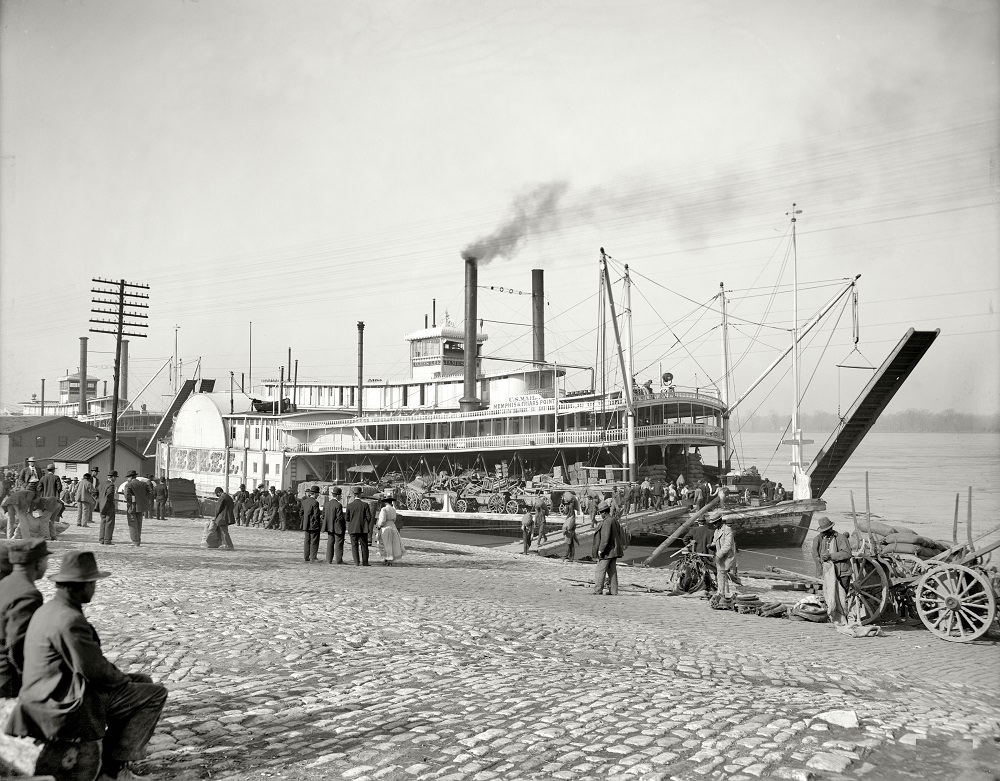
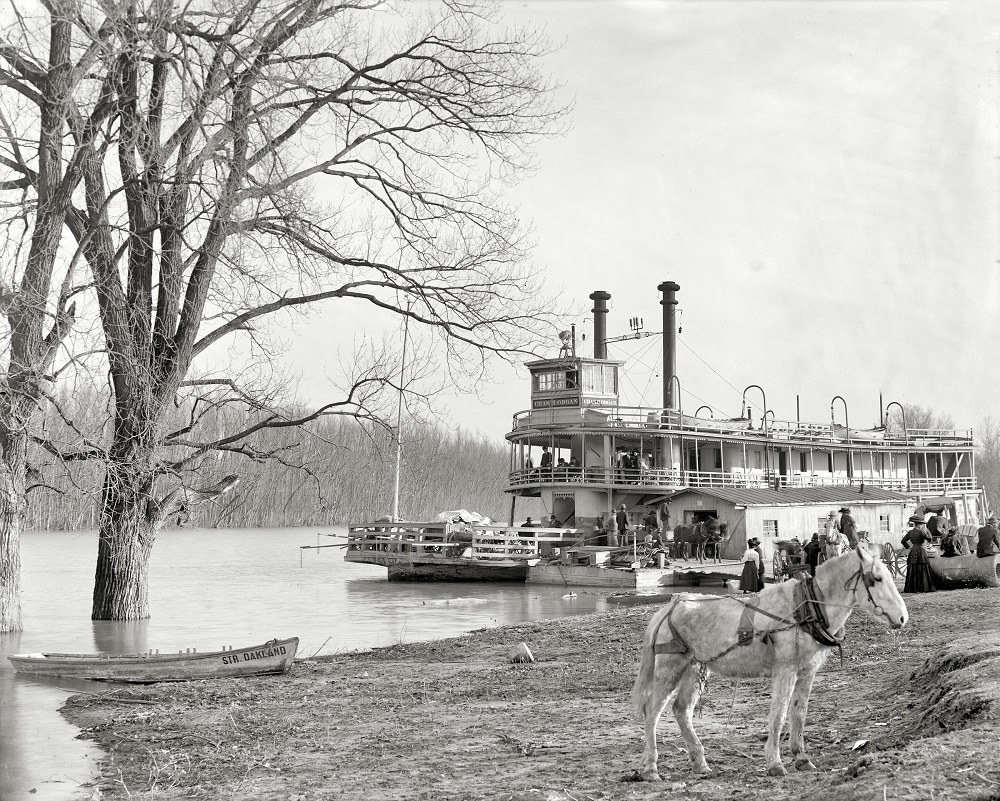
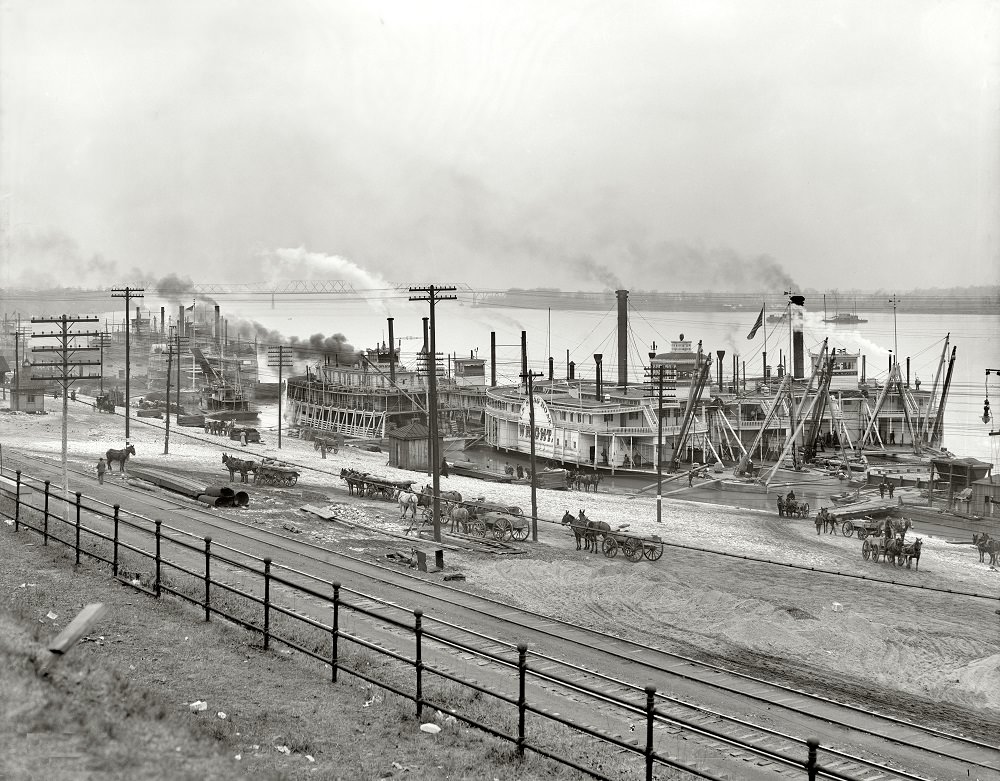
As the 20th century opened, the Mississippi River levee was the beating heart of Memphis commerce. Goods moved constantly along the waterfront — cotton bales stacked high, river packets loading and unloading cargo, and workers navigating the muddy banks. These early photographs from around 1900 show just how central the river was to daily life in the city.
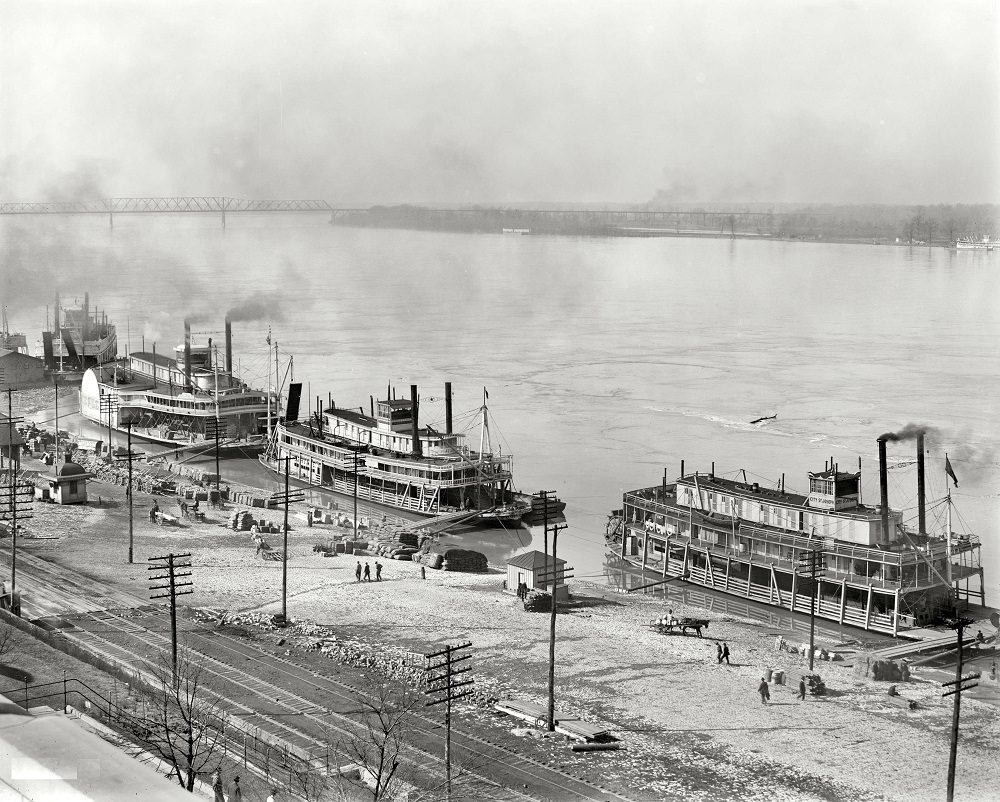
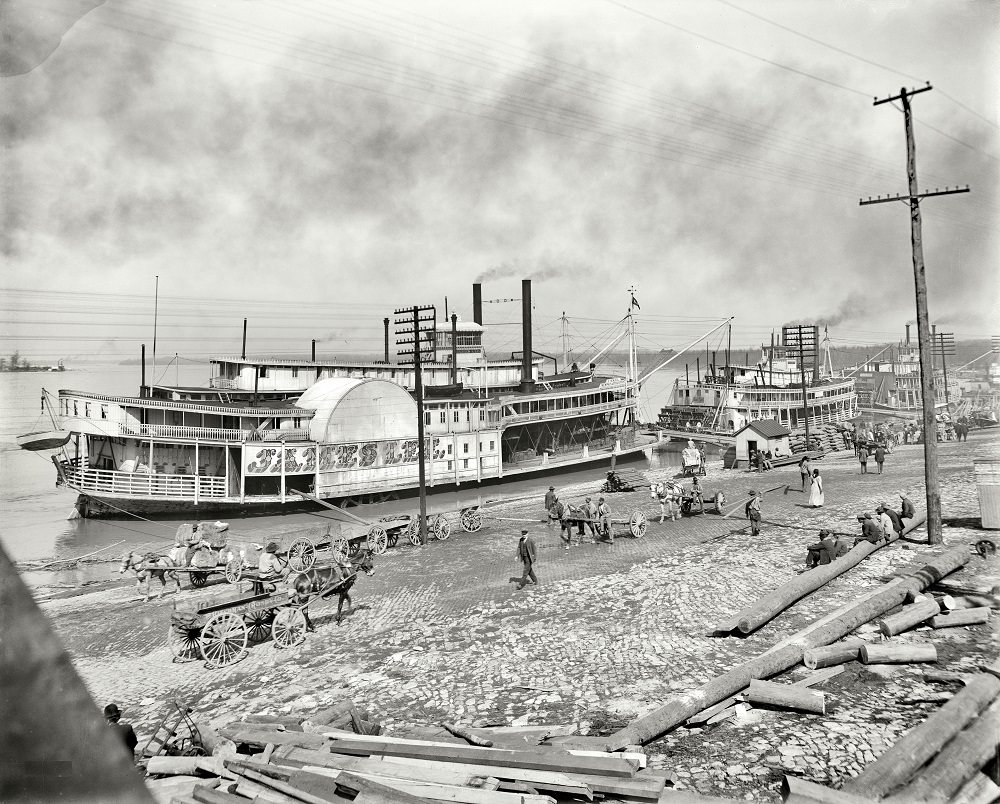
The riverfront was always busy. Steamboats and river packets were the workhorses of trade along the Mississippi, carrying cotton, lumber, and passengers across vast stretches of the country. Several well-known vessels operated out of Memphis during this era, including the sternwheeler City St. Joseph and the packet James Lee. Coaling — the process of refueling a moving riverboat — was a common sight on the water near Memphis well into the early 1900s.
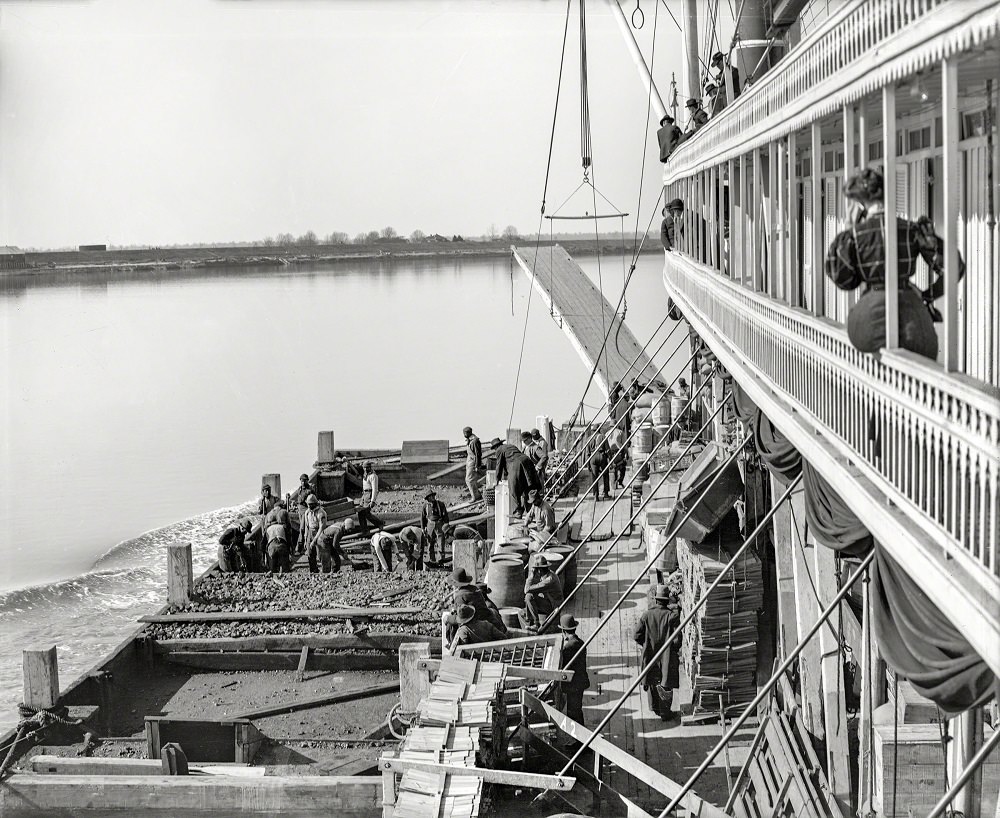
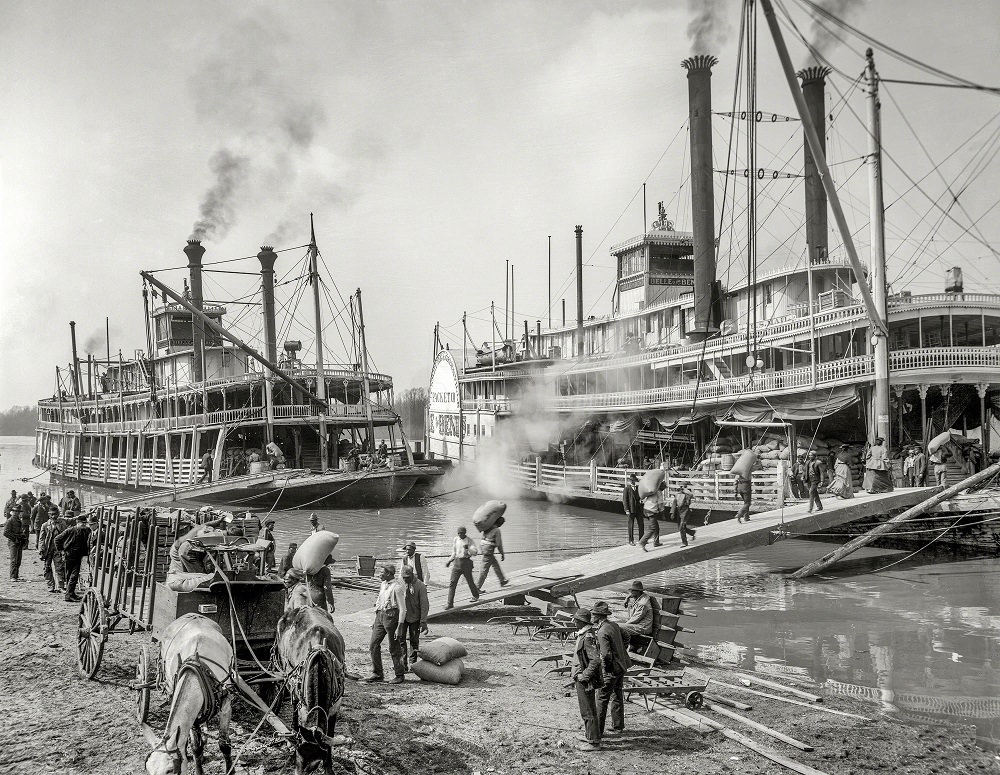
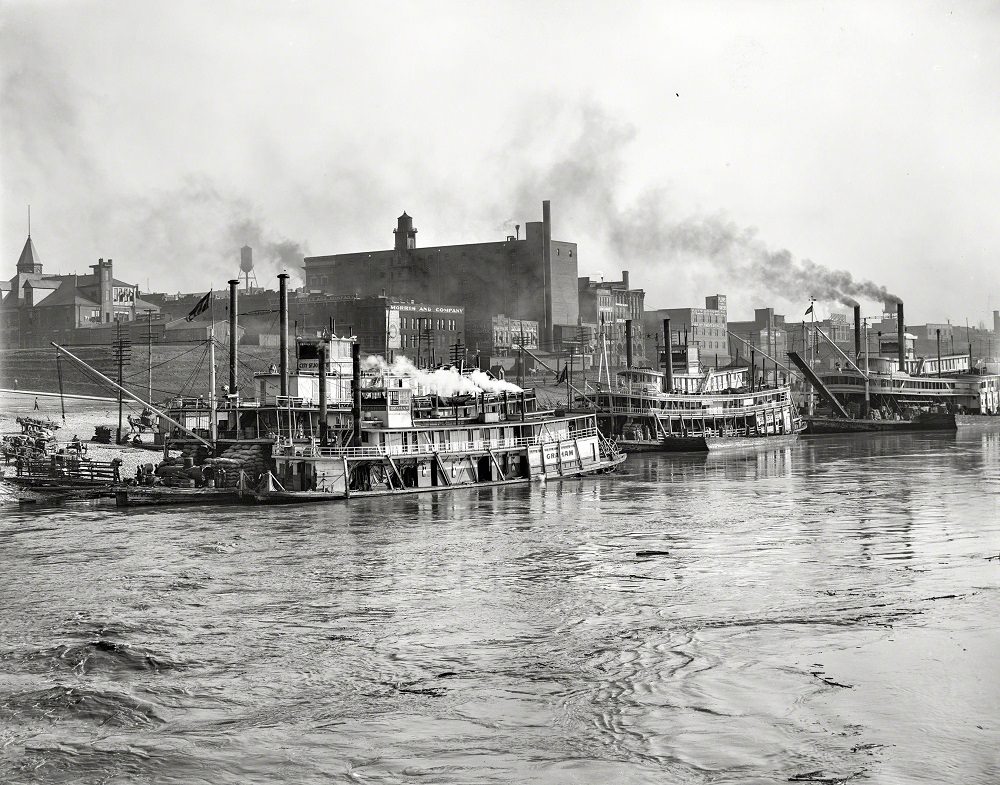
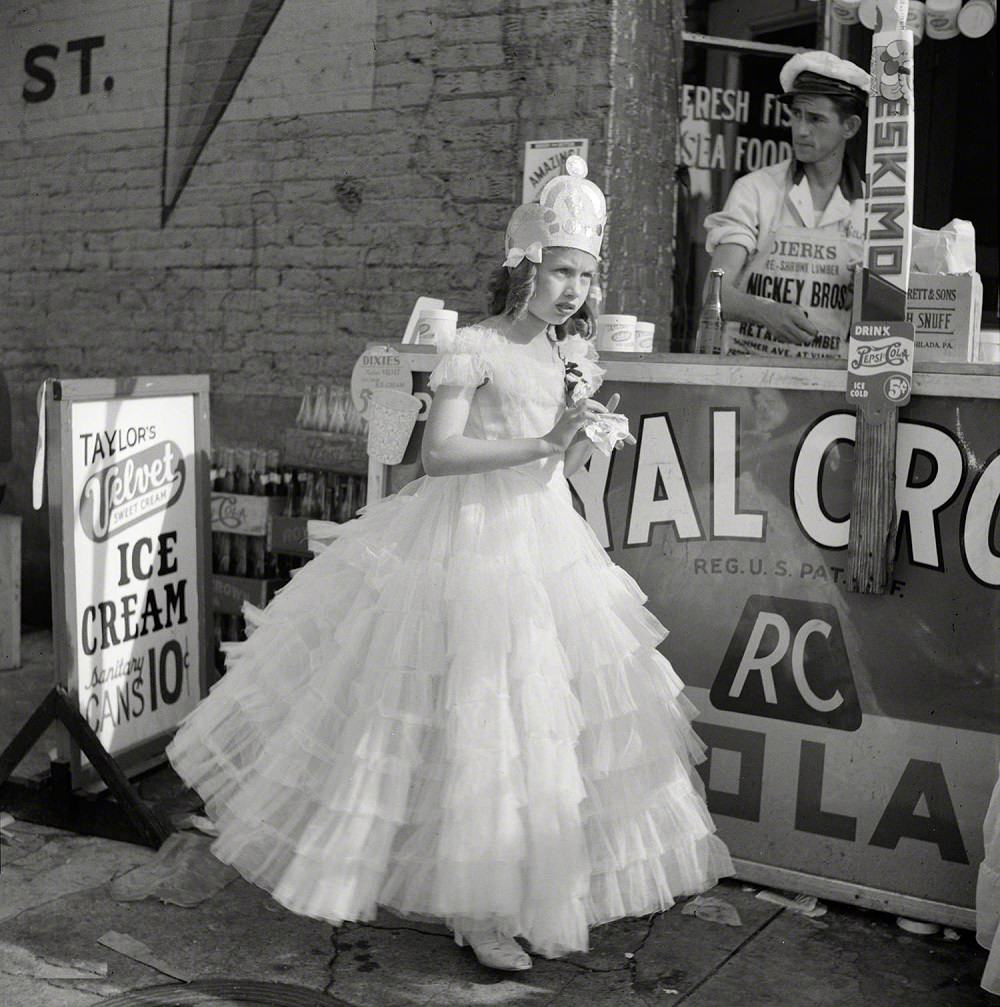
Cotton remained king in Memphis well into the early 1900s. Workers unloaded bales directly from the riverboats onto the levee, where buyers and brokers negotiated deals that would ripple through global textile markets. The city’s identity was so tied to cotton that it celebrated the crop with an annual Cotton Carnival each spring, drawing crowds from across the region.
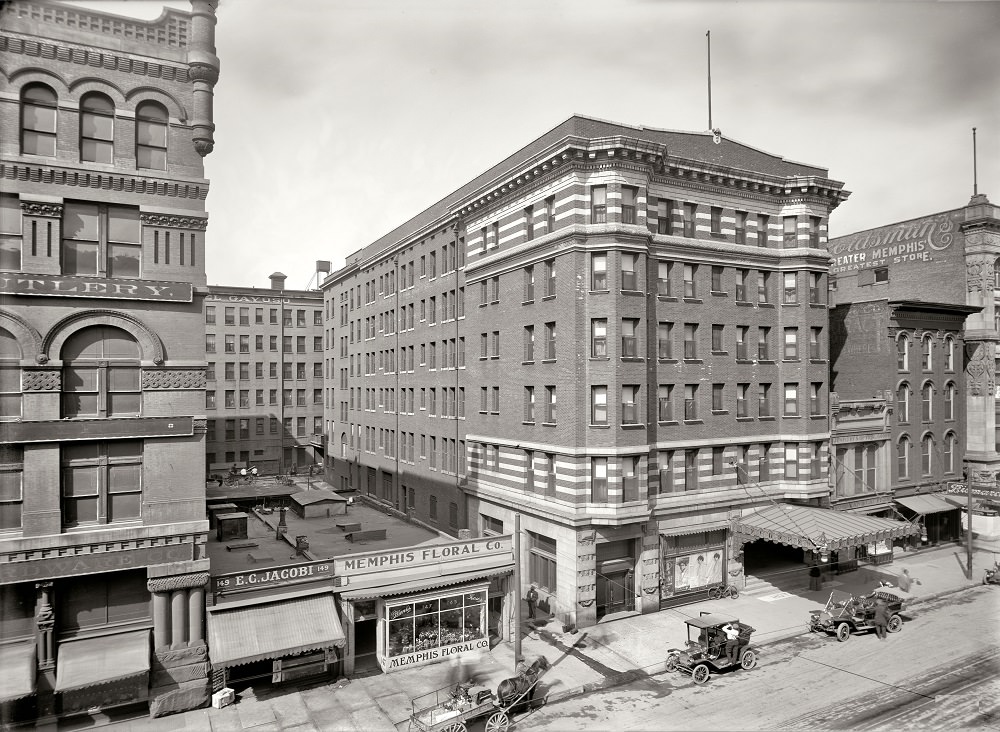
Beyond cotton, Memphis also rose to become the largest hardwood lumber market and the largest mule market in the country during the early 20th century. These industries drew a surge of immigrants and workers to the city, and the population grew rapidly despite repeated bouts of yellow fever that had devastated the city in the decades prior. Downtown Memphis reflected this growth through its expanding skyline and busy commercial streets.
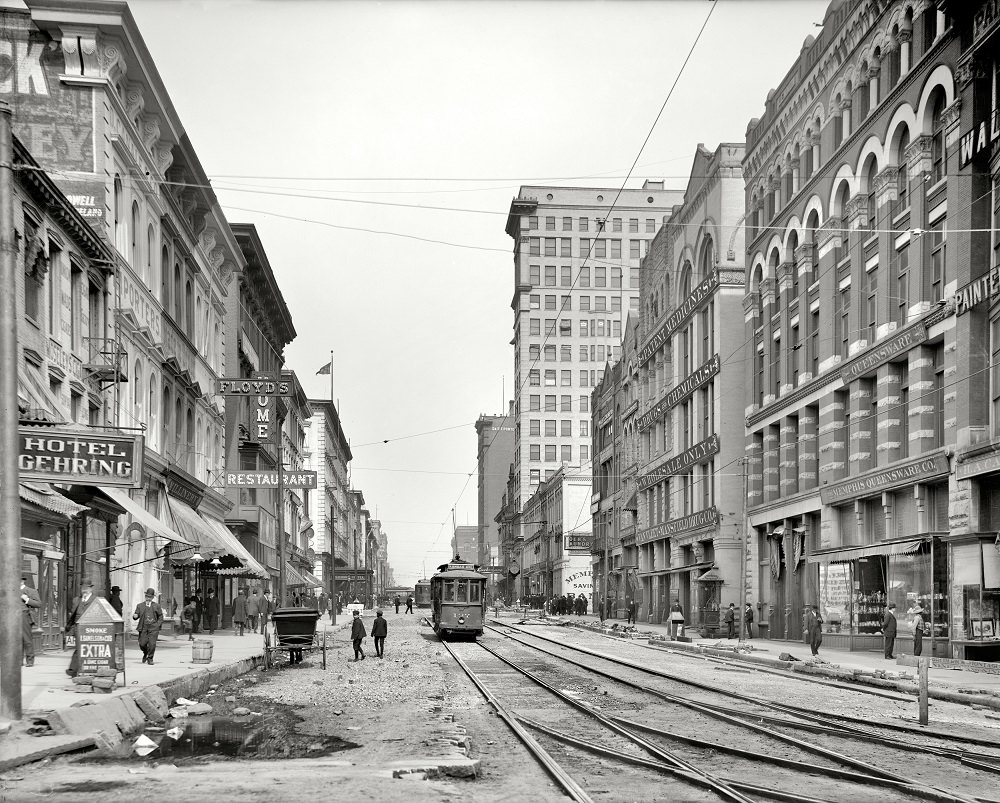
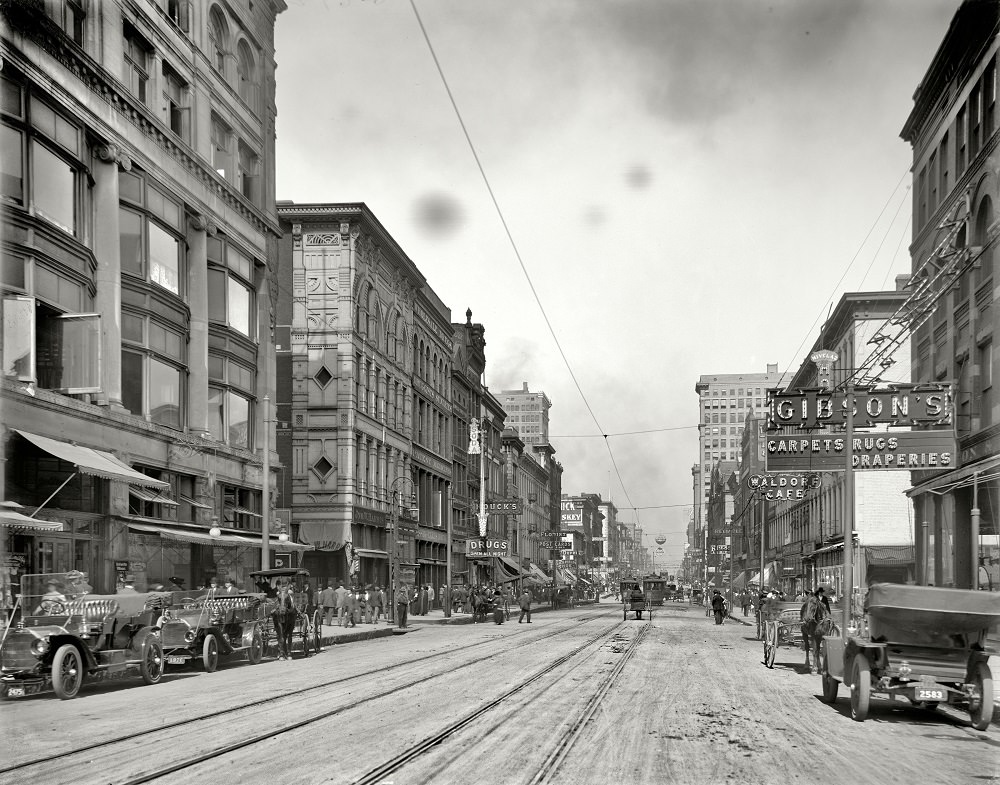
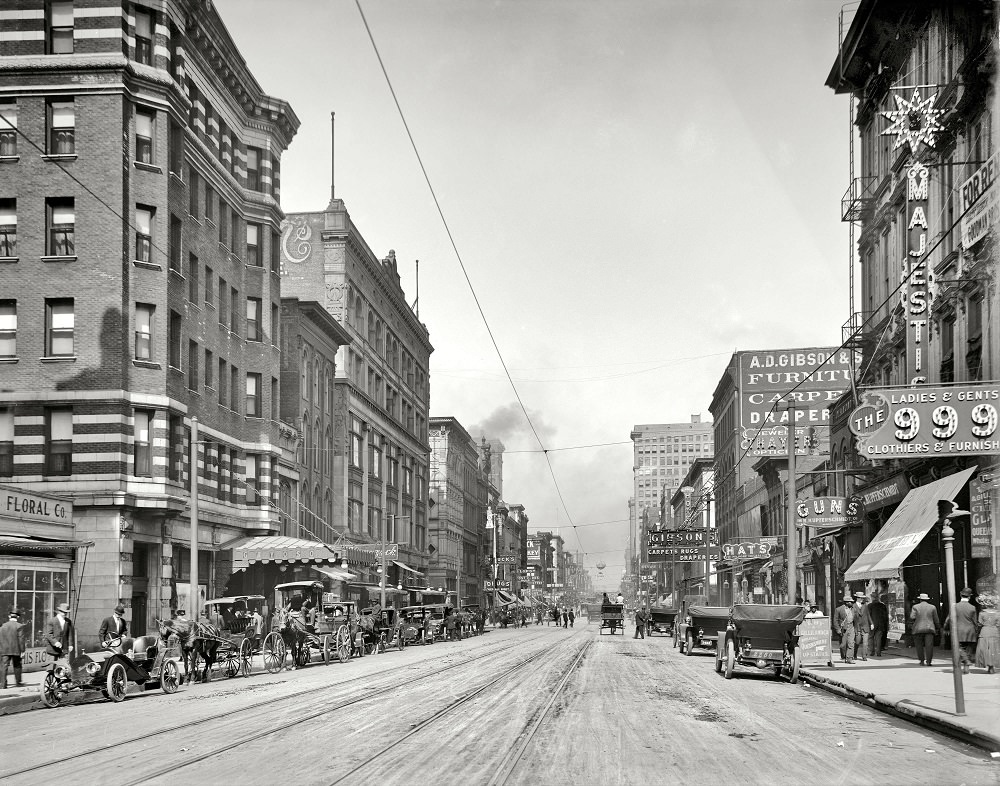
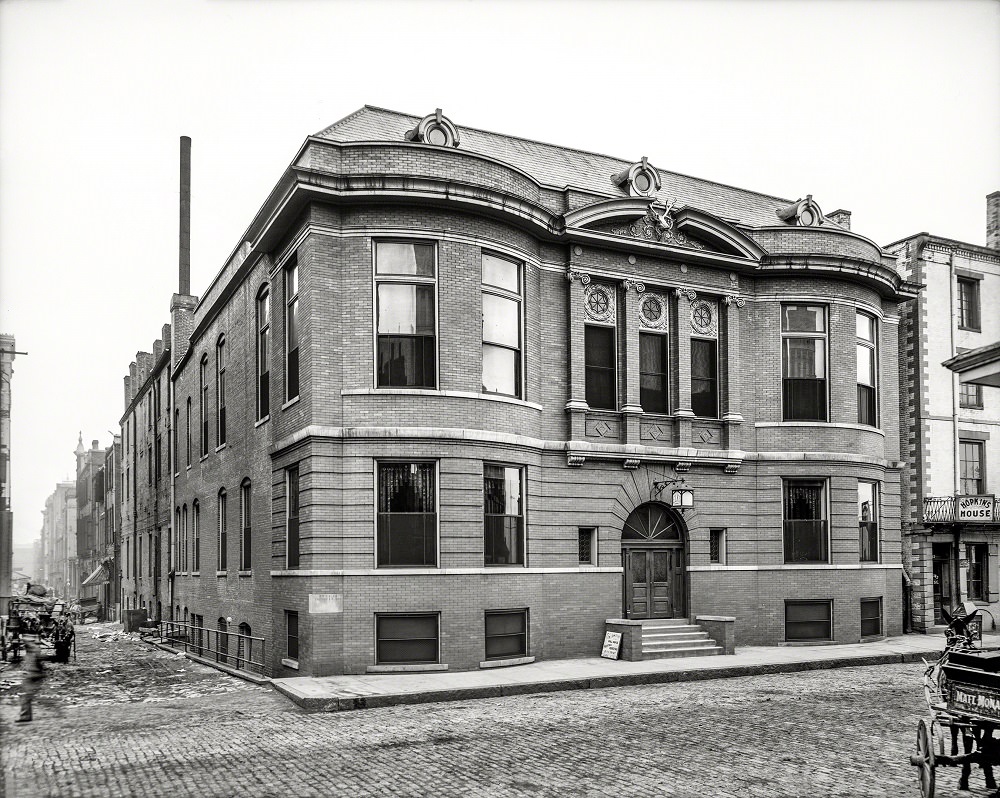
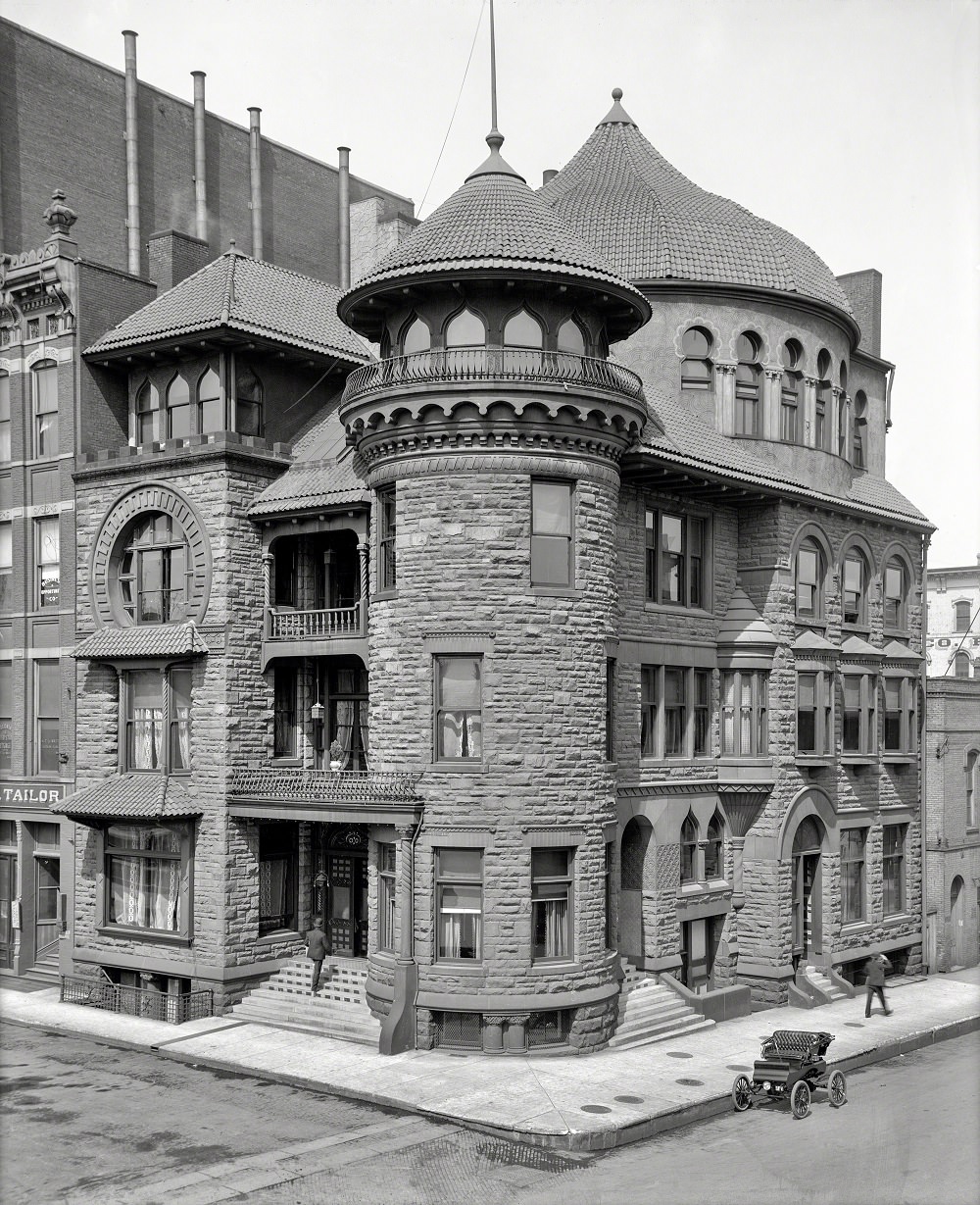
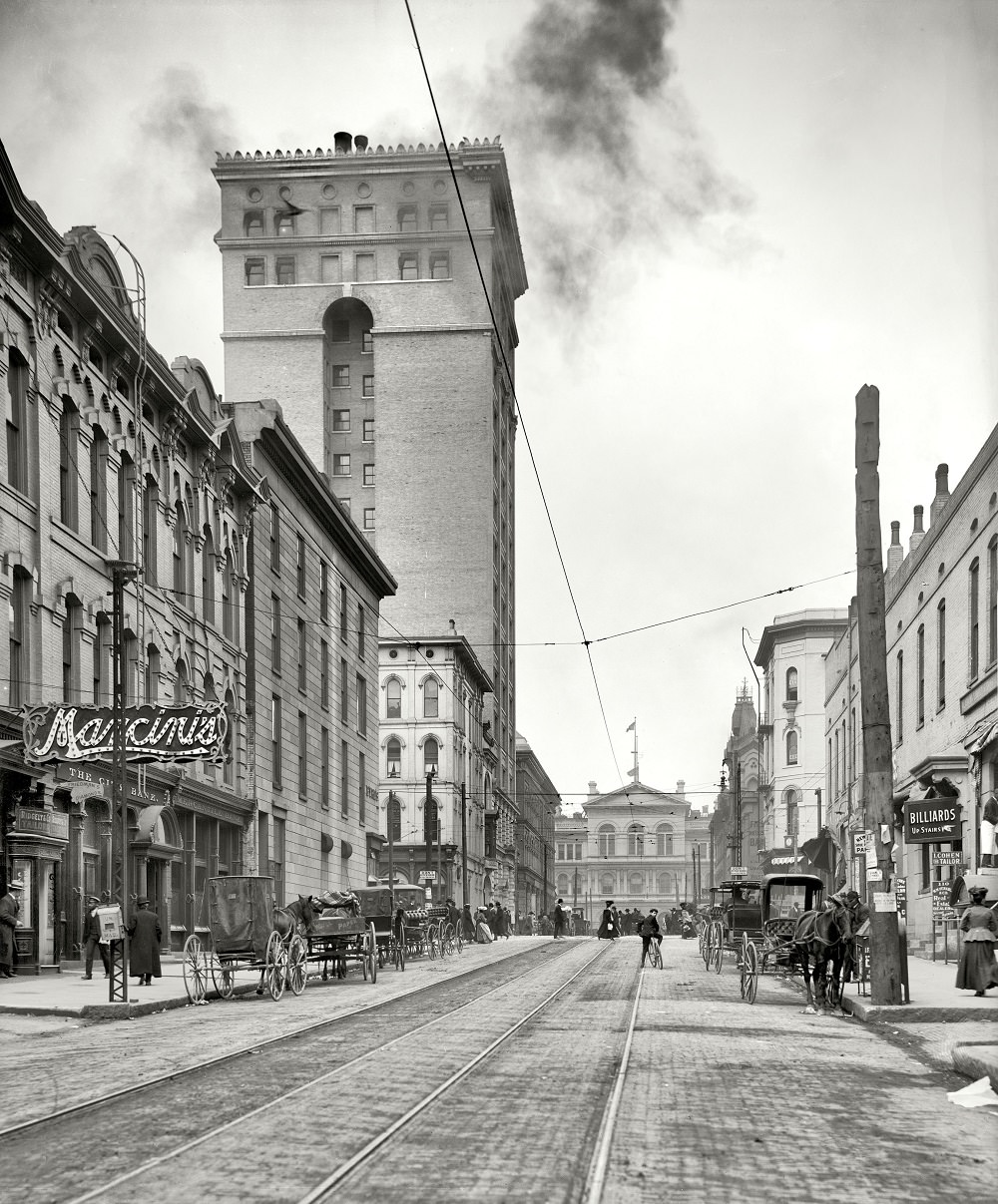
The built environment of early Memphis told the story of a city on the rise. Prominent institutions lined its streets — banks, clubs, libraries, government buildings, and hotels that catered to merchants, politicians, and travelers passing through. The Memphis Trust Building on Main Street, the Custom House and Post Office, the Cossitt Library, and the elegant Hotel Gayoso were among the defining landmarks of the era.
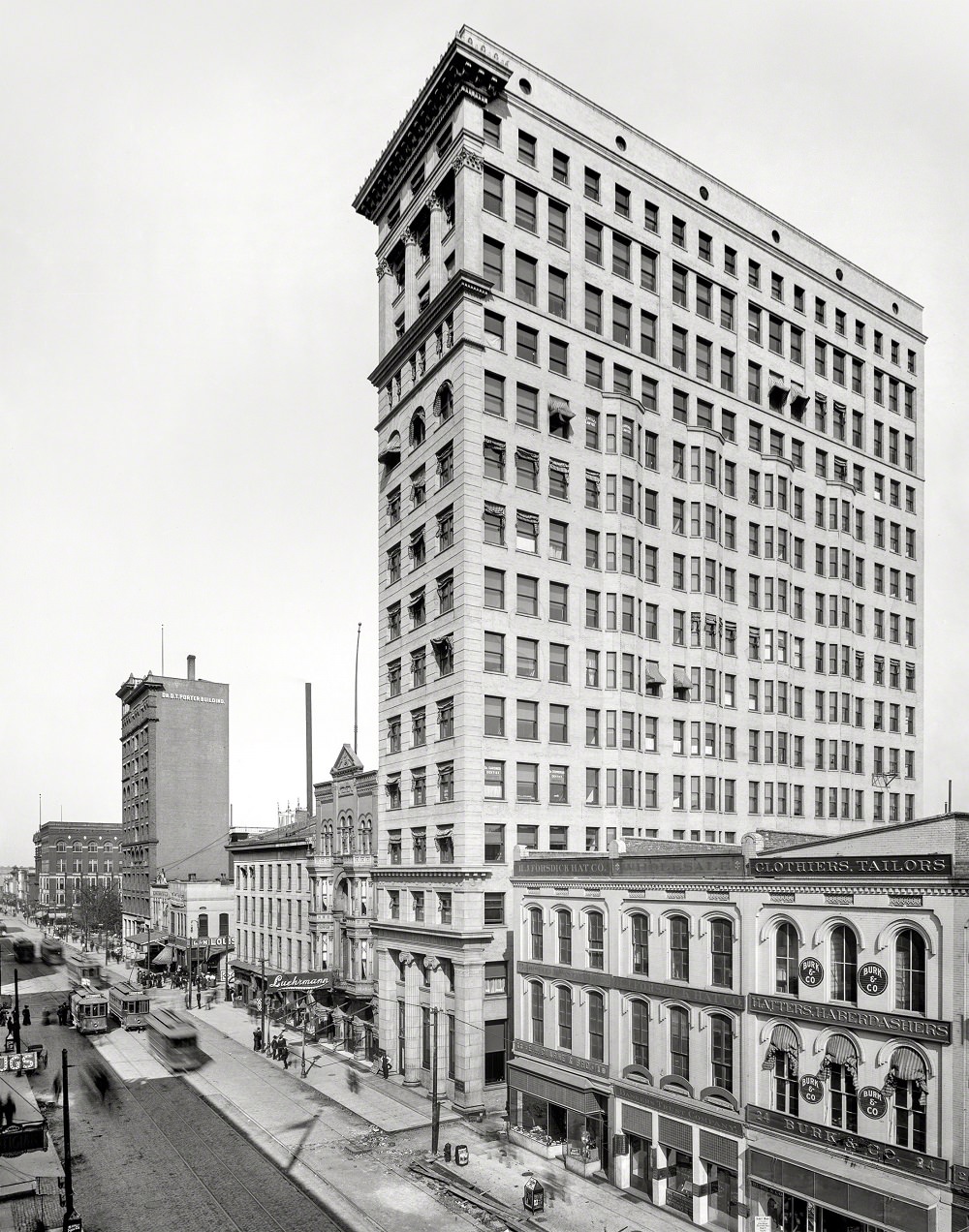
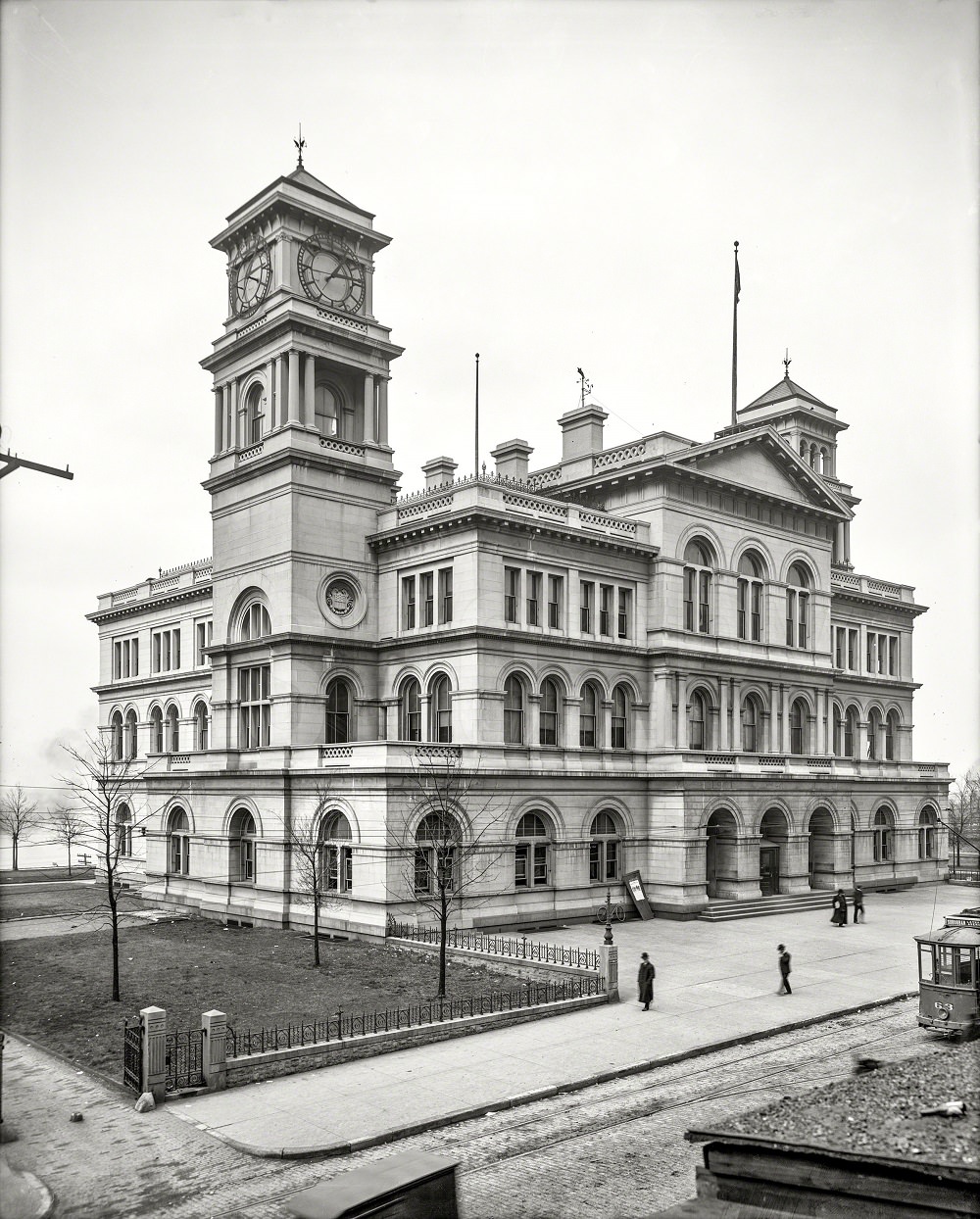
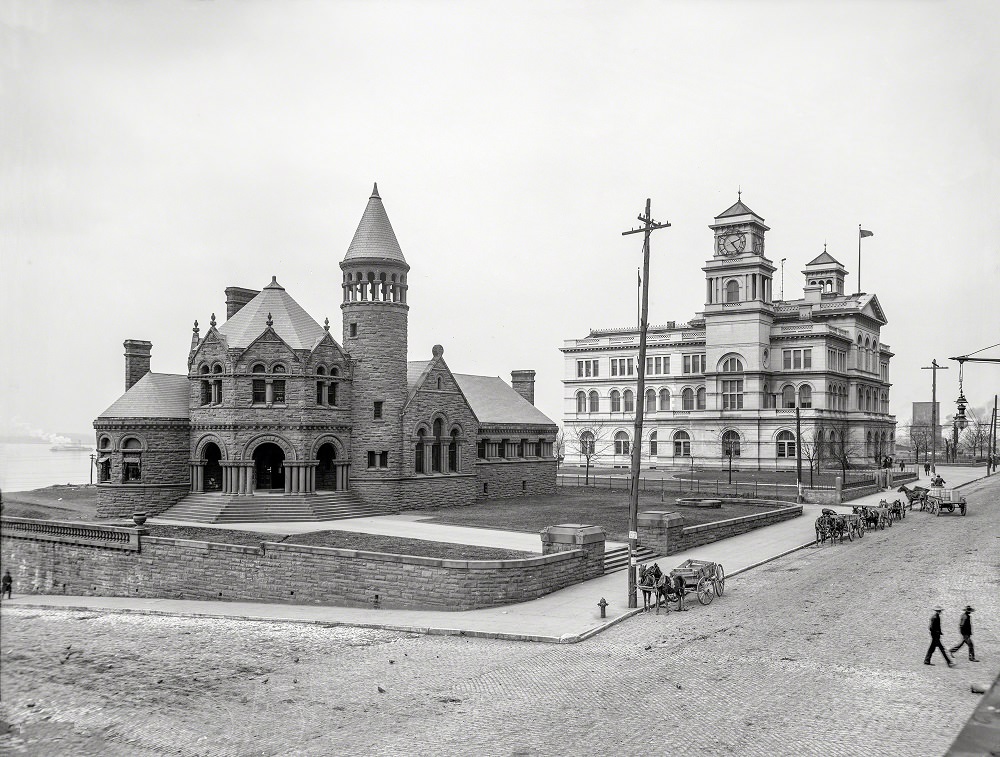
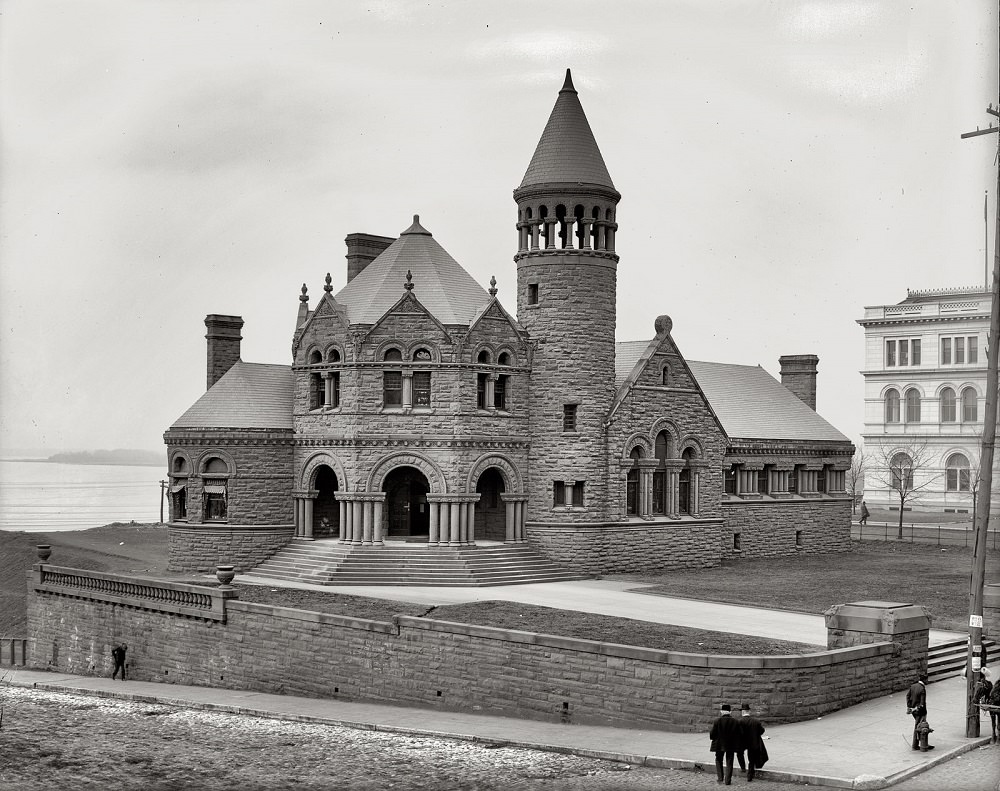
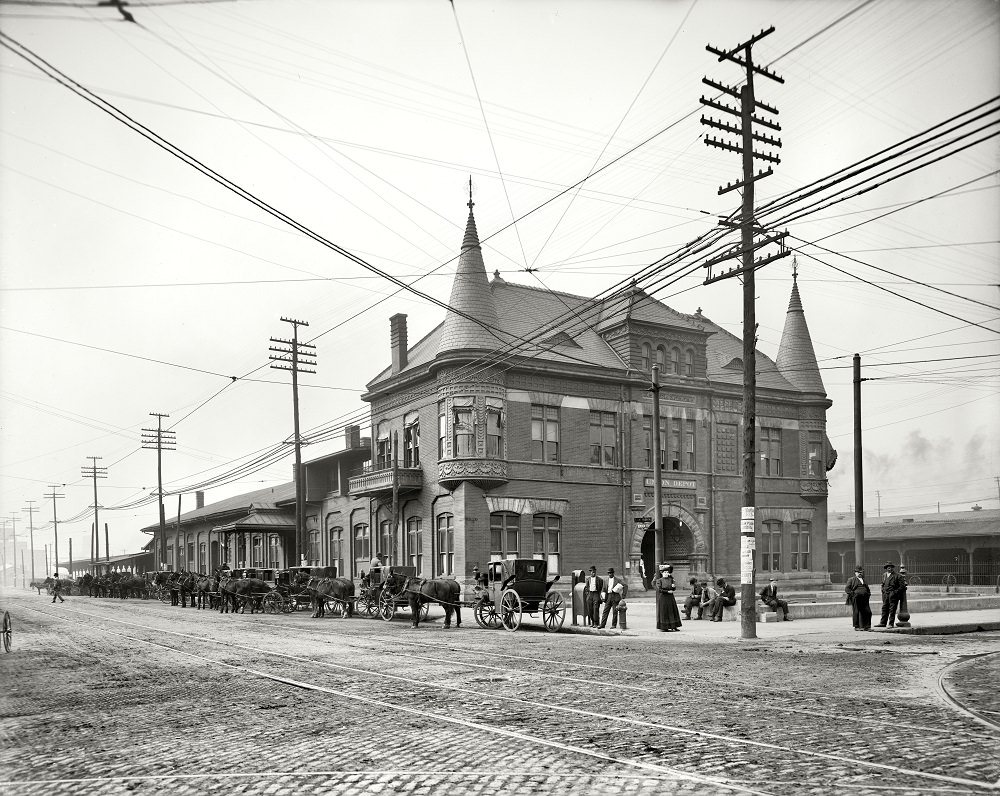
Social clubs and civic organizations were a major part of life for Memphis’s white professional class. The Elks Club and the Tennessee Club were two of the most prominent gathering places for the city’s elite, reflected in their stately architecture. Meanwhile, the Union Depot on Calhoun Street served as the city’s railway hub, connecting Memphis to the rest of the country by rail.
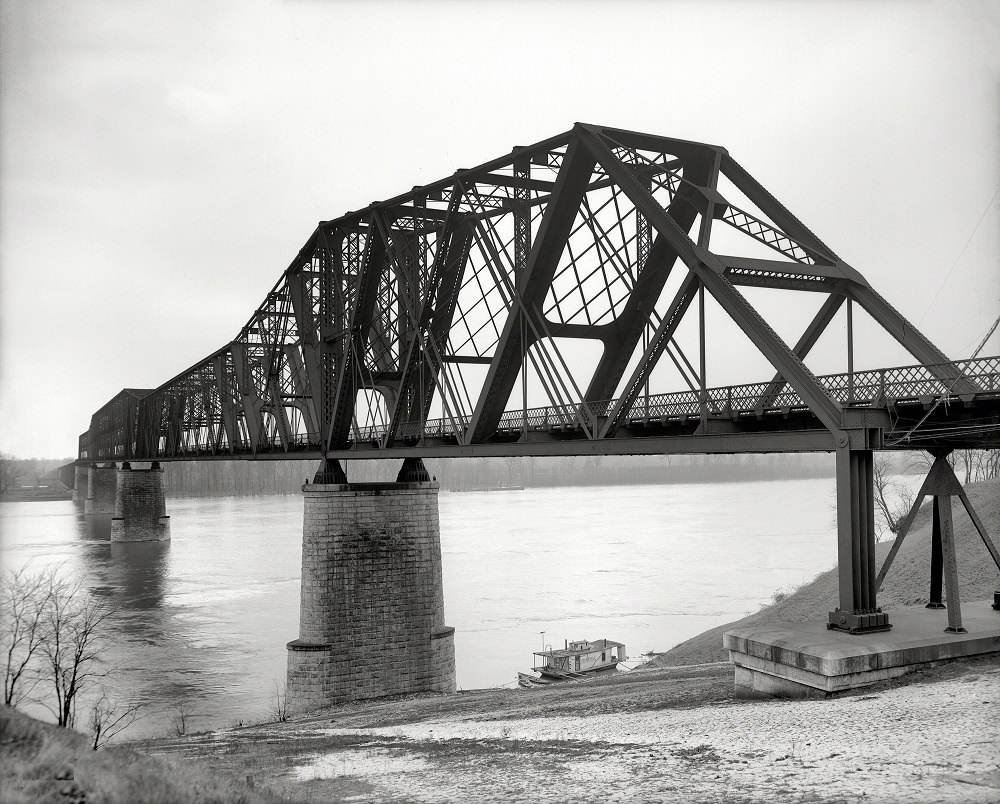
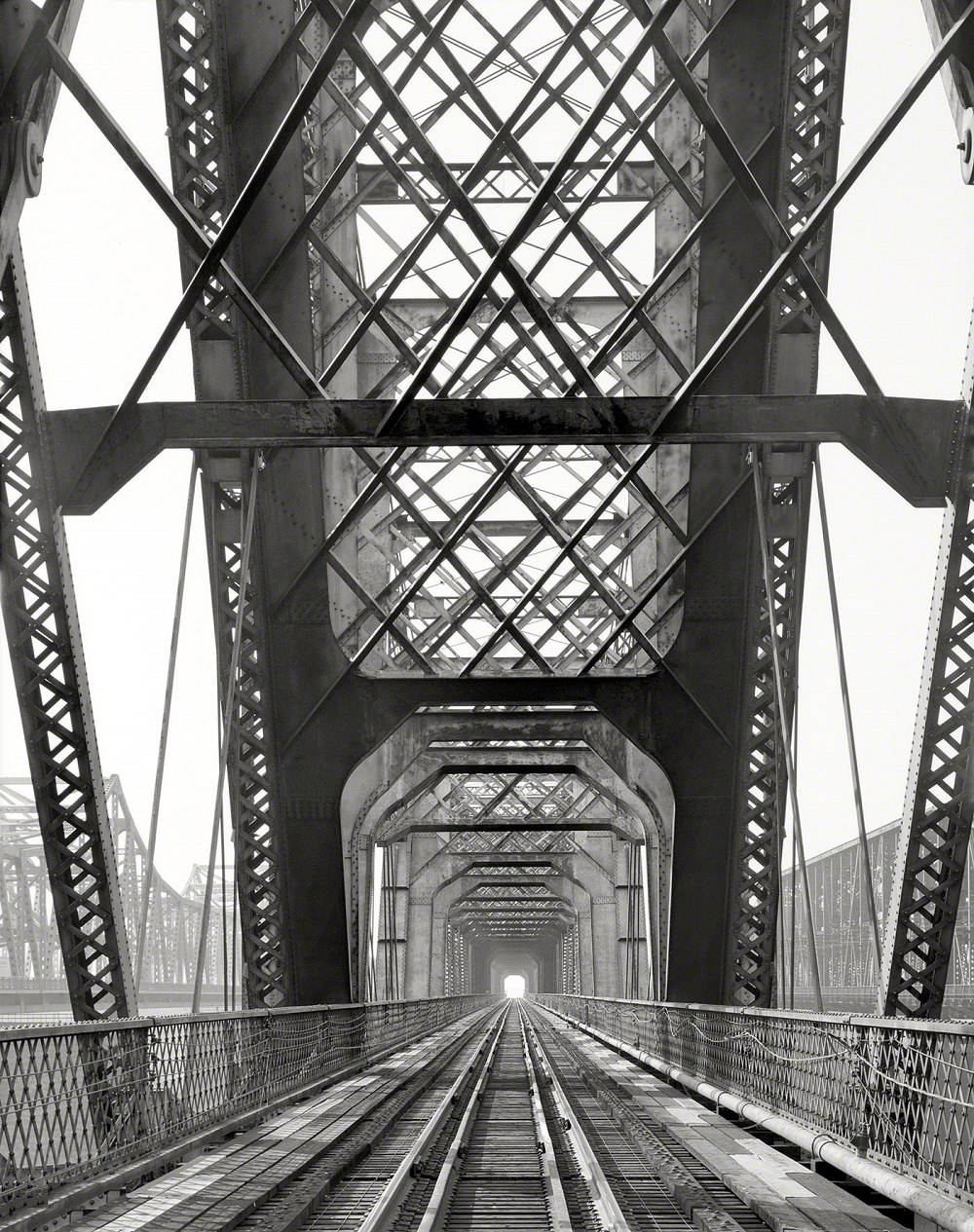
The Kansas City & Memphis Railway bridge and the larger Memphis Bridge spanning the Mississippi River were engineering achievements that cemented the city’s role as a transportation crossroads. Connecting Tennessee to Arkansas, these bridges carried rail and eventually road traffic across one of the widest and most powerful rivers in North America.
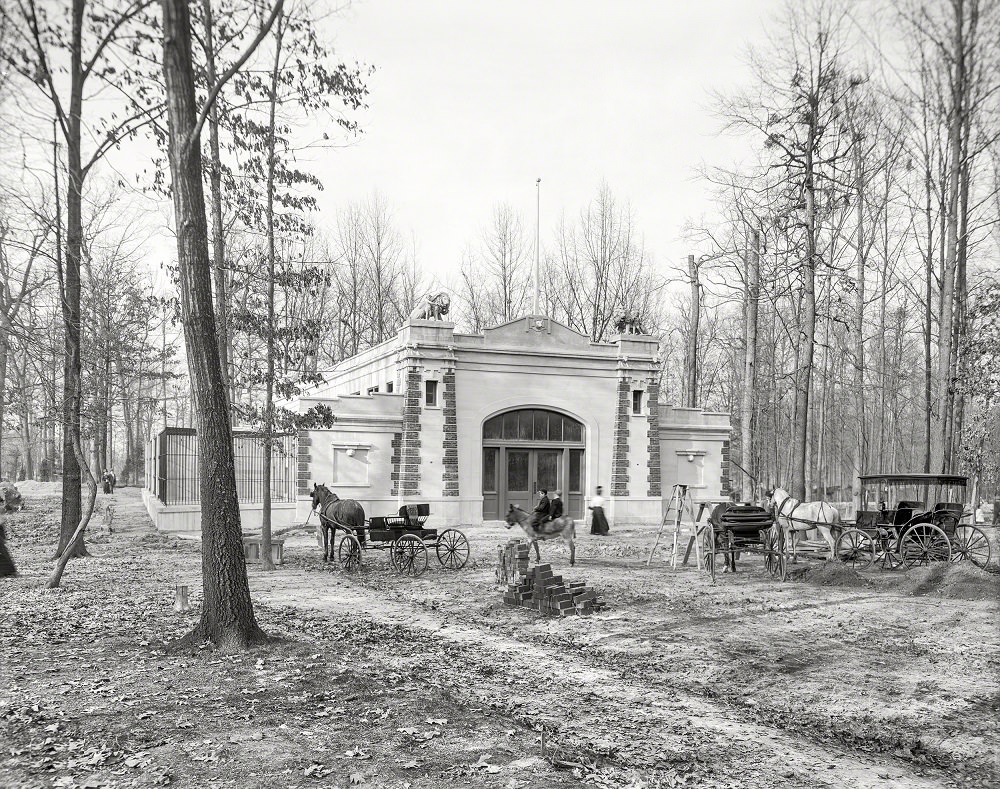
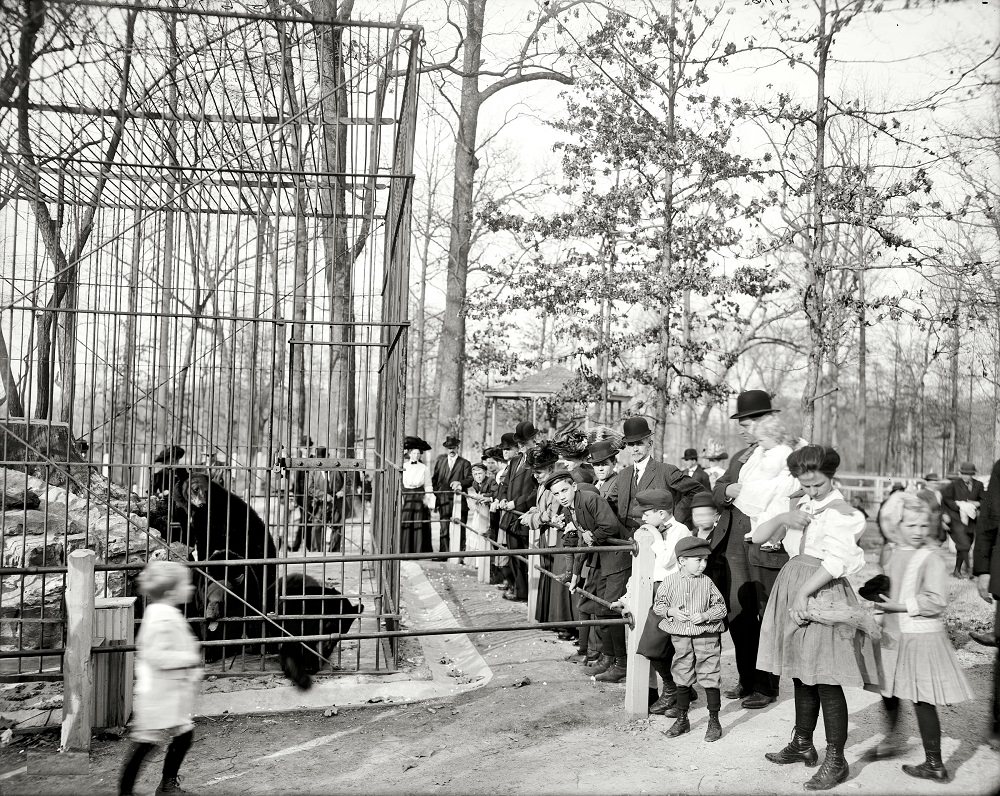
Overton Park Zoo was one of Memphis’s most visited public attractions in the early 20th century. Opened in 1906, it featured a dedicated Carnivora Building — commonly called the Lion House — as well as bear pits that drew families from across the city. These photos from 1910 offer a glimpse into how Memphians spent their leisure time during that era.
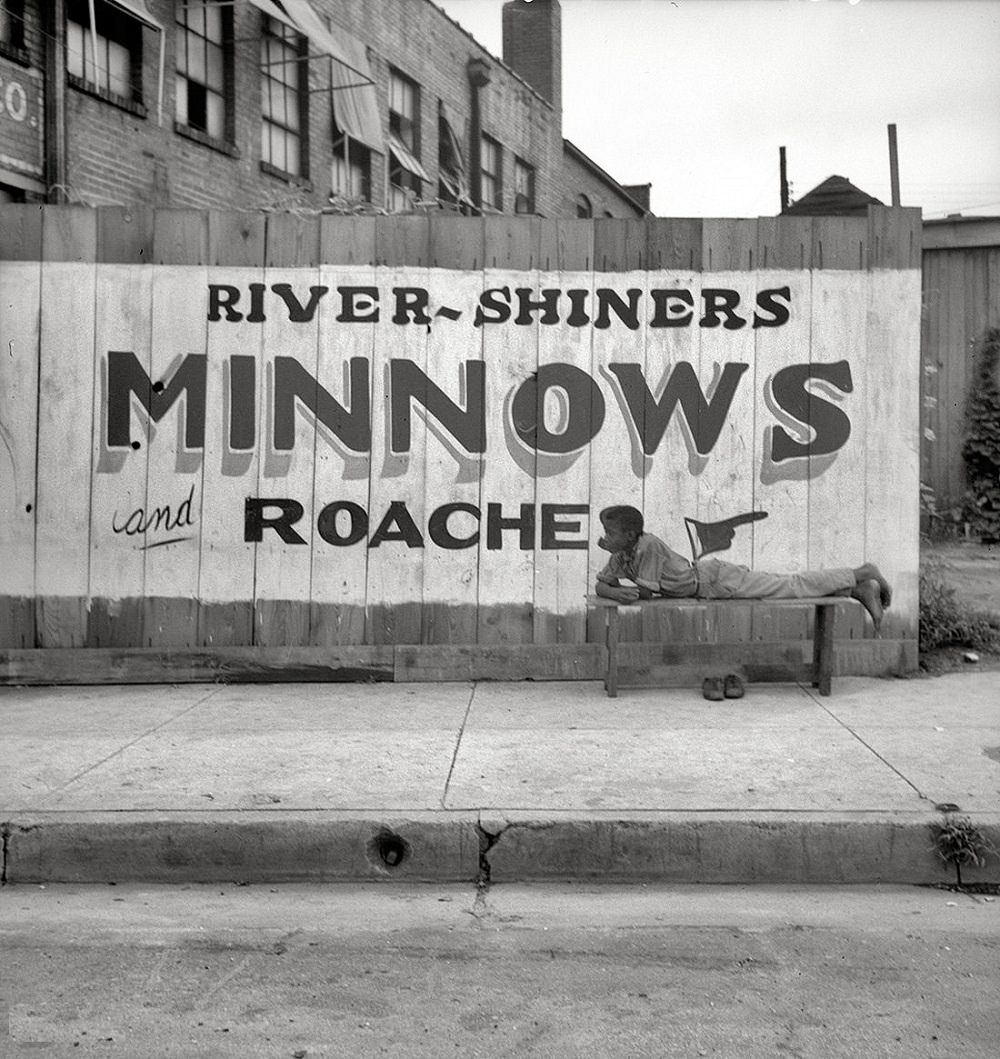
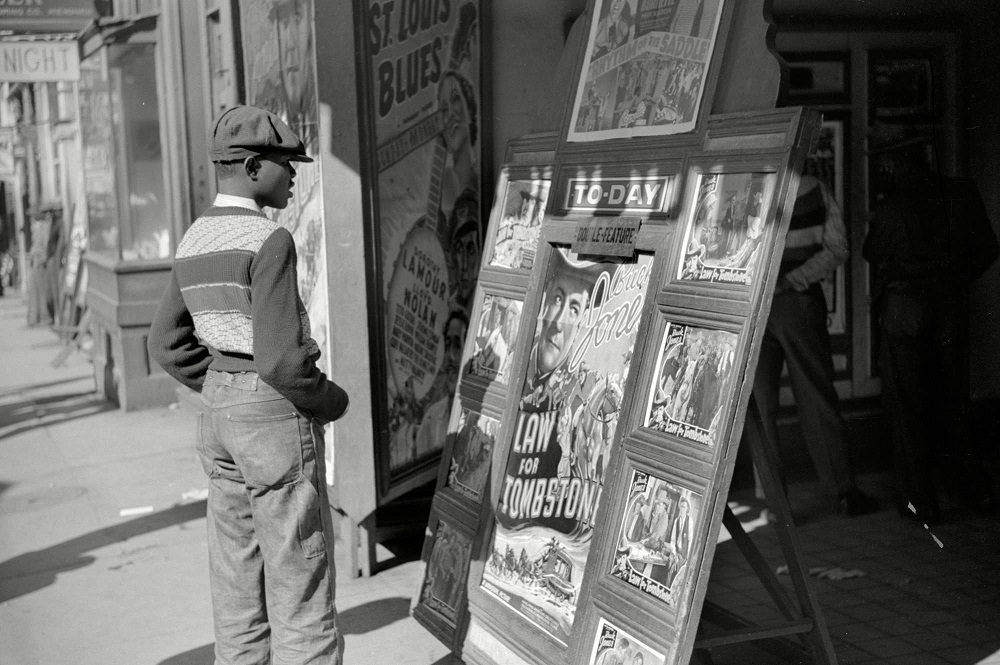
Beale Street was the cultural heart of Black Memphis. By the late 1930s, it was a vibrant strip of music venues, movie houses, and businesses. Black Memphians navigated a rigidly segregated city — their neighborhoods, businesses, and entertainment spaces were separate from those of white residents, a reality clearly documented in photographs from the period.

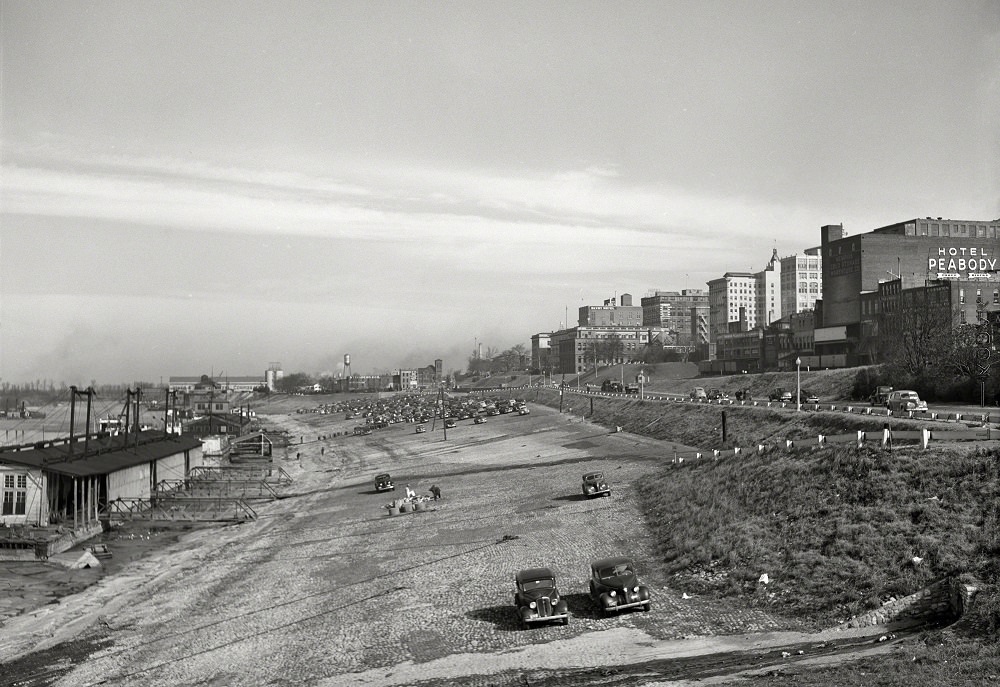
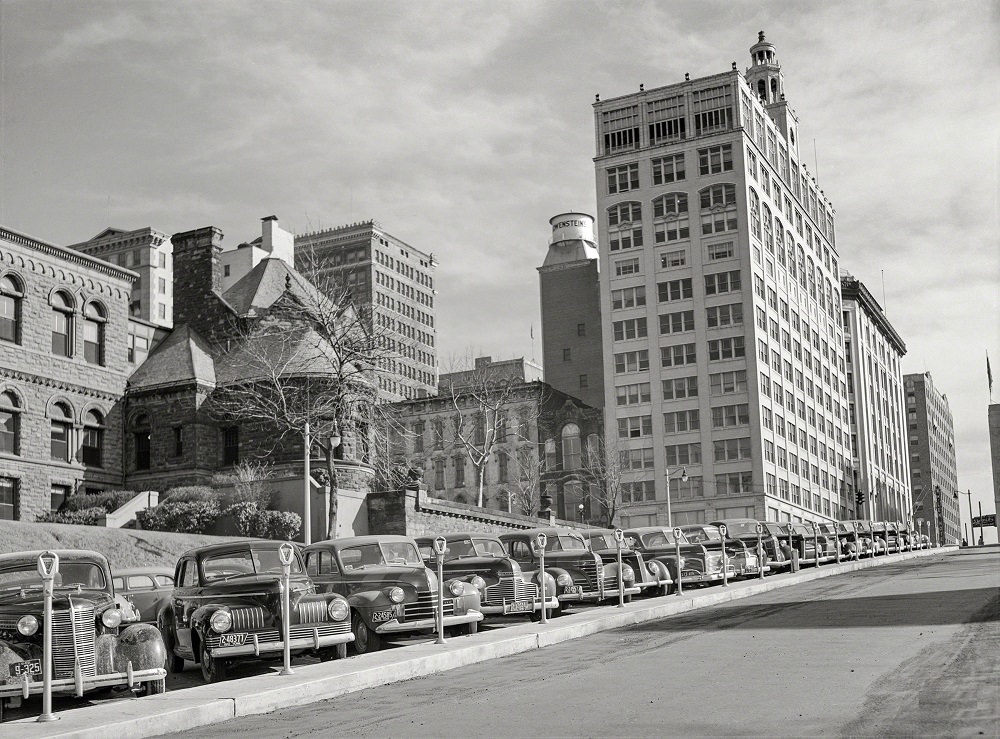
By 1942, World War II had dramatically reshaped Memphis. The federal government invested heavily in military infrastructure, and large supply depots were constructed throughout the city. Downtown Memphis looked noticeably more industrialized and bustling compared to the quieter streets captured in photographs from just three decades earlier.
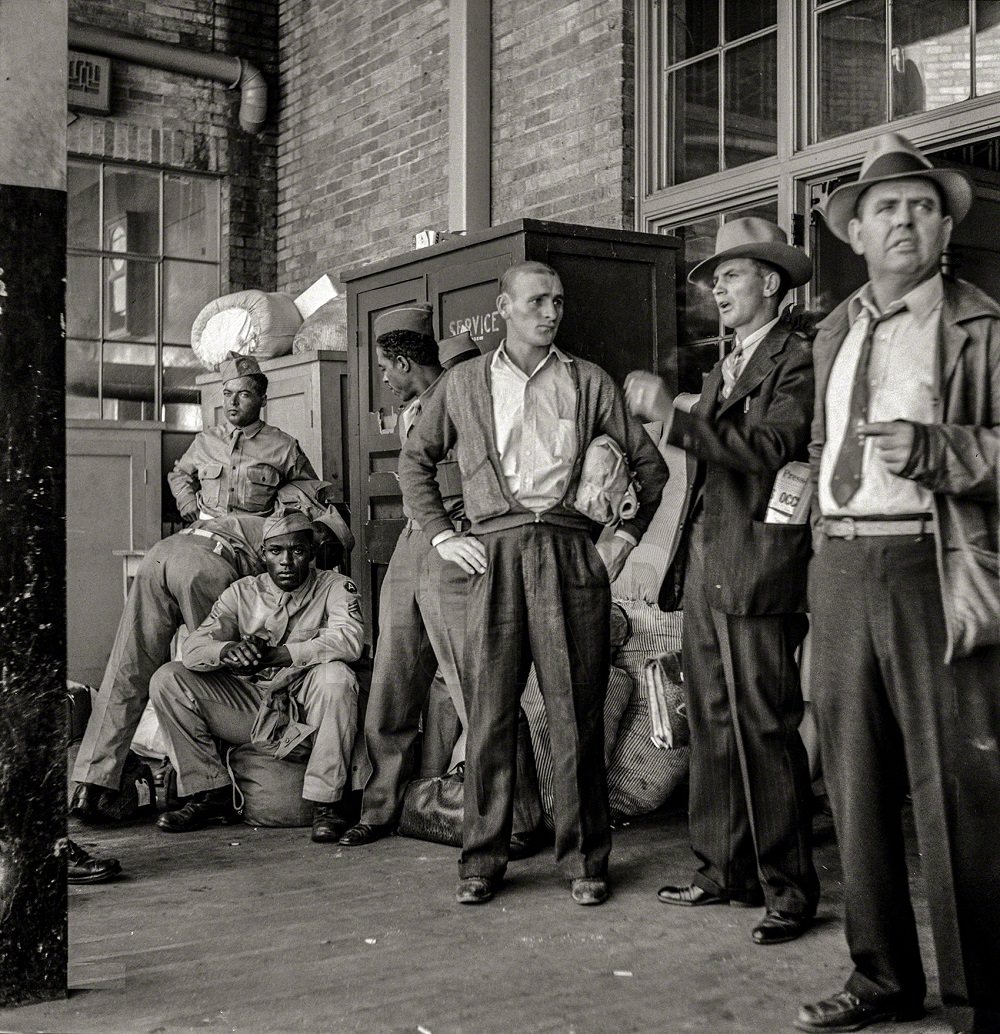
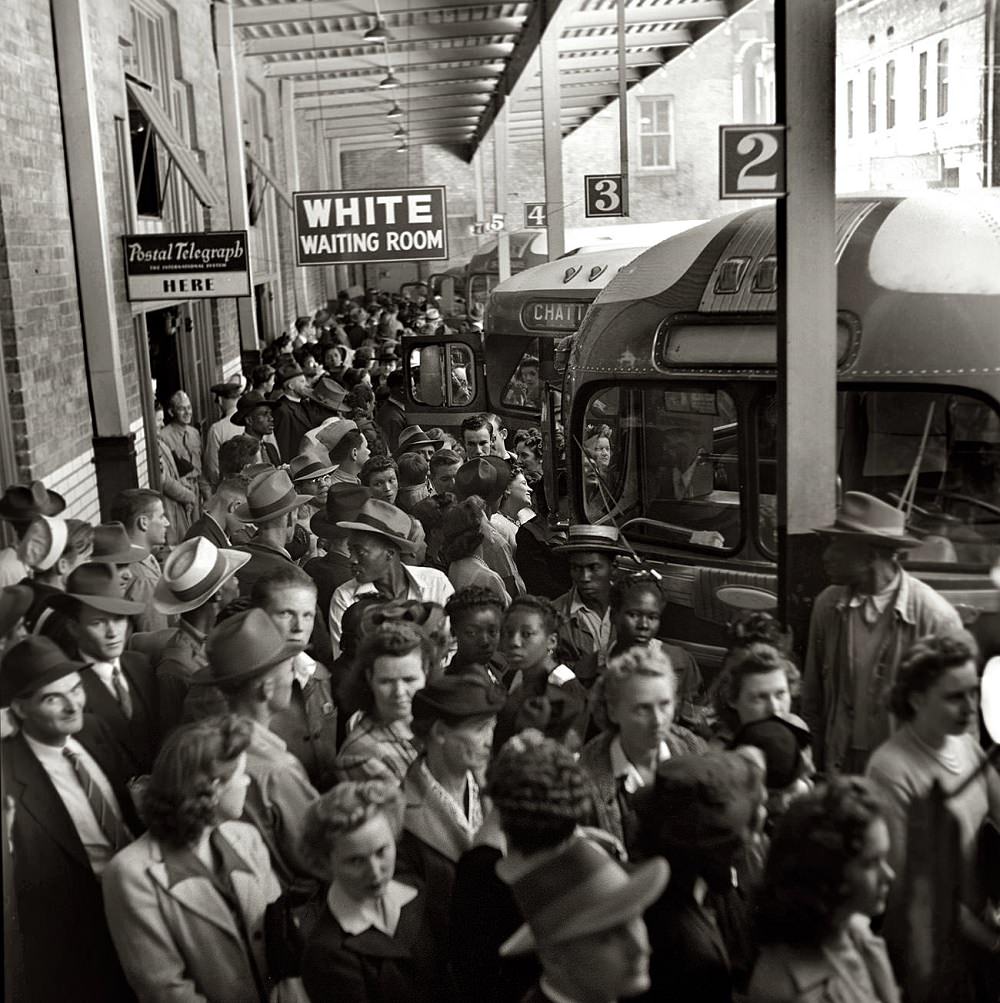
Wartime also meant increased travel. In September 1943, the Greyhound bus line was carrying passengers on long interstate routes, including the run from Louisville, Kentucky, to Memphis, Tennessee. Bus terminals during this period were segregated, with Black and white passengers directed to separate waiting areas, water fountains, and restrooms — a daily indignity enforced by law across the South.
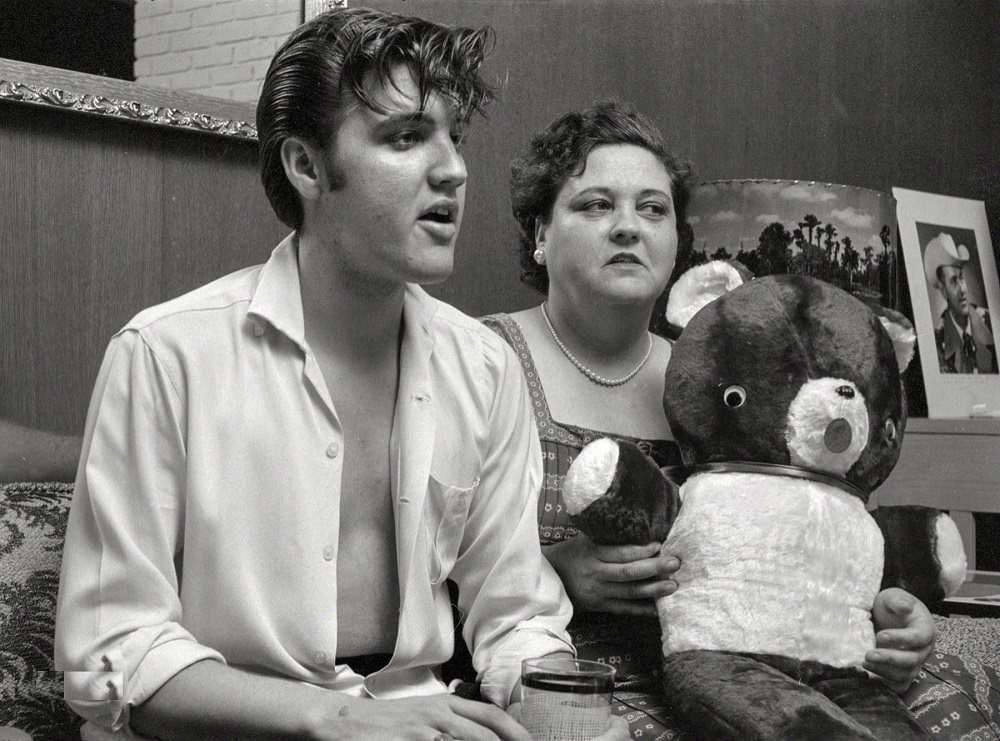
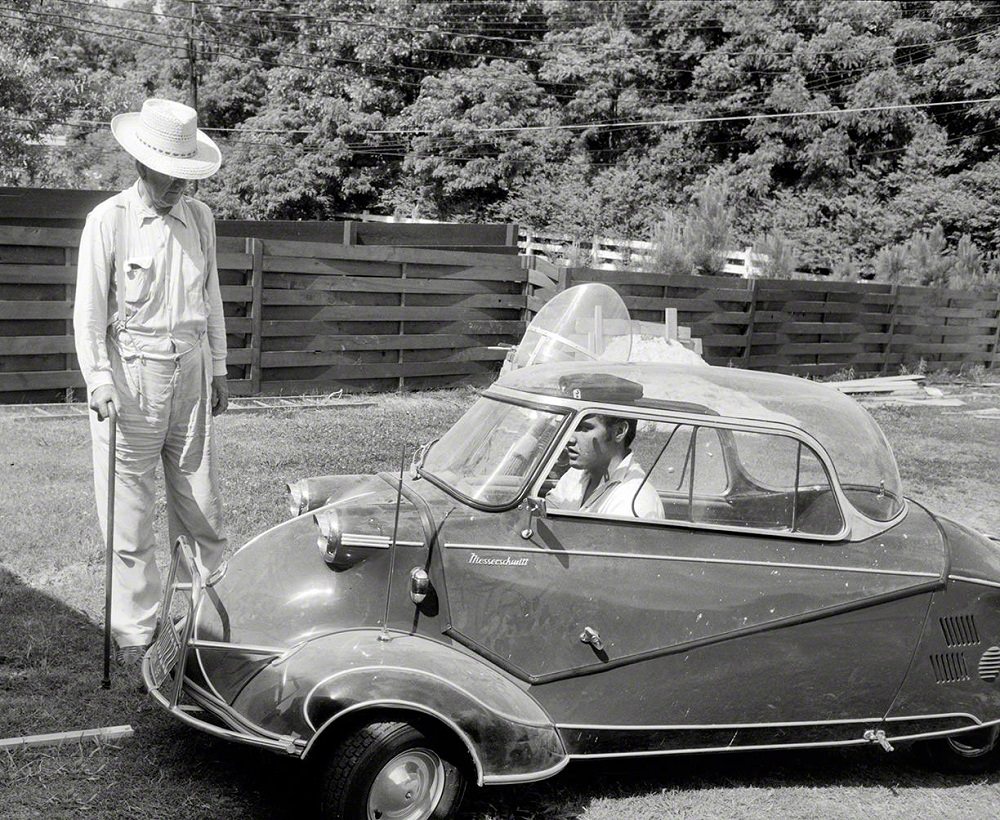
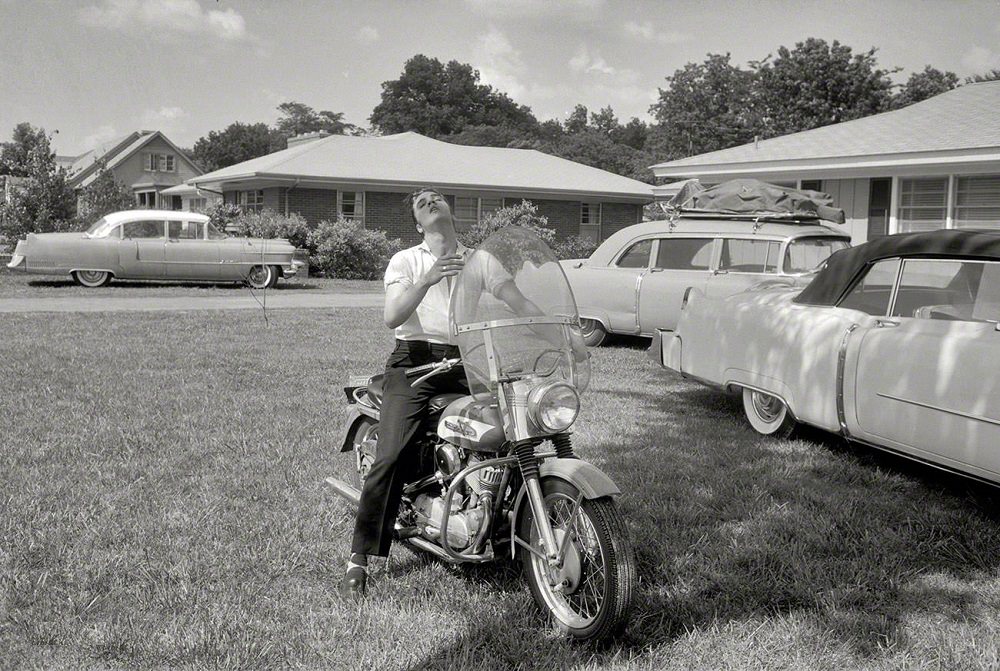
By the mid-1950s, Memphis had produced one of the most recognizable figures in American music history. In 1956, a 21-year-old Elvis Presley was living at home in Memphis with his mother, Gladys, and his grandfather, Jessie Presley. That same year, he already owned a three-wheeled Messerschmitt bubble car and a Harley-Davidson motorcycle — symbols of a young man whose life had changed almost overnight after his rise to fame through Sun Records.

The 1960s brought Memphis to the forefront of the American Civil Rights Movement. The city’s Black workers, long subjected to dangerous conditions and unequal pay, launched a sanitation workers’ strike in 1968. Dr. Martin Luther King Jr. traveled to Memphis to support the strike. On April 4, 1968, he was assassinated at the Lorraine Motel — a moment that shook the country and permanently marked Memphis in American history.
The photographs below span the arc of Memphis from the turn of the century through the 1950s — from steamboats on the Mississippi to the streets of downtown, from the zoo to Beale Street, from cotton levees to a young Elvis at home. Together, they document a city that was always in motion, always at the center of something larger than itself.





I’m sure those old photos of rundown buildings and dirt roads will be just as thrilling as the last ones.
The Memphis Heritage Society offers a wide selection of similar photos for sale in various sizes, with the option of having them framed. We’re planning to get some for our offices.
These photos are really neat! It’s fascinating to see early photography like this.
The use of the word “stunning” in an article’s headline is often indicative of clickbait content
Awesome those are great photos,a lot of old buildings are gone but downtown still has a treasure trove of old buildings and architecture.