
Birmingham, Alabama was born out of the reconstruction era that followed the Civil War. Founded in 1871 through the merger of three small towns, the city grew fast — almost unnervingly so. Its location sat on top of rich deposits of iron ore, coal, and limestone, the exact combination needed to produce steel. That geological luck shaped everything about Birmingham’s identity for the next hundred years. Steel and iron became the backbone of its economy, and the factories, furnaces, and mines that rose across the region drew workers from across the South.
The city’s early growth was not without setbacks. A cholera outbreak and the financial panic that followed the Wall Street crash of 1873 slowed development significantly. But Birmingham recovered, and by the turn of the 20th century, it was rebuilding with serious ambition. Streets were widened, commercial blocks went up, and the downtown core was redeveloped at a pace that earned the city a striking nickname: “The Magic City.” Between 1902 and 1912 alone, four large office buildings rose at the intersection of 20th Street, reshaping the city’s skyline.
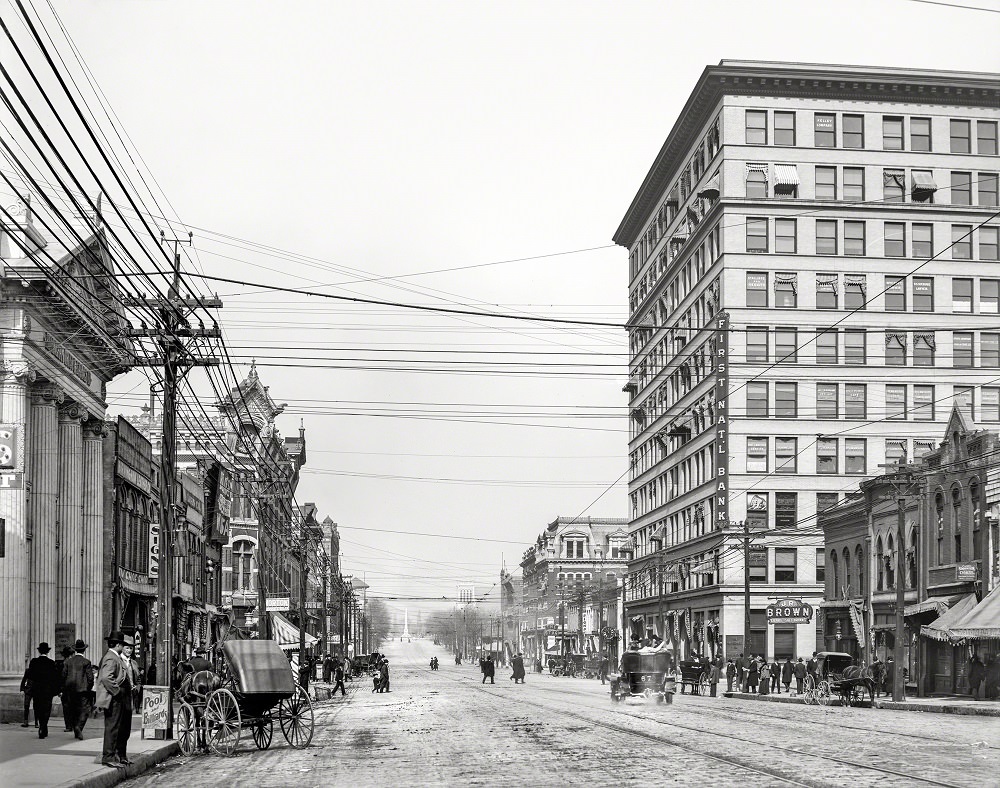
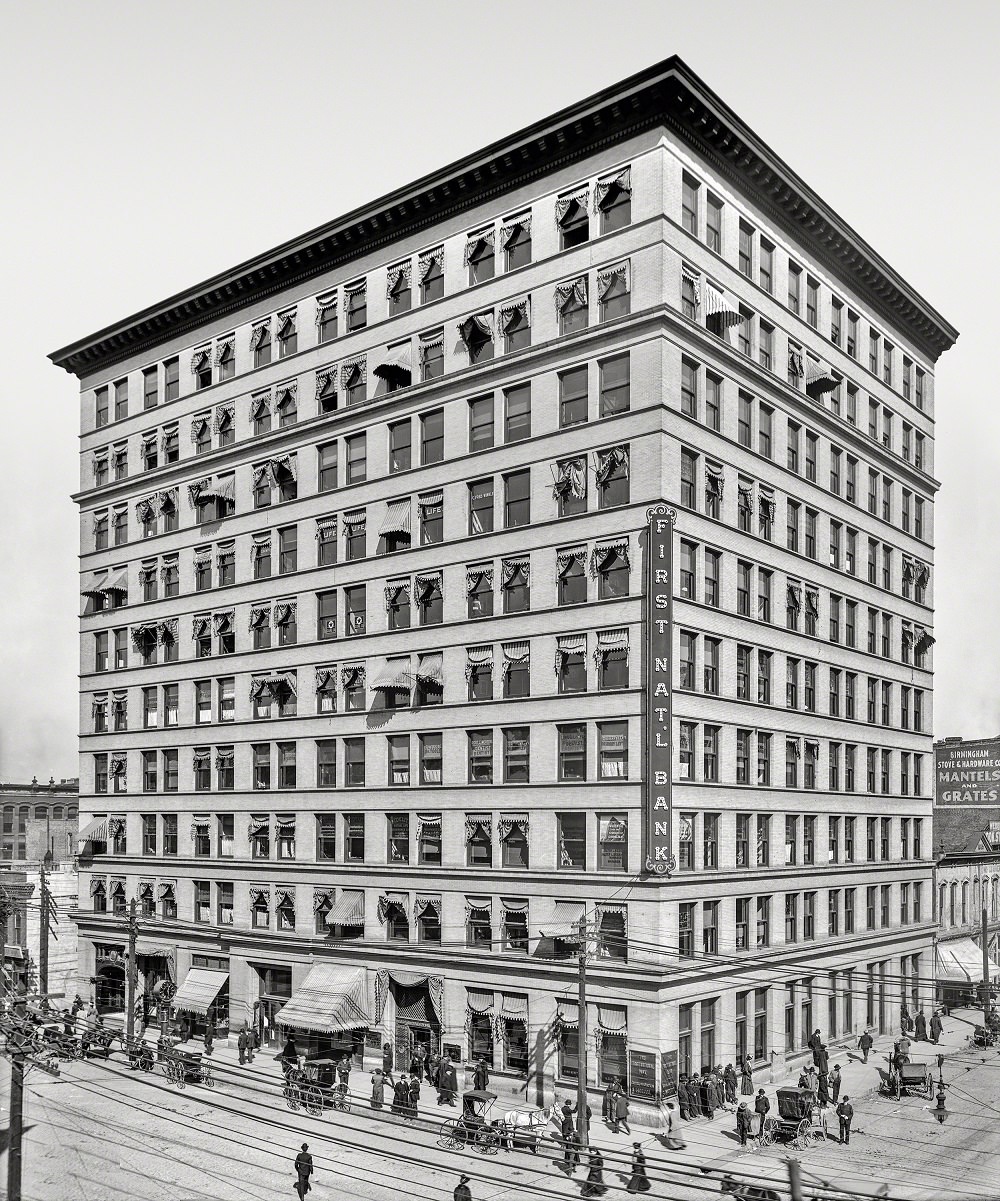
By 1906, Birmingham’s financial district was well established. The First National Bank stood as one of the city’s most prominent commercial buildings, its presence on 20th Street a symbol of the economic confidence sweeping through the city at that time. Banks like this one served the industrialists, merchants, and business owners fueling Birmingham’s rapid expansion.
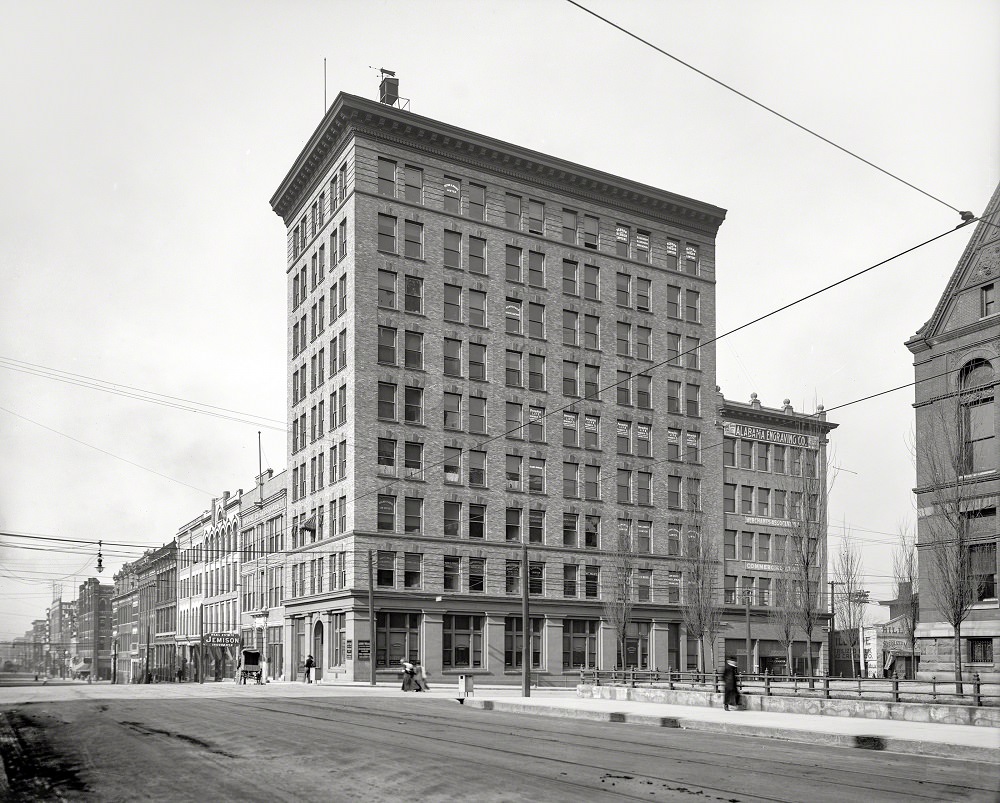
The Guarantee Land and Trust Building at Third Avenue and 21st Street was another marker of this era of commercial growth. These buildings were not just offices — they were statements. Birmingham was announcing itself as a serious industrial city, not a frontier town. The architecture of the period reflected that confidence, with brick and stone facades designed to last.
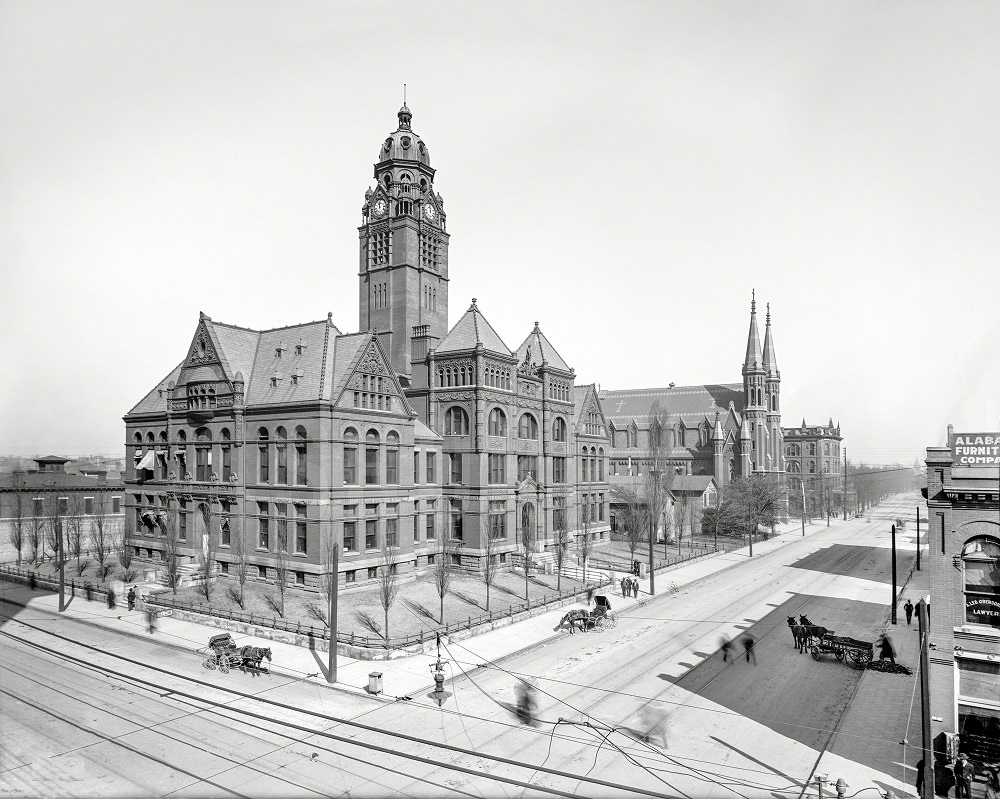
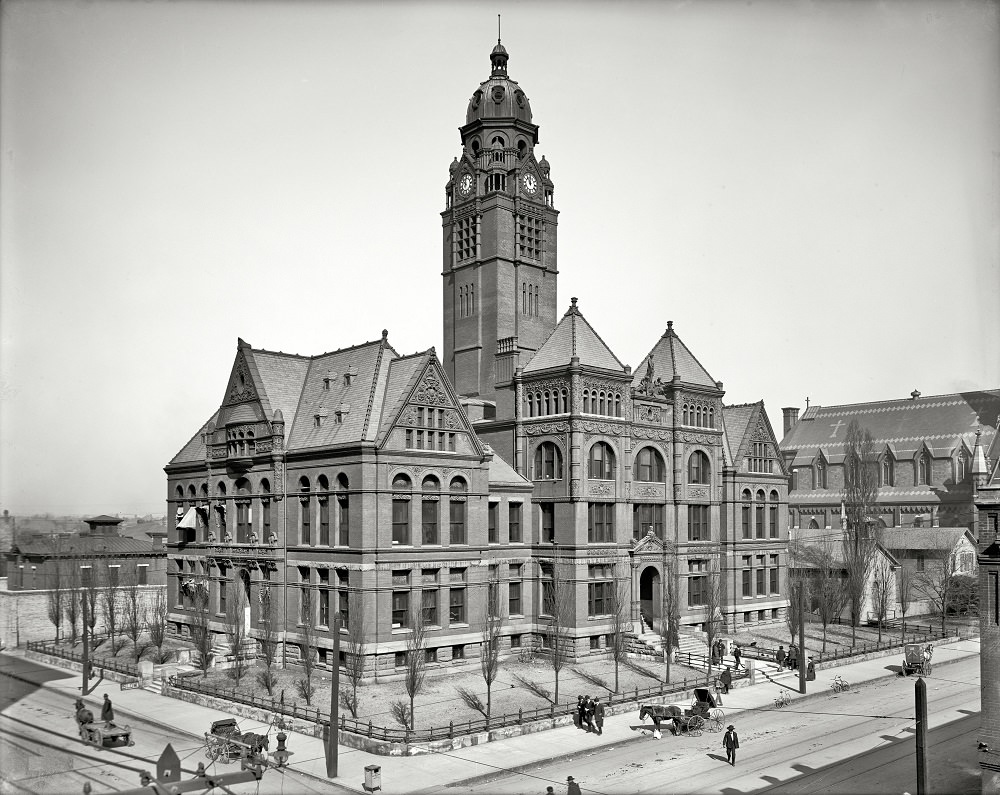
Civic institutions anchored the city alongside its commercial buildings. The Jefferson County Courthouse and St. Paul’s Church stood as two of Birmingham’s most recognizable landmarks by 1906. The courthouse served the administrative and legal needs of a rapidly growing county, while St. Paul’s provided a spiritual center for the community. Together, they represented the dual forces — government and church — that shaped daily life in the early 20th-century South.
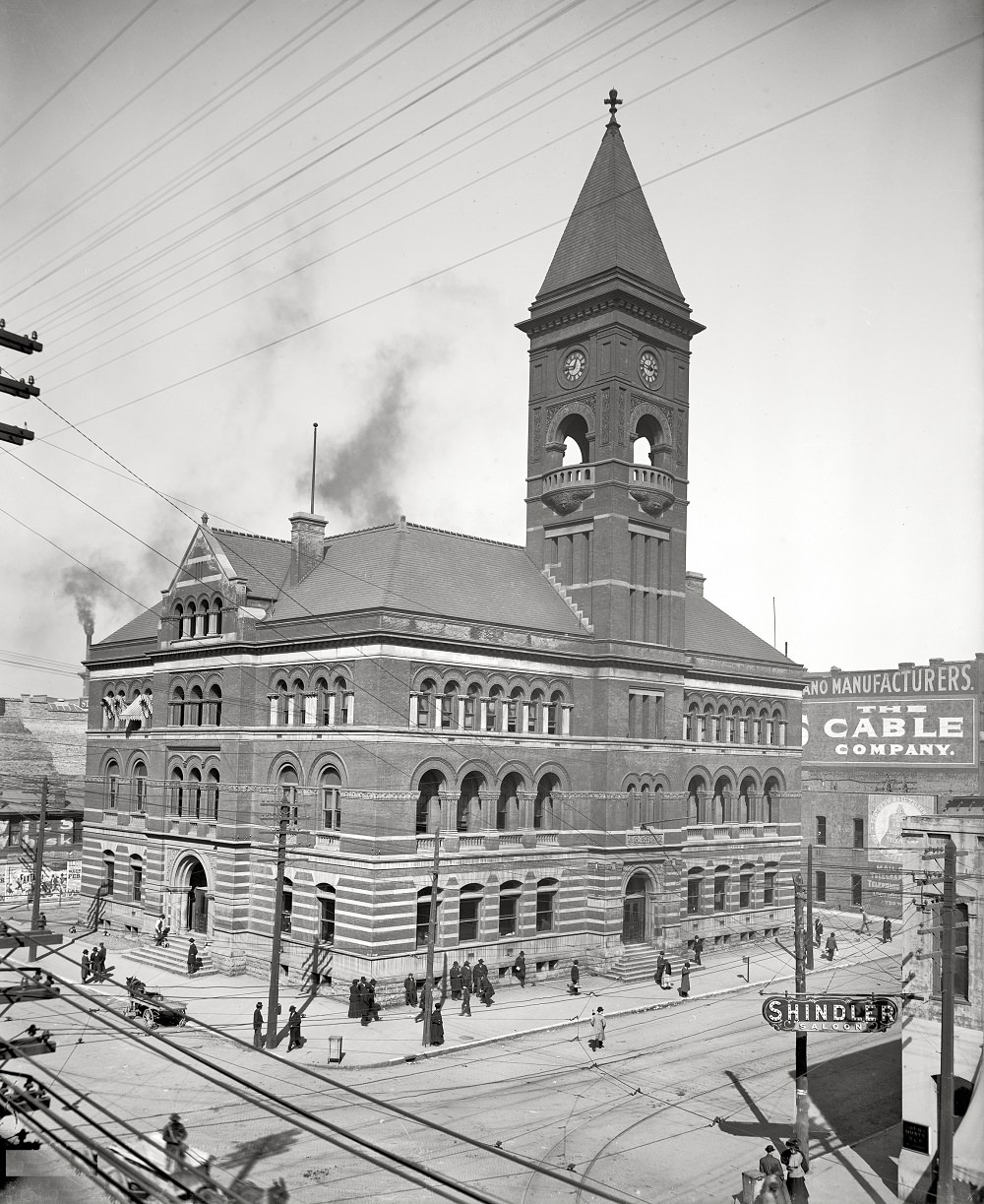
The Birmingham Post Office, photographed in 1906, reflected the federal investment being made in the city at that time. As Birmingham’s population grew, so did the need for civic infrastructure — post offices, courthouses, and public buildings that could handle an increasingly busy urban population. These institutions gave the city its formal shape.
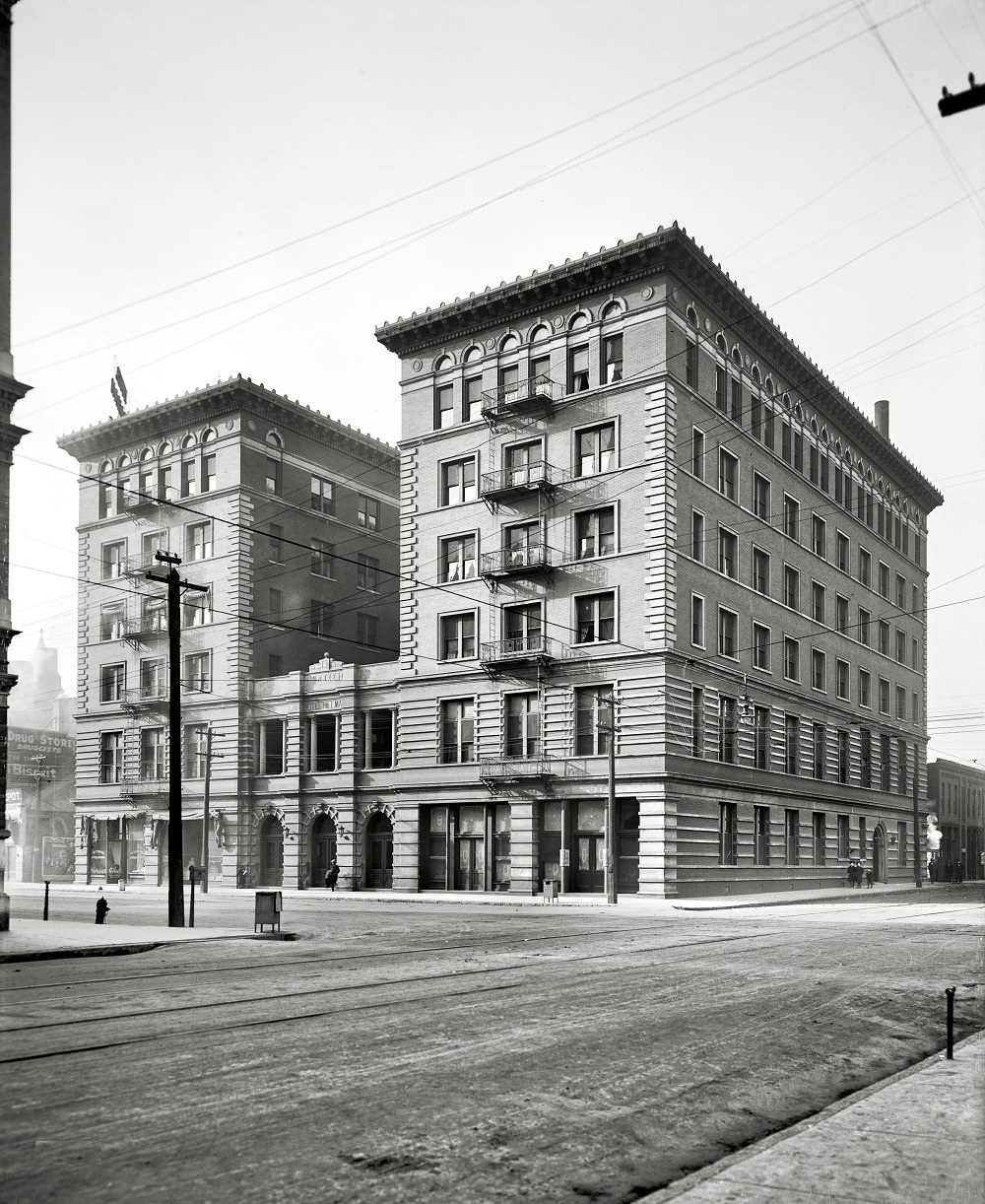
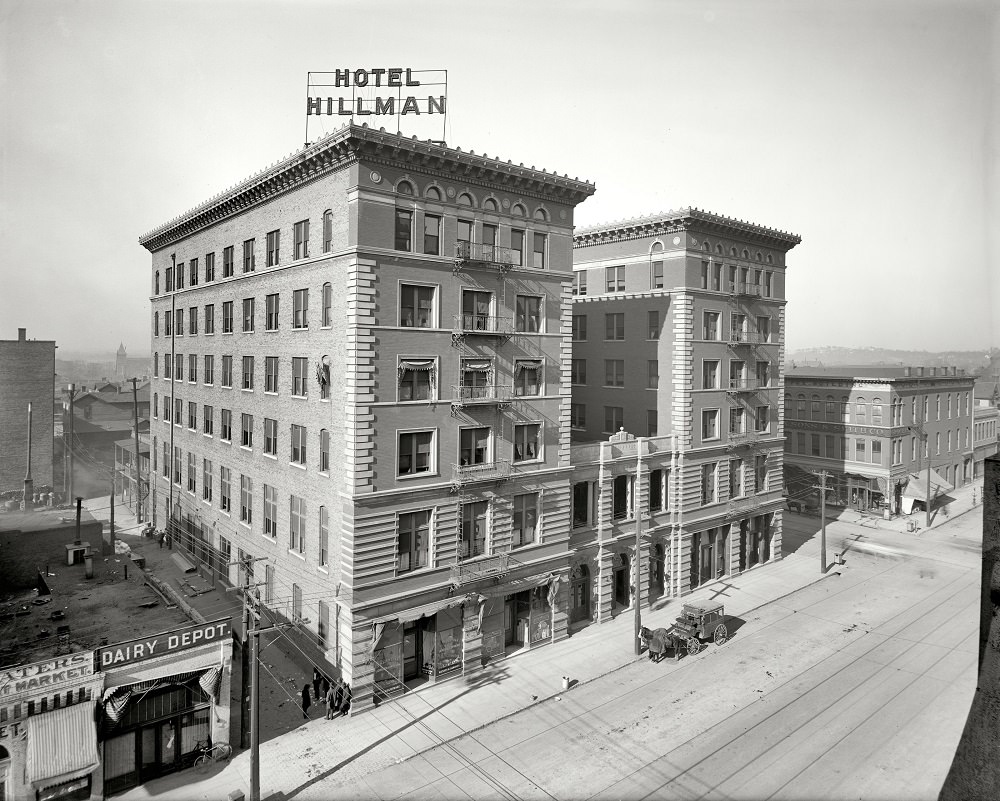
The Hotel Hillman was one of Birmingham’s premier accommodations in the early 1900s. It catered to the businessmen, investors, and visitors drawn to the city by its booming industrial economy. Hotels like the Hillman were central to the social fabric of downtown, hosting meetings, dinners, and the kind of deal-making that kept the city’s economy moving.
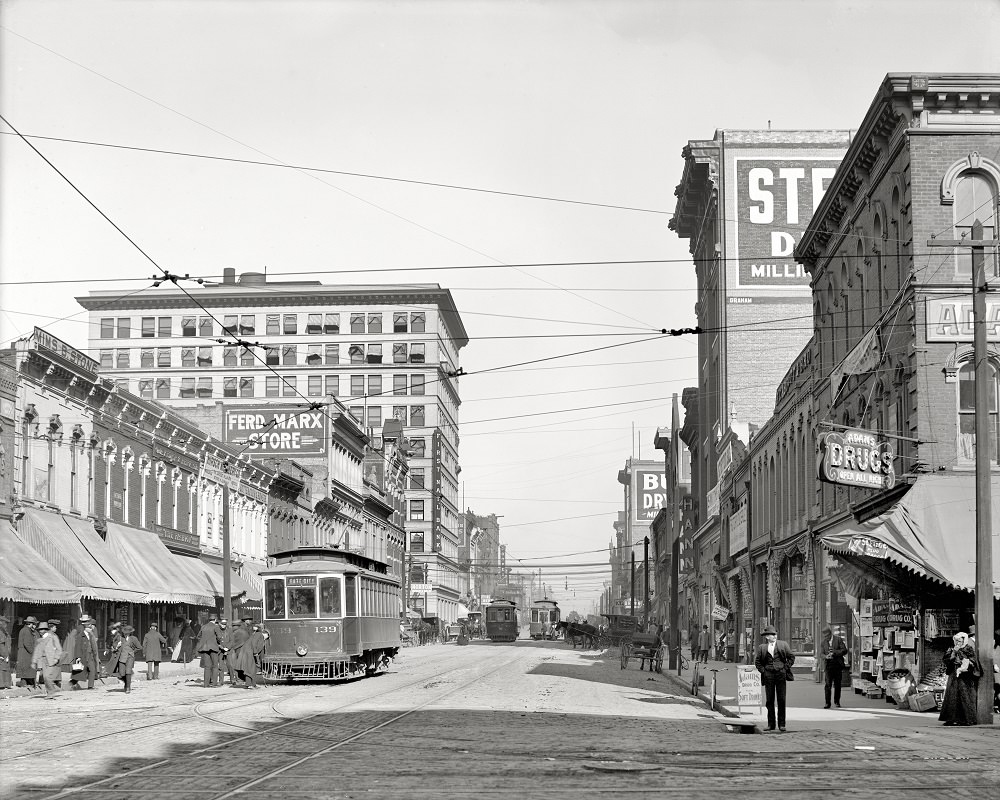
A look down Second Avenue in 1906 captures the busy, developing character of Birmingham’s streets. Storefronts line the road, and the scene reflects a city in full commercial motion. The street grid laid out in Birmingham’s earliest years was already filling in with the buildings and foot traffic of a growing urban center.
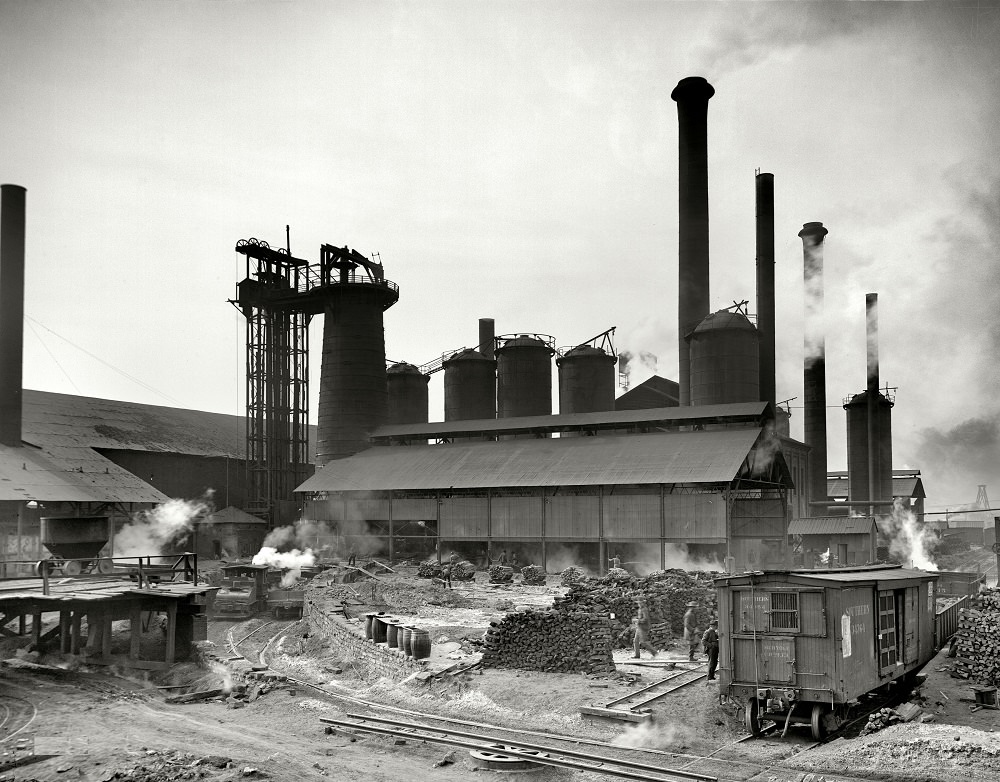
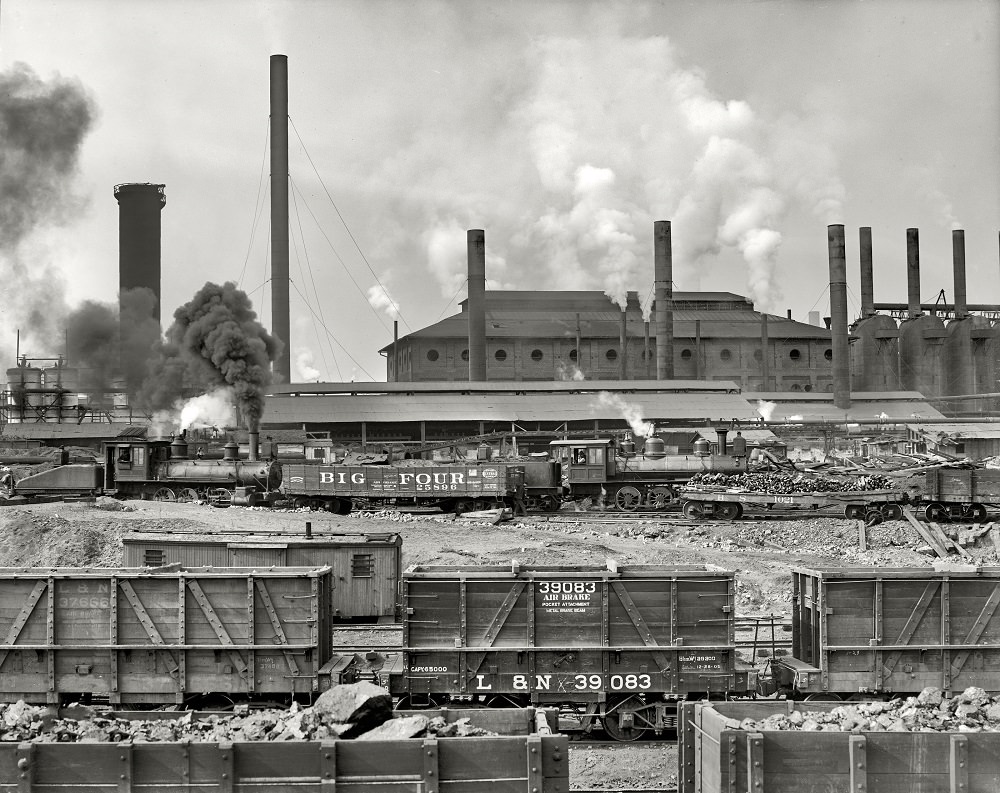
The Sloss City Furnaces were at the heart of Birmingham’s iron-producing industry. Operating since the 1880s, the furnaces ran continuously, producing pig iron that was shipped across the country. The scale of the operation in 1906 was enormous. Workers labored in intense heat around the clock, and the glow from the furnaces was visible across the city at night. The Tennessee Coal, Iron and Railroad Company operated similar facilities in nearby Ensley, making the entire region one of the most productive industrial zones in the American South.
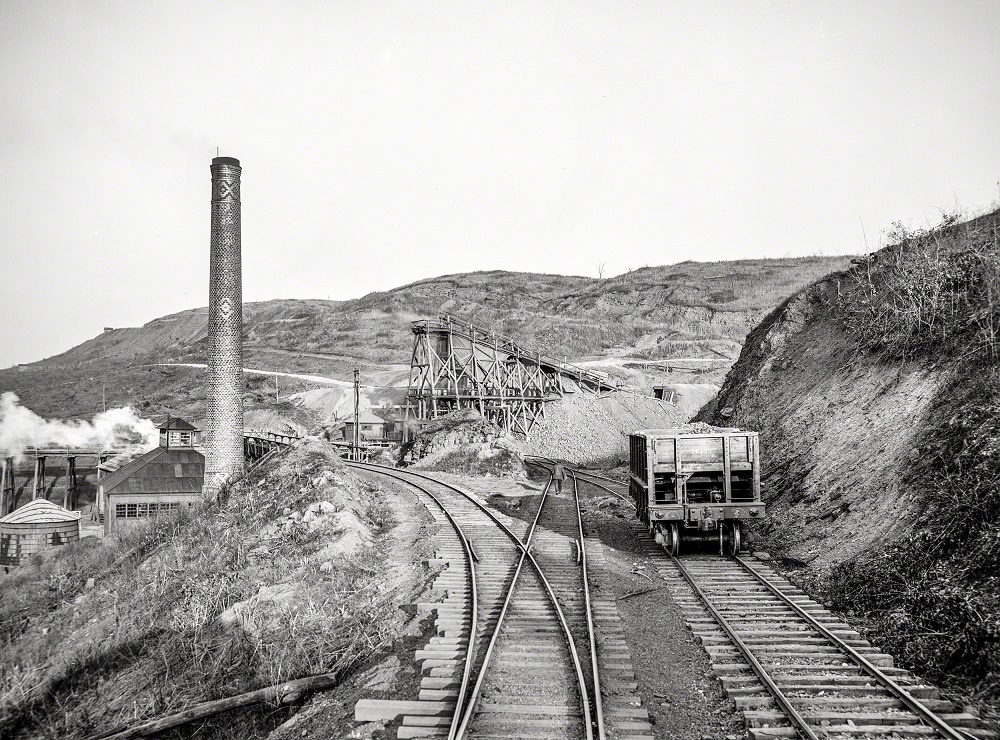
Red Mountain, which runs along the southern edge of Birmingham, was the source of much of the iron ore feeding those furnaces. The open-face mines carved into the mountain in 1906 show the raw scale of extraction happening at the time. Ore was hauled out by workers and mules, loaded onto rail cars, and transported to the furnaces just miles away. The mountain’s red soil, rich in hematite, gave it its name and made it one of the most valuable geological features in the entire region.
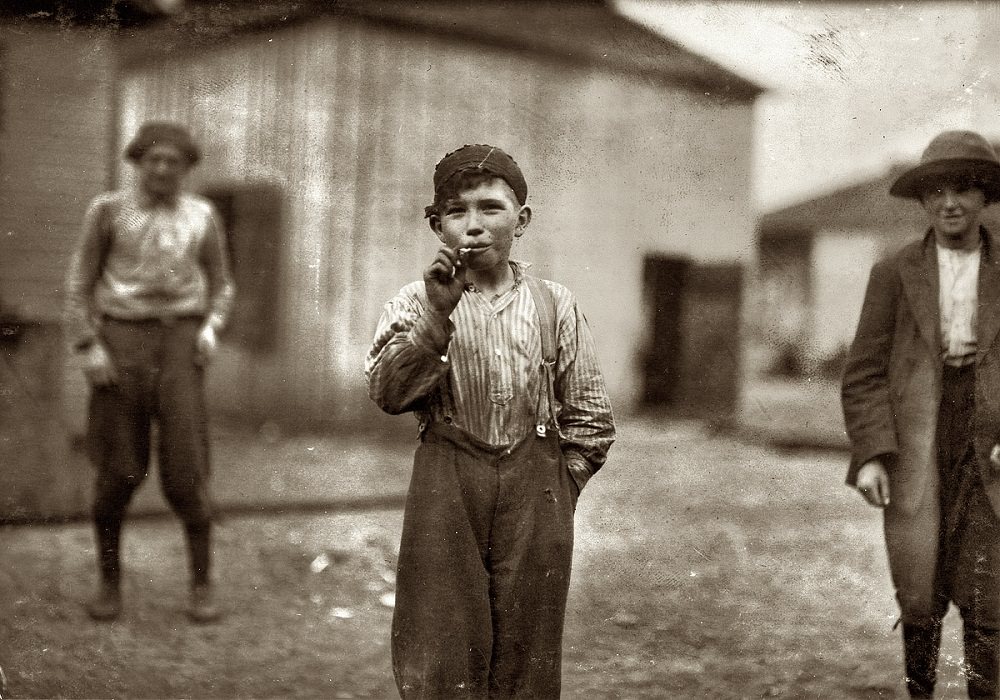
Child labor was widespread in Birmingham’s industries during the early 1900s. Photographer Lewis Hine documented many of these young workers when he visited the city on behalf of the National Child Labor Committee. His photographs from 1910 show boys as young as twelve working inside textile mills and mines, doing jobs that were physically demanding and often dangerous.
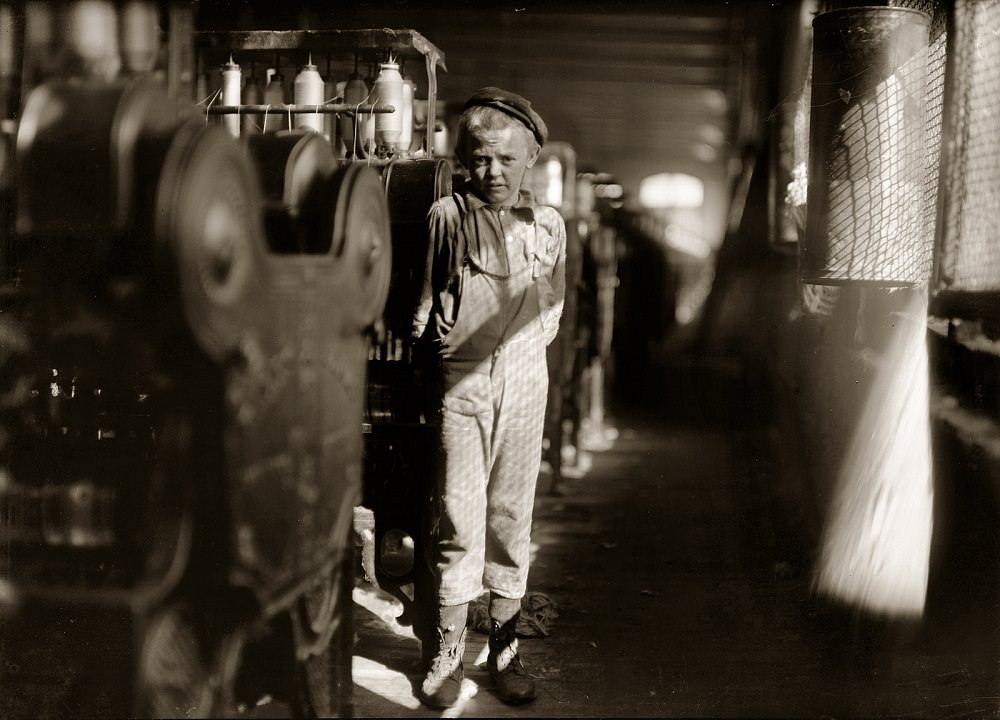
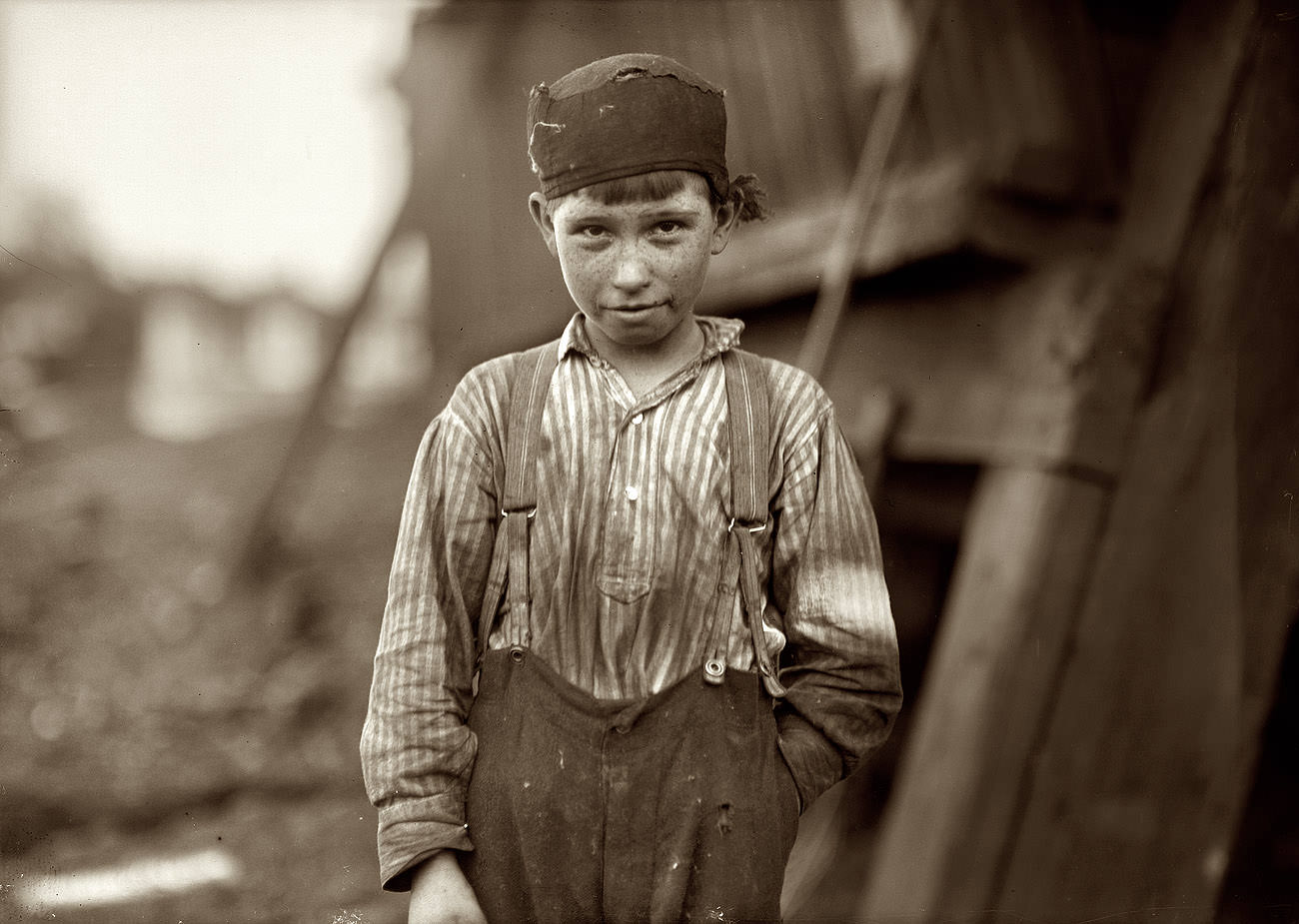
Doffers were workers — often children — who removed full bobbins of thread from spinning machines and replaced them with empty ones. It was repetitive, fast-paced work performed inside loud, lint-filled rooms. John Tidwell and Donnie Cole were among the many children Hine photographed at Avondale Mills in Jefferson County. These mills ran on young labor, and the children worked long shifts alongside adults for low wages.
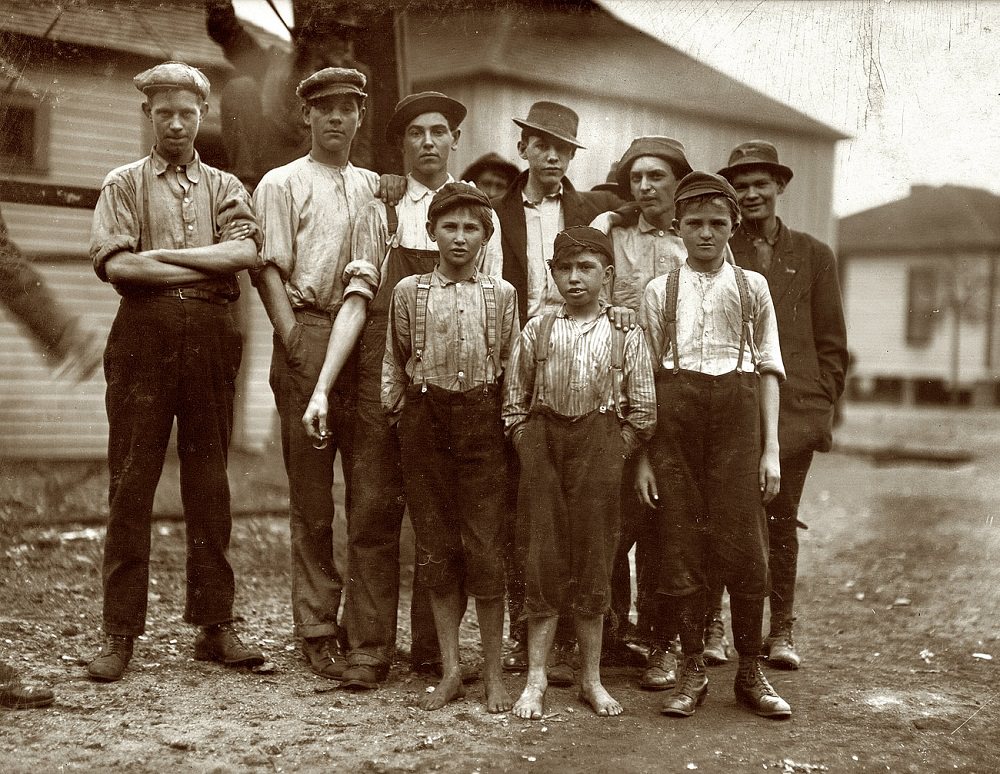
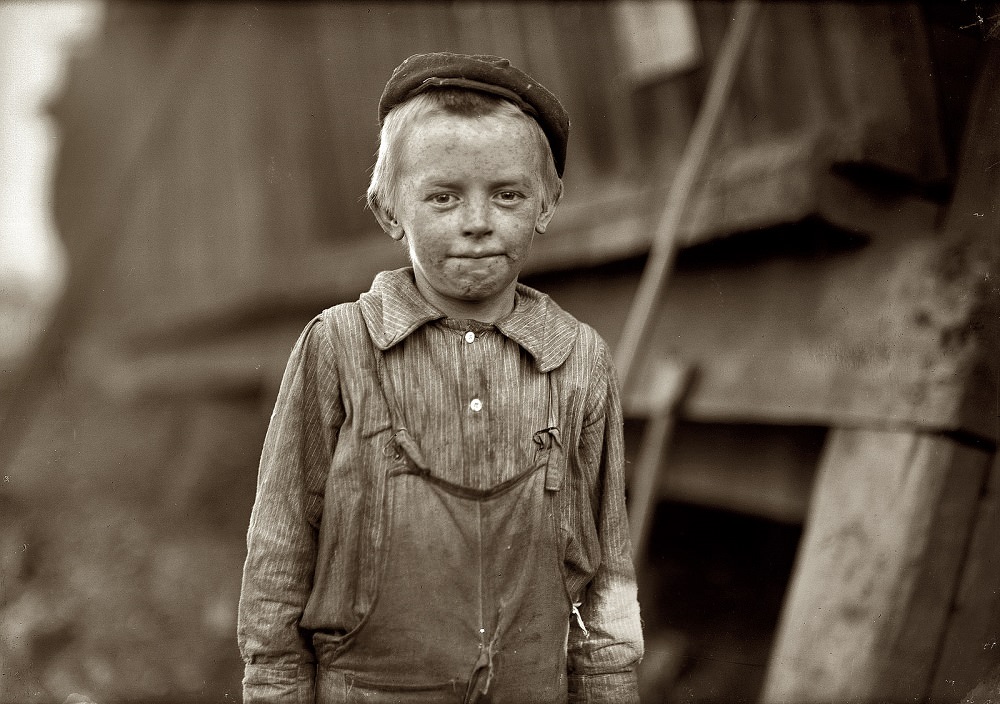
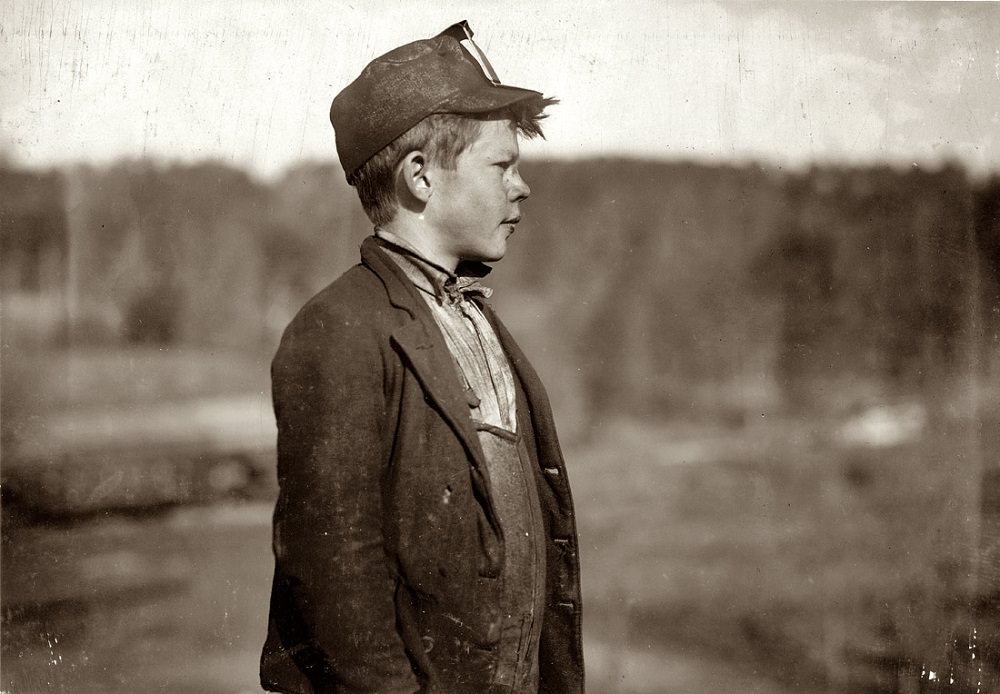
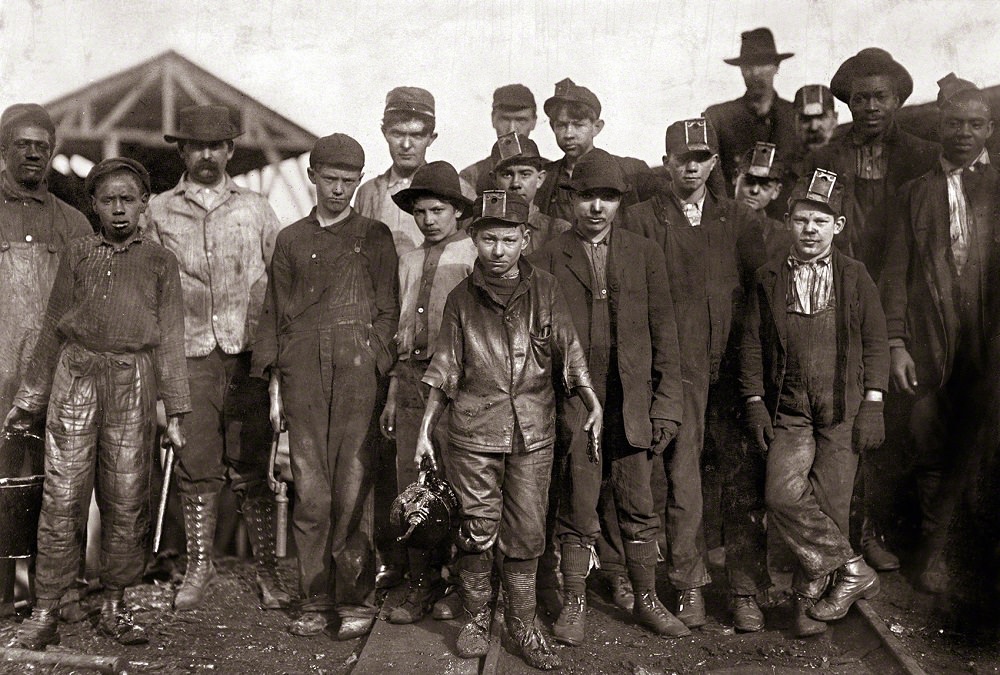
The mines employed young workers too. At Bessie Mine in Jefferson County, boys known as “pushers” moved coal carts through narrow underground tunnels. Dave, photographed in December 1910, was one of these boys. An oiler at the same mine worked the tipple — the structure used to load coal into rail cars — another job that required physical labor in a hazardous environment.
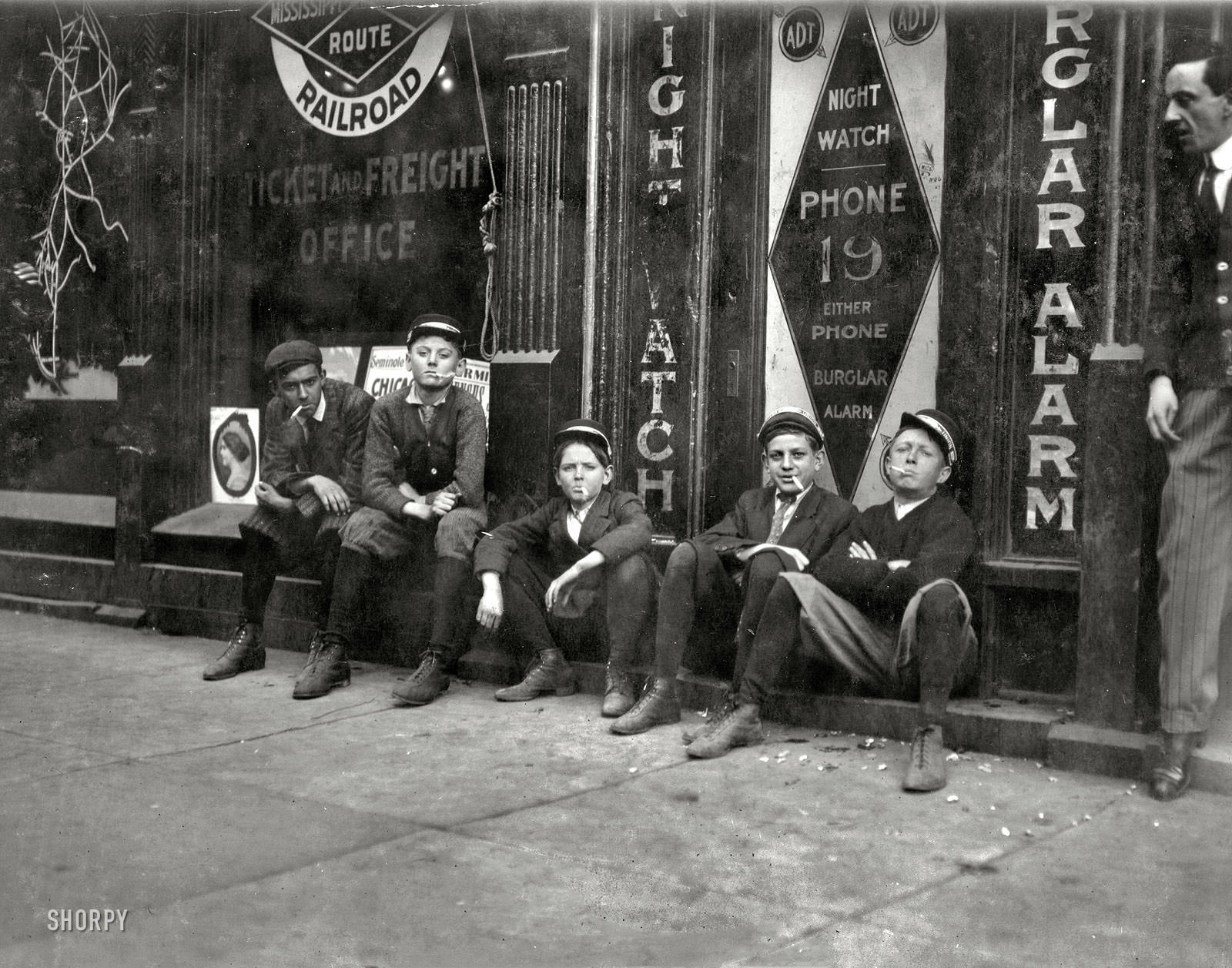
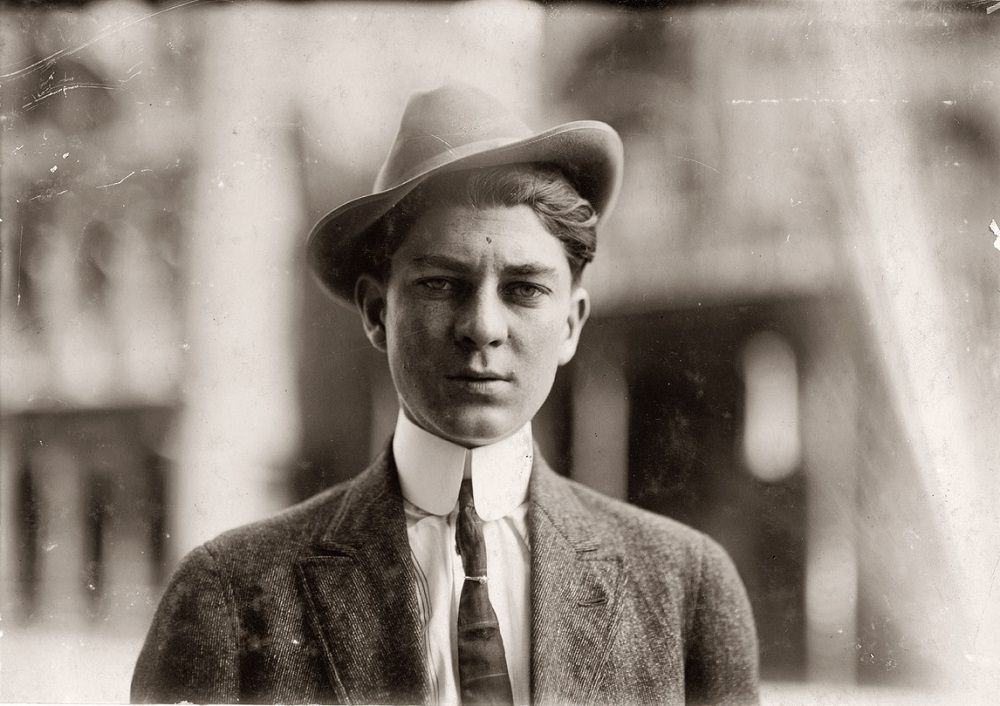
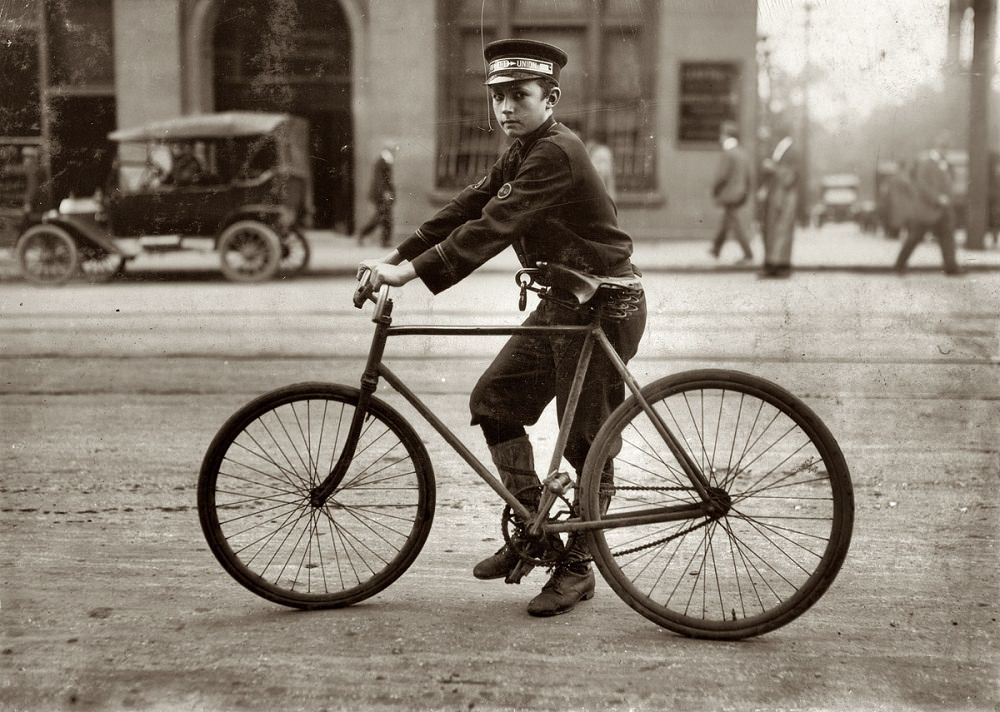
Telegraph and messenger boys were another common sight on Birmingham’s streets. The American District Telegraph Company, known as A.D.T., employed boys to carry messages across the city. Lewis Hine photographed a group of these boys in 1910, catching them smoking between deliveries. Durward Nickerson, a Western Union messenger photographed in 1914, represented a similar trade — young workers navigating the city’s streets to keep its communications running.
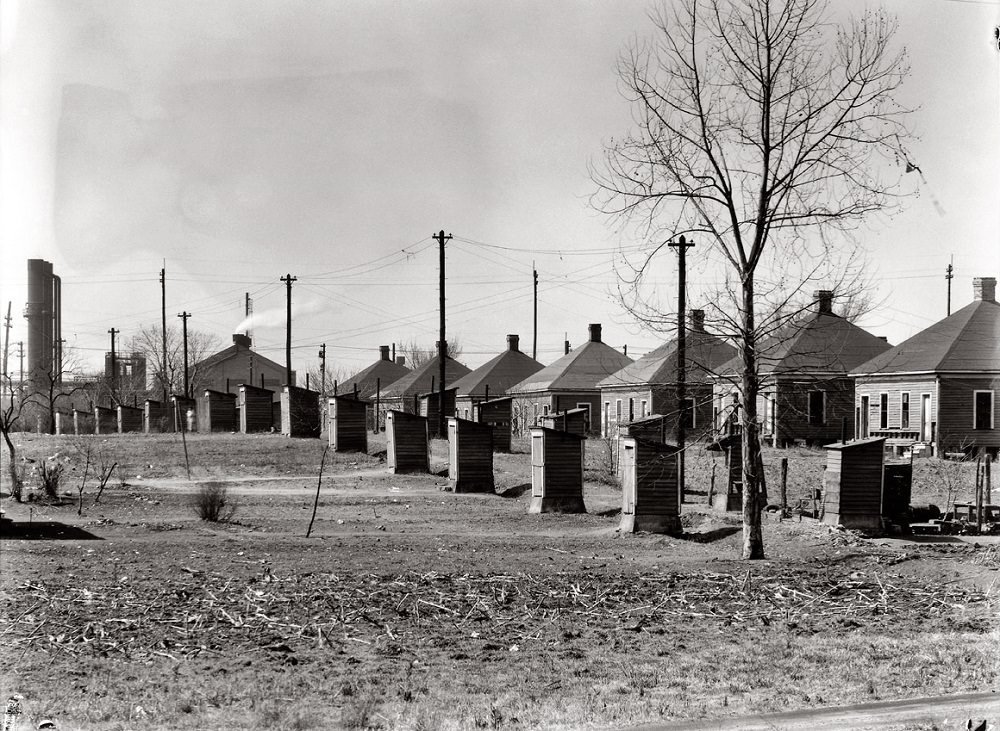
Worker housing in Birmingham varied significantly depending on who was paying for it and who was living in it. Steel and coal companies built rows of identical houses near their facilities to keep their workforce close. These company towns, like those operated by Republic Steel, provided basic shelter but little else. The houses were modest wooden structures, often lacking indoor plumbing, with outhouses in the backyard.
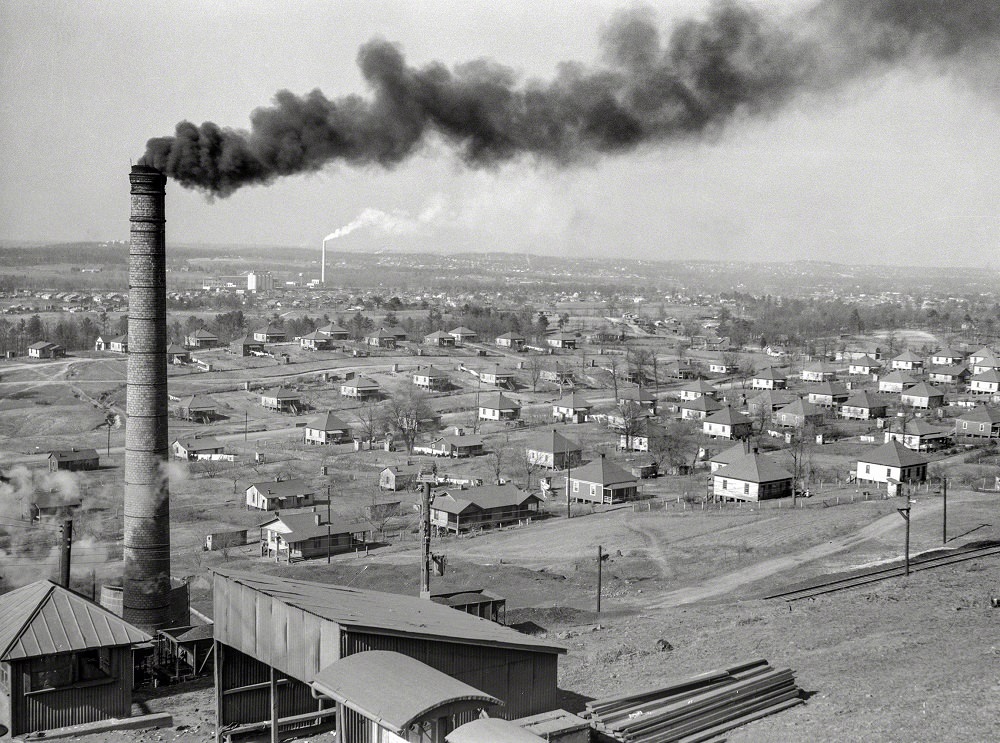
The Great Depression of the 1930s hit Birmingham hard. Steel demand collapsed, mines closed, and thousands of workers lost their jobs. Photographs from 1935 and 1937 show the cramped, worn conditions in which Alabama miners and their families lived during those years. The housing provided by coal companies gave workers little privacy and few comforts, and the Depression made those conditions even harder to bear.
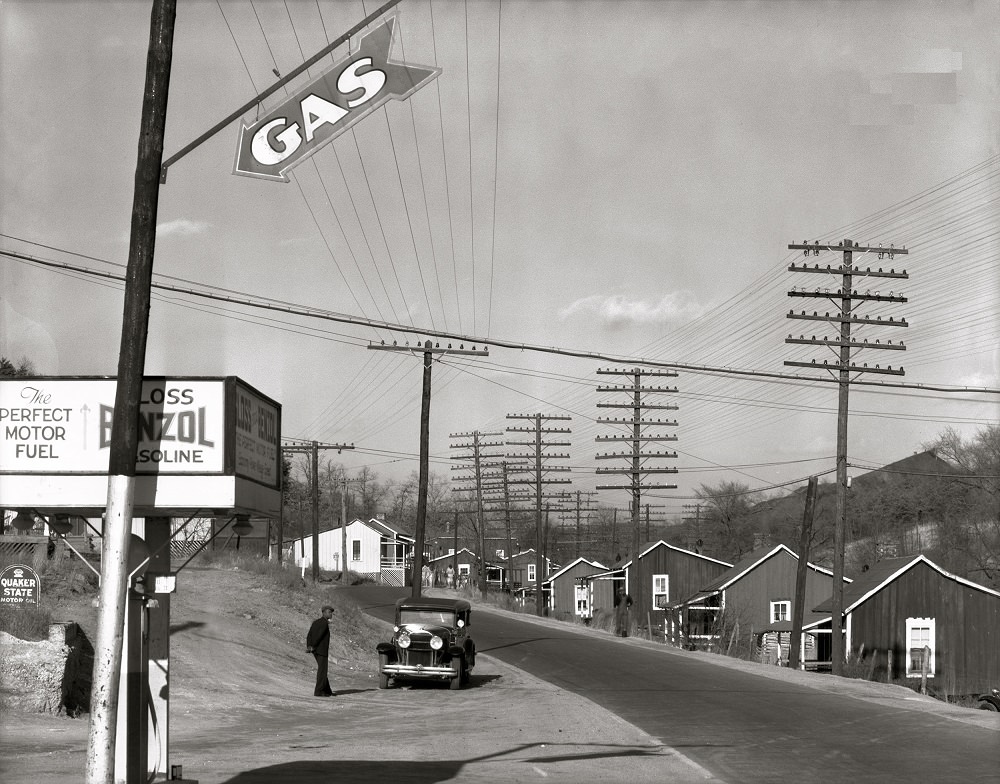
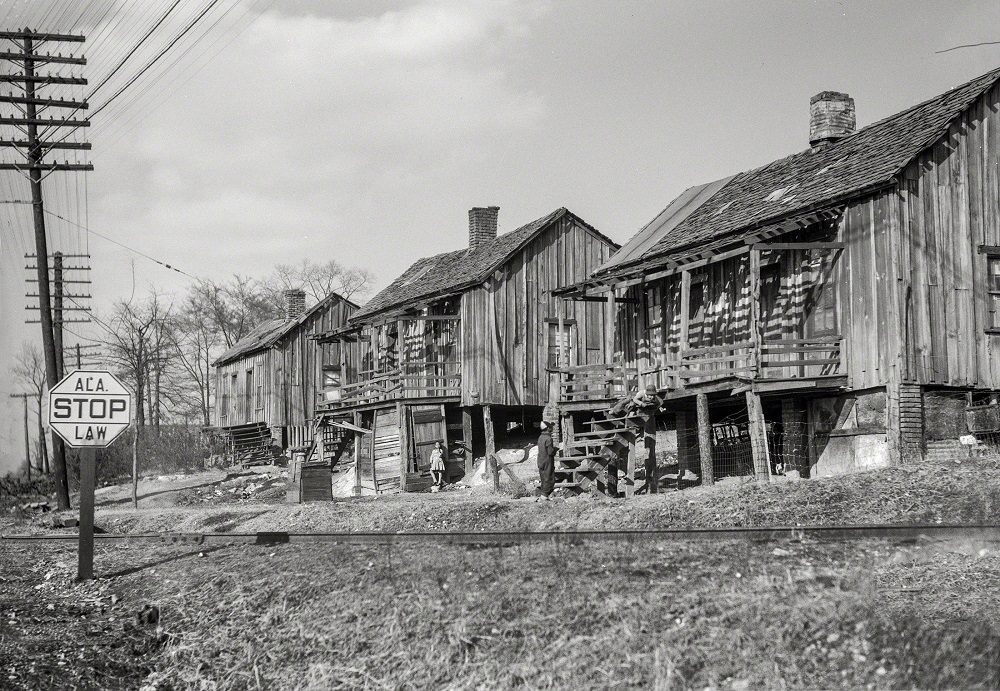
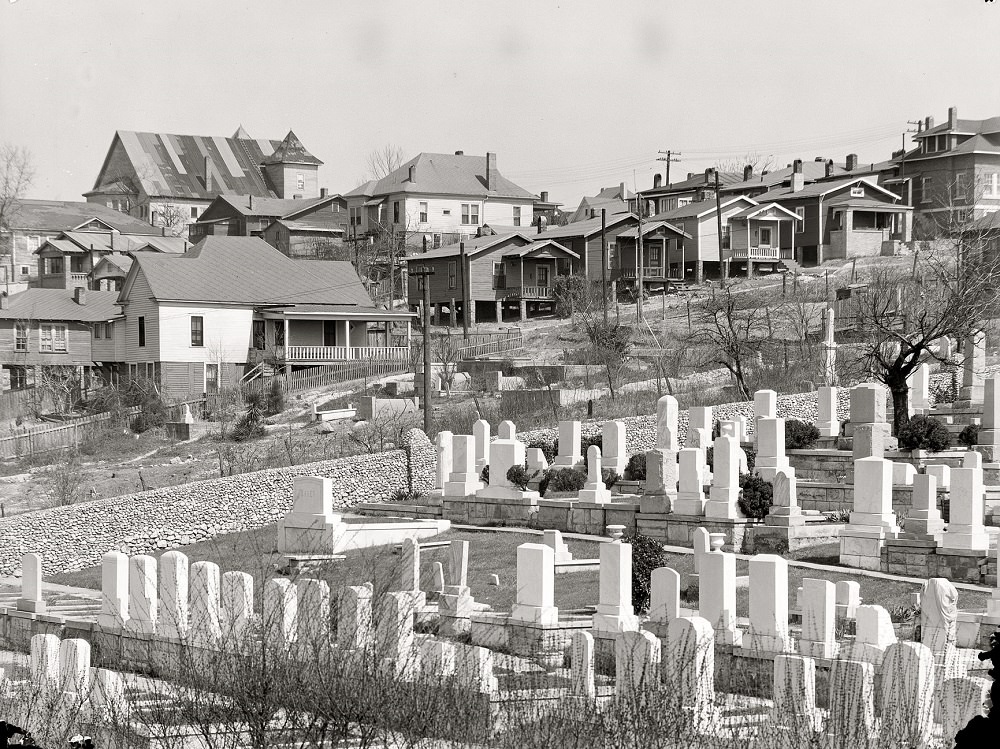
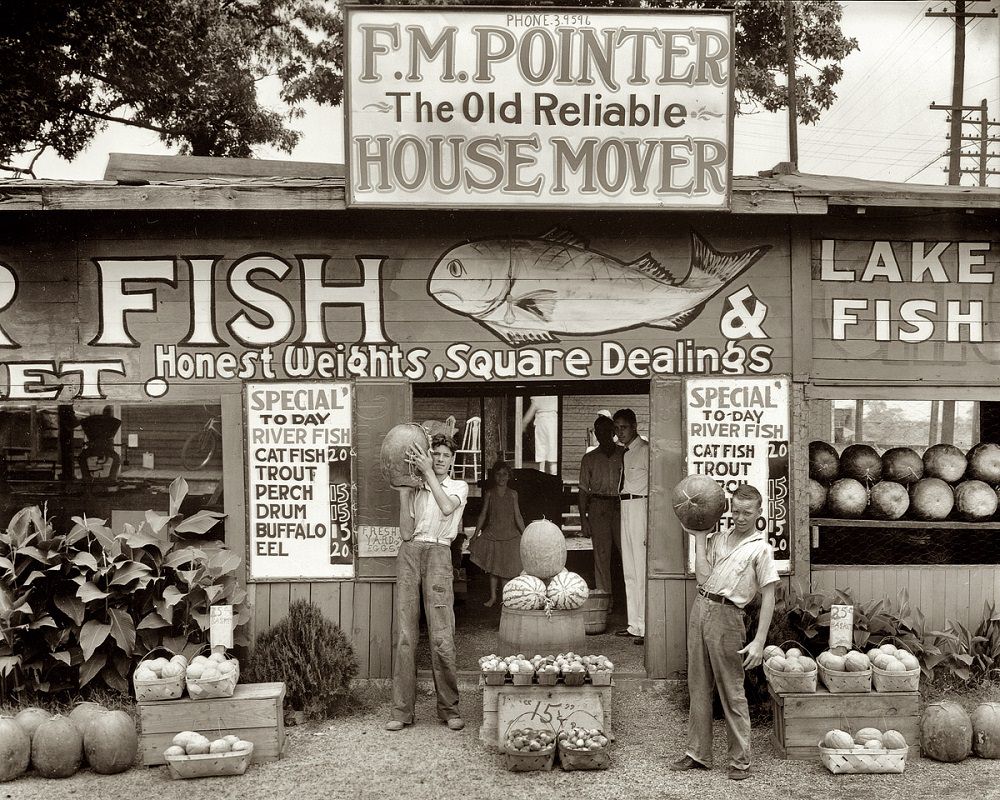
Not everyone in 1930s Birmingham lived in company housing. Middle-class neighborhoods featured more spacious homes with yards and some degree of comfort, even during the Depression years. The contrast between these homes and the cramped rows of miner housing reflected the deep economic divide running through the city. A roadside stand photographed in the summer of 1936 shows ordinary commerce continuing even as the economy struggled — vendors selling produce along Birmingham’s roads as residents made do with what they had.
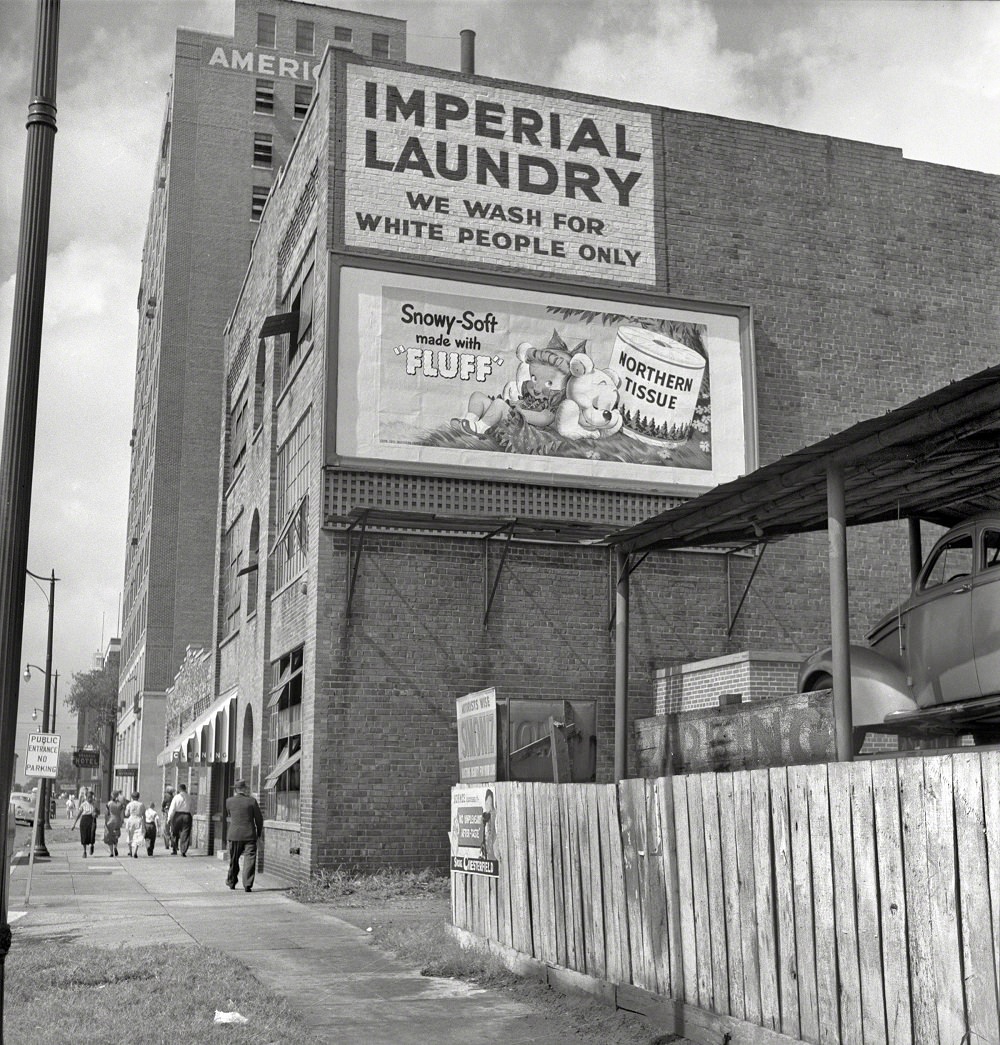
World War II brought relief to Birmingham’s economy. Military demand for steel and iron surged, and Birmingham’s furnaces fired back up at full capacity. The city returned to prosperity relatively quickly compared to other industrial centers. But beneath that economic recovery, racial tensions were building. By the 1950s, Birmingham had become one of the most racially divided cities in the United States. Homes in Black neighborhoods were bombed with enough regularity that the city picked up a grim new nickname: “Bombingham.” The photograph of racial segregation in the South from 1951 captures the official, enforced nature of that separation — a system embedded in law and enforced through violence.





so glad I never had to work in a mine
These photos are a real trip down memory lane, it’s fascinating to see how Birmingham looked in the early 20th century!
Thank you for sharing these stunning historical photos of Birmingham, it’s amazing to see how much the city has changed over the years.”
I love seeing how people lived and worked in the past, these photos give us a glimpse into the daily lives of Birmingham’s residents from a bygone era.
It’s great to see how the city has evolved over time, yet still maintained its unique charm and character.
What a treasure trove of historical images! It’s amazing to see the city’s iconic landmarks and streets in their original form, and to reflect on how they’ve changed over the years.
It’s fascinating to see how the city has transformed over time, from its industrial roots to the bustling metropolis we know today. One thing that stands out to me is how much the city’s architecture has changed – some of the old buildings and streetscapes are virtually unrecognizable! However, it’s also heartening to see how many of Birmingham’s historic landmarks and cultural institutions have persevered through the years.
interesting to see how the city’s population and infrastructure grew during this time, with new industries and businesses cropping up to support the local economy.
It always amazes me to see the photos of the little mining children
Now that they work at Hyundai, we wouldn’t be able to make them mine
20 cents for fresh catfish? Damn! I’m paying $10 per pound out here
Does anyone know which cemetery that was in the photo? I’m sure it’s still around.
It is heartbreaking to see these kids working in such dangerous jobs. This is absolutely repugnant. Hopefully, America won’t return to this state.
I wonder what child labor was like throughout history, how it differed from society to society, etc. Was child labor just normal in most societies since the dawn of civilization for most non-wealthy children? What kind of work did children usually do? I am simultaneously surprised and not surprised that schools don’t teach more about this.
The answer is yes if you live in a union-friendly state.
This isn’t surprising, lol – do you have any knowledge of the subject? Now I’m wondering which societies work their kids the hardest
I don’t have any opinions about other societies. As a member of a labor union, I am aware of all the atrocities that have occurred when it comes to unfair labor practices throughout the nation’s history. For the benefits and pay we have now, people literally died and were killed. We can’t expect corporations to give us anything out of the goodness of their hearts. I hope we don’t repeat history with record profits and inflation, but stagnant wages.
Back in the 70s, I was taught about the Haymarket riots, the Pullman massacre, and Anaconda Copper. Labor day has become synonymous with picnics now.
Do any notable miner’s houses still exist?
I have seen a lot of that type of house in Bessemer (the square ones with the chimney in the middle). Their history always intrigued me.
It’s right next to the paved parking lot of Red Mountain Park on Venice Rd! Some of them are still inhabited
Yes, of course. Mulga, Bayview, Docena and Edgewater all have a lot of them, with a few streetscapes preserving some of the 1910s charm, albeit with more mature trees. A majority of them were sold at affordable prices to tenants after World War II, and many are still occupied by descendants. Even where alleys remain open, there are hardly any privies left.
When did we stop eating Eel?
The eel is one of my favorite foods. Most sushi restaurants serve it.
One thing that always strikes me about these circa 1900 photos is the paved streets. It is startling to realize that paved roads predated automobiles, even though we are used to seeing cobblestones on them now.
In terms of population, didn’t Huntsville surpass The Ham? The first sentence needs to be revised if that is the case.
The one thing that always strikes me about these circa 1900 pics is the paved streets. Cobblestones, sure, but we so associate paved roads with automobiles that it’s startling to see that it predated cars.
Didn’t Huntsville surpass The Ham in terms of population? If so, the first sentence needs revision.
Fascinating stuff. It’s a shame how many of those buildings are no longer around.
Where is this? Seems to be a few places…
Beautiful architecture
Child Labor
Public Transit
Air pollution so thick it blankets buildings
Jim Crow
BIRMINGHAM A city on the grow!
Crazy to think that most of the mountains flanking Jones Valley used to be totally barren
And how quickly and comprehensively it happened.