Ola Hudson built one of the most impressive portfolios in mid-20th century fashion. Working across Hollywood and the music industry, she designed and tailored costumes for some of the biggest names of her era — David Bowie, John Lennon, Diana Ross, Janet Jackson, and Ringo Starr, among others. Yet despite her remarkable work, she remains one of the less celebrated figures from that golden era of rock and roll style.
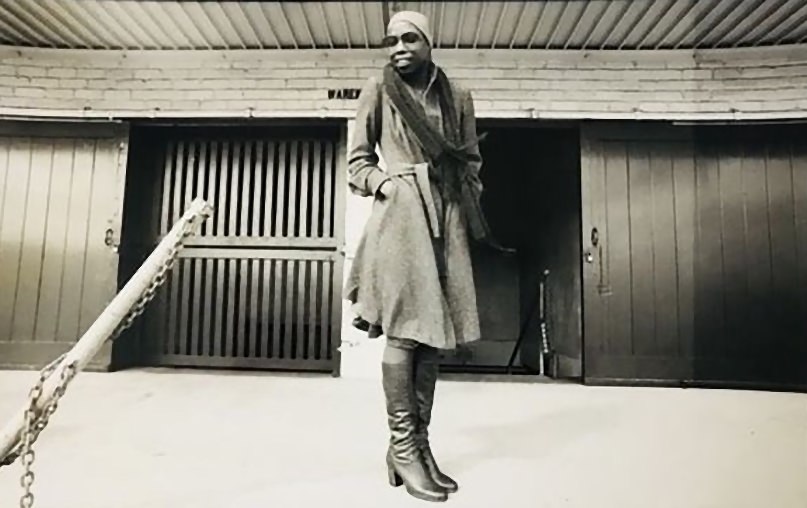
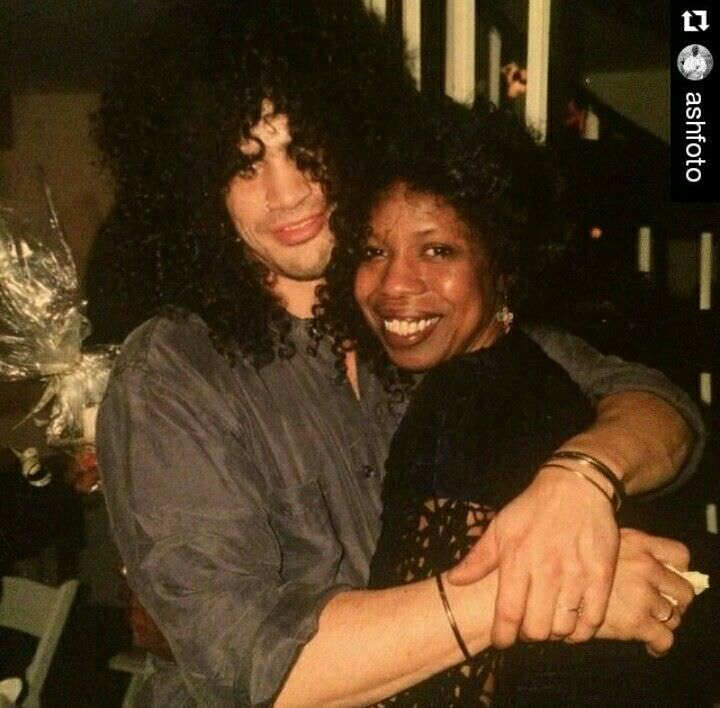
Hudson was born and raised in Los Angeles, where she studied both art and dance. After finishing her studies, she traveled to Paris to attend the Institute of Dance, broadening her creative range beyond the United States. It was during her time in Europe that her world began to shift. In London, she met British illustrator and graphic designer Anthony Hudson. The two married, and together they had a son — Saul Hudson, better known to the world as Slash, the lead guitarist of Guns N’ Roses. The marriage did not last, but Hudson returned to Los Angeles with her son and continued to build her career.
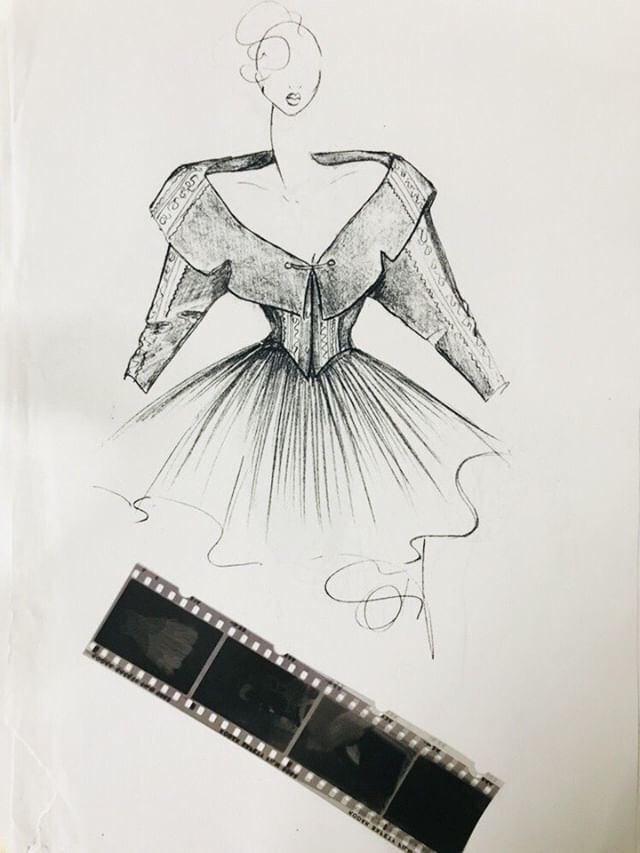
By the mid-1970s, Hudson had become a go-to designer for major music acts. Her earliest high-profile work in rock included designing outfits for David Bowie’s 1974 Diamond Dogs tour across the United States. That project marked the beginning of an exclusive working relationship between Hudson and Bowie. She became responsible for crafting the visual identity of one of rock’s most image-conscious performers. Her sketches translated directly into the sharp, otherworldly clothing that Bowie wore both on stage and on screen.
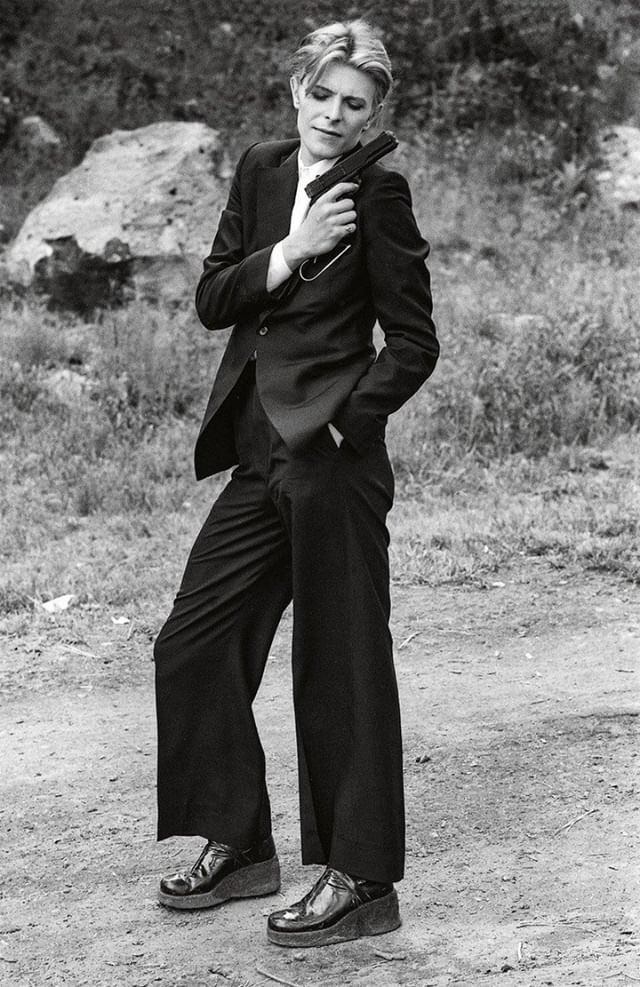
One of Hudson’s most recognized contributions was the wardrobe she created for Bowie’s “Thin White Duke” persona and for his role in the 1976 film The Man Who Fell to Earth. The sleek, tailored suits she designed for that film became as iconic as the performance itself. Several of the items she made for Bowie are now held in the permanent collection at the Metropolitan Museum of Art in New York.
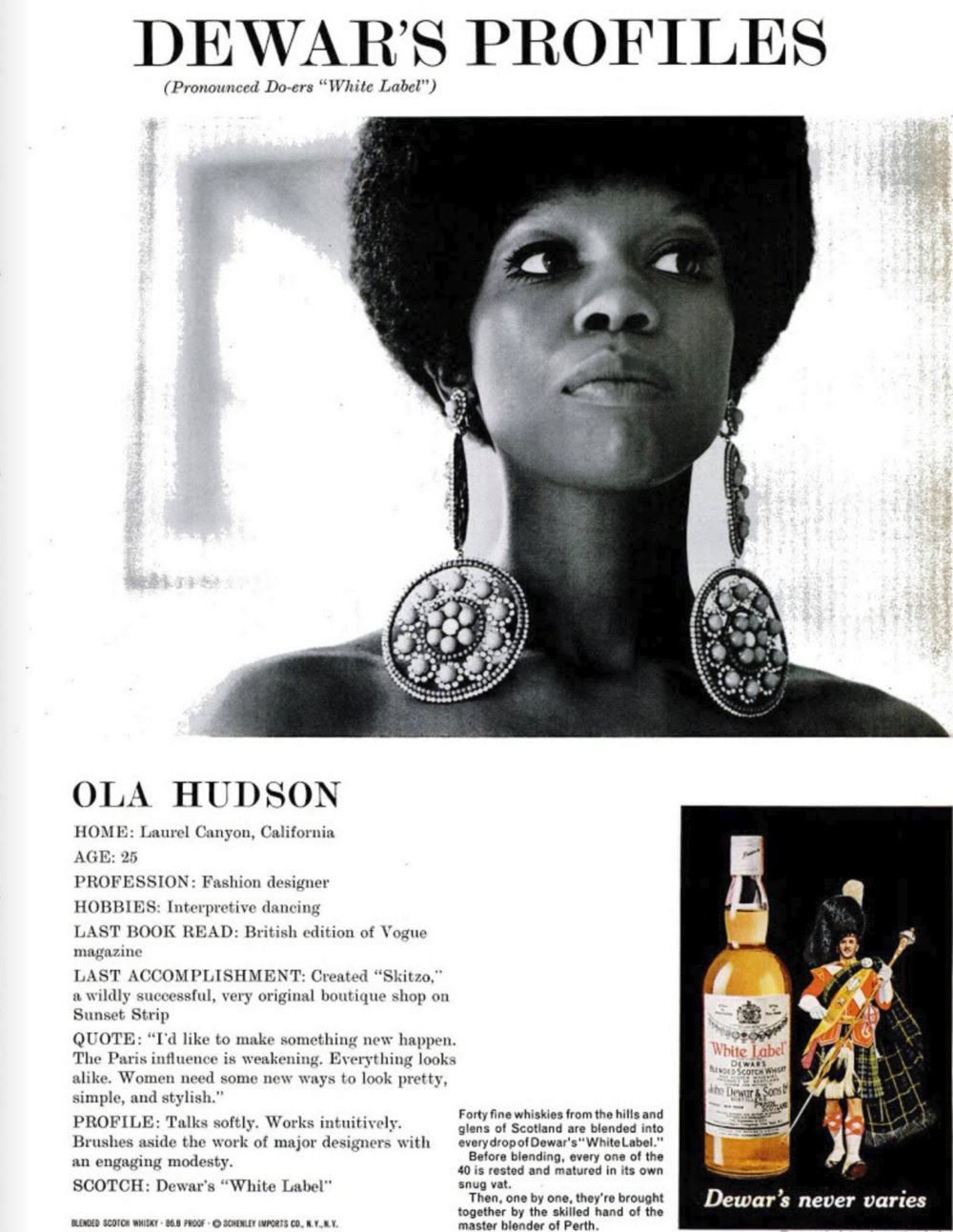
Hudson’s talent extended well beyond Bowie. Her work appeared in numerous fashion magazines, and she created collections for well-known fashion brands. Her client list reads like a who’s who of 1970s celebrity culture. Each commission showed her ability to understand a performer’s persona and translate it into clothing that reinforced their image.
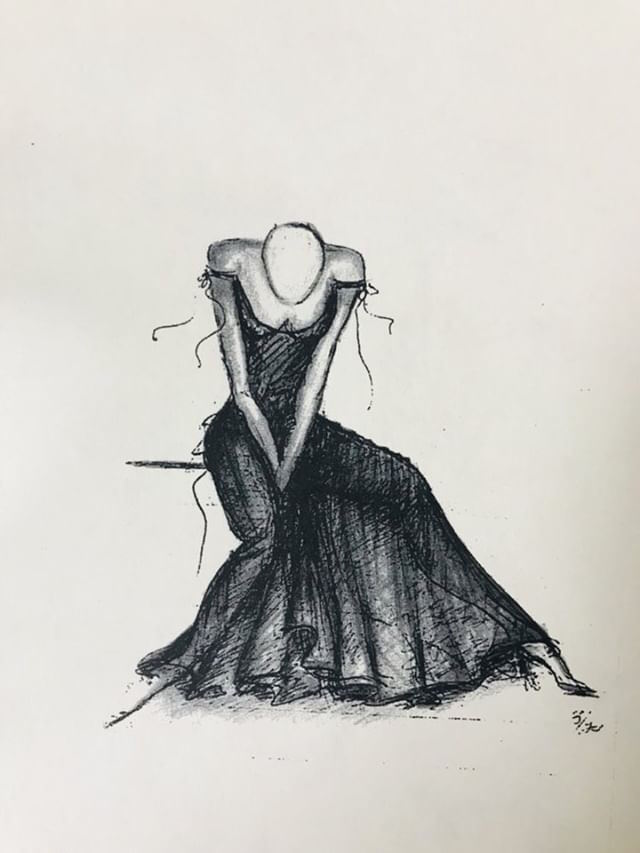
The working relationship between Hudson and Bowie eventually developed into a personal romance. The two dated for a period during the mid-to-late 1970s, with Hudson deeply embedded in Bowie’s professional world at the time. She was present for some of his most transformative years as an artist, shaping not just his wardrobe but his entire visual presentation.
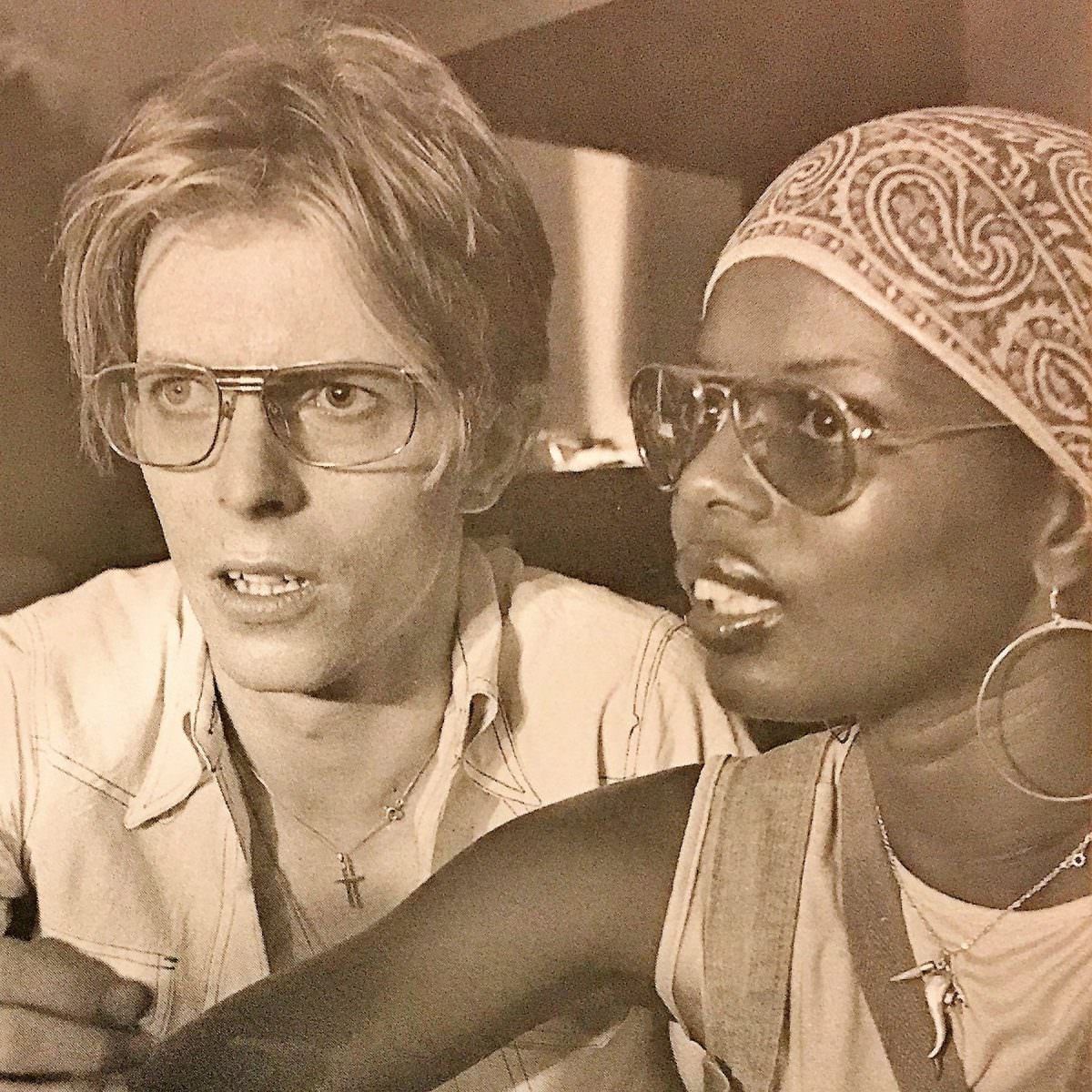
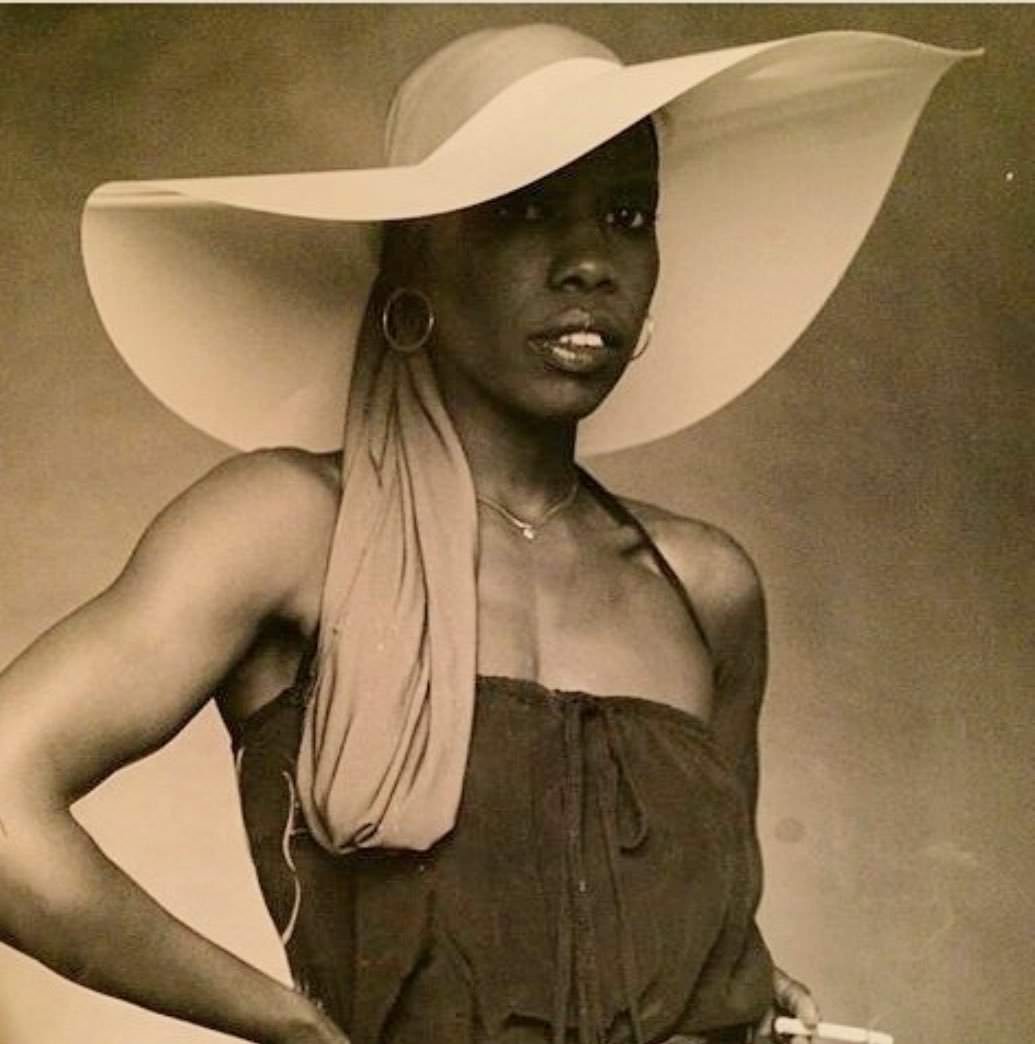
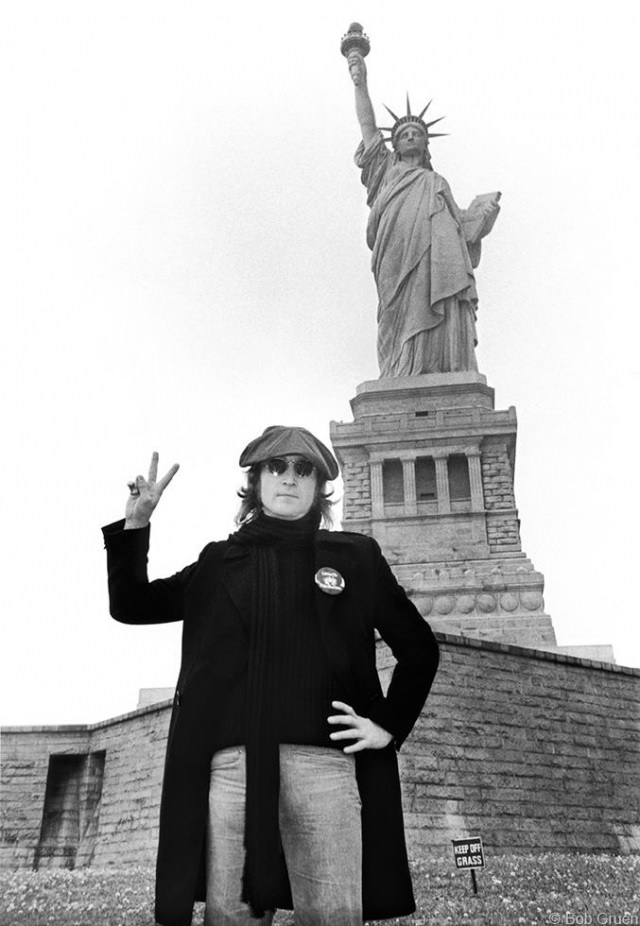
John Lennon was another of Hudson’s high-profile clients. She designed a coat for the former Beatle that became one of her well-documented pieces. Like her work for Bowie, Hudson’s designs for Lennon captured a specific moment in time — the relaxed yet refined aesthetic that defined so much of 1970s celebrity fashion.
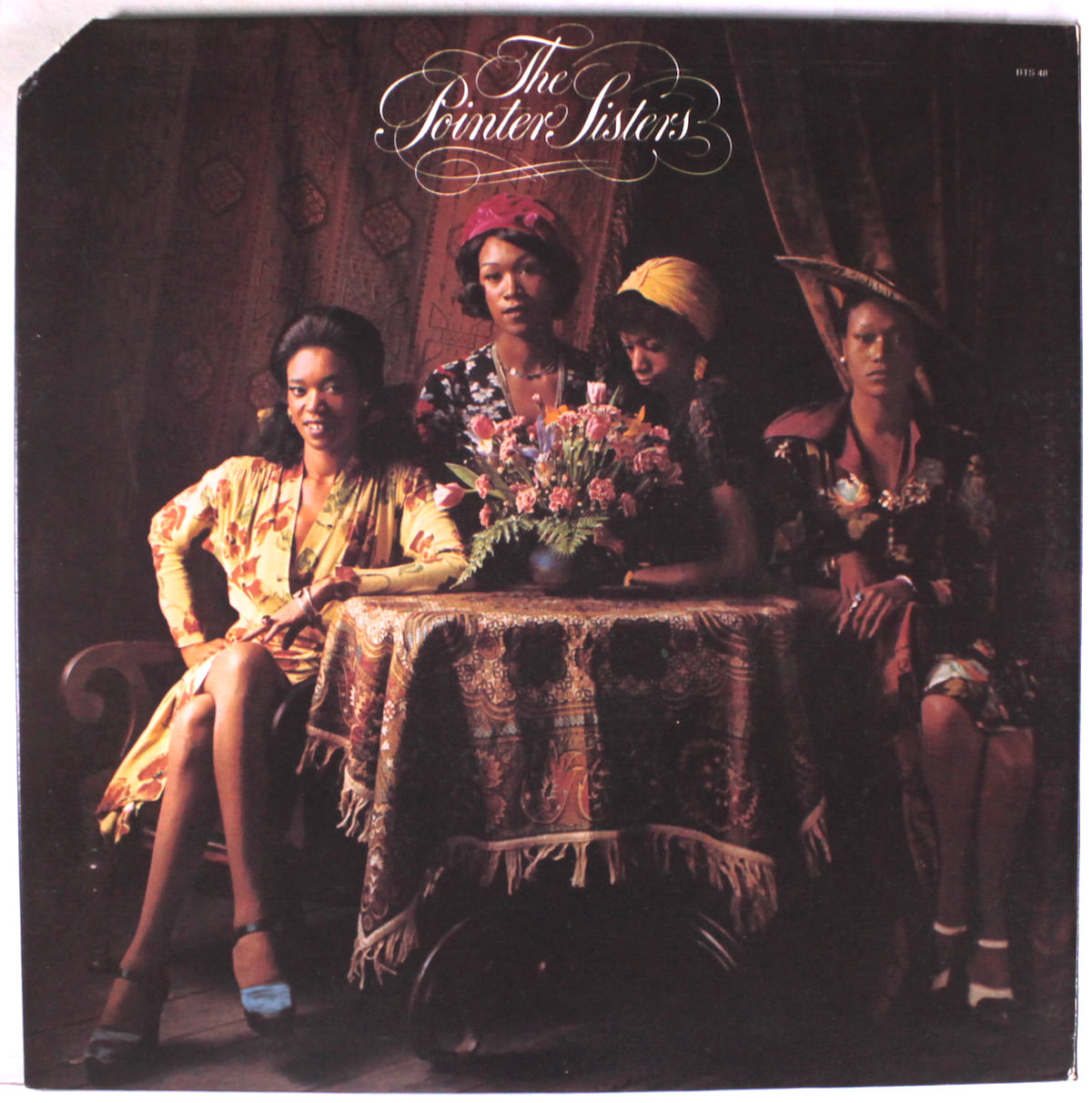
Hudson’s reach extended into the wider music scene of the era. The Pointer Sisters wore her designs on the sleeve of their 1973 Blue Thumb debut album, giving her work prominent visual real estate on one of that year’s notable releases.
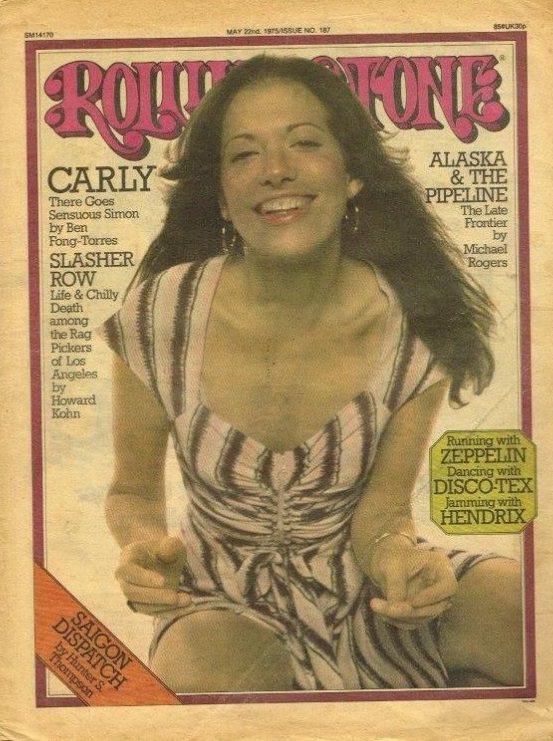
In May 1975, Carly Simon appeared on the cover of Rolling Stone magazine wearing a dress designed by Hudson. Rolling Stone covers during that period were cultural touchstones, and Hudson’s design was front and center on one of the most widely circulated music publications in the world.
Outside of her professional achievements, Hudson was a devoted mother. Slash has spoken publicly about his upbringing in Los Angeles and his mother’s creative world, which surrounded him from an early age. The environment she created — filled with musicians, artists, and designers — directly shaped the person and the guitarist he became. Ola Hudson died on June 5, 2009, after a long battle with cancer.