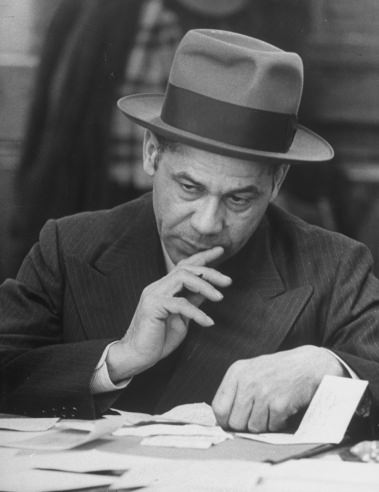
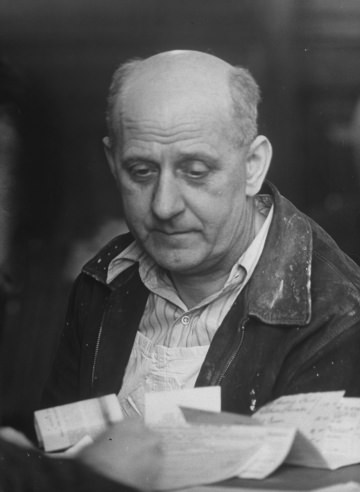
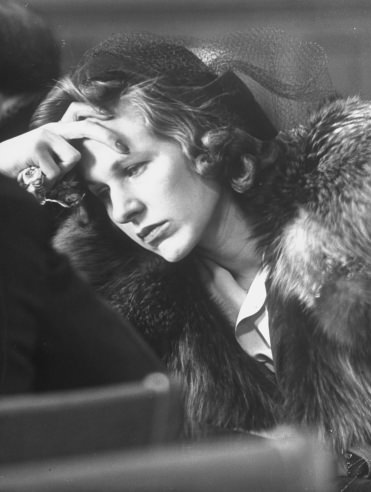
In the spring of 1944, LIFE magazine photographer Alfred Eisenstaedt walked into an Internal Revenue information center in New York City with a specific goal: document ordinary Americans dealing with their taxes during wartime.
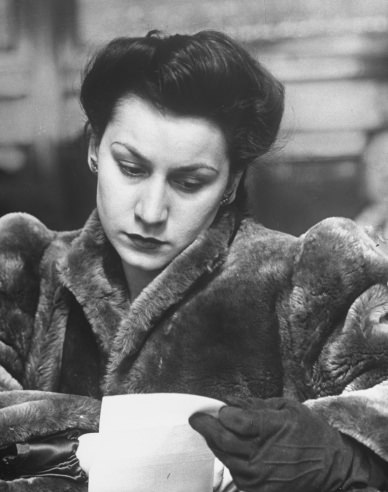
The United States was deep into World War II, and funding that effort required serious tax revenue. The government had expanded the income tax rules, pulling in more filers than ever before. For many New Yorkers, navigating those new obligations meant a trip to an IRS office for help.
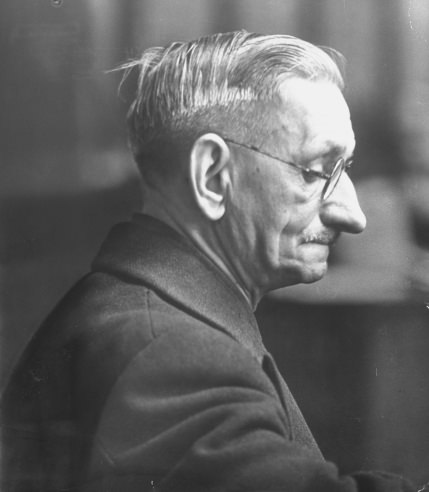
Eisenstaedt used a telephoto lens and stood roughly 40 feet back from his subjects. That distance let him shoot without anyone noticing. The result was a set of fully candid images — no poses, no awareness of the camera, just raw, unscripted expressions.
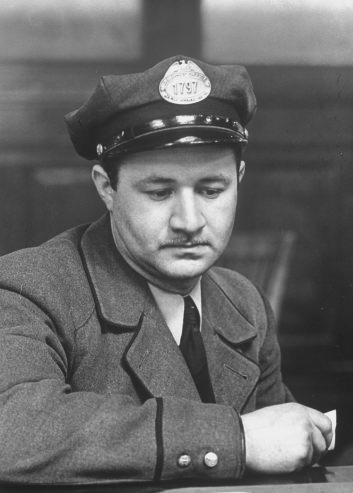
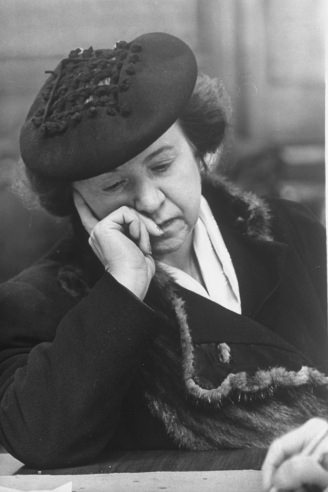
The faces in his photographs tell a consistent story. People frown over forms, press their fingers to their temples, and stare blankly at instructions they struggle to parse. Concentration and frustration show up again and again across the frames.
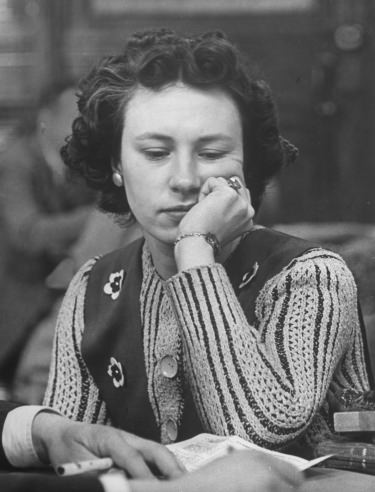

The wartime backdrop added weight to the already stressful task. These taxpayers weren’t just managing paperwork — they were contributing to a war effort that touched every household in the country.
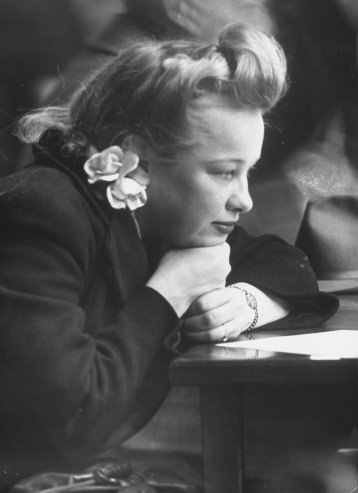

Eisenstaedt was known for capturing genuine human moments, and this assignment was no exception. His technique preserved the exact body language and mood that would have vanished the moment anyone noticed a camera pointed at them.
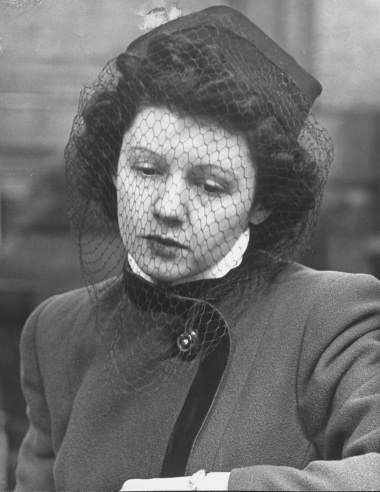
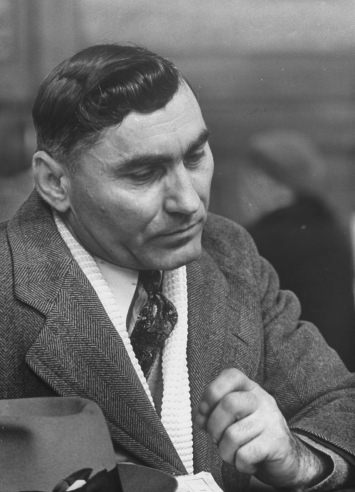
The seriousness on every face reflects a room full of people under real pressure — deadlines, confusing rules, and a nation at war all converging in a single government office.