
Norfolk, Virginia entered the 1920s as one of the most important port cities on the East Coast. Positioned along the Elizabeth River and close to the Chesapeake Bay, the city had long depended on the water for its livelihood. Shipping, trade, and naval activity formed the backbone of its economy. As the decade opened, Norfolk was already buzzing with energy — and it was only getting started.
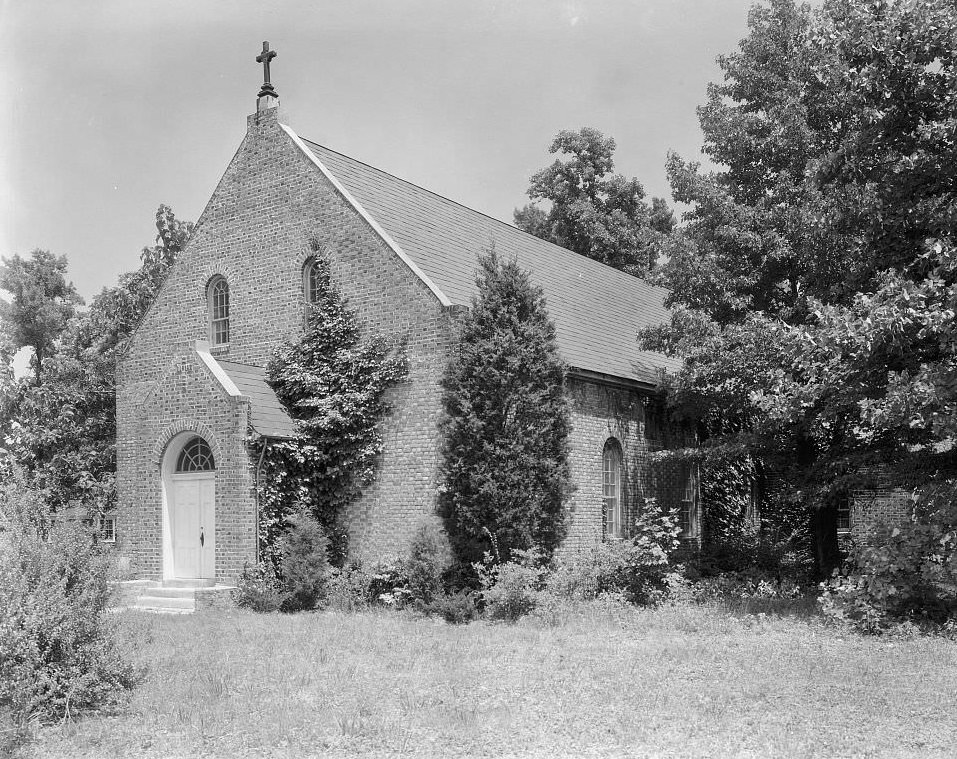
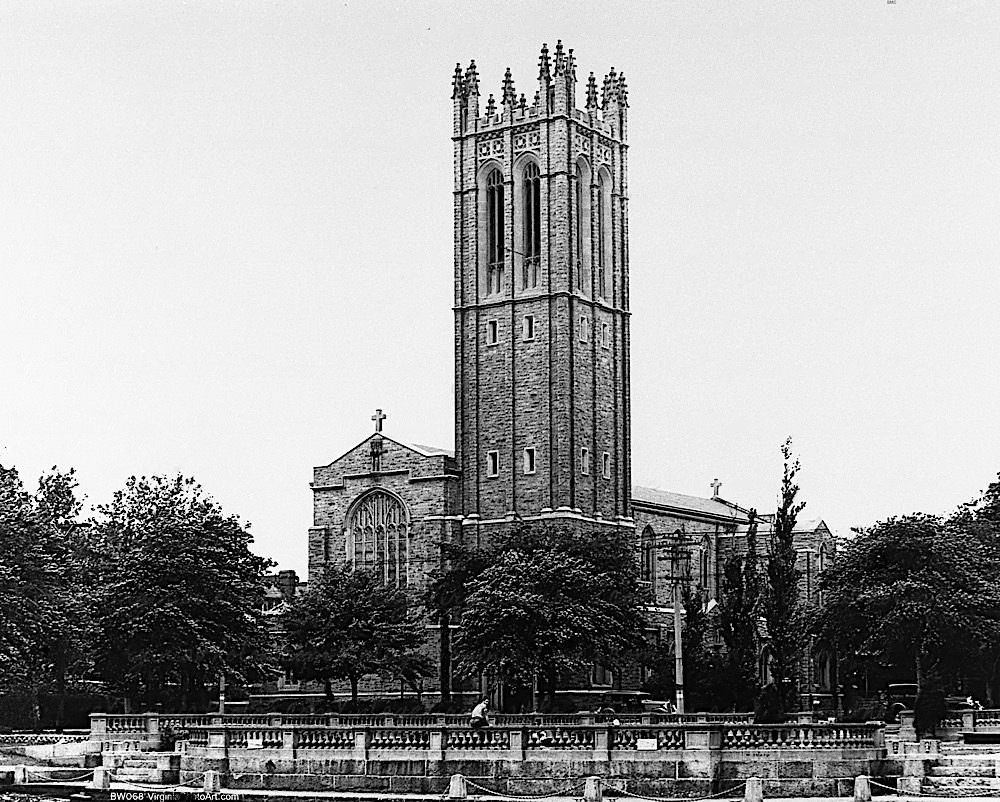
The city’s deep religious roots were visible in its architecture. Churches like the historic Donation Church in Lynnhaven Parish and Christ St. Luke’s Church stood as anchors of community life. These buildings had served Norfolk residents for generations, and in the 1920s, they continued to draw congregations from all parts of the city. Faith was woven tightly into the fabric of everyday Norfolk life.
On the waterfront, activity never stopped. The port handled enormous volumes of cargo, and the sight of boats lining the harbor was as common as the smell of salt air. New technologies in transportation — including more powerful steam vessels and better rail connections — made Norfolk’s port faster and more efficient than ever. Merchants, dock workers, and shipping companies all thrived in this environment.
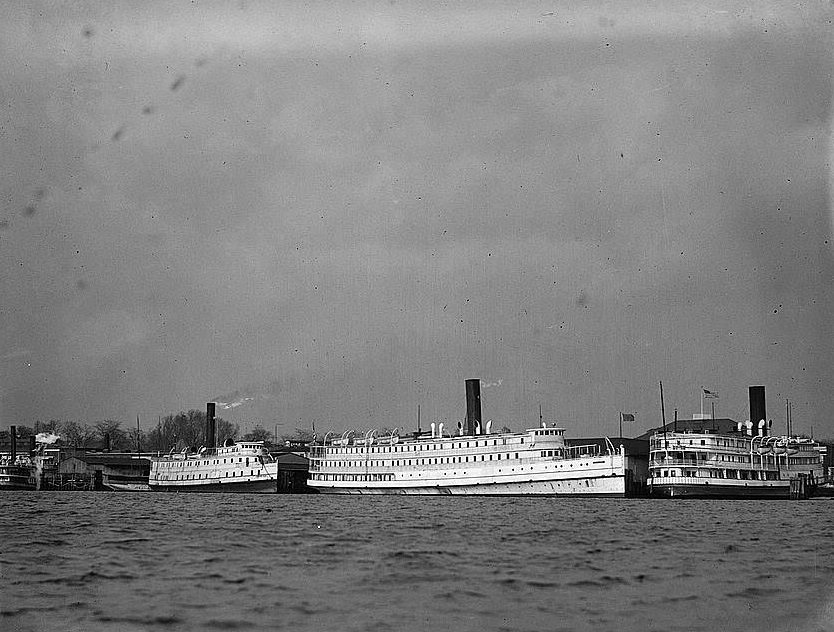
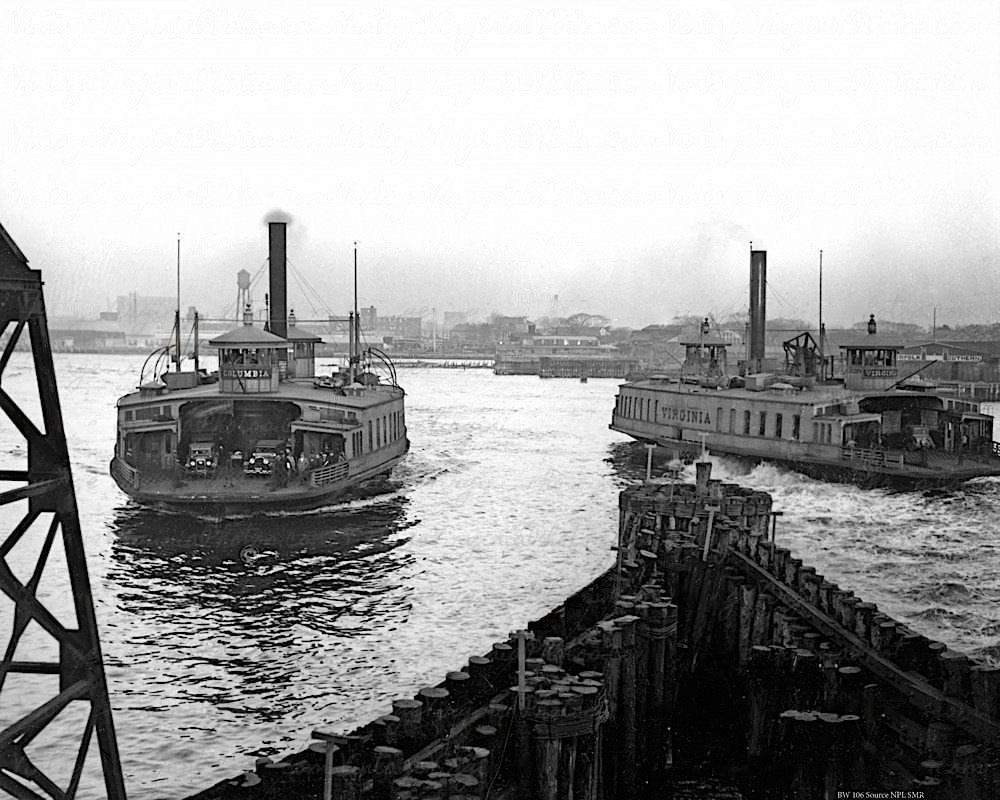
Ferry connections played a big role in keeping the region moving. The Columbia and Virginia Ferry linked Norfolk to communities across the water, carrying passengers and goods back and forth across the harbor. These ferry routes were a daily lifeline for thousands of residents who lived and worked on opposite sides of the waterway.
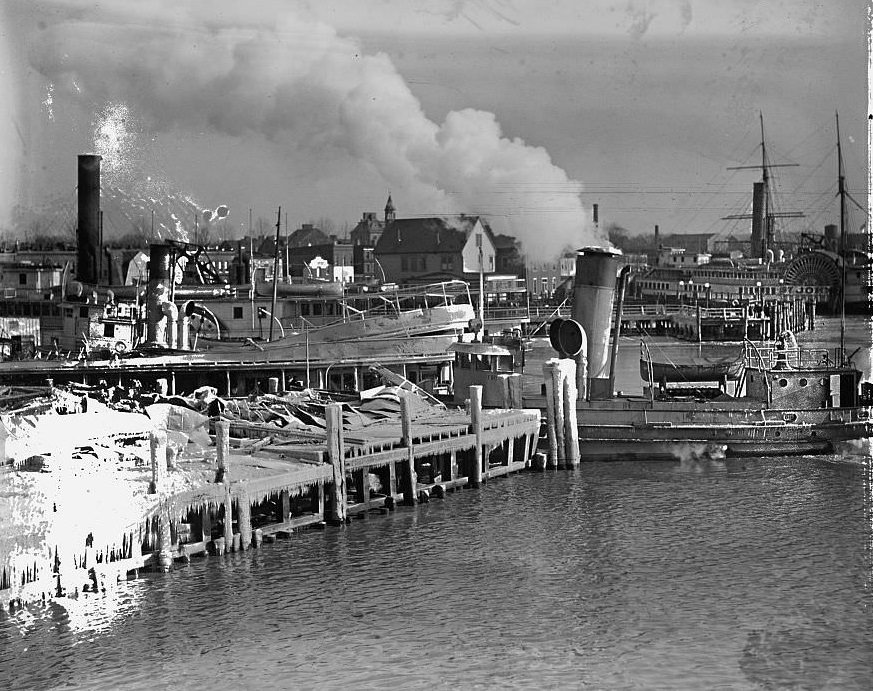
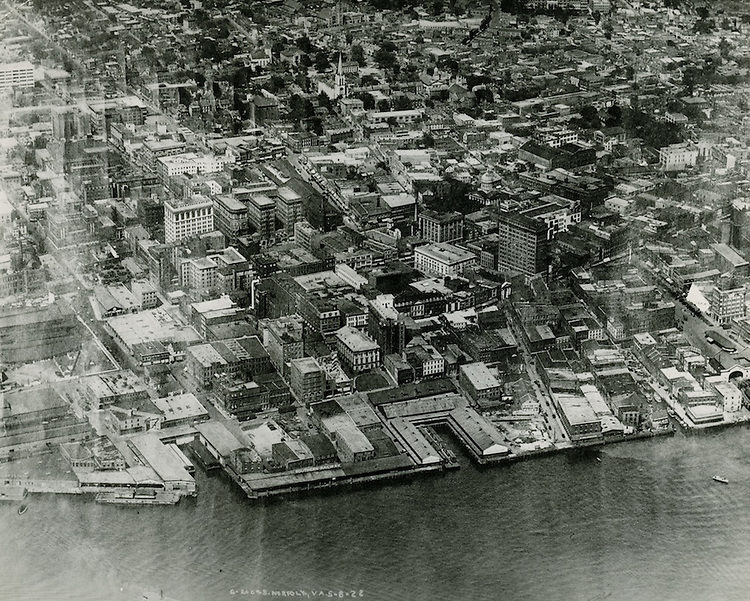
By 1922, Norfolk’s waterfront skyline was filling in fast. New buildings rose above the old wharves, and looking north from the water gave a clear picture of just how quickly the city was growing. Warehouses, commercial blocks, and civic structures crowded the shoreline, a sign that Norfolk’s economy was operating at full speed.
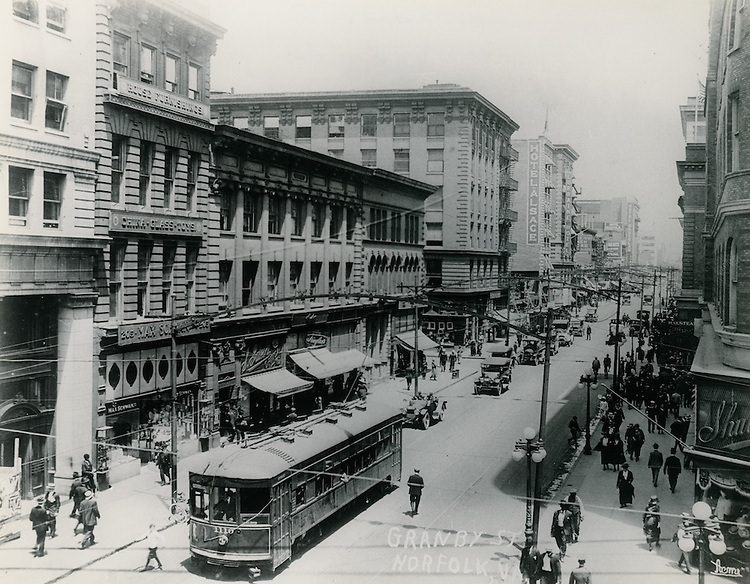
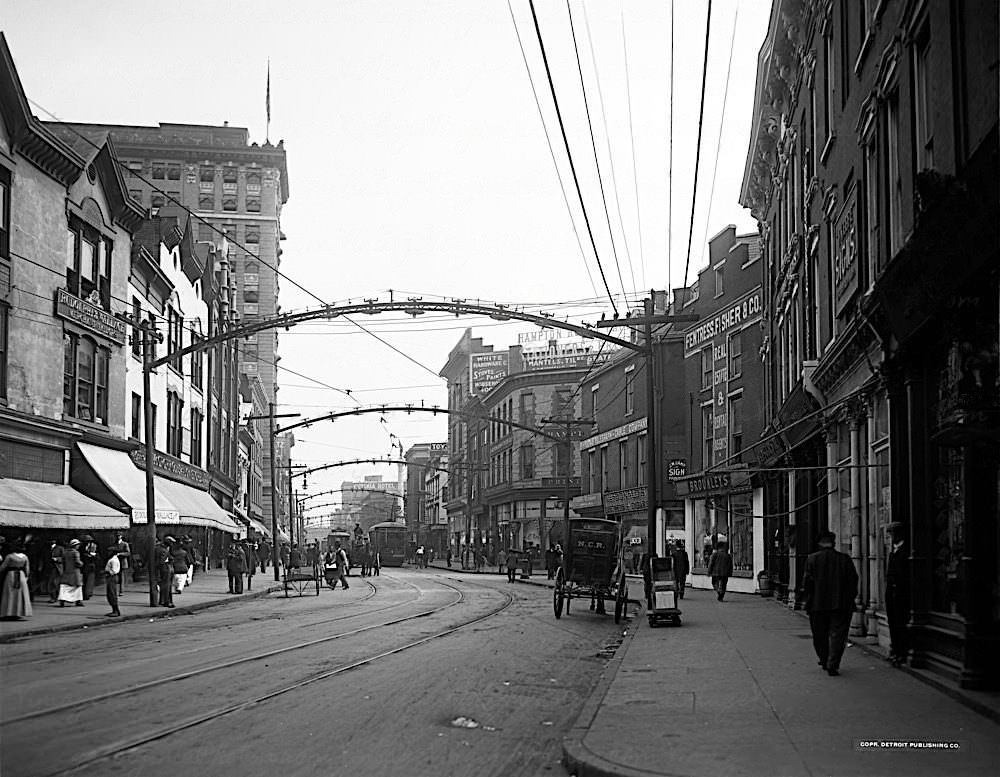
The heart of commercial Norfolk beat loudest on Granby Street. This main thoroughfare ran through the city and was lined with shops, offices, and storefronts catering to every need. Photographs from 1920 through 1923 show a street alive with foot traffic, trolley lines, and automobiles beginning to share space with pedestrians. Looking north or south down Granby Street, the city looked modern and prosperous.
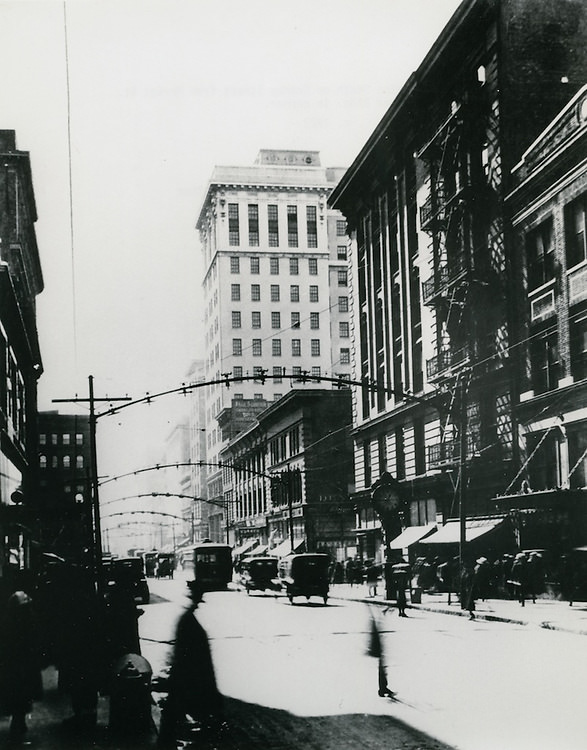
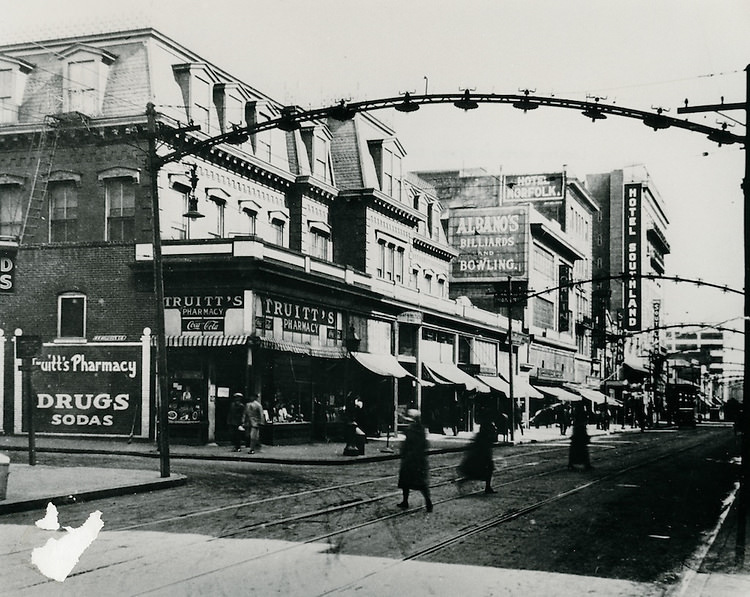
One building that stood out along Granby Street was the Old Norfolk College for Young Ladies, built in 1880, still visible on the left side of the street in 1922 photographs. It was a reminder of the city’s 19th-century foundations even as Norfolk pushed forward into a new era. Nearby on Main Street, retail businesses and service trades competed for customers in one of the busiest commercial corridors in the region.
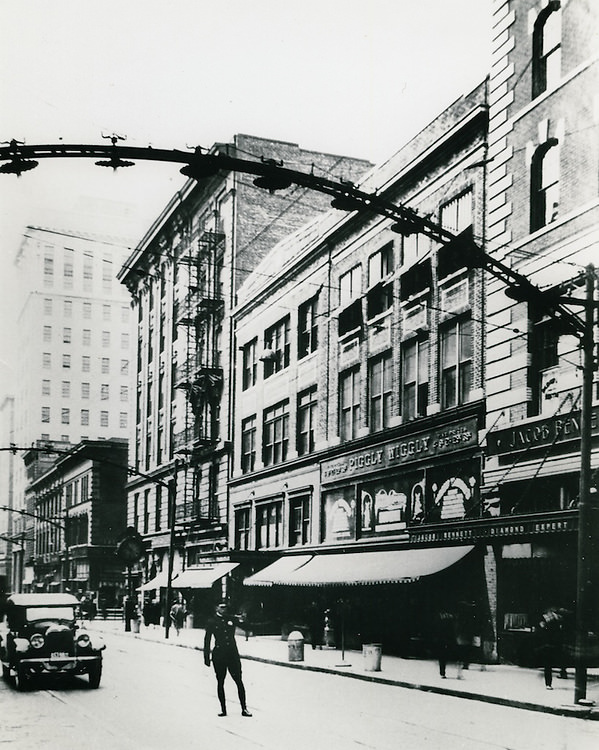
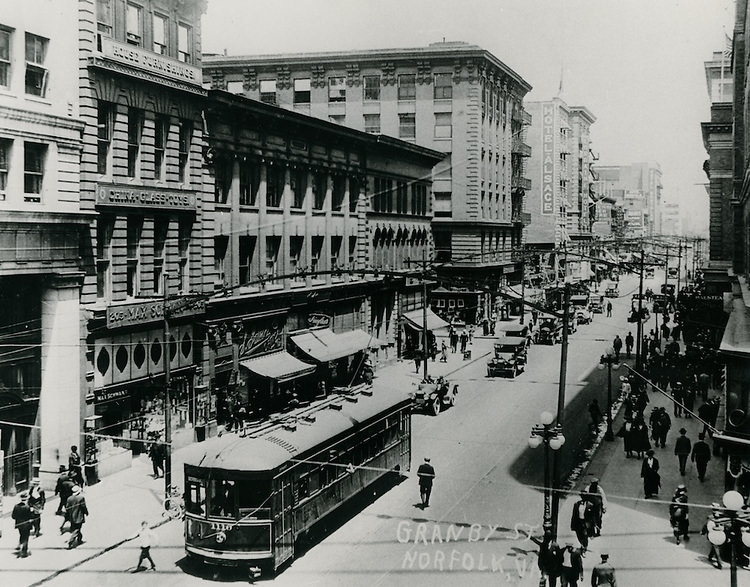
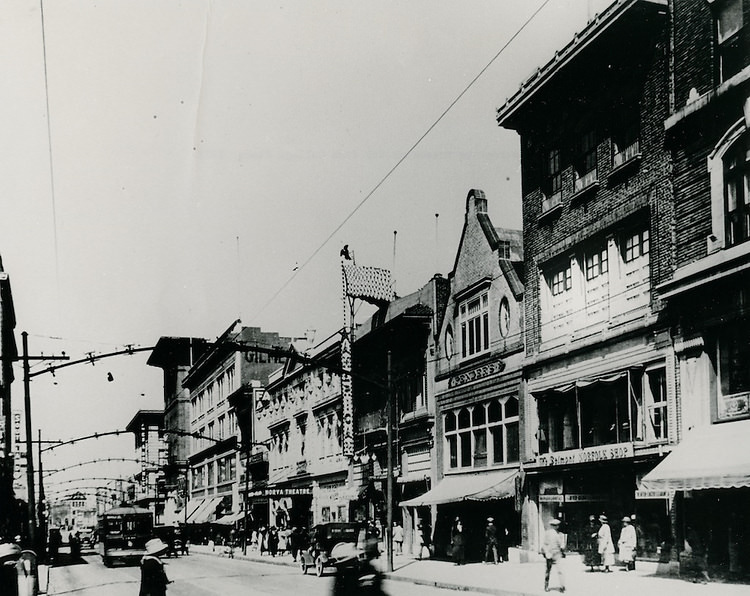
Main Street captured the retail energy of the decade. Shoppers moved in and out of storefronts, and the street hummed with the activity of a city on the rise. Retail in Norfolk was expanding, fueled by a growing population with money to spend and a taste for the goods flooding the American market during the prosperity of the 1920s.
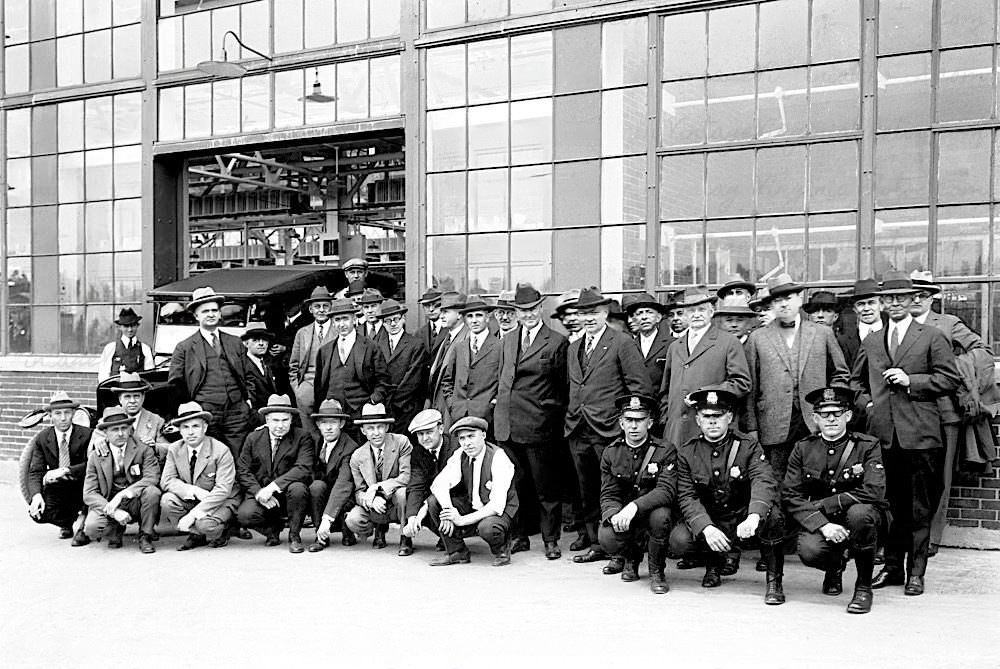
The automobile was transforming American cities, and Norfolk was no exception. In 1925, Ford managers joined Norfolk’s mayor for a ride in the first Model T delivered to the city. It was a symbolic moment — the car was not just a novelty anymore. It was reshaping how people moved around, where they could shop, and how far they could live from where they worked. Streets that had been built for horses and trolleys were now shared with Ford’s famous machine.
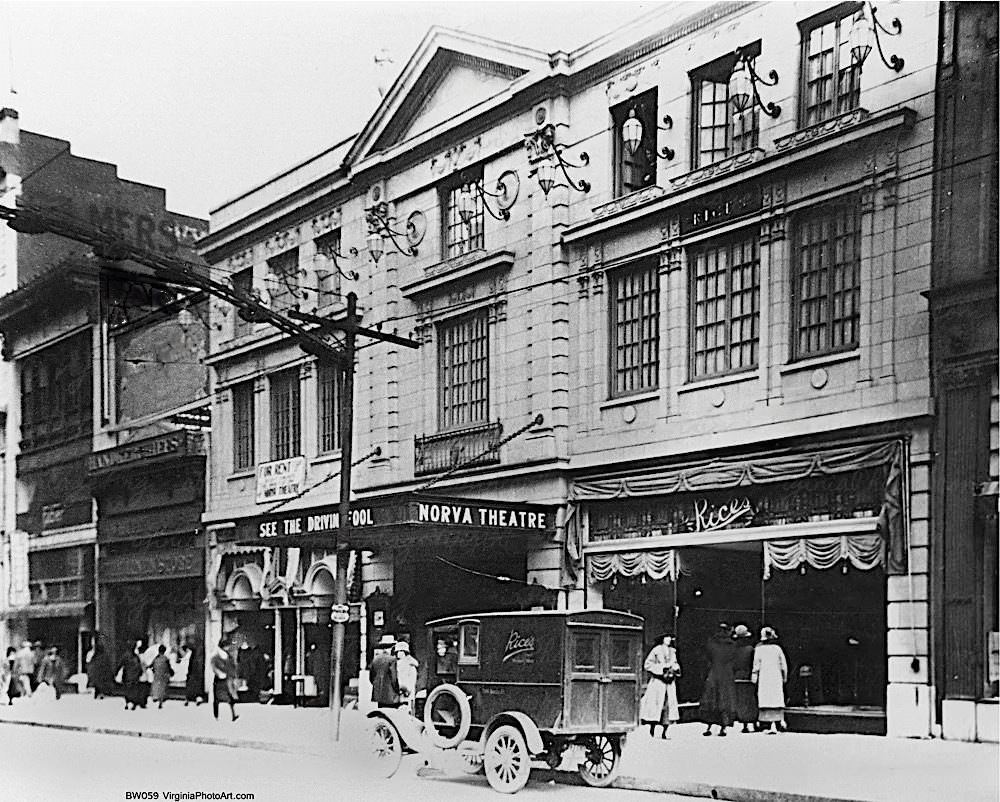
Retail continued to evolve as the decade pushed on. Rice’s Store on Norva in Norfolk was one of the commercial landmarks of the mid-1920s, drawing shoppers from across the city. Stores like this one reflected a growing consumer culture driven by advertising, credit, and the availability of mass-produced goods. Norfolk’s retail districts were busy, competitive, and constantly changing.
Away from the commercial streets, Norfolk residents found leisure time along the waterfront and at the city’s clubs and recreational spaces. The Norfolk Boat Club was a gathering point for those who loved the water outside of work. Sailing and boating were popular pursuits, and the club provided a social scene tied closely to Norfolk’s identity as a water city.
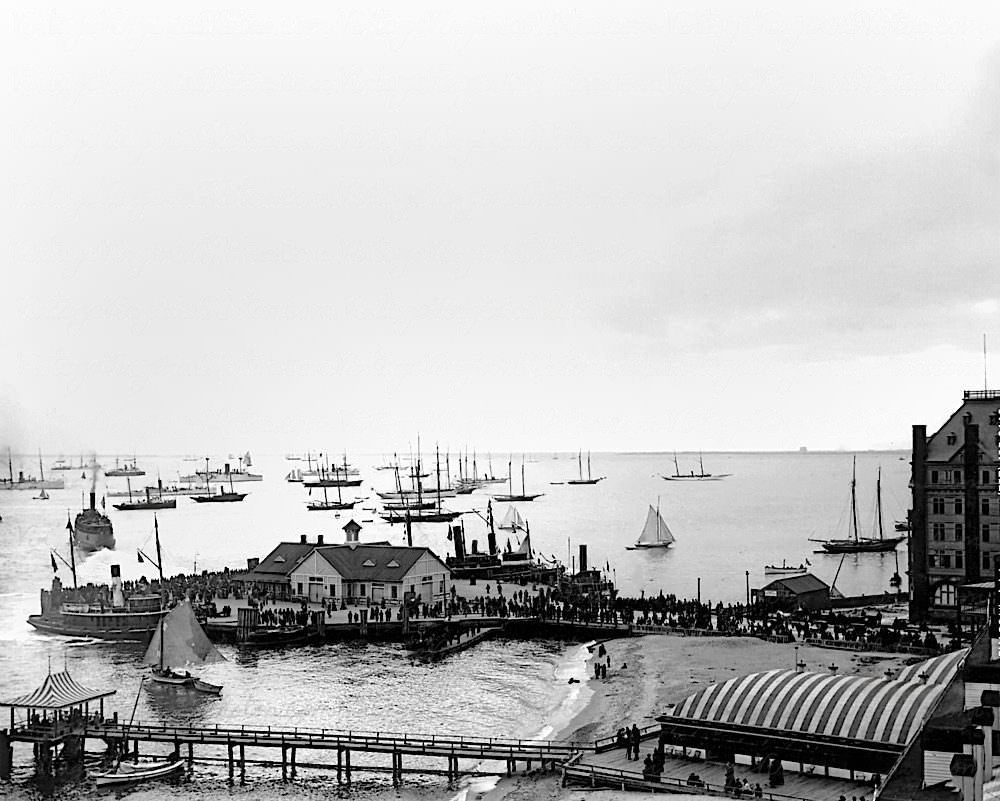
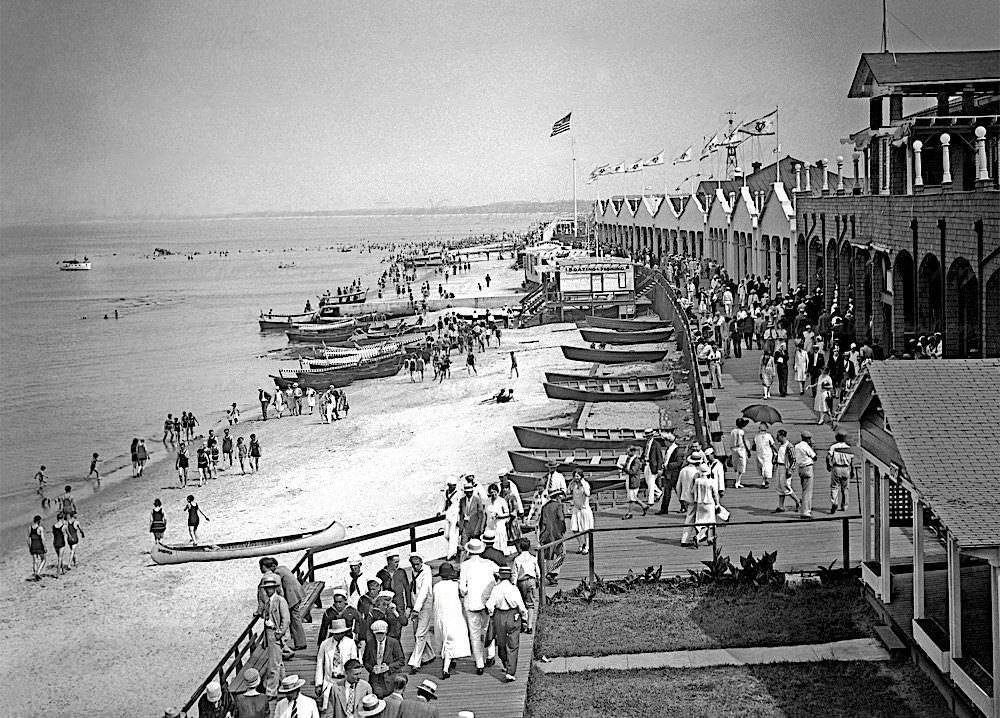
On July 4, 1929, the Ocean View Boardwalk was packed with crowds celebrating Independence Day. Ocean View was Norfolk’s seaside playground — a stretch of beach and boardwalk where families gathered for swimming, amusement rides, and summer fun. The Fourth of July drew some of the biggest crowds of the year, and the 1929 photograph shows the boardwalk teeming with life just months before the stock market crash would change everything.
Throughout the decade, Norfolk absorbed waves of new residents drawn by job opportunities in the port, manufacturing, and retail sectors. The city grew more diverse as people arrived from different parts of the country and the world, each group adding to the cultural mix that defined Norfolk in the 1920s. Theaters, music venues, and entertainment halls multiplied to serve a population hungry for diversion.





What happened
Historic buildings and neighborhoods were torn down for various reasons. On of the big things that happened was the interstate. A lot of buildings were demolished to make way for it.