
Nicaragua is the largest country in Central America. It sits between Honduras to the northwest, Costa Rica to the south, the Caribbean Sea to the east, and the Pacific Ocean to the southwest. Its population has long been majority mestizo — people of mixed indigenous and Spanish descent — reflecting centuries of cultural exchange. Nicaragua gained independence from Spain in 1821, briefly joined the Mexican Empire, then became part of the Provinces of Central America under a shared government based in Guatemala City. It broke away as a fully independent nation in 1838.
By the 1950s, Nicaragua was a country of sharp contrasts. Cattle ranches and haciendas spread across the countryside, while the capital Managua was developing modern hotels and public spaces. Rural life still moved at a slow, traditional pace. These photographs capture both worlds — the working people, the landscape, the animals, and the everyday rhythms of Nicaraguan life during that decade.
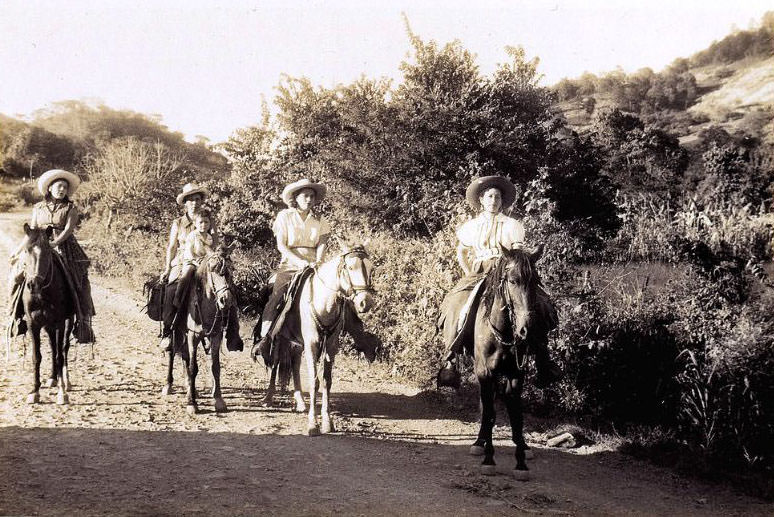
Women played active roles in Nicaragua’s rural economy. Cowgirls were a common sight on ranches, handling horses and livestock alongside men. Their presence in the saddle was a normal part of country life, not an exception.
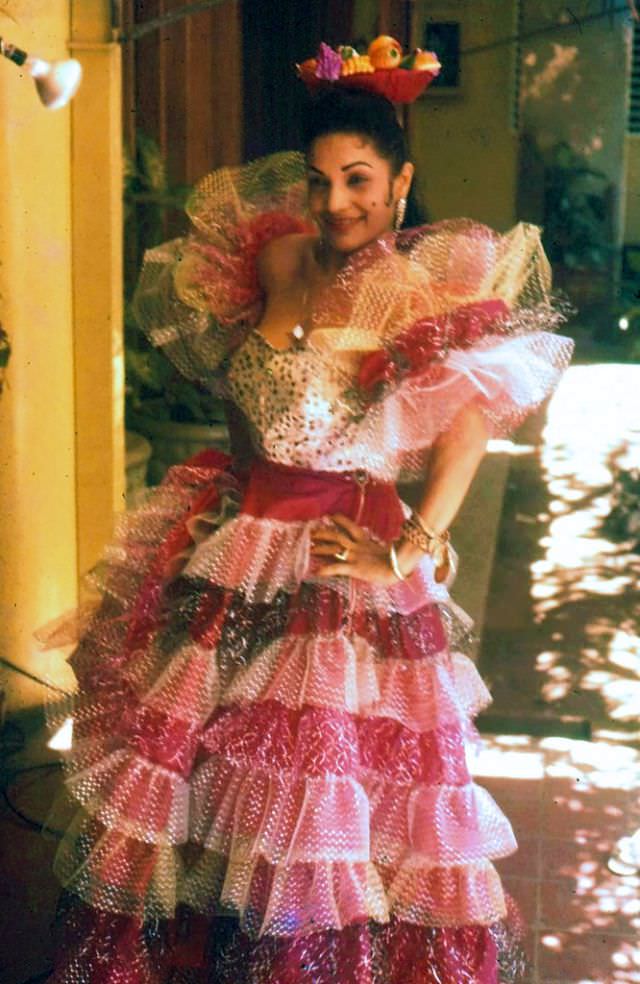
In the city, the Gran Hotel in Managua was a hub of entertainment and social life. Performers and dancers brought energy to its events, dressed in colorful costumes that reflected regional traditions. The hotel represented a more modern, urban side of 1950s Nicaragua.
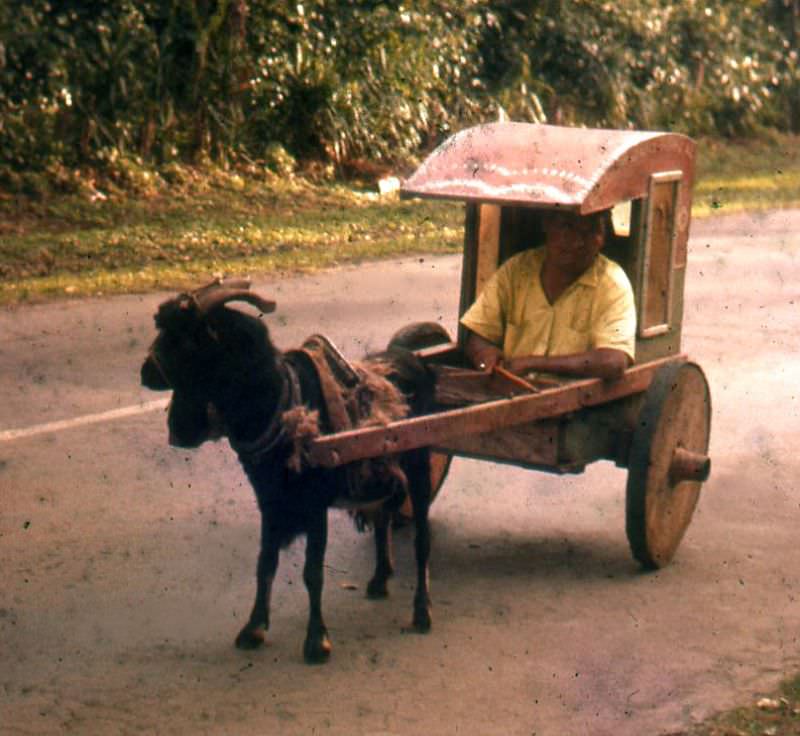
Outside the capital, streets in smaller towns and rural areas were a different scene entirely. Goat carts were a practical form of transportation, used to move goods and people through unpaved roads. They were a familiar sight across the Nicaraguan countryside.
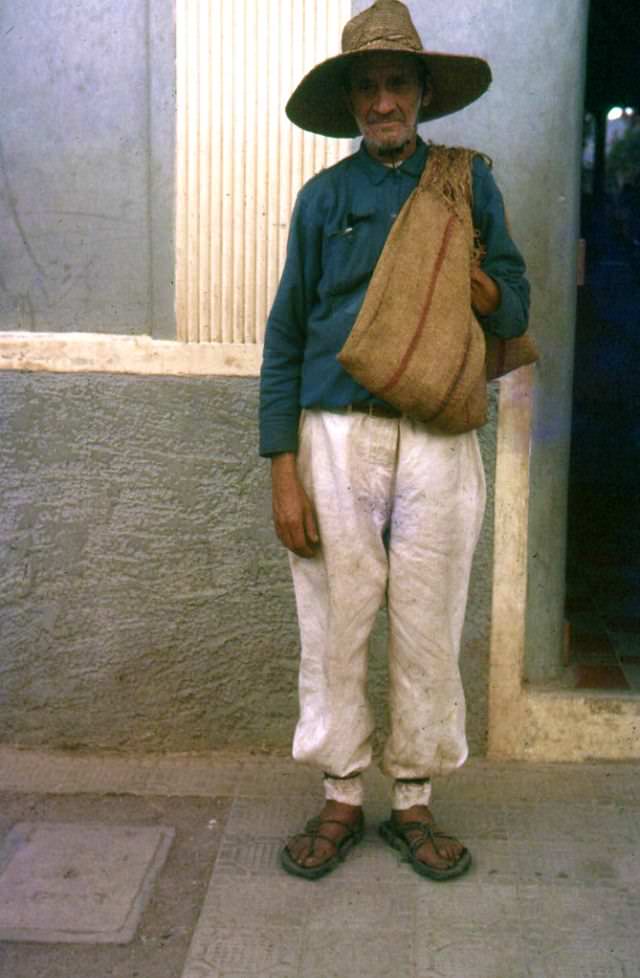
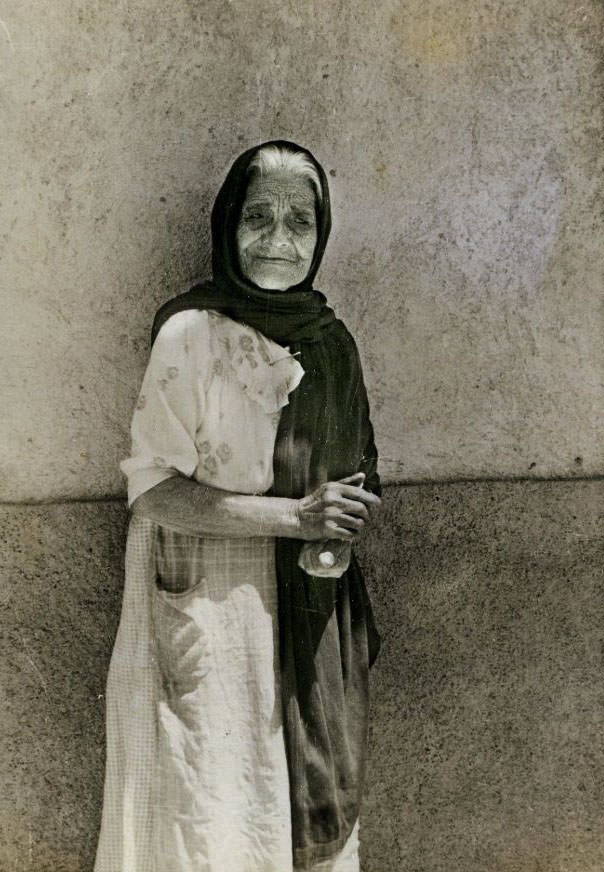
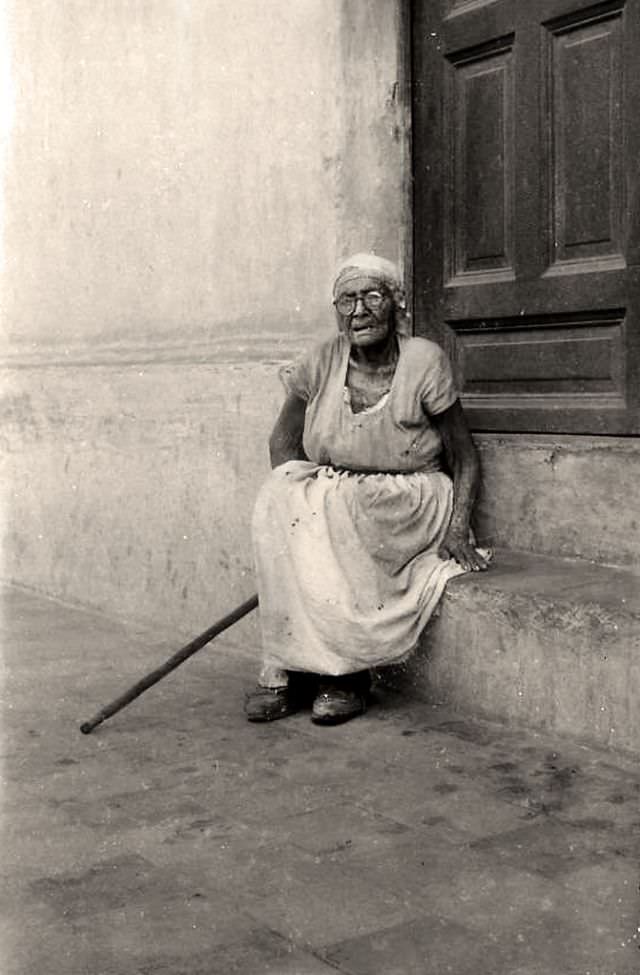
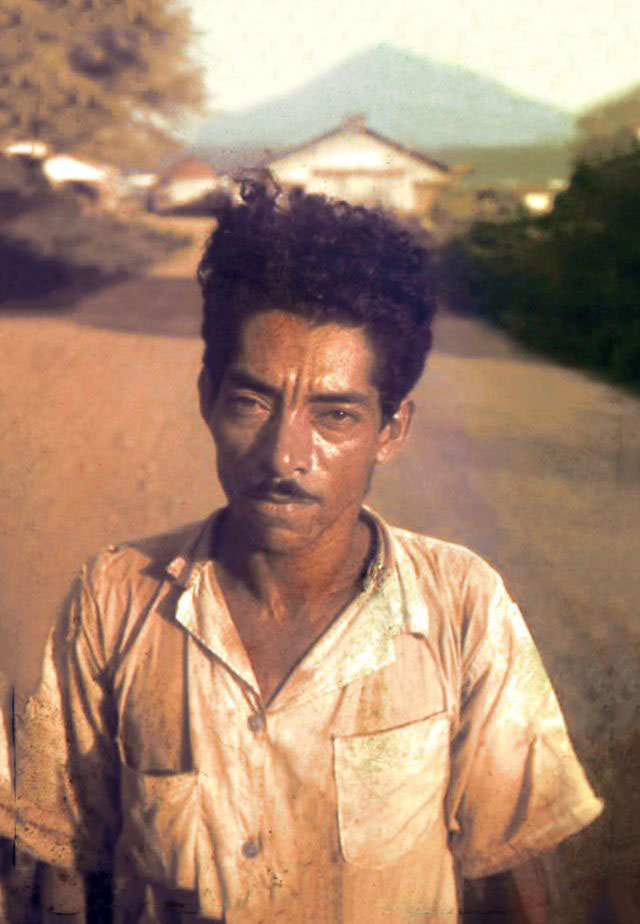
The faces of ordinary Nicaraguans tell their own story. Elders who lived through the early decades of the 20th century carried with them the history of a country that had seen political upheaval, foreign intervention, and significant change. Their expressions reflect lives shaped by hard work and resilience.
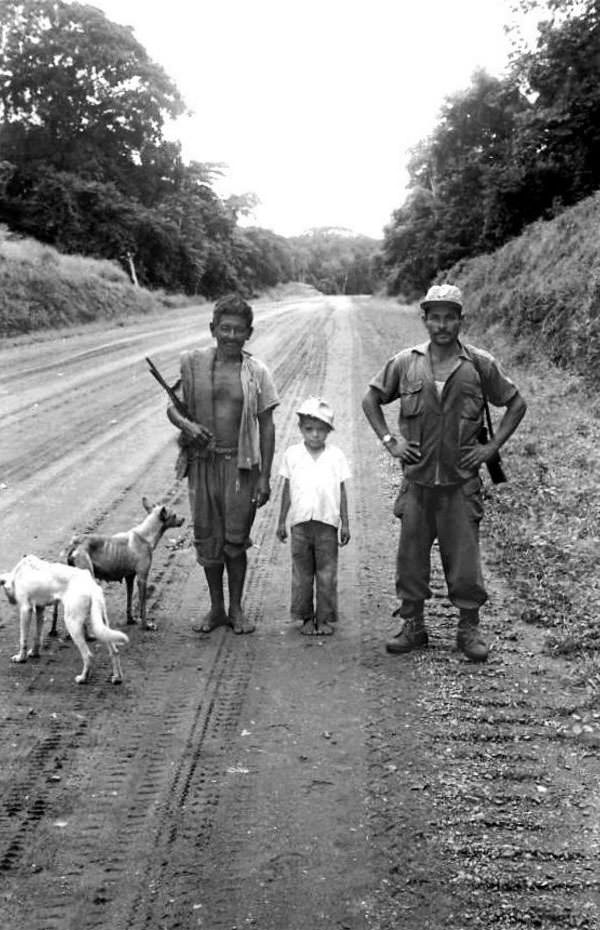
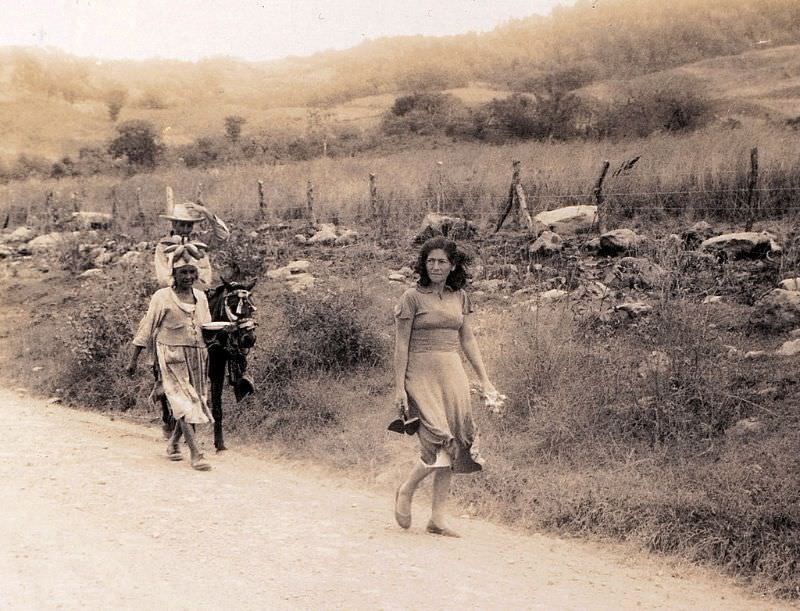
Roads in rural Nicaragua in the 1950s were basic and unpaved for much of their length. Foot traffic was common, and people traveled long distances on horseback or by cart. The road itself was a social space — a place where neighbors crossed paths and daily life played out in the open.
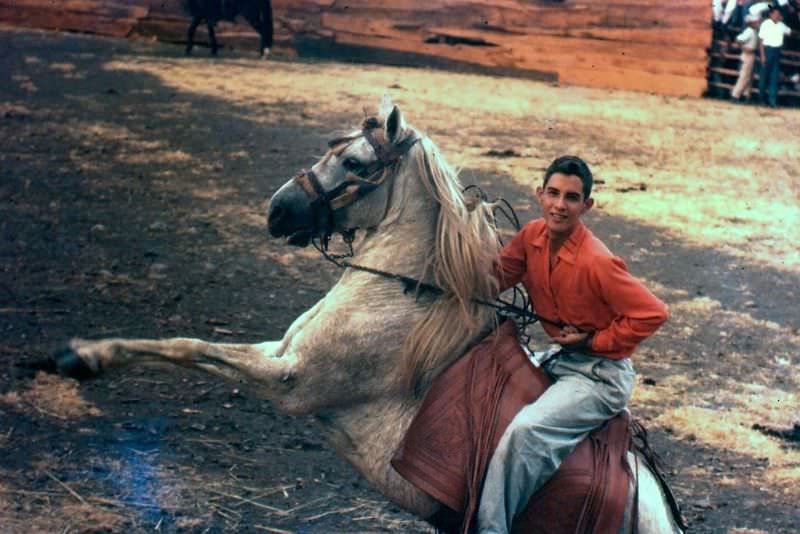
Rodeos were a major cultural event in Nicaragua. They drew crowds from surrounding towns and showed off the riding skills that were central to life on the land. Horses were not just work animals — they were a source of pride, and rodeo competitions gave riders the chance to display their horsemanship in front of an audience.
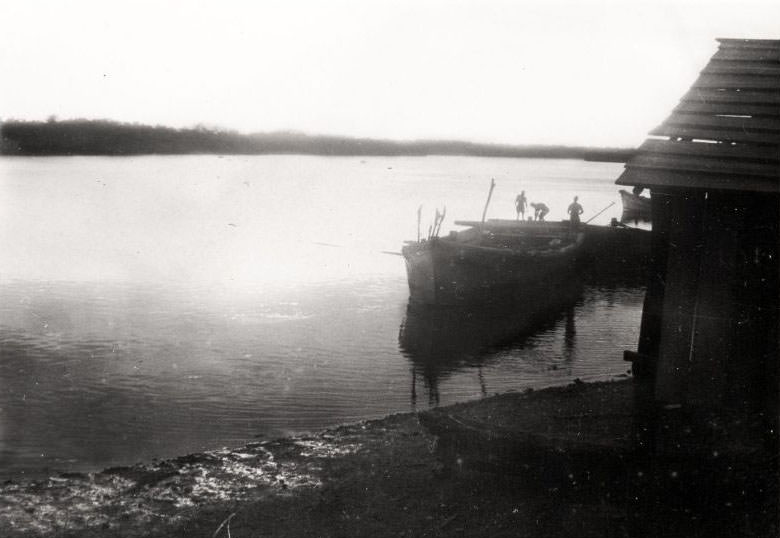
Nicaragua’s rivers served as vital transportation and trade routes, especially in the eastern lowlands where road infrastructure was limited. Small boats moved people, fish, and cargo along these waterways, connecting communities that were otherwise isolated from the rest of the country.
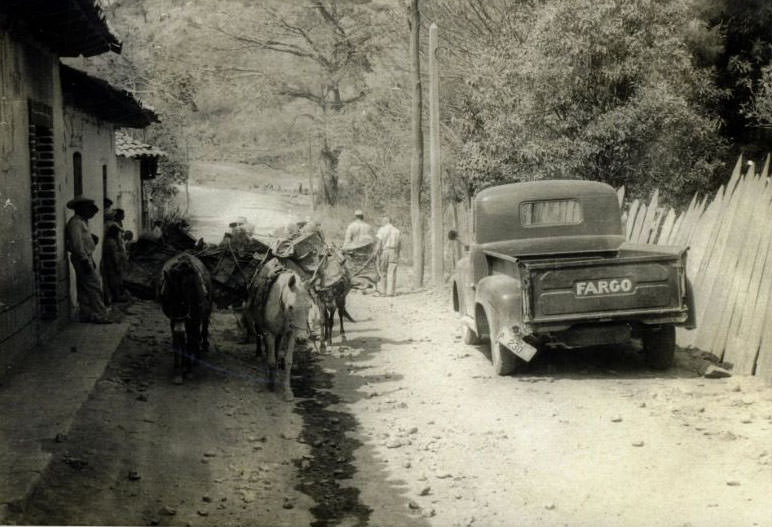
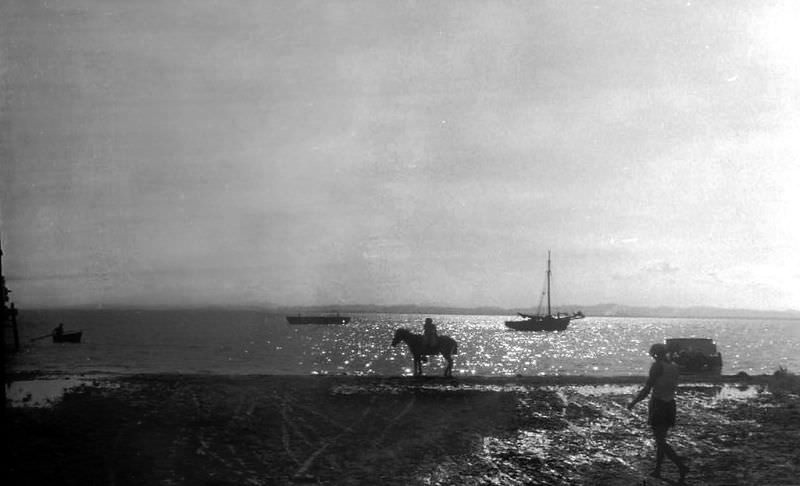
Nicaragua’s geography is striking. With both a Pacific and Caribbean coastline, horsemen along the shore were not an unusual sight. The beaches and coastal plains were used for travel, fishing, and livestock movement, particularly in areas where roads were scarce.
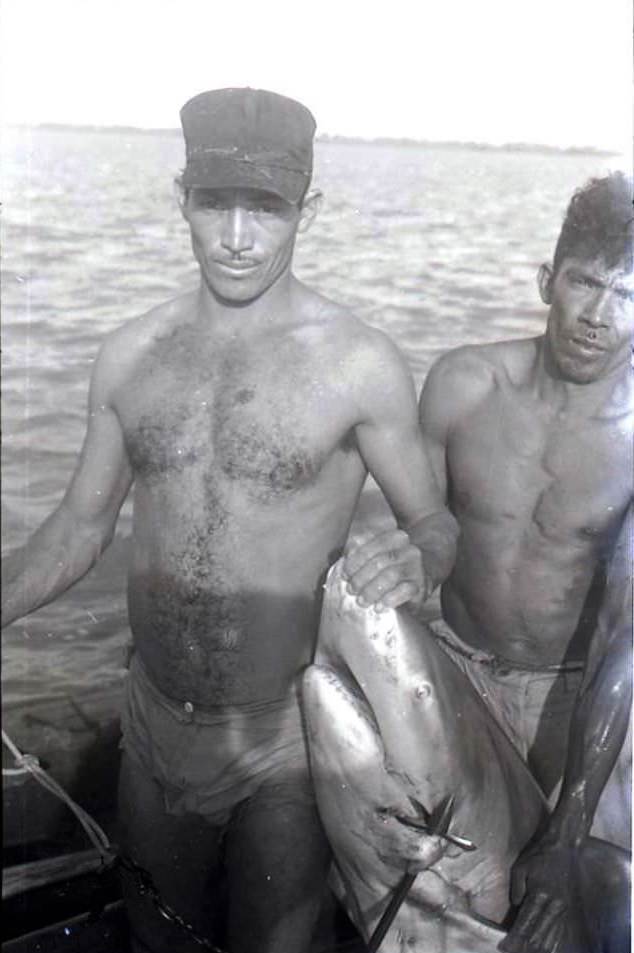
Nicaragua is one of the few places in the world where freshwater sharks were caught. Lake Nicaragua, the country’s largest lake, was home to bull sharks — a fact well known to locals. Fishermen encountered them regularly, and catching one was a notable event worth documenting.
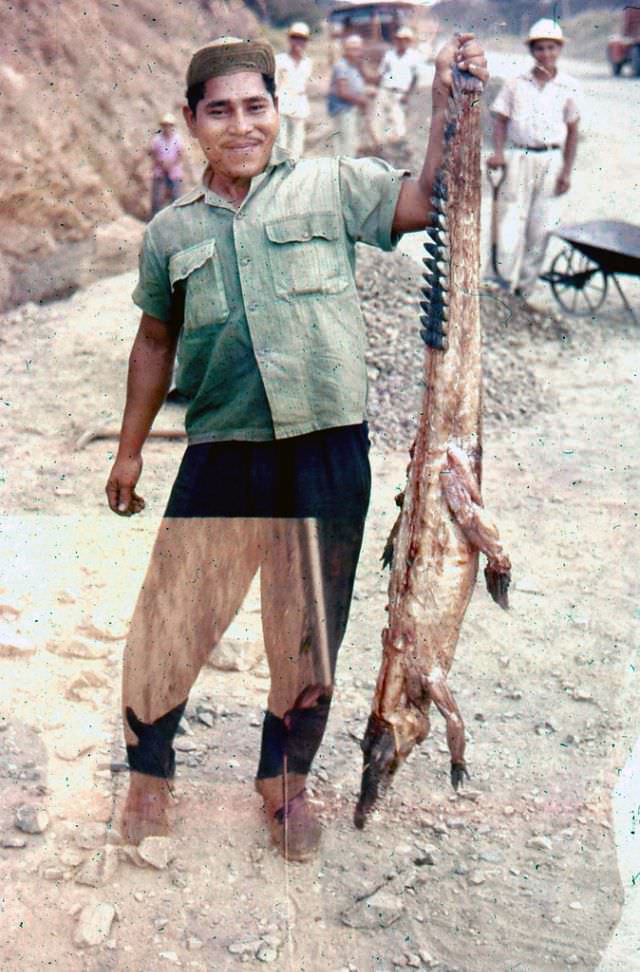
Crocodiles were hunted commercially throughout Central America during the mid-20th century, primarily for their hides. Nicaragua’s rivers and wetlands were home to large American crocodiles. Skinning them was part of the hide trade that supplied leather markets both locally and abroad.
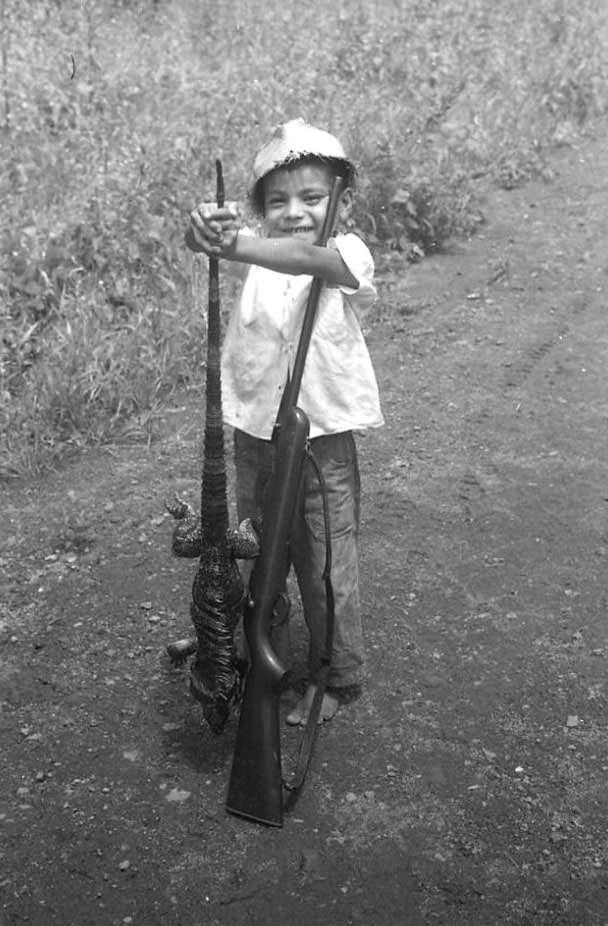
Wildlife was part of daily life in rural Nicaragua. Iguanas were commonly hunted for food and were a significant protein source in many communities. Children grew up familiar with both the land’s wildlife and the tools used to live off it.
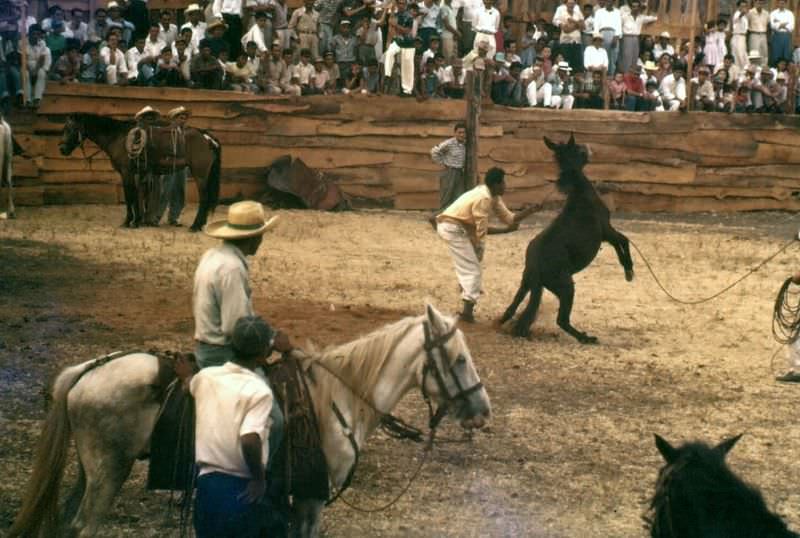
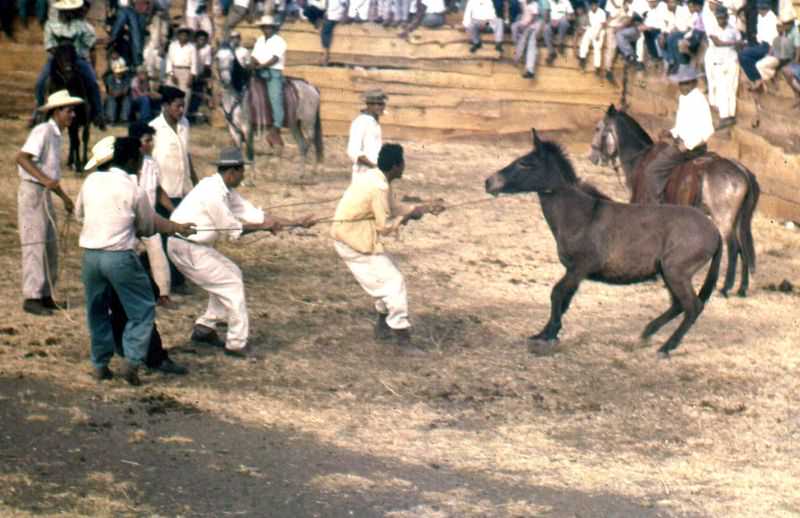
Rodeo events brought together ranchers, riders, and spectators from across the region. The competitions included a range of traditional equestrian events, and the atmosphere was festive. These gatherings were as much a social occasion as a sporting one.
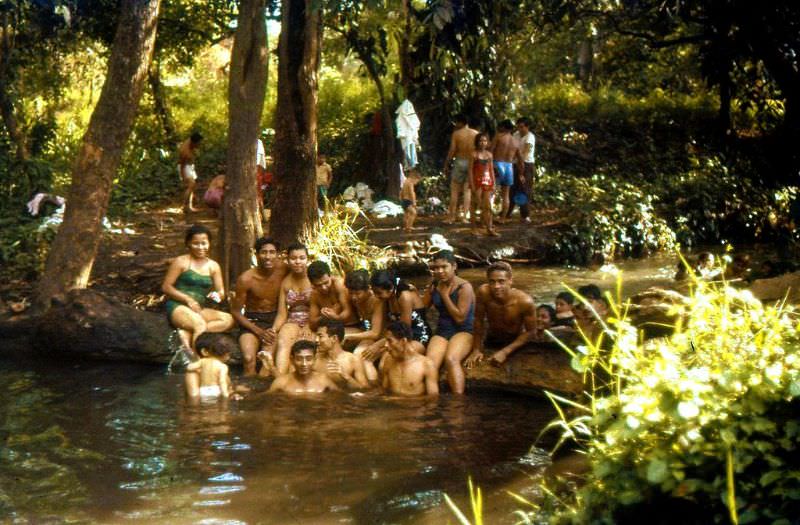
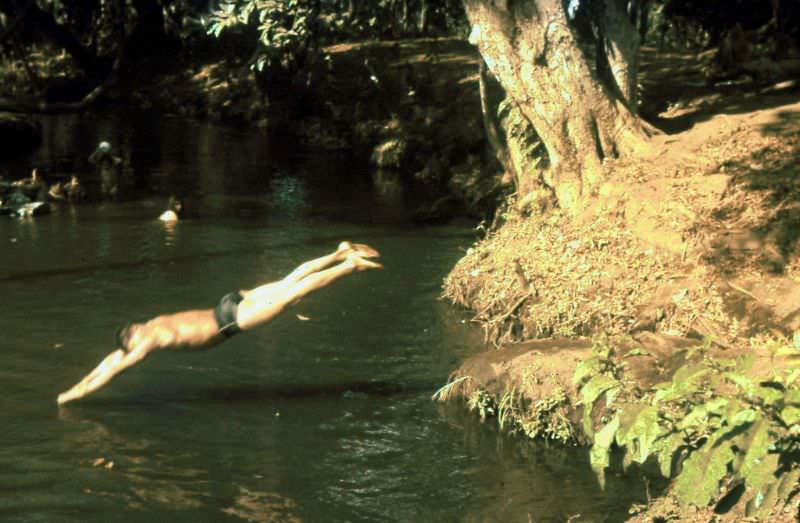
For young Nicaraguans in the countryside, swimming holes in rivers and lakes were a central part of childhood. With no public pools in most rural areas, natural bodies of water served as the gathering spot for leisure and cooling off in the tropical heat.
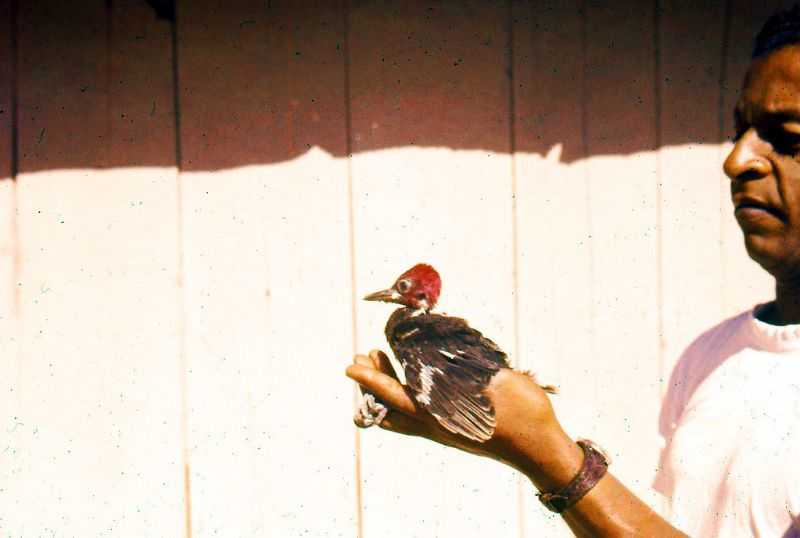
Nicaragua’s wildlife diversity was remarkable. The country’s forests, wetlands, and coasts supported an enormous variety of bird species. It was common for rural families to keep wild animals — including birds — as part of everyday household life.
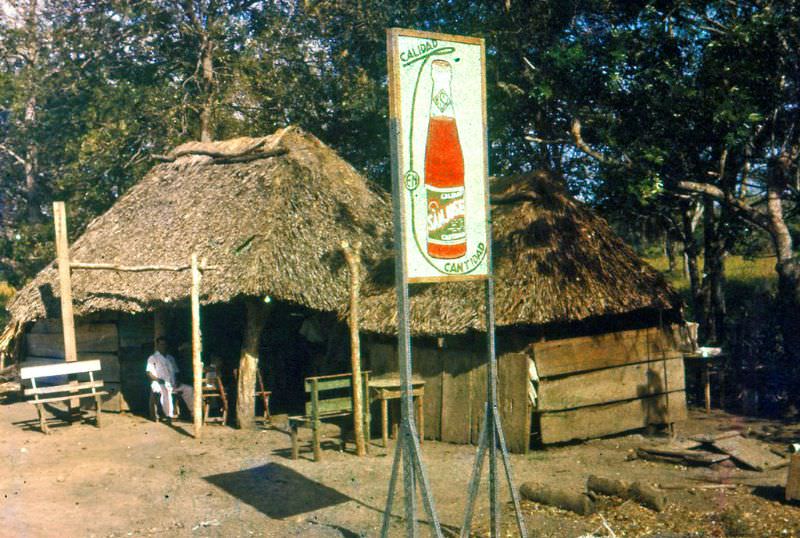
Cantinas were a fixture of Nicaraguan town life. These small bars and eateries served as community gathering spots where locals ate, drank, and socialized. The signage on their walls — advertising hot sauce and other local products — reflected the commercial activity of the time.
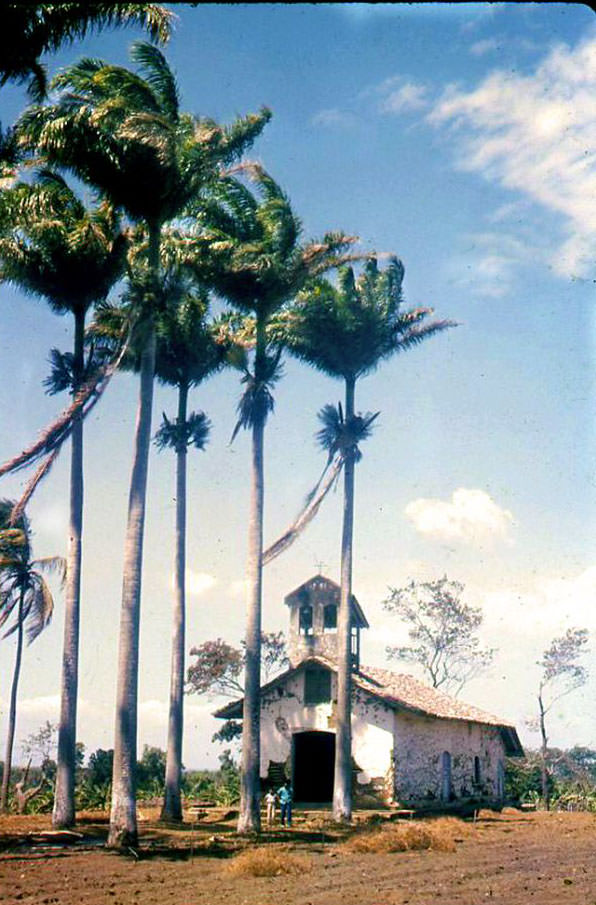
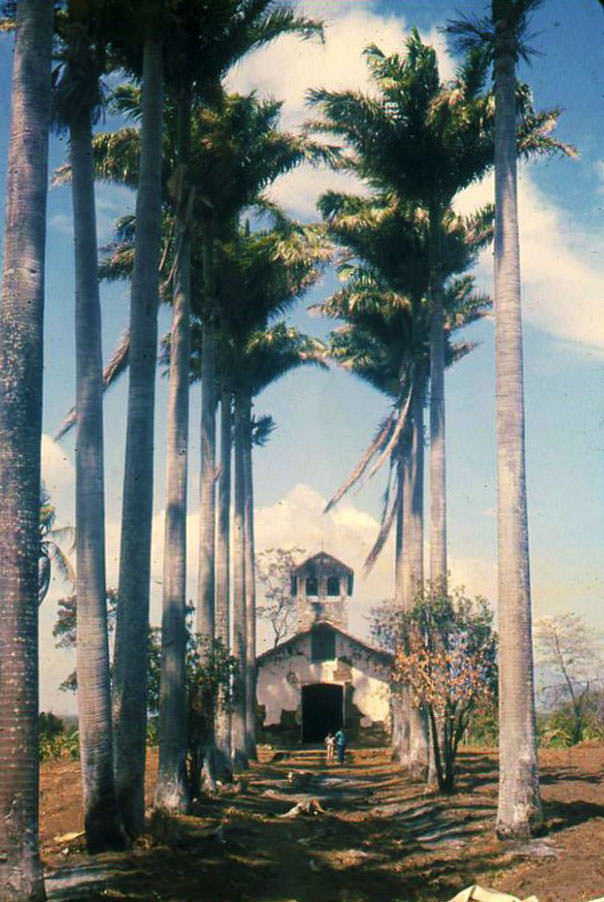
The Catholic Church was deeply embedded in Nicaraguan society. Country churches — often whitewashed and simple in design — stood at the center of rural communities. Palm trees surrounded many of them, giving these structures a distinctly tropical character.
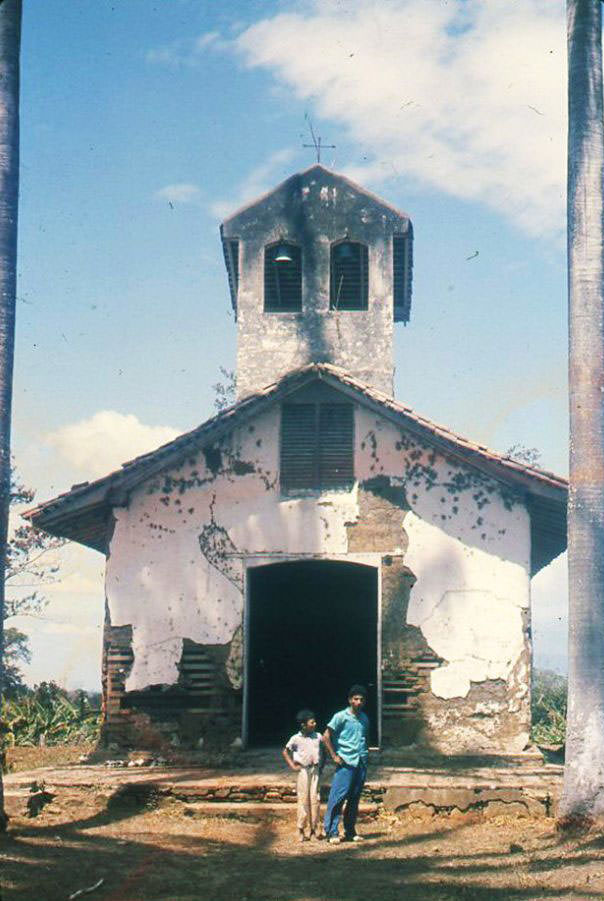
Religious life organized the calendar in Nicaraguan villages. Feast days, baptisms, weddings, and funerals all took place through the local church. The building itself was often the most permanent and well-maintained structure in the community.
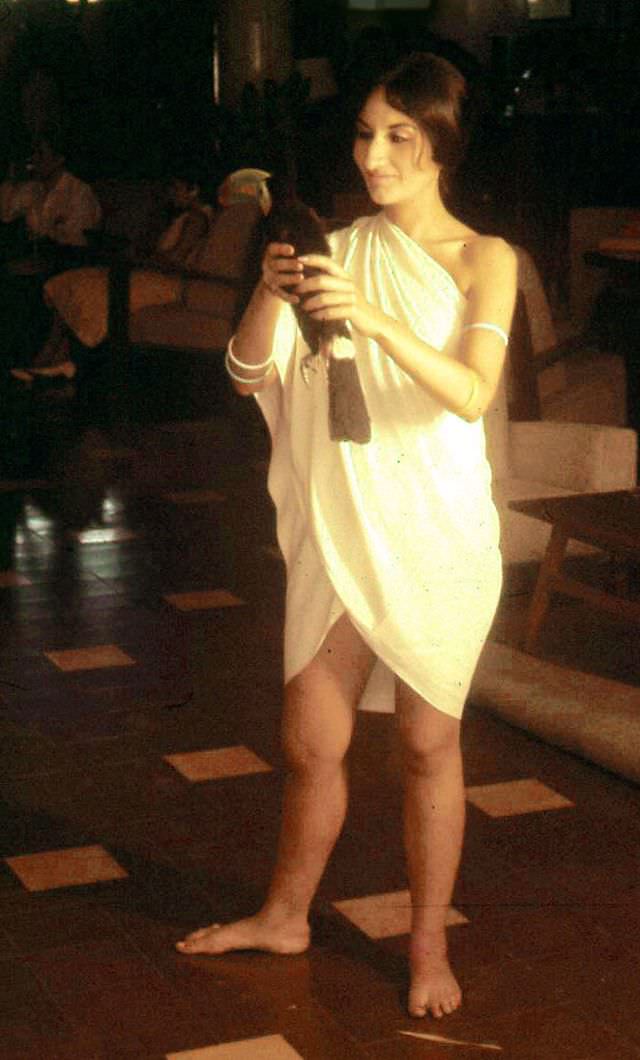
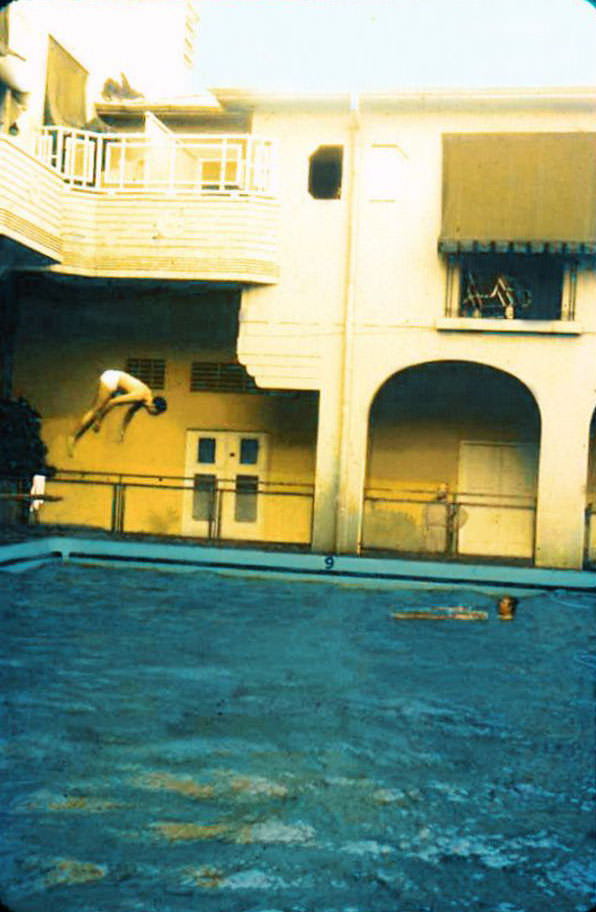
The Gran Hotel in Managua was one of the most modern venues in the country during the 1950s. It hosted performances, social events, and featured amenities like a diving pool. For Nicaragua’s urban class, it represented a connection to a broader, more cosmopolitan world.
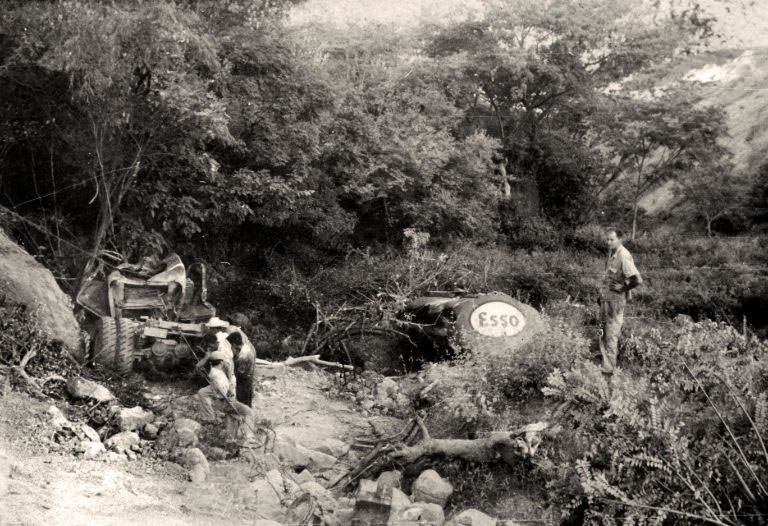
American commercial influence was visible in Nicaragua by the 1950s. Esso gas stations — part of the Standard Oil network — operated in the country, marking the growing presence of U.S. business interests in Central America during this period.
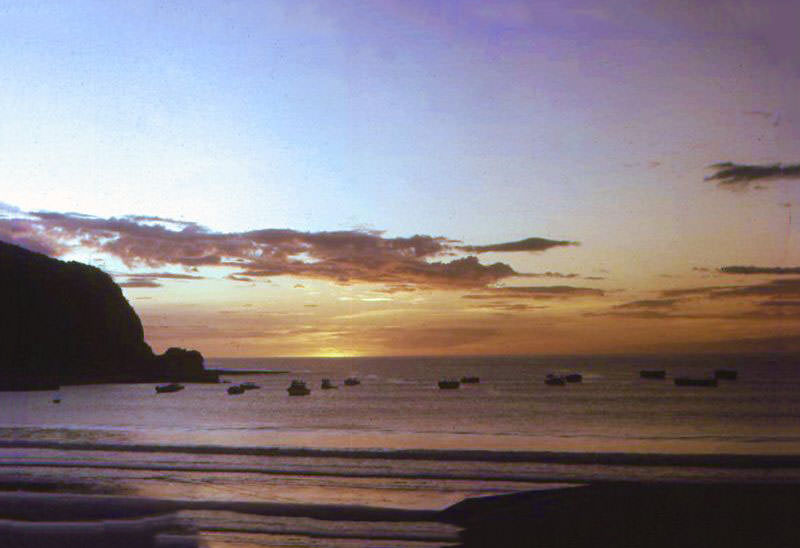
Fishing was a major livelihood along Nicaragua’s coasts and around its large inland lakes. Each evening, wooden boats returned from a day at sea or on the lake, carrying their catch. The fishing industry fed families and supplied local markets throughout the country.
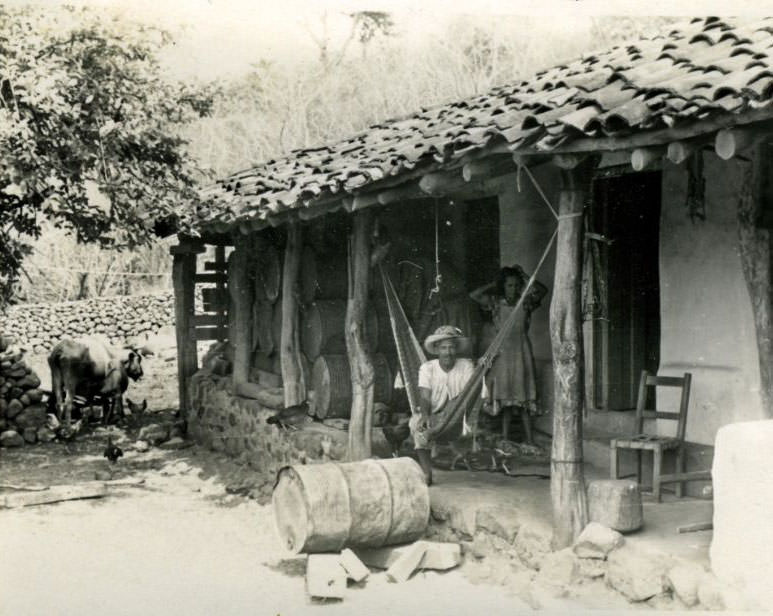
Haciendas — large agricultural estates — dominated Nicaragua’s rural economy. They produced cattle, cotton, coffee, and other goods. The hacienda system shaped land ownership and labor patterns across the country for generations.
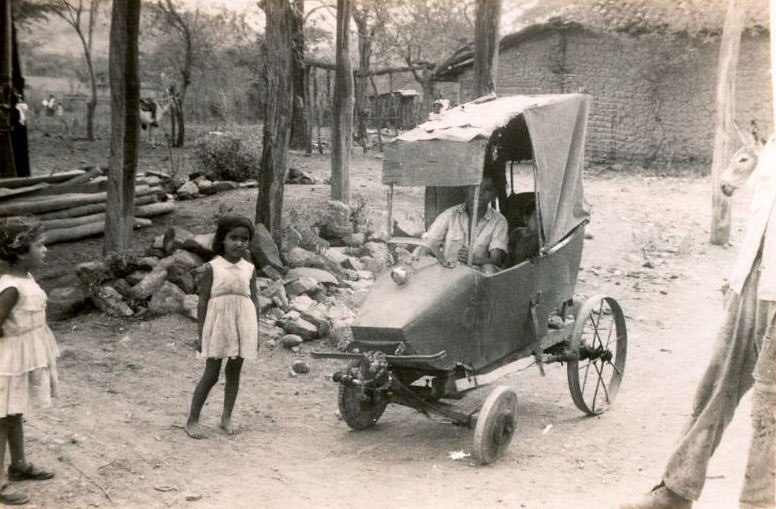
American automobiles were making their way into Nicaraguan cities and towns during the 1950s. Vehicles were a sign of economic status, and the cars of that era had a distinct style that stood out against the backdrop of colonial architecture and dirt roads.
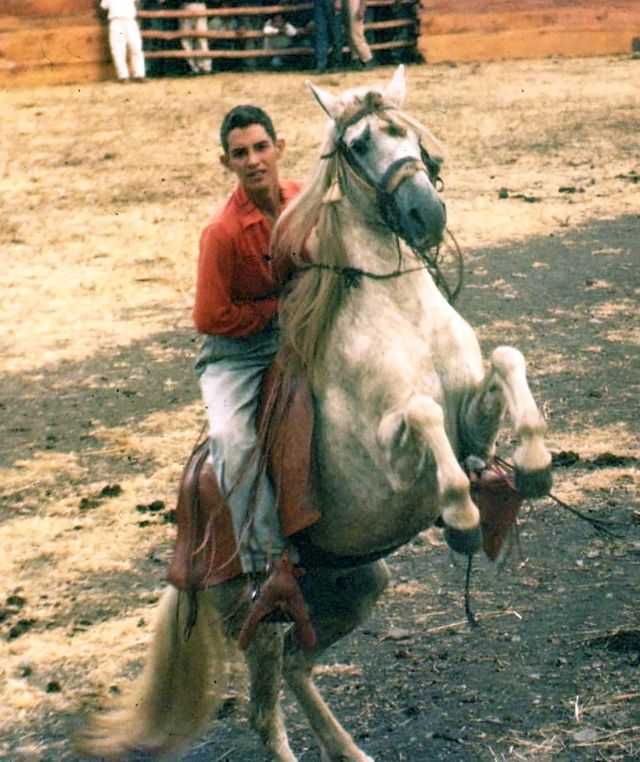
The levade — a controlled rear where a horse balances on its hind legs — was one of the most demanding equestrian maneuvers on display at Nicaraguan rodeos. Executing it cleanly required years of training for both horse and rider.
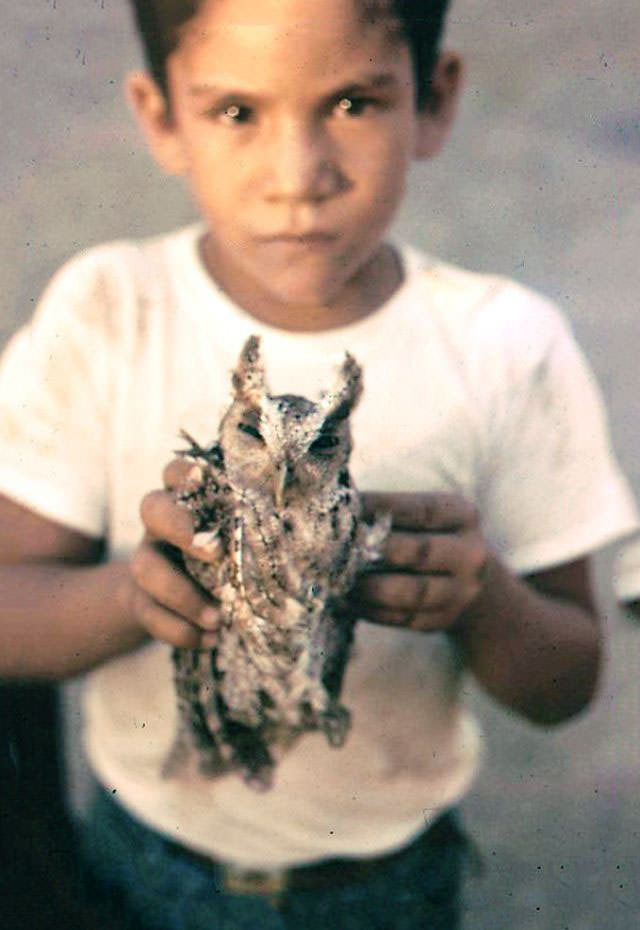
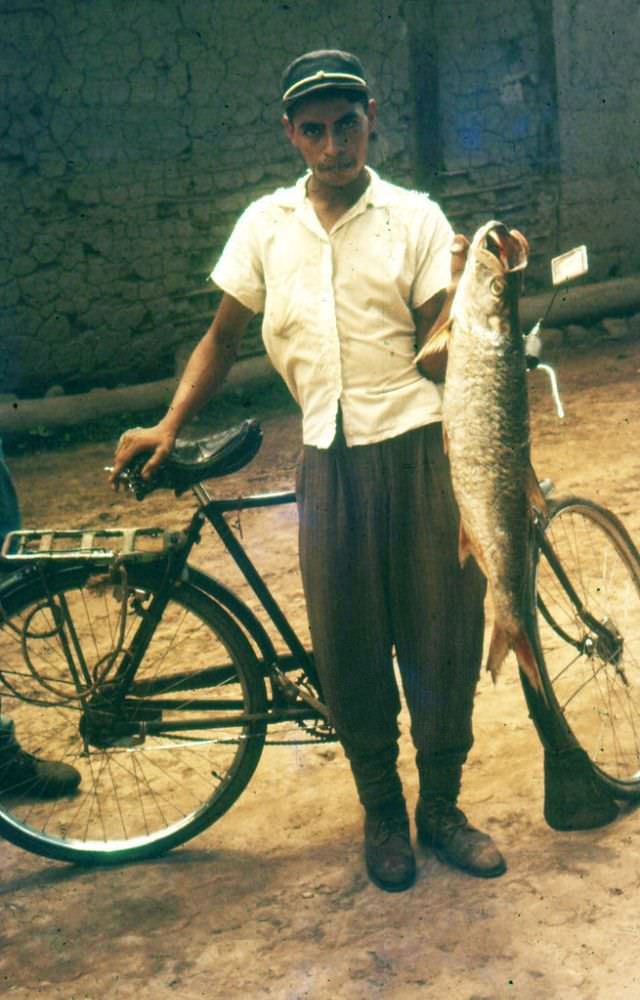
Nicaragua’s lakes and rivers produced large catches. Lake Nicaragua and Lake Managua were particularly productive fishing grounds. Holding up a large fish for a photograph was a mark of a good day’s work and a tradition among fishermen across the country.
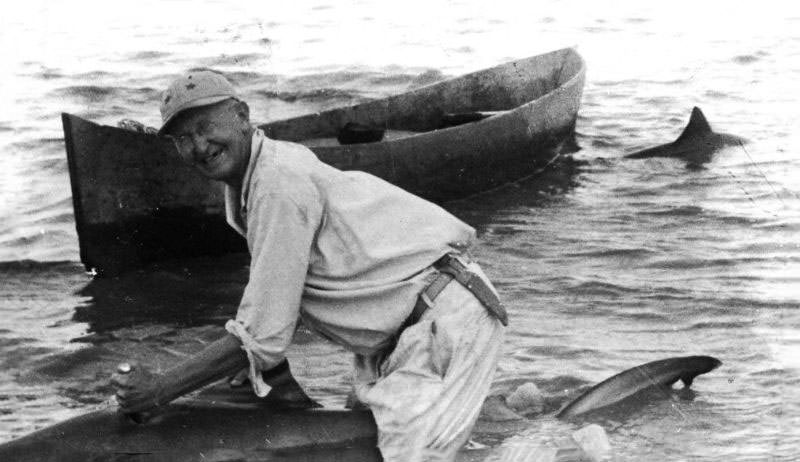
Lake Managua was well known for its bull shark population. These sharks entered the lake through the San Juan River system and adapted to freshwater over time. Catching one in the lake was a documented and relatively common event for fishermen working those waters in the 1950s.
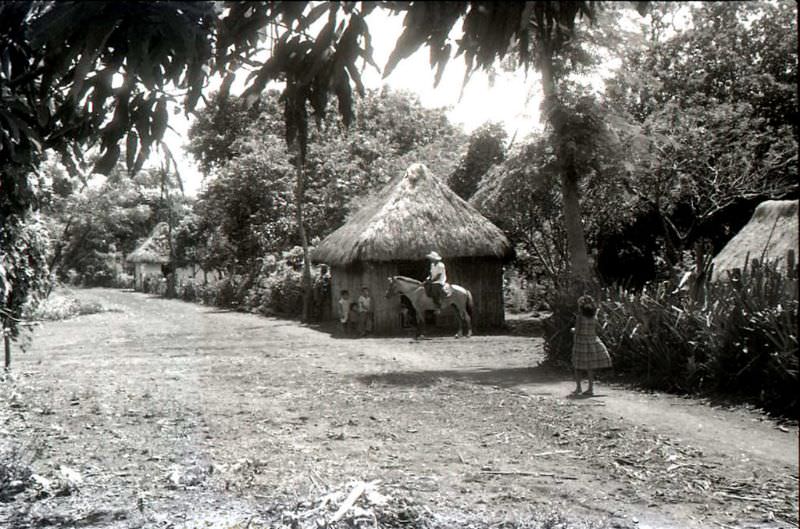
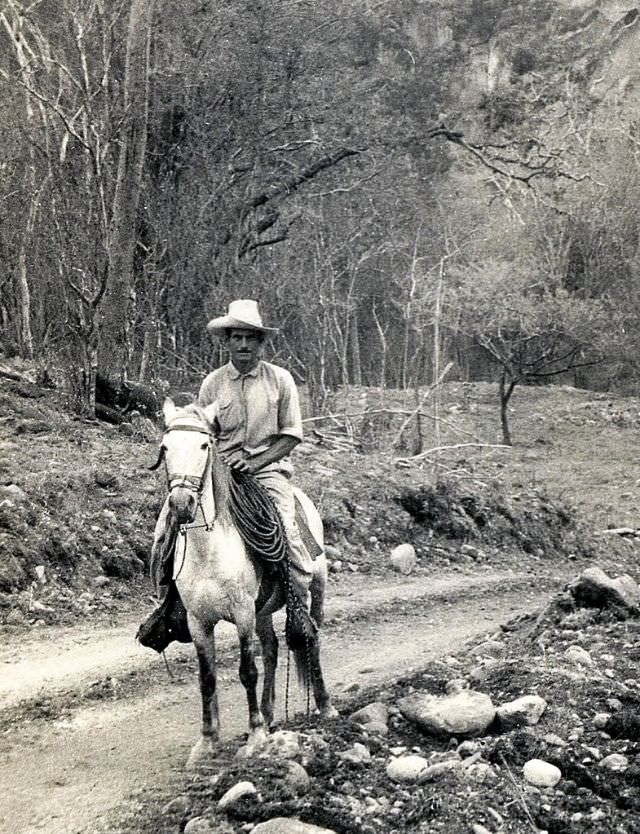
Horses remained the primary mode of transportation across Nicaragua’s rural interior in the 1950s. Road networks were limited outside of major towns, and a good horse was an essential part of daily life for farmers, ranchers, and anyone who needed to move across the land.
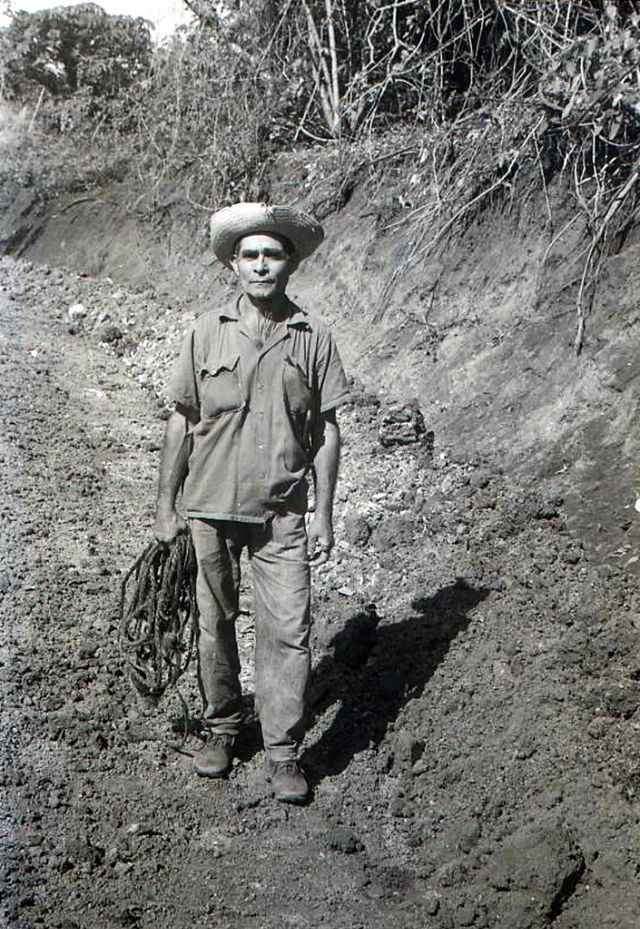
The ranch workers and vaqueros of Nicaragua were skilled laborers. A rope was one of their most important tools — used for lassoing cattle, securing loads, and dozens of other tasks. The wide-brimmed hat was both practical gear against the sun and a marker of rural identity.
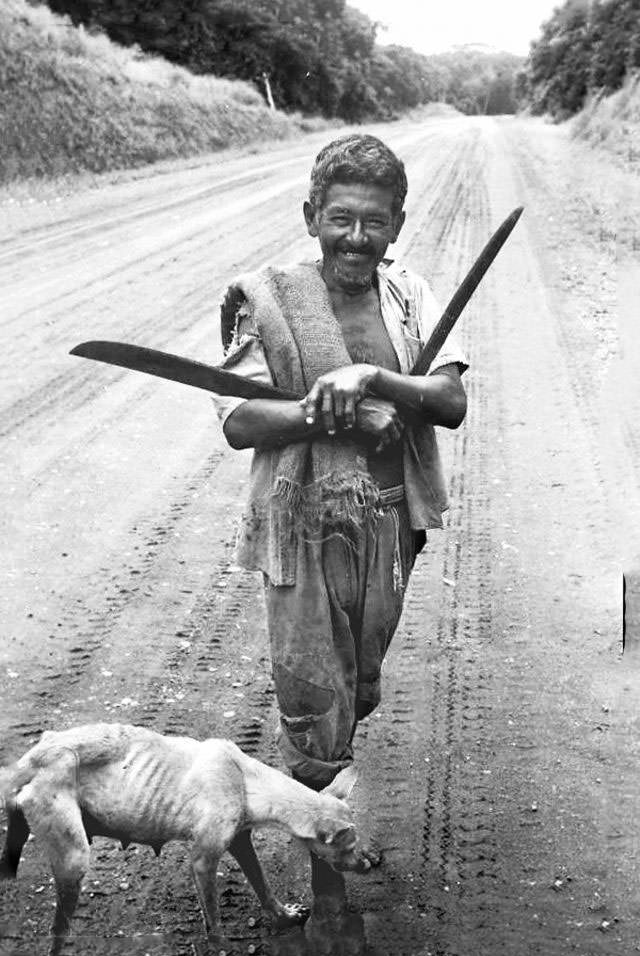
Bladed tools were essential in rural Nicaragua. Machetes and knives were used for clearing brush, butchering animals, and general farm work. Carrying them was practical, not unusual, and reflected the day-to-day demands of life in the countryside.
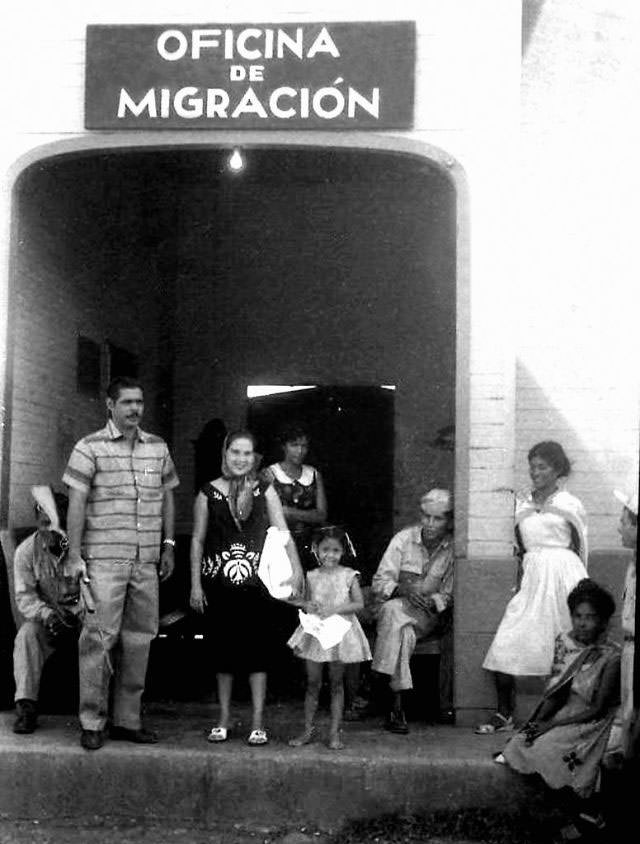
Border and immigration control was a visible part of Nicaraguan life in the 1950s. Officers from the Migración — Nicaragua’s immigration authority — were armed and stationed at key entry and transit points. Their presence reflected a period of political tension and heightened state authority that defined much of Central America at the time.





If we cannot overcome internal wars there will be no development in Nicaragua