By the early 1970s, the South Bronx had become one of the most neglected neighborhoods in New York City. Unemployment was high, buildings were crumbling, and families were stretched thin. For many young men growing up there, a street gang wasn’t just an escape — it was a structure that offered protection, identity, and a sense of belonging that their surroundings couldn’t provide. The Reapers were one of the most prominent gangs operating in this environment.
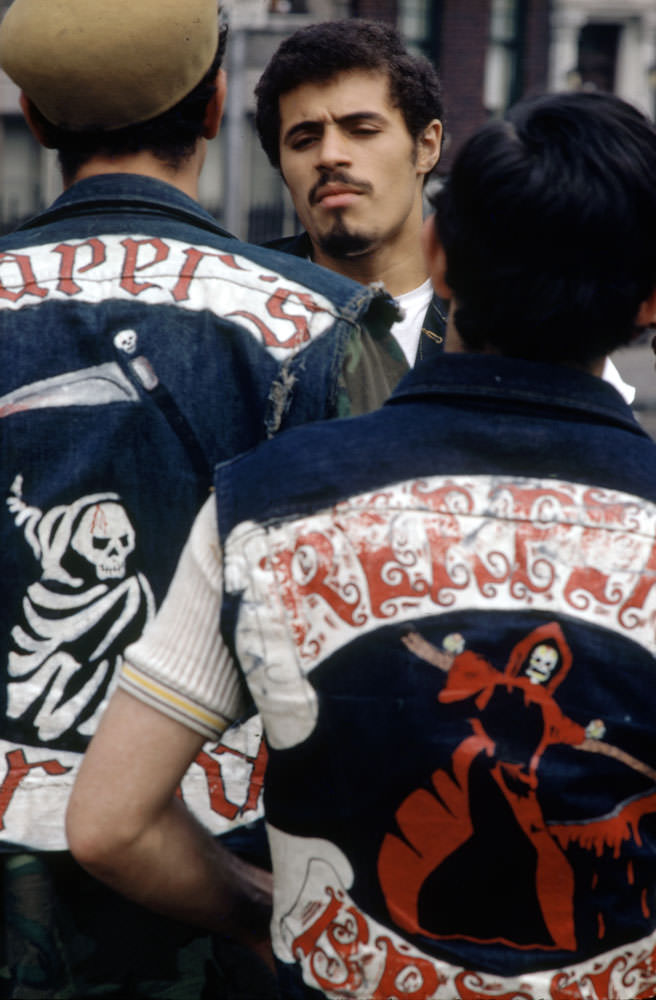
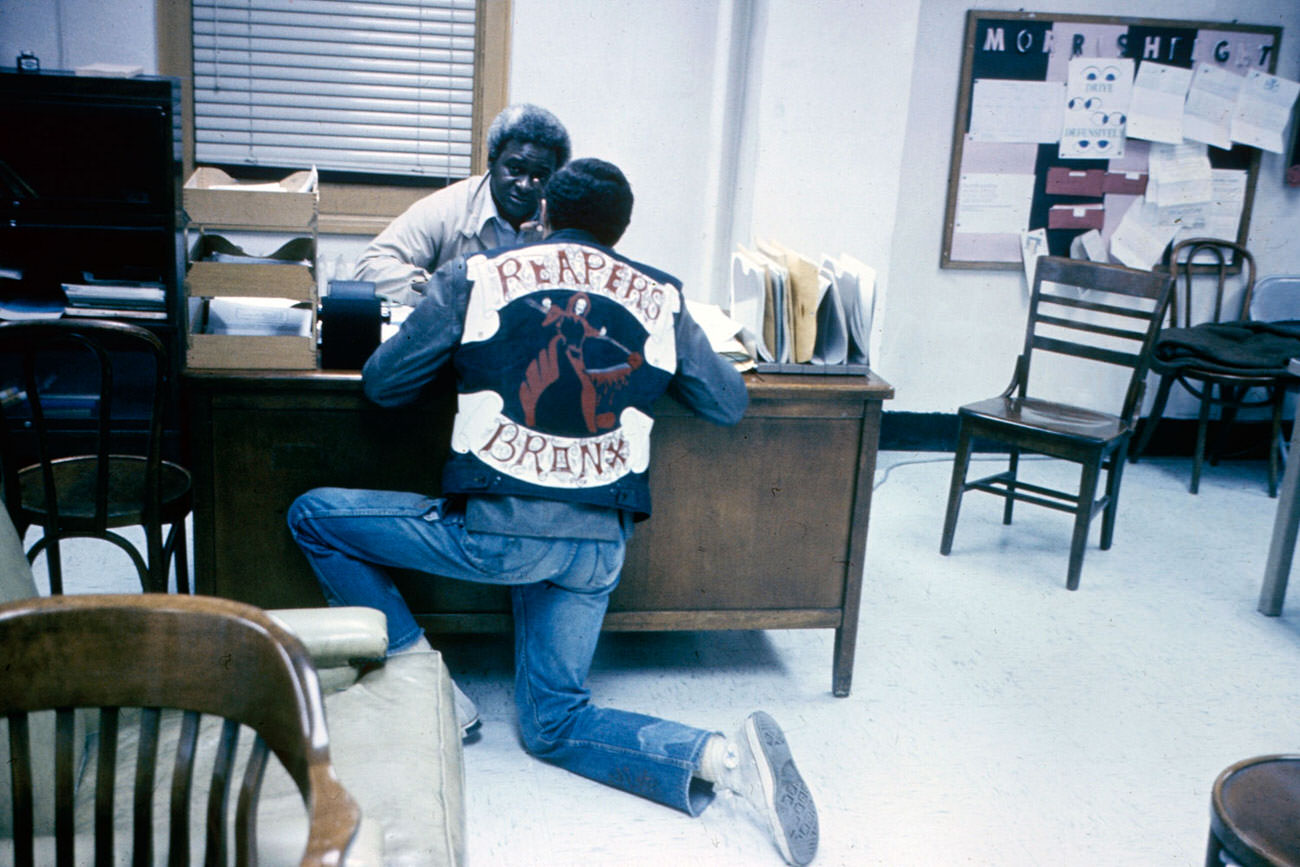
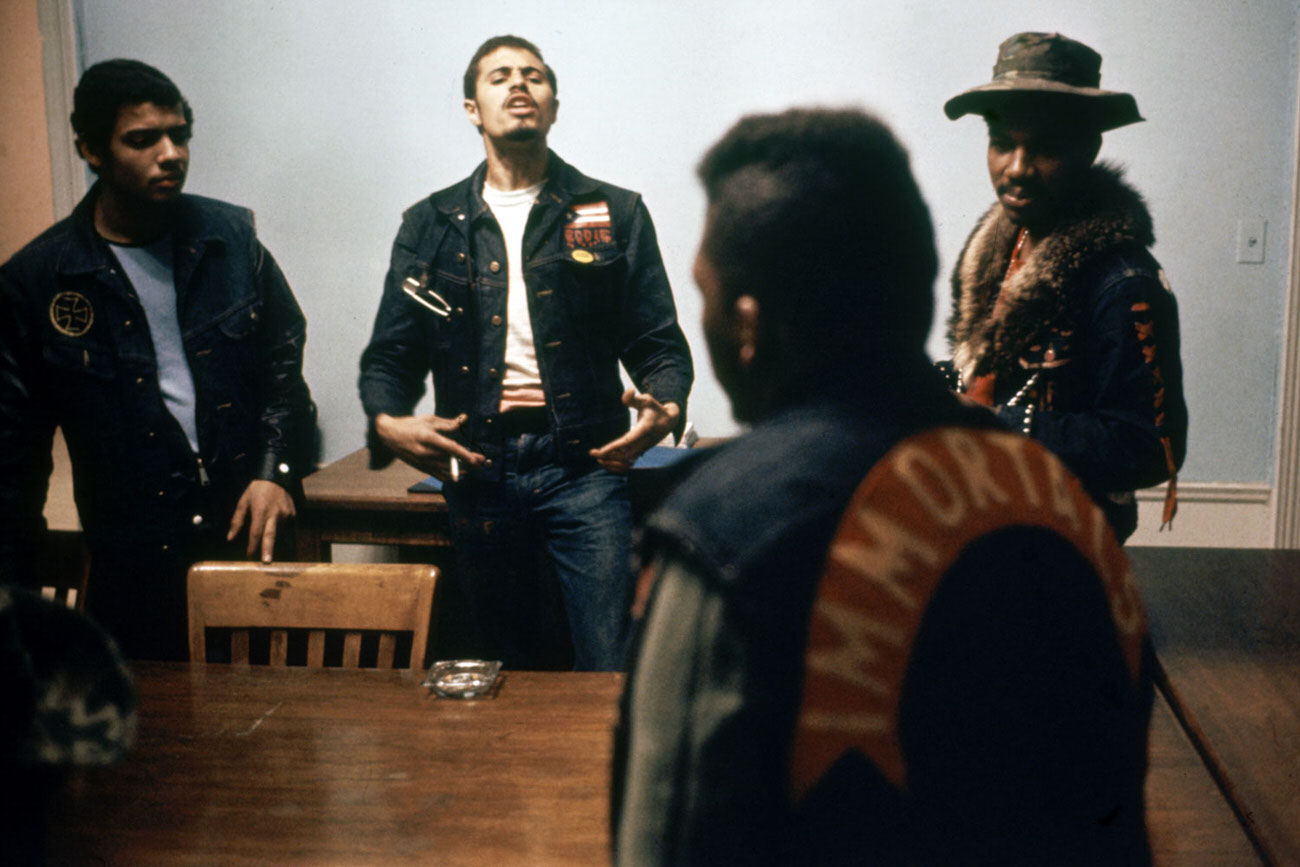
At the center of the Reapers was Eddie Cuevas, the gang’s president. Eddie was sharp, charismatic, and deeply artistic. He personally designed the gang’s colors — the patches, symbols, and visual identity that set the Reapers apart from other South Bronx gangs. For Eddie, style and self-expression weren’t separate from gang life; they were woven directly into it.
In August 1972, LIFE magazine published a major feature on New York’s street gangs, with the Reapers as its focus. The photographer assigned to the story was John Shearer, only the second African-American photographer ever hired by LIFE. Shearer didn’t show up with his camera on day one. He made multiple visits to the South Bronx first, sitting in the neighborhood, learning its rhythms, and earning trust before ever raising a lens. One morning outside a local bodega, he met Eddie Cuevas — and that meeting opened every door.
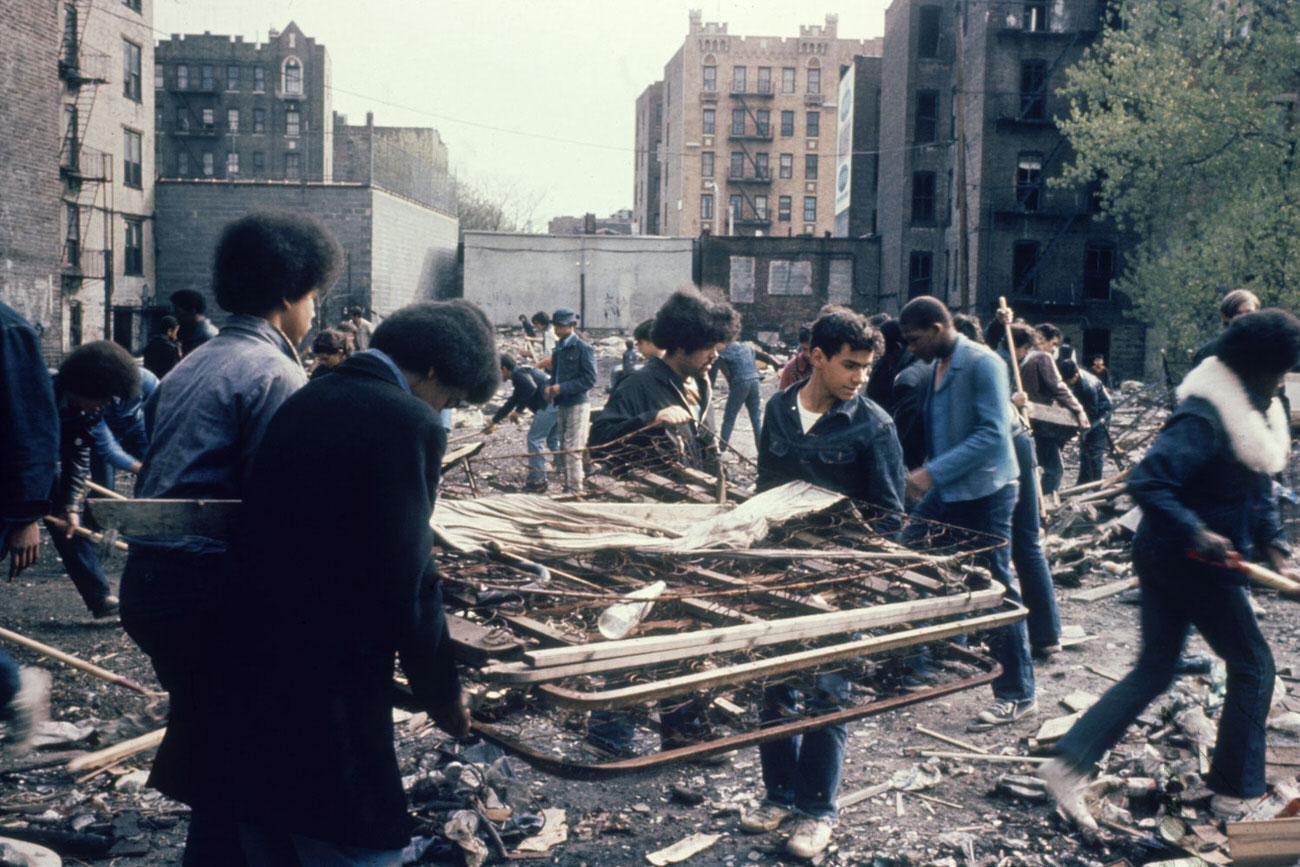
What Shearer documented was not a one-dimensional portrait of violence. Eddie spent real energy trying to improve conditions for his members. He pushed city youth agencies for funding to take Reapers on trips outside New York, telling officials plainly, “I want my boys to see what the world’s about.” He coordinated with nearby allied gangs like the Javelins on neighborhood clean-up efforts.
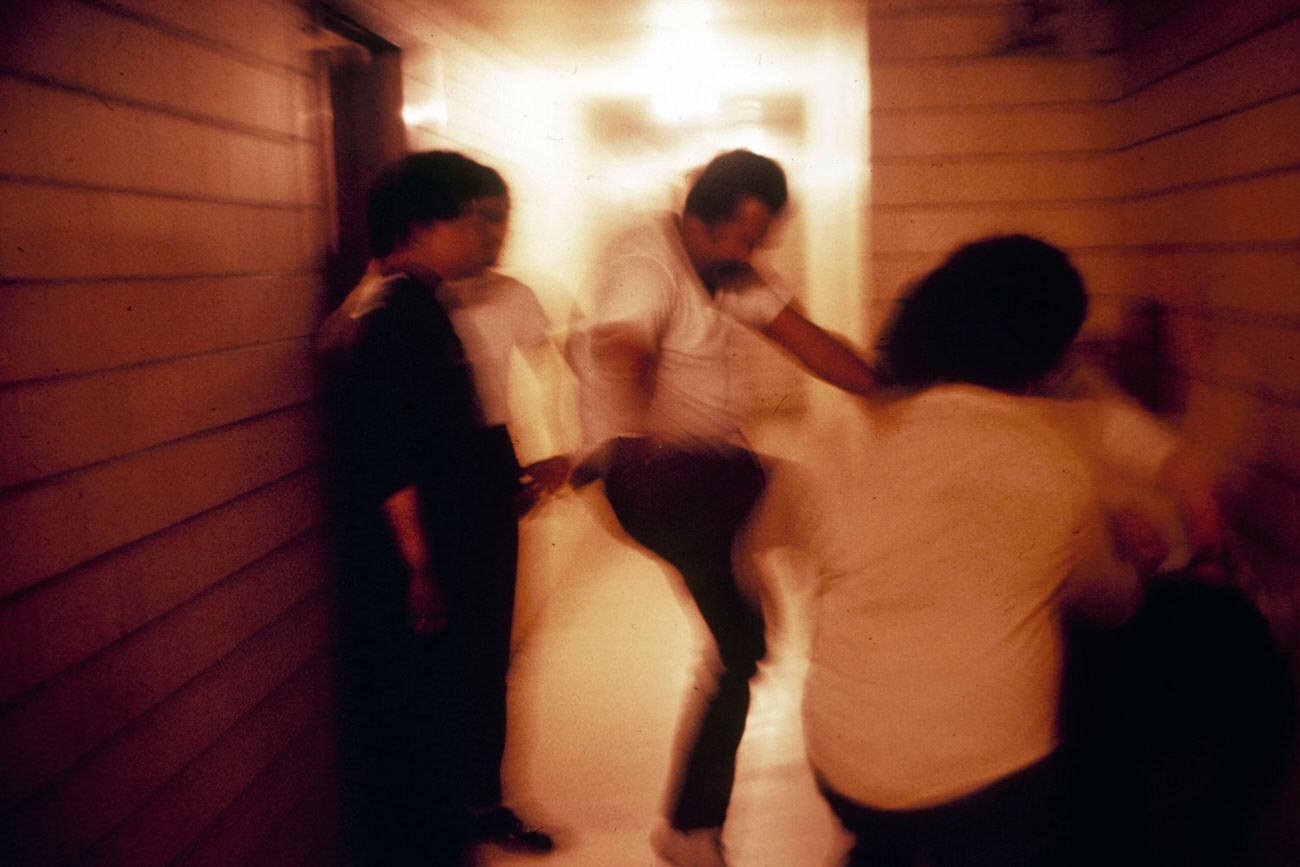
But the Reapers also operated by their own rules of justice — and those rules were hard. When a junkie was accused of stealing a Reaper’s car, members didn’t involve the police. They handled it themselves, in an apartment building corridor, with swift and brutal force. Shearer photographed it all.
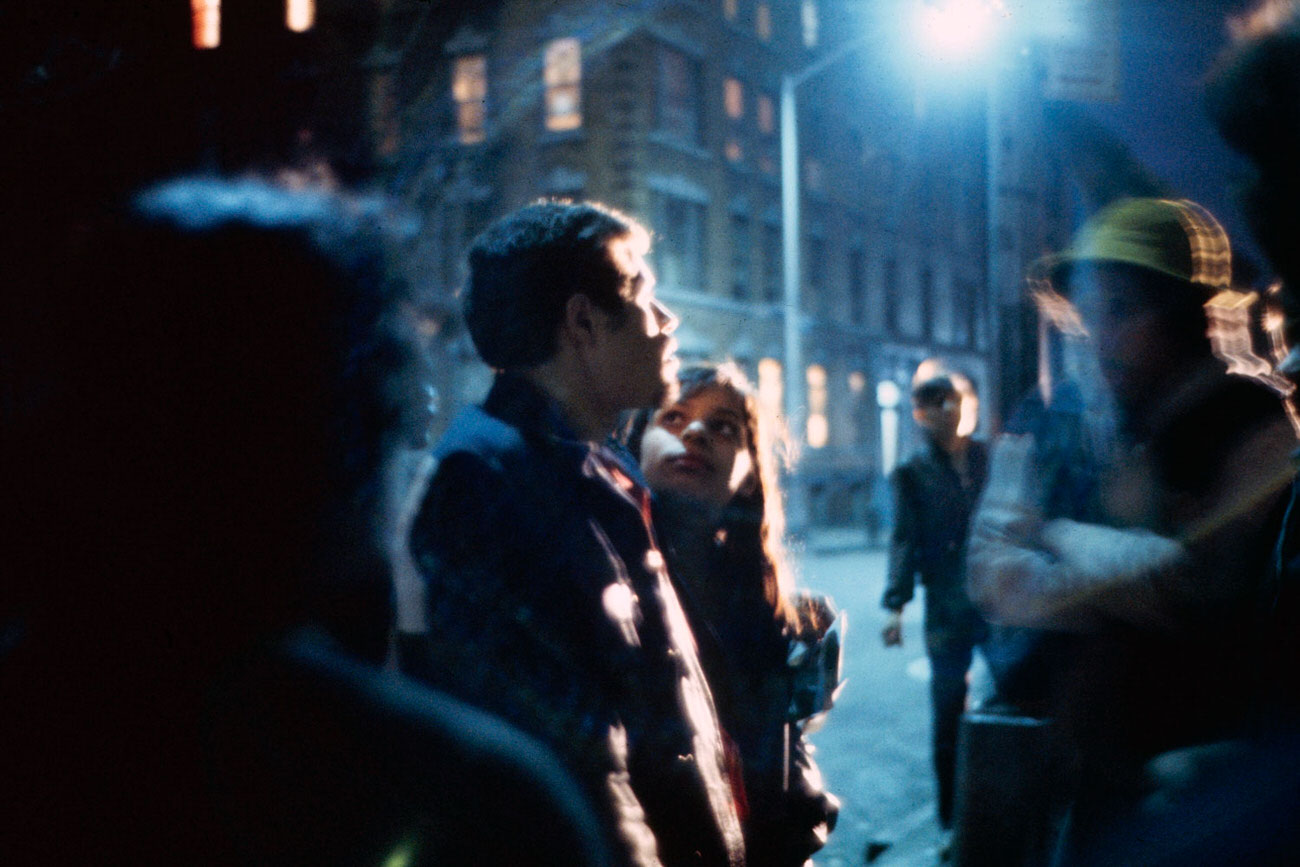
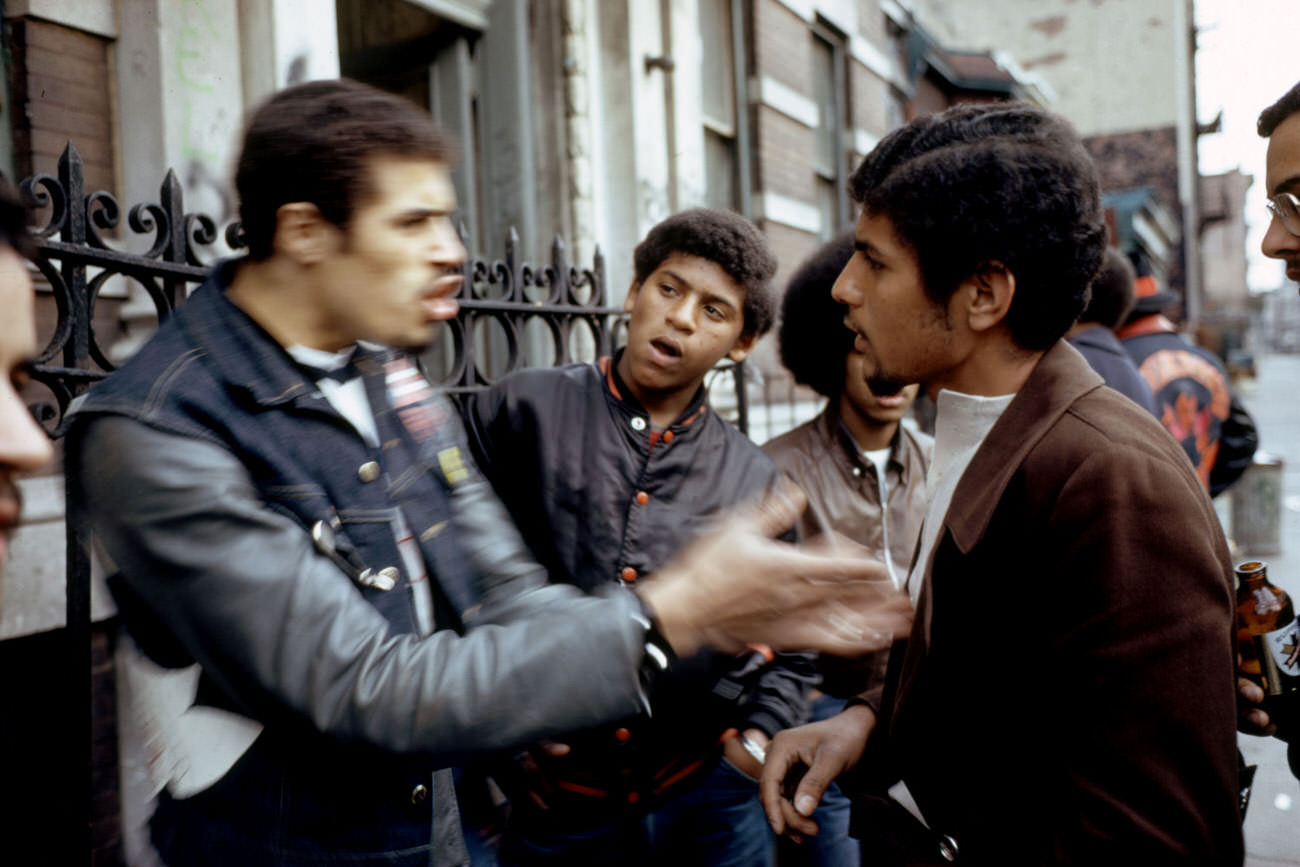
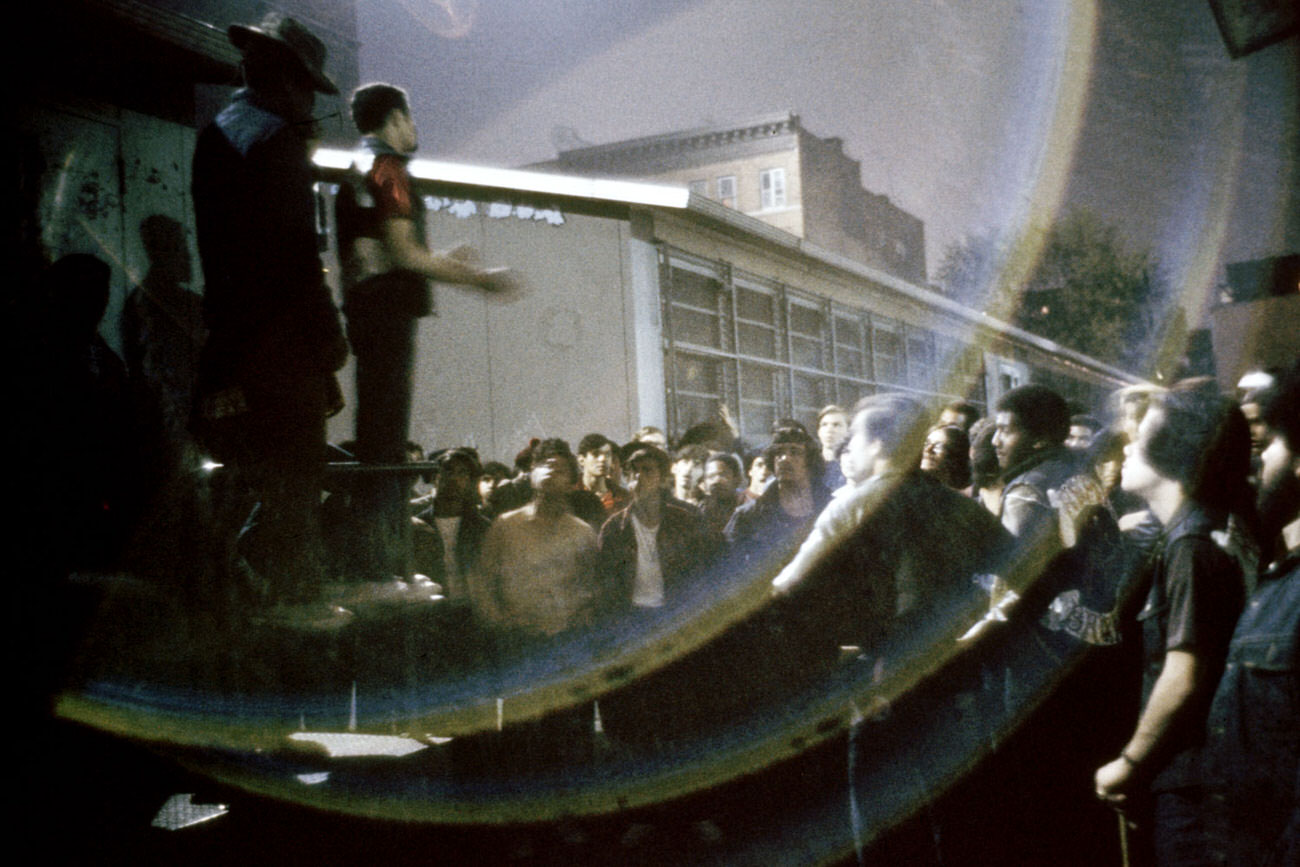
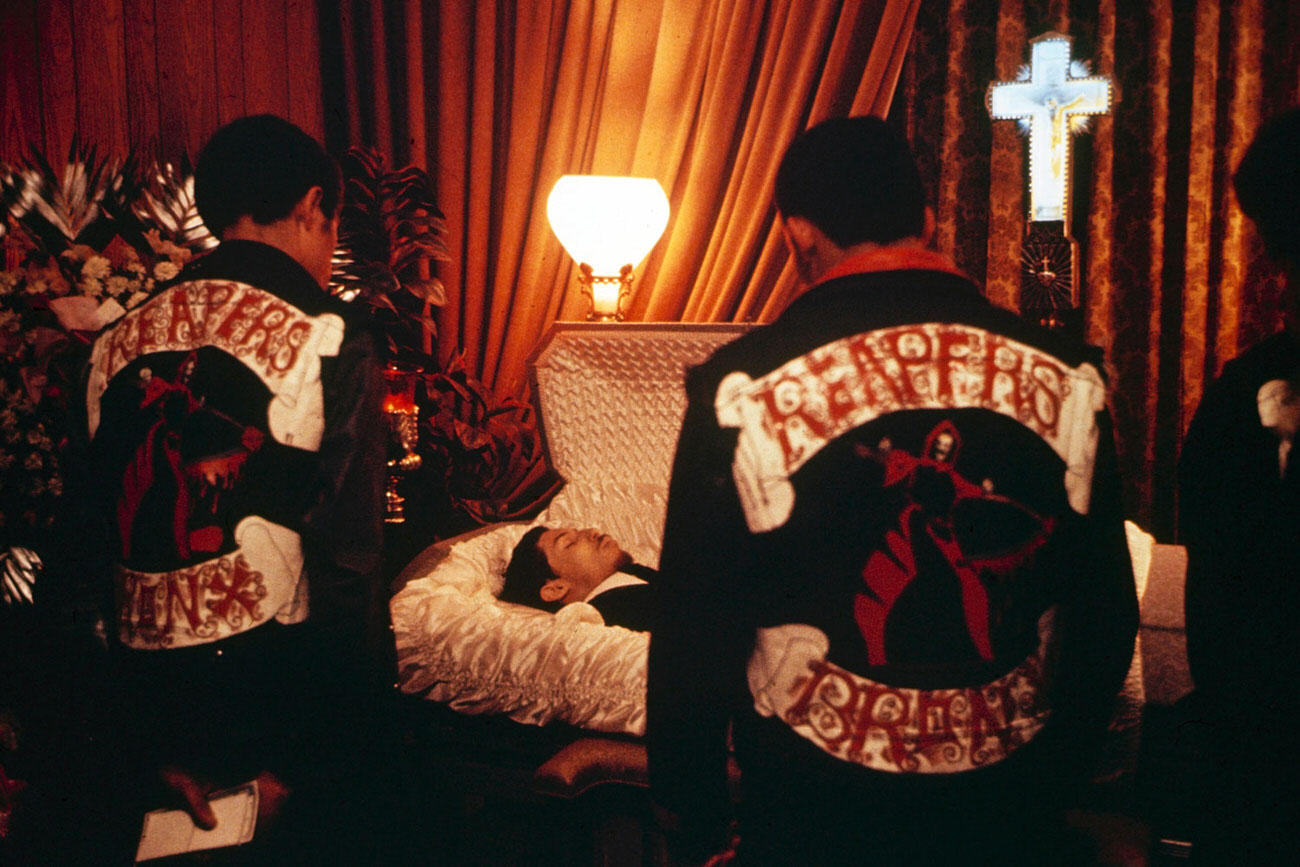
Rival gang tensions ran constantly in the background. When a peace treaty was broken, the pressure on Eddie to strike back was real. Instead, he stood before a night meeting and argued for patience. When a member of the neighboring gang — ‘Chino’ Rosa — was knifed to death, the Reapers attended to pay their respects and donated a full week’s dues to Chino’s family.
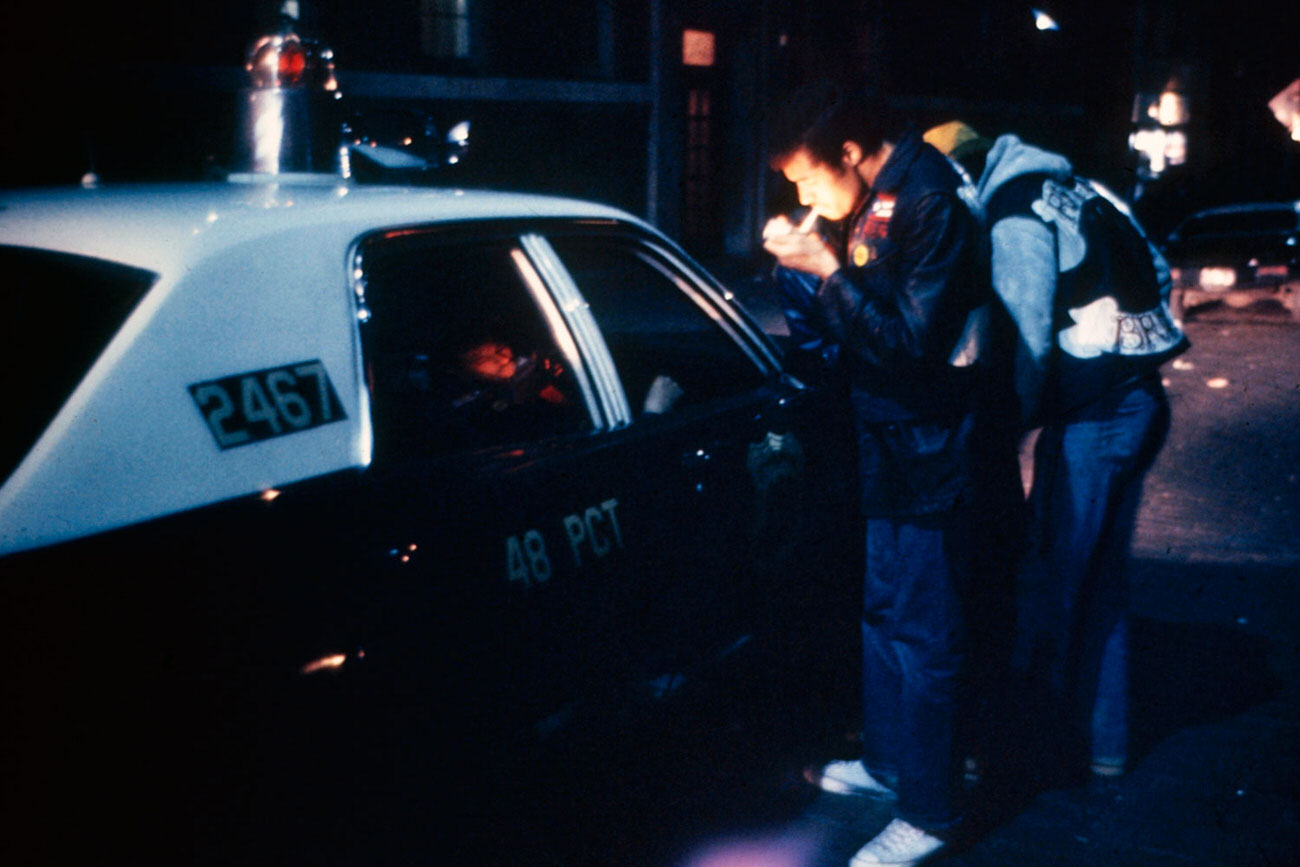
Eddie’s relationship with authority was complicated. He frequently clashed with police over harassment, yet got along with his local beat cop well enough that he openly talked about wanting to become a policeman one day. “I’d rap to the fellows and take care of my people,” he said.
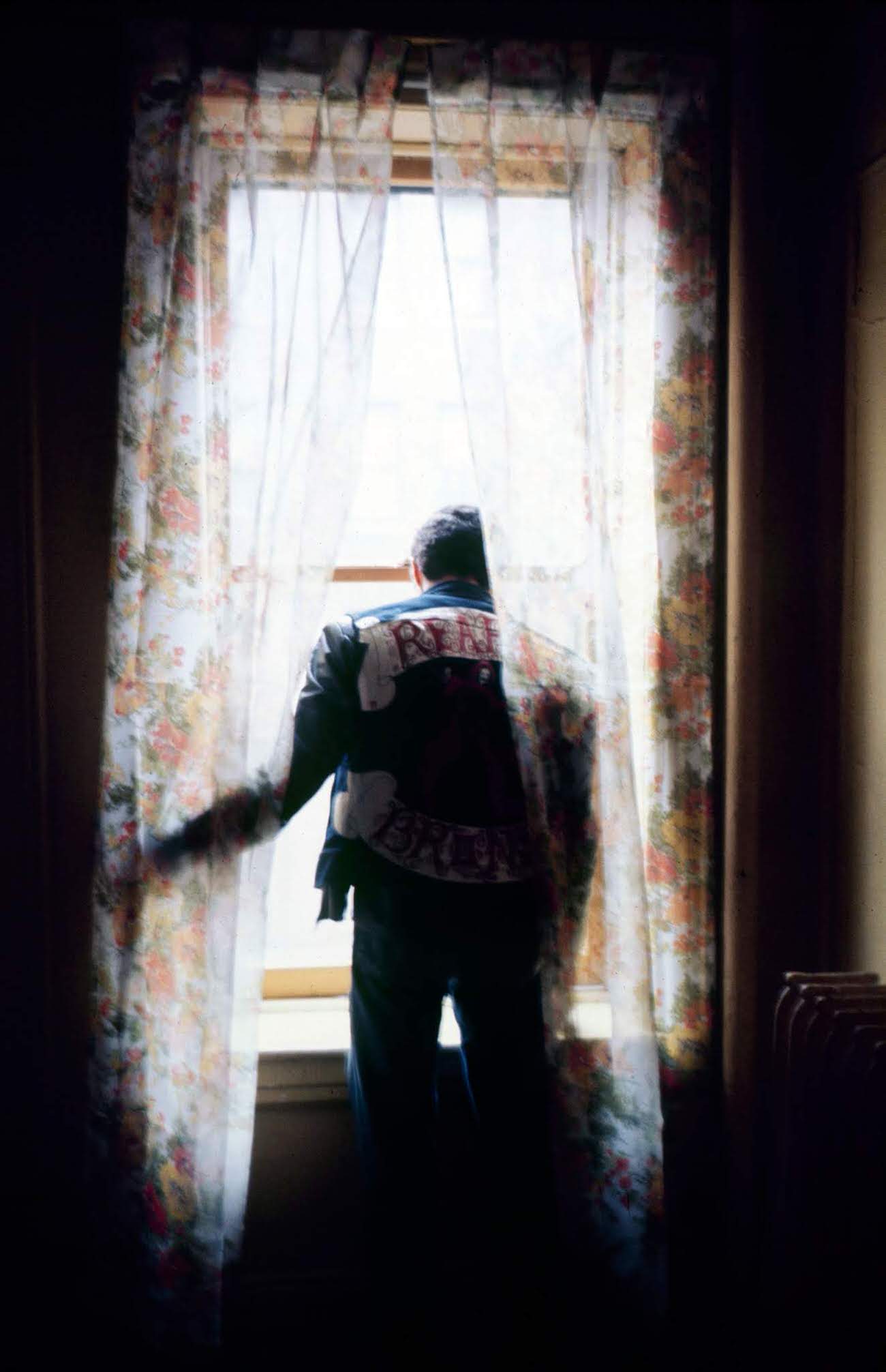
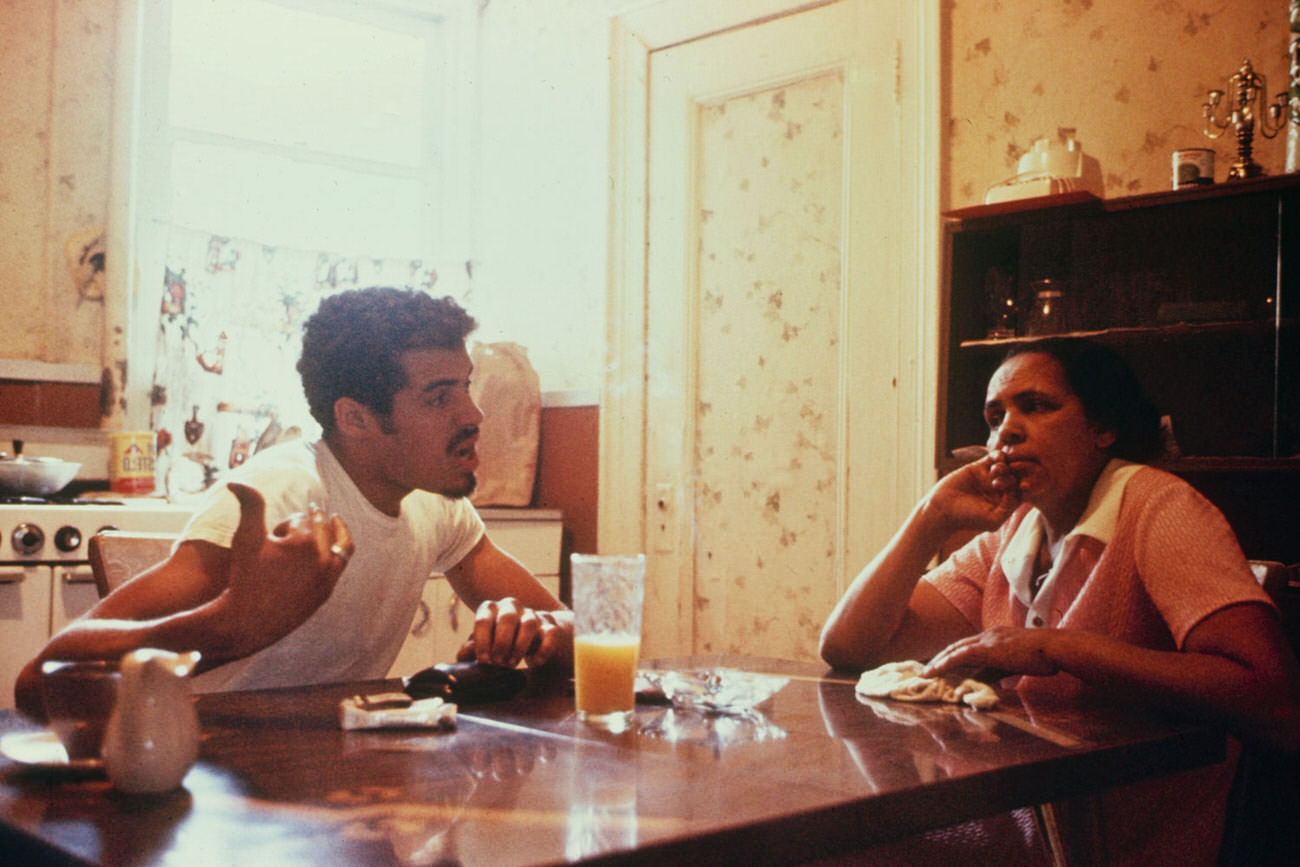
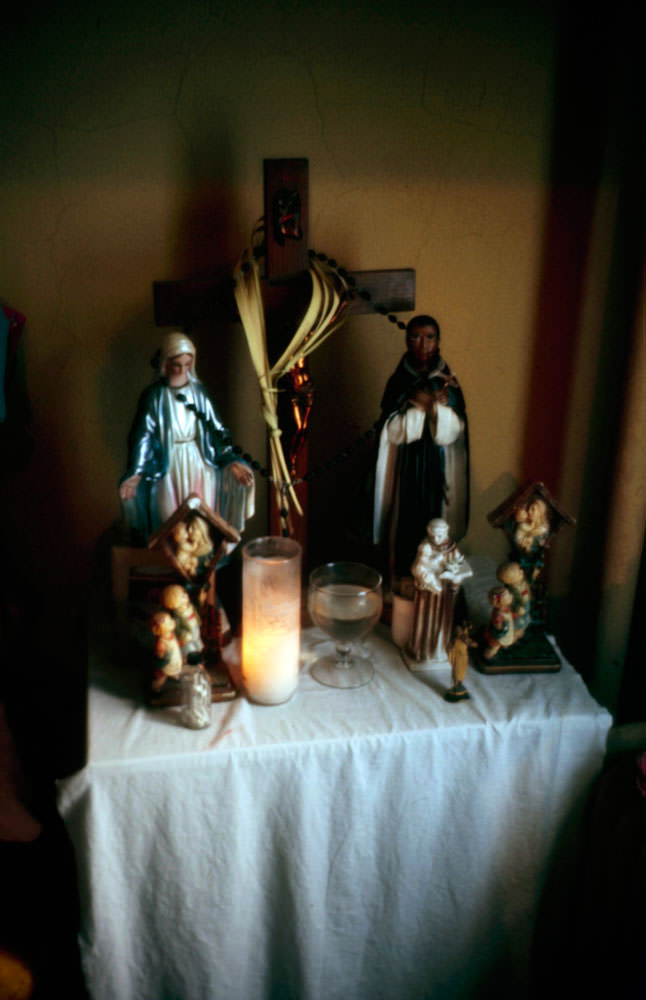
Outside the gang, Eddie’s life was anchored by family and a long-term relationship. He and his girlfriend Yvette had been together four years, and Eddie spoke of their future wedding with obvious pride — “she’s going to wear a white dress.” At home, his mother kept a shrine to her late husband, who had died, in her words, “of drinking and a bad temper” four years earlier.
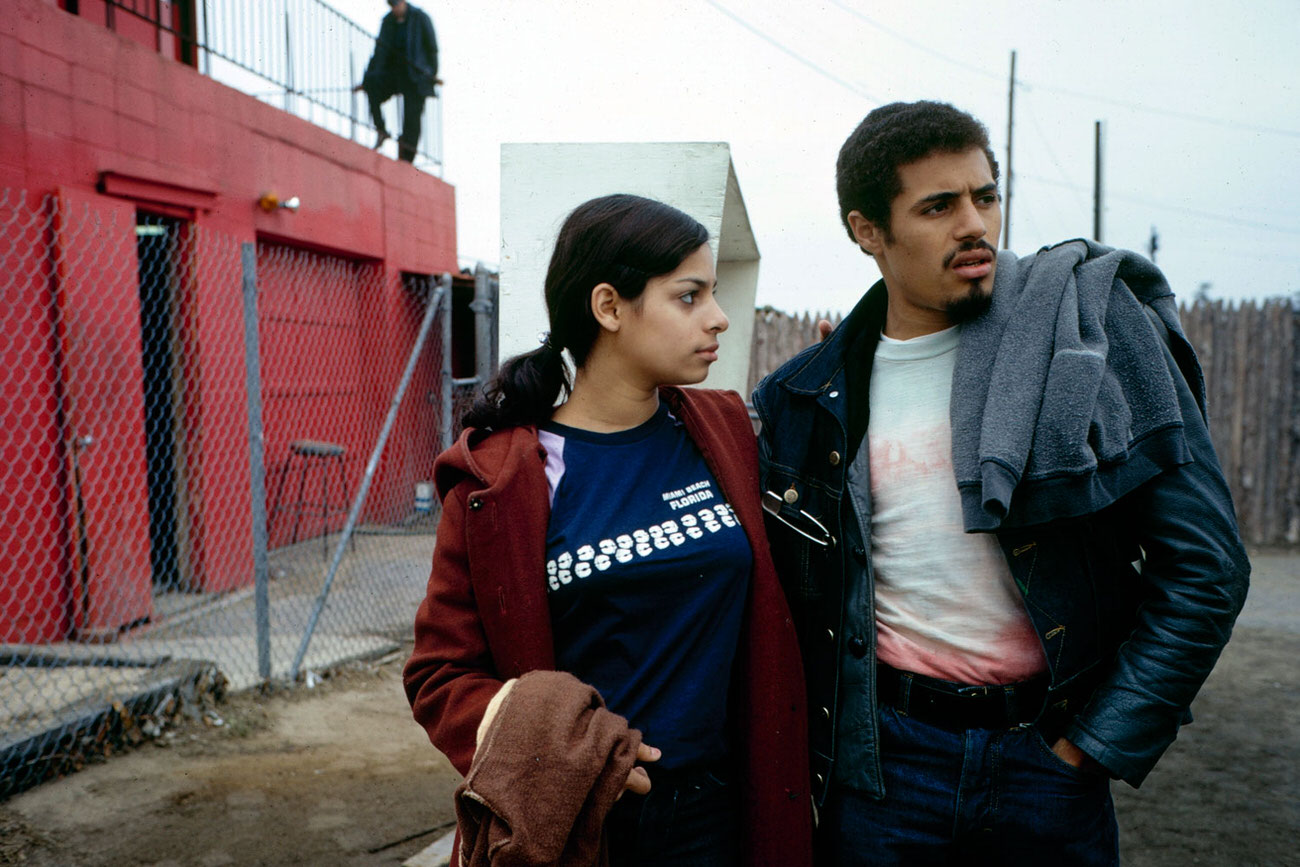
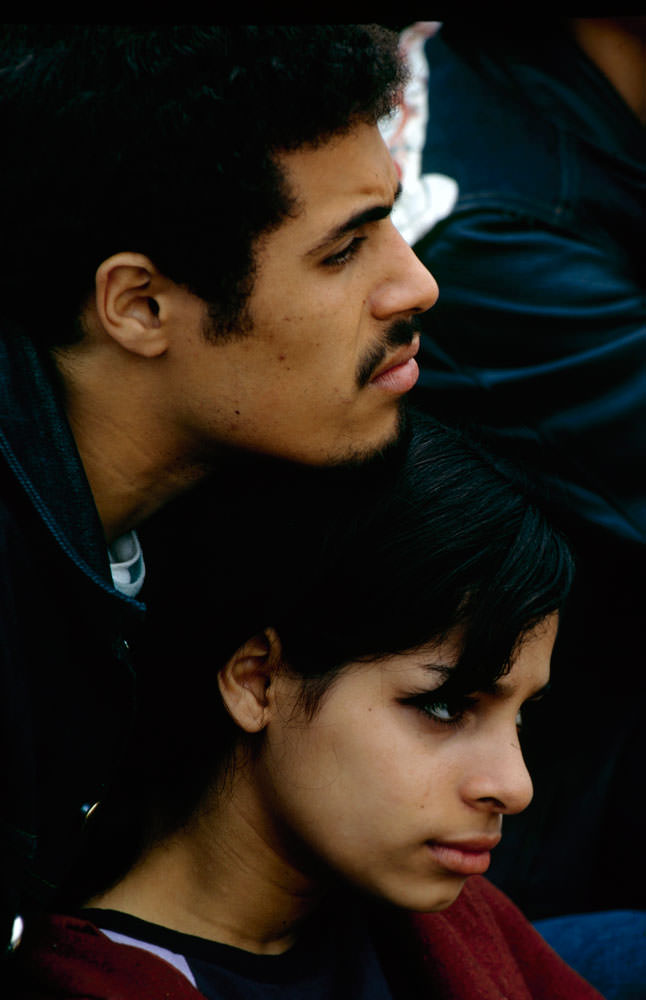
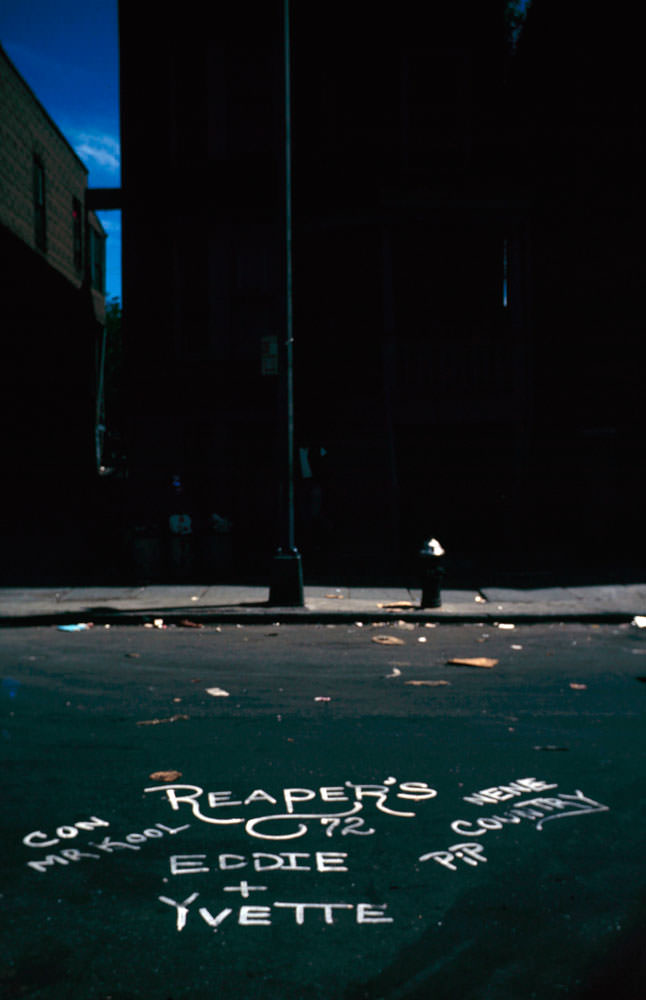
The names of those closest to Eddie — Yvette, Con, and Mr. Kool, the gang’s war lord and vice-president — were spray-painted on a Bronx street wall, a public record of the people who defined his world. Shearer’s photographs captured all of it: the loyalty, the violence, the ambition, and the daily grind of life in a South Bronx that most of America never saw.