The 1860s were one of the most turbulent decades in Chinese history. The Taiping Rebellion — a civil war that claimed millions of lives — had just ended, leaving the country weakened and deeply scarred. At the same time, Western powers were forcing trade concessions and disrupting traditional ways of life. Caught in the middle of all this upheaval were Chinese women, navigating a society that placed strict limits on what they could do, where they could go, and who they could become.
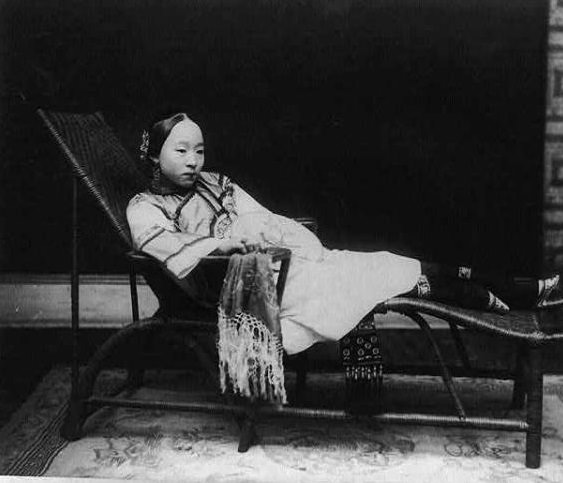
Confucian values shaped nearly every aspect of a woman’s life. Obedience to fathers, husbands, and sons was expected without question. A woman’s primary duties were managing the household, raising children, and maintaining family honor. Arranged marriages were standard practice, and women had no meaningful say in choosing a partner. Education, public life, and economic independence were largely out of reach for the vast majority.
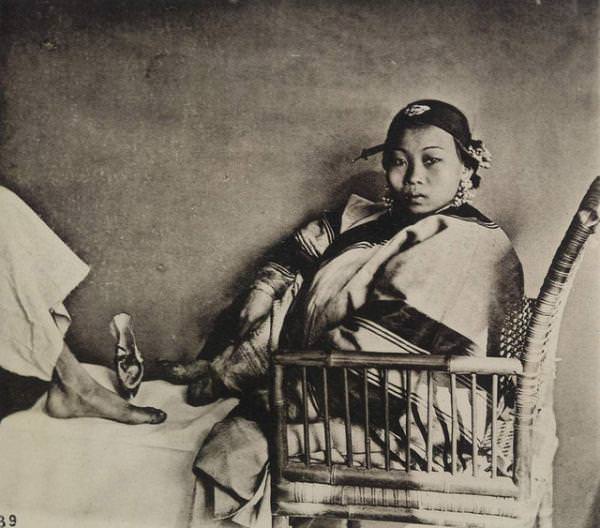
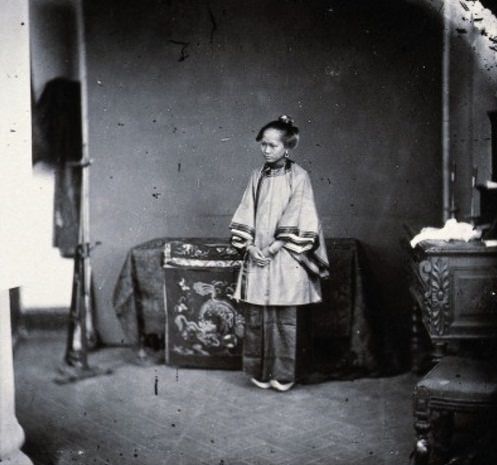
One of the most defining — and painful — features of womanhood in 1860s China was foot binding. The process began when girls were very young. Their feet were broken and tightly wrapped in bandages to prevent normal growth, with the goal of keeping the feet as small as possible. A bound foot, sometimes called a “lily foot,” measured just a few inches in length. The practice was deeply tied to status and beauty. Families who did not bind their daughters risked their marriage prospects.
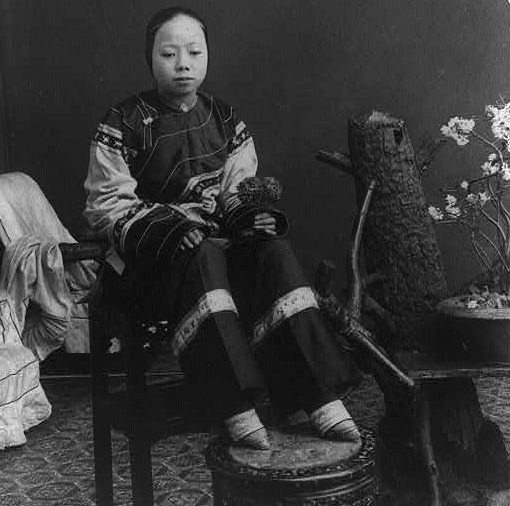
Bound feet severely limited a woman’s ability to walk, which was far from accidental. The physical restriction reinforced the social expectation that a woman’s world was confined to the home. Western missionaries and reformers increasingly criticized foot binding during this period, but tradition held firm across much of the country. The size of a shoe said more about a family’s standing than almost anything else.
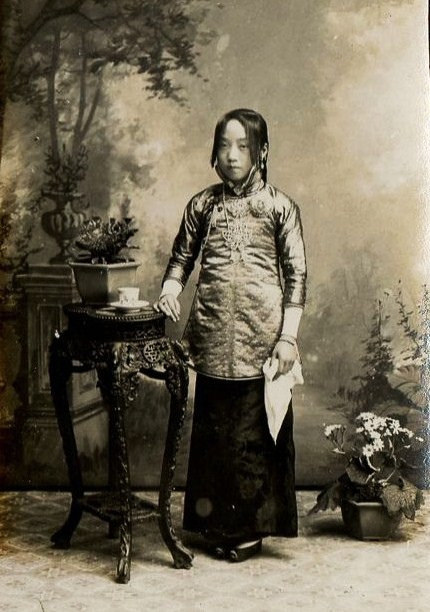
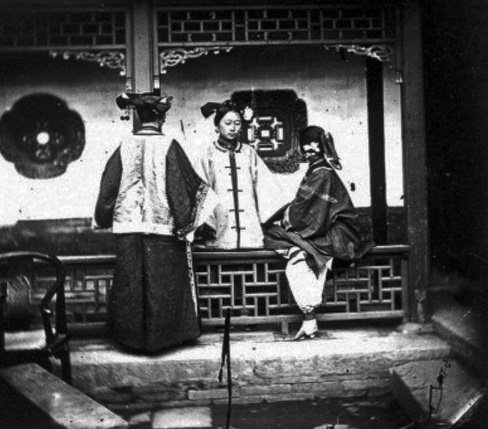
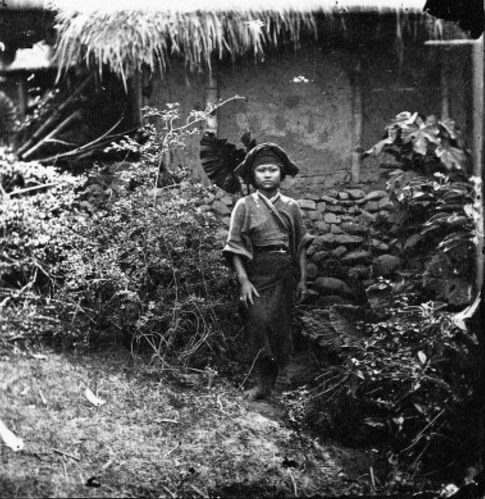
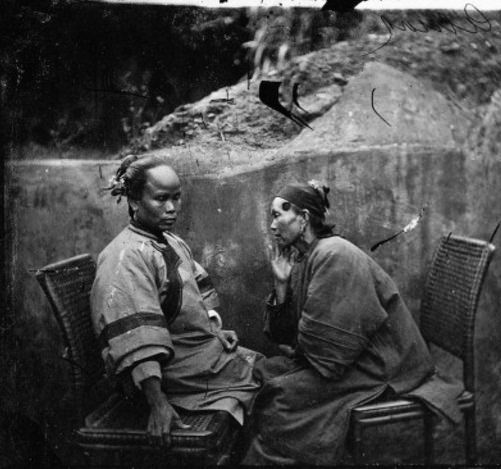
Not all women in China practiced foot binding. The Manchu people, who ruled China under the Qing Dynasty, historically rejected the practice. When the Manchu came to power in 1644, their emperor formally forbade it among his people. Women from Guangdong province and other regions also commonly went without bound feet, particularly in poorer or working-class families where physical mobility was a necessity.
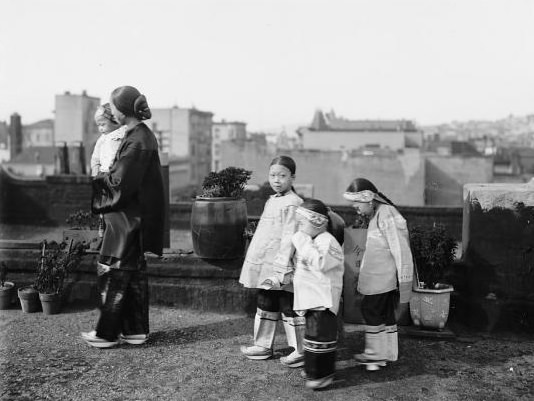
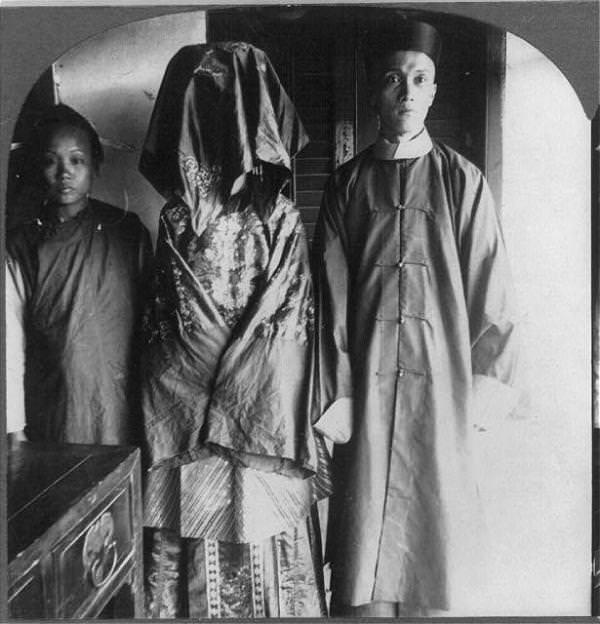
Marriage was a central milestone in a woman’s life, and the ceremonies surrounding it were elaborate and deeply symbolic. Brides were often dressed in heavy, ornate clothing, their faces covered during the ceremony. It was entirely normal for a groom not to see his bride’s face until after they were wed. The wedding was less a union of two individuals and more an arrangement between two families.
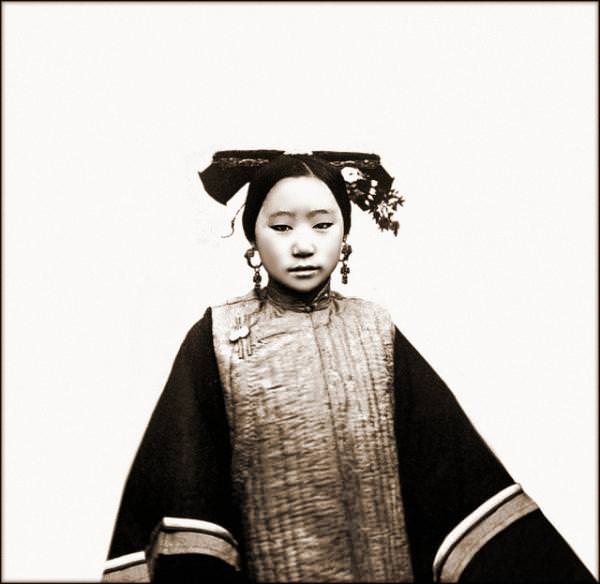
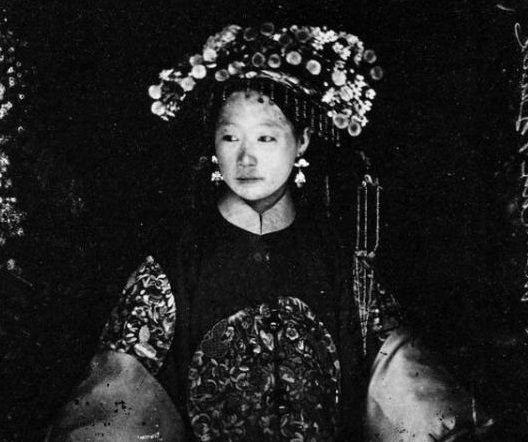
Manchu brides followed their own distinct traditions. Their wedding dress featured curve-fronted robes that fastened at the shoulder, a style markedly different from Han Chinese fashion. Headdresses worn during Manchu wedding ceremonies were elaborate constructions — heavy, towering pieces of finery that reflected the wealth and rank of the family.
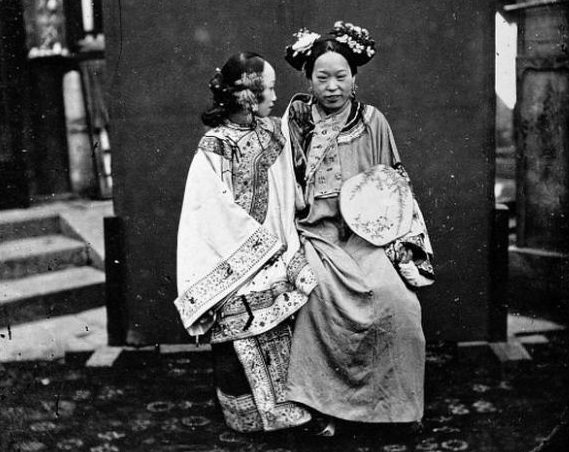
Daily life for most women centered on domestic routines — cooking, weaving, childcare, and tending to family needs. Sons were strongly preferred over daughters, as boys carried on the family name and were responsible for supporting aging parents. A mother who bore a son held a more secure position within the household. Hairstyles were taken seriously as a form of personal expression and social signaling, with women spending considerable time on their appearance.
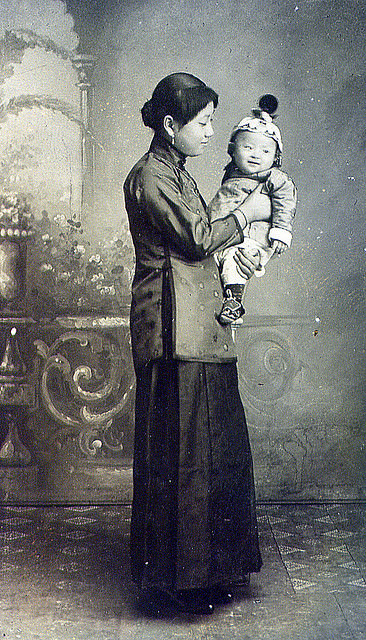
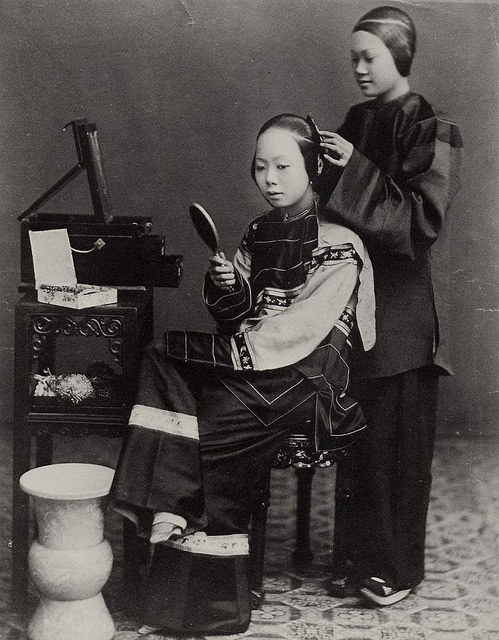
Class distinctions were visible in everything, including clothing and footwear. Women of noble birth wore fine, elaborate garments, and the tiny shoes peeking out from beneath a dress could immediately signal a family’s wealth and social standing. Working-class women and those from rural backgrounds dressed far more plainly, their clothing shaped by function rather than fashion.
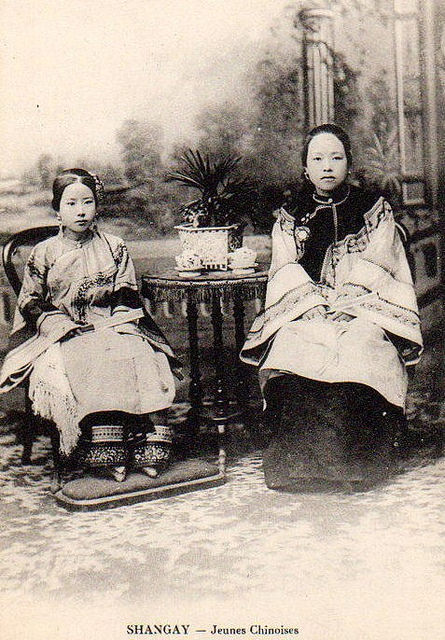
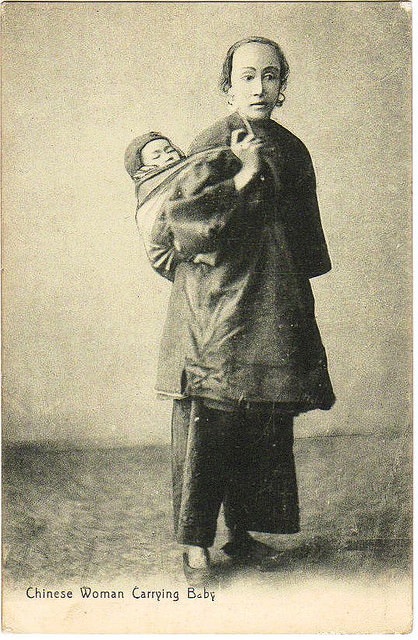
The Taiping Rebellion, despite its bloody conclusion, had cracked open ideas that were difficult to suppress entirely. Taiping women had fought in battle, held positions of authority, and pushed for greater gender equality — things unthinkable under traditional Confucian order. After the rebellion’s defeat, those ideas didn’t disappear. Western missionaries established schools and hospitals that gave some women access to education and healthcare for the first time. In urban areas, a small number of women began to seek education, enter commerce, and even publish writing that argued for women’s rights.
No figure from this era better illustrates the extremes of women’s experience than Empress Dowager Cixi. She entered the imperial court as a low-ranking concubine, but her position changed dramatically when she bore Emperor Xianfeng his only male heir. After the emperor’s death in 1861, Cixi outmaneuvered a group of regents and seized co-regency over China. She would go on to rule for 47 years, making her the most powerful woman in Chinese history.
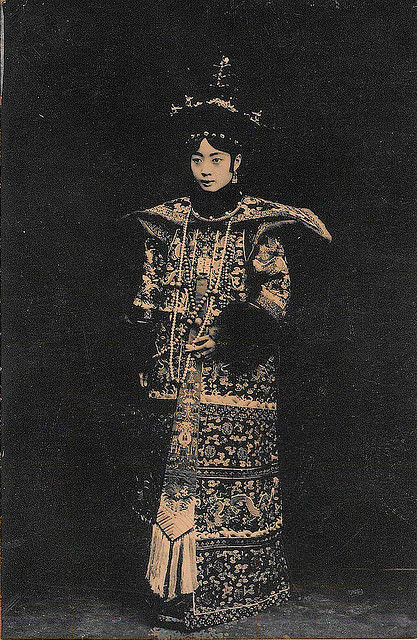
The photographs that survive from the 1860s capture women across the full spectrum of Chinese society — brides and mothers, noblewomen and working women, Han and Manchu. They were taken at a moment when photography itself was still new to China, and Western photographers were among the first to document ordinary Chinese life in this way.