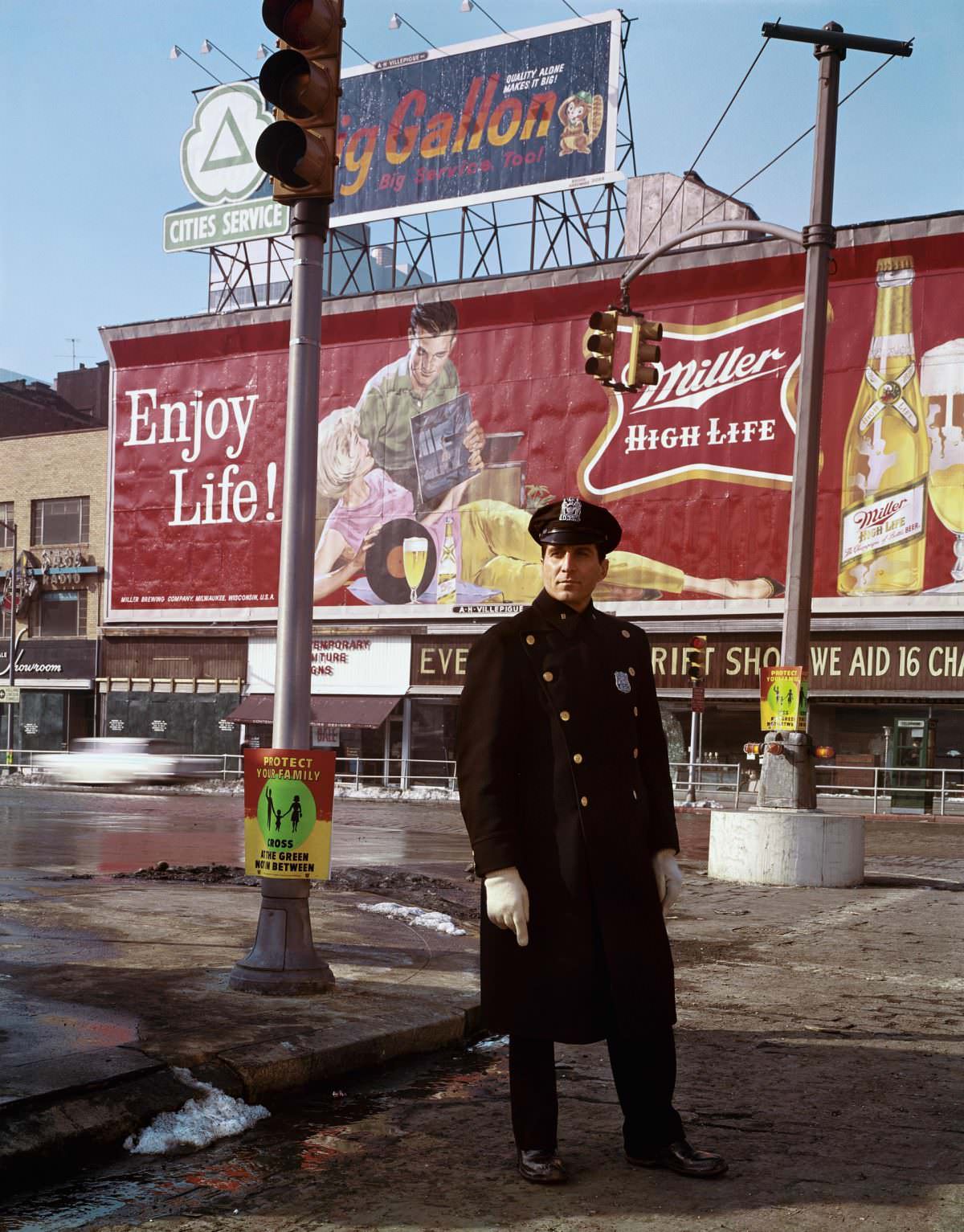
German-born photographer Evelyn Hofer spent years pointing her camera at the people and places that most others walked past without a second glance. In 1960s New York City, that meant hot dog stands, parking garages, elevated train stations, and the faces of ordinary New Yorkers going about their days. What she left behind is one of the most honest visual records of mid-century urban life in America.
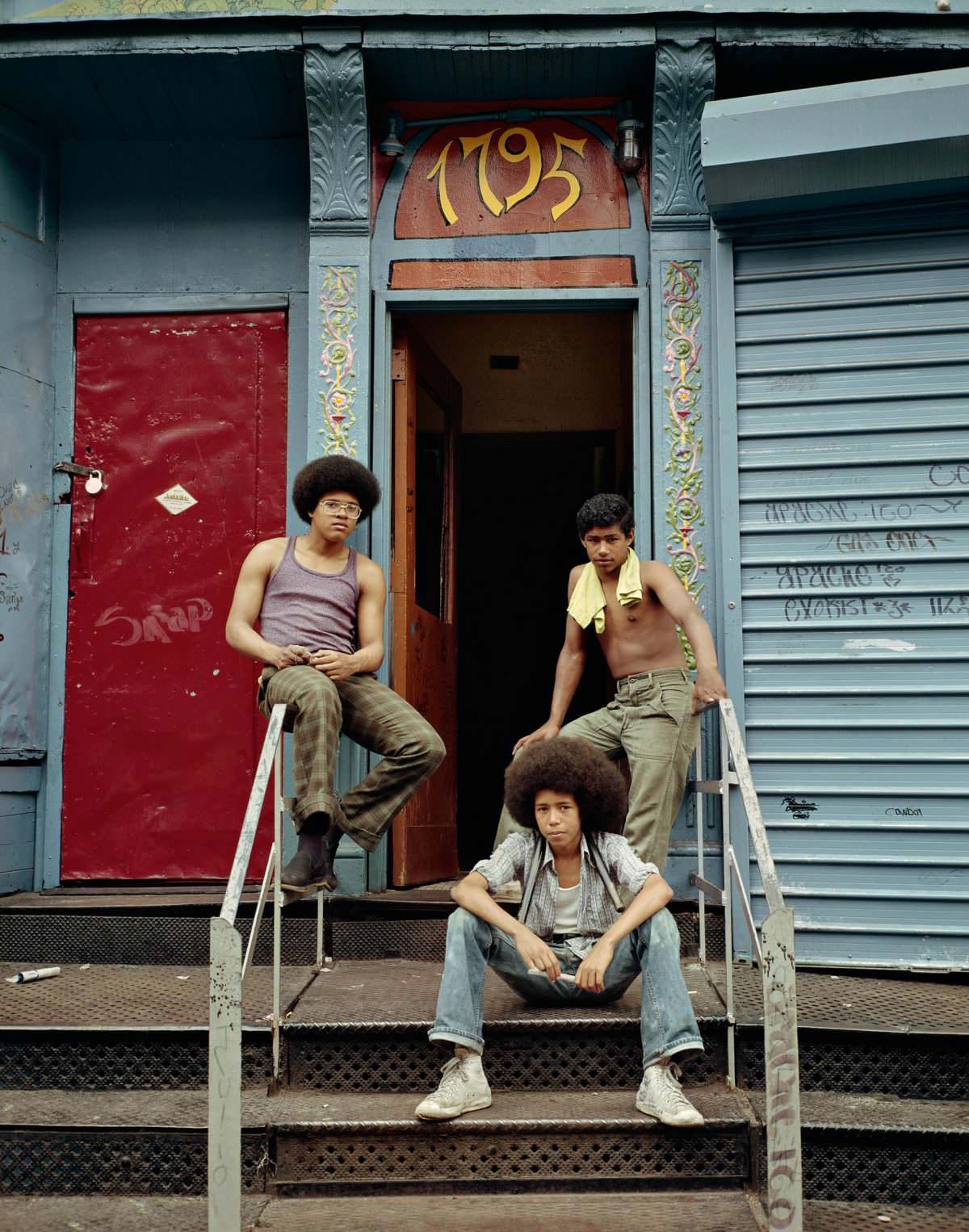
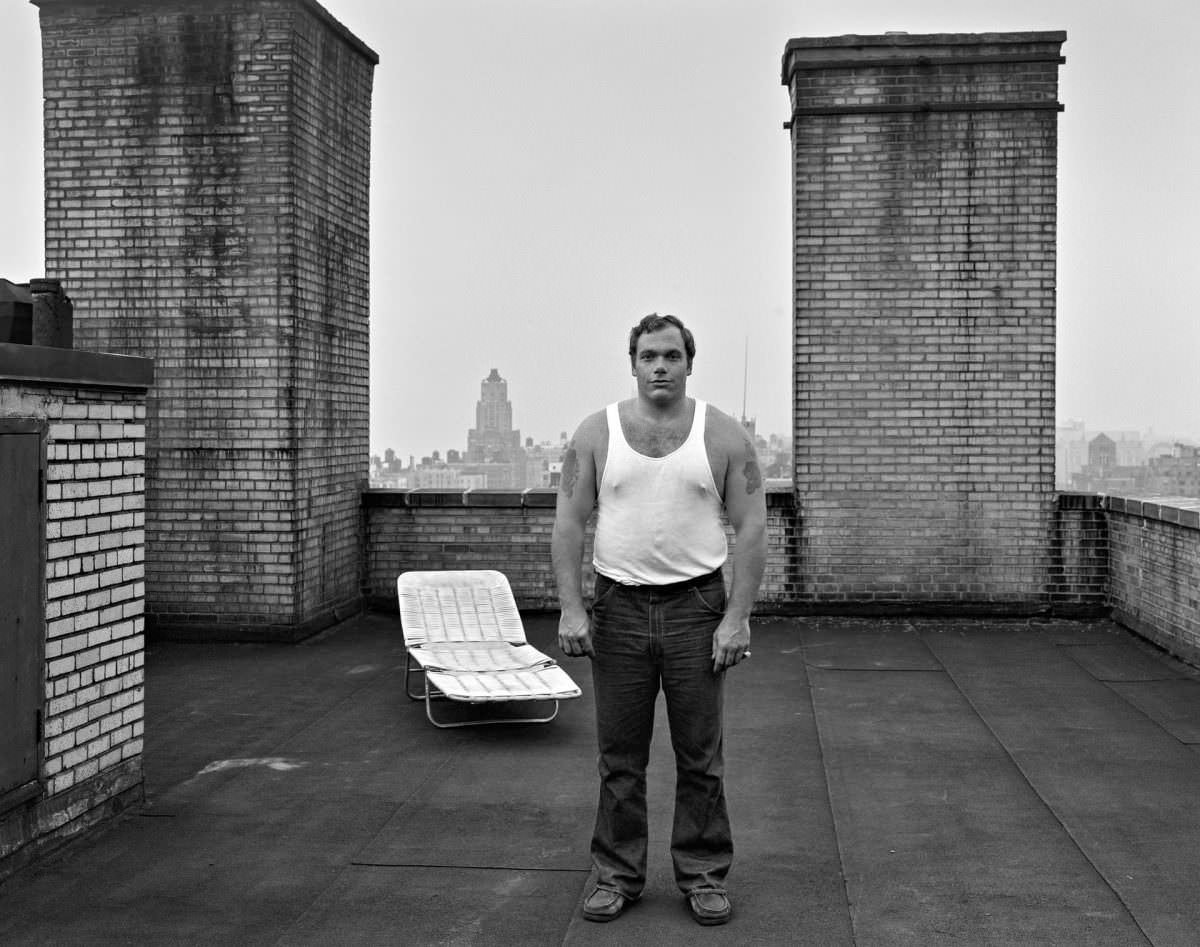
Hofer had a sharp eye for the small, overlooked details that defined a moment. She didn’t chase drama or spectacle. Instead, she found meaning in the mundane — a vendor behind a cart, a man standing alone on a rooftop, three boys gathered at a front door. Each image carries a sense of stillness, as if Hofer asked the city to hold its breath for just one second.

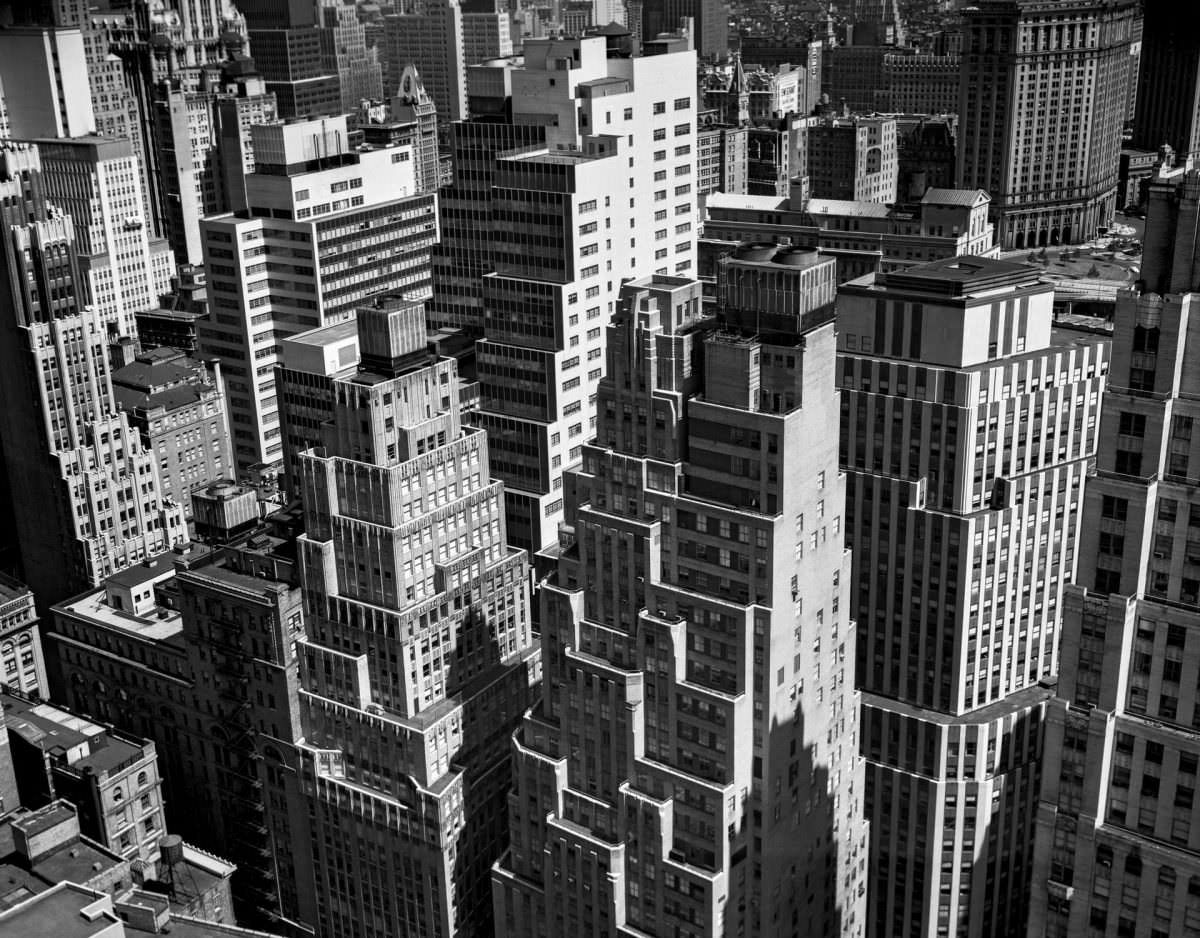
New York in the early 1960s was a city of sharp contrasts. Gleaming new architecture rose alongside crumbling sidewalks. The streets mixed working-class neighborhoods with commercial corridors, and the population was shifting rapidly as immigrant communities put down new roots. Hofer moved through all of it with the same steady attention.
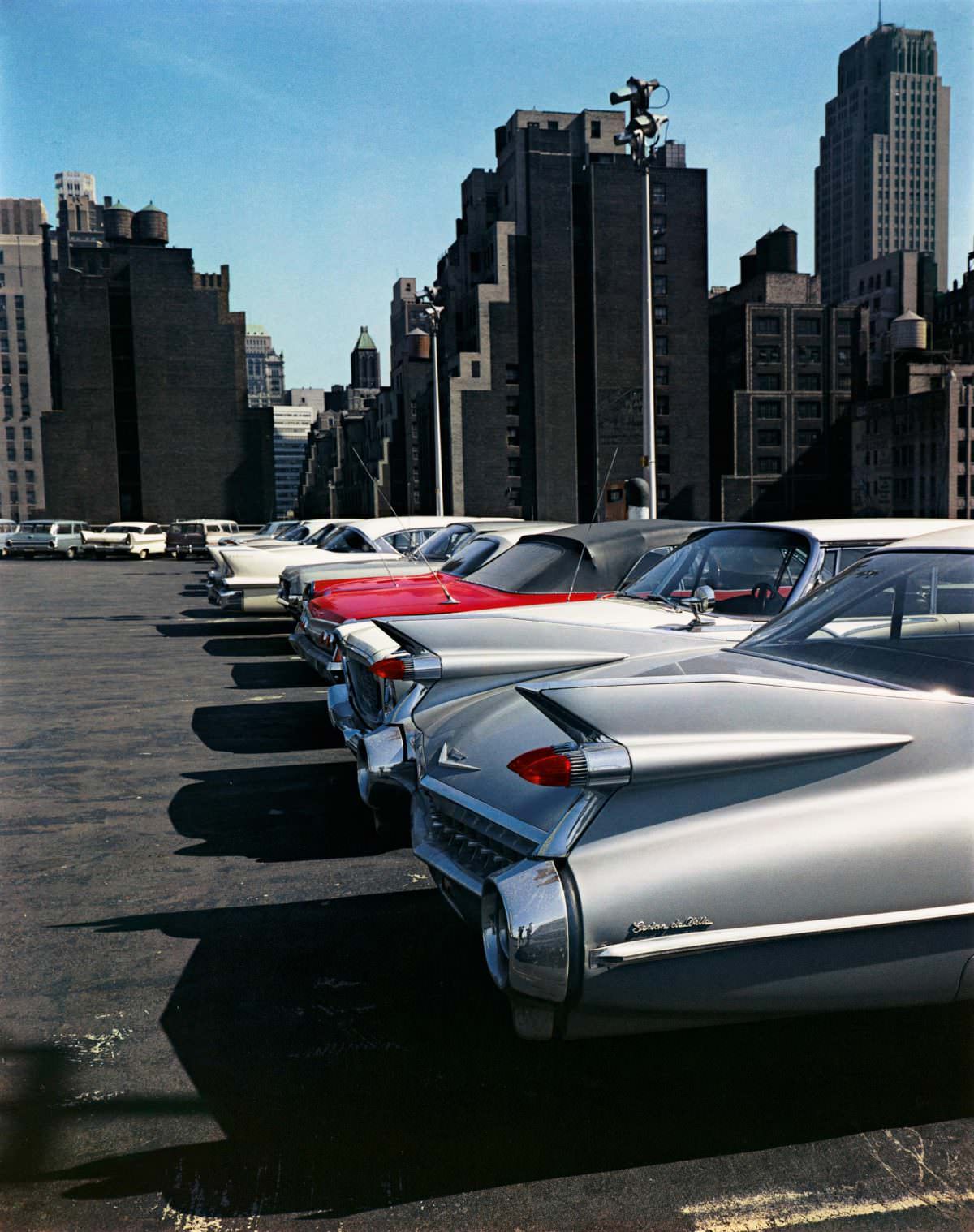
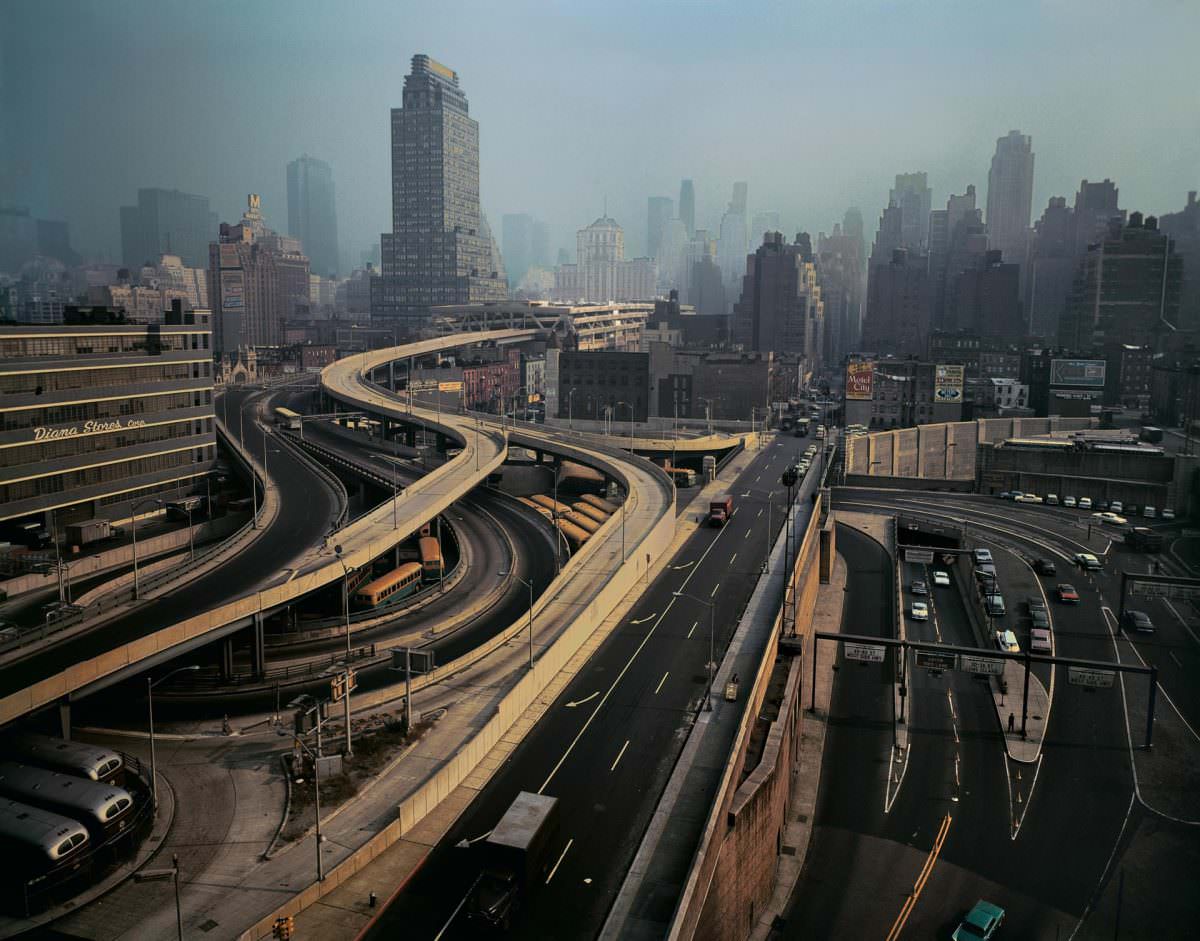
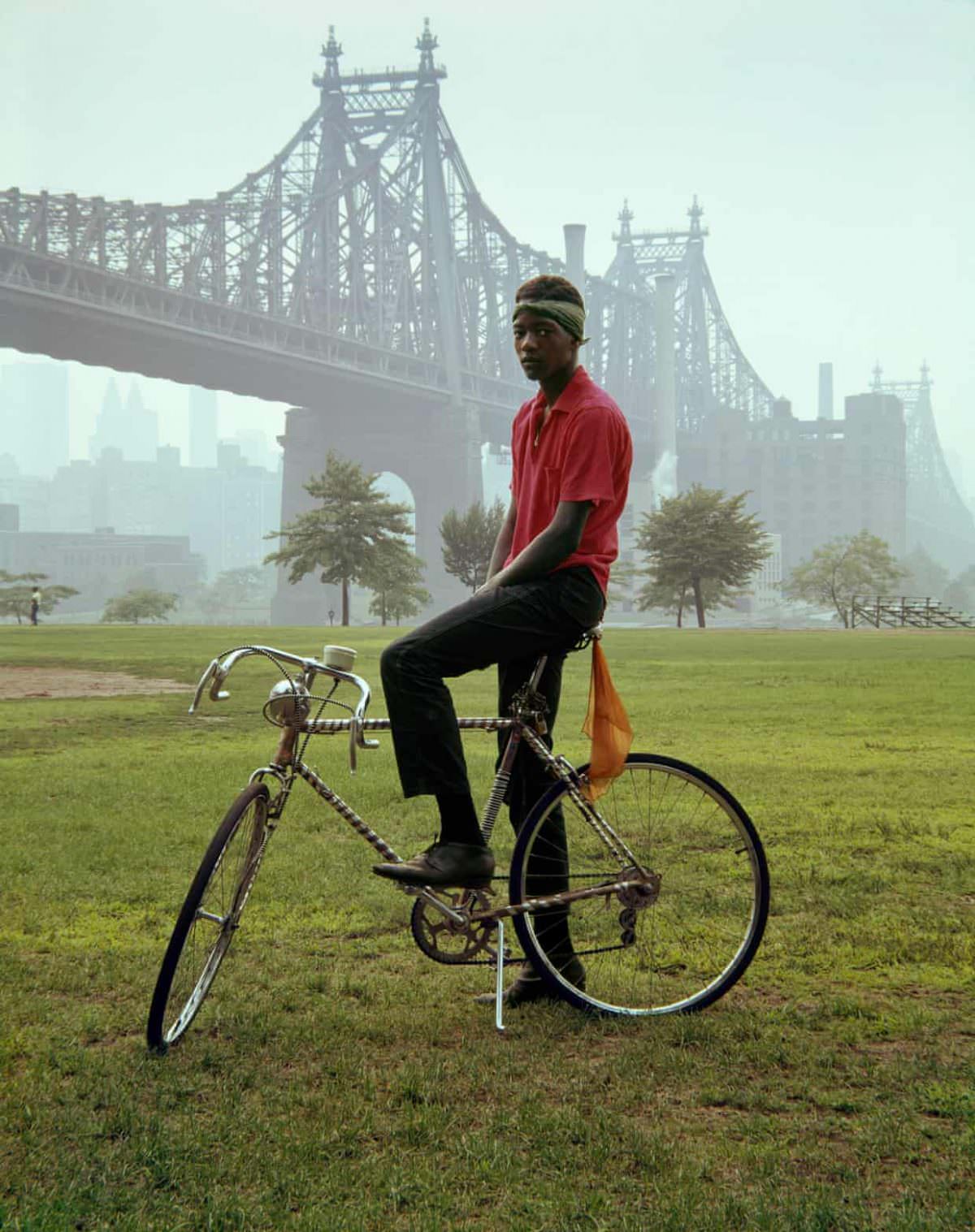
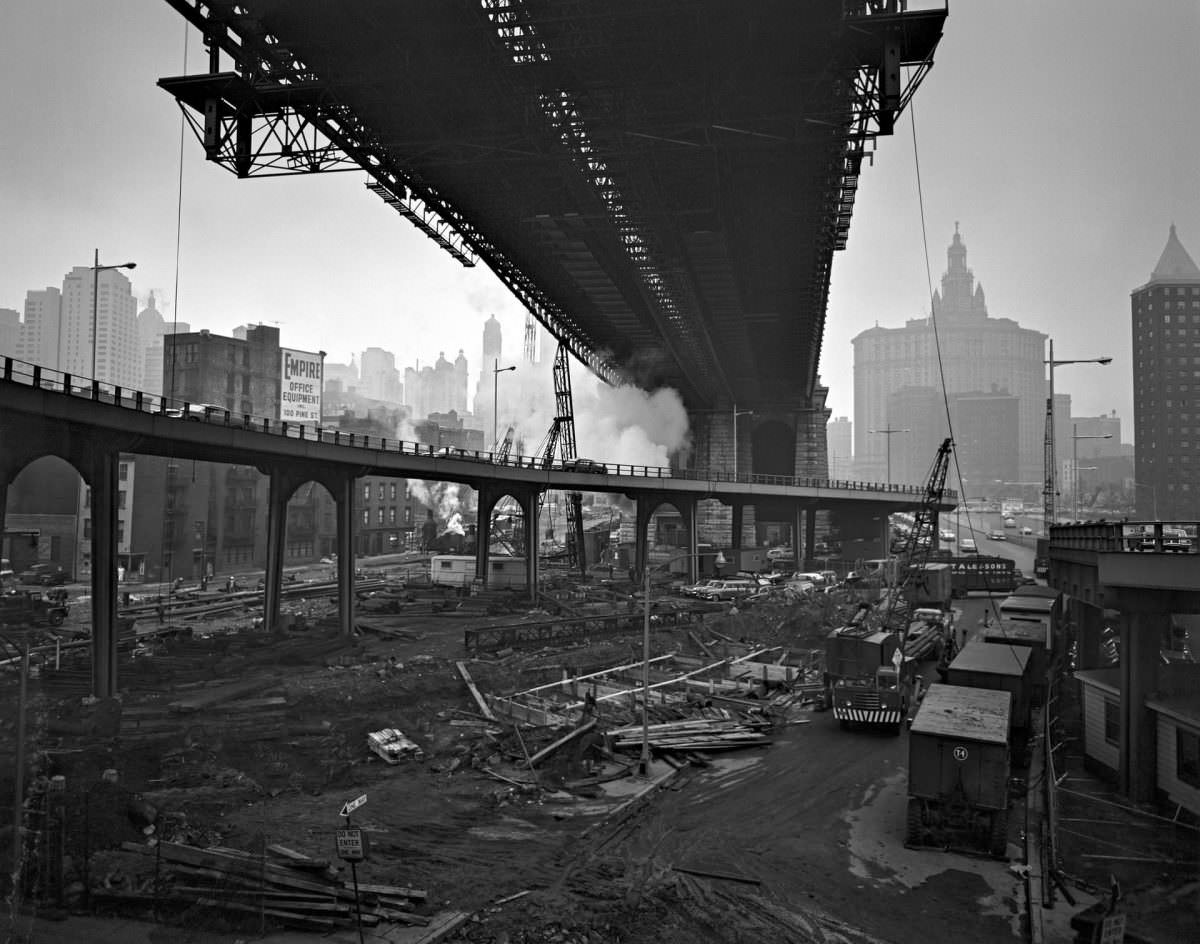
Her photographs of the city’s infrastructure — its roads, overpasses, and transit lines — are just as revealing as her portraits of people. The physical structure of New York in this era told its own story about growth, congestion, and the relentless push of urban expansion. Hofer treated concrete and steel with the same care she gave to human subjects.

Despite her skill, Hofer never achieved the widespread fame of her contemporaries. She worked throughout the 1950s and 1960s collaborating with writers to document cities across the world — London, Florence, Dublin, Washington, D.C., and cities in Mexico and Spain all came under her lens. New York, however, remained a city she returned to repeatedly, capturing it across different decades.
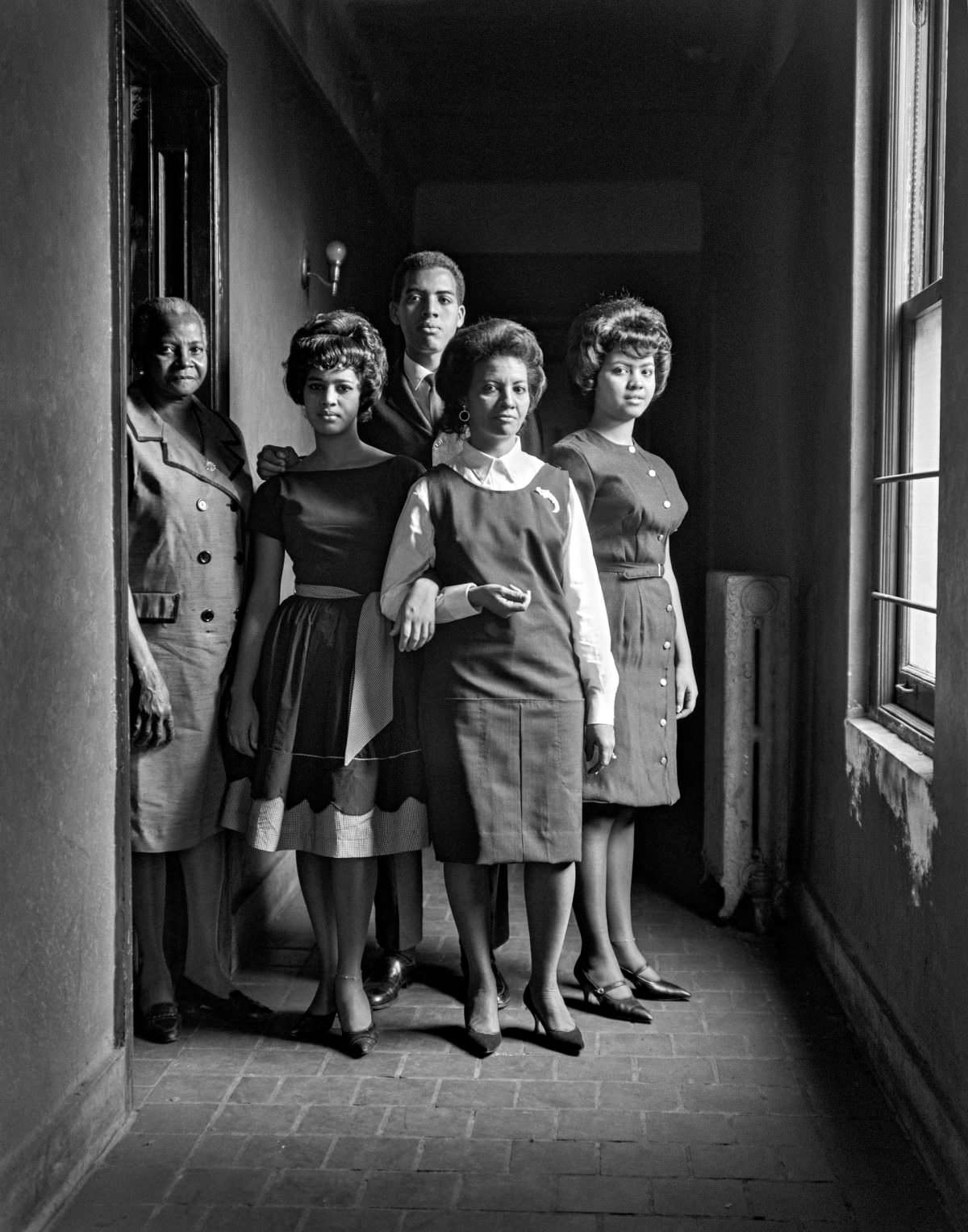
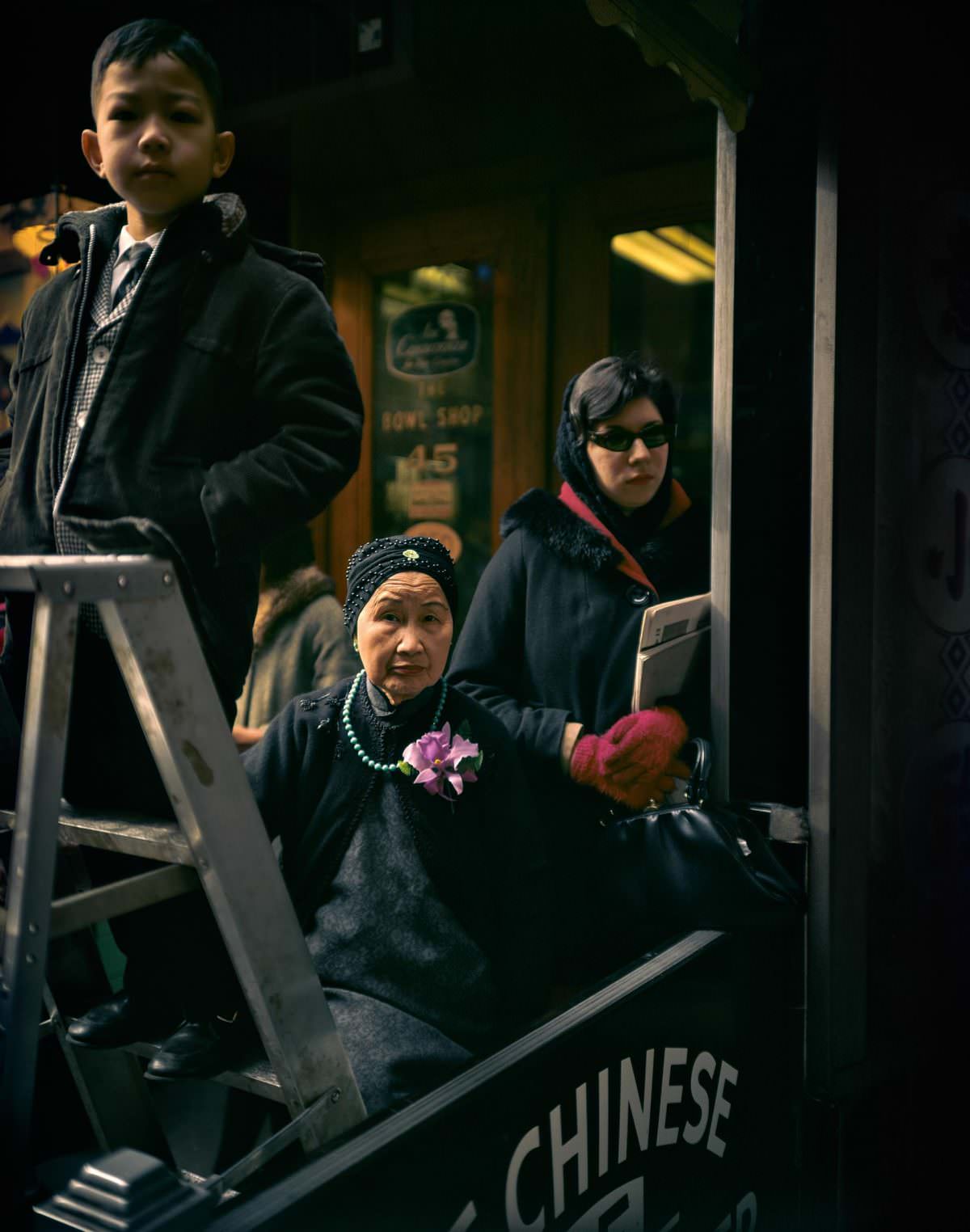
One of the most striking aspects of her New York work is how clearly it reflects the cultural shifts of the time. Communities from the Caribbean and Latin America were reshaping neighborhoods across the five boroughs, and Hofer documented these changes without exoticizing them. Her images of the city’s Dominican community, for example, sit alongside her photographs of police officers and transit stations as equal parts of the same urban fabric.
Hofer’s work spans more than just the 1960s. Her photographs from 1975 and 1981 show that her approach never changed — she remained committed to finding the human and architectural details that gave a place its character. A man alone on a rooftop. Three boys at a stoop. These are not posed moments; they are observed ones.
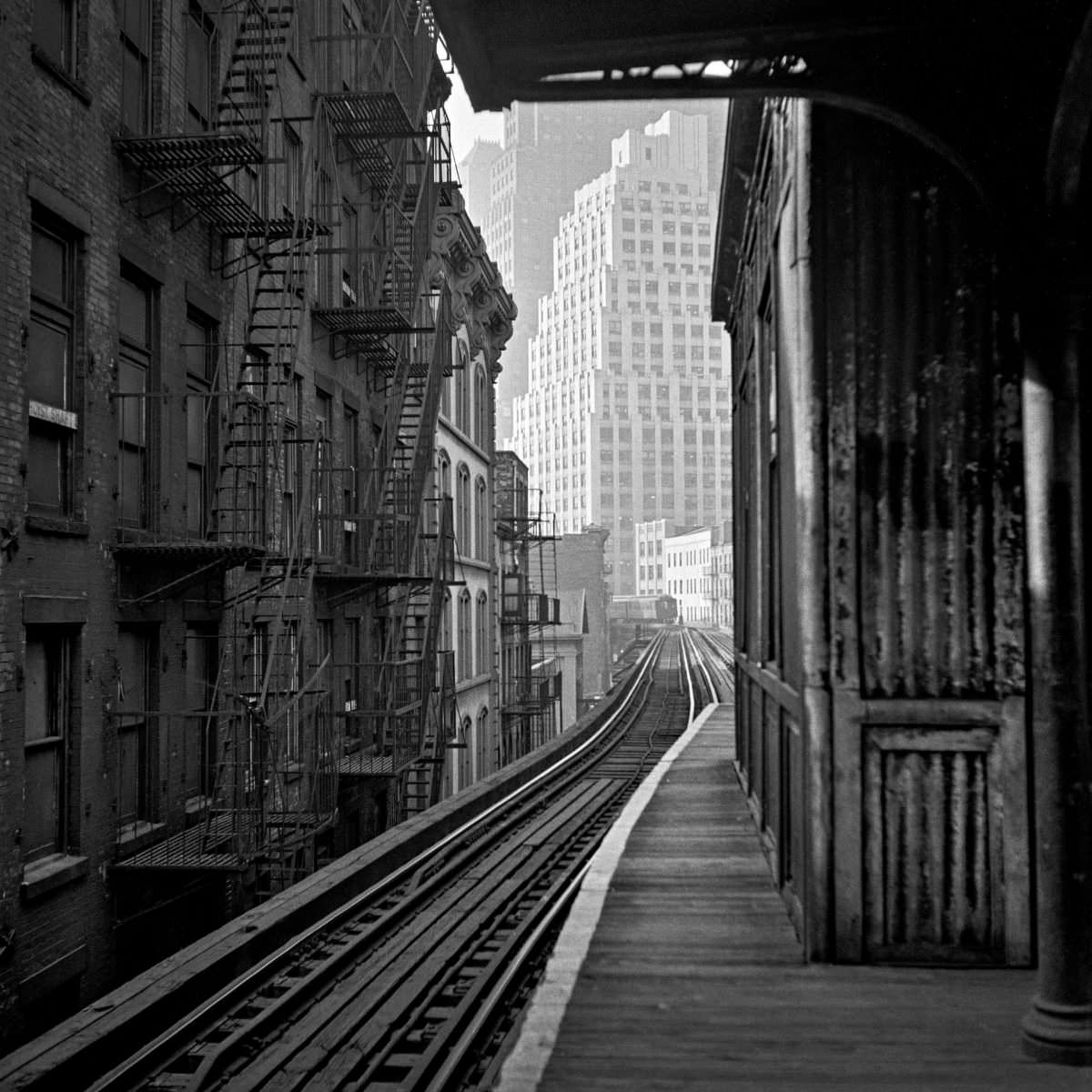
The subway system was central to New York life, and Hofer photographed it accordingly. The L train station in 1964 captures the worn, functional reality of public transit — the kind of place millions of New Yorkers passed through every single day without ever really looking at it. Hofer looked at it.
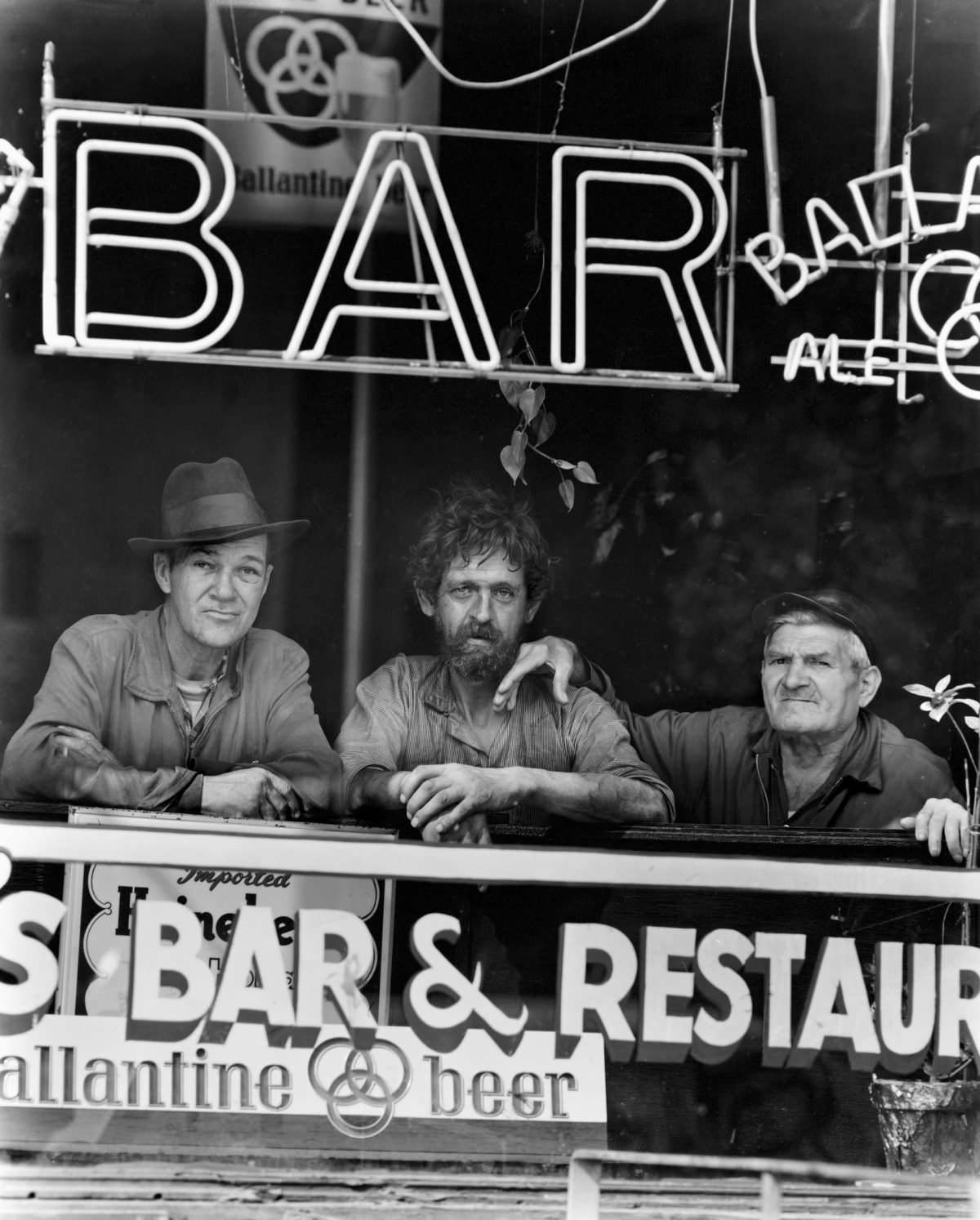
The Bowery in 1963 was one of Manhattan’s most economically distressed streets, known for its transient population and row of cheap lodging houses. Hofer photographed it plainly, without sentimentality or judgment. That directness is what makes her work stand apart — she documented what was there, not what she wished was there.