
André Kertész arrived in the United States in 1936, fleeing the threat of Nazi persecution in Europe. Born in Hungary, he had already built a strong reputation abroad — but starting over in New York meant rebuilding from scratch. He took on commercial commissions to survive, yet never stopped shooting the city on his own terms. What came out of those decades was a body of work that transformed ordinary New York streets, parks, and rooftops into something quietly surreal.
Kertész was drawn to light above almost everything else. His compositions used shadows, reflections, and unusual camera angles to turn familiar scenes into something that felt slightly dreamlike. Early in his career, those unorthodox angles actually worked against him — editors and galleries weren’t ready for them. But over time, that same instinct made his photographs stand apart from nearly every other photographer of his era. His images carry a sense of stillness and intimacy that is hard to manufacture. One of his earliest American subjects came just a year after his arrival.
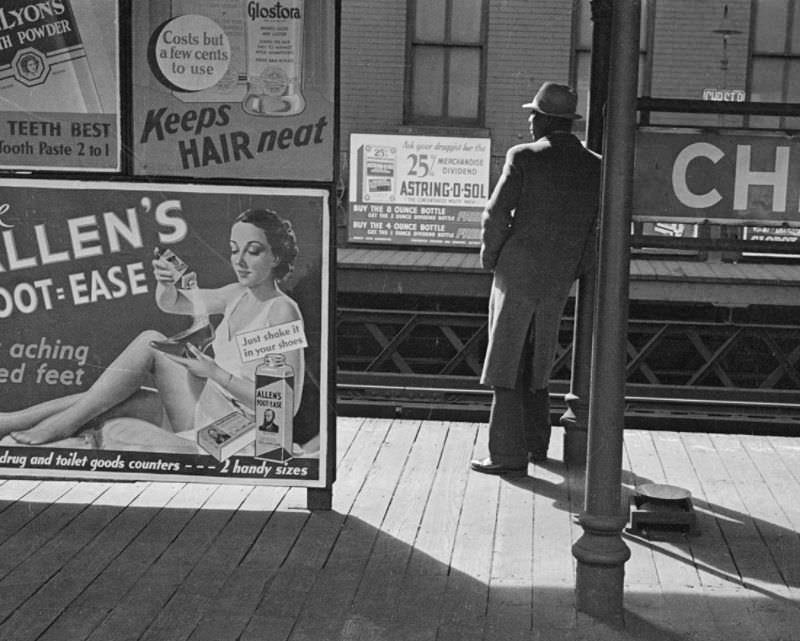
Taken just north of New York City, this 1937 shot shows Kertész already applying his European sensibility to the American landscape. That same year, he captured one of his most iconic images — a lone cloud drifting over the city’s skyline.
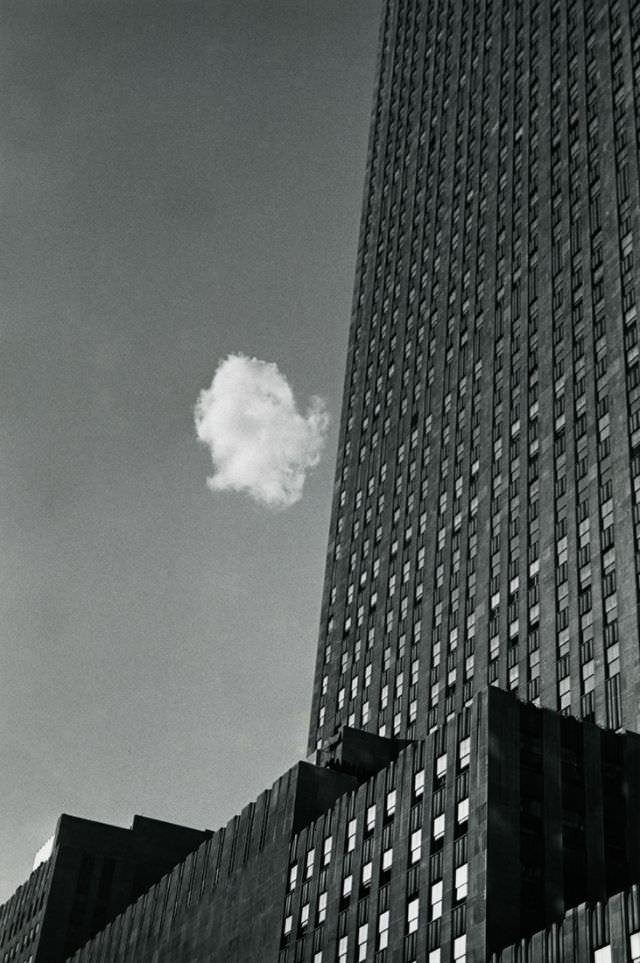
“The Lost Cloud” is a perfect example of how Kertész found poetry in the overlooked. A single cloud, isolated against the geometry of buildings — it’s a simple subject made monumental by framing. By the 1950s, he was turning his lens toward New York’s parks and people, finding just as much drama in everyday life.
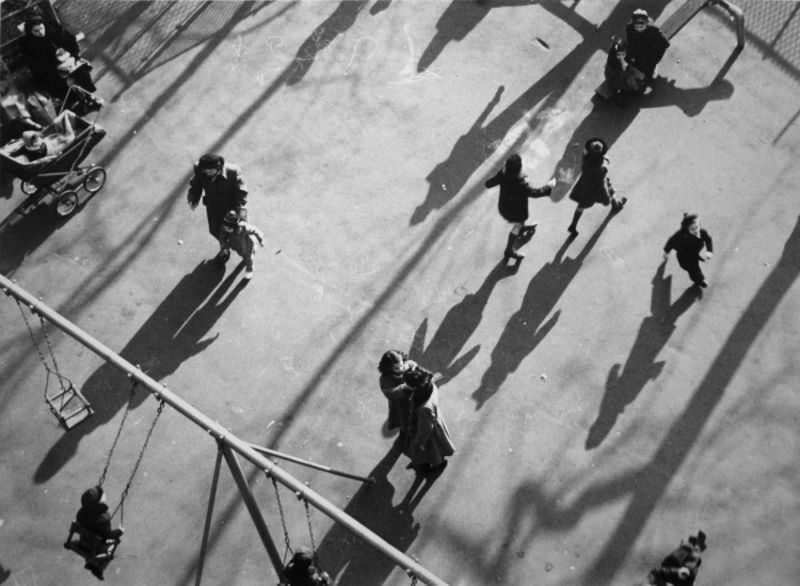
Shadows were a recurring tool for Kertész. In this 1951 park scene, the shadows of children stretch across the ground and become subjects in their own right — almost more present than the children casting them. A year later, he turned his camera upward to frame the city from an entirely different angle.
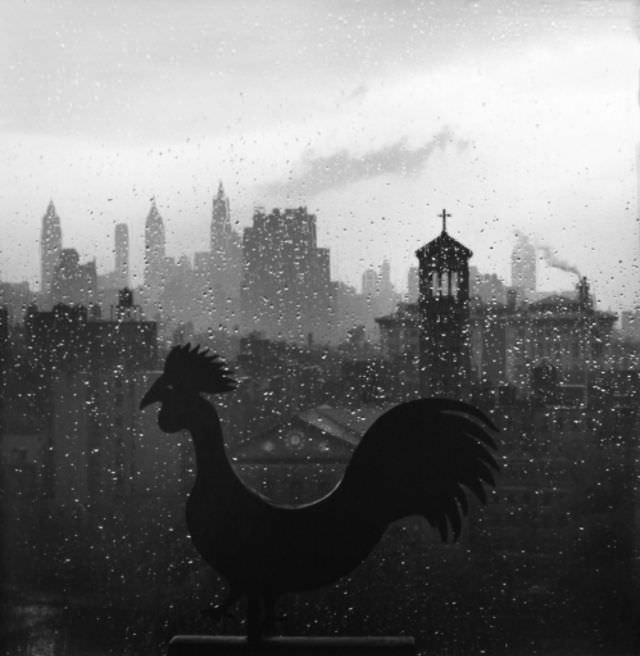
Placing a weather vane against the New York skyline, Kertész layered the old and the modern in a single frame. It’s the kind of juxtaposition he consistently sought out. Washington Square Park became one of his most-visited subjects throughout the 1950s and beyond, and he returned to it in all kinds of light and season.
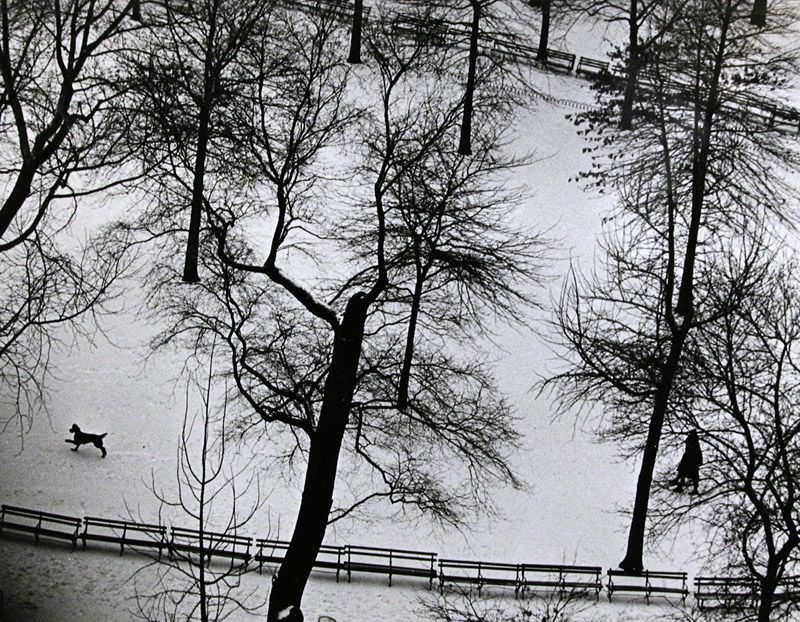
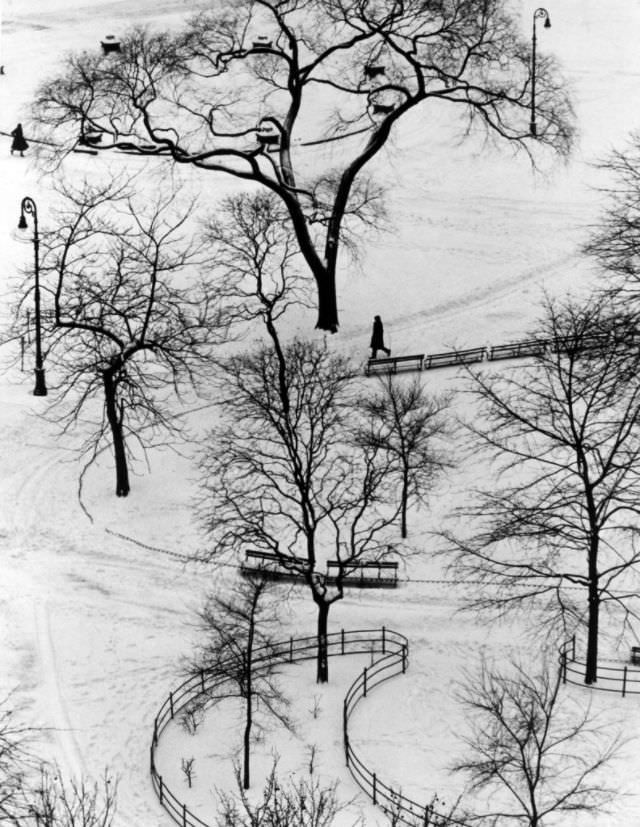
These two 1954 daytime shots of Washington Square show how differently Kertész could approach the same location. Angle, time of day, and the positioning of people or objects produced entirely distinct results. He also returned to the park after dark.
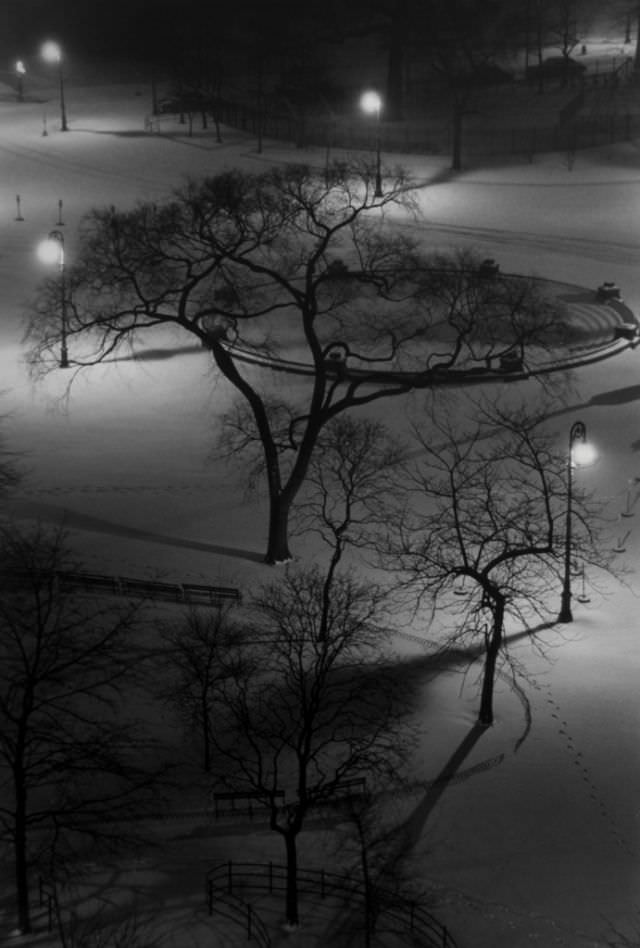
At night, Washington Square transformed entirely. Lamplight, empty paths, and long shadows gave the park a solitary quality that Kertész captured with precision. He kept returning over the years, and each decade brought a new perspective.
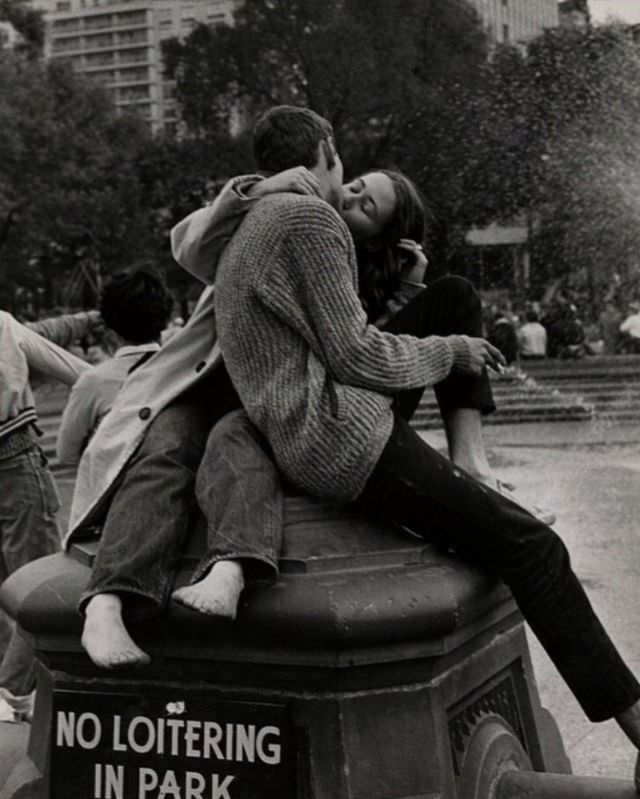
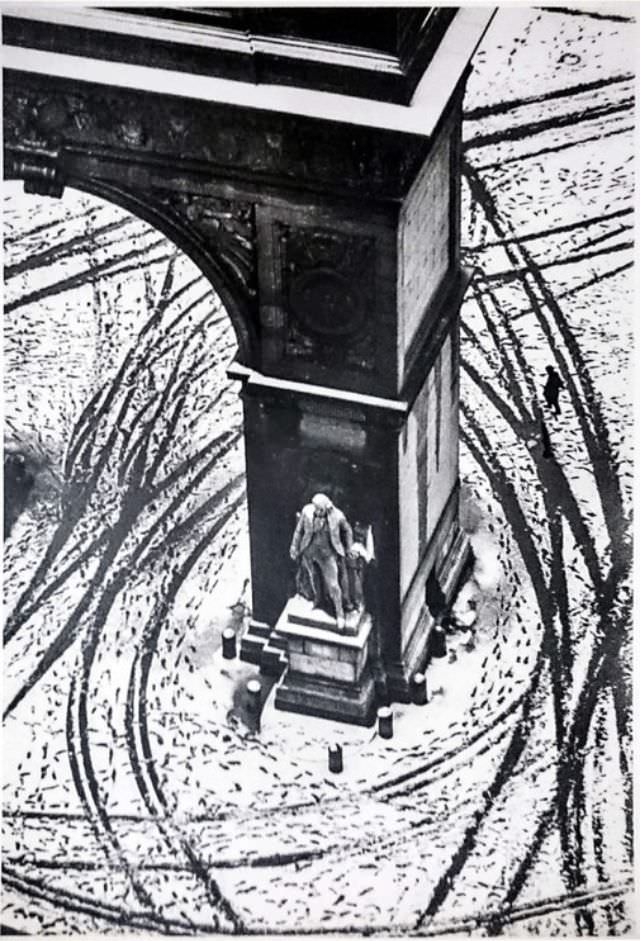
By the mid-1960s, Kertész had been in New York for nearly thirty years. His photographs of Washington Square from this period show a master completely at ease with his subject — the compositions feel unhurried and precise at the same time. He continued into the late 1960s with the same dedication.
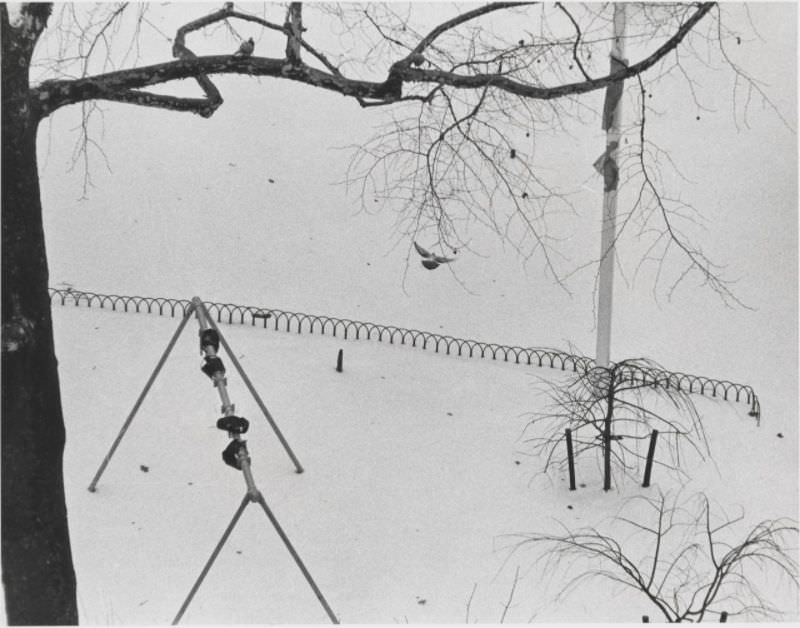
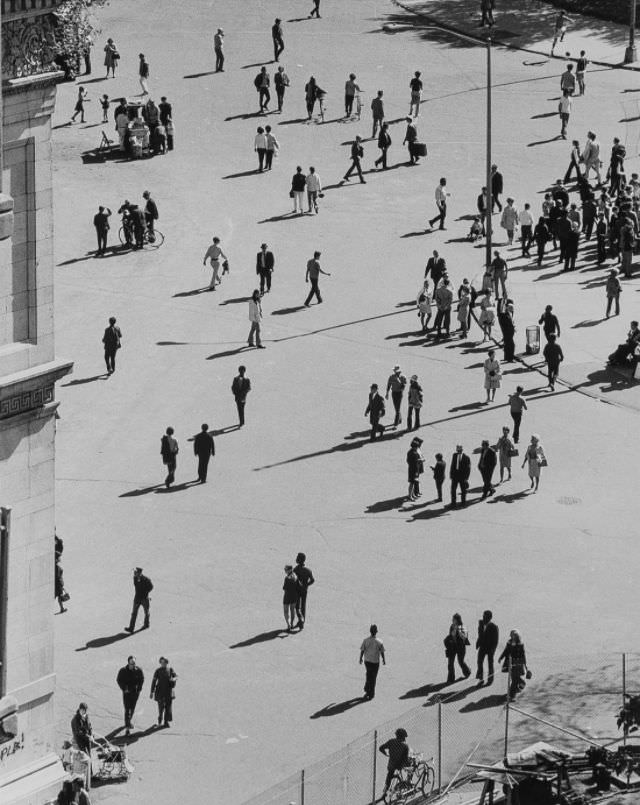
In 1969 alone, Kertész produced multiple distinct takes on Washington Square — evidence of how seriously he treated a location that many photographers might visit only once. The 1970s brought no slowdown. He shot a winter garden, the streets of midtown, and the city’s broader skyline with the same sharp eye.
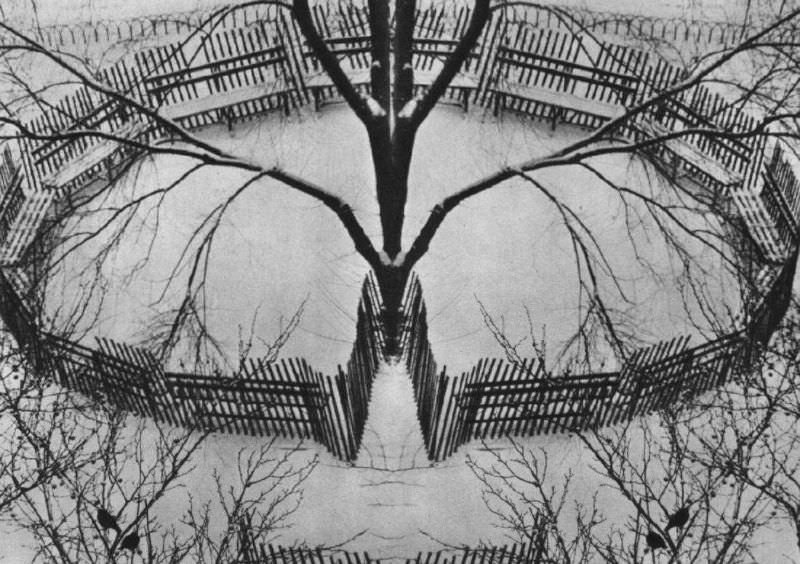
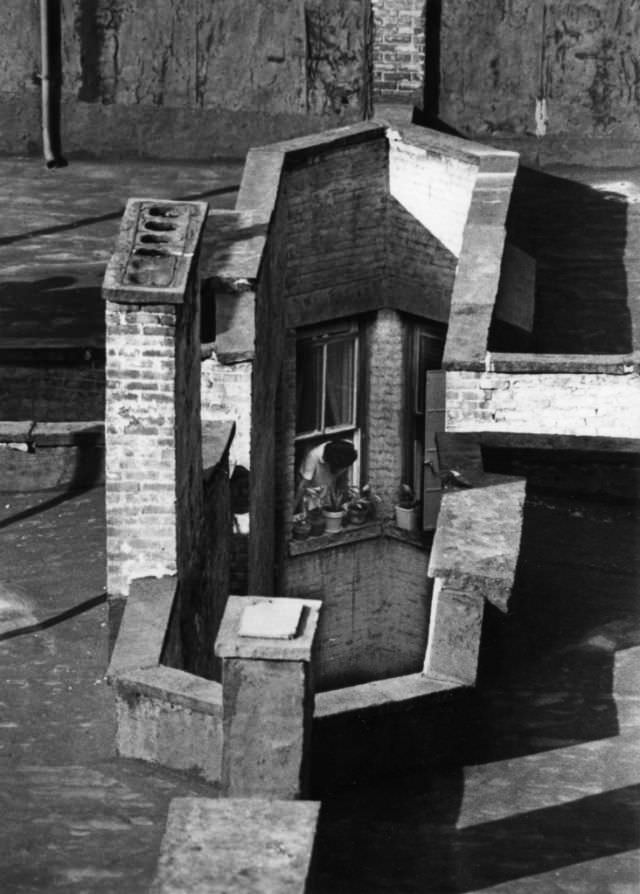
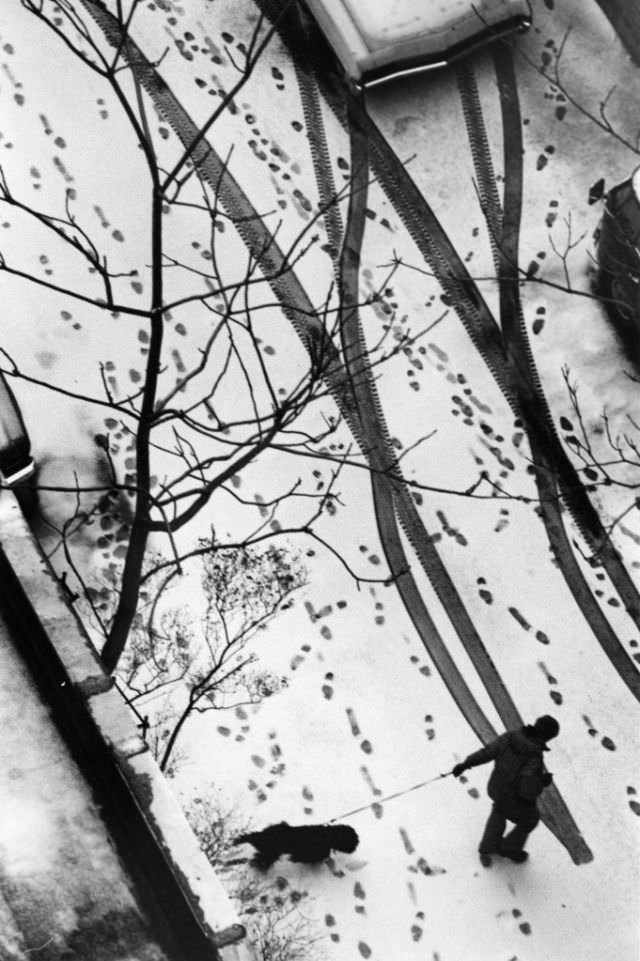
These 1970s images show Kertész ranging across the city — from intimate garden spaces to the wide geometry of midtown streets. His ability to find visual tension in both settings remained completely intact. He closed out his long love affair with Washington Square in 1976.
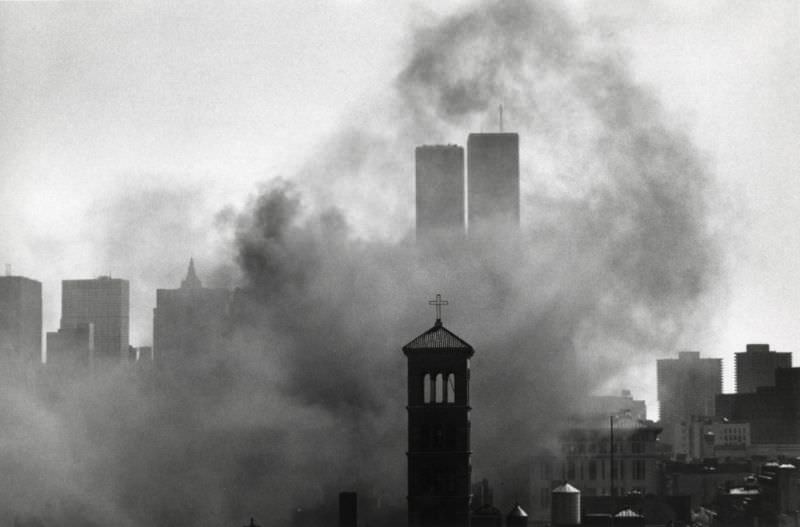
This 1976 photograph marks one of his later returns to the park that defined so much of his New York work. Across four decades, Kertész documented the city not as a spectacle, but as a living, breathing place full of quiet moments worth preserving. Today he is recognized as one of the founding figures of photojournalism — a title earned one unhurried frame at a time.




