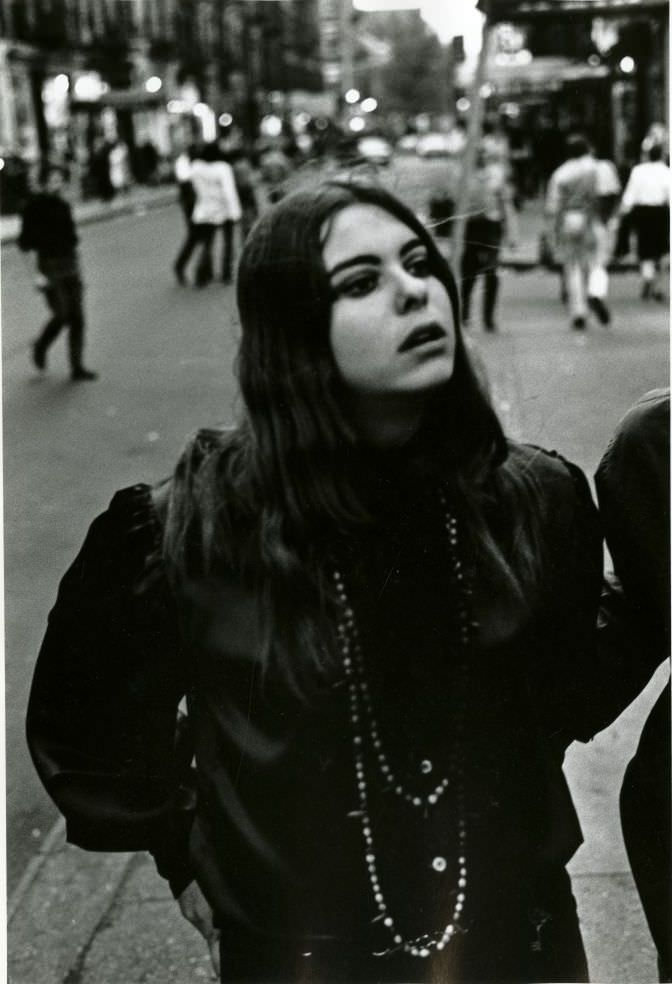
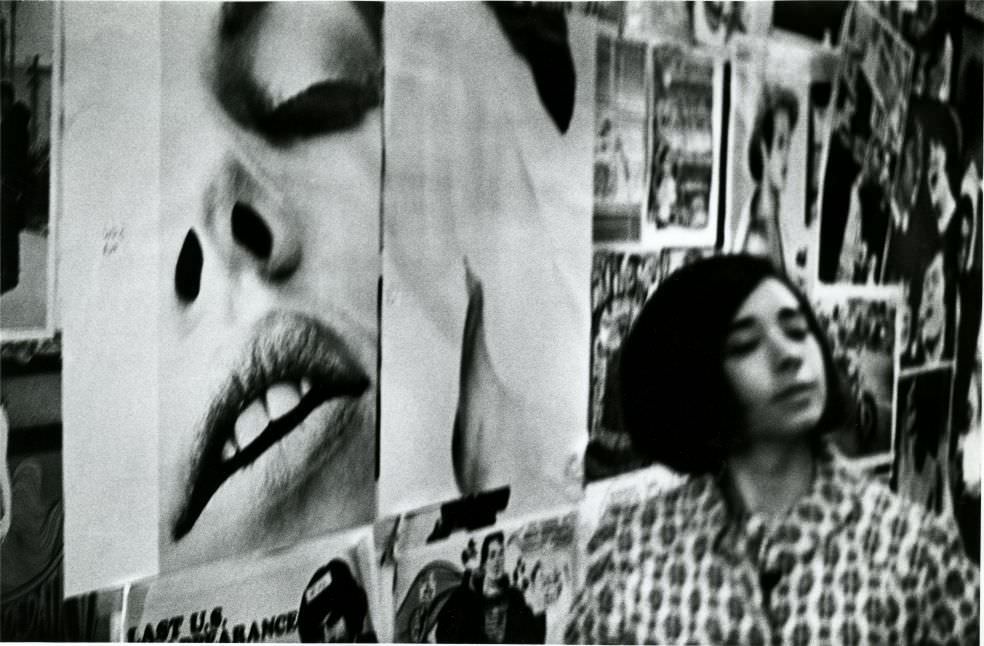
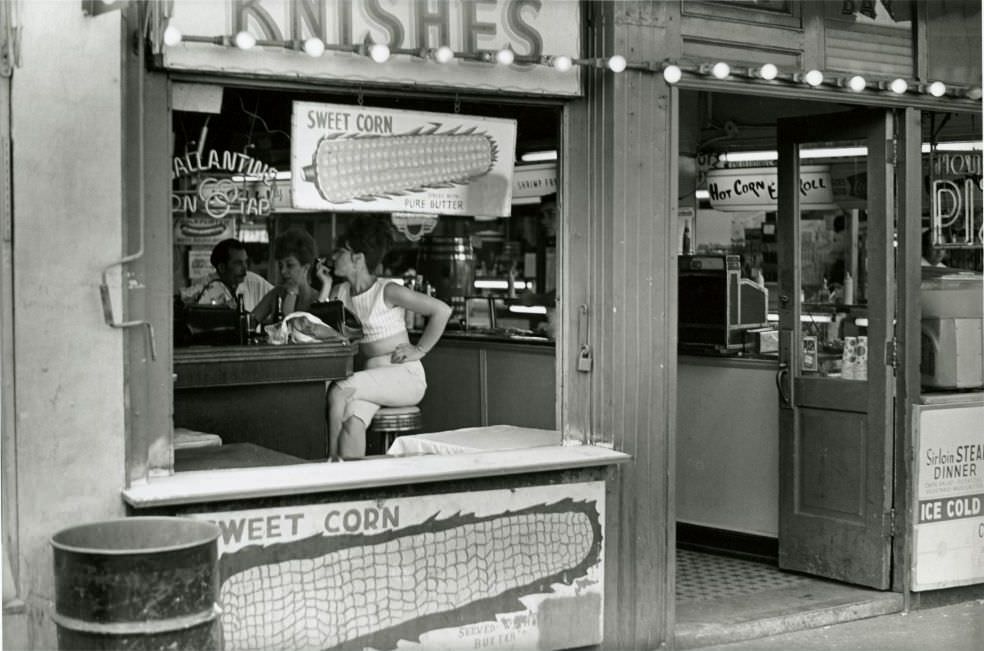
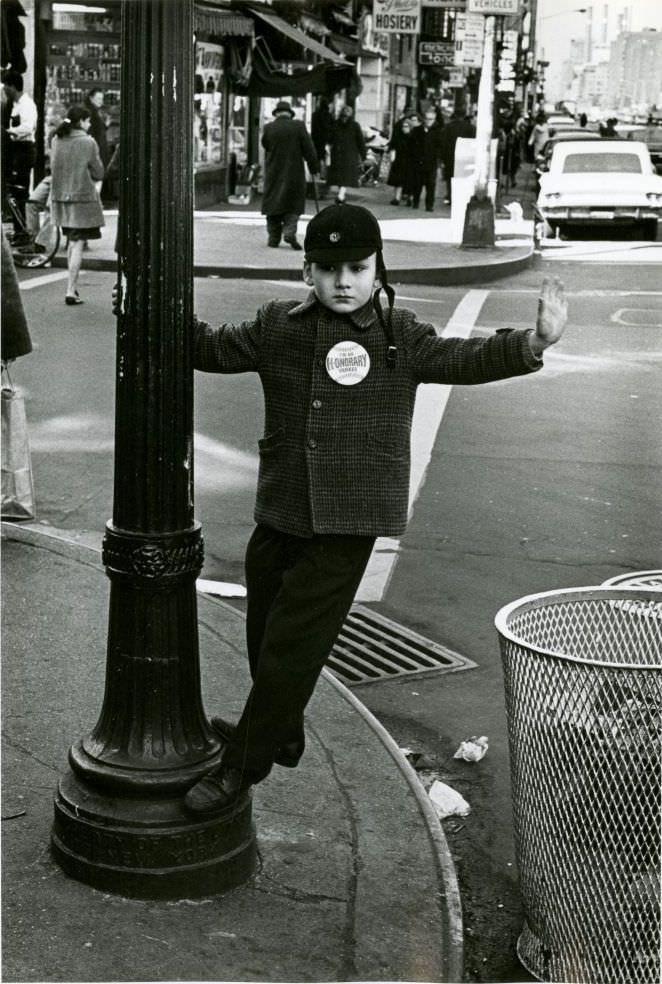
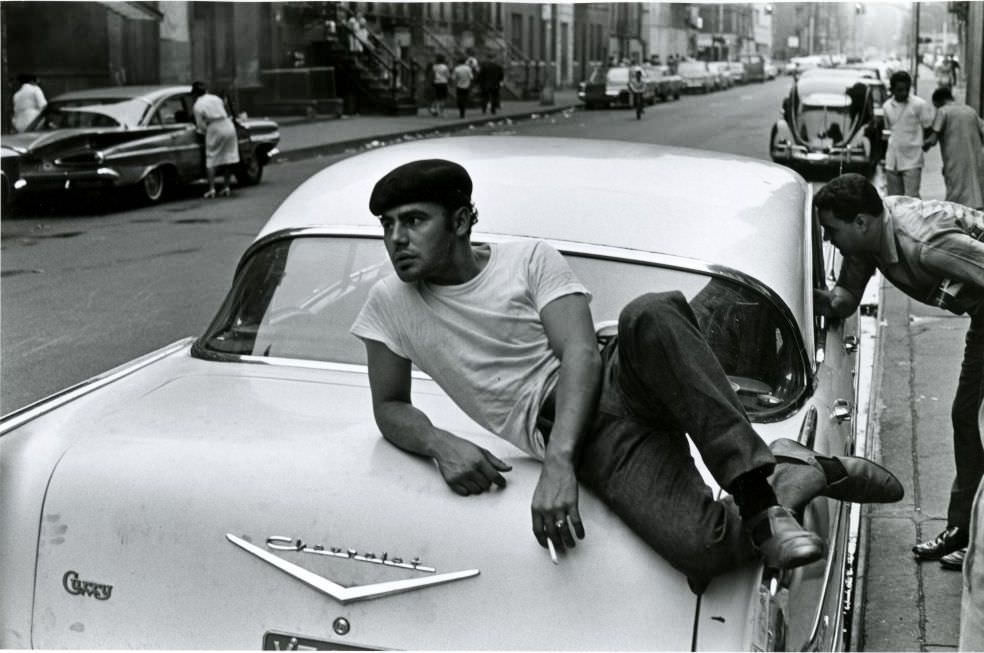
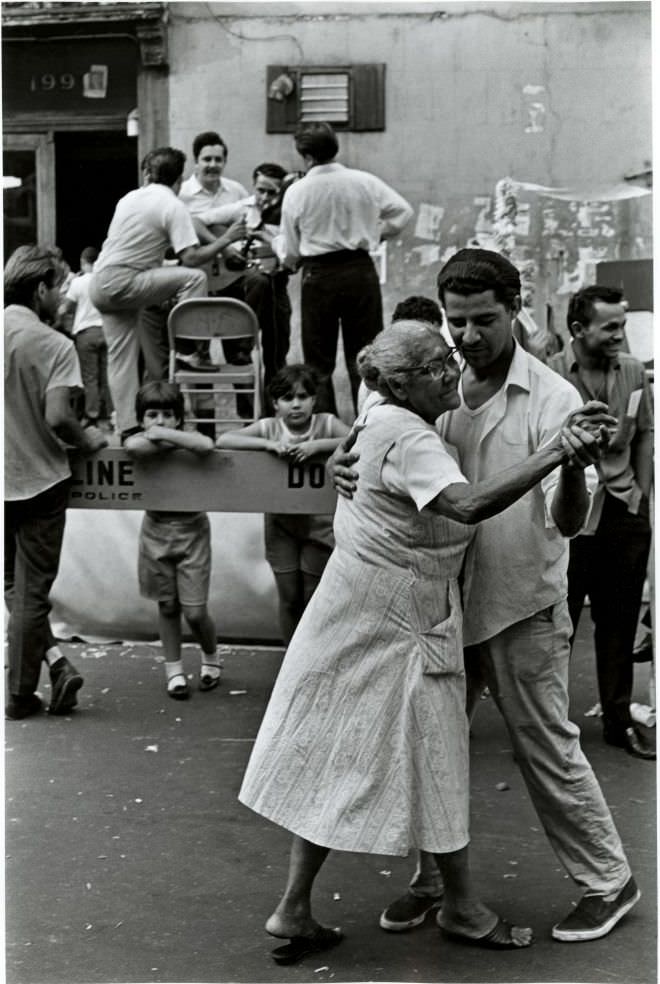
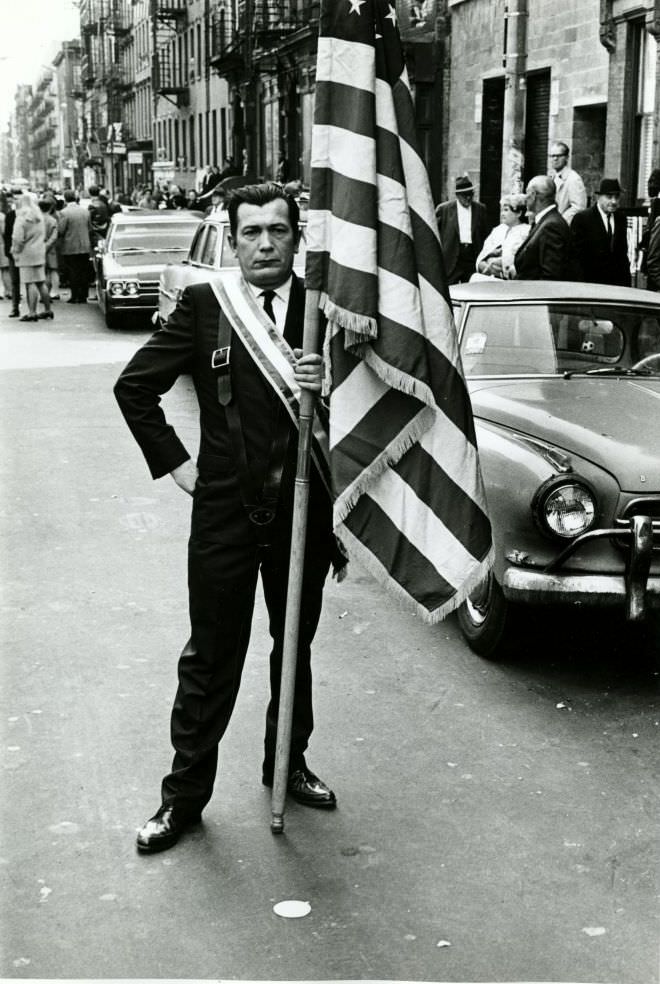
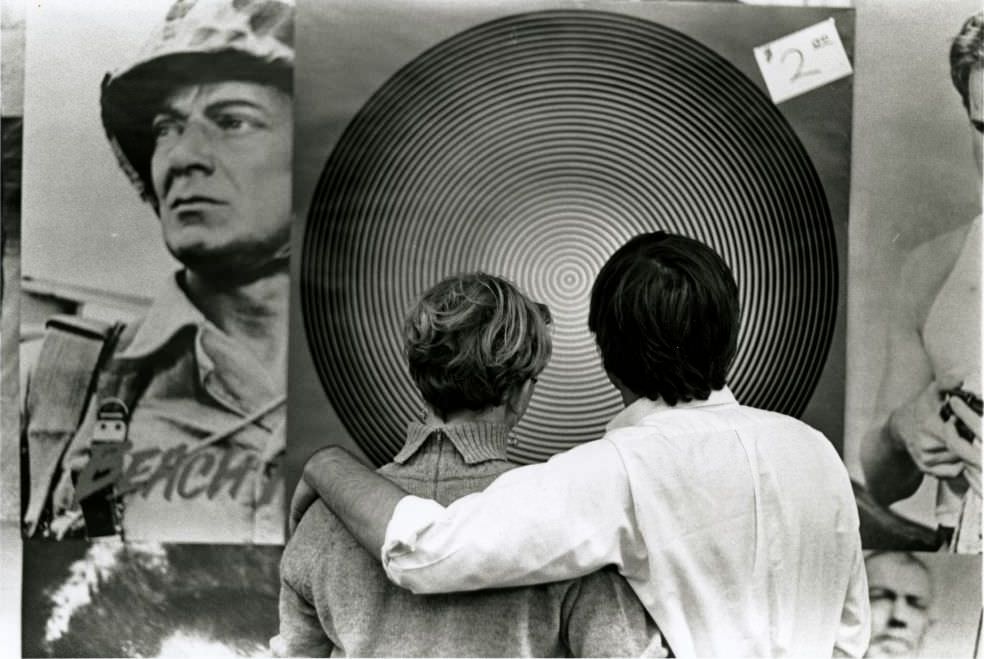
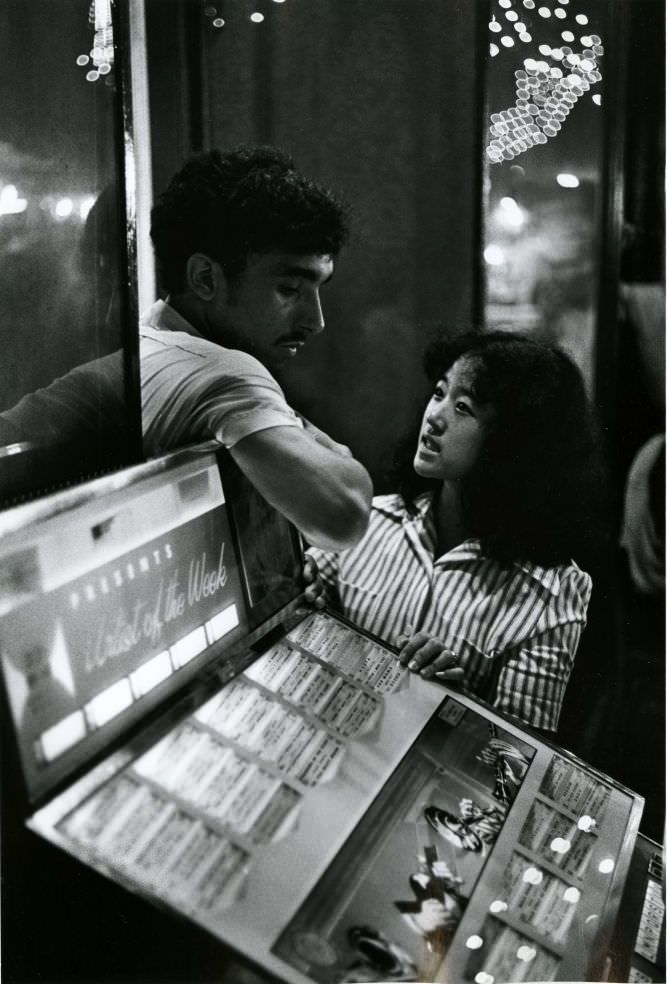
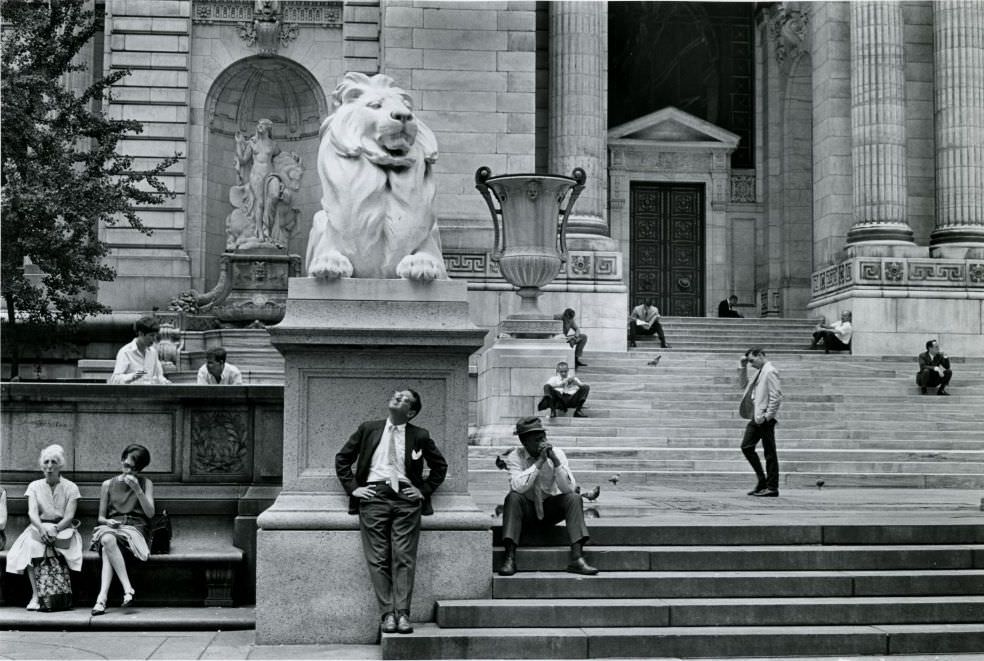
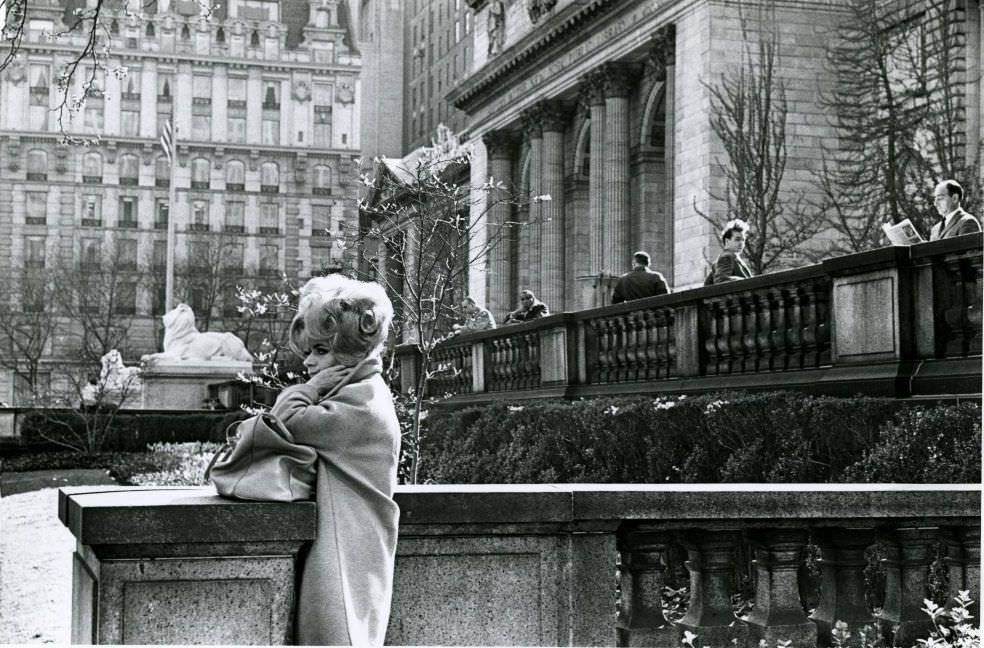
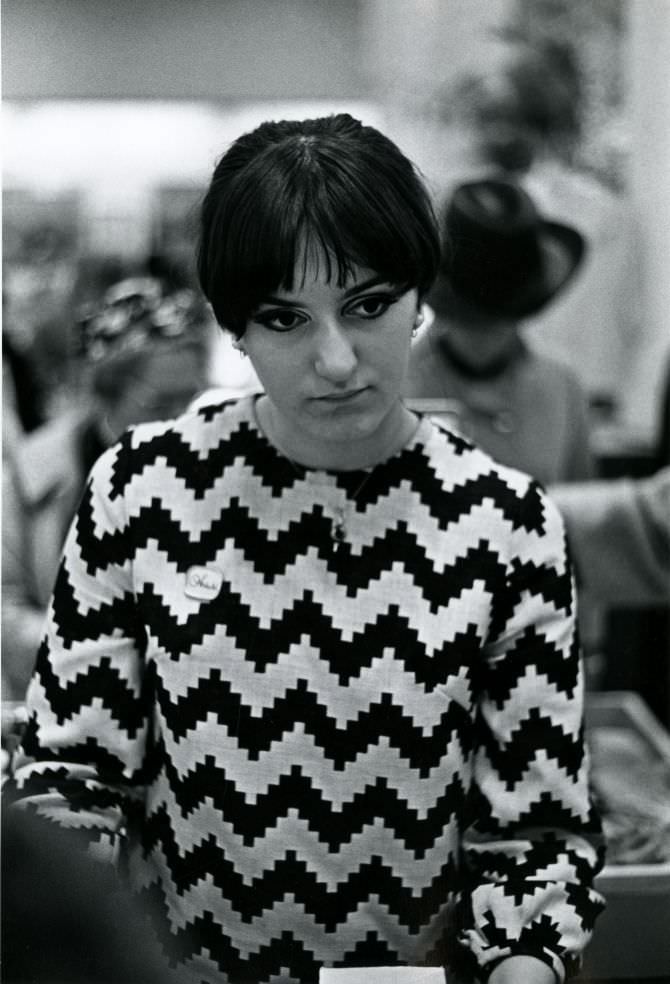
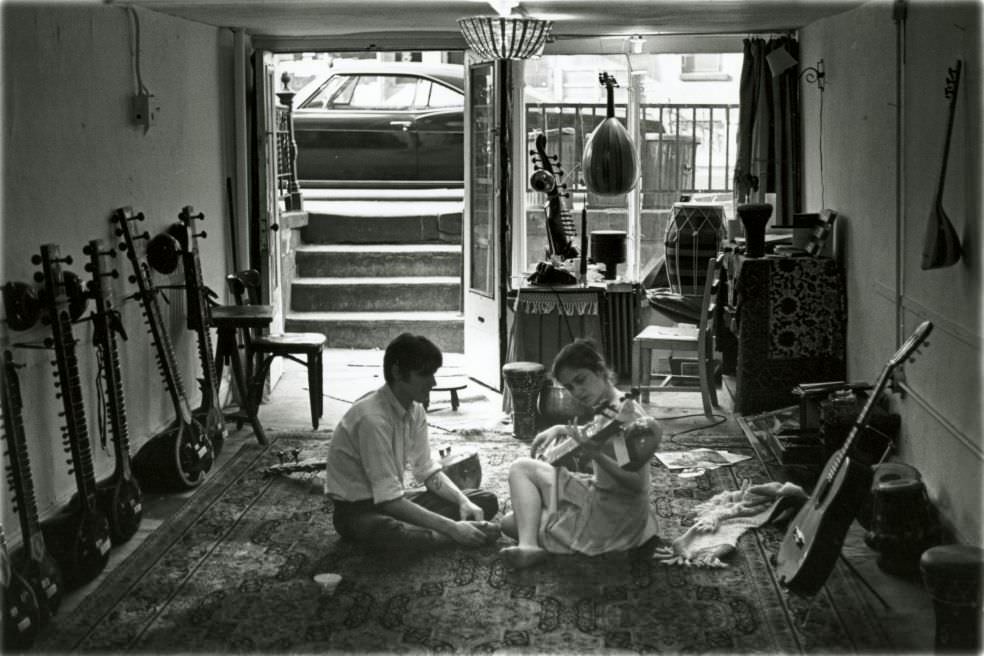
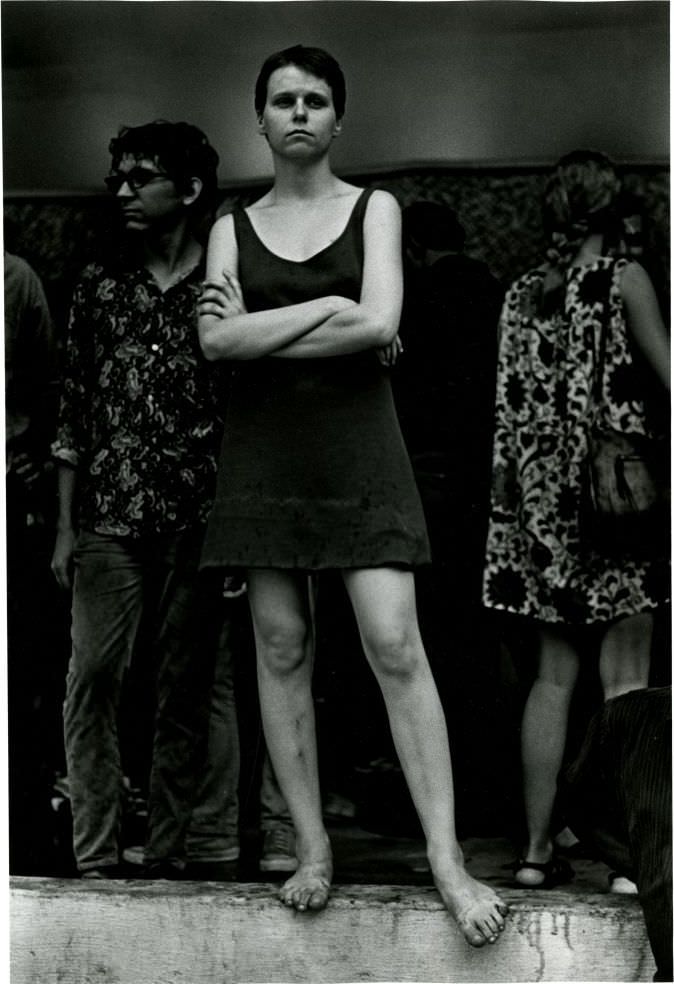
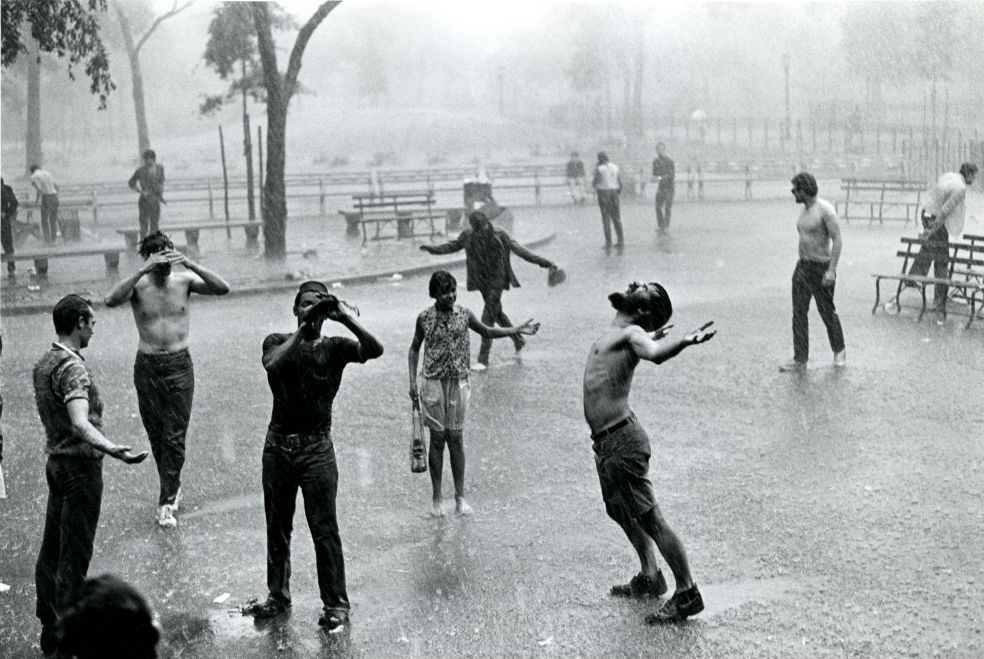
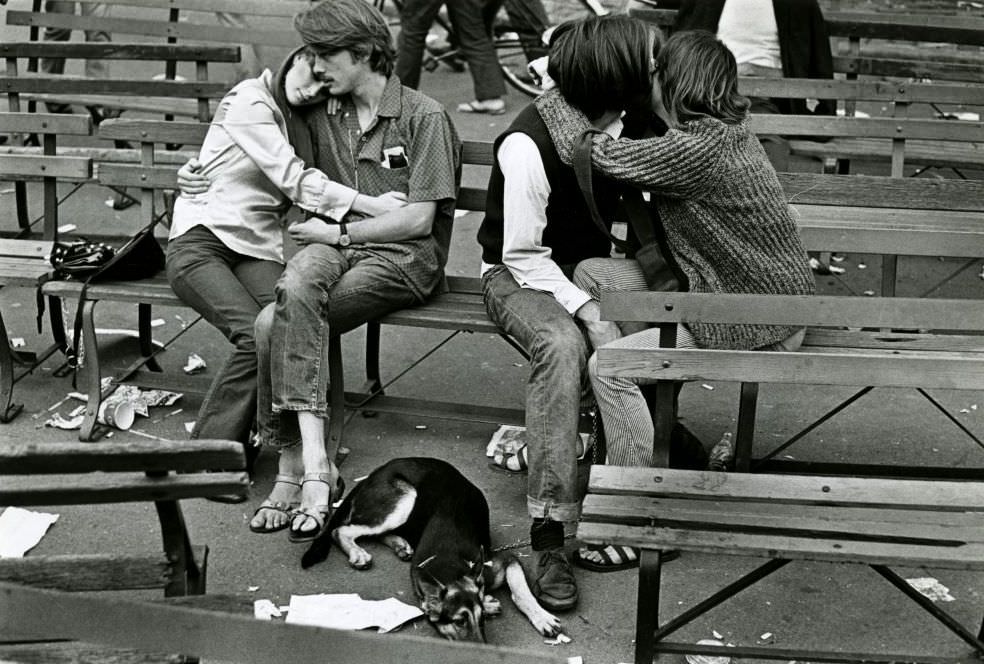
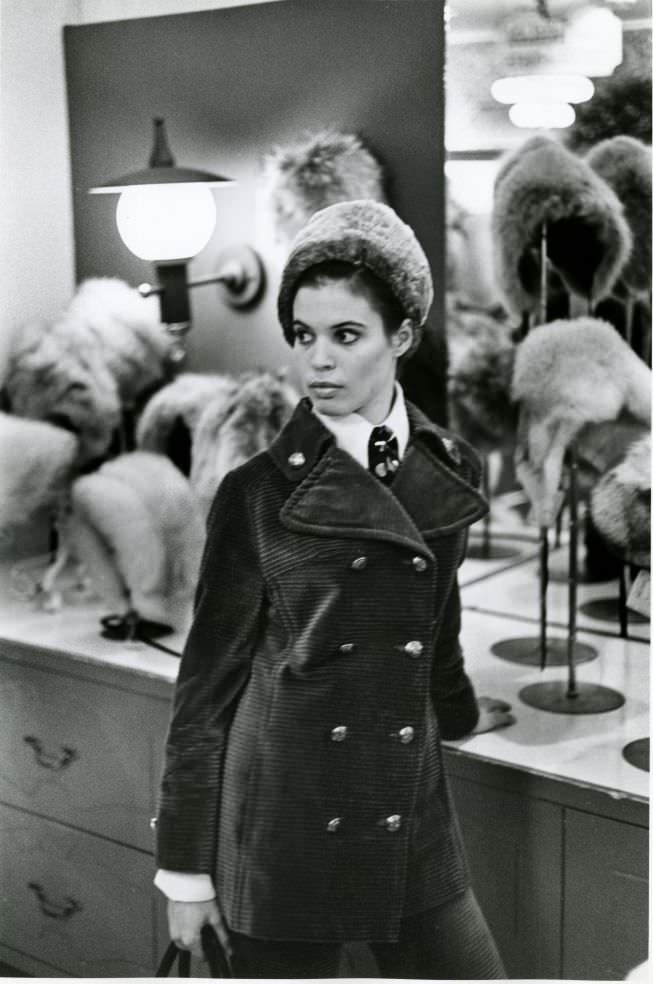
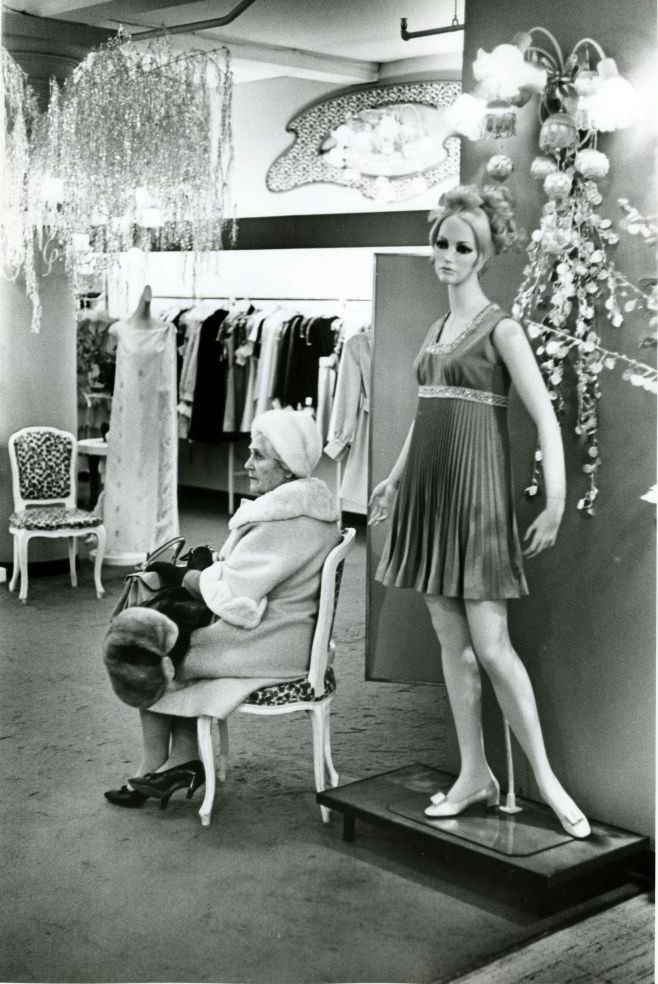
James Jowers spent his days walking the streets of New York City with a camera, building one of the most honest records of urban life from the 1960s and early 1970s. His photographs are now held at the George Eastman House, where they stand as a detailed portrait of a city in the middle of major change.
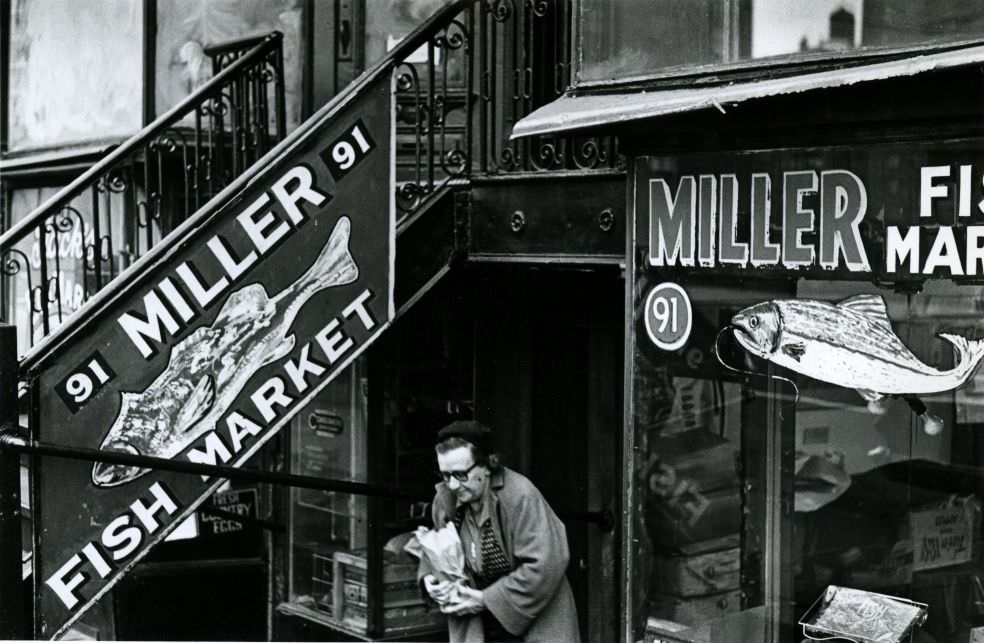
Jowers first learned darkroom techniques while serving in the United States Army. That training gave him a technical foundation he would build on for years. In 1965, he enrolled at the New School in New York City and studied under Lisette Model, a photographer known for her sharp, unfiltered approach to street work. Model became both a teacher and a close personal mentor to Jowers.
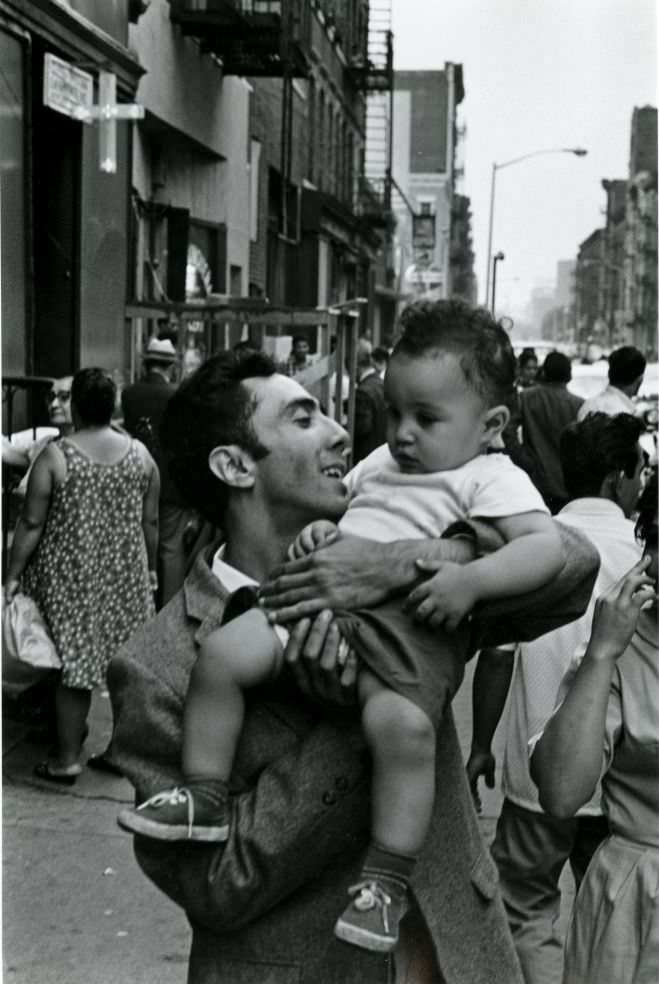
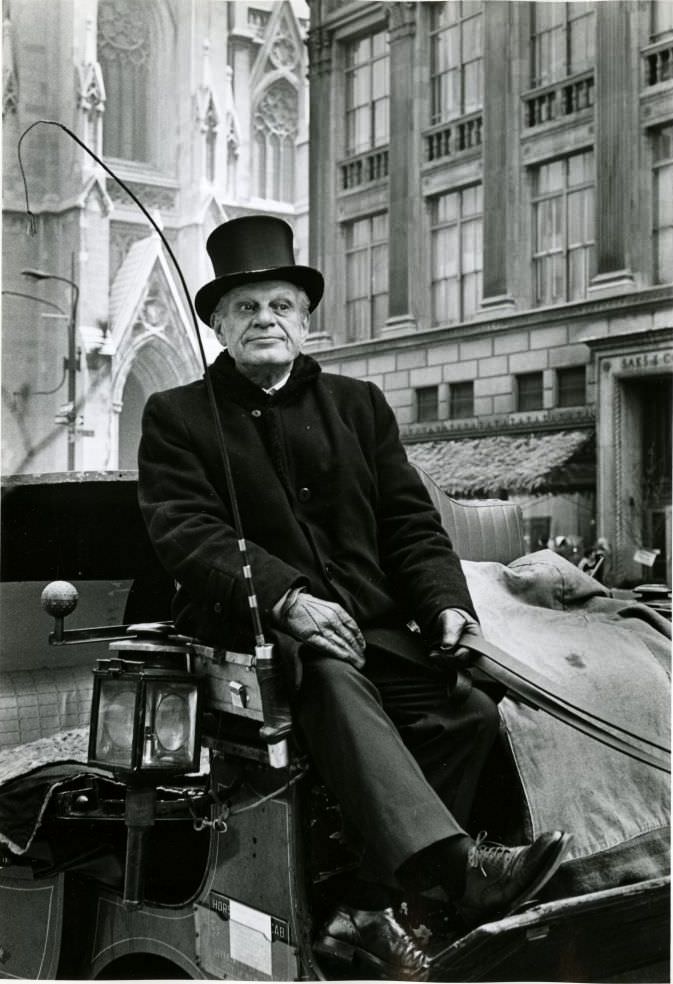
At the time, Jowers lived on the Lower East Side and worked nights as a porter at St. Luke’s Hospital. That schedule left his days completely open. He used that free time to roam the city and photograph whatever unfolded in front of him — no assignments, no staging, just life as it happened.
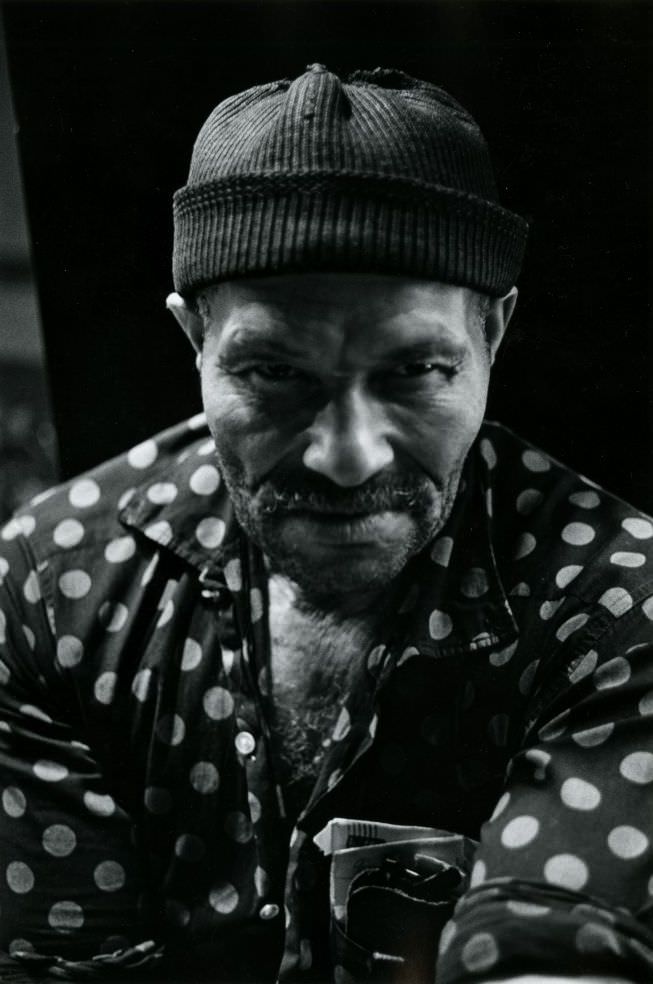
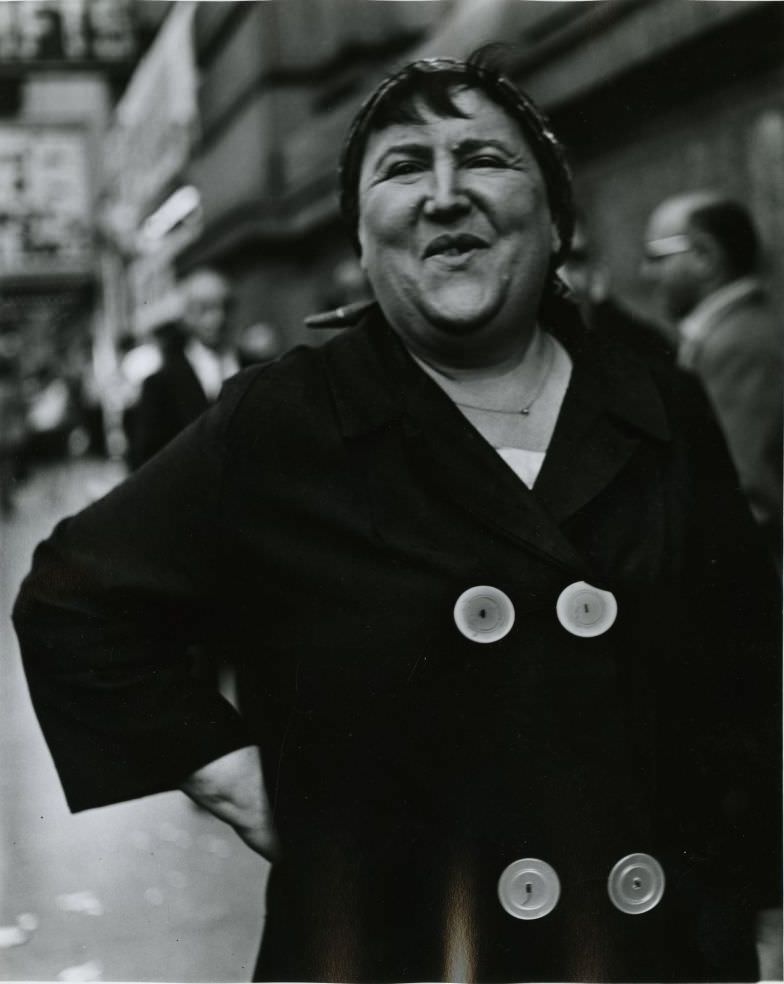
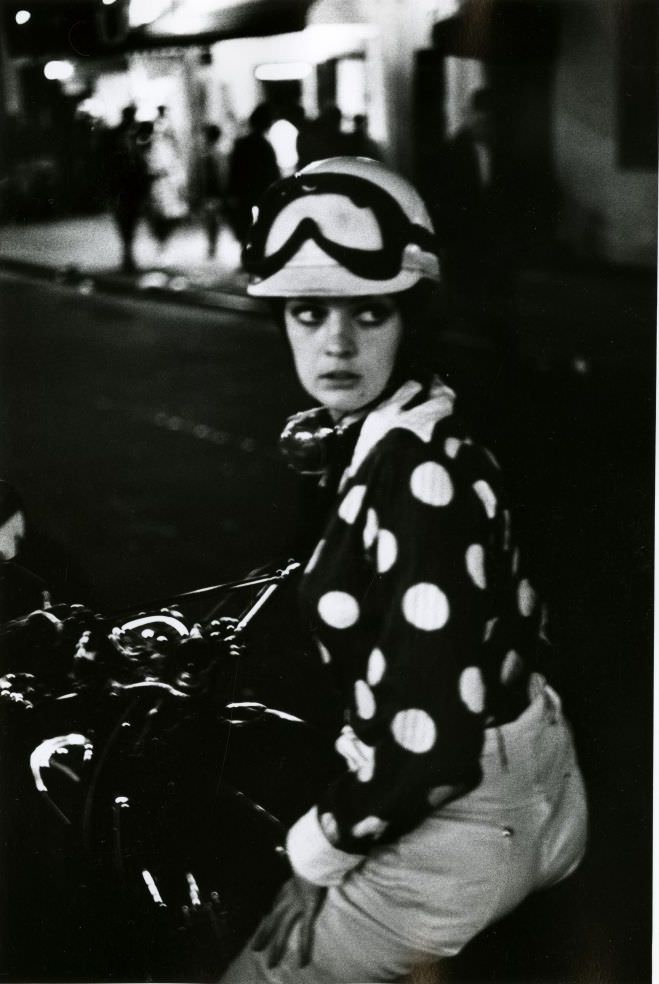
Model also connected Jowers with the Nancy Palmer Photo Agency, giving him professional representation and a broader audience for his work. His photographs fall firmly in the street photography genre — candid shots taken in public spaces, focused on ordinary people going about their lives.
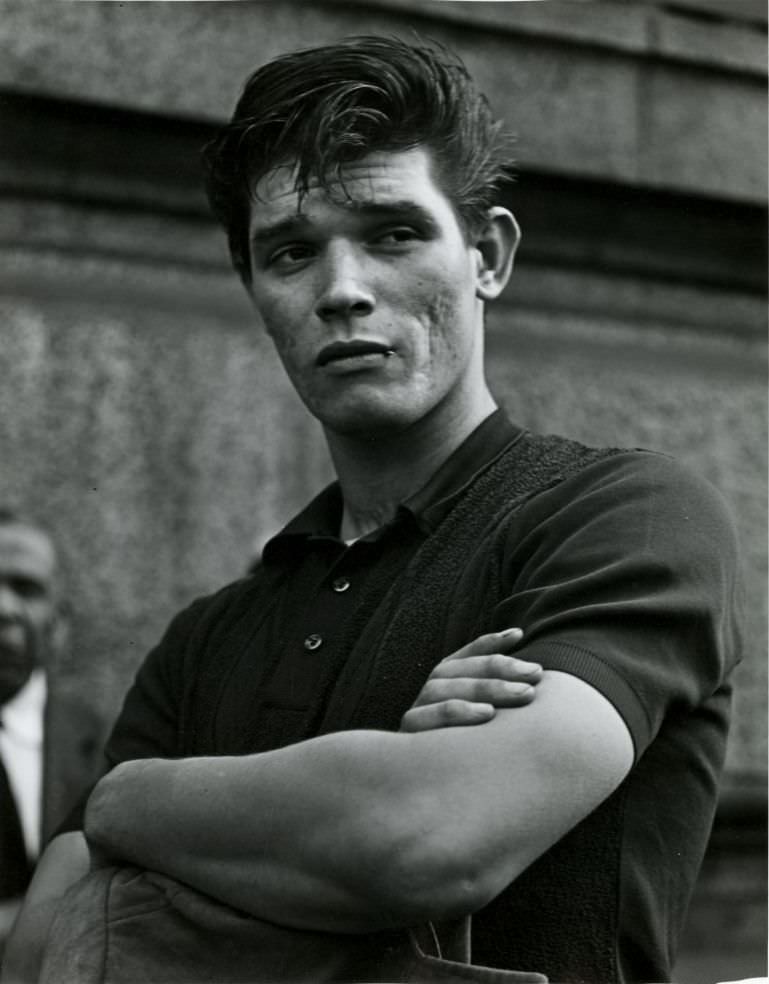
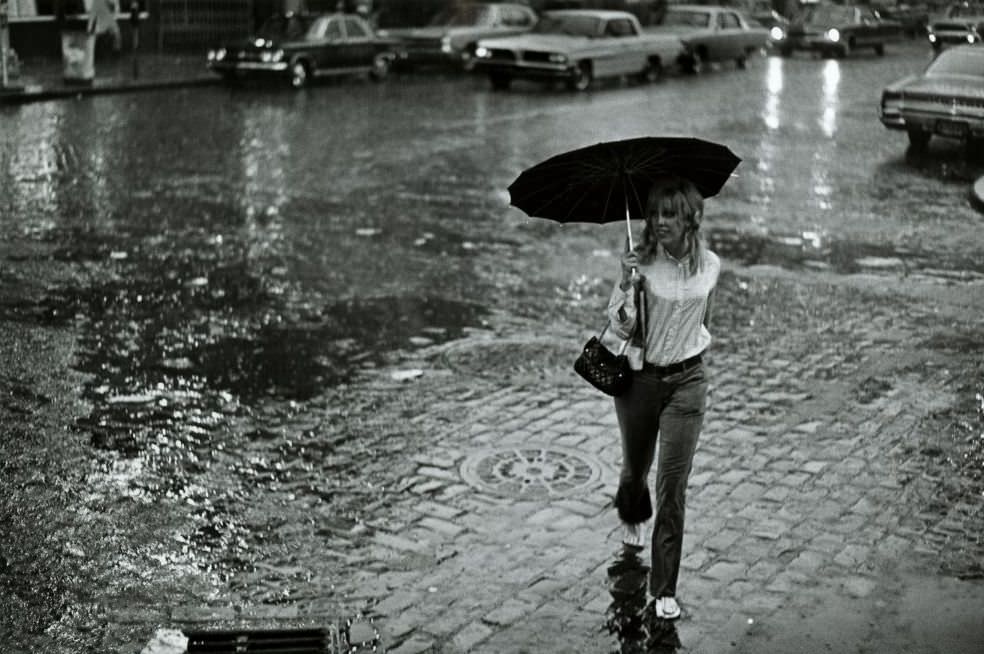
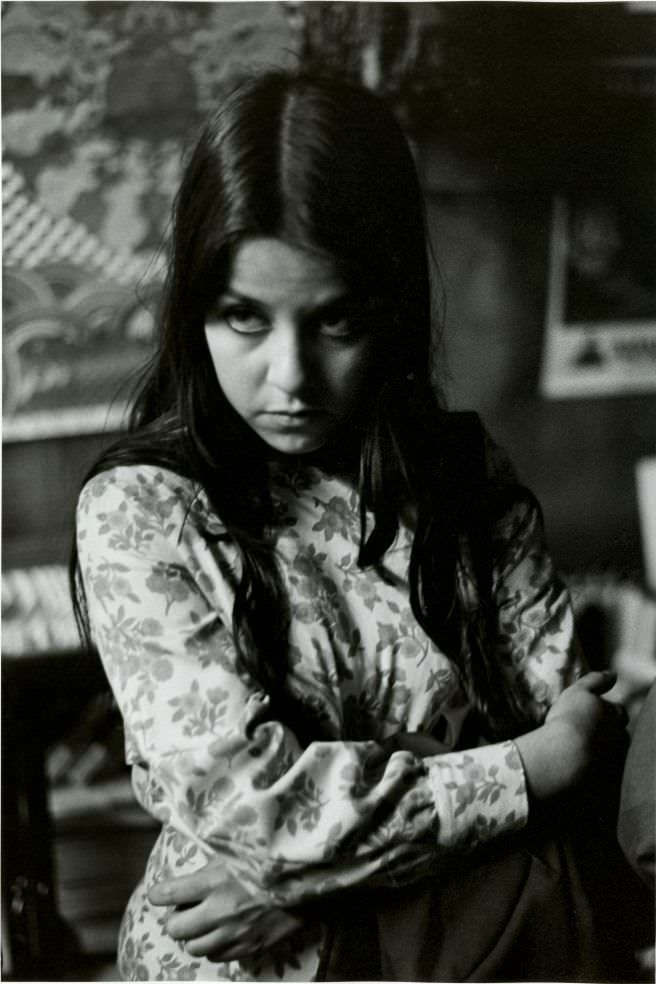
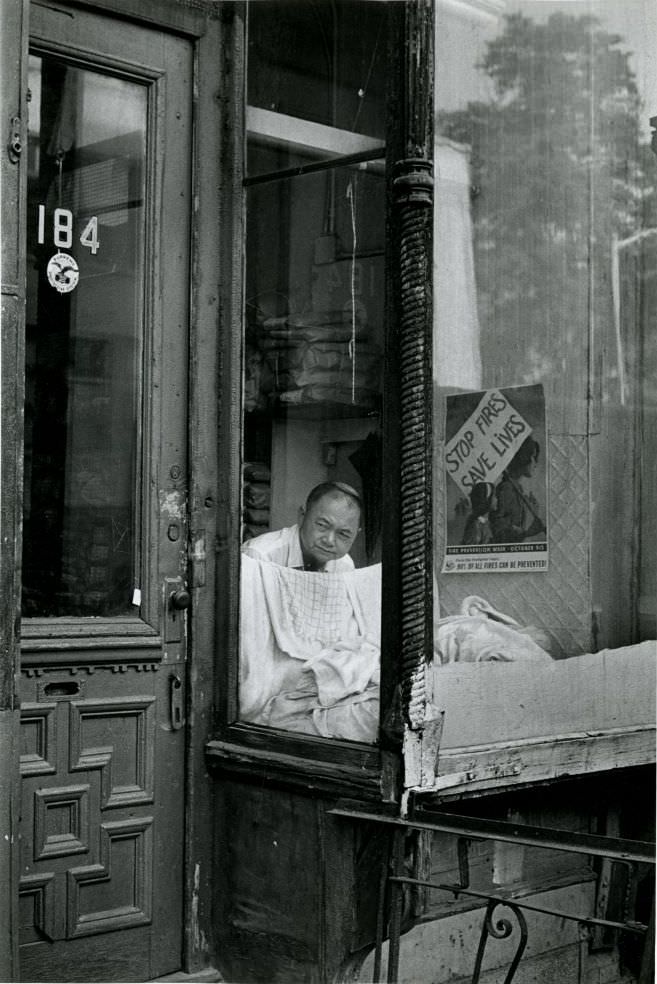
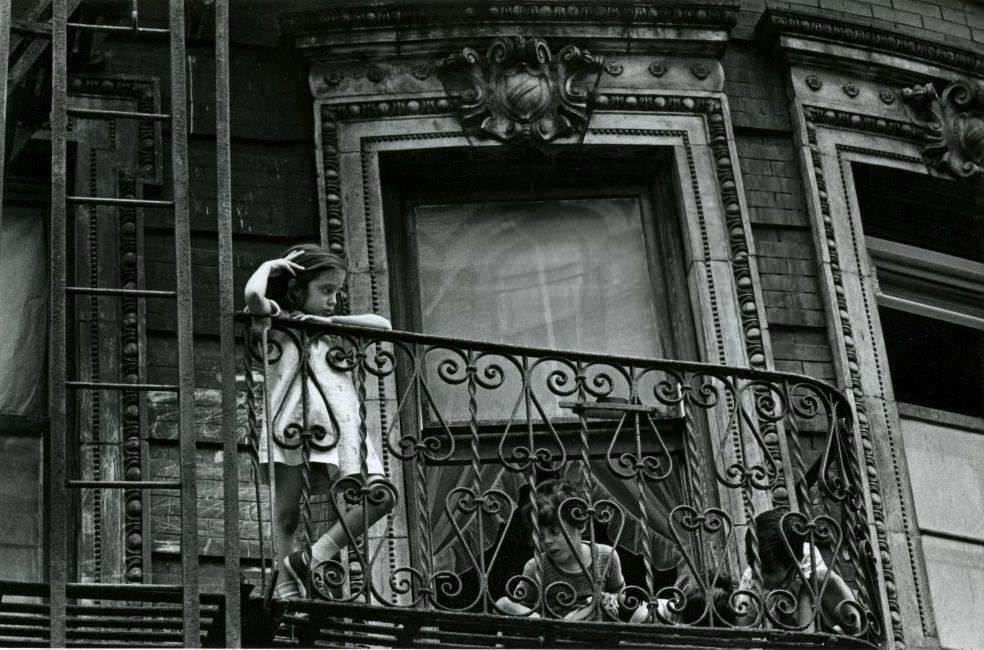
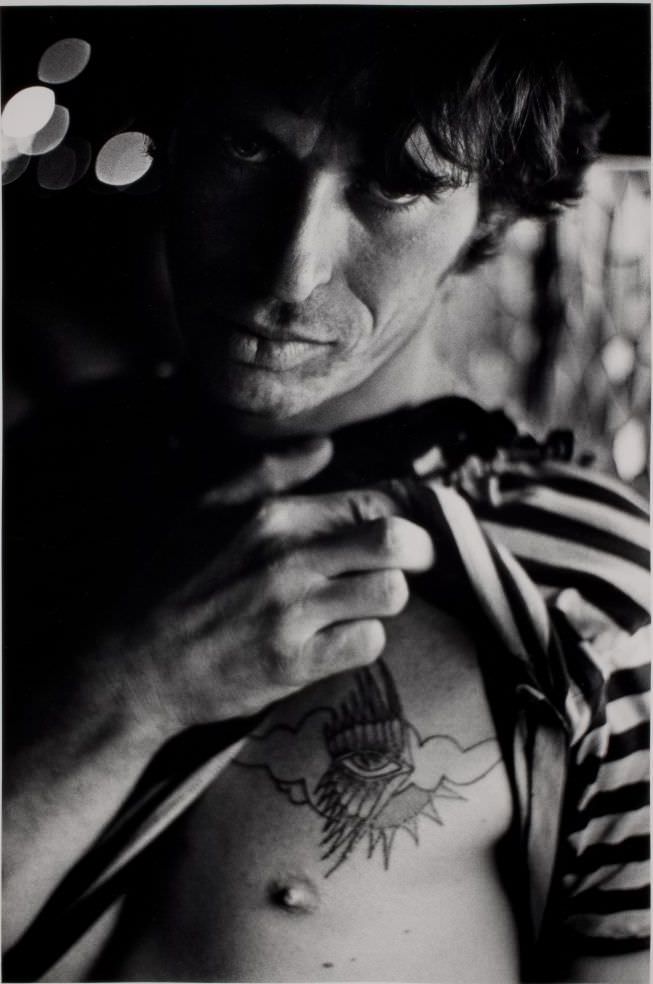
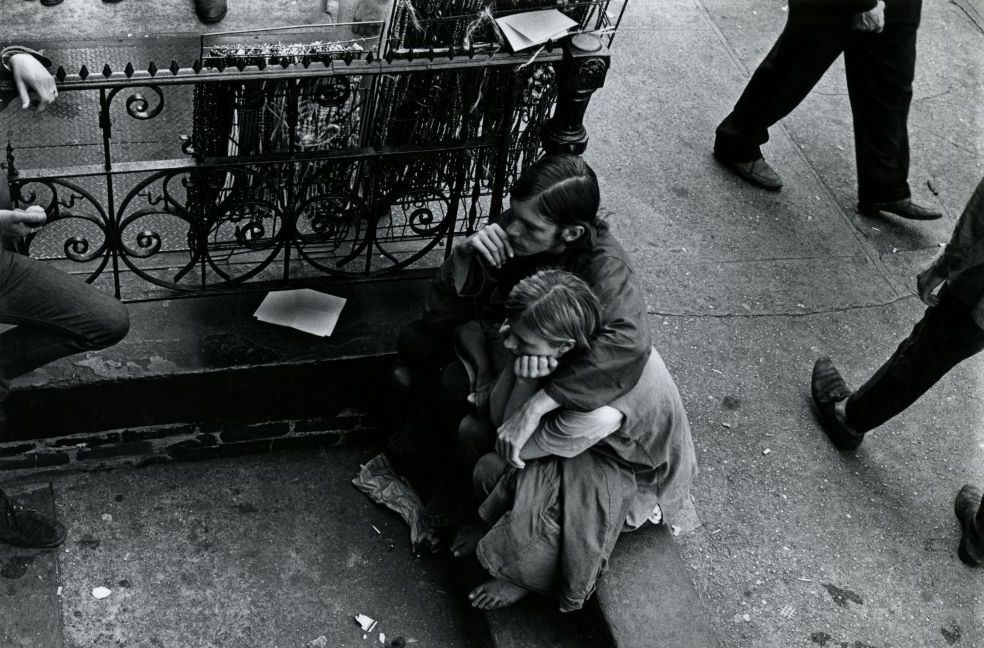
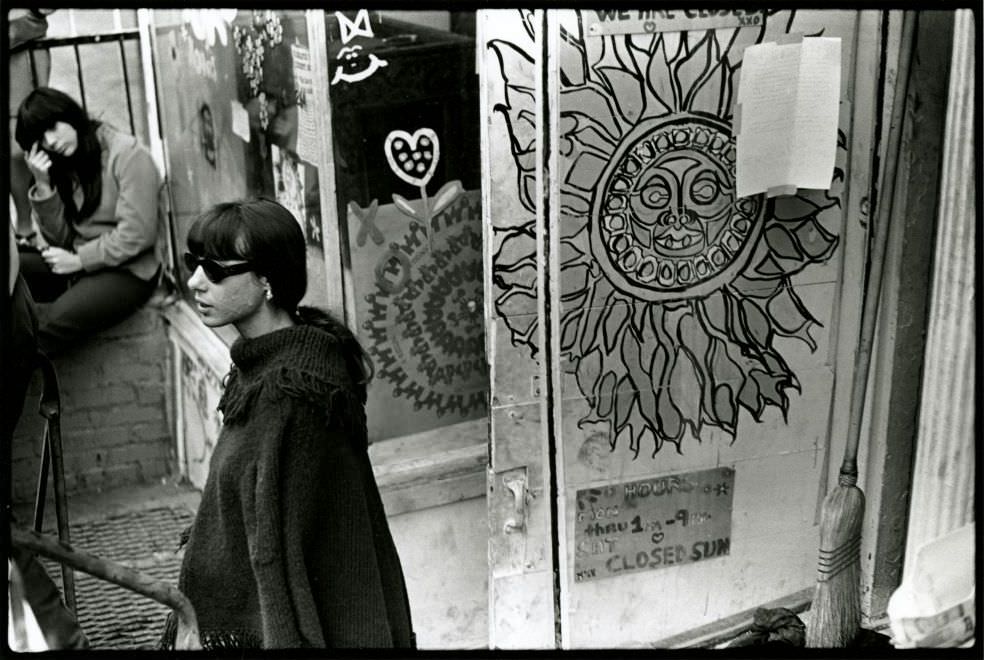
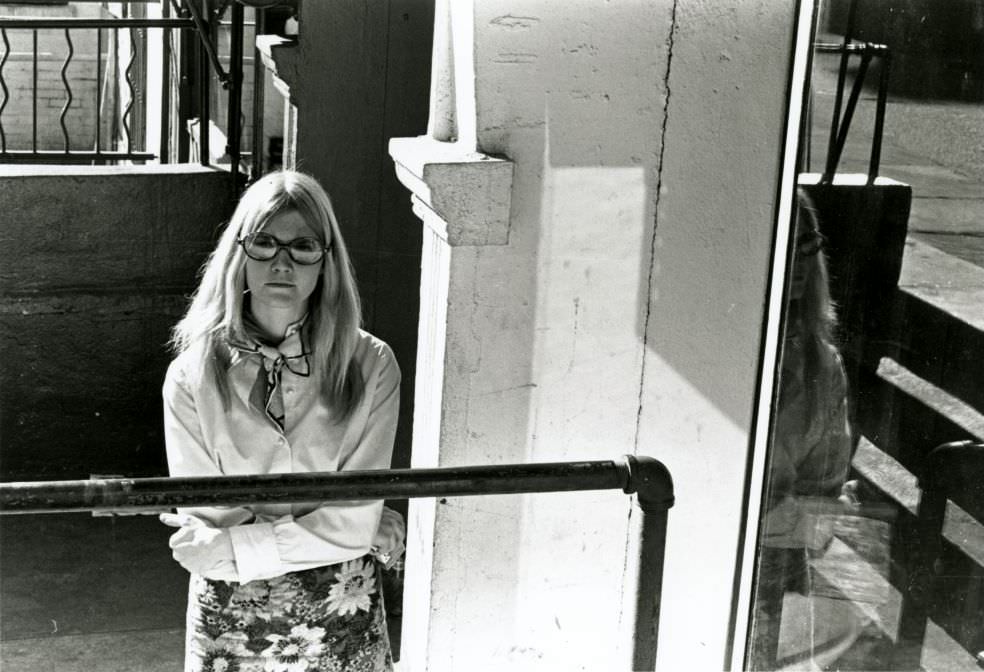
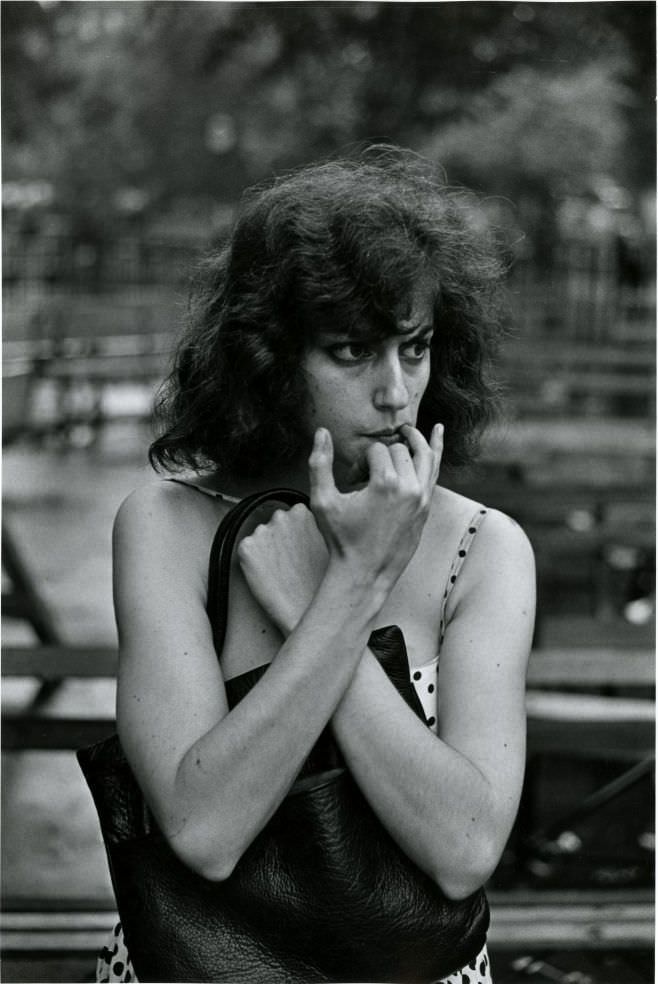
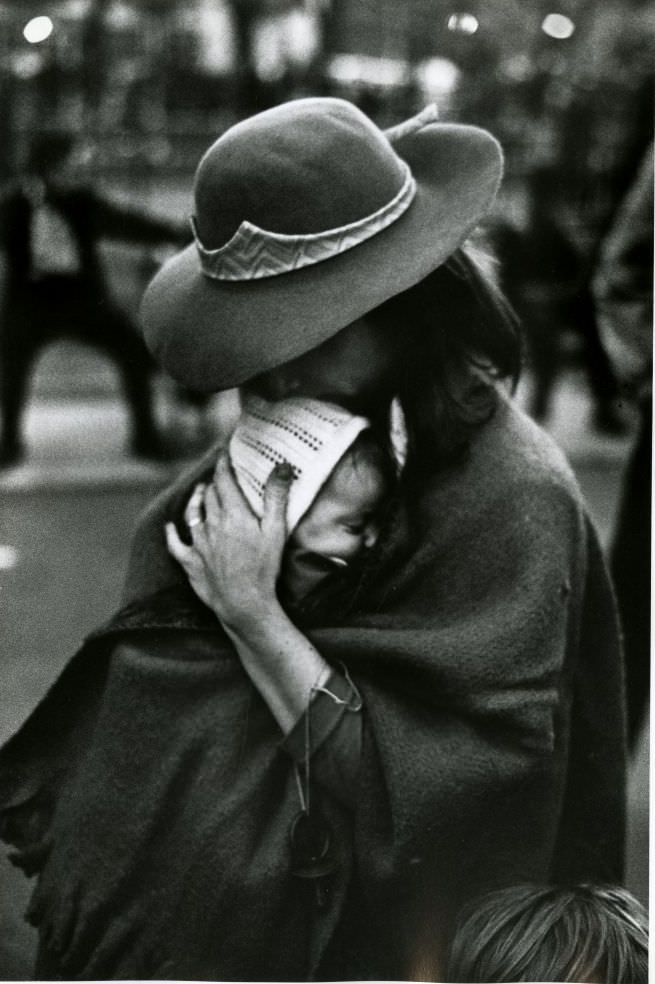
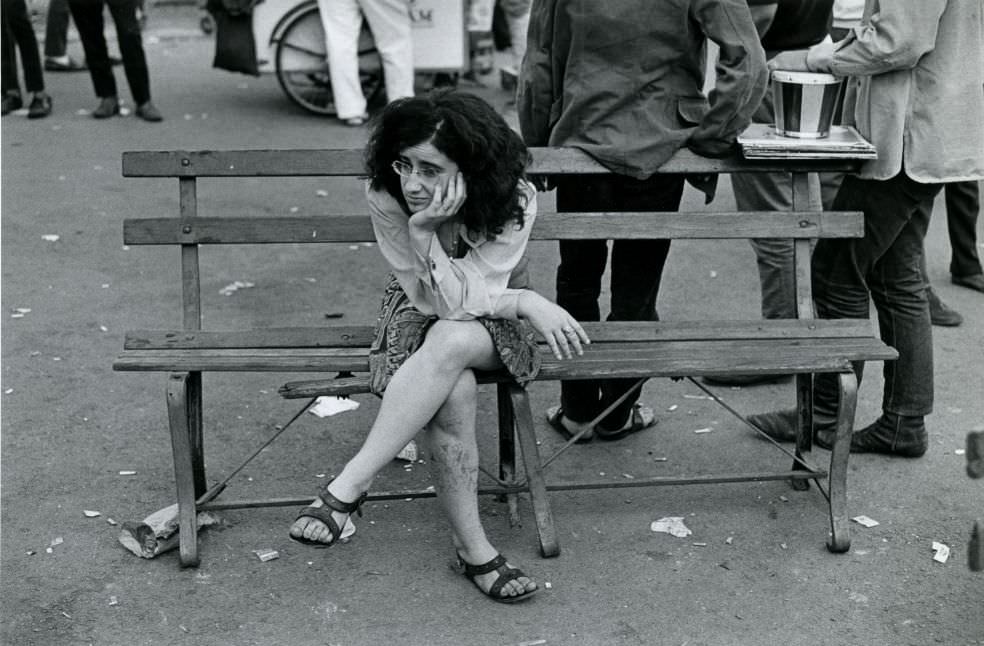
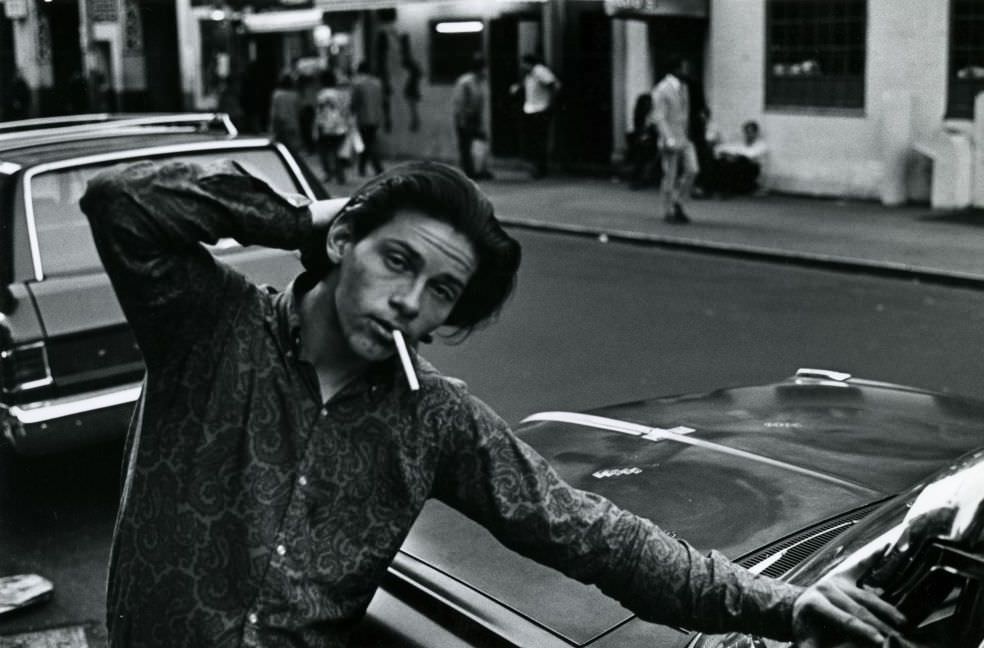
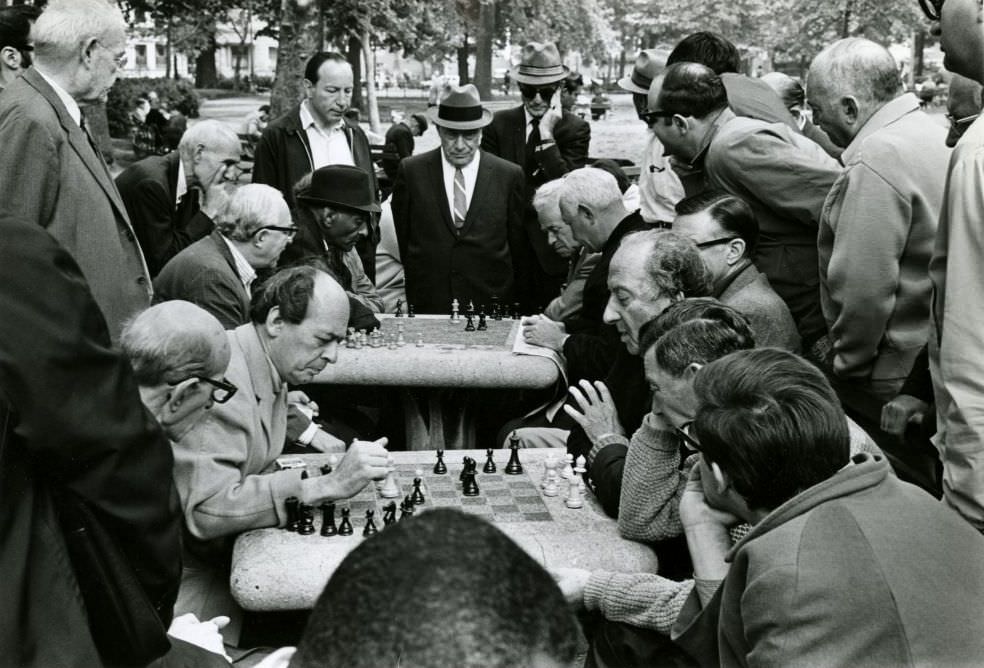
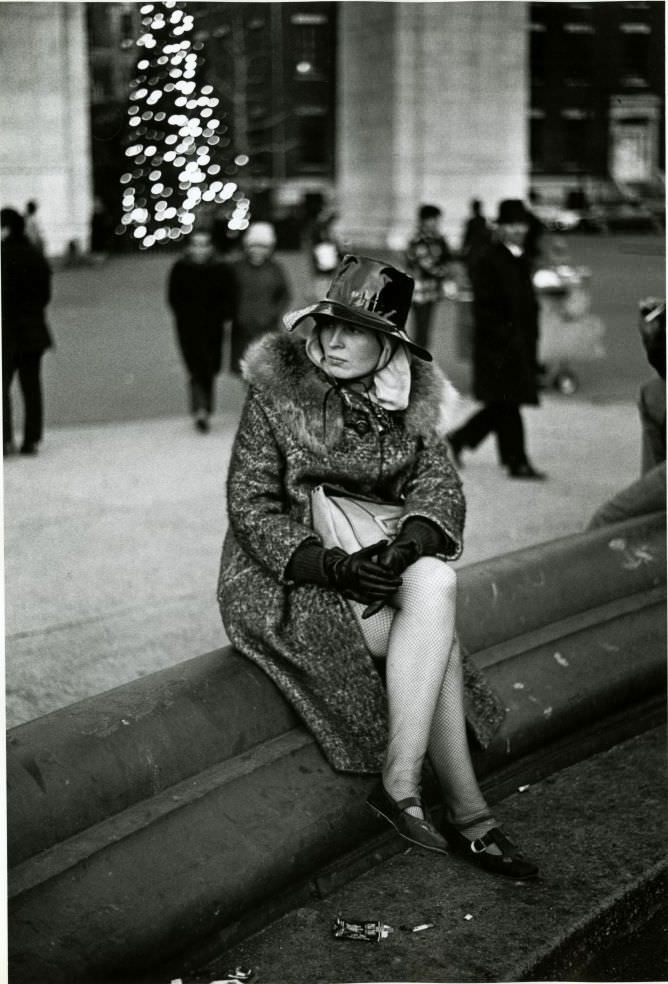
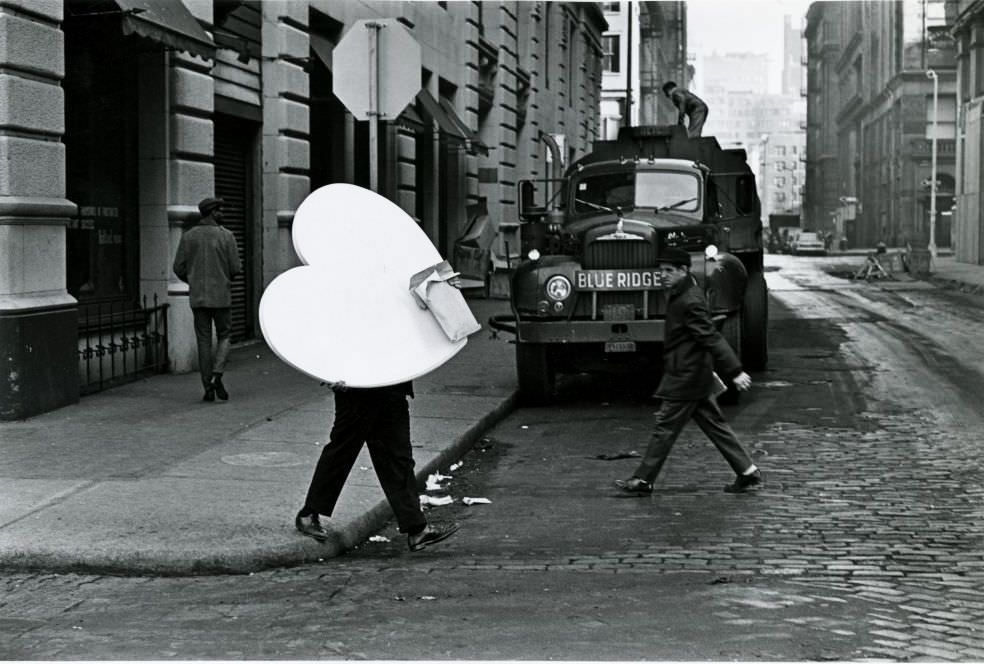
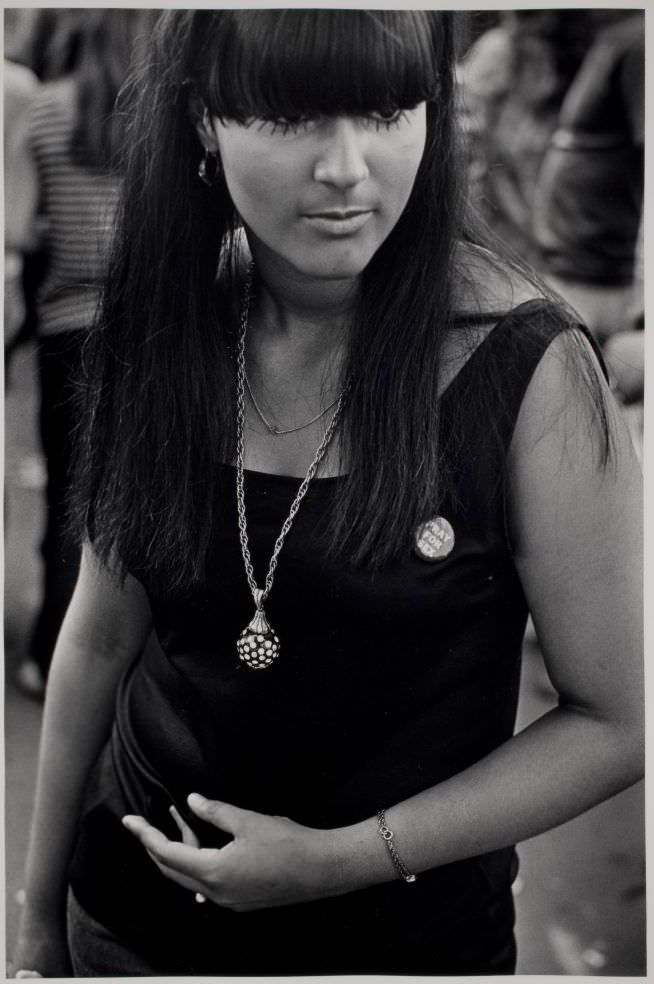
The neighborhoods Jowers documented — the Lower East Side, Tompkins Square Park, St. Marks Place, and beyond — were dense with working-class residents, immigrants, artists, and young people caught up in the era’s social shifts. His portraits show people from all backgrounds, captured without pretense.
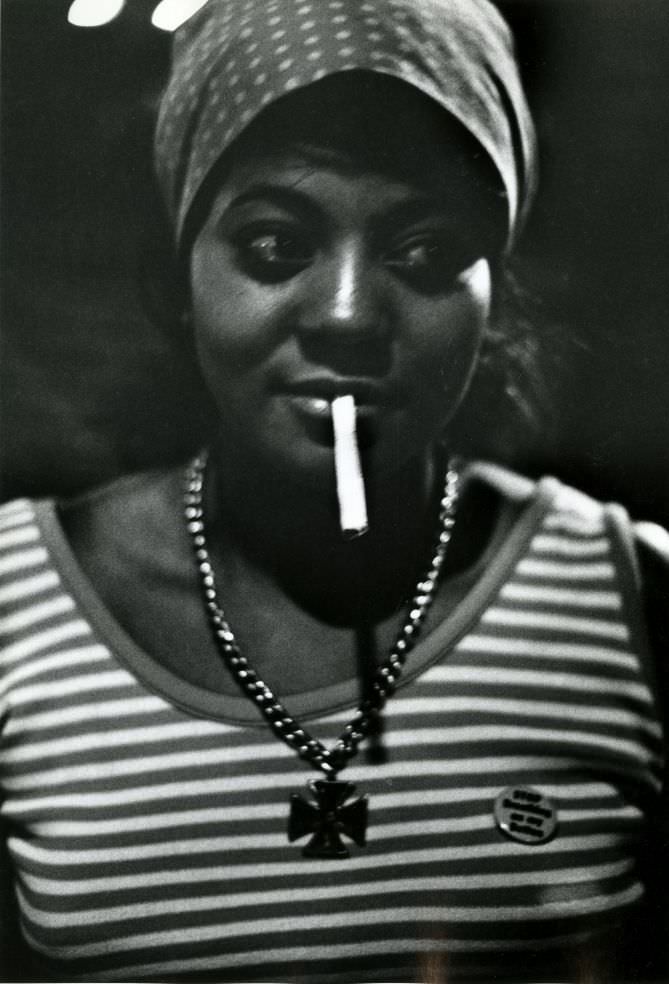
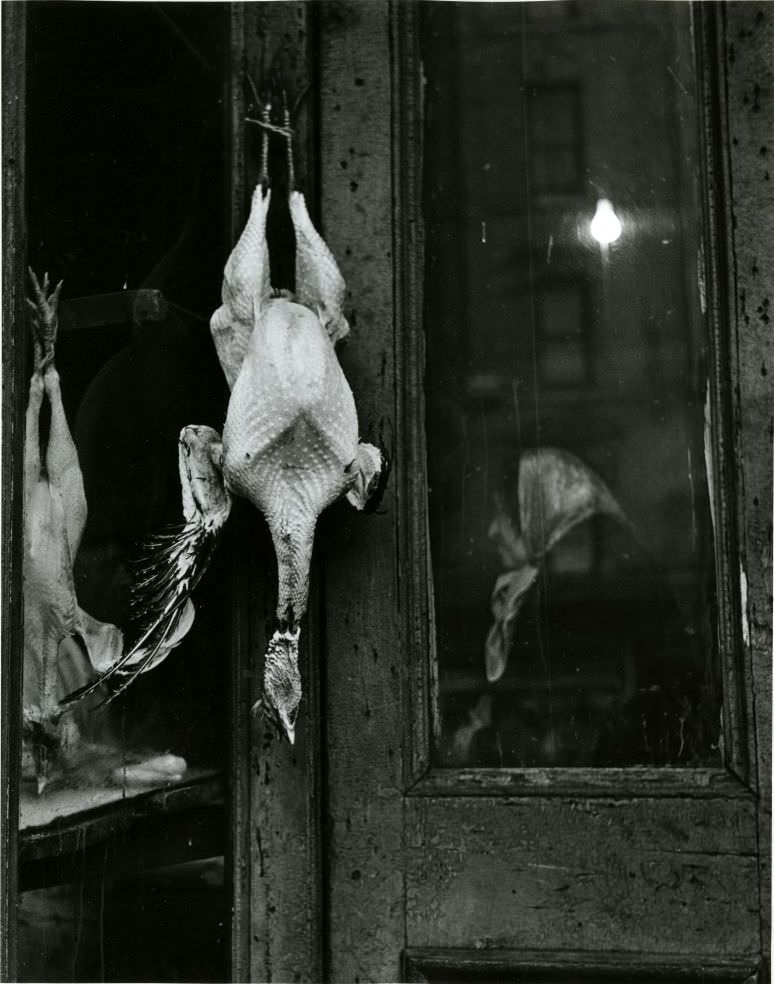
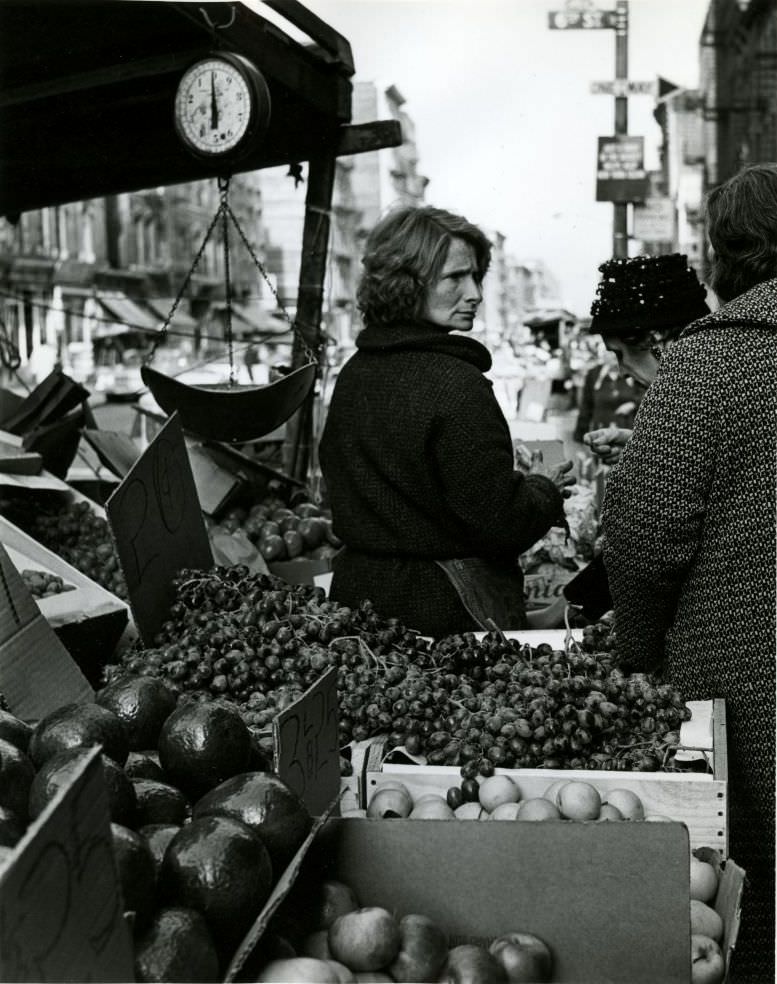
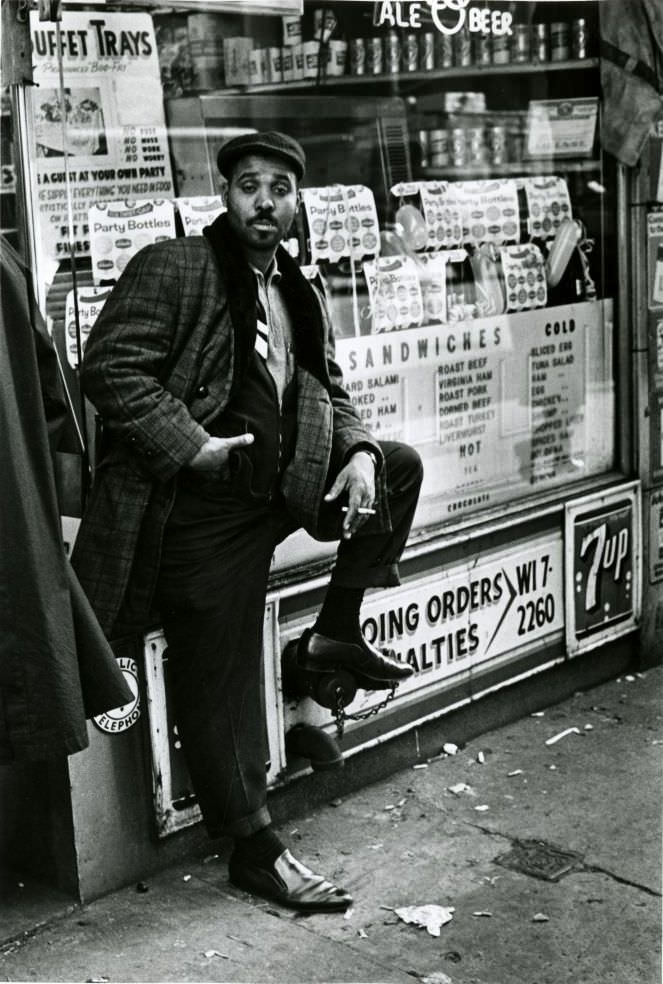
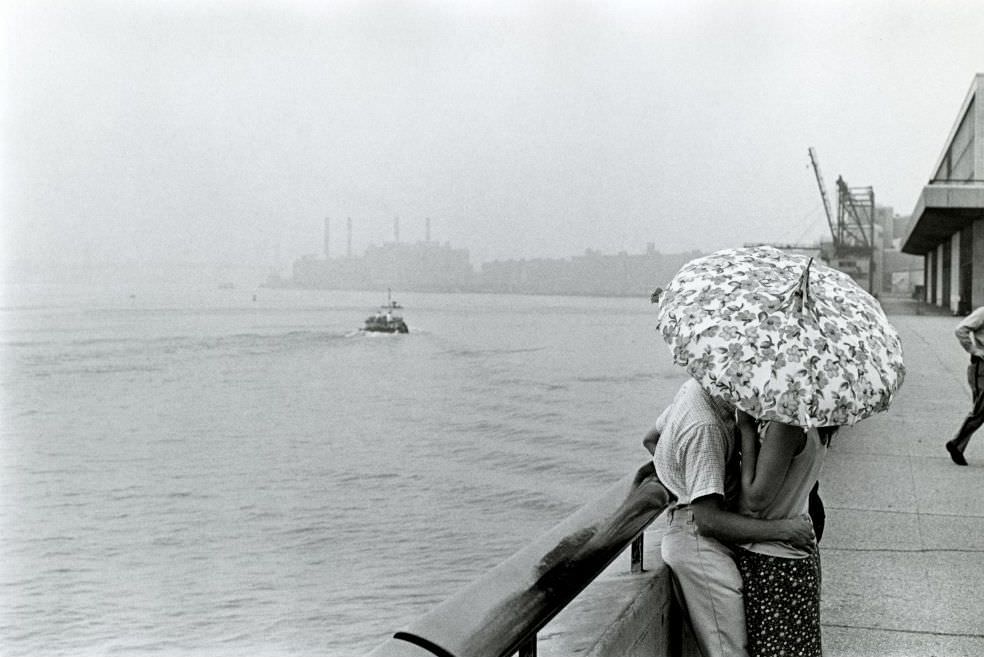
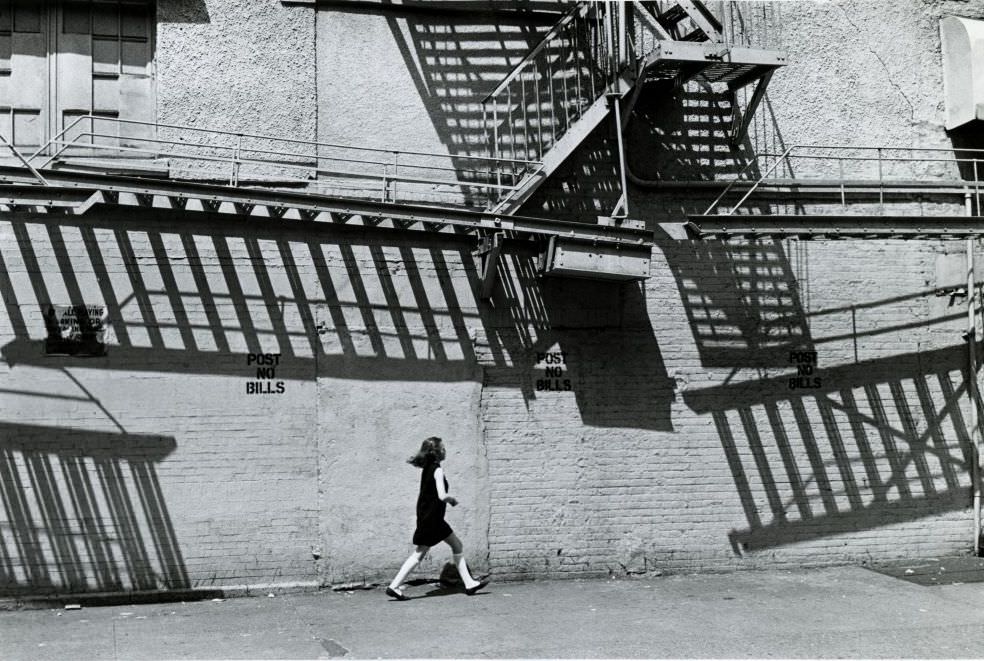
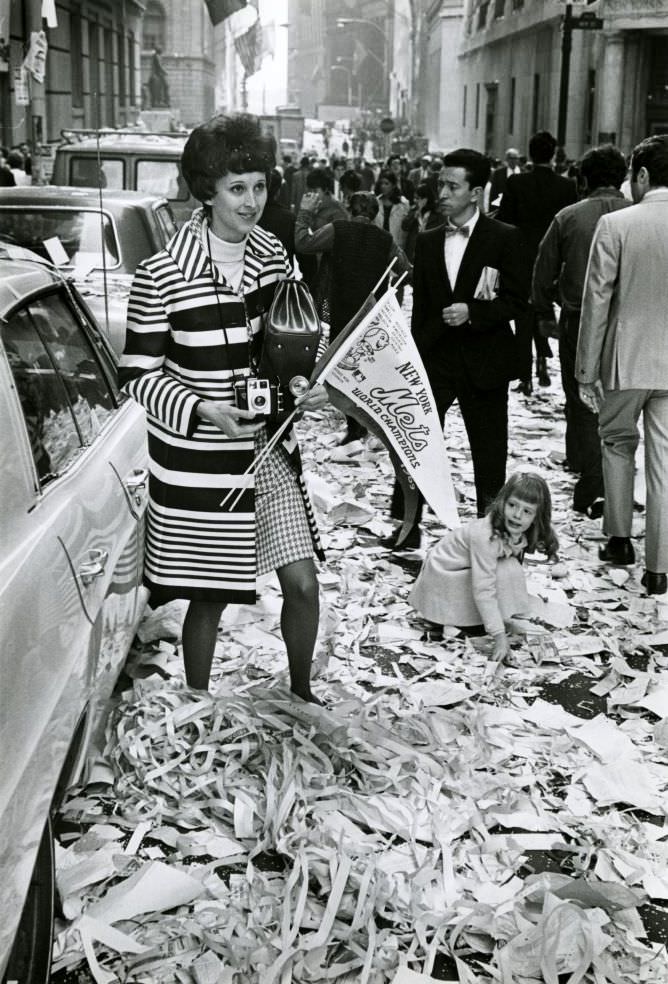
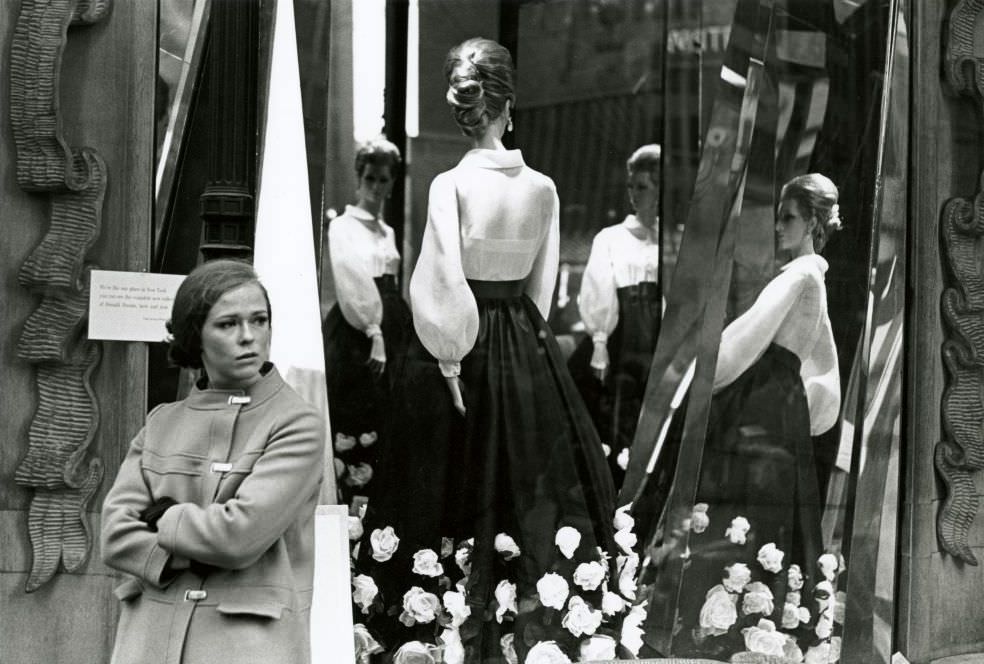
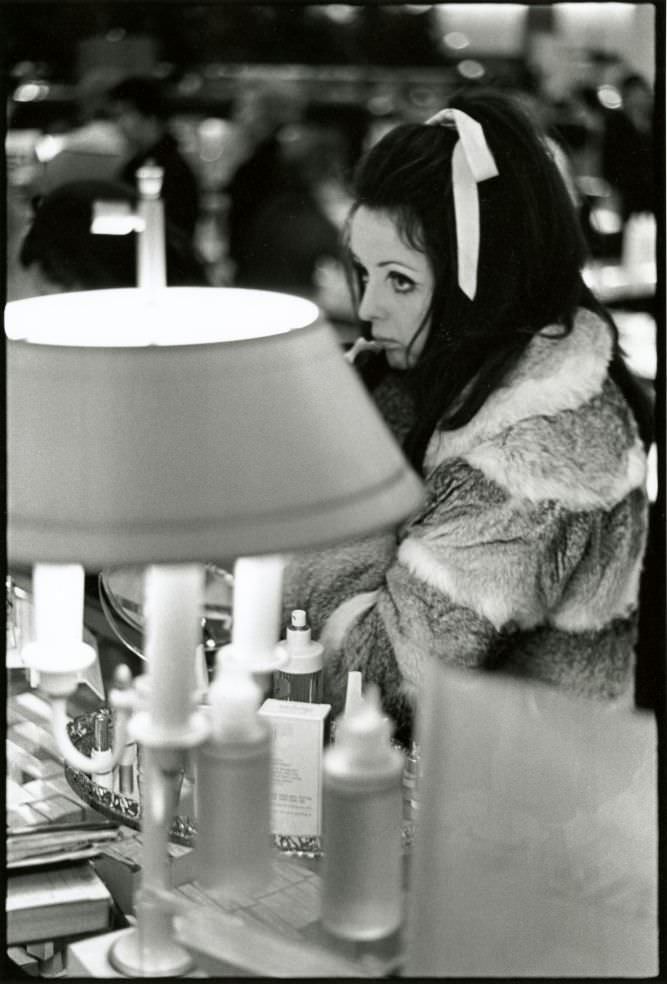
What makes Jowers’ work stand out is its range. He moved from gritty side streets to busy commercial avenues, from waterfront scenes along the East River to the steps of the New York Public Library. Each frame reflects the city’s energy during one of America’s most turbulent decades.