New York City in 1922 was a city in motion. The Roaring Twenties were underway, and the streets buzzed with a restless, forward-charging energy. Immigrants poured through Ellis Island, filling neighborhoods like Little Italy and Chinatown with new languages, foods, and traditions. The city’s identity was being built block by block, person by person.
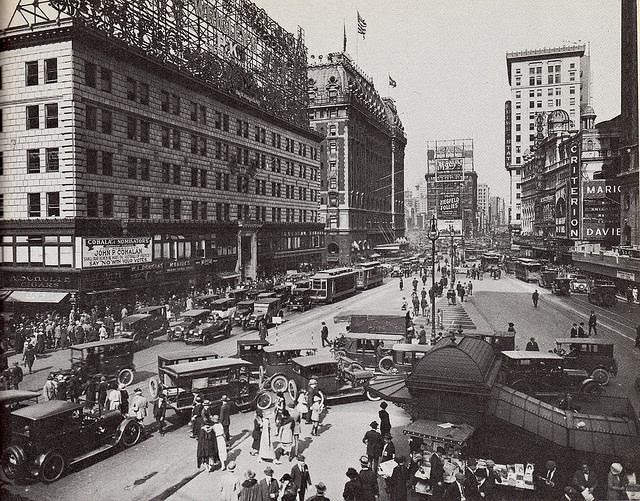
At the center of it all was Manhattan. Times Square was already a hub of commerce and spectacle, its streets lined with signs, storefronts, and the constant flow of pedestrians. The Woolworth Building still dominated the skyline, but new towers were rising fast. Grand Central Terminal, a stunning example of Beaux-Arts architecture, had recently opened and stood as a bold statement of the city’s ambitions.
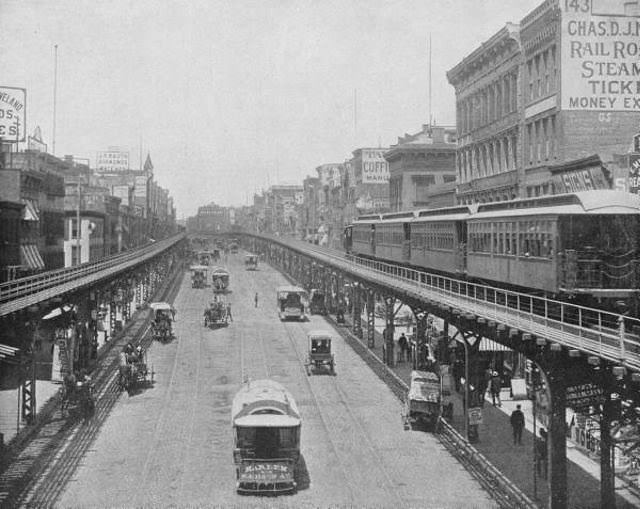
Getting around the city was a mixed experience. The elevated railways ran above streets still shared by horse-drawn carriages, trolleys, and the growing number of automobiles. The subway system was expanding into the outer boroughs, pulling more New Yorkers into the city’s orbit. Old and new transportation moved side by side, often on the very same block.
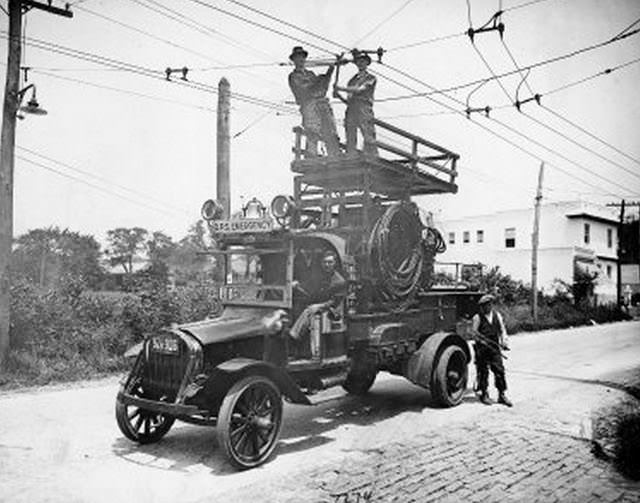
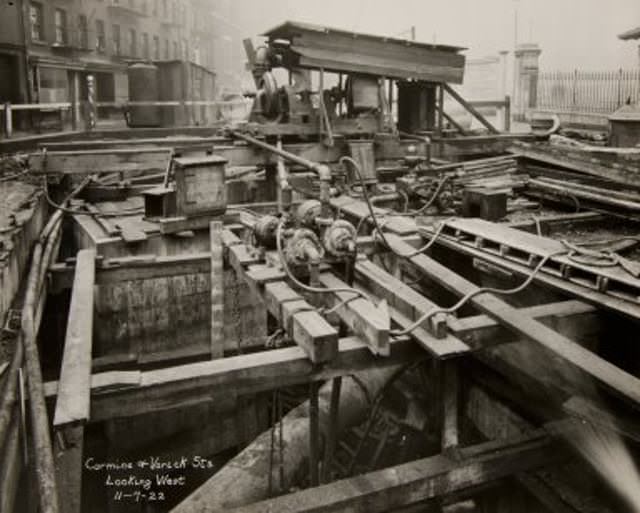
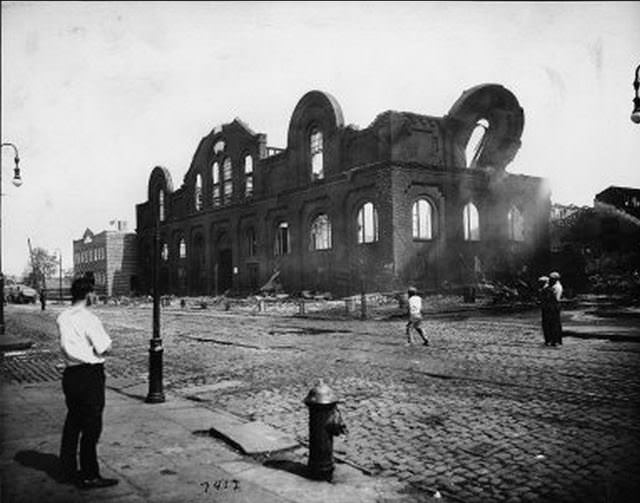
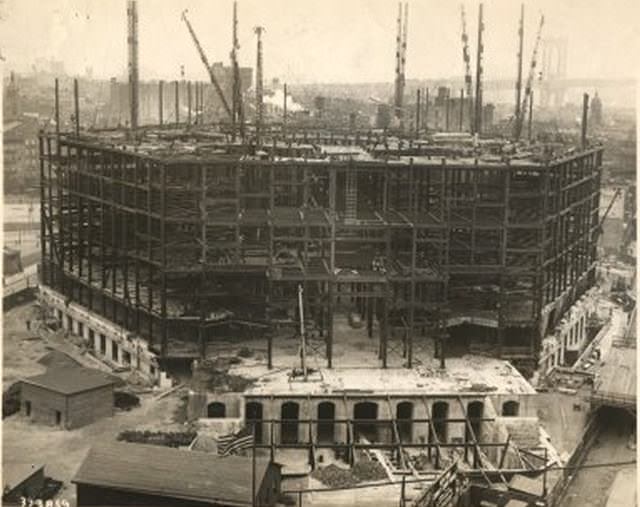
Not every corner of the city sparkled. Poverty and inequality were widespread, and many neighborhoods showed the strain. Workers pushed for better wages and conditions amid frequent labor unrest. Entire blocks were being demolished and rebuilt as the city expanded its infrastructure — sewers, roads, and transit lines all under constant construction.
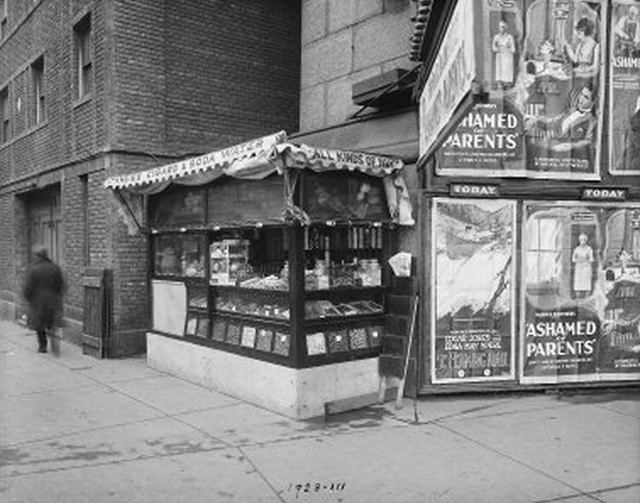
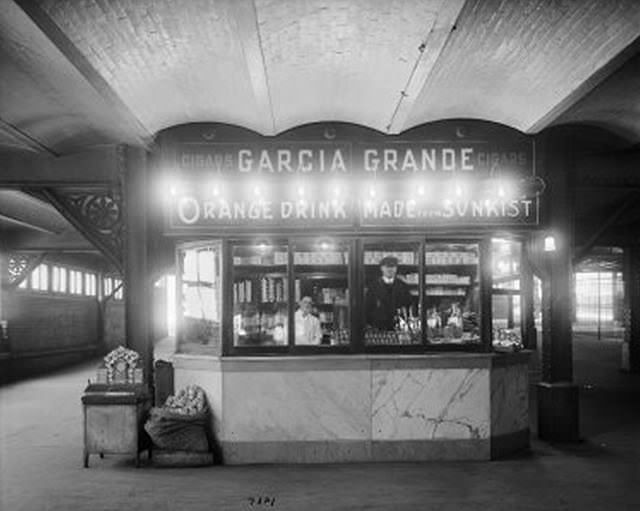
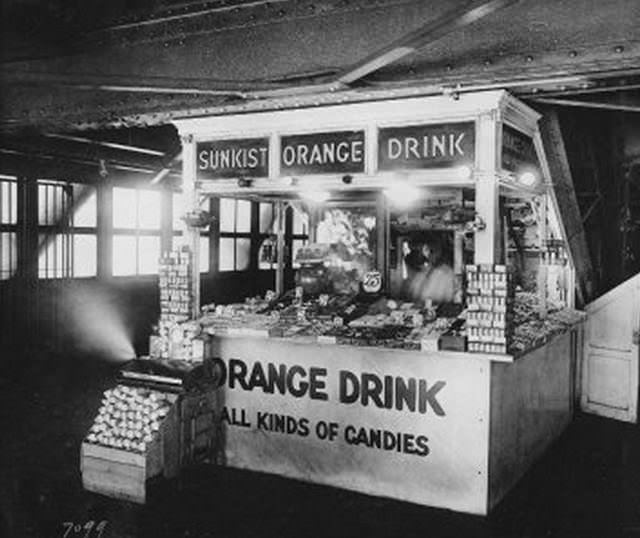
Small vendors set up wherever foot traffic allowed — near bridges, on street corners, along busy avenues. Soda and candy stands were a common sight, serving workers, commuters, and passersby. These modest businesses were part of the daily rhythm of city life, woven into the fabric of neighborhoods across all five boroughs.
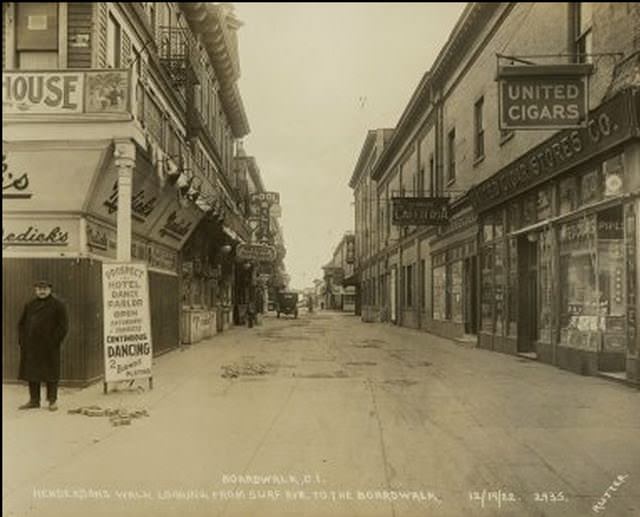
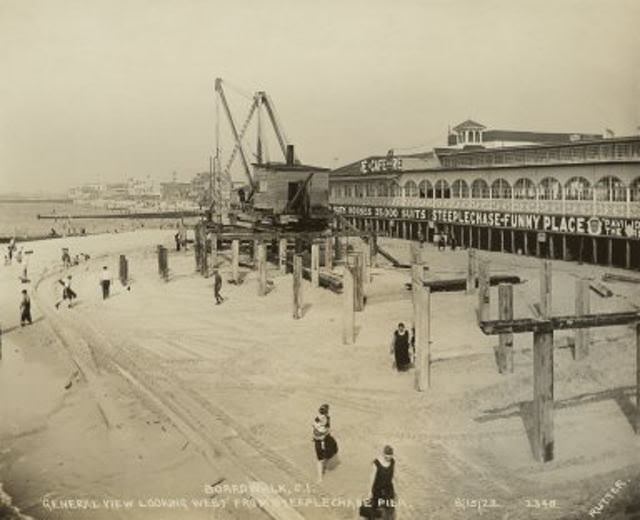
For working-class New Yorkers, Coney Island was one of the city’s great escapes. The boardwalk stretched along the shore, packed with amusements, food stands, and crowds seeking relief from the heat and the grind of city life. Lifeguards kept watch over the beaches, and the Steeplechase pier offered sweeping views of the shoreline.
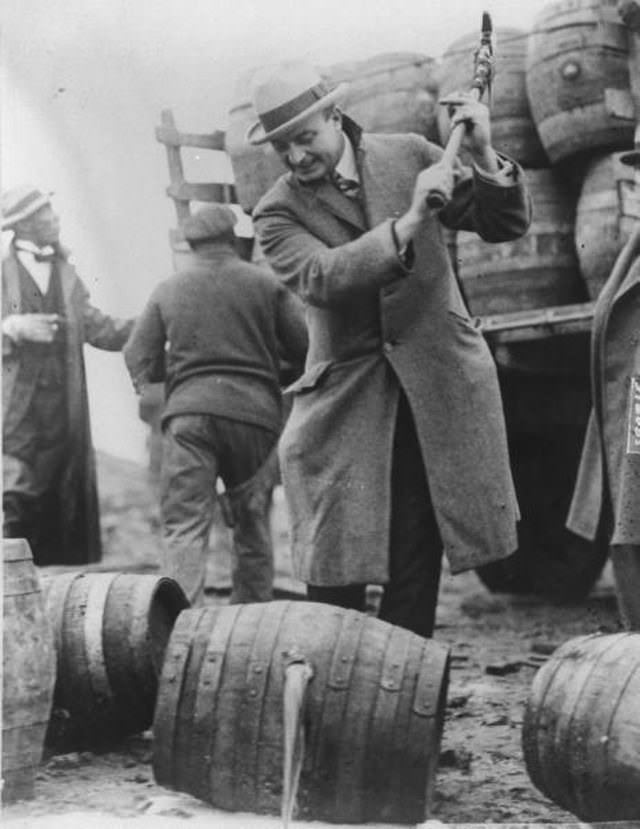
Prohibition had been the law since 1920, but New Yorkers found plenty of ways around it. Speakeasies operated behind closed doors across the city, serving illegal drinks to eager customers. Meanwhile, enforcement agents carried out raids and seizures — though corruption often blunted their efforts. The ban on alcohol created a thriving underground economy that touched every borough.
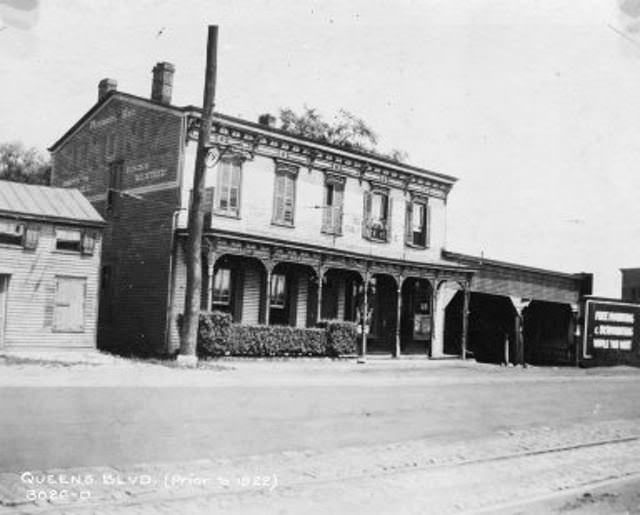
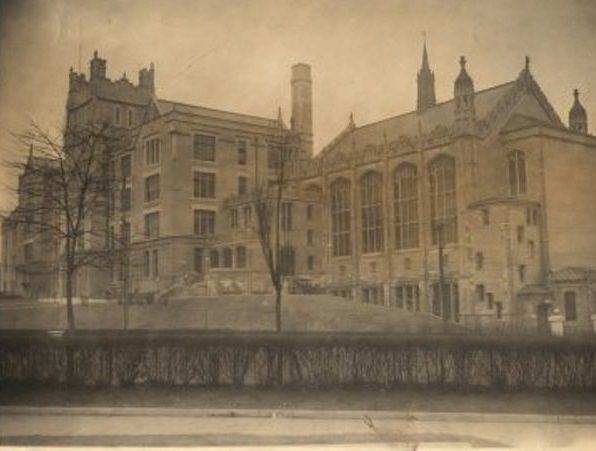
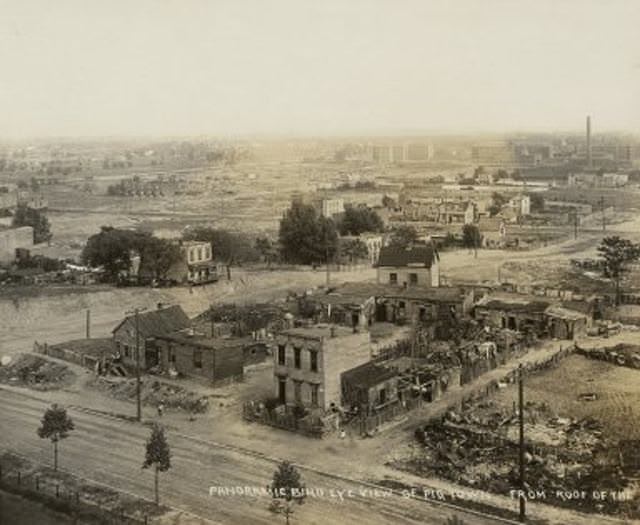
Education and civic life were growing alongside the city itself. Institutions like Curtis High School in Staten Island, built in the Gothic style, reflected a growing investment in public infrastructure. Across the boroughs, neighborhoods like Pigtown in Brooklyn — which today overlaps with parts of Crown Heights — were dense residential communities with their own distinct character.
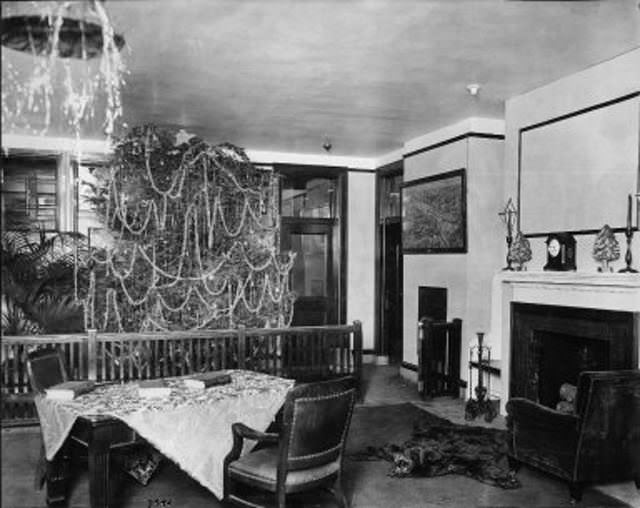
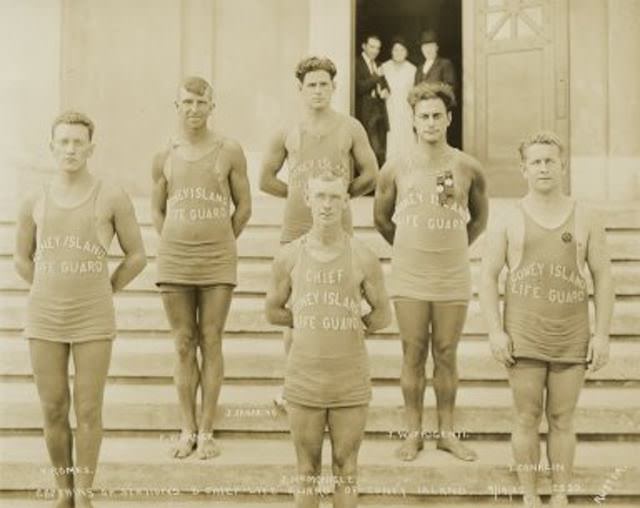
Fashion and lifestyle were shifting too. Women were adopting shorter hemlines and freer styles, marking a visible break from earlier, more restrictive fashions. The flapper look — bobbed hair, loose clothing, a defiant attitude — was gaining ground. Broadway drew crowds with its musicals and plays, while jazz clubs and the novelty of radio brought new forms of entertainment into everyday life.
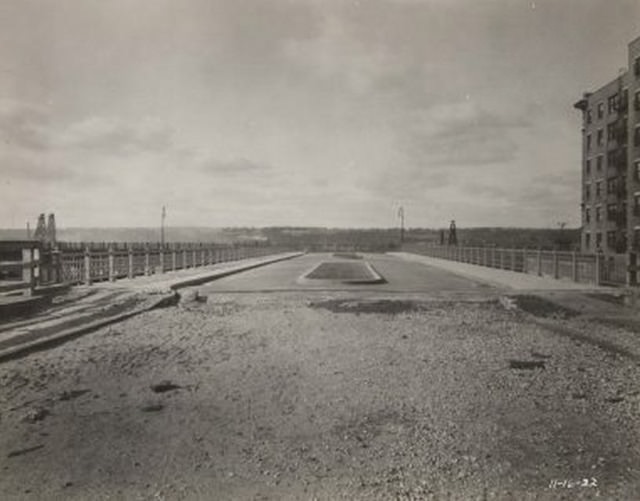
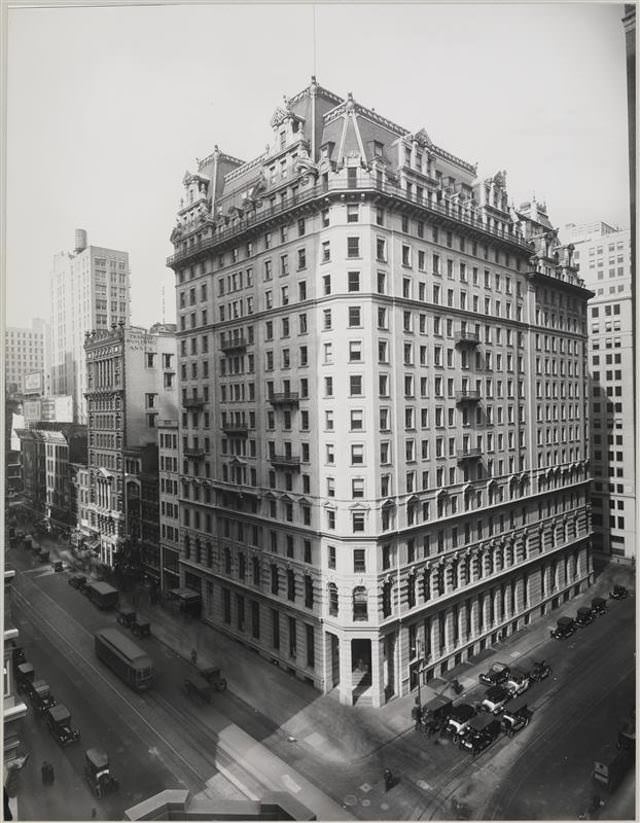
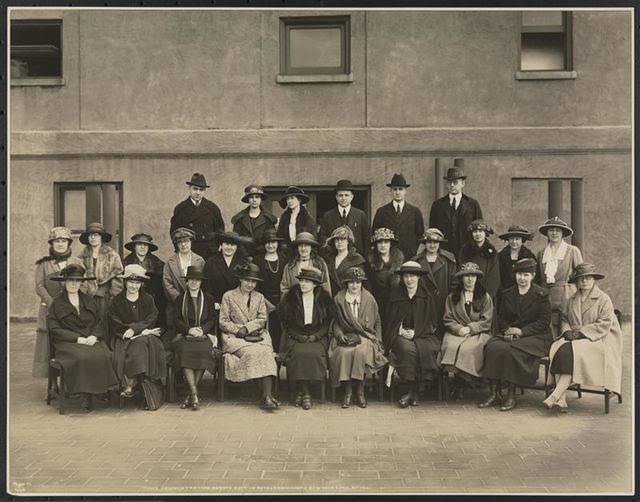
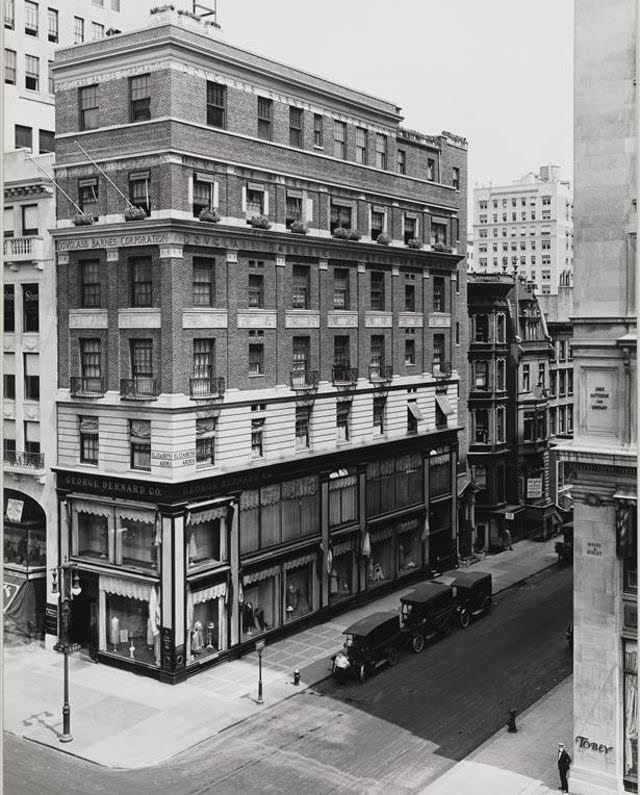
The streets of Midtown told the story of a city in transformation. East 42nd Street and Fifth Avenue were already among the busiest corridors in the world. Formal events at venues like the Hotel Commodore drew professionals and public figures, while the everyday streets outside were alive with foot traffic, storefronts, and the noise of a city that never slowed down.