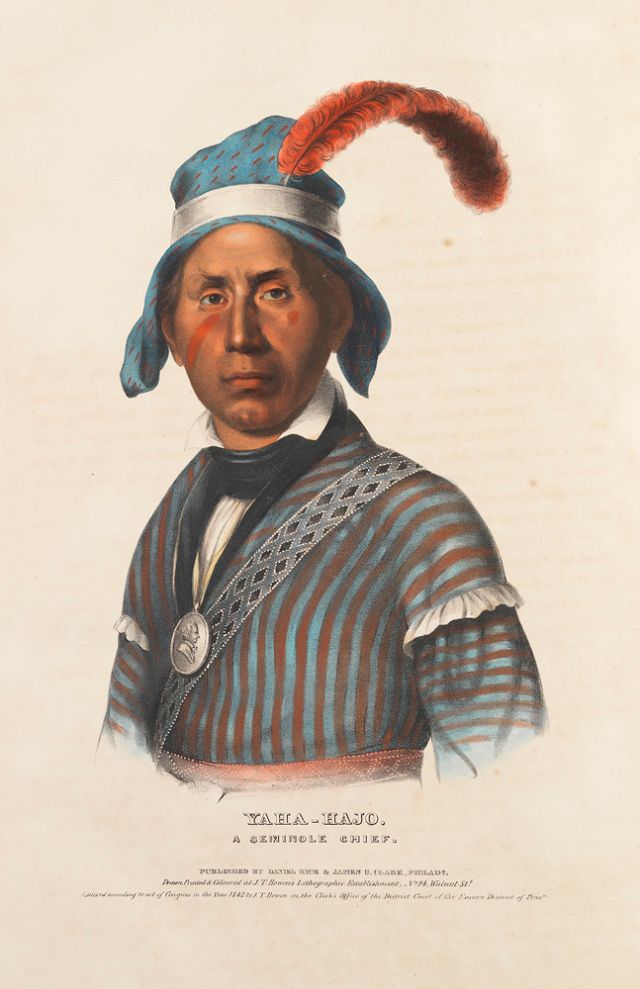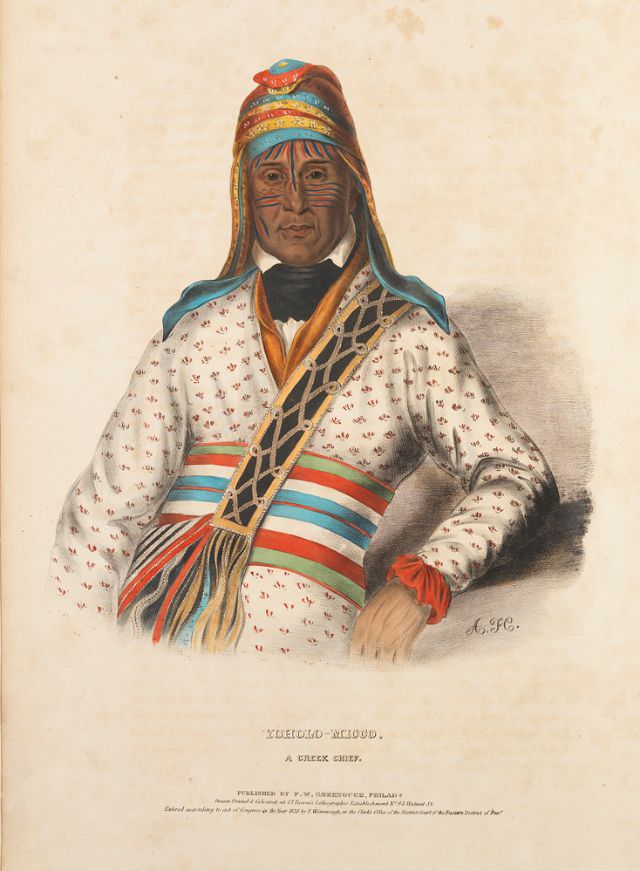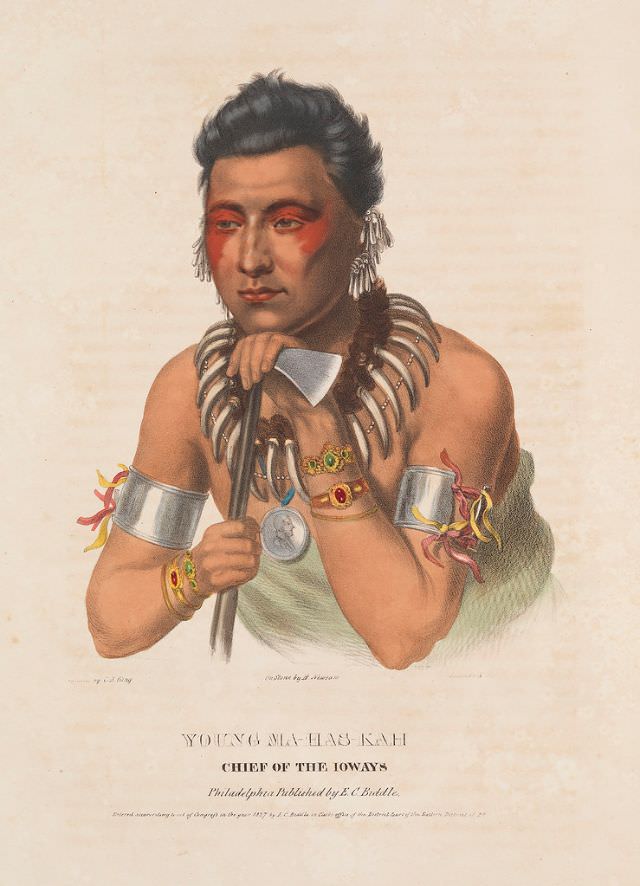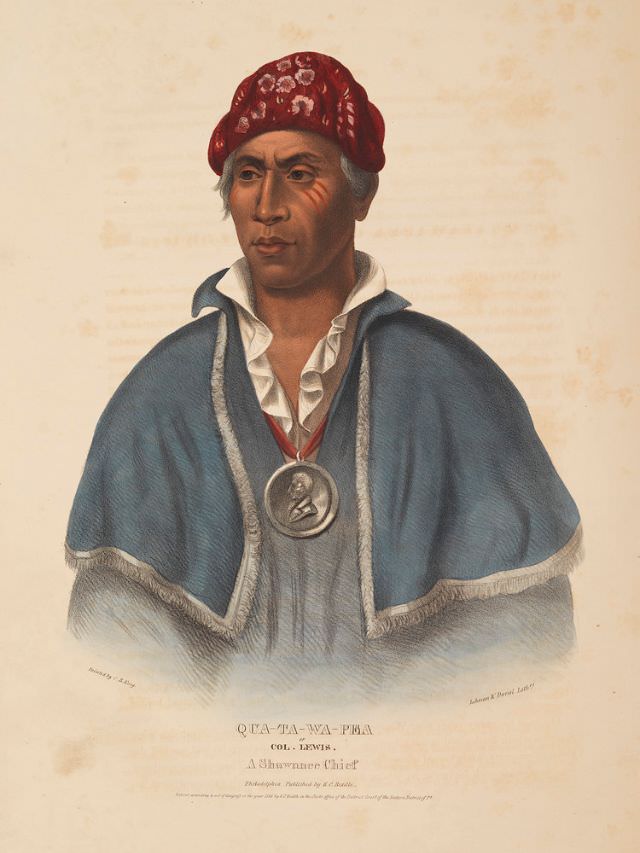

In the early 19th century, the United States government maintained an Indian Gallery inside the Department of War in Washington, D.C. It held painted portraits of tribal leaders, warriors, and figures who had met with American officials. By 1842, that collection became the primary source for one of the most ambitious publishing projects of the era — a multi-volume work that attempted to document, in both words and images, the many Native peoples of North America.
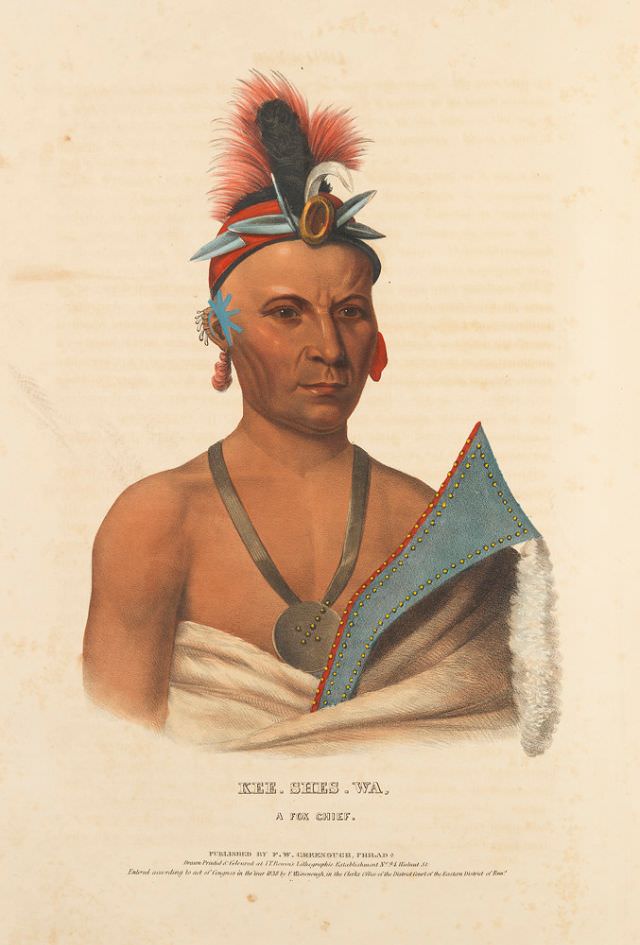
The work was titled ‘History of the Indian Tribes of North America,’ written by Thomas Loraine McKenney and James Hall. McKenney had served as the head of the U.S. Office of Indian Affairs and used his access to the Washington gallery to ensure the portraits were drawn directly from life-based paintings held there. The set included biographical sketches and anecdotes of principal chiefs, and was embellished with 120 portraits pulled from that gallery.
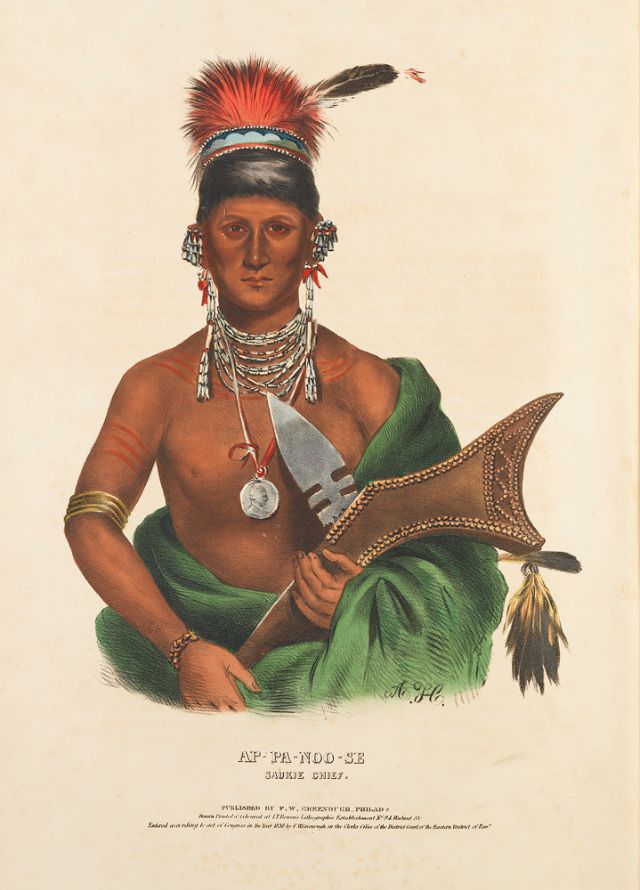
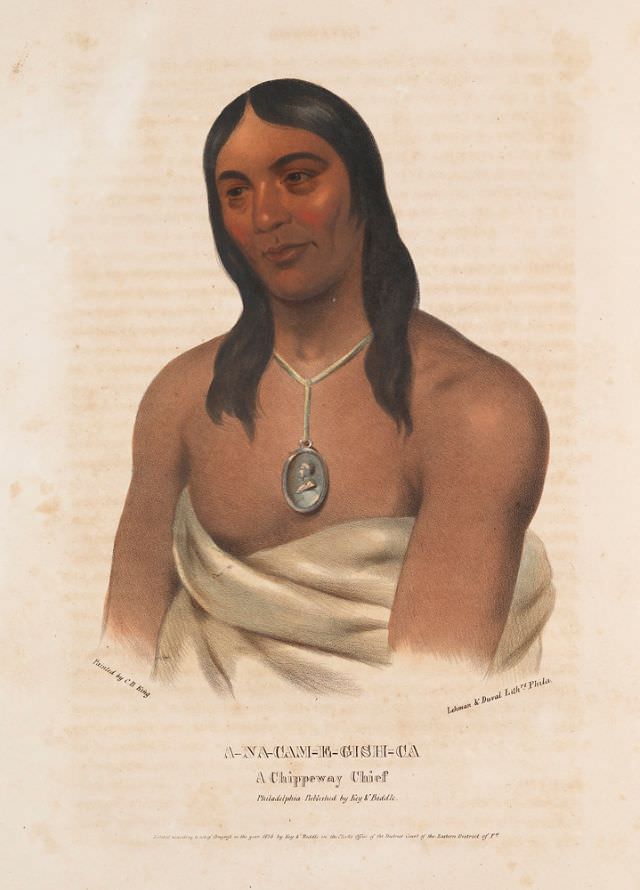
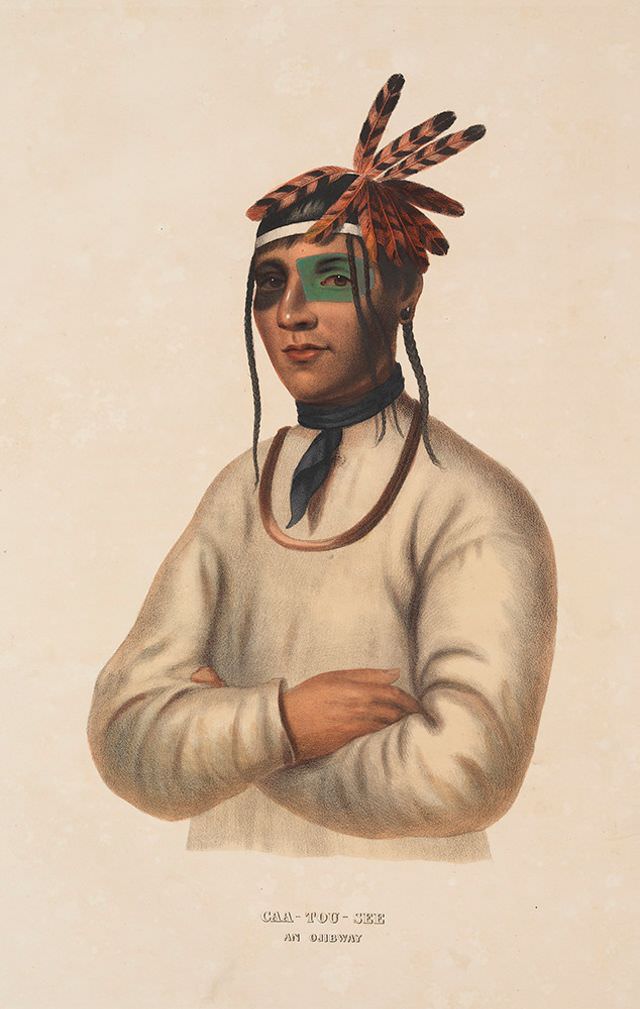
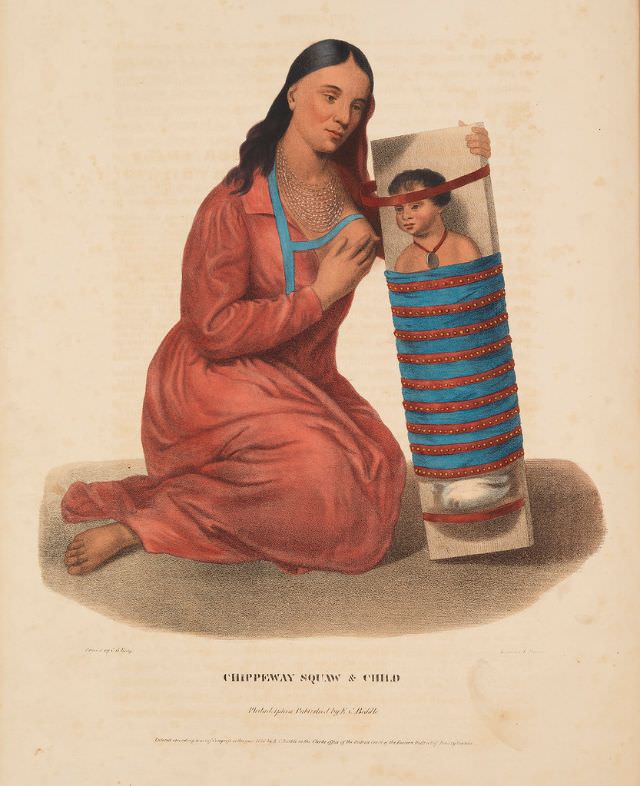
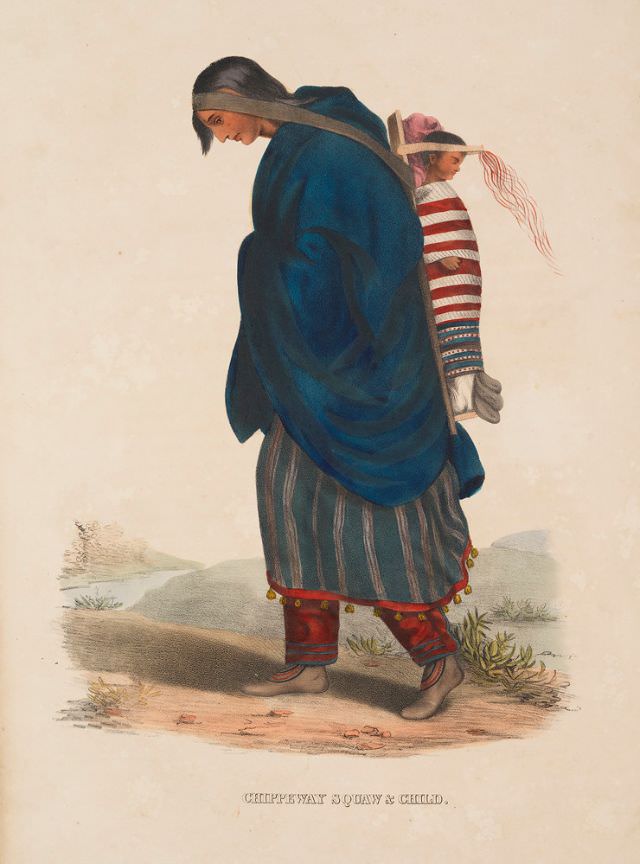
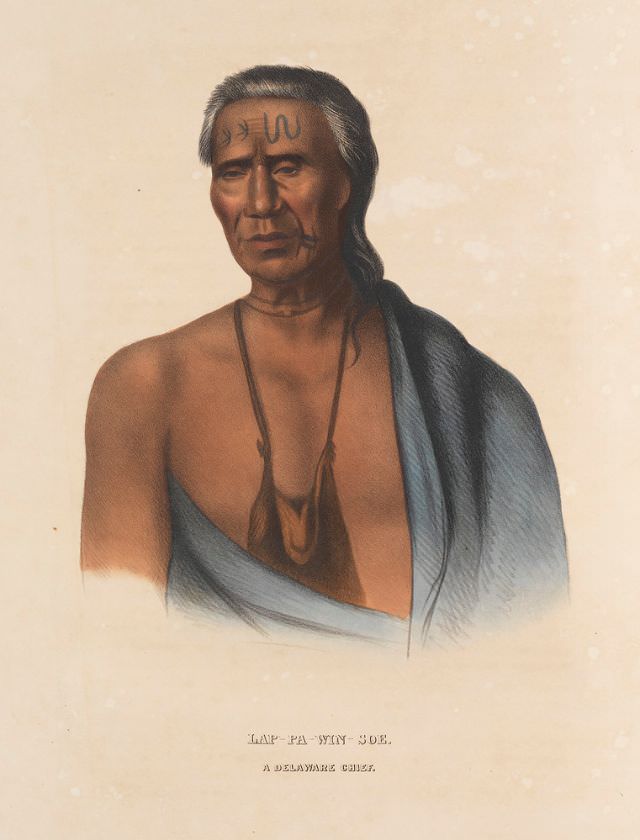
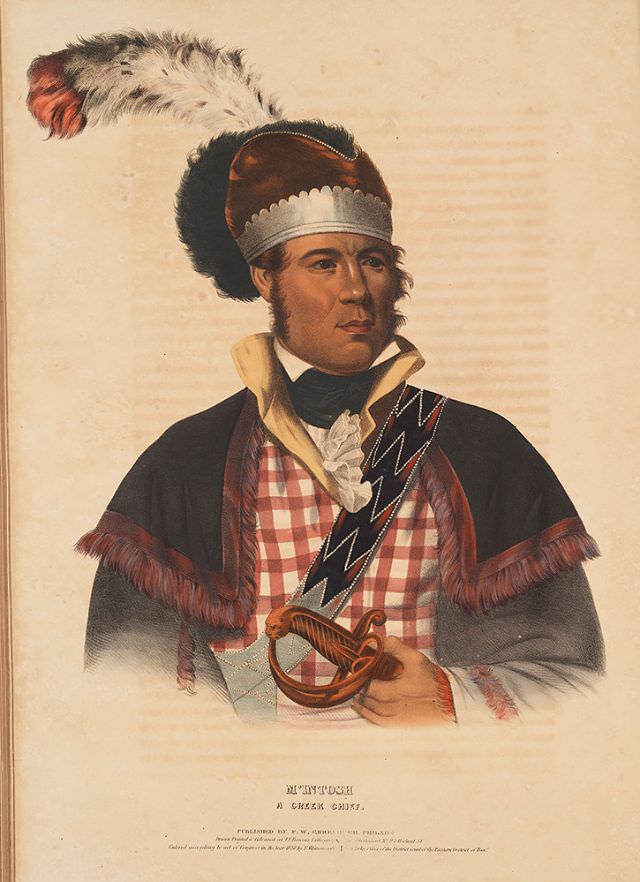
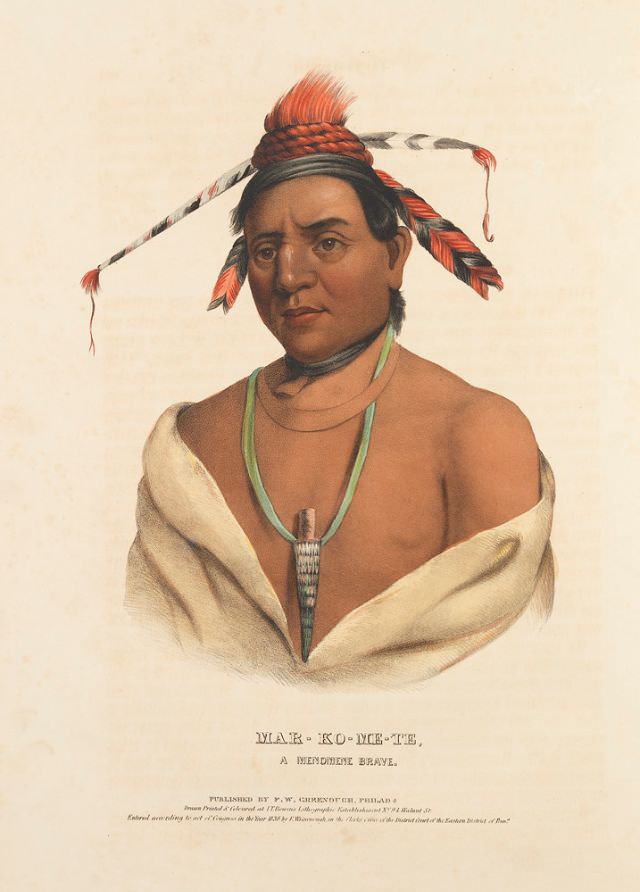
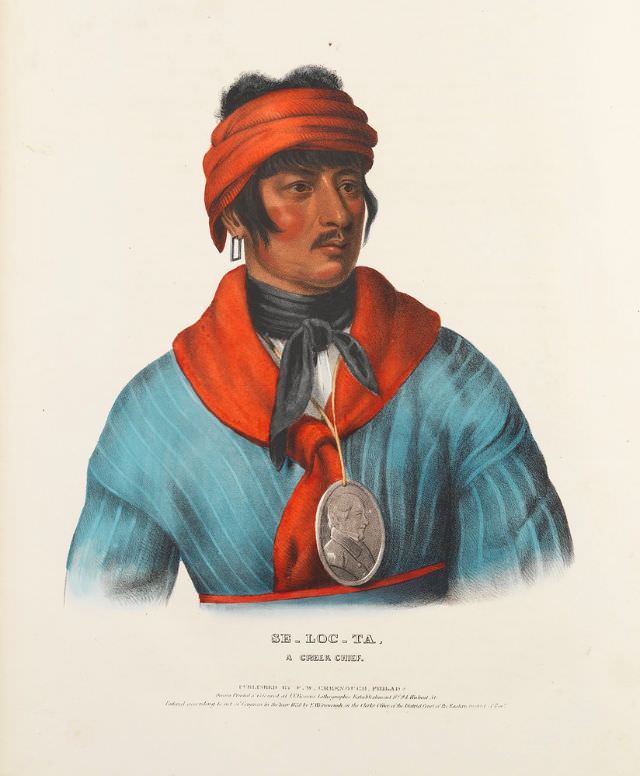
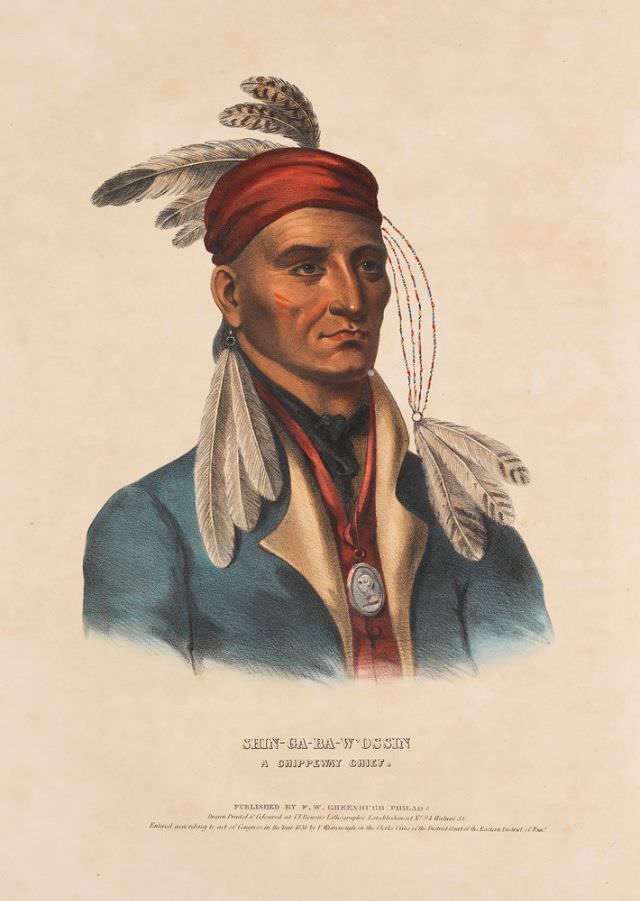
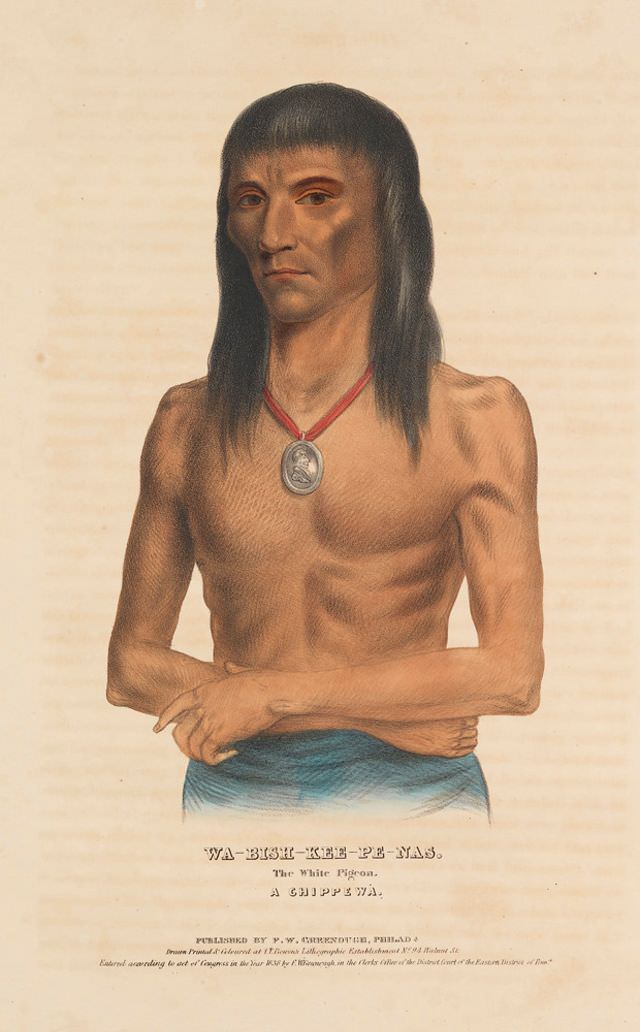
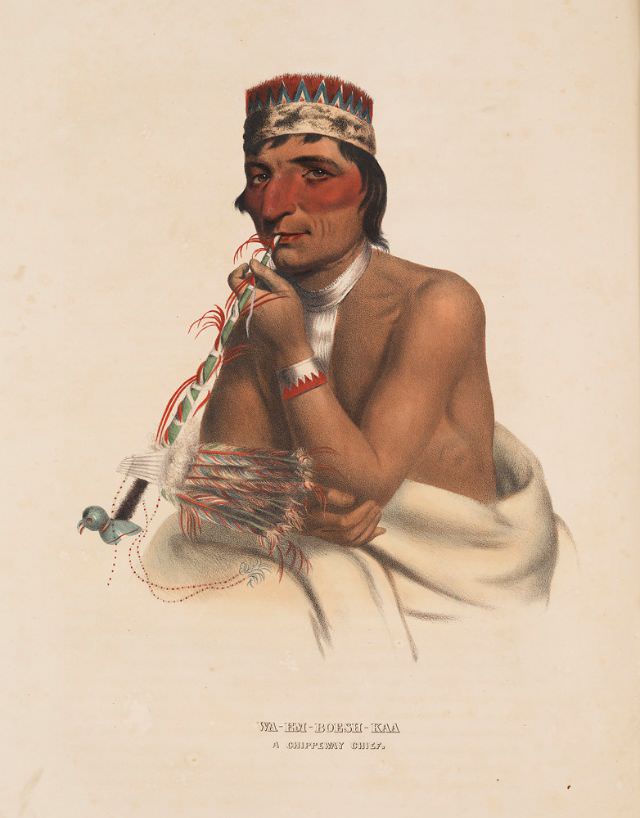
The portraits span a wide range of tribes across the continent — from the Great Lakes Chippeway and Winnebago nations to the Seminole of Florida, the Sioux of the northern plains, the Creek and Cherokee of the Southeast, and the Pawnee and Osage of the central territories. Each figure is rendered with attention to dress, ornamentation, and individual character.
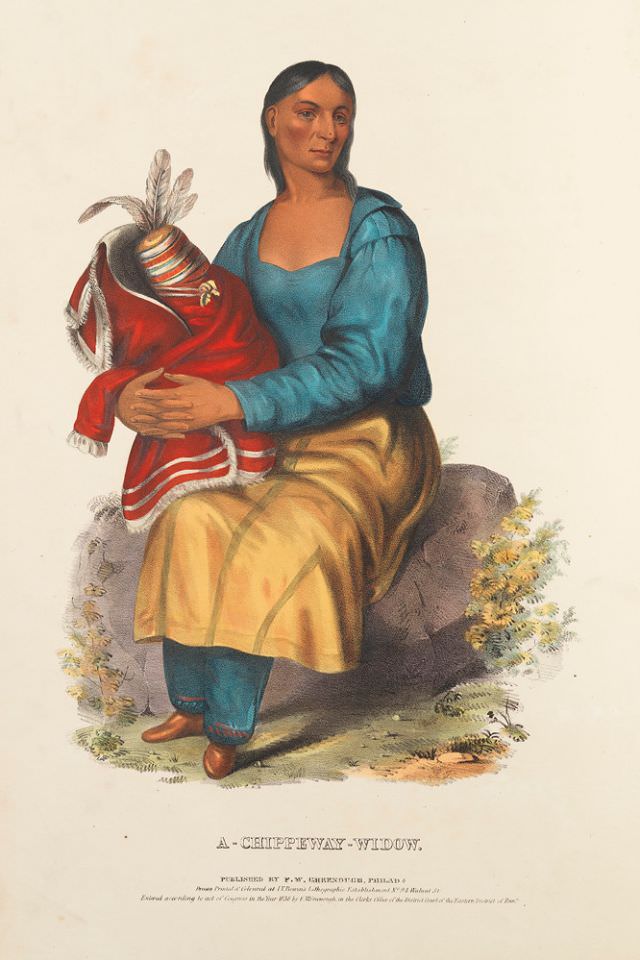
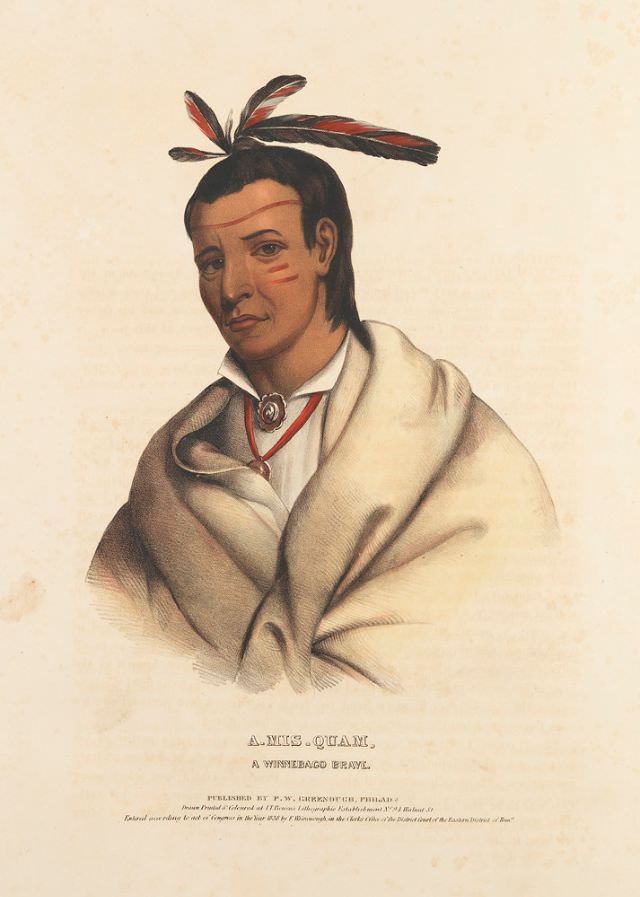
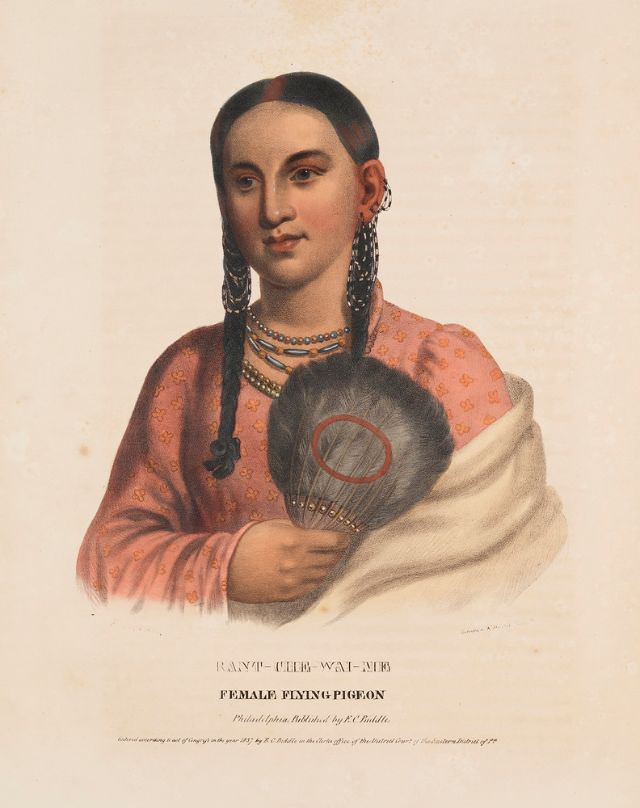
The collection does not focus solely on chiefs and warriors. Women and children also appear among the portraits, offering a broader look at tribal life during the period. These subjects are identified by name and tribal affiliation, recorded at a time when many of these nations were already facing forced removal from their ancestral lands under U.S. government policy.
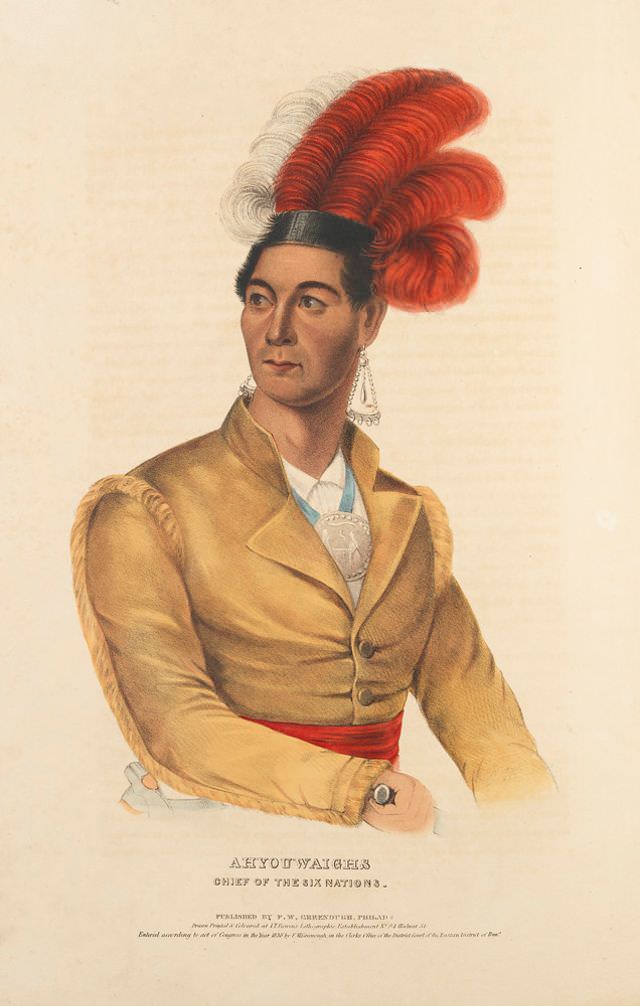
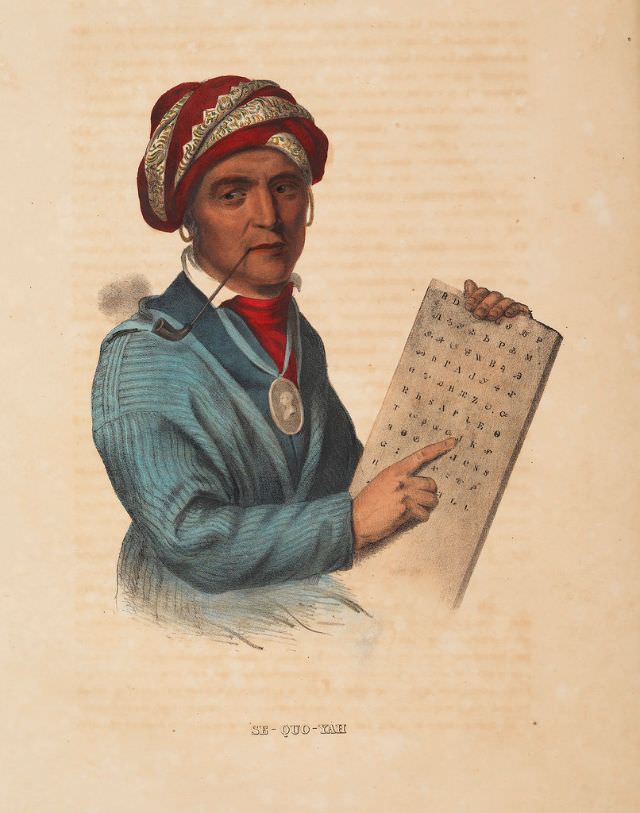
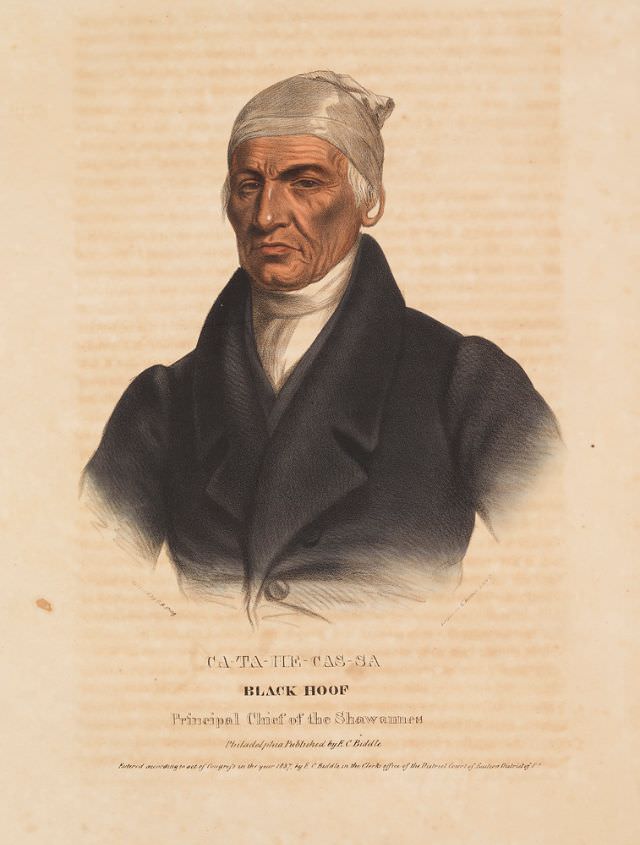
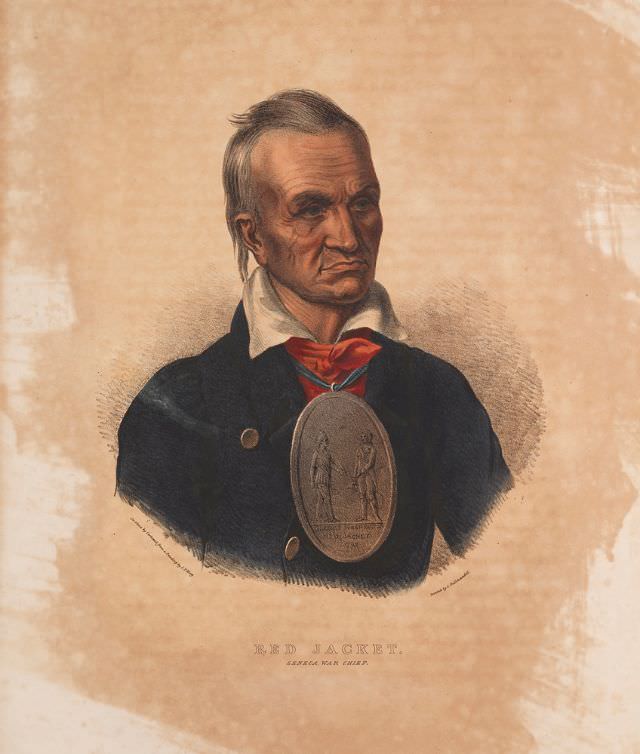
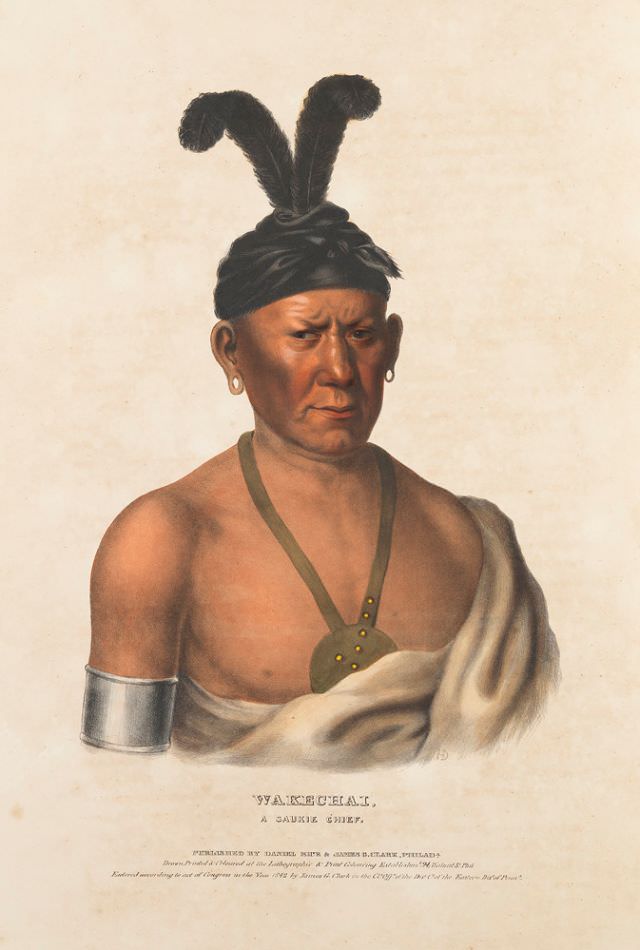
Several of the figures portrayed were well known even in their own time. Black Hawk of the Saukie, Sequoyah of the Cherokee — who invented a written syllabary for his people — and Red Jacket of the Seneca were recognized by American audiences. Their inclusion in the volumes gave the work a documentary weight beyond simple illustration.
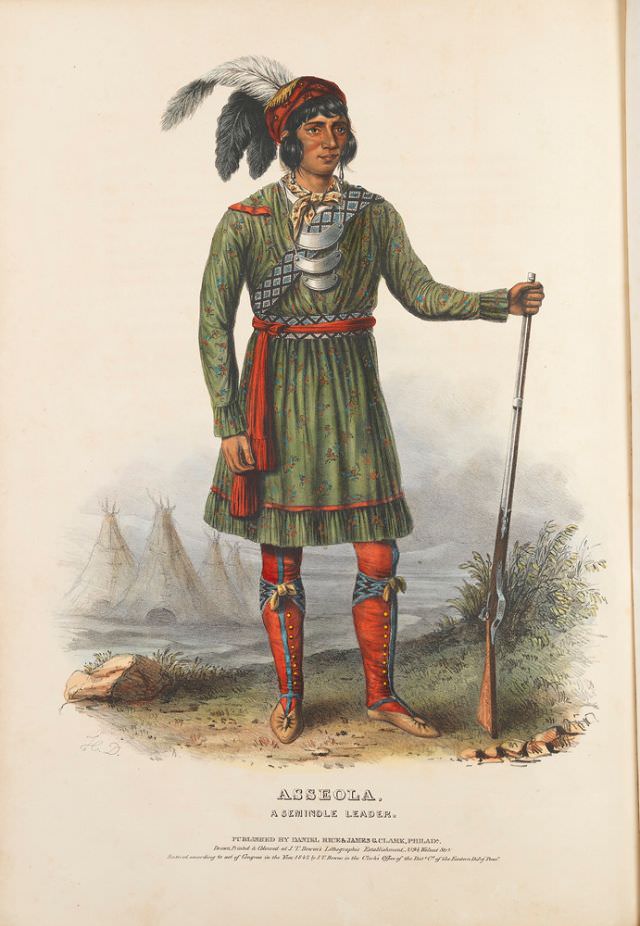
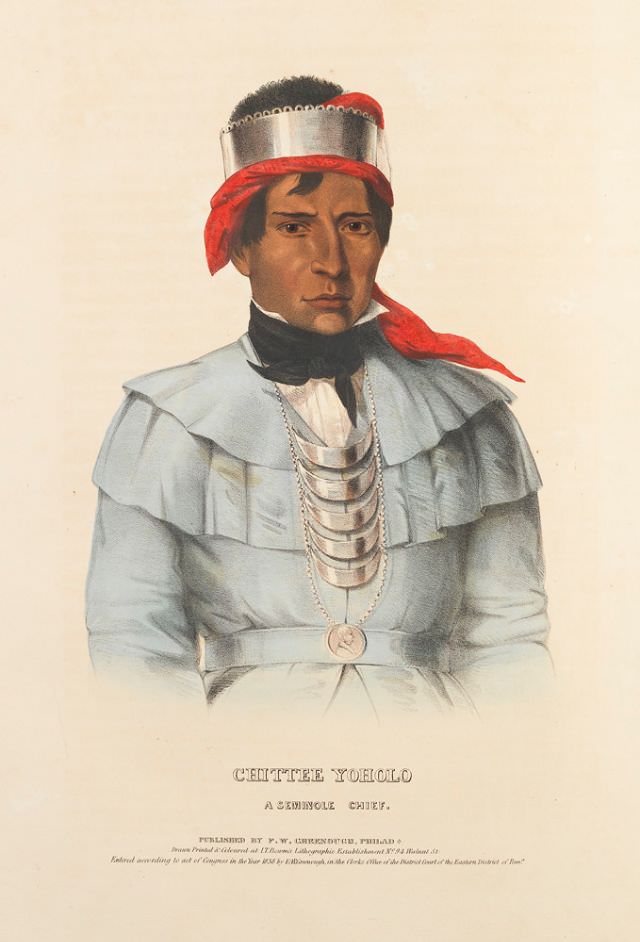
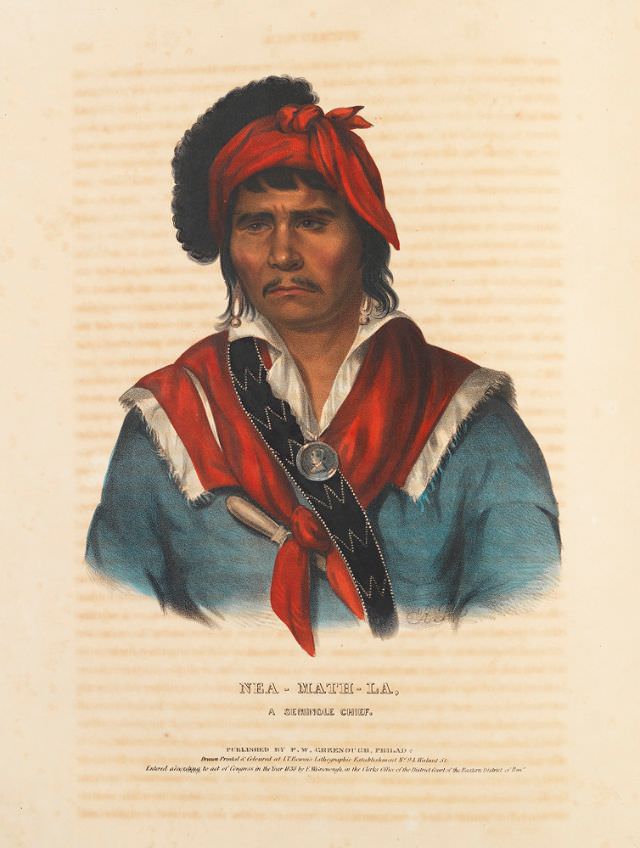
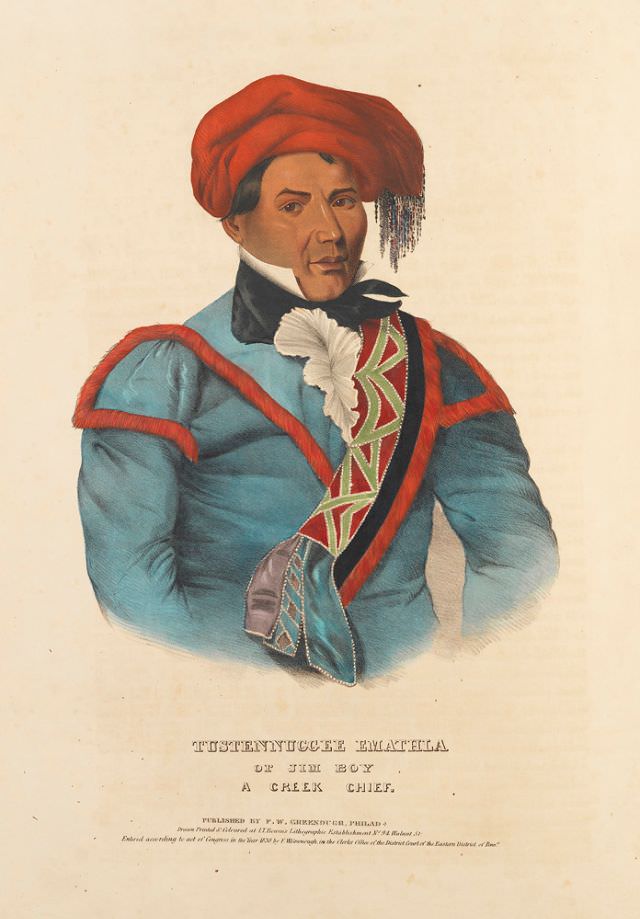
The Seminole Nation is represented by multiple figures. The Florida Wars between the Seminole and the U.S. Army were ongoing during the years these volumes were being produced. Leaders like Micanopy, Chittee Yoholo, Nea-Math-La, and Asseola were active participants in that conflict, making their portraits a direct record of men at the center of a brutal and prolonged military campaign.
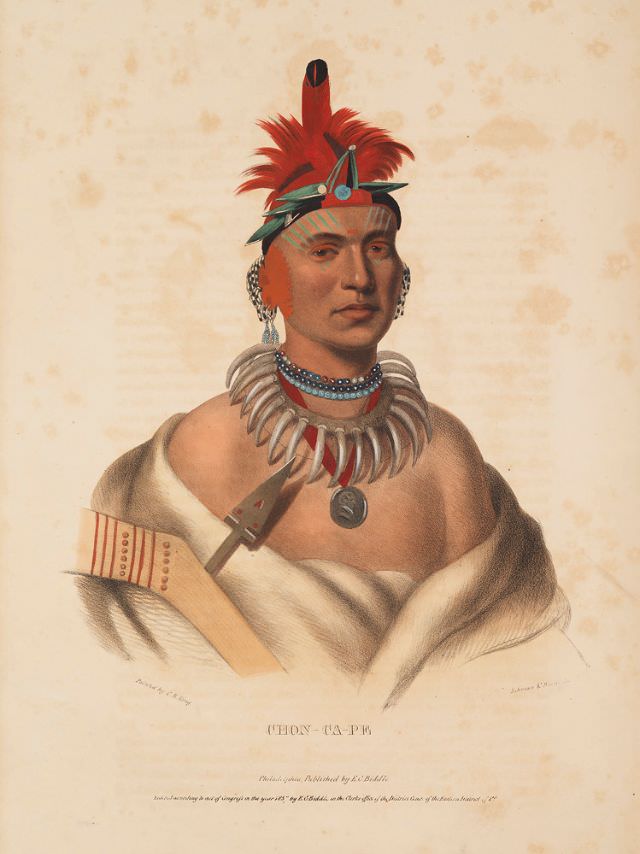
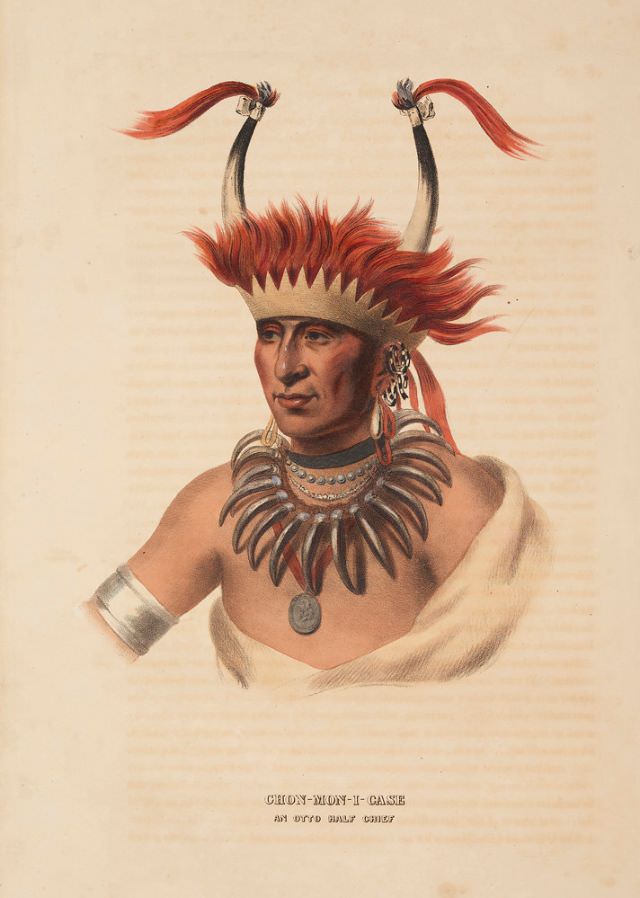
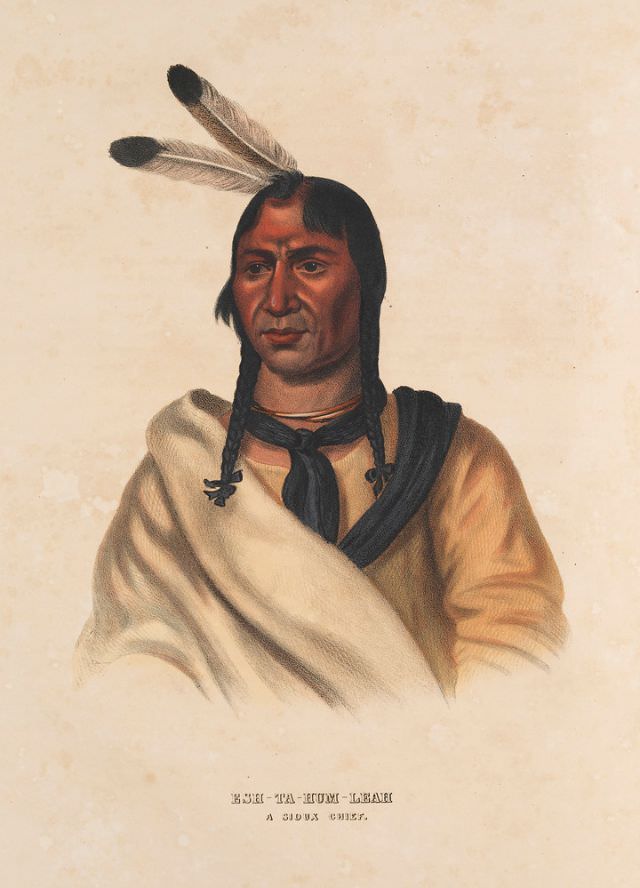
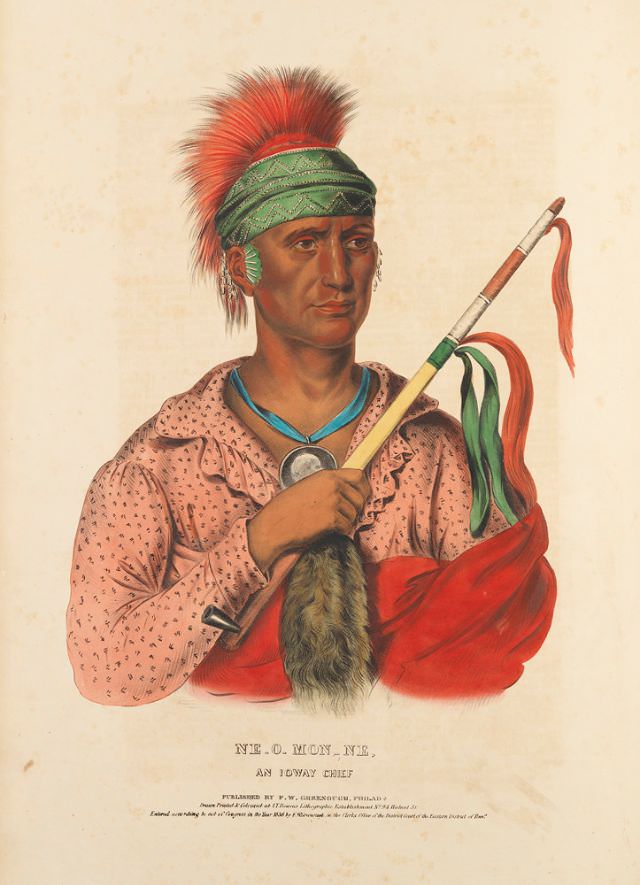
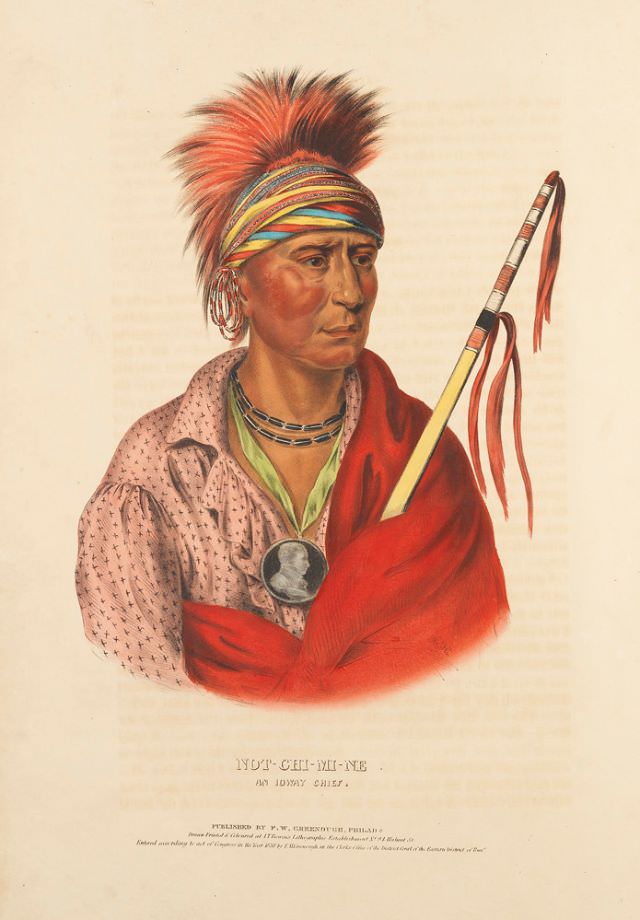
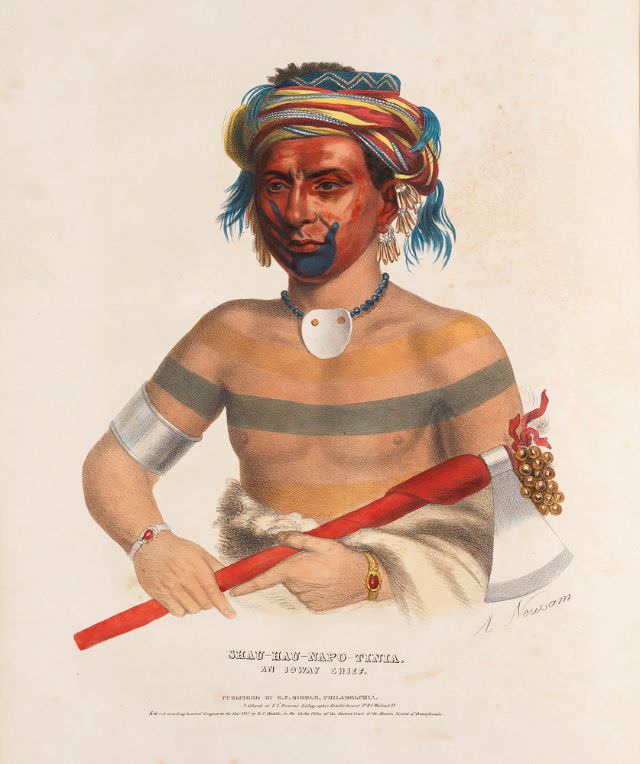
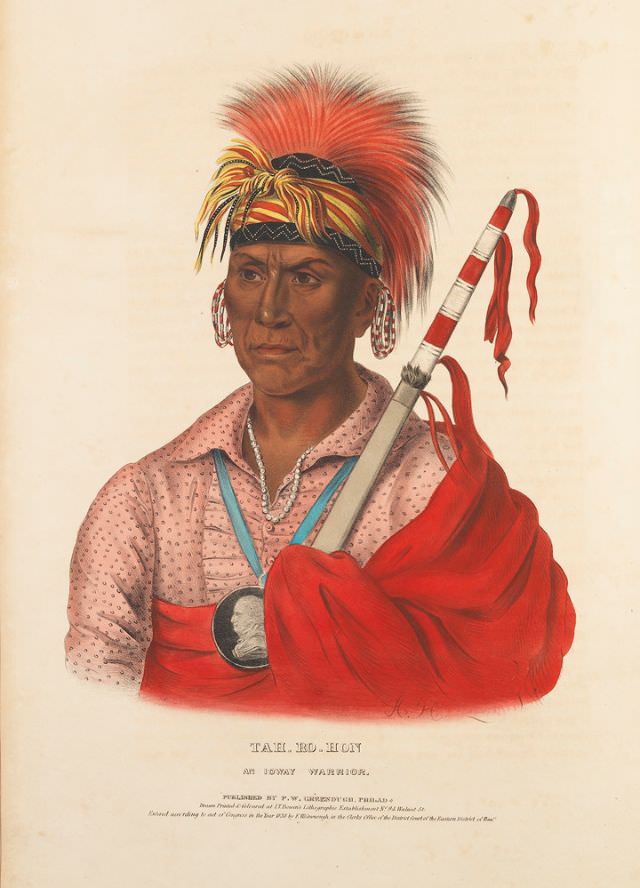
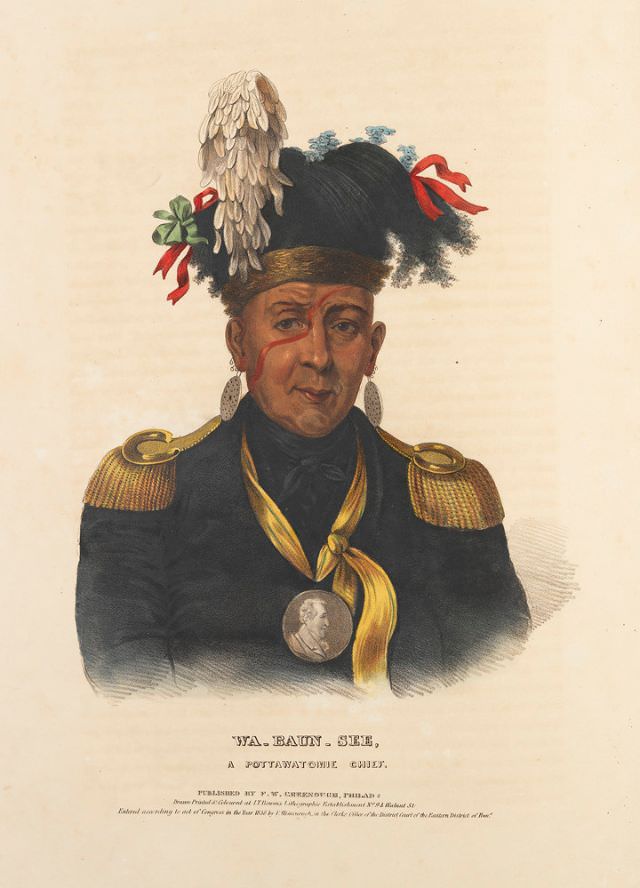
The Ioway, Ottawa, and Pottawatomie nations each appear in several entries. Chiefs from these groups had traveled to Washington to negotiate or simply to be seen by American officials. That diplomatic context shaped how they were portrayed — dressed formally, sometimes in a mix of traditional garments and items acquired through trade or as gifts from the government.
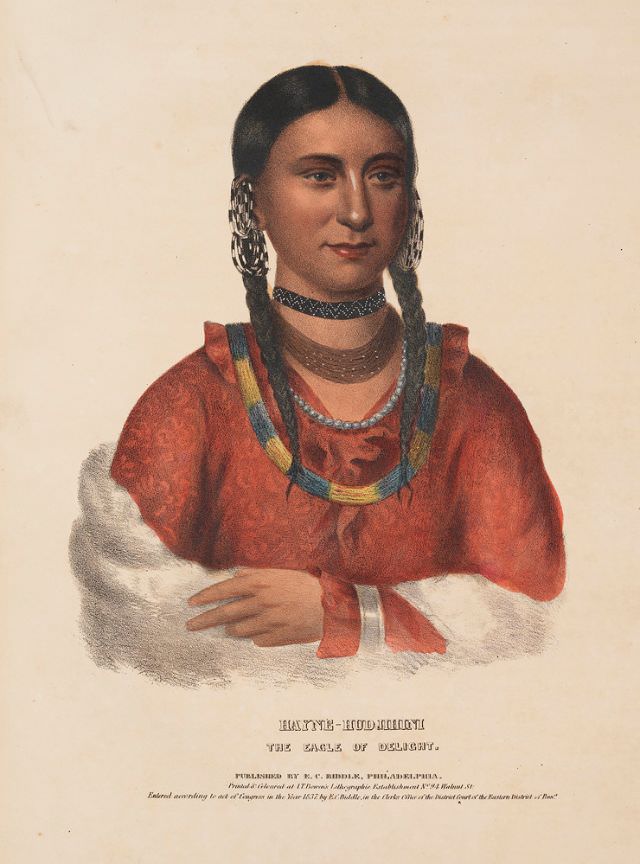
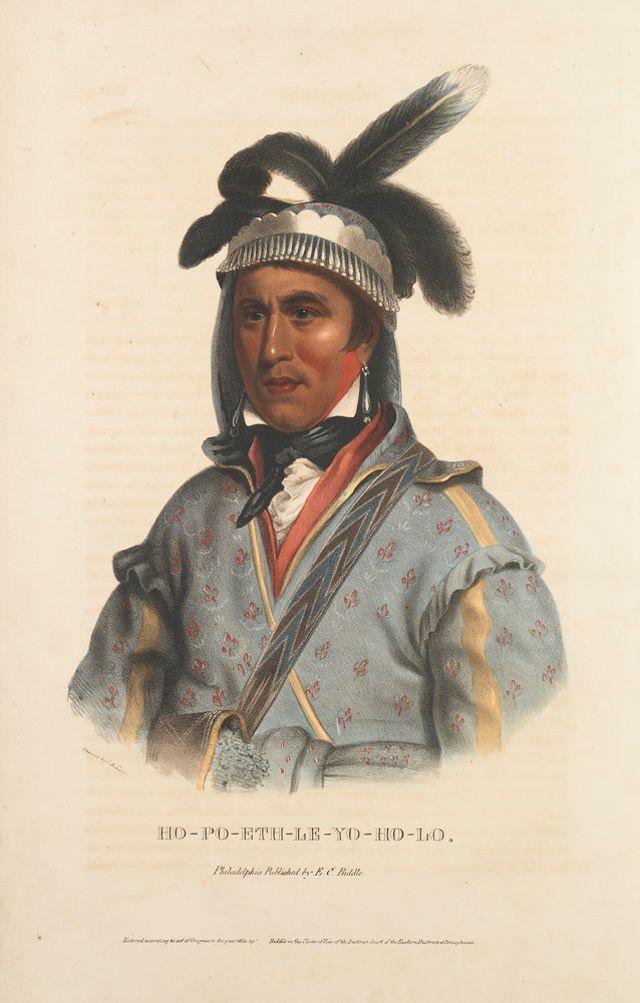
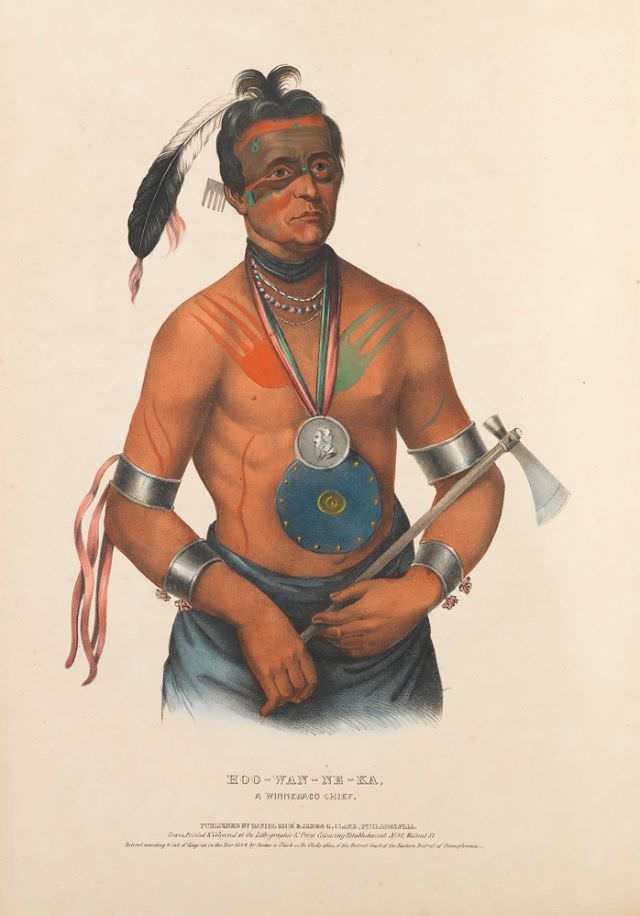
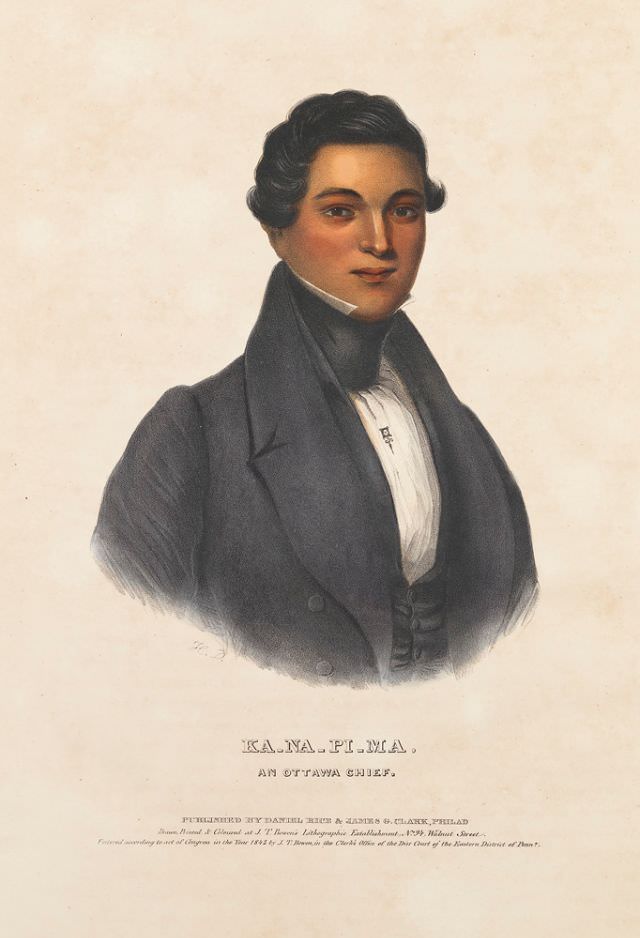
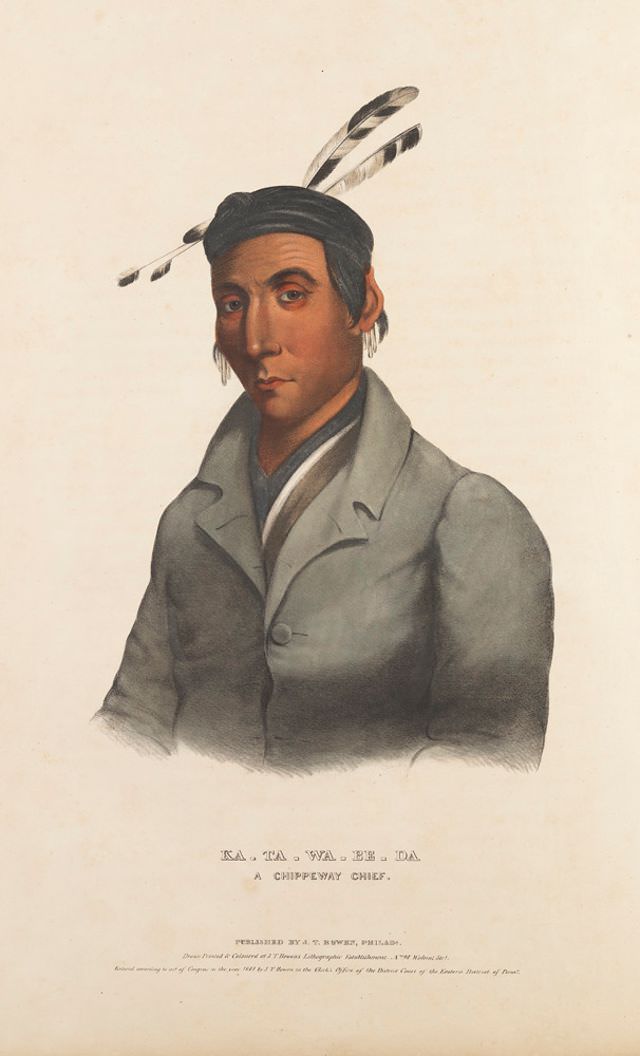
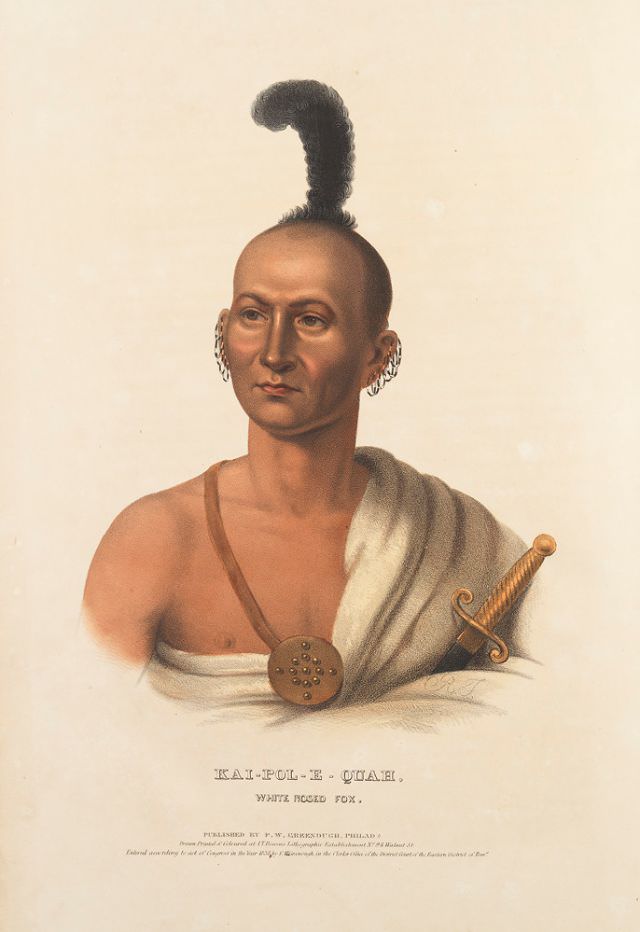
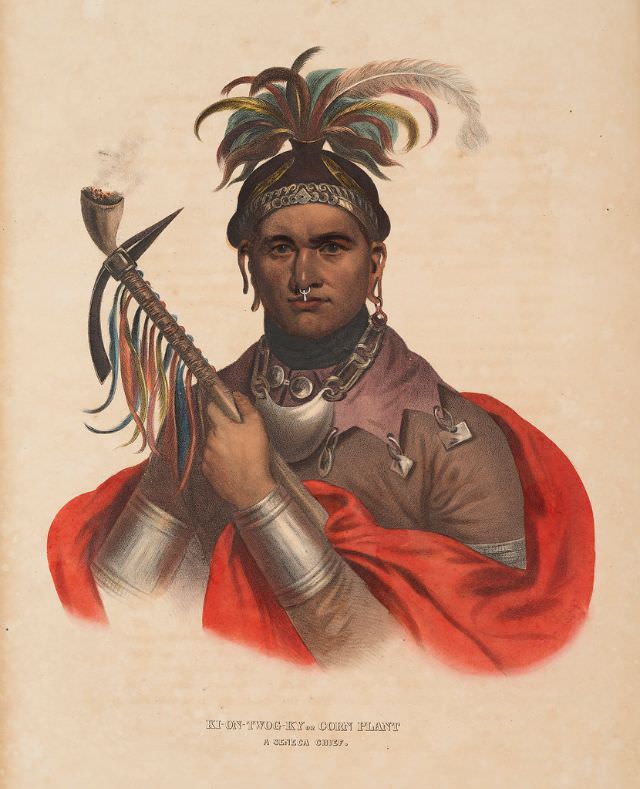
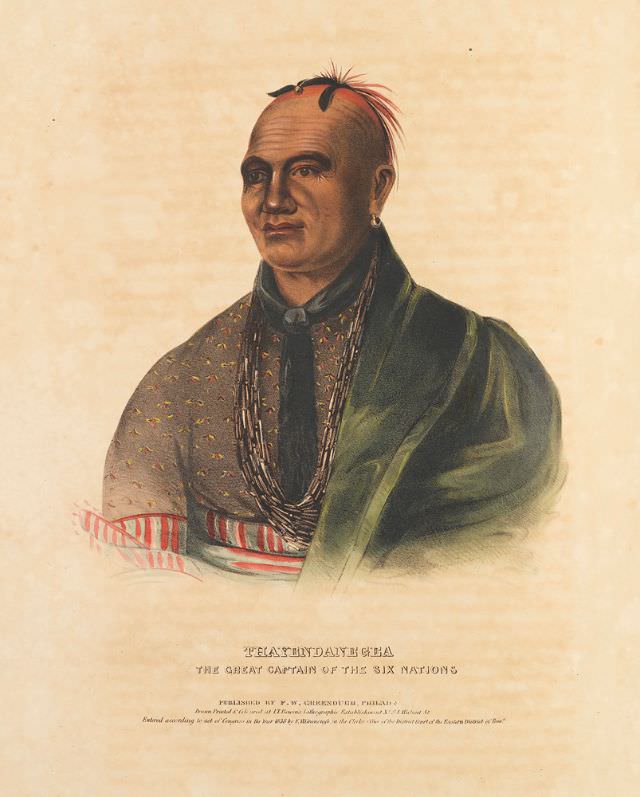
The Seneca and the Six Nations — the Haudenosaunee Confederacy — are represented by some of the most historically significant figures in the collection. Ki-On-Twog-Ky, known as Corn Plant, and Red Jacket were both Seneca leaders who navigated the tense years following the American Revolution. Thayendanegea, the Great Captain of the Six Nations, was one of the most powerful Indigenous military leaders of the 18th century.
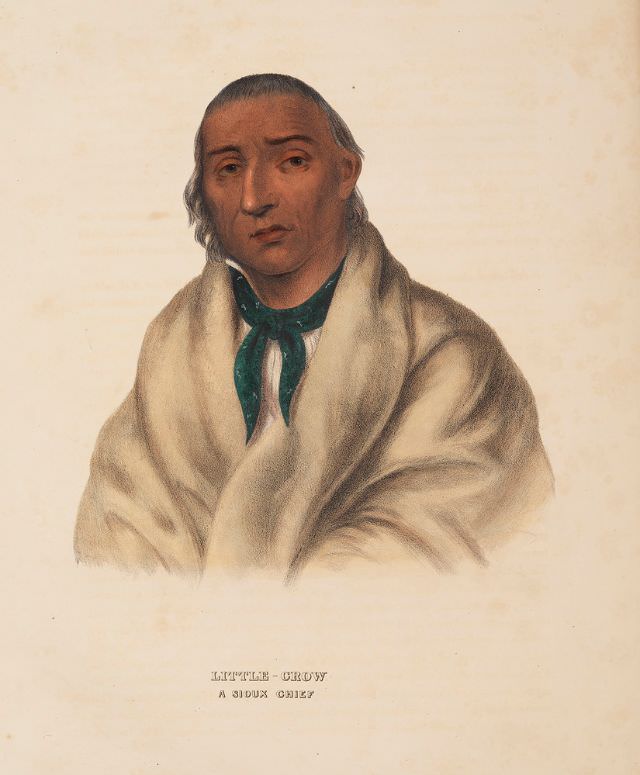
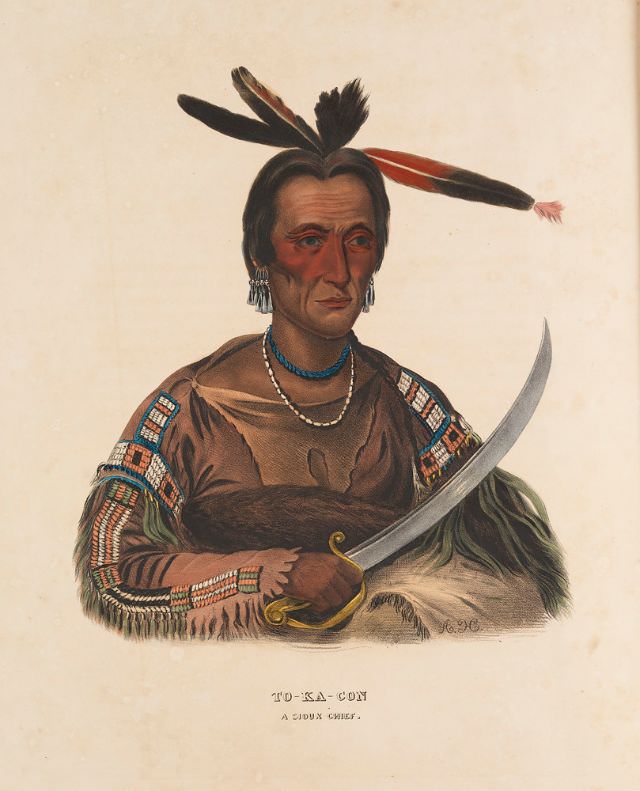
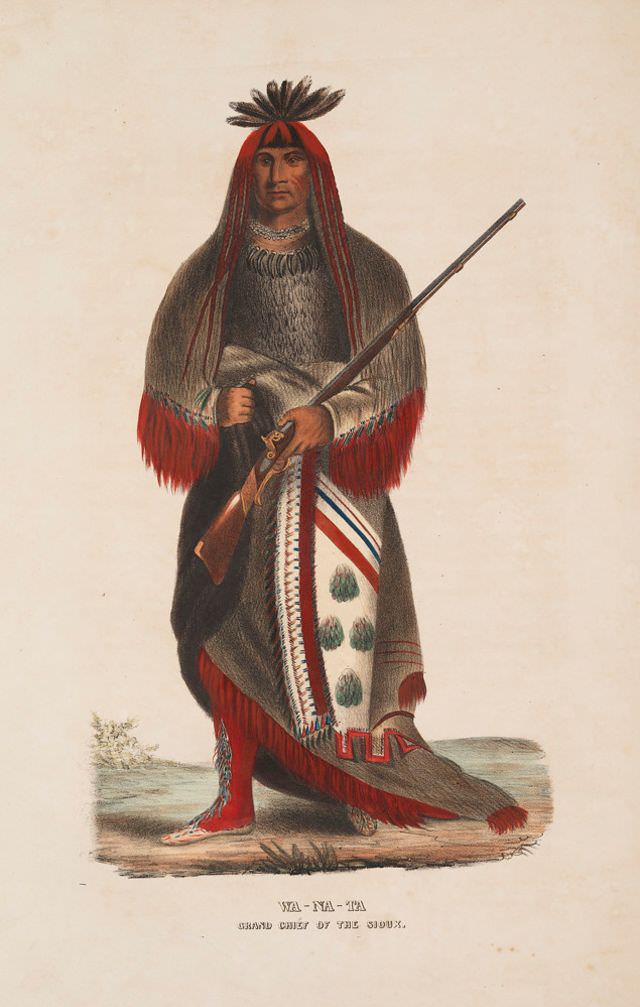
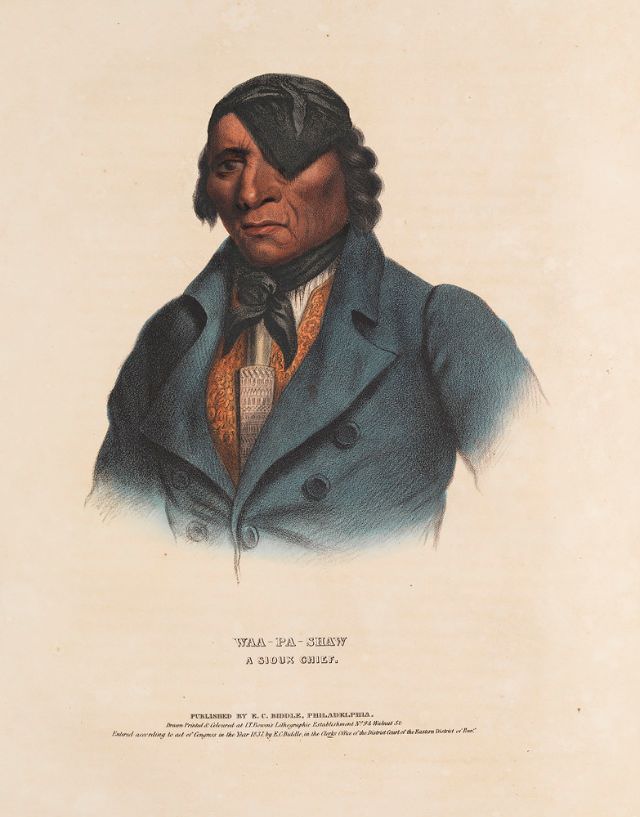
The Sioux nation produced several prominent entries in the collection. Wa-Na-Ta, identified as Grand Chief of the Sioux, and Little Crow each appear alongside other Sioux leaders. These portraits were made decades before the major conflicts of the 1860s, capturing these figures in a period when tensions with American settlers and the government were already building steadily westward.
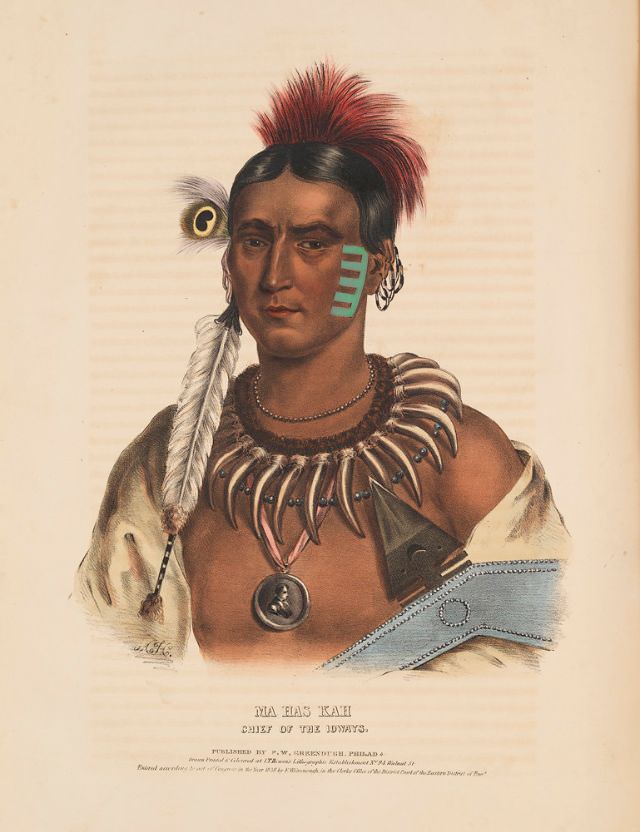
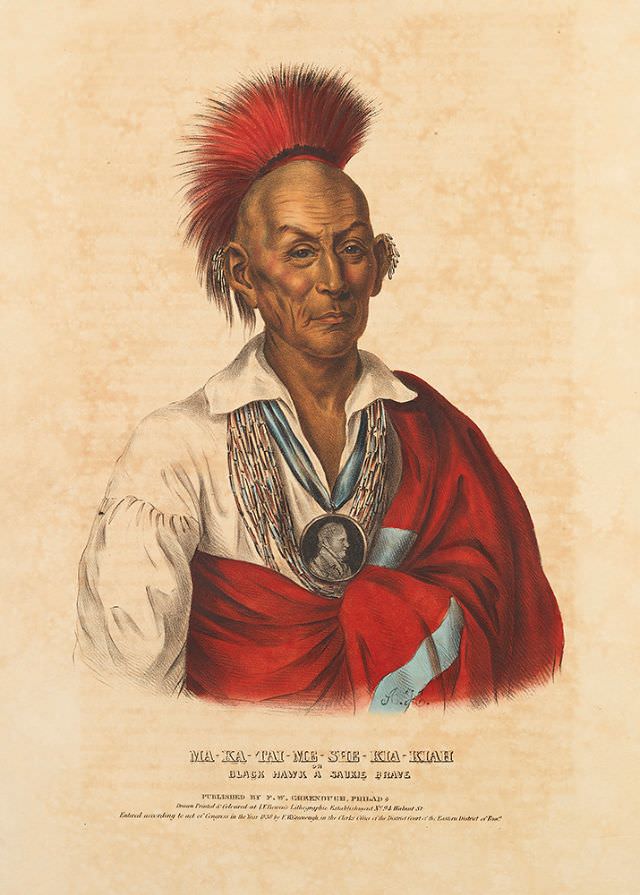
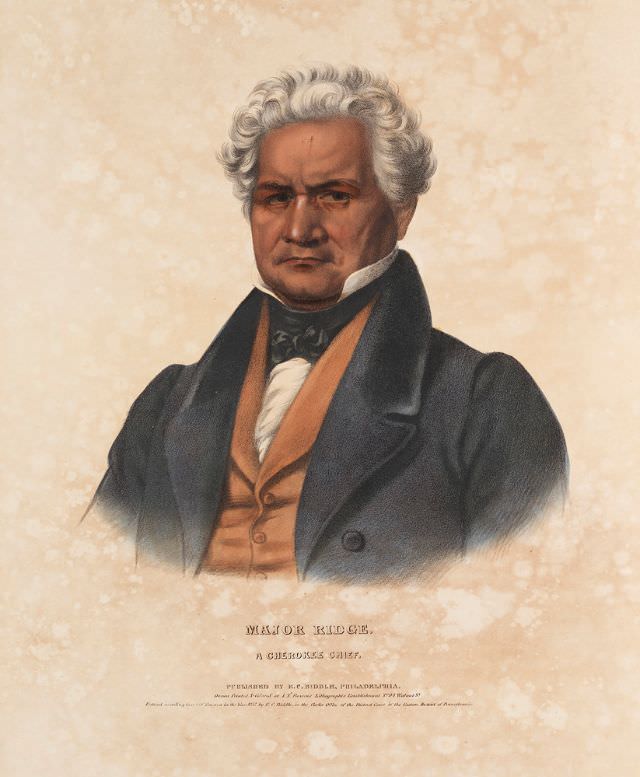
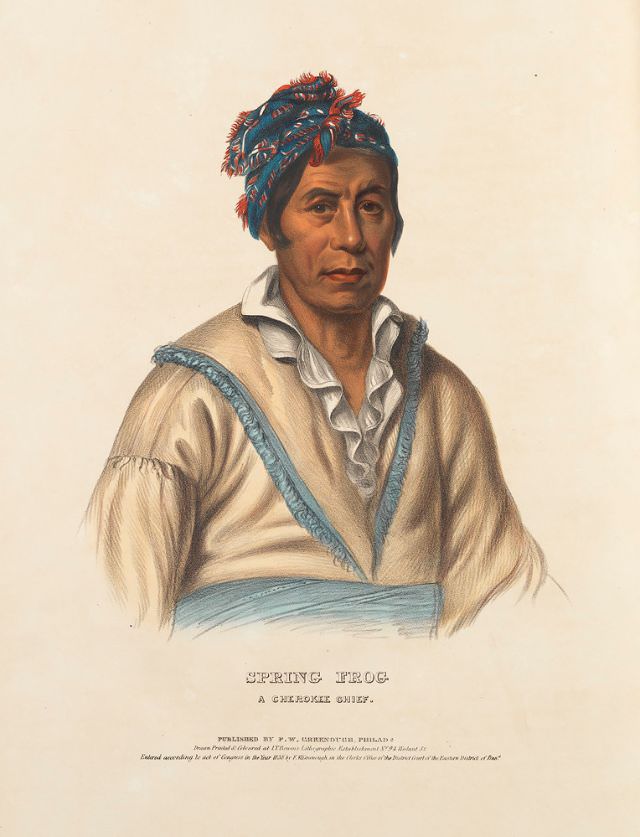
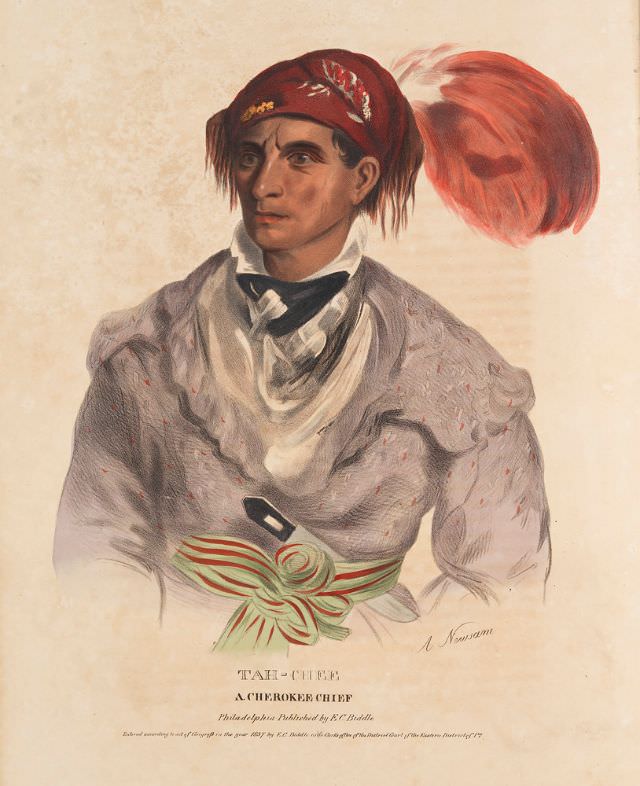
Cherokee figures make up a notable portion of the collection. Major Ridge and Spring Frog both appear, as does Tah-Chee. The Cherokee Nation was in a period of severe political crisis during these years, following the forced removal known as the Trail of Tears, which began in 1838 just a few years before these volumes were compiled.
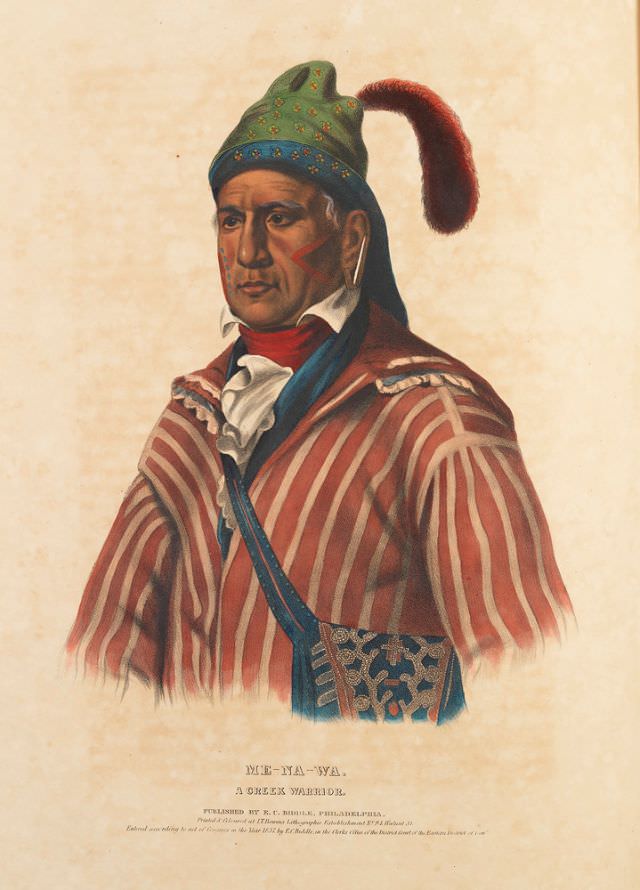
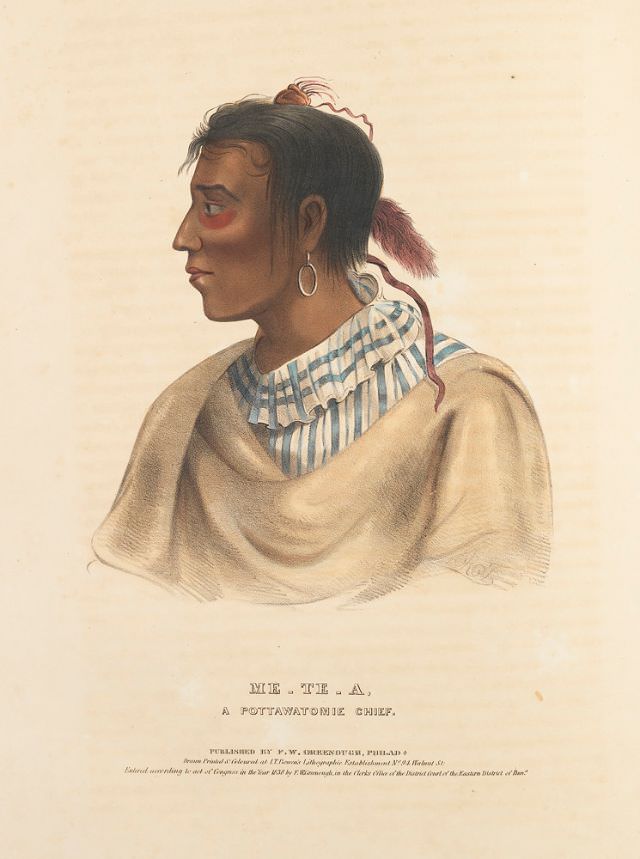
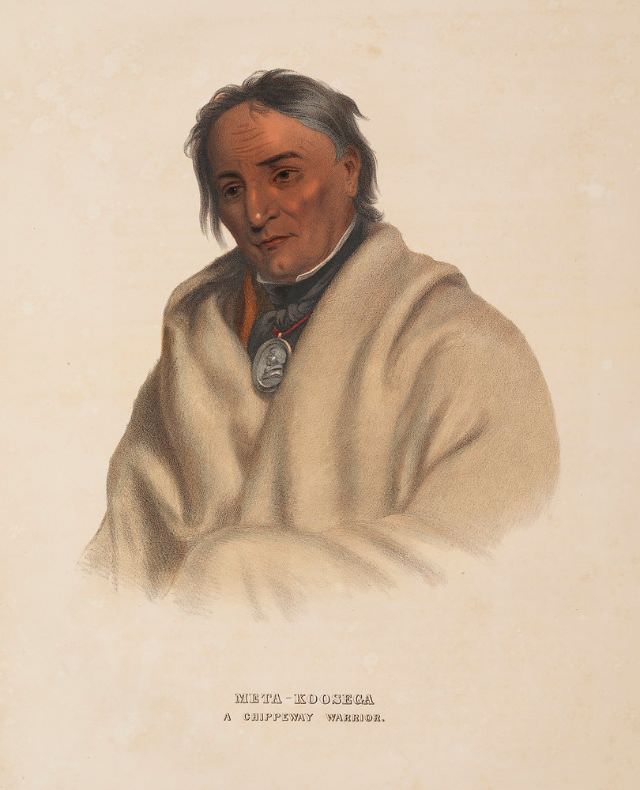
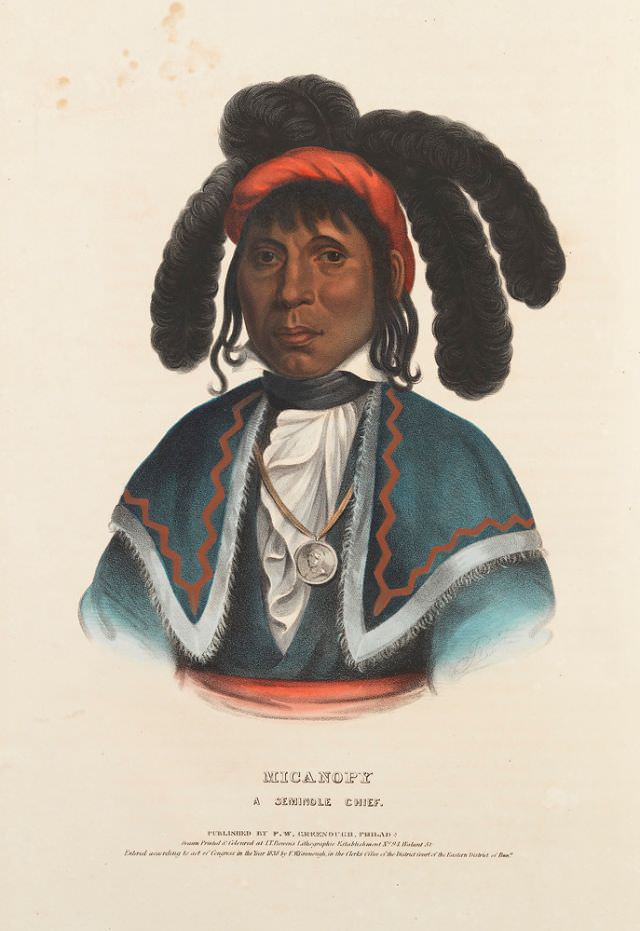
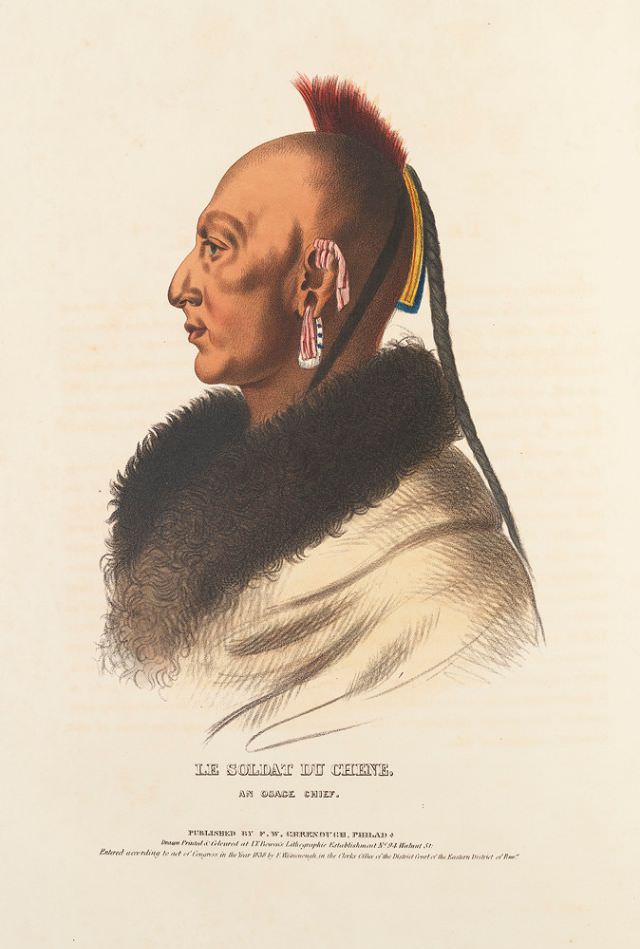
Osage subjects appear in both male and female portraits. Mo-Hon-Go is identified as an Osage woman, while La Soldat Du Chene is listed as an Osage chief. The Osage occupied territory in present-day Missouri and Arkansas and had long-standing contact with both French traders and American government agents before these portraits were made.
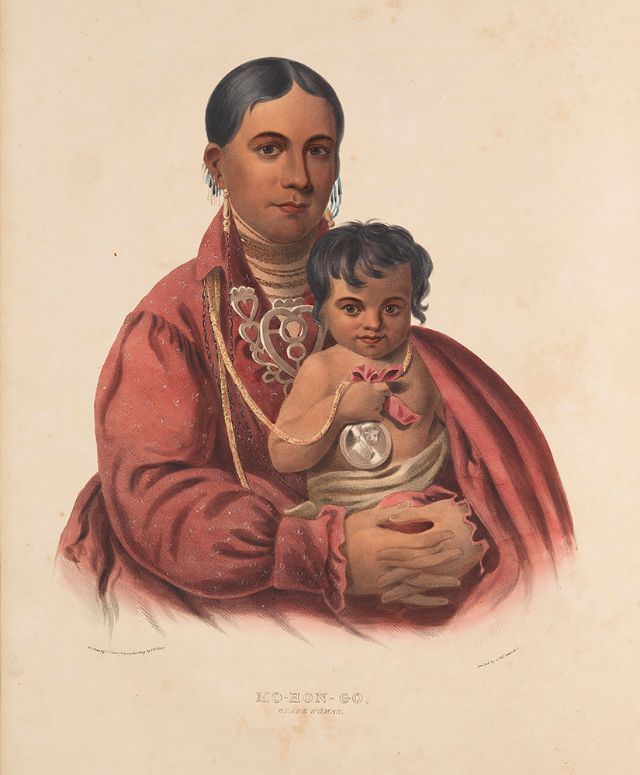
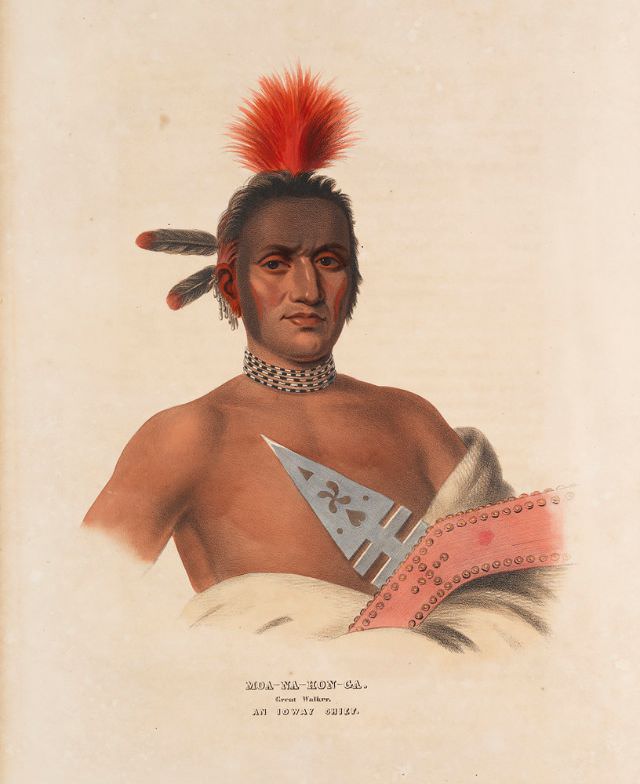
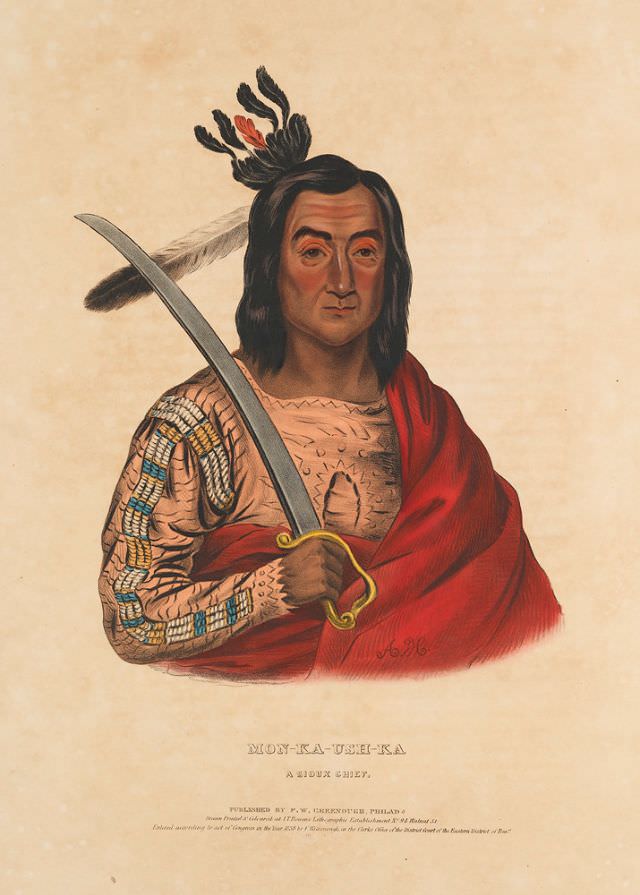
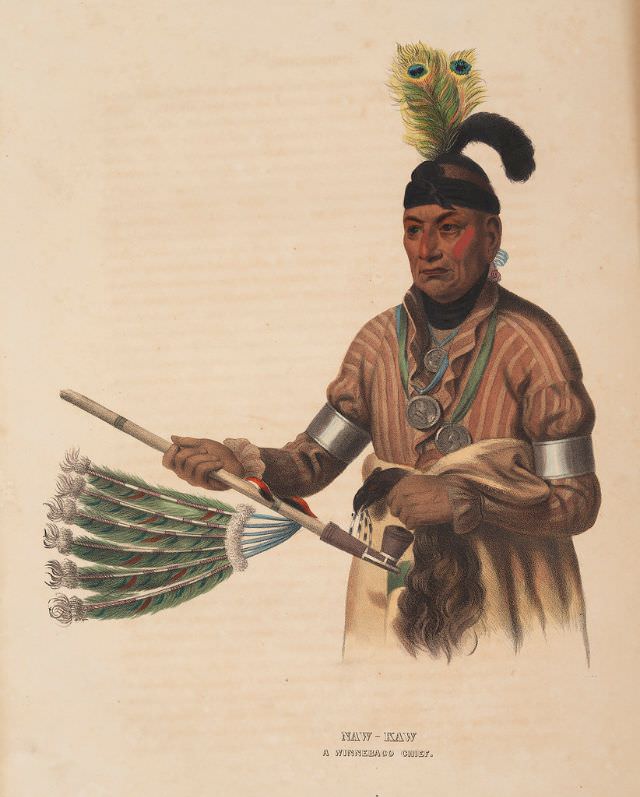
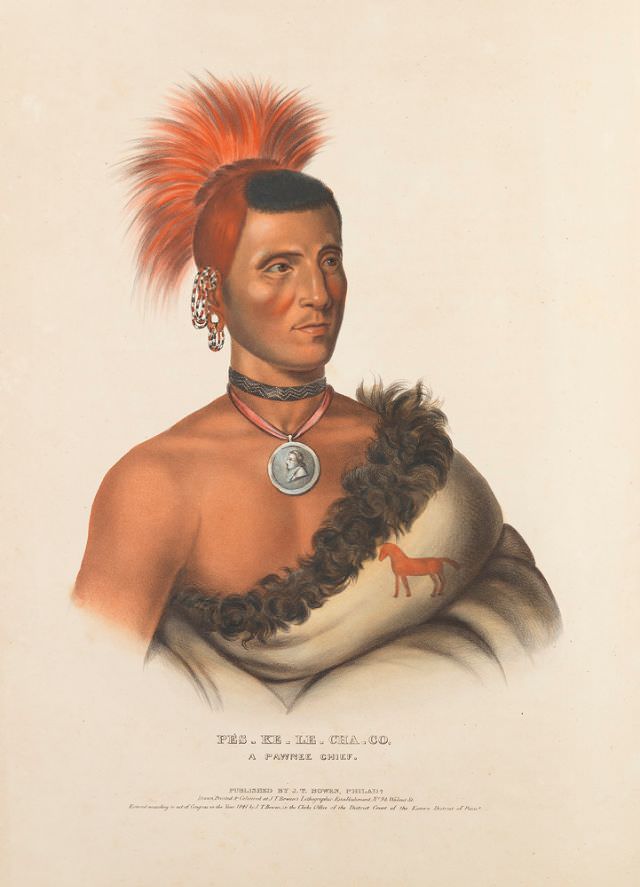
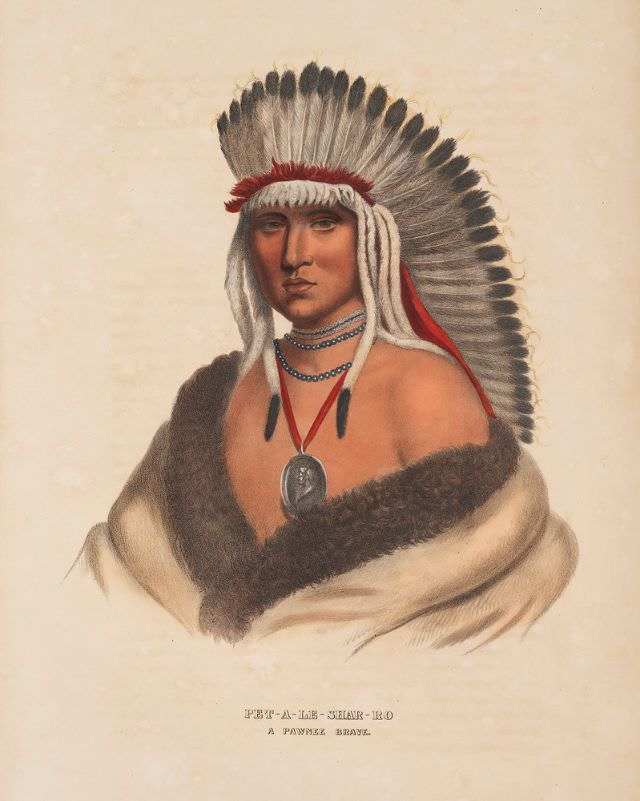
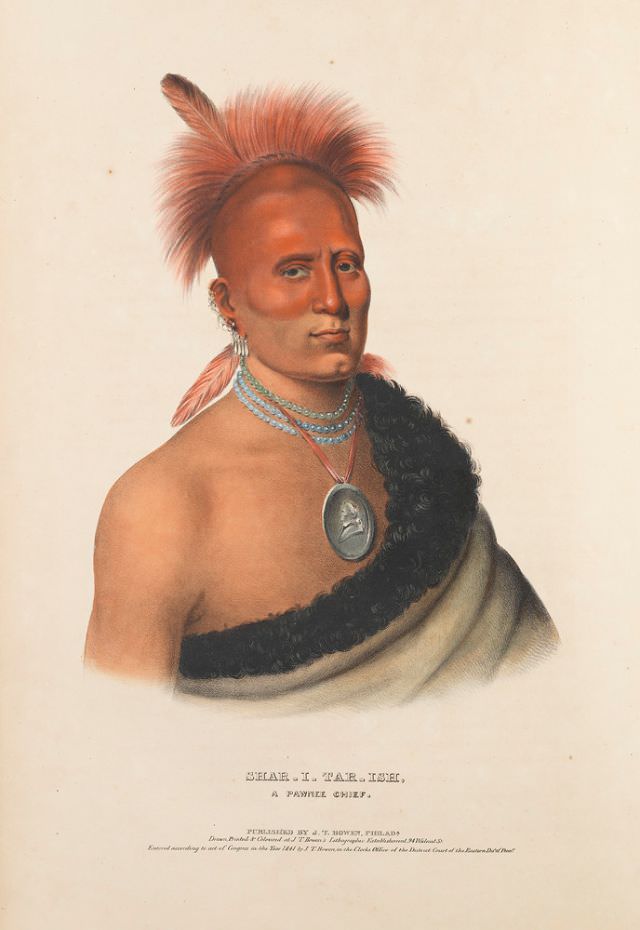
The Pawnee nation is represented by both chiefs and braves, including Shar-I-Tar-Ish, Pes-Ke-Le-Cha-Co, and Pet-A-Le-Shar-Ro. The Pawnee lived along the Platte River in present-day Nebraska and were among the nations with early and ongoing contact with American explorers and military expeditions moving through the Great Plains.
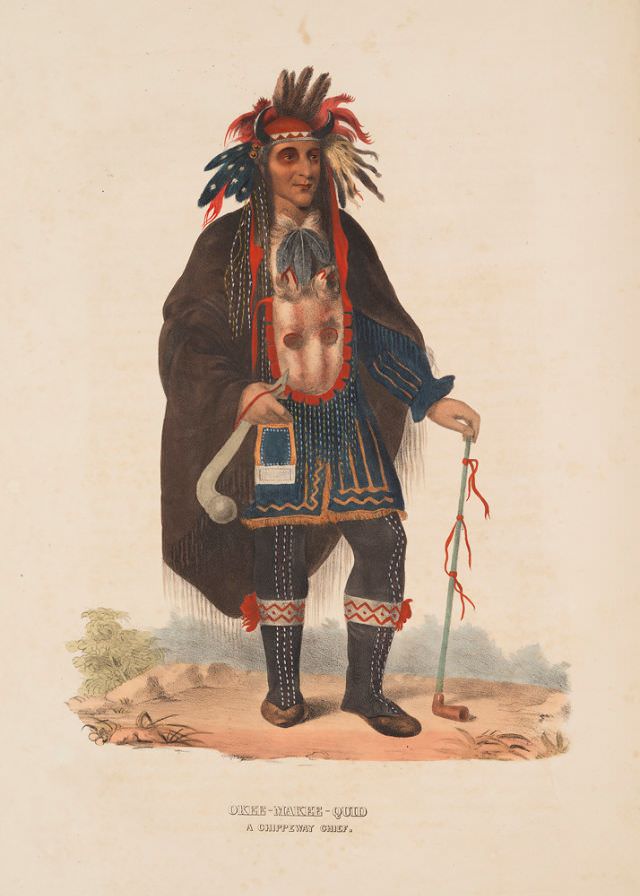
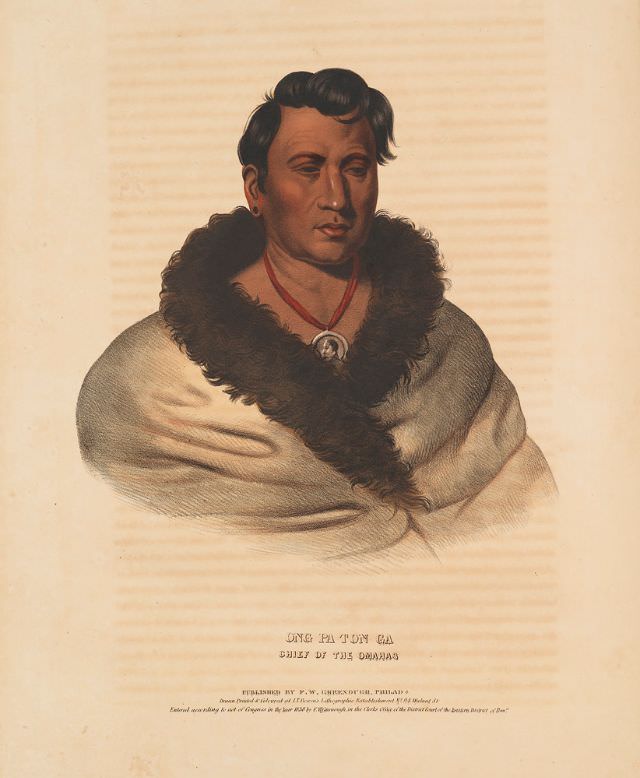
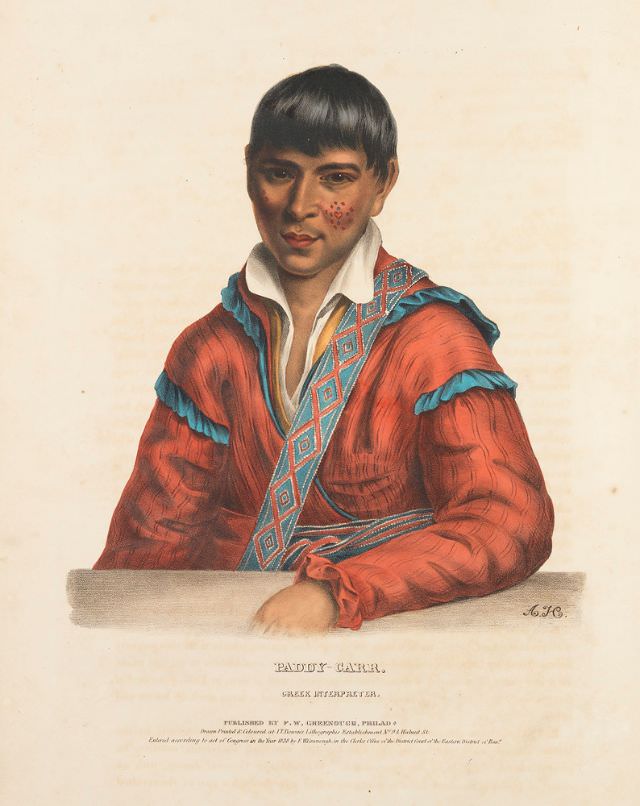
Not every subject in the collection held a chief’s title. Warriors, braves, interpreters, and women were all documented. Paddy-Carr is listed as a Creek interpreter, a role that placed him directly in negotiation rooms between tribal leadership and U.S. officials. His inclusion reflects how the volumes aimed at capturing the full range of people who shaped relations between the tribes and the American government.
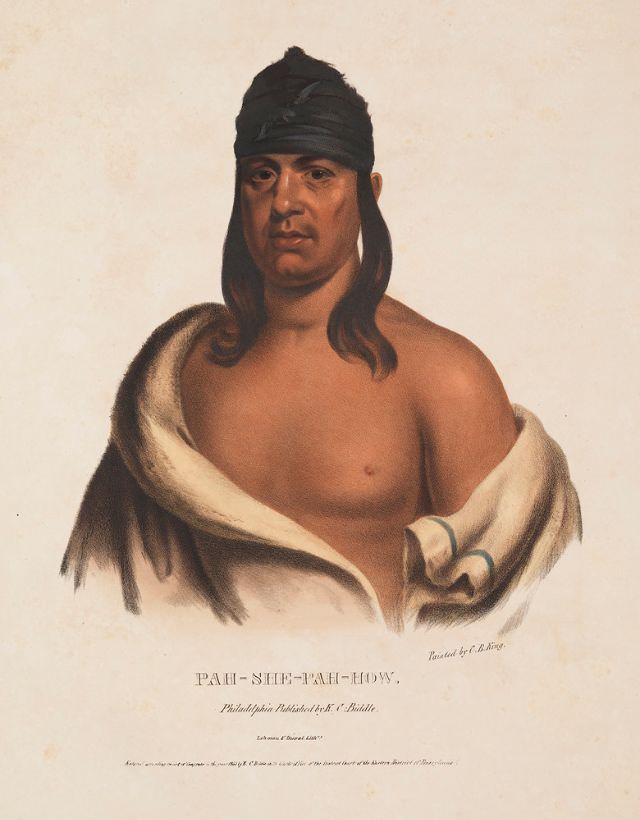
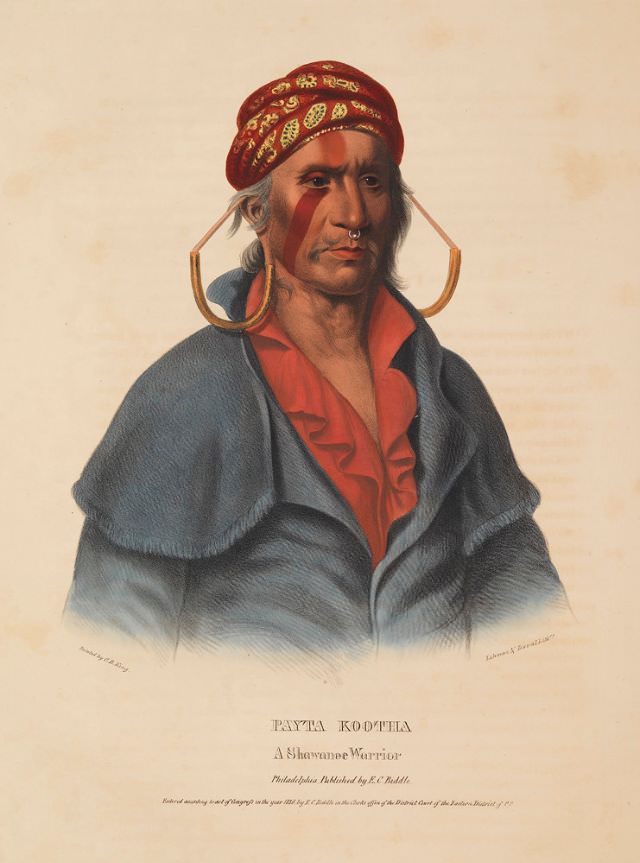
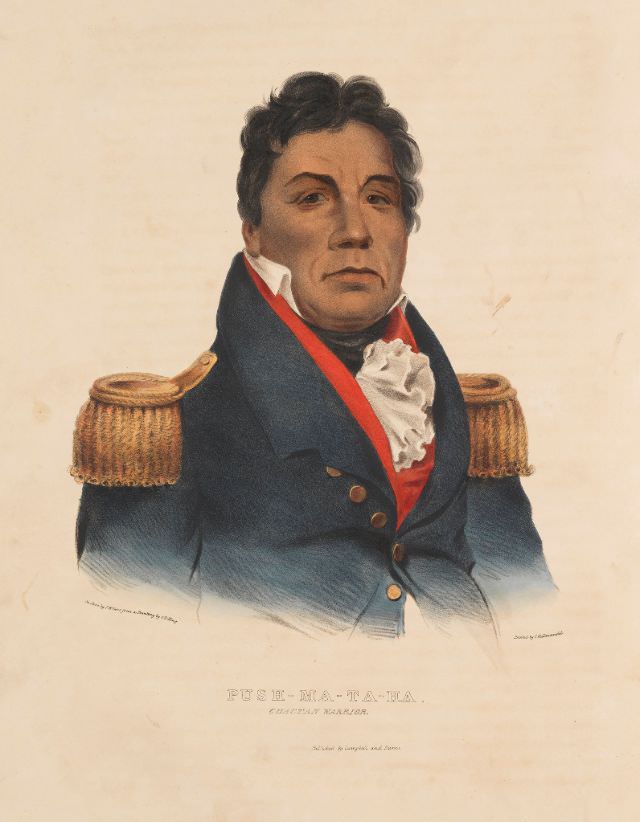
The Choctaw warrior Push-Ma-Ta-Ha appears among the Creek and southeastern subjects. He was known for his alliance with the United States during the War of 1812. His portrait sits alongside those of men who fought against the U.S., a detail that reflects the complex and often divided political landscape within and between tribes during this period.
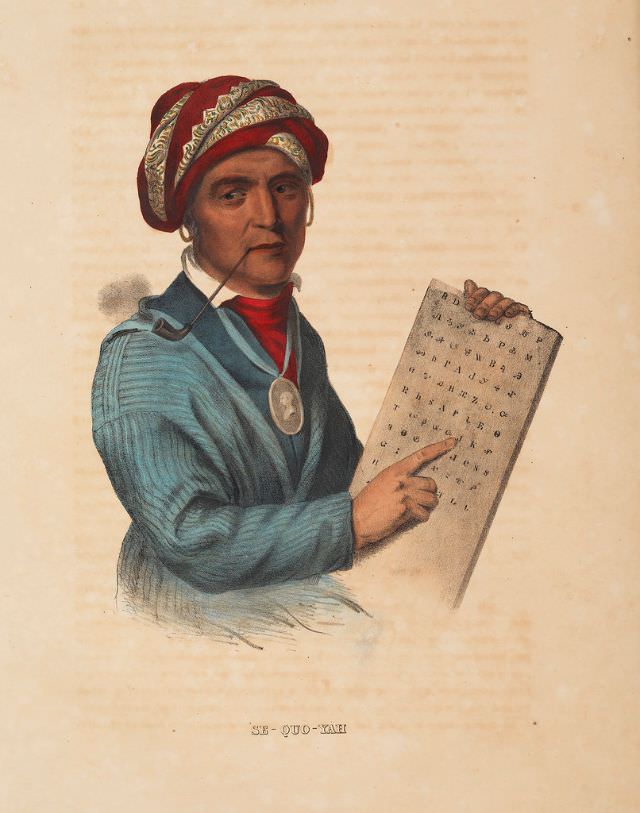
Sequoyah, who appears twice in the collection, was a Cherokee silversmith and scholar who single-handedly created a writing system for the Cherokee language in 1821. His syllabary allowed the Cherokee to become literate in their own language within a matter of years. His portrait stands out in the collection as that of a man whose contribution was cultural rather than military.
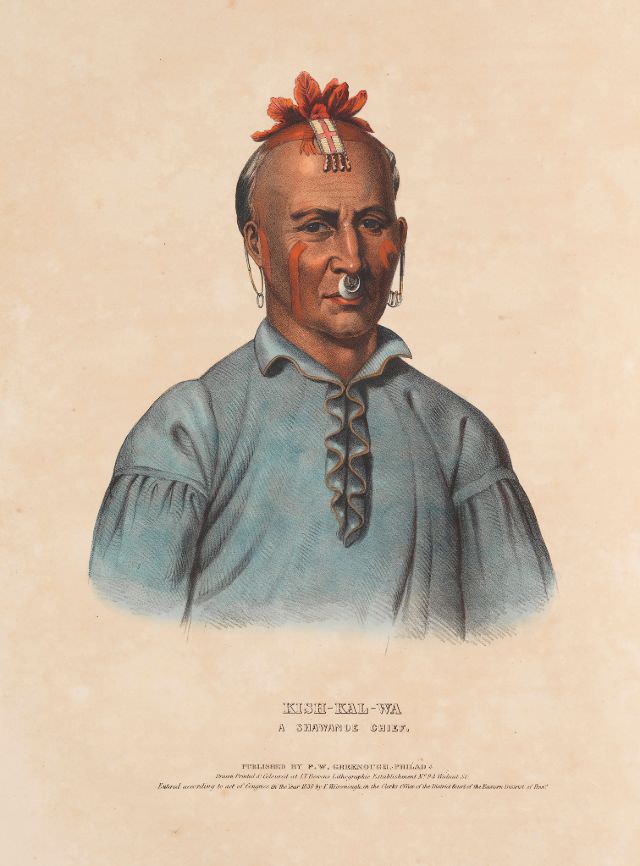
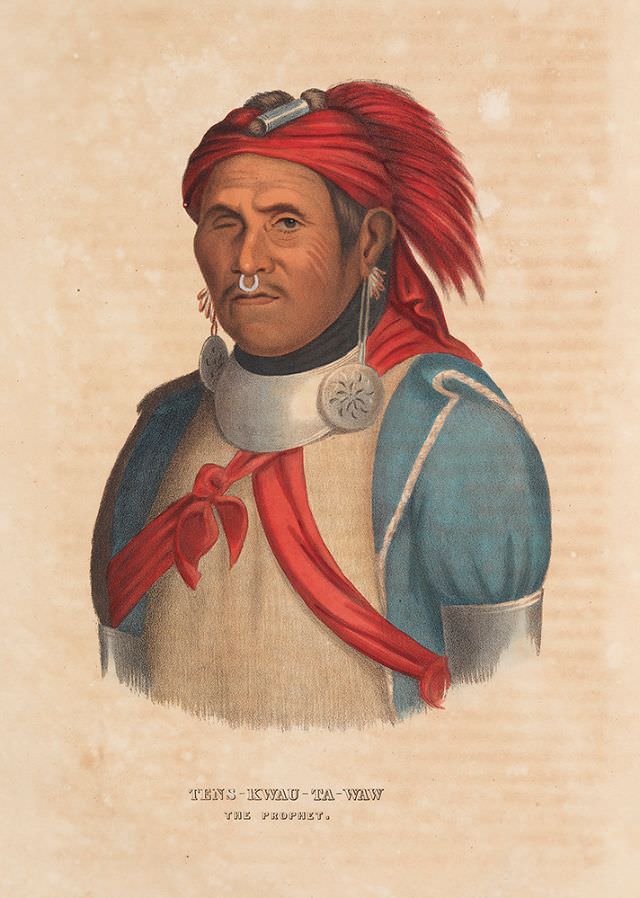
Tens-Kwau-Ta-Waw, known as The Prophet, was the brother of the Shawnee leader Tecumseh. He appears here in a portrait that captures a man who once rallied thousands of Native people under a religious and political movement aimed at resisting American expansion. His movement collapsed after the Battle of Tippecanoe in 1811, but his face remained recognizable enough to warrant inclusion in the gallery.
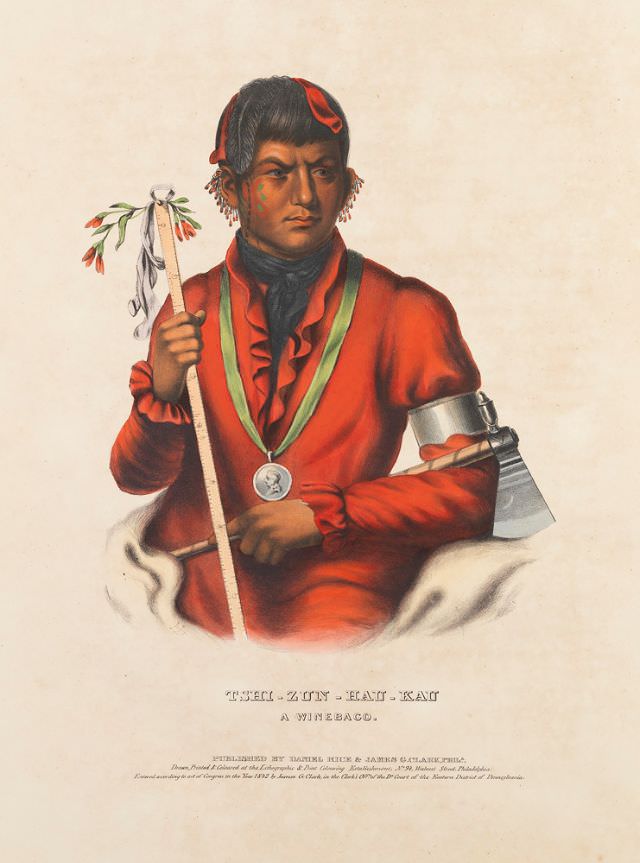
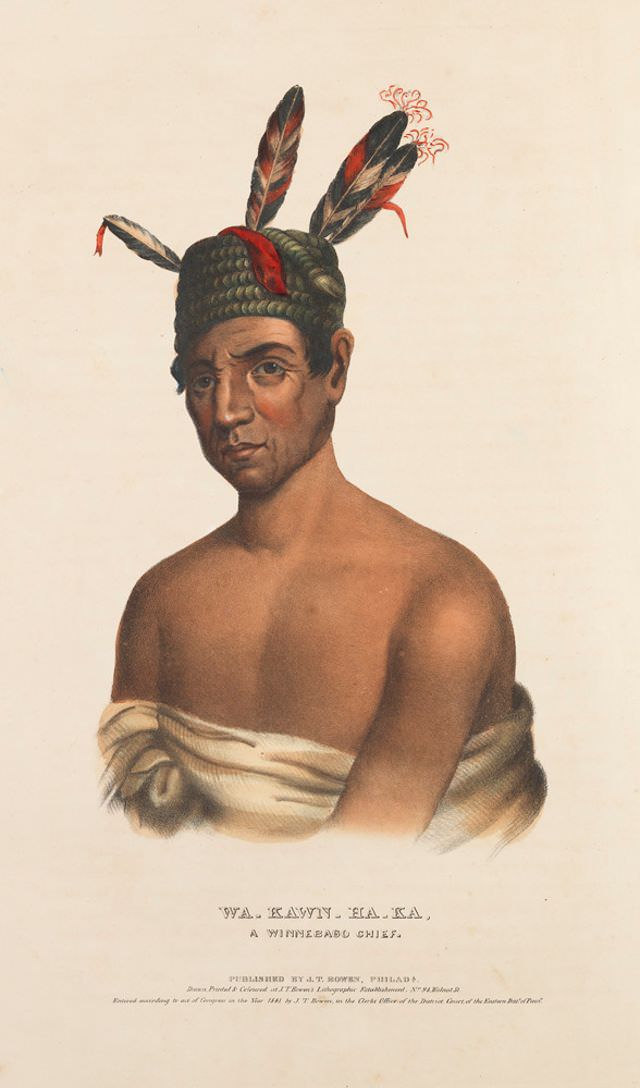
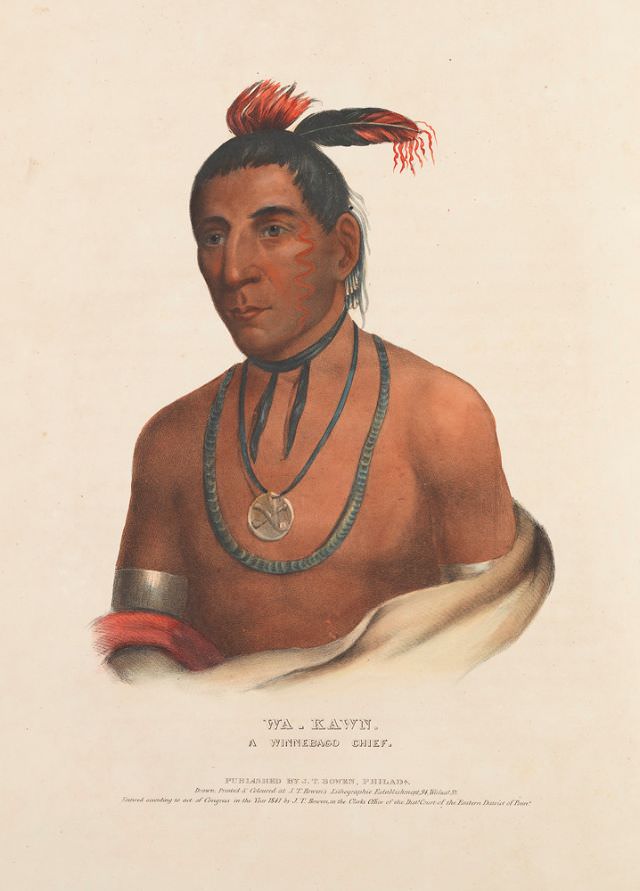
The Winnebago nation, based in the Great Lakes region of present-day Wisconsin, is one of the more heavily represented groups in the collection. Multiple chiefs appear — Hoo-Wan-Ne-Ka, Naw-Kaw, Wa-Kawn, and Wa-Kawn-Ha-Ka among them — alongside a warrior and a figure identified simply as a Winnebago. This density of representation points to how central the Winnebago were in the treaty negotiations of the early 19th century.
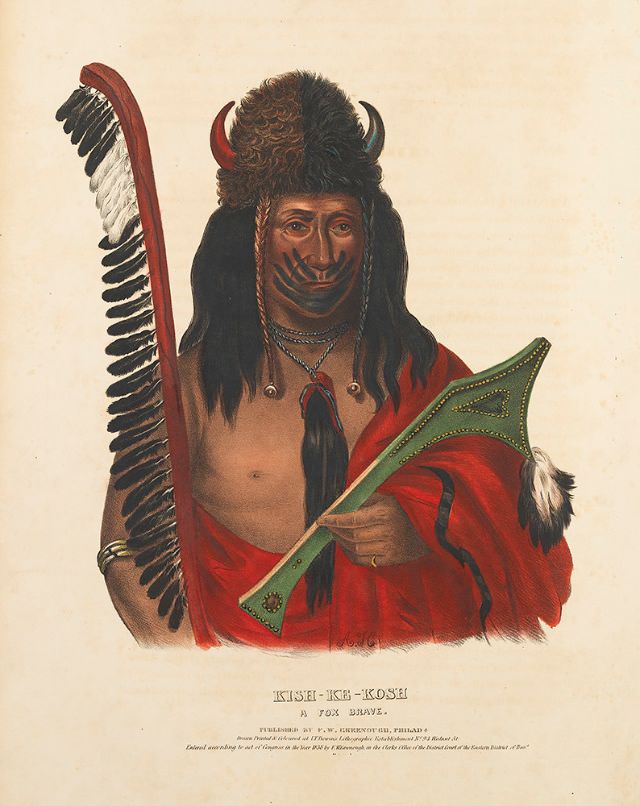
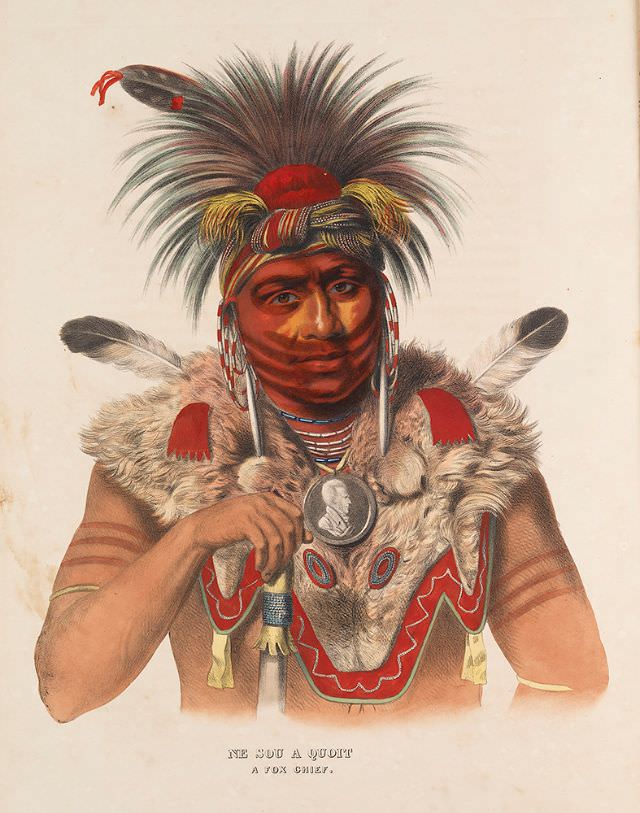
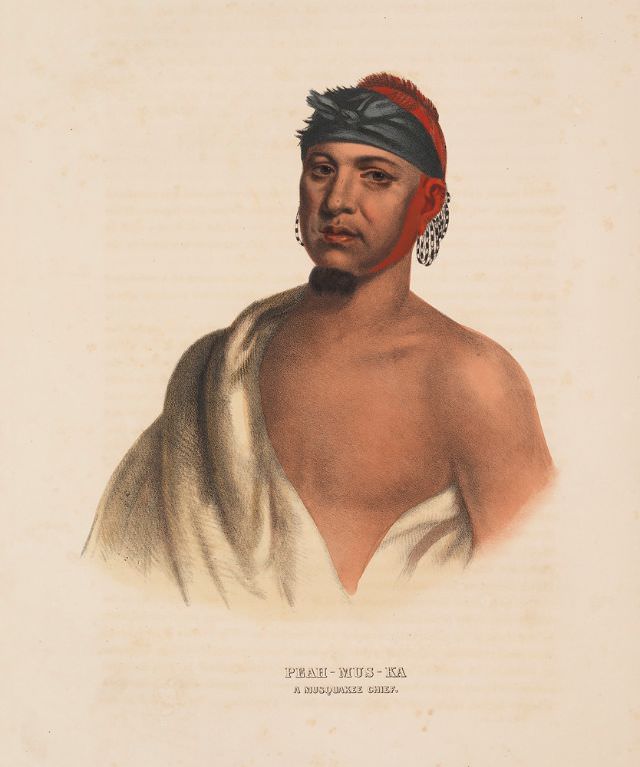
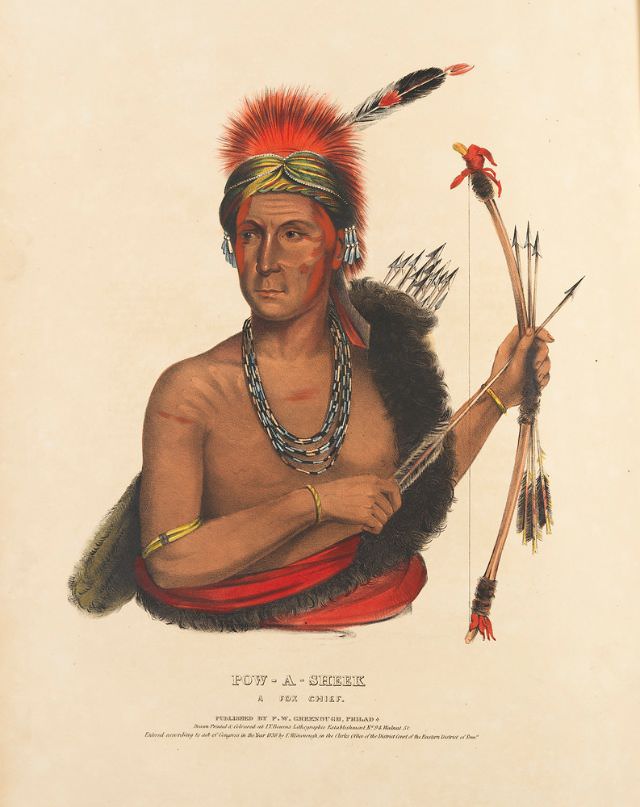
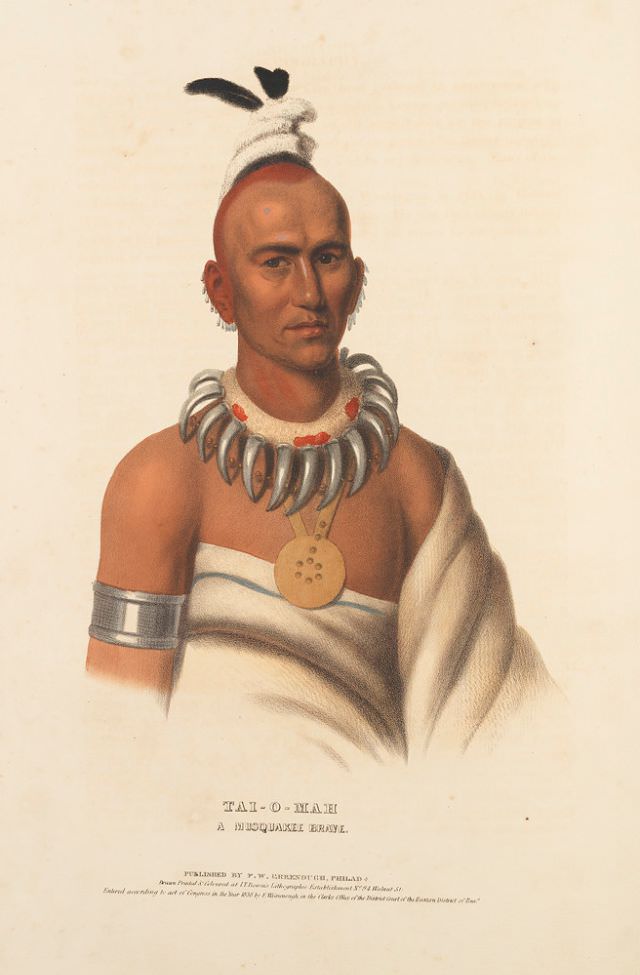
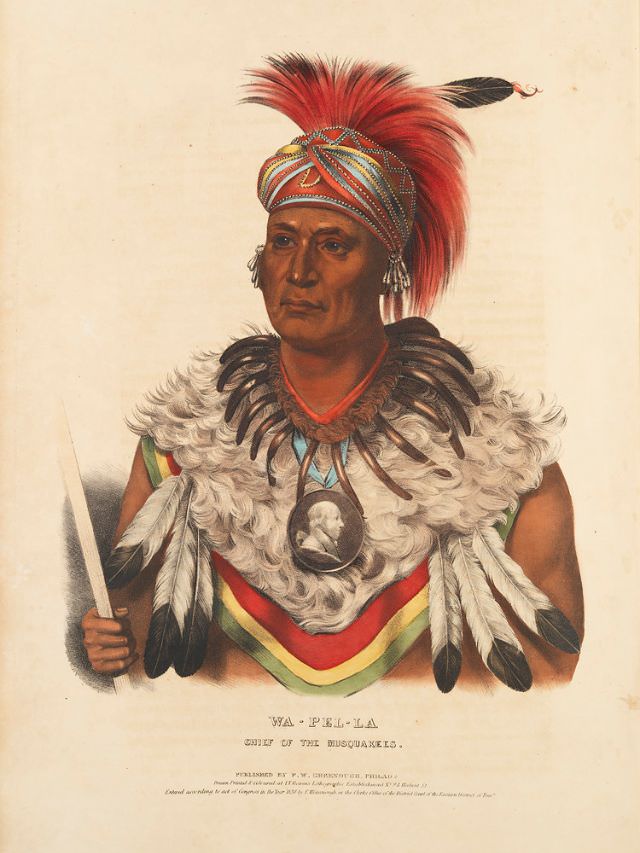
The Musquakee, also known as the Meskwaki or Fox, appear through several chiefs and braves. Wa-Pel-La, Ne Sou A Quoit, Pow-A-Sheek, and Peah-Mus-Ka all appear in the collection. The Fox were closely linked with the Saukie — also spelled Sauk — and fought alongside Black Hawk during the 1832 war that bore his name, making these portraits records of men caught up in one of the final armed conflicts in the upper Midwest.
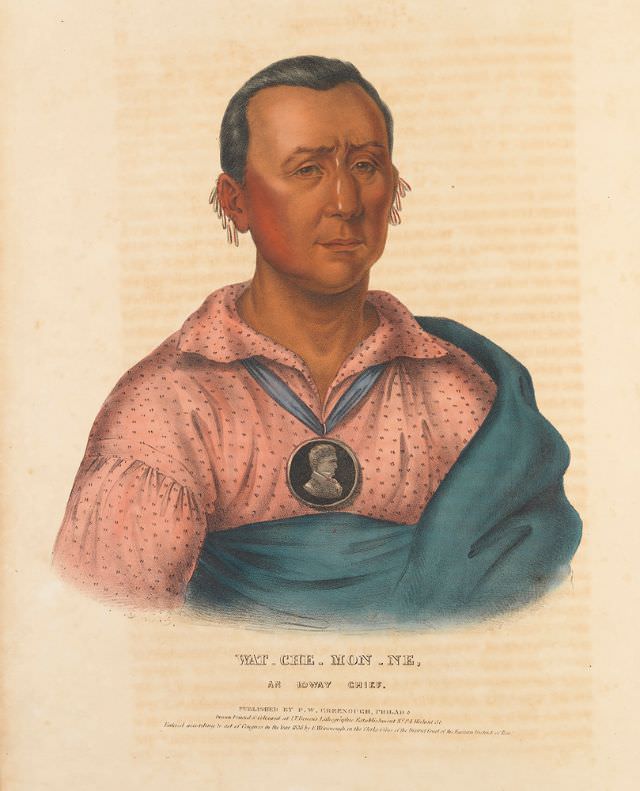
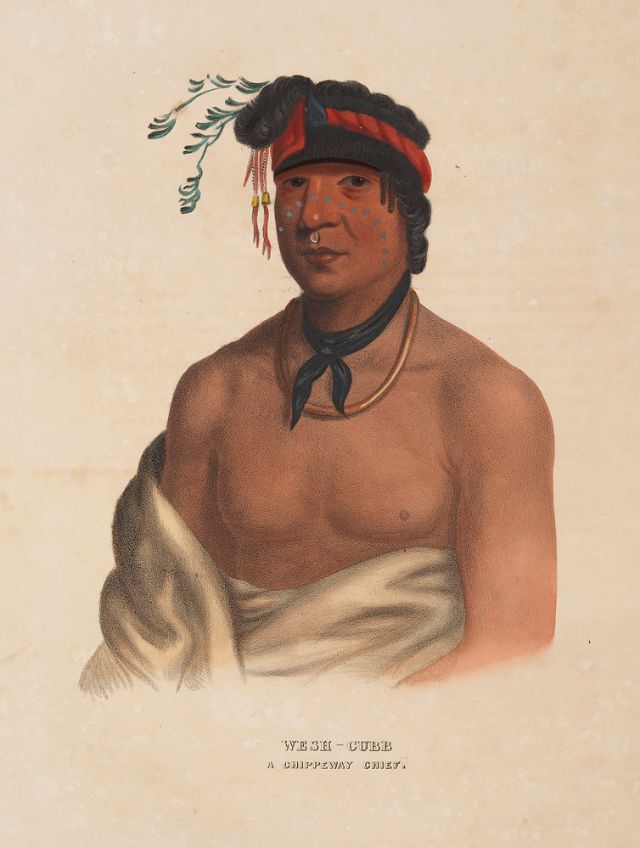
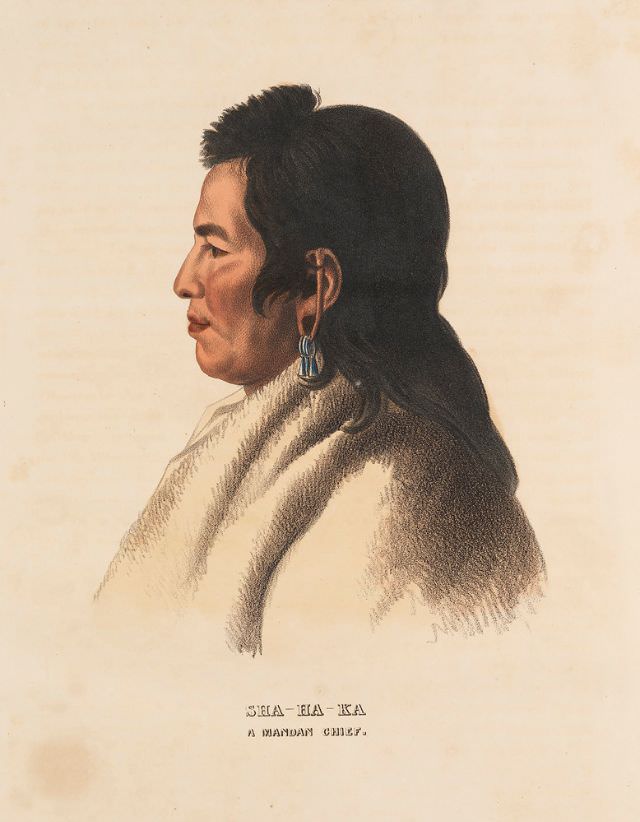
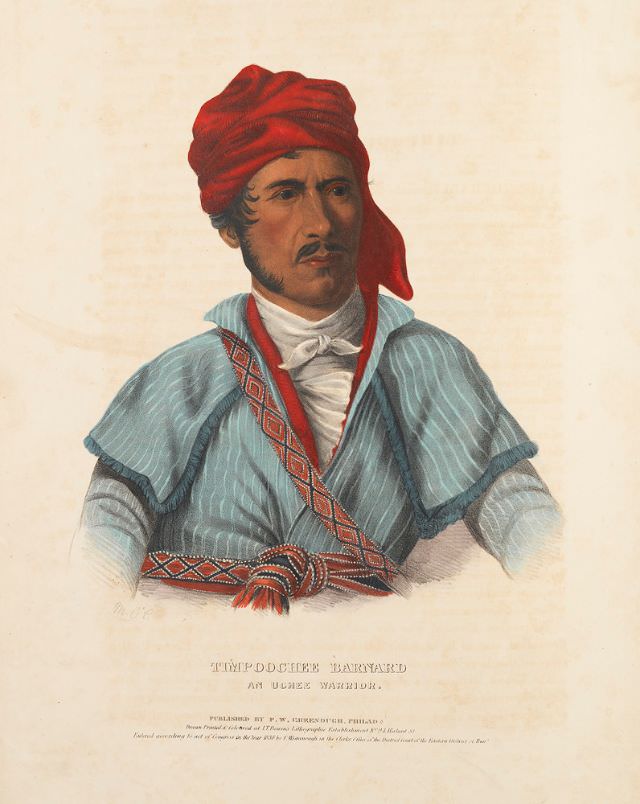
The final pages of the collection round out the representation of tribes from across the eastern half of the continent. The Mandan chief Sha-Ha-Ka, the Uchee warrior Timpoochee Barnard, and the female subject Rant-Che-Wai-Me — named Female Flying Pigeon — each add depth to the record. Together, the 89 portraits shown here form a cross-section of a world that was being dramatically reshaped by U.S. expansion during the very years this book was produced.