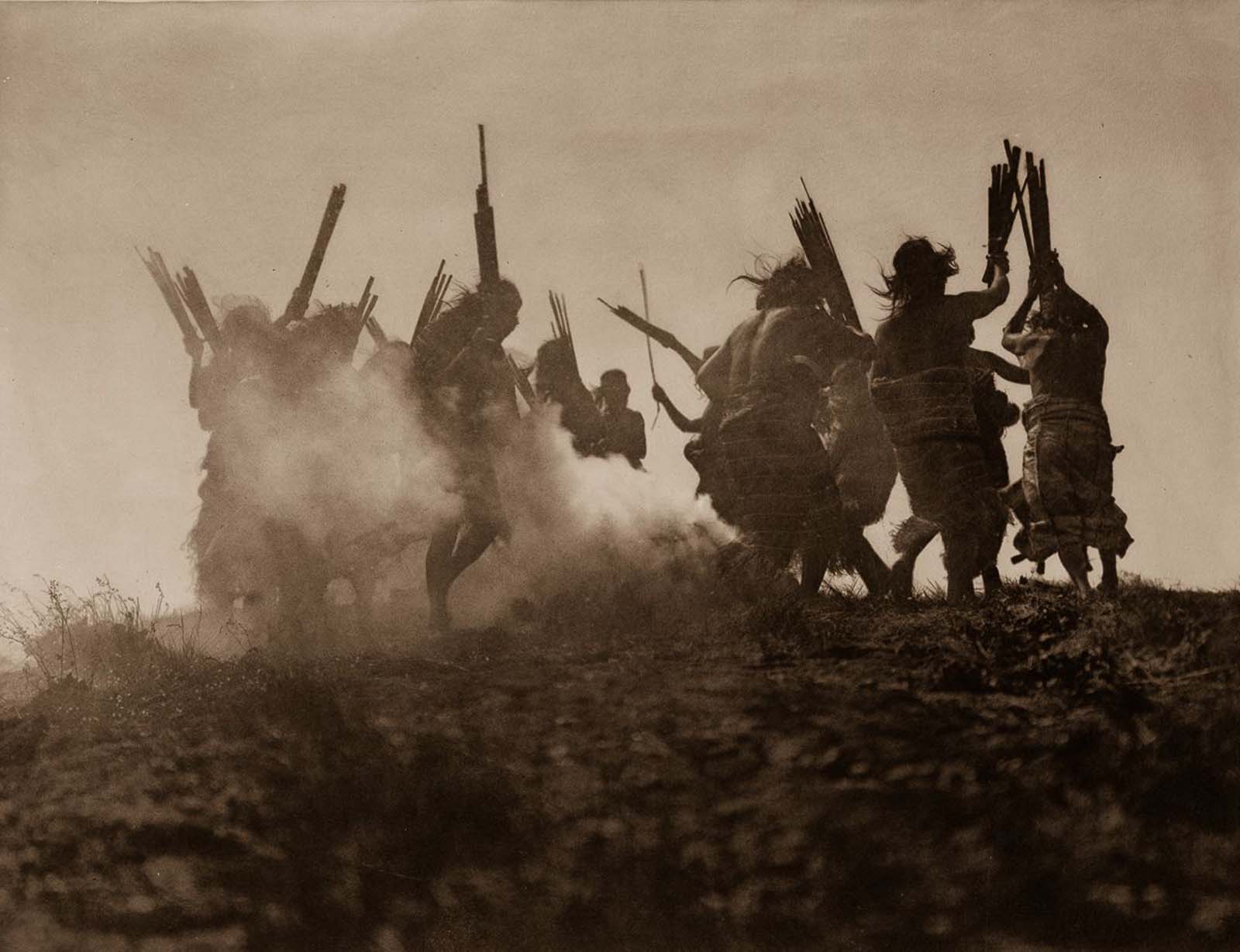
Edward Sheriff Curtis learned photography at a young age and built his early career capturing portraits in the Pacific Northwest. One of his first notable subjects was Princess Angeline, the daughter of Duwamish Chief Seattle — the man for whom the city of Seattle was named. That early work set the direction for what would become one of the most ambitious photographic projects in American history.
In 1906, wealthy financier J.P. Morgan commissioned Curtis for a project called “The North American Indian.” The goal was straightforward but enormous: photograph the remaining Native American tribes before their traditional ways of life disappeared entirely. Curtis packed a hulking 14-by-17-inch camera into a trail wagon, assembled a crew of assistants, and set out across the continent. The journey took him through the scorching Mohave Desert, across impassable roads, and into the territories of tribes who were — understandably — suspicious of outsiders.
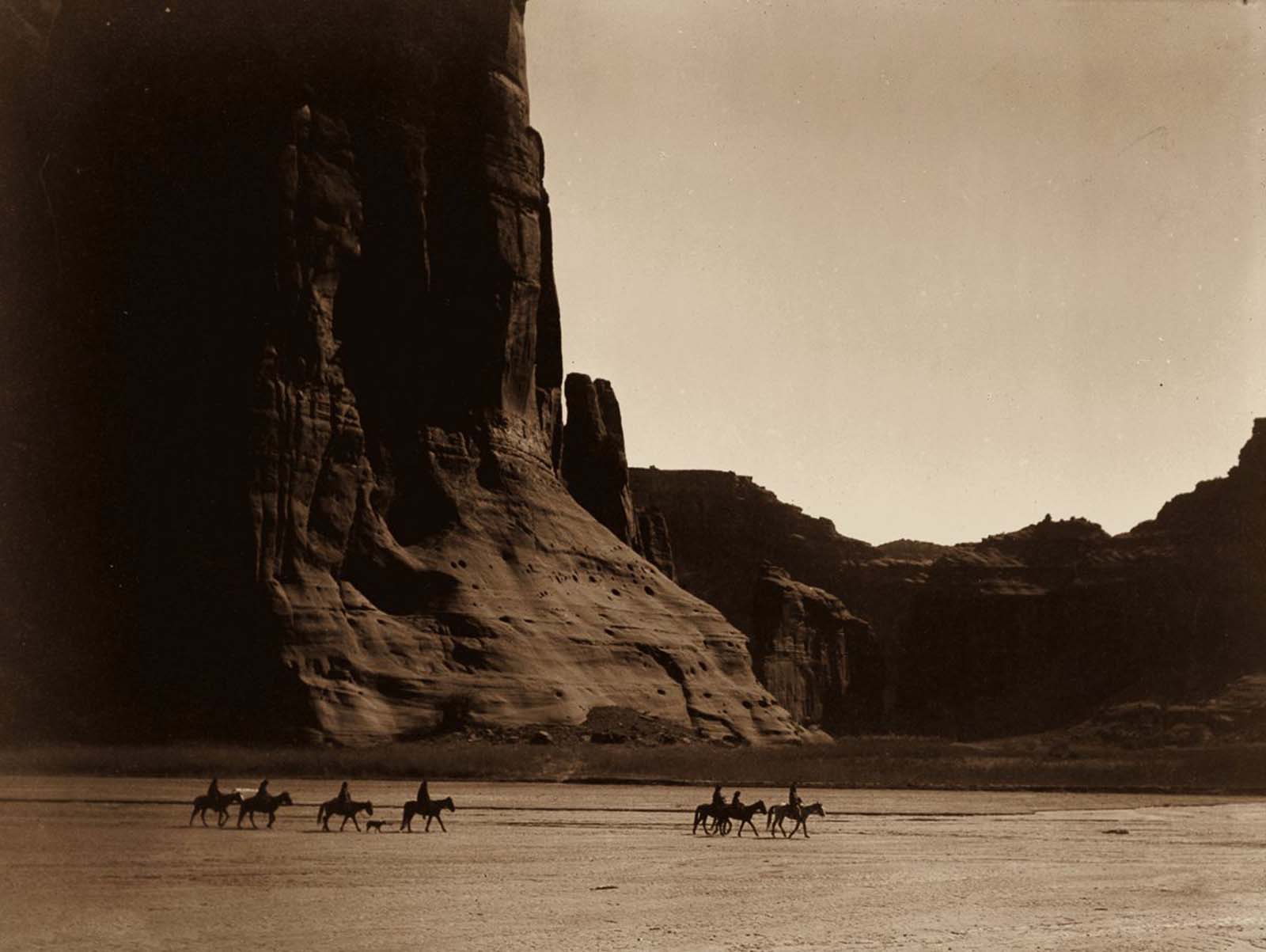
Curtis was patient and methodical. He wanted to document not just faces, but the full texture of Native American life — ceremonies, hunting methods, daily routines, leadership, and spiritual practices. He organized reenactments of battles and traditional rituals so that every aspect of tribal culture could be captured on film. The tribes he visited came to respect his dedication, and they gave him the name “Shadow Catcher.”
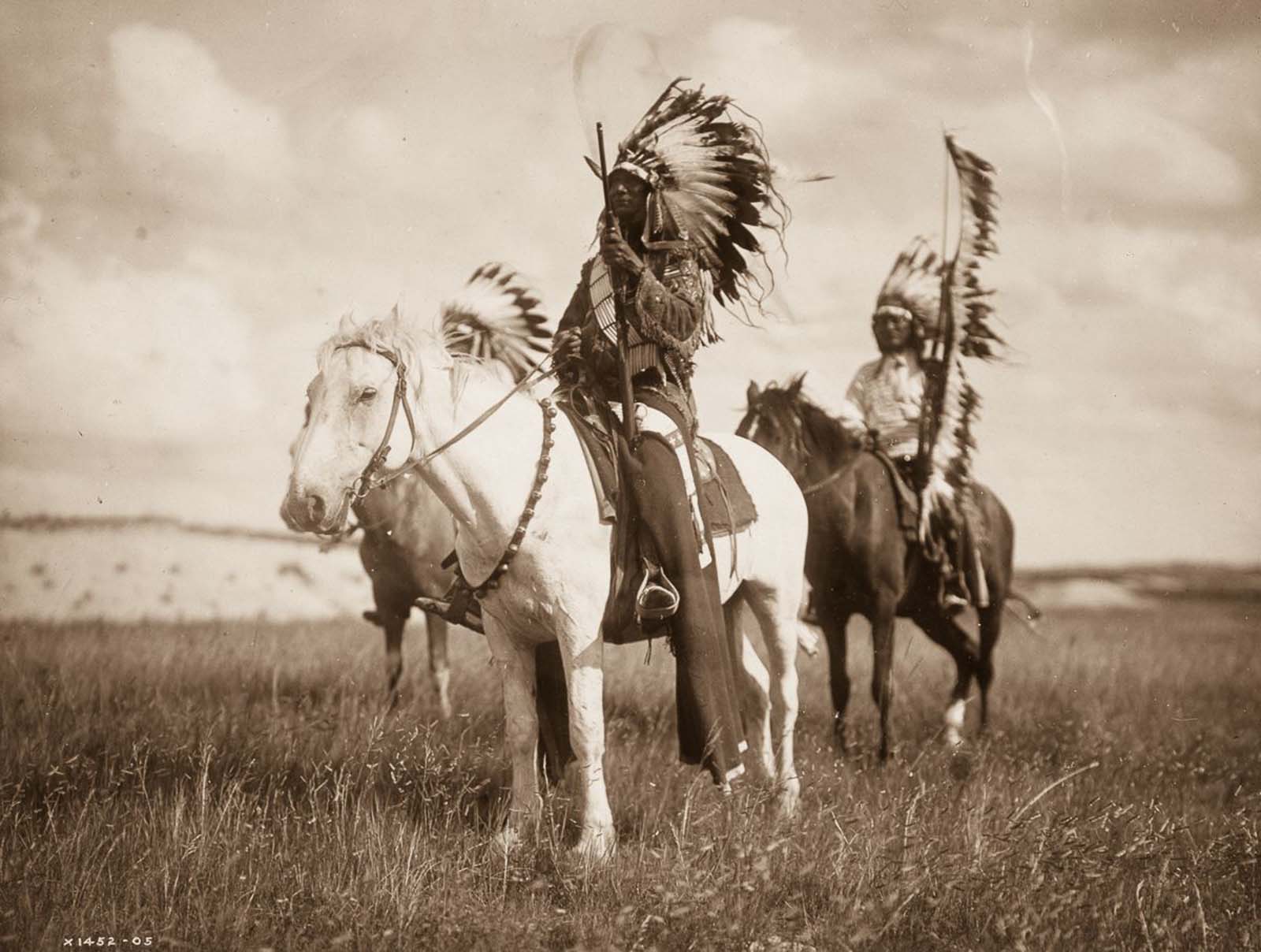
His crew didn’t stop at photographs. They also recorded more than 10,000 wax cylinder recordings of native songs and speeches in tribal languages — a sound archive as rare as the visual one. Among the people Curtis photographed were well-known figures like Red Cloud, Geronimo, and Medicine Crow, alongside countless unnamed men, women, and children whose faces would otherwise have gone unrecorded.
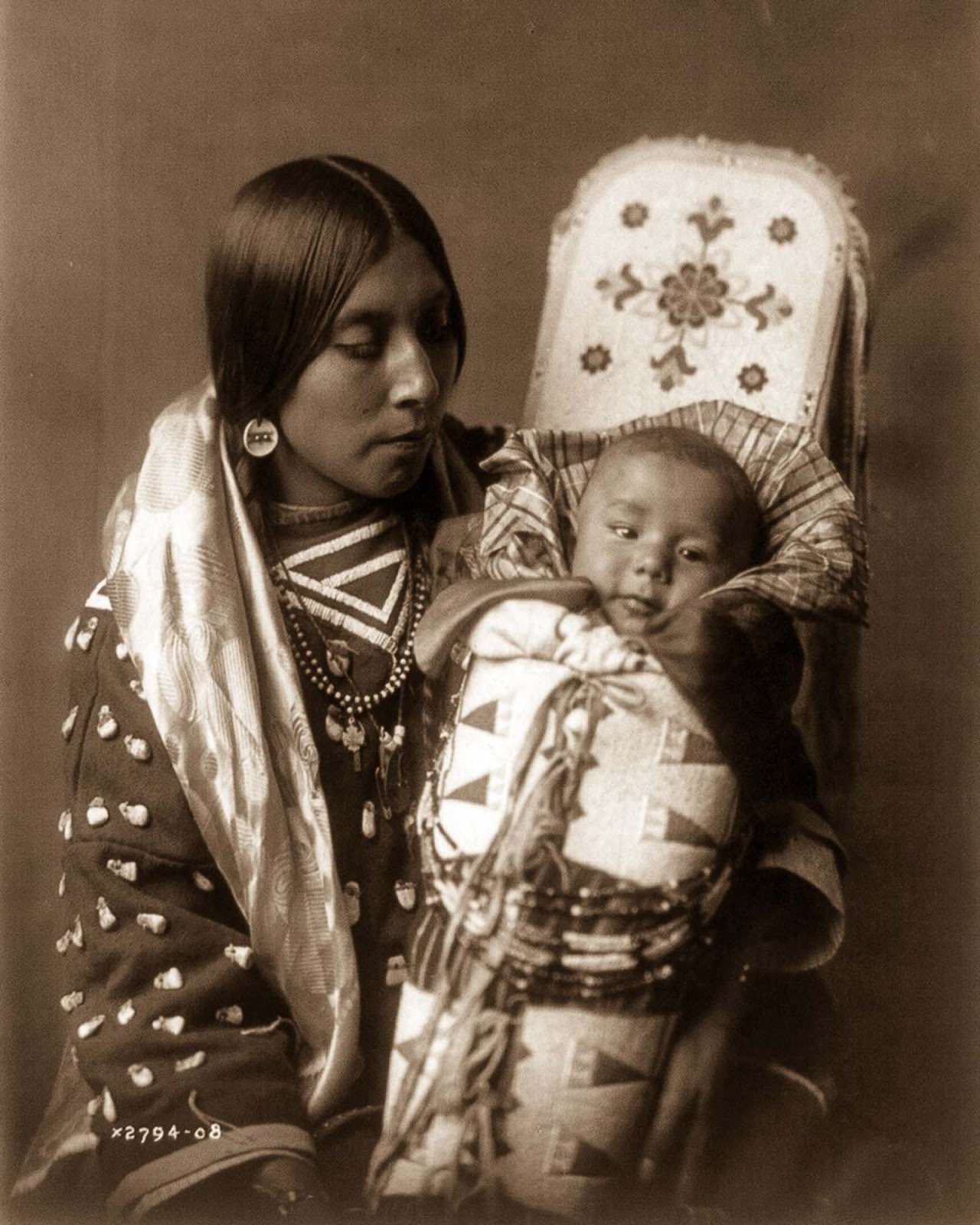
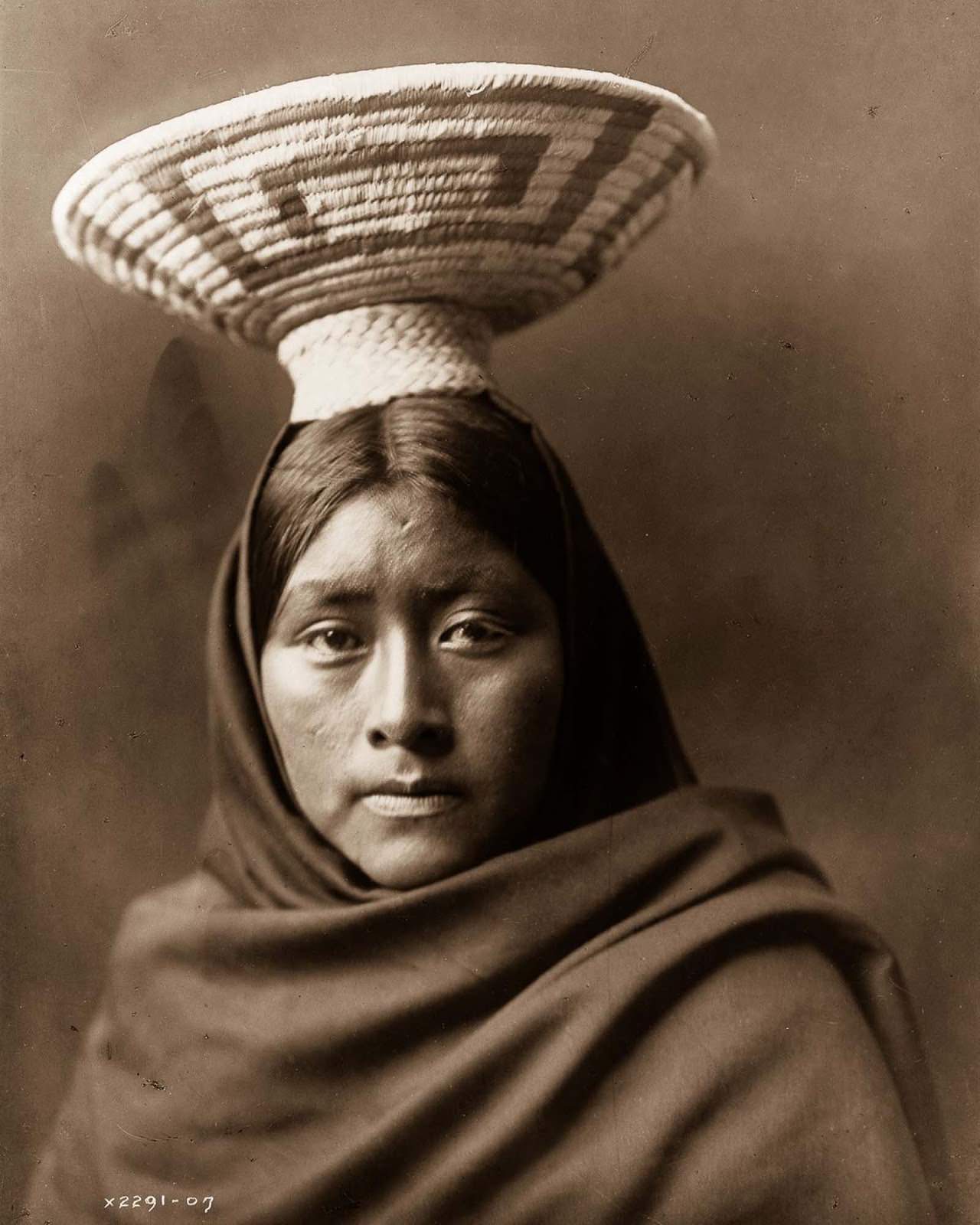
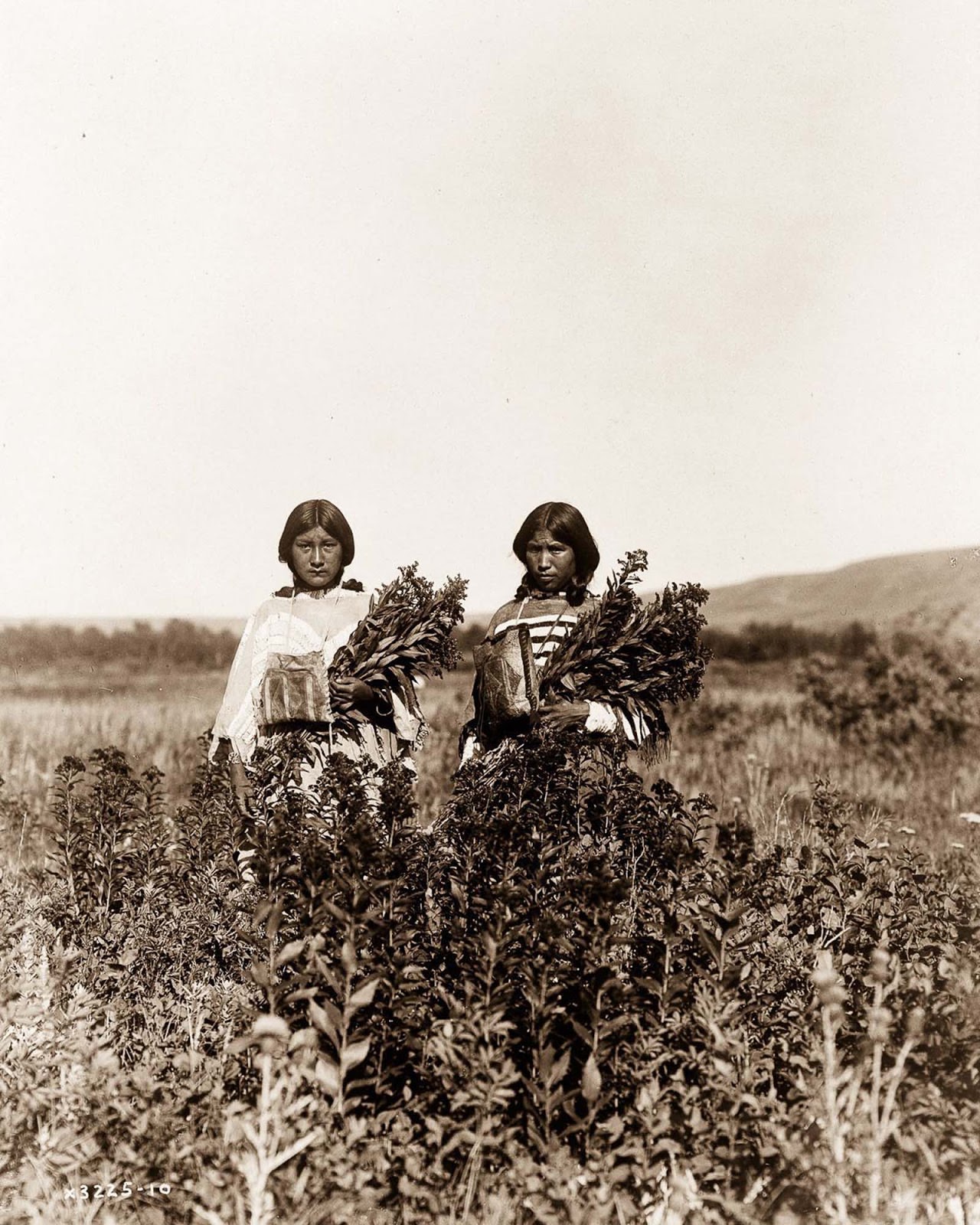
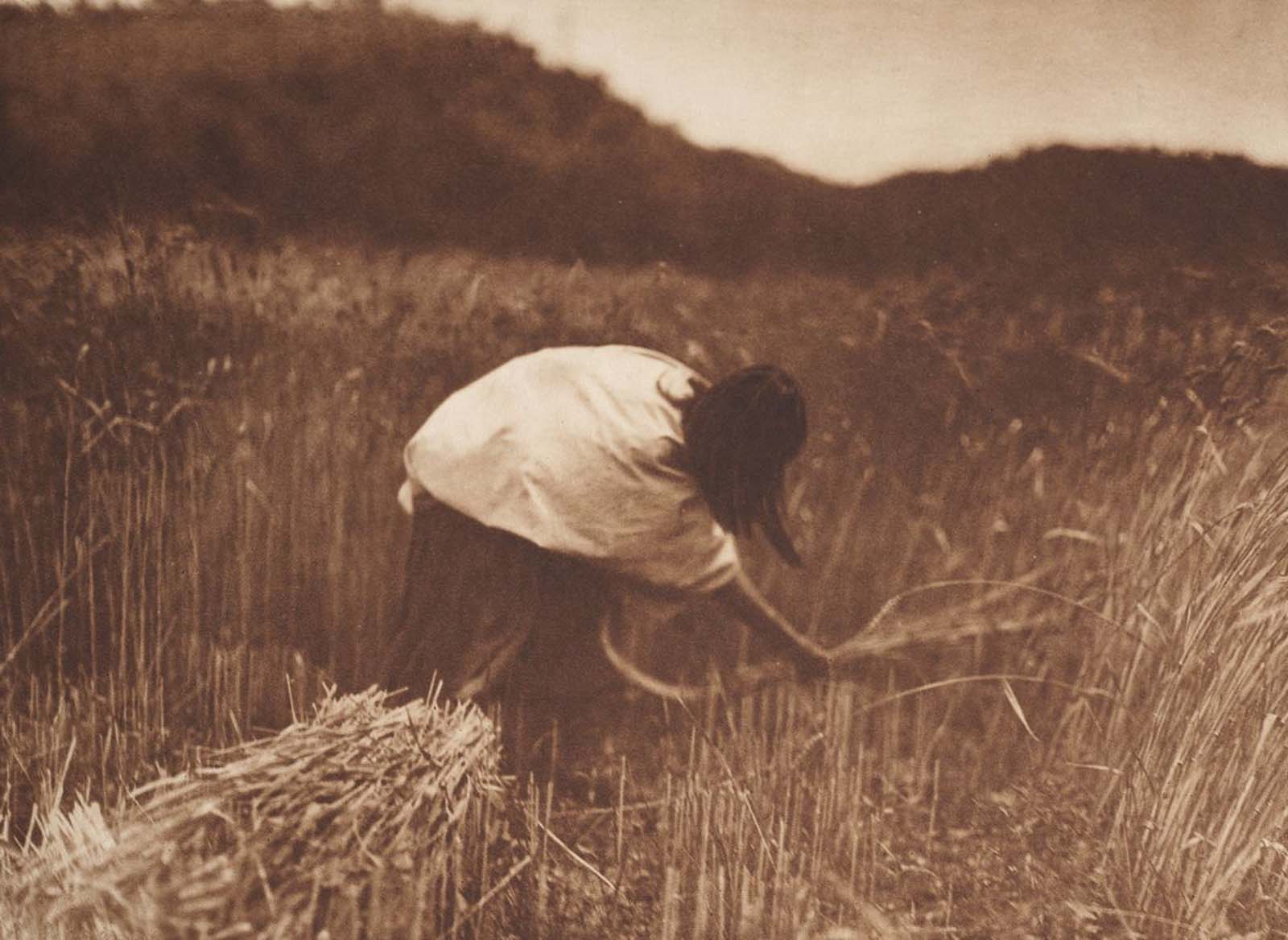
The photographs span an extraordinary range of tribes, regions, and moments. Some show the quiet intimacy of daily life — a mother holding her child, girls gathering flowers, a woman reaping grain. Others capture the elaborate visual language of ceremonial dress and ritual performance, particularly among the Pacific Northwest tribes.
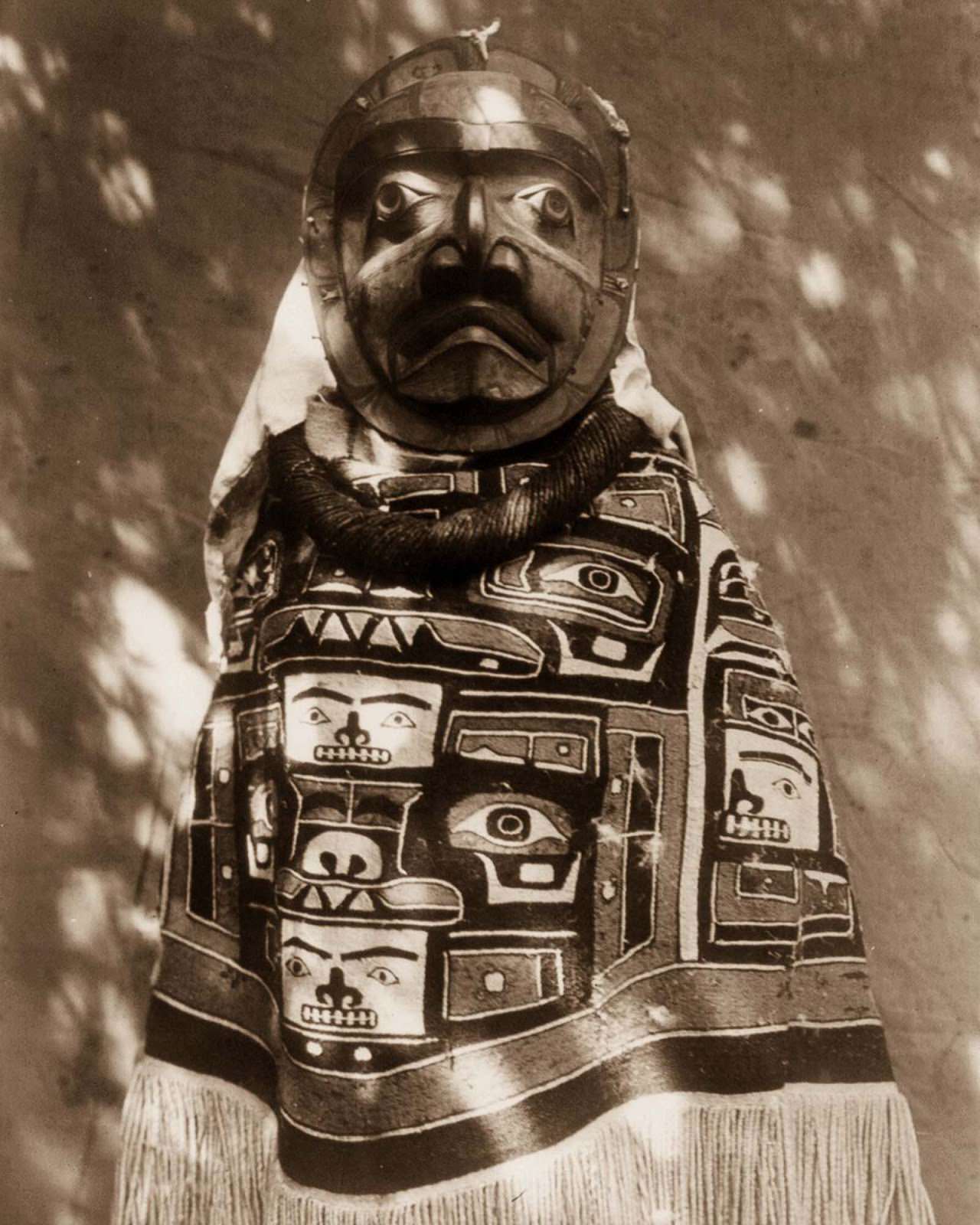
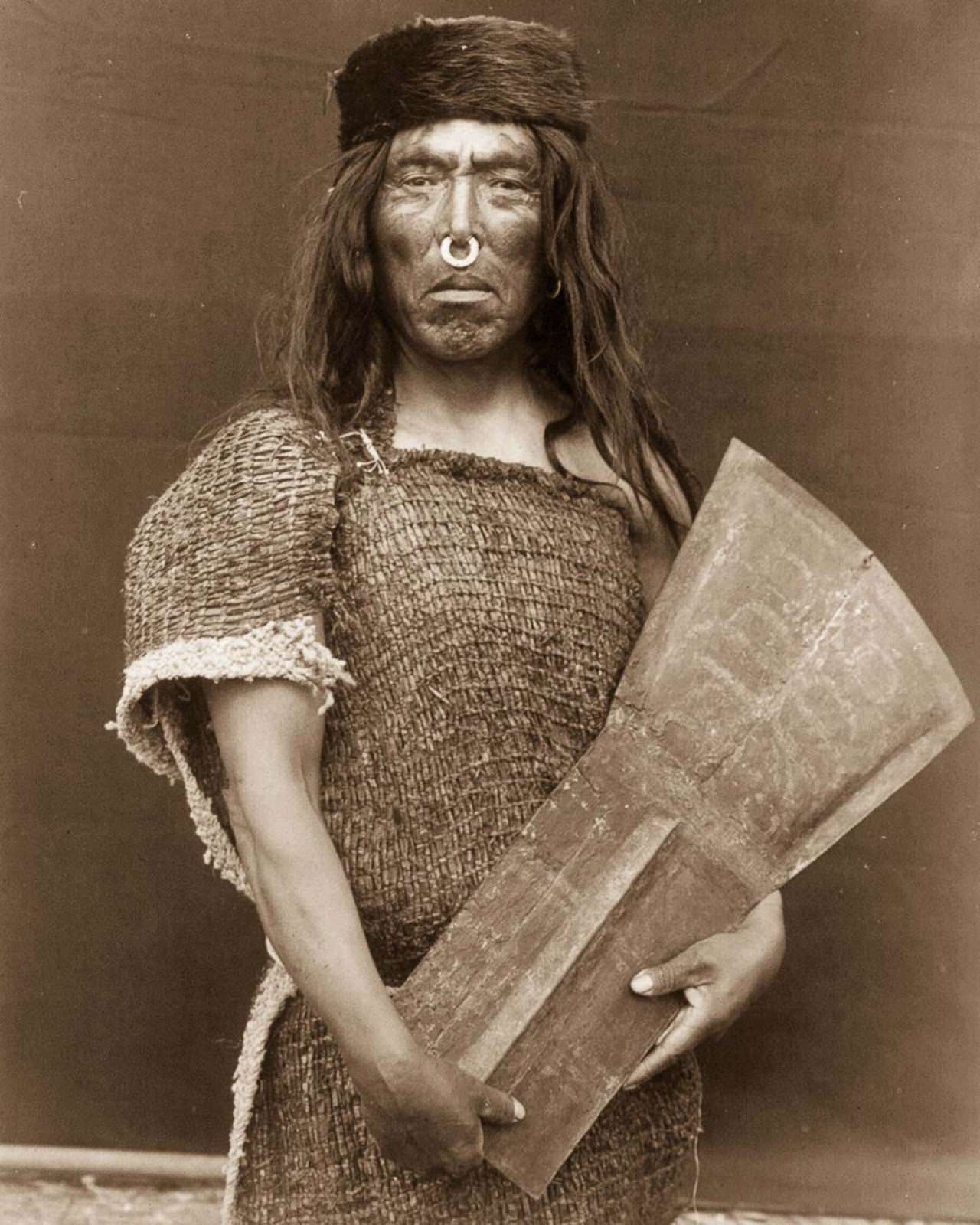
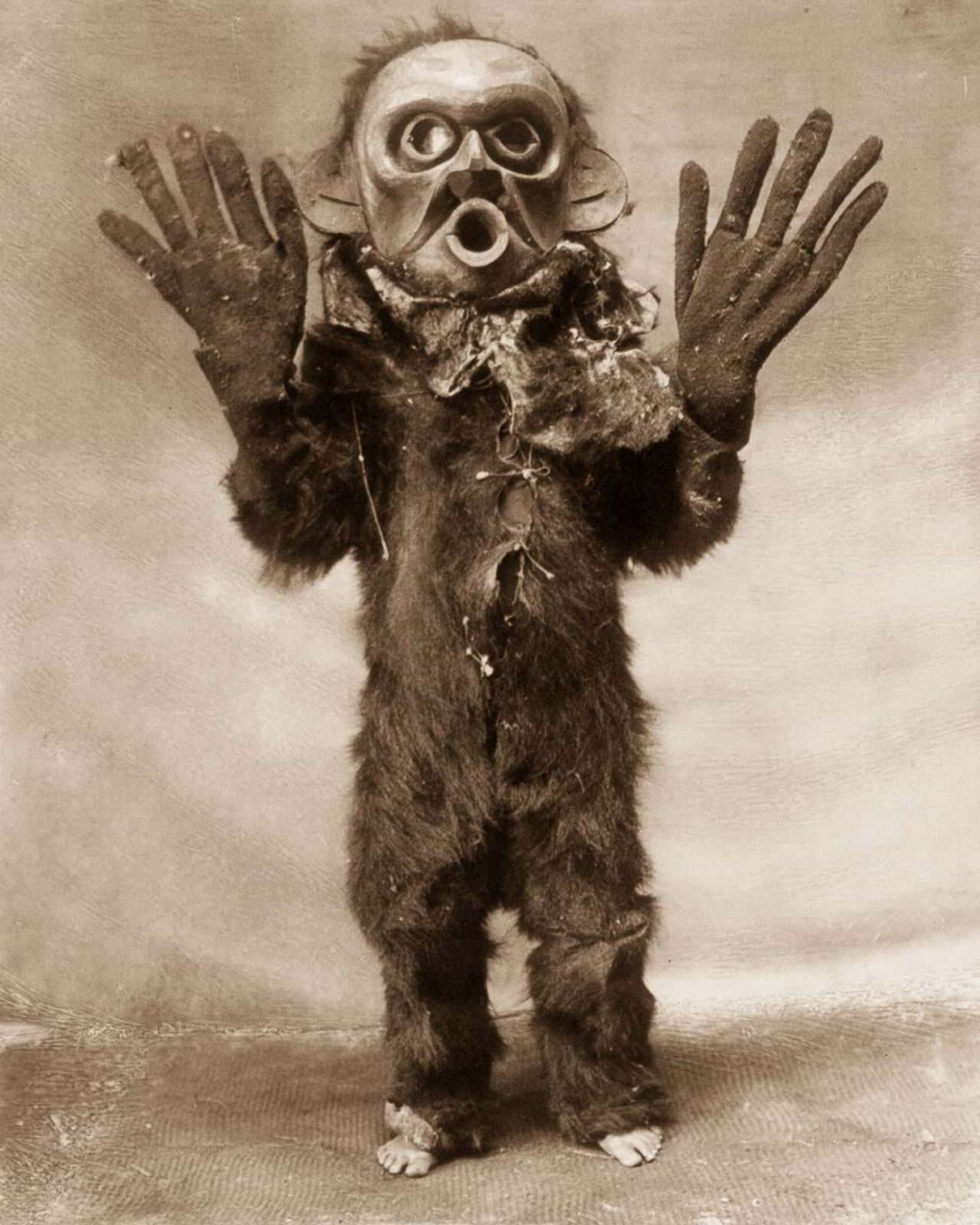
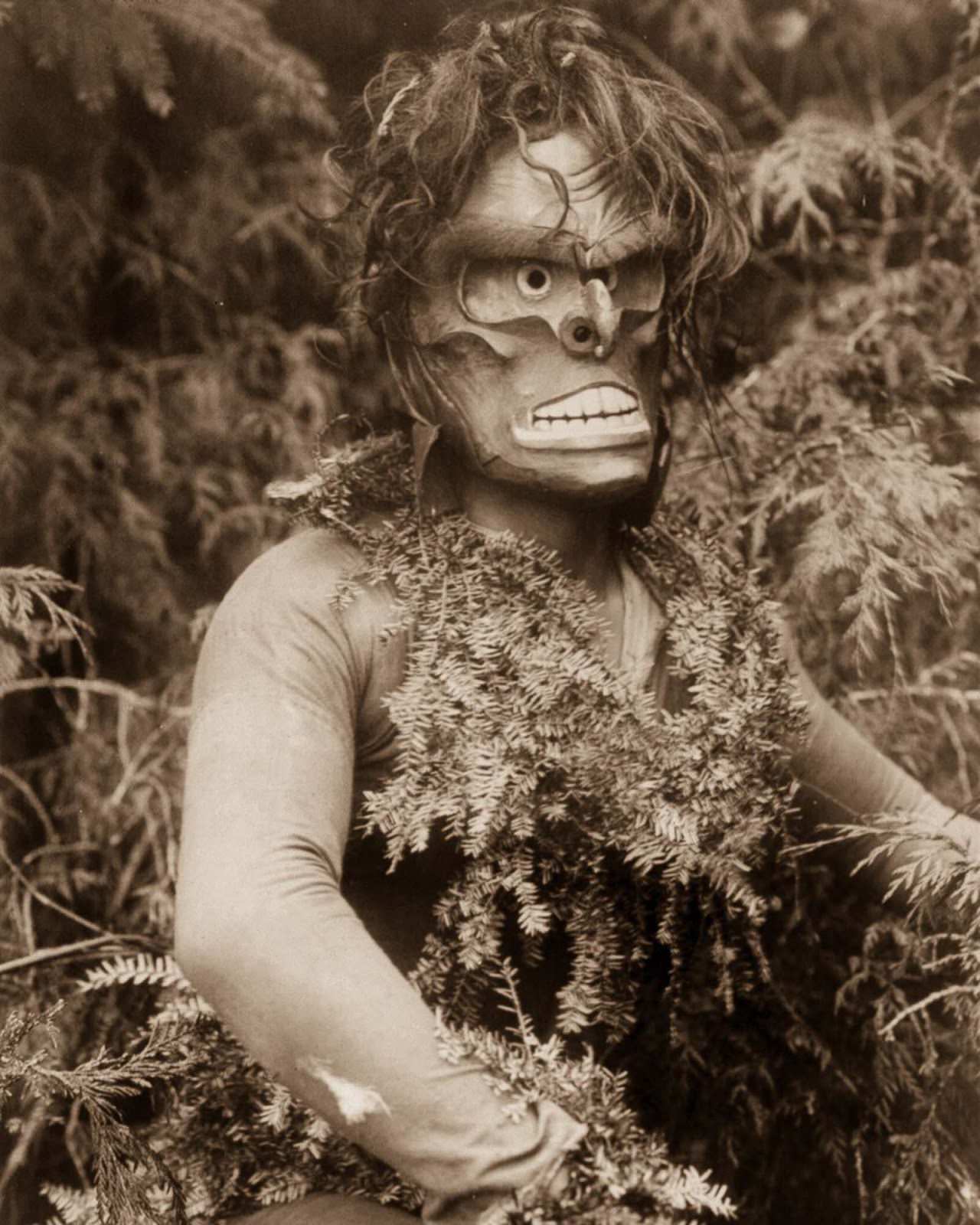
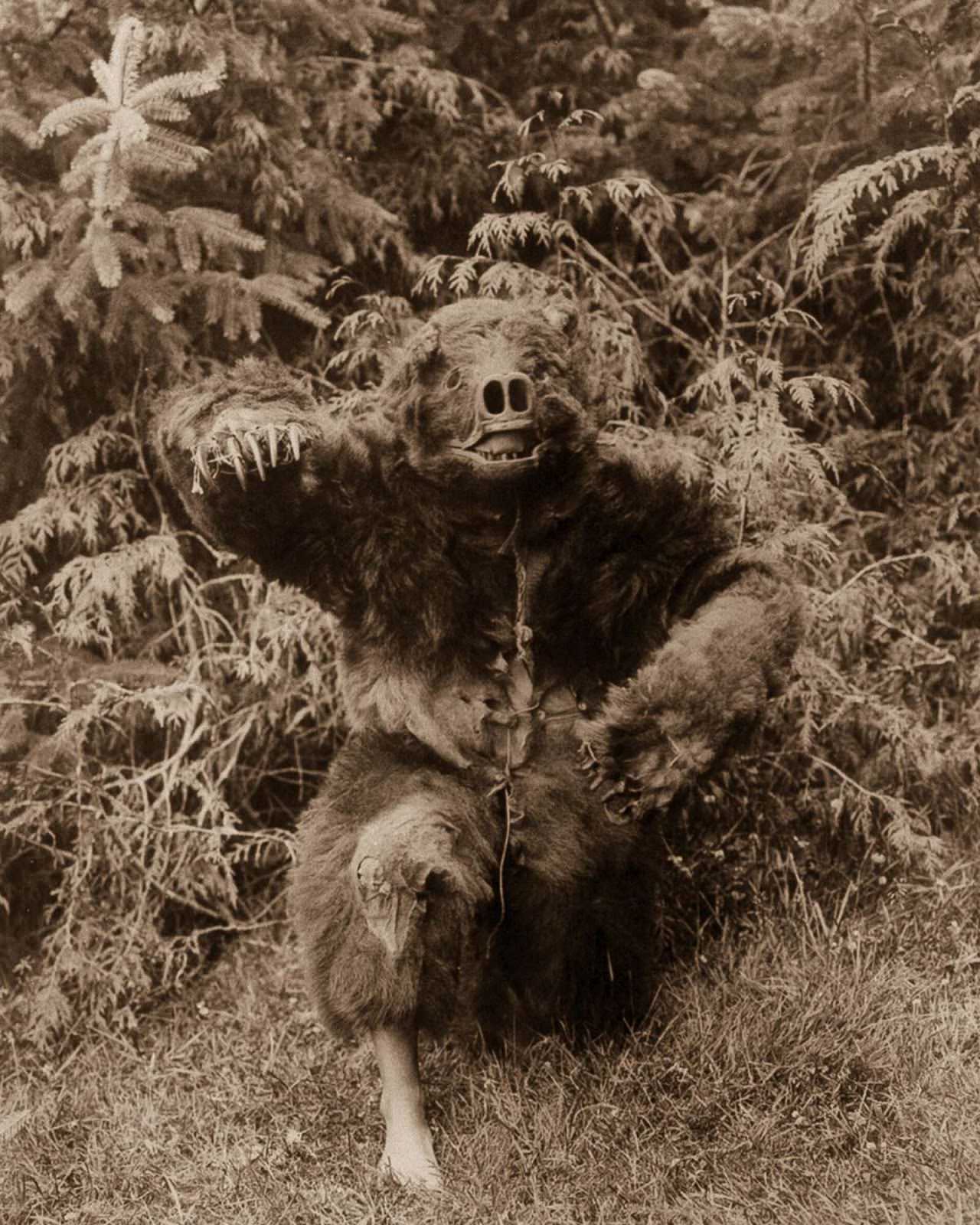
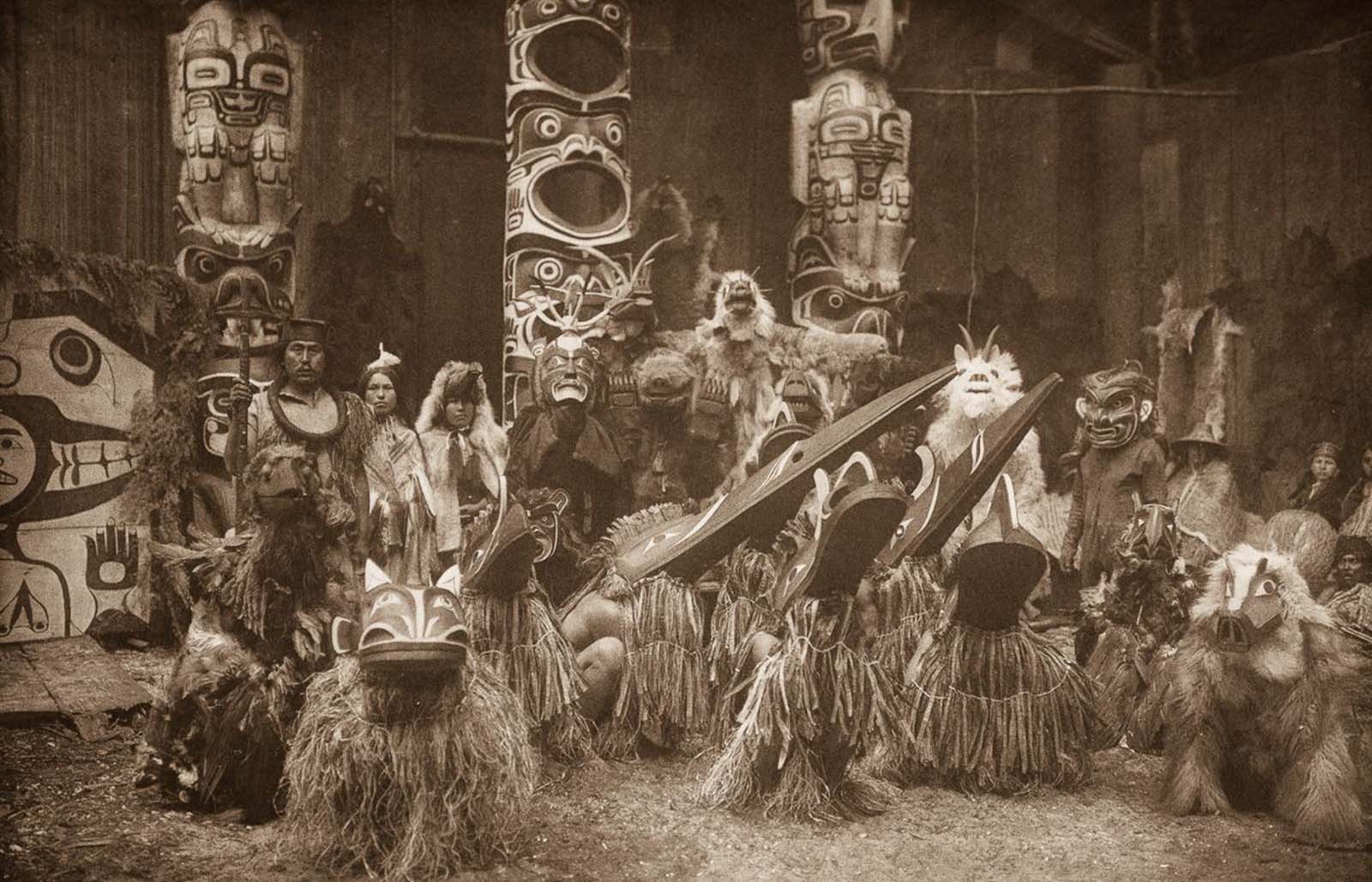
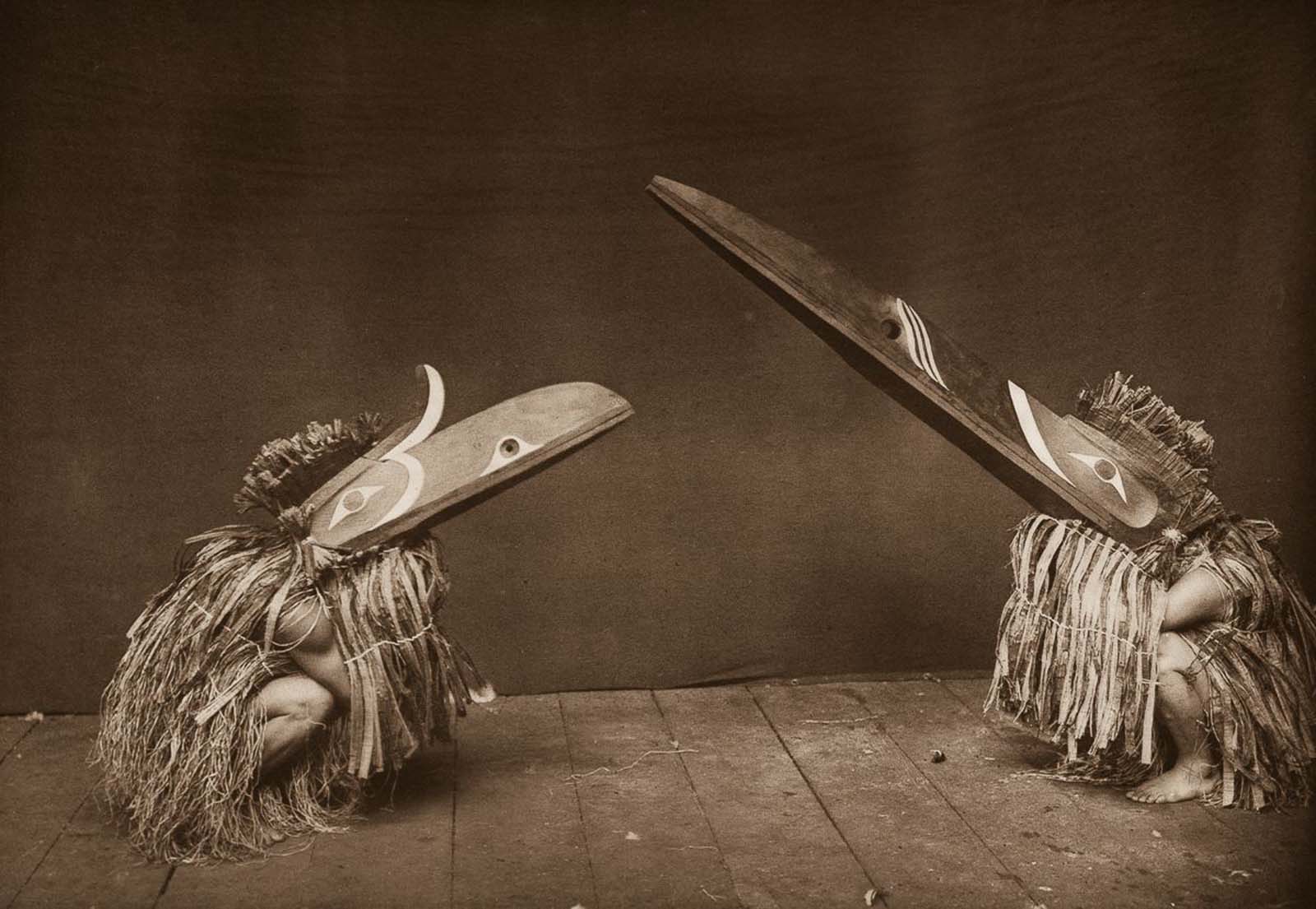
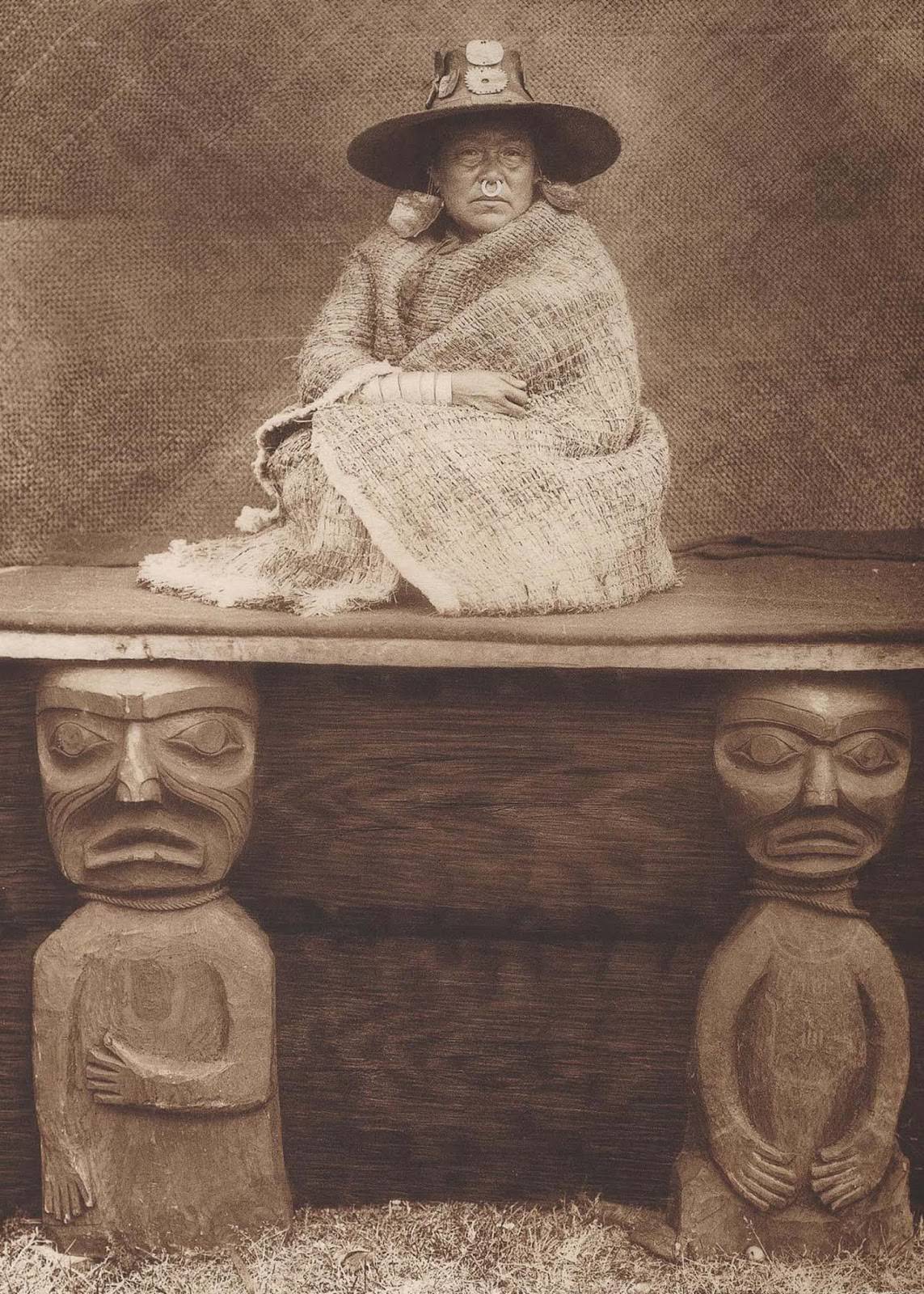
The Kwakiutl people of the Pacific Northwest feature prominently in Curtis’s work. He documented their canoe travel, food gathering, and rich ceremonial traditions — including the Hamatsa rituals, which involved masked dancers and complex spiritual performances. These ceremonies were deeply tied to the Kwakiutl understanding of the spirit world and the natural environment around them.
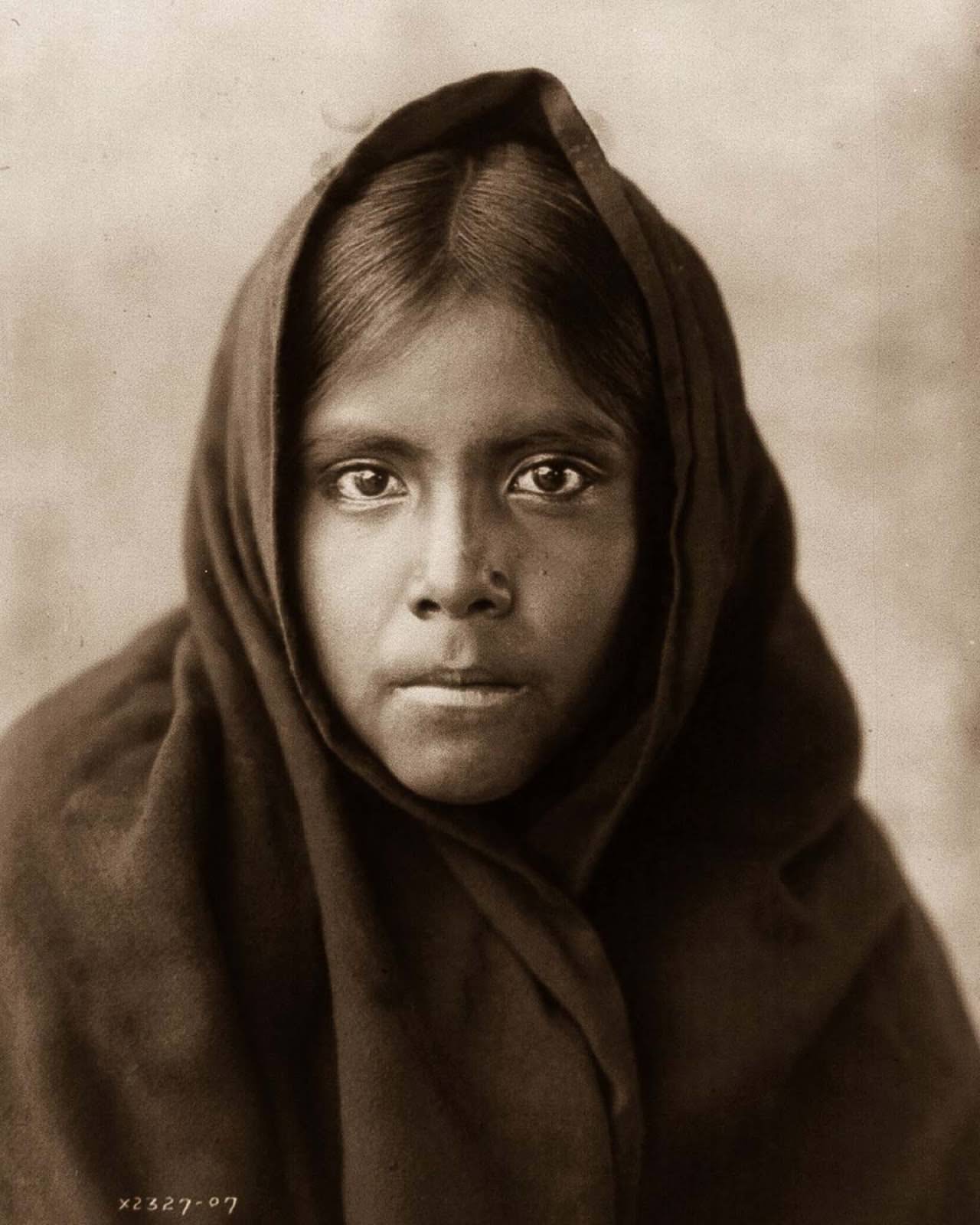
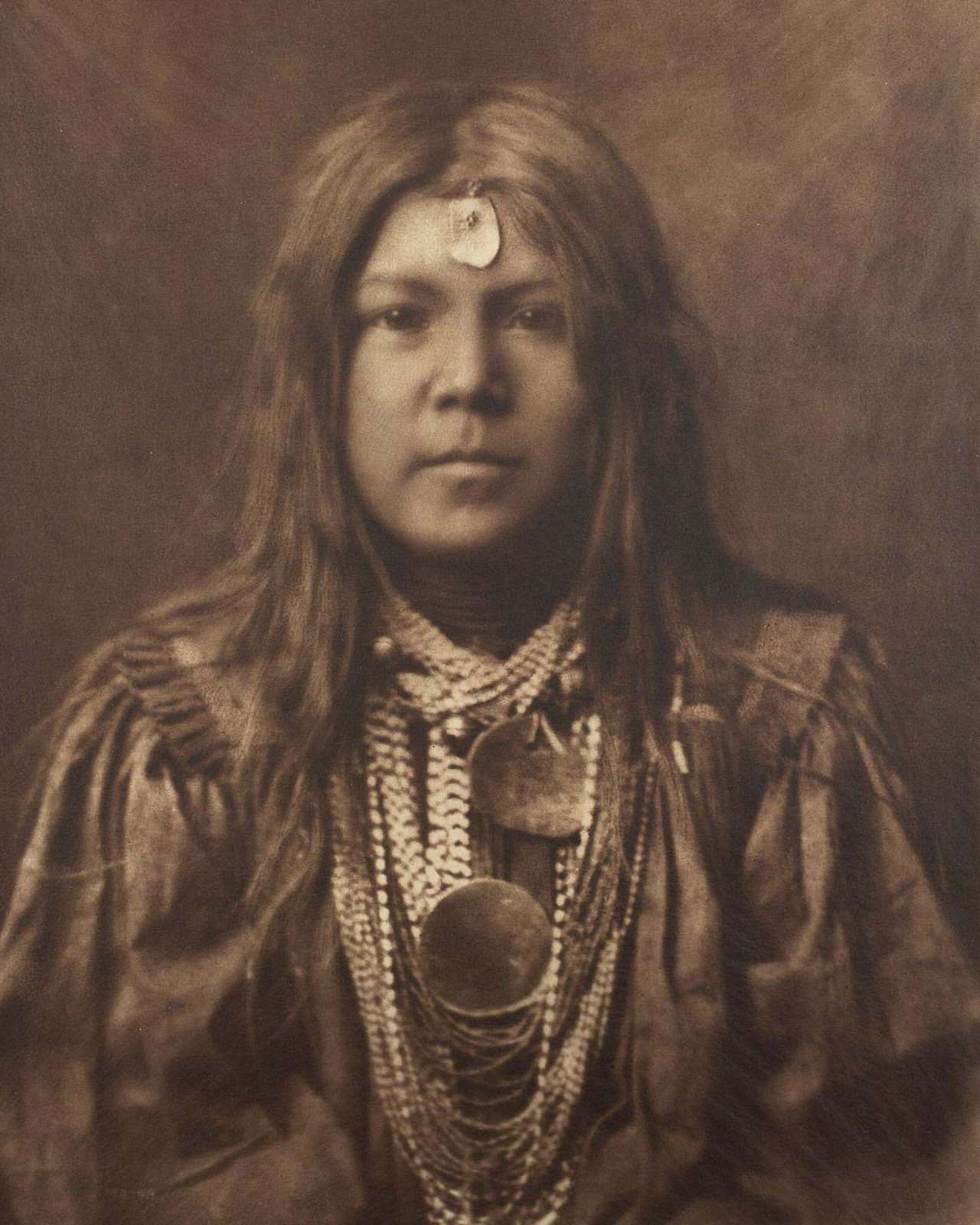
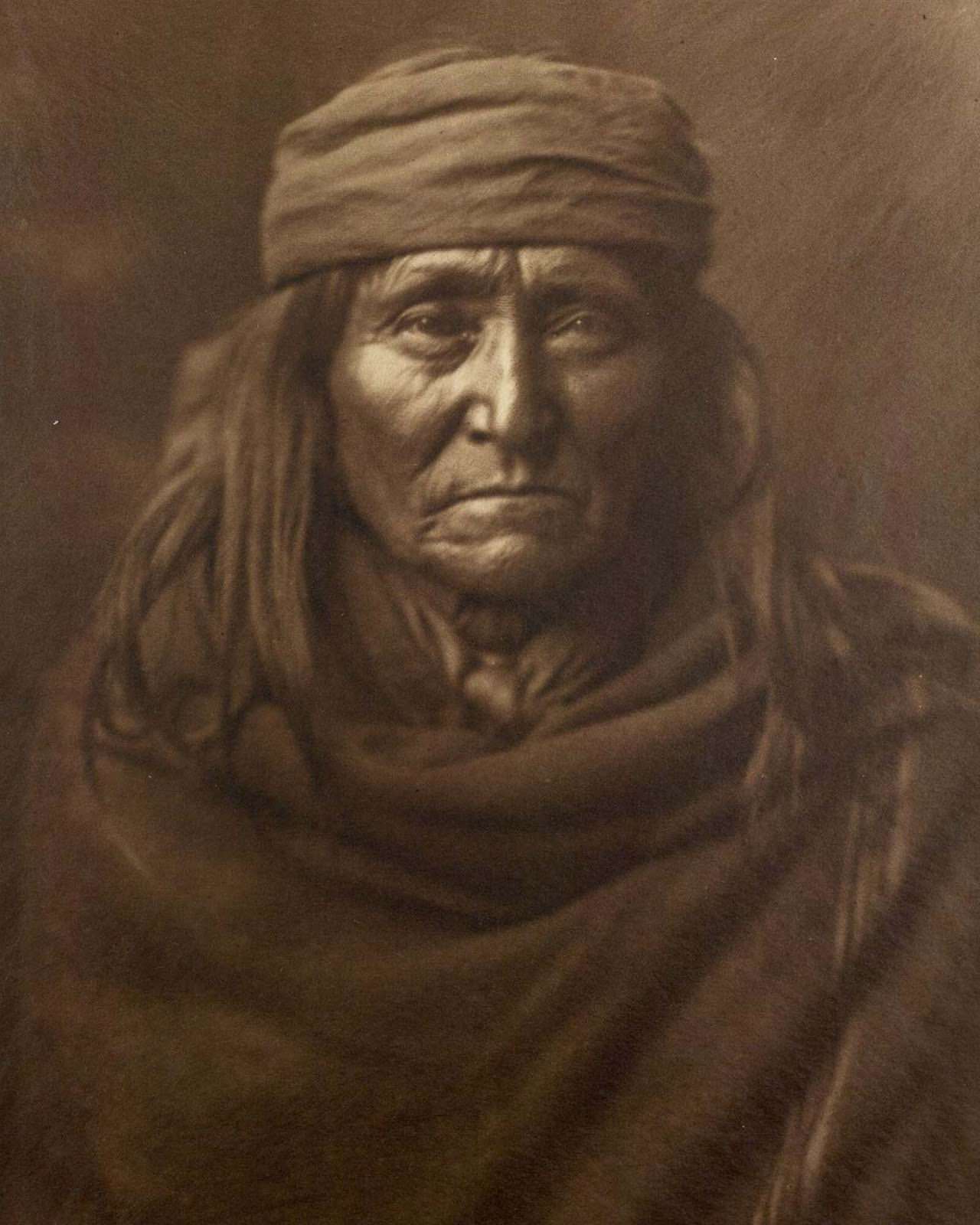
The Apache tribe appears in several of Curtis’s portraits, from elders to children. The Apache lived across the American Southwest and were among the most well-known tribes of the era, partly due to the fame of leaders like Geronimo. Curtis’s images show them not as historical caricatures but as individuals — each face carrying its own expression and story.
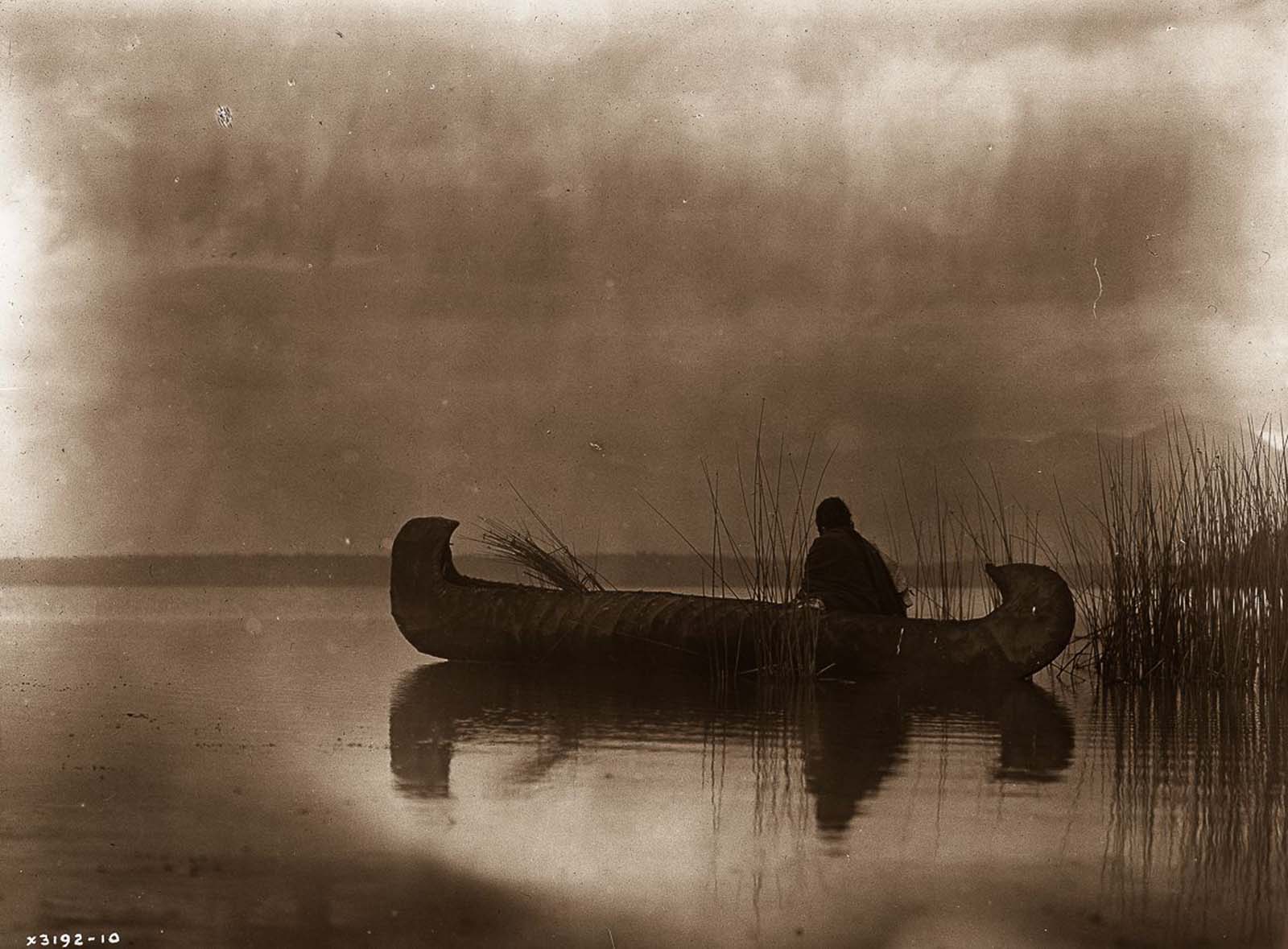
Canoes were central to the life of many Pacific Northwest tribes. Curtis captured the Kwakiutl people traveling and arriving in their carved wooden canoes, including a wedding party making its approach by water. These images show that canoes were not just tools of transportation — they were part of social rituals and community events.
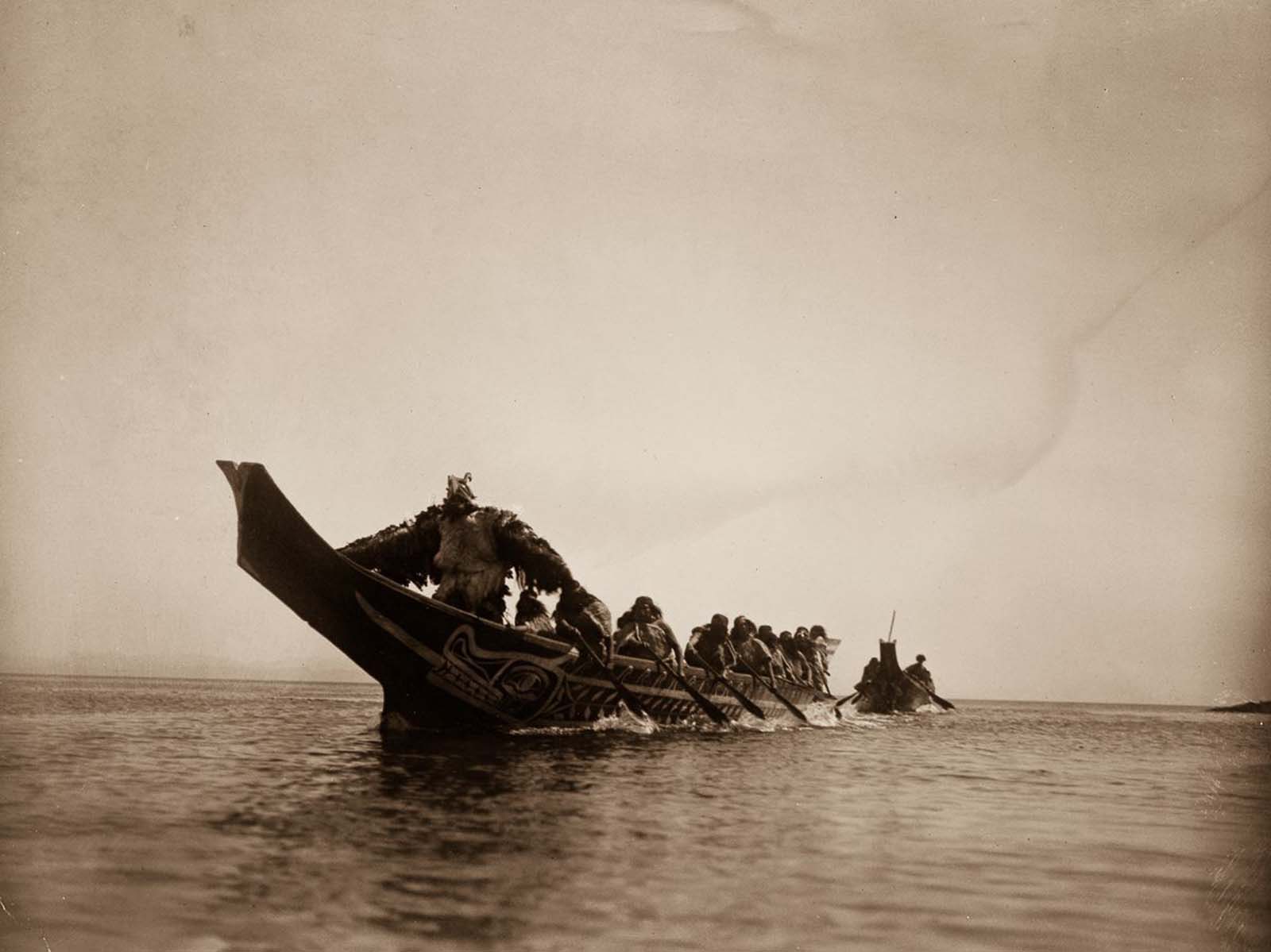
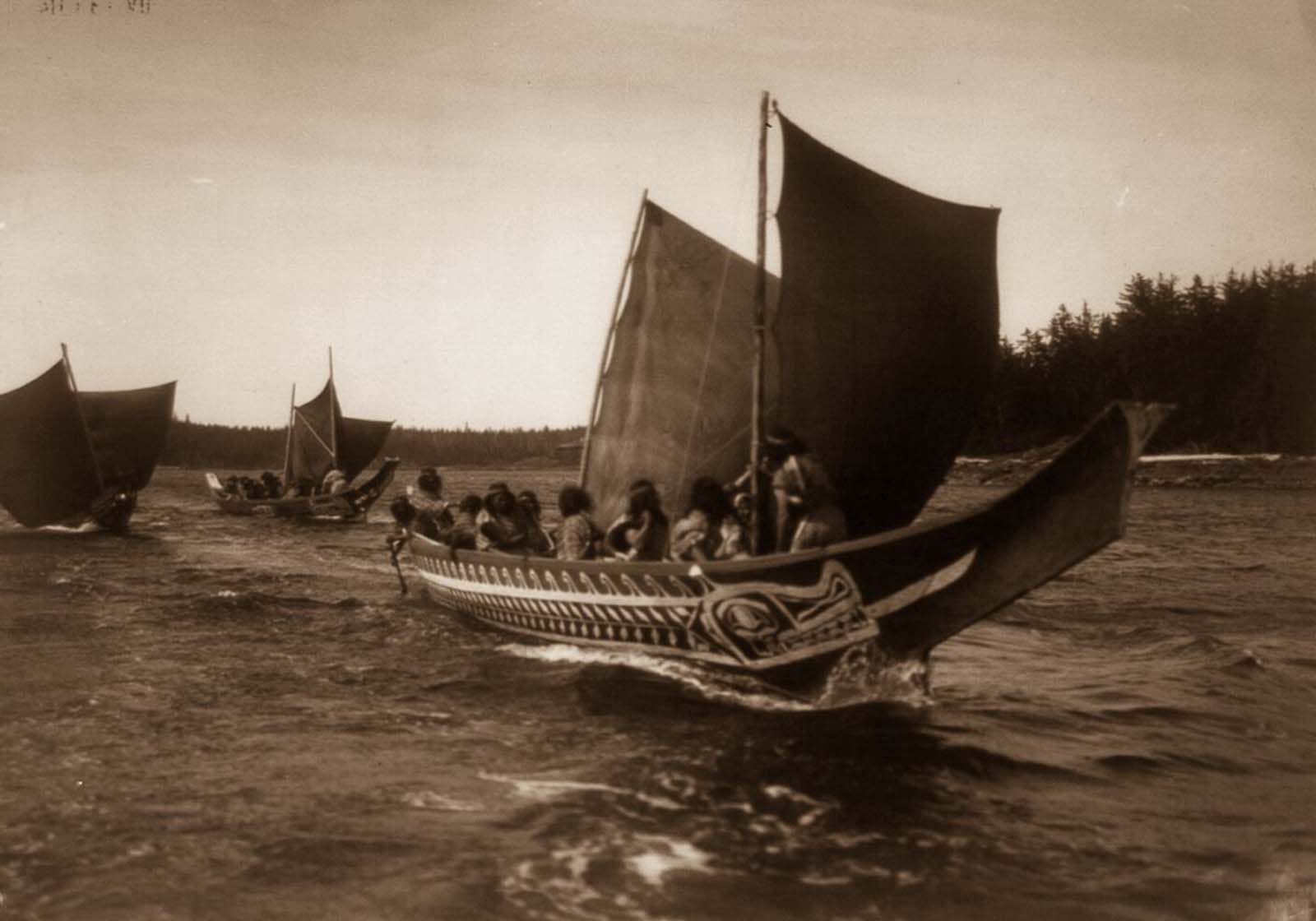
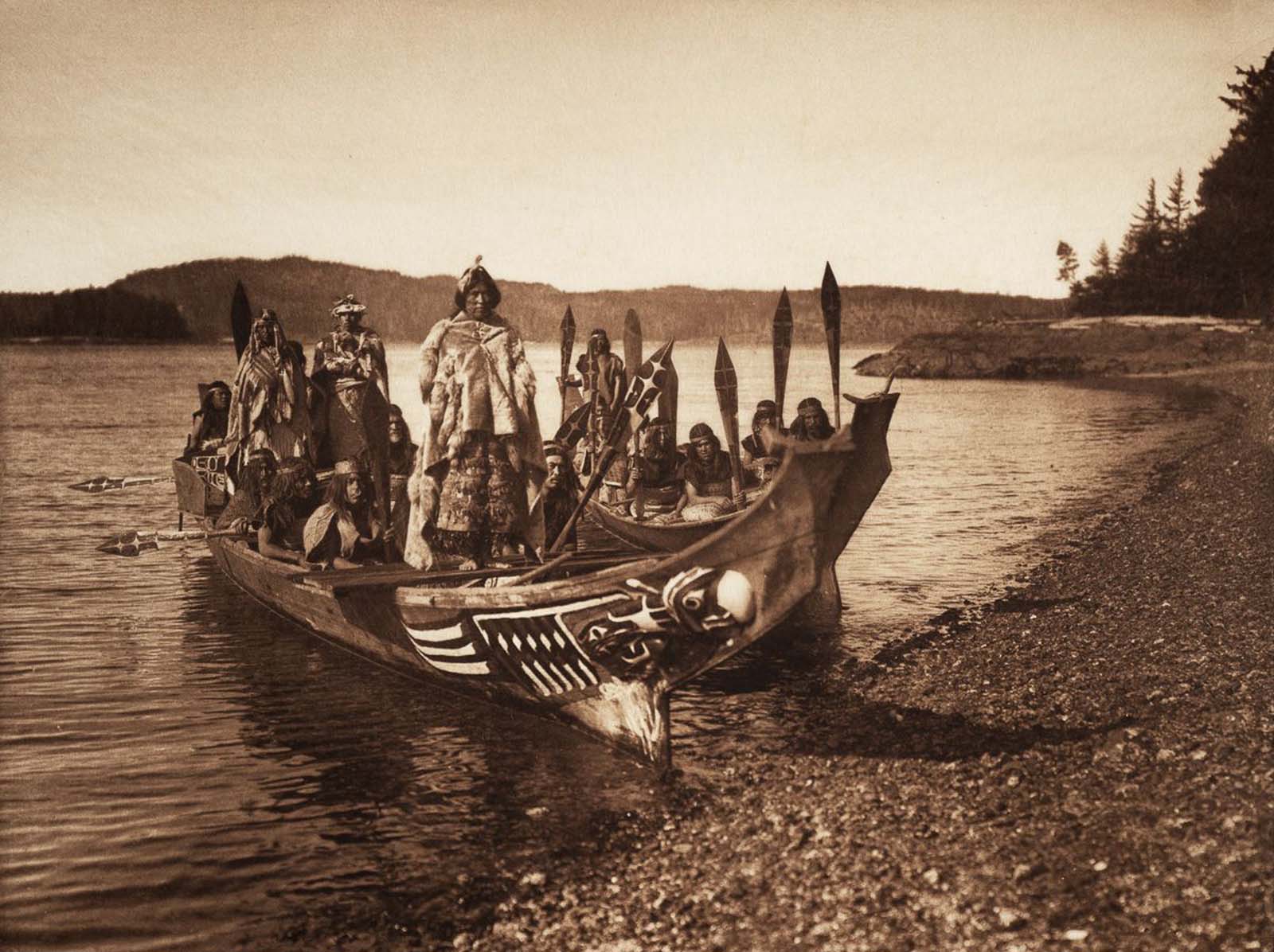
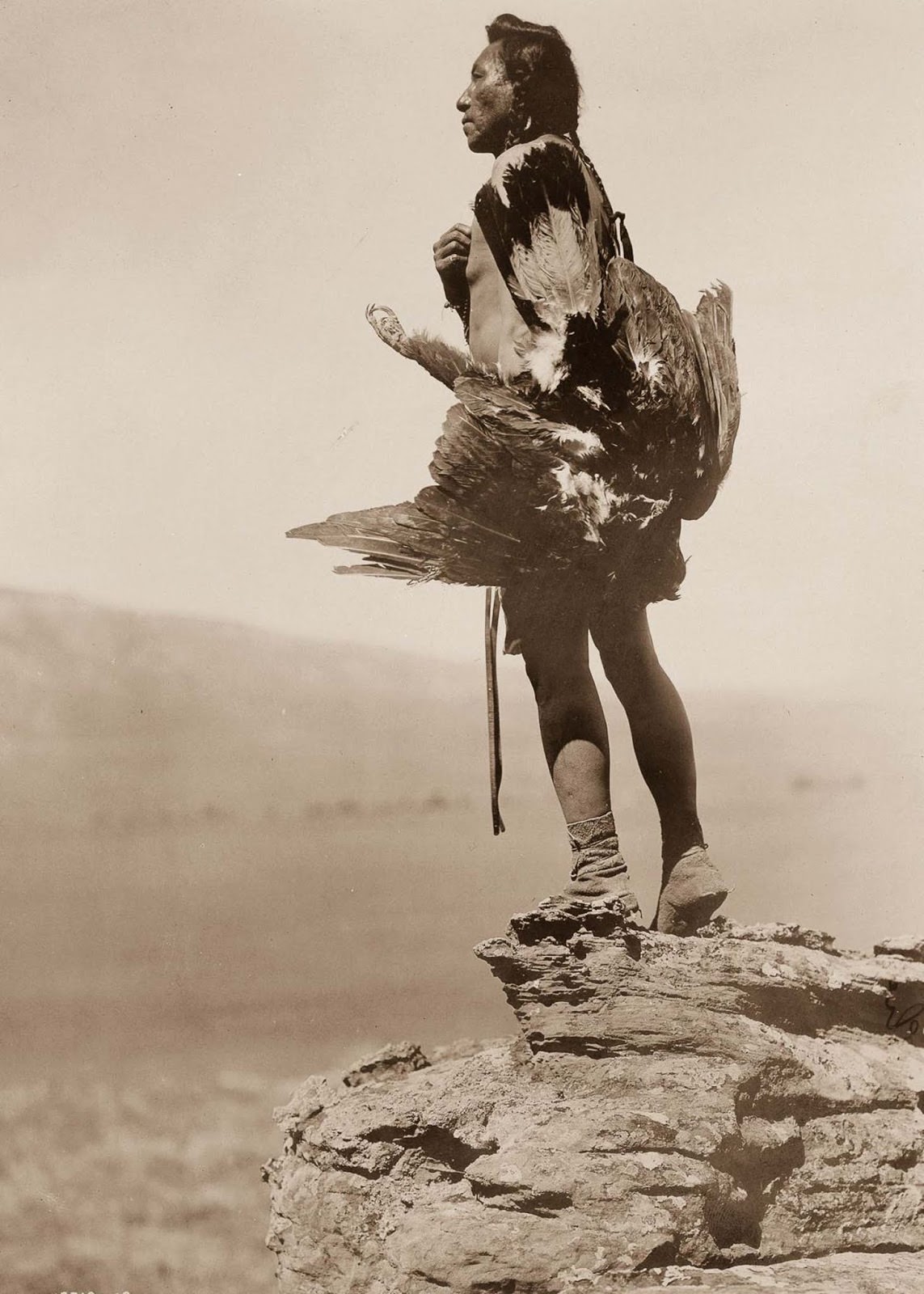
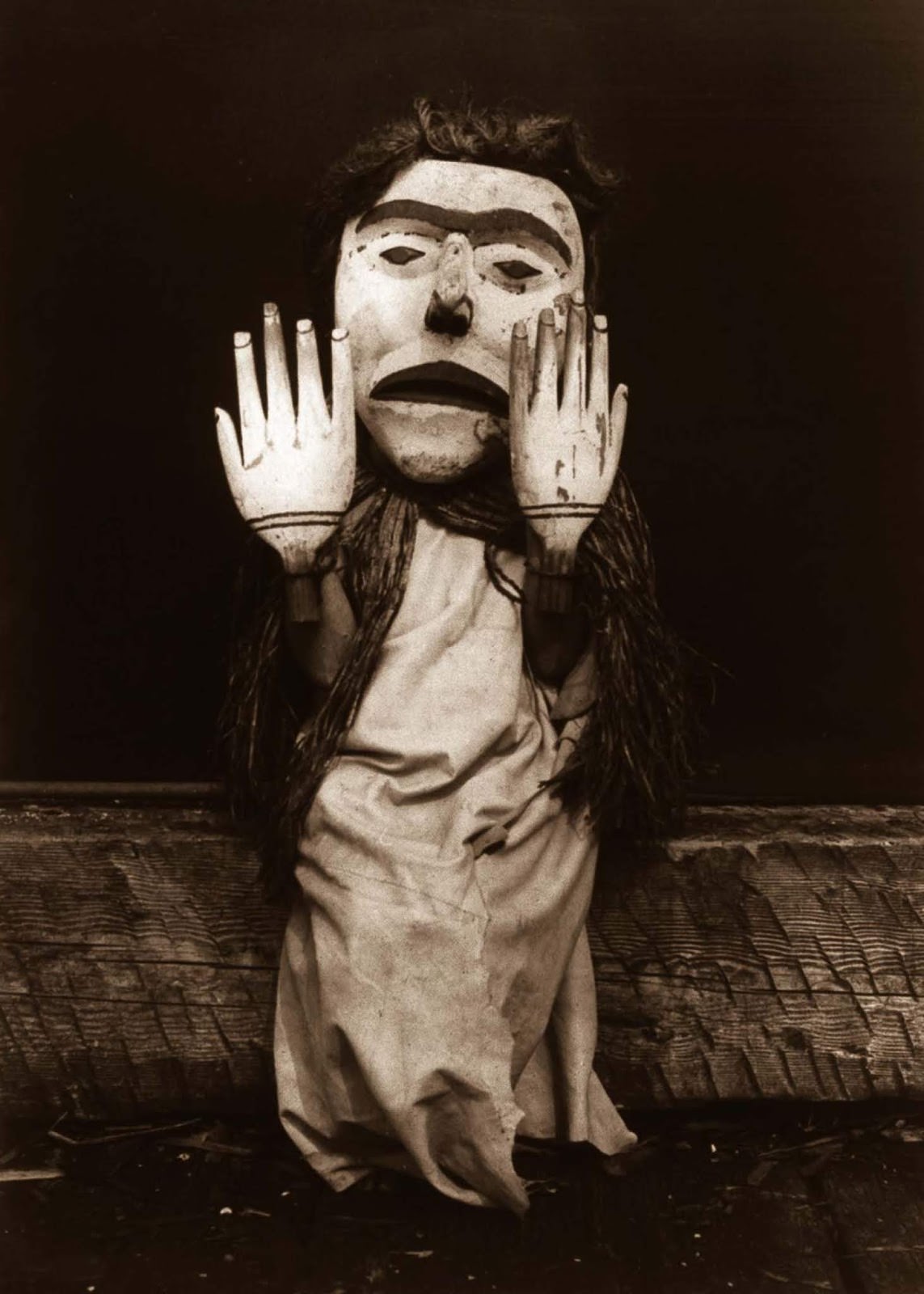
Spiritual life was a major focus of Curtis’s documentation. He photographed shamans at work, masked ceremonies, and figures dressed to represent spirits and supernatural beings. Among the Kwakiutl and related tribes, these performances were tied to specific rituals with names and meanings that Curtis took care to record alongside his images.
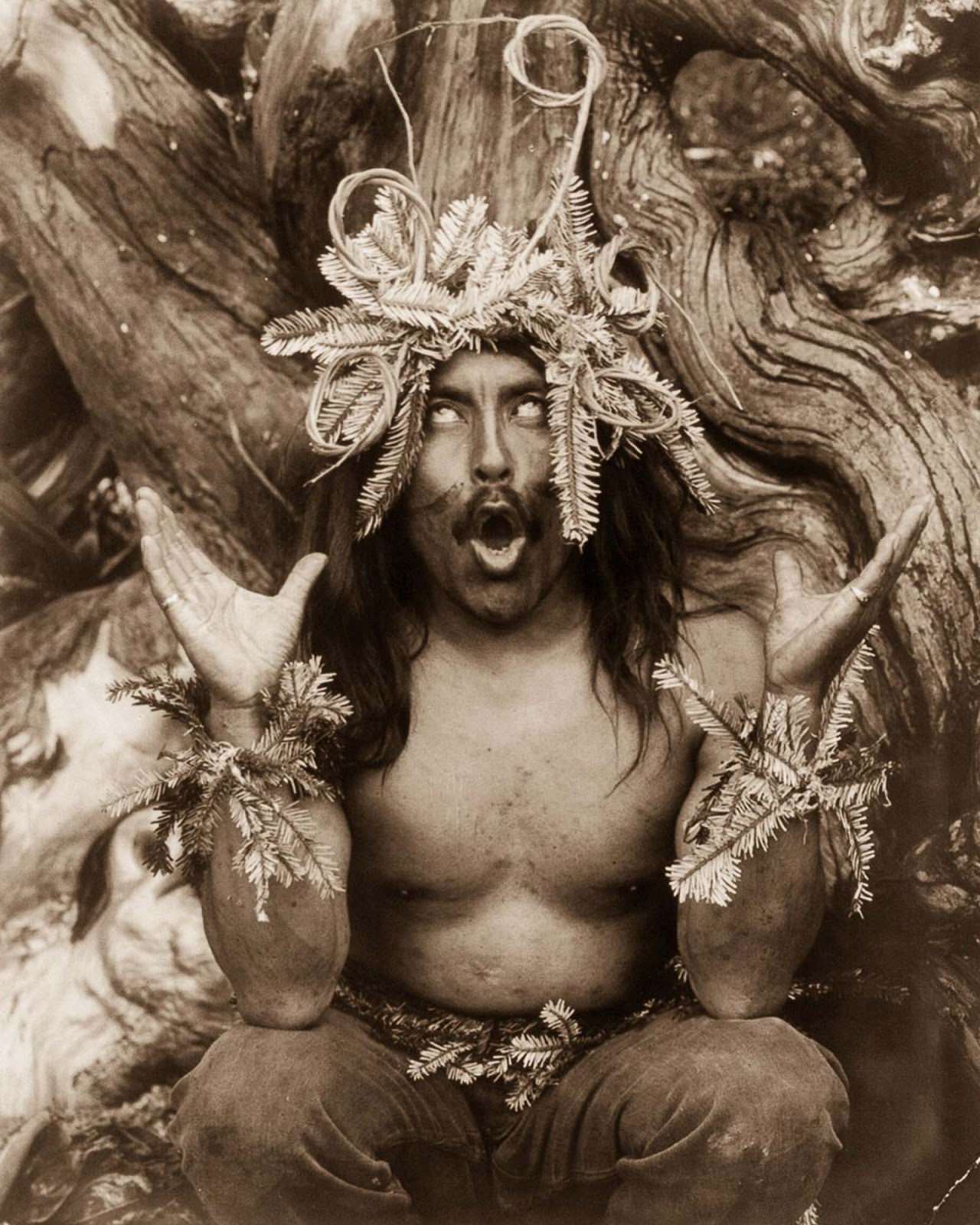
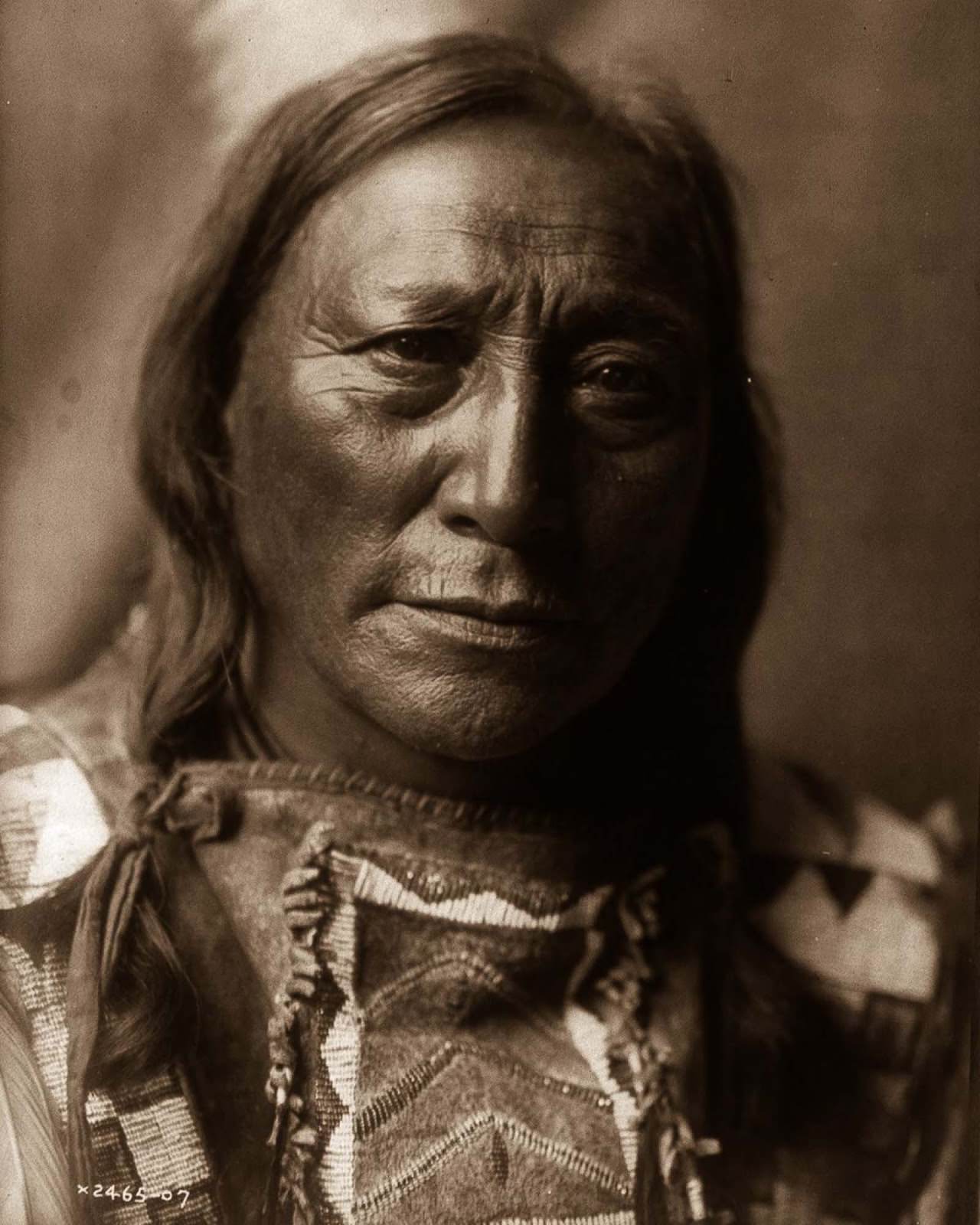
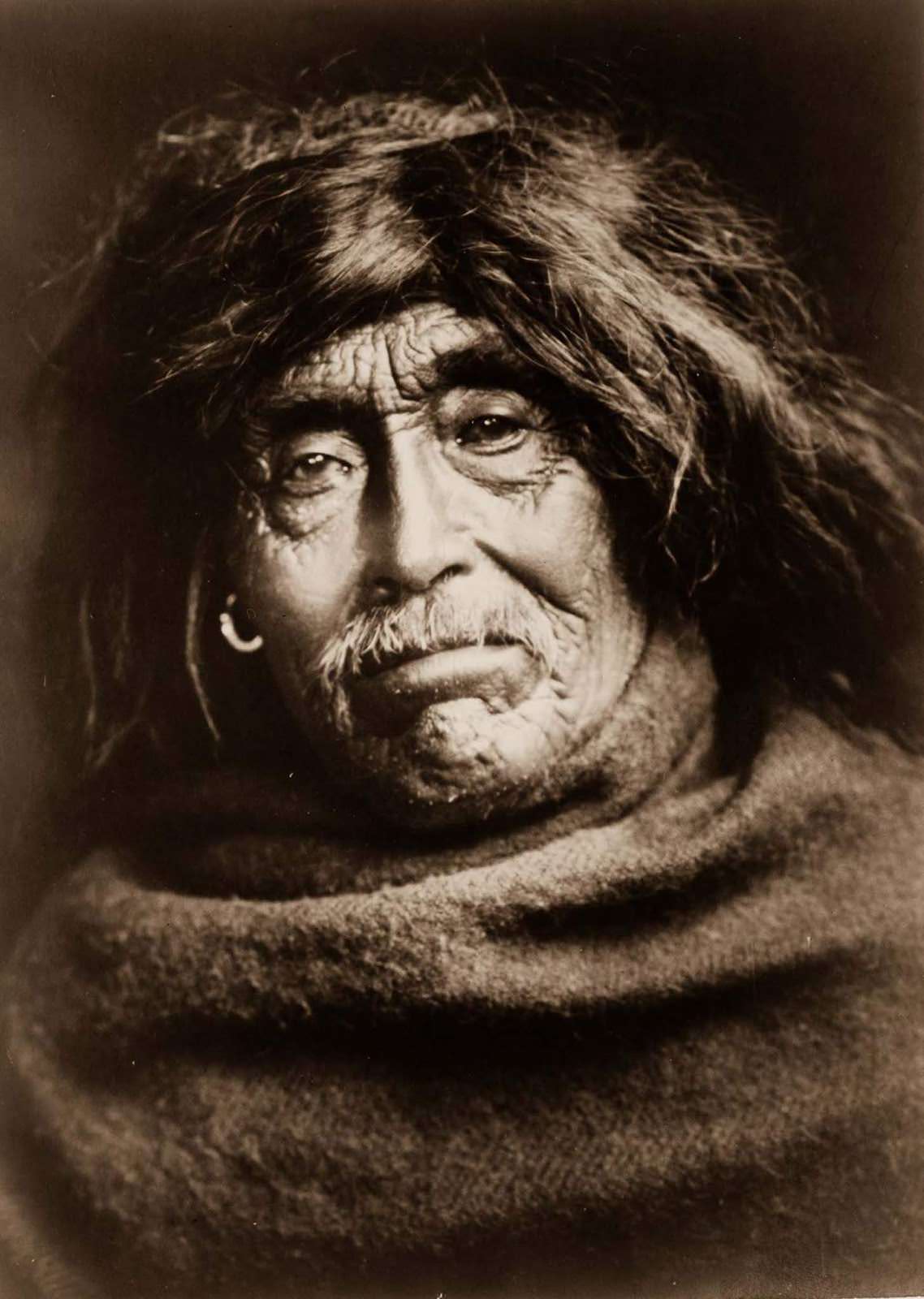
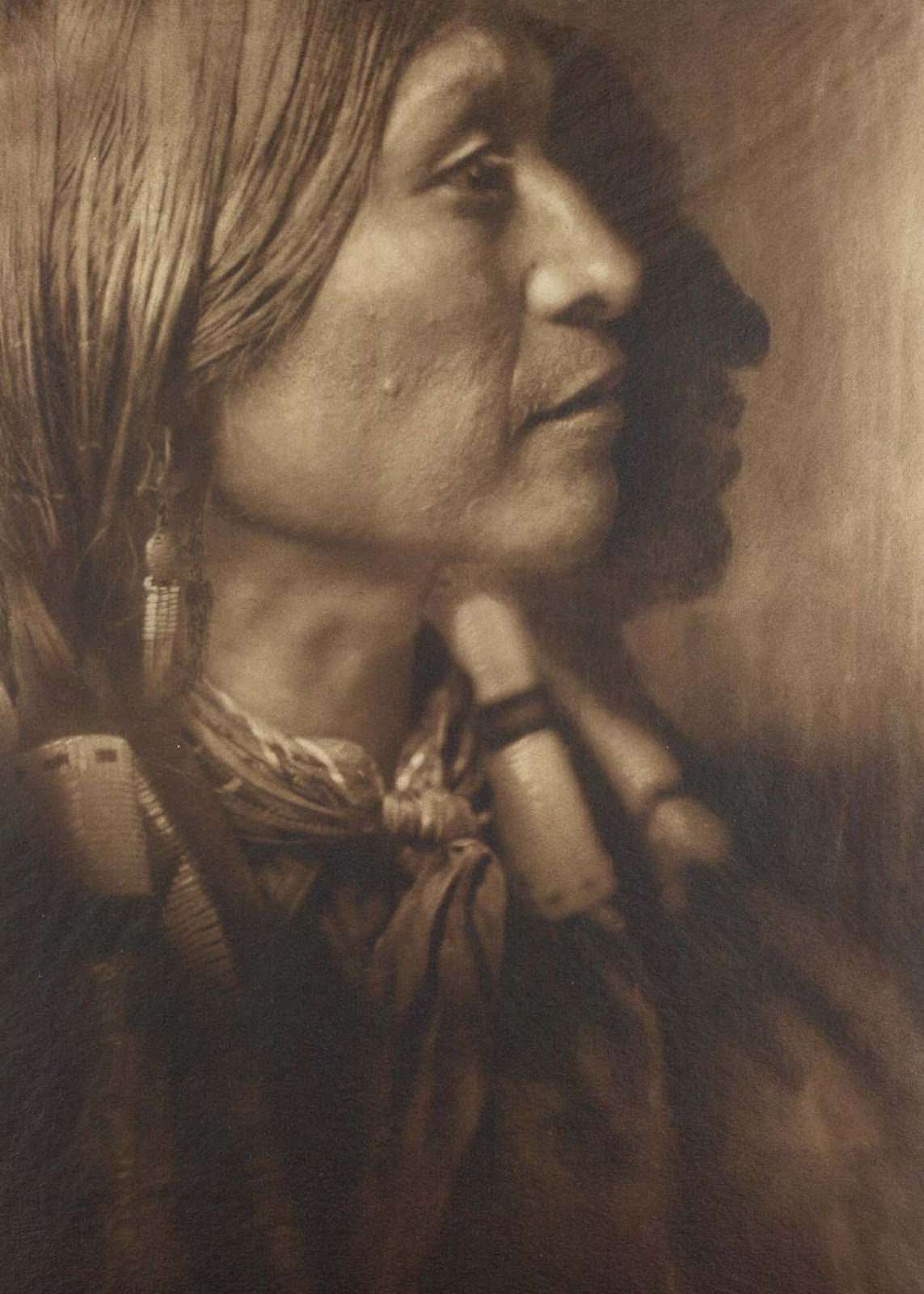
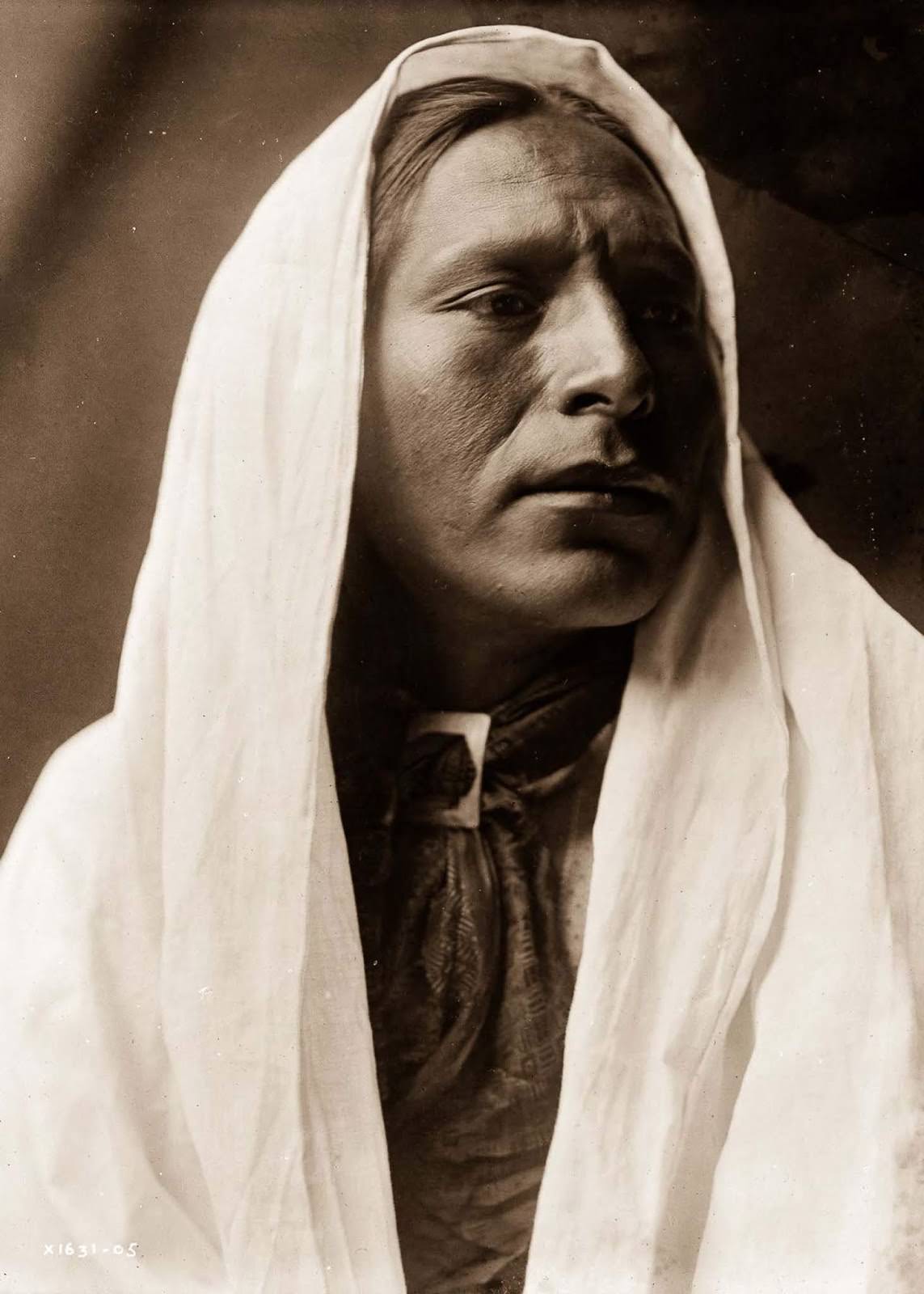
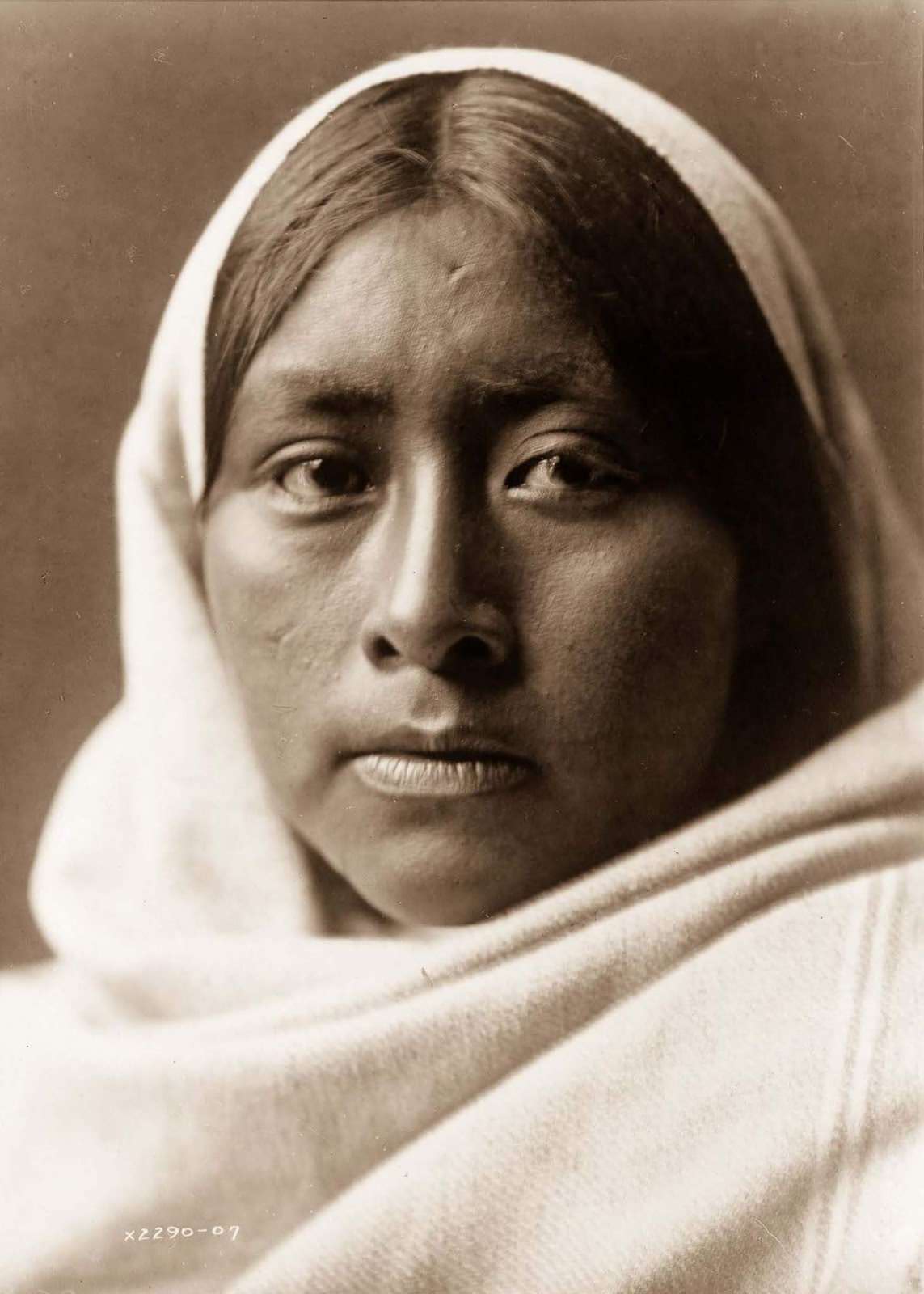
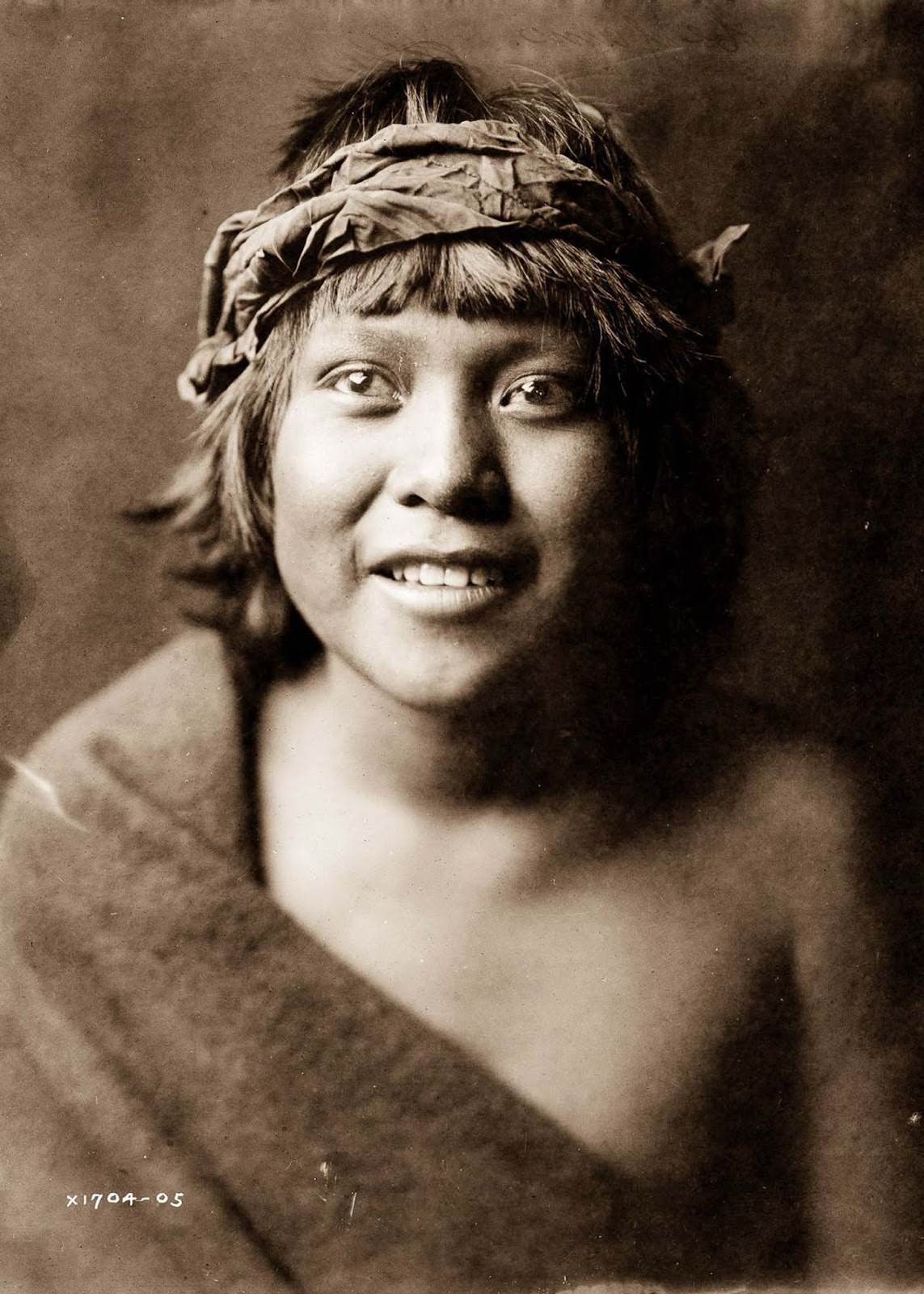
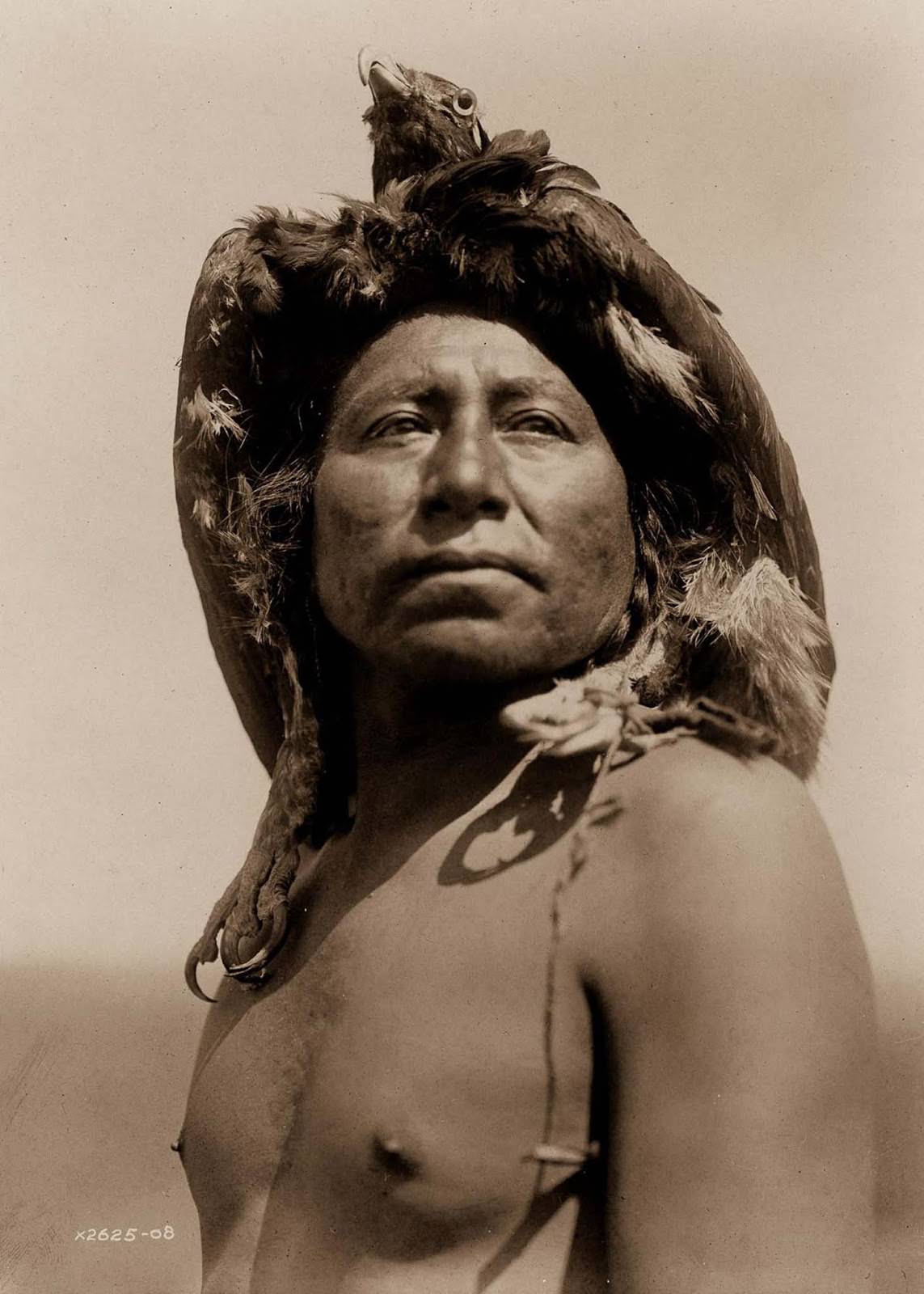
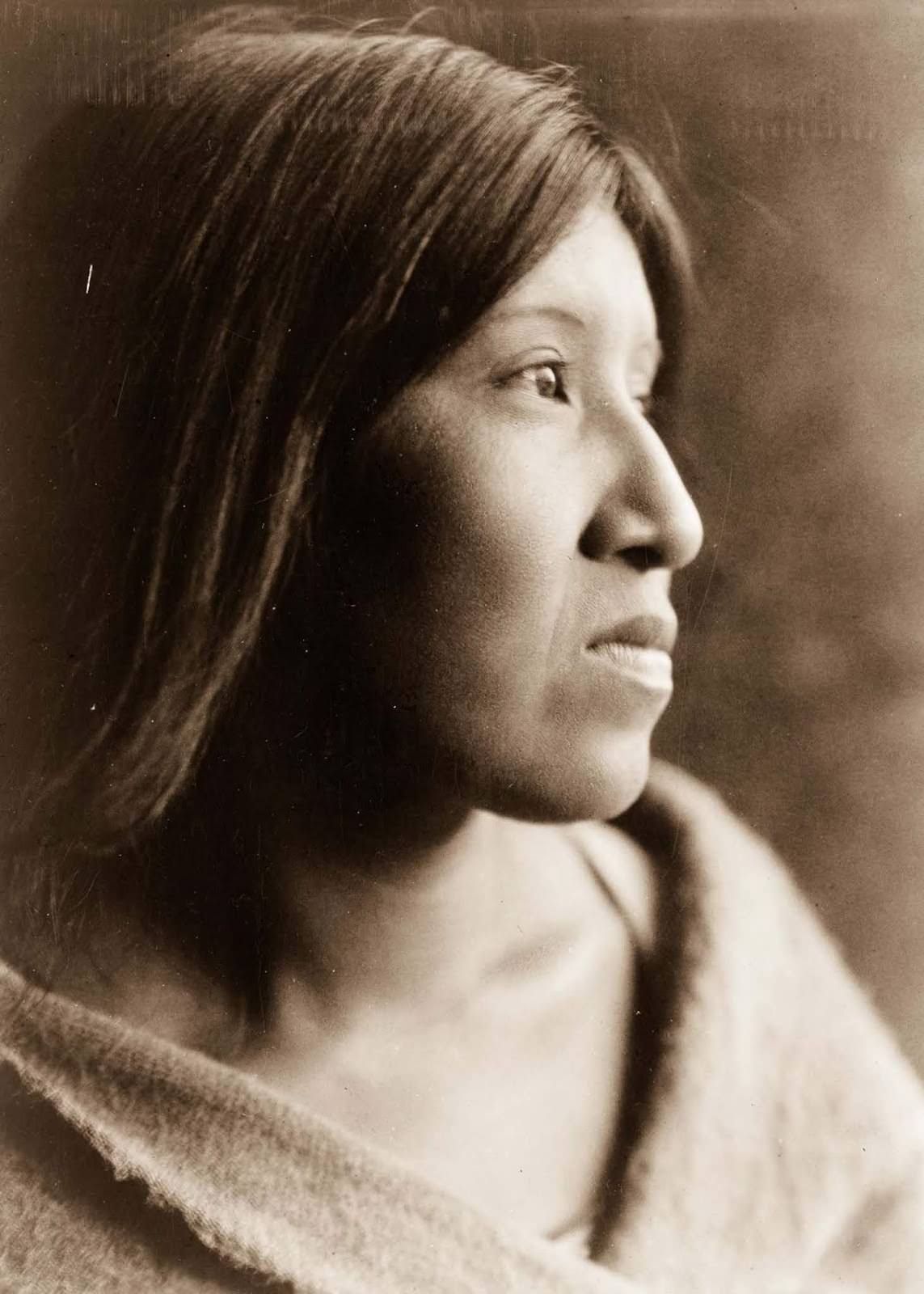
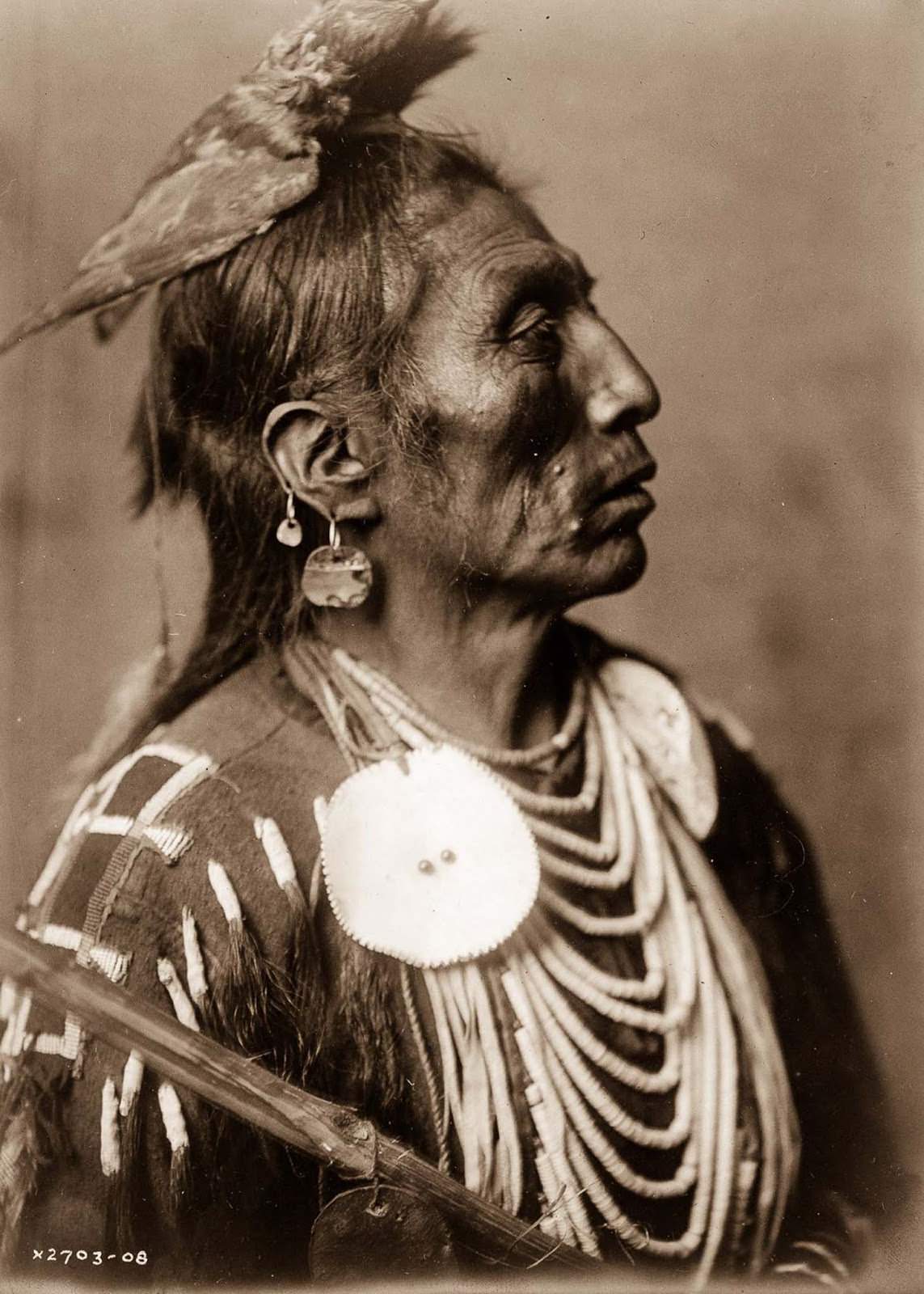
Portrait work made up a significant portion of Curtis’s output. He photographed tribal leaders, warriors, medicine men, and ordinary community members with equal care. Each portrait was composed with the same intention — to preserve a face, a name, and a cultural identity for the historical record.
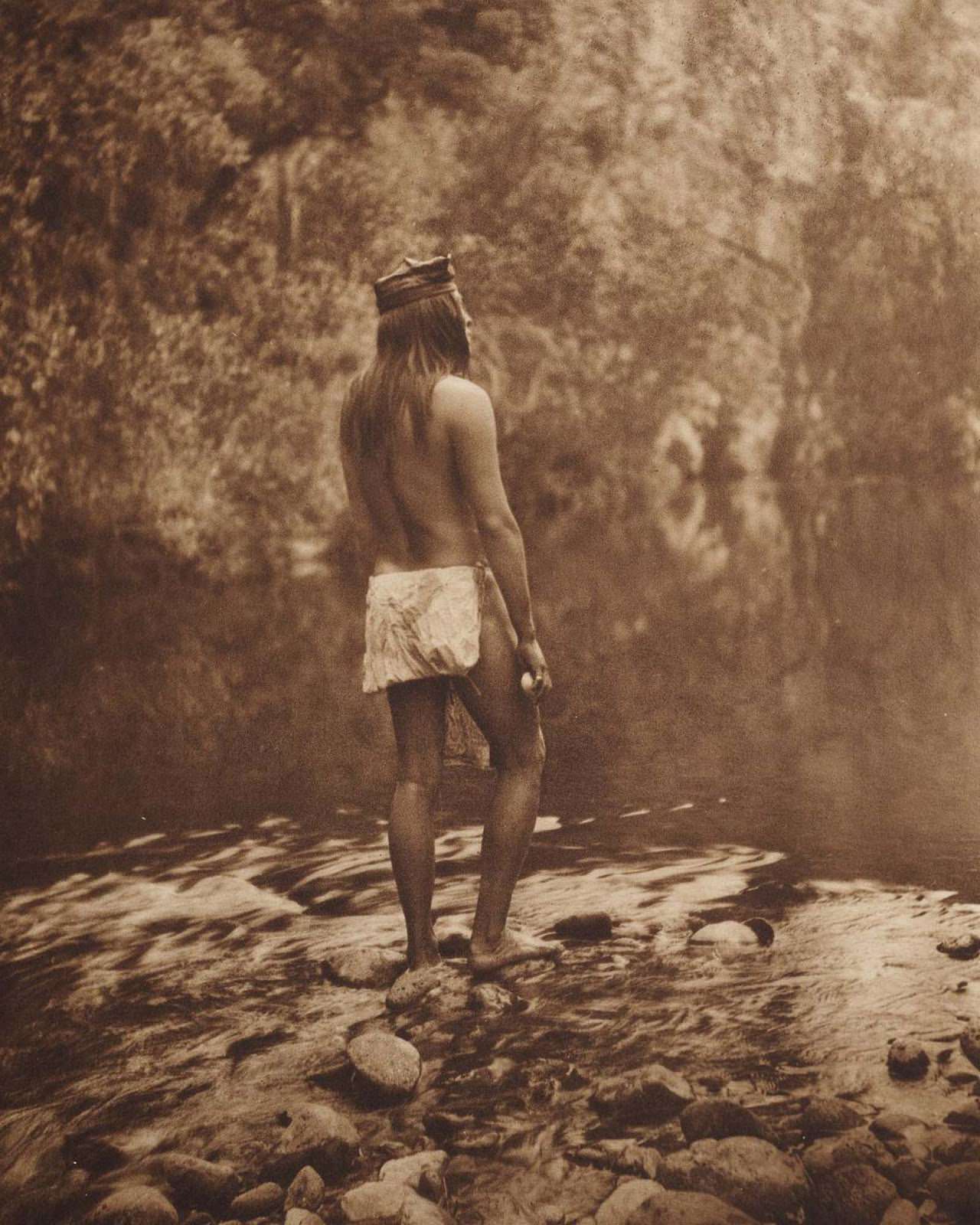
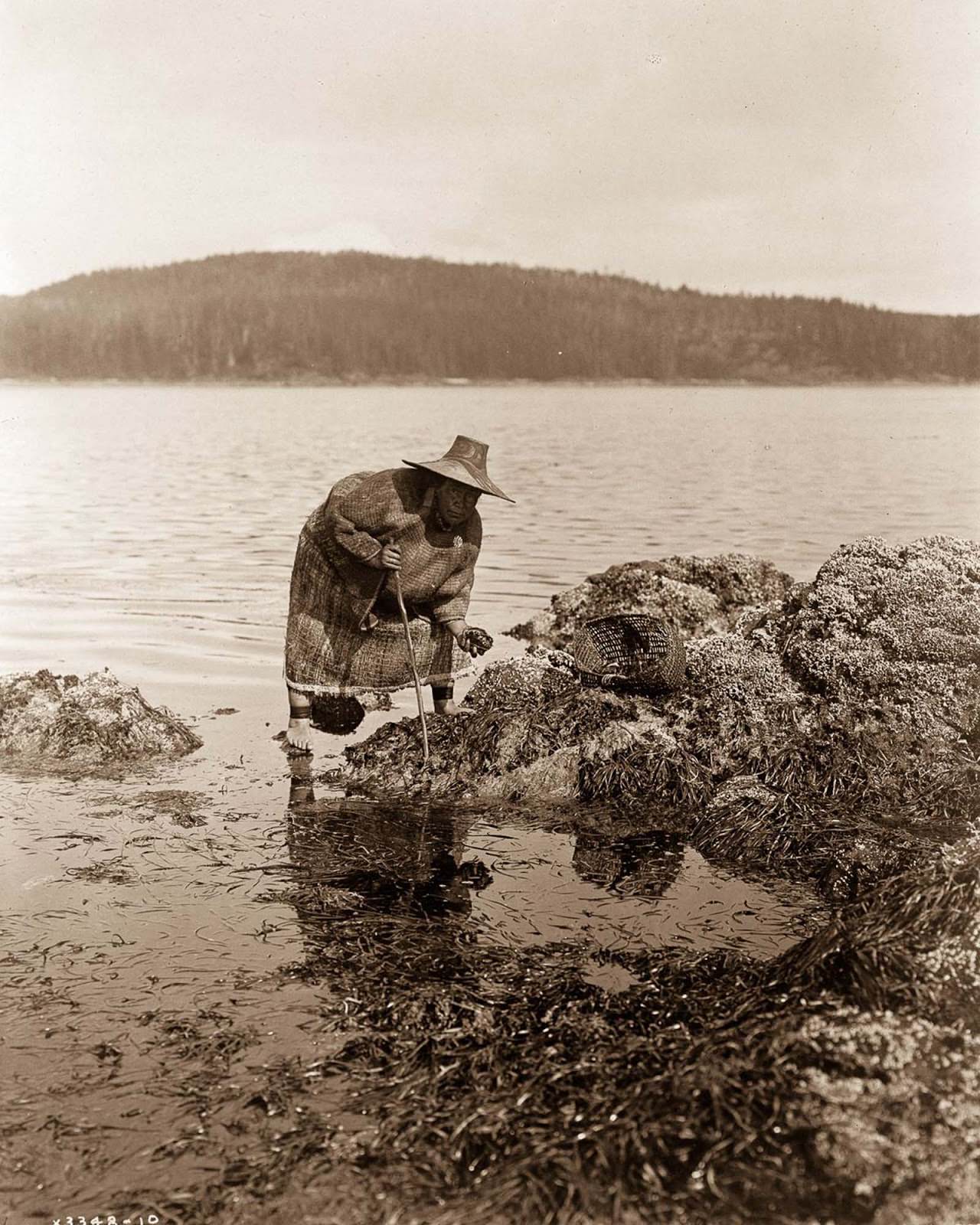
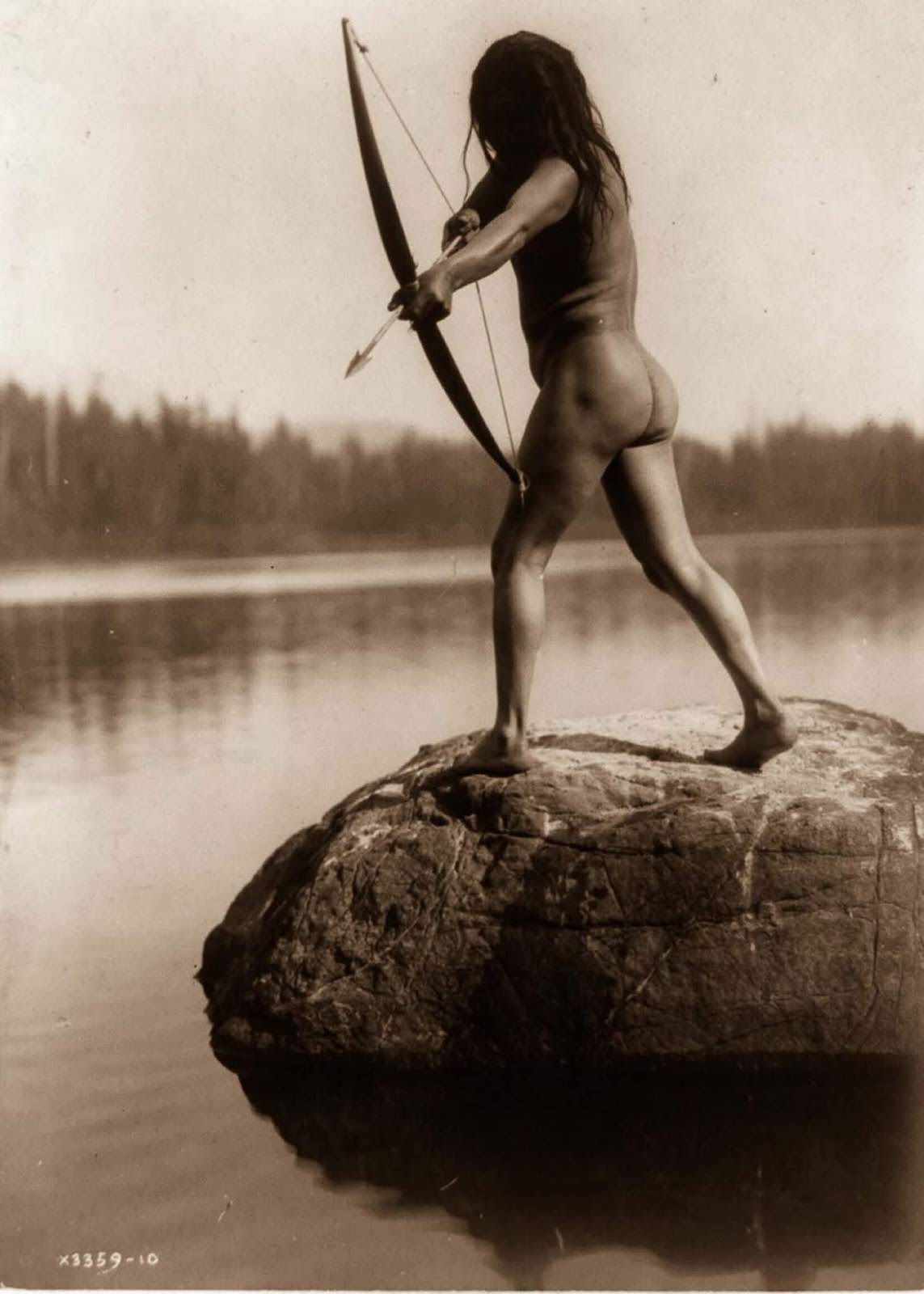
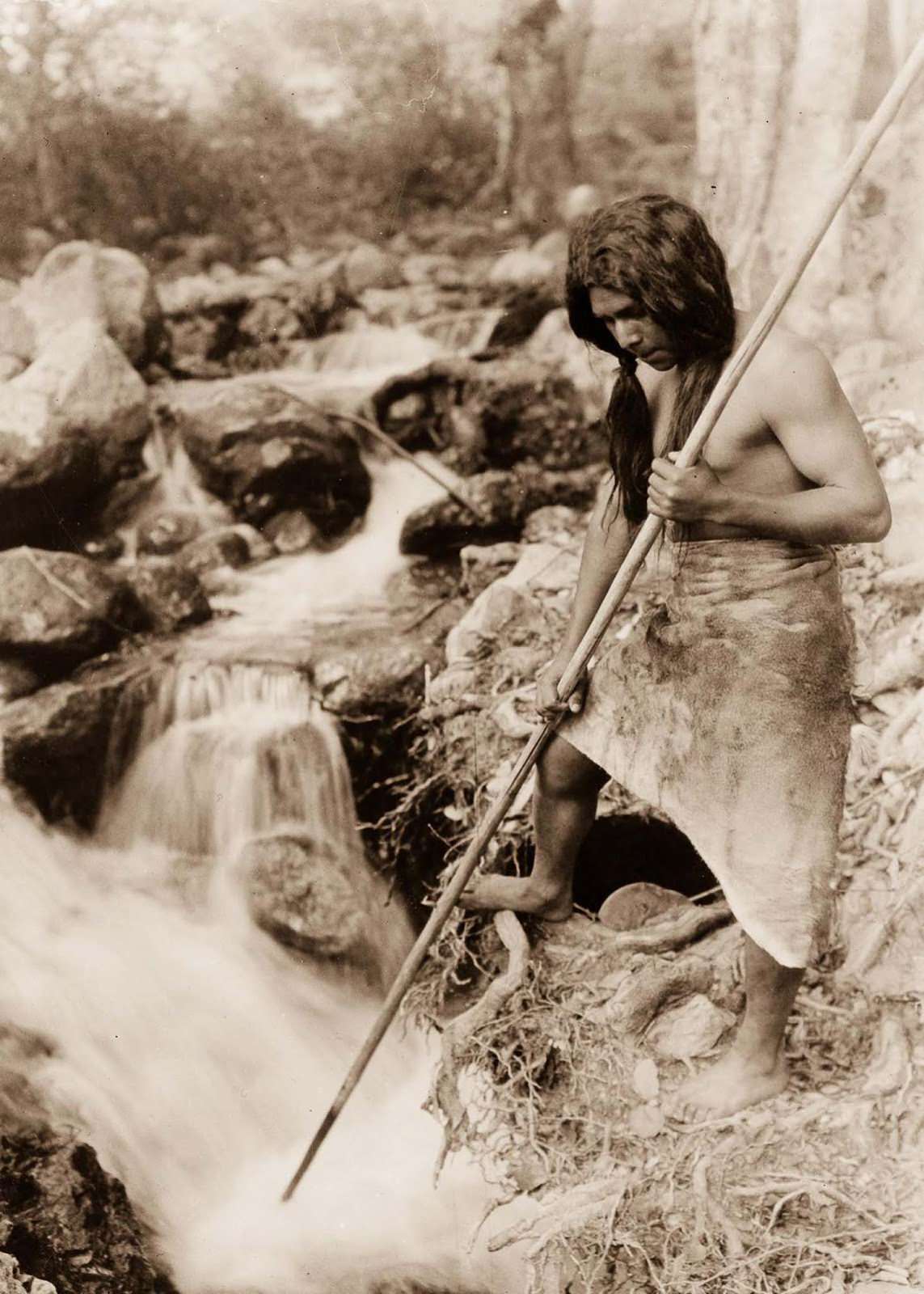
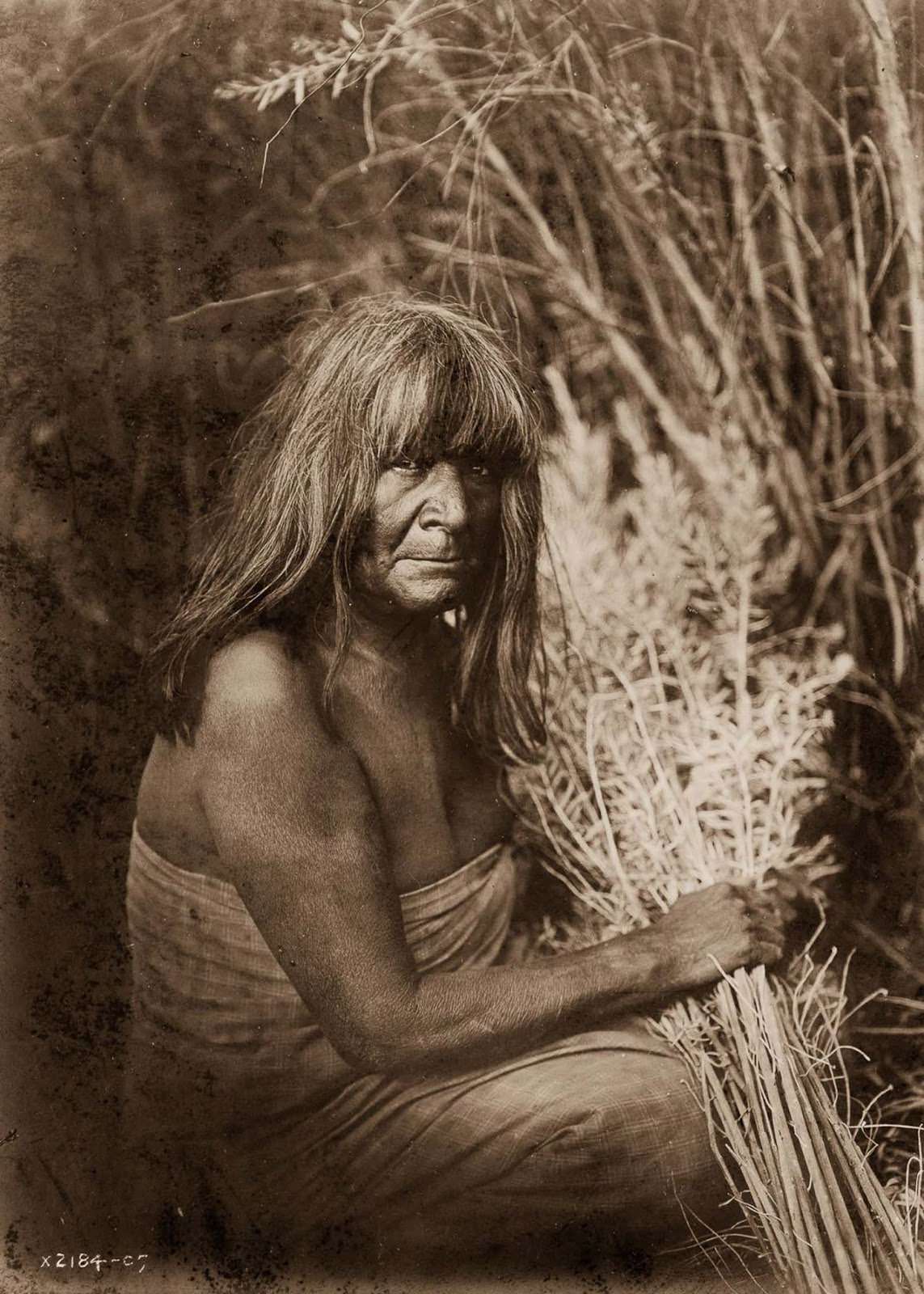
Work and subsistence were also documented thoroughly. Curtis photographed women reaping grain, men hunting with bows, fishermen watching rivers for salmon, and gatherers collecting food along the coast. These images show the practical day-to-day labor that sustained Native American communities across very different environments — from desert to forest to coastline.

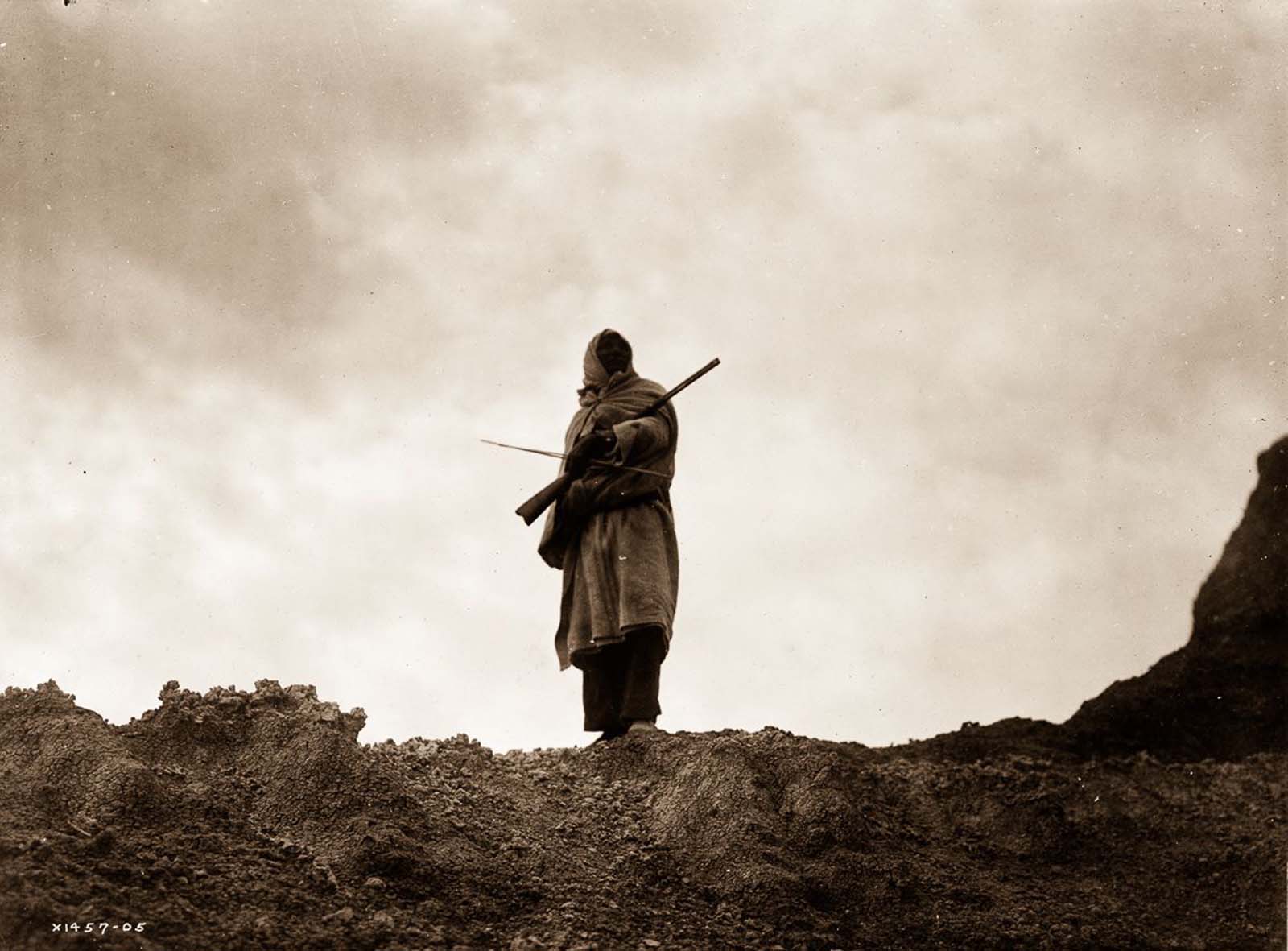
The Kwakiutl spiritual tradition produced some of the most visually striking images in the entire collection. Shamans, masked figures, and ceremonially dressed individuals appear across dozens of photographs. The masks themselves were elaborate constructions representing animals, spirits, and transformed beings — each one carrying specific cultural meaning within the tribe’s belief system.
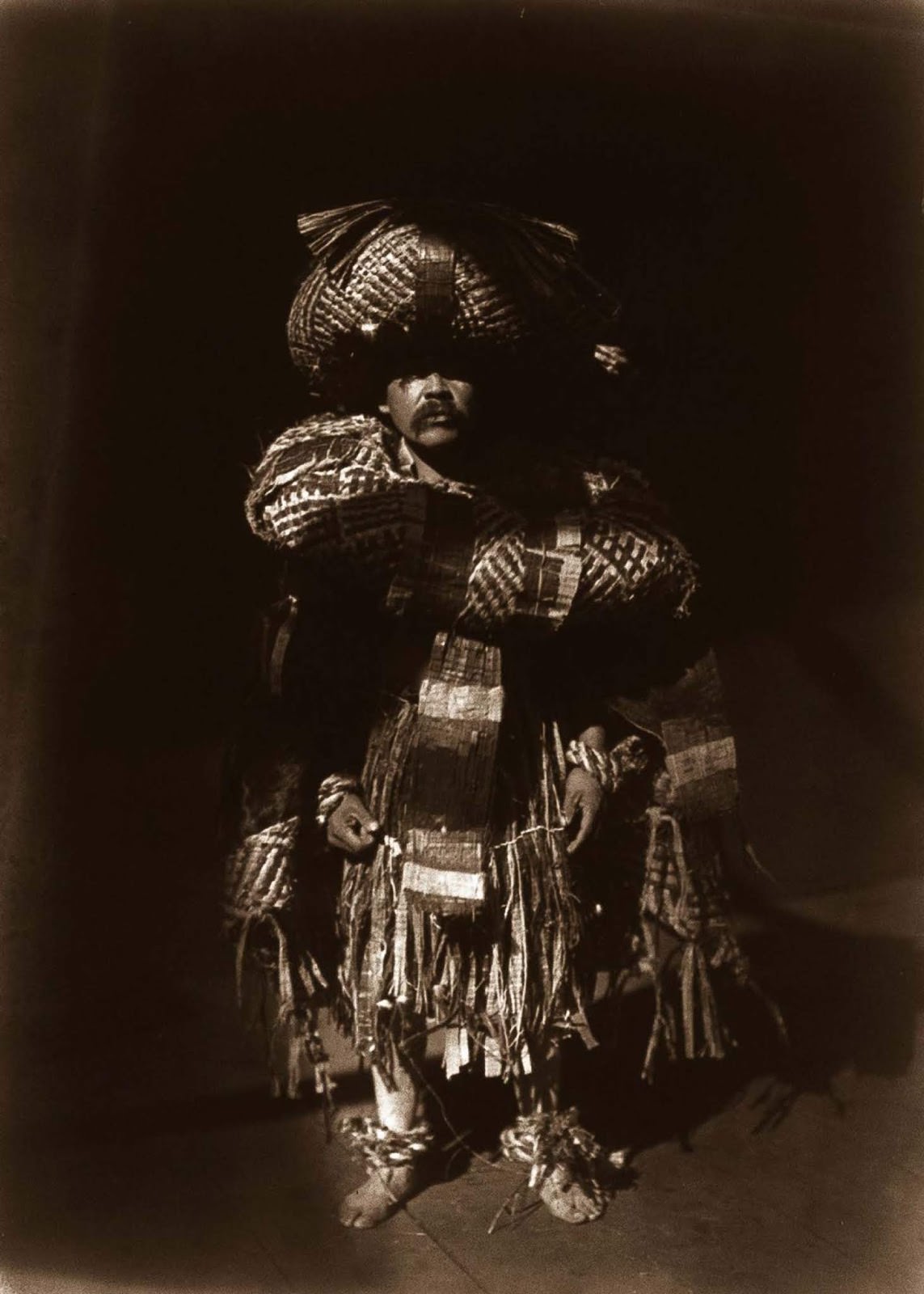
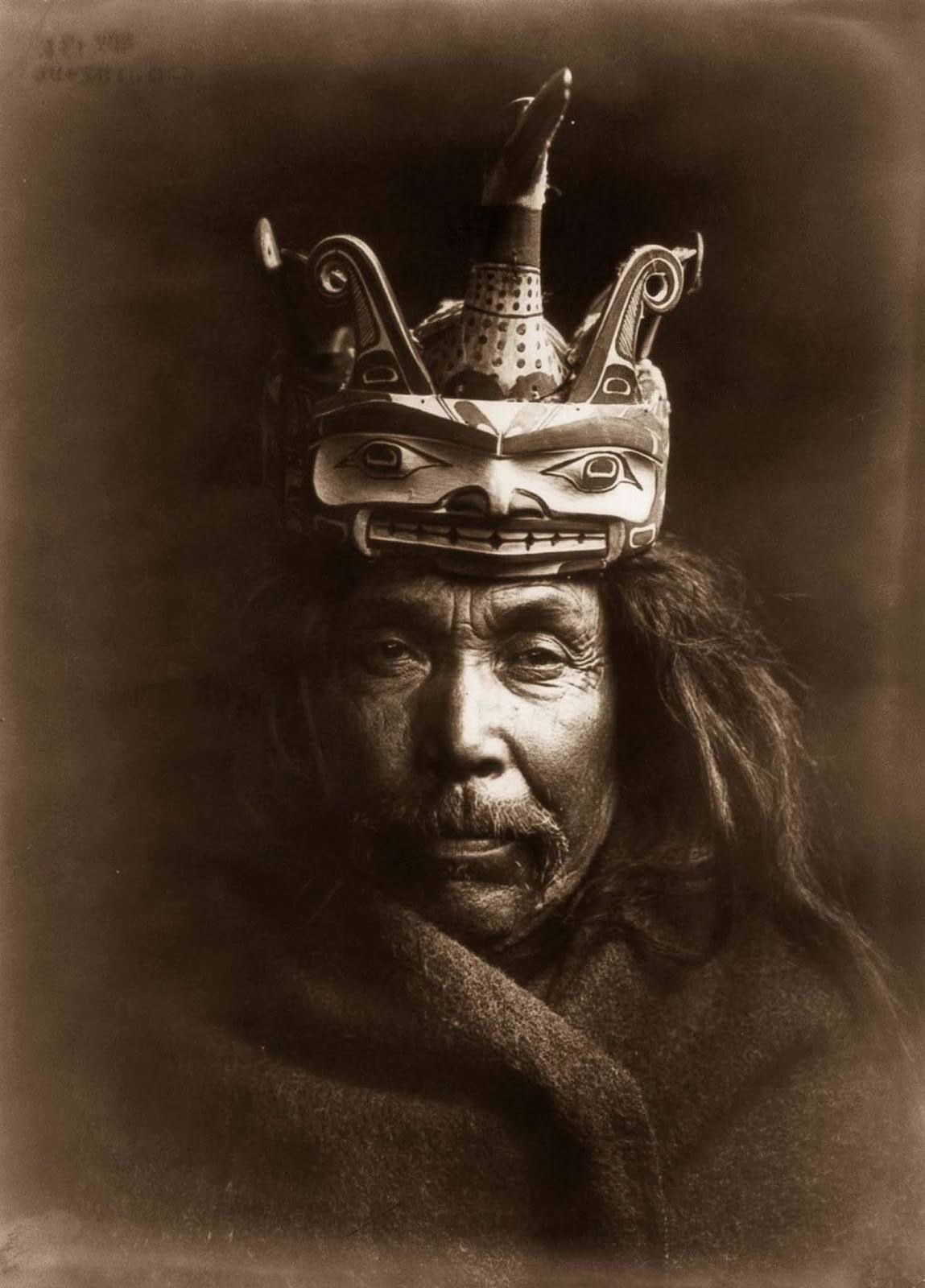
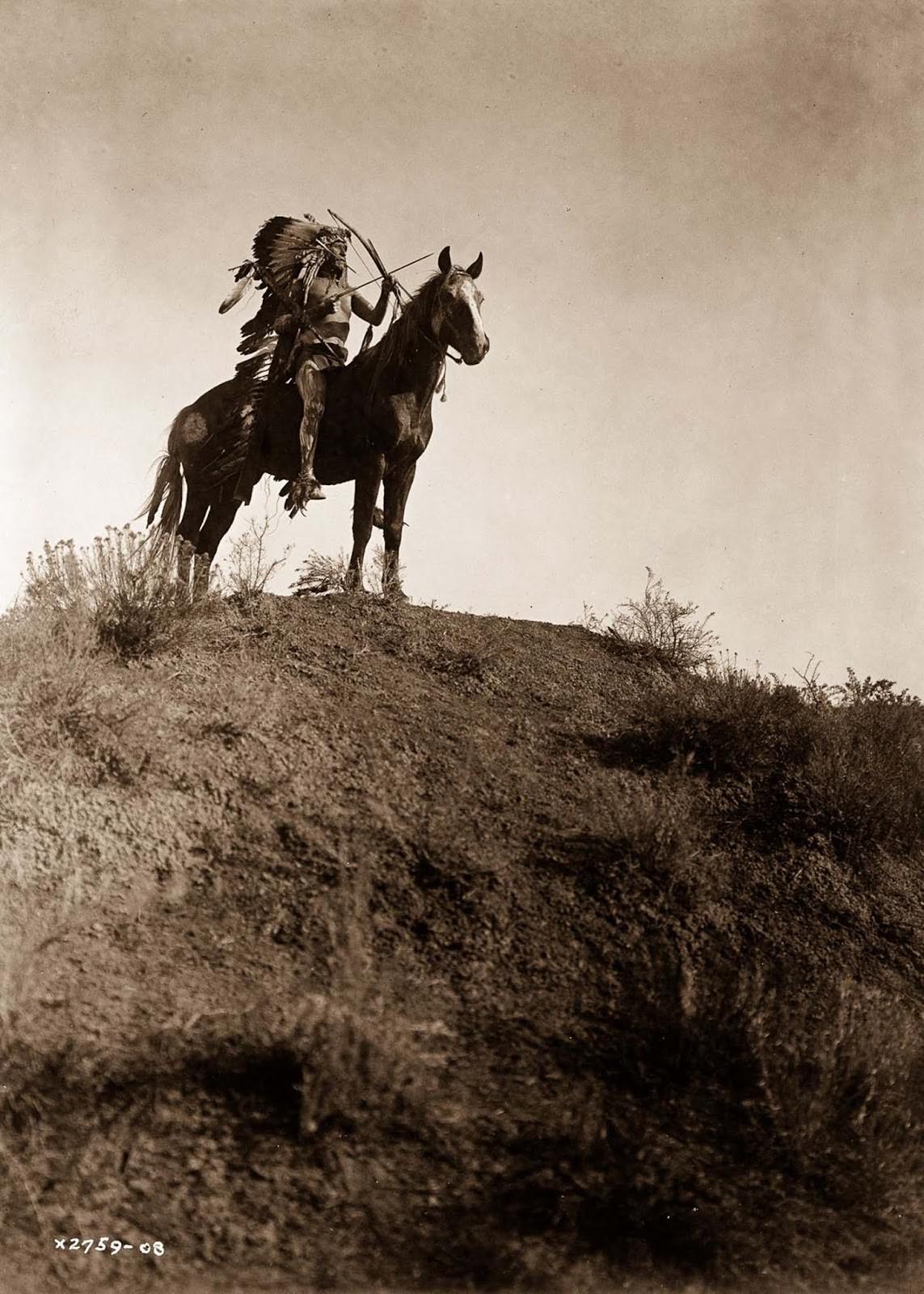
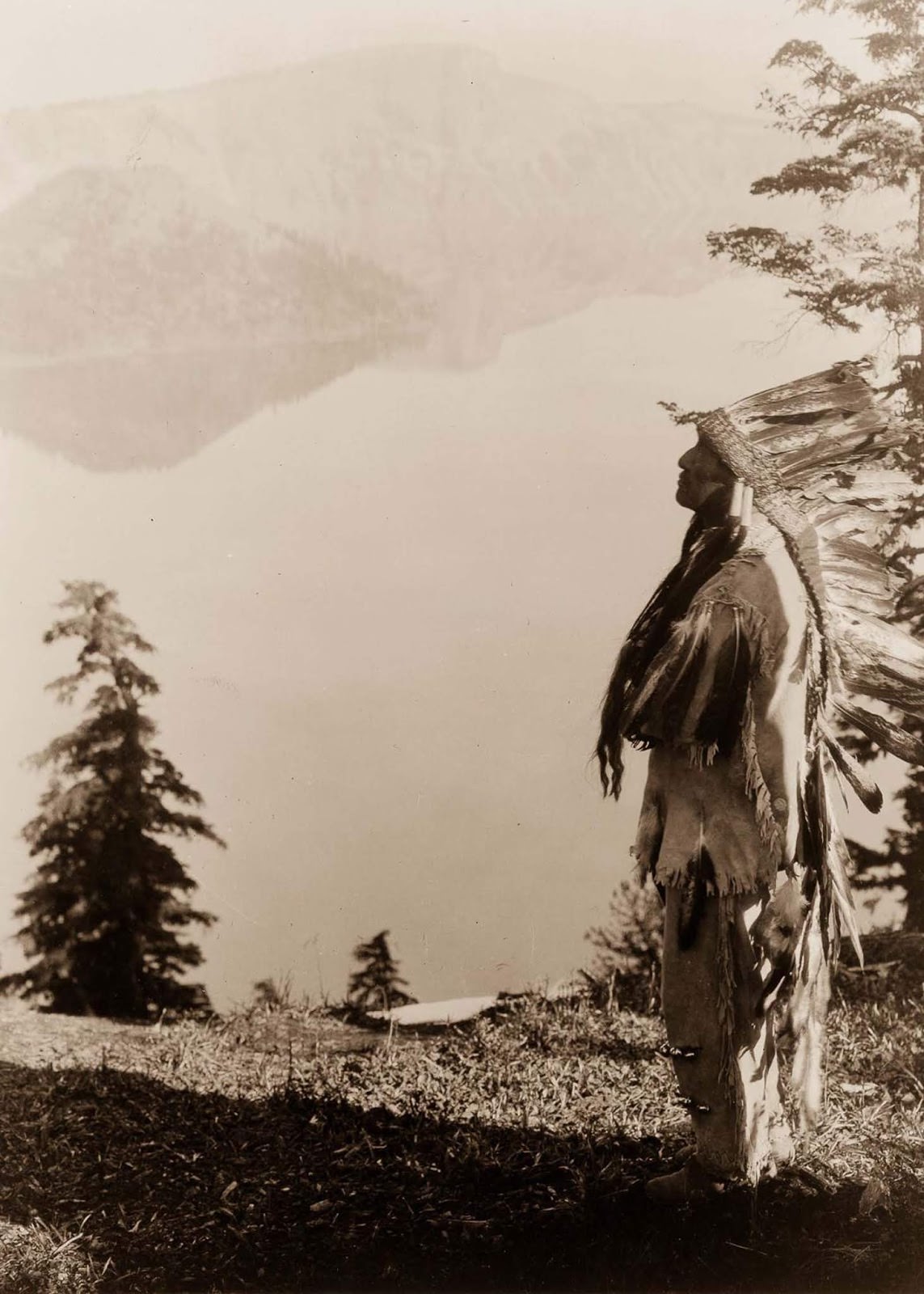
Curtis’s portraits of individual men are among the most striking in the collection. Named subjects like Iron Breast of the Piegan, Black Eagle of the Assiniboin, and Nayenezgani of the Navajo were photographed with full attention to their identity and standing within their communities. These were not anonymous subjects — Curtis recorded their names and tribal affiliations as part of the documentation.
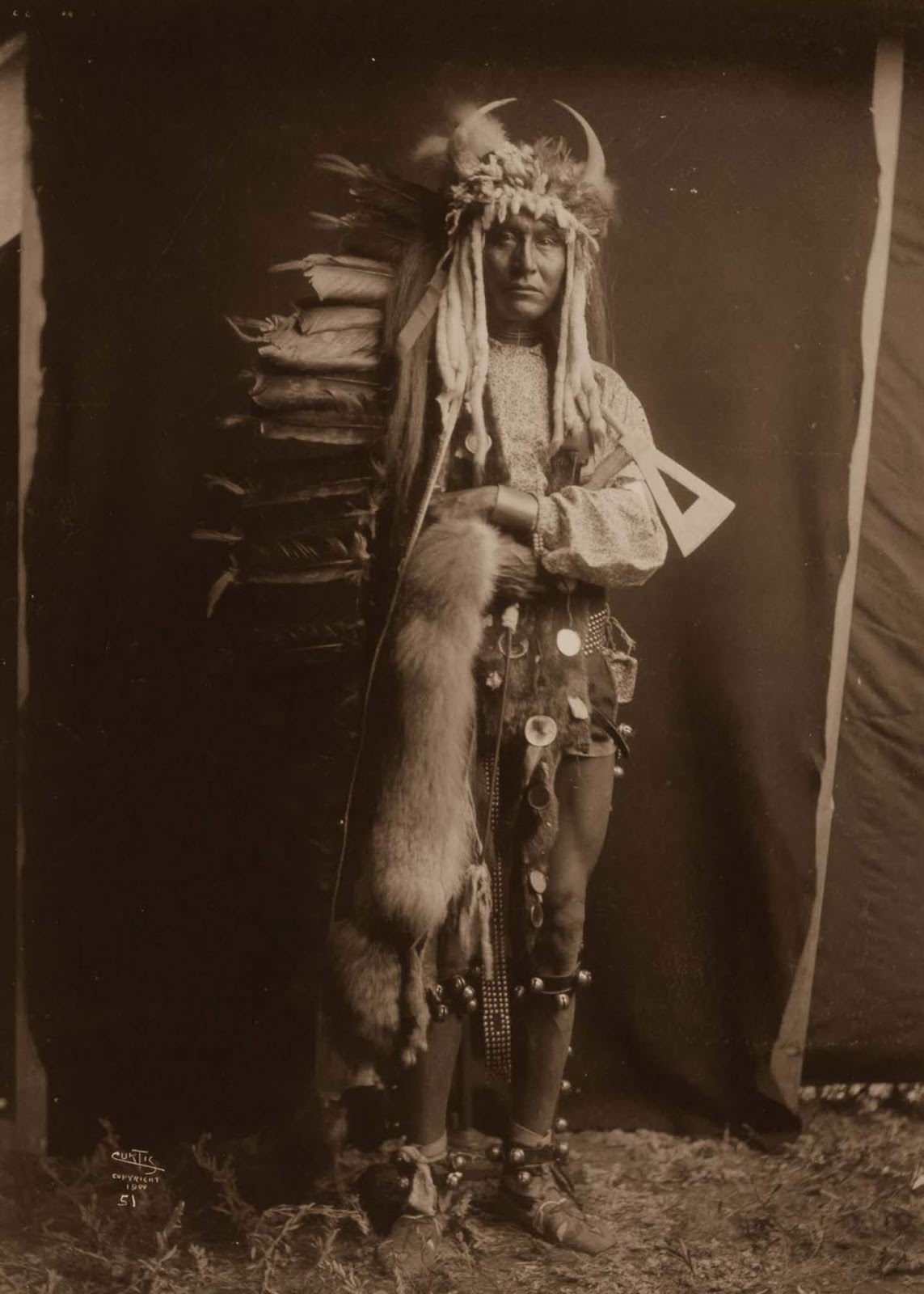
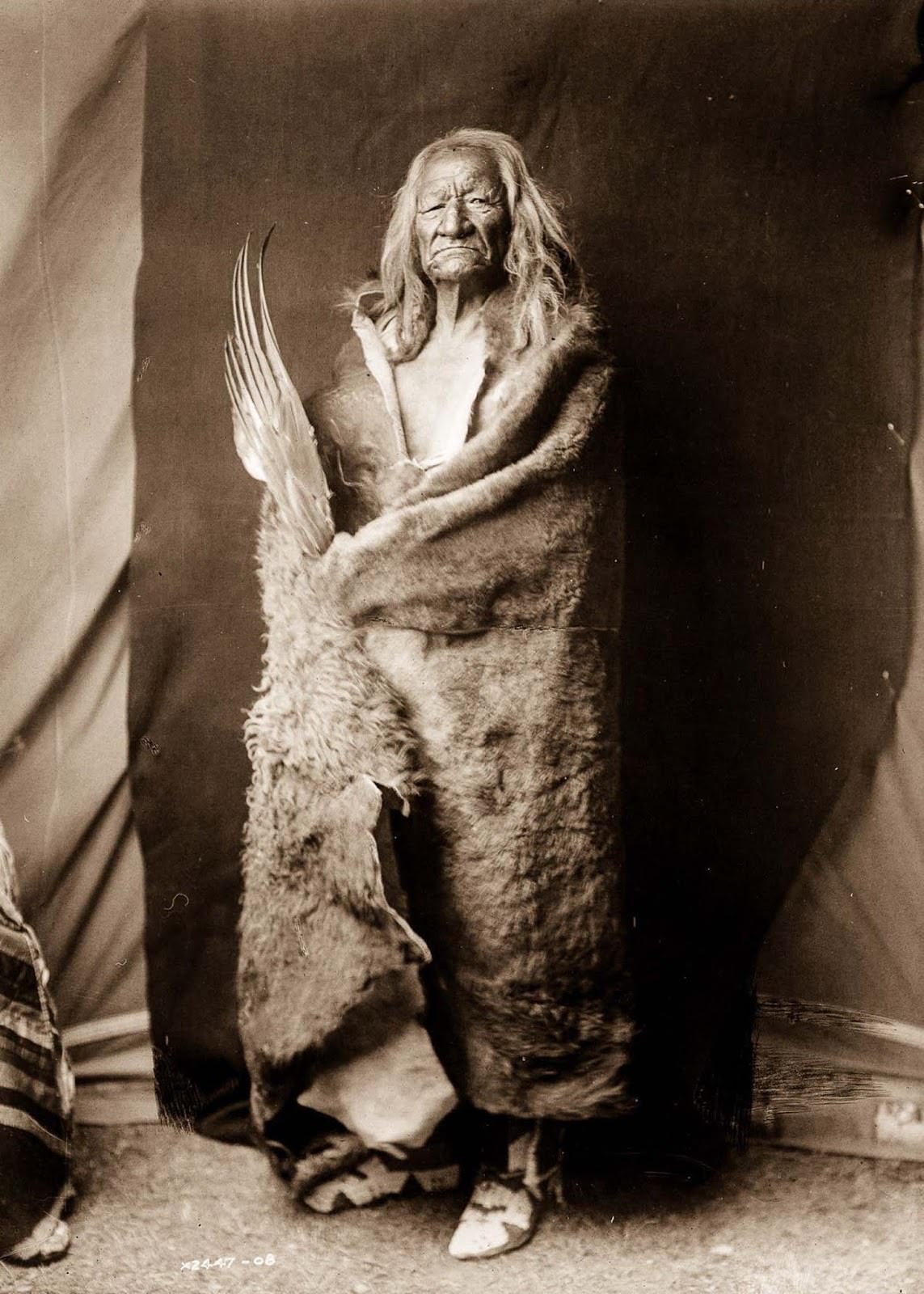
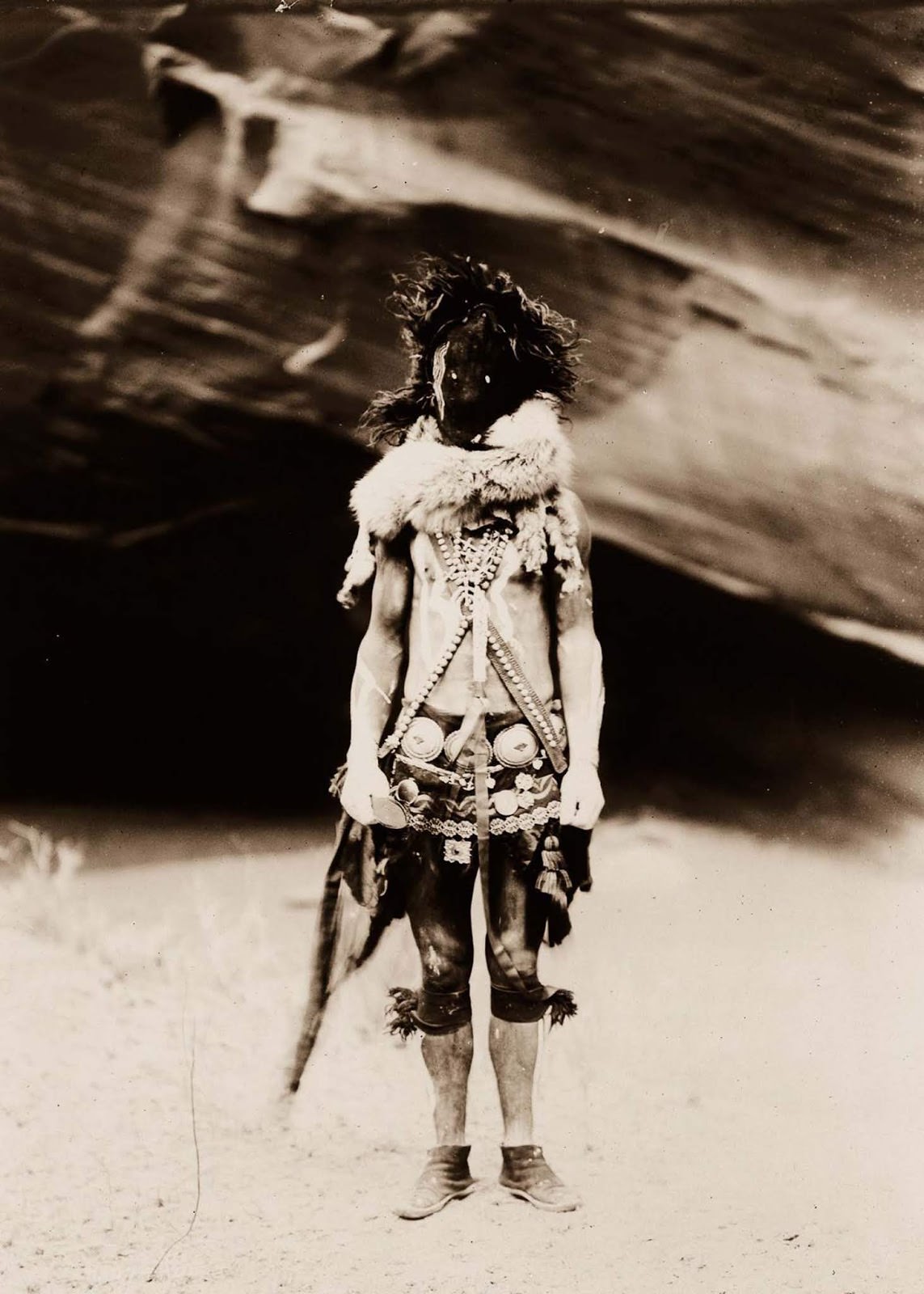
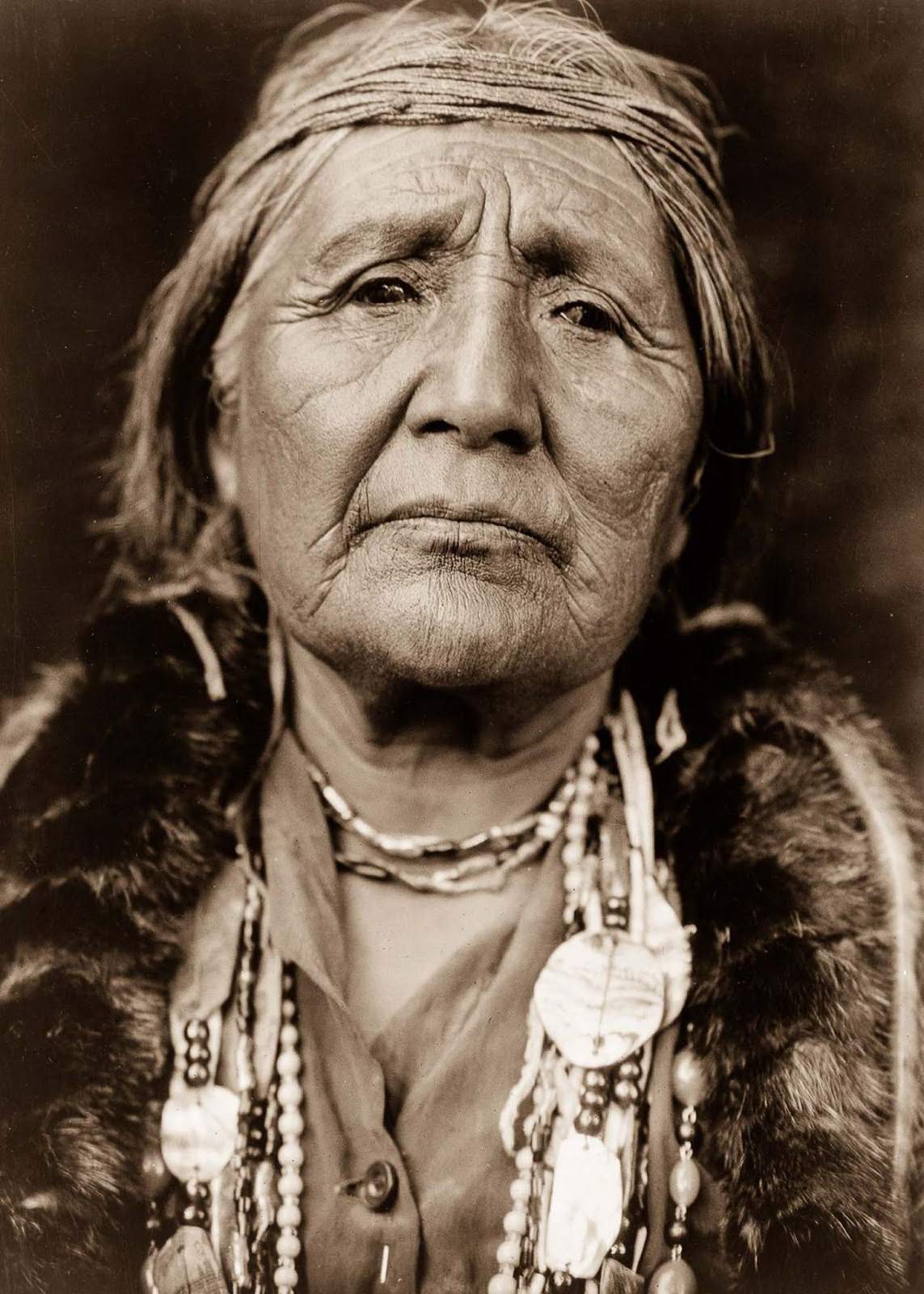
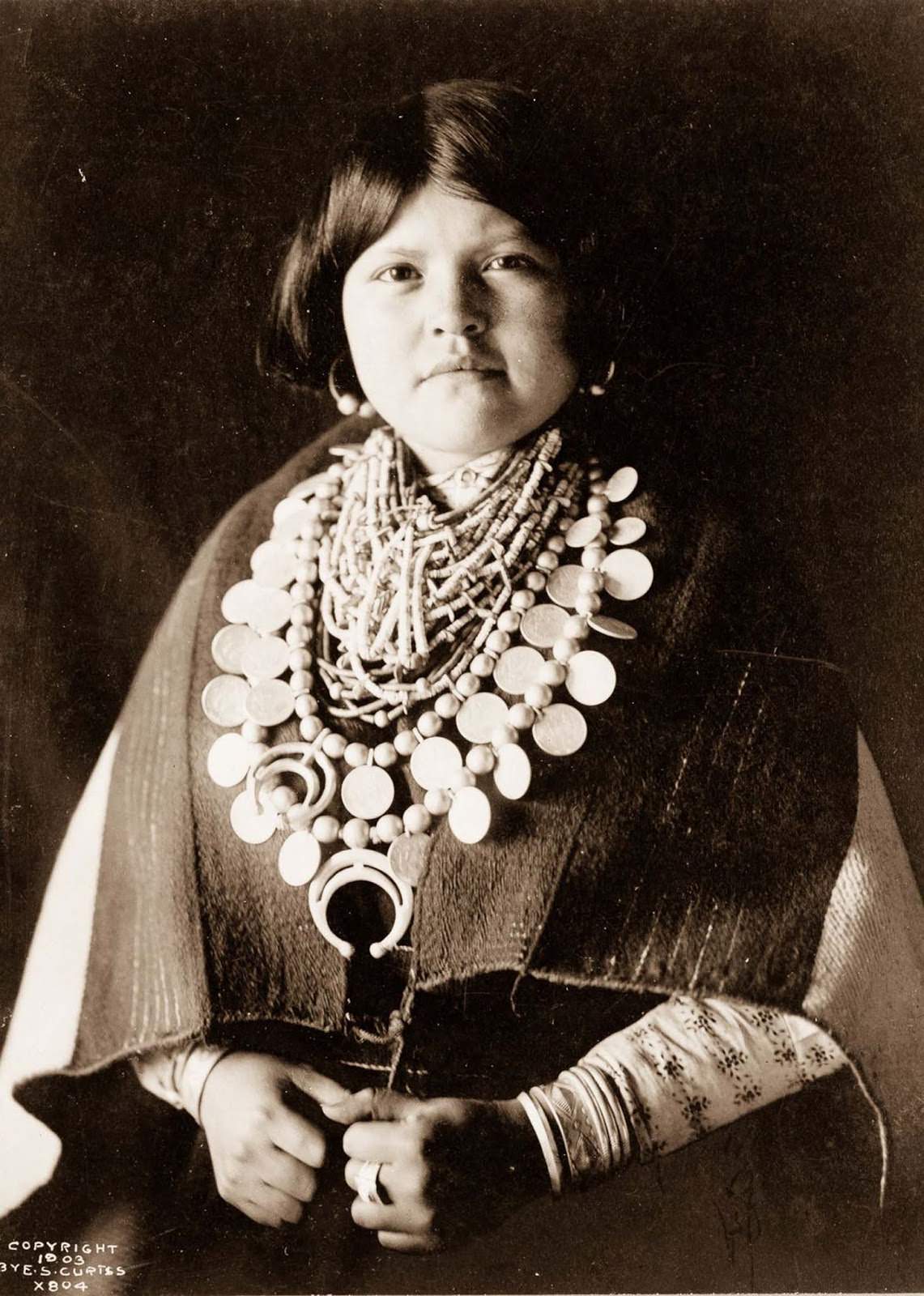
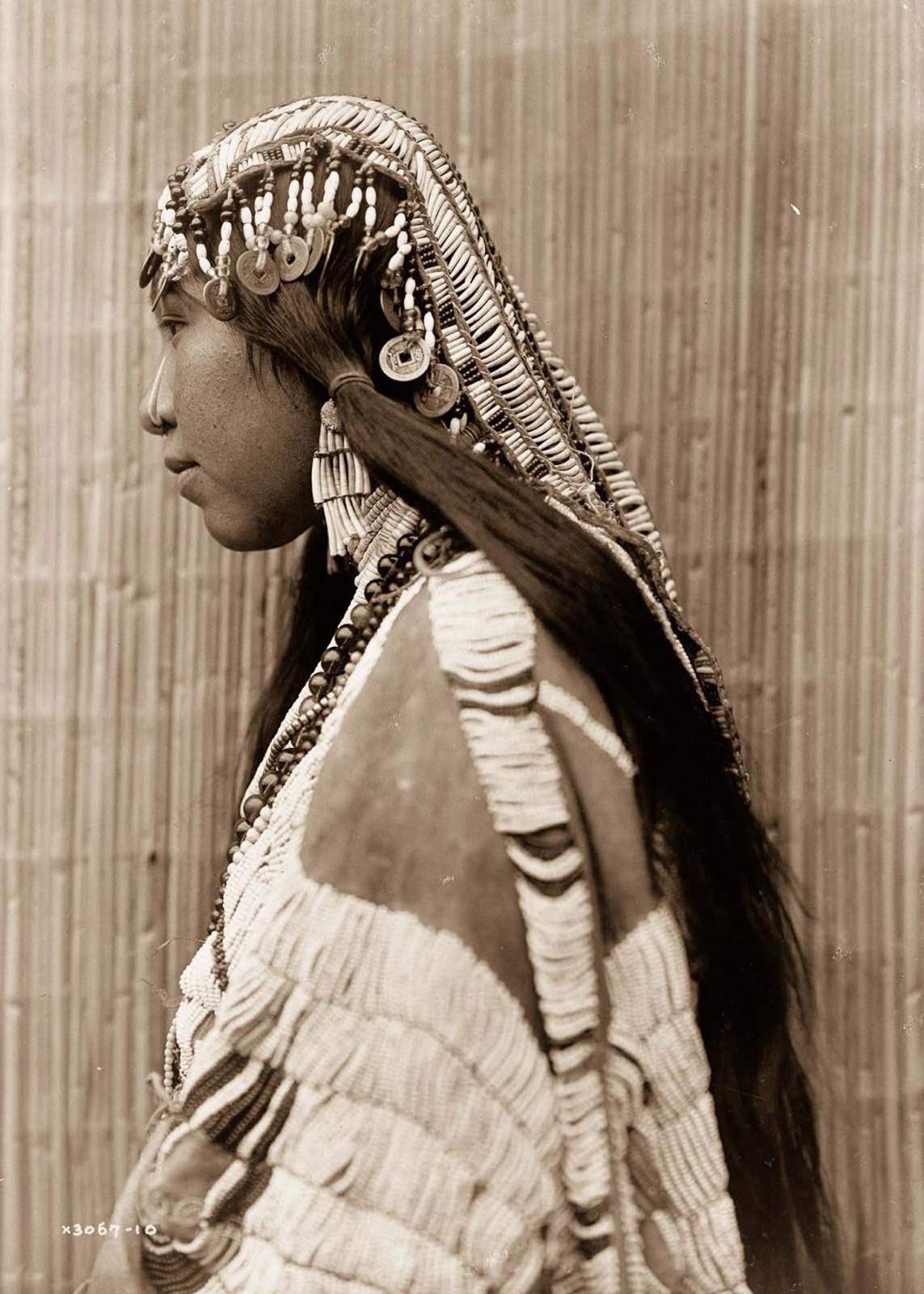
Women appear throughout the collection in roles that range from domestic to ceremonial. Curtis photographed Hupa women, Zuni women, Maricopa women carrying arrow-brush stalks, and Papago women in their everyday dress. These portraits give equal weight to women’s presence in tribal life, moving well beyond the male warriors and chiefs that most outside observers focused on at the time.
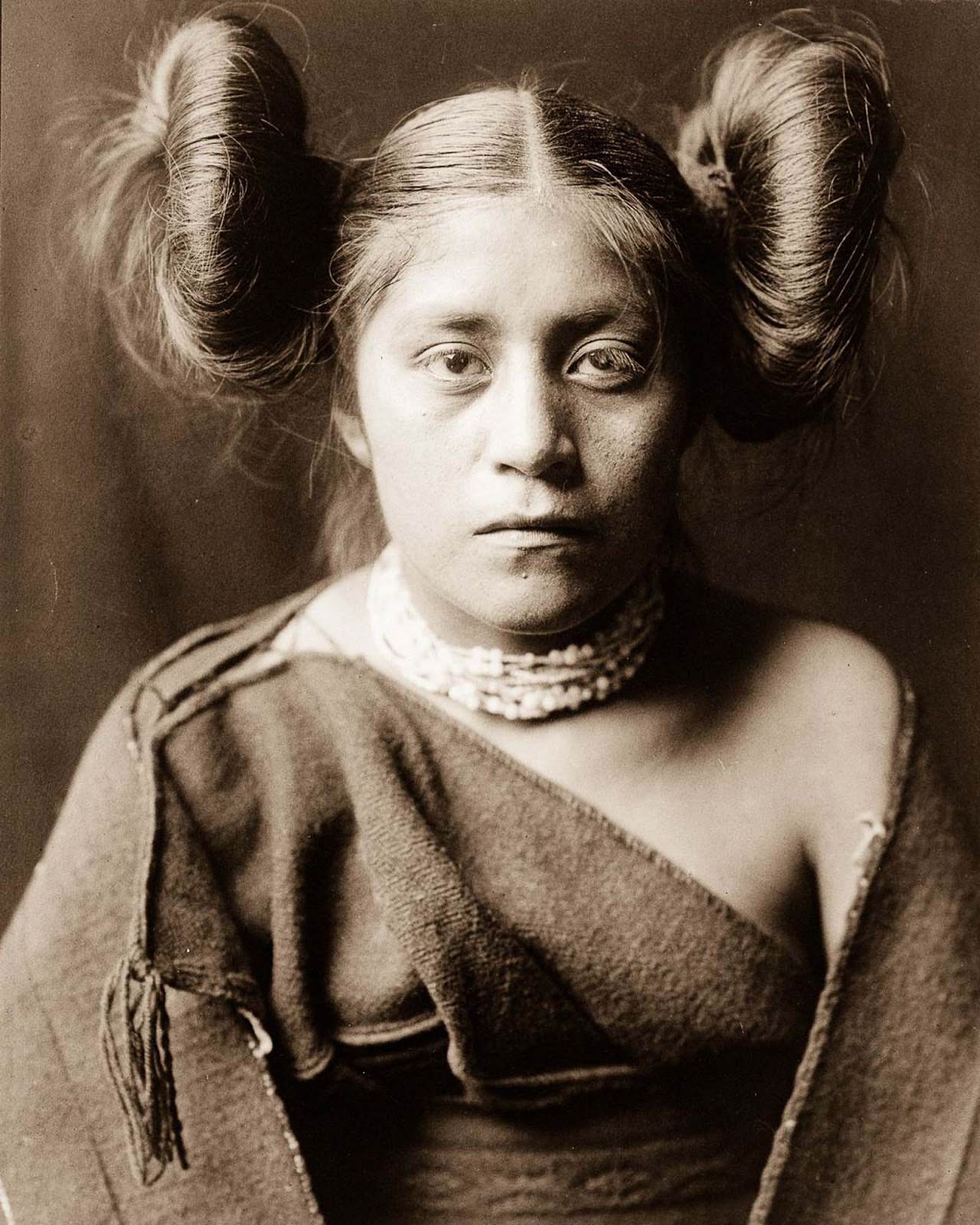
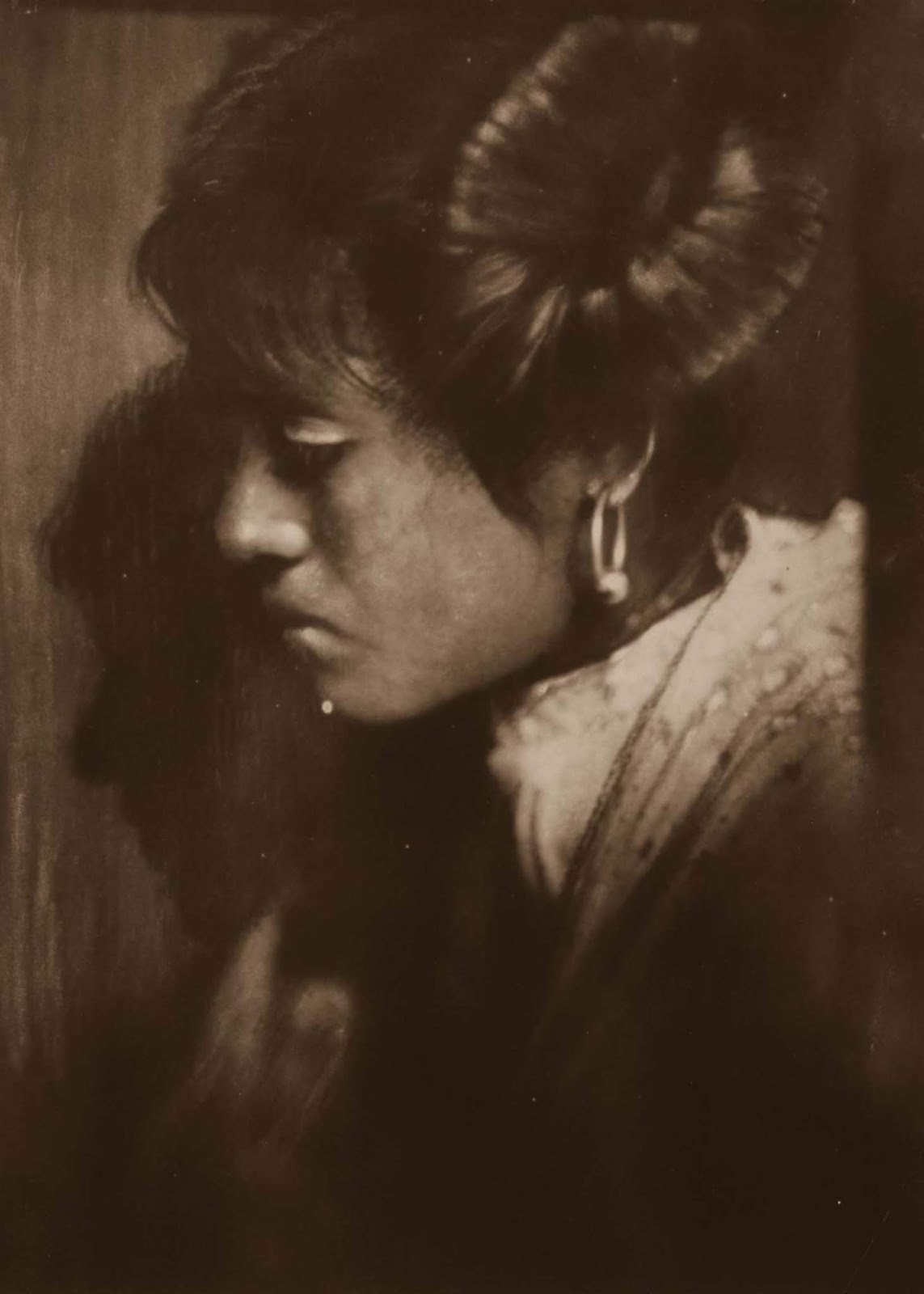
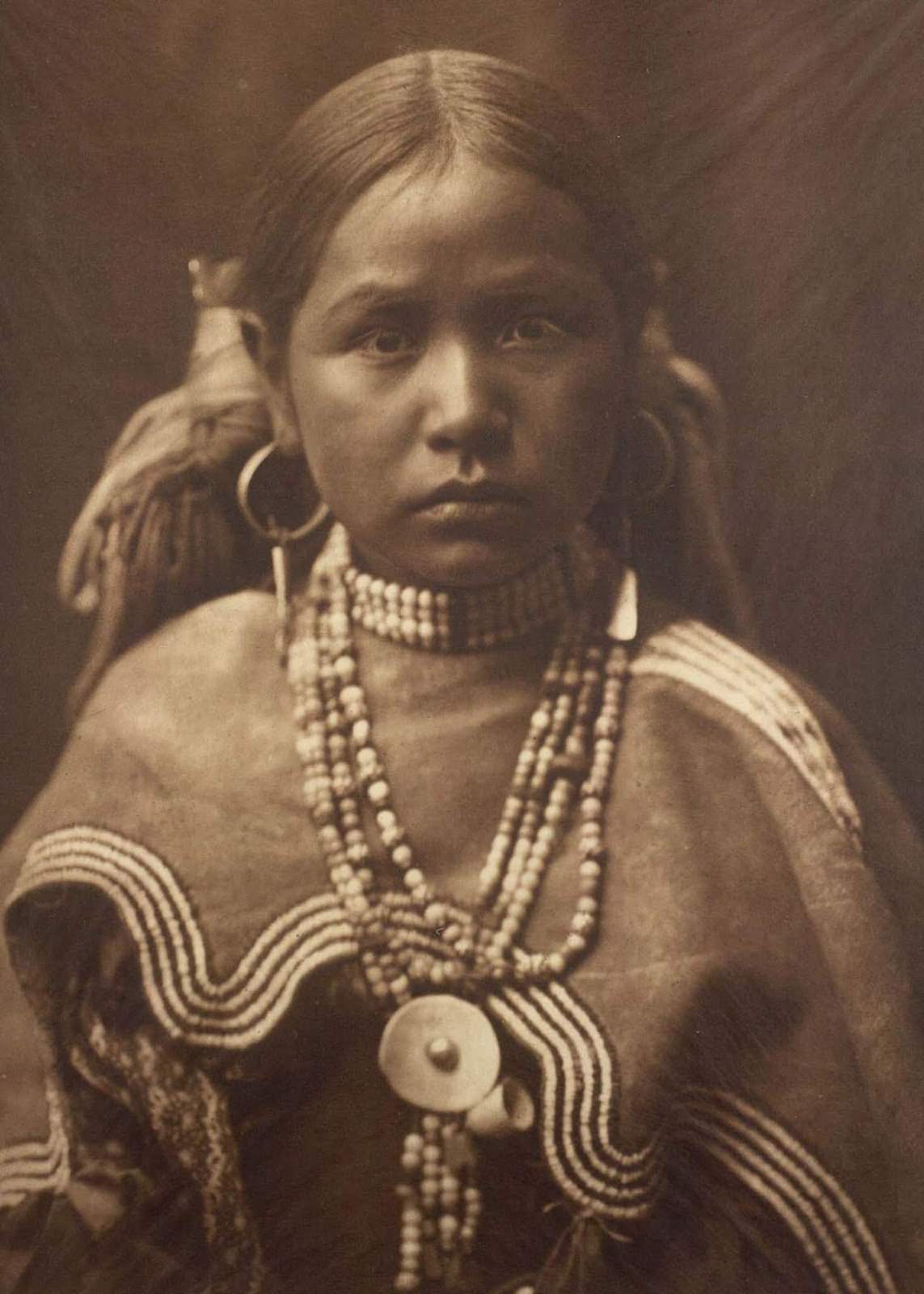
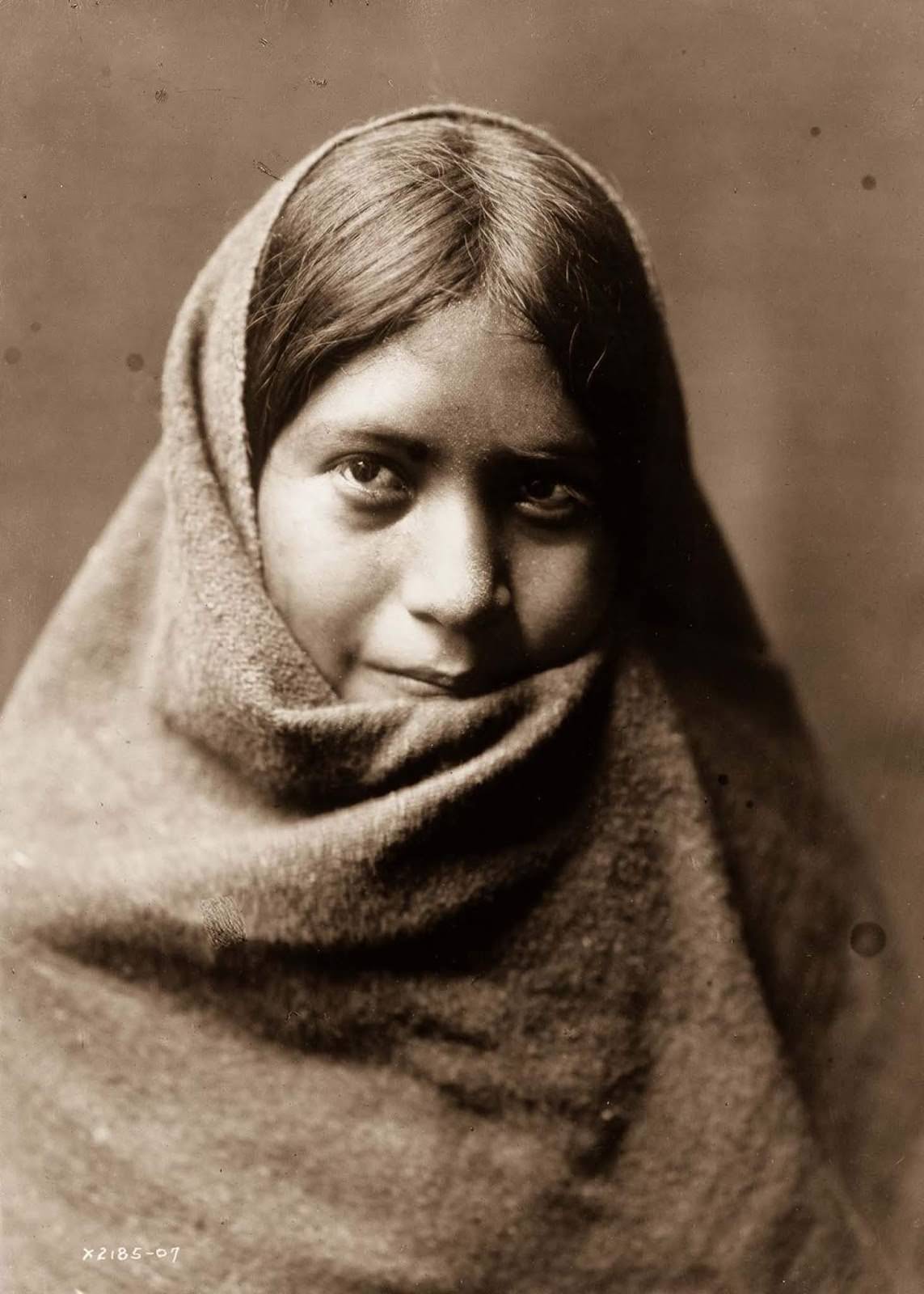
Young people and children appear throughout Curtis’s photographs as well. A Jicarilla girl, a Tewa girl, a young Apache member, and a Wishran girl all sit for portraits that show childhood within tribal communities. The Hopi Maiden portrait from 1905 became one of his most recognized images, capturing the distinctive “squash blossom” hairstyle worn by unmarried Hopi women.
Fishing was a vital food source for many tribes, particularly in the Pacific Northwest. Curtis documented these practices with the same care he gave to ceremonies and portraits. A Hupa spear fisherman watching a river for salmon and a Kutenai duck hunter in a canoe both appear in the collection, showing the range of techniques used across different landscapes and waterways.
Shamans held significant authority in many tribes, serving as spiritual leaders, healers, and ceremonial guides. Curtis photographed Apsaroke, Kwakiutl, and Navajo medicine men — each within their own cultural context. Nesjaja Hatali, a Navajo medicine man photographed in 1904, was one of the named individuals whose role Curtis took care to document accurately.
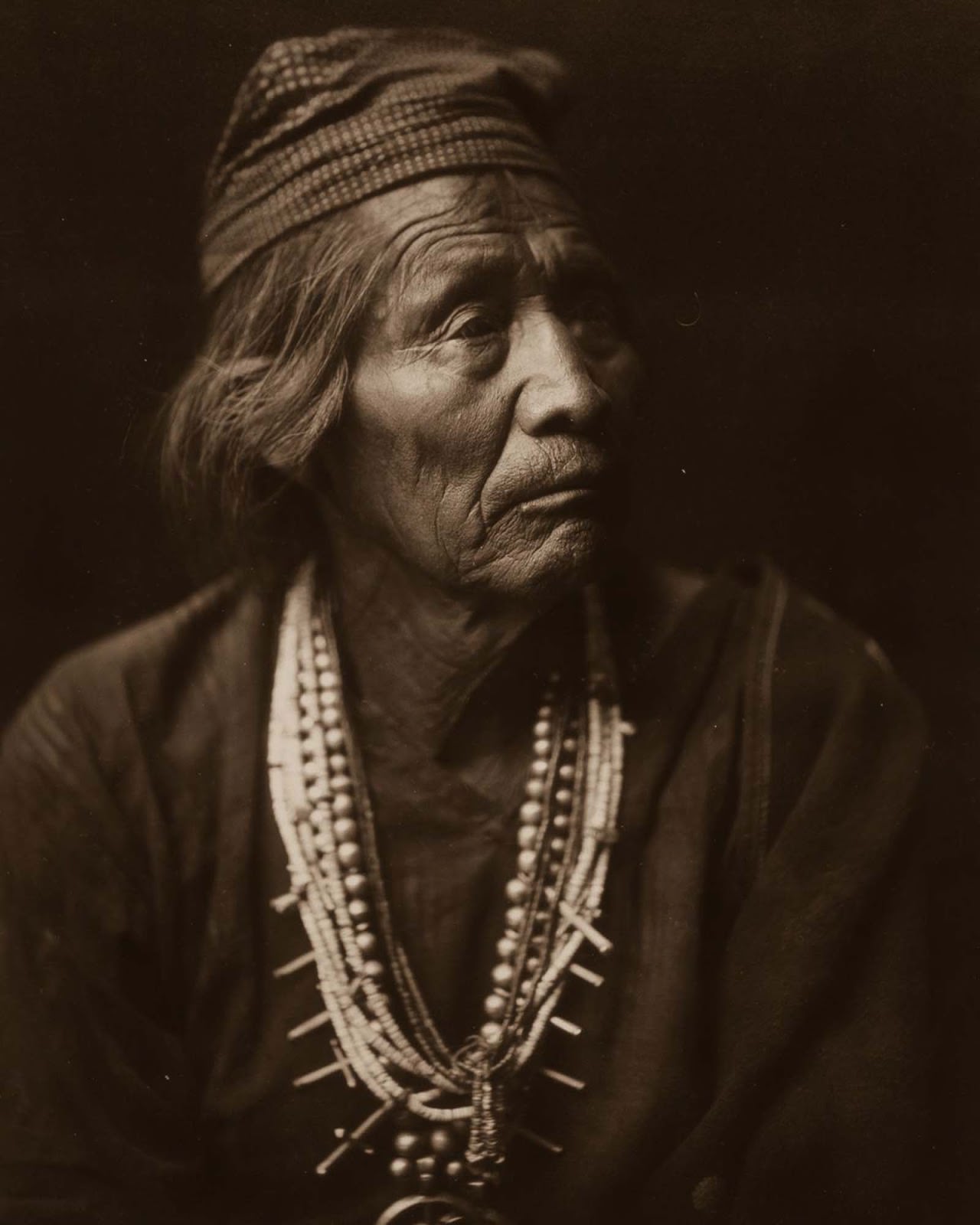
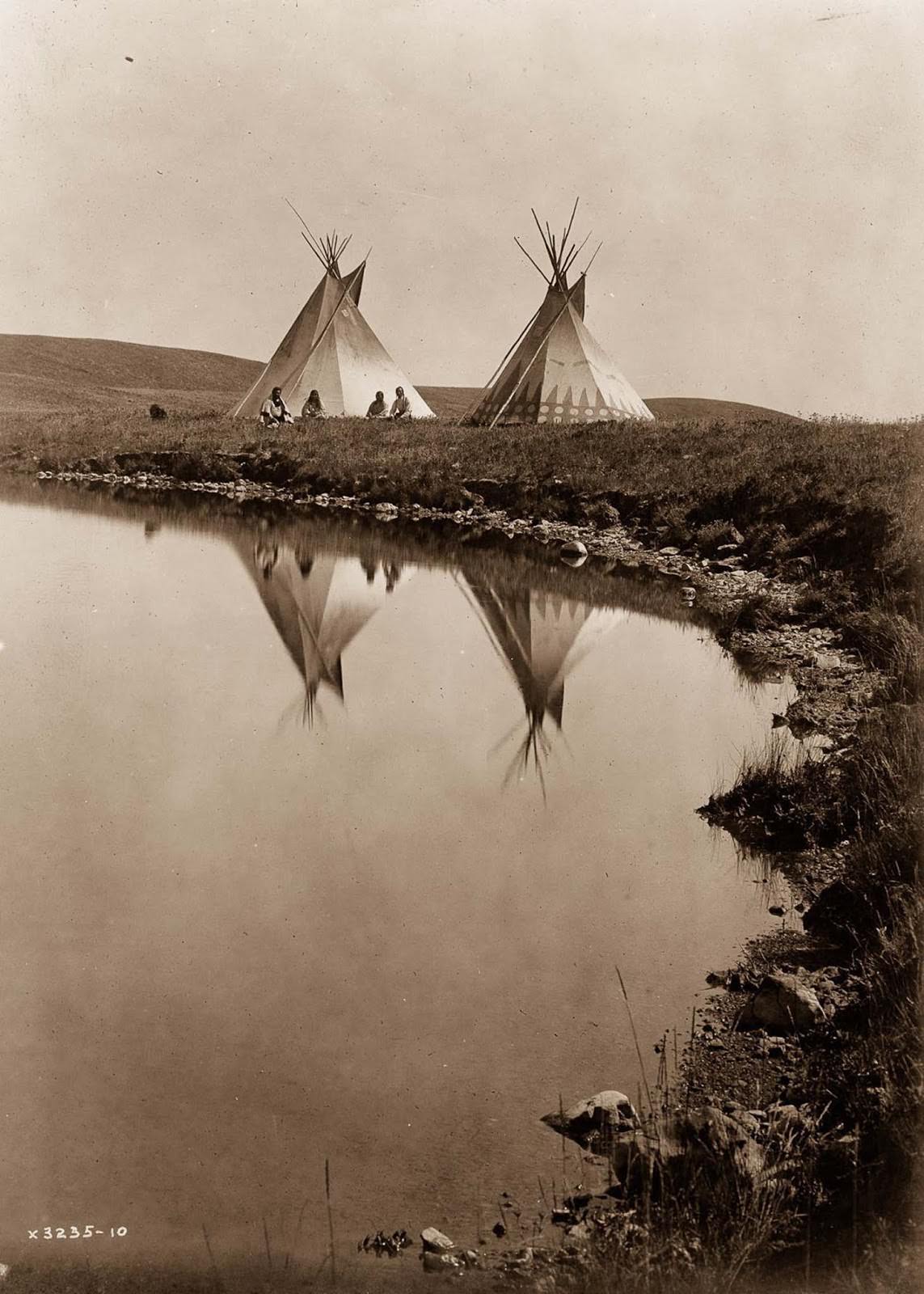
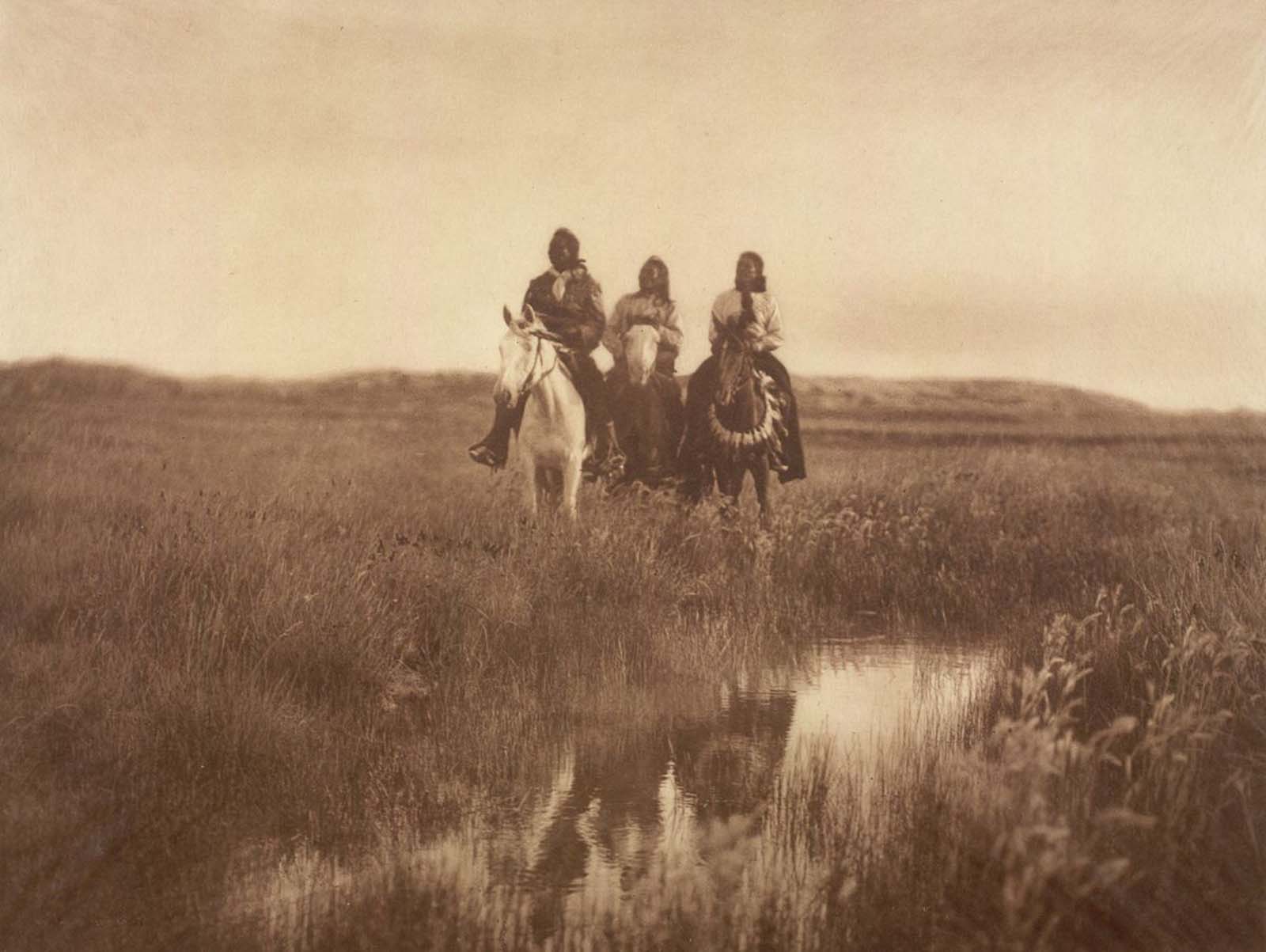
Curtis’s project spanned multiple decades and covered tribes from Alaska to the American Southwest and the Pacific Coast. The photographs below represent just a portion of that enormous body of work — a visual record of Native American tribes, individuals, and traditions captured at a time when many of those ways of life were under severe pressure from outside forces. Each image stands as a direct, unfiltered look at a world that Curtis worked tirelessly to preserve on film.