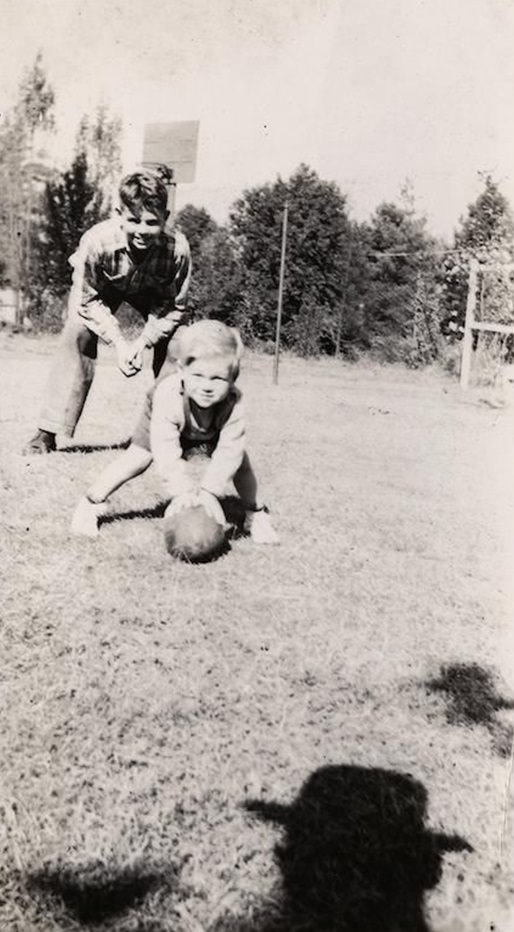
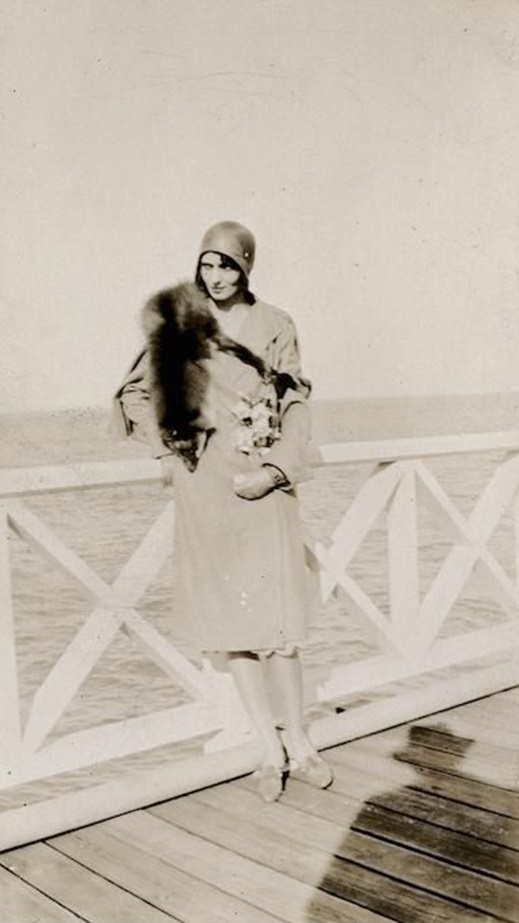
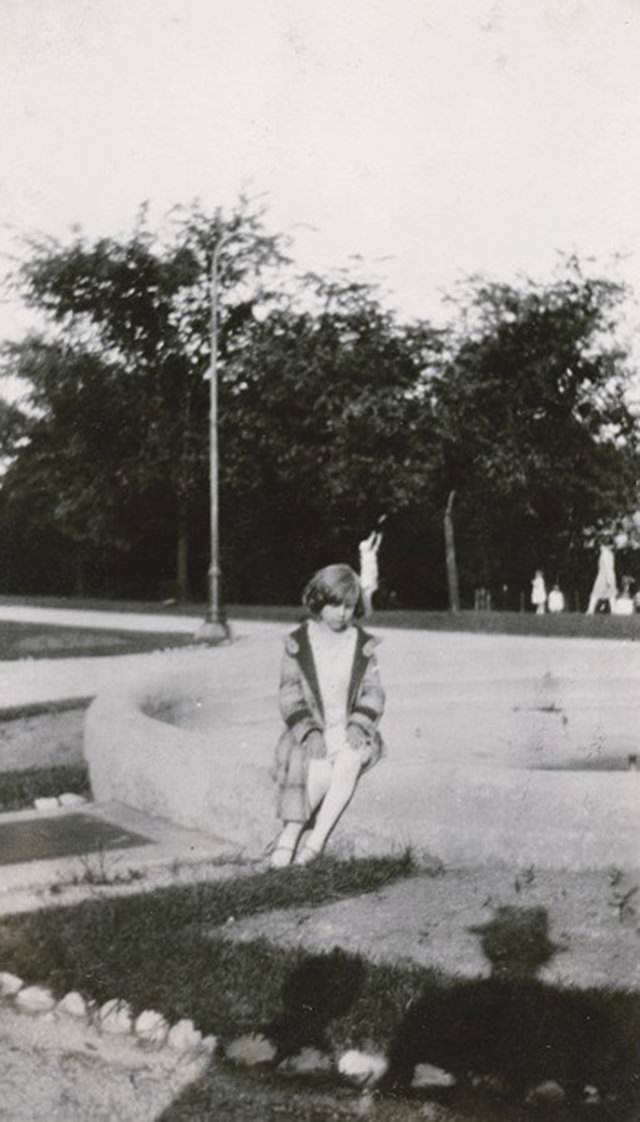
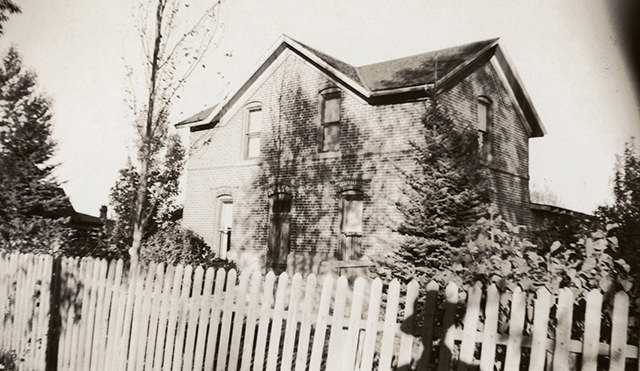
Look closely at an old photograph and you sometimes notice something that was never meant to be the subject. A shadow on the grass. A silhouette at the edge of the frame. A figure that was never introduced. French collector Jean-Marie Donat, born in 1962, spent years gathering vernacular photographs — everyday snapshots taken by ordinary people, bought from flea markets and forgotten collections. What he found across decades of images was a quiet, recurring mystery: the shadow of a figure wearing a hat.
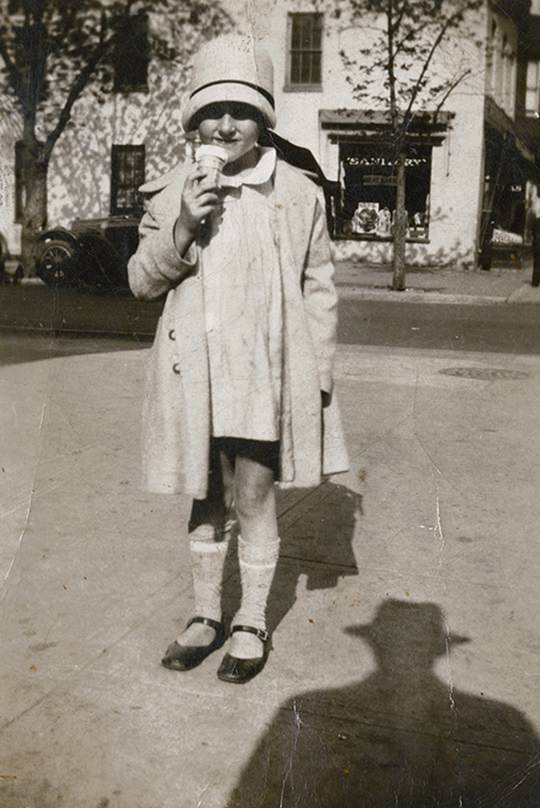
Donat compiled these photographs into a book titled Predator. The images come from different eras, different countries, and different photographers who almost certainly never knew each other. Yet each photo shares the same uninvited guest — a dark, hat-shaped silhouette cast across the scene. The figure is never the focus. It is simply there, pressed into the image by the sun.
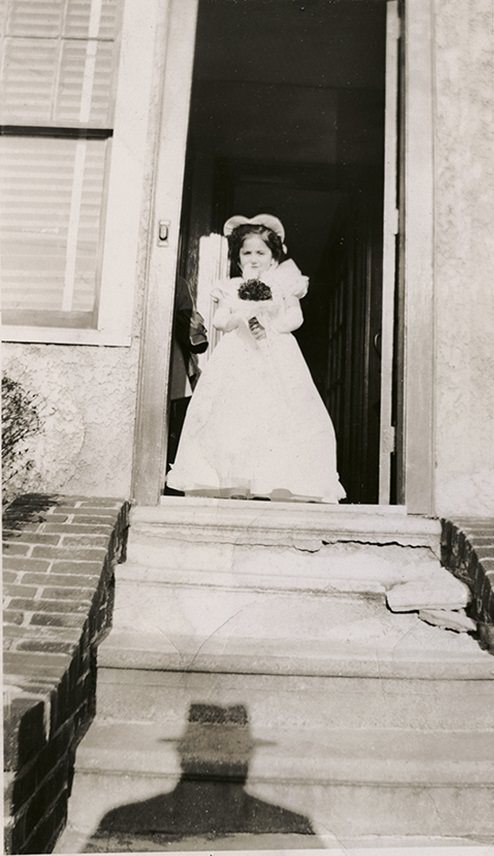
Most of these photos carry almost no identifying information. A handwritten name on the back. A date stamp on the border. That’s often all. The photographers are unknown. The subjects are unnamed. They were found at flea markets, separated from whatever family albums or shoeboxes once held them.
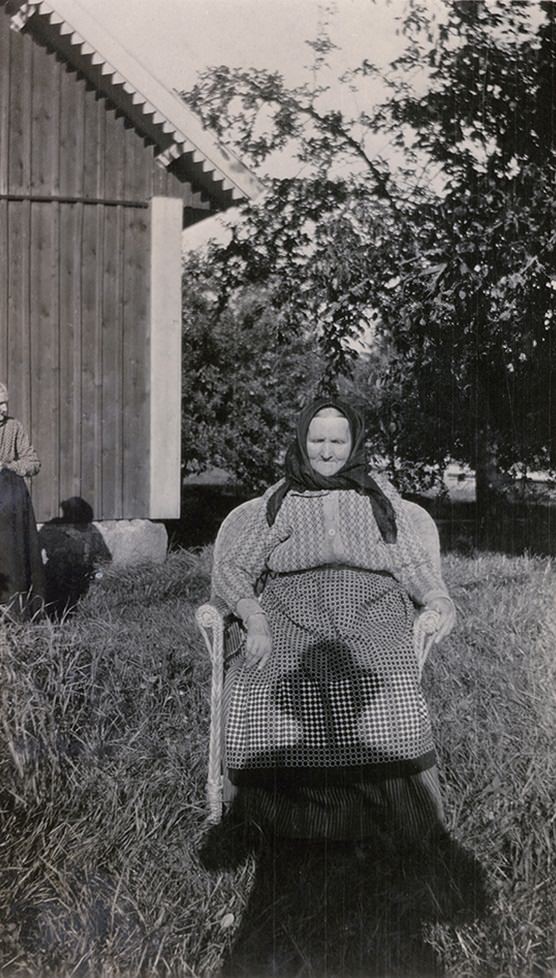
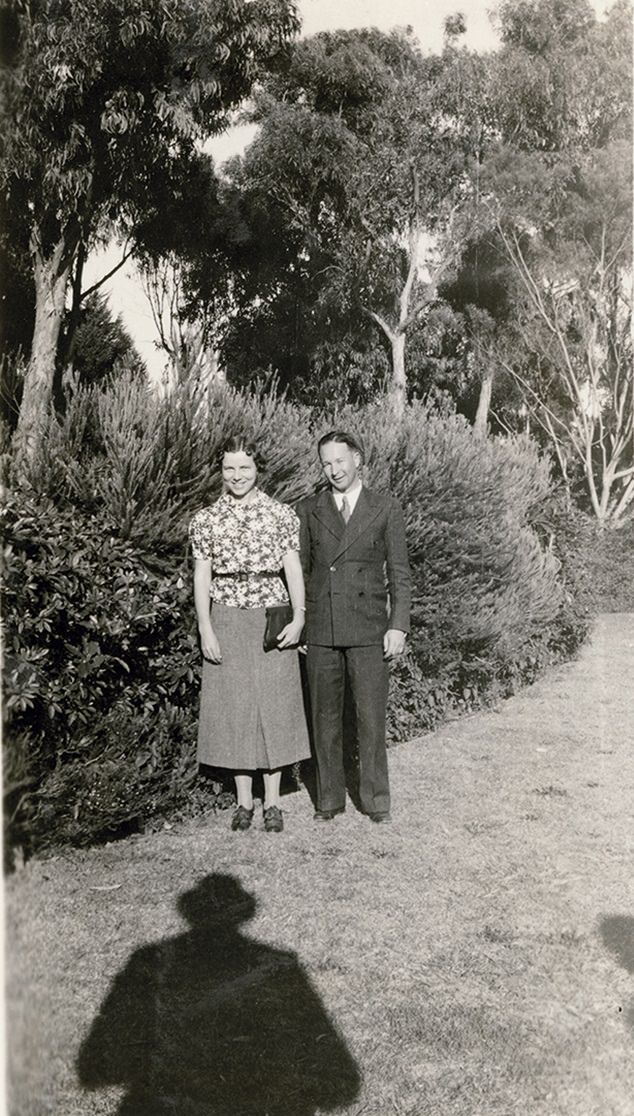
Donat’s work fits into a broader tradition of found photography as art. In Montreal, a similar figure nicknamed “The Man from the Ministry” appeared in many photographs from the 1960s — always partially visible, a leg here, a coat hem there, a hand just inside the frame. Other curators have assembled galleries of photos where every subject is turned away from the camera. These accidental details become the story.
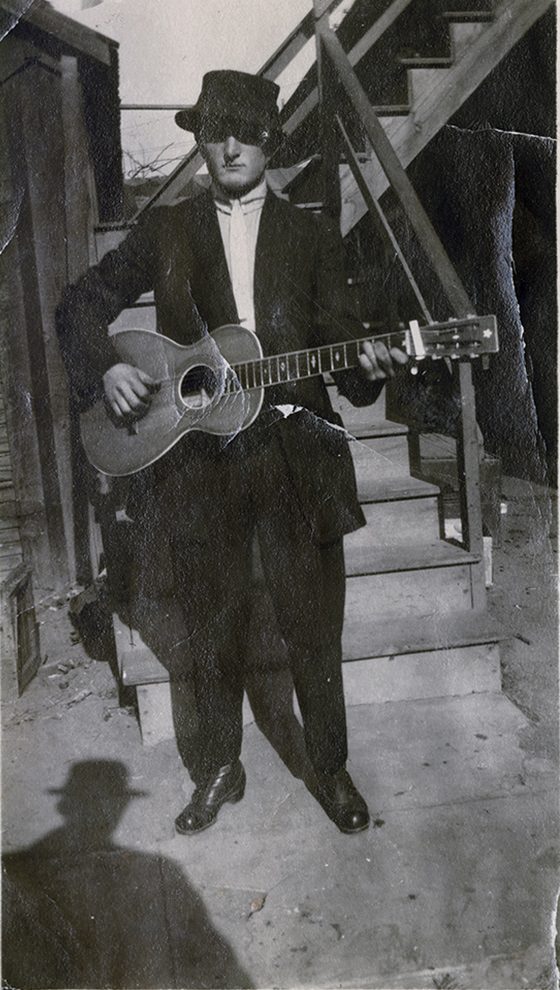
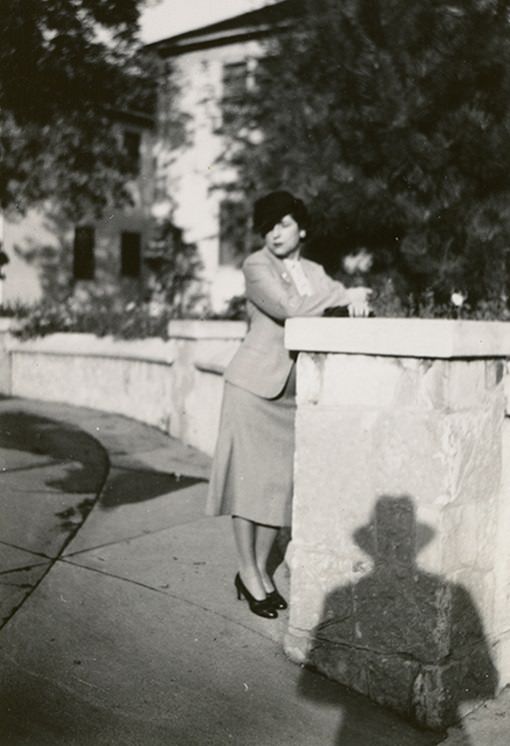
What makes Predator so striking is how consistent the shadow is across so many unconnected images. The hat’s brim is always clear. The figure is always just outside the action, observing. In some photos, the shadow falls across a group of smiling people who have no idea it’s there. In others, it stretches long across open ground, the only evidence of someone standing just out of frame.
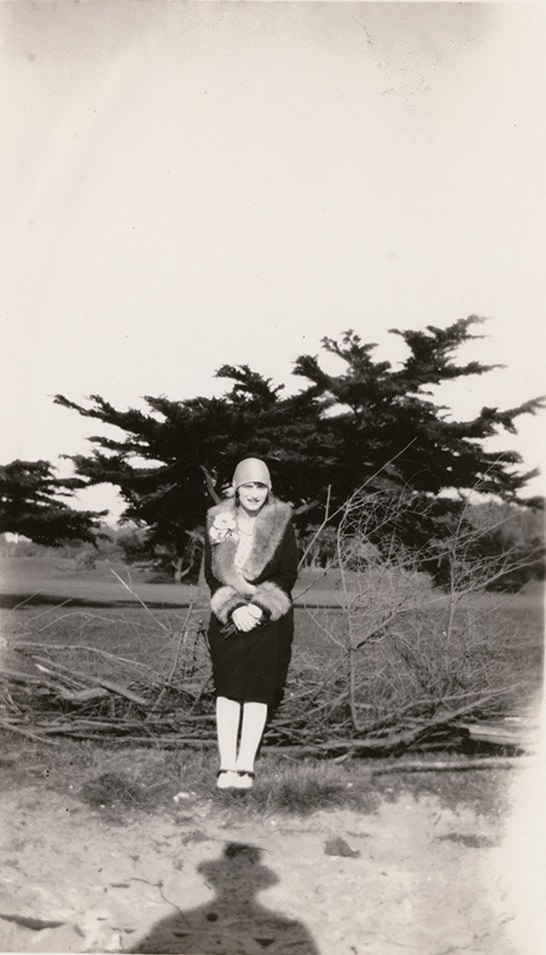
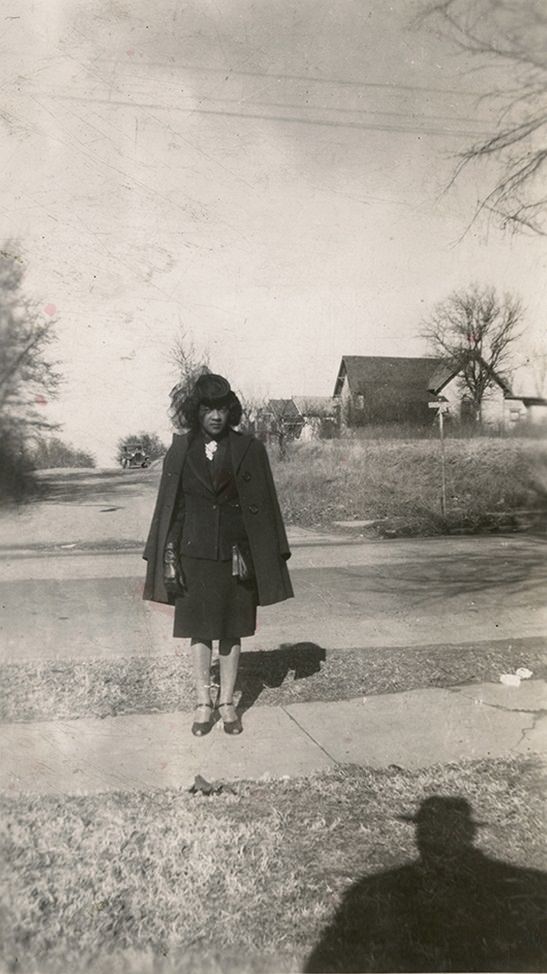
The shadow belongs to the photographer in most cases — the person holding the camera, standing with their back to the sun, unknowingly casting themselves into the shot. Hats were common everyday wear for much of the 20th century, which explains why the silhouette appears so often. But knowing the likely explanation doesn’t fully dissolve the unease. The figure still looms.
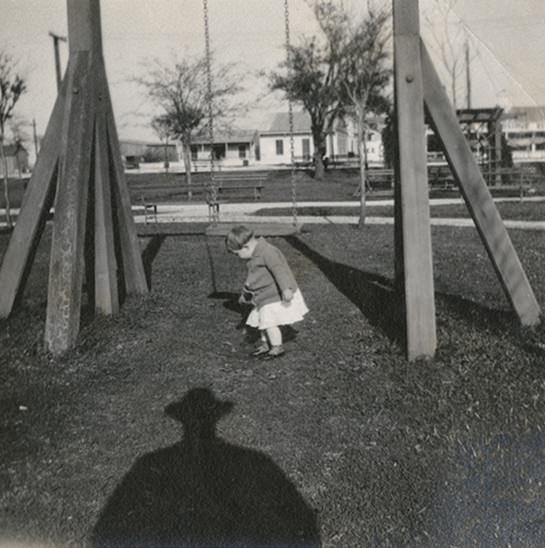
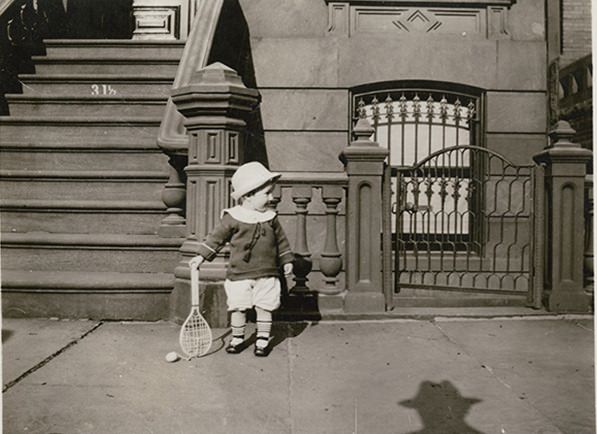
Donat has described these photographs as accidental mysteries. No one staged them. No one planned the shadow’s appearance. It entered the frame purely by chance, the same way a stranger walks into the background of a photo today. The difference is that these images are fixed in time — there is no way to go back and ask who was standing there.
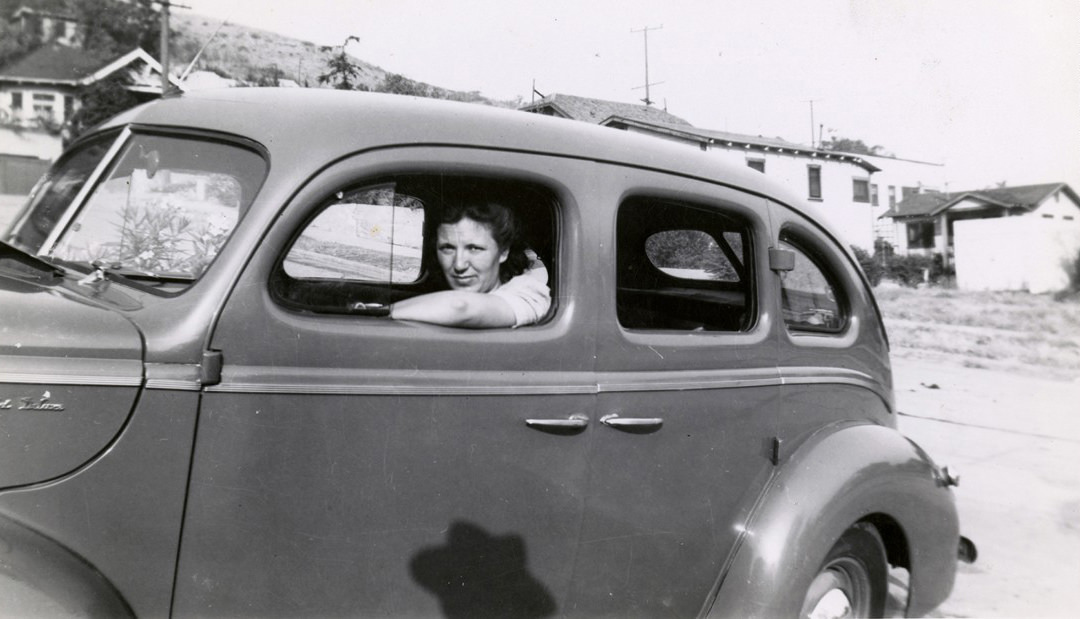
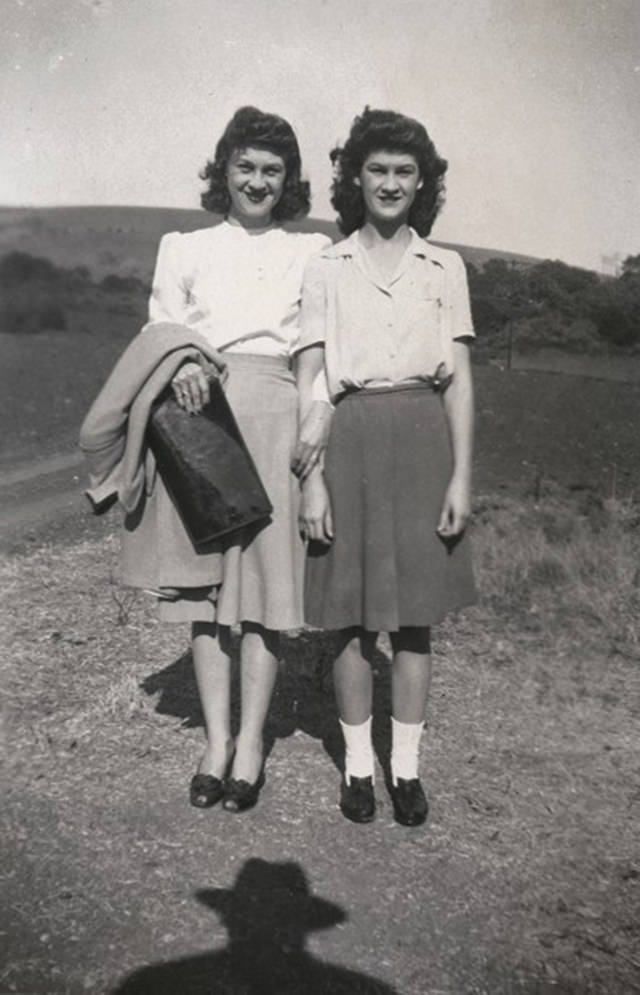
Each photograph in Predator is a small, self-contained puzzle. The people in the pictures went about their day. Someone snapped a photo. The sun was at the right angle. And a shadow — hat brim wide, posture still — slipped into the image and stayed there for decades, waiting to be noticed.