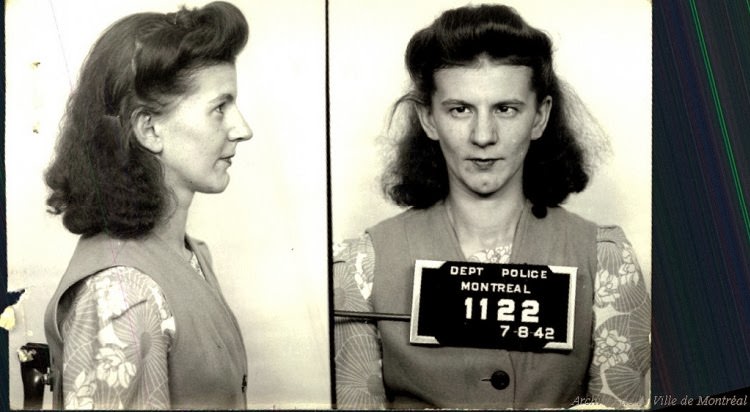
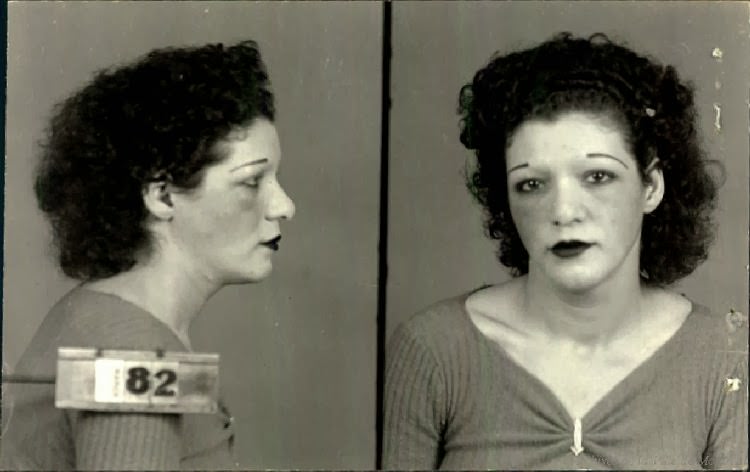
By the 1940s, Montreal had earned a reputation as the sex capital of North America. The city’s red-light district was open, busy, and largely tolerated by local authorities. Brothels operated on well-known streets, madams built real wealth, and police arrests produced a steady stream of booking photographs. The mugshots collected here put faces to that history — women charged with prostitution or running brothels during one of Montreal’s most notorious decades.
Montreal’s slide into this role began shortly after World War One. When the United States introduced Prohibition in 1920, Americans crossed the border in large numbers looking for alcohol and entertainment. Montreal offered both freely. Bars, cabarets, gambling dens, and brothels clustered together in the city’s east end. The trade never really slowed down, and by the time the Second World War arrived, the industry was deeply entrenched. Some of the women who ran it became genuinely powerful figures in the city.
Among the most prominent was Anna Labelle, also known as Mrs. Emile Beauchamp. She was a madam who operated during the war years and became famous for her unapologetic public presence.
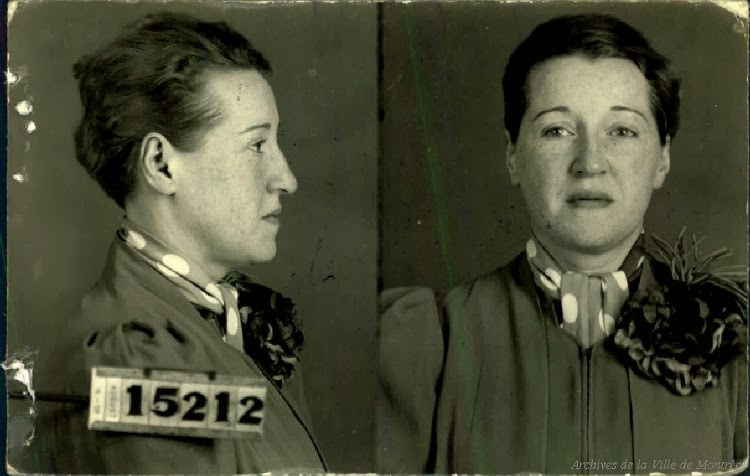
Labelle was photographed here in 1939 and was known for arriving at the courthouse in a Cadillac, dressed in mink fur. She was not hiding from anyone. Her profile was large enough that she became a character in the 1992 television miniseries “Montréal Ville Ouverte,” a dramatization of the city’s organized crime and vice era. Annie Parker was another woman caught up in the same enforcement sweeps that targeted Montreal’s sex trade during this period.
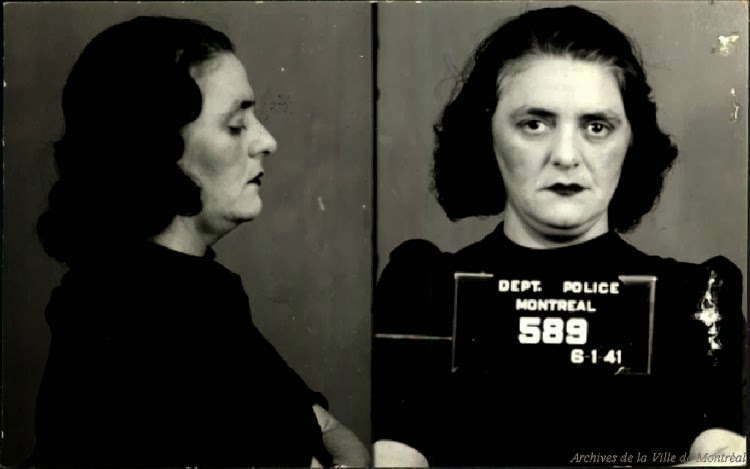
Police investigations into prostitution in Montreal were wide-ranging, pulling in both street-level workers and the madams who managed the brothels themselves. Blanche Martin was arrested in 1940 specifically for keeping a brothel — a charge that targeted the operators, not just the women working inside.
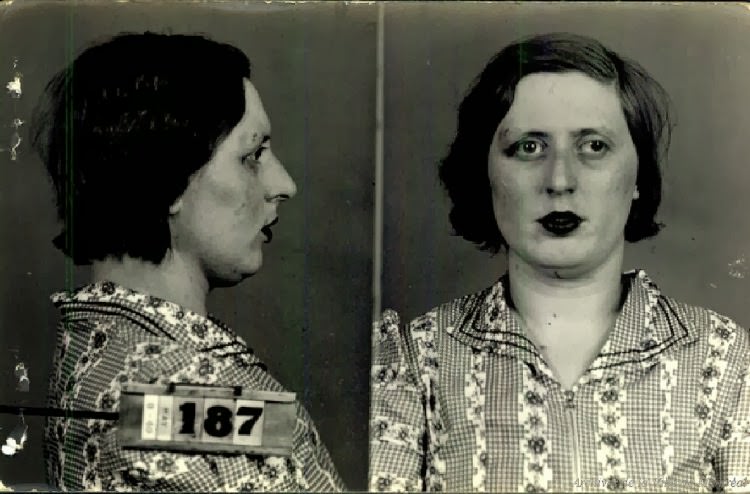
Fleurette Dubois faced the same charge. Running a brothel in 1940s Montreal required organization, money, and connections. These women were not passive participants — they managed properties, employees, and clients while navigating a legal system that periodically cracked down on them.
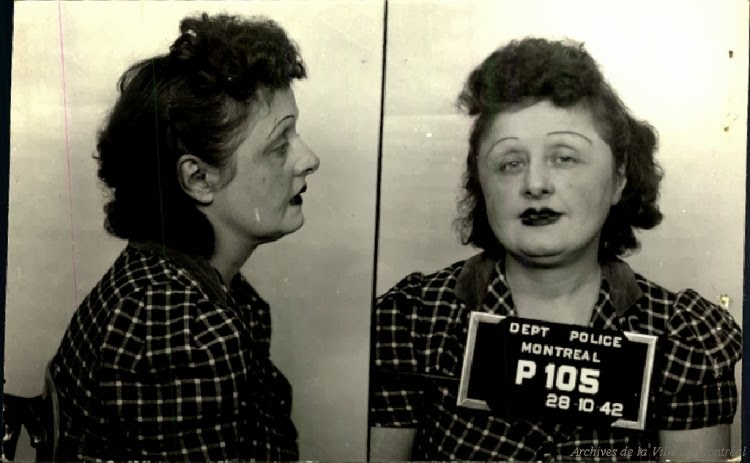
Germaine Giraud was arrested as part of a broader prostitution investigation, as were many others whose names appear in Montreal’s booking records from this era.
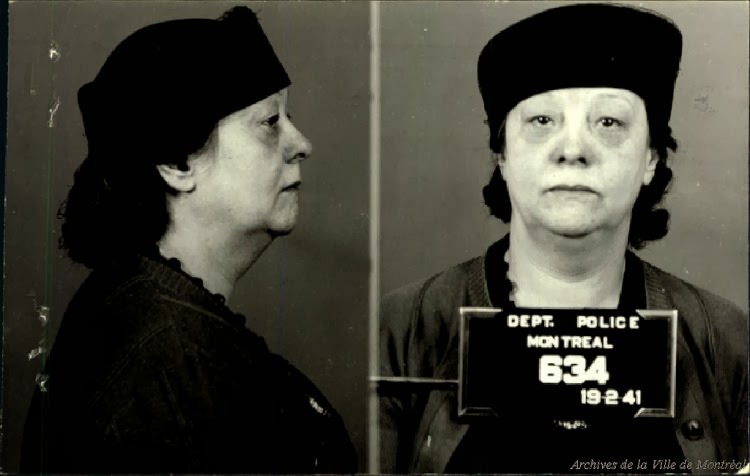
Some women used aliases. Gisele Roy, who also went by the name Marie-Jeanne Lambert, was arrested for prostitution in 1941. Using a false name was a practical way to complicate police record-keeping and protect a person’s identity in public court proceedings.
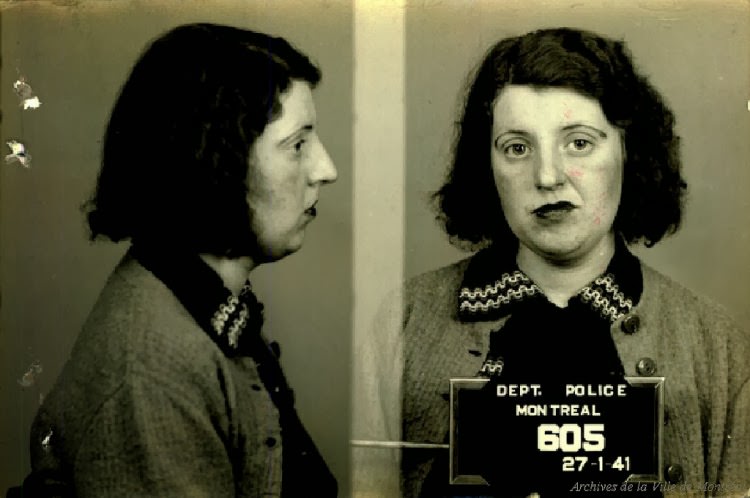
Jeanine Lebrun was arrested in April 1940 for running a brothel. Her arrest came during a period of active police enforcement that swept up brothel operators across multiple neighborhoods in the city.
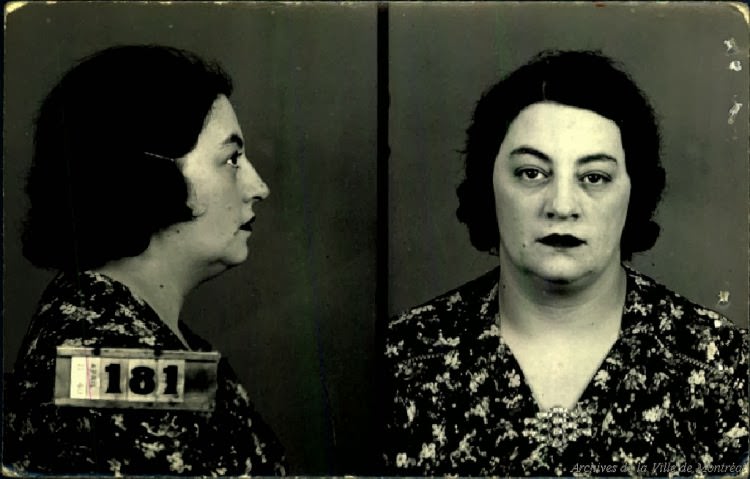
Liliane Brown, who also operated under the name Ida Katz, was a major brothel owner during the Second World War. Like Anna Labelle, she was a significant figure in Montreal’s wartime vice trade — not a minor player, but someone who controlled substantial operations.
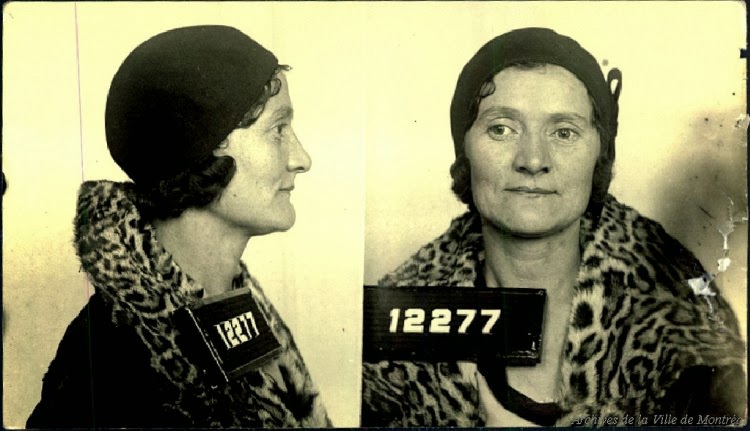
Delicato Bizante Lucie was similarly prominent. She owned brothels on a significant scale and, like Labelle, her story was considered notable enough to be depicted in “Montréal Ville Ouverte.”
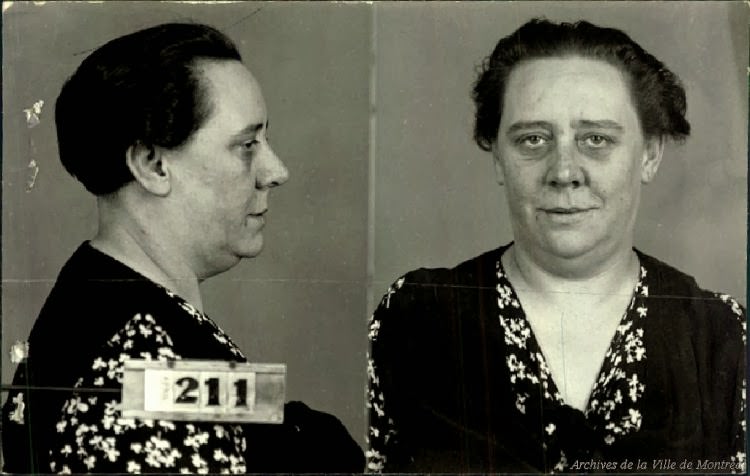
Lina Tony was arrested in December 1941 for running a brothel. She was then arrested again later that same year for running another brothel on the same street — a detail that underlines how quickly operations resumed after a police raid.
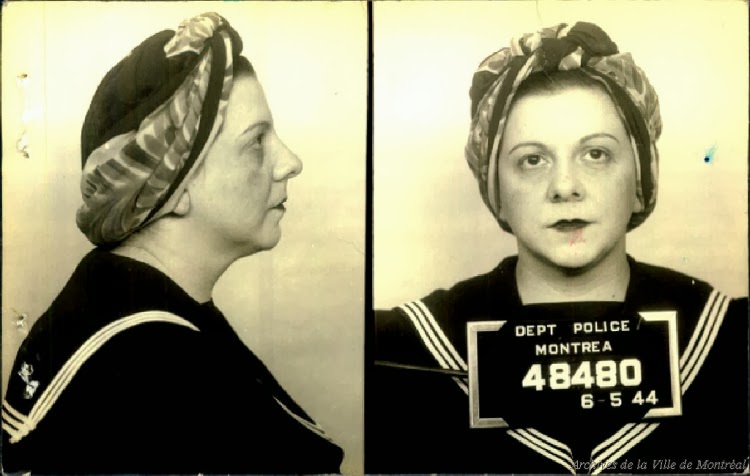
Madeleine Gagnon was arrested in 1943 as part of a prostitution investigation, and Mary Shepperd was picked up in a similar sweep. Their mugshots, like all the others here, were taken as standard booking procedure — a routine part of Montreal’s justice system during decades when the city’s red-light district operated almost in plain sight.