Mission Beach sits on one of the most distinctive pieces of land in San Diego — a narrow strip barely a few blocks wide, wedged between the Pacific Ocean to the west and Mission Bay to the east. It stretches for nearly two miles of oceanfront, running from the San Diego River estuary at its southern tip all the way north to Pacific Beach. Mission Boulevard cuts straight through the middle of it all, serving as the main road connecting the community’s three sections: South Mission, the central peninsula, and North Mission.

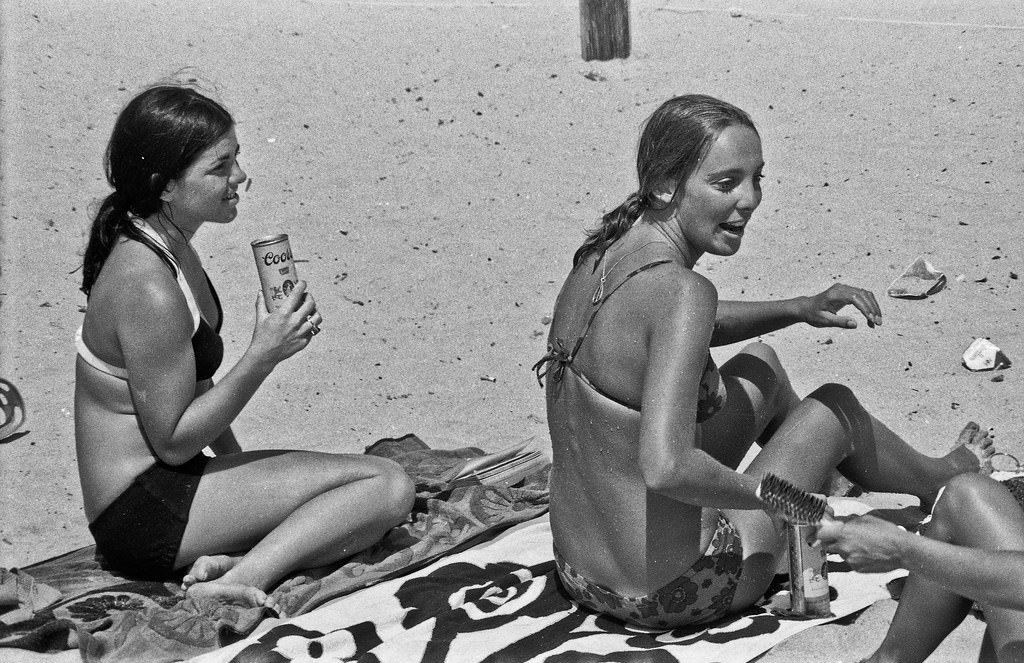
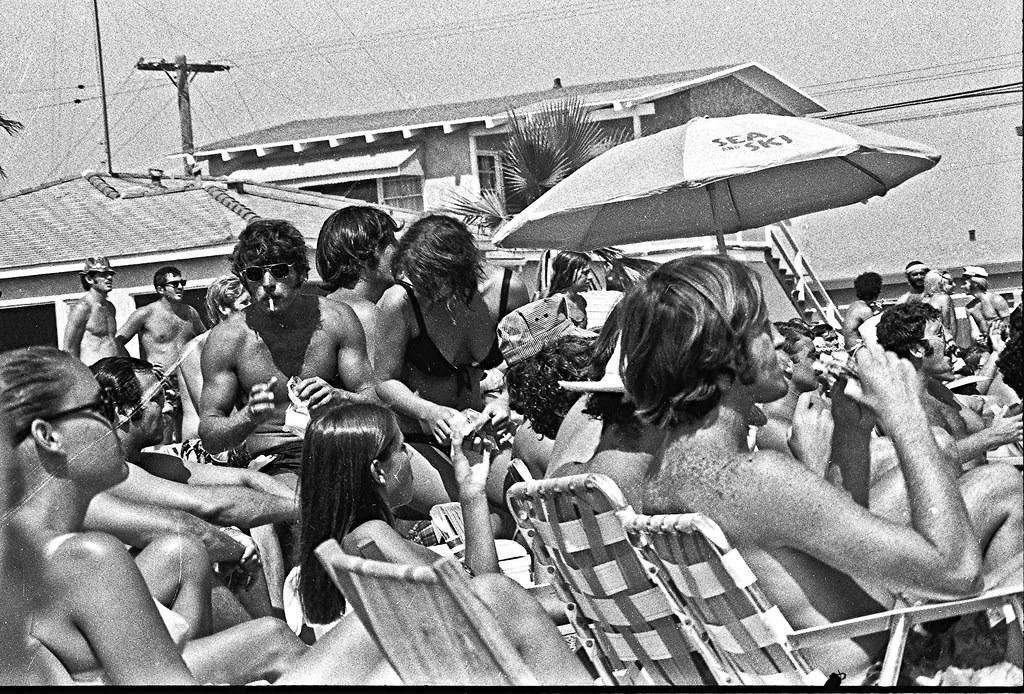
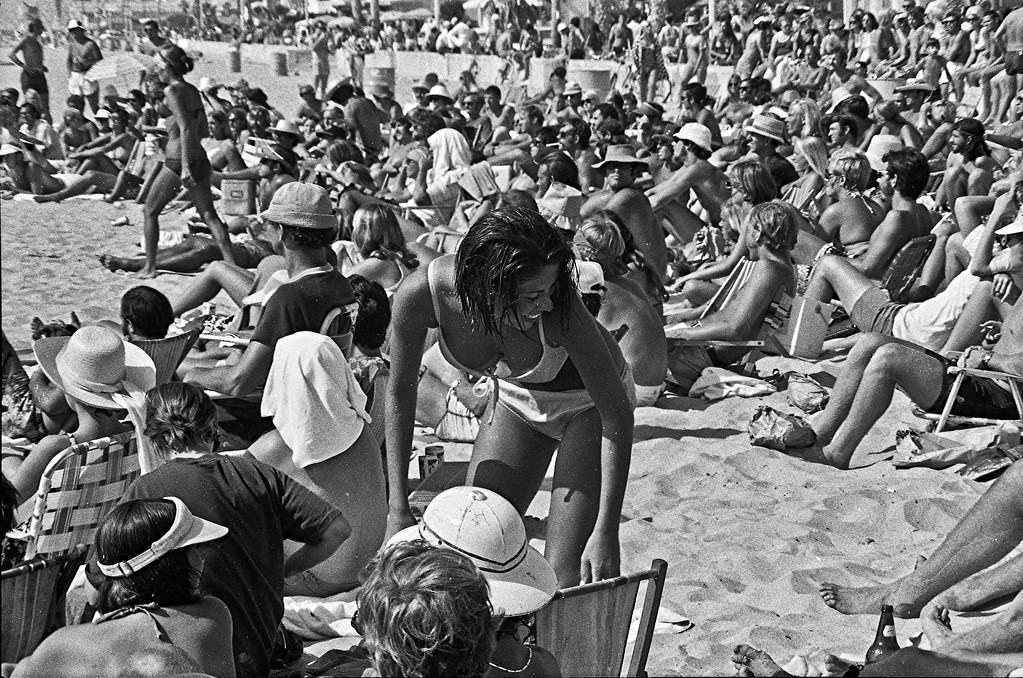
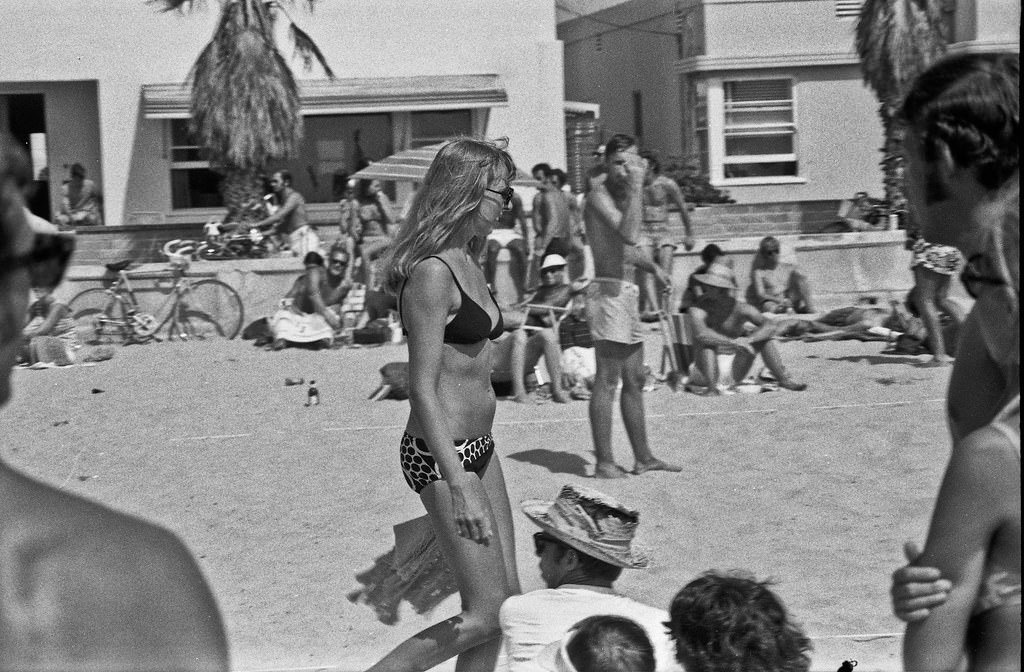
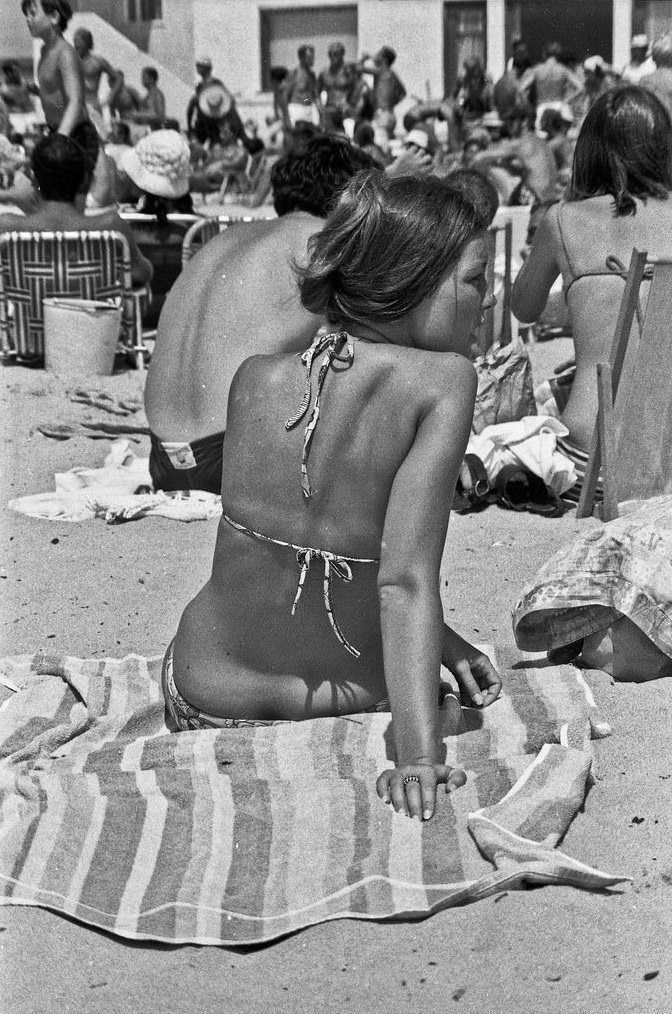
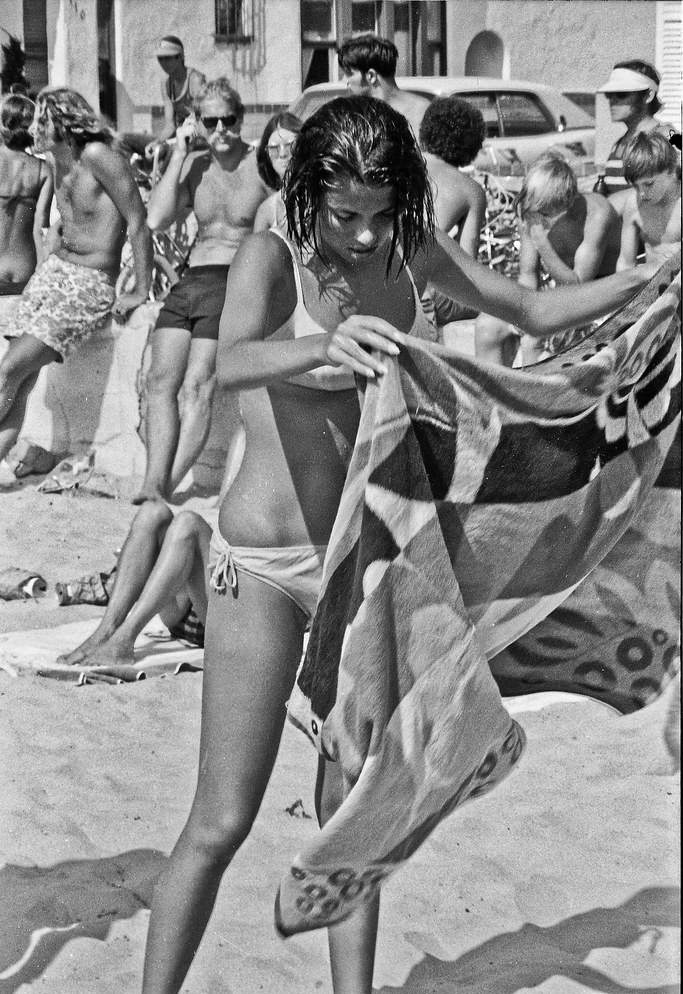
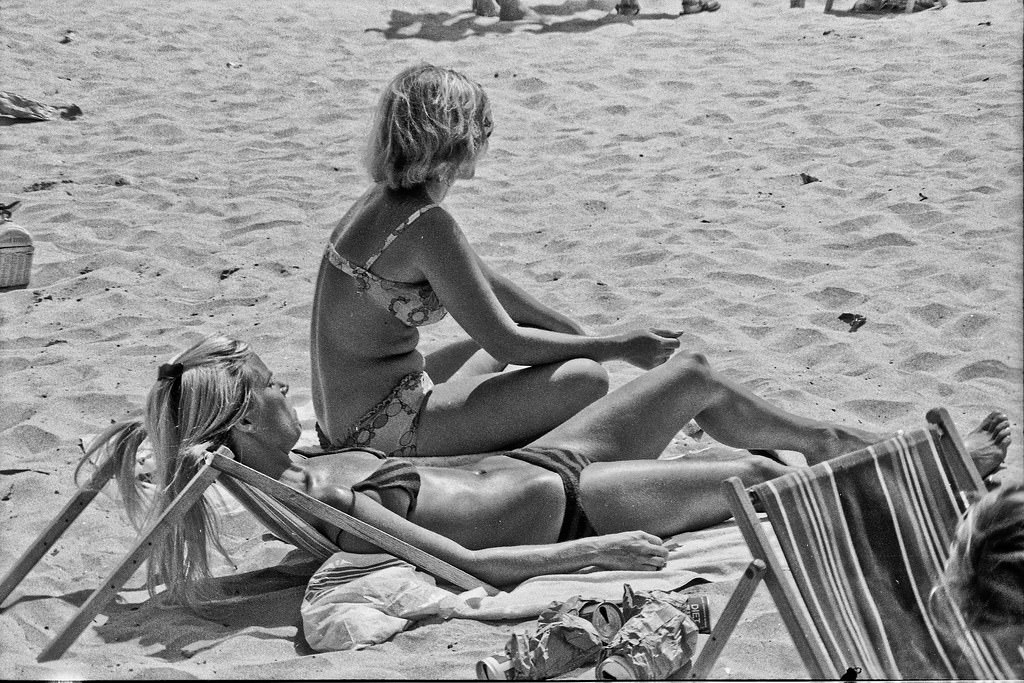
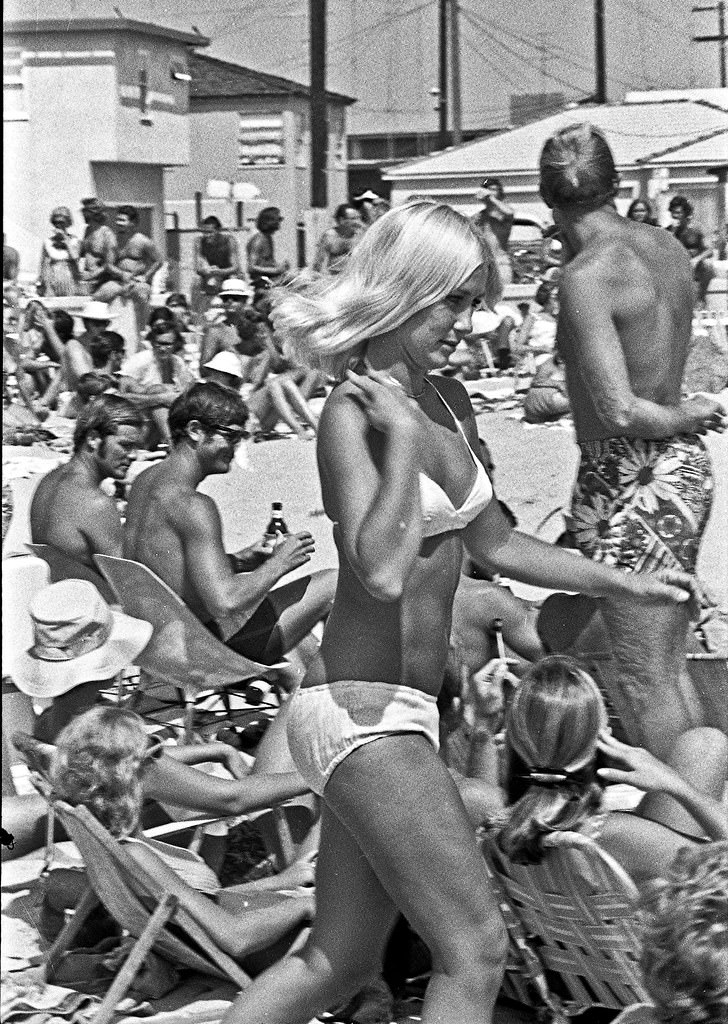
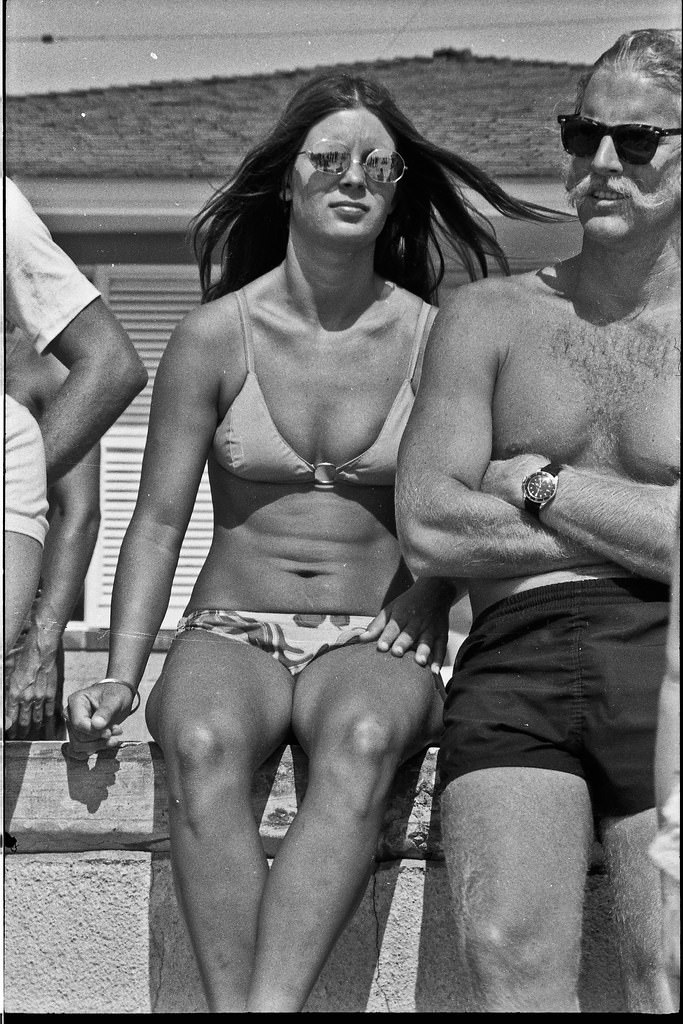
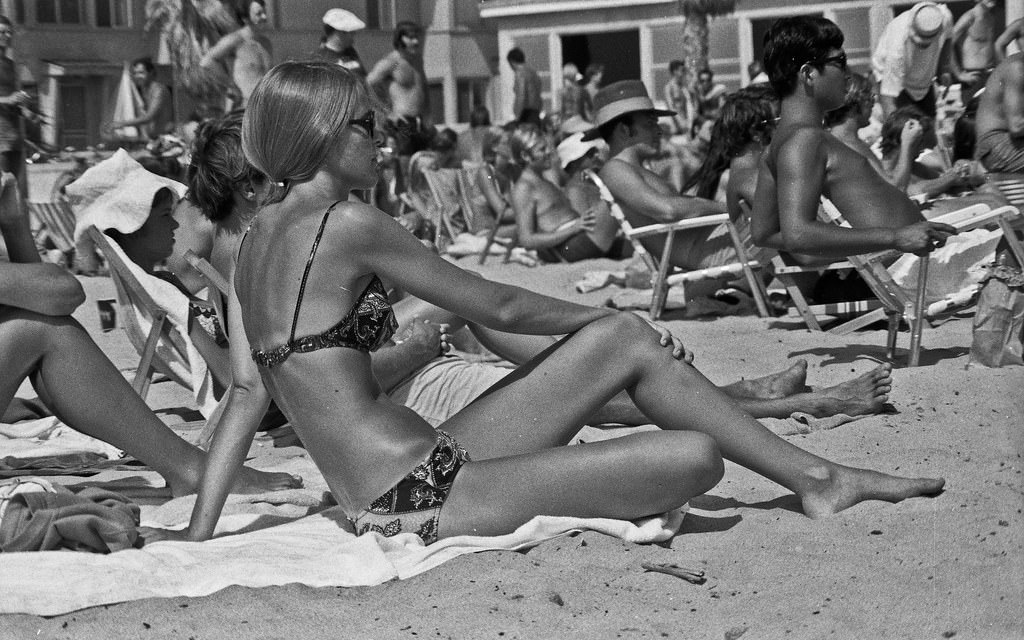
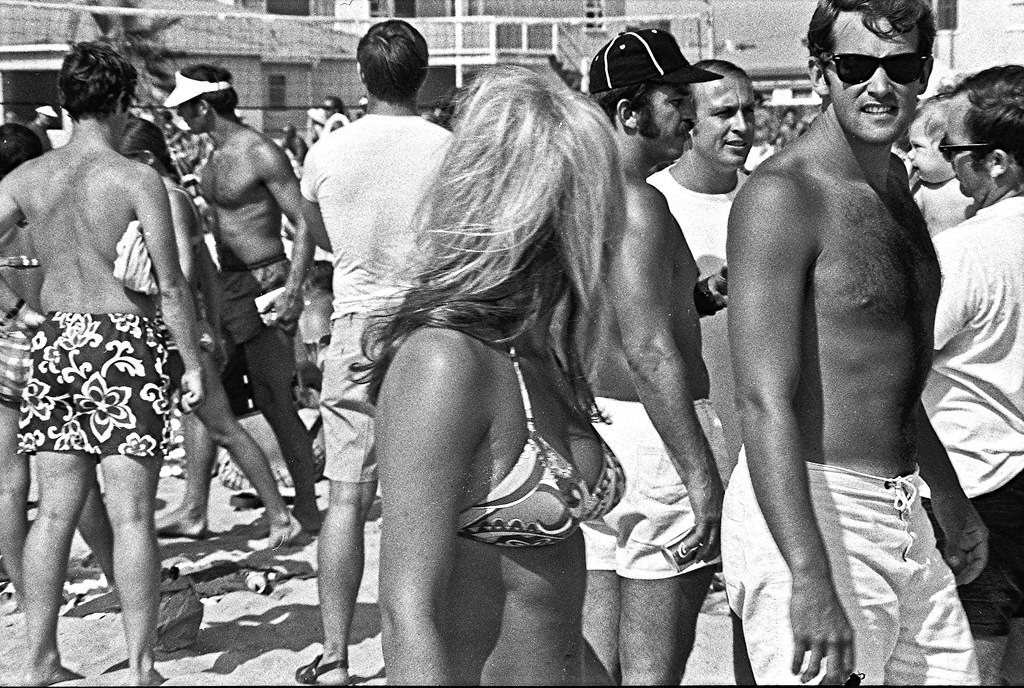
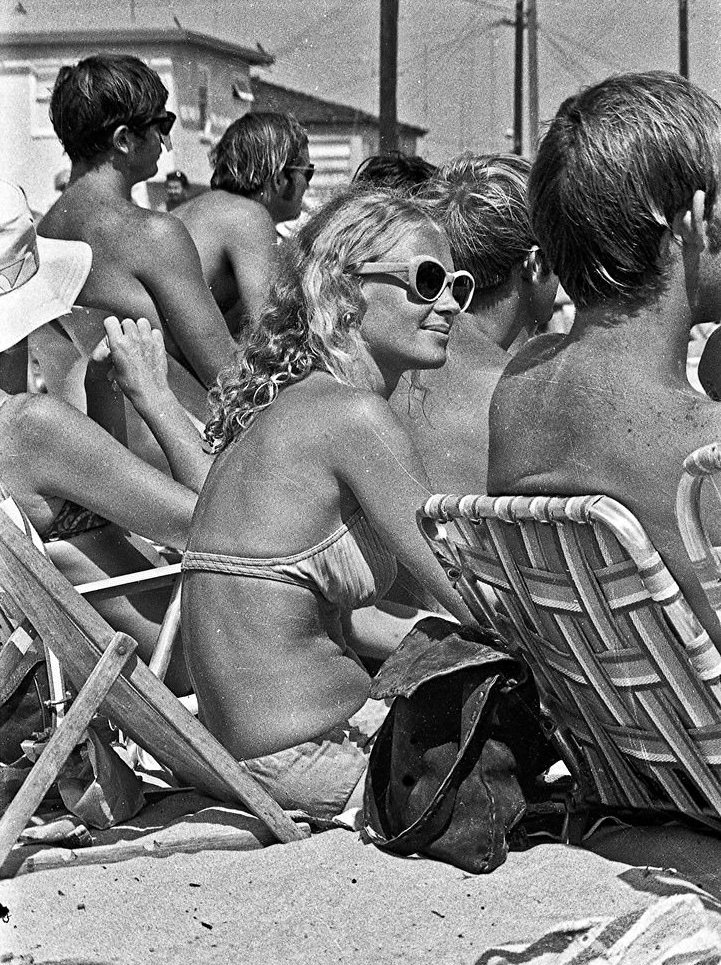
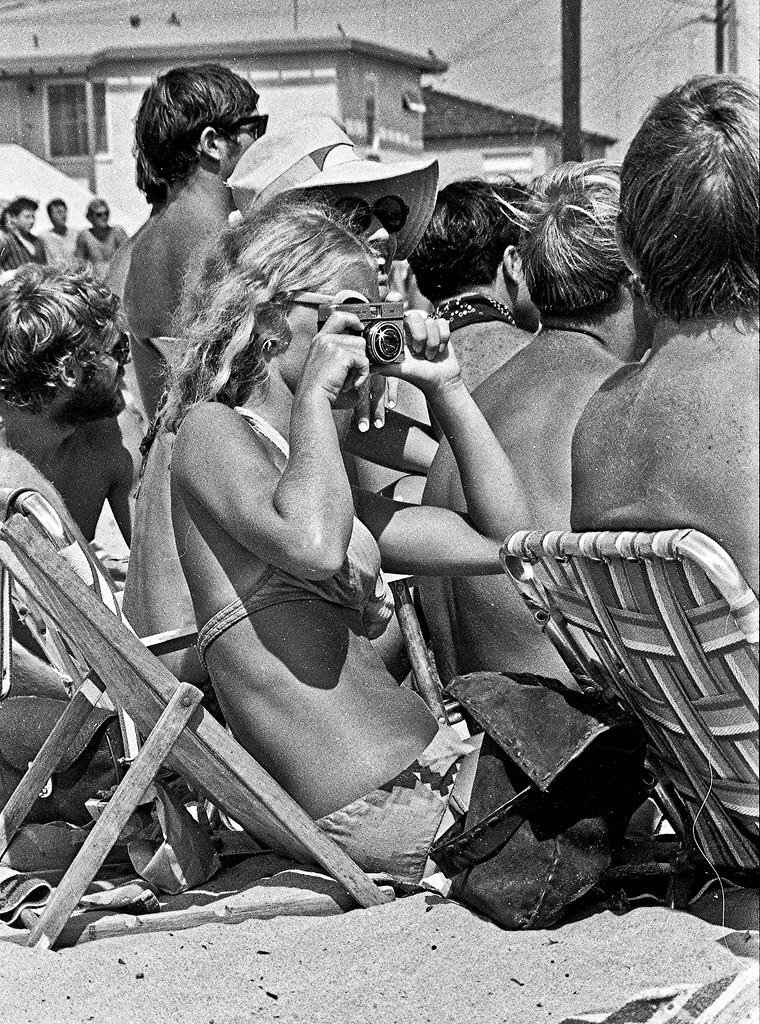
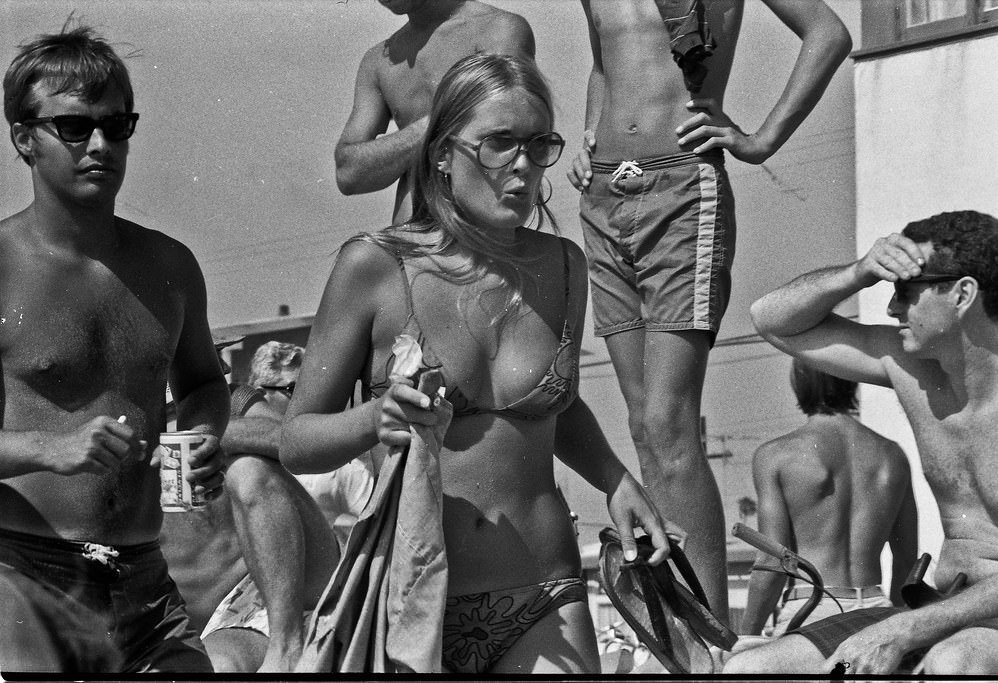
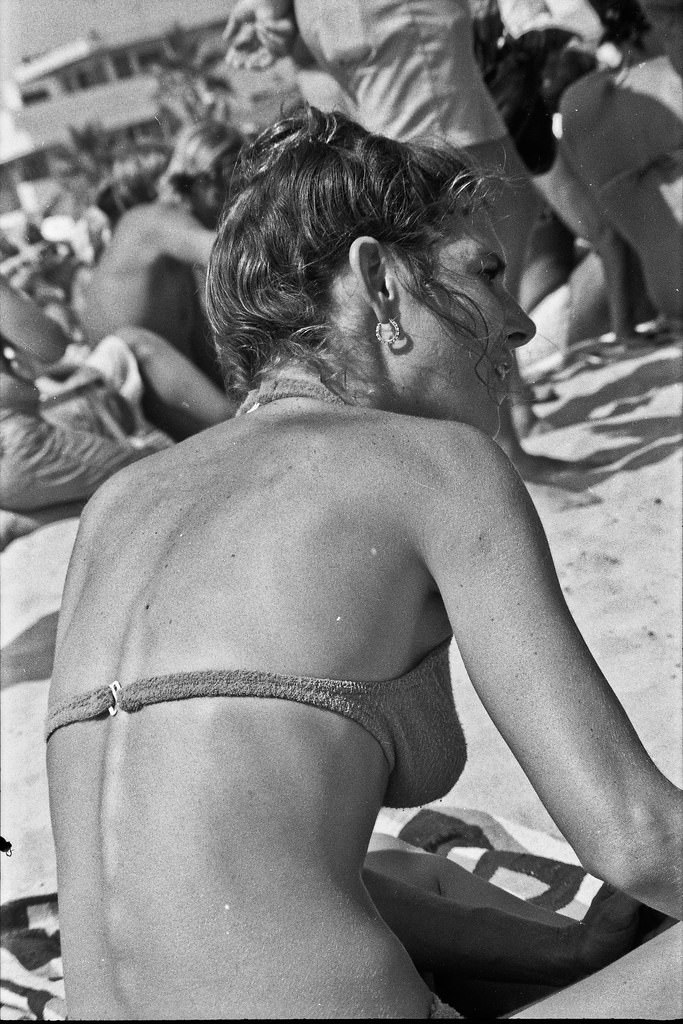
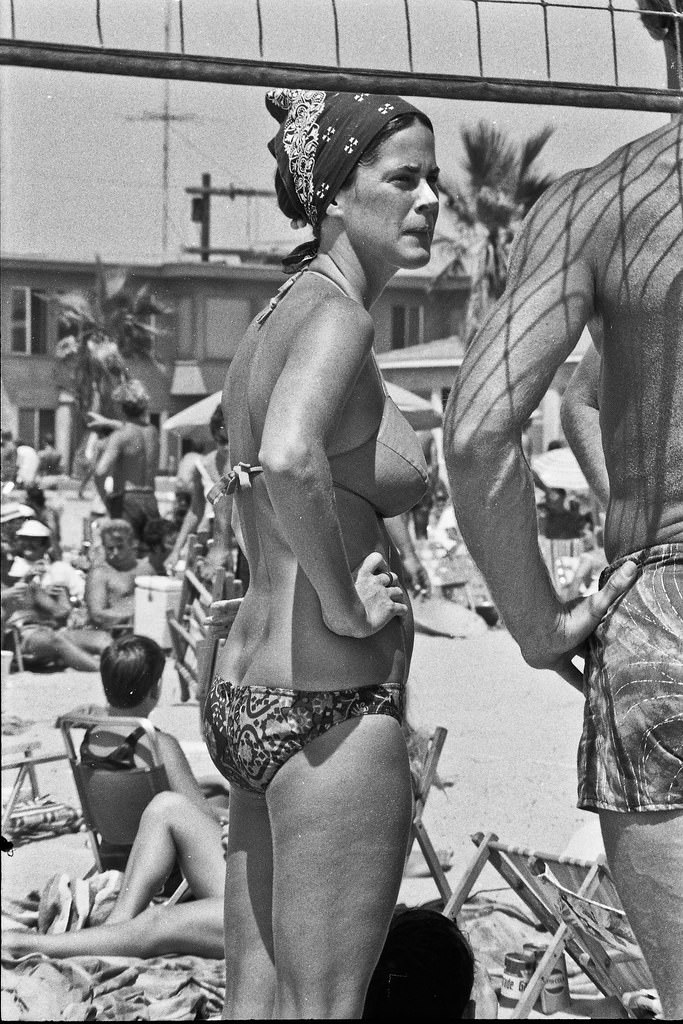
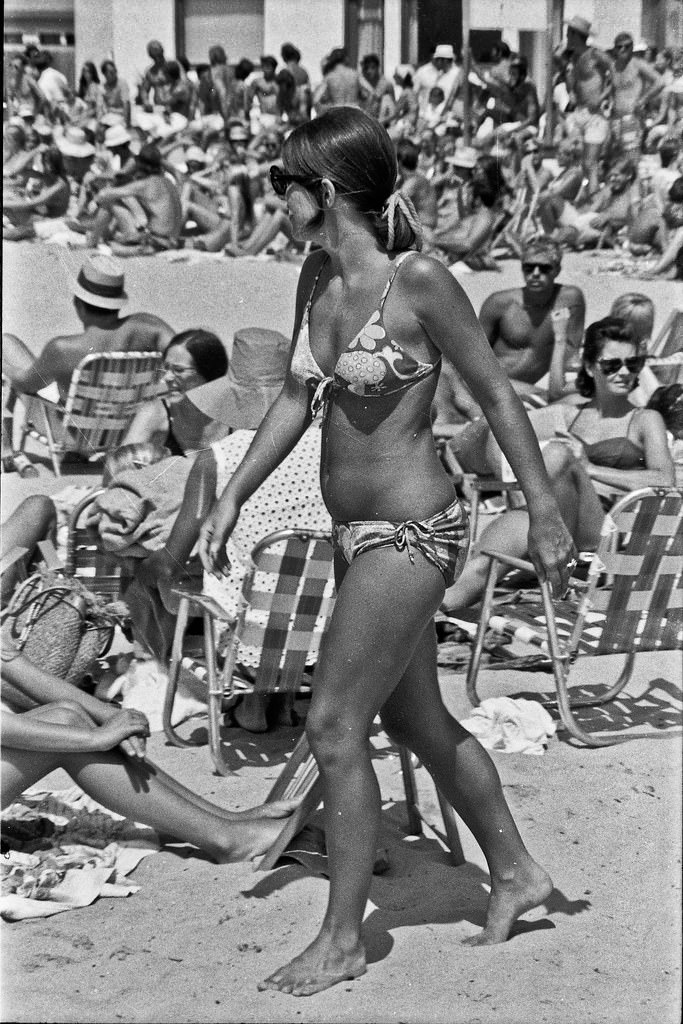
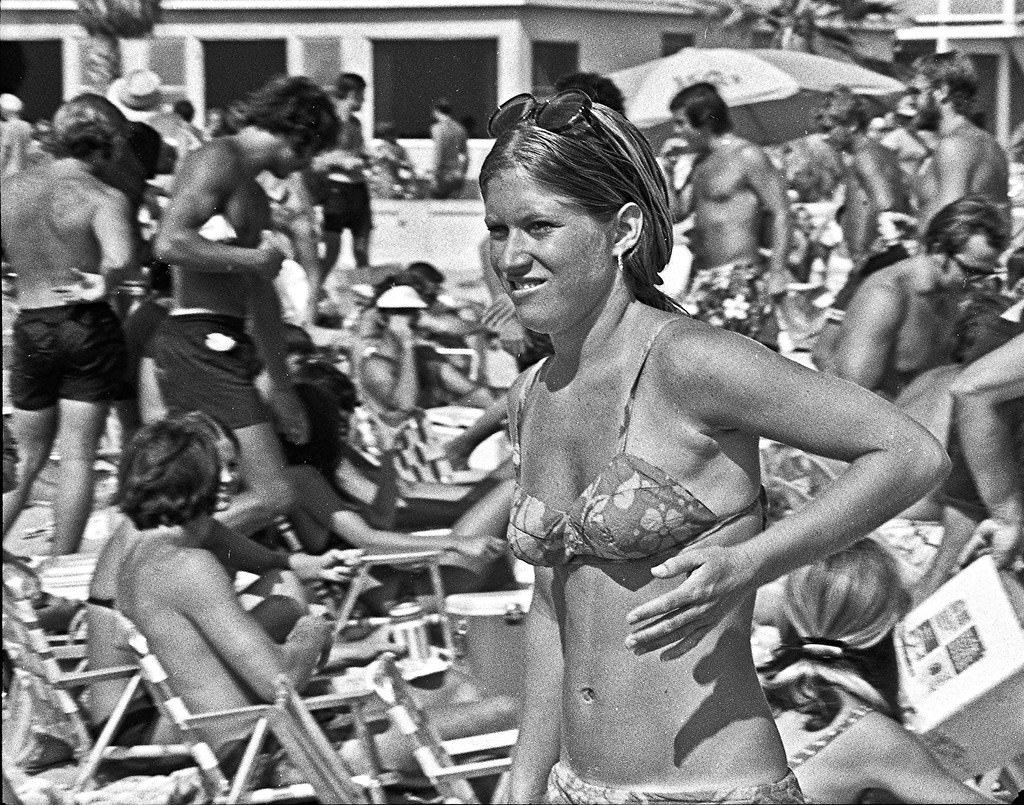
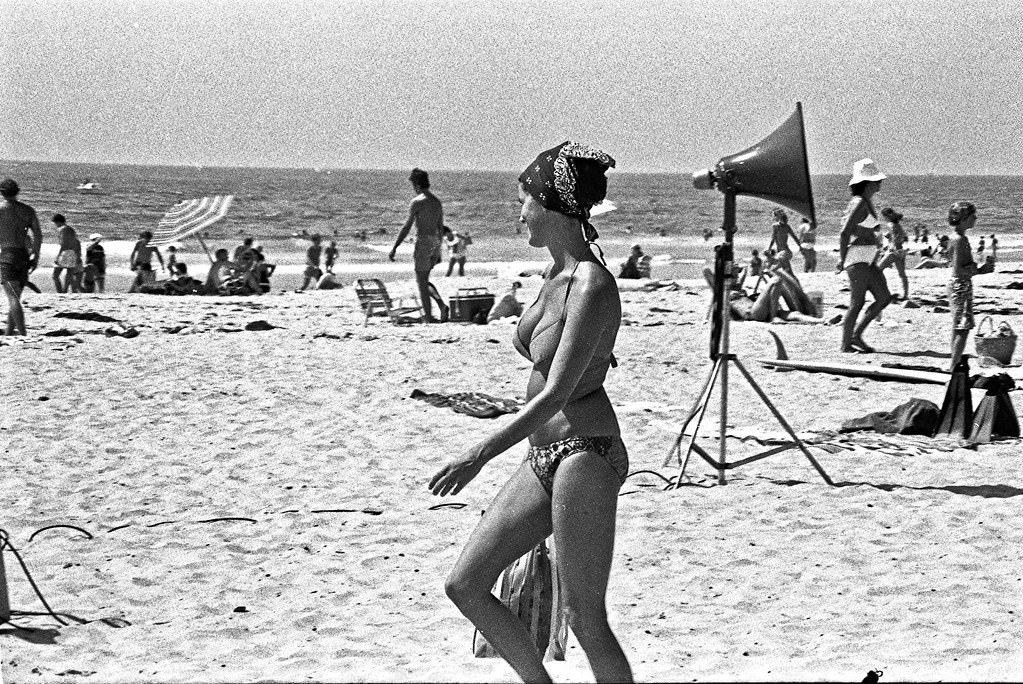
In August 1970, photographer Lance Nix visited his cousin, who lived right in the Mission Bay beach community. Nix spent the first couple of days riding the waves on a beach air mat, but he soon set that aside and picked up his camera instead. What followed was a week of candid, ground-level photography that captured everyday life on the beach exactly as it was — no staging, no filters, just people living out a San Diego summer.

The boardwalk at Mission Beach was — and still is — the heartbeat of the neighborhood. Running along both the ocean and bay sides of the community, it drew sunbathers, cyclists, skaters, and families on foot throughout the day. In the summer of 1970, it was packed. The beach culture of Southern California was fully in bloom, and Mission Beach was one of its most concentrated expressions.


One of the most iconic landmarks along the boardwalk is Belmont Park, an amusement park that has anchored the southern stretch of Mission Beach since the 1920s. Its crown jewel is the Giant Dipper Roller Coaster, built in 1925. In 1970, the Giant Dipper was still drawing crowds, its wooden structure a fixture against the coastal sky. The park also offered bumper cars and other attractions that made it a natural gathering point for families and young people throughout the summer months.


The south end of Mission Beach has always had a slightly different character from the rest. A jetty marks the boundary there, accompanied by grassy areas, parking lots, and a walkway that gives it more of a park-like feel. It was a quieter spot compared to the busier central boardwalk, and Nix’s camera found its way there too, capturing the slower pace at the edge of the community.


The ocean side of Mission Beach drew surfers, swimmers, and sunbathers in equal measure. August in San Diego means warm water, reliable swells, and long days of sunlight. The beach itself is wide and sandy, giving plenty of room for the crowds that August reliably brought. Rental shops along the boardwalk kept visitors supplied with everything they needed to get out on the water.


Mission Bay on the eastern side of the strip offered a calmer alternative to the open ocean. Its sheltered waters were popular for boating, paddling, and simply wading in without fighting the surf. The bay side boardwalk had its own rhythm — a bit more relaxed, with people moving at a slower pace than those on the ocean-facing stretch.


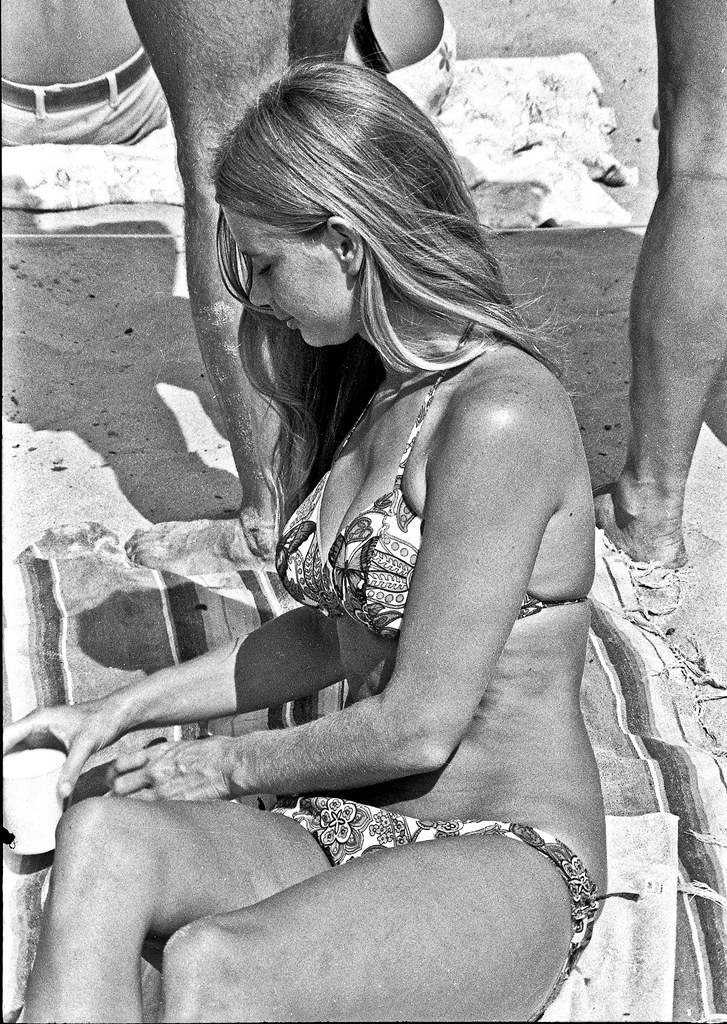
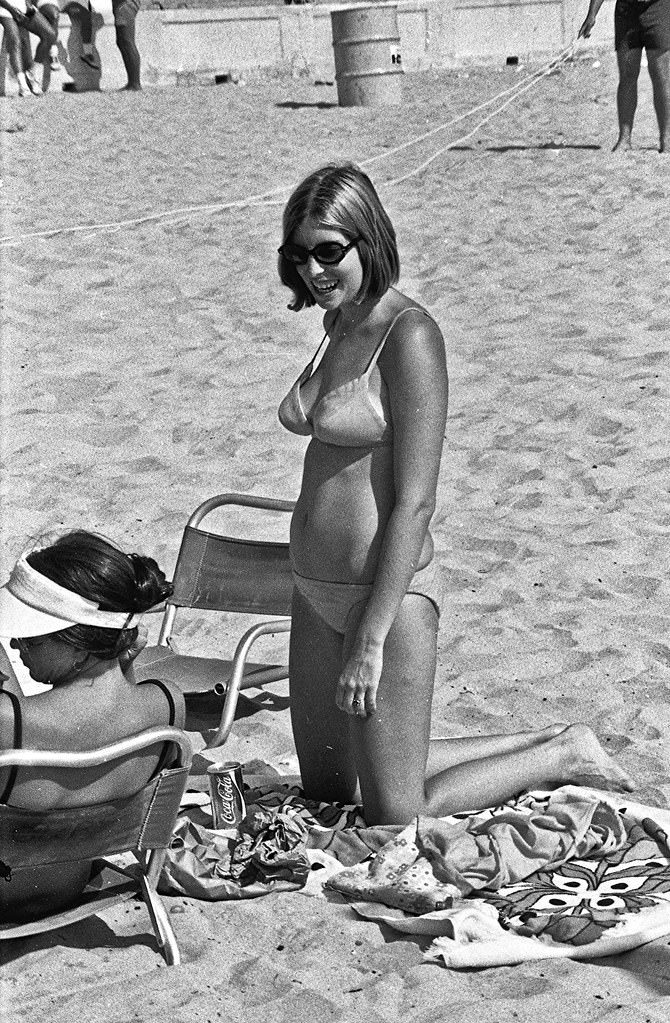
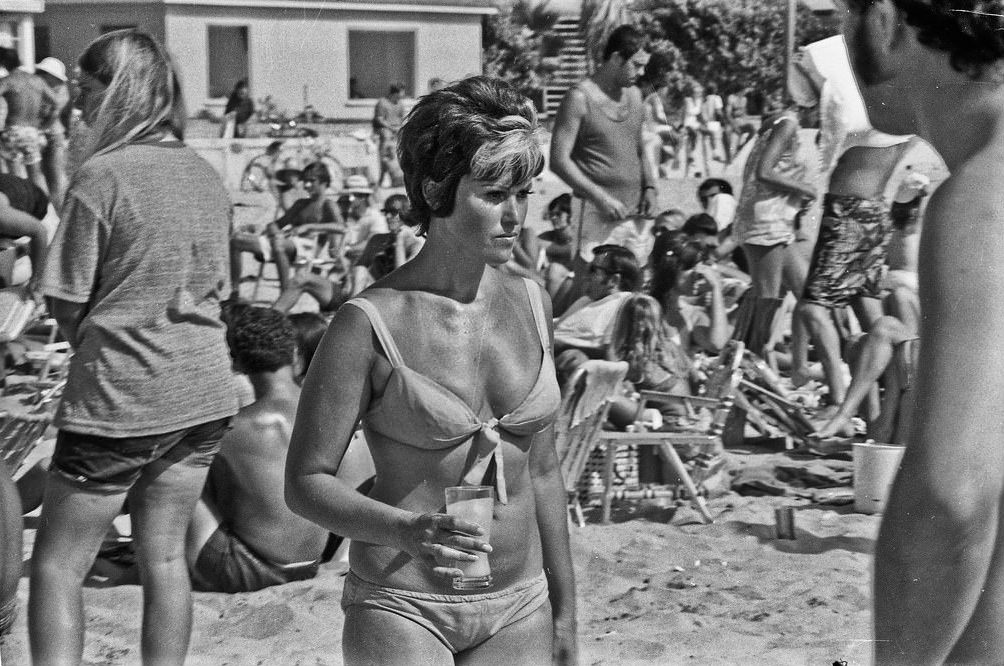
What makes Nix’s photographs particularly valuable is their candid nature. He wasn’t shooting for a magazine or a tourism board. He was a visitor with a camera, walking through a place he was genuinely enjoying. That shows in the images. People aren’t posed. They’re eating, lounging, playing, and moving through the day without any awareness of being documented for history.


The fashions, the gear, and the general aesthetic of the scene are unmistakably early 1970s. Swimwear styles, the shape of surfboards in the water, the look of the boardwalk storefronts — all of it places these images squarely in their time. Nix’s week at Mission Beach produced a documentary record that no professional assignment could have easily replicated.


The mix of people on the beach in August 1970 reflected the broader cultural moment. Young people dominated the scene, as they always have at Mission Beach, but families with children were just as present. The beach was a shared space, open to everyone who showed up with a towel and a willingness to sit in the sun.


Nix spent a full week in the community, which gave him time to move beyond the obvious tourist angles and find the quieter, more specific moments. A figure resting in the shade, a group clustered near the water’s edge, the long geometry of the boardwalk stretching out in either direction — these are the kinds of shots that come from time and familiarity, not a quick visit.


The physical layout of Mission Beach made it easy to cover on foot. Because the strip is only a few blocks wide, everything was within walking distance. From the jetty at the south end to the boundary with Pacific Beach in the north, Nix could traverse the entire length of the community without a car, moving between the ocean side and the bay side as the light or the activity called for it.


August at Mission Beach meant the summer crowds were at their peak. The boardwalk rental shops were busy with people picking up bikes, skates, and water equipment. The sidewalks and paths along the water stayed busy from morning through to the evening hours, when the temperature dropped enough to make sitting outside genuinely comfortable.


These photographs stand as a straightforward record of a specific place at a specific time. Mission Beach in August 1970 was a fully functioning, deeply lived-in beach community — not a polished resort, but a real neighborhood where people spent their summers with a comfortable, unhurried familiarity.