In the spring of 1951, a small idea cooked up between a former RAF officer and a leisure company executive quietly changed the history of international pageants. What began as a publicity stunt for a national celebration became the world’s most watched beauty competition. The story of how Miss World was born is one of ambition, opportunism, and, eventually, outright chaos.
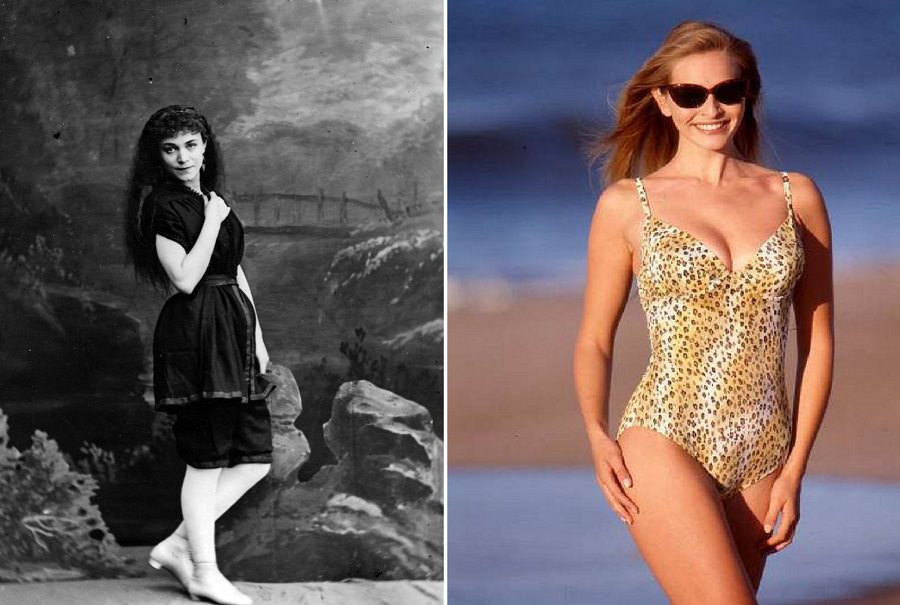
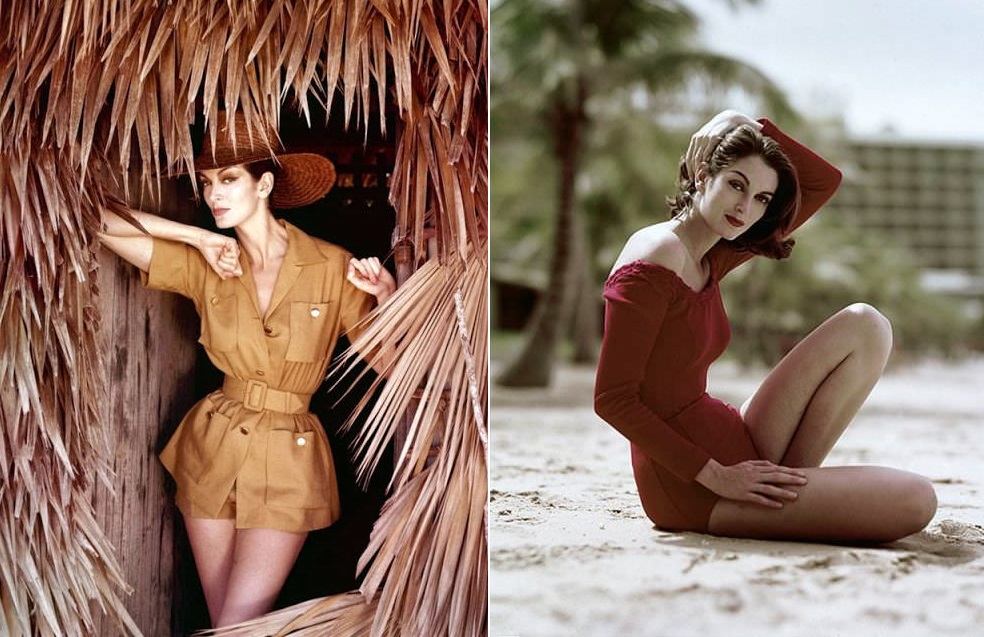
Squadron Leader Phipps was handling publicity for the Festival of Britain, a major national event planned for 1951. He needed creative ideas to add glamour and draw public attention. So he reached out to Group Captain Pickard, the managing director of Mecca — at the time a modest catering and leisure company. Pickard turned to Eric Morley, Mecca’s promotional sales manager and one of the co-founders of the BBC’s Come Dancing program in 1949. Together, they landed on the idea of a Miss World Festival Bikini Girl contest. Phipps gave it the green light, and the wheels were set in motion.
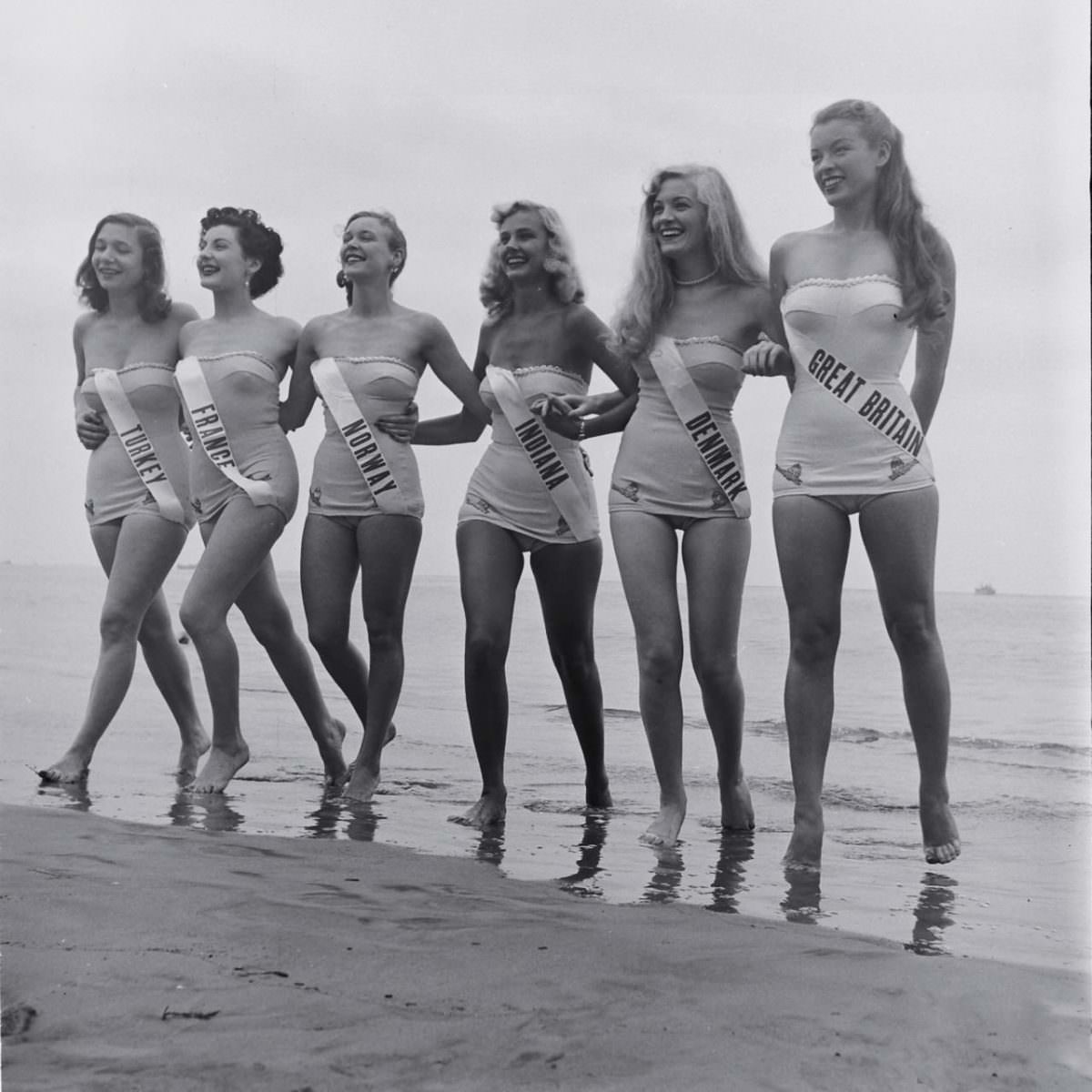
The first contest was held on July 27, 1951, at the Empire Rooms on Tottenham Court Road in London. It was a straightforward affair compared to what the competition would later become, but it drew genuine public excitement. Morley had a very specific vision of what the ideal contestant looked like. He described it plainly: girls between 17 and 25, ideally five foot seven, weighing eight or nine stone, with a waist of 22 to 24 inches, hips of 35 to 36 inches, a lovely face, good teeth, plenty of hair, and perfectly shaped legs — checked from both front and back for flaws such as slightly knocked knees. He even remarked that a girl with big hips could be made to look good in a bikini. The standards were rigid, the judging was precise, and the winner walked away with £1,000.
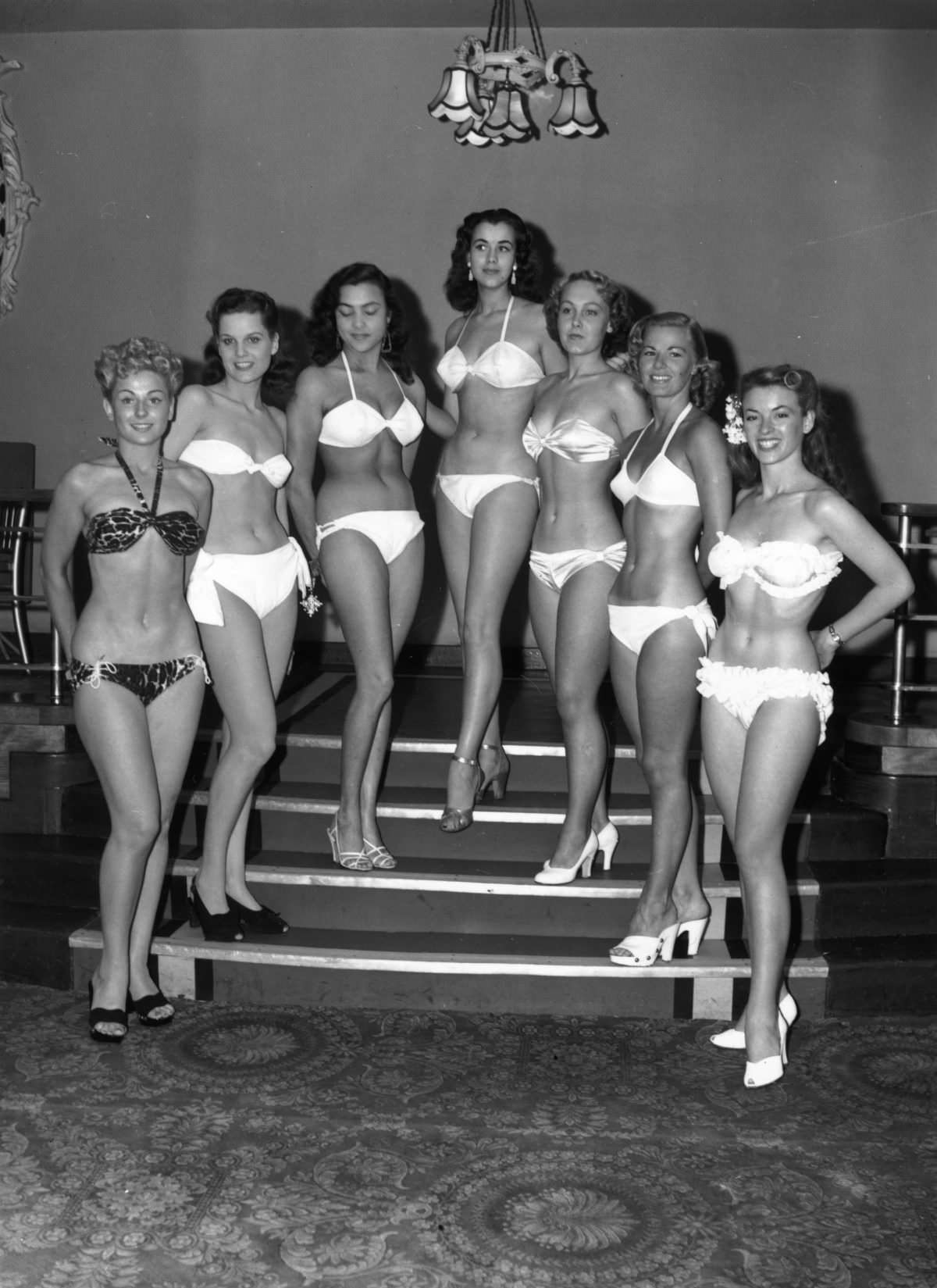
That winner was Kiki Håkansson of Sweden, a young woman who claimed the first-ever Miss World crown and took home the prize money. The contest was considered a great success, drawing attention both in Britain and abroad.
The success of Miss World in London directly inspired what would follow on the international stage. Just one year later, a rival competition emerged across the Atlantic.

Eric Morley remained at the center of the competition’s growth for decades. By 1969, he had been appointed general manager of Mecca and became a director of Grand Metropolitan Hotels, which took over Mecca just months before the 1970 Miss World competition. His wife Julia joined him as the show’s co-organizer that same year. Together, they ran the contest with a firm hand. Contestants were not allowed to marry one another, and what Morley called ‘traditional family values’ were strictly enforced throughout the event.
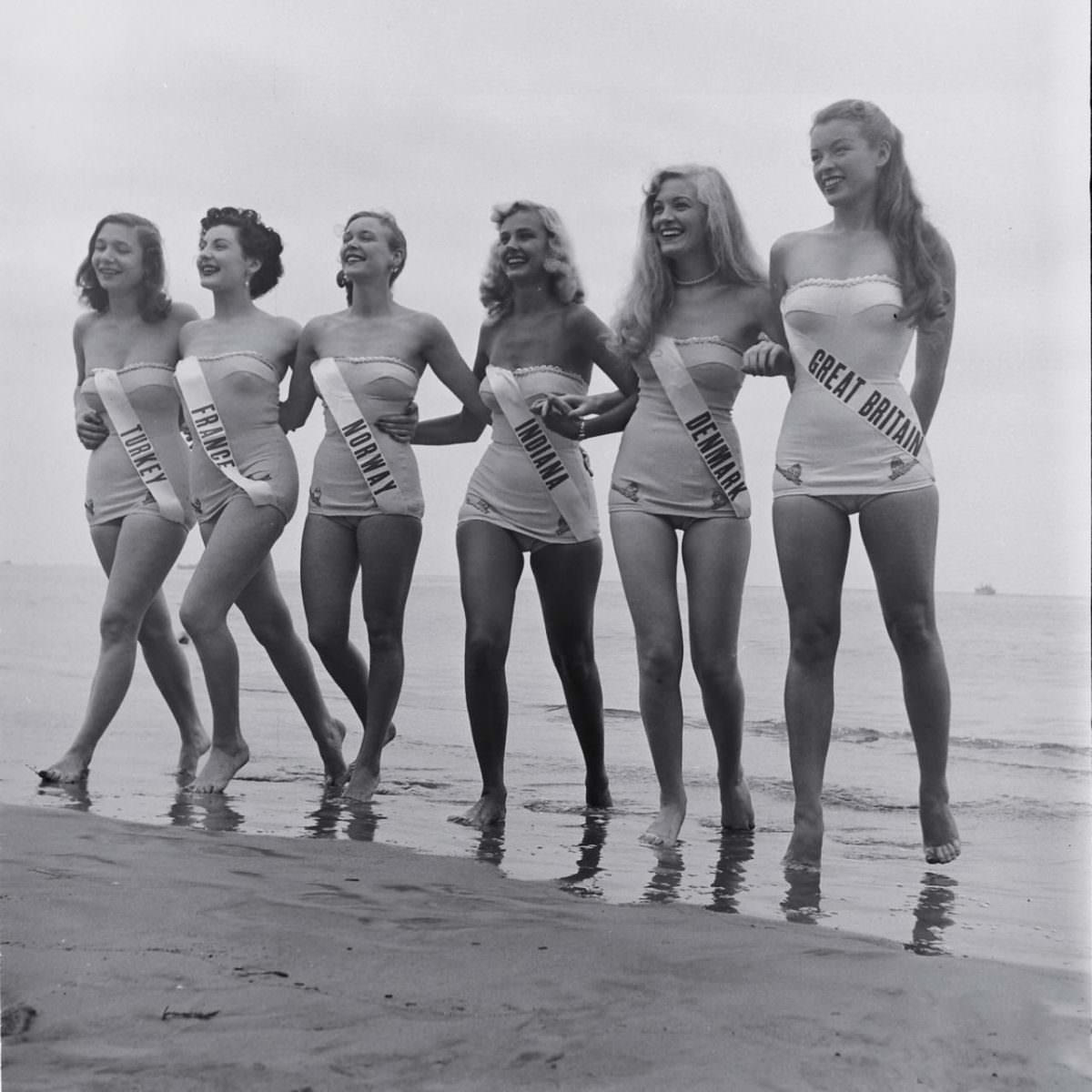
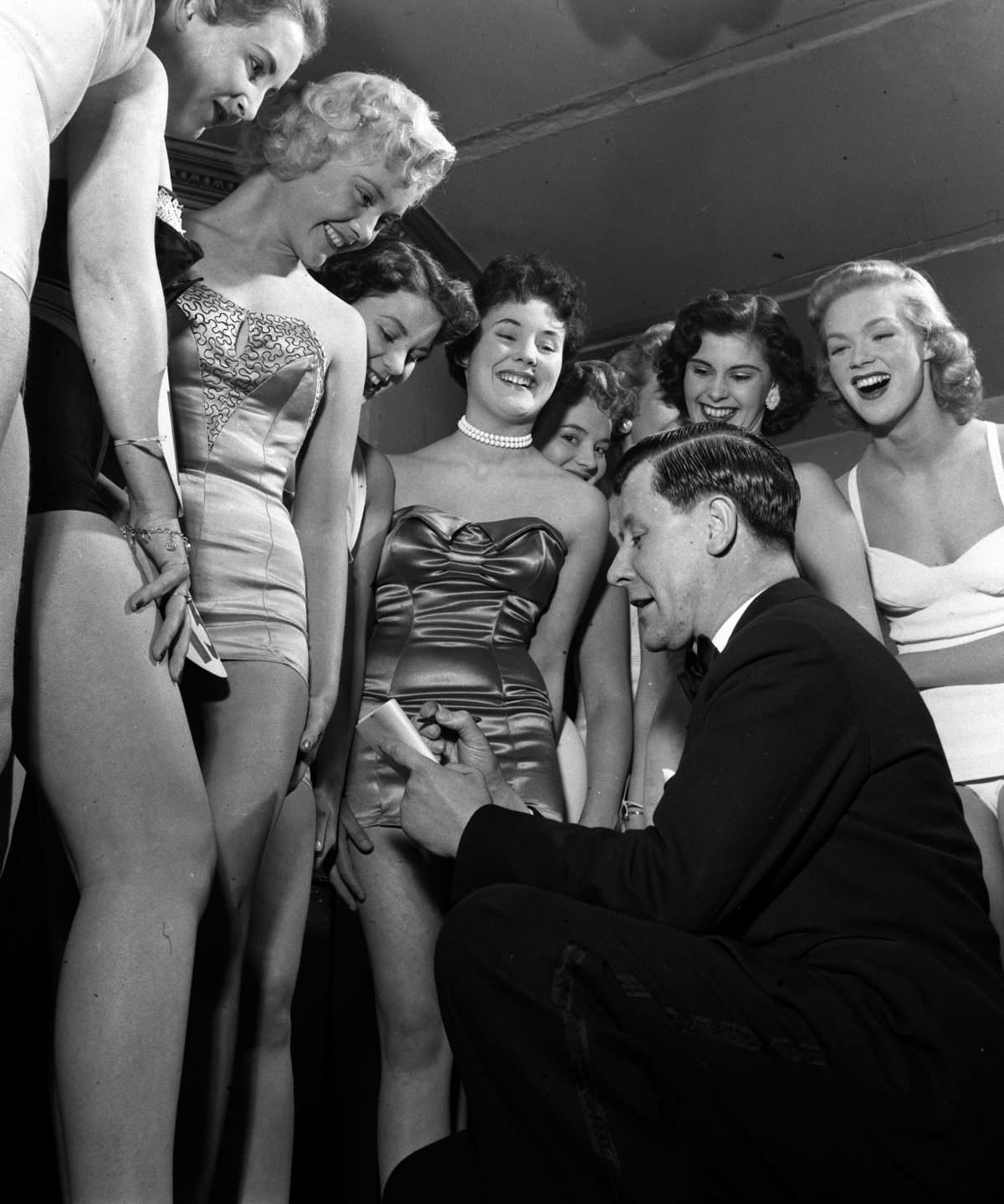
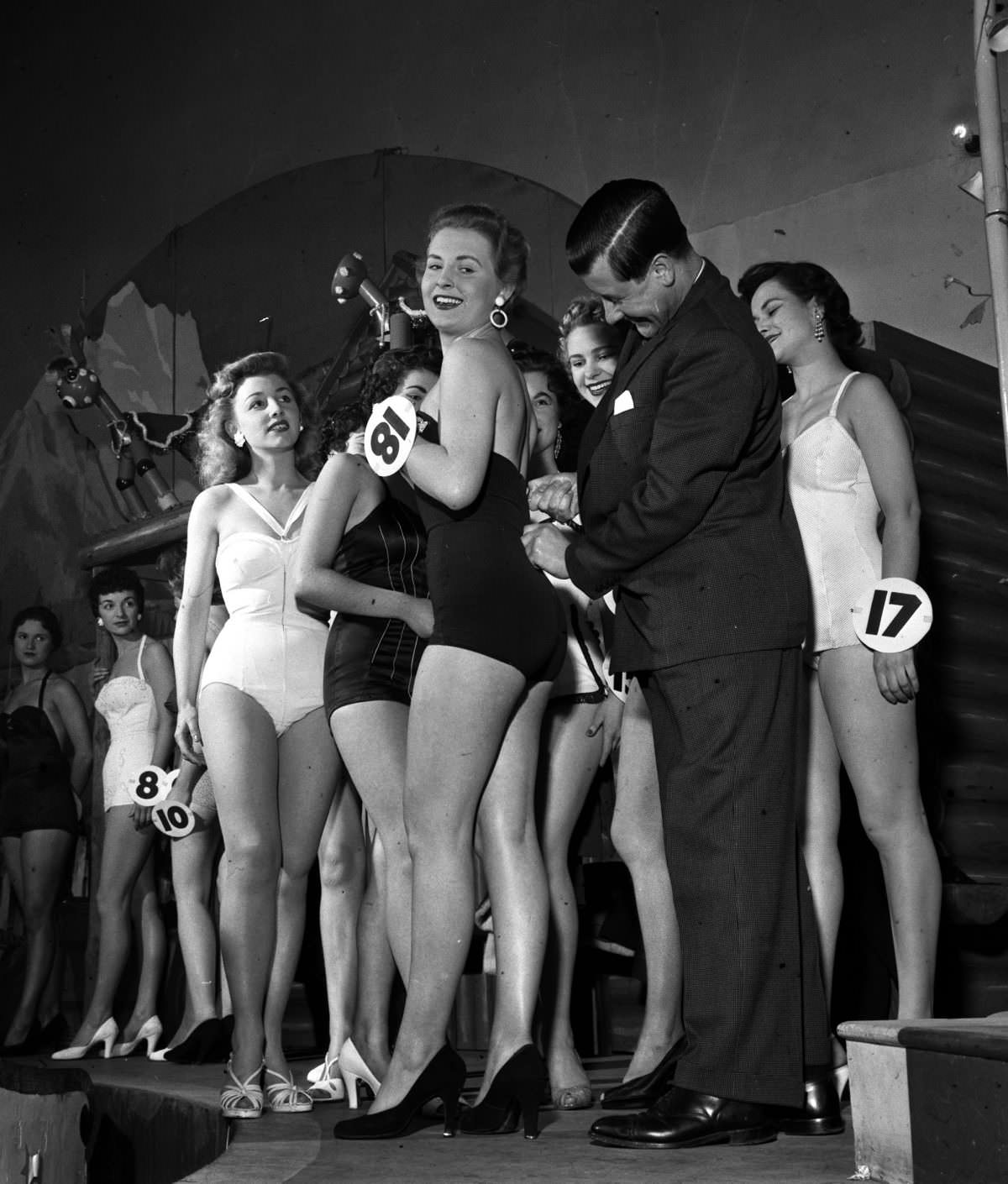
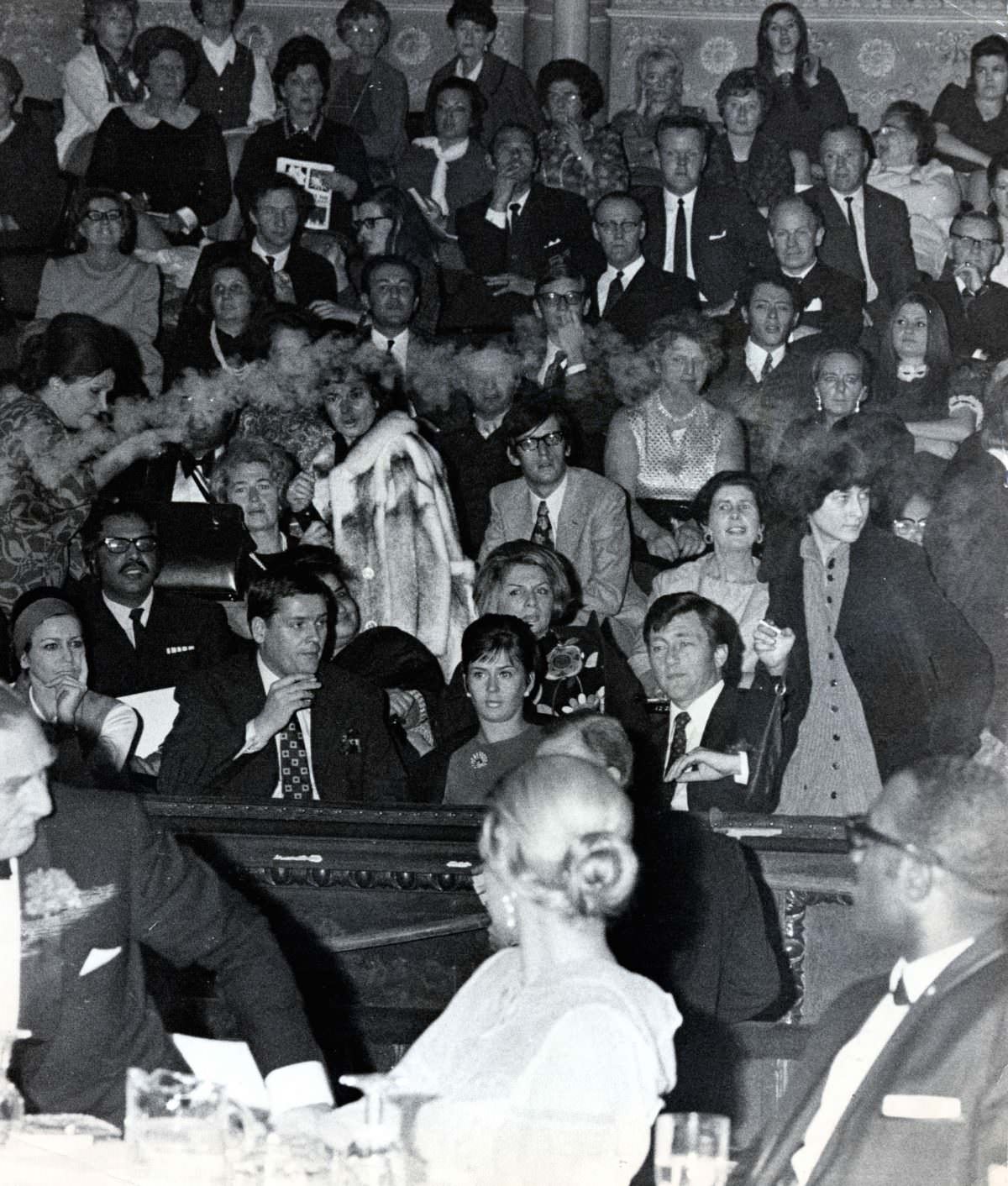
By 1970, Miss World had grown into one of the most watched television events in the United Kingdom and around the world. Millions tuned in, and the competition raised a significant amount of money for charity. But the 1970 contest, held at the Royal Albert Hall in London, became the most turbulent in the competition’s history — not because of anything that happened on stage, but because of what erupted in the audience.
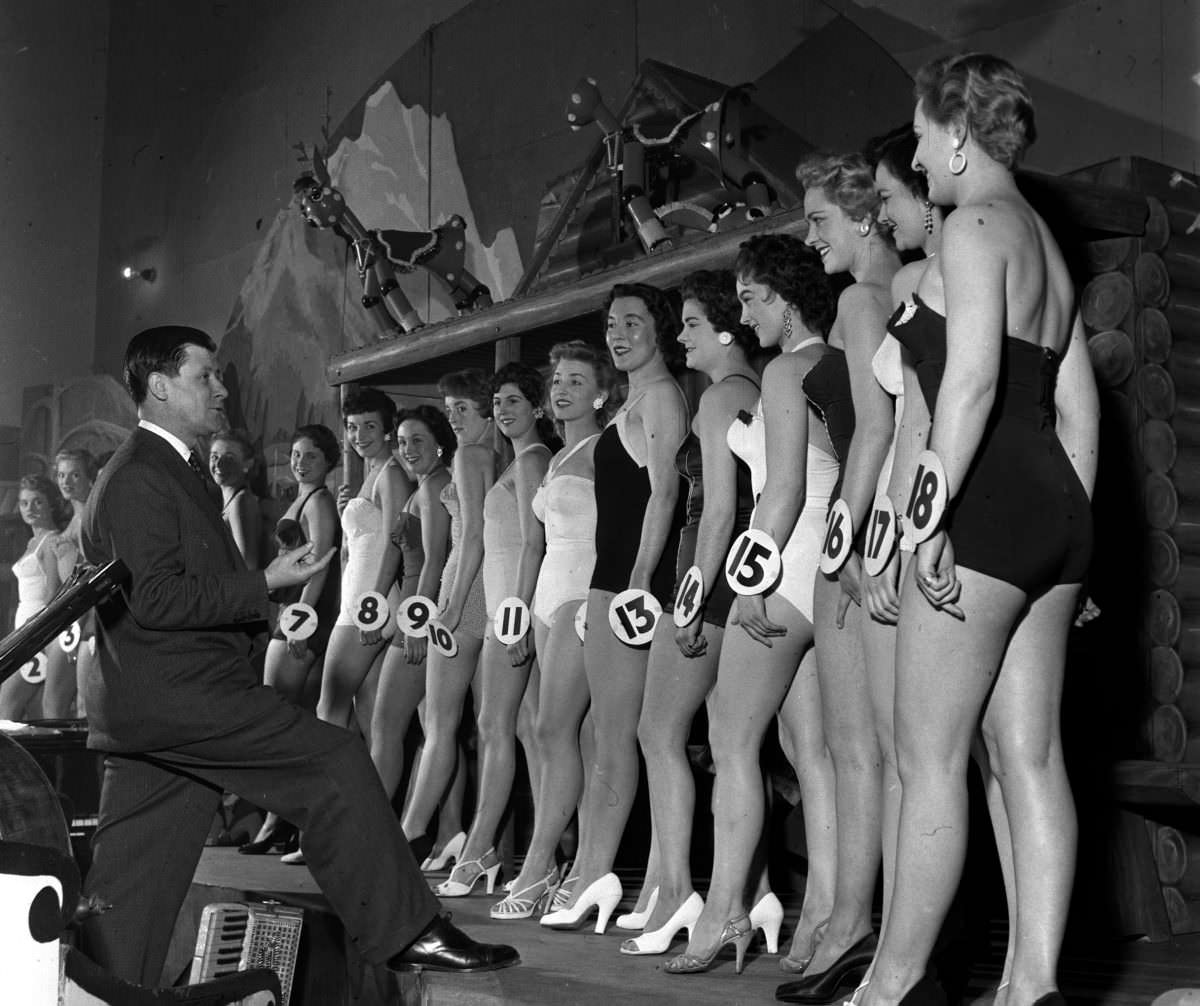
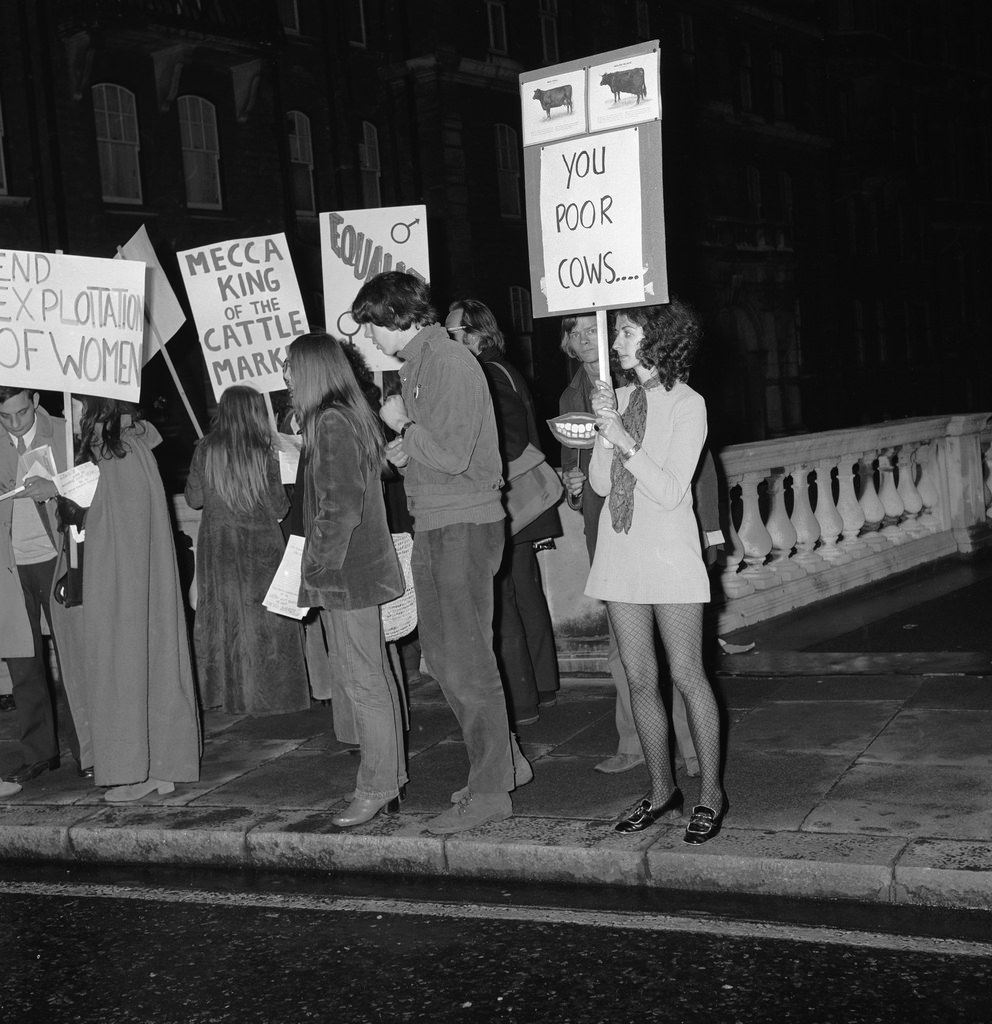
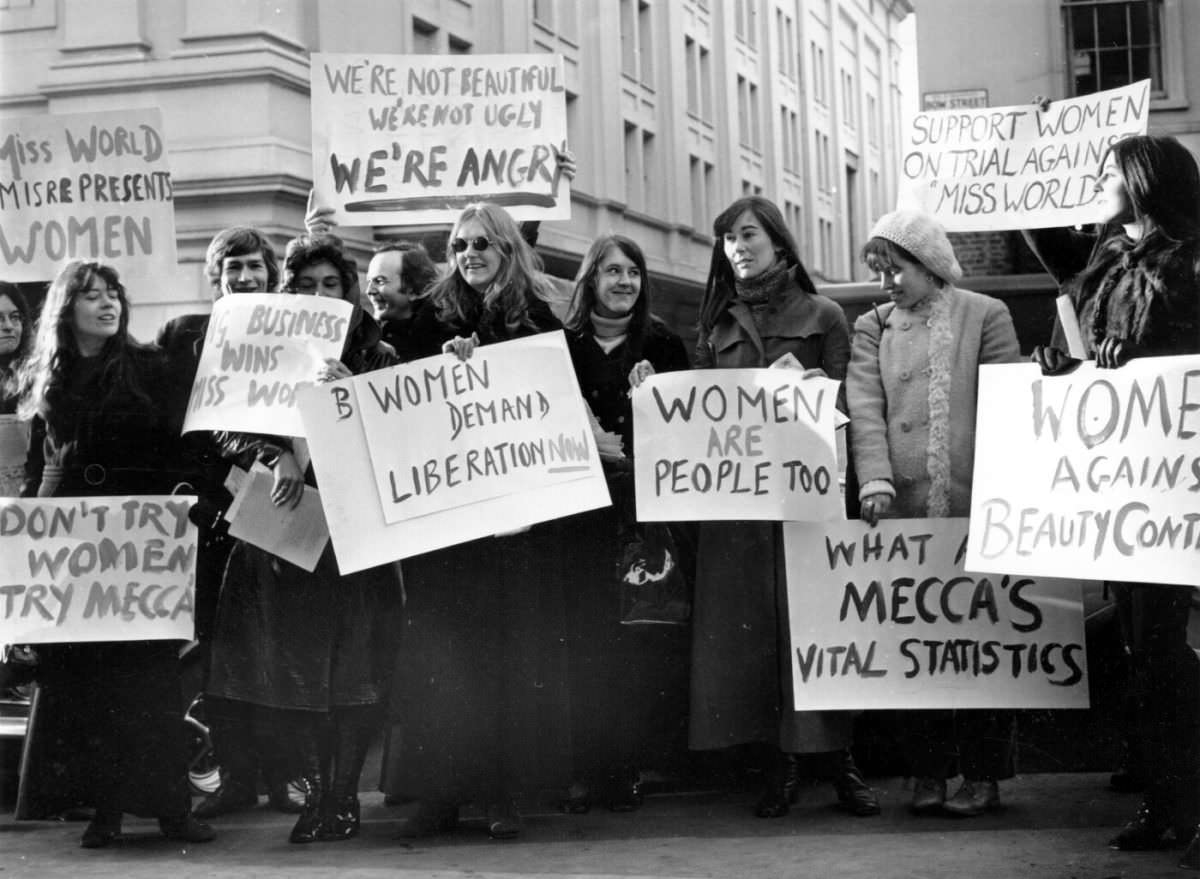
In the middle of the live broadcast, roughly fifty women and a handful of men stood up and began hurling flour bombs, stink bombs, and tomatoes at the stage. They shouted “We are liberationists!” and “Ban this disgraceful cattle market!” Leaflets with the slogan ‘Morley is a pimp’ were thrown across the auditorium. Compere Bob Hope was on stage when the disruption broke out, and several protesters who had managed to infiltrate the event had to be forcibly removed.
Miss Sweden, the pre-contest favorite, did herself no favors two days before the event when she publicly denounced the competition. She stated she wouldn’t even want to win if the organizers didn’t sign her to a contract, adding: “I was told the contest was like a cattle market, and I tend to agree. I feel just like a puppet.” Her comments generated headlines and added fuel to an already charged atmosphere. The judging itself drew immediate suspicion. Numerous phone calls flooded in claiming the contest had been rigged. An investigation later revealed that four of the ten judges had awarded their first-place vote to Maj Christel Johansson, the 20-year-old Swedish model representing Sweden — yet she finished fourth overall. The eventual winner, Jennifer Hosten of Grenada, received only two first-place votes from the panel. Adding to the controversy, one of the judges who voted for Miss Grenada was Sir Eric Gairy — the Premier of Grenada himself. Hosten, for her part, stayed firmly on message. “I do not really know enough about what they were demonstrating against,” she said of the protests. “All I know is that it has been a wonderful experience competing for the Miss World title.” The fallout was swift. Julia Morley resigned as organizing director just four days after the contest. Her parting statement carried a note of candor: “Perhaps I wasn’t the best person to organize the contest.”