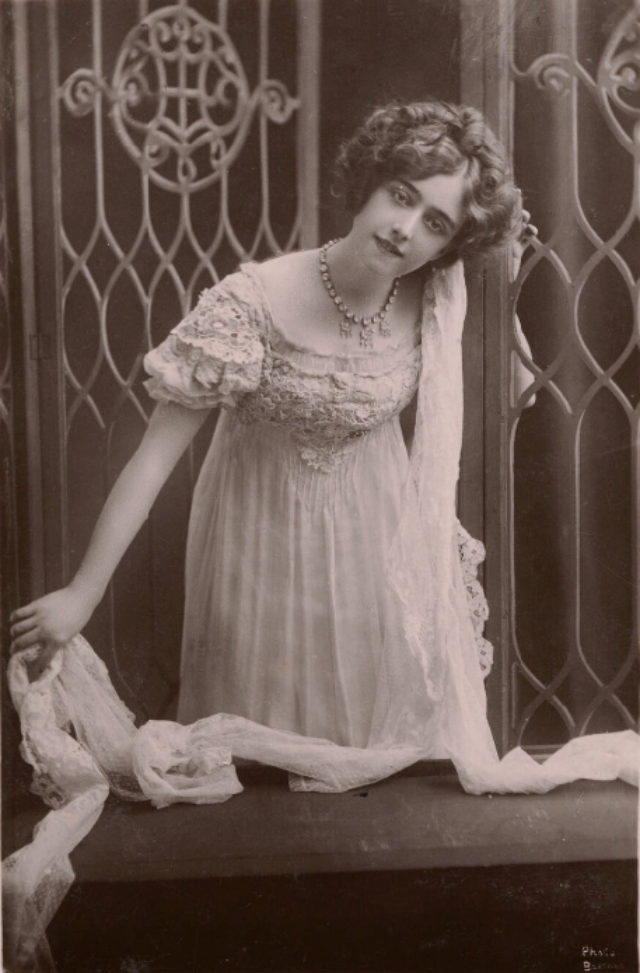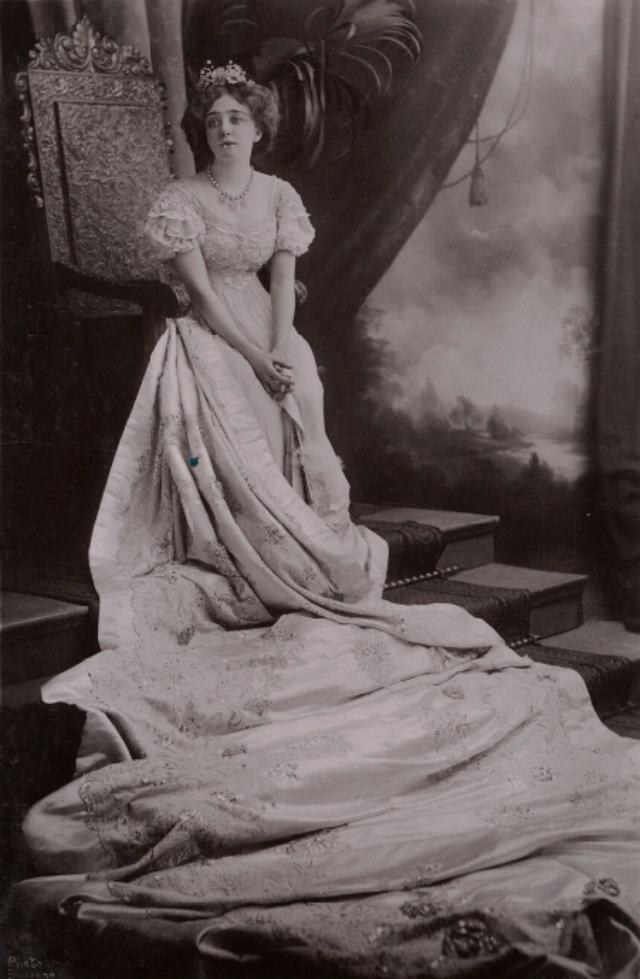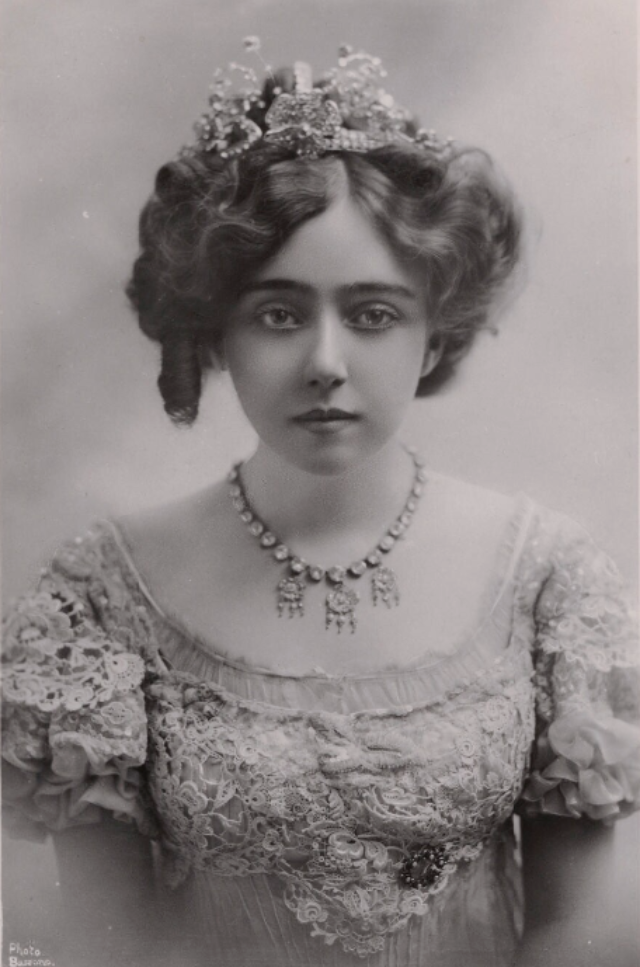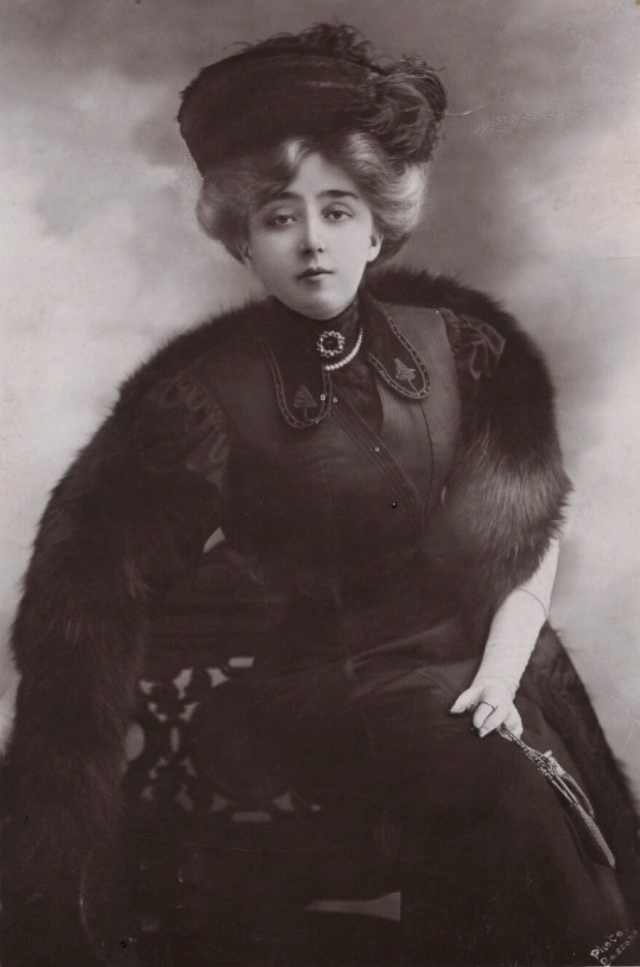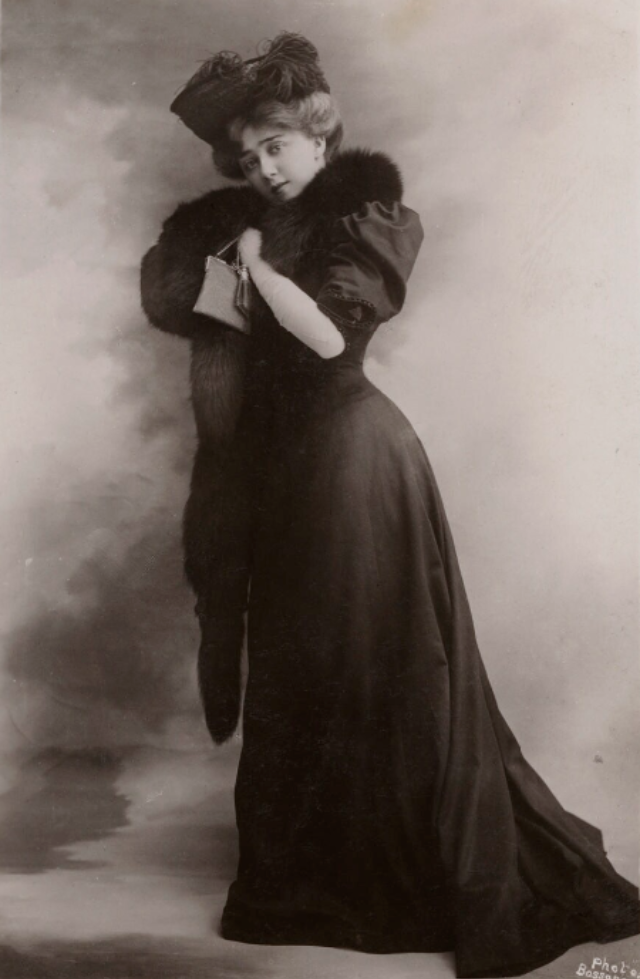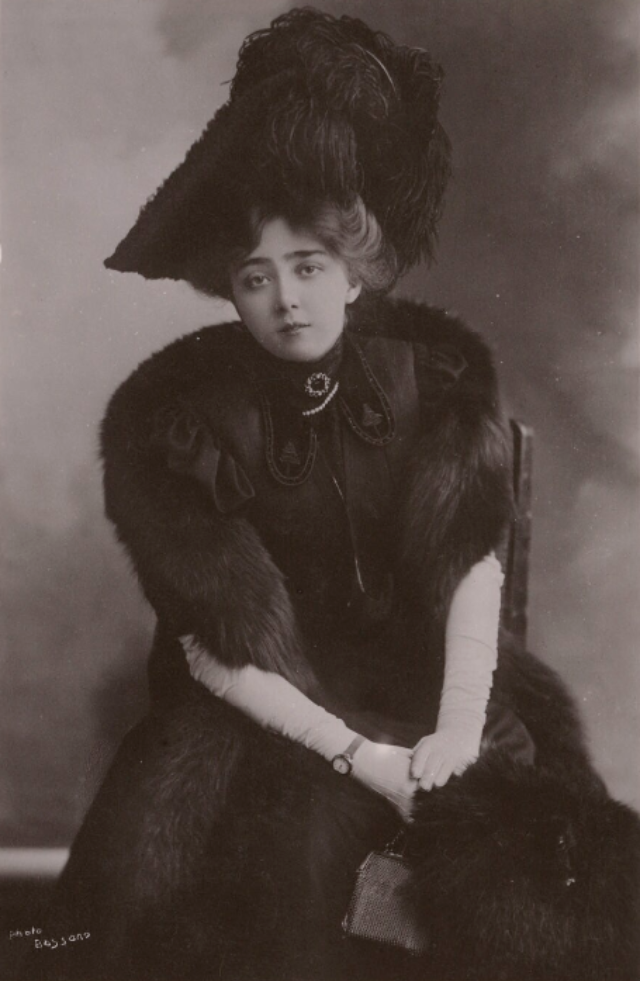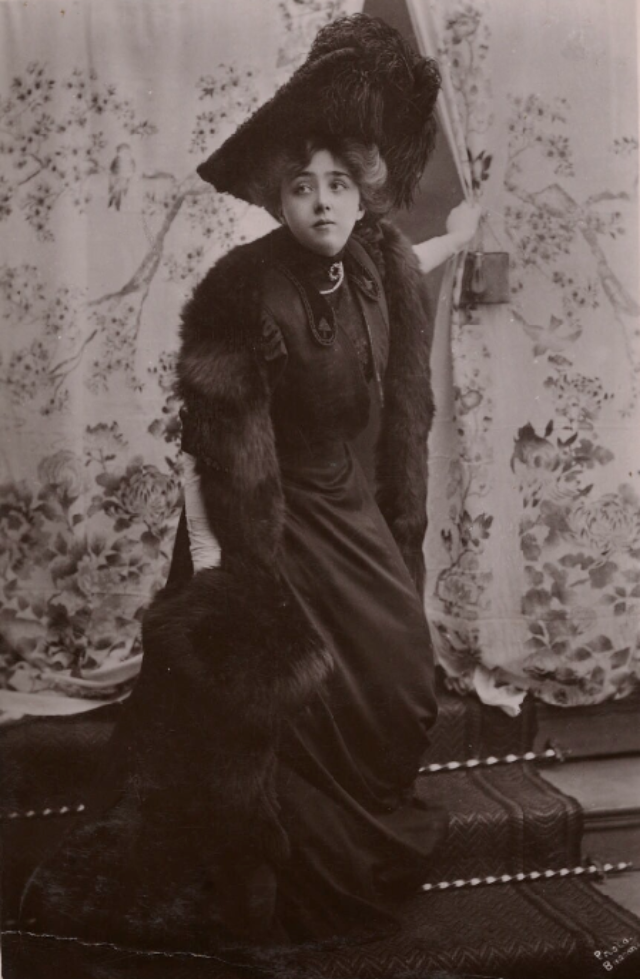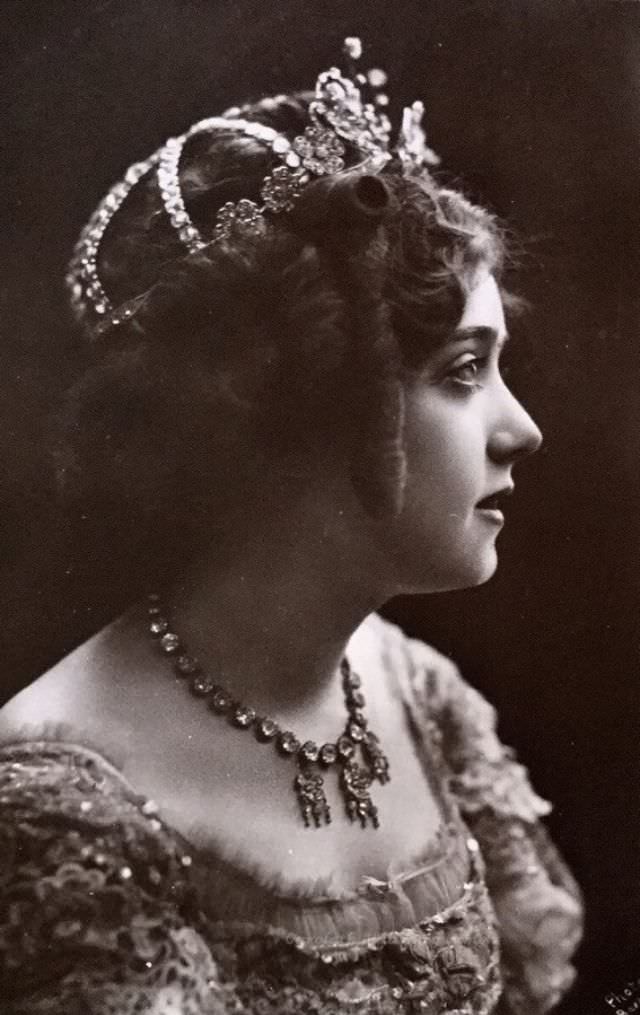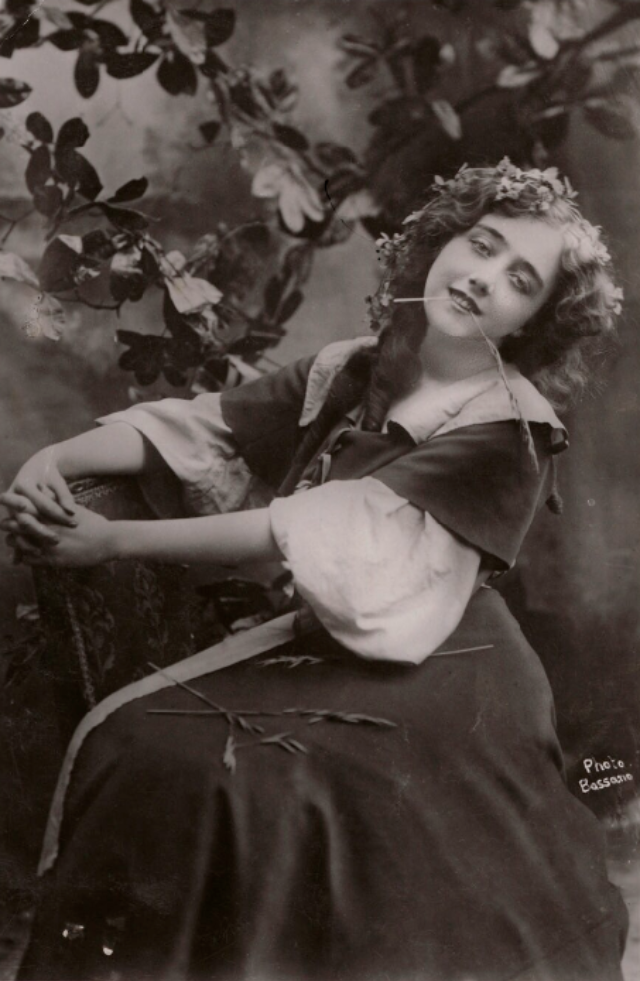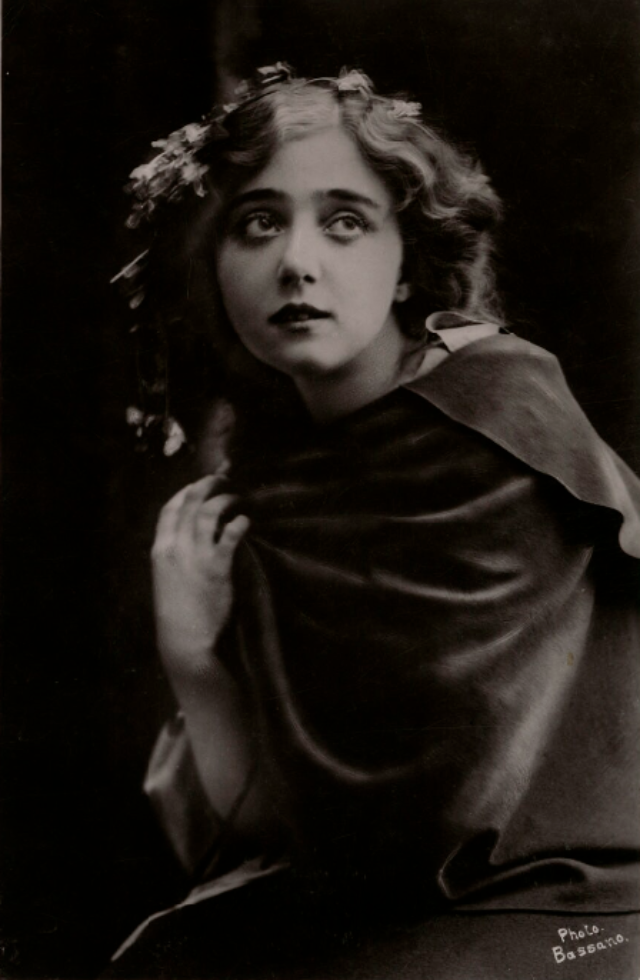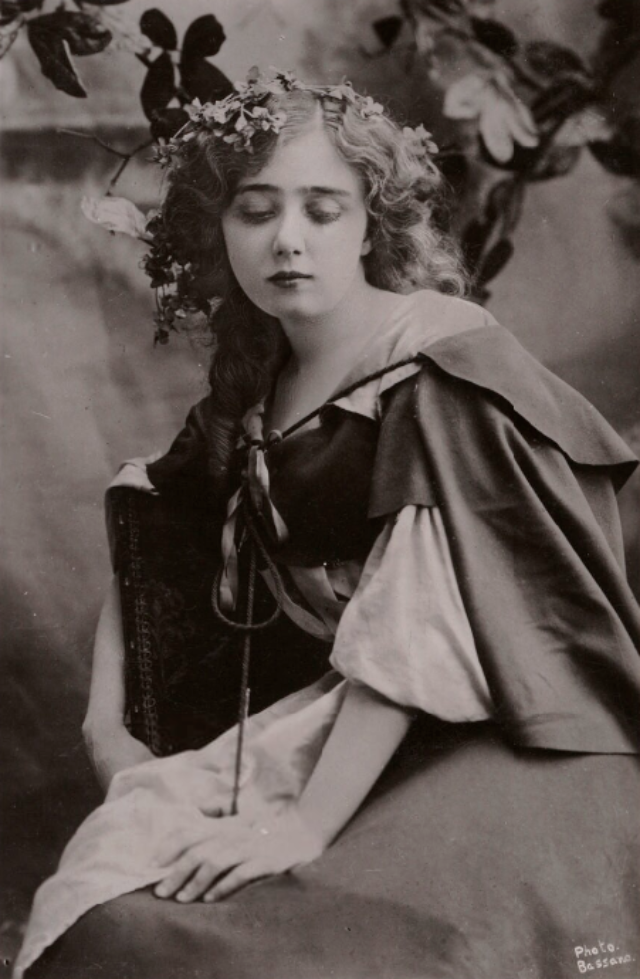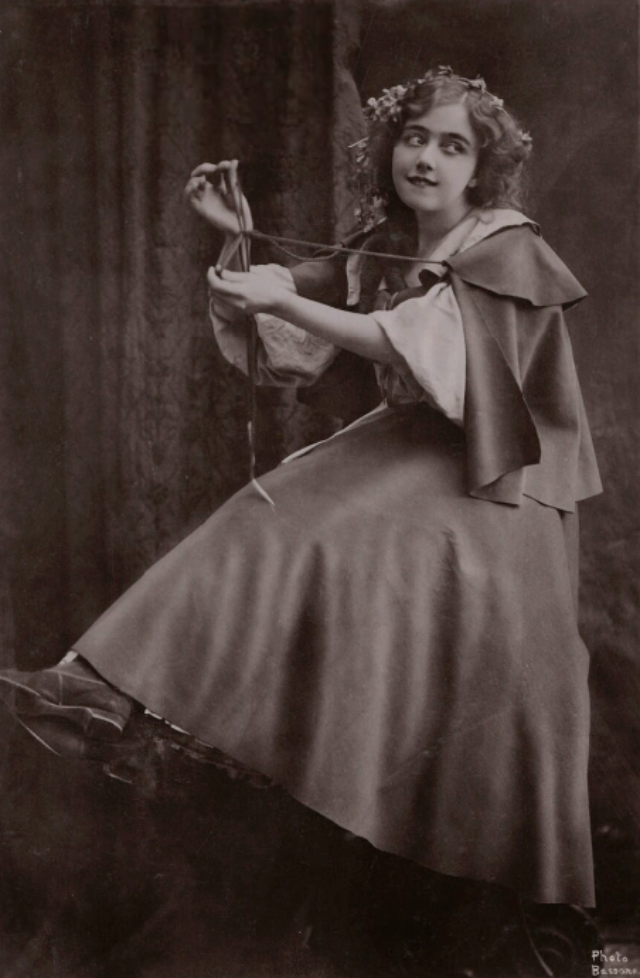
May de Sousa was born in Chicago in 1884. She grew up to become one of the most recognized performers of the early twentieth century, working the stages of both America and Britain at a time when very few performers managed to conquer both sides of the Atlantic. Her story begins with a remarkable rise and ends in heartbreaking silence.

De Sousa’s professional career launched quickly. In 1901, when she was still a teenager, theatrical producer Frank L. Perley signed her as one of the lead performers in his touring company for the musical comedy The Chaperons. The production was no small affair — it featured 34 speaking roles and a chorus of sixty, making it the most prominent musical organization in America at that time. Being chosen as a principal in such a company at that age was a serious achievement.

Her early years on stage built a solid foundation. By 1904, she had taken on the role of Sir Dashemoff Daily in the stage drama The Wizard of Oz. That same year, she also appeared in Babes in Toyland. Both productions kept her name in front of audiences and cemented her reputation as a versatile performer who could handle demanding roles.
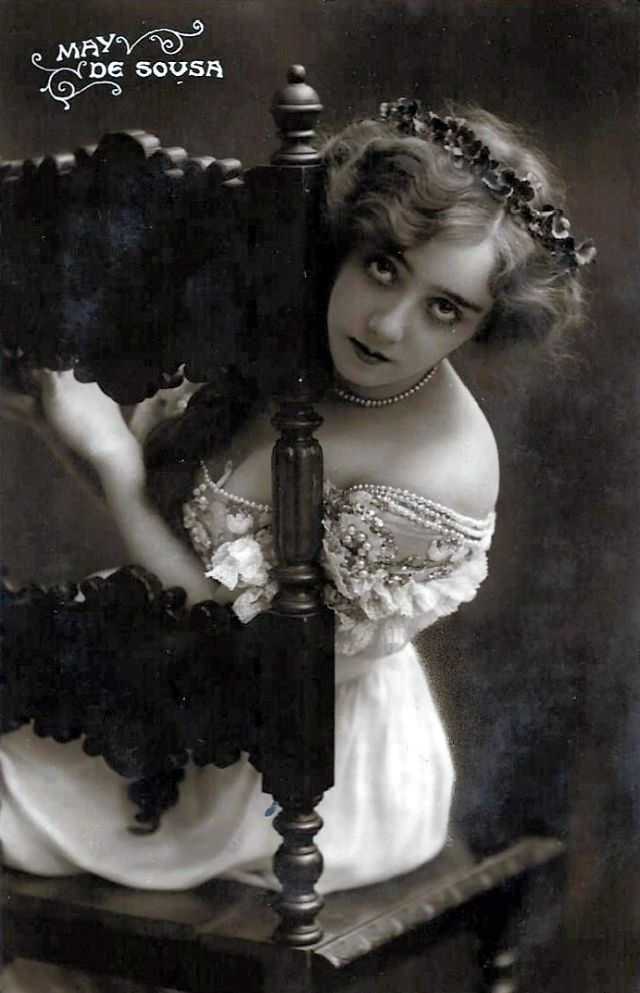
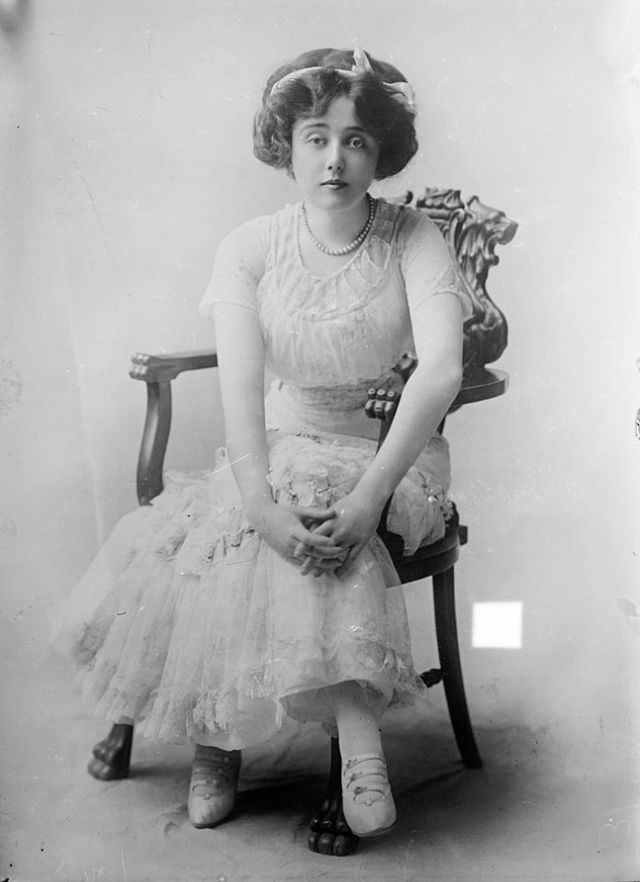
While her American career was already strong, De Sousa found a new level of fame across the ocean. She made her London debut at the Theatre Royal, Drury Lane — one of the most prestigious stages in the world — playing Cinderella. The role suited her perfectly, and London audiences embraced her immediately. She went on to perform in several other major London productions, including Castles in Spain, The Geisha, and The Girls of Gottenberg.
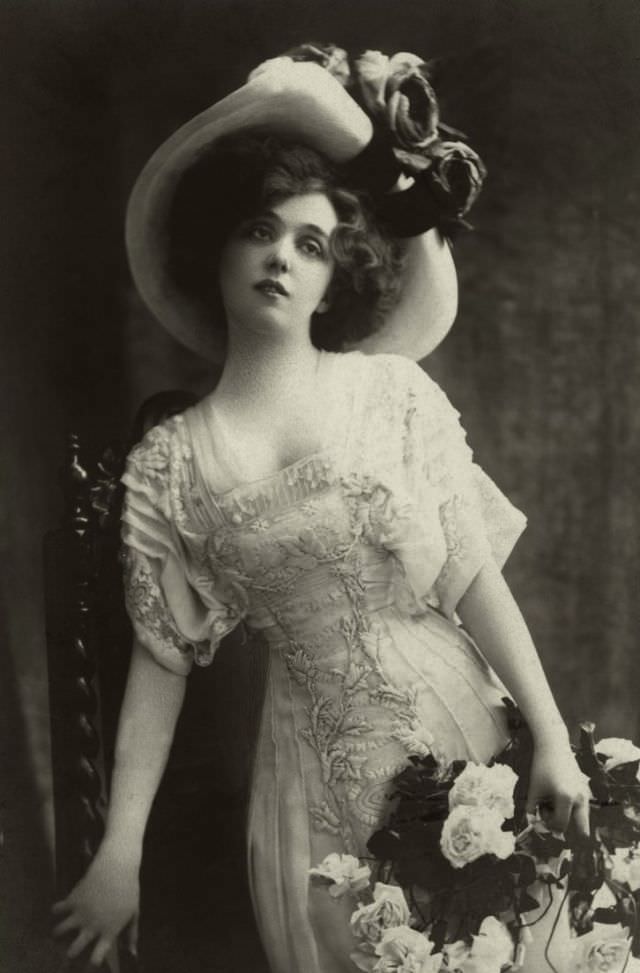
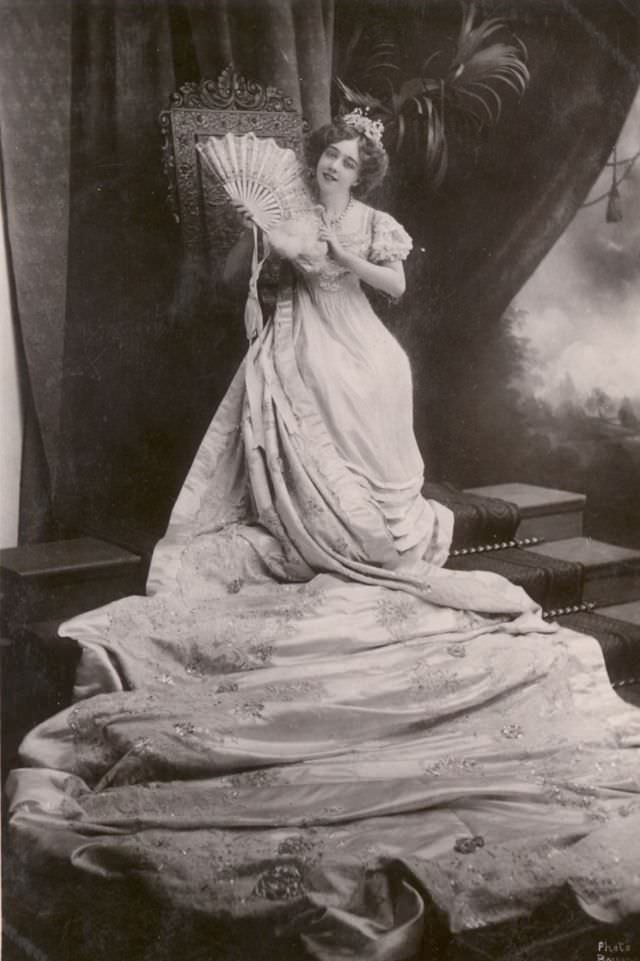
By this point, De Sousa was a genuine international star. Her performances drew royalty and nobility in London, and she packed theatres in America just as easily. In 1911, she played the model Juliette in The Count of Luxembourg at Daly’s Theatre in London — another well-received role in a career that seemed to have no ceiling.
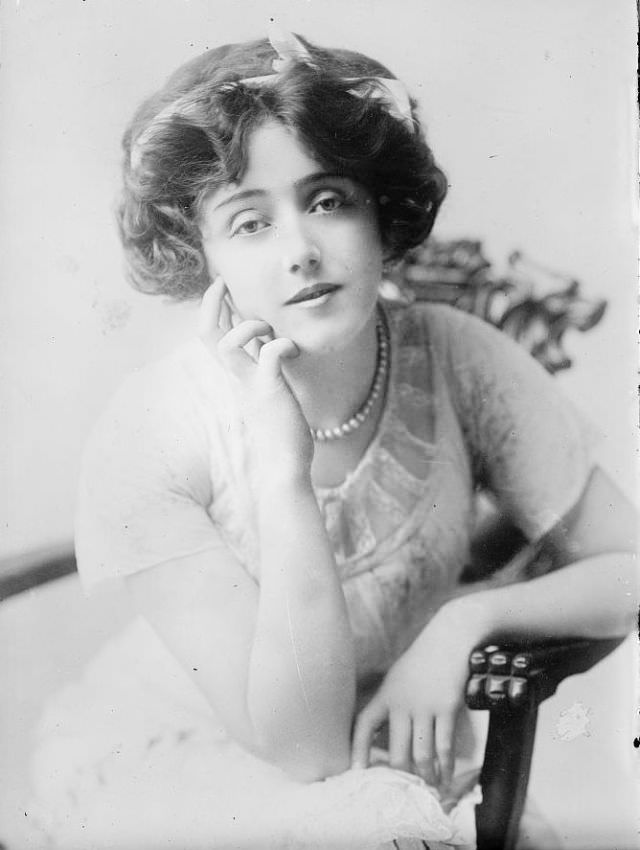
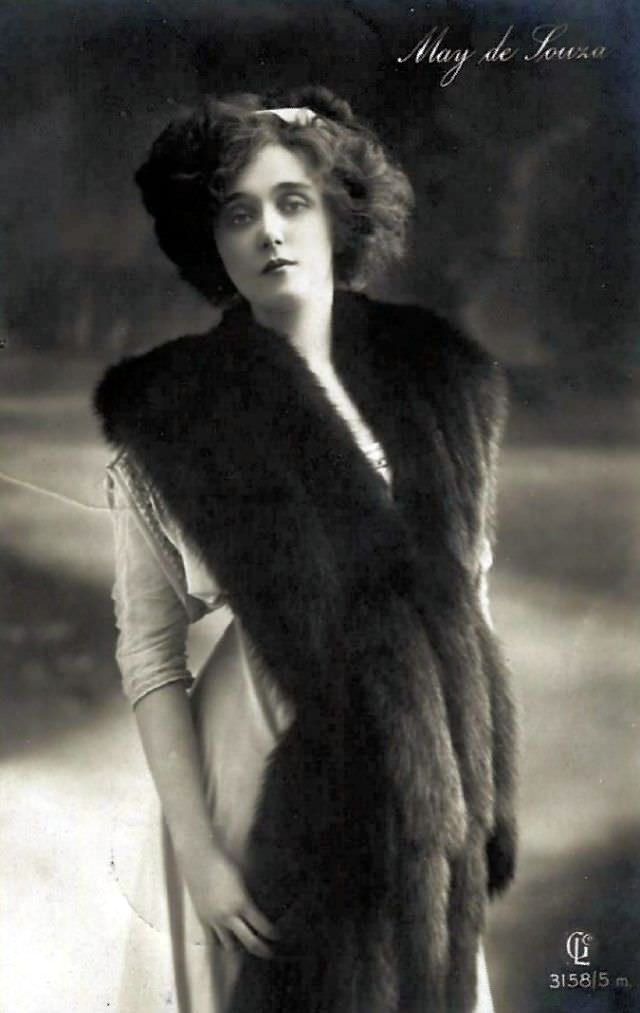
Then personal tragedy struck. In January 1910, her mother was found dead in a gas-filled room. Whether the death was a suicide or an accident was never determined. De Sousa continued working through her grief, maintaining her schedule on both sides of the Atlantic. She was in France shortly before the outbreak of World War One in 1914 and narrowly escaped the German invasion before making her way out of the country.


In 1913, De Sousa declared bankruptcy. The financial collapse was a significant blow for a woman who had commanded some of the biggest stages in the world. Still, she pressed on professionally for several more years before retiring in 1918.

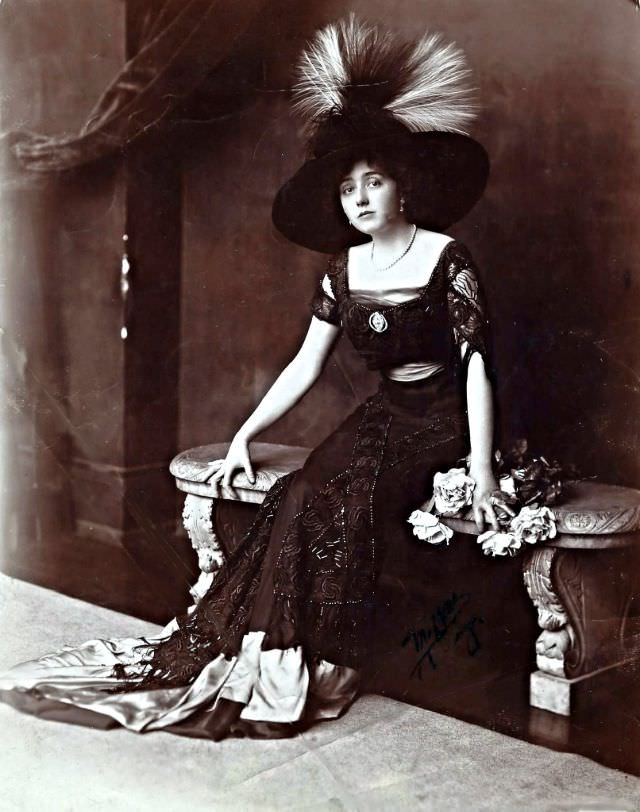
After retiring from the stage, De Sousa settled in Shanghai, China. Life there eventually took a devastating turn. During World War Two, Japanese forces occupied Shanghai, and De Sousa was imprisoned for seven months at the Chapei Civil Assembly Center. The internment took a serious physical toll on her.
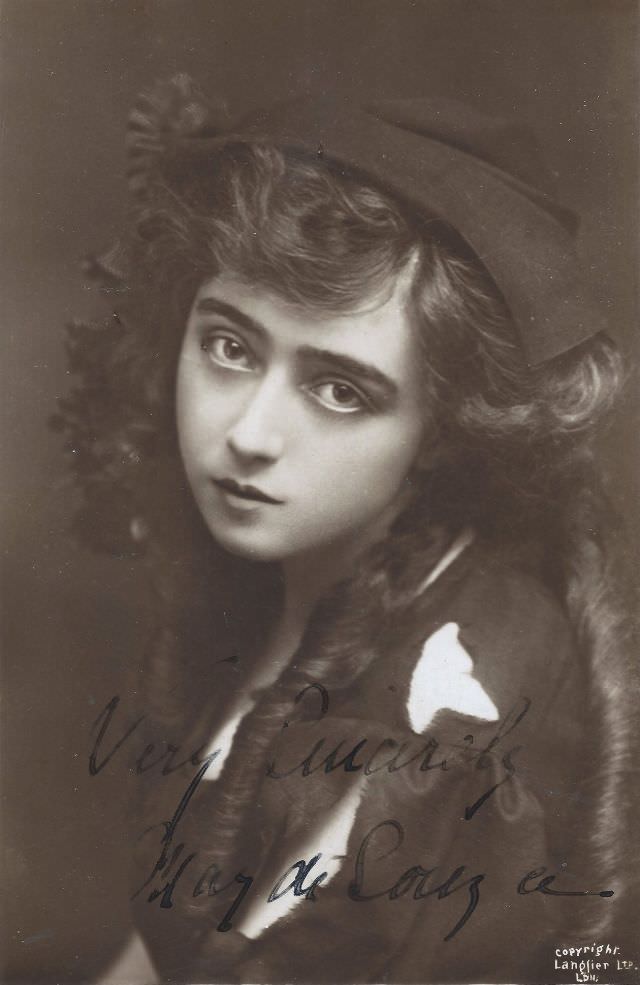
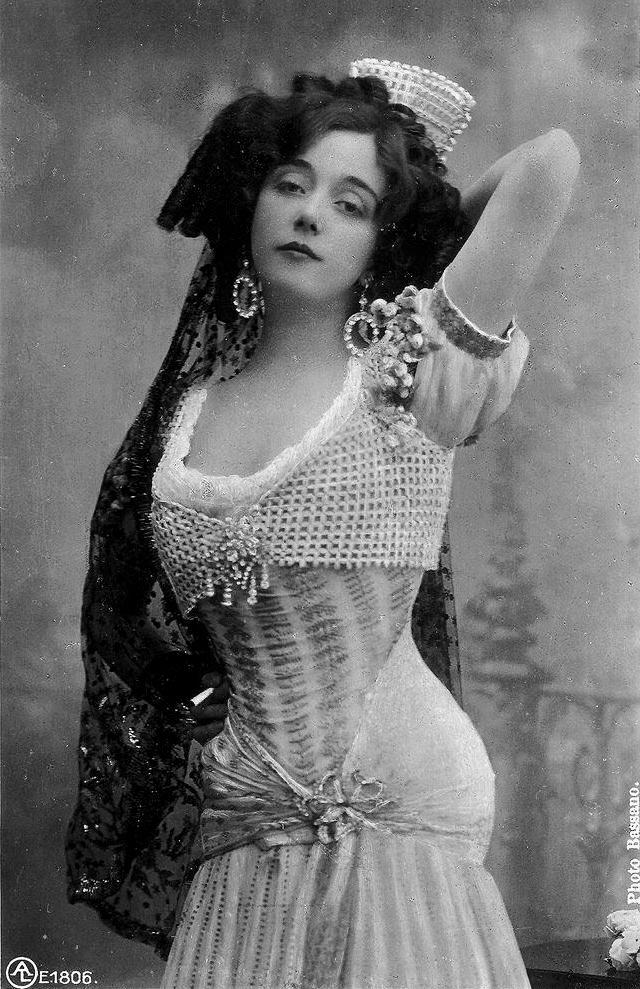
She returned to the United States aboard the SS Gripsholm, a repatriation ship used to bring American civilians home after the war. Back in Chicago, the city where she was born, De Sousa took a job as a scrubwoman in the public school system. It was the only work available to her, and it stood in stark contrast to the glittering stages she had once dominated.

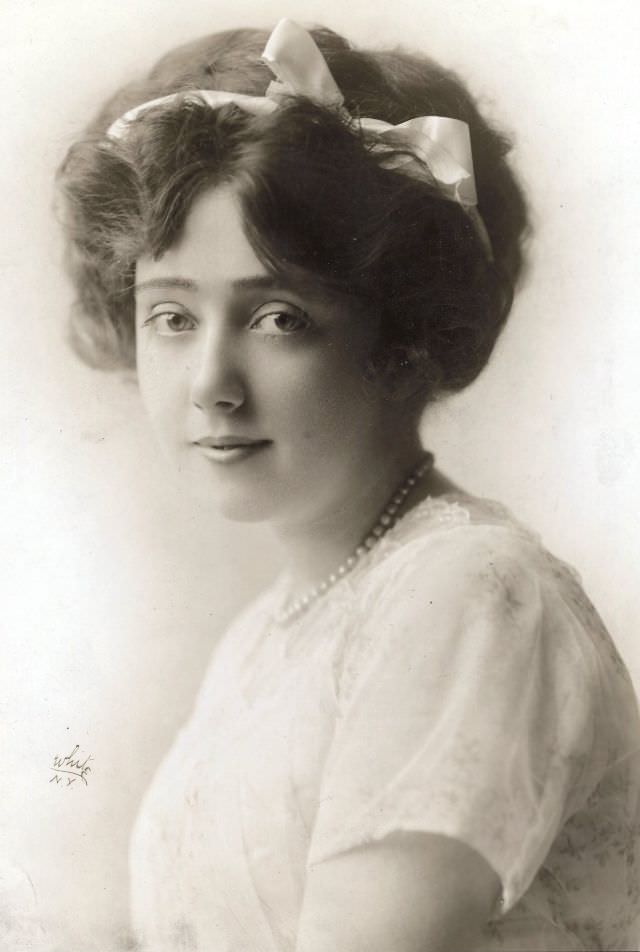
Her health, already weakened by months of internment, continued to deteriorate. She grew too weak to work. Malnutrition set in. There was no support network, no savings, and no one to step in on her behalf.

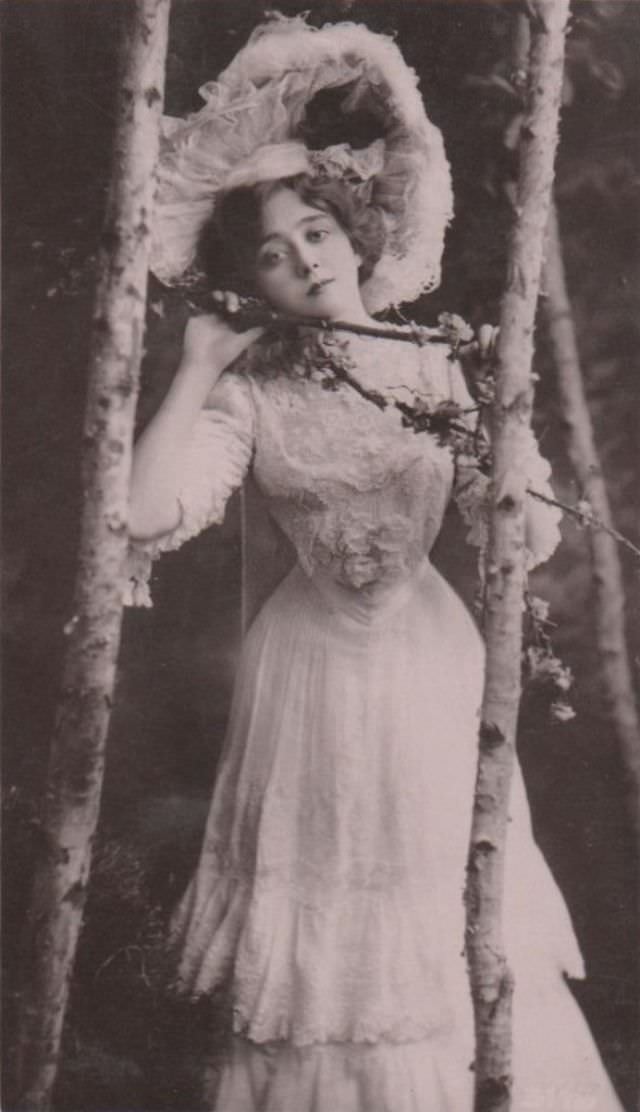
May de Sousa died on August 8, 1948, at Cook County Hospital in Chicago. She was 66 years old. She died penniless and alone. Her body lay unclaimed in the morgue, and she was buried in a pauper’s grave — a woman who had once performed before royalty, whose voice had filled the grandest theatres in New York and London, received no funeral and no mourners.