In 1963, a photographer spotted a young woman in a shop in Sweden and immediately saw something worth capturing. That woman was Maud Solveig Christina Wikström, born in 1945, and she had no plans to become a model that day. A single photo submission to the Miss Sweden contest changed everything. From that one chance encounter, she stepped into a modeling career that would take her from Stockholm to the pages of Vogue and Harper’s Bazaar.
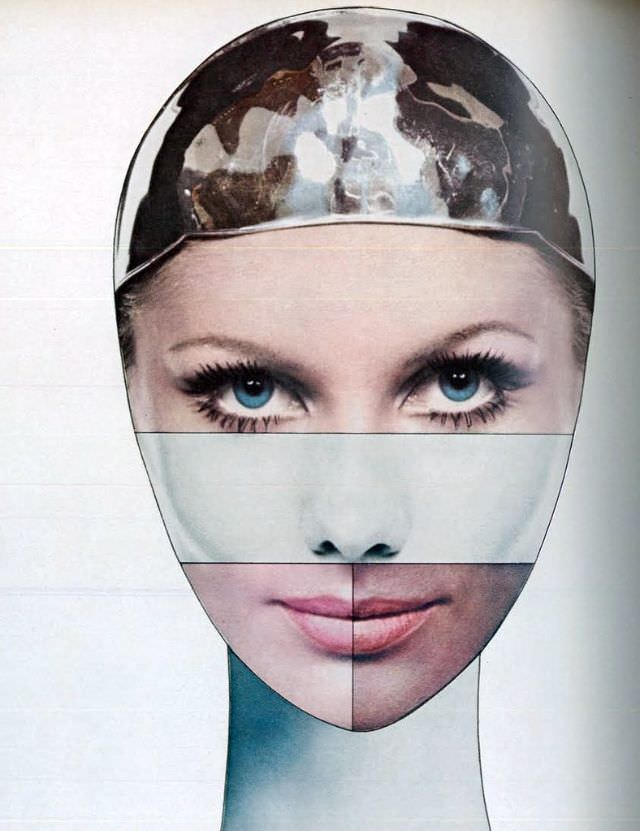
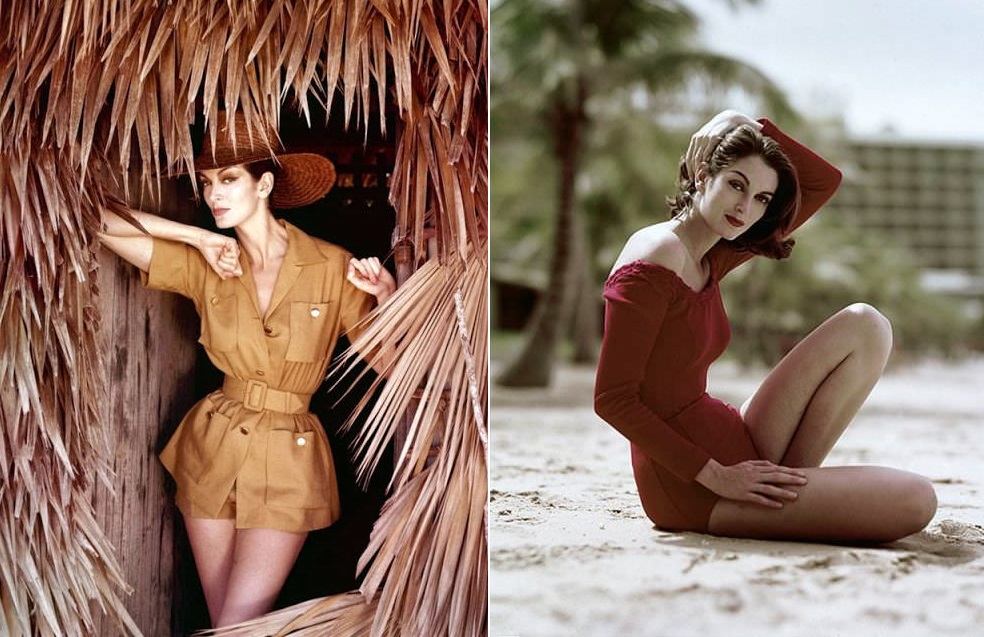
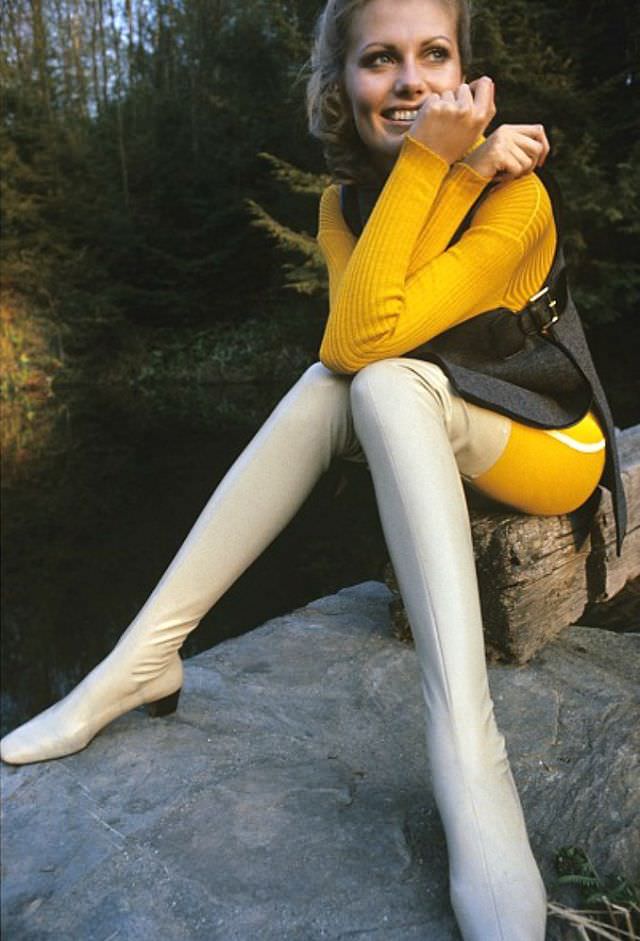
By 1967, Adams was a fixture in the most prestigious fashion publications in the world. Her face appeared across multiple Vogue and Harper’s Bazaar shoots in a single year, working with some of the era’s most sought-after photographers and wearing designs from top American and British houses.
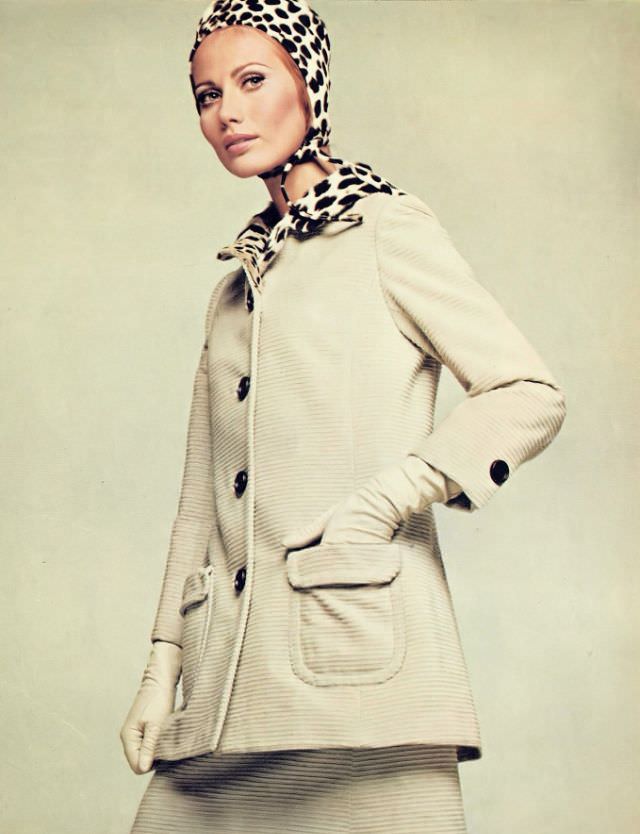
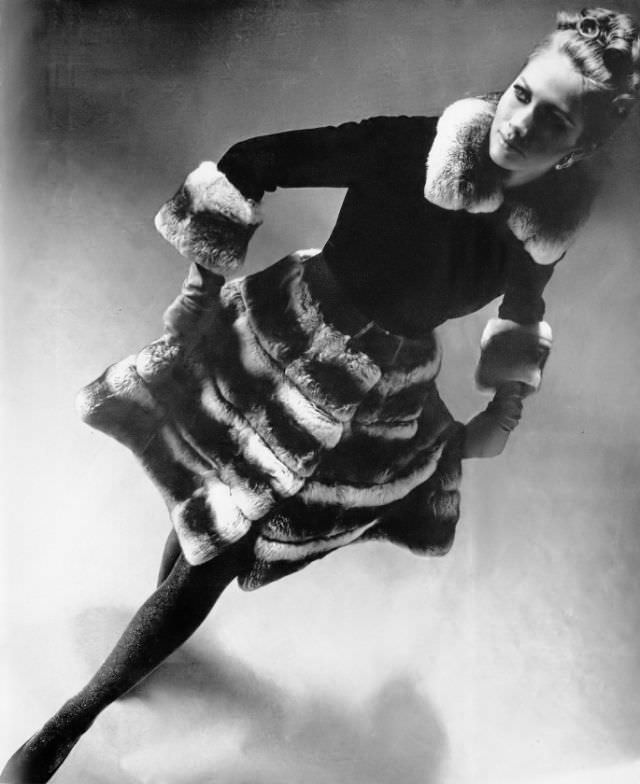
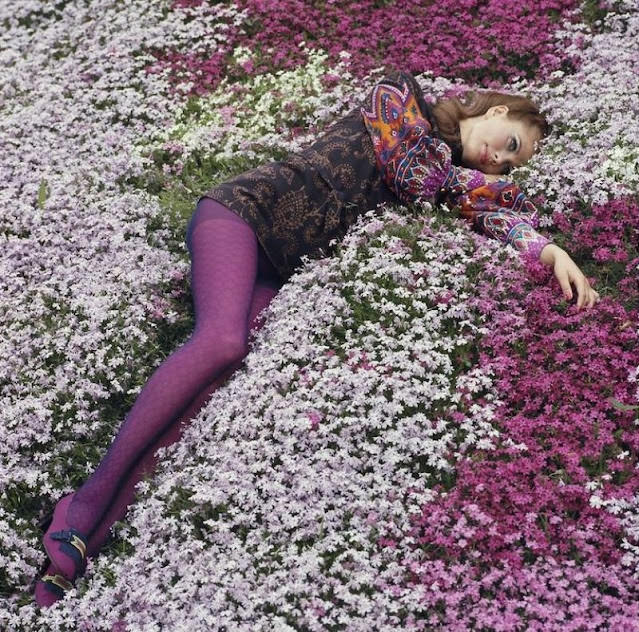
The December 1967 issues of Harper’s Bazaar featured Adams repeatedly — in velvet coats trimmed with chinchilla, lavender evening shirts, and pale gray crêpe knickers. These were not minor placements. She was a lead face for some of the season’s most ambitious fashion spreads, photographed in garments that represented the top tier of American ready-to-wear and evening wear design.
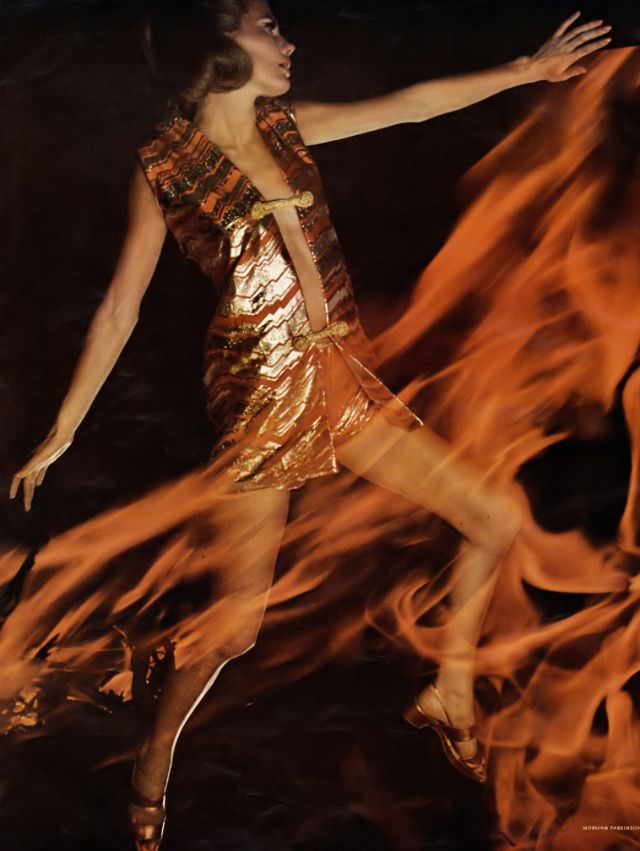
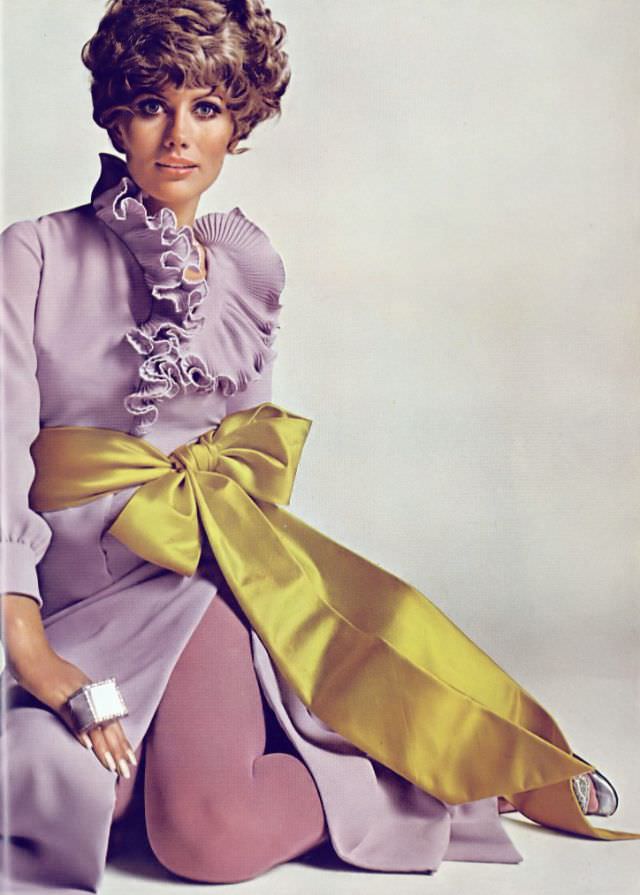
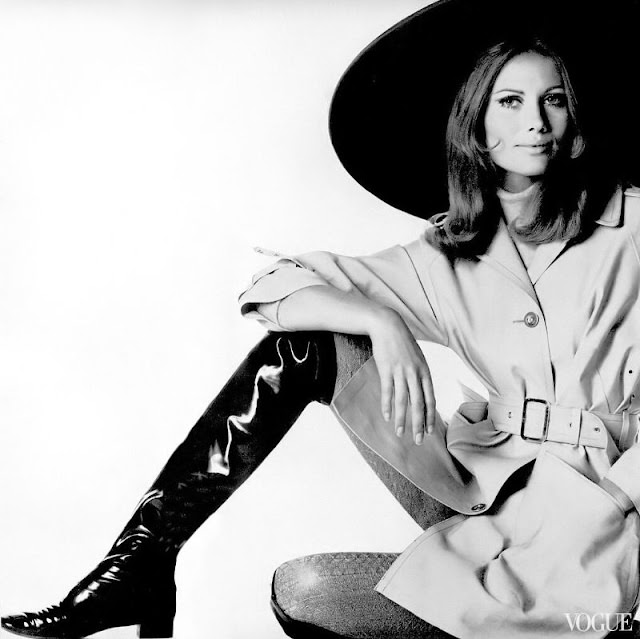
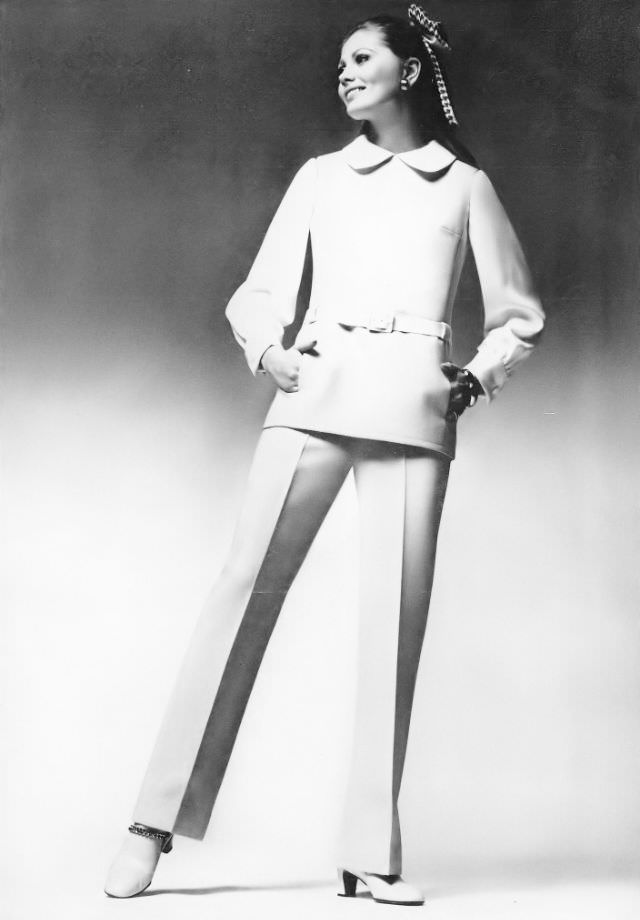
Working with Irving Penn and Norman Parkinson — two of the most influential photographers of the 20th century — placed Adams in rare company. Penn shot her in a Mary Quant mini-trench for Vogue’s August 1967 issue, while Parkinson captured her in a Strega mini-tunic for the July edition. These were not routine assignments. Both photographers were highly selective, and their editorial choices reflected Adams’ growing stature in the industry.
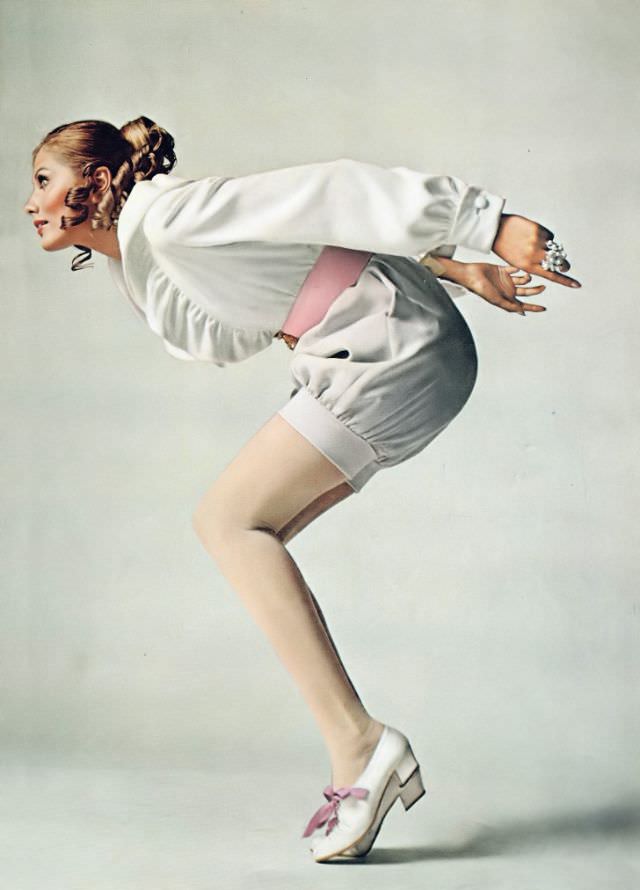
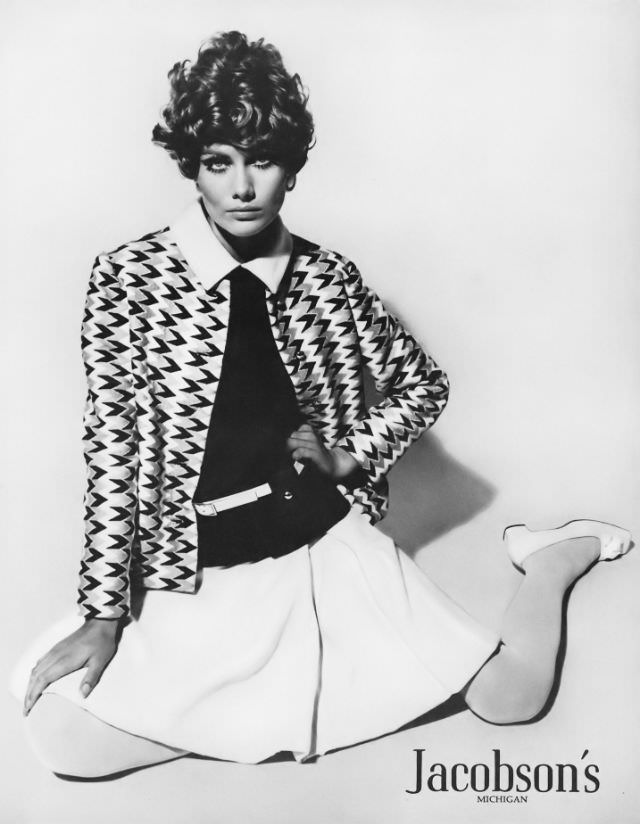
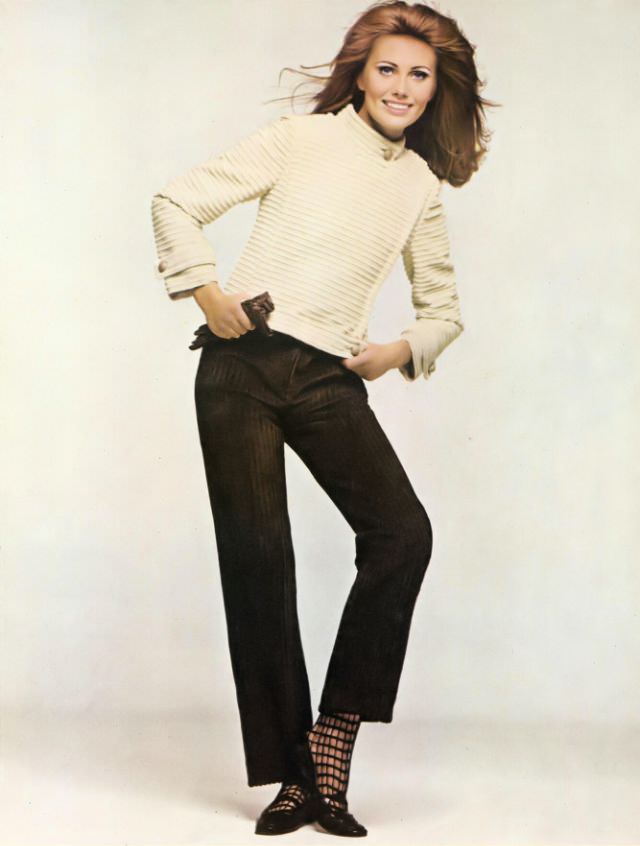
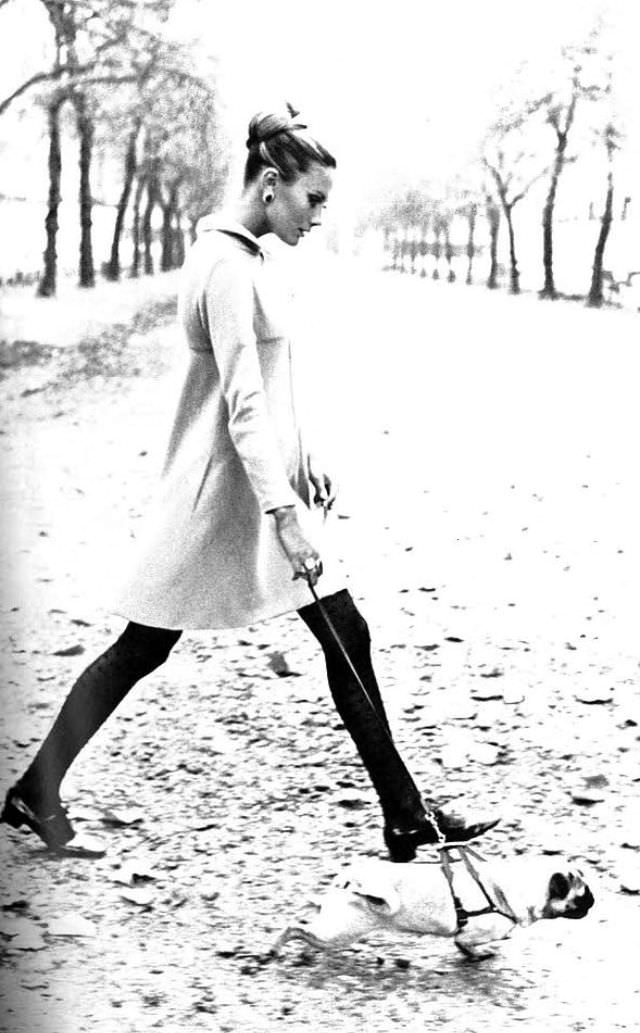
Her reach extended across the Atlantic. Ronald Traeger shot her for Vogue UK in January 1967, positioning Adams as a transatlantic presence well before her film career launched. She wasn’t confined to one market or one aesthetic — she moved between mod Swinging Sixties looks and refined evening wear with equal ease.
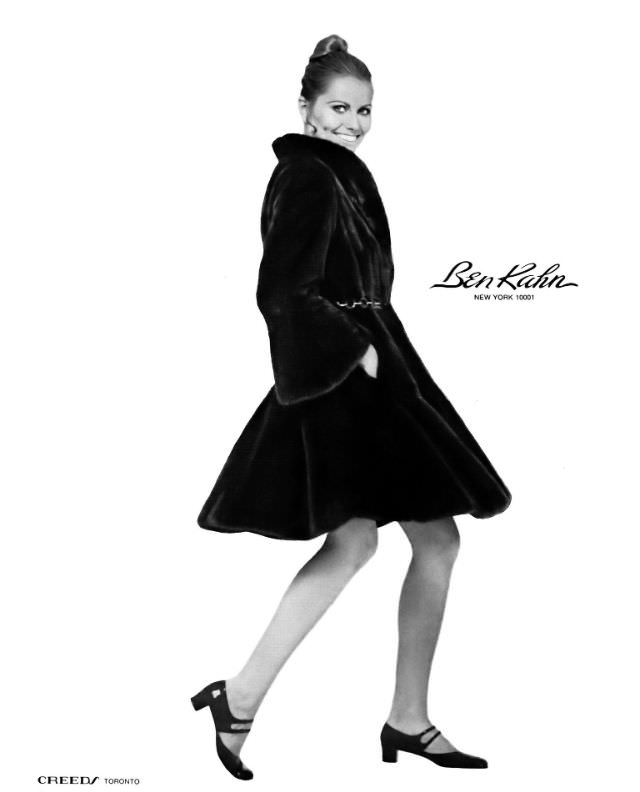
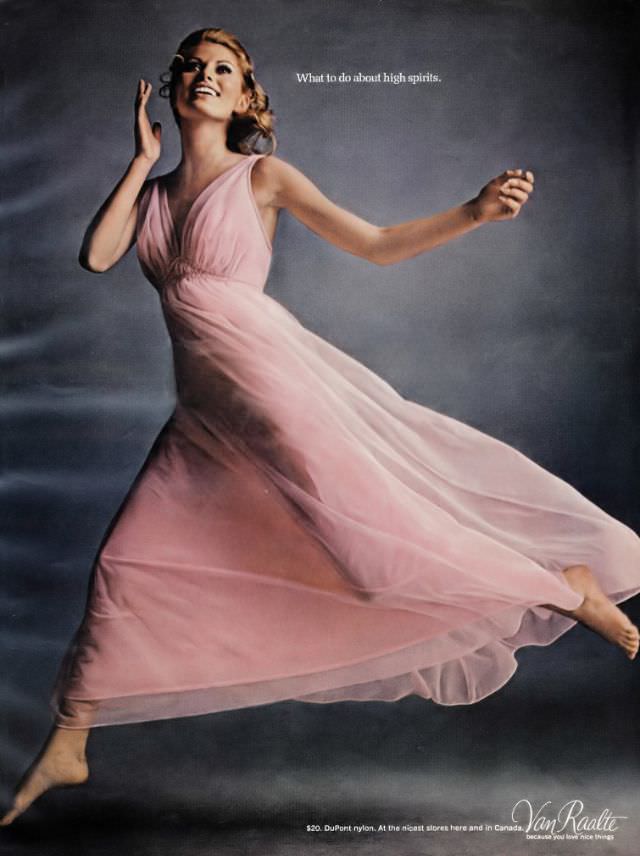
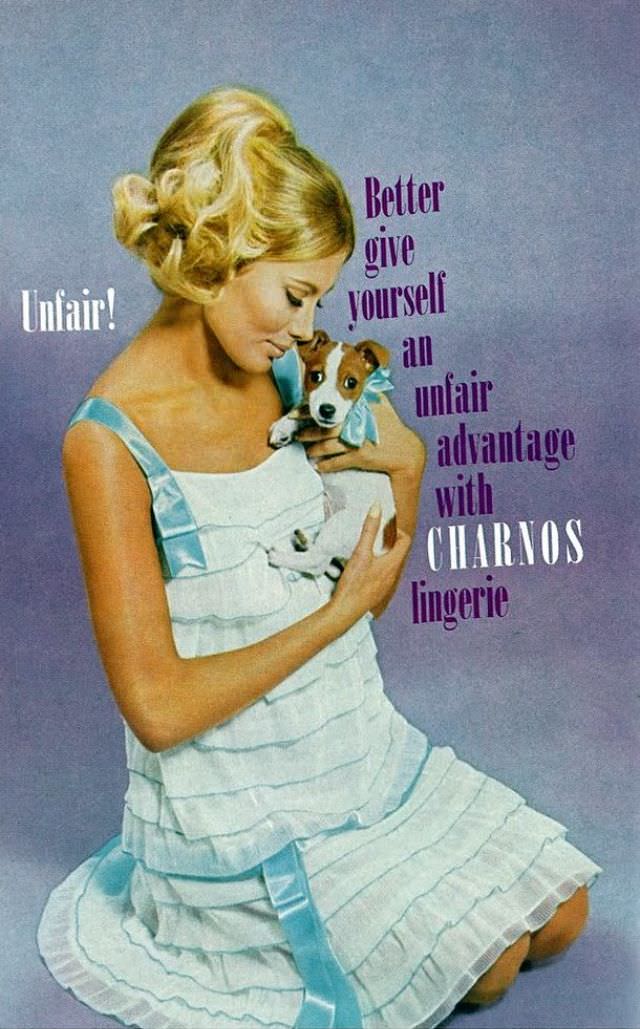
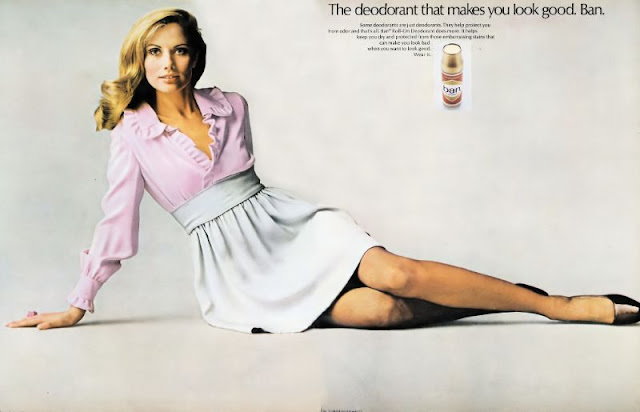
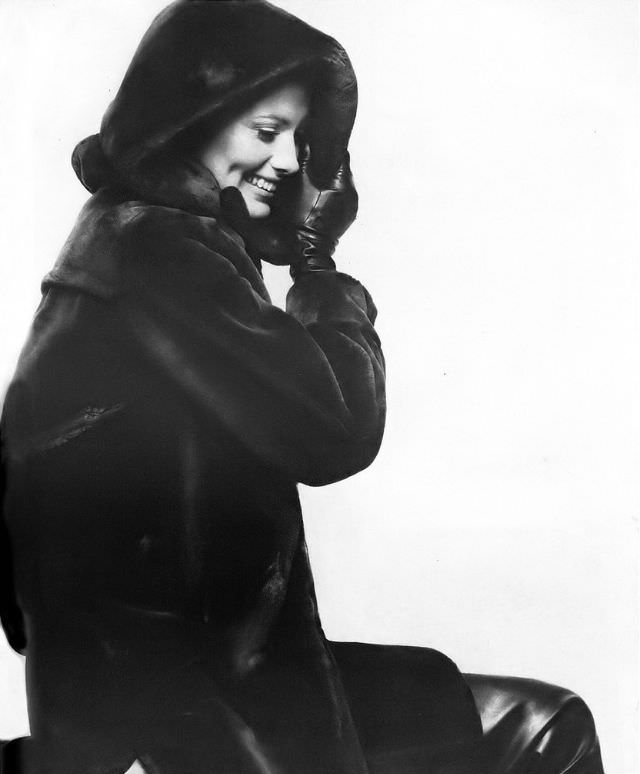
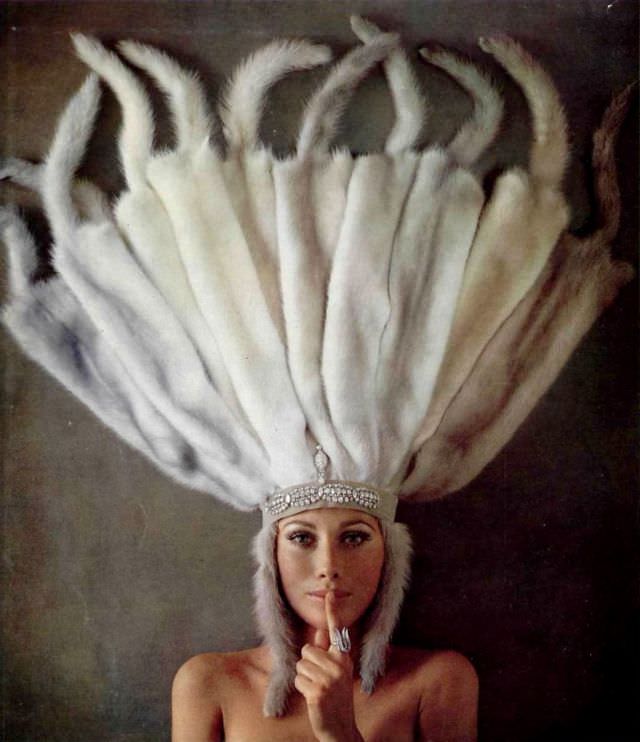
By 1968, luxury brands were actively seeking her out. She appeared in a SAGA Mink coat by Ben Kahn, an EMBA Mink advertisement alongside Harry Winston jewelry, and in a Ban Roll-On deodorant ad — a striking range that showed how broadly she was deployed across the commercial landscape, from high fashion to mass-market advertising.
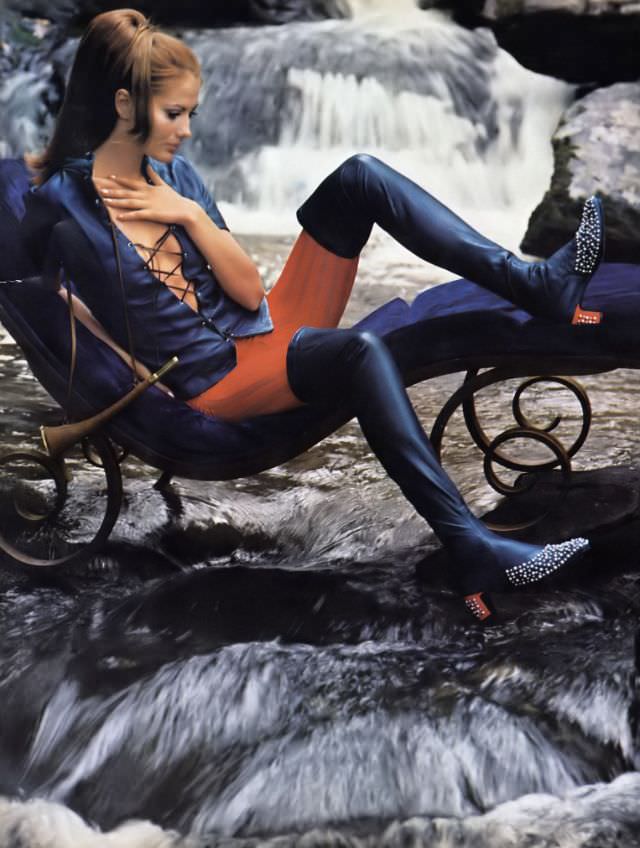
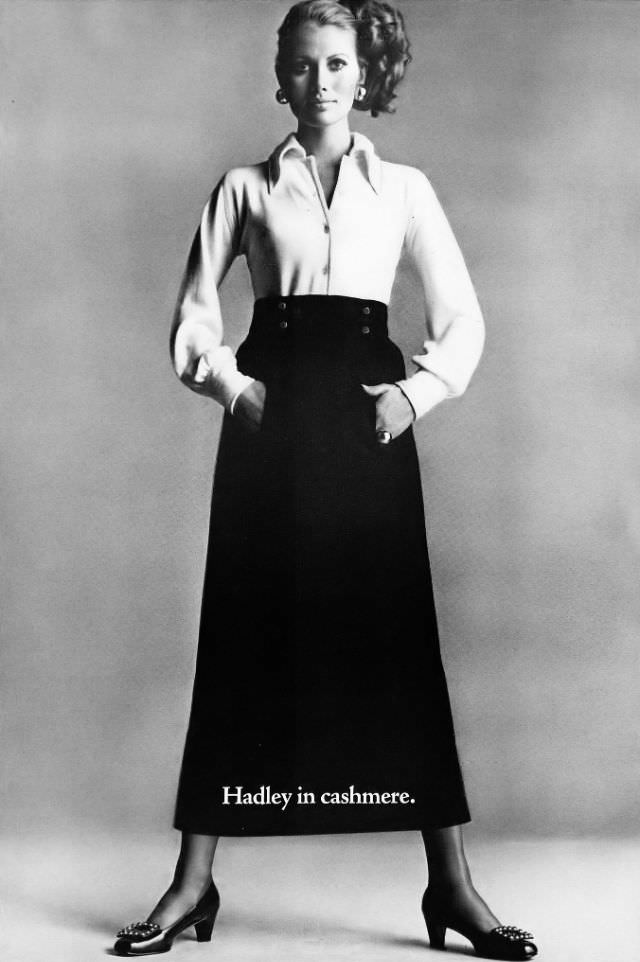
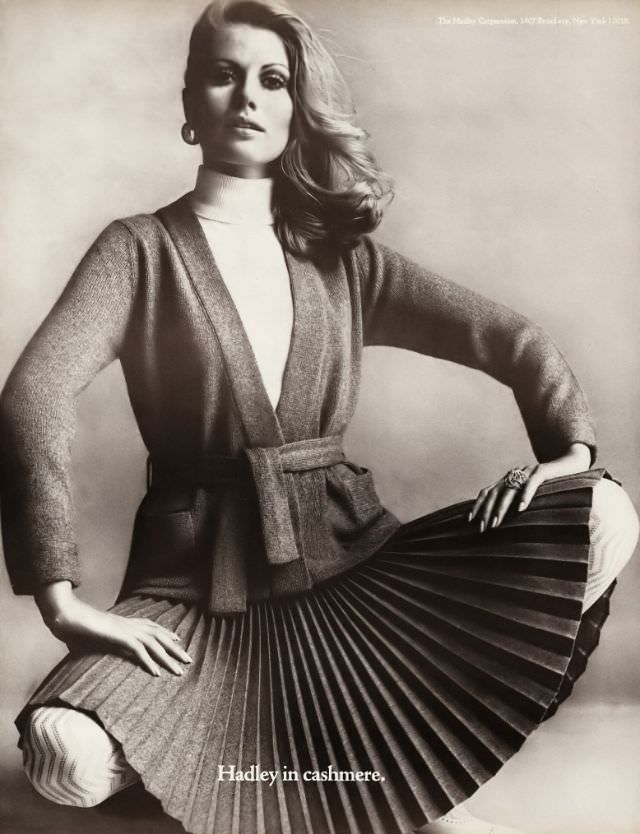
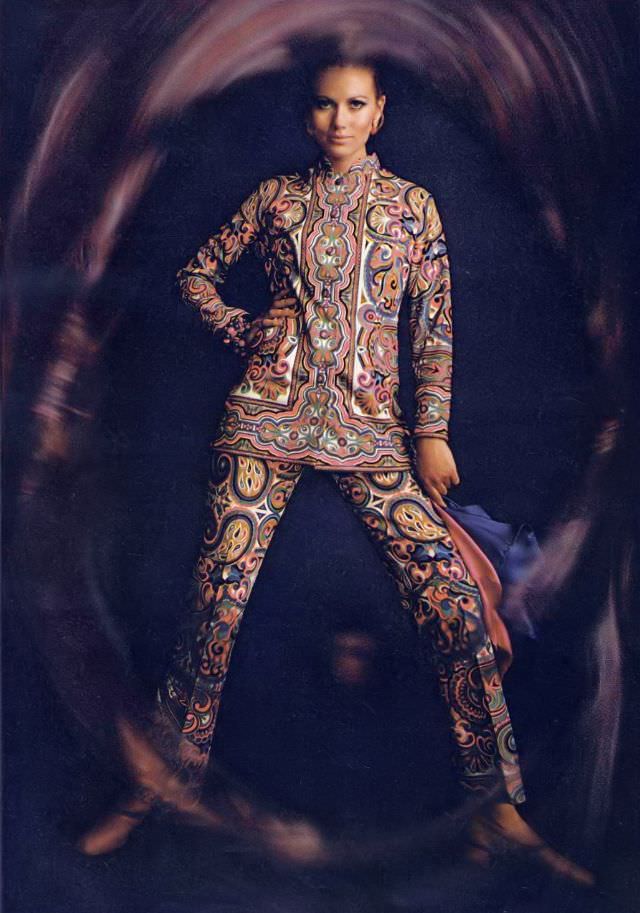
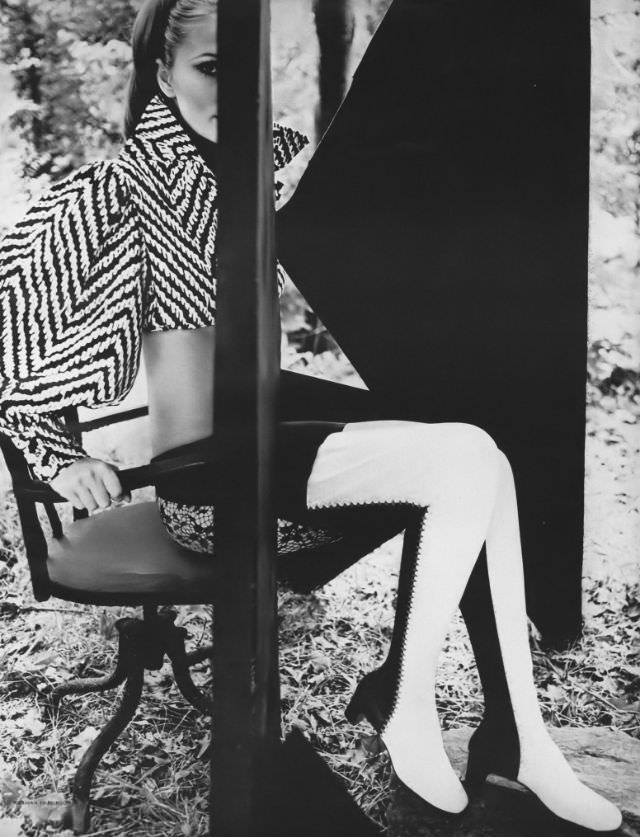
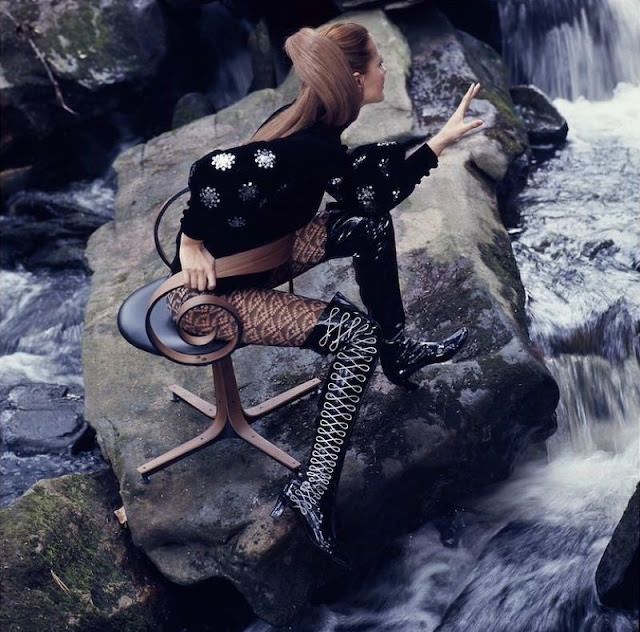
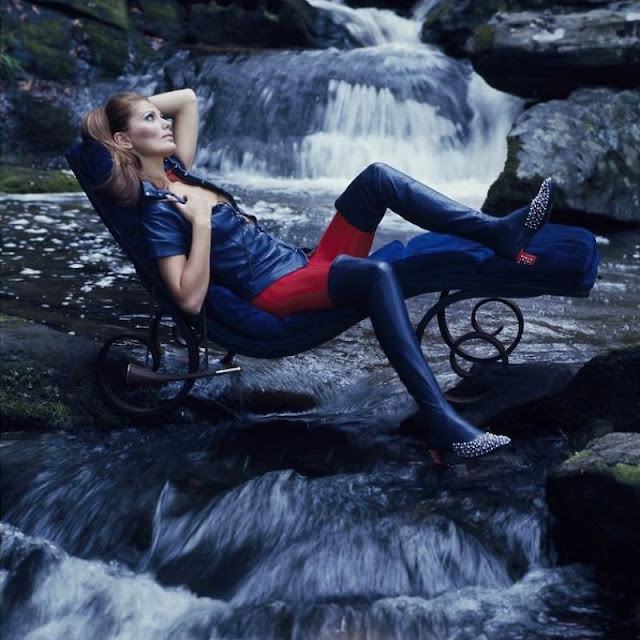
Norman Parkinson photographed her multiple times throughout 1968, including a standout series titled “Legs on a New Footing” — a Vogue editorial focused on the era’s bold footwear trend, featuring shoes and boots by Delman, Evelyn Schless, and Herbert Levine. The series ran across three separate shots, each pairing Adams’ long legs with dramatically styled footwear against dynamic backdrops.
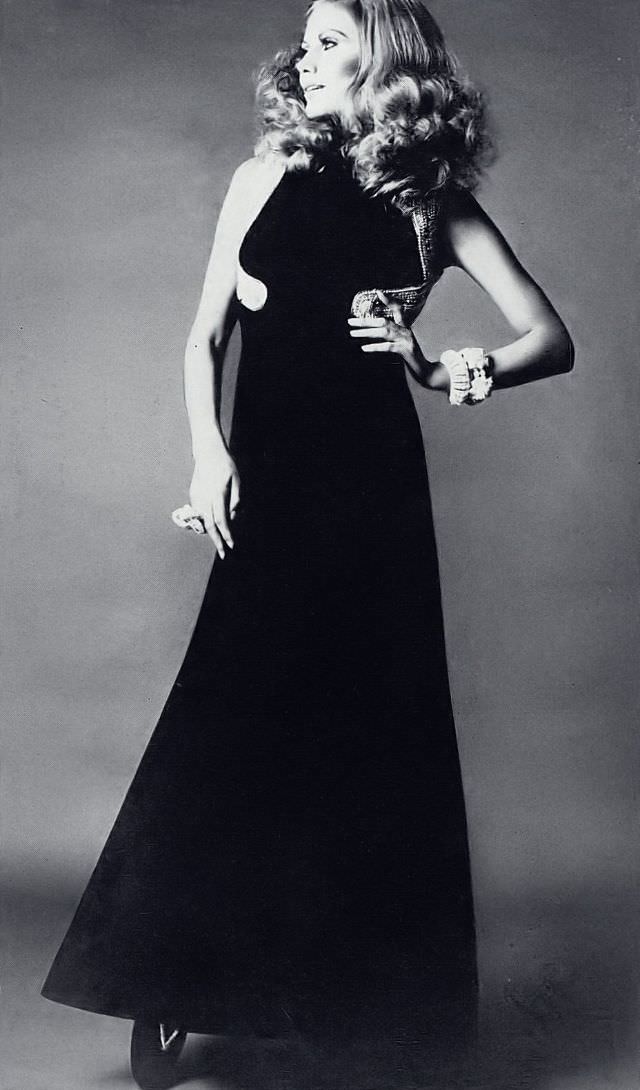
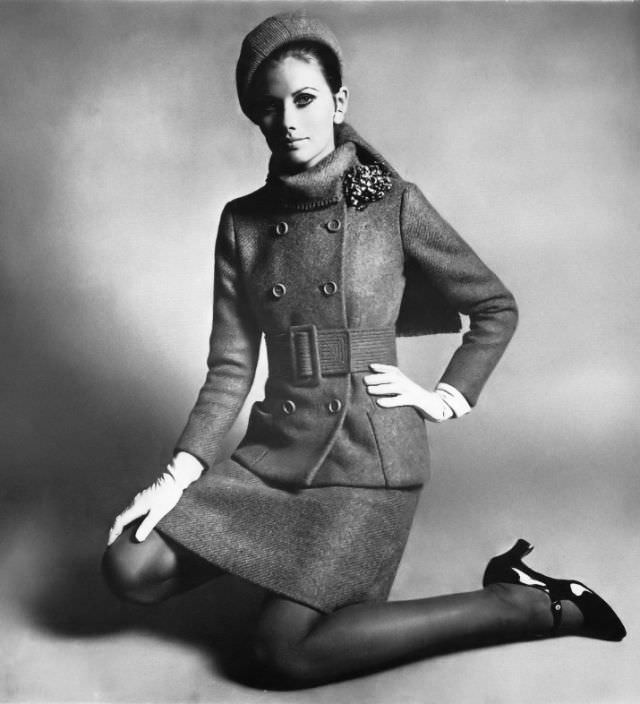
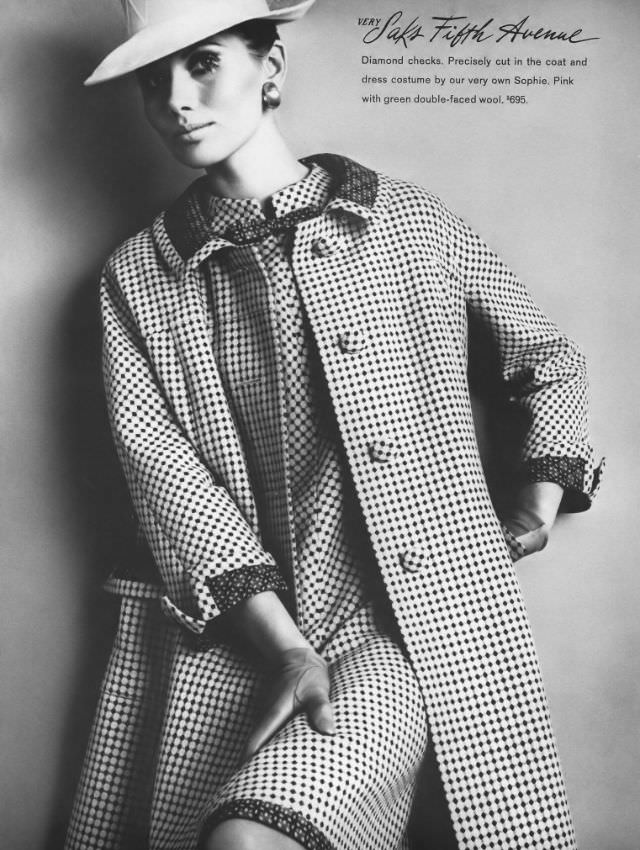
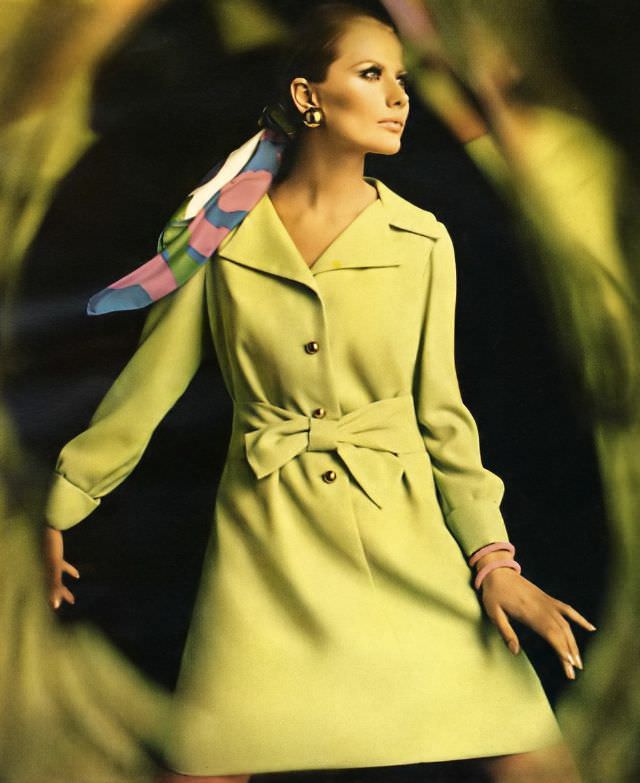
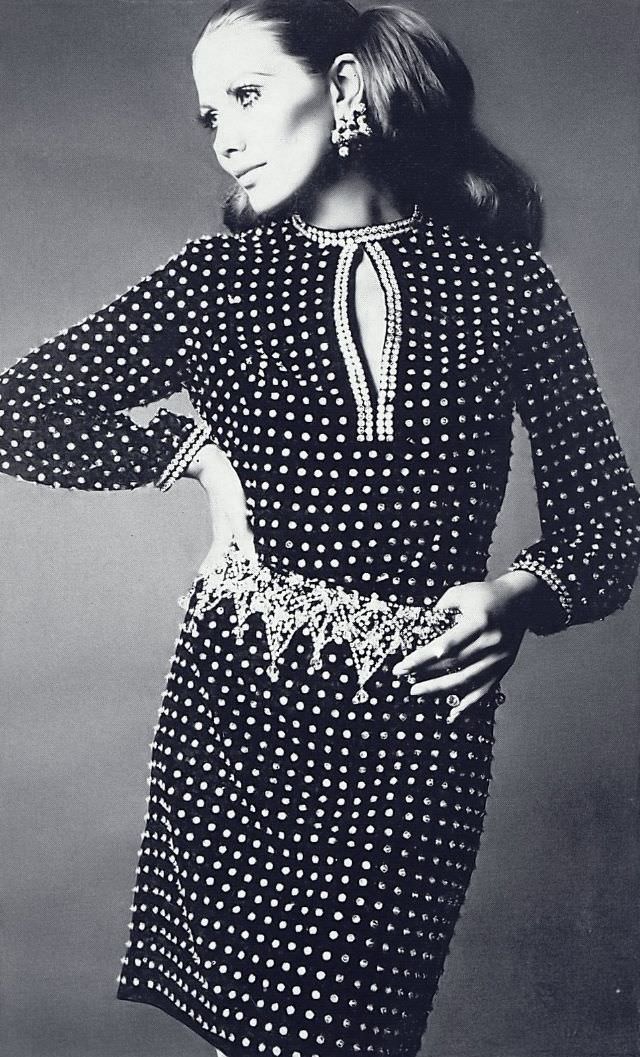
Chris von Wangenheim, known for his bold and often provocative style, shot Adams for Harper’s Bazaar in October 1968. The resulting images — a black velvet gown by Travilla adorned with scimitars of pearls and rhinestones, and a diamanté-encrusted black crêpe shirtdress by Lisa Meril — were among the most dramatic editorial looks of her modeling run.
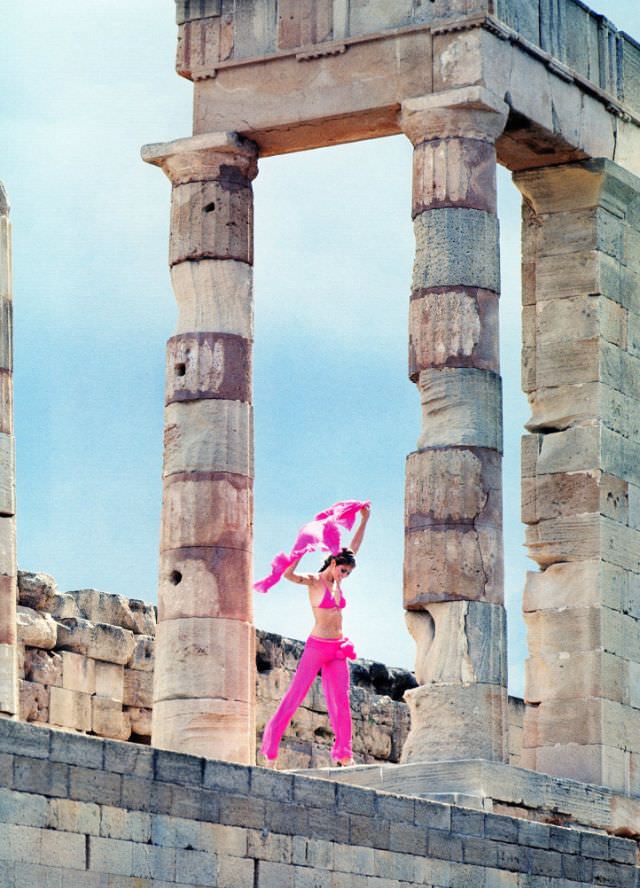
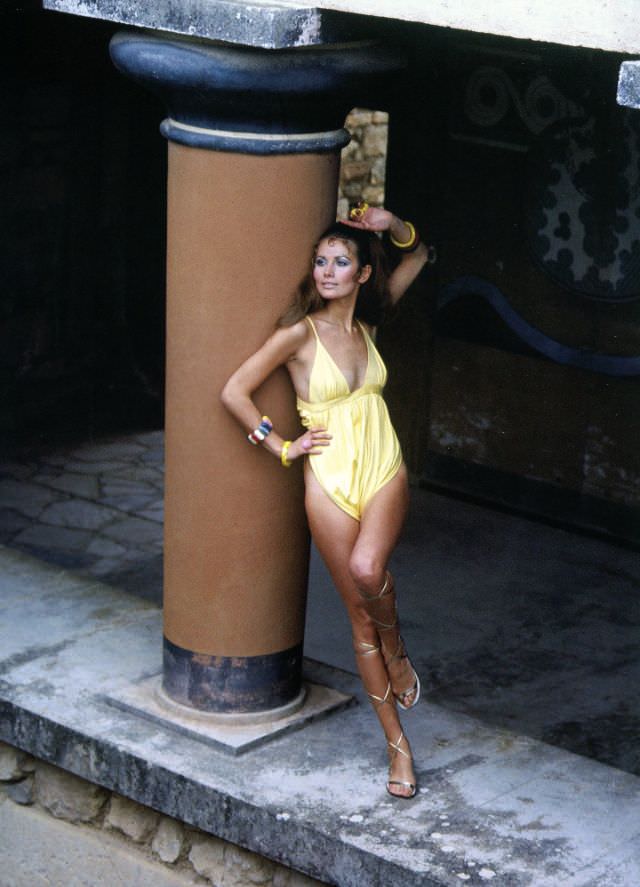
As her modeling career continued into 1969, Adams was photographed by Gianni Penati and Ormond Gigli, the latter capturing her in Greece for Time magazine. She married photographer Roy Adams in 1966 — taking the surname she would use throughout her career — though the marriage ended in 1975. In 1999, she began a relationship with Charles Rubin, a retired judge and private mediator.
Her acting career began with “The Christian Licorice Store” in 1971 and accelerated quickly. In 1974, she appeared opposite Roger Moore in the James Bond film “The Man with the Golden Gun,” playing Andrea Anders. Then in 1983, she returned to the franchise as the title character in “Octopussy” — the only actress to play two entirely different Bond girls in the series. She also appeared in “Rollerball” (1975), “Killer Force” (1976), and “The Kill Reflex” (1989). Outside of acting, she served as president of Scandinavian Biocosmetics, running a beauty business that demonstrated her range far beyond the screen.