
Martin Munkácsi was born in Hungary in 1896 and grew up to become one of the most original photographers of the twentieth century. He worked across Budapest, Berlin, and eventually New York, pointing his camera at athletes, celebrities, street vendors, sunbathers, and politicians alike. What made him stand out was not just his subject matter, but the way he worked — close to the action, full of energy, always looking for the unexpected angle or the fraction-of-a-second moment that told the whole story.
His early career was built on reportage. German photo weeklies published his work throughout the late 1920s and early 1930s, and readers across Europe came to recognize his style. He traveled widely — to Turkey, Sicily, Spain, the Netherlands, Brazil — bringing back photographs that felt alive in a way that studio work simply could not. His images of everyday people in motion gave the photos a spontaneous quality that was rare for the era.
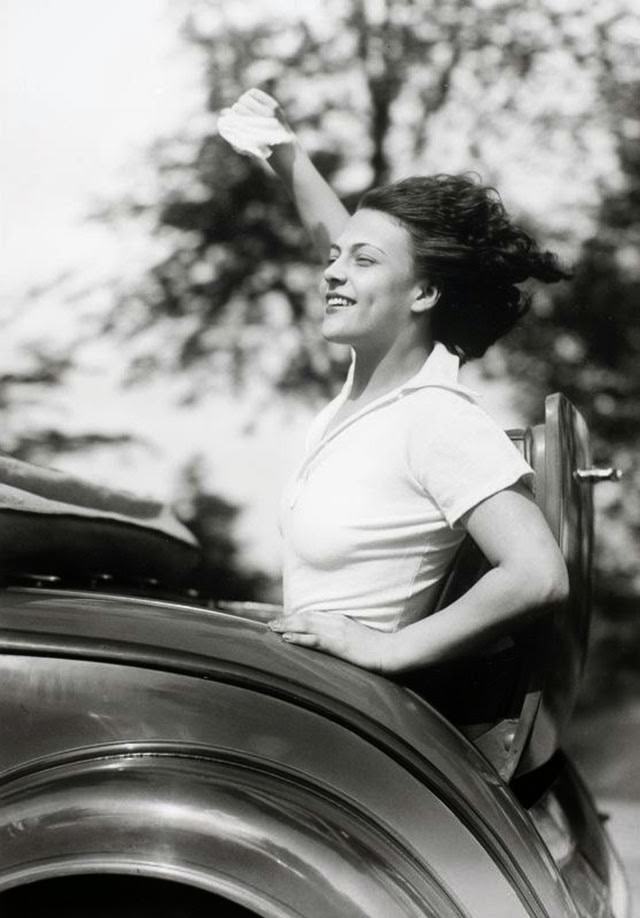
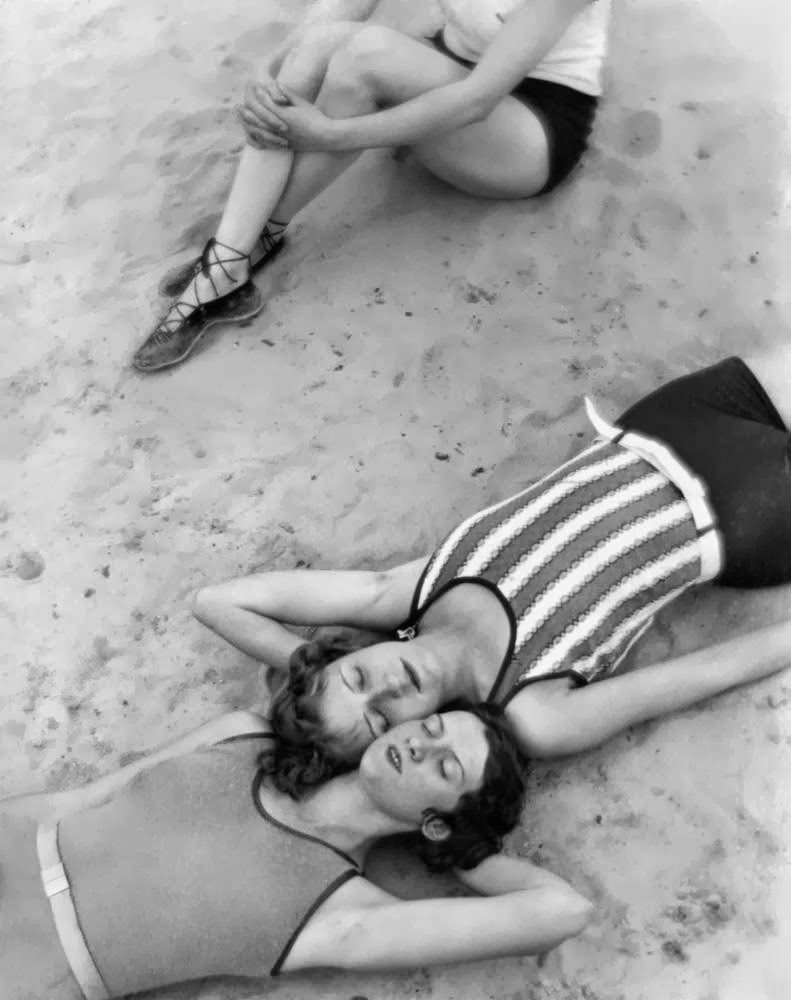
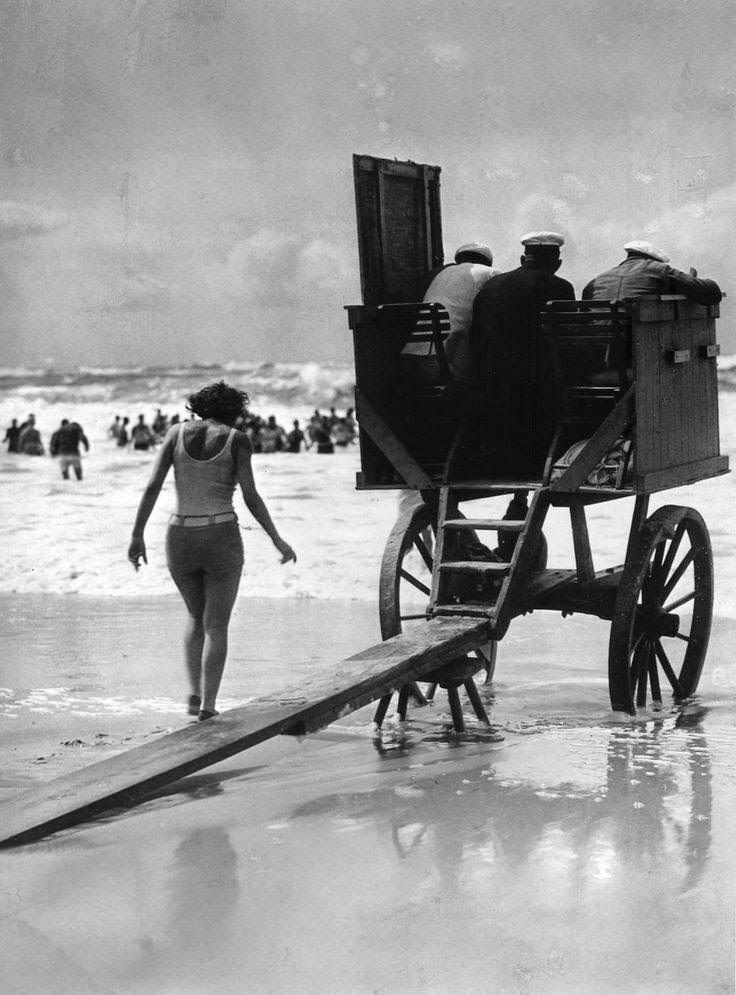
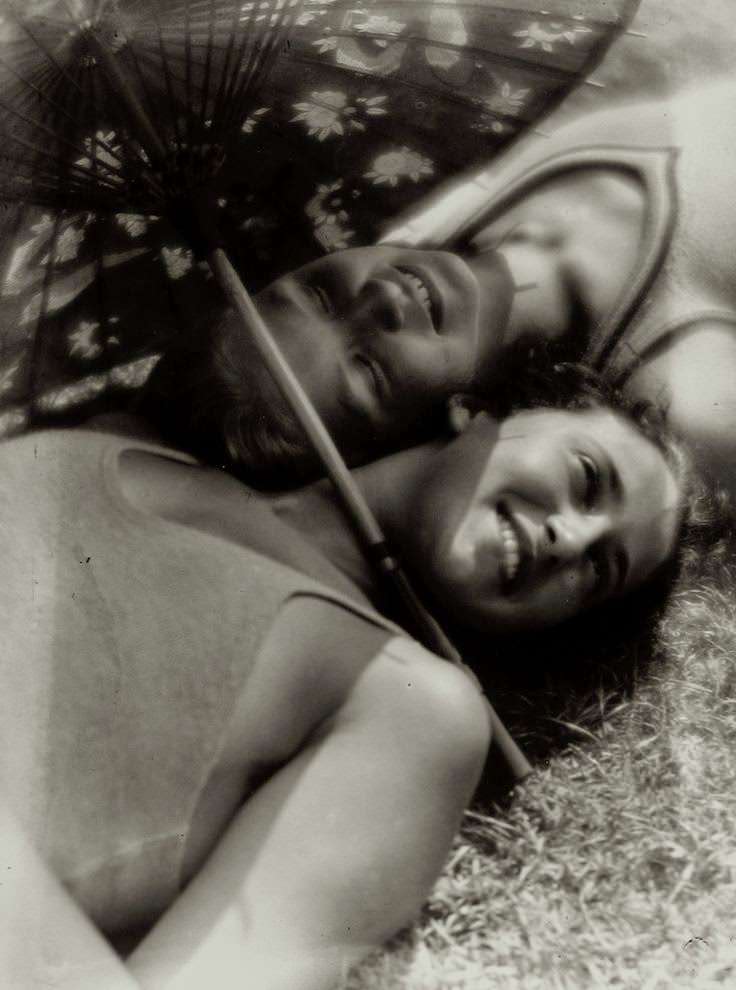
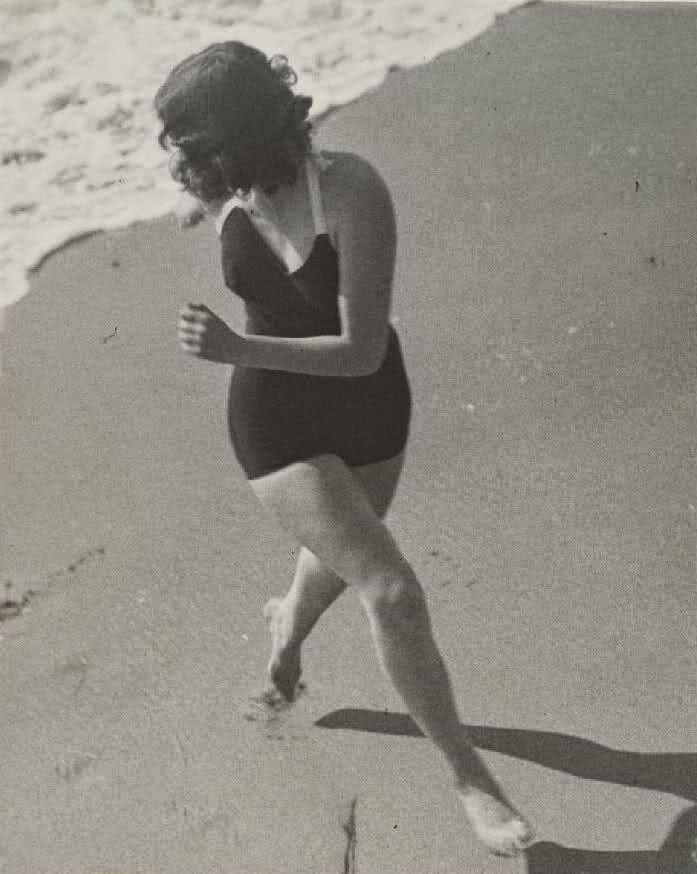
Munkácsi had an eye for the candid moment — the kind of shot that looked effortless but required precise instinct and timing. His beach scenes from around 1929 and 1930 are a perfect example. Rather than posing his subjects stiffly, he let them play, rest, and move naturally. The result was photographs that felt like genuine slices of life rather than constructed scenes.
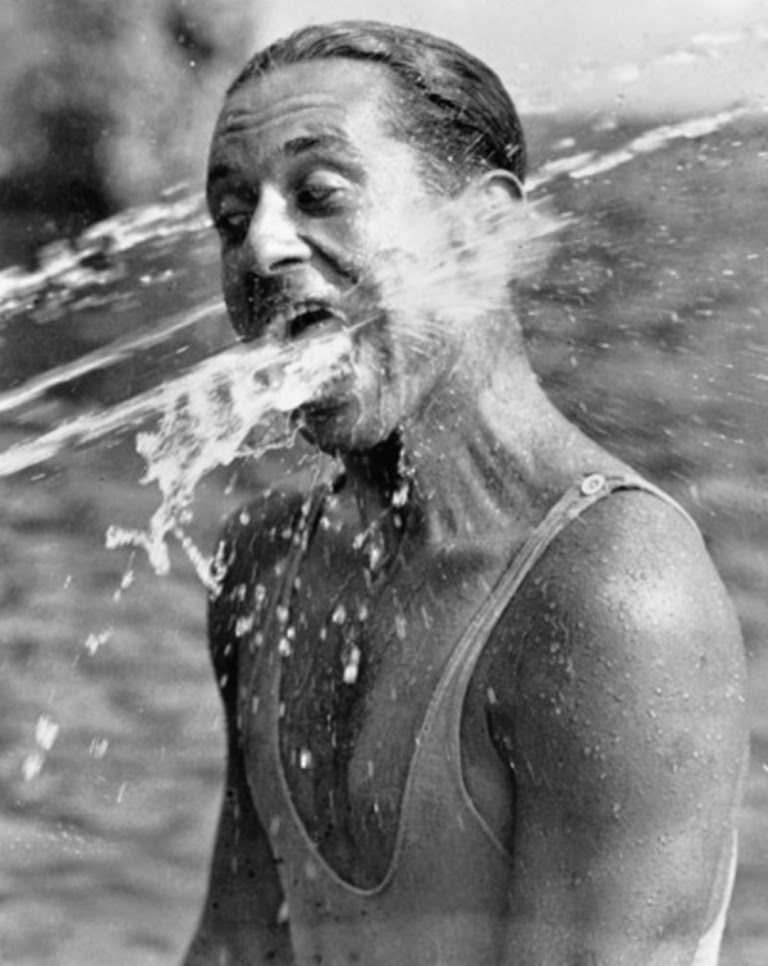
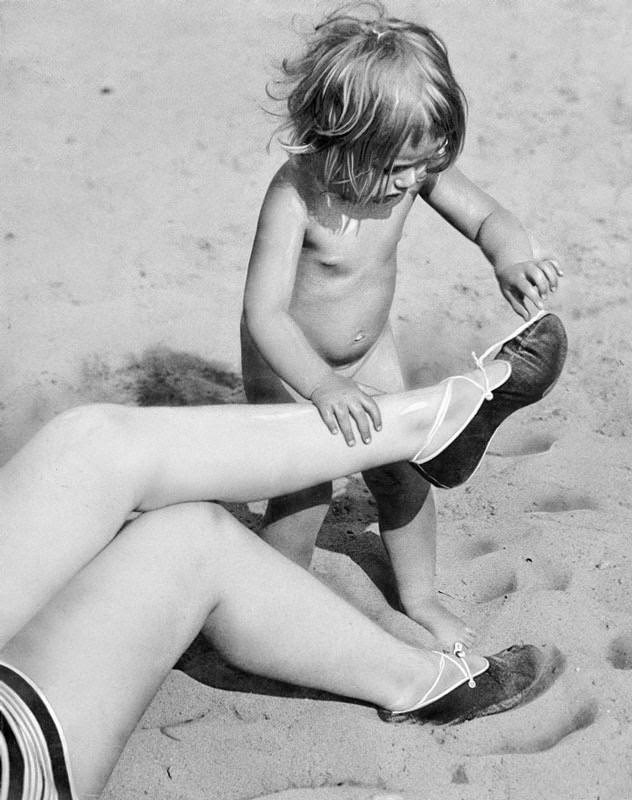
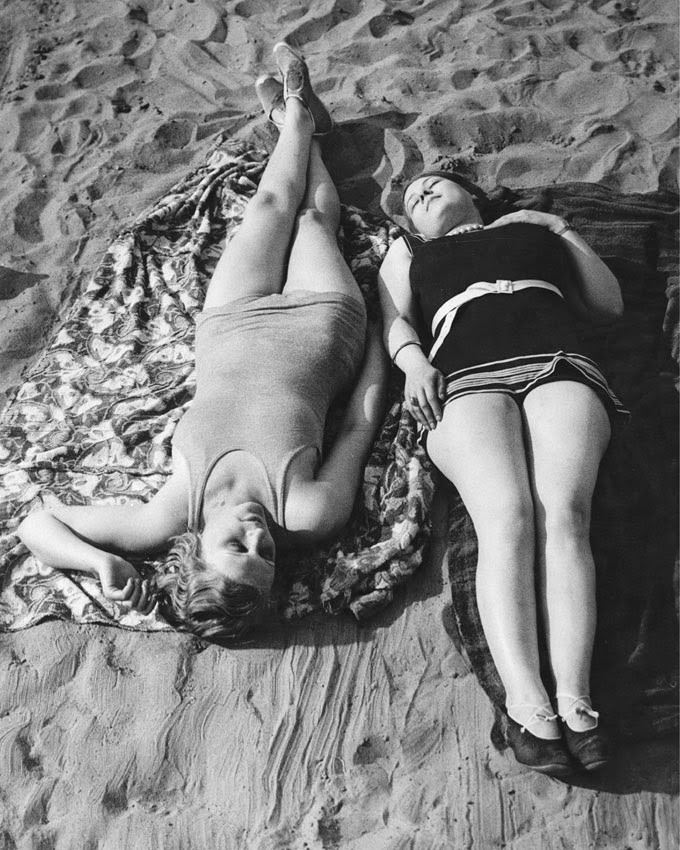
The beach was a recurring setting for Munkácsi during this period. Germany’s public bathing culture was thriving in the late 1920s, and Munkácsi photographed it with the same journalistic intensity he brought to sporting events. These images captured leisure as something dynamic, not passive.
Munkácsi also moved comfortably in celebrity circles. He photographed some of the biggest names in entertainment during the 1930s, from Hollywood stars to European screen icons. These portraits combined his instinct for natural movement with the glamour that magazine audiences expected. He never made his subjects look stiff or performative — even Greta Garbo, photographed on vacation, looks relaxed and unselfconscious.
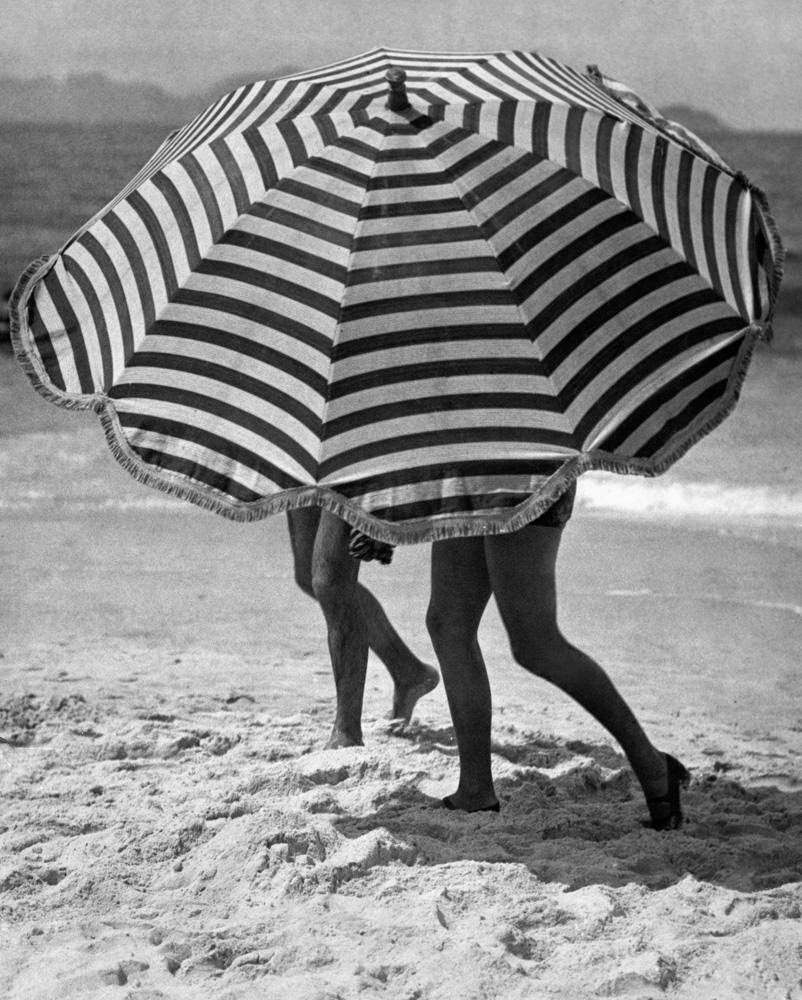
In 1933, Munkácsi took a decisive step that changed fashion photography permanently. He photographed models running and jumping on a beach, capturing them mid-motion with wind in their clothes and sand at their feet. These images had an energy and informality that had never appeared in fashion work before. Carmel Snow, the editor of Harper’s Bazaar, saw the pictures and immediately offered him a contract. He left for New York and began a new chapter of his career, producing editorial photographs for one of America’s most prestigious fashion magazines.
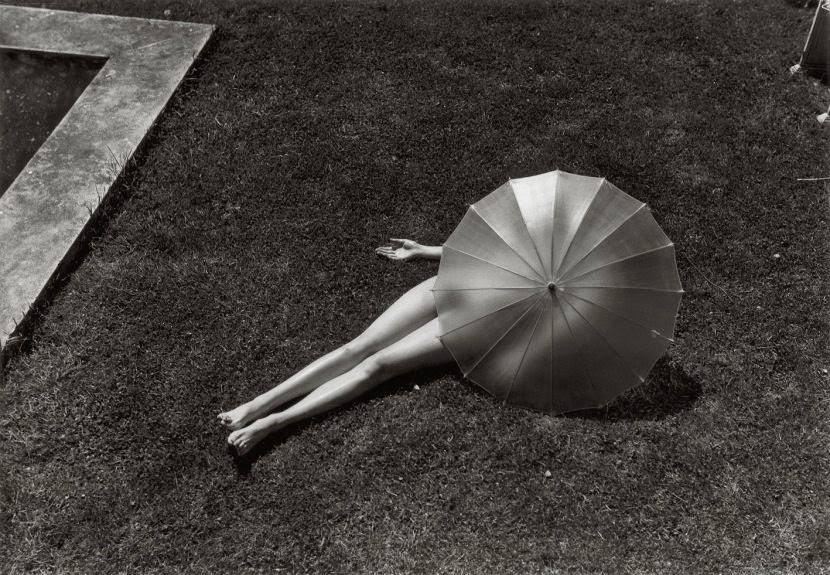
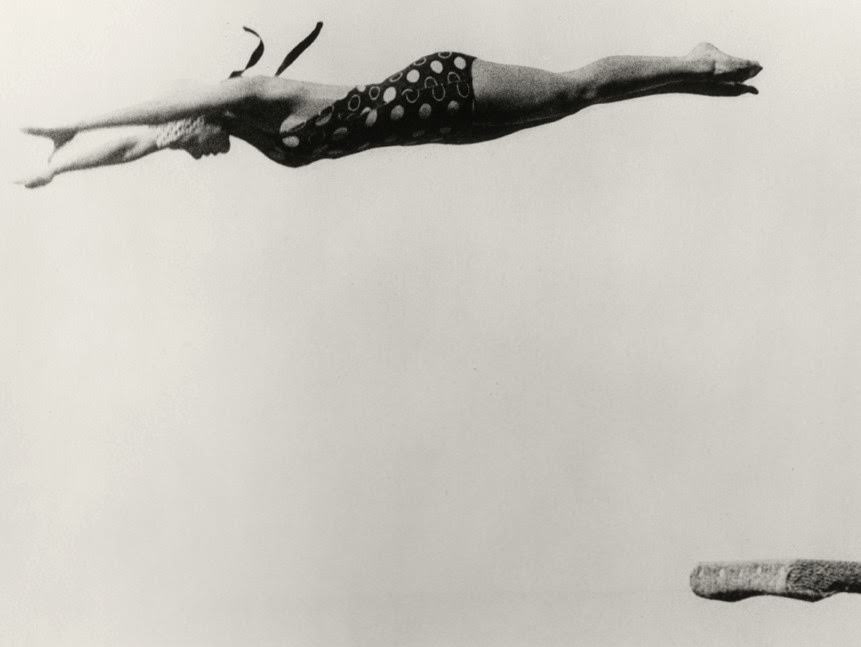
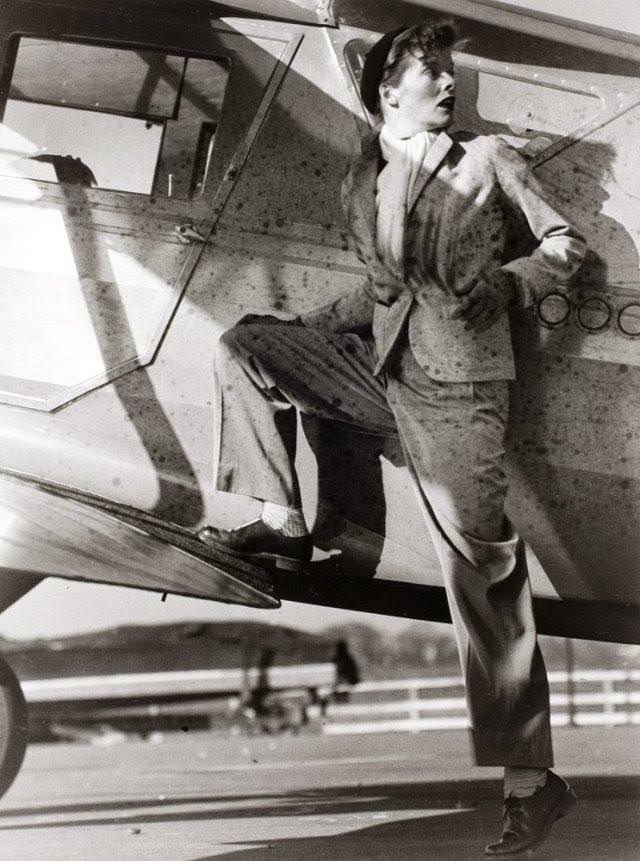
His Harper’s Bazaar work pushed the boundaries of what fashion photography looked like. Models were shown in motion, outdoors, in natural light — a sharp break from the controlled studio shoots that dominated the industry. His 1935 work for the magazine shows both the elegance and the athleticism he brought to the genre simultaneously.
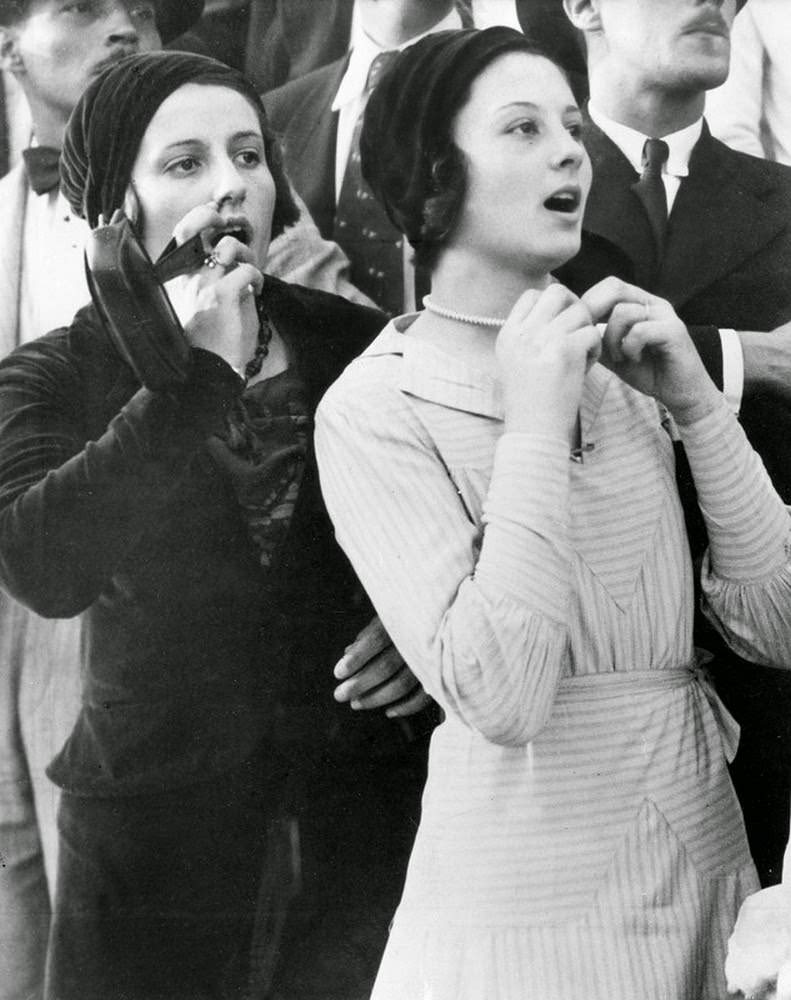
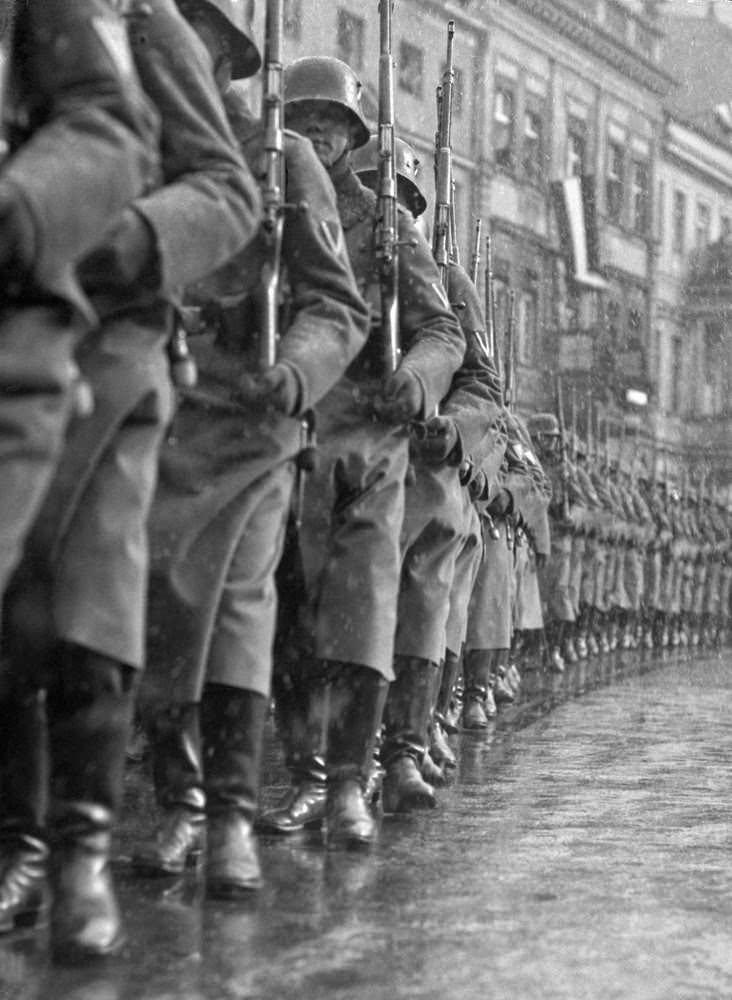
Beyond fashion and celebrity, Munkácsi was a gifted political photographer. In March 1933, he was present at the opening of the German Parliament on what became known as Potsdam Day — a highly staged event orchestrated by the new Nazi government to project military strength and national unity. His photograph of the German Army marching out that day is a document of a pivotal and ominous moment in European history.
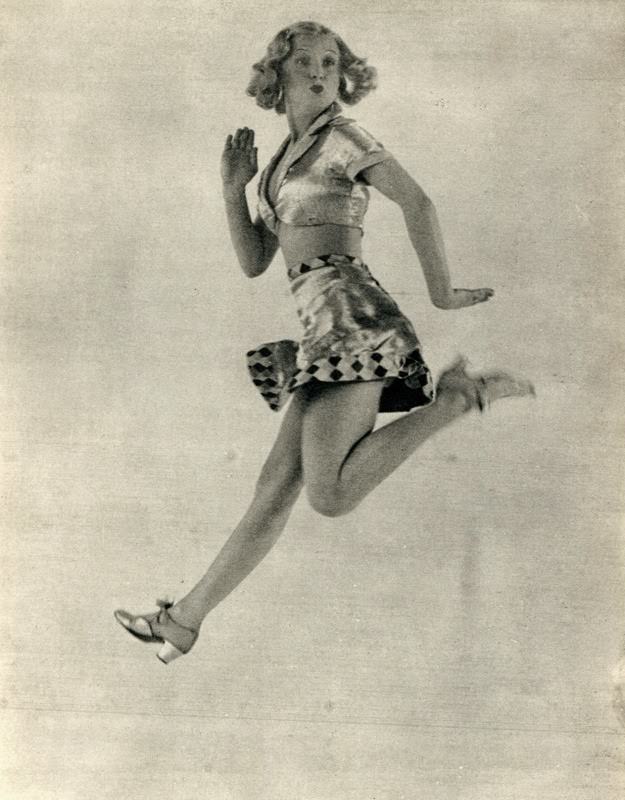
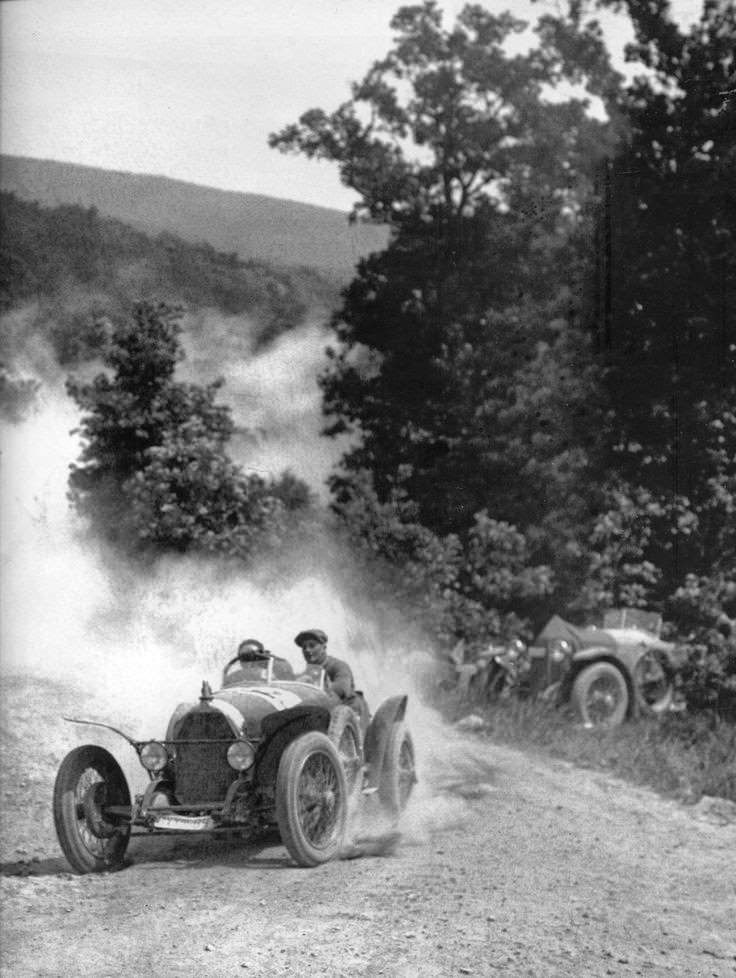
Munkácsi’s sports photography was equally sharp. He shot goalkeepers at full stretch, racing drivers at speed, and motorcyclists leaning hard into corners. These were not the posed trophy shots typical of sports coverage at the time. He positioned himself where the action was most intense, often very close to fast-moving subjects, and his camera caught what the human eye could barely register.
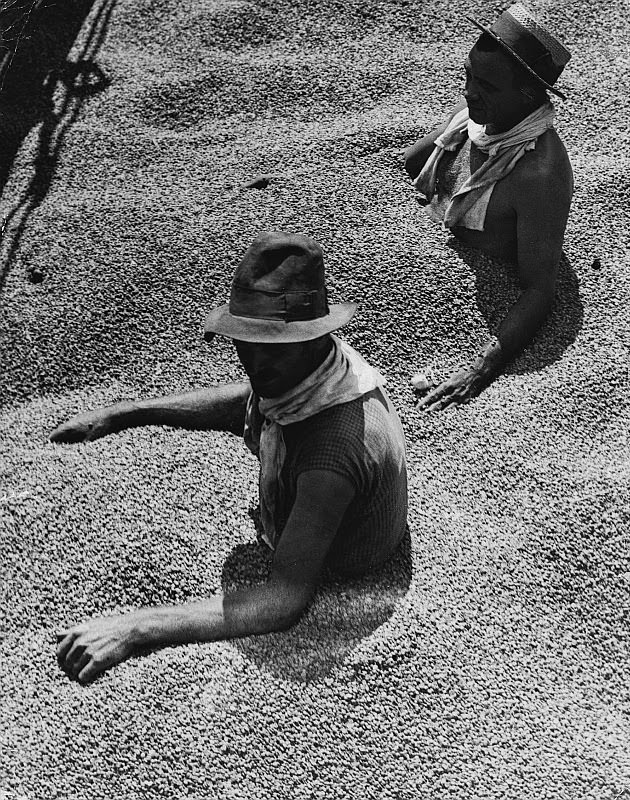
His travels to Brazil in 1932 produced remarkable documentary images. The photograph captioned “Choked with coffee” from that trip is a striking example of his reportage instinct — finding a single image that communicated an entire economic or social reality without needing words. These overseas assignments were a key part of his appeal to European magazine readers hungry for images from the wider world.
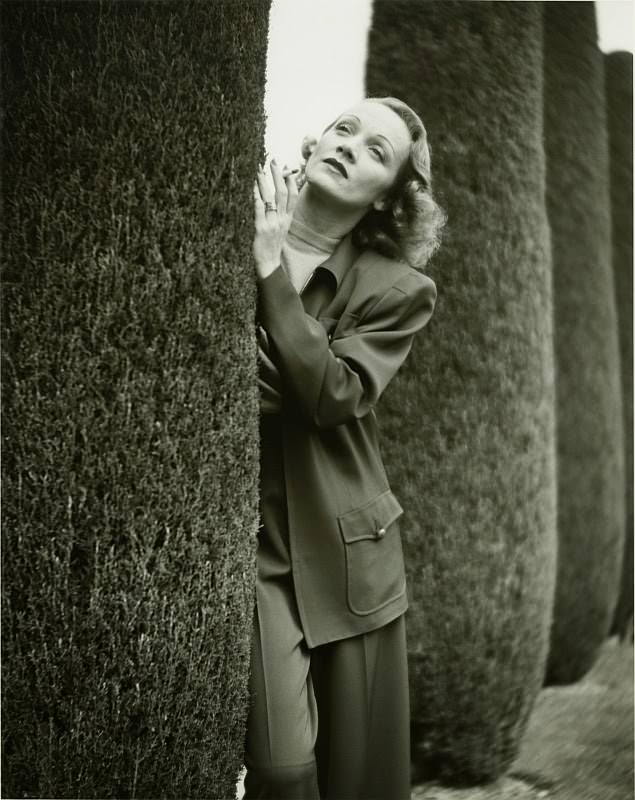
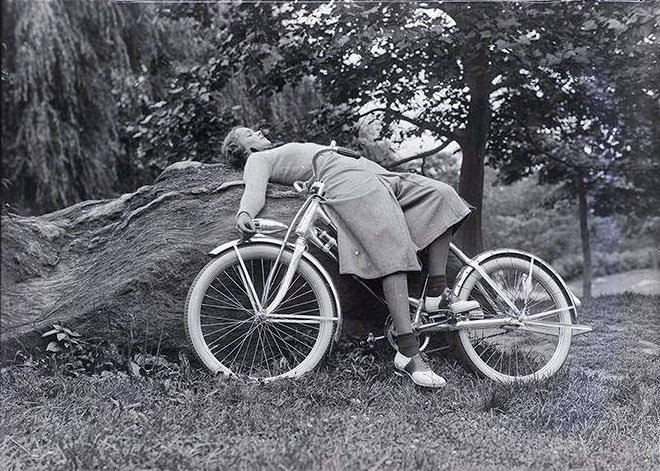
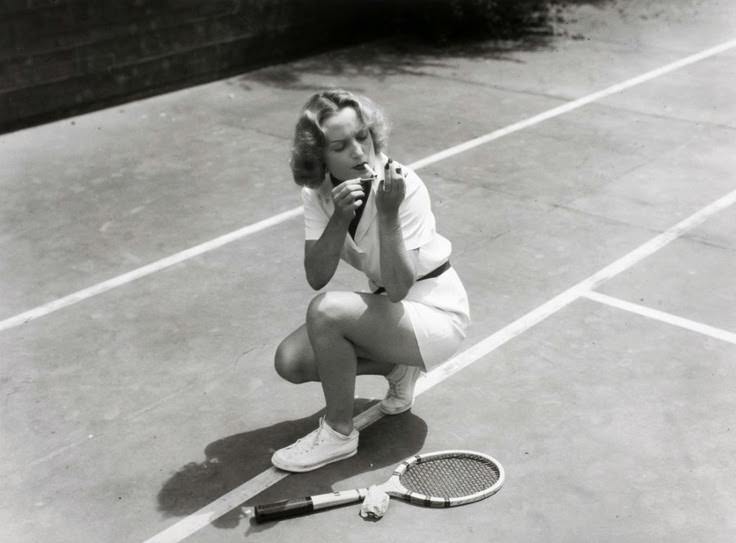
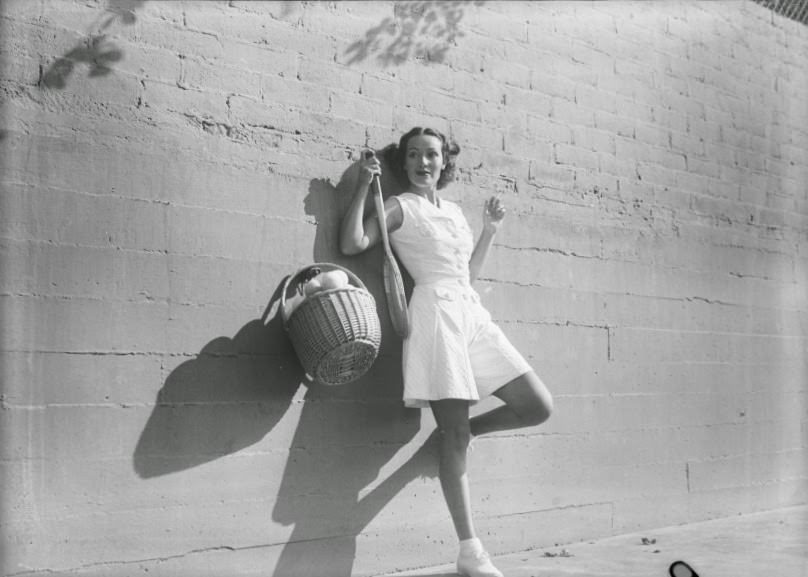
His Hollywood portraits from the late 1930s show the range of his celebrity work. Carole Lombard, Dolores Del Rio, Marlene Dietrich, Katharine Hepburn, Olivia de Havilland — Munkácsi photographed them all. Each portrait carries his signature quality: real personality rather than manufactured glamour. He photographed Leni Riefenstahl in 1931, years before she became notorious for her work as a filmmaker for the Nazi regime.
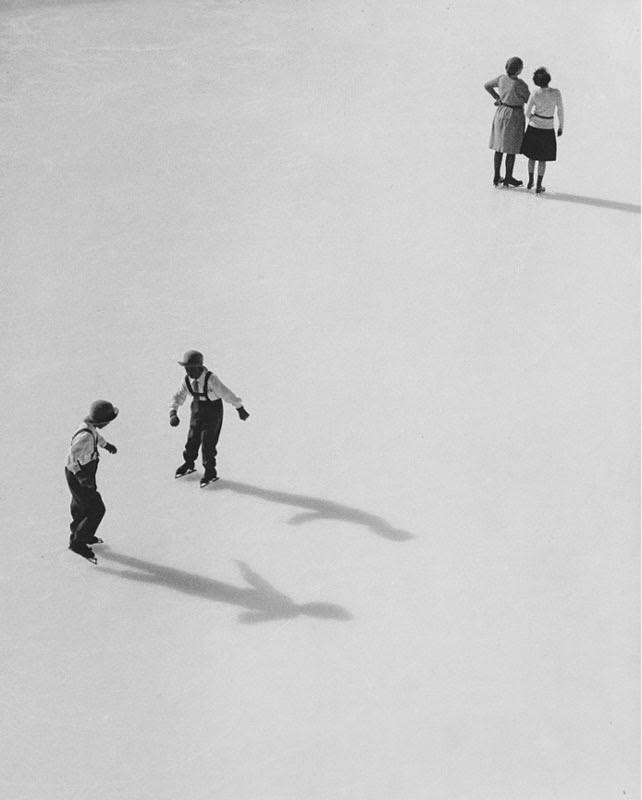
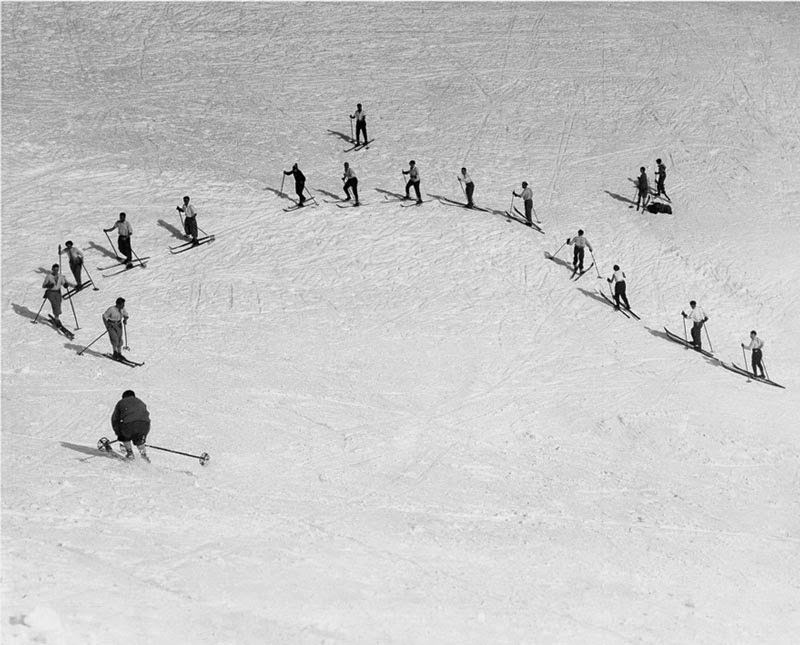
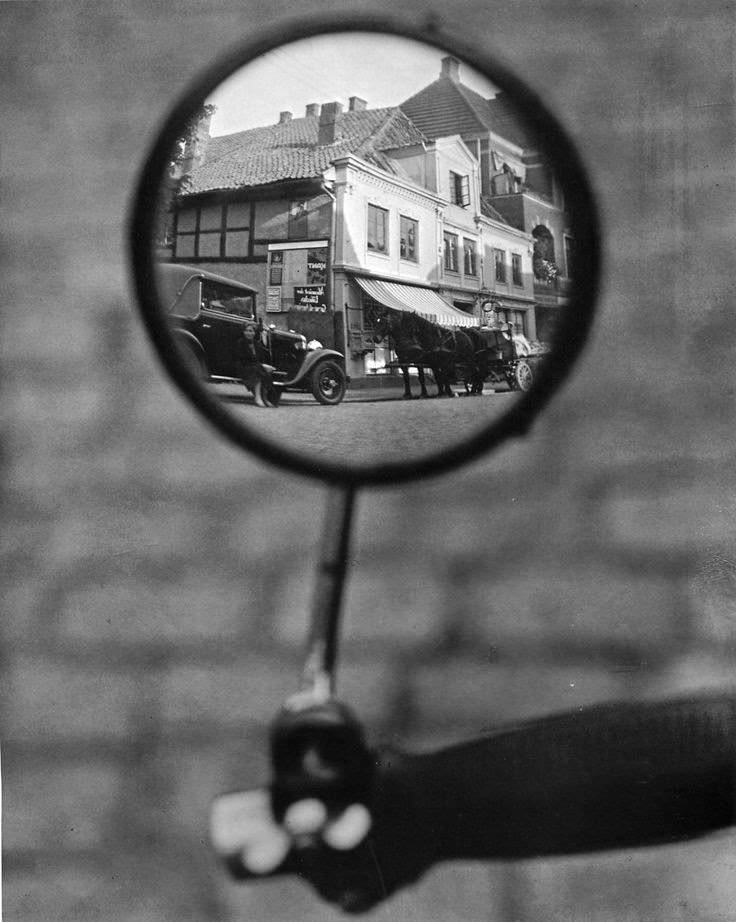
Munkácsi had a particular fascination with vehicles and speed. His early photographs from Budapest in 1923 already show motorcyclists as subjects, and he returned to that theme repeatedly. By 1929 he was shooting racing drivers during the Hungarian Tourist Trophy, framing them so the speed was almost tangible. His 1929 photograph of a reflection captured in a motorcycle mirror in Berlin shows a more experimental side — using the machine itself as a visual device.
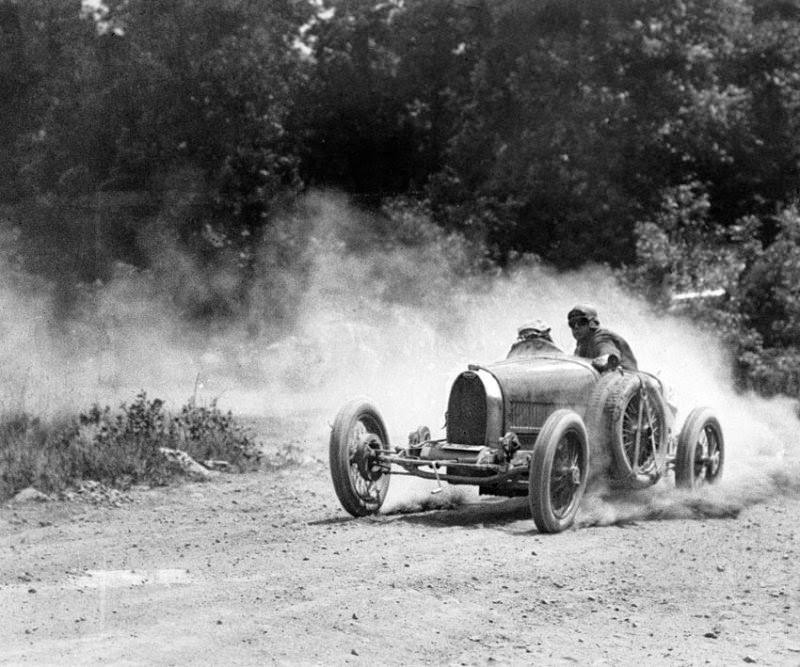
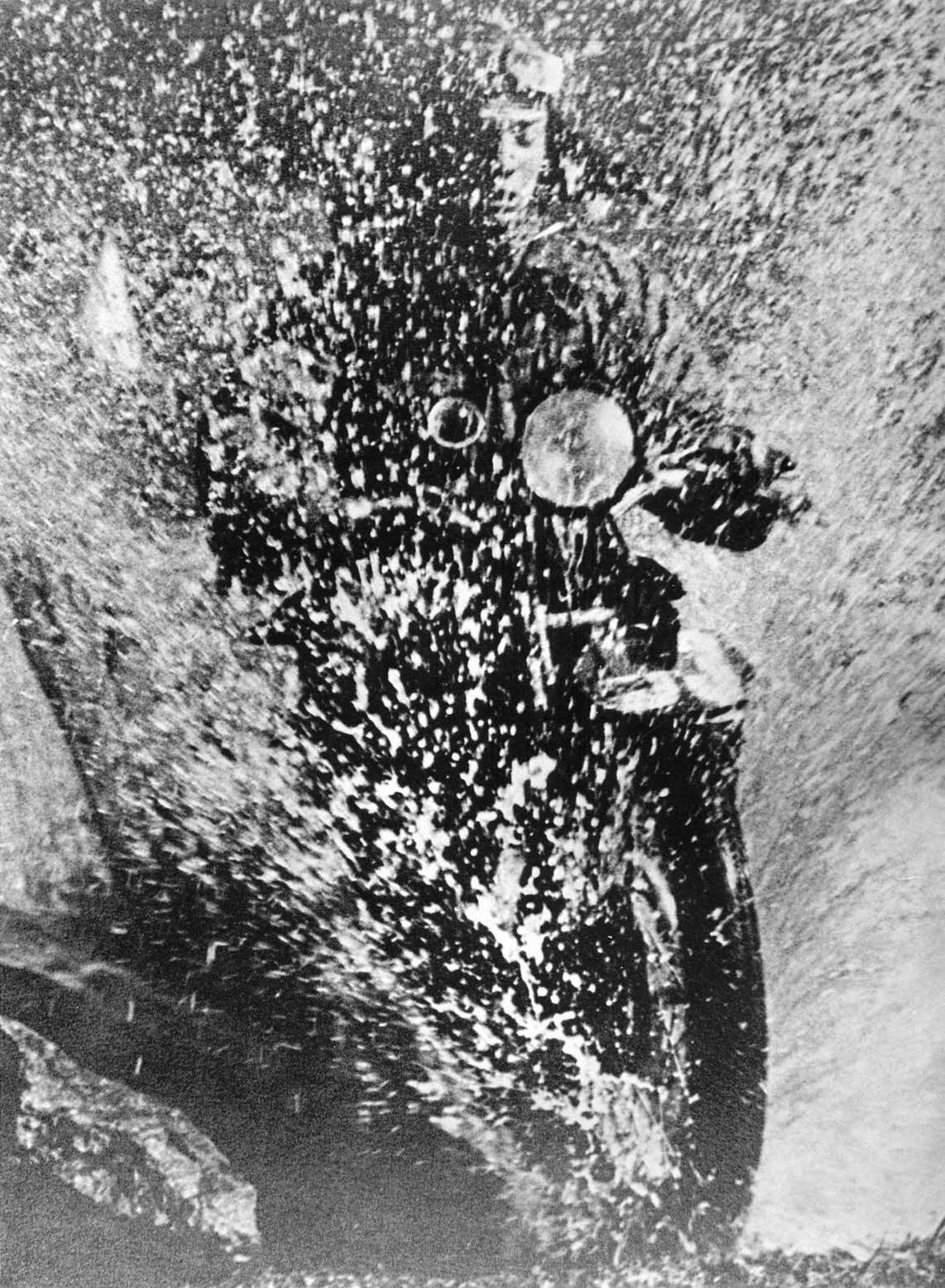
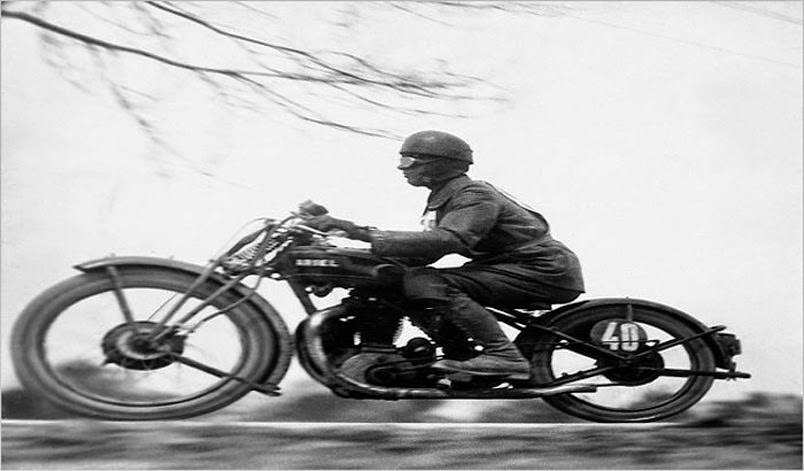
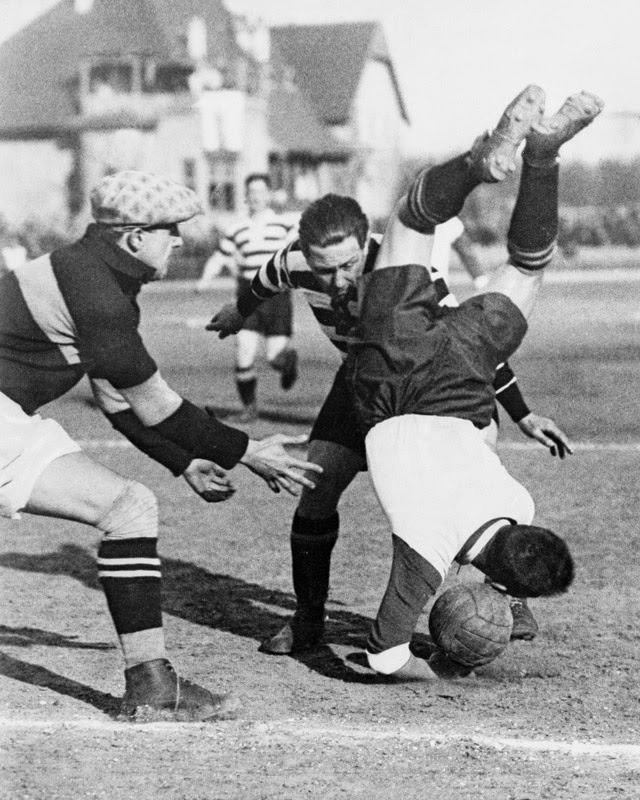
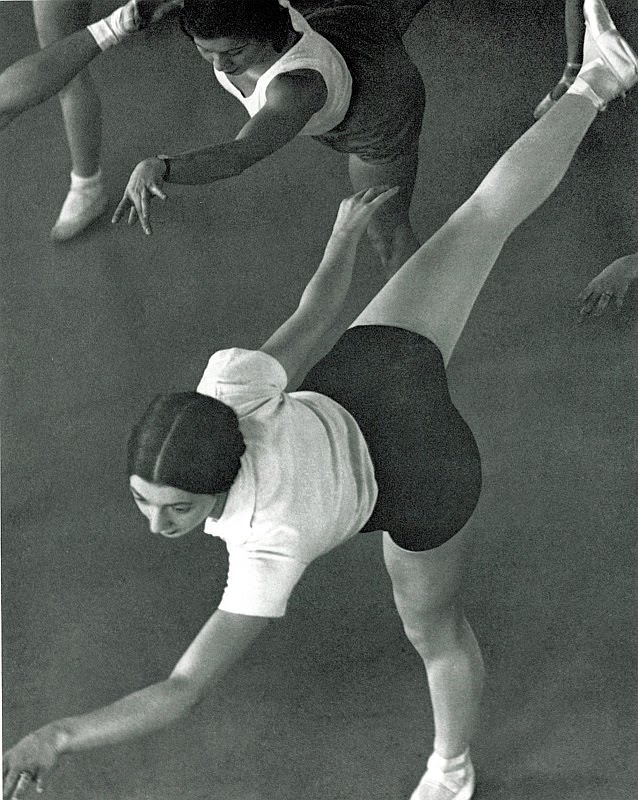
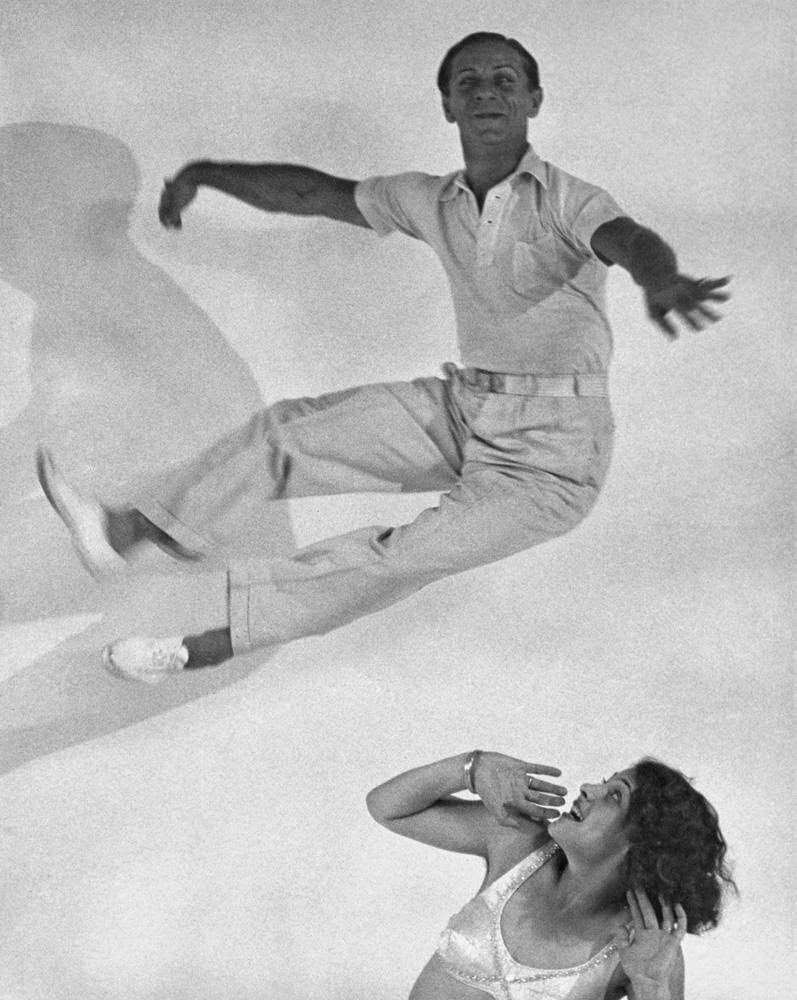
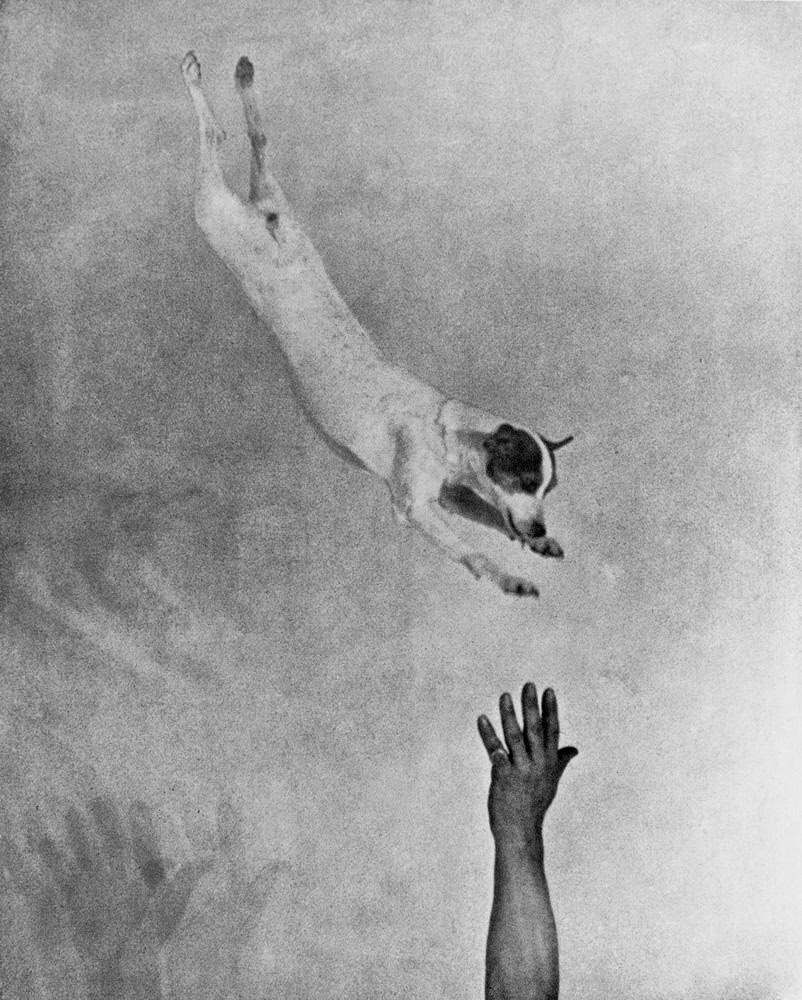
Sport gave Munkácsi a natural stage for his action-first approach. A goalkeeper frozen mid-dive, a stage dancer caught between beats, flamenco dancers in Seville caught mid-step — these images share a common quality. They are all about bodies in motion, frozen at exactly the right instant.
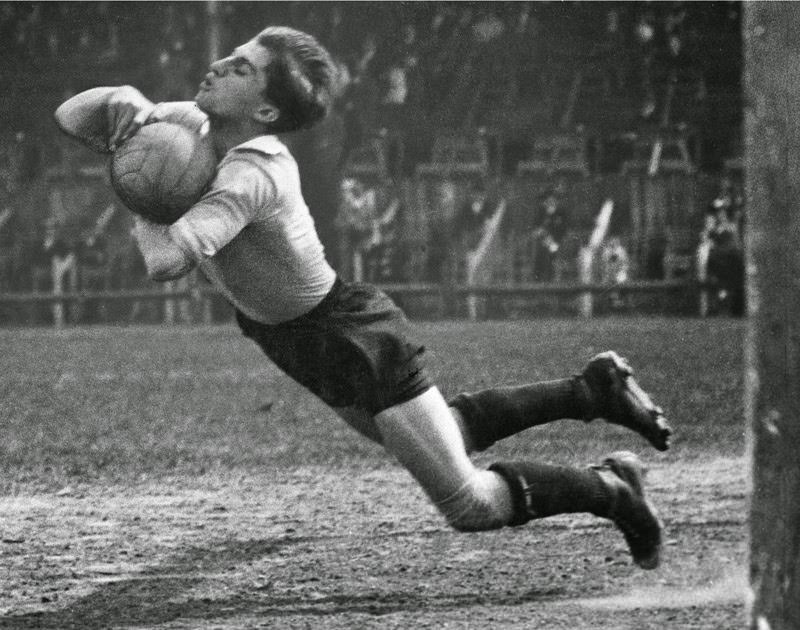
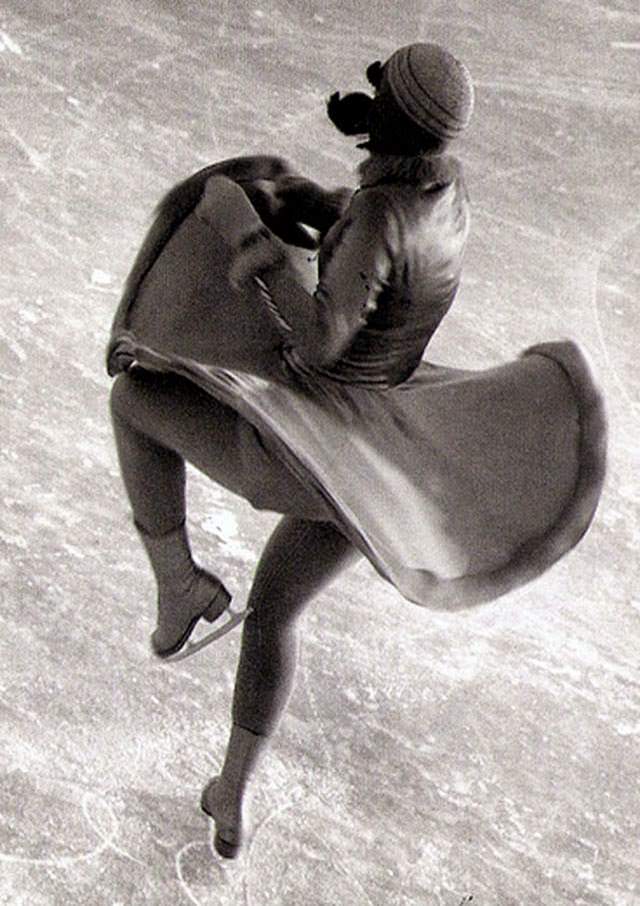
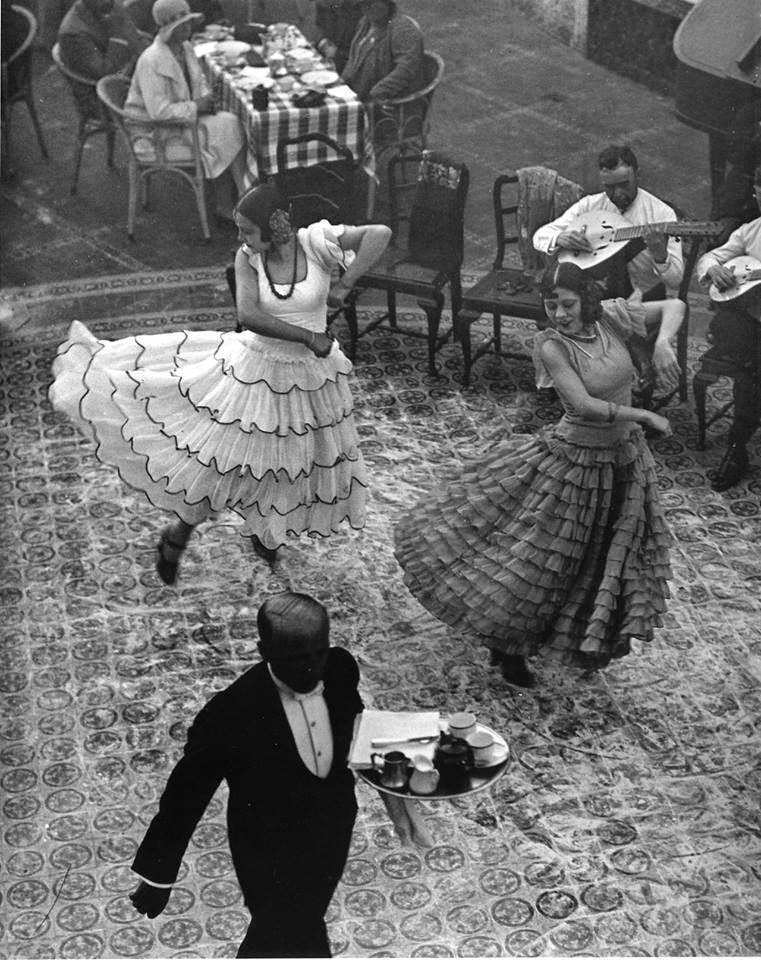
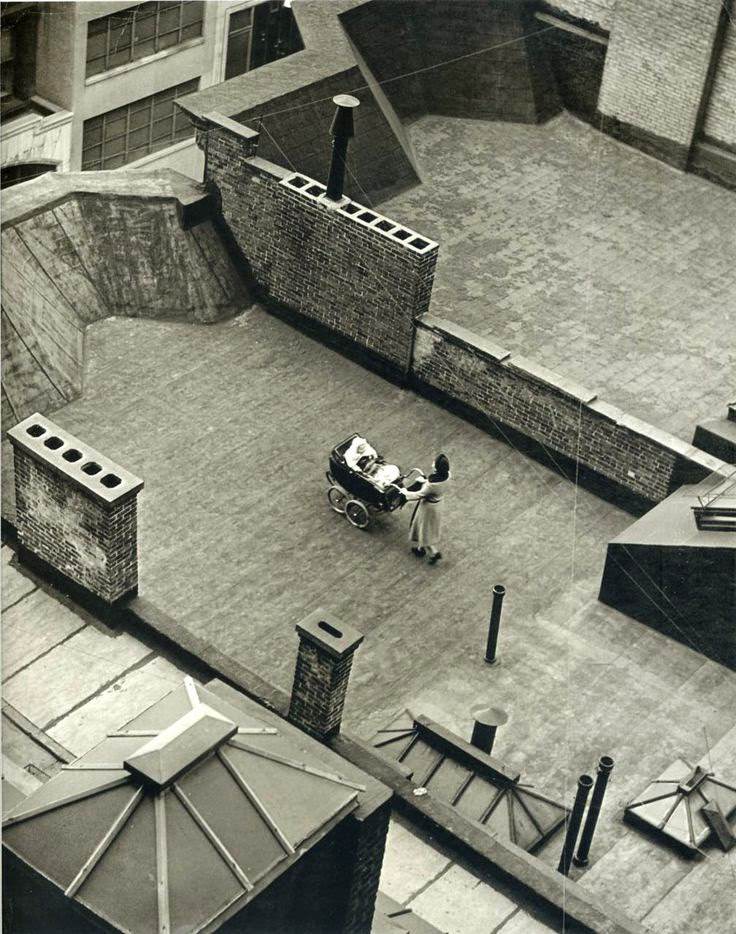
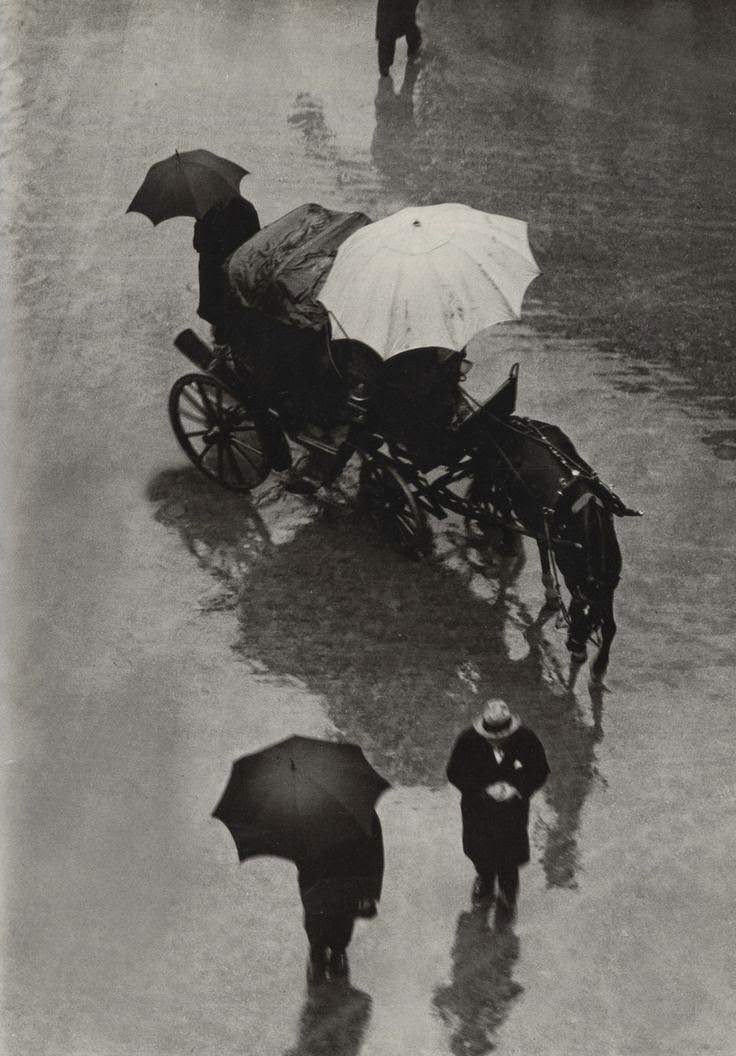
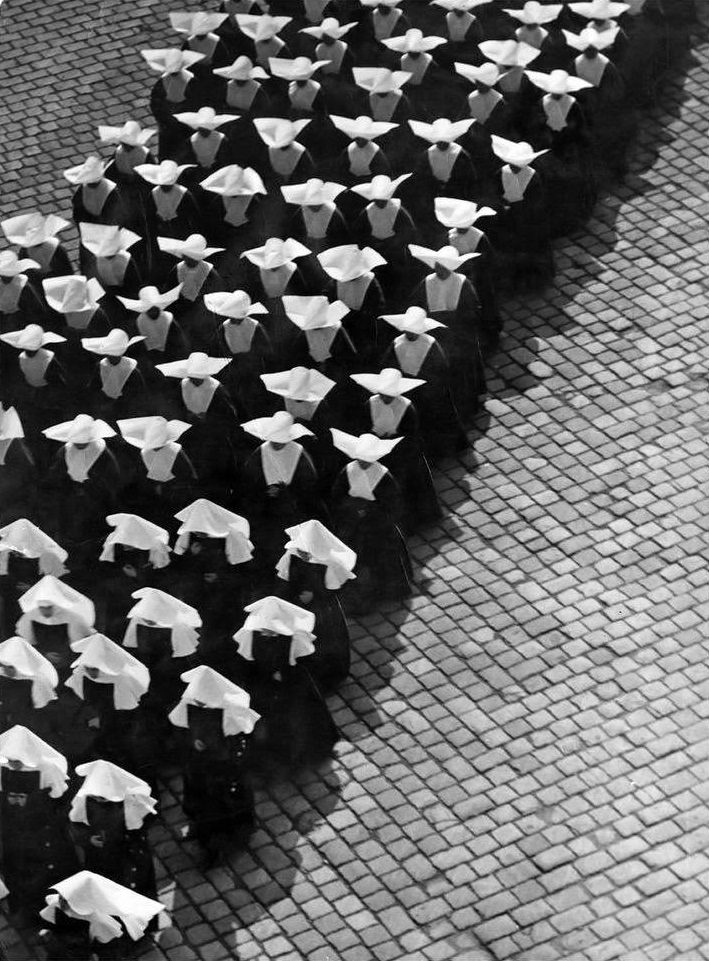
Religious processions and public ceremonies also drew his camera. His 1927 photograph from Palermo and a 1934 procession shot from Budapest both show crowds organized around ritual — the opposite of the spontaneous street scenes he often favored, yet shot with the same attentive eye for composition and human detail.
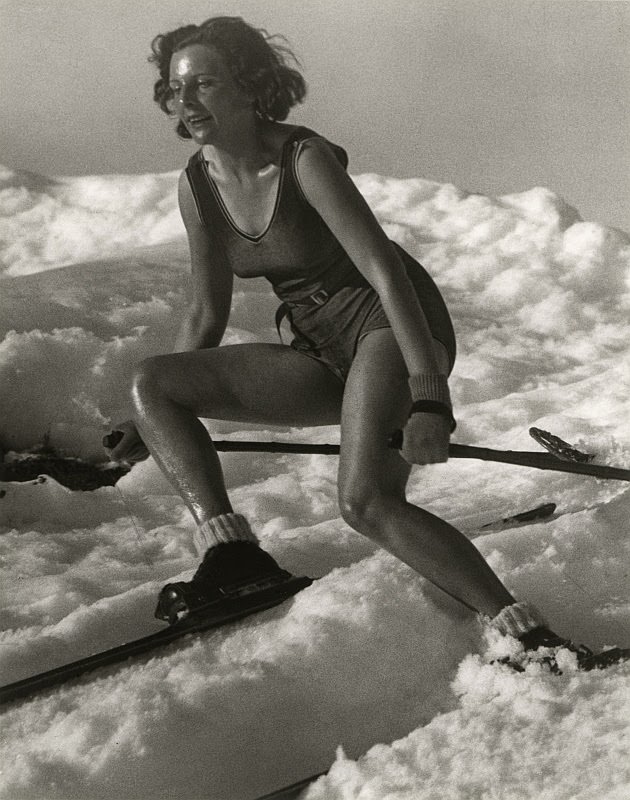
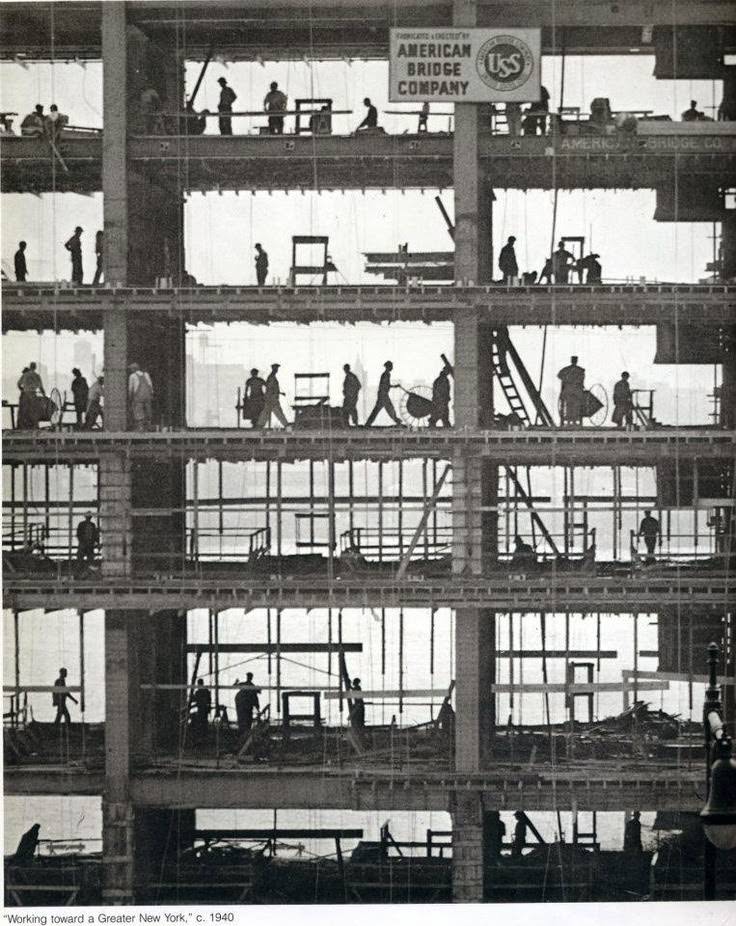
By 1940, Munkácsi was photographing the construction boom reshaping New York City. His image “Working toward a Greater New York” captures laborers at work on the city’s infrastructure — a continuation of his lifelong interest in people doing things, whether they were athletes, dancers, farmers, or factory workers.
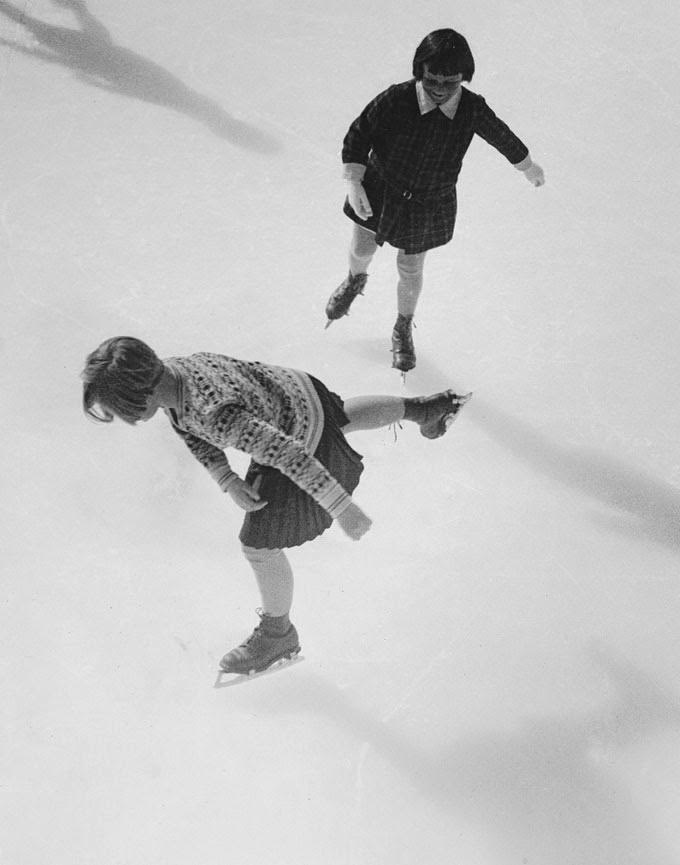
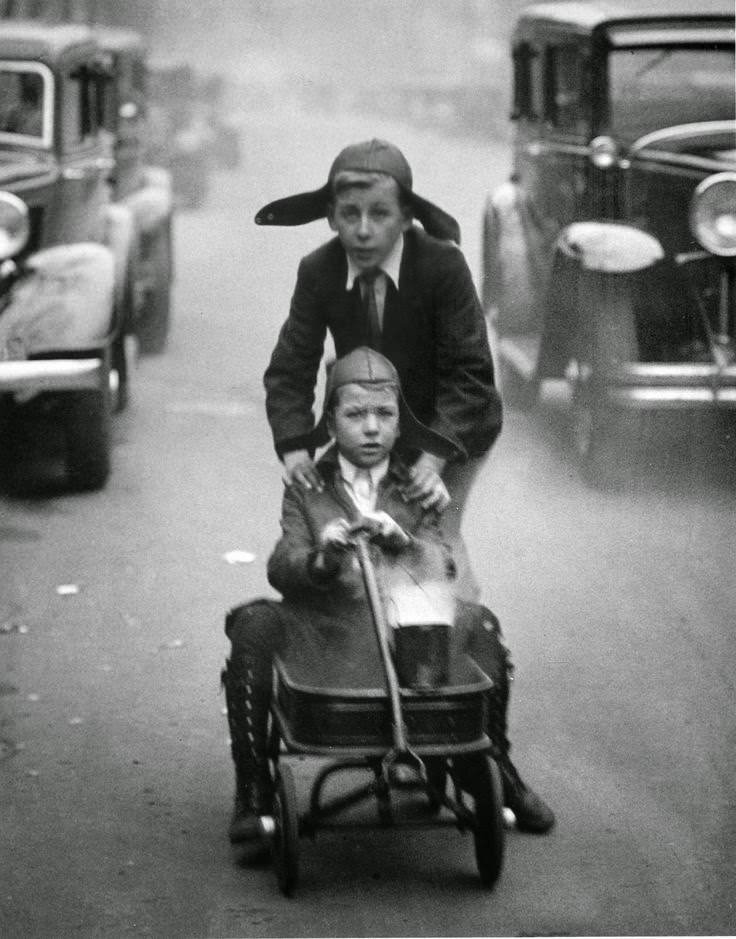
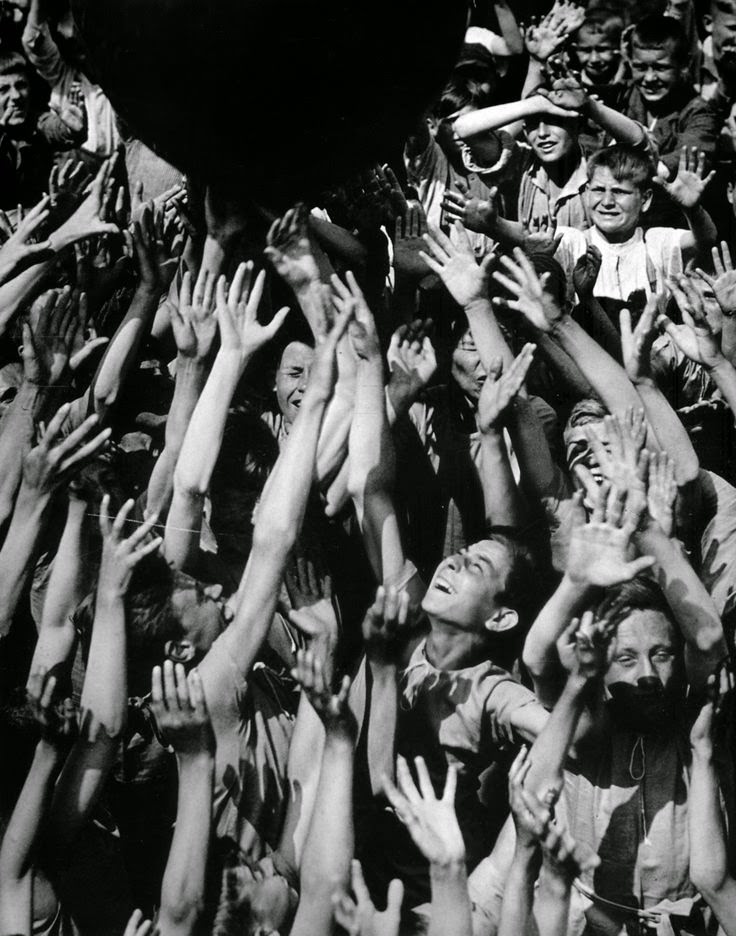
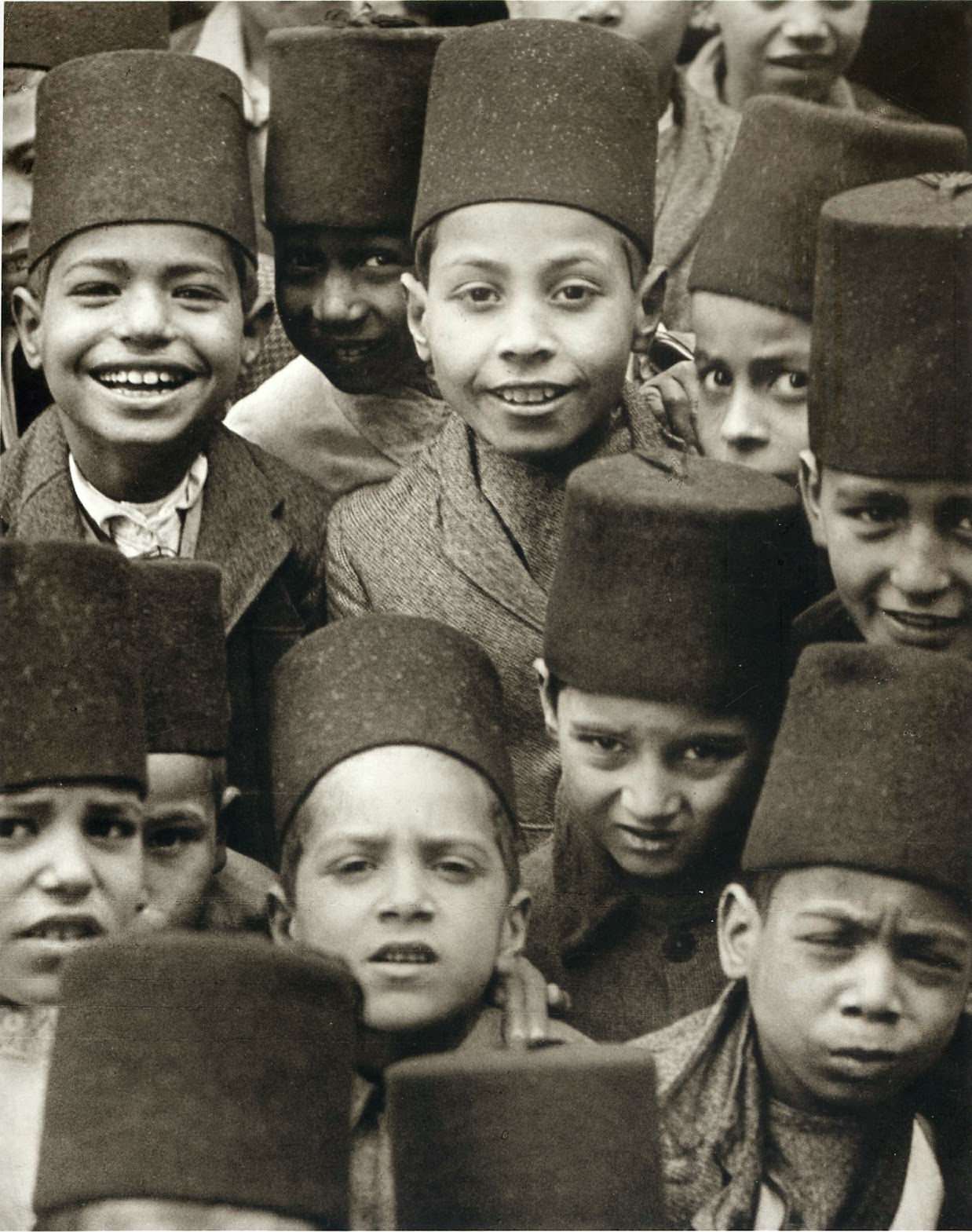
Children appeared throughout his work, from the streets of Madrid to a Budapest square where girls danced in 1923. He photographed children the same way he photographed everyone else — without direction, letting the scene develop naturally. The results are images full of unguarded joy and movement.
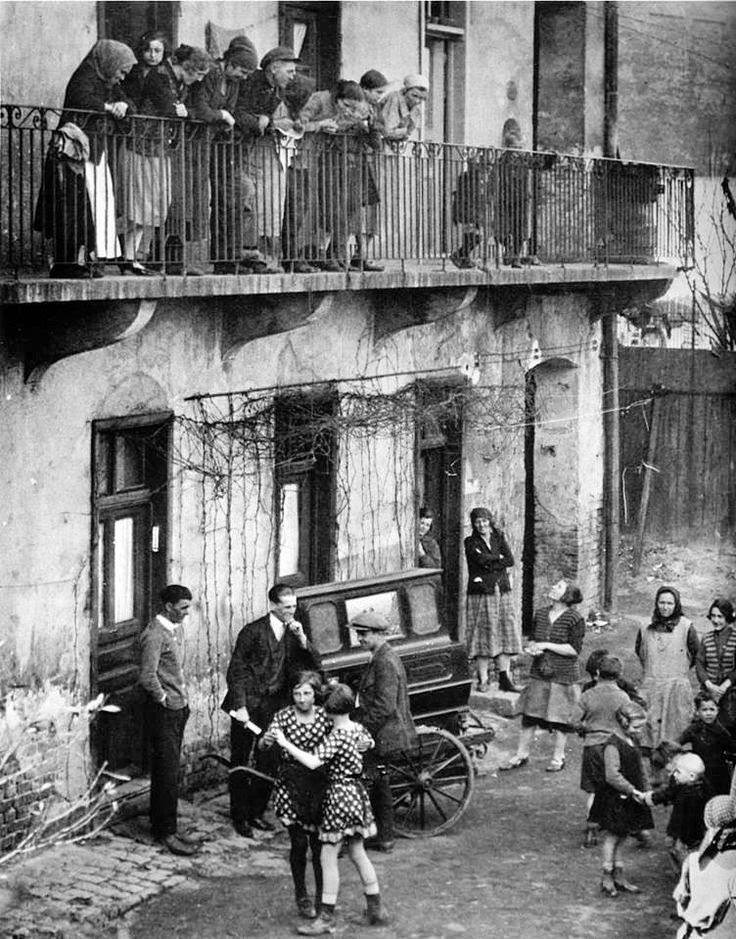
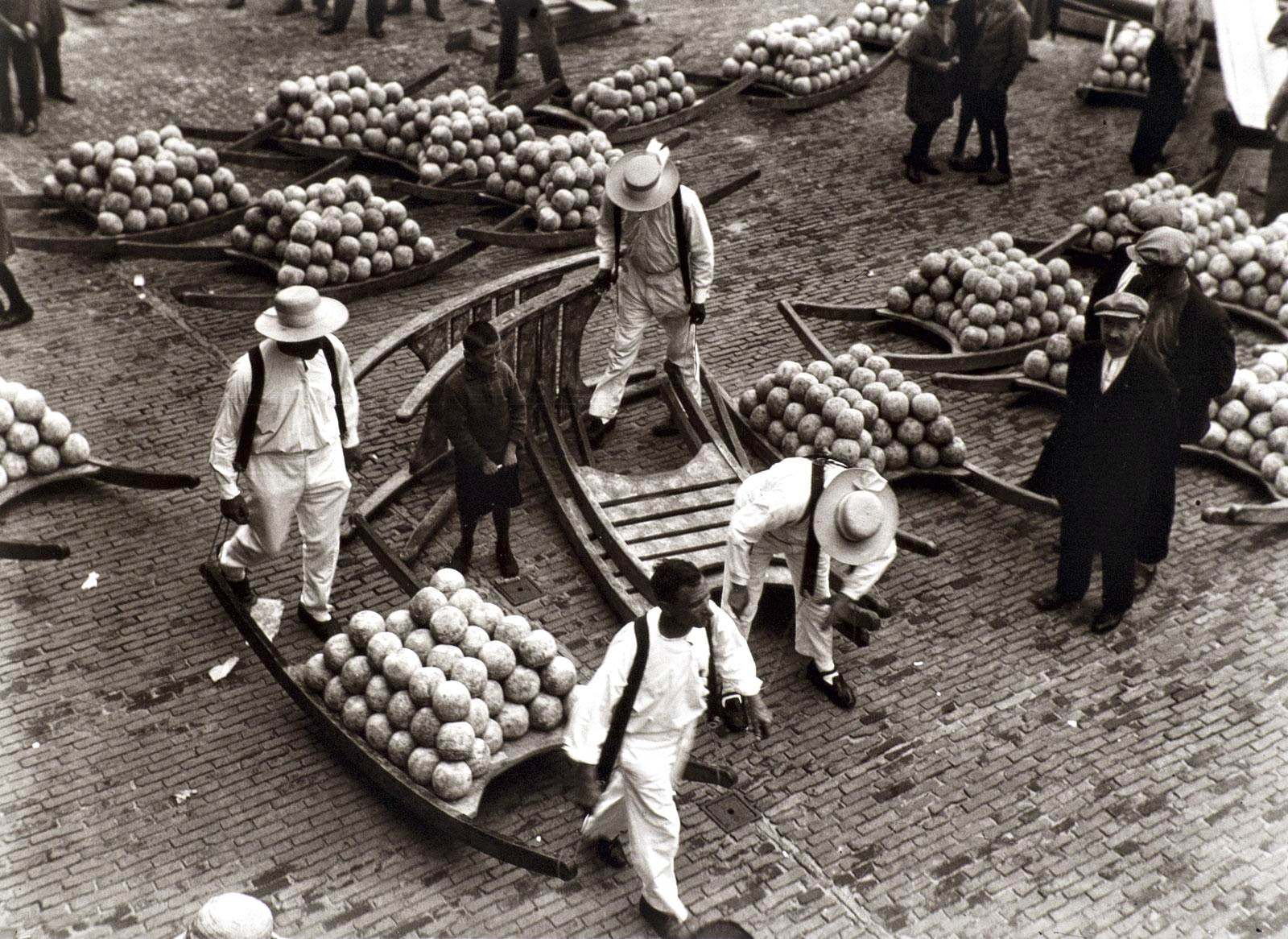
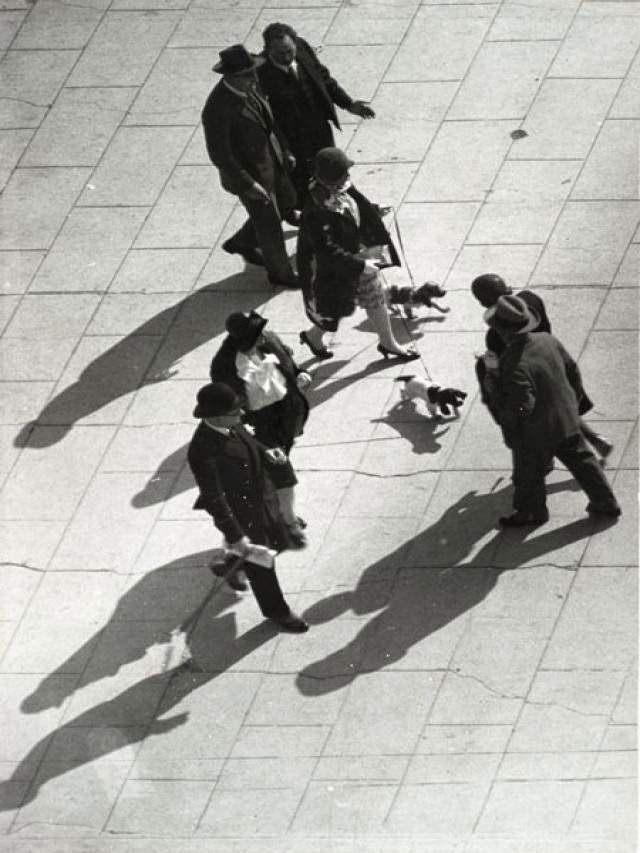
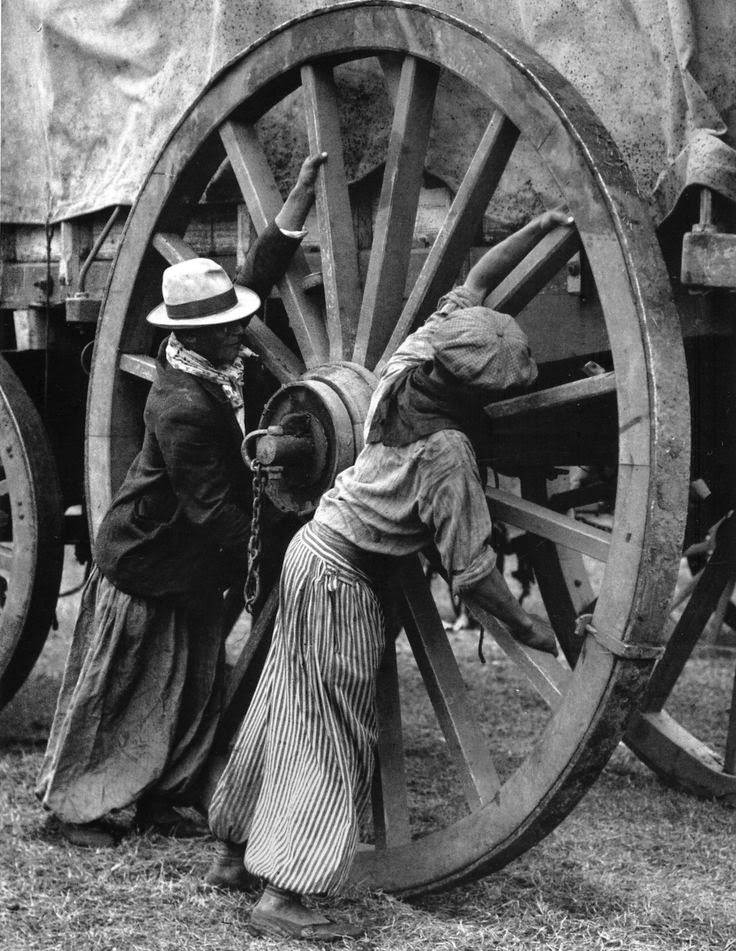
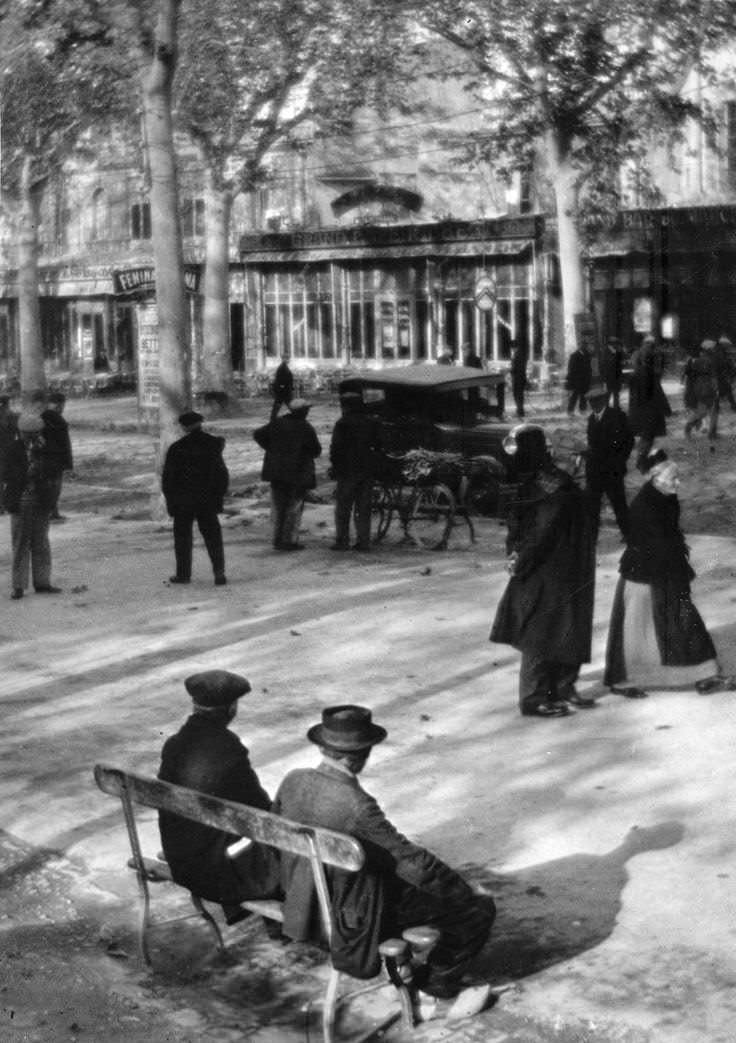
His travels across Europe produced some of the most visually distinctive images in his archive. The Cheese Market in the Netherlands, street scenes in Berlin, a Paris street from around 1927, and his 1929 photographs from Turkey all show a photographer moving through the world with curiosity and confidence. No location seemed too ordinary or too foreign for his lens.
Munkácsi died of a heart attack at Randall’s Island in New York City. His final years were marked by financial hardship and professional controversy. After his death, his archives were rejected by multiple universities and museums, and his work was scattered across institutions and private collections around the world. Two of the largest remaining collections are held at Berlin’s Ullstein Archives and Hamburg’s F. C. Gundlach collection. The photographs that survive across those collections represent one of the most wide-ranging visual records of the 1920s and 1930s produced by a single photographer.



Great work, from México