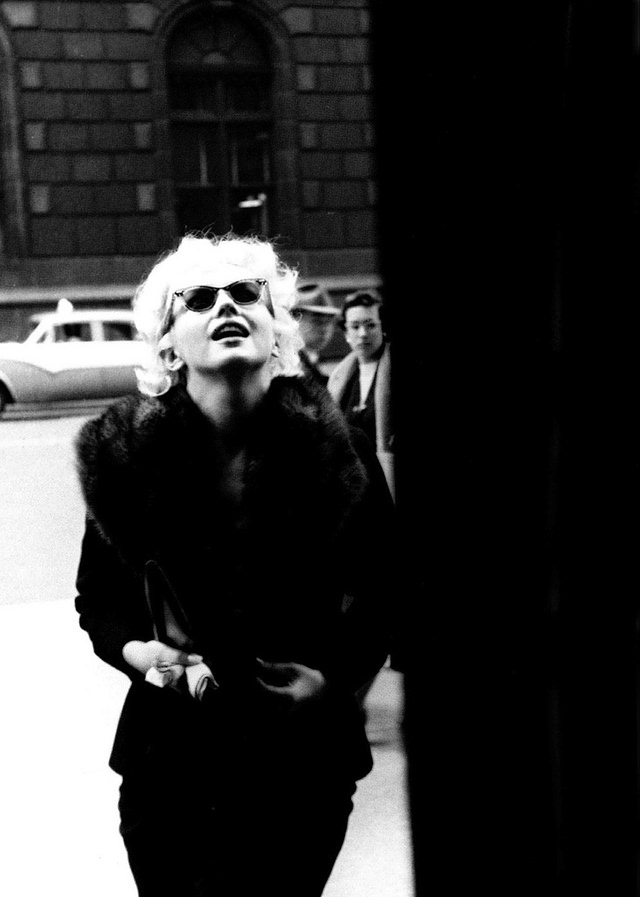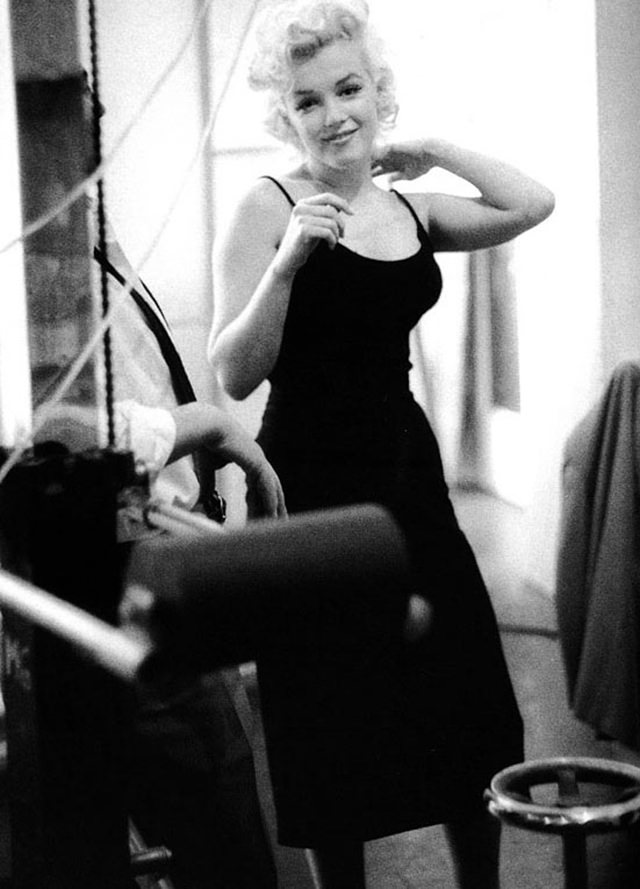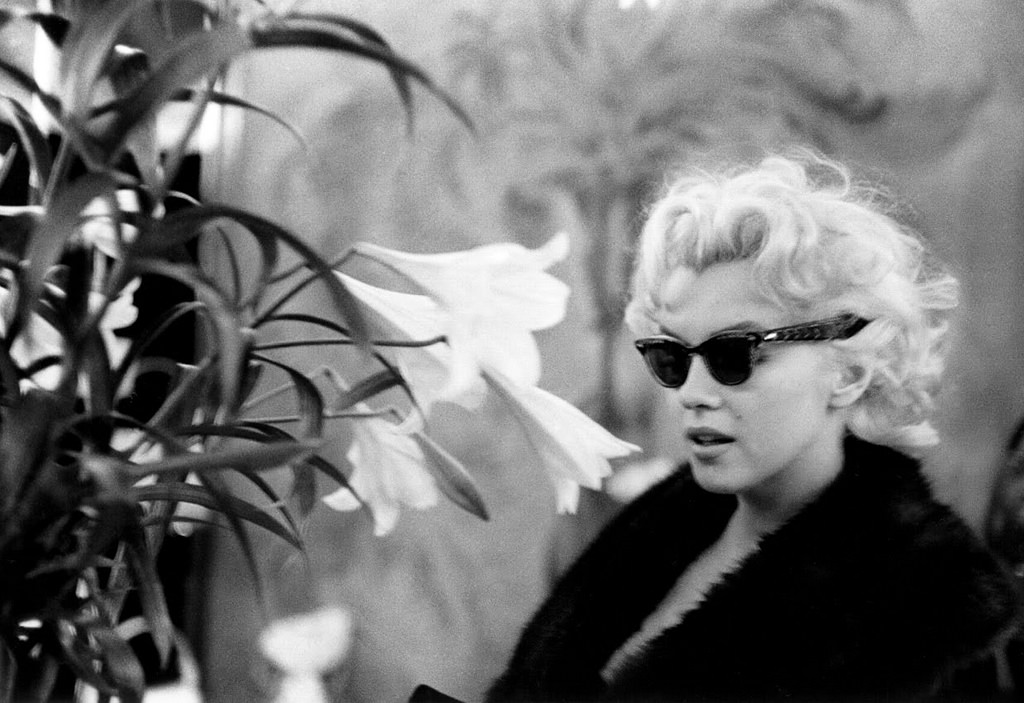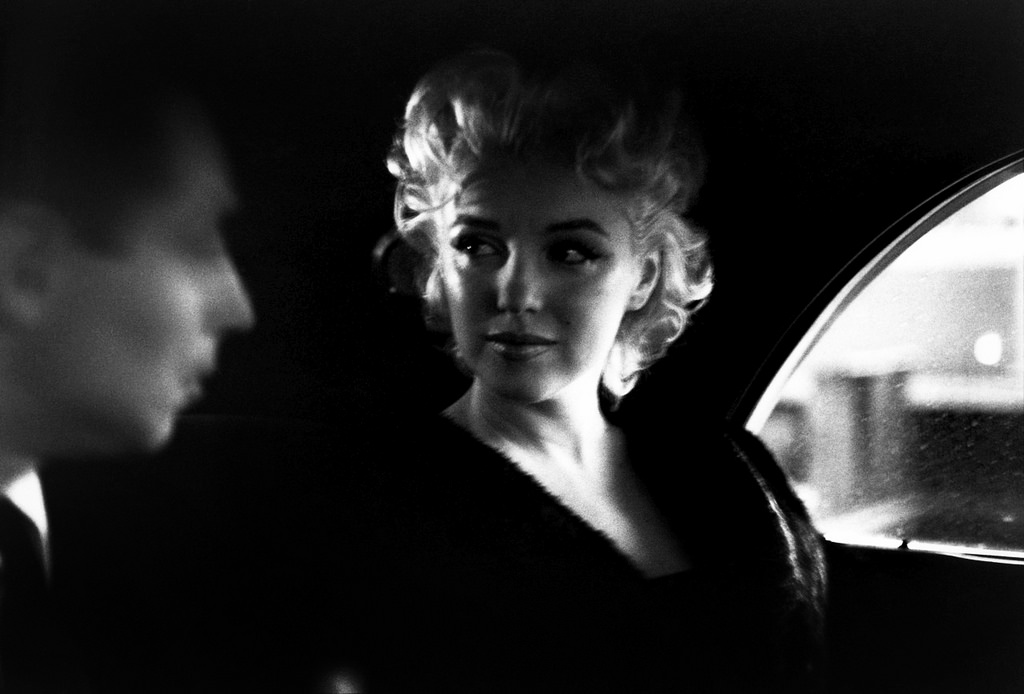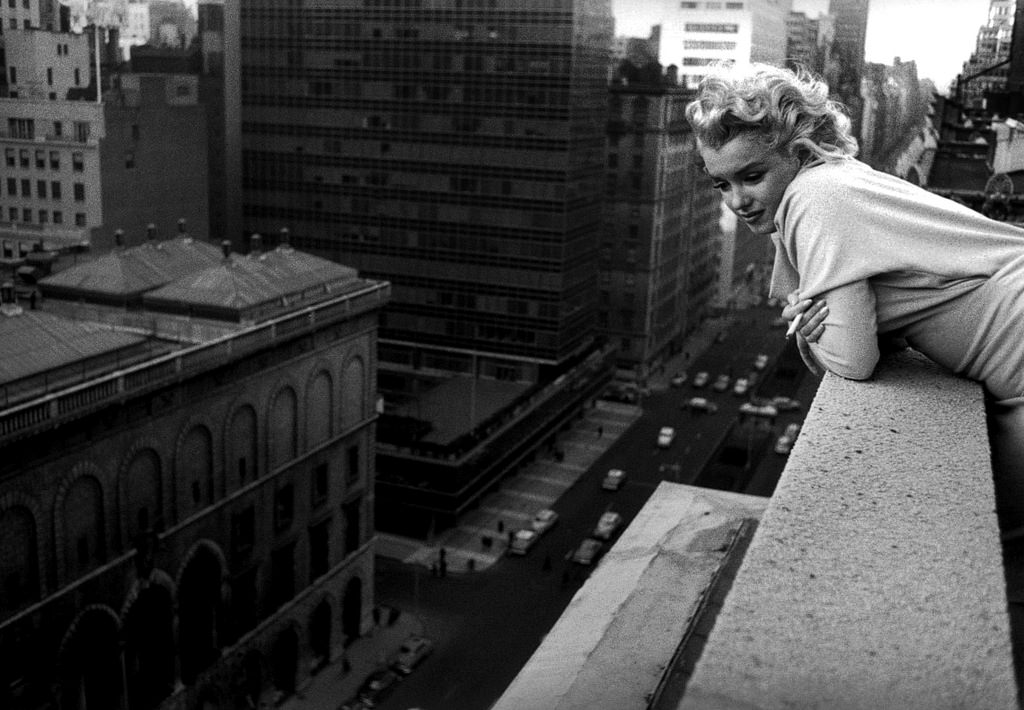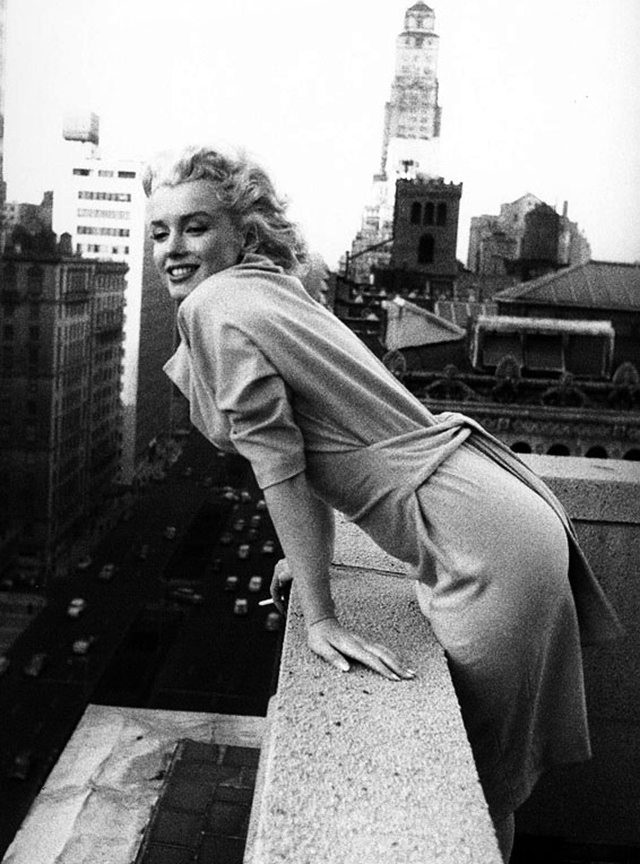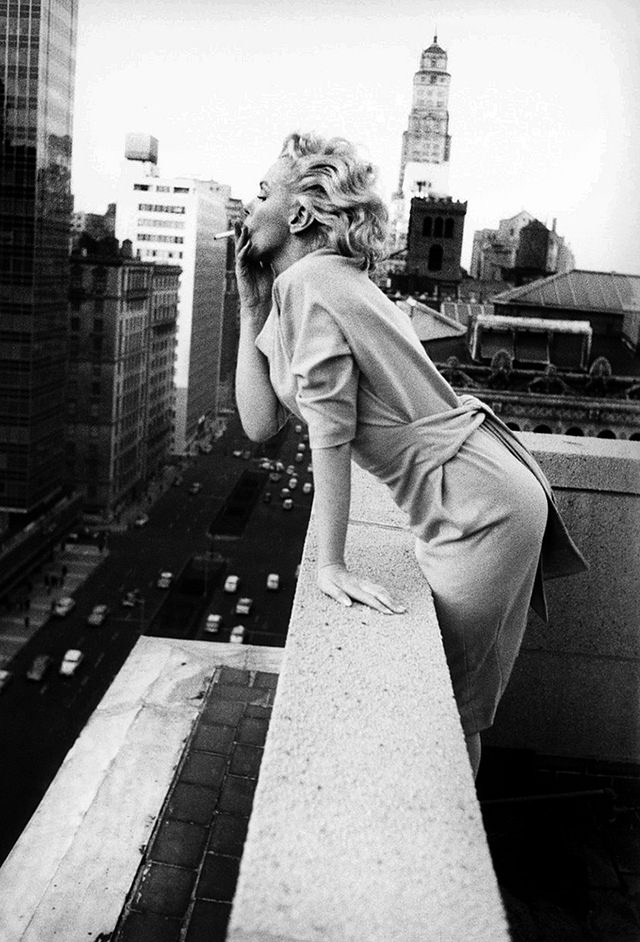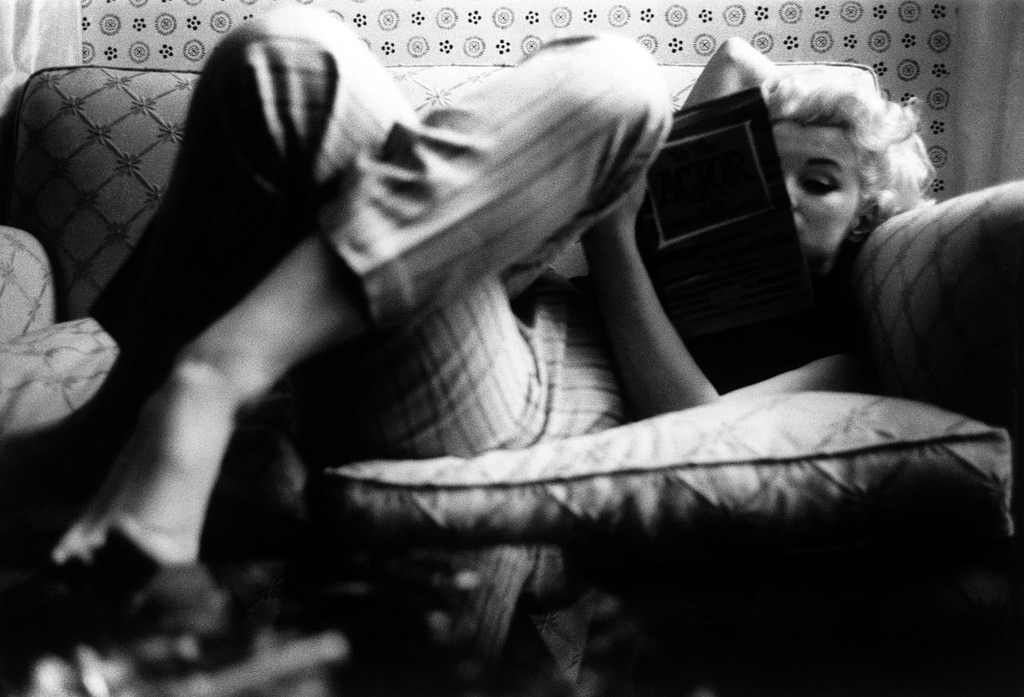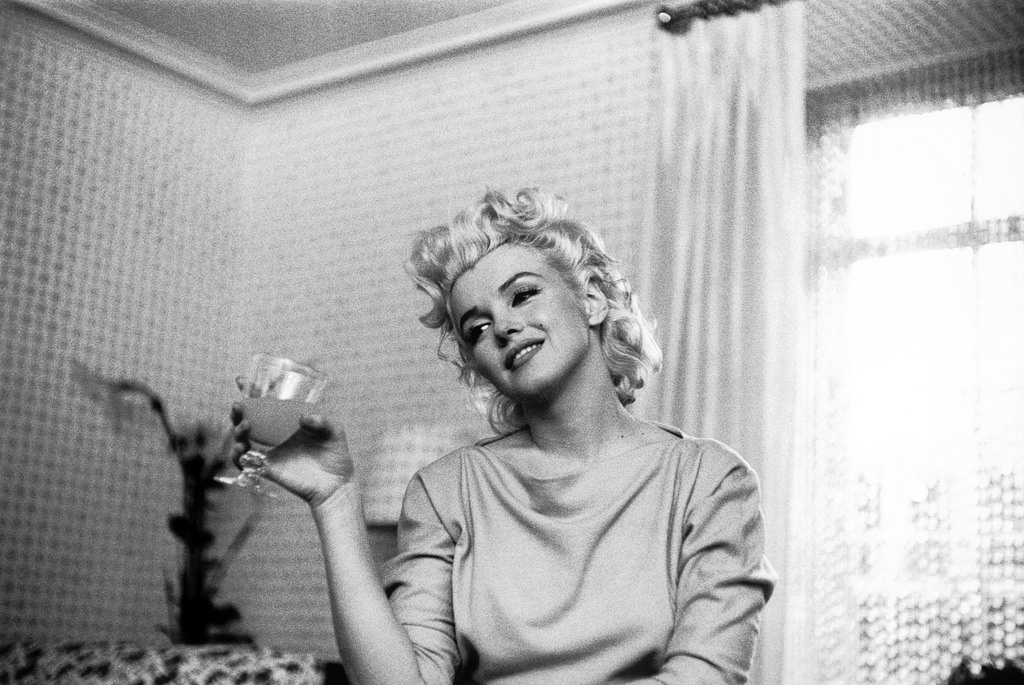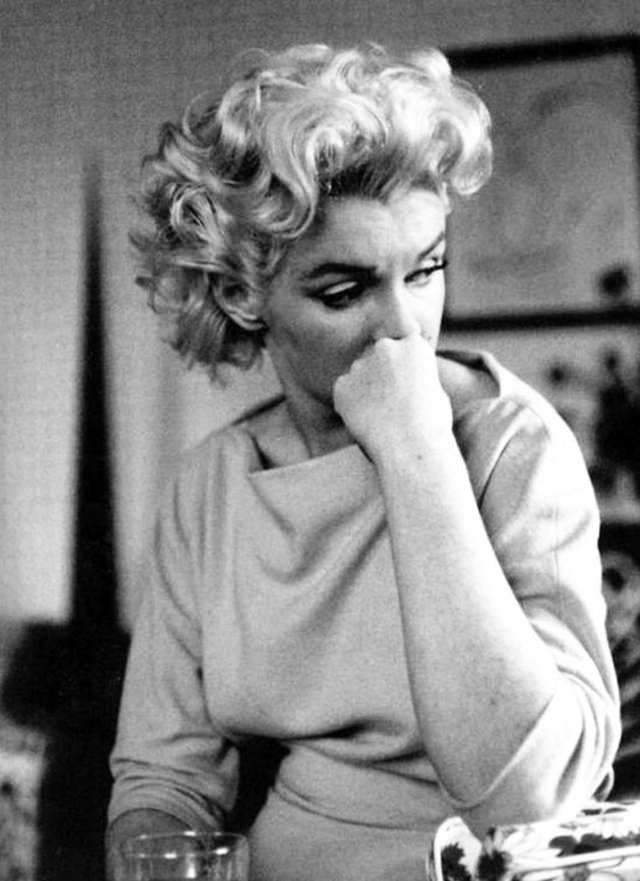

In early 1955, Marilyn Monroe made a sharp break from Hollywood. She walked away from her contract with Twentieth Century Fox and relocated to New York City, determined to reshape her career on her own terms. She co-founded Marilyn Monroe Productions (MMP) with photographer Milton Greene, giving her a level of creative control she had never had before. She settled into a suite at the Ambassador Hotel and, for a time, moved through the city with little fanfare — sometimes without makeup, dressed casually, drawing almost no attention on the streets of Manhattan.
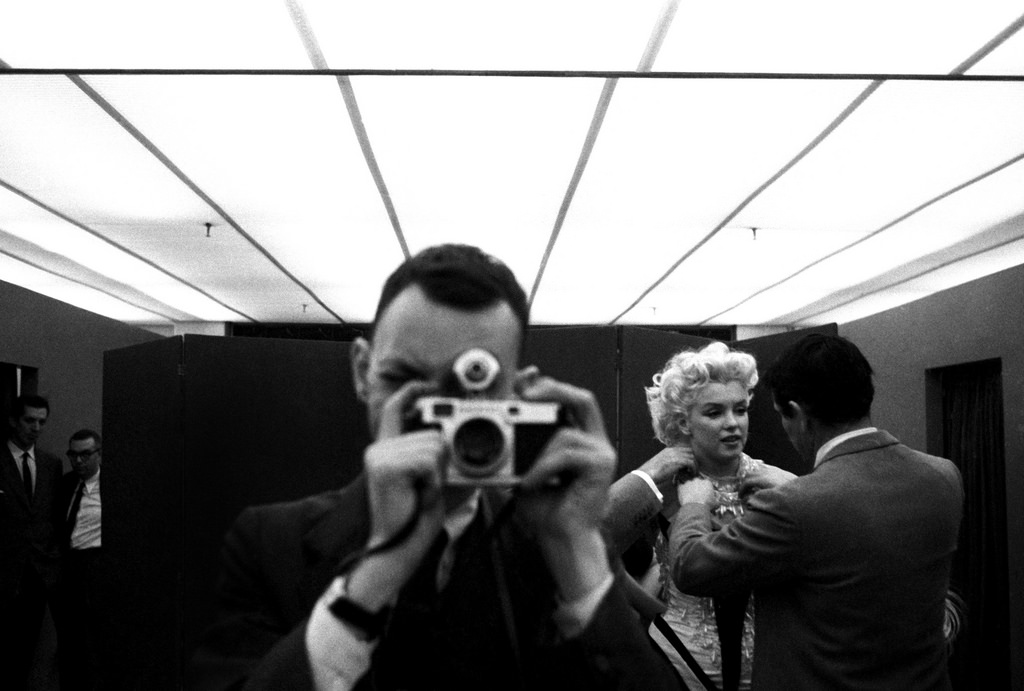
The move to New York was about more than a change of scenery. Monroe enrolled at the Actors Studio, studying under Lee Strasberg, one of the most respected acting coaches in the country. There she trained in Method acting — a technique rooted in deep emotional truth and psychological realism. She also began psychoanalysis during this period, turning inward as she worked to build a new version of herself, both on and off the stage.
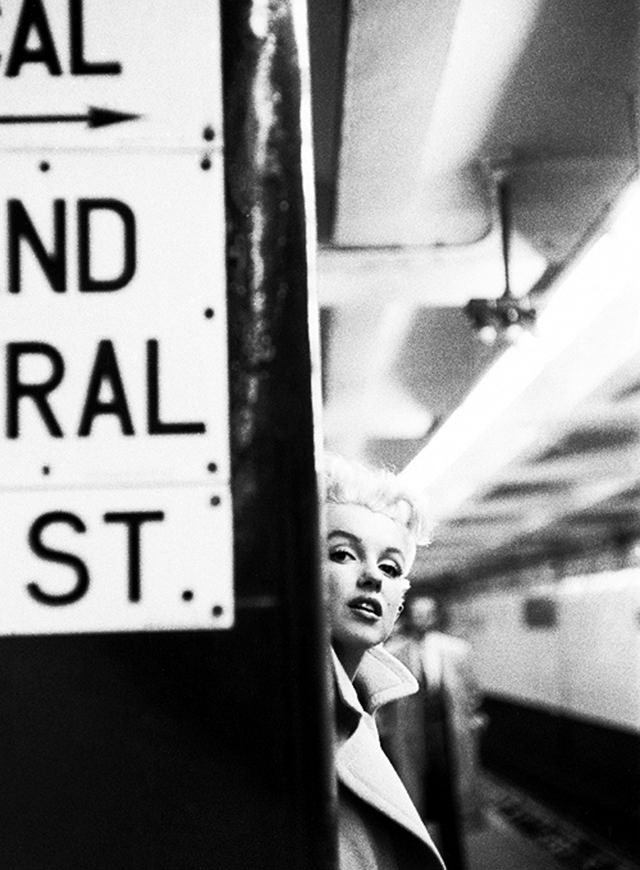
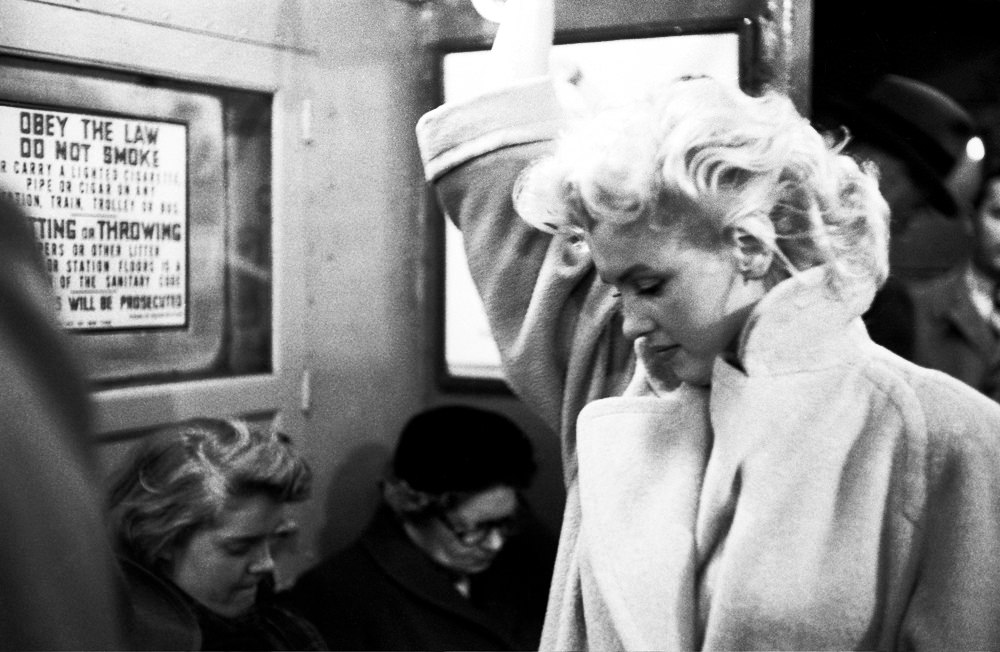
By March 1955, Monroe and Greene recognized a problem. The press had greeted her ambition to be taken seriously as an actress with open skepticism. Some columnists predicted her career was finished. To push back against that narrative, they arranged a feature story with Redbook magazine, framed around “The Marilyn Monroe You’ve Never Seen.” The goal was to show a different side of her — thoughtful, grounded, and fully in control of her own life.
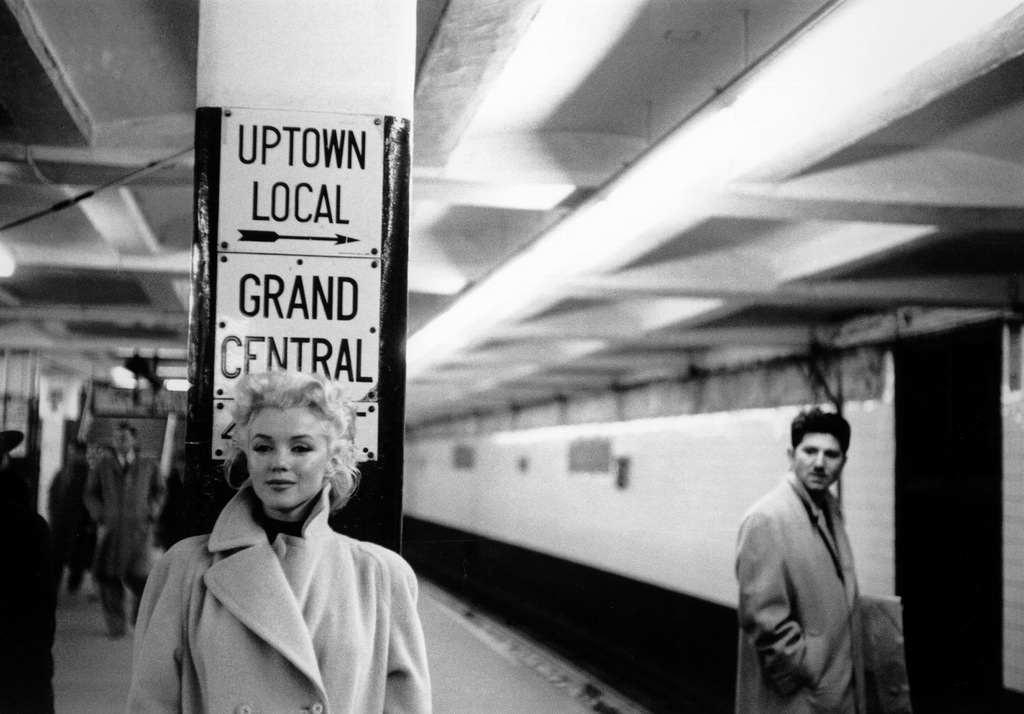
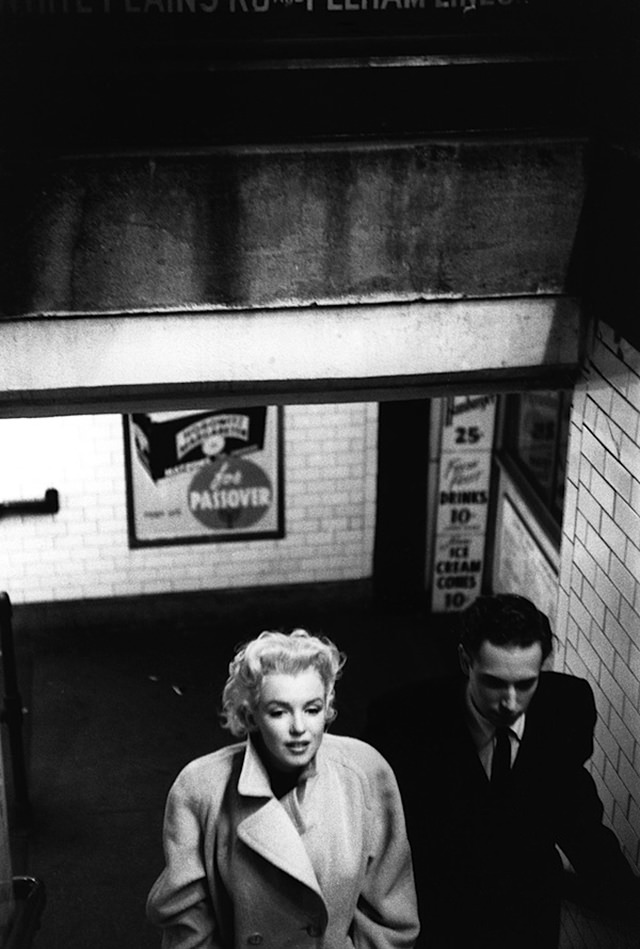
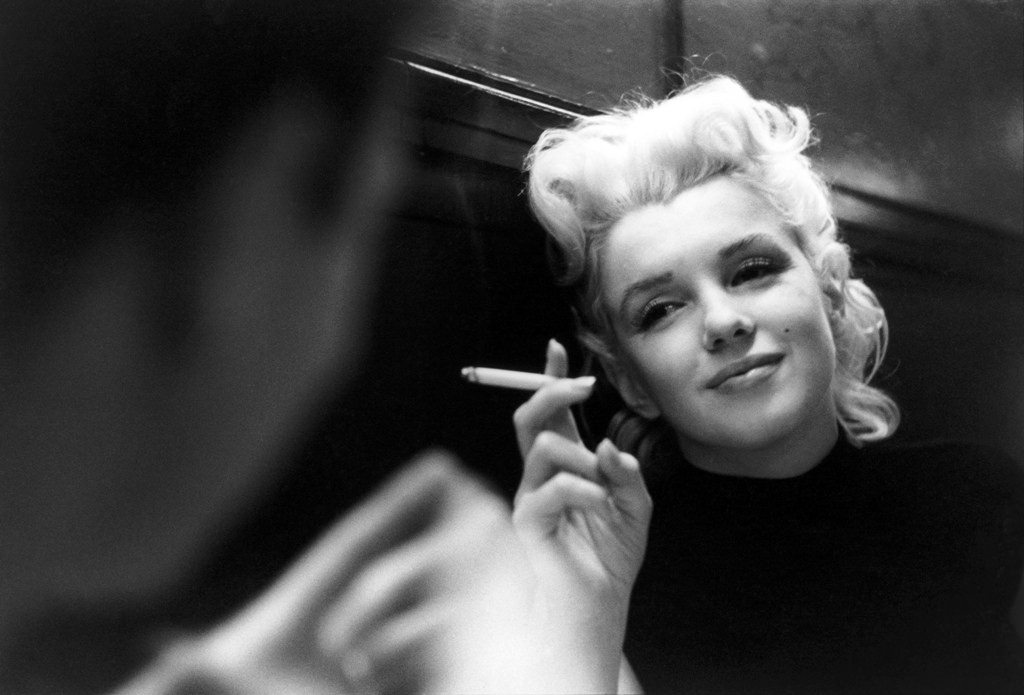
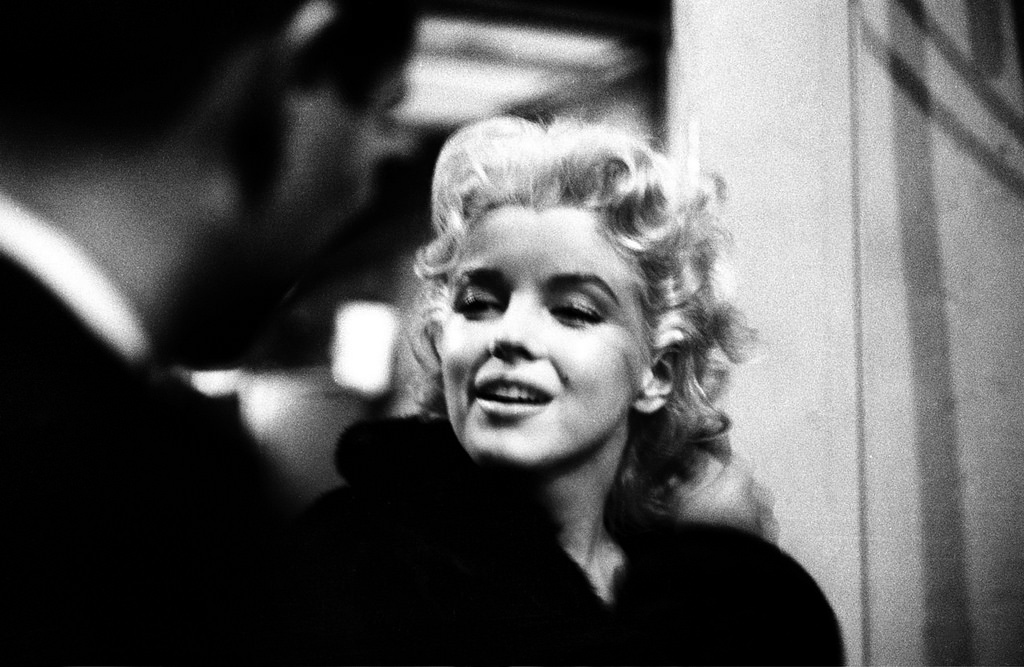
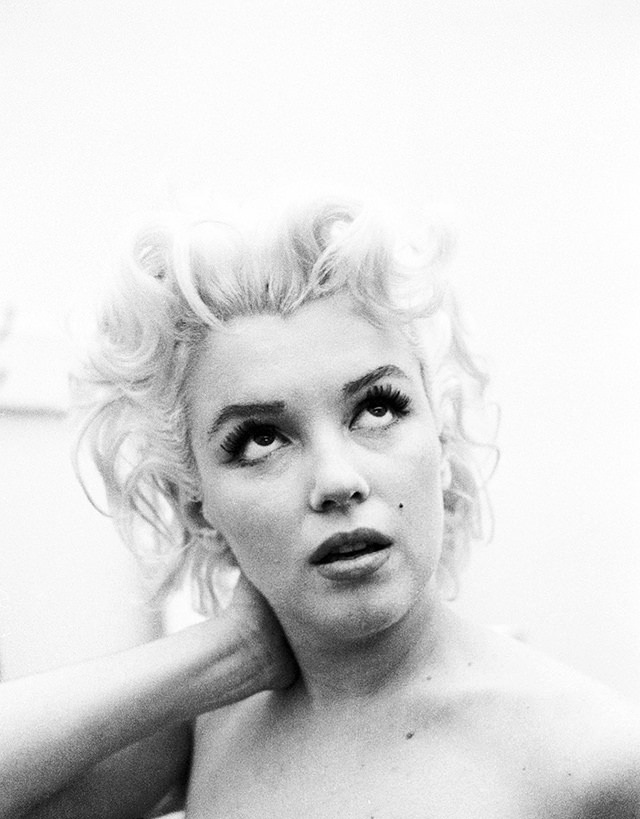
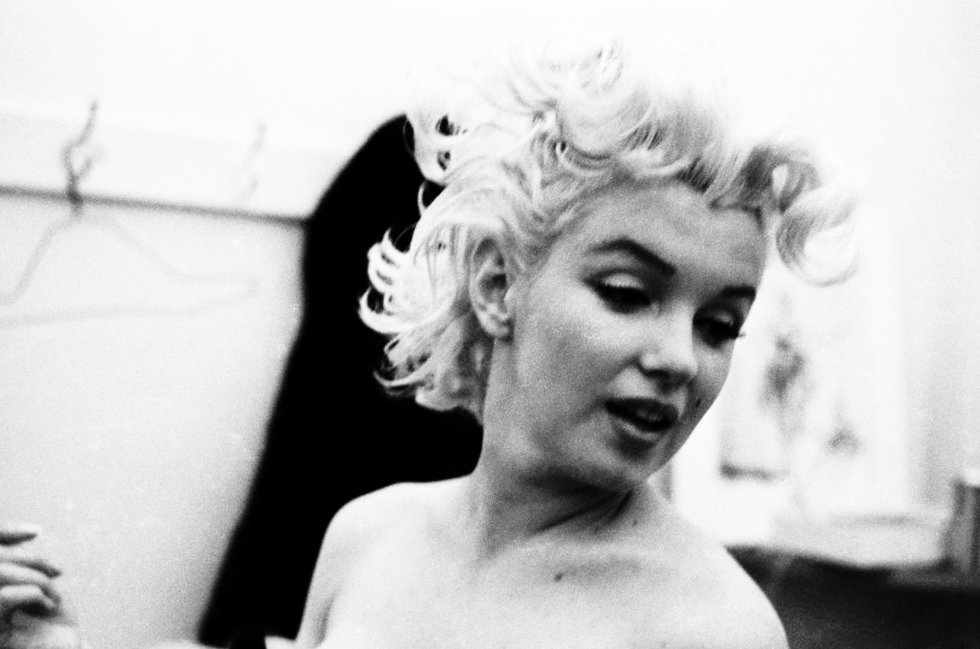
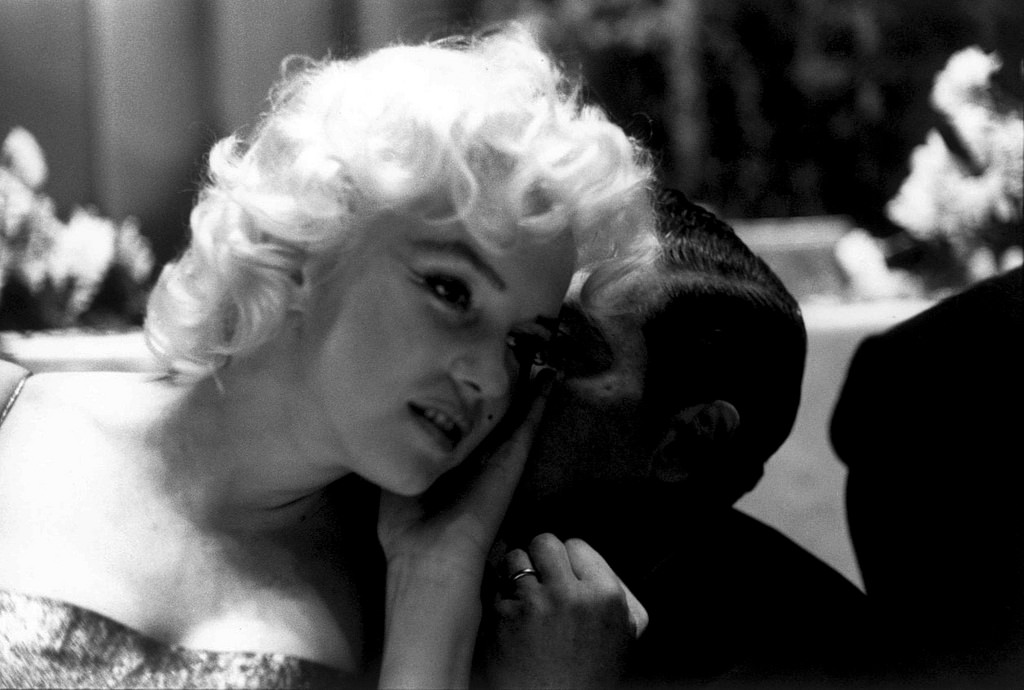
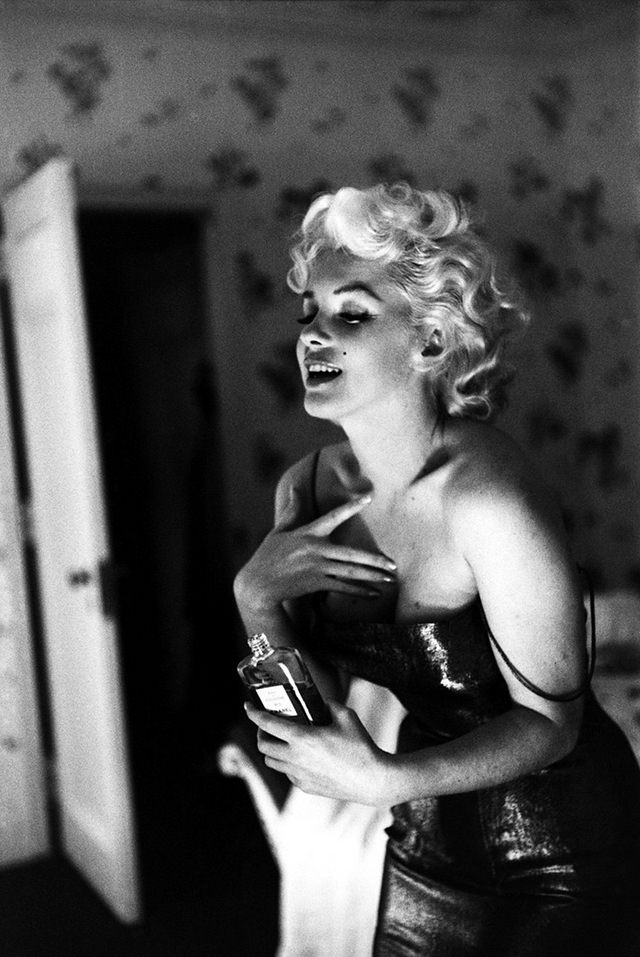
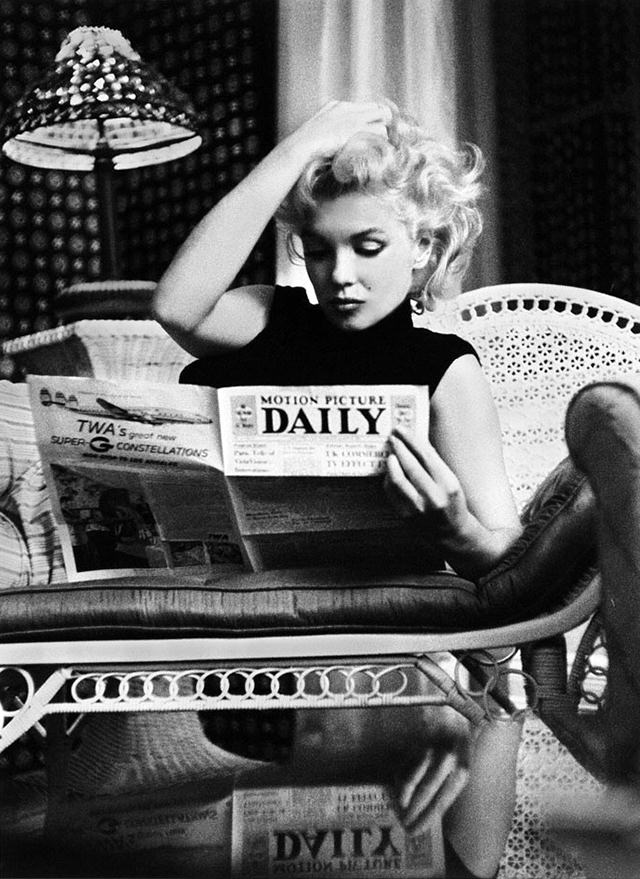
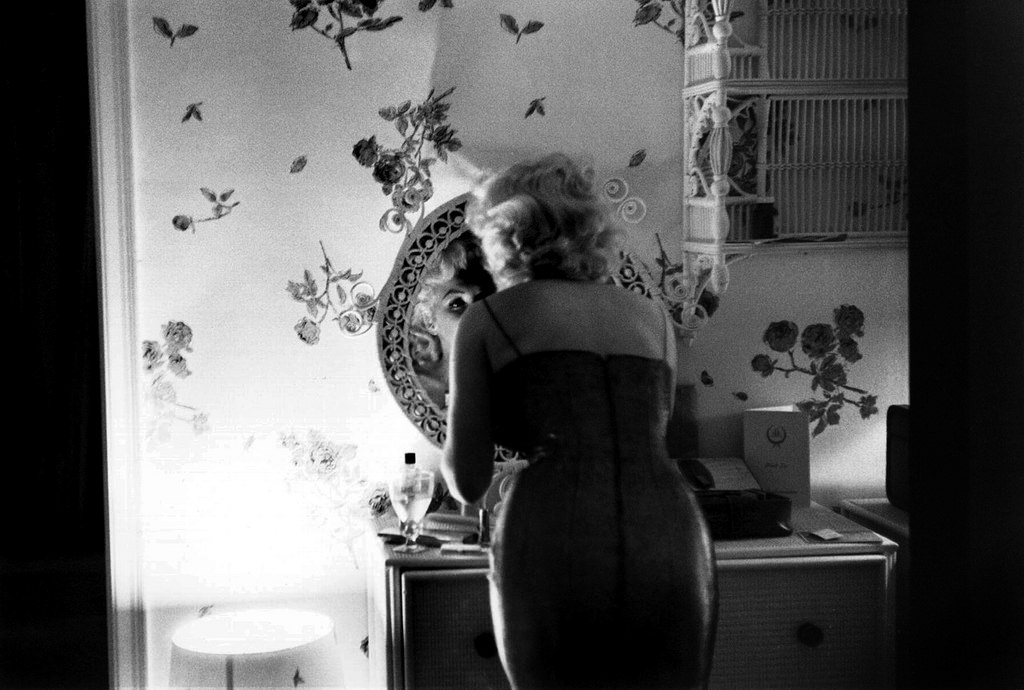
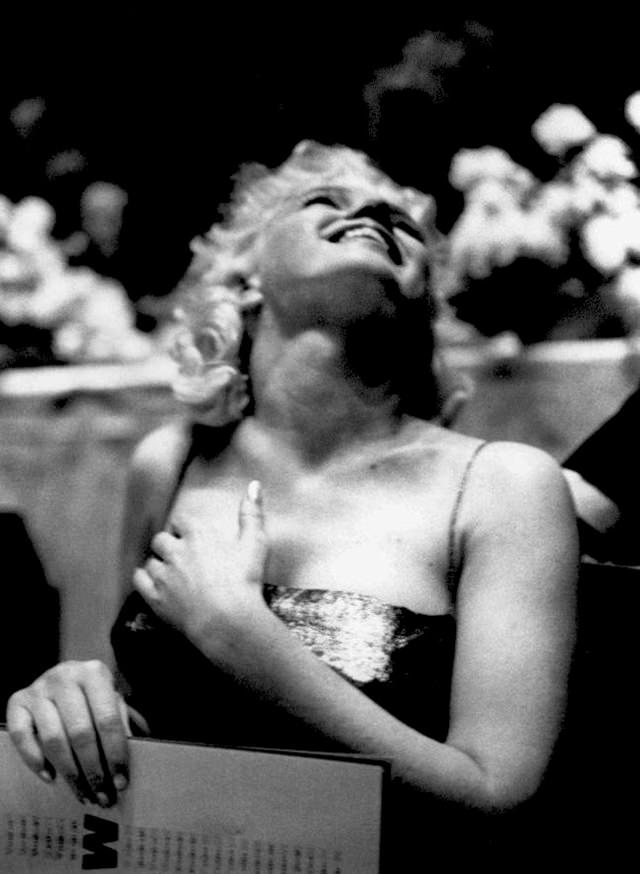
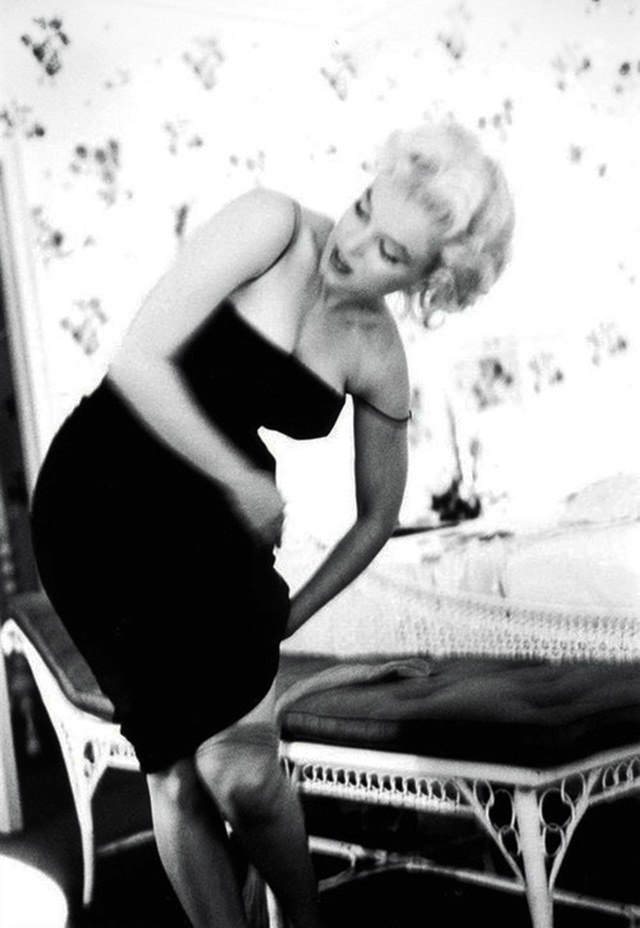
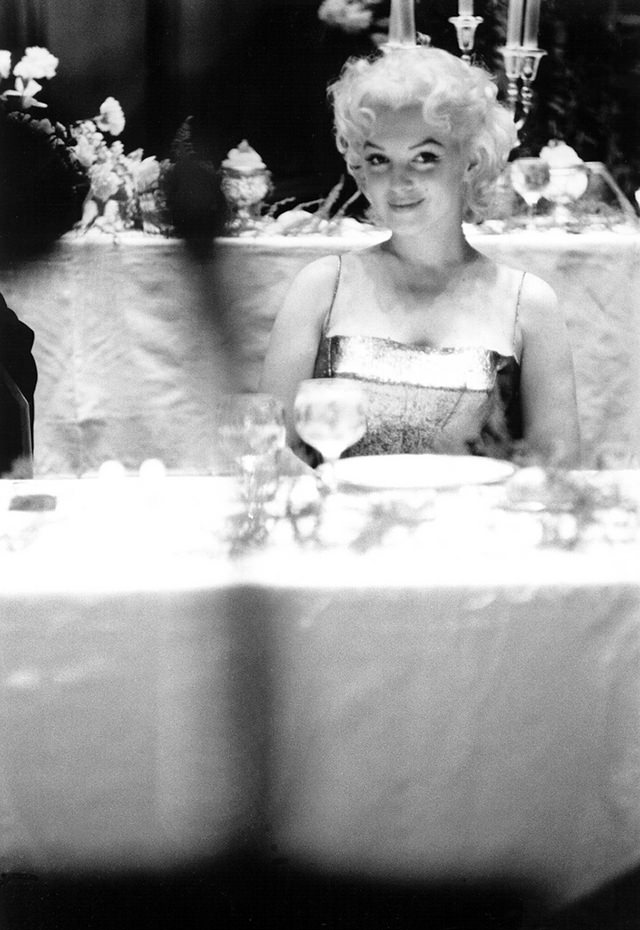
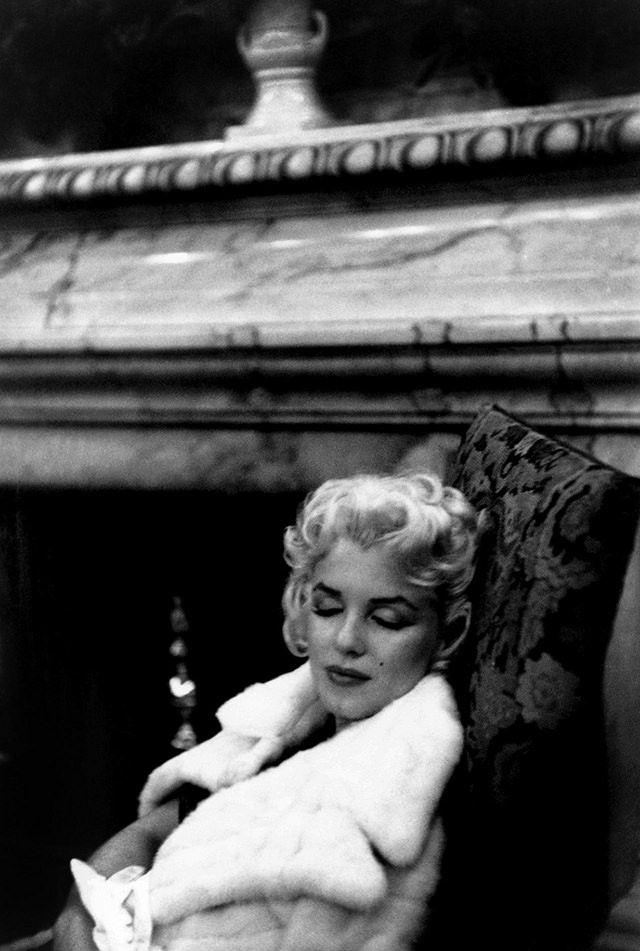
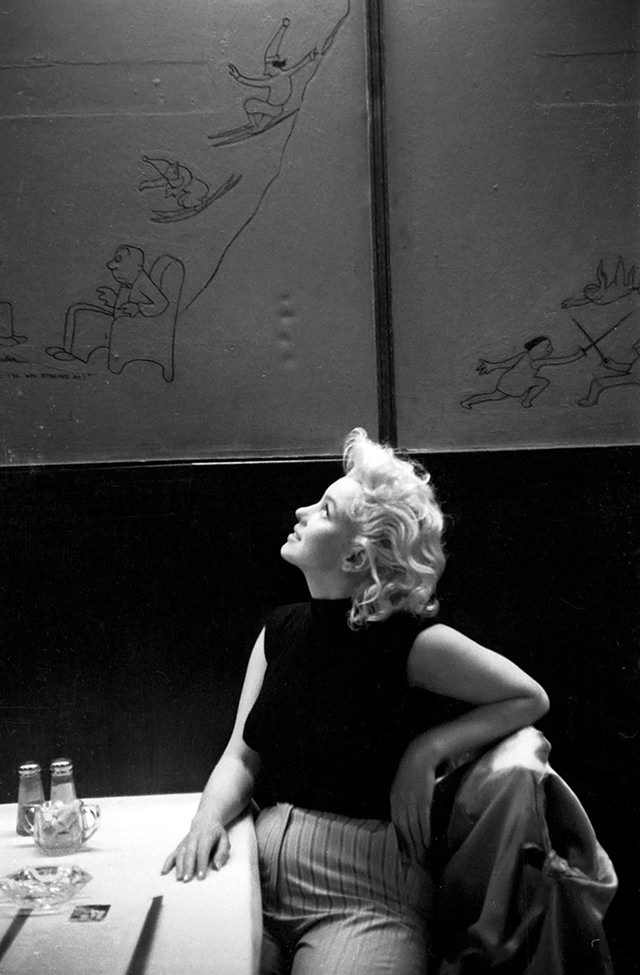
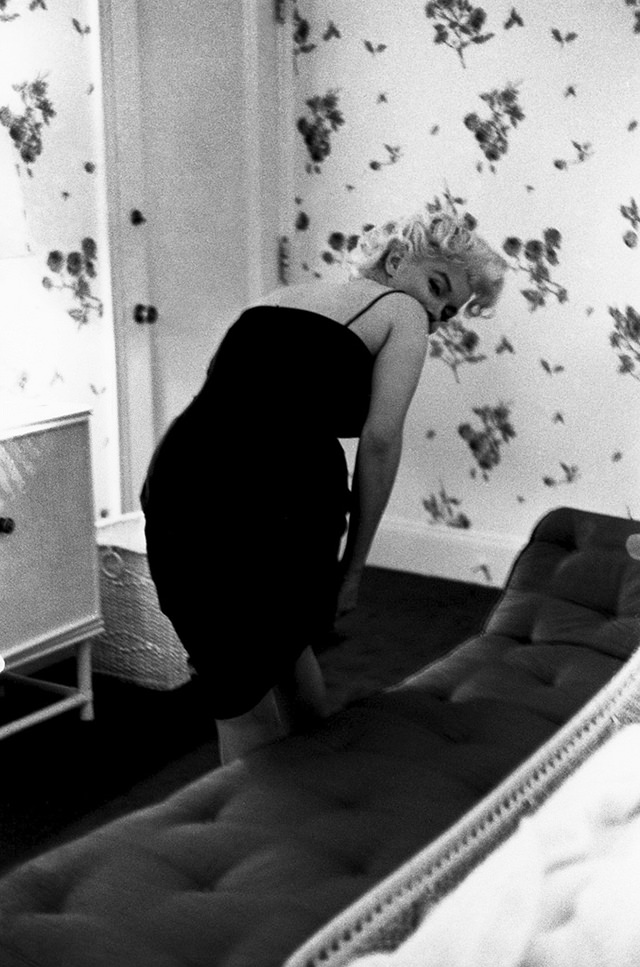
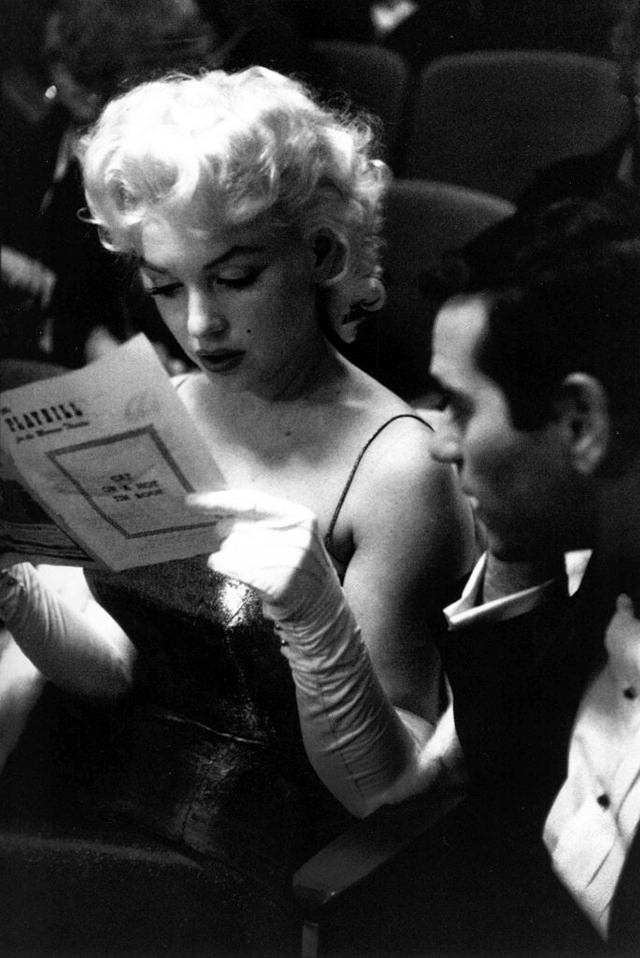
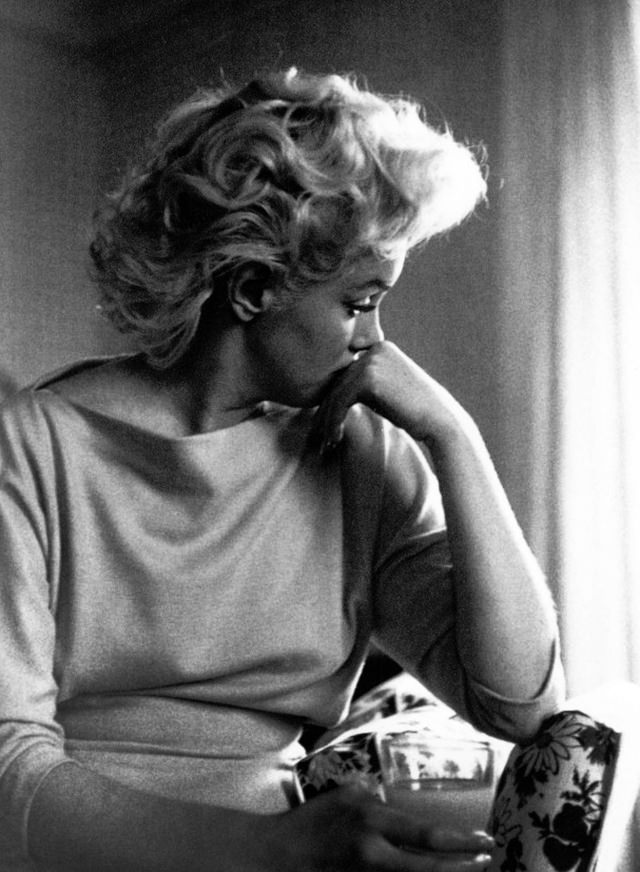
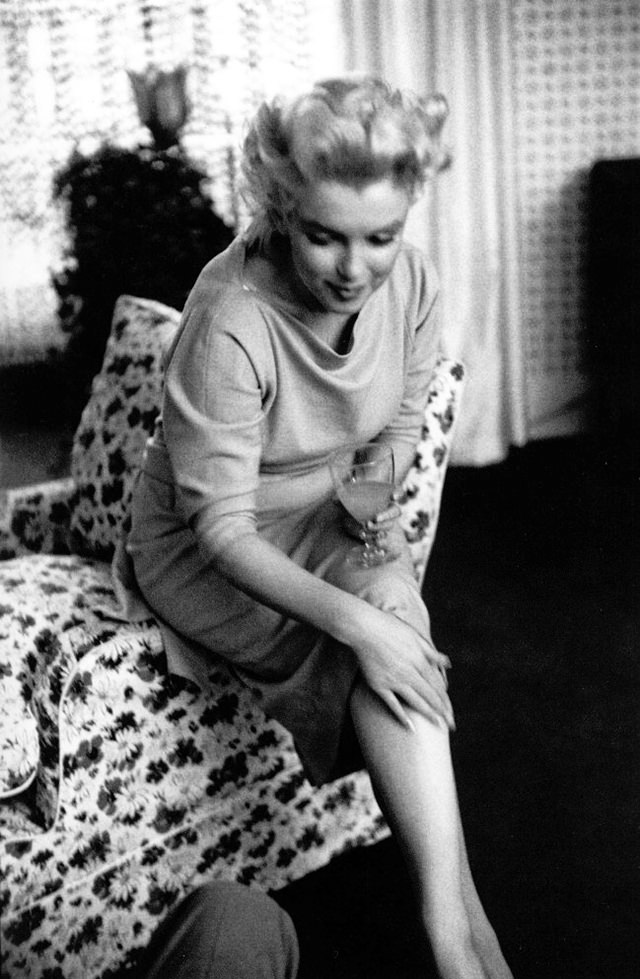
Photojournalist Ed Feingersh got the assignment. For roughly a week in the spring of 1955, he followed Monroe through her daily life in New York, often working alongside Redbook editor Robert Stein. Feingersh was not shooting posed glamour shots — he was documenting real moments.
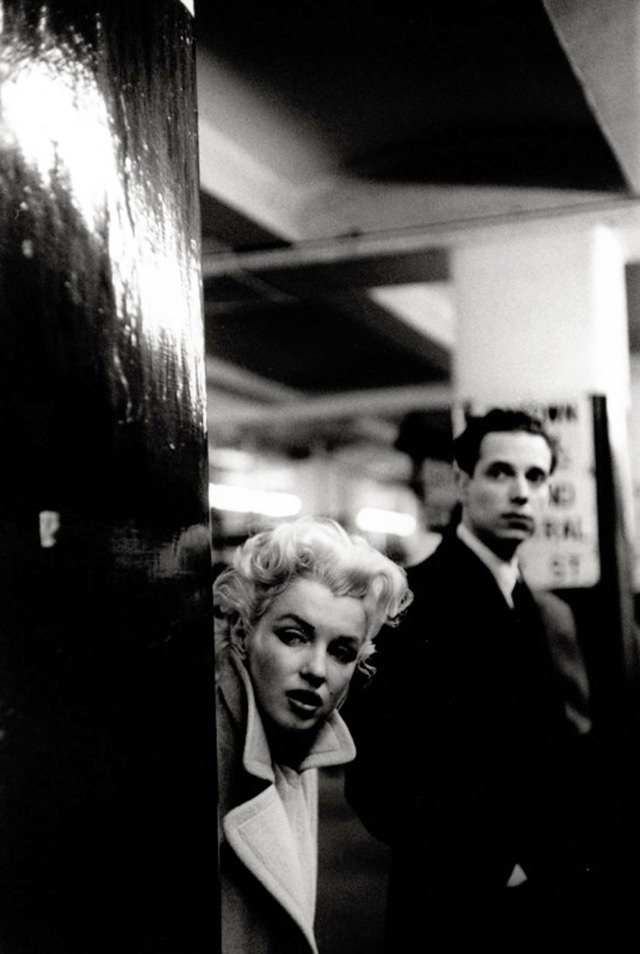
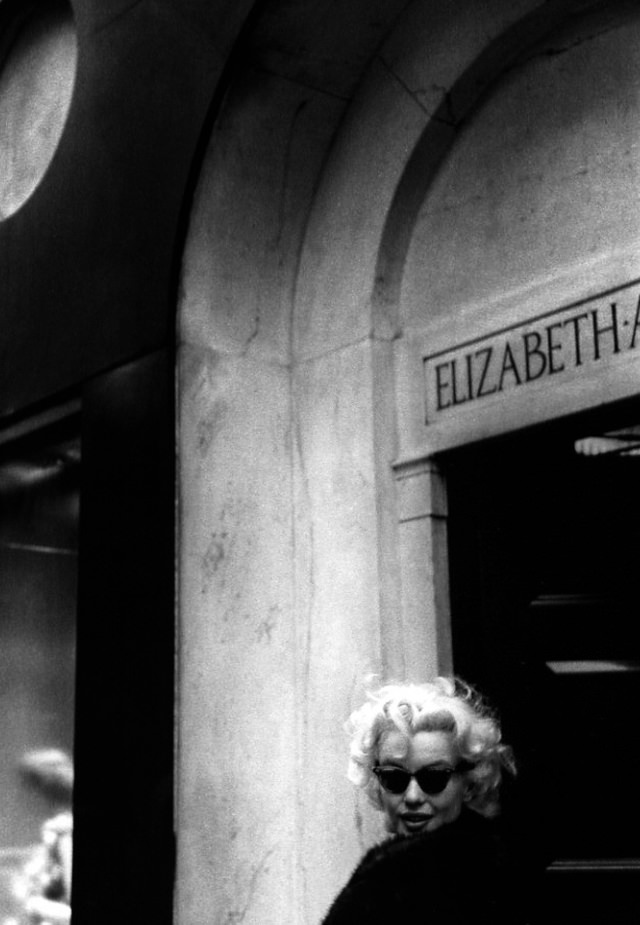
His camera captured Monroe applying makeup in her hotel suite, picking out clothes, eating in restaurants, and waiting on subway platforms. These were ordinary scenes, but they carried weight precisely because the subject was anything but ordinary. The photographs showed a woman preparing her public face while also existing in unguarded, private moments — looking out a window, moving through a crowd, simply living in a city that didn’t yet fully know what to make of her.