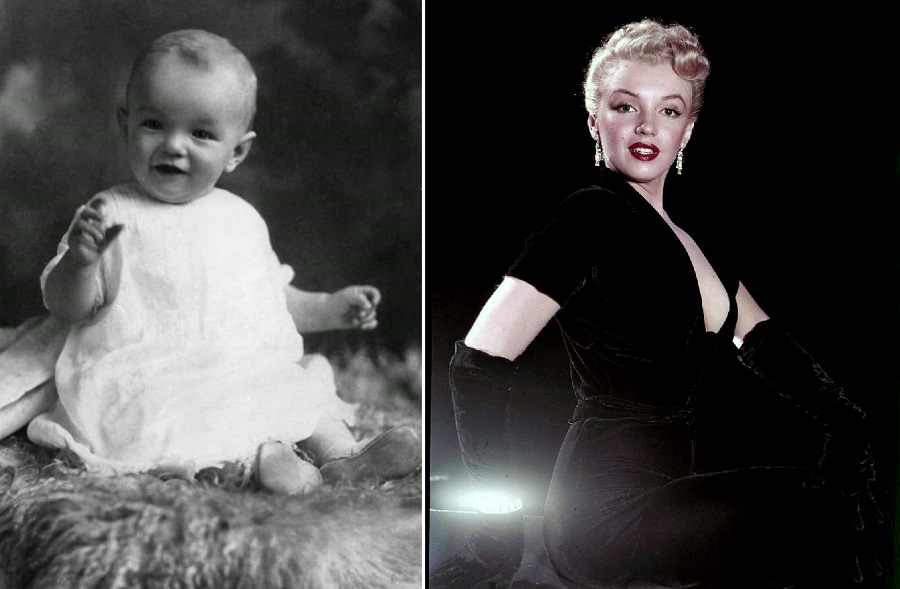
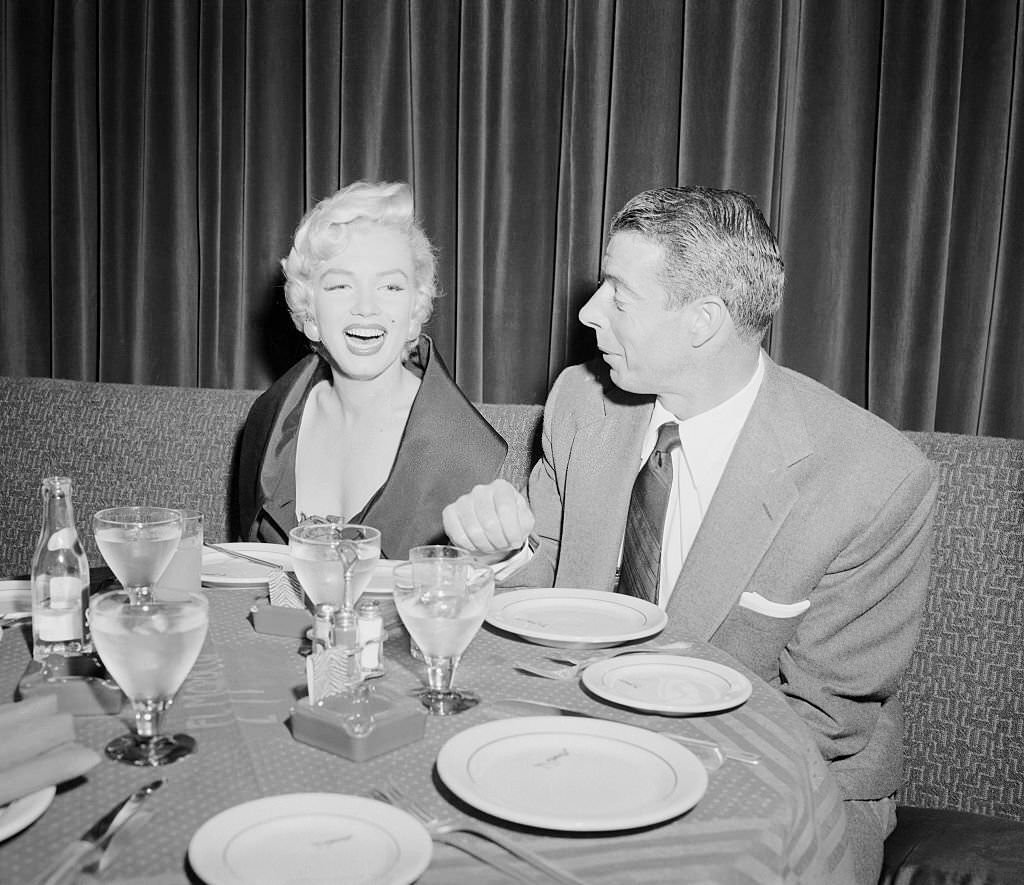
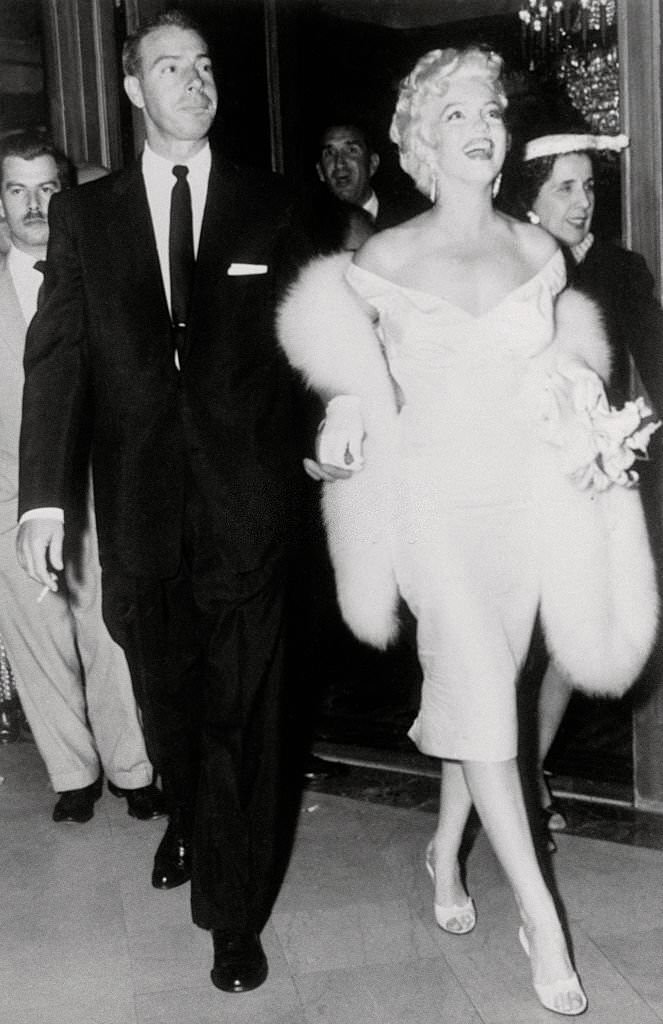
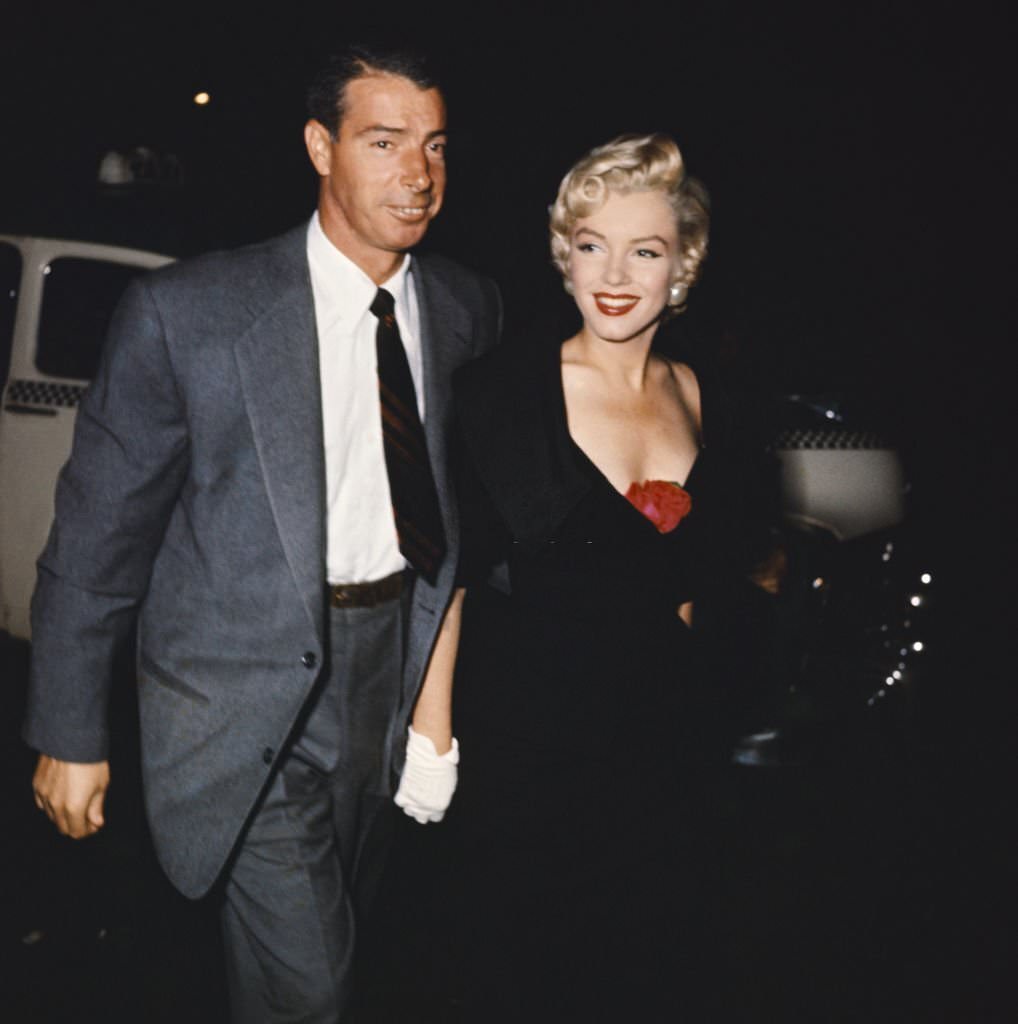
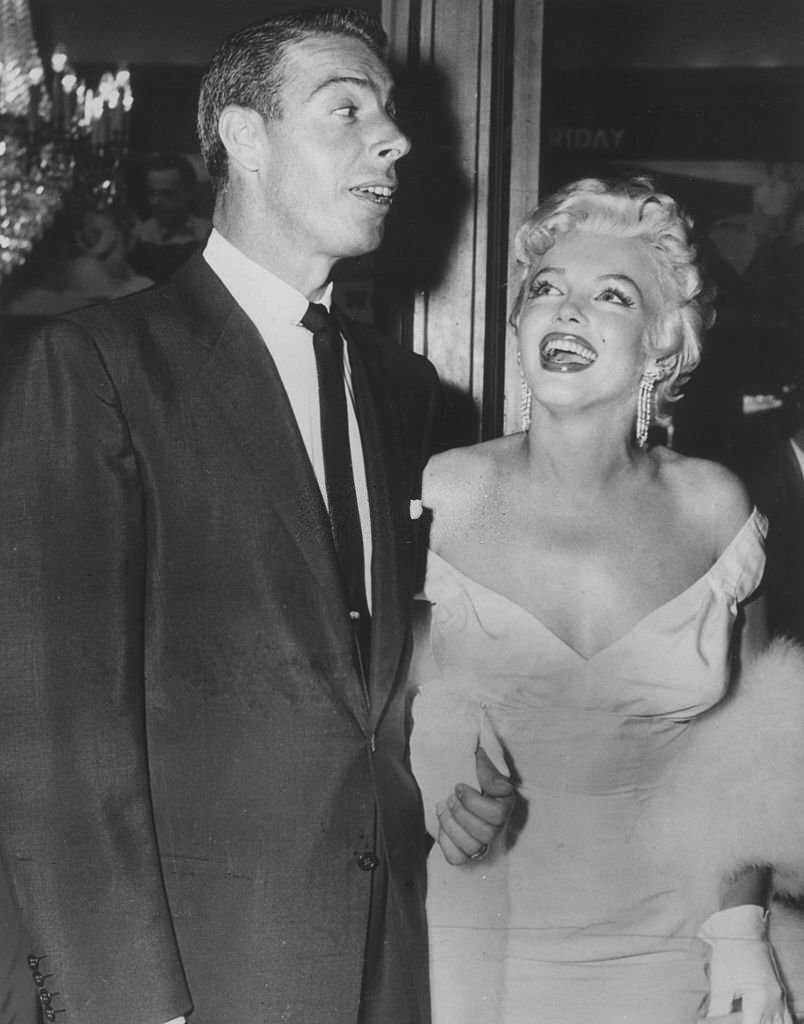
They were two of the most recognizable people in America — a baseball legend and a Hollywood icon — and their romance captured the public’s attention like few love stories ever had. Marilyn Monroe and Joe DiMaggio were drawn together by forces that were almost impossible to resist. Yet those same forces — fame, ambition, and clashing ideas about who each of them should be — pulled them apart just as powerfully. Their relationship lasted only nine months of marriage, but it defined both of their lives until the very end.
The two first met on May 8, 1952, at Villa Nova, an Italian restaurant on Sunset Boulevard in Los Angeles. A mutual friend had arranged the introduction, and DiMaggio showed up already knowing exactly who Monroe was. She was rising fast in Hollywood, with screen credits on films like ‘Monkey Business’ and ‘Don’t Bother to Knock.’ DiMaggio, for his part, had recently retired from the New York Yankees due to injuries, closing the book on one of the greatest baseball careers in American history. He was famous, but his peak was behind him. Hers was just beginning.
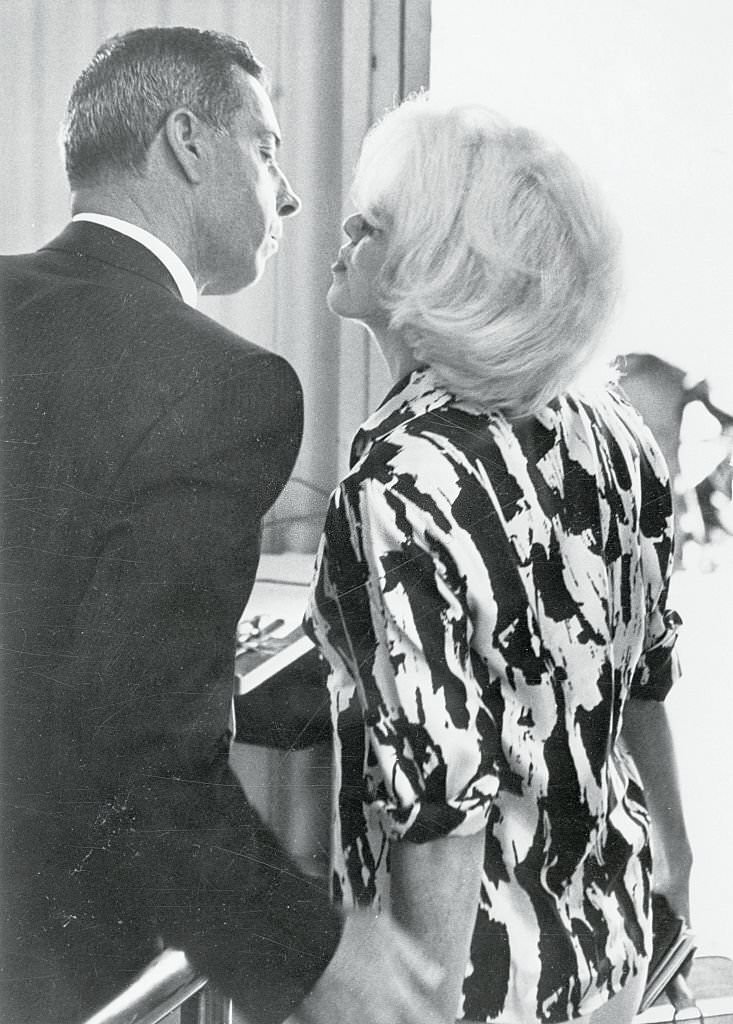
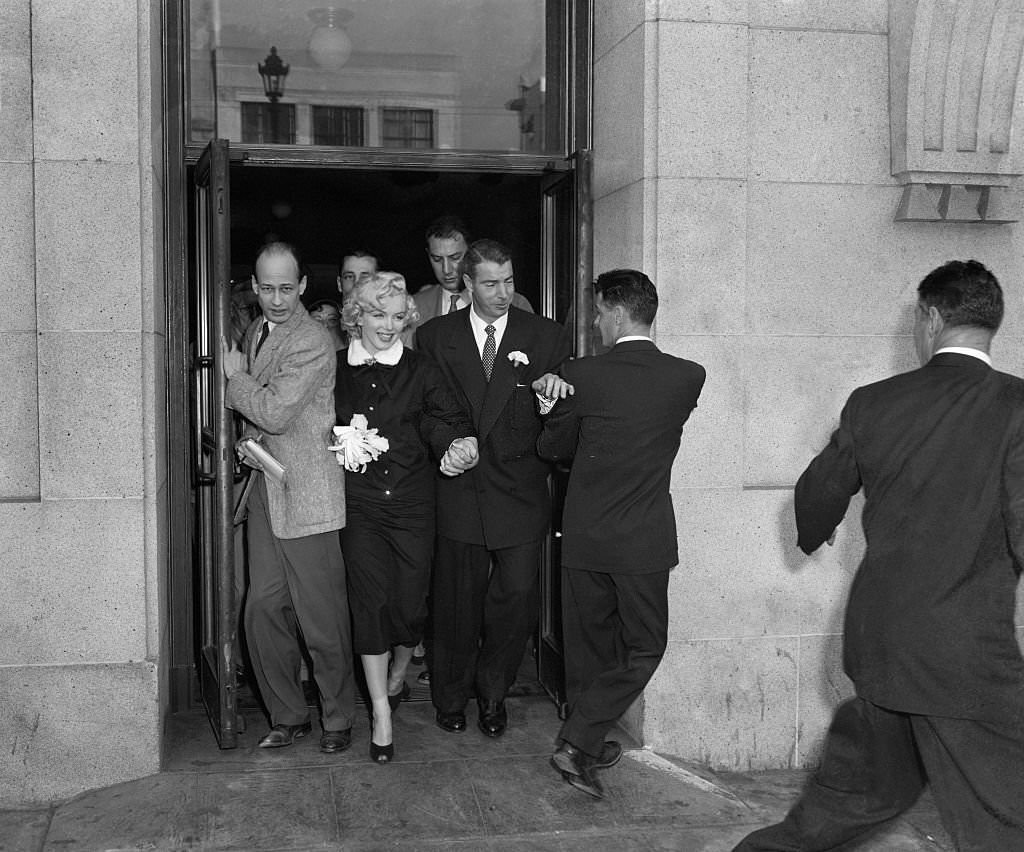
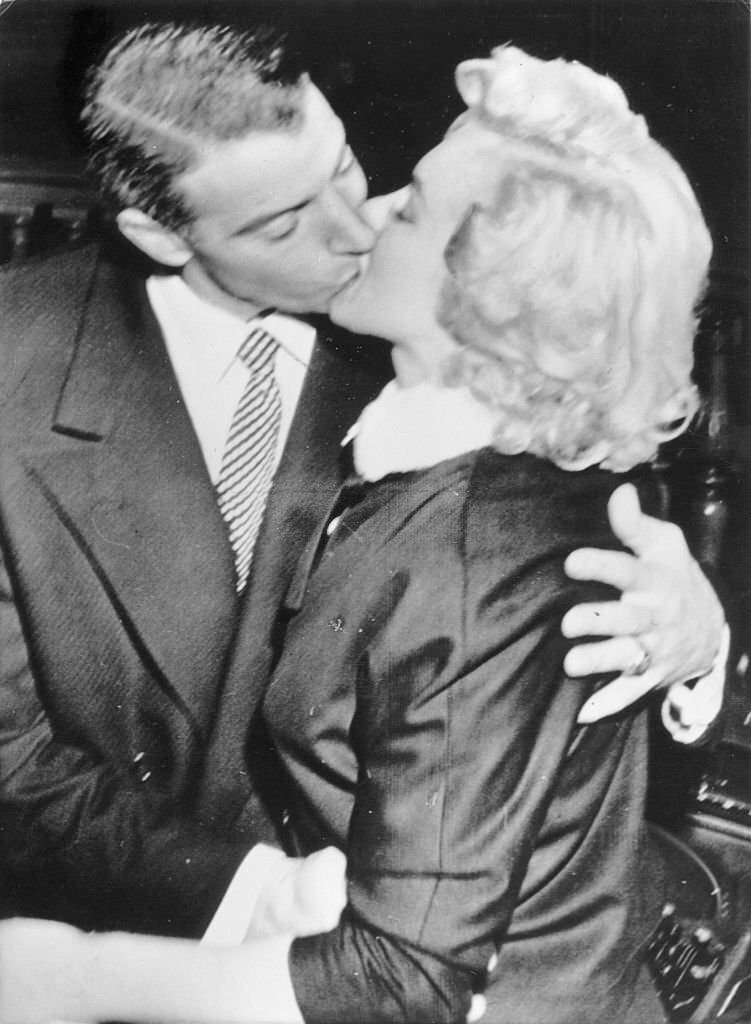
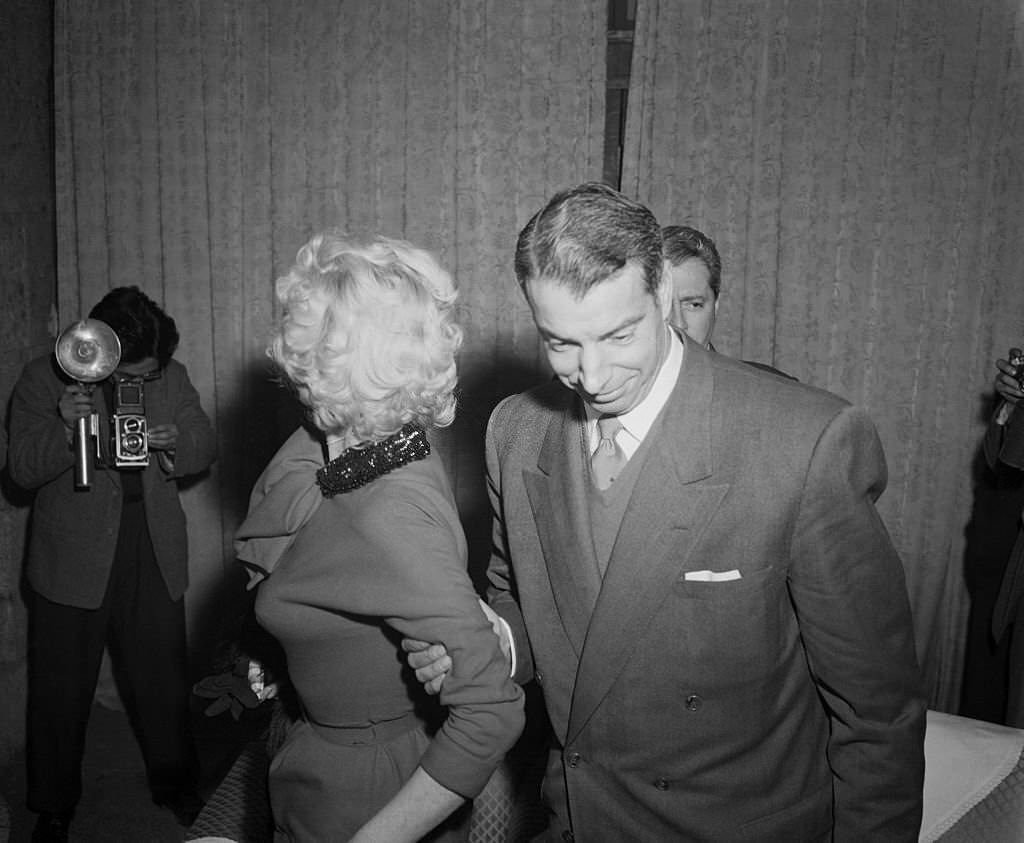
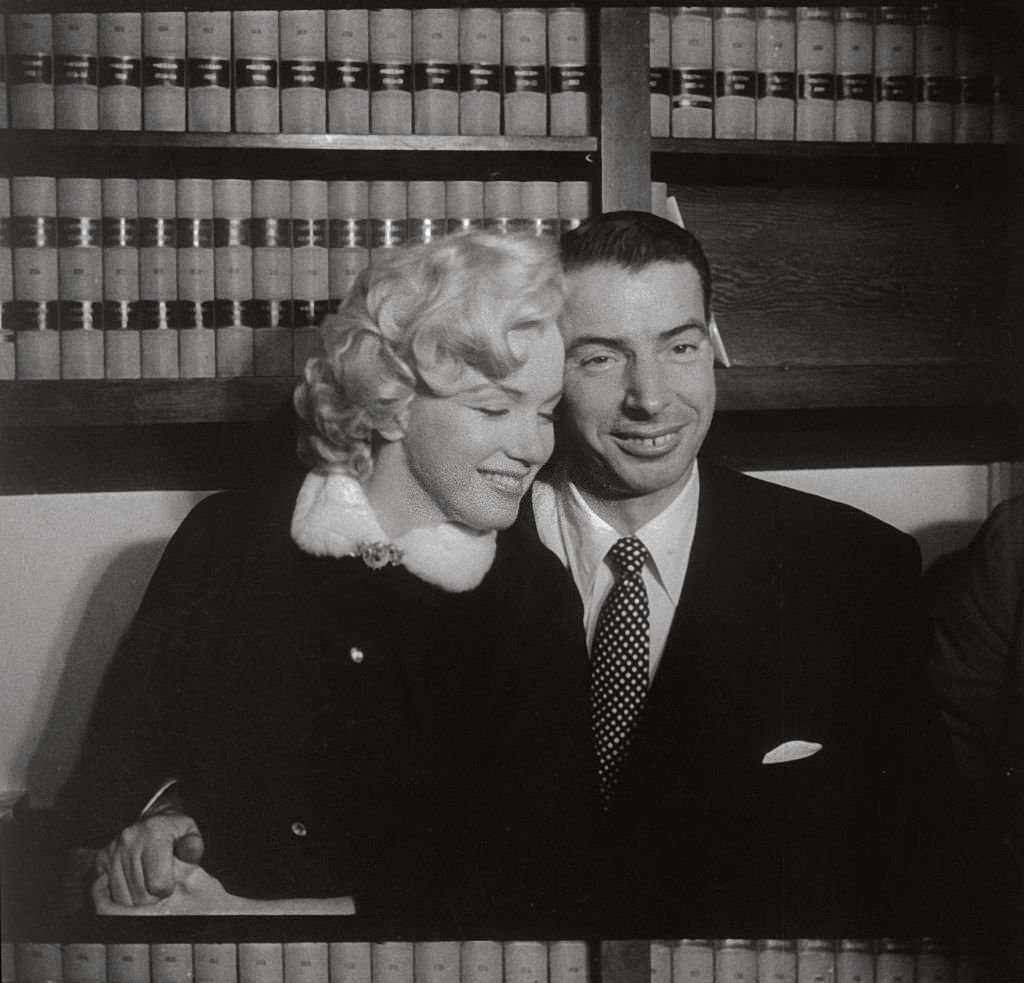
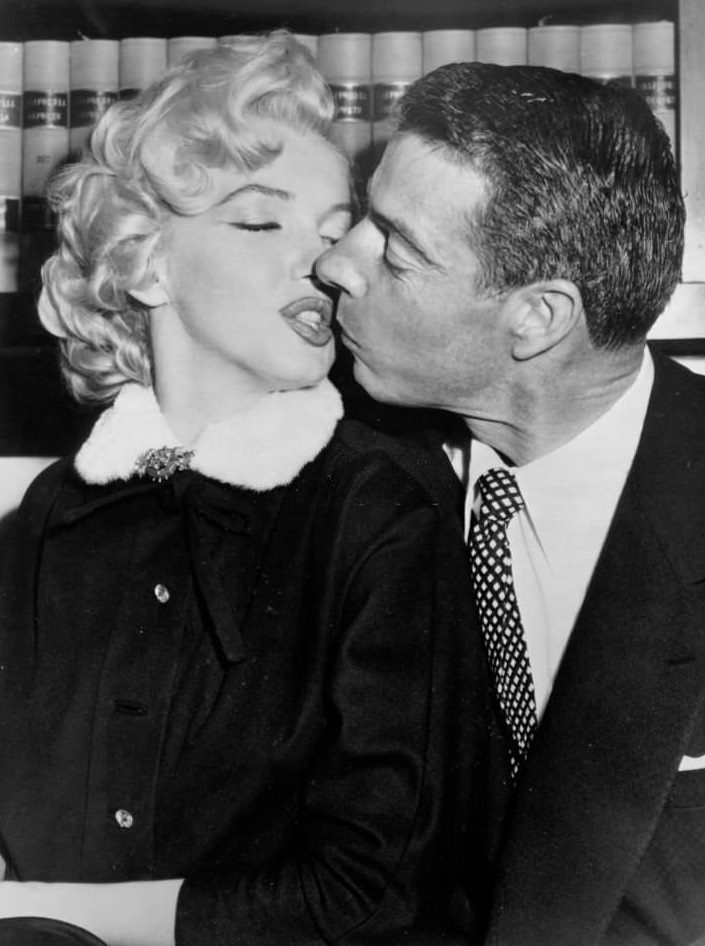
DiMaggio spent the summer of 1952 pursuing Monroe with quiet but determined persistence. He was not a flashy man. Unlike the glittering world Monroe inhabited, DiMaggio was reserved, private, and old-fashioned in his values. That contrast was part of the attraction — at least at first. By January 1954, after more than a year of courtship, the two were ready to make it official. On January 14, 1954, they married in a brief civil ceremony at San Francisco City Hall. No elaborate Hollywood production, no star-studded guest list — just a judge’s chambers and a kiss that the whole country wanted to see.
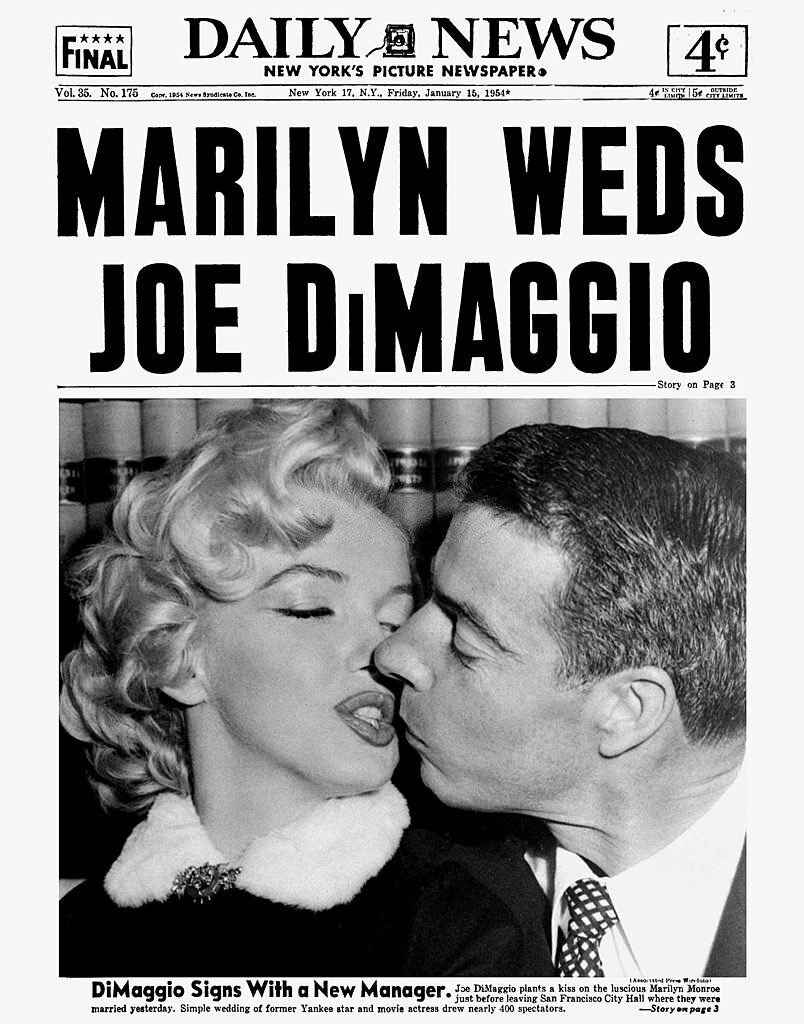
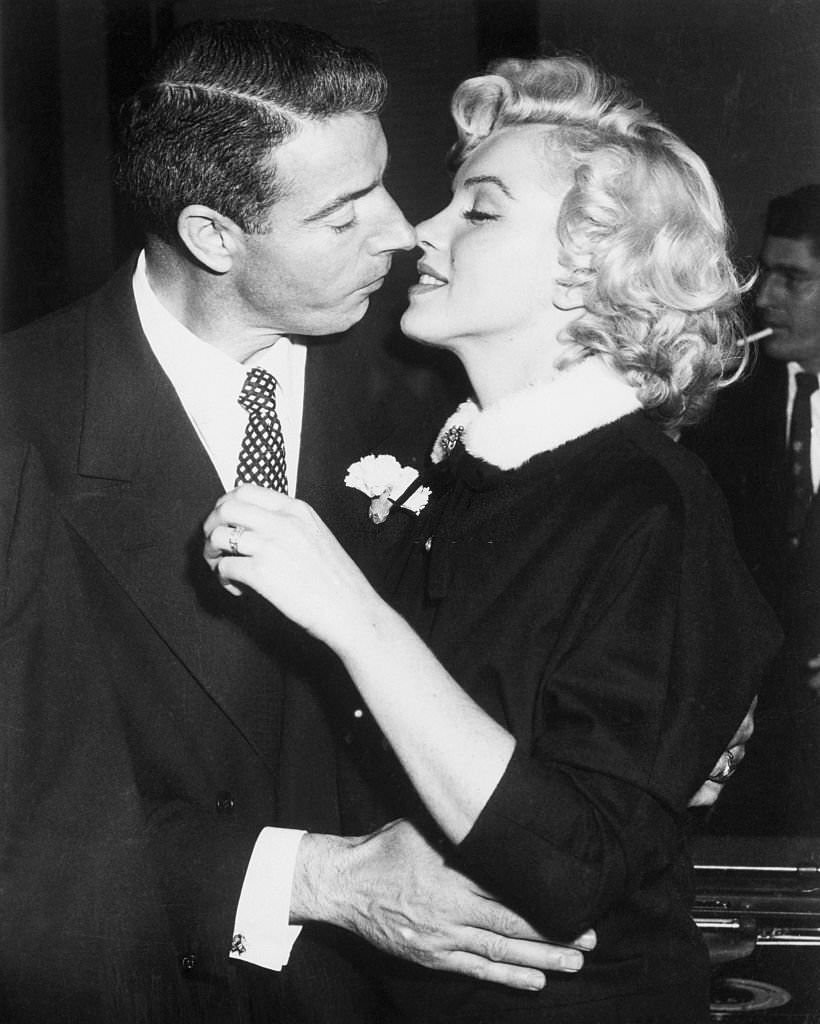
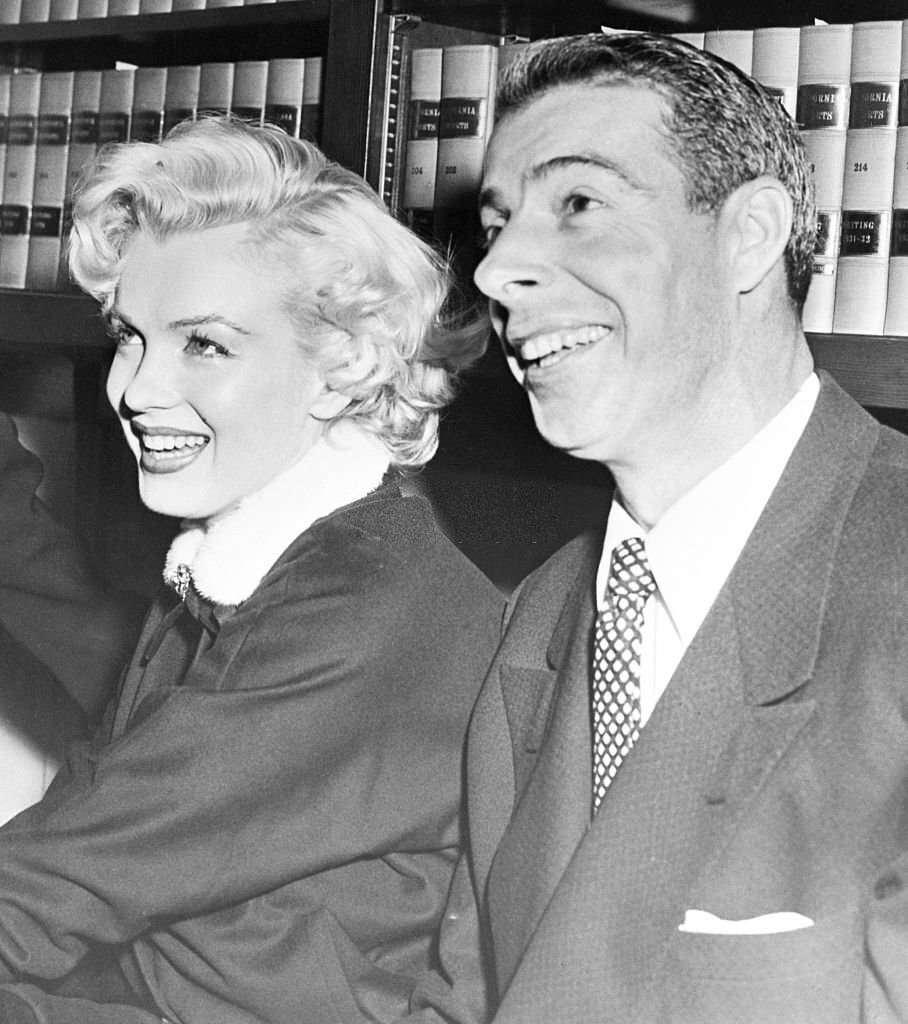
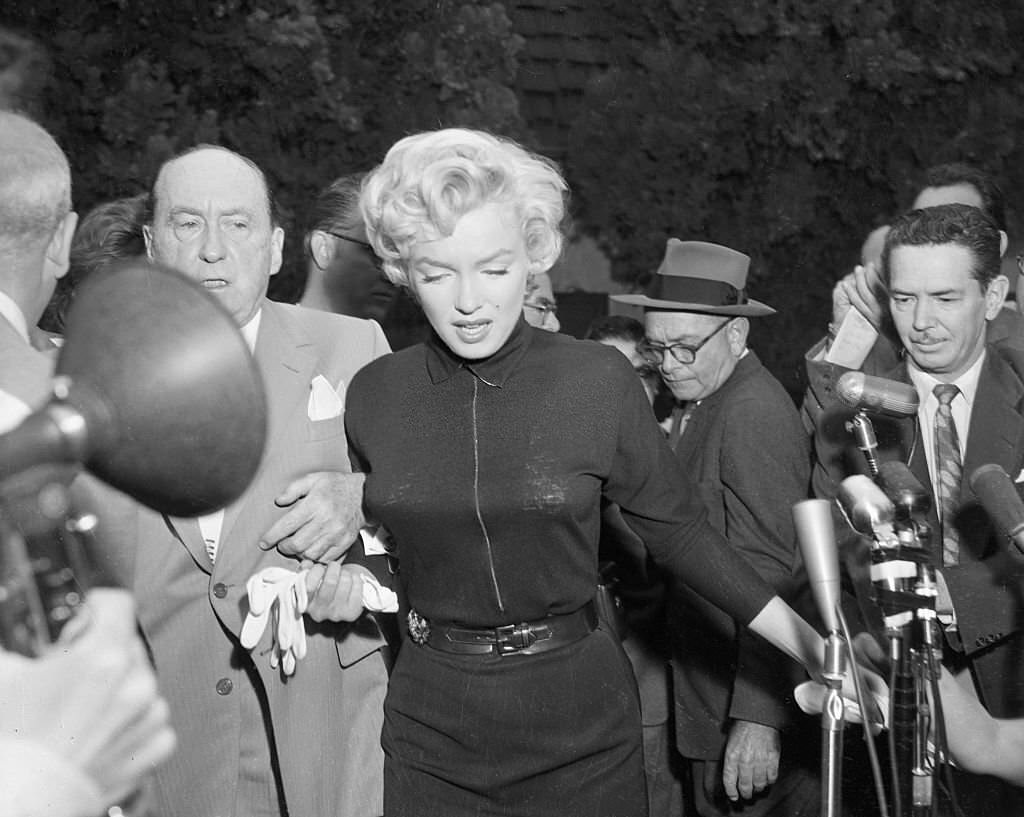
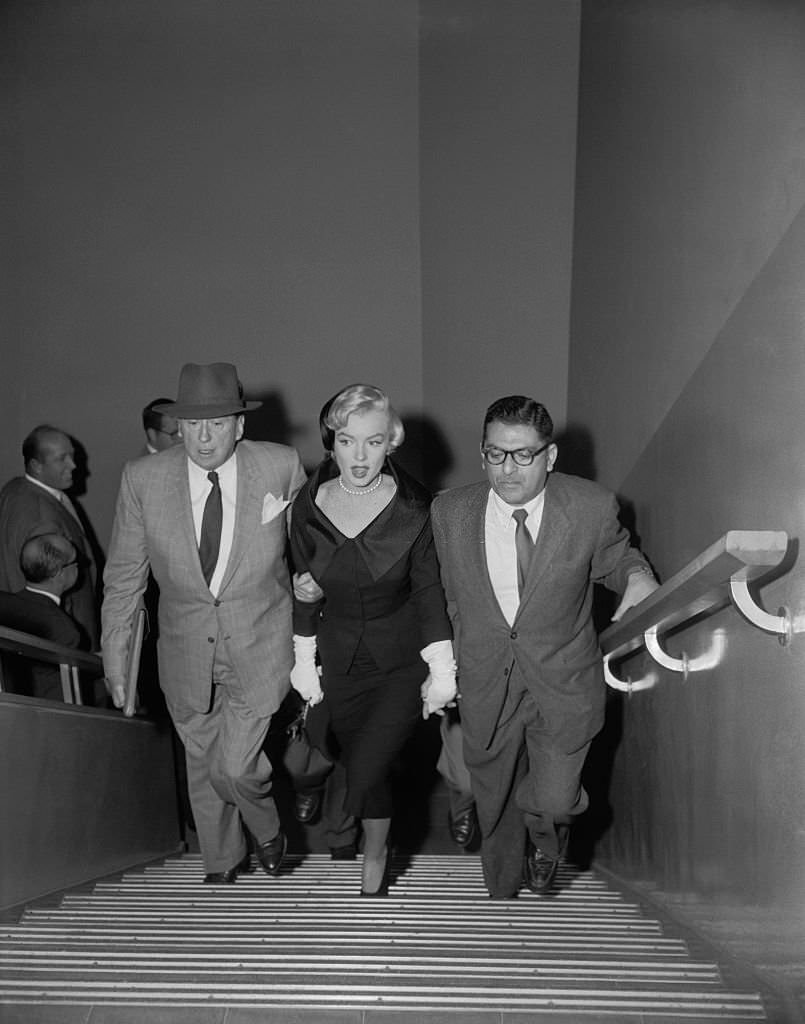
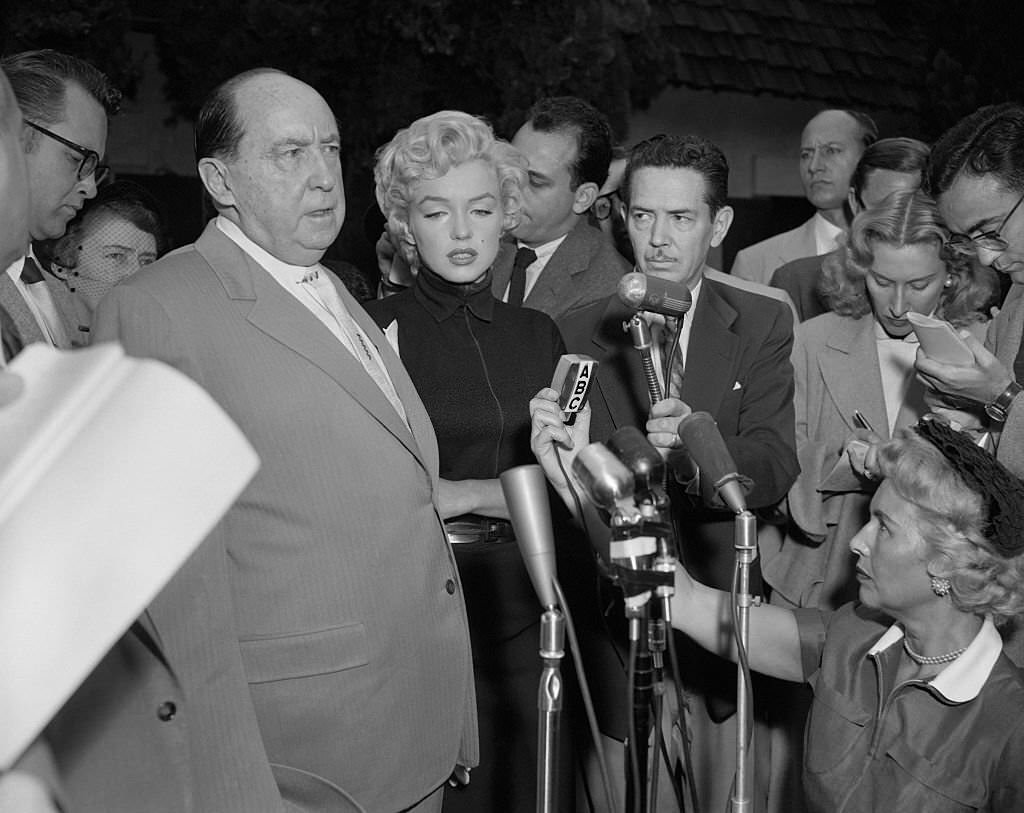
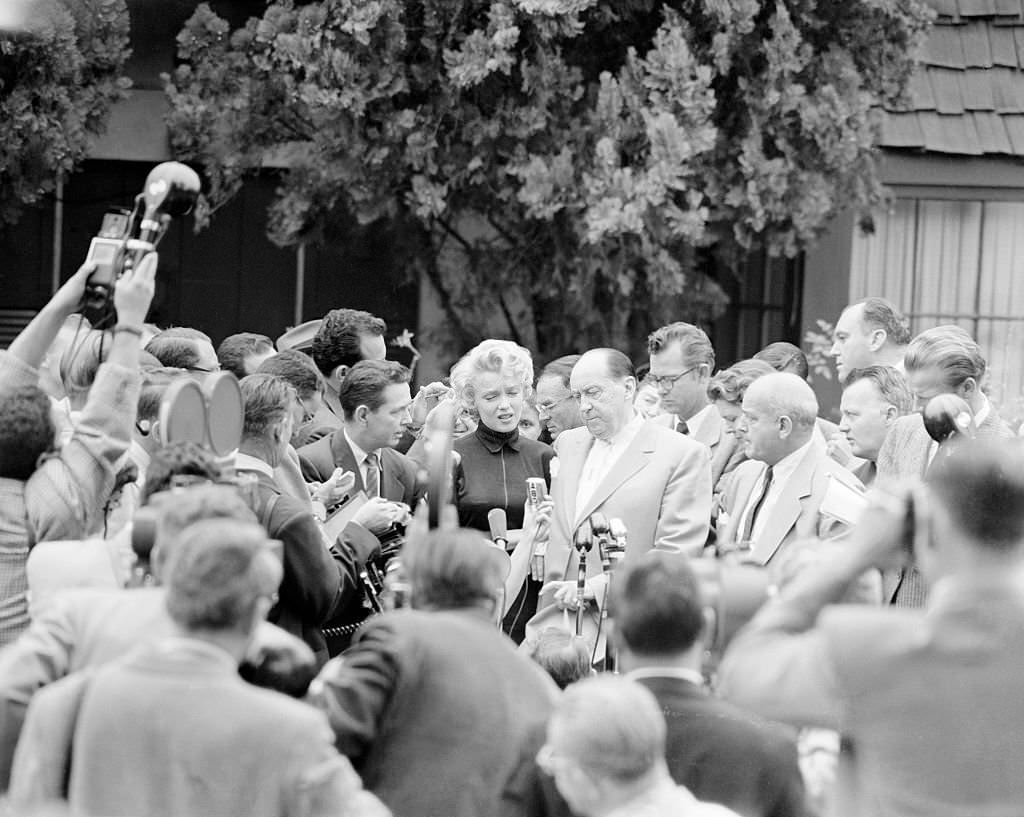
The wedding photographs show a couple beaming with happiness. Monroe wore a dark, elegant suit, and DiMaggio looked every bit the proud groom. The crowd outside City Hall pressed in to catch a glimpse, and the couple navigated the chaos together. For a brief moment, everything seemed right.
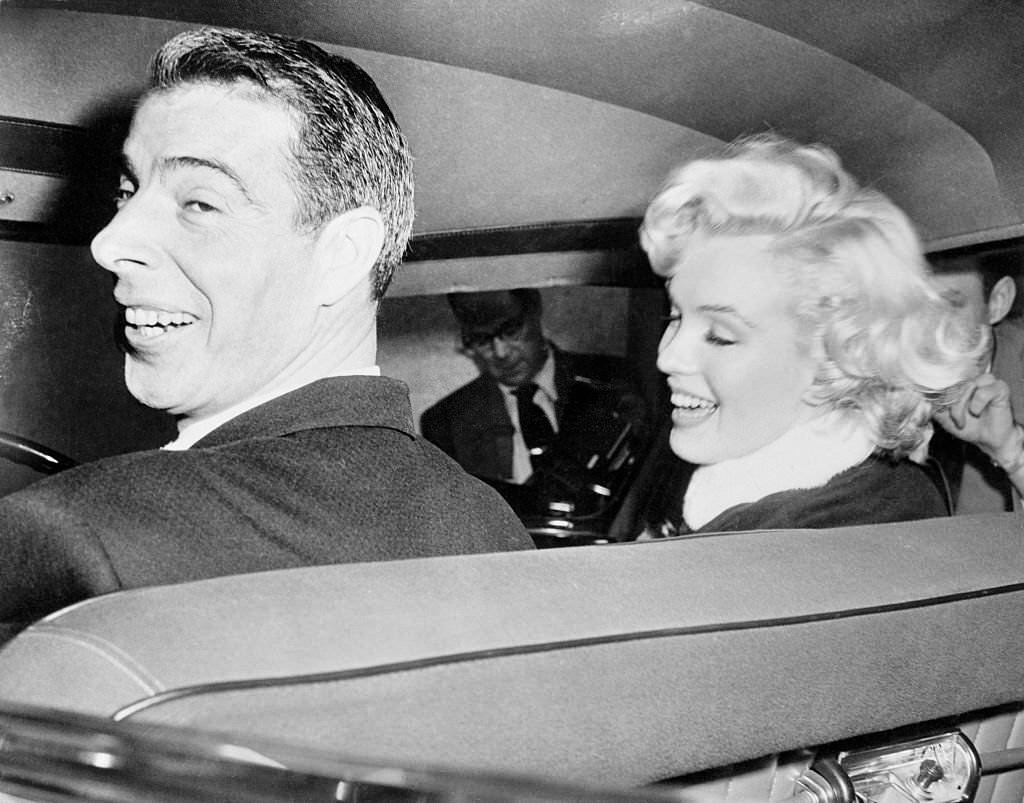
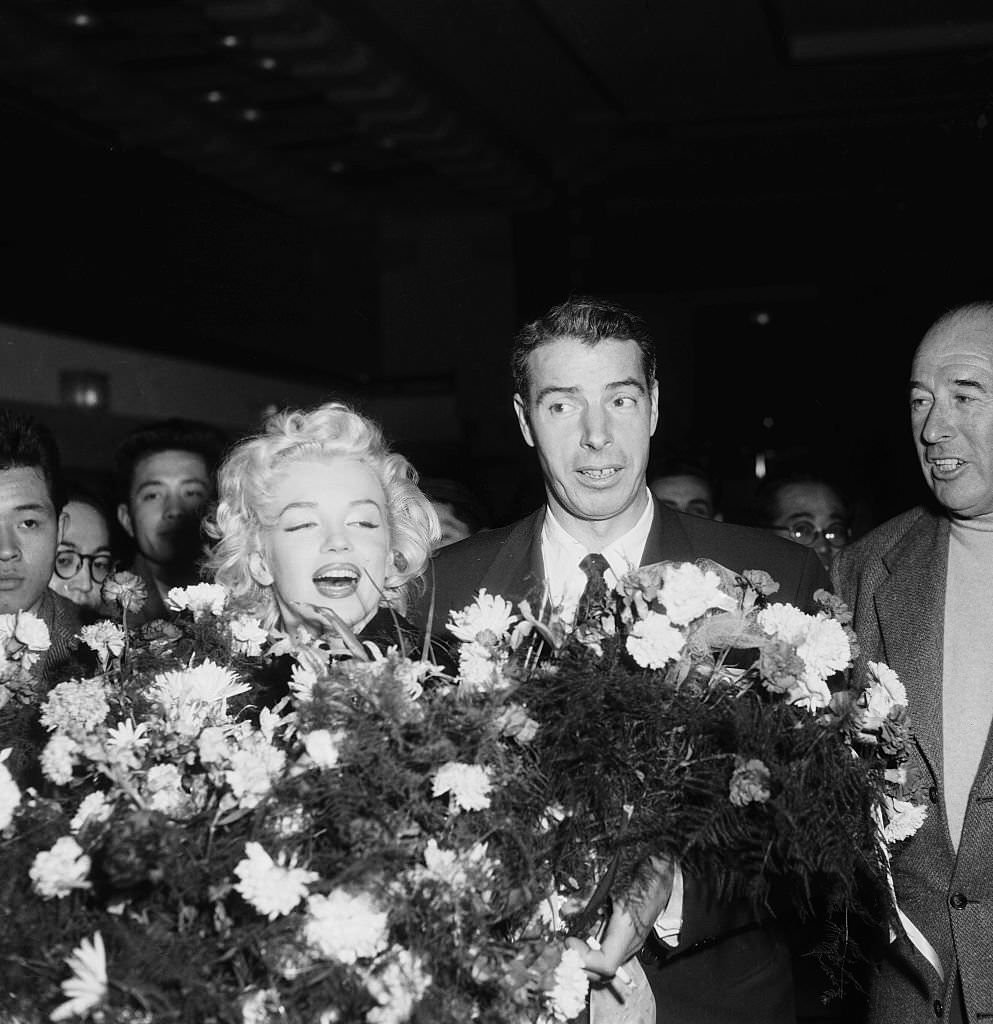
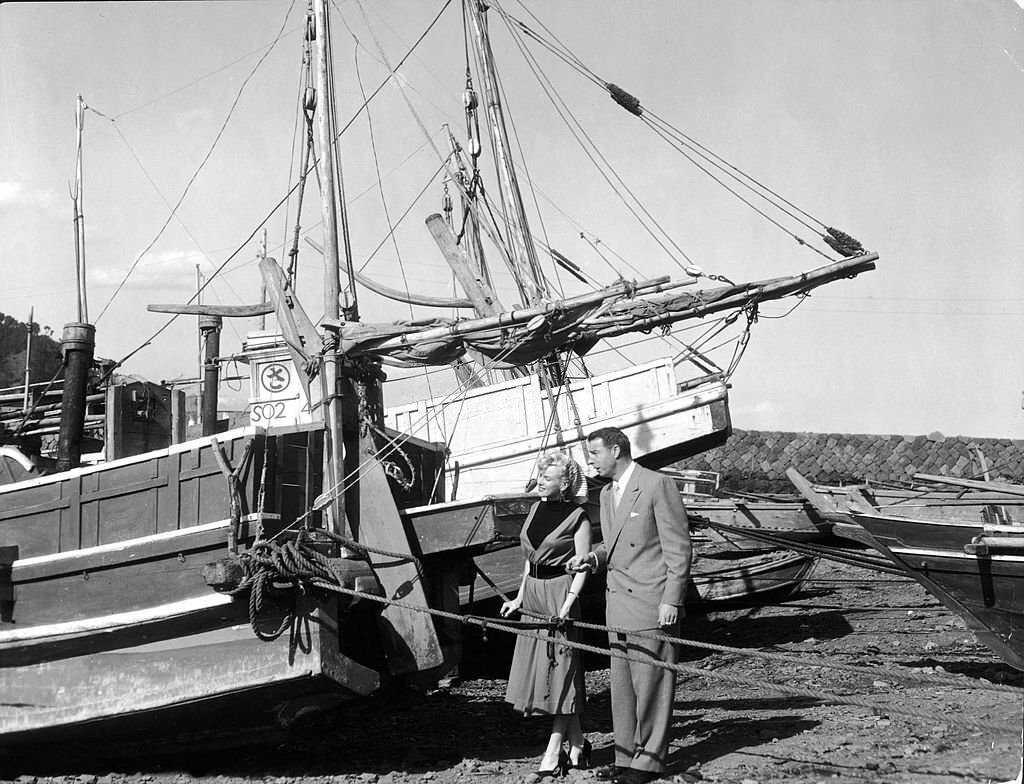
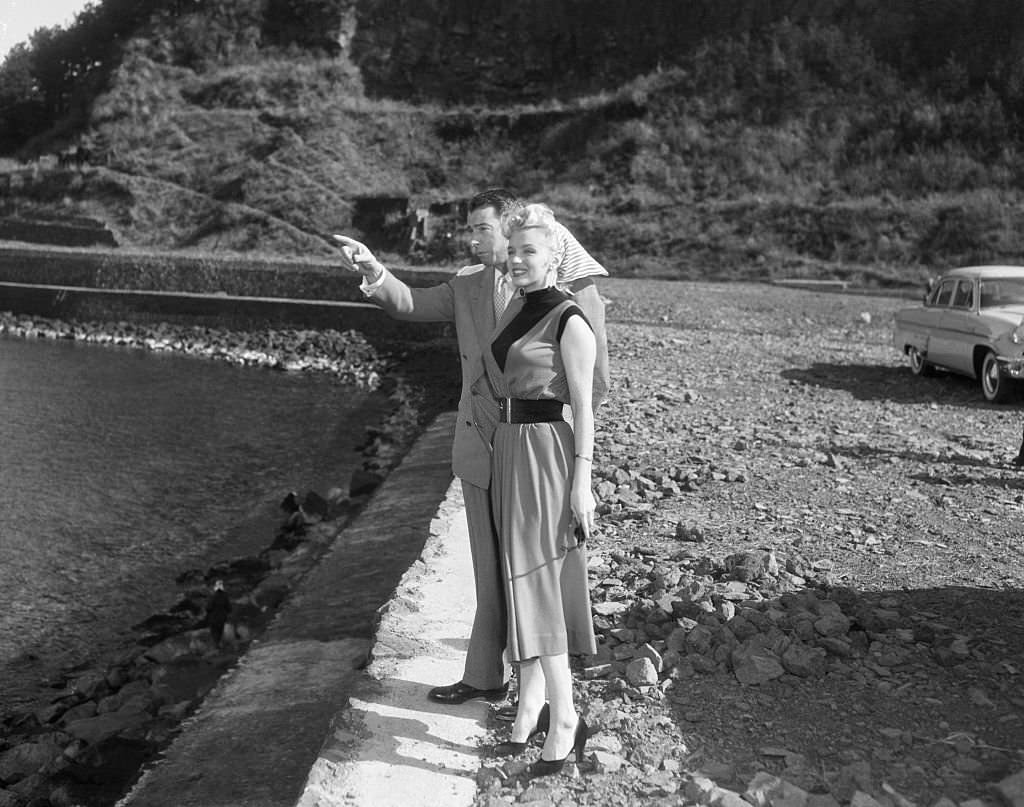
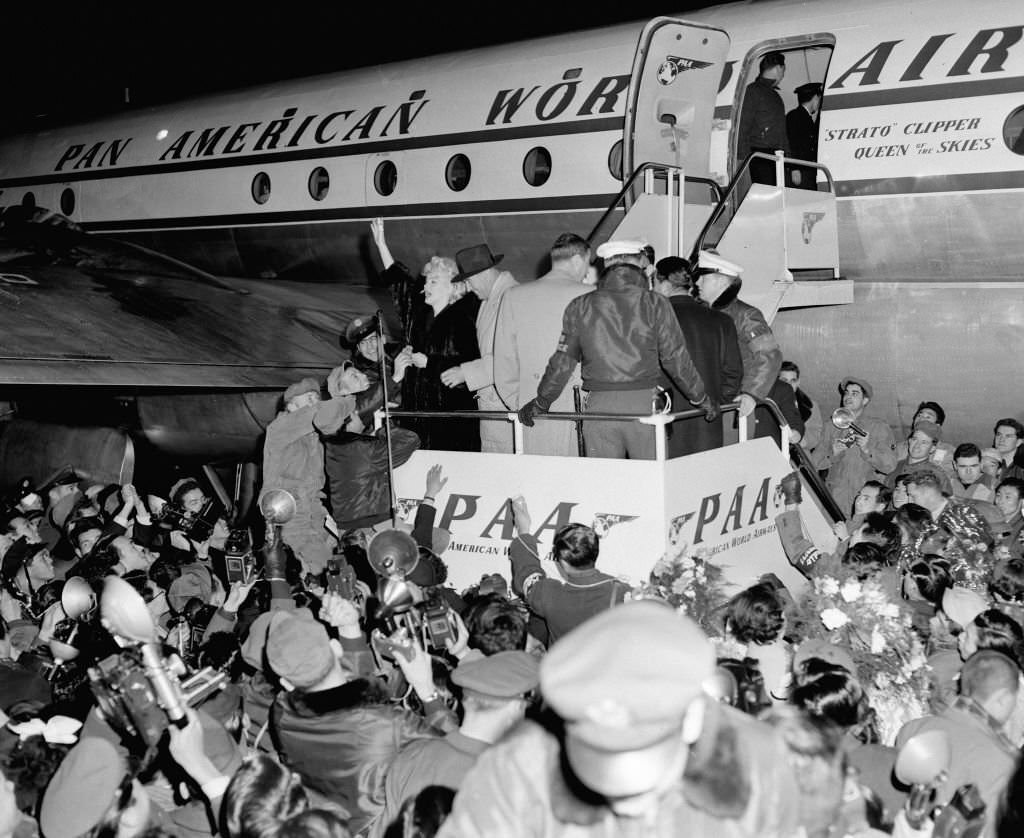
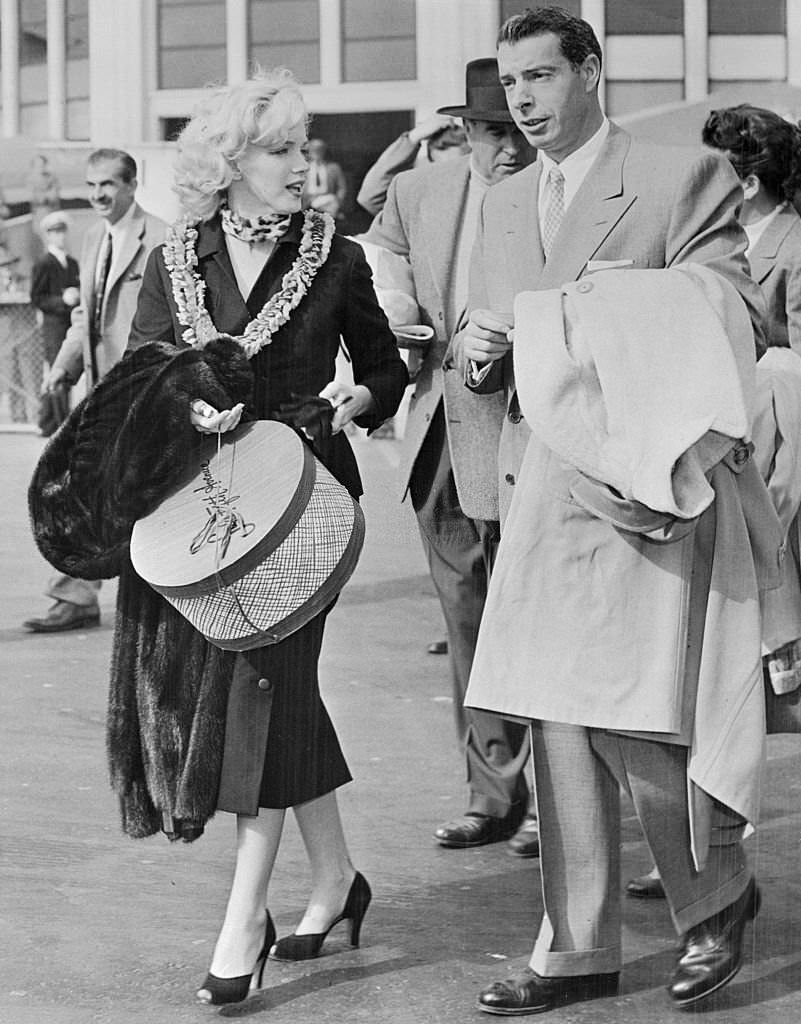
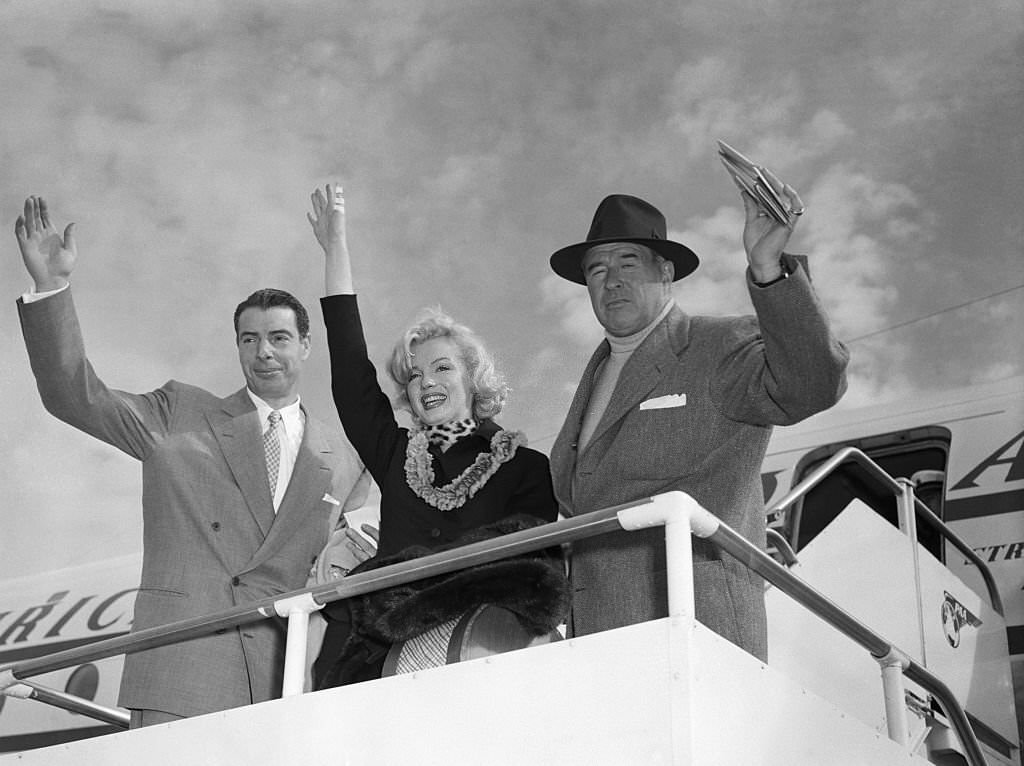
For their honeymoon, the couple traveled to Tokyo, where DiMaggio had commitments related to the opening of the 1954 Japanese baseball season. The trip was festive on the surface — they were greeted with flower bouquets and crowds of admirers at the Imperial Hotel. But the honeymoon quickly revealed the tension at the heart of their marriage.
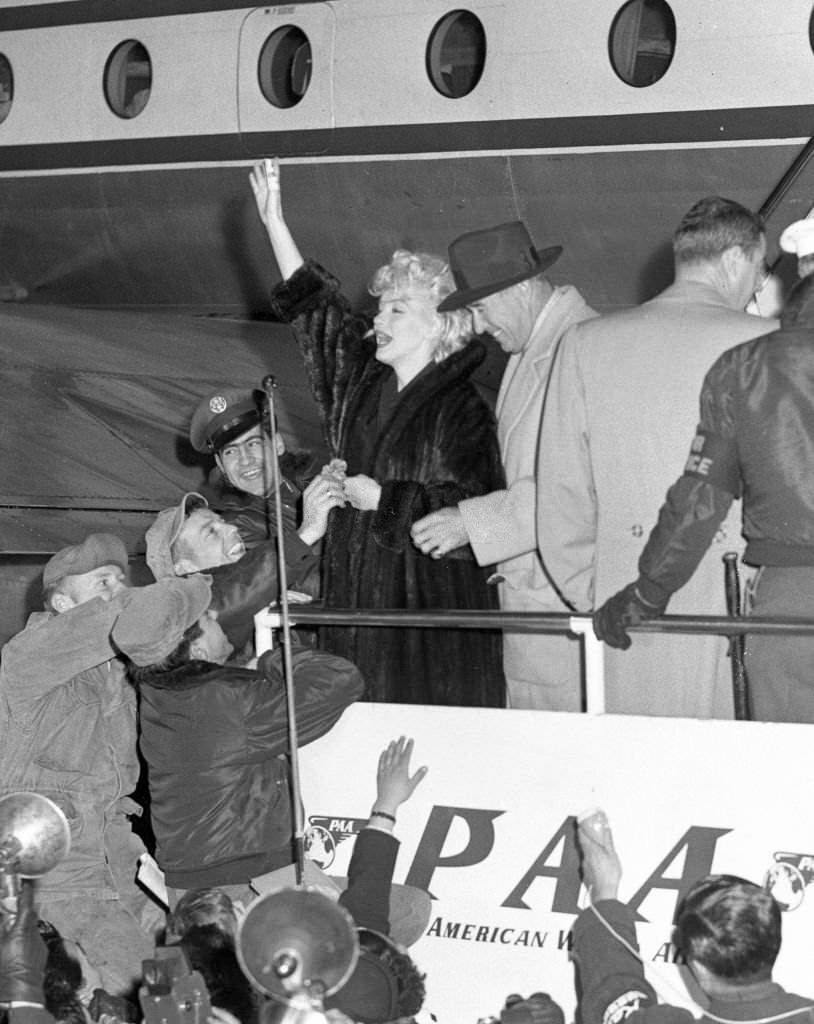
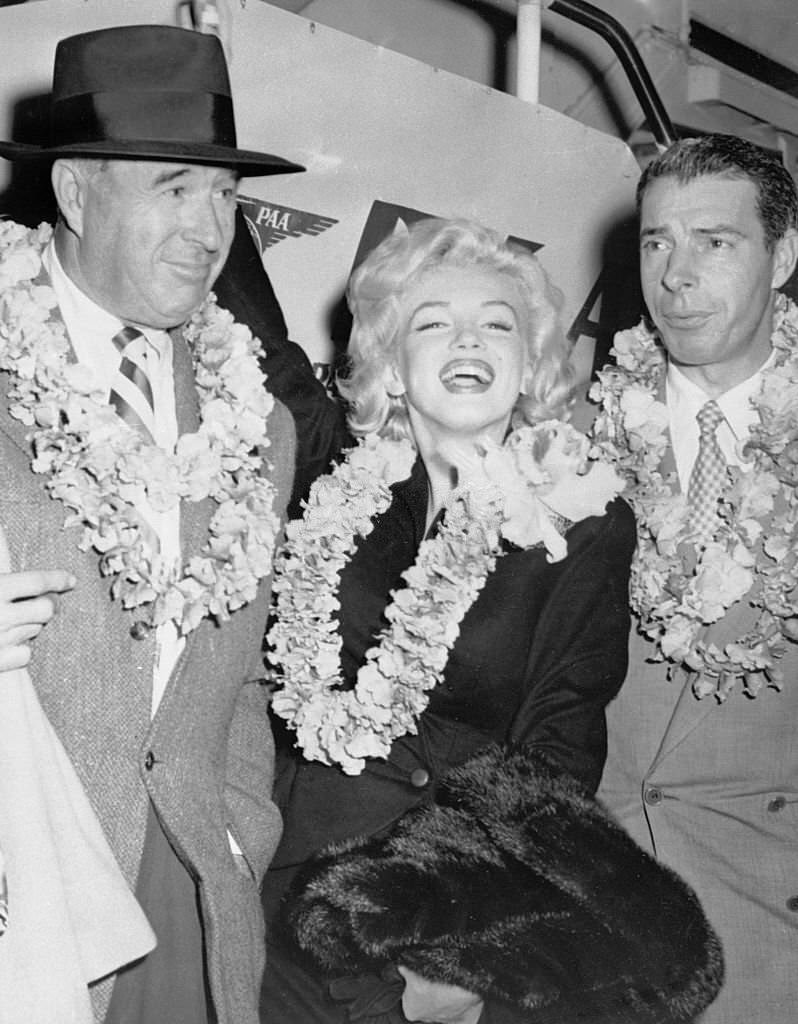
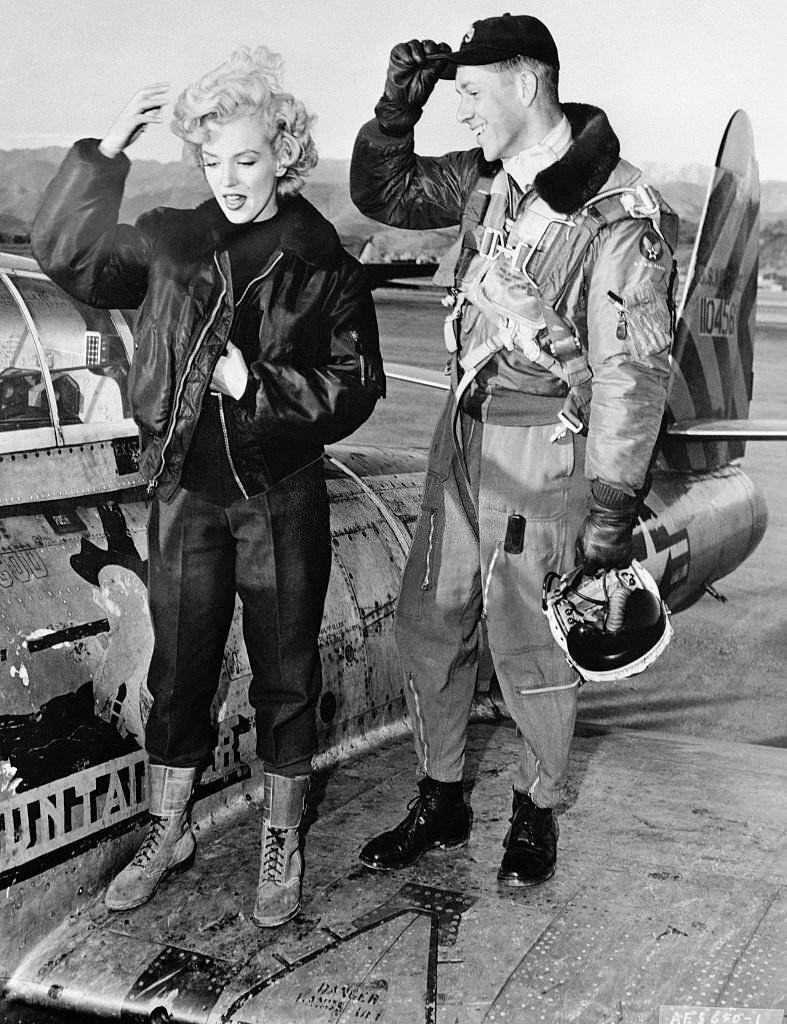
While in Japan, Monroe received a request to leave the honeymoon and travel to Korea to perform for American troops stationed there. She accepted without hesitation. DiMaggio did not go with her. Monroe took the stage in front of tens of thousands of soldiers, performing in the bitter February cold in a low-cut dress that sent the crowds into a frenzy. When she returned to DiMaggio, she reportedly told him, ‘Joe, you never heard such cheering.’ He replied quietly, ‘Yes I have.’ It was a telling moment. Two people, each the biggest star in their own world, unable to share the spotlight with each other.
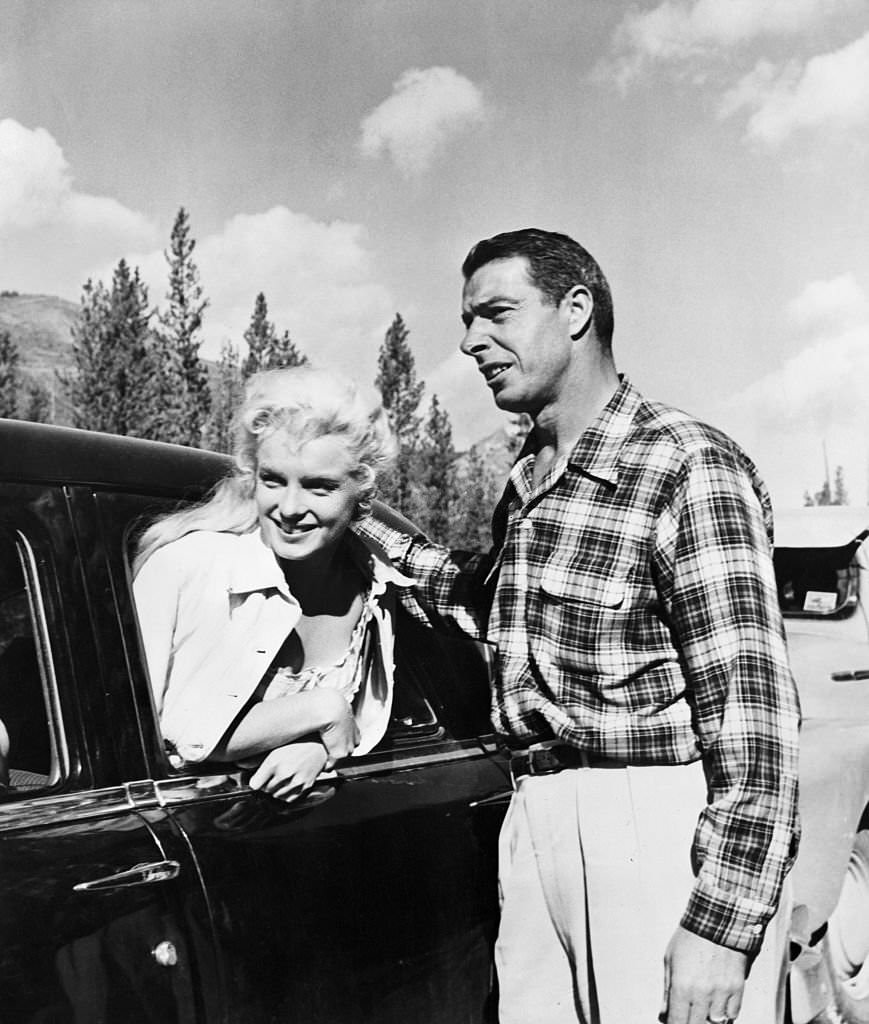
DiMaggio was deeply uncomfortable with Monroe’s public image. He wanted a traditional wife — private, domestic, out of the public eye. Monroe was the opposite of all that, and she had no intention of changing. The friction grew steadily through 1954. DiMaggio visited Monroe on location in Canada during the filming of ‘River of No Return,’ and the tension between them was visible to those around them. His presence on set did little to ease the problems at home.
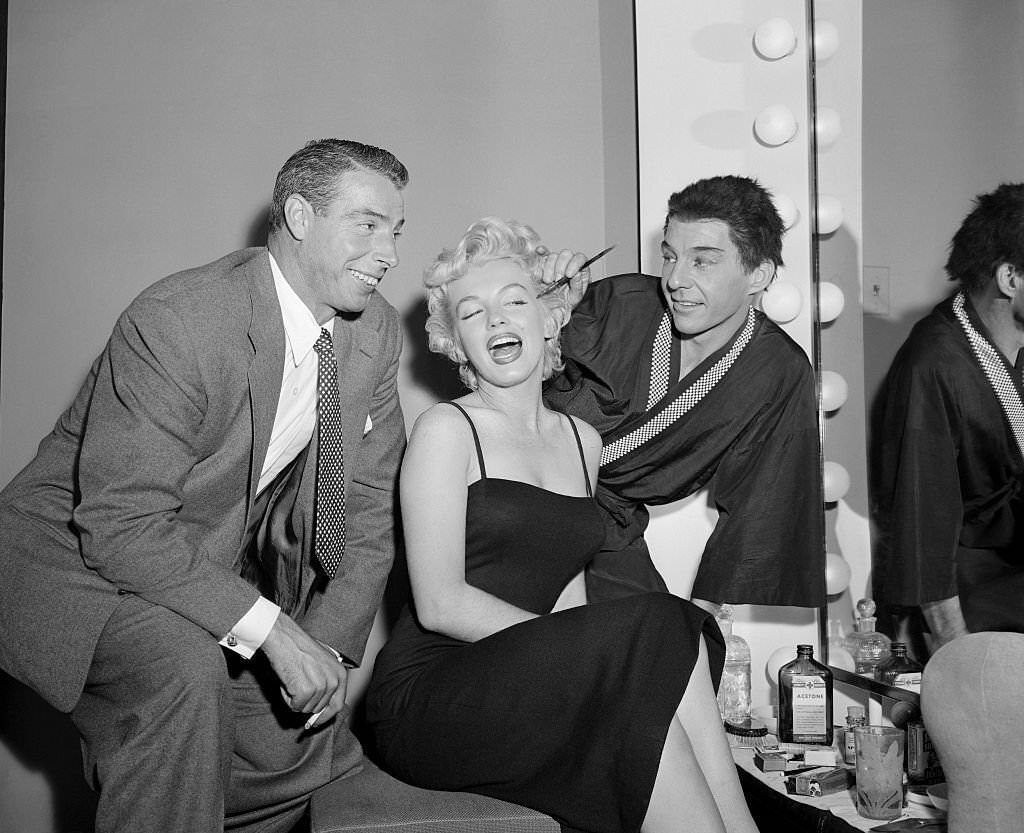
The breaking point came during the filming of ‘The Seven Year Itch’ in New York City. The production filmed the now-iconic scene on Lexington Avenue, in which Monroe stood over a subway grate and her white dress billowed up around her. DiMaggio was on set that night and watched as his wife was cheered on by a crowd of onlookers while the cameras rolled again and again. He was furious. The two had a loud, bitter argument afterward. Whatever remained of their marriage did not survive that night. Monroe filed for divorce shortly after, citing mental cruelty. The couple divorced in October 1954, nine months after their wedding day.
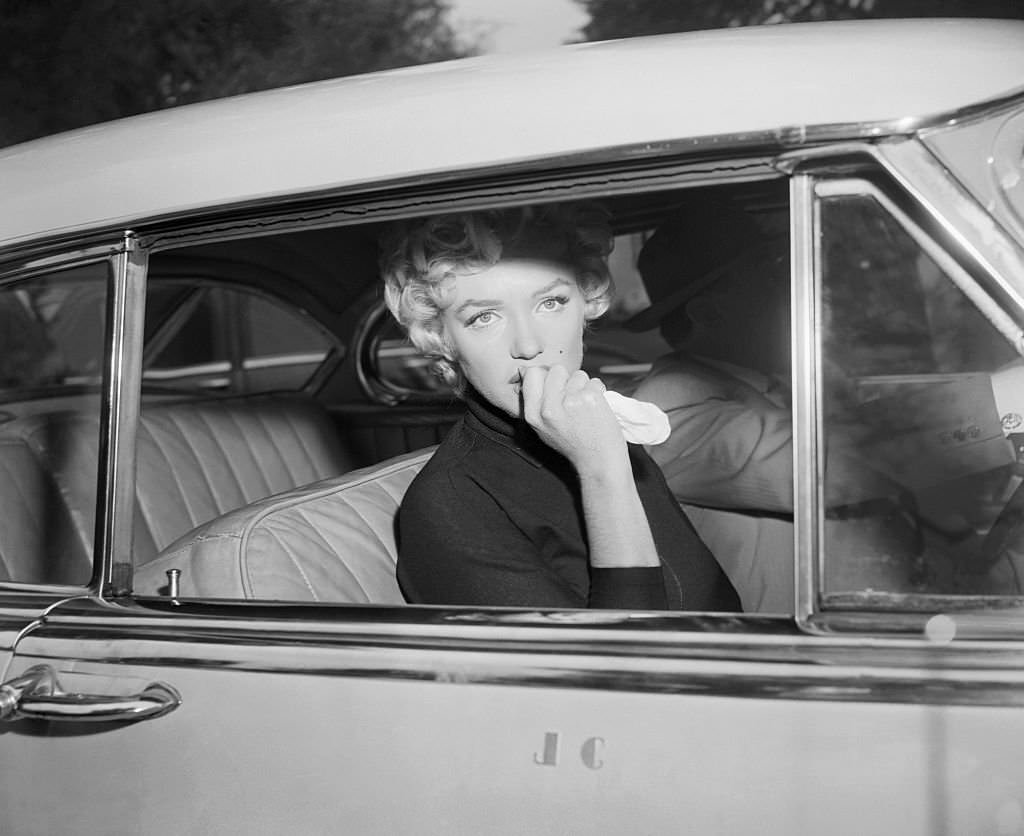
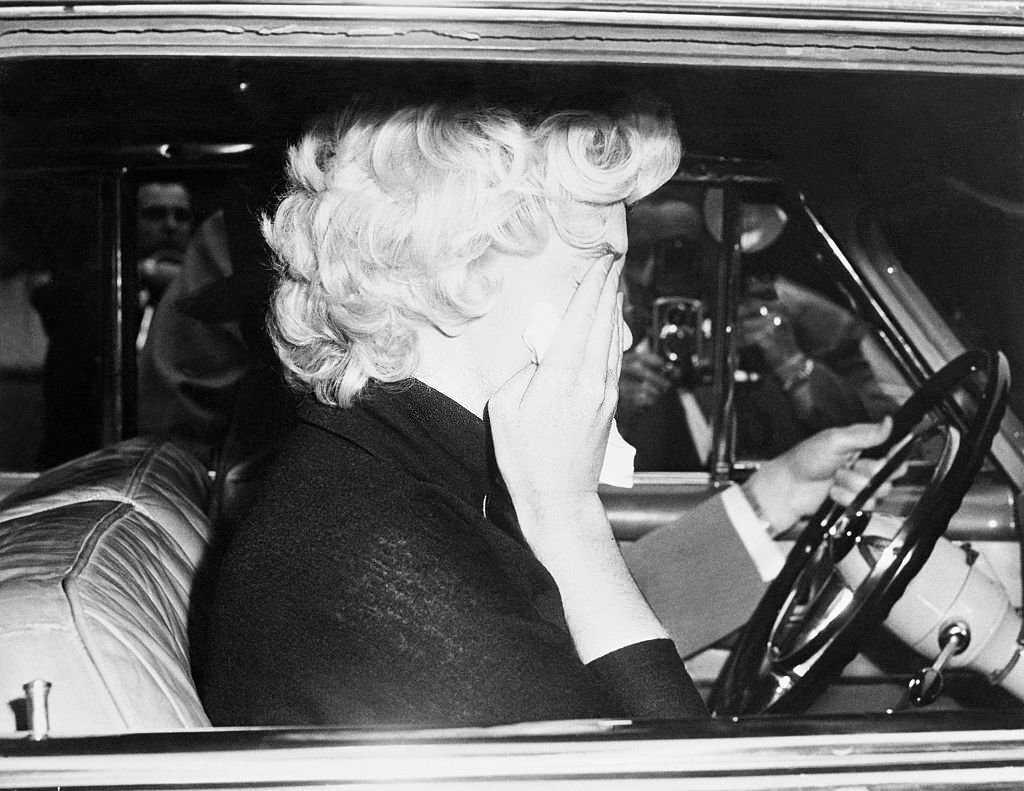
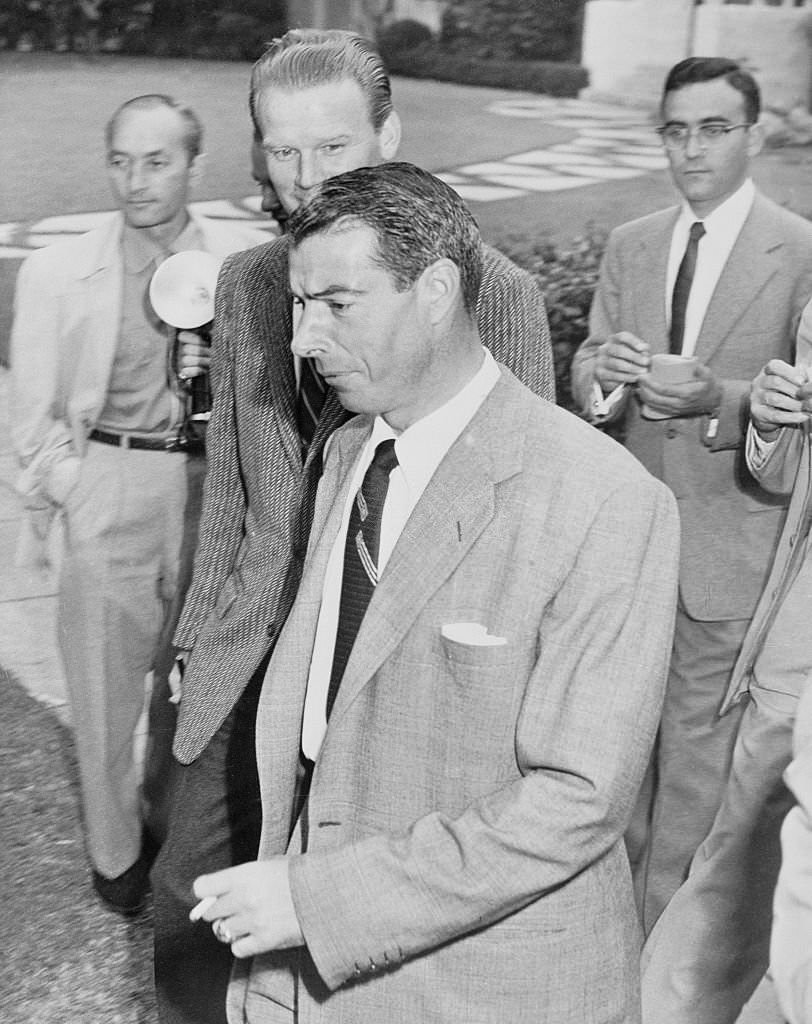
Despite the divorce, DiMaggio never truly walked away. Monroe went on to marry playwright Arthur Miller in 1956, but DiMaggio remained a quiet, steadying presence in her life throughout the years that followed. When Monroe suffered a mental breakdown in 1961 and was committed to a psychiatric hospital, it was DiMaggio who stepped in. He arranged for her release and brought her to the New York Yankees’ spring training camp in Florida to rest and recover. He proposed to her again during that period, asking her to marry him a second time. She did not say yes, but she did not push him away either.
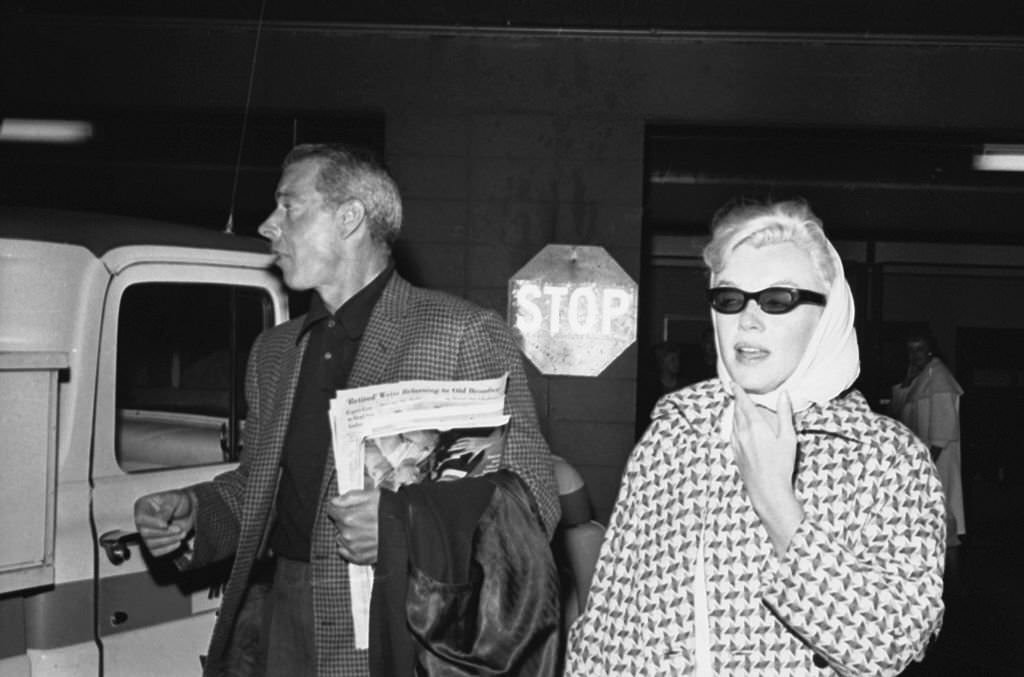
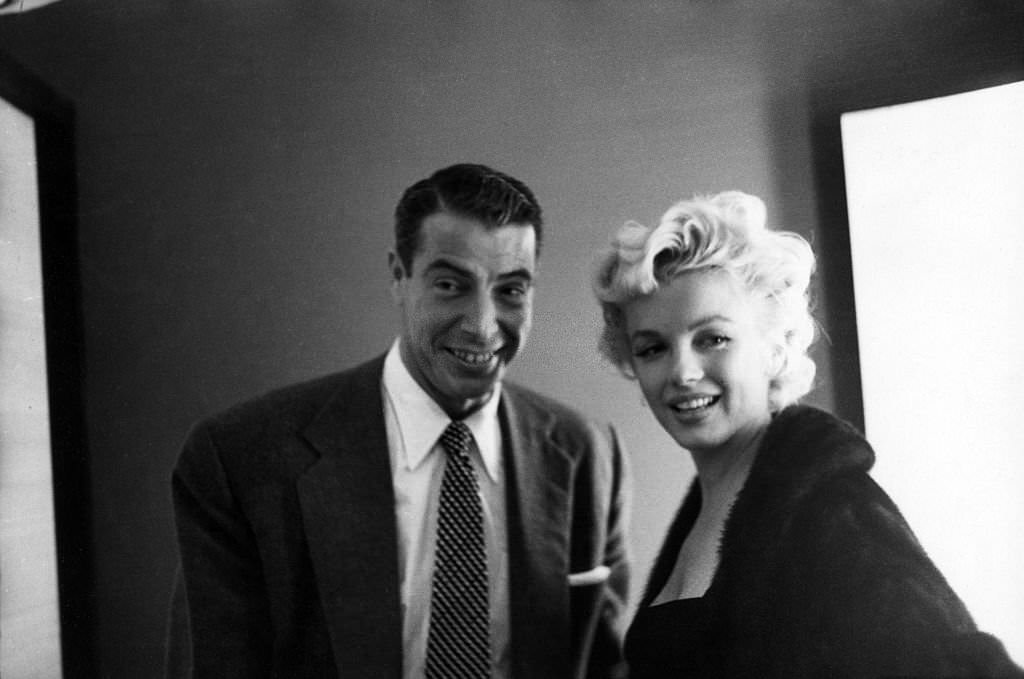
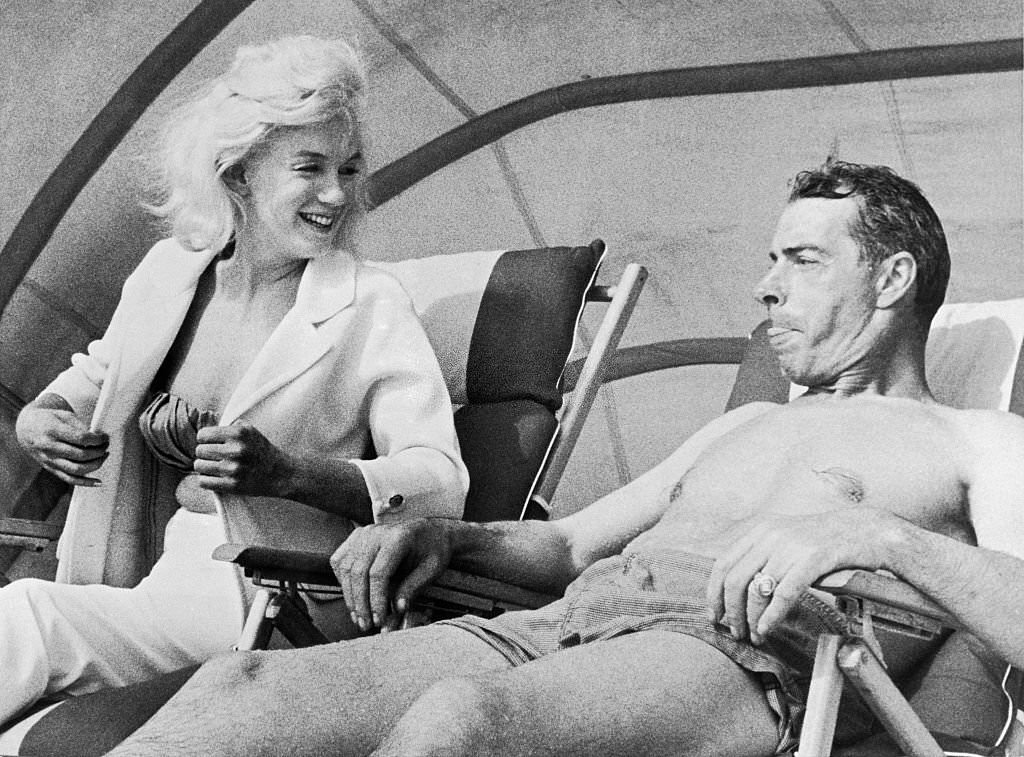
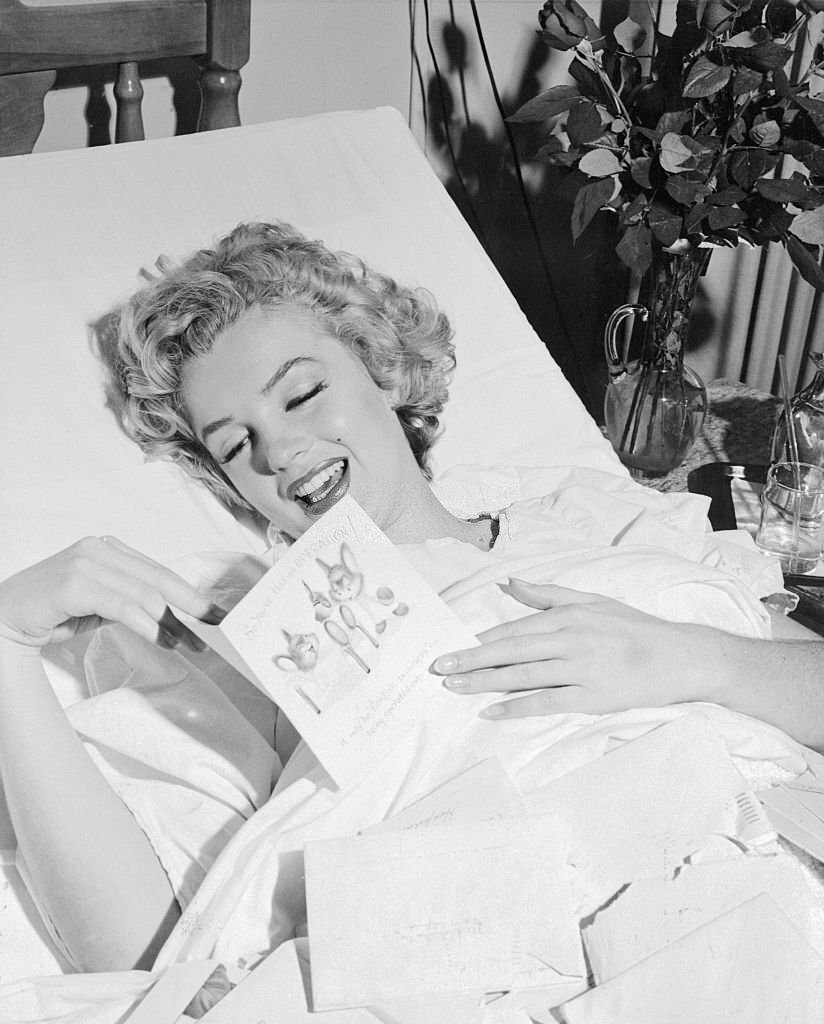
Monroe died on August 5, 1962. The moment DiMaggio received word in New York, he flew to California. He identified her remains and took personal control of the funeral arrangements. He deliberately kept Hollywood figures and celebrities away from the service, believing they had contributed to the pressures that wore her down. Monroe was buried at Westwood Village Memorial Park in Los Angeles, and DiMaggio ensured that six red roses were delivered to her crypt three times a week for twenty years.
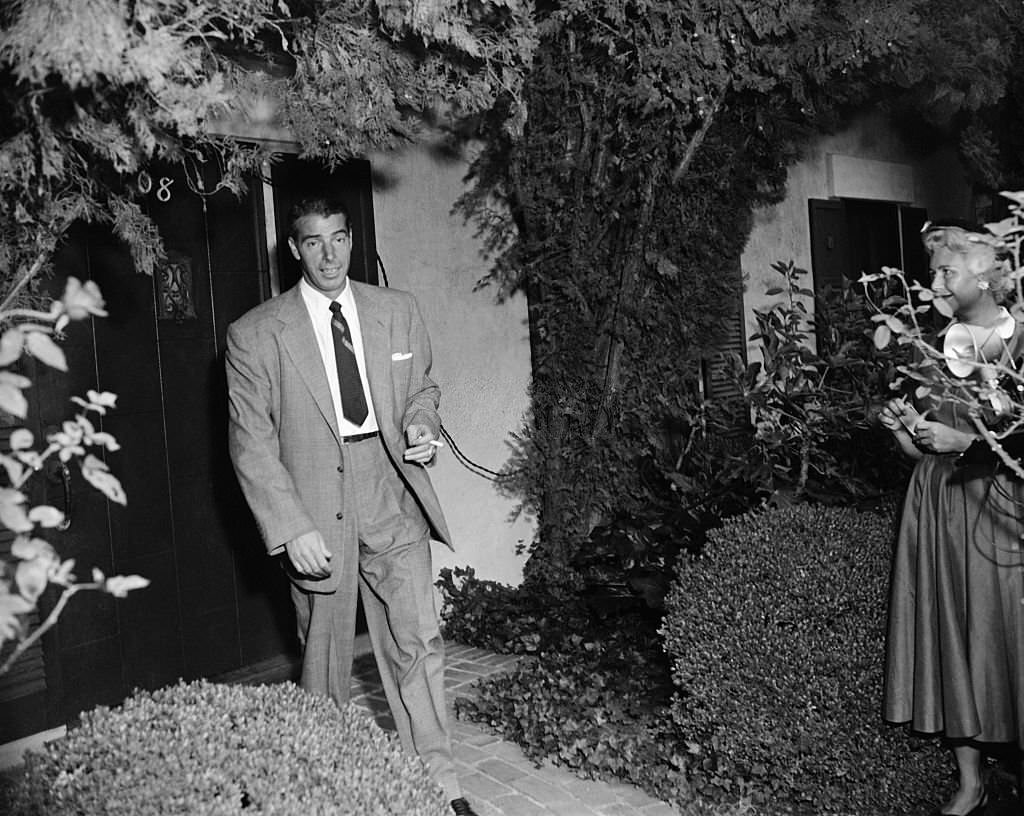
DiMaggio never remarried. He rarely spoke about Monroe in public, turning down interviews and staying silent on a subject that clearly cut deep. Those who knew him well understood that Monroe was never far from his thoughts. He carried the relationship with him for the rest of his life — quietly, privately, in the way he did most things.
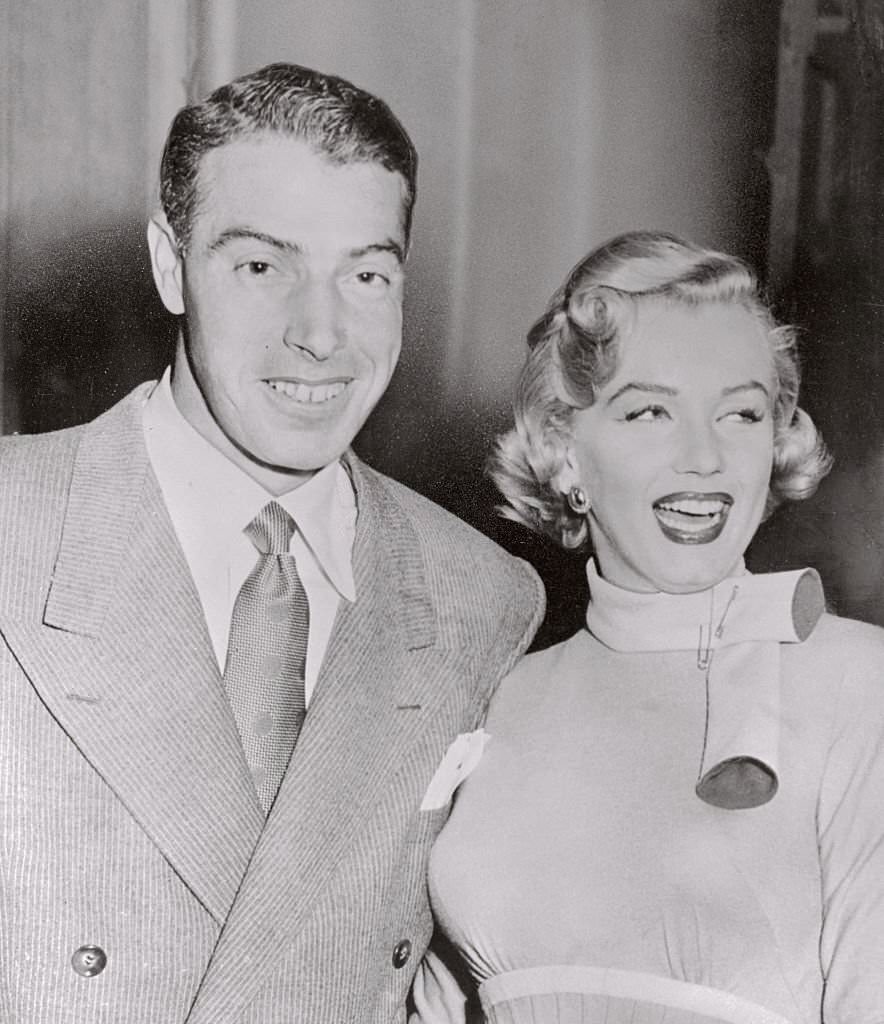
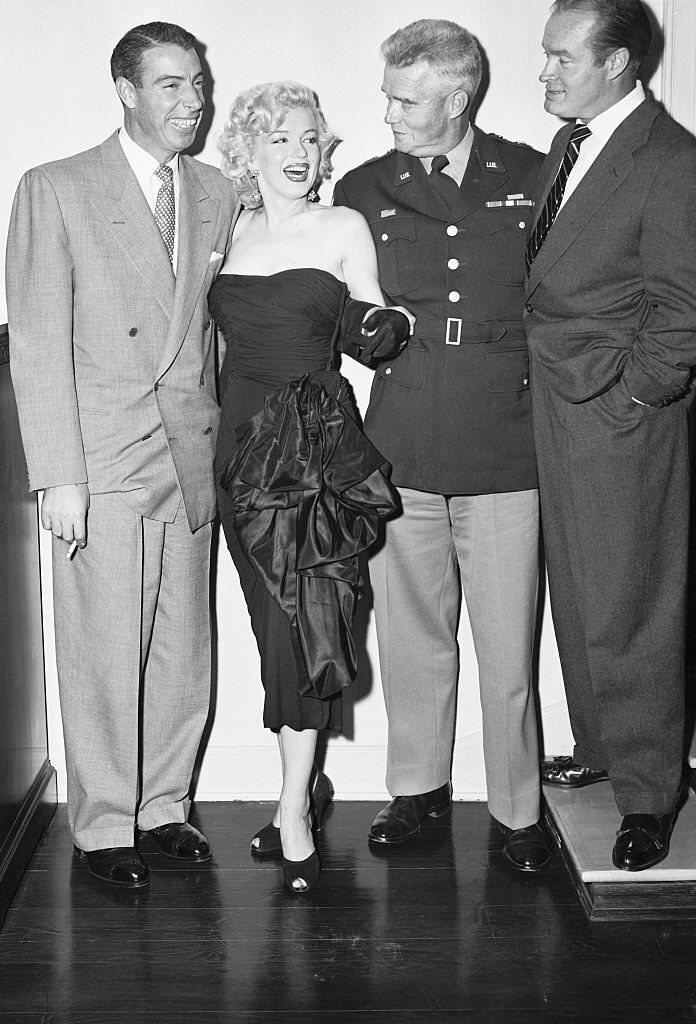
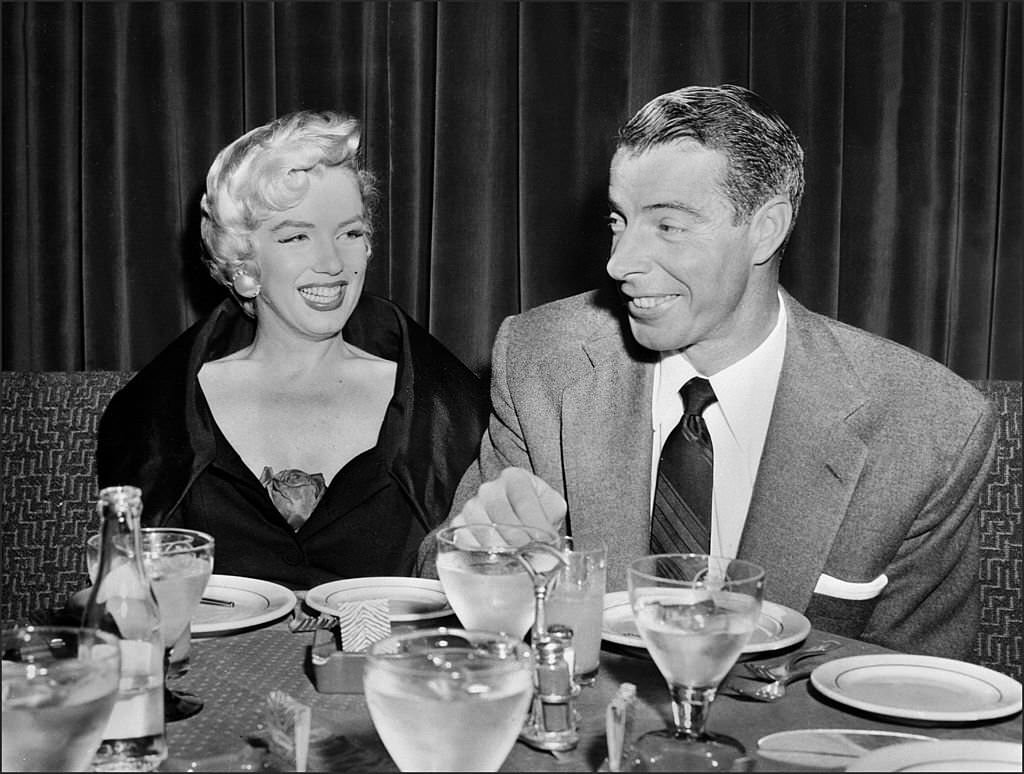
Joe DiMaggio died on March 8, 1999. His last words, reported by those at his bedside, were: ‘I’ll finally get to see Marilyn.’ He was 84 years old. Thirty-seven years had passed since her death, and she was still the last thing on his mind.