Marilyn Monroe was one of the most photographed people of the 20th century, and few photographers captured her as completely as Milton H. Greene. In 1954, the two formed a creative partnership that produced more than 5,000 images over three years. Monroe didn’t just work with Greene — she lived with him, his wife Amy, and their son Joshua at the family home in Weston, Connecticut, through 1957. Their collaboration was personal as much as it was professional, and it shows in the range and intimacy of the photos they made together.
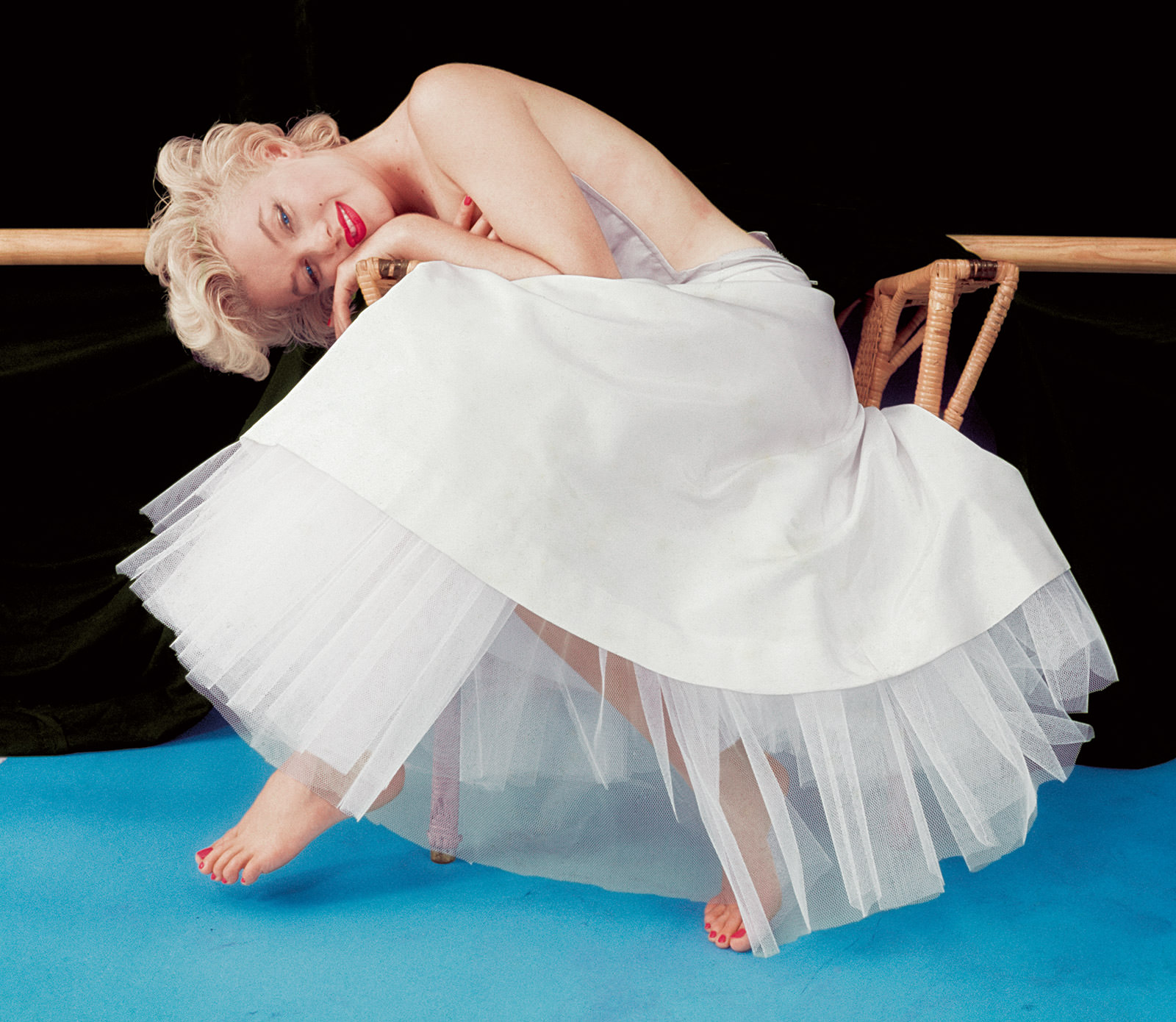
Greene’s earliest sessions with Monroe began in 1953, when Look magazine assigned him to photograph the rising actress. That first sitting produced some striking results — along with some controversy. Many of the photos were considered too risqué to publish at the time.
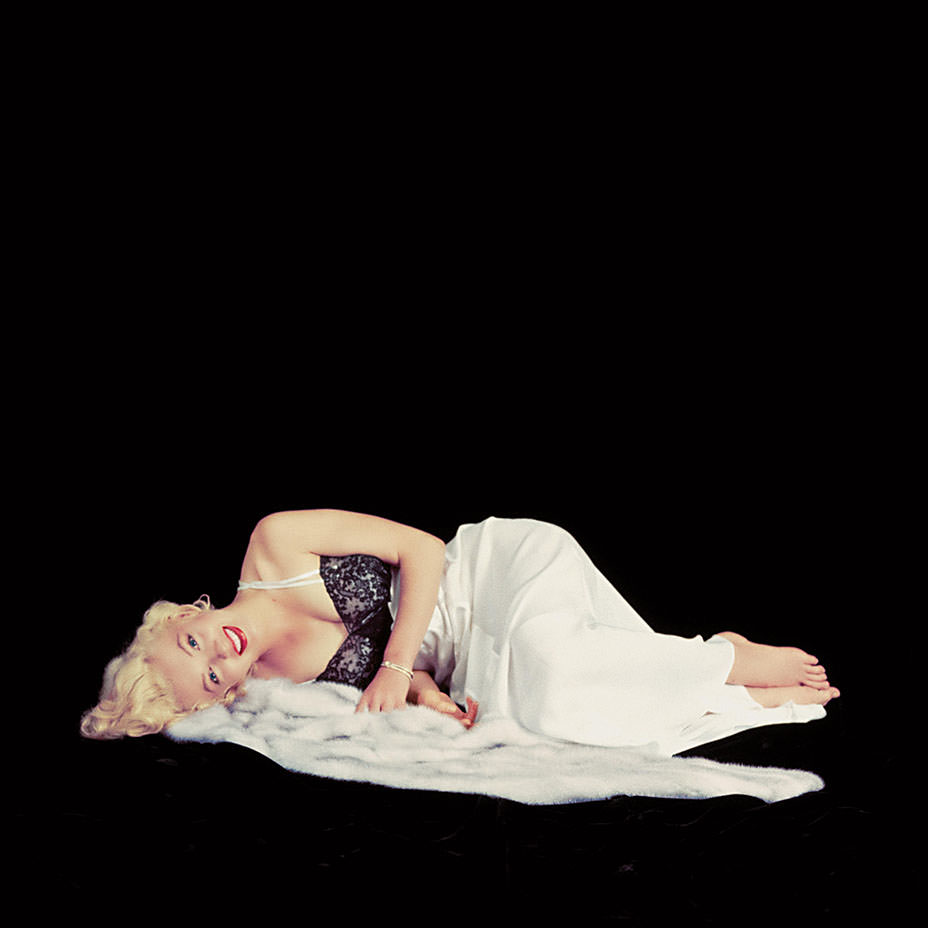
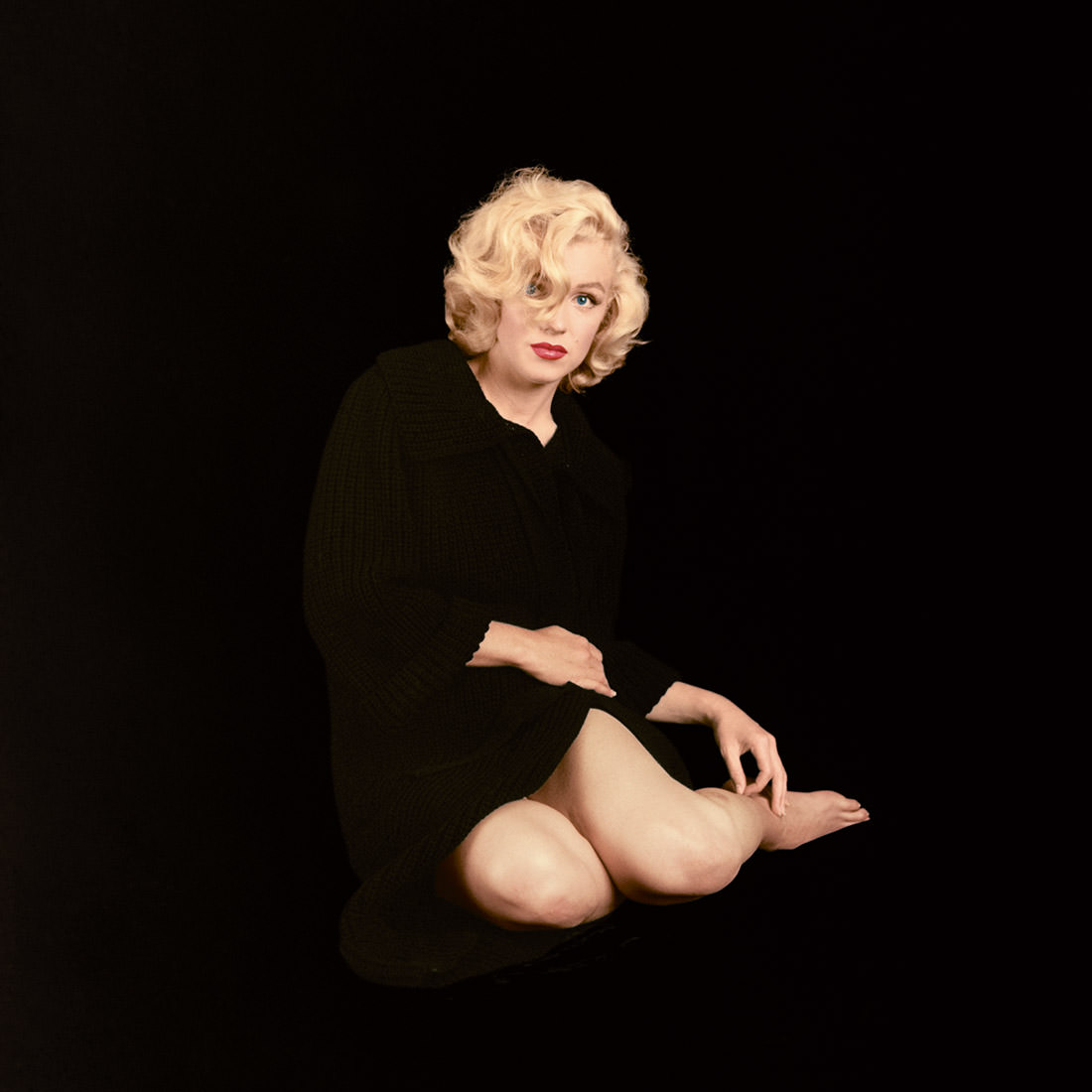
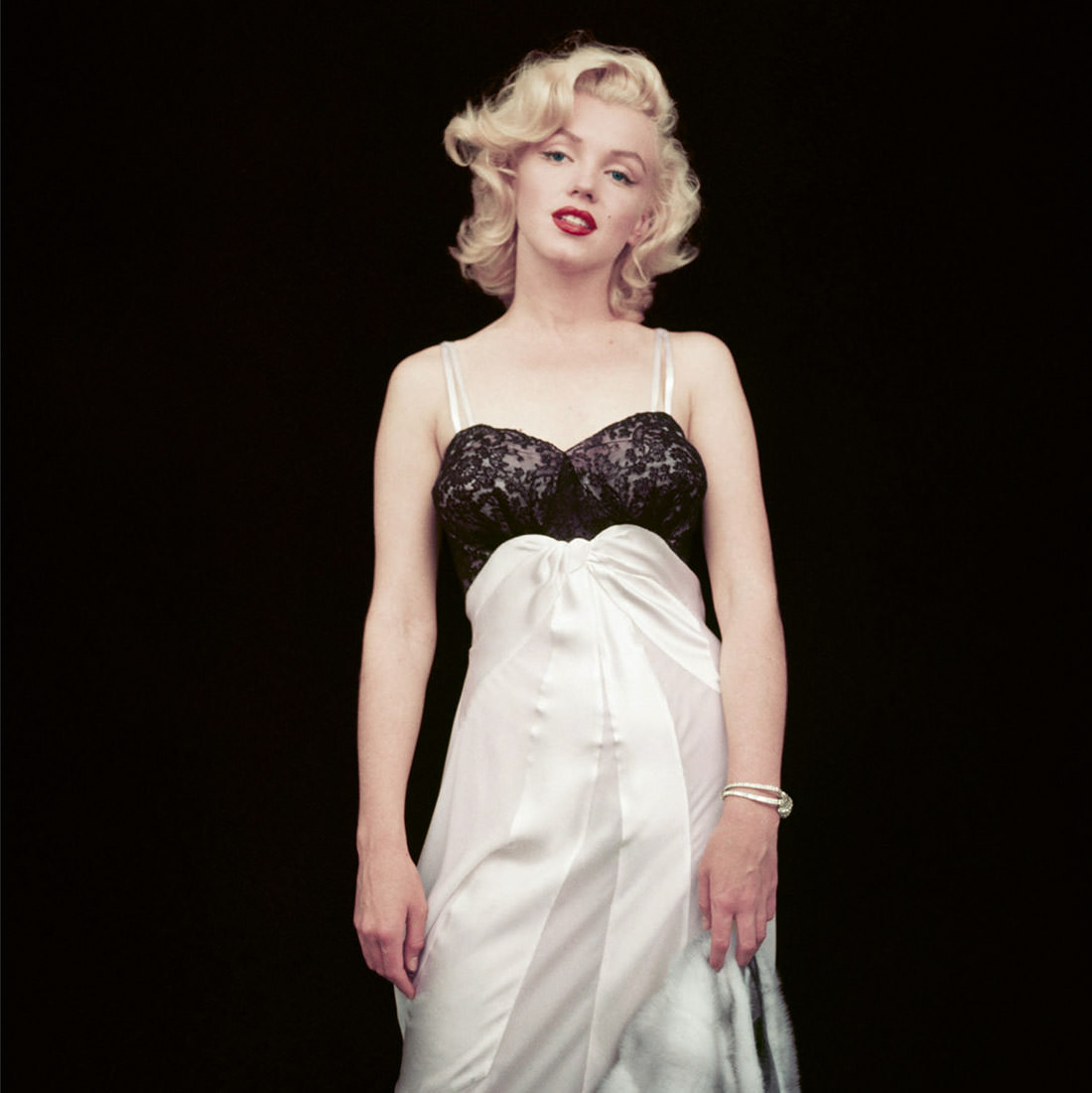
Not all photos from the early sessions made it to print. One image, shot in October 1953 for Look magazine, was never published at all — until it resurfaced decades later as the limited-edition cover of the book “The Essential Marilyn Monroe.” The main cover of that same book features a September 1953 shot of Monroe in a fur-trimmed negligee and a diamond bracelet.
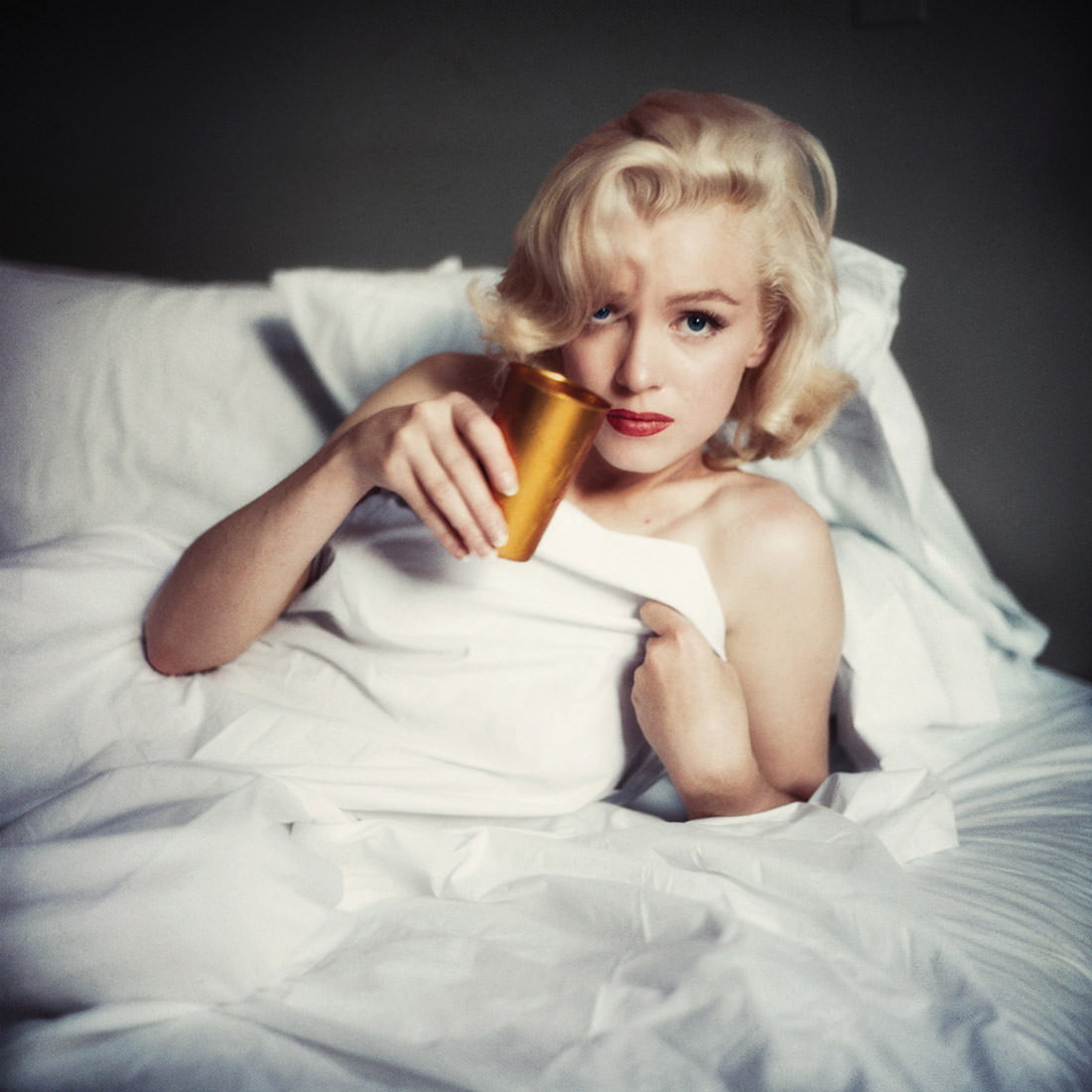
By 1955, Greene was shooting Monroe in a wide variety of settings and styles. A February session that year had her posing with Pekingese dogs for Look magazine. In March, he photographed her just after she finished her makeup, dressed in her favorite white terrycloth robe — a relaxed, unguarded look that felt worlds away from her public image. That same month, he also shot her in a tailored jacket and matching trousers, a retro-styled outfit that became closely associated with her look.
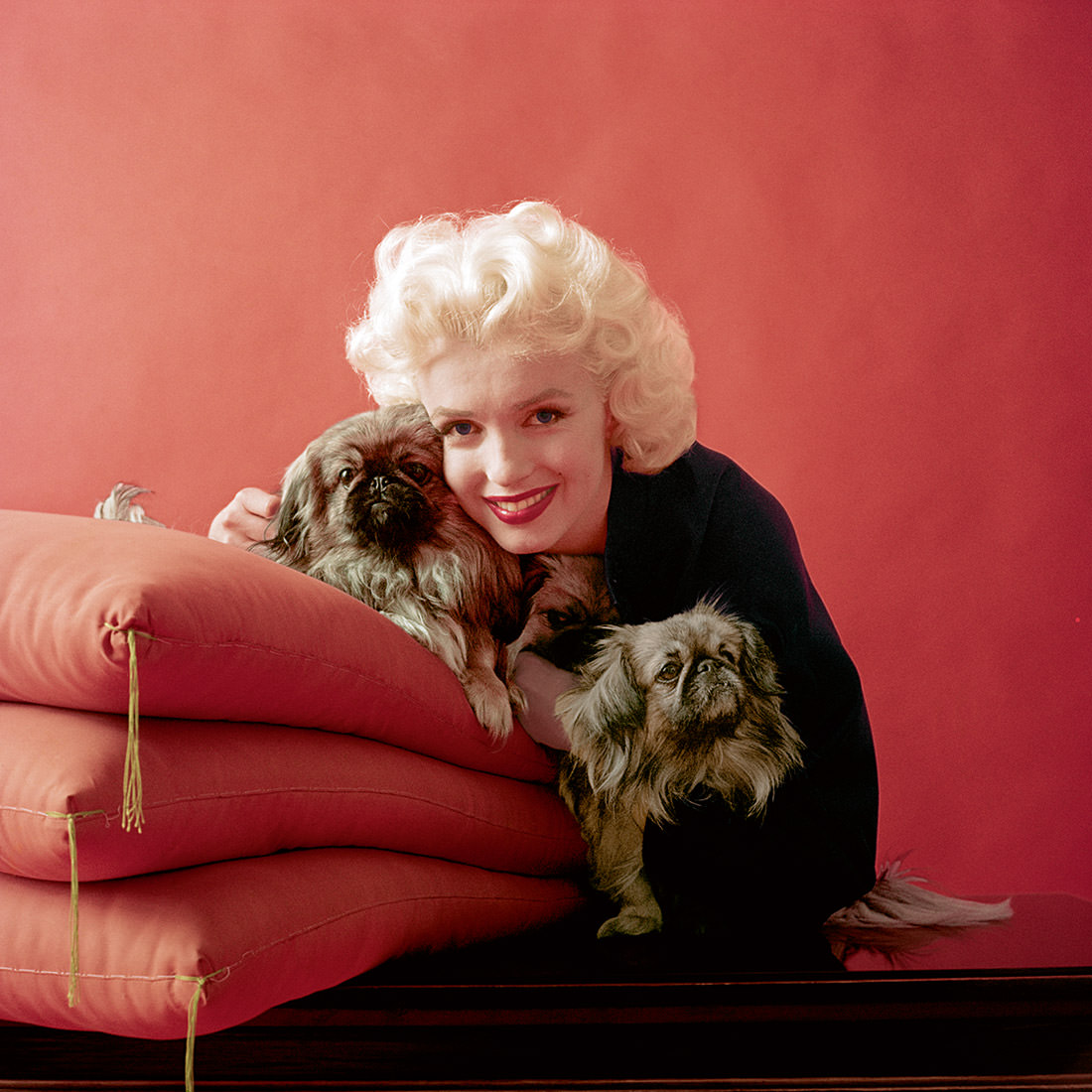
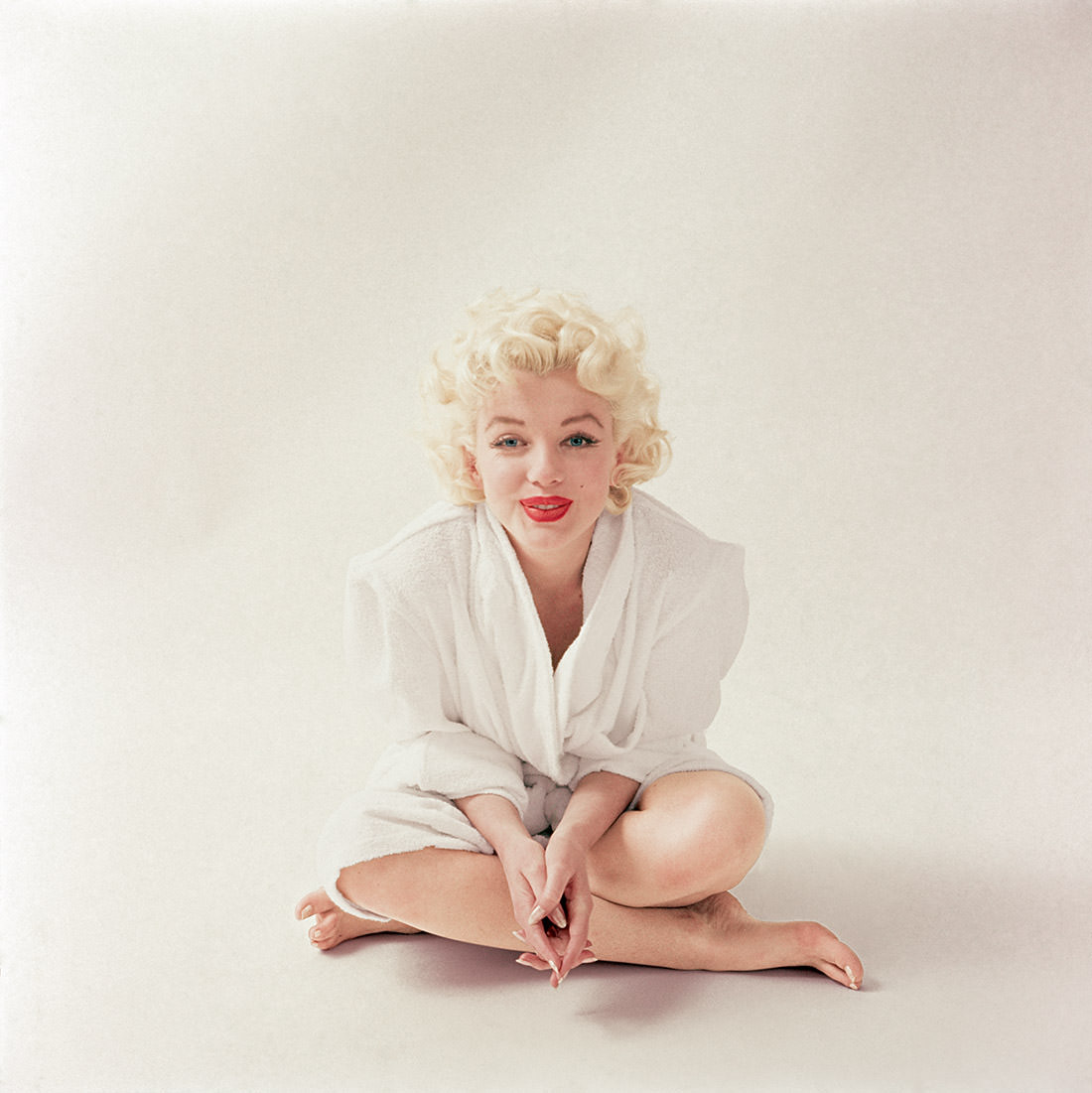
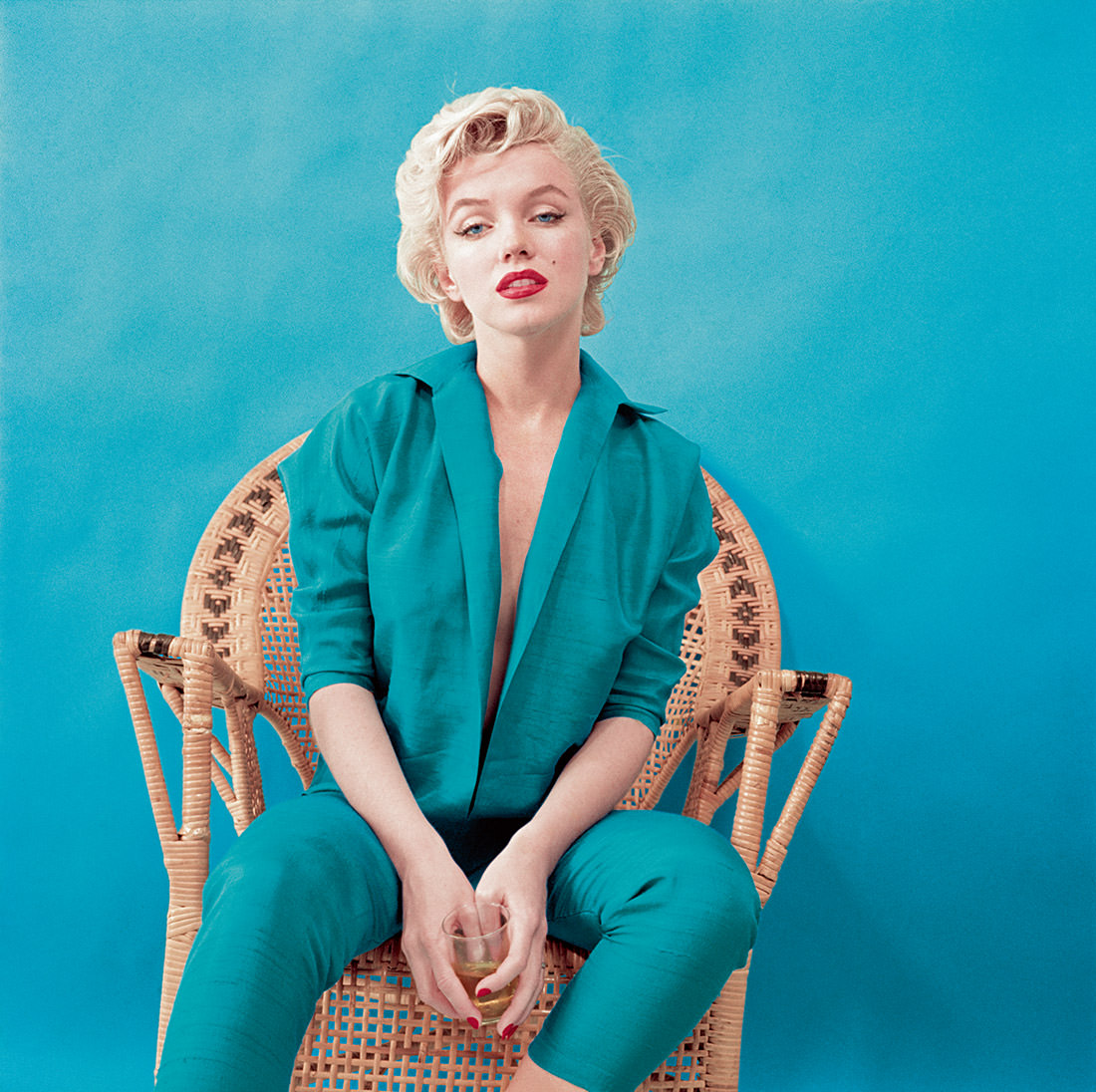
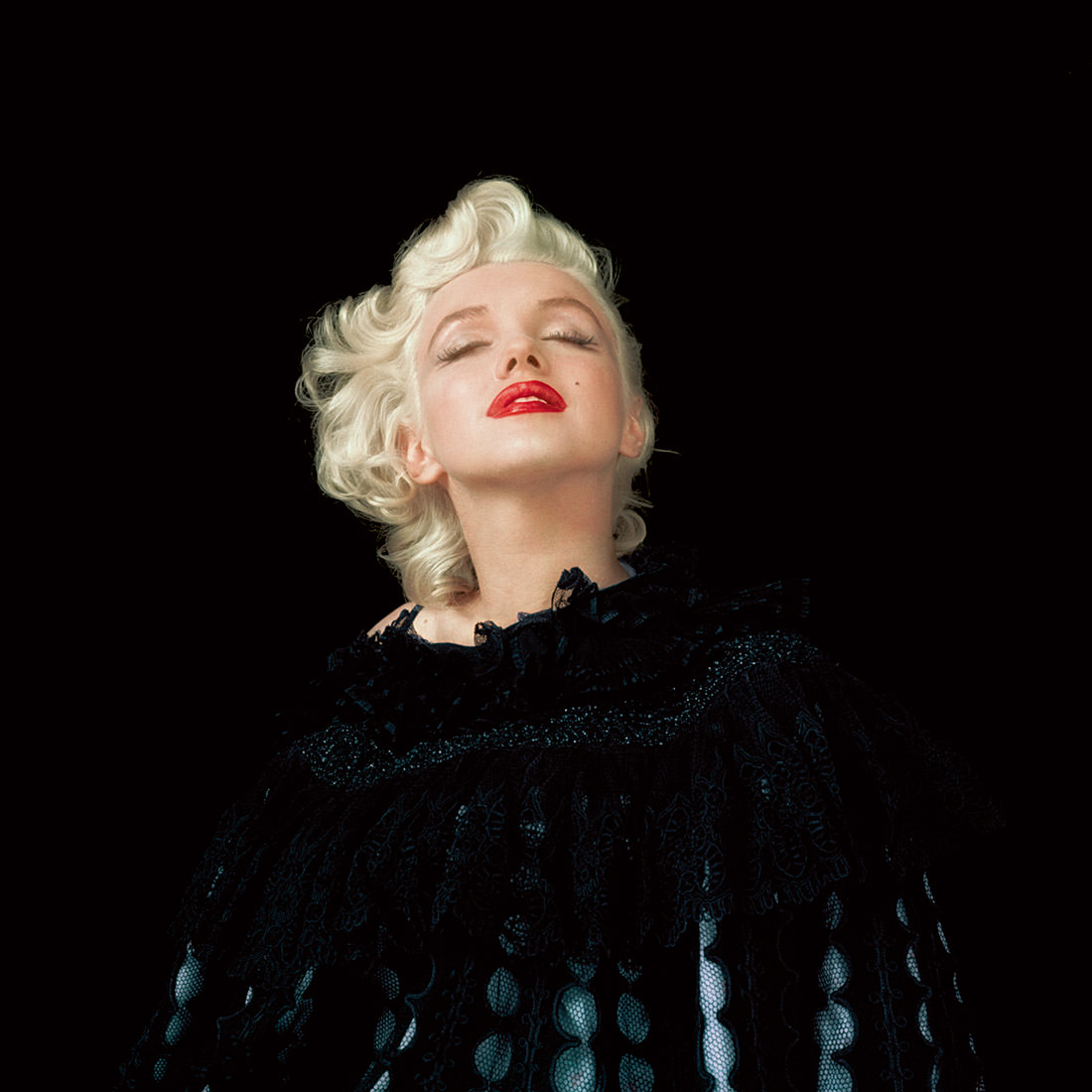
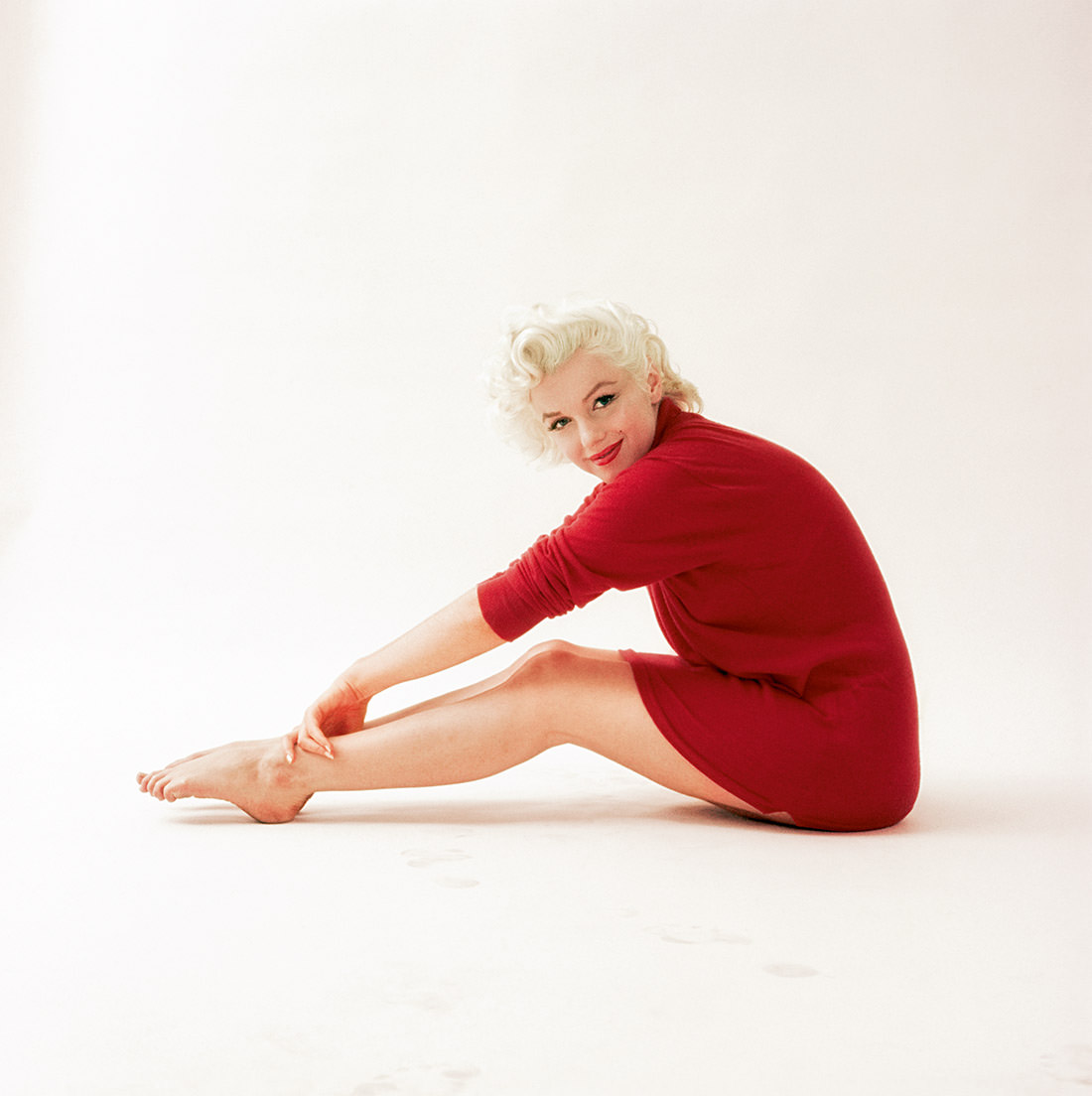
Greene’s converted barn at the Weston property served as a daylight studio, and he used it for some of Monroe’s most atmospheric shots. A December 1955 session there produced a notably intimate set of images. That same year, in July, he photographed her in a red cashmere sweater, and in October, he dressed her in a black cape — outfits he had pulled from a fashion shoot and used while testing lighting setups for the following day’s work.
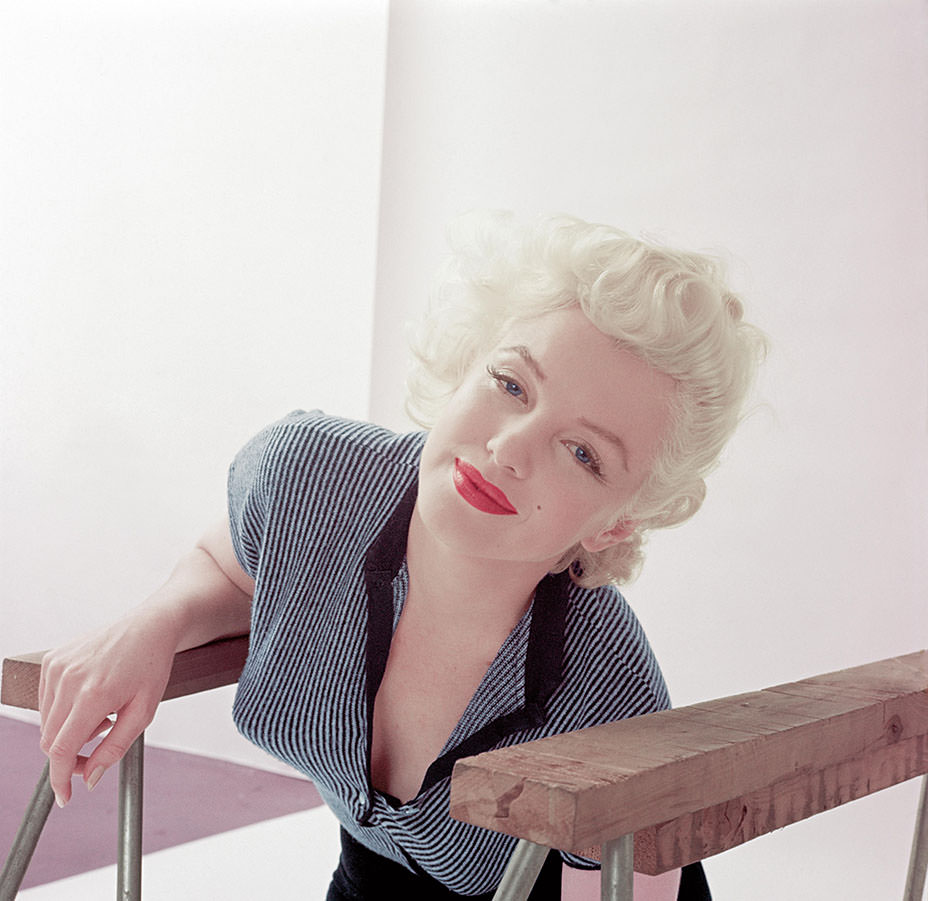
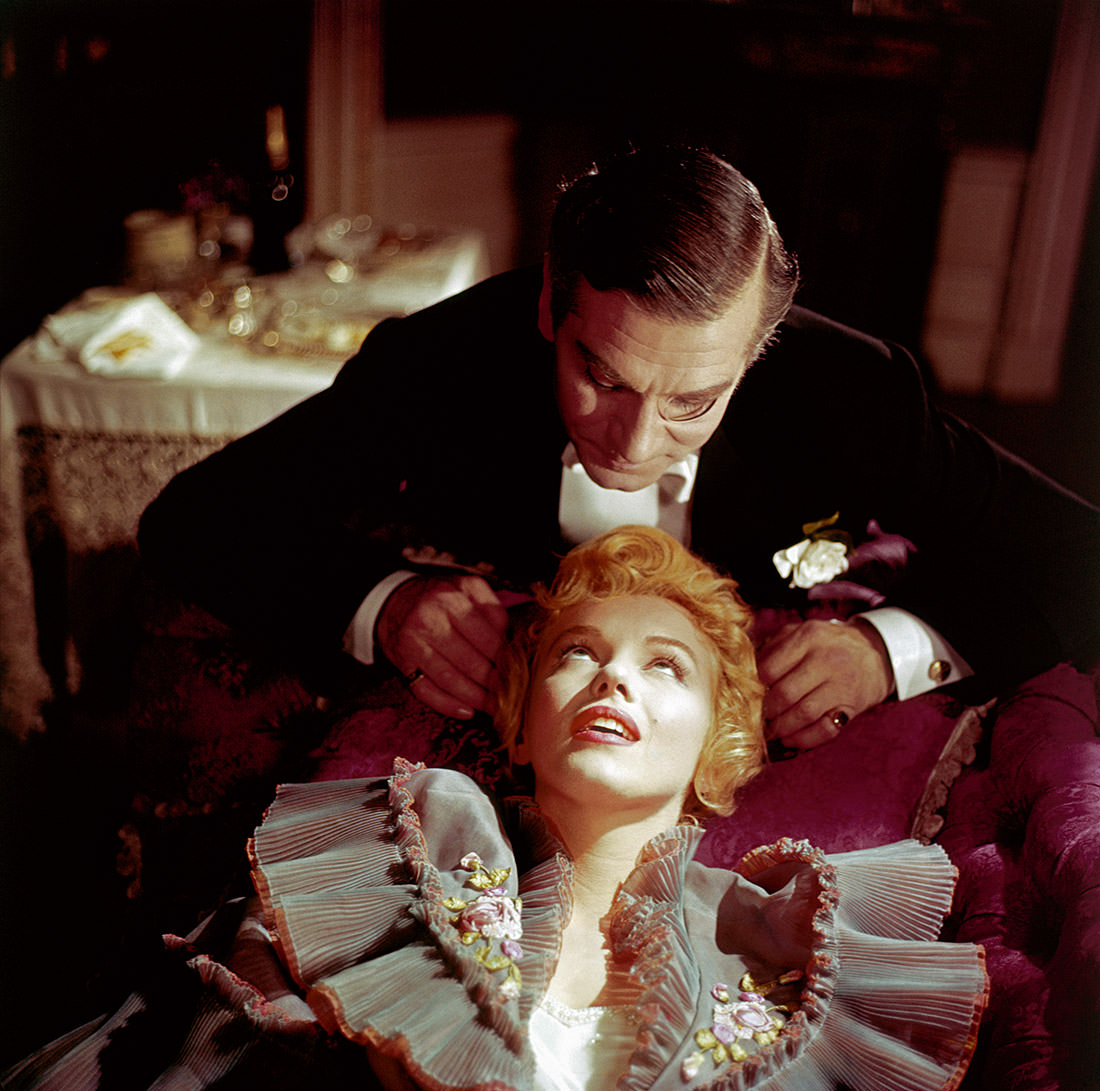
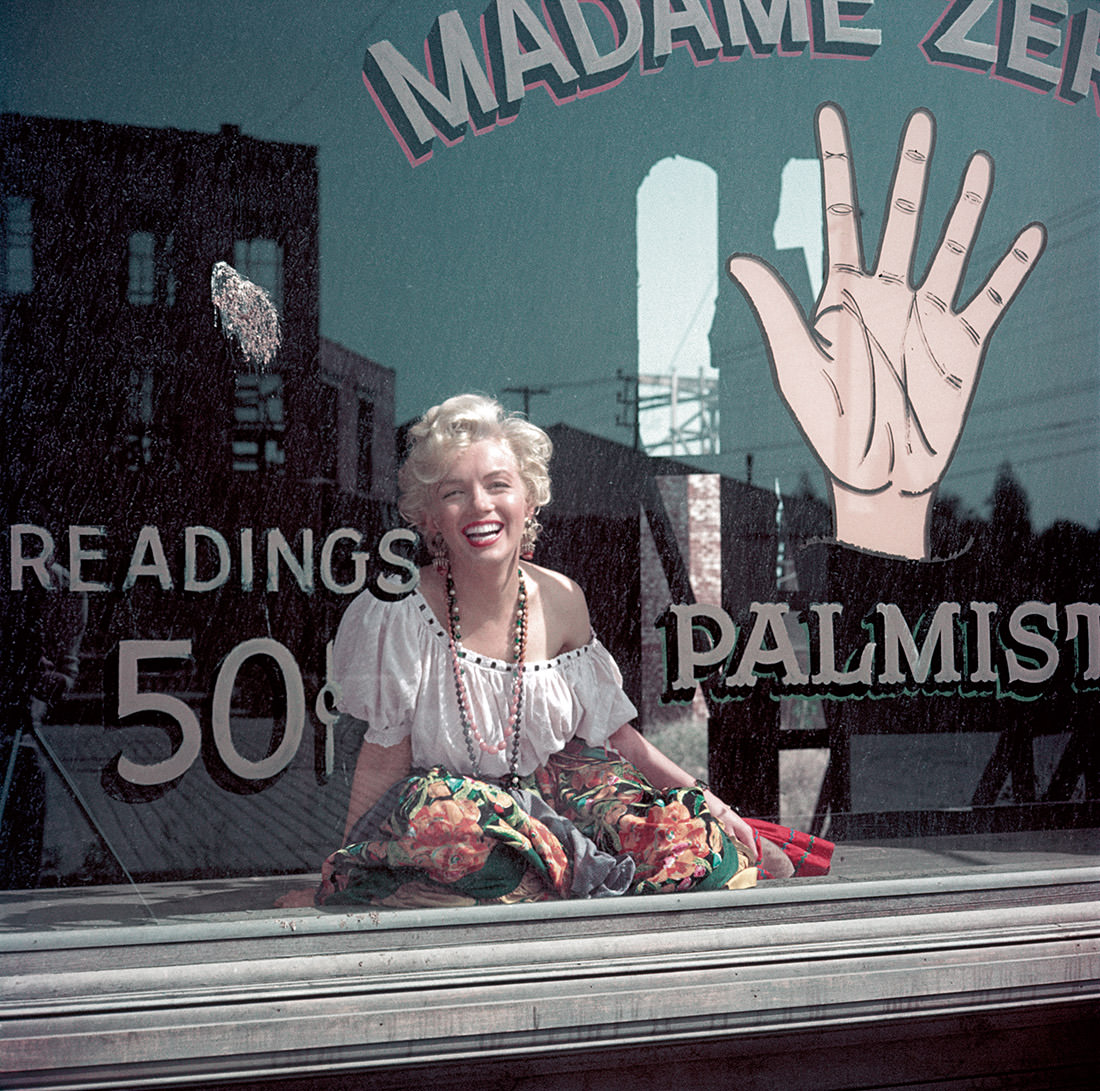
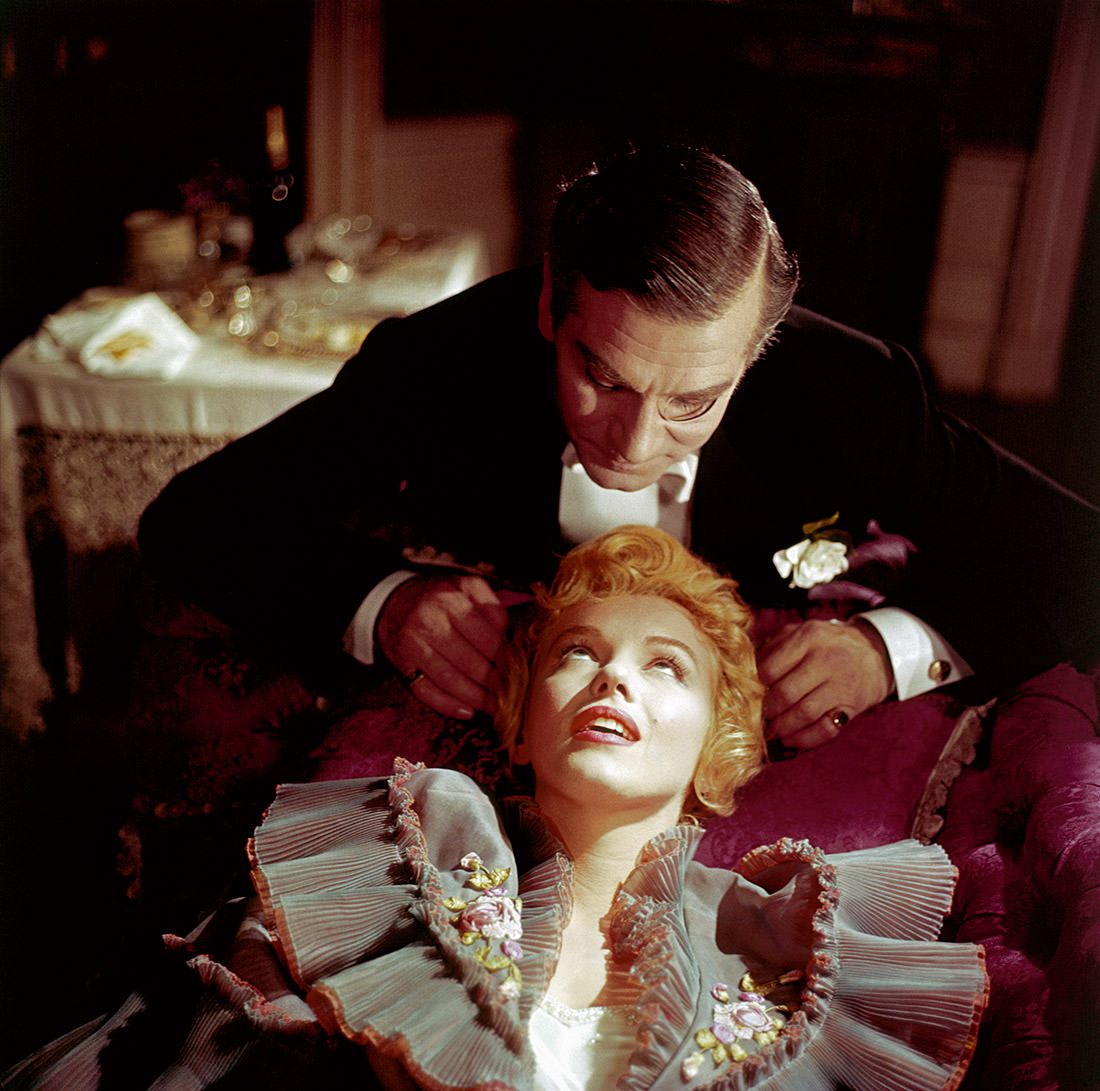
In April 1956, Monroe and Greene raided the 20th Century Fox costume department together, pulling outfits for a shoot that had her dressed as a palm reader. That same year brought one of the most high-profile projects of Monroe’s career — the film “The Prince and the Showgirl,” shot alongside Laurence Olivier. Greene was there on set to document it.
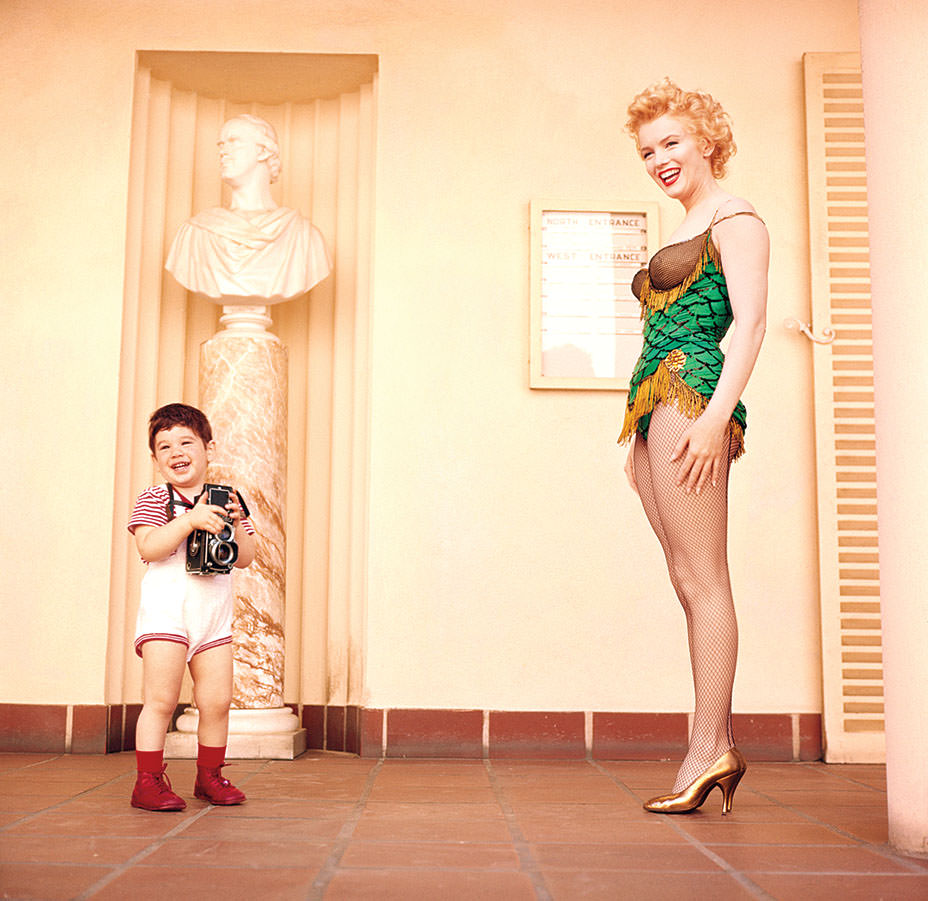
The Bus Stop sessions from 1956 gave Greene another opportunity to document Monroe at work. His son Joshua was present during at least one of those shoots, and a photo from that day captures the two of them together — a rare, candid glimpse at the family dynamic that defined this chapter of Monroe’s life.