Before automated bowling machines arrived, young boys worked in smoky bowling alleys late into the night. Teenagers earned pennies resetting heavy wooden pins by hand and tossing rubber balls back up the wooden tracks. Workers dodging flying pins faced constant injury risks for meager wages. Meanwhile, mornings began with human alarm clocks pounding on apartment windows. People known as knocker-ups used long bamboo poles or rubber tubes to shoot dried peas at bedroom glass, waking factory workers for early shifts before mechanical alarm clocks became affordable in households.
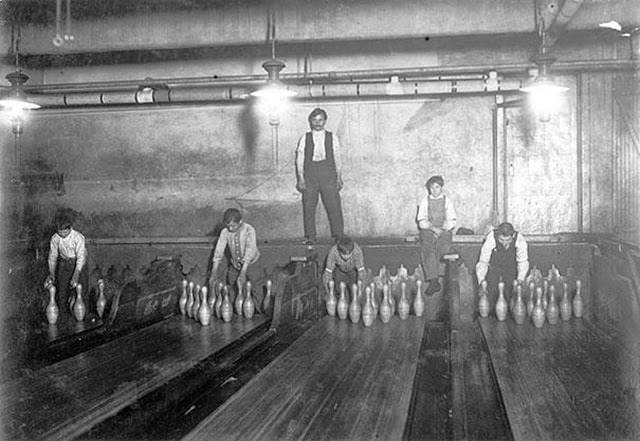
Teenage boys worked in smoky bowling alleys late into the night before automated pinsetting machines became standard equipment. These young workers earned meager pennies resetting heavy wooden pins by hand after every roll and tossing heavy rubber balls back up the wooden tracks. Workers dodging flying wooden missiles faced constant injury risks for very low wages. The job required immense physical endurance and quick reflexes in cramped conditions. Boys crouched in dark pits behind the lanes, breathing thick dust and enduring exhausting shifts. Alley proprietors relied heavily on this cheap labor pool until mechanical inventions replaced human hands across commercial bowling alleys.
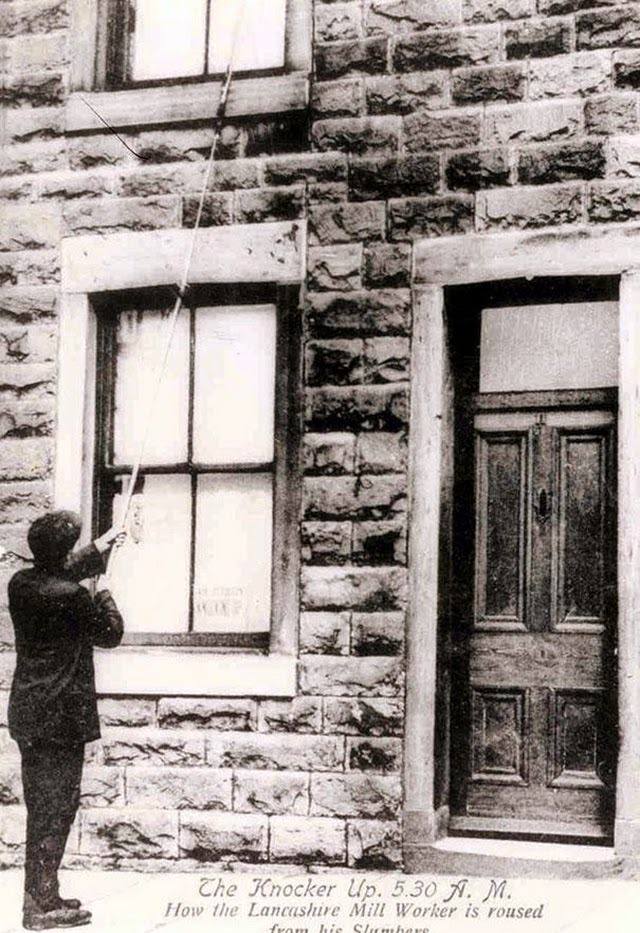
Mornings began with human alarm clocks pounding on apartment windows before mechanical clocks became widely affordable in working-class households. People known as knocker-ups used long bamboo poles or rubber tubes to shoot dried peas at bedroom glass. Factory laborers hired these individuals to wake them for early shifts. Streets remained dark and quiet while operators walked established morning routes. Striking glass windows required precise aim to reach upper floors without breaking expensive panes. Customers paid small weekly fees for this dependable wakeup service. Workers relied entirely on these early morning disruptions before affordable bedside alarm clocks replaced the human element.
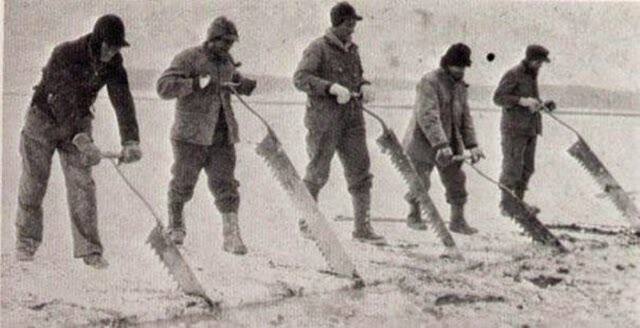
Winter weather brought grueling labor for ice cutters slicing blocks from frozen lakes. Men armed with horse-drawn saws and heavy hand tools harvested massive chunks of ice to pack into sawdust-lined wooden sheds for summer preservation. Workers endured freezing temperatures on open water while guiding heavy saws through thick ice sheets. Blocks were hauled onto horse-drawn sleds and transported to local storage facilities. This harvested ice supplied homes, butcher shops, and saloons before mechanical refrigeration systems changed food storage forever. The work demanded tremendous physical strength and carried the constant danger of falling through thin ice into freezing water.
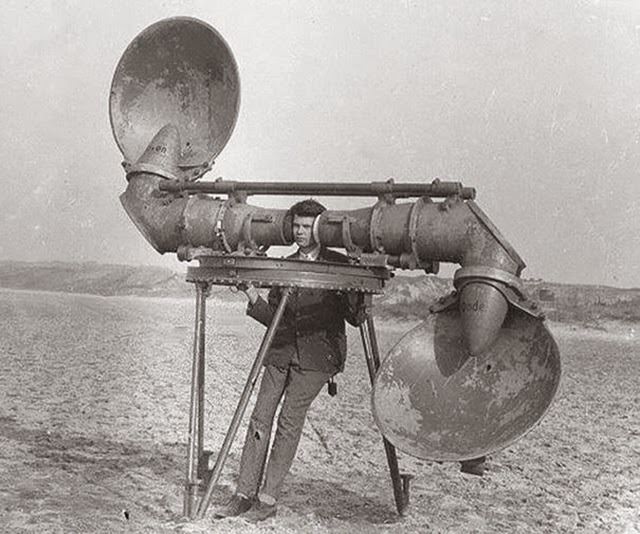
Military defense relied on acoustic mirrors and massive horn arrays operated by human listeners before radar technology entered service. Soldiers sat in concrete bunkers wearing heavy stethoscopes, straining to catch the distant engine rumble of enemy airplanes long before electronic screens tracked the skies. Operators adjusted large concrete or metal sound bowls to pinpoint incoming aircraft direction and speed. This passive acoustic detection provided vital early warning times during wartime alerts. Personnel maintained round-the-clock watches inside isolated listening posts along vulnerable coastlines. Advancing electronics eventually rendered these massive listening horns entirely obsolete for modern air defense.

Urban centers struggled with vermin, employing professional rat catchers who crawled through filthy sewers to trap rodents with ferrets and terriers. These workers faced terrible infections and bites, yet cities paid them cash bounties to keep bubonic plague at bay. Catchers used trained dogs and caged ferrets to flush rats from dark tunnels and subterranean basements. Captured rodents were counted carefully to collect municipal bounties. The occupation required navigating foul-smelling drainage networks filled with hazardous waste. Despite constant health hazards, these professionals provided essential sanitation services for crowded nineteenth-century cities before modern chemical pest control methods emerged.
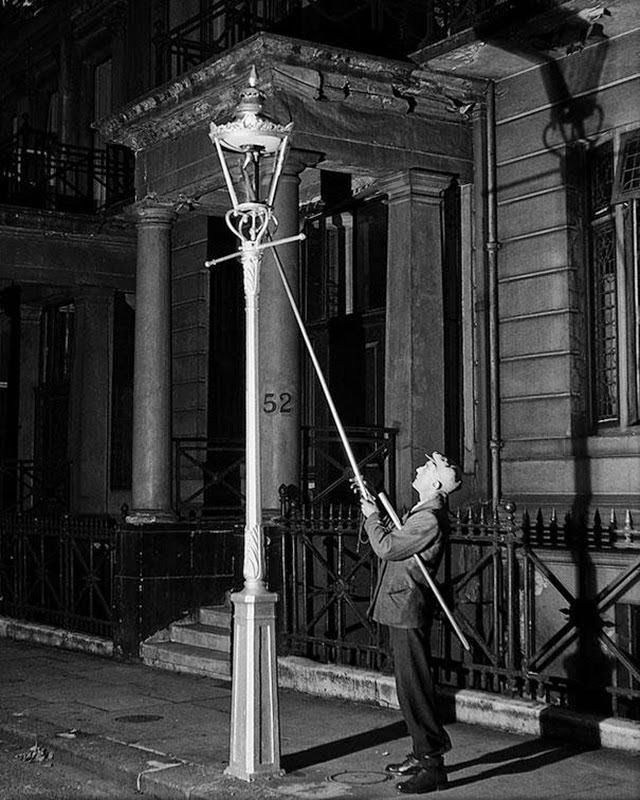
Dusk fell and lamplighters walked city streets carrying long torches to ignite gas-powered streetlights. Each evening involved climbing small cast-iron ladders to open gas valves and strike matches, repeating the exact reverse route every morning at dawn. Workers carried specialized tools to maintain burners and adjust gas flow across municipal districts. Weather conditions made the daily routine difficult during heavy rain or snowstorms. Cities required systematic illumination before electric grid systems powered urban street lighting networks. Lamplighters covered miles on foot daily to service dozens of individual lamps across expanding neighborhoods.
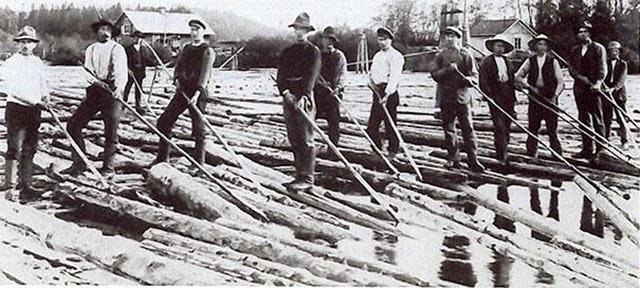
Timber companies relied on log drivers to guide massive piles of cut trees down roaring rivers to commercial sawmills. Men wearing spiked boots balanced precariously on rolling logs, breaking dangerous jams with long prying poles while freezing water soaked their wool clothing. Drivers navigated treacherous rapids and waterfalls during spring thaws. A single misstep meant crushing injury or drowning in turbulent river currents. Crews labored long hours under hazardous conditions to ensure raw timber reached downstream processing plants. Railways and motor trucks eventually replaced river driving as the primary method of lumber transport across timber country.
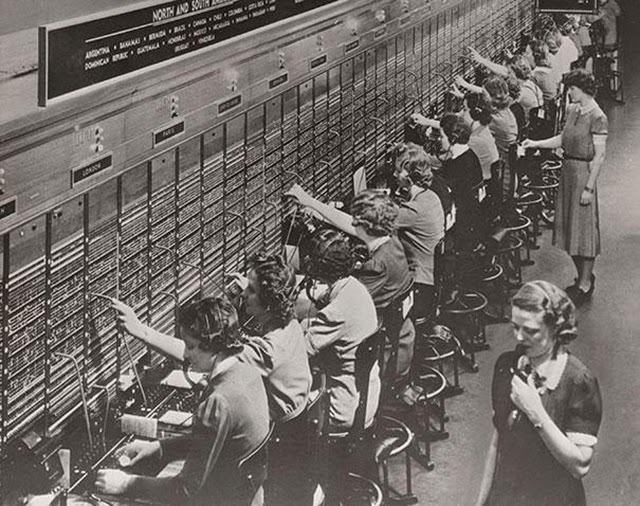
Urban offices filled with rooms of switchboard operators connecting long-distance telephone calls. Women wearing heavy corded headsets manually plugged heavy brass cords into switchboard jacks to link callers across towns, handling hundreds of calls an hour before automated digital switches replaced them. Operators scanned illuminated indicator lights to answer incoming subscriber requests quickly. Speed and accuracy defined the demanding daily routine inside crowded telephone exchanges. Supervisors monitored performance closely to ensure prompt connections for every customer. This labor-intensive communication network formed the backbone of early twentieth-century telephony before automated routing systems took over.
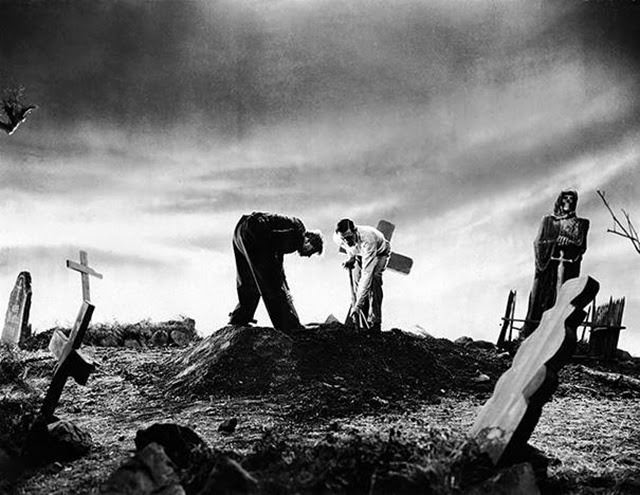
Medical schools in the nineteenth century purchased fresh human corpses from clandestine grave robbers known as resurrectionists. These nighttime operators dug up newly buried bodies from local churchyards and sold them to anatomy professors for hefty cash sums. Operating under cover of darkness, resurrectionists removed soil carefully to extract coffins without drawing suspicion from guards or grieving families. Medical students needed fresh cadavers for anatomical study and surgical training before legal supply laws changed. The illicit trade created widespread public outrage and led communities to build heavily guarded cemetery walls and watchtowers.
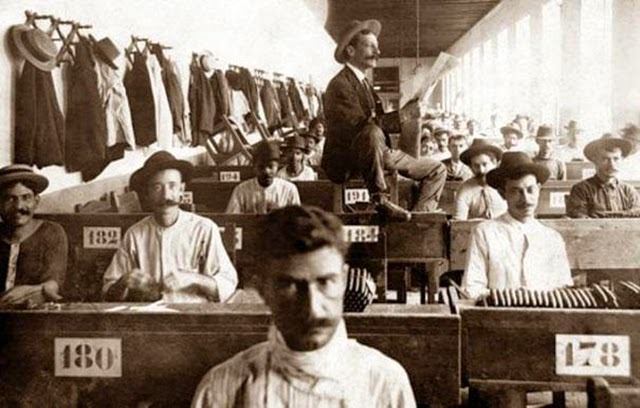
Inside cigar and textile factories, workers hired their own entertainments by paying a factory lector to read newspapers and novels aloud. Lectors stood on elevated wooden platforms shouting over the clatter of heavy machinery, keeping workers awake through tedious twelve-hour shifts until management banned the practice in the 1920s. Workers pooled their own wages to fund daily reading sessions, choosing texts ranging from political pamphlets to popular serialized fiction. The lector provided a vital mental diversion during monotonous factory tasks. Factory owners eventually prohibited the practice due to growing concerns over productivity and workplace labor organizing.