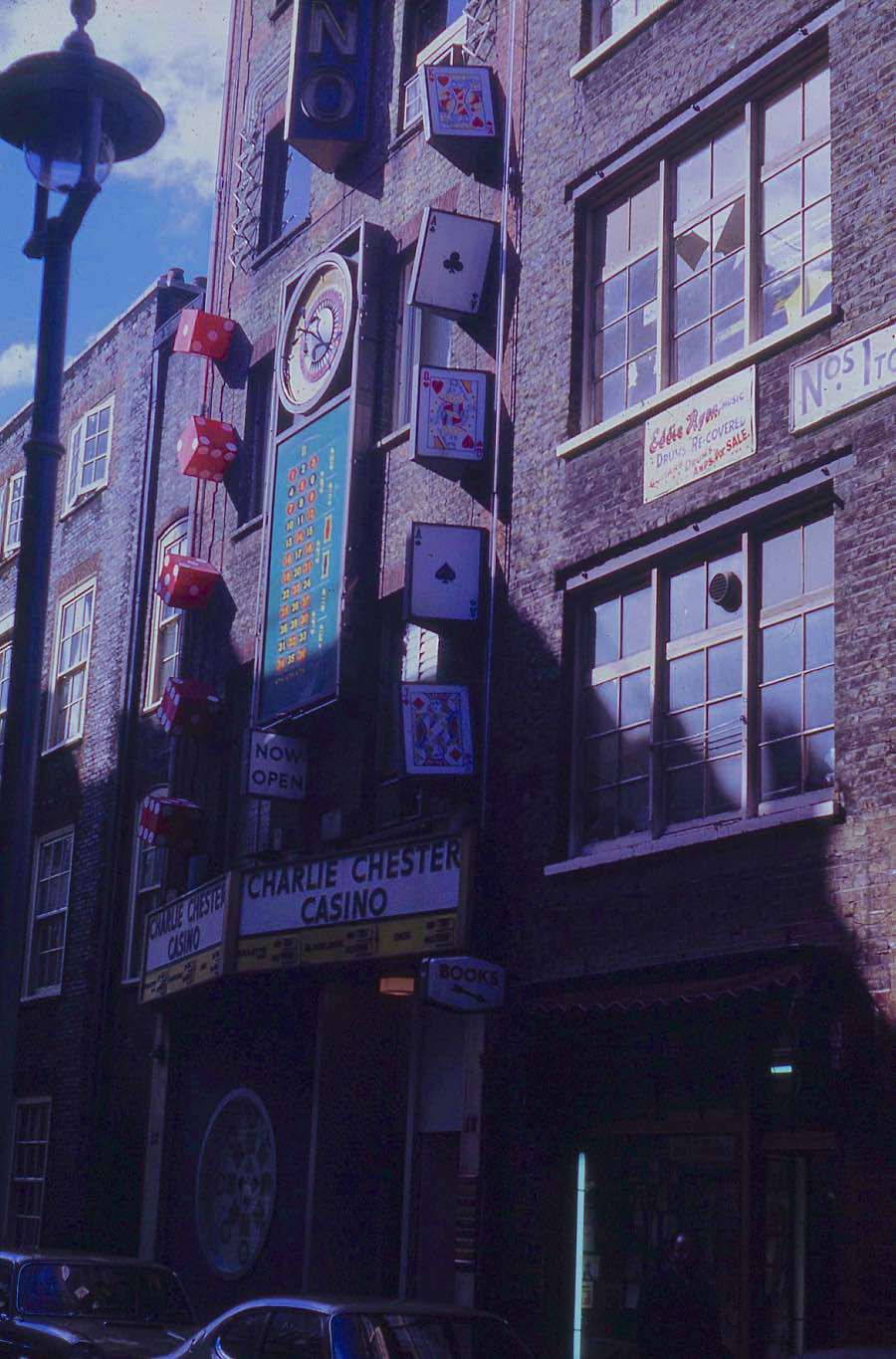
London’s West End in the 1970s was a place full of energy and character. Theaters, shops, entertainment venues, and tourist attractions packed its streets. Housing was far more affordable than it is today, and the roads carried noticeably fewer cars. The streets were dirtier than modern visitors would expect, but the area buzzed with a life that was entirely its own. These photographs, all taken by Frank Derrett, capture that world in vivid color — a rare and detailed look at everyday life across one of the world’s most famous urban districts.
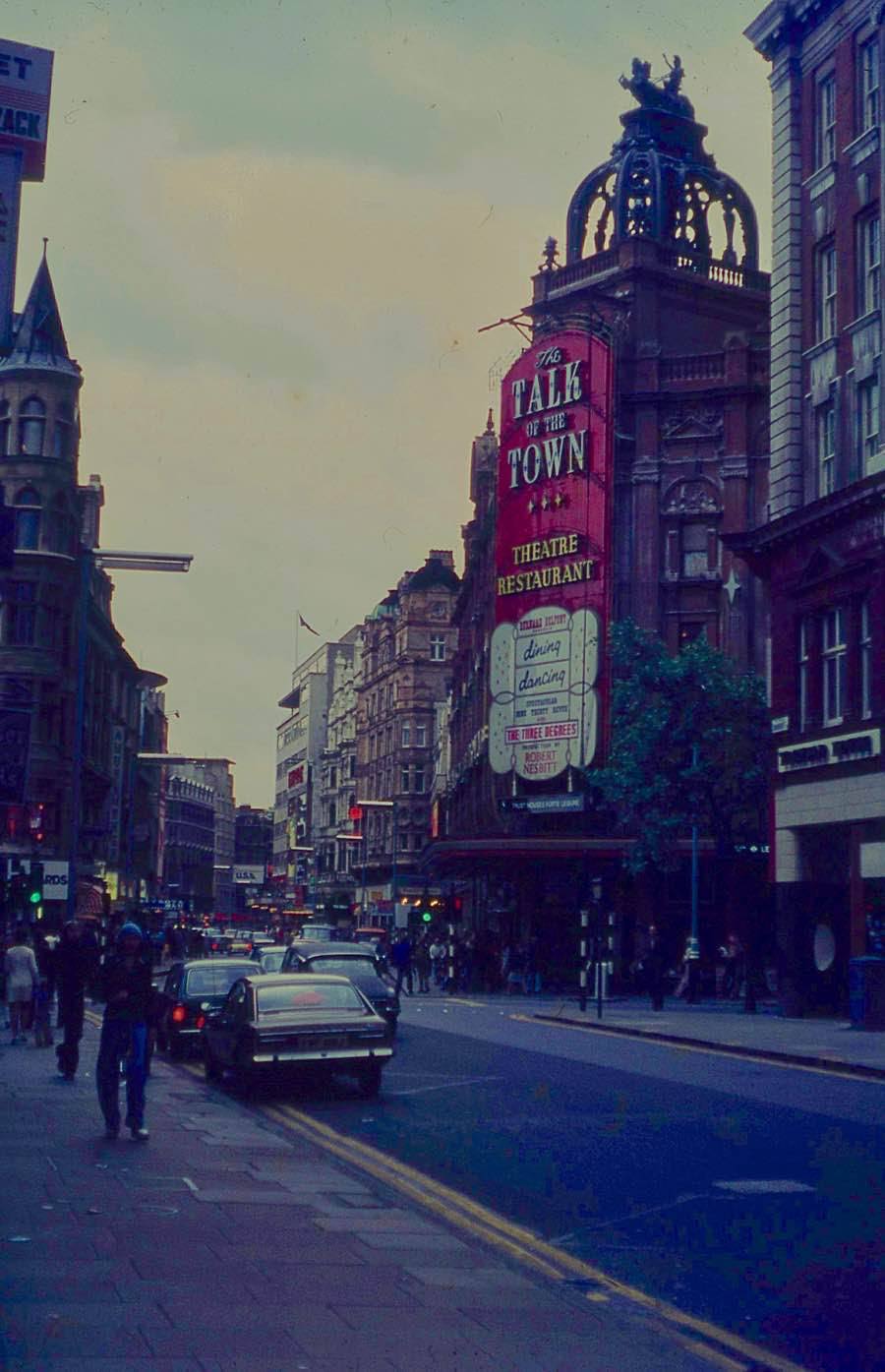
Charing Cross Road was one of the West End’s great thoroughfares. Famous for its independent bookshops and music stores, it drew both locals and visitors. The 1970s version of the street still had a distinctly pre-chain-store feel, with small businesses occupying shopfronts that have since been transformed beyond recognition.
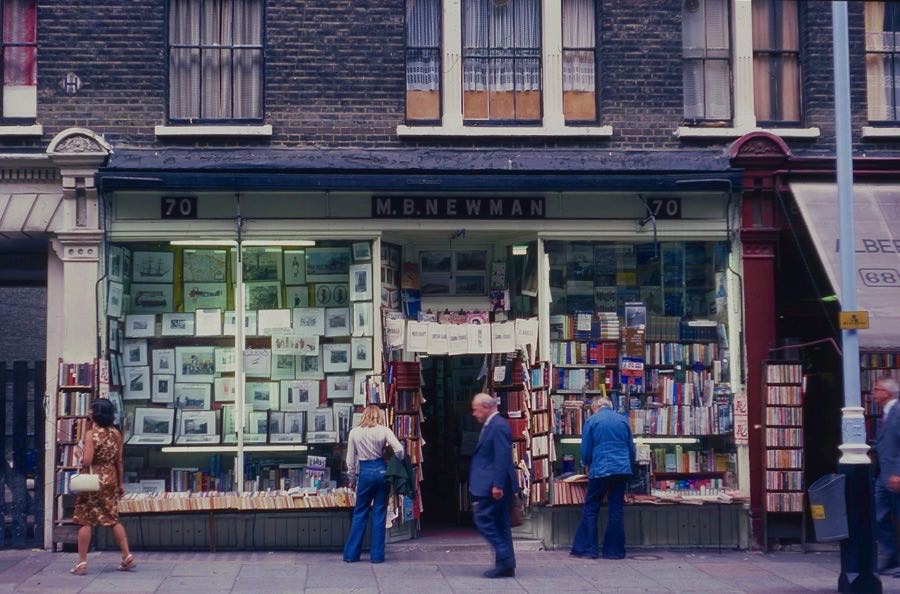
Smaller streets like Bear Street offered a quieter side of the West End. Tucked between the busier arteries of the district, these narrow lanes were home to local traders, working-class foot traffic, and the kind of everyday commerce that kept the area running behind the scenes of its glittering public face.
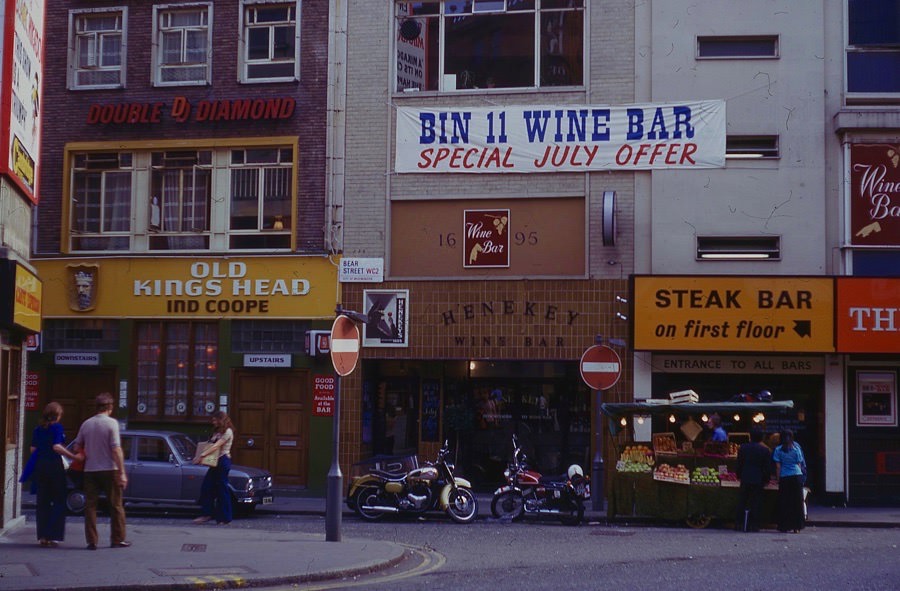
Coventry Street sat at the heart of the West End’s entertainment zone, linking Piccadilly Circus to Leicester Square. In the 1970s, it was lined with cinemas, restaurants, and amusement arcades. The neon signs and foot traffic made it one of the most lively stretches in central London, day and night.
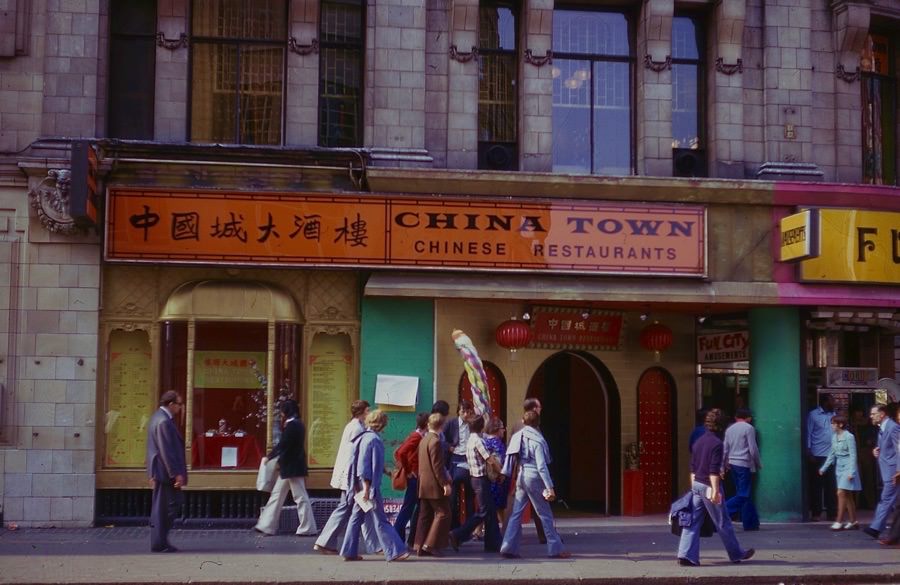
Regent Street, with its sweeping curve and grand architecture, remained one of London’s premier shopping destinations throughout the decade. Department stores and upmarket retailers dominated its wide pavements. Even then, the street carried a sense of occasion — it was a place people came to dressed for the day out.
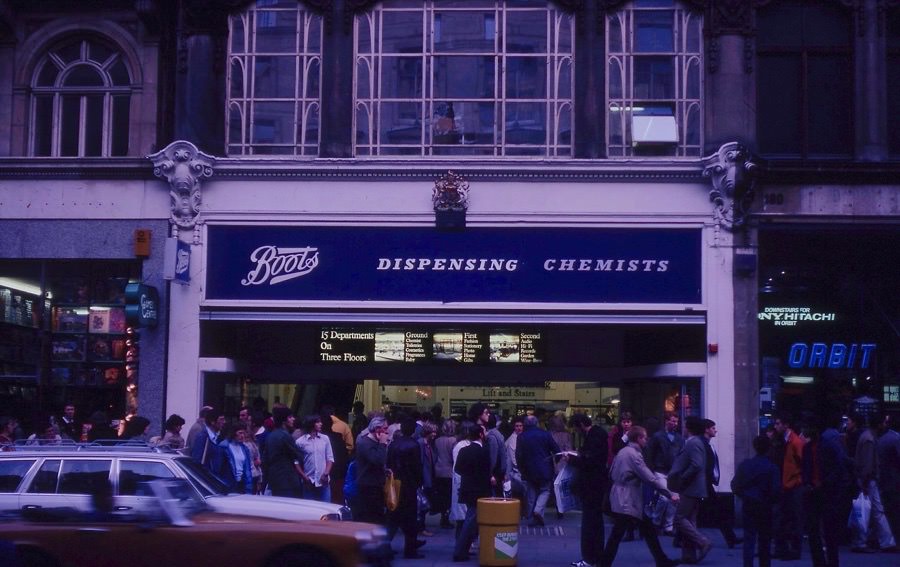
Earlham Street, running through Seven Dials in Covent Garden, had a scruffier, more working-class texture. The area was still years away from its later gentrification. Market traders, small workshops, and local residents made up the street’s daily rhythm in a way that is hard to find in that part of London today.
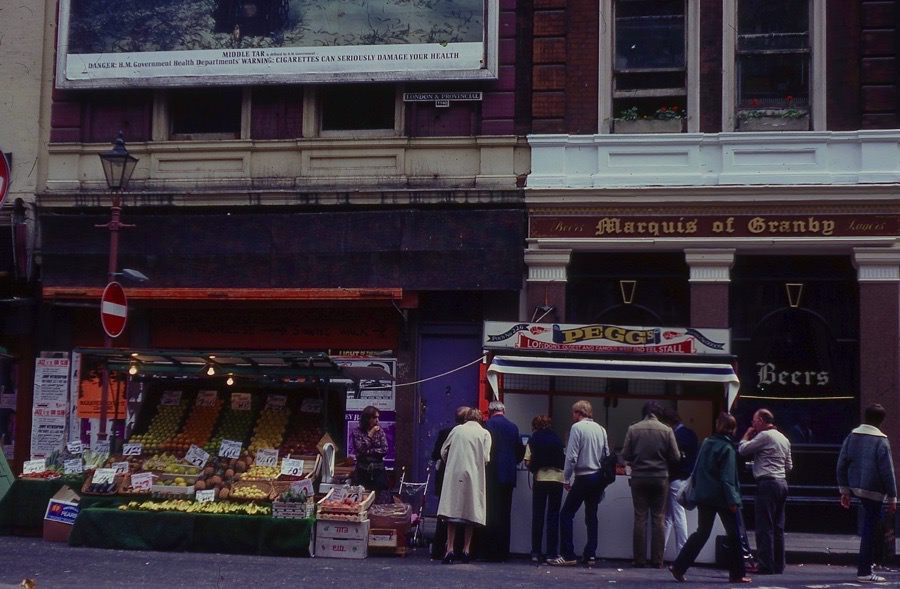
Long Acre connected Covent Garden to the wider West End and served as an important commercial artery. In the 1970s, the Covent Garden market had not yet been converted into the tourist destination it later became — the area still functioned as a working wholesale fruit and vegetable market until 1974, giving streets like Long Acre a raw, industrial edge.
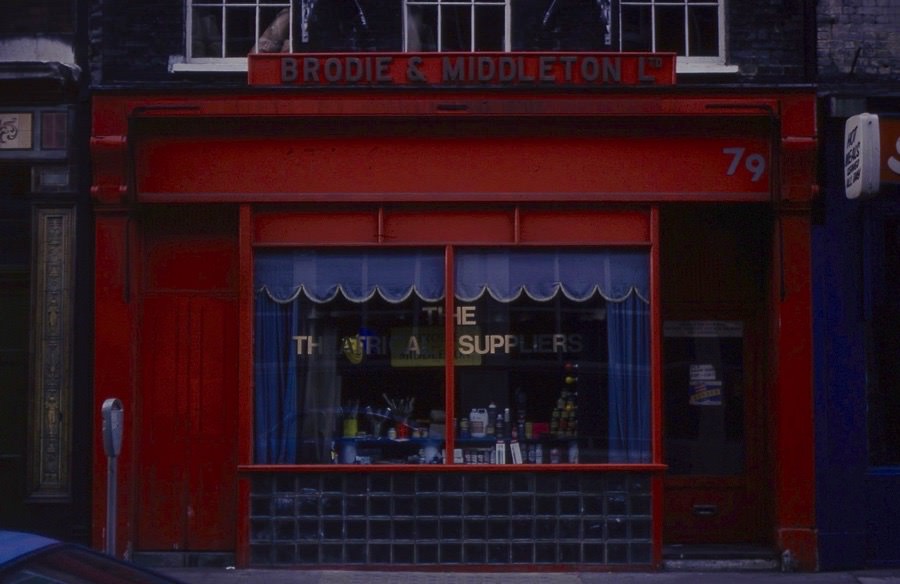
Dover Street, in Mayfair, represented a more refined corner of the West End. Art galleries, private members’ clubs, and well-appointed offices lined its pavements. The contrast between streets like Dover Street and the more chaotic stretches near Soho or Leicester Square showed just how many different worlds existed within walking distance of each other.
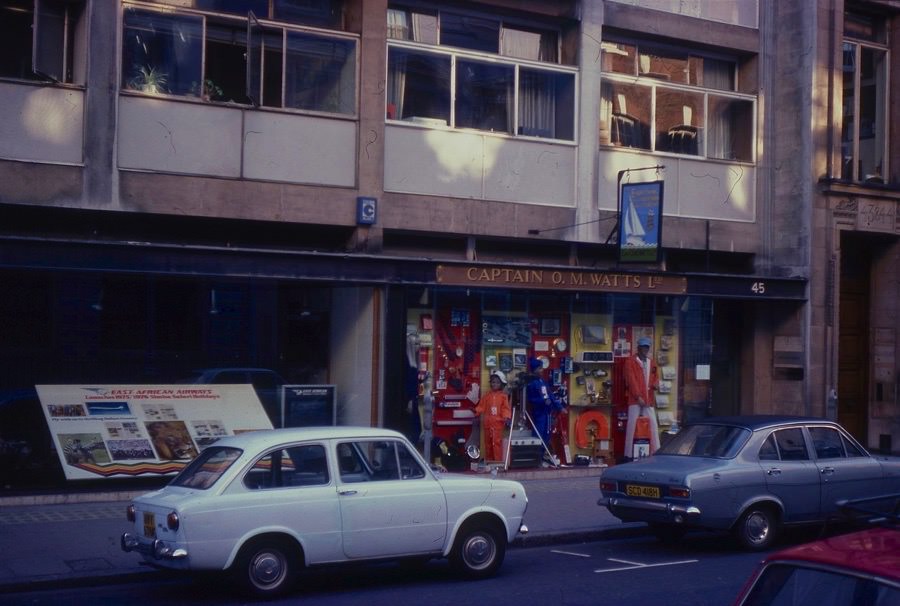
Carnaby Street had exploded into global fame during the 1960s as the center of the Swinging London fashion scene. By the 1970s, it had settled into a slightly more commercial version of that identity — boutiques, clothing stalls, and youth fashion still defined the street, though the cutting-edge fever of the previous decade had cooled.
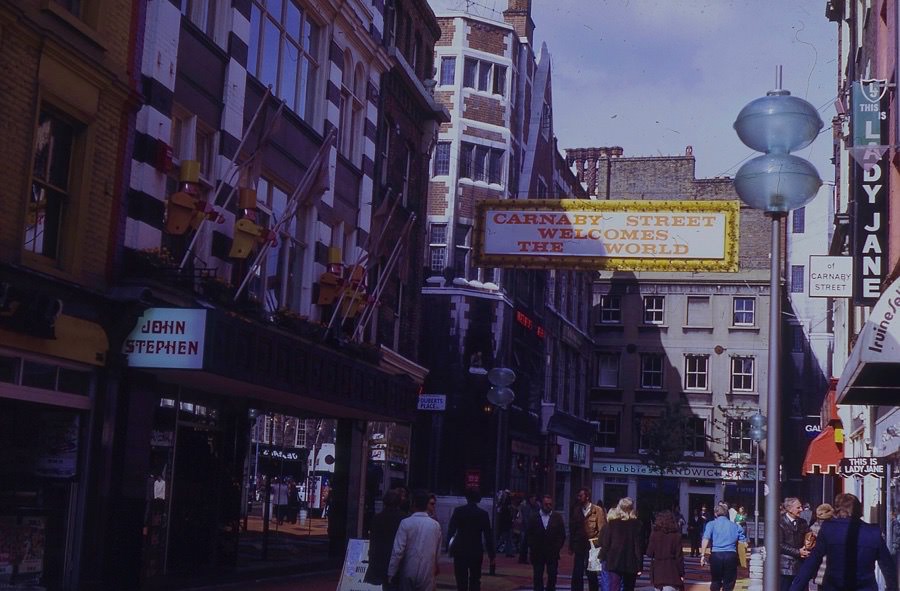
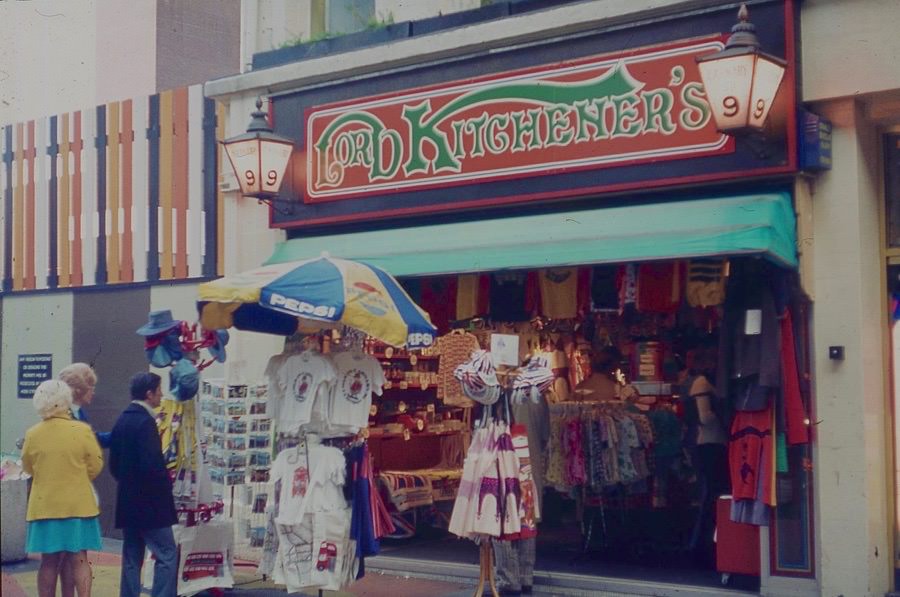
Returning to Charing Cross Road, Derrett’s second photograph from the street captures a different angle of its daily flow. Buses, pedestrians, and shopfronts fill the frame — a straightforward document of urban movement that tells more about the decade than any written description.
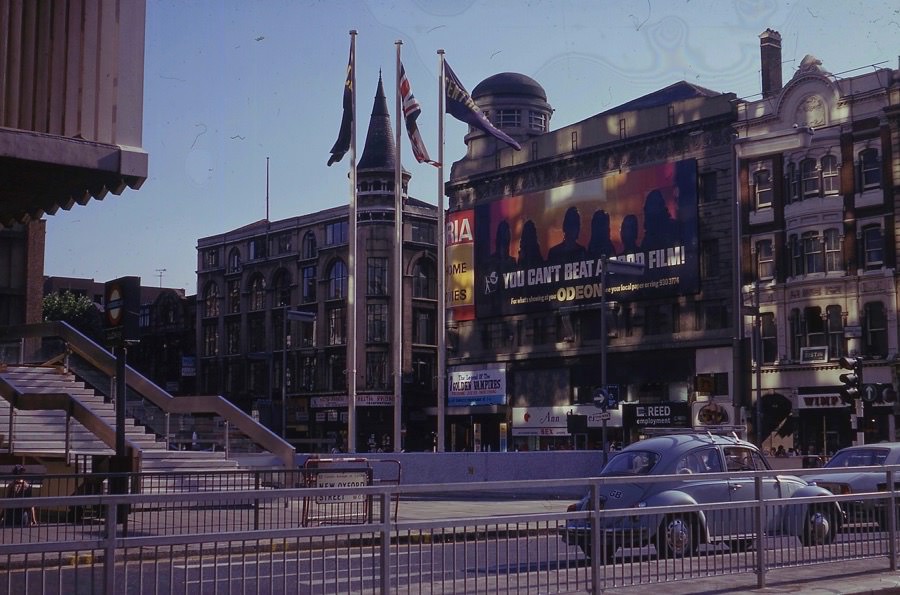
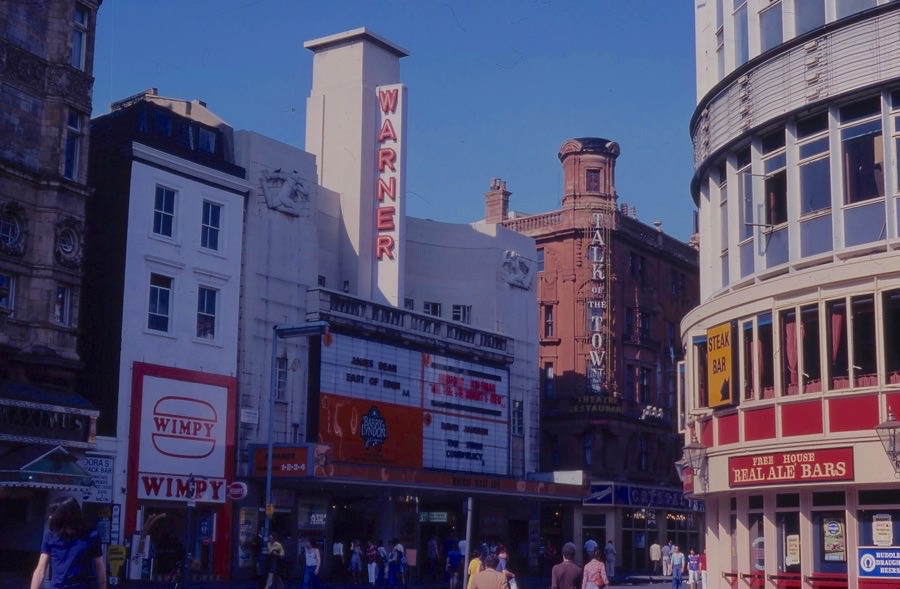
A second view of Dover Street reinforces the Mayfair atmosphere — measured, quiet, and prosperous. The parked cars visible in these images are a snapshot of British automotive tastes in the era, with models that have long since disappeared from the roads.
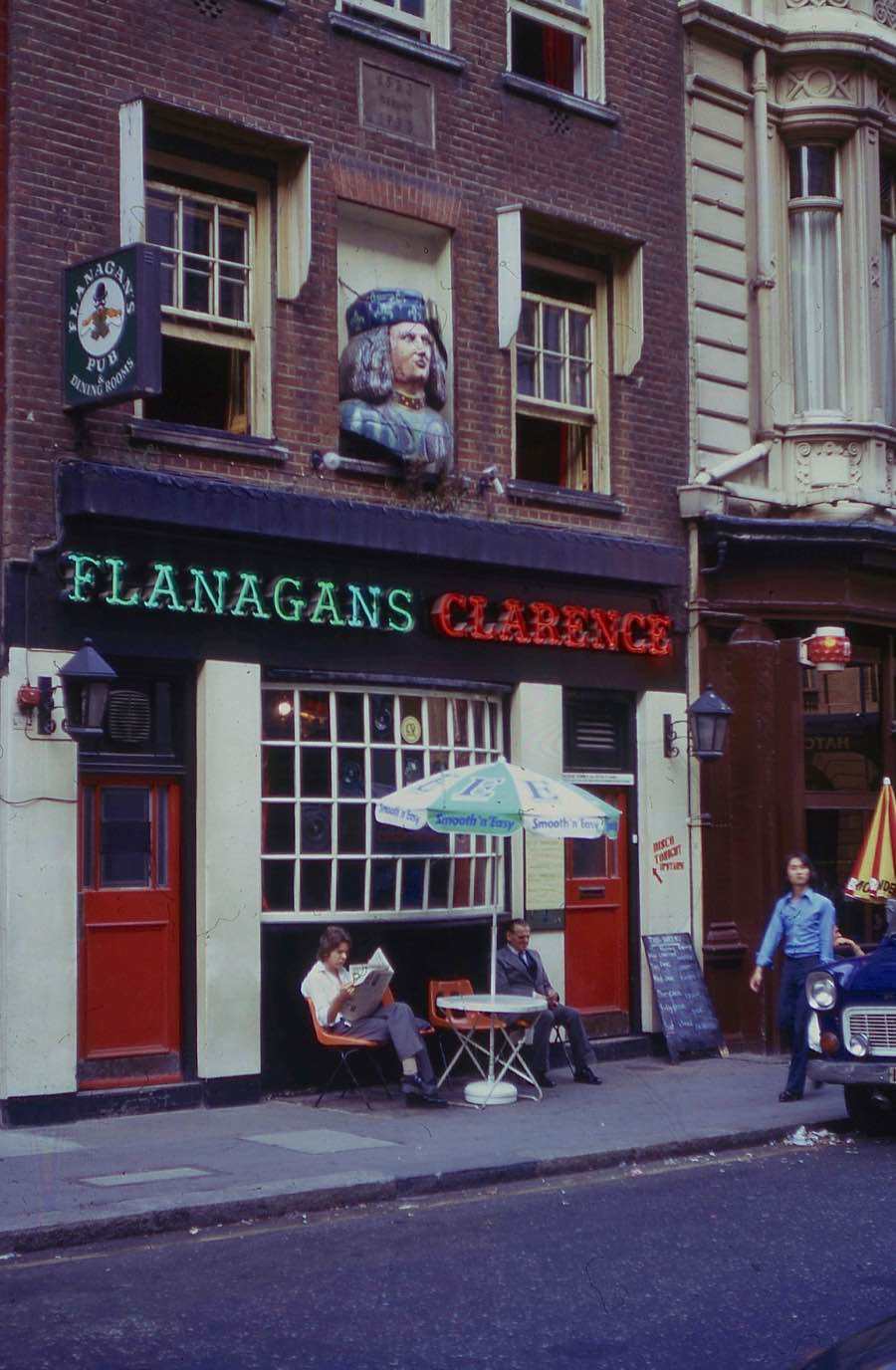
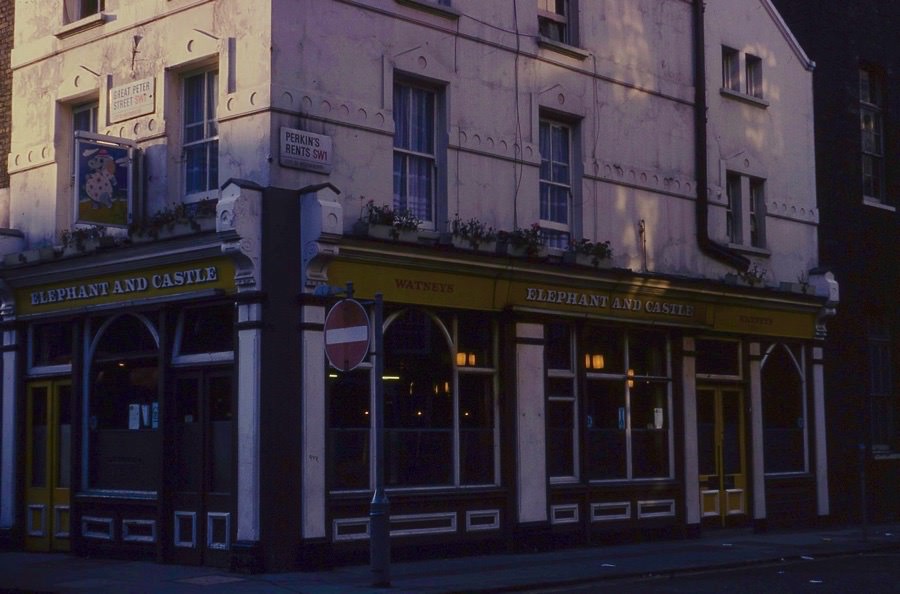
Perkins Rents is one of the lesser-known spots in this collection. A small passageway near Victoria, it speaks to the more obscure corners of the West End that rarely appeared in guidebooks but were as much a part of the city’s fabric as its famous landmarks.
Great Windmill Street sits just off Piccadilly Circus, bordering Soho. In the 1970s, Soho was a genuinely rough district — strip clubs, adult cinemas, and sex shops operated openly alongside ordinary cafés and businesses. Great Windmill Street sat right on the edge of that world.
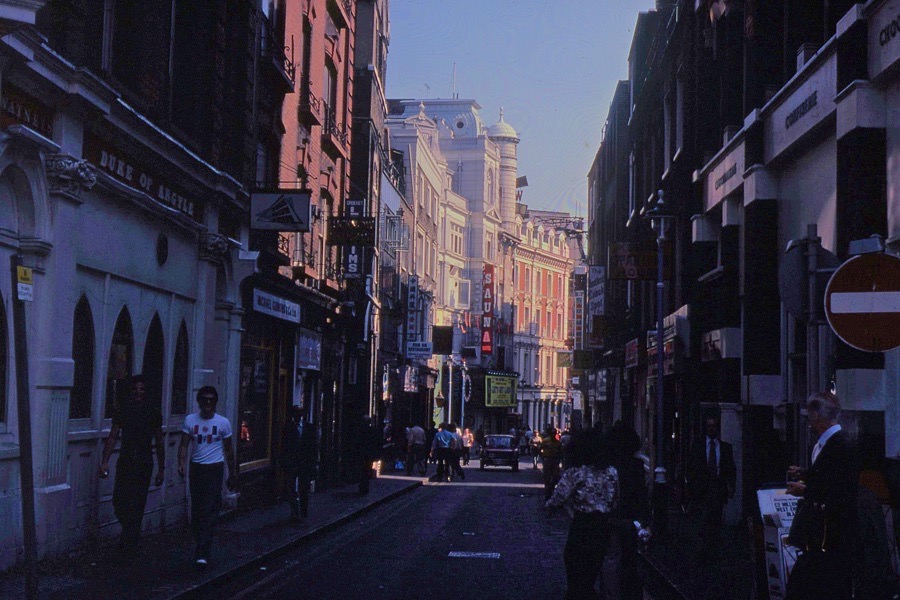
Brook Street in Mayfair was home to Claridge’s hotel, one of London’s most prestigious addresses. The street’s character in the 1970s, as captured by Derrett, reflected the quiet wealth of the surrounding area — well-maintained buildings, sparse traffic, and an air of understated exclusivity.
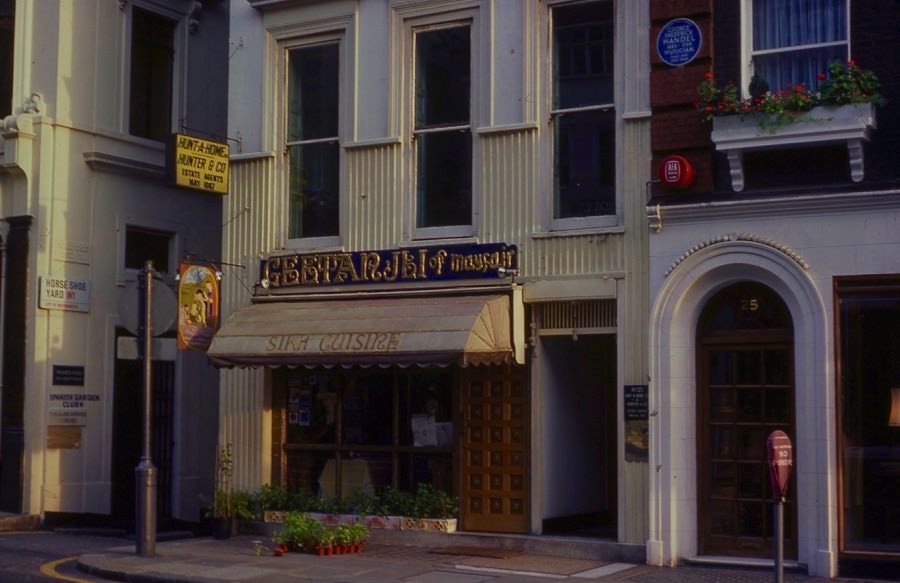
Conduit Street, also in Mayfair, was known for its tailors and fashion houses. In the 1970s, bespoke tailoring still held a strong presence in the West End, and streets like this one catered to a clientele that expected craftsmanship over convenience.
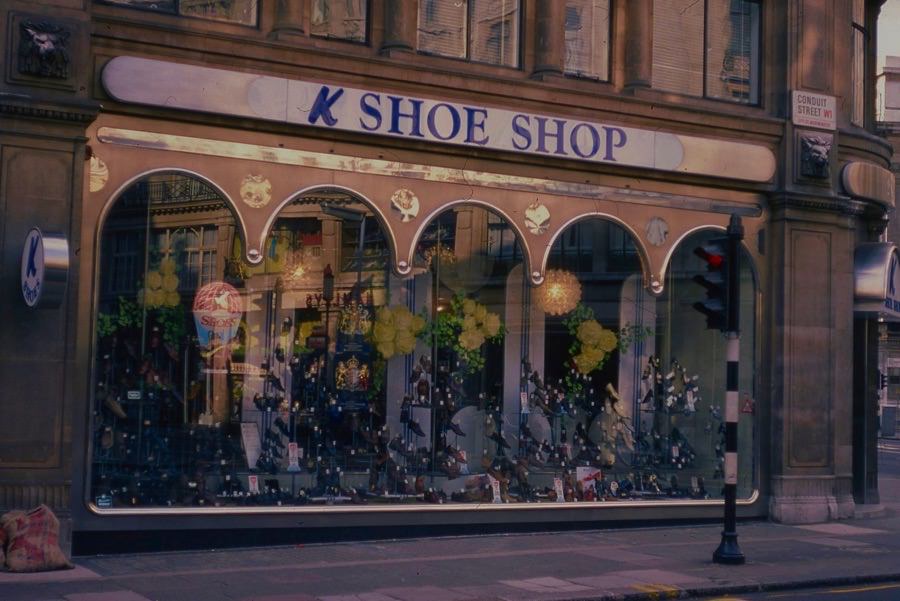
Frith Street is one of Soho’s most storied streets. It was home to the Ronnie Scott’s Jazz Club, which had opened in 1959 and was in full swing throughout the 1970s. The street mixed music venues, Italian cafés, and residential flats in a way that defined Soho’s dense, layered social life.
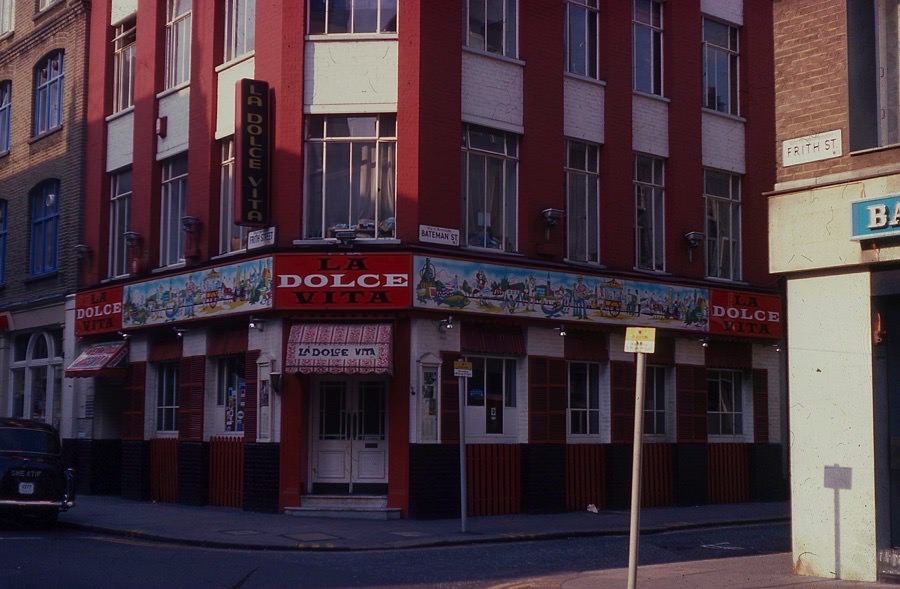
Drury Lane in Covent Garden was — and remains — one of London’s great theater streets. The Theatre Royal Drury Lane, one of the oldest and largest in the city, anchored the street’s identity. In the 1970s, the surrounding area still had a working, unglamorous quality before redevelopment changed its character.
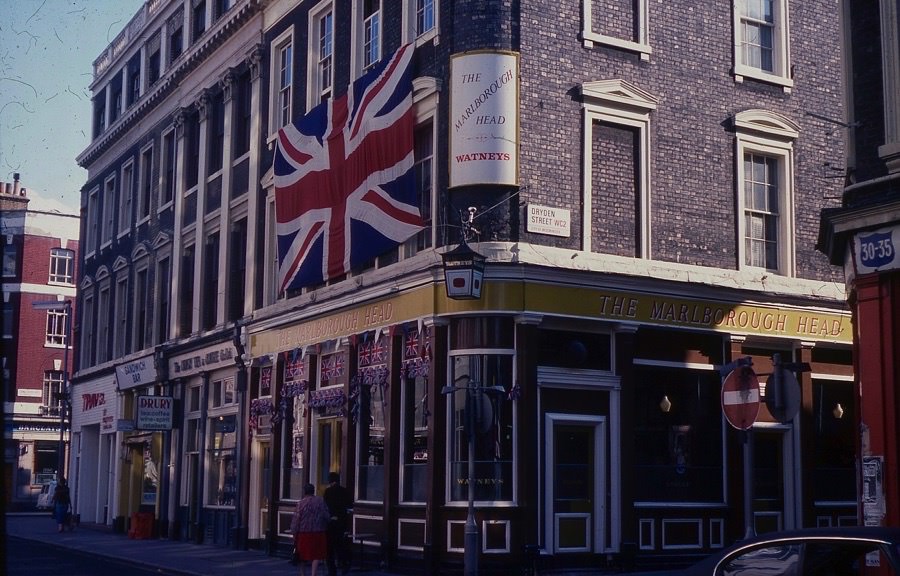
Dean Street ran through the heart of Soho and was a hub for the creative and media industries. Advertising agencies, film production companies, and private members’ clubs used the street throughout the decade. It was a place where journalists, artists, and writers mixed with the area’s more colorful residents.
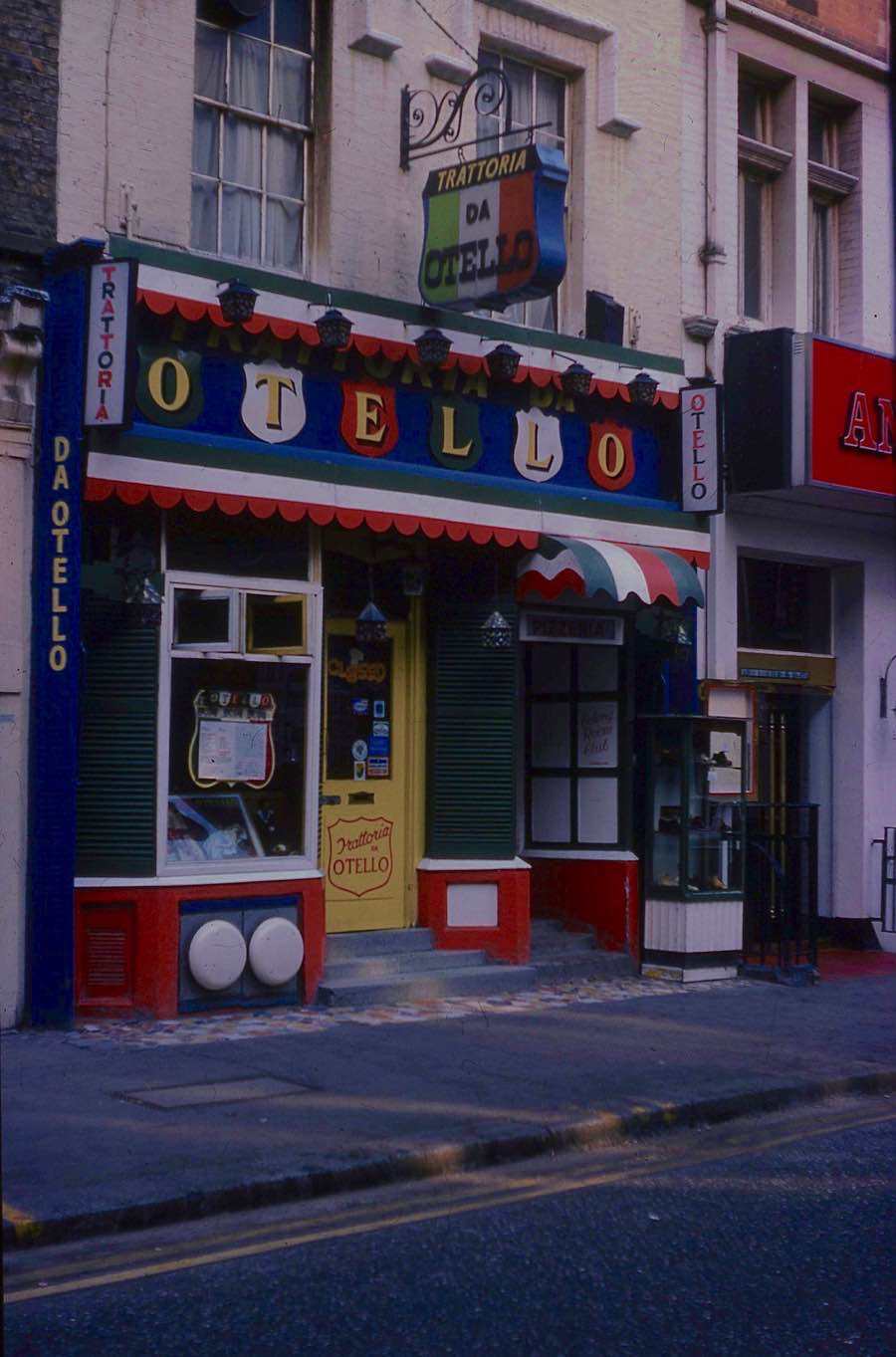
Garrick Street in Covent Garden was named after the eighteenth-century actor David Garrick. By the 1970s, it was a quiet but functional street near the theater district, its pavements reflecting the workaday side of an area still transitioning from market town to cultural destination.
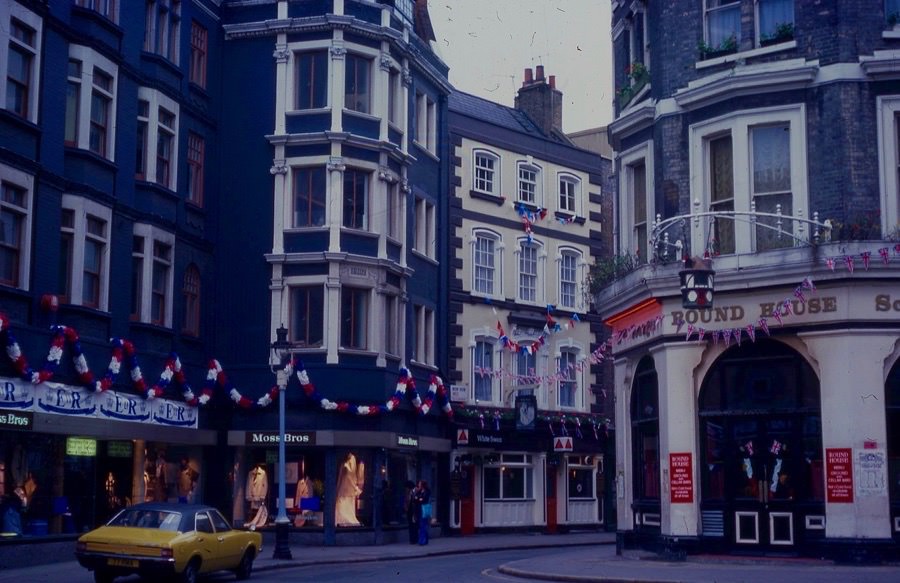
A second photograph of Great Windmill Street gives another perspective on this Soho borderland. The signage, storefronts, and street furniture visible across Derrett’s images form a collective portrait of a city mid-decade — before the redevelopments of the 1980s reshaped much of what can be seen here.
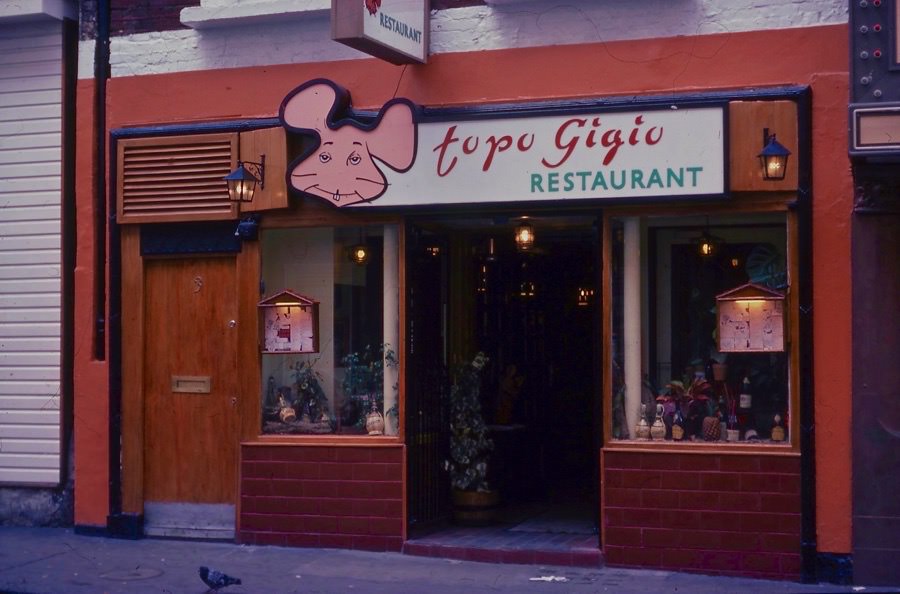
Archer Street, just off Windmill Street in Soho, was historically famous as a gathering place for jazz and dance band musicians looking for work. Session players and bandleaders would meet here to negotiate engagements. By the 1970s, that tradition was fading, but the street retained its connection to the music world that surrounded it.