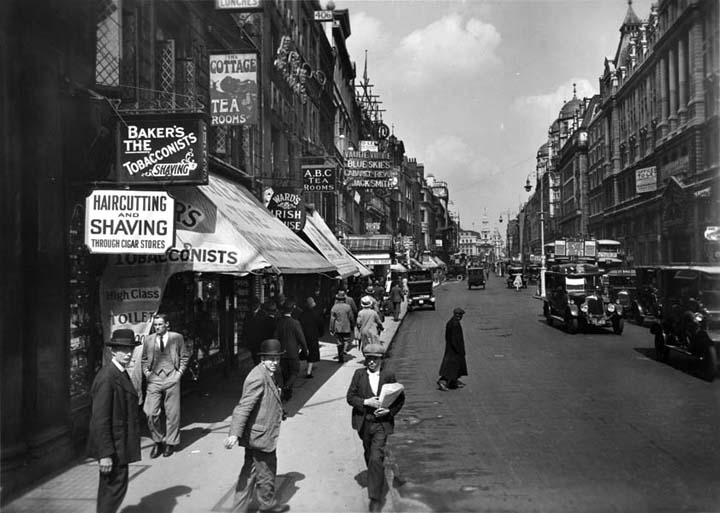
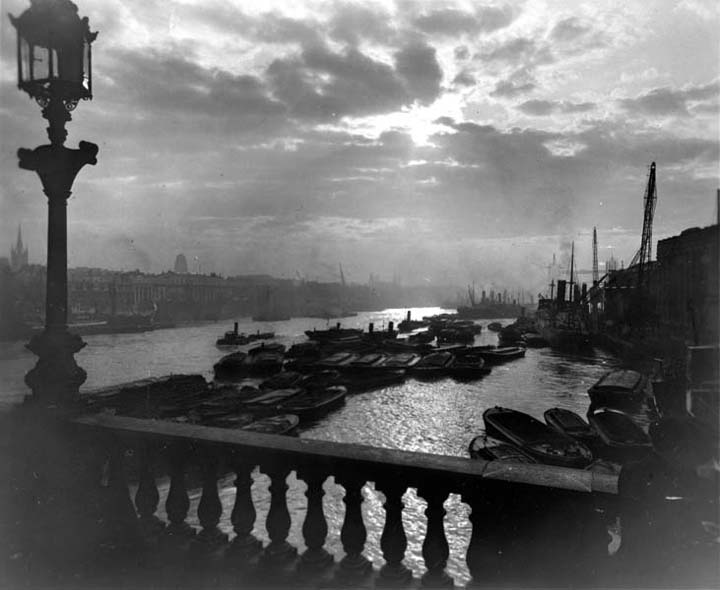
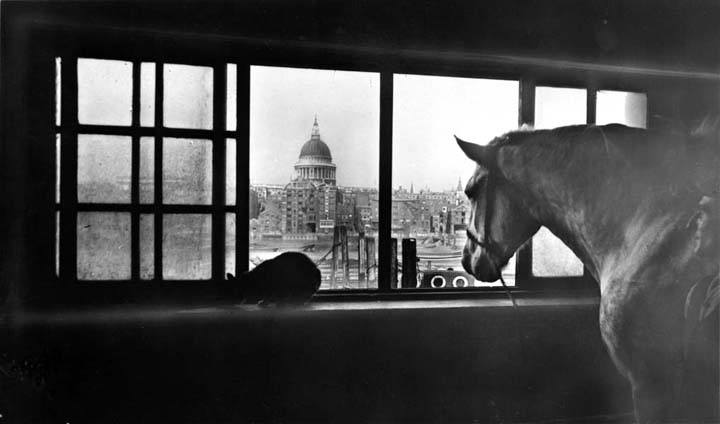
Between 1920 and 1933, photographer George Reid set out to document London in a way few had attempted before. He wasn’t interested in famous landmarks dressed up for tourists or formal portraits of the well-to-do. Reid pointed his camera at ordinary street life — the carts, the crowds, the cobblestones, and the quiet corners that most people walked past without a second glance. Over that period, he took more than 700 photographs, building one of the most detailed visual records of the city ever assembled by a single photographer. He died before the project was finished.
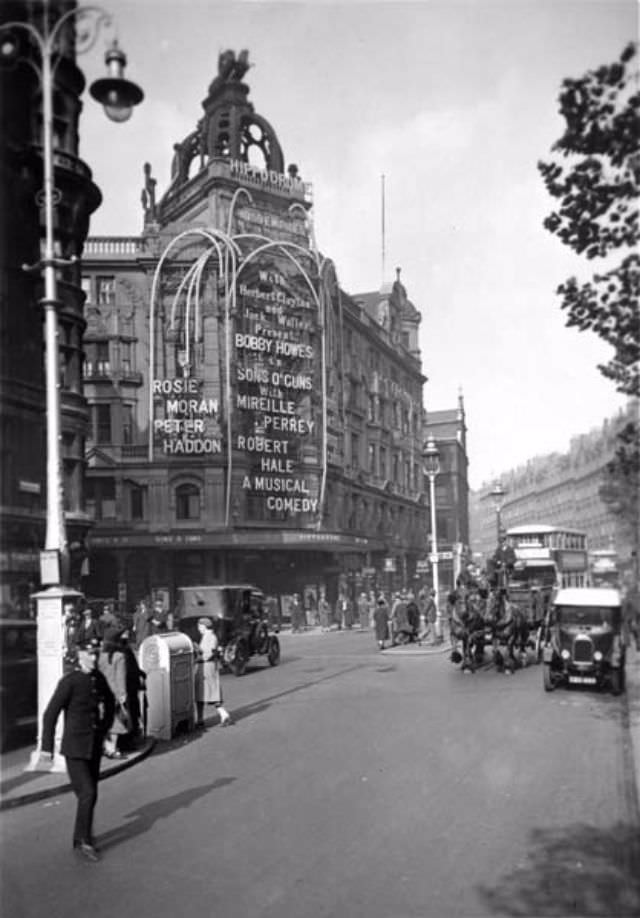
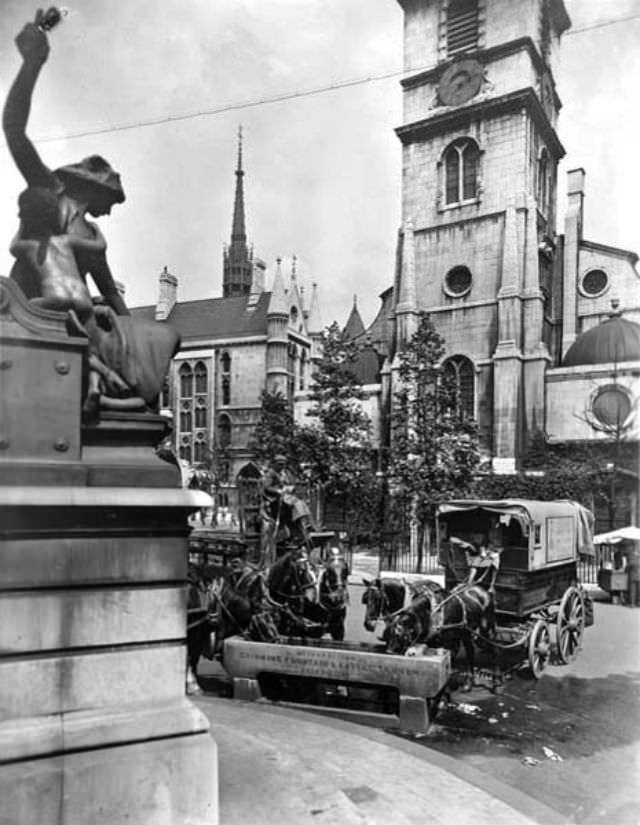
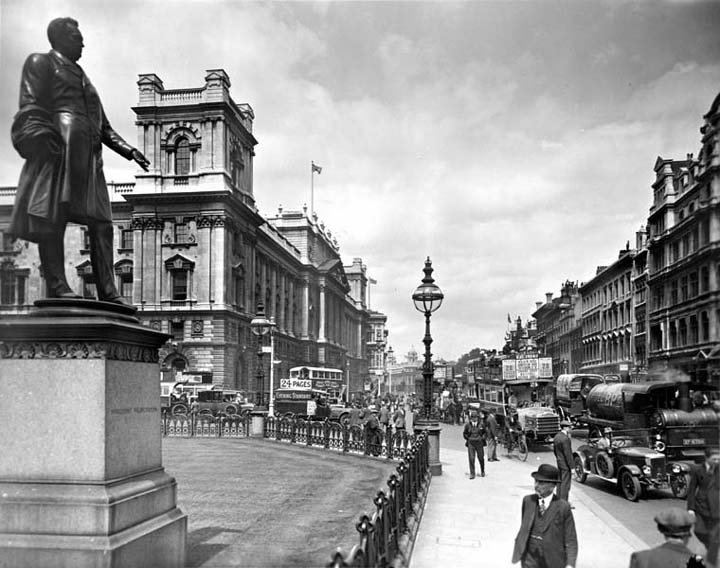
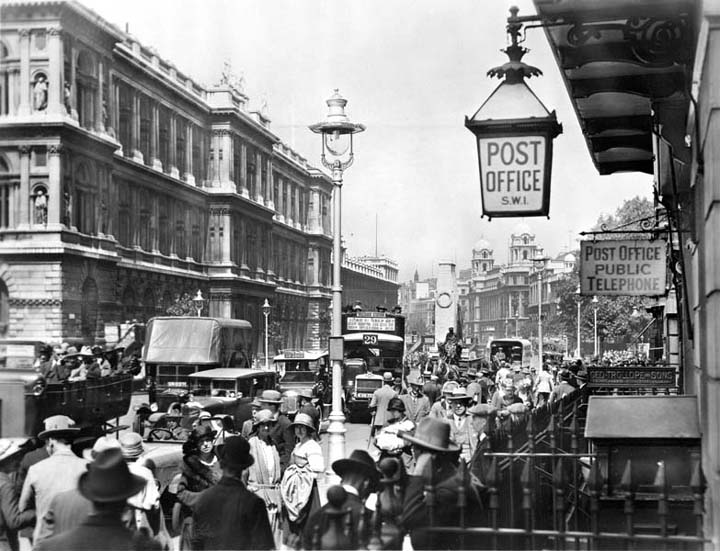
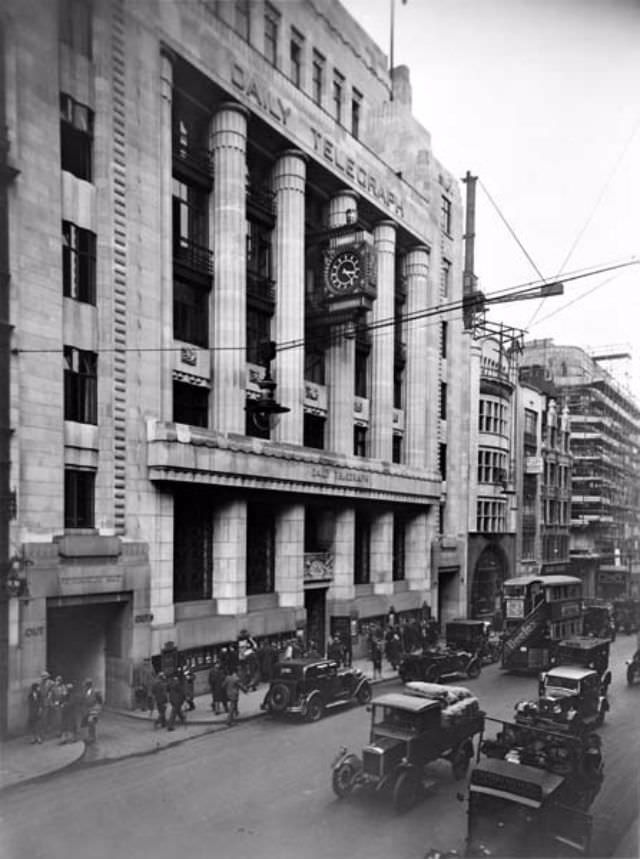
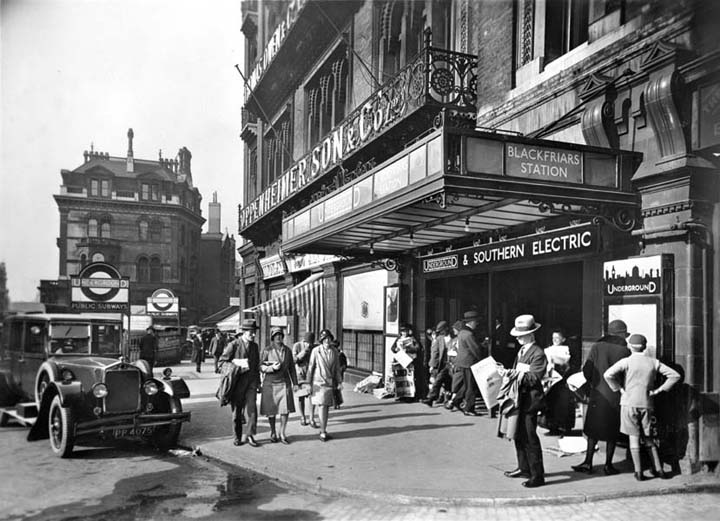
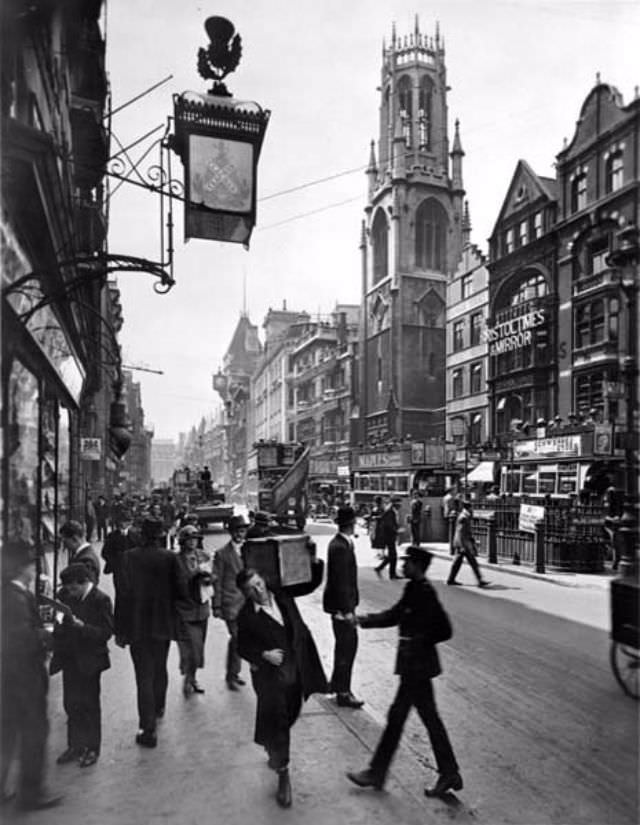
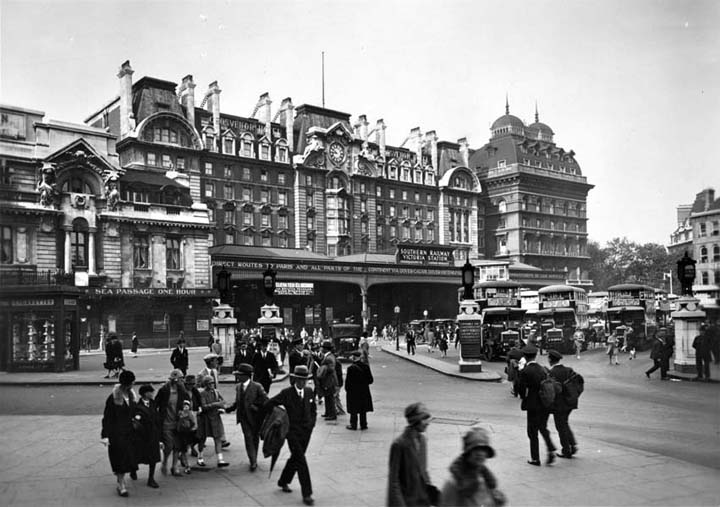
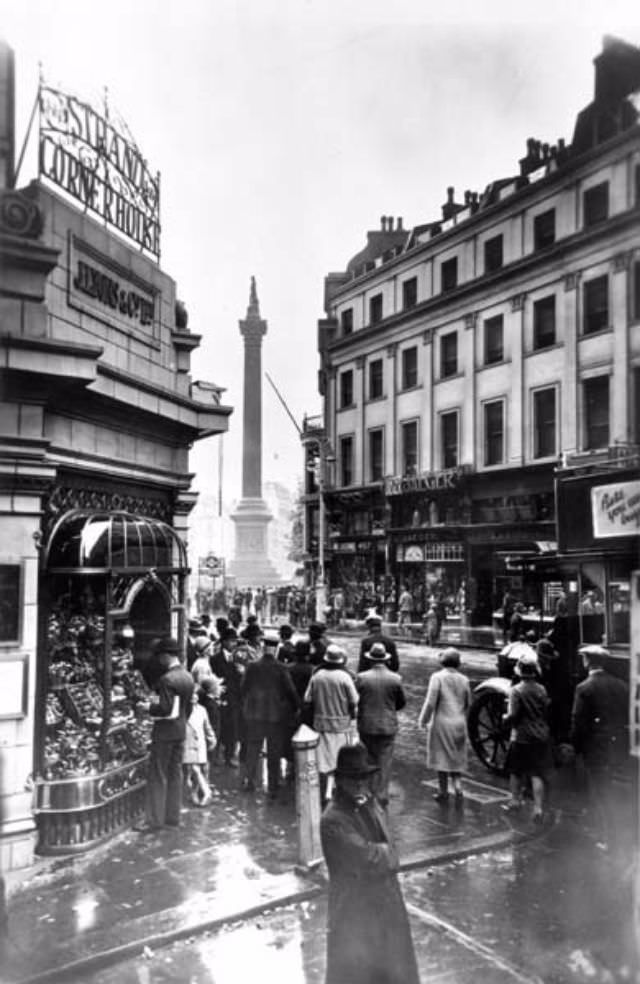
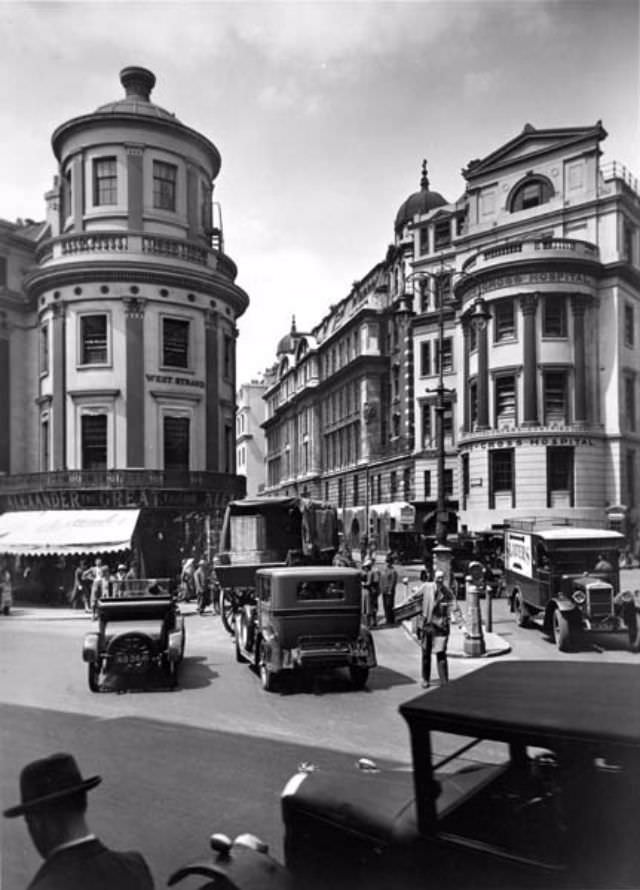
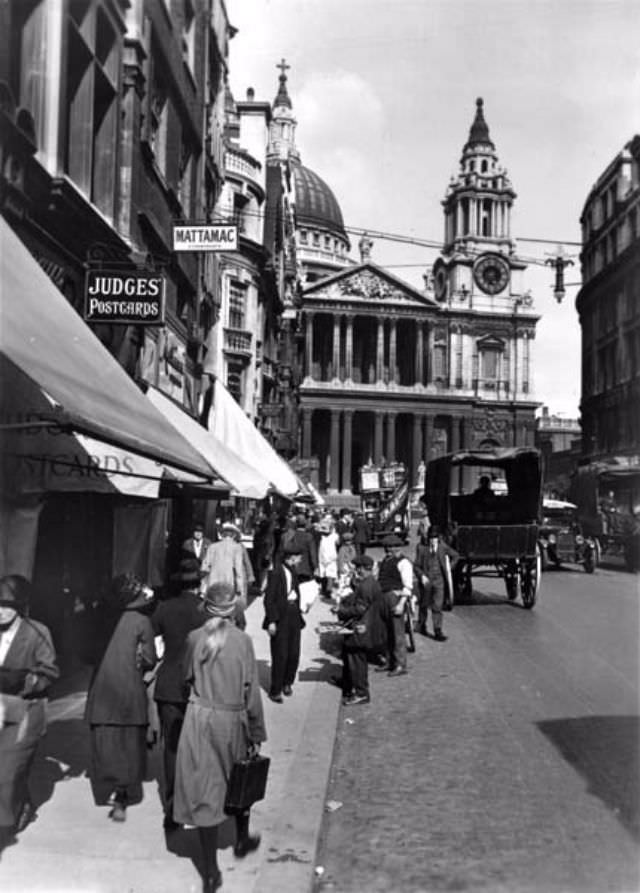
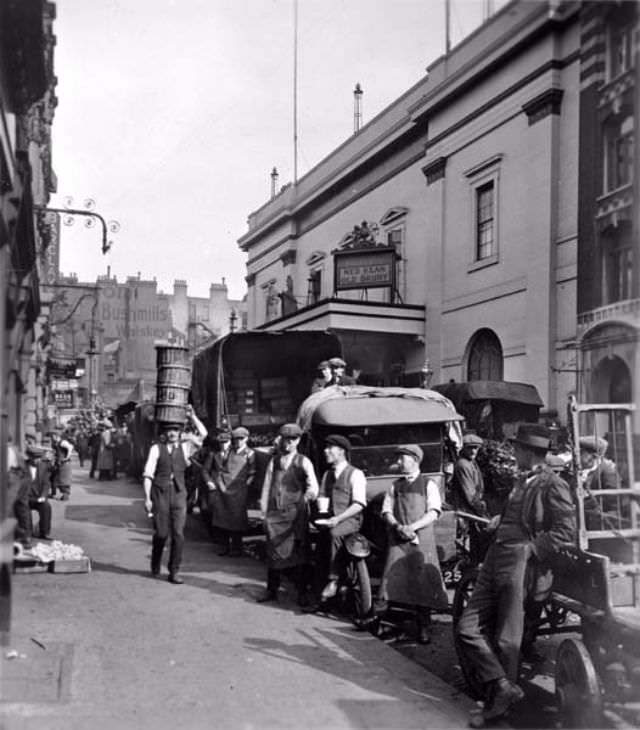
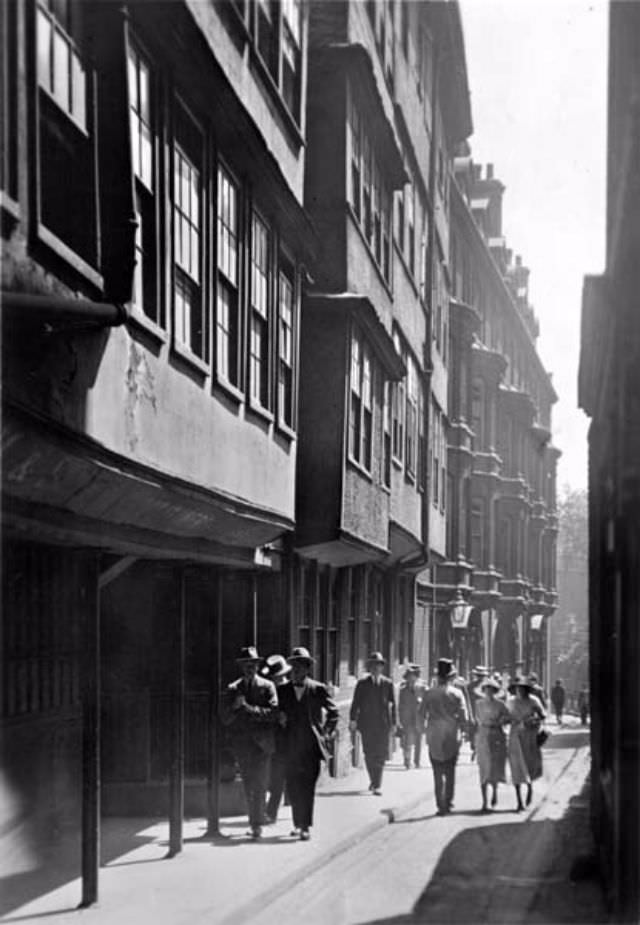
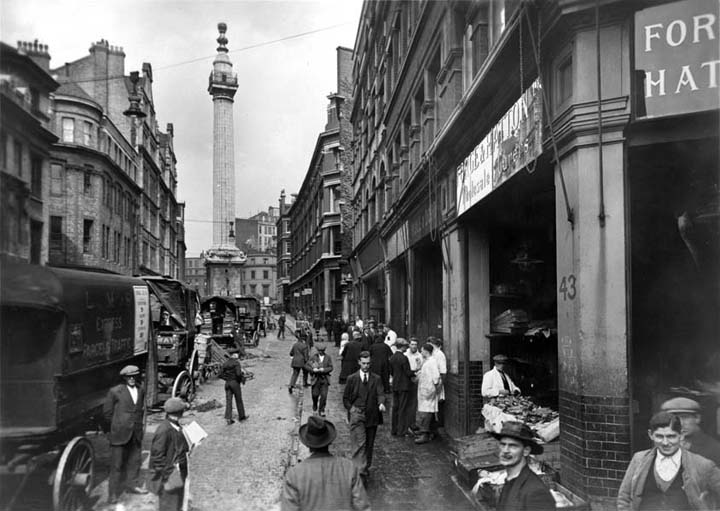
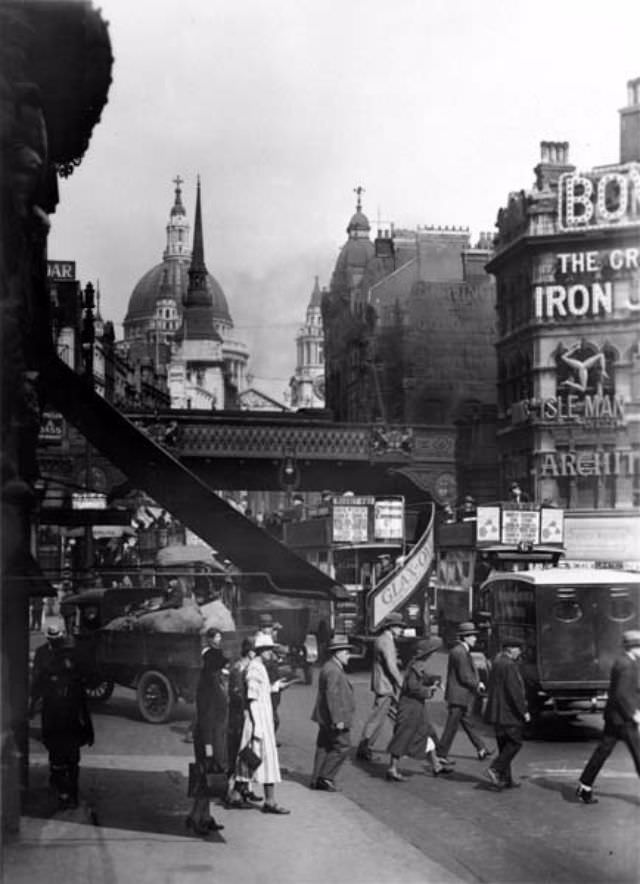
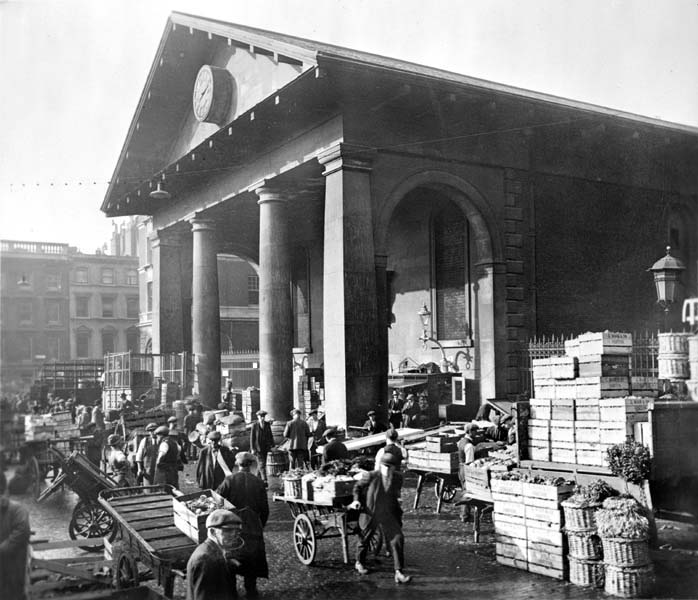
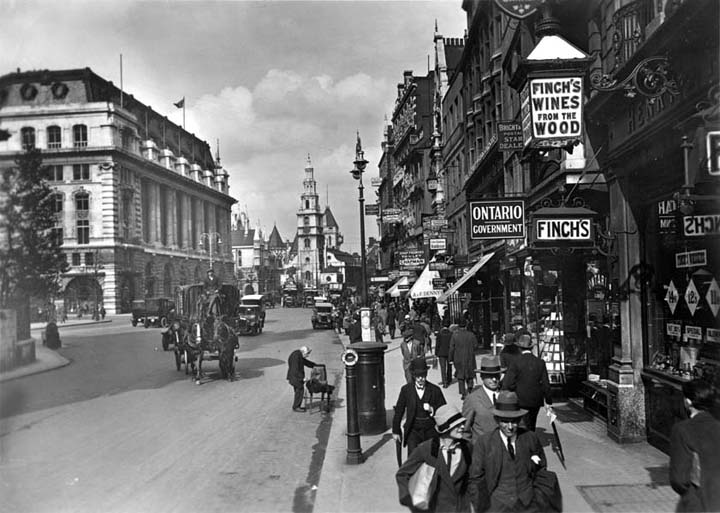
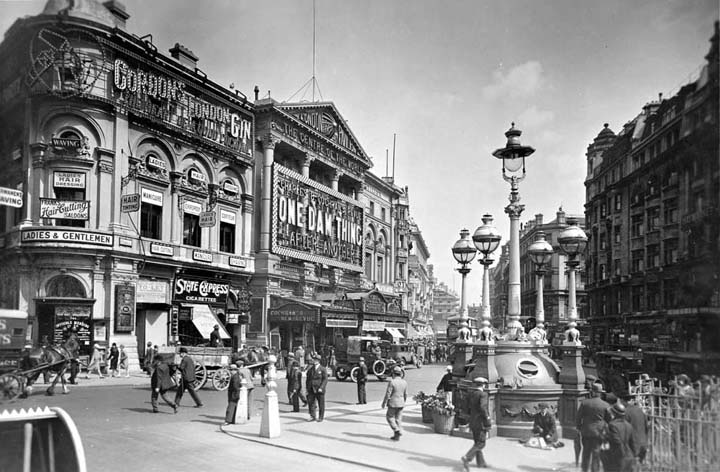
London in the 1920s was a city caught between two worlds. Horse-drawn carts still shared the road with early motor buses and automobiles. Street vendors called out from market stalls while new Art Deco buildings rose alongside Victorian-era facades. Reid’s photographs catch this tension directly. You can see advertisements pasted onto brick walls, the worn texture of cobblestone streets, and the faces of Londoners going about their daily routines.
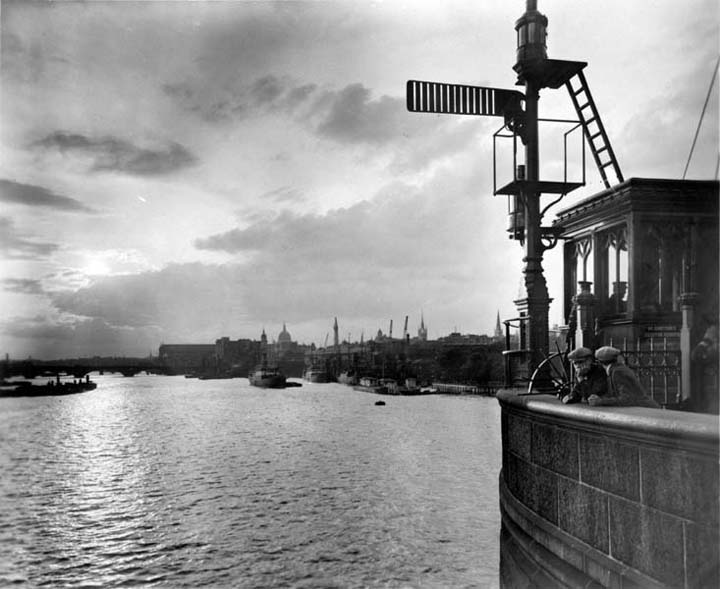
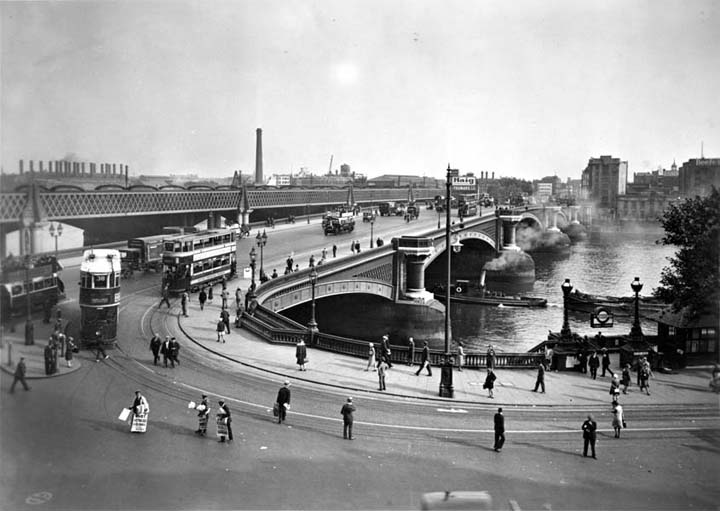
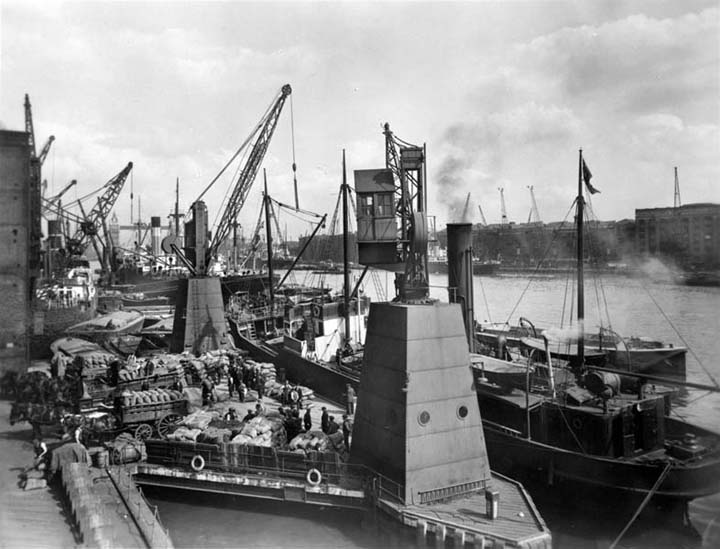
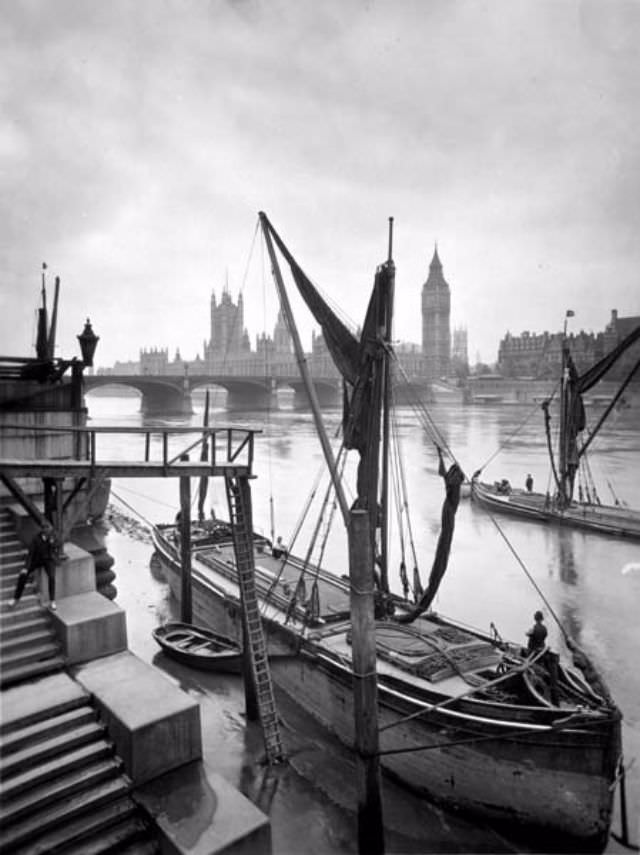
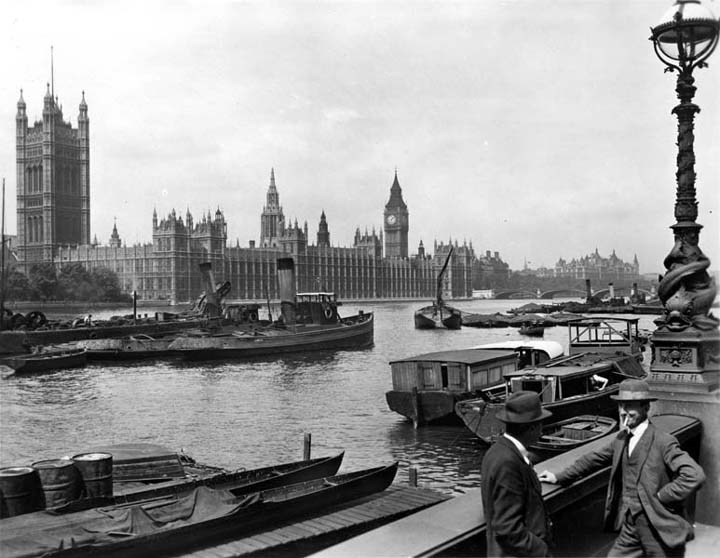
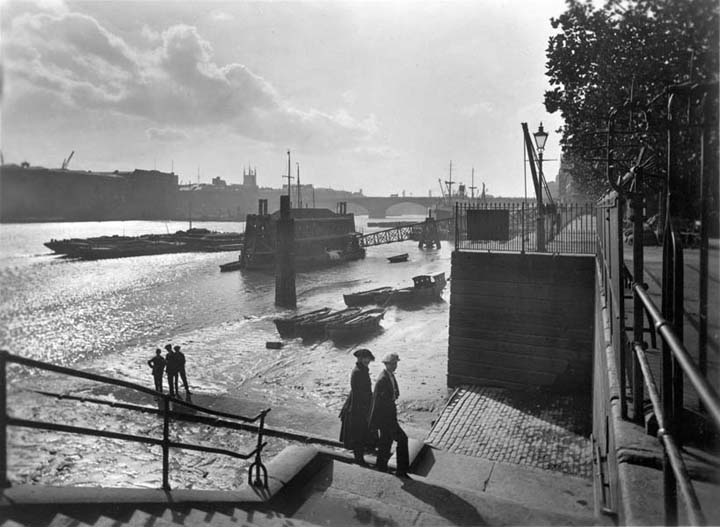
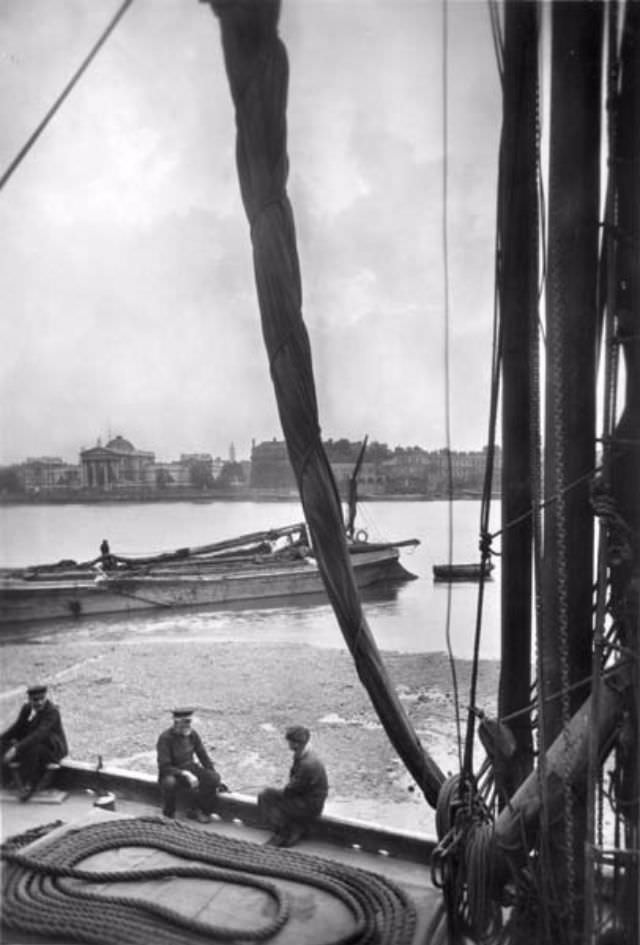
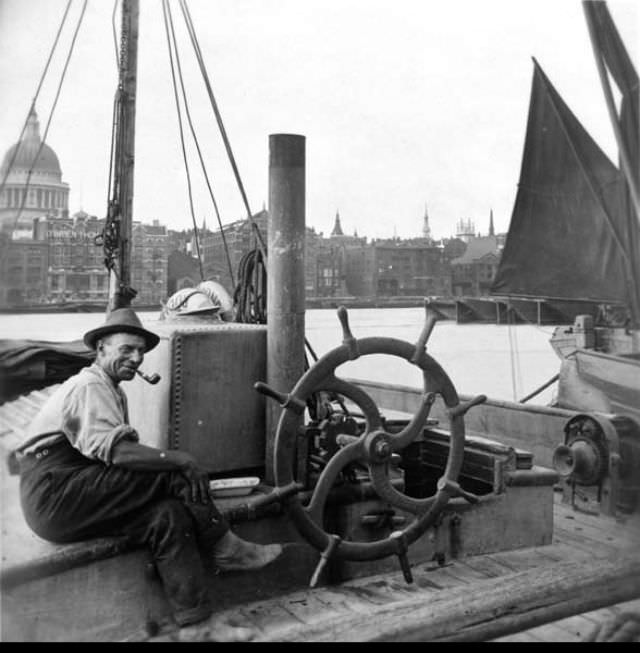
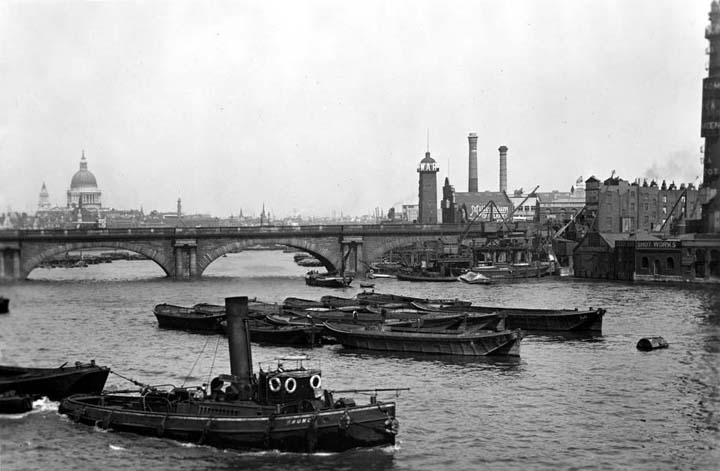
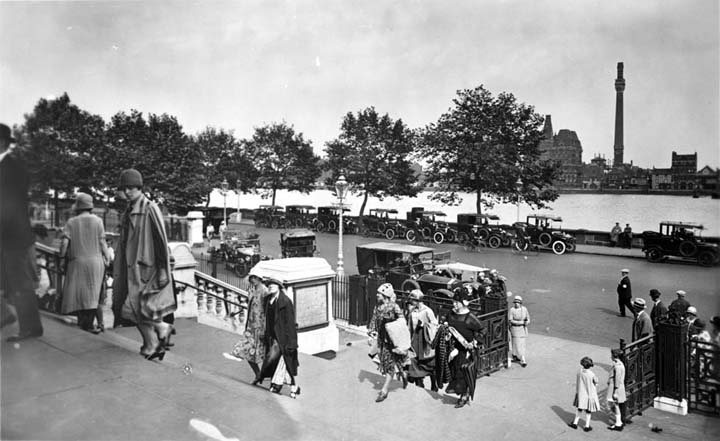
The Thames runs through much of Reid’s work. He photographed the river from multiple vantage points, capturing its bridges, its banks, and the industrial activity that kept the city moving. These riverfront shots give a strong sense of how central the Thames was to everyday London — not just as a landmark, but as a working waterway.
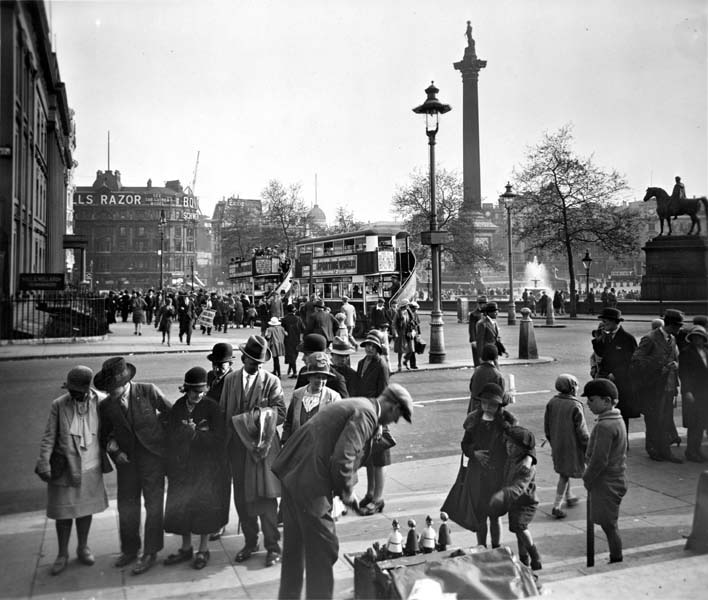
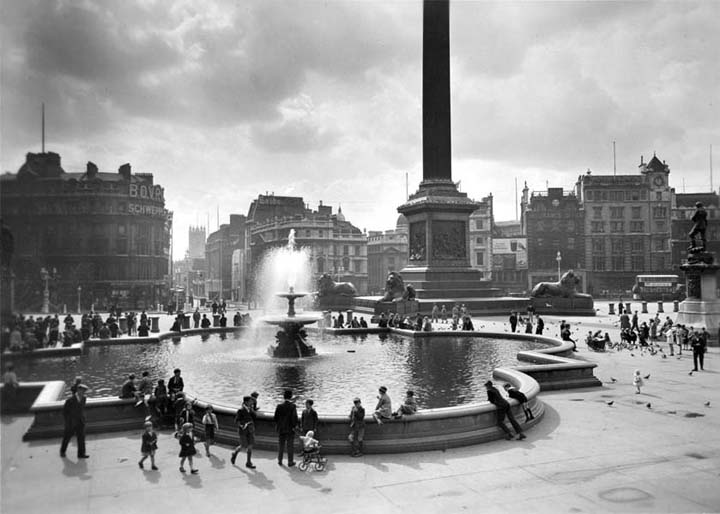
Public spaces like Trafalgar Square appear in Reid’s collection from multiple angles, showing how Londoners used these open areas in the interwar years. The square wasn’t a tourist backdrop — it was a thoroughfare, a meeting point, and a stage for daily city life.
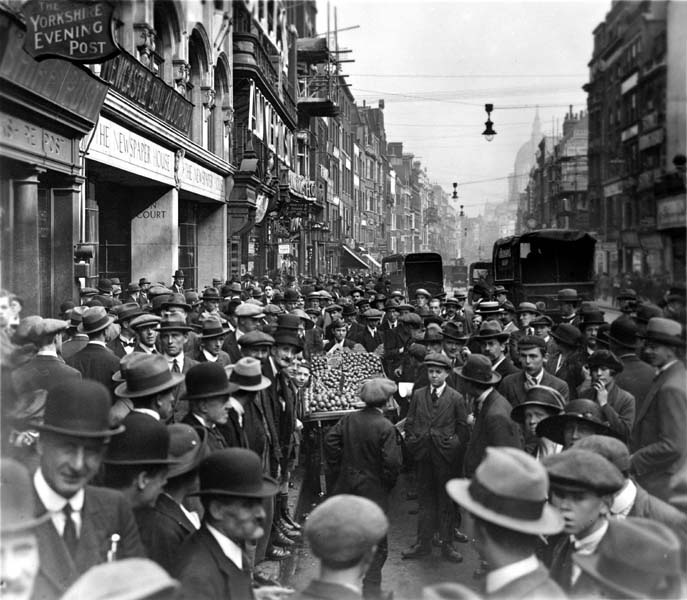
Reid also captured the small details that larger historical accounts tend to ignore. A water trough near a city church, children gathered under a bridge, crowds pressing against the windows of a Fleet Street newspaper office — these images document a London that was loud, crowded, and very much alive.