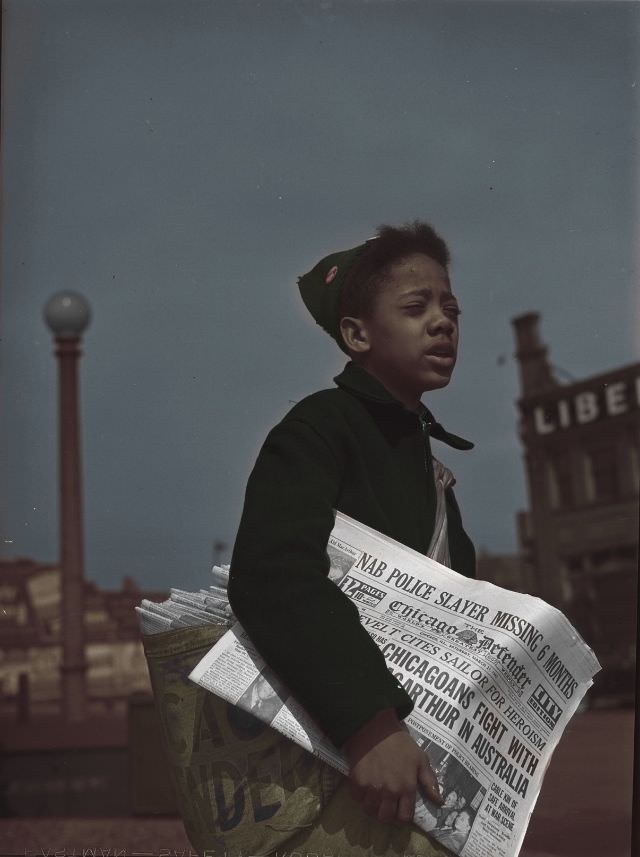
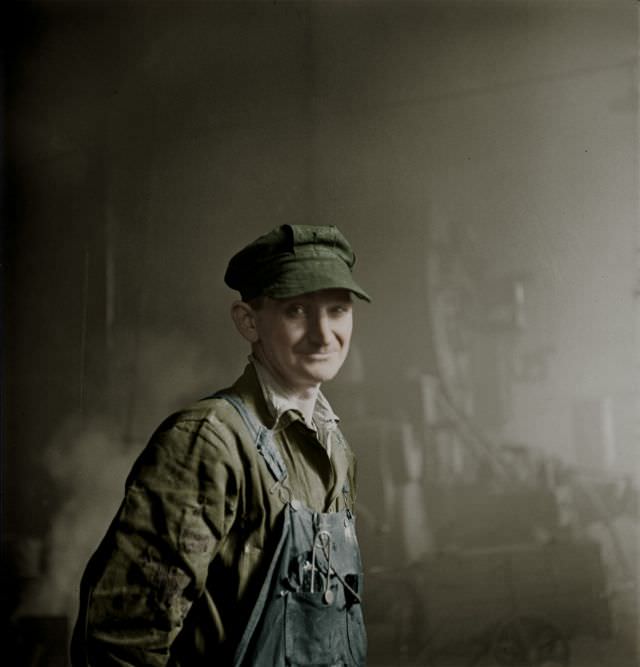
Jack Delano was born Jacob Ovcharov in 1914 and went on to become one of the most versatile documentarians of 20th-century American life. He worked as a photographer for the Farm Security Administration (FSA), but his talents stretched well beyond the camera — he was also a cartoonist, poet, filmmaker, professor, and architect who drew on Puerto Rican folk traditions in his compositions. Before the United States entered World War II, Delano had already completed several photo essays on American industry gearing up for war. In 1943, he was drafted into the Air Force and served in the South Pacific until 1946, continuing to document his experiences through film and photography throughout his service.
After leaving the military as a captain, Delano settled in Puerto Rico with his wife Irene — a second cousin to fellow photographer Ben Shahn — a place both had fallen deeply in love with. The photographs featured here were taken during the early 1940s across a wide stretch of American life, from tobacco fields in Virginia to railroad yards in Chicago. They were later colorized by Rob van den Berg, bringing a vivid new dimension to scenes that might otherwise feel distant.
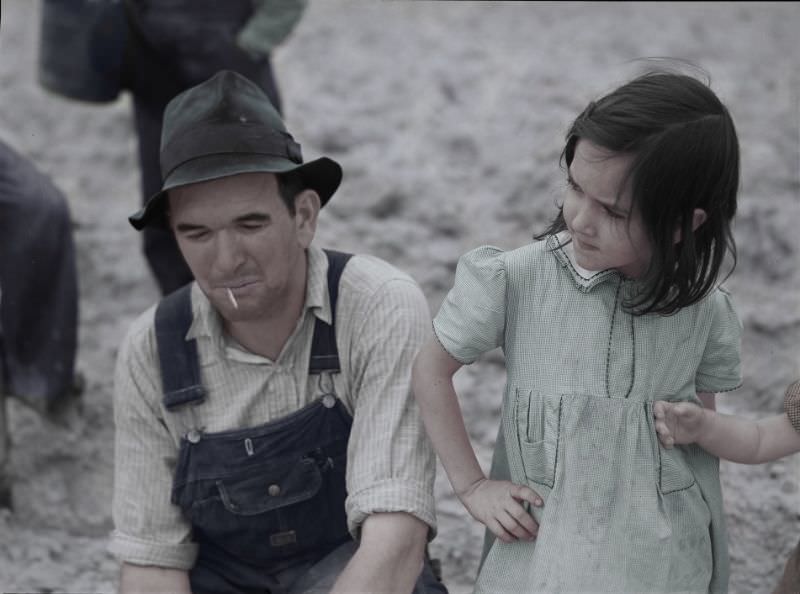
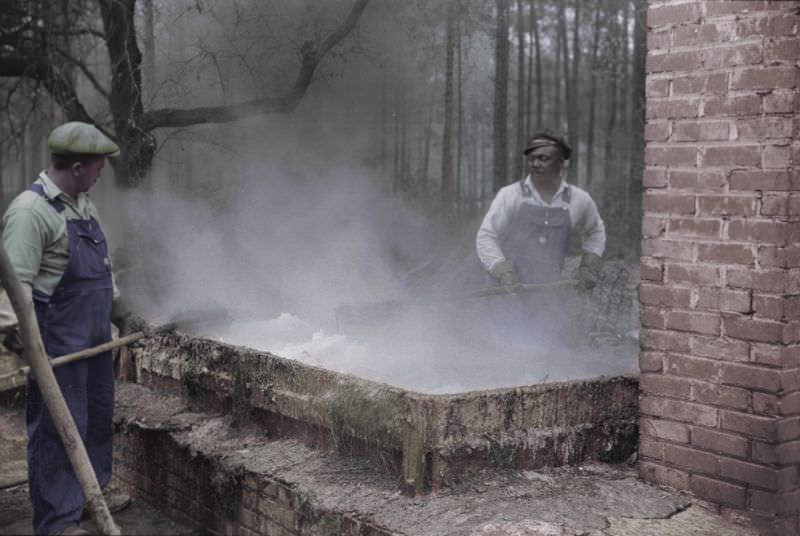
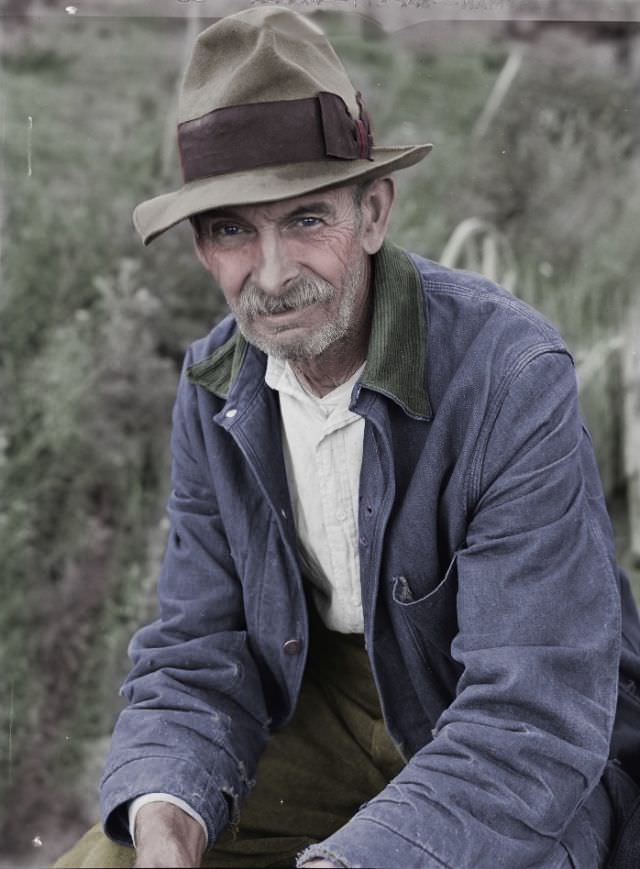
Delano’s lens captured the realities of rural poverty with unflinching honesty. In Virginia, tenant farmers worked the land under conditions of deep financial precarity. In Pennsylvania, the same economic hardship showed up in crowded urban slums, where entire families lived in cramped tenements in towns like Beaver Falls.
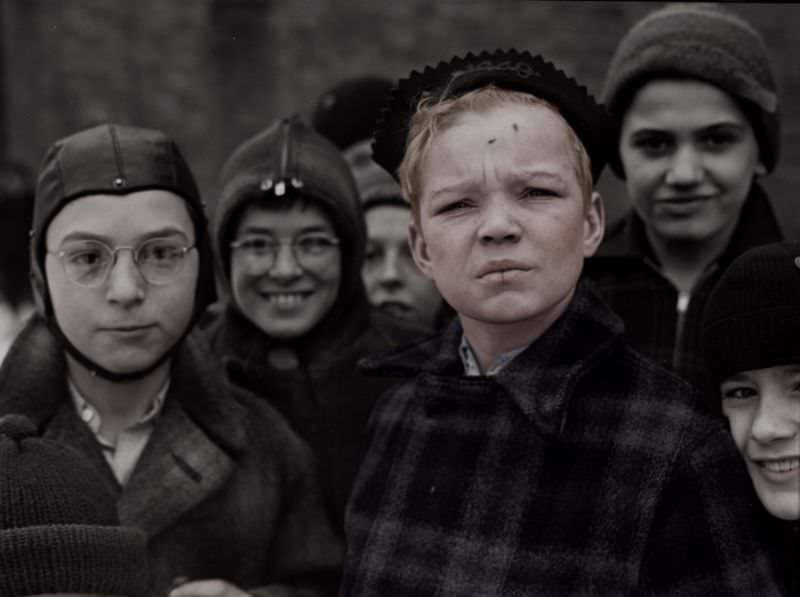
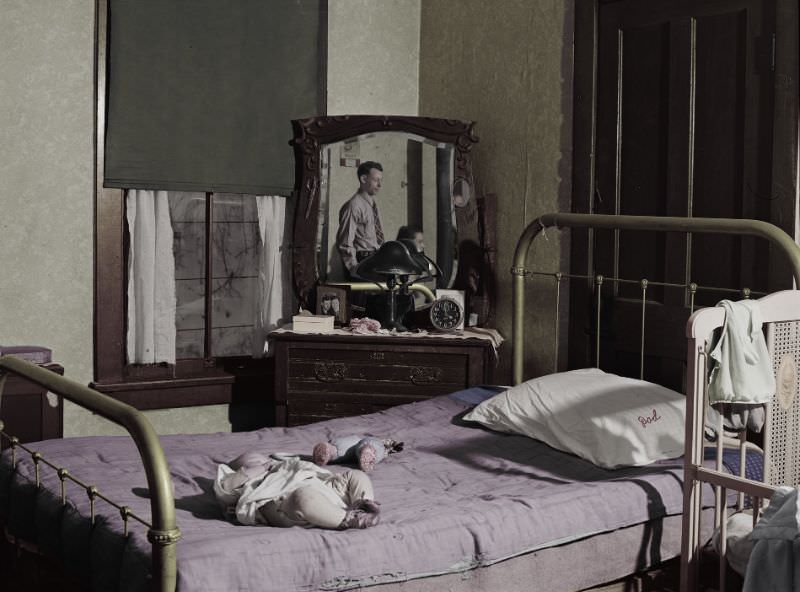
Migrant and seasonal labor defined life for many Americans during this period. Workers traveled hundreds of miles to harvest crops, living in temporary conditions with few protections. Delano photographed a Florida migrant farm worker near Belcross, North Carolina, in July 1940 — one of countless laborers moving along the Eastern Seaboard in search of work.
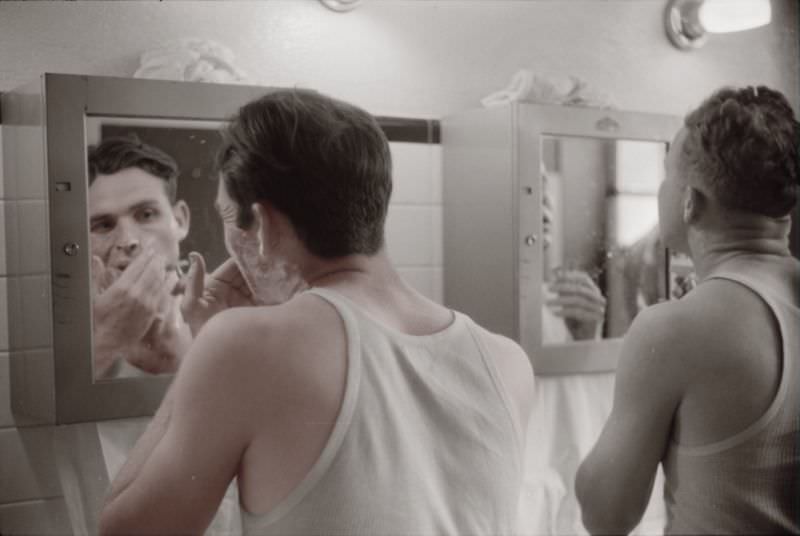
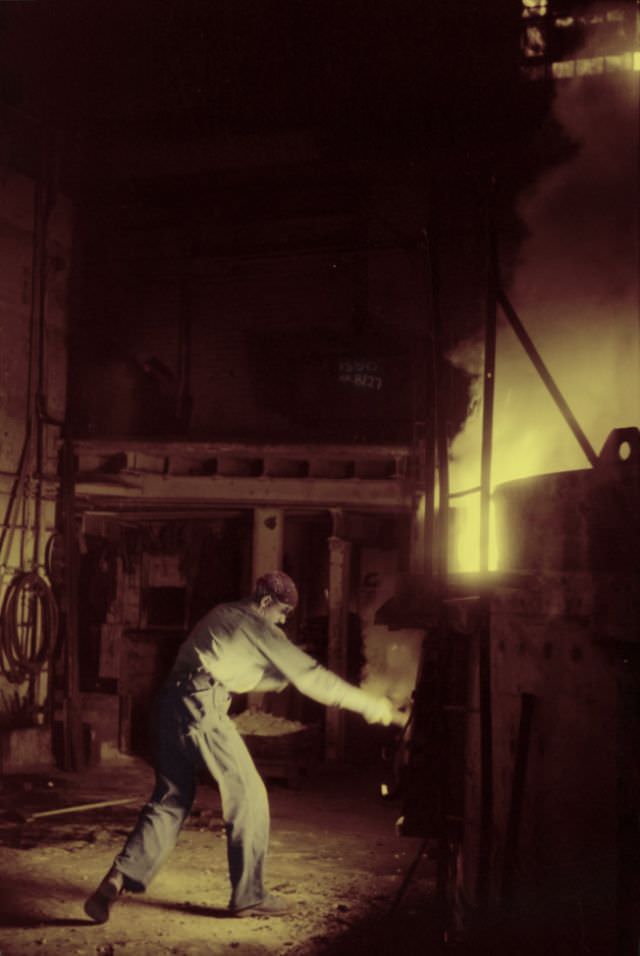
Industrial labor also featured prominently in Delano’s work. At the Farrell-Birmingham Company in Ansonia, Connecticut, workers operated electric furnaces in a foundry environment that was loud, hot, and dangerous. These were the men whose labor fed the machinery of an economy preparing for total war.
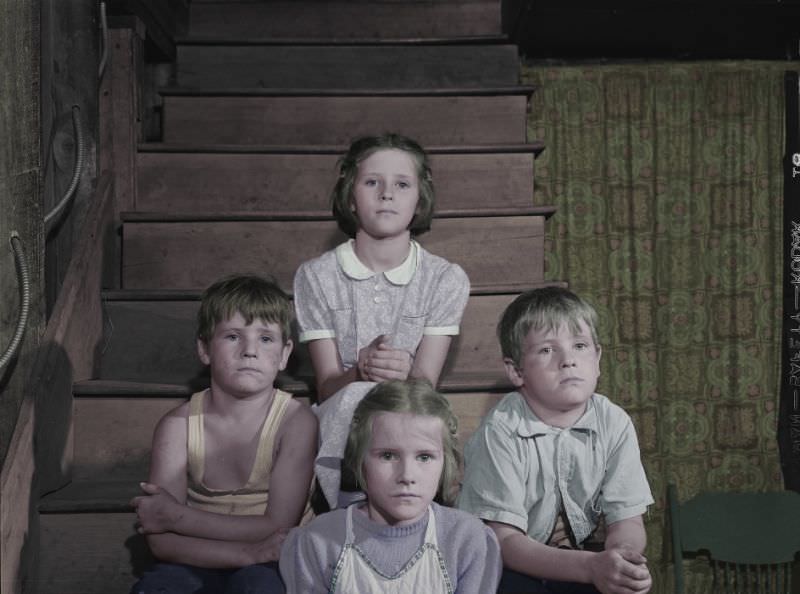
In Vermont, Delano documented a quieter side of American life. Dairy farmers like Warren Franklin and Eliot H. Miller worked the land in a tradition that had changed little over generations. Their children grew up on working farms, surrounded by the rhythms of agricultural life far removed from the industrial cities to the south.
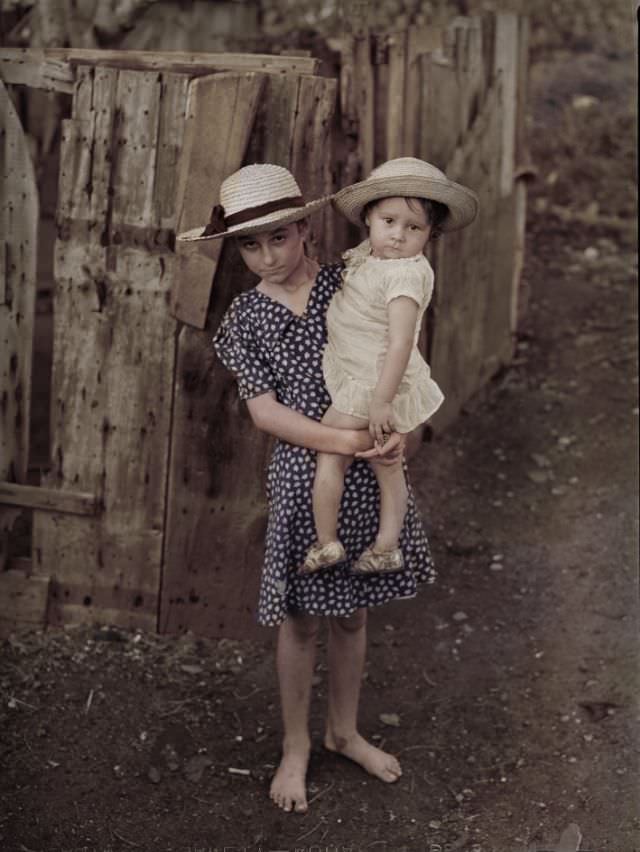
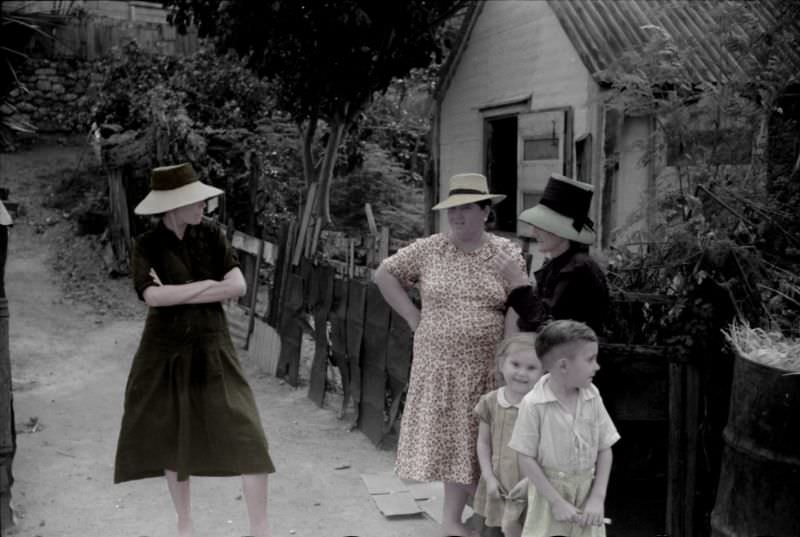
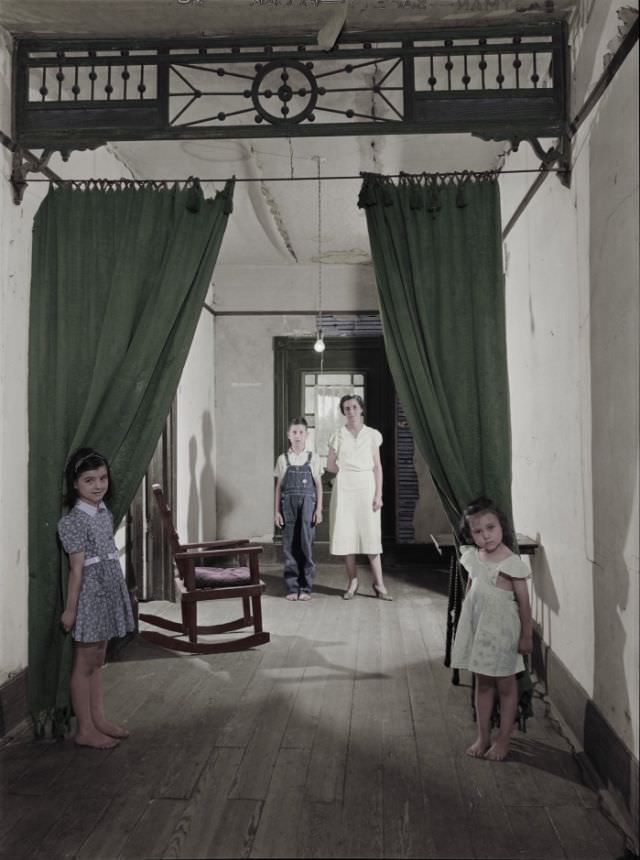
Delano’s travels also took him to the U.S. Virgin Islands in December 1941 — the same month the United States entered World War II. On Saint Thomas, he photographed the French Village, a small, tightly-knit settlement on the outskirts of Charlotte Amalie where French-speaking families had lived for generations.
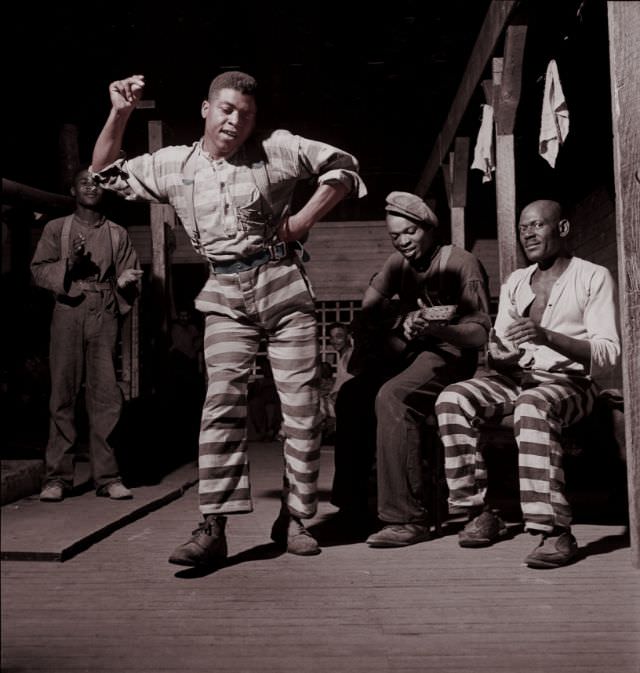
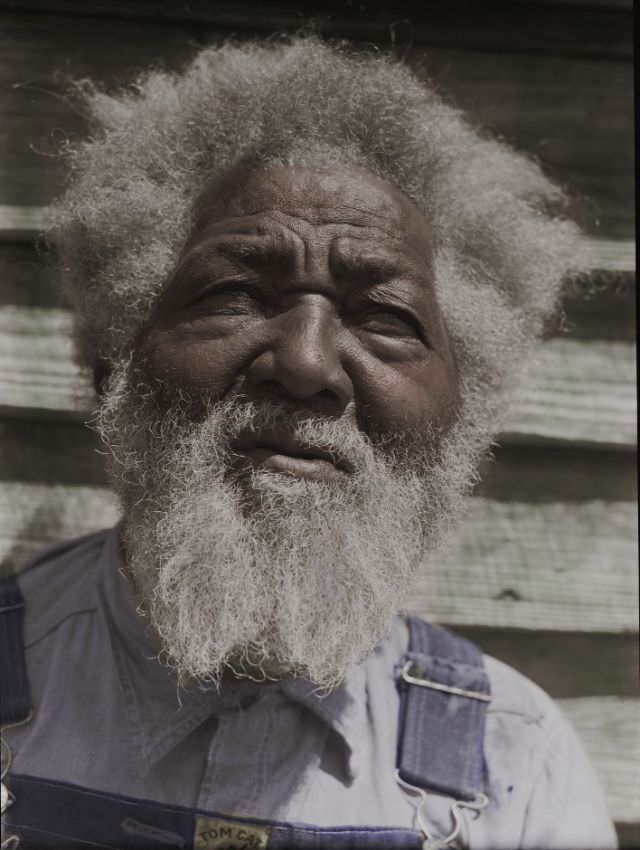
Back on the mainland, Delano documented some of the harsher edges of Southern life. In Greene County, Georgia, he photographed inside a convict camp in May 1941 — a system of forced labor that disproportionately affected Black men across the South. That same county was home to Tony Thompson, a man born into slavery who was still alive when Delano visited in June 1941.
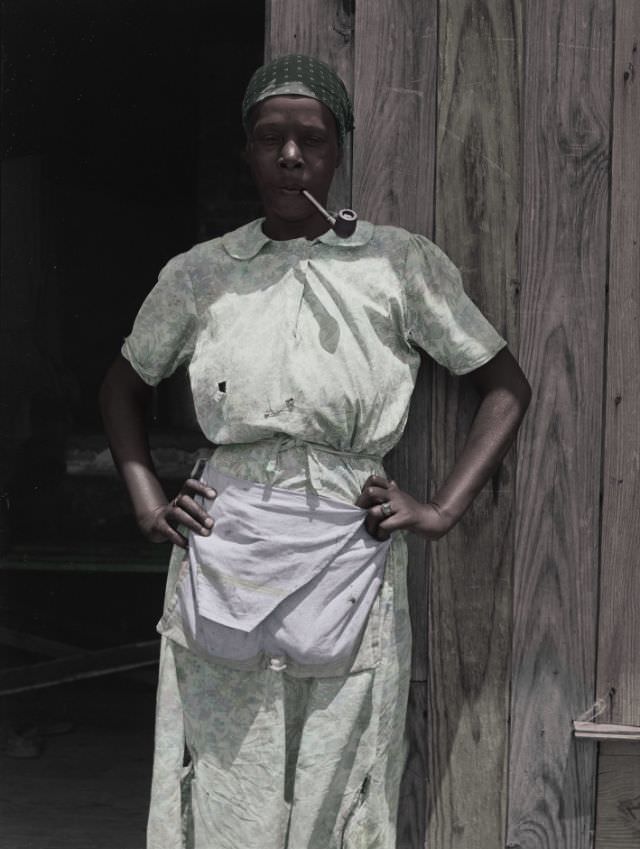
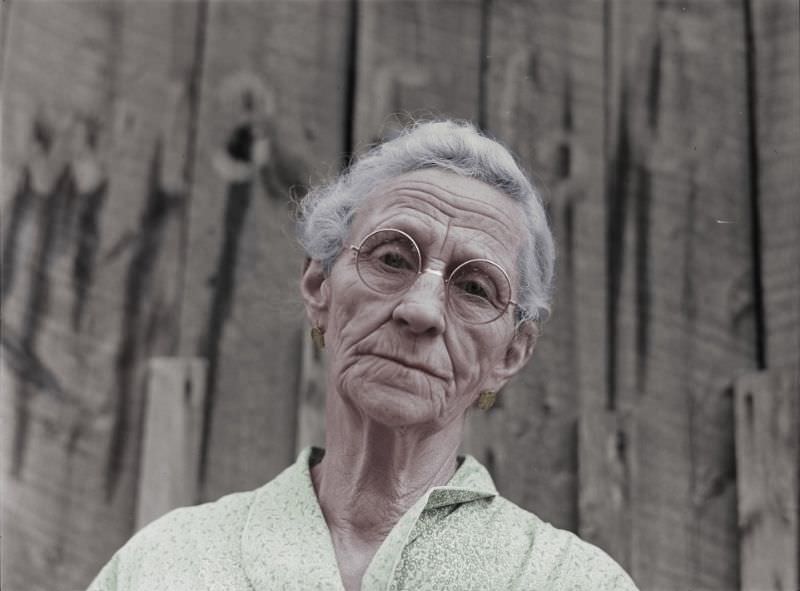
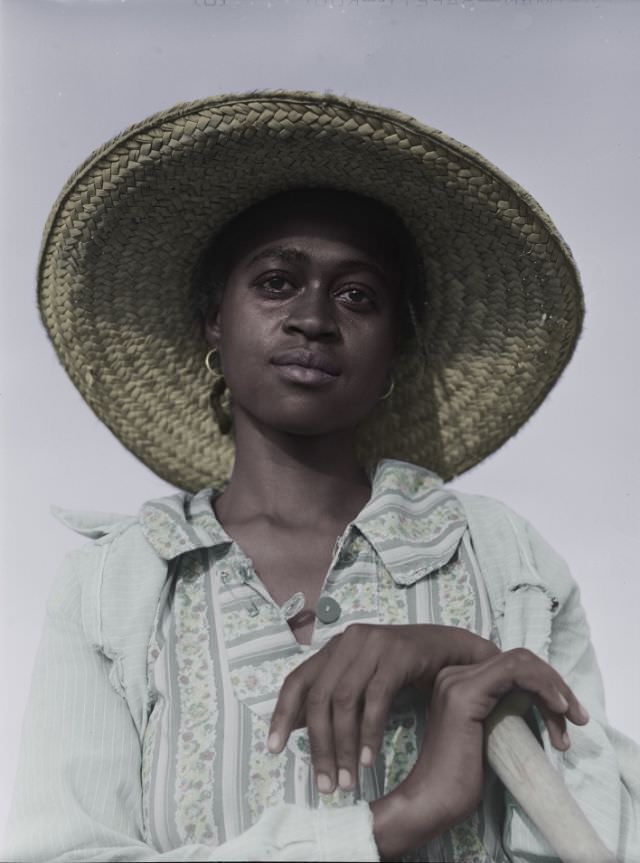
The portraits Delano made of ordinary women are among the most quietly powerful images in the collection. Mrs. Carrie Ward had lived near Leraysville, New York, for seventeen years. A widowed Black tenant farmer in Greene County ran her farm alone with the help of just two children. Mrs. Leroy Dunn worked the cotton fields in Georgia, and Mrs. Robert McWharter stood as the wife of a tenant purchase client — a federal program designed to help poor farmers buy land.
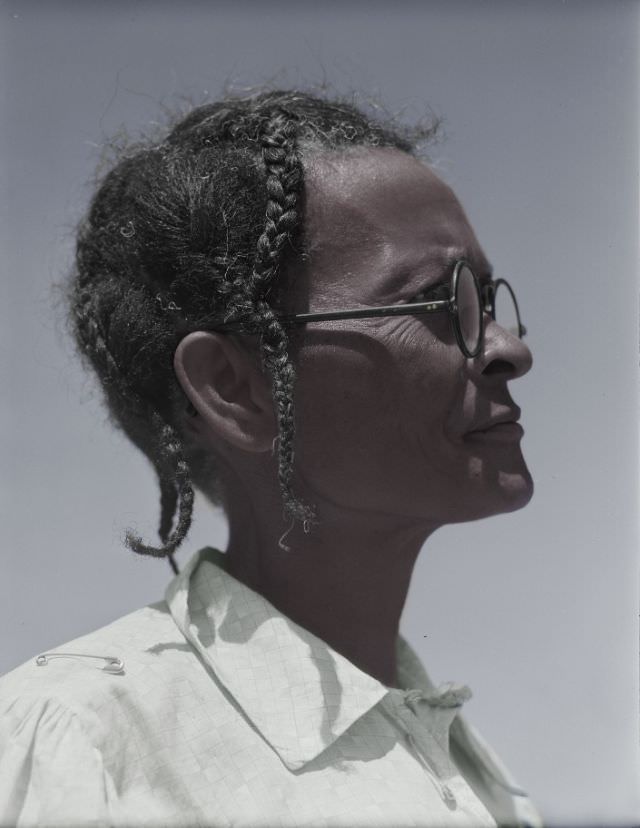
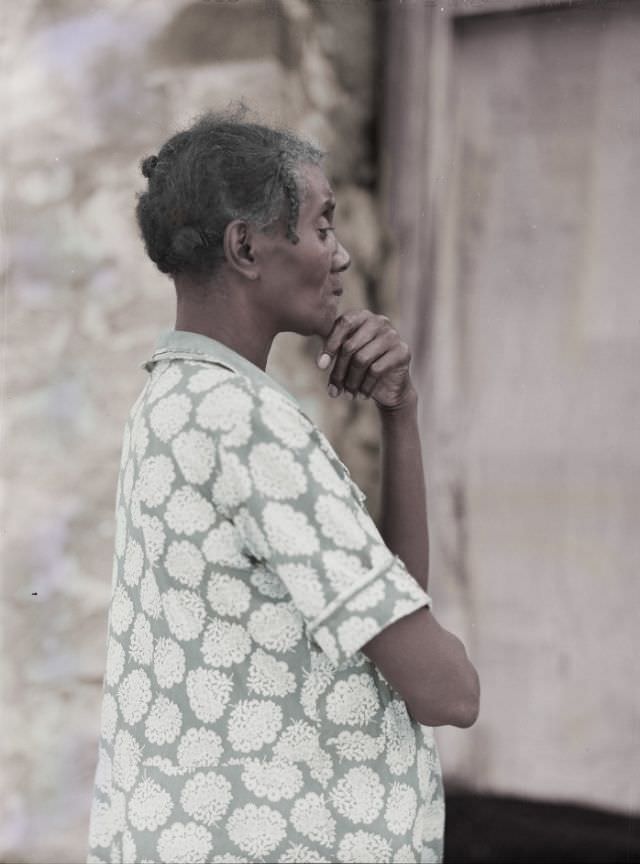
Delano found subject matter in leisure as well as labor. At the Rutland Fair in Vermont in September 1941, he photographed a performer in the sideshow circuit — a world of traveling entertainment that drew crowds across rural America. The contrast between that image and the hardship documented elsewhere in his work underscores the breadth of what Delano set out to record.
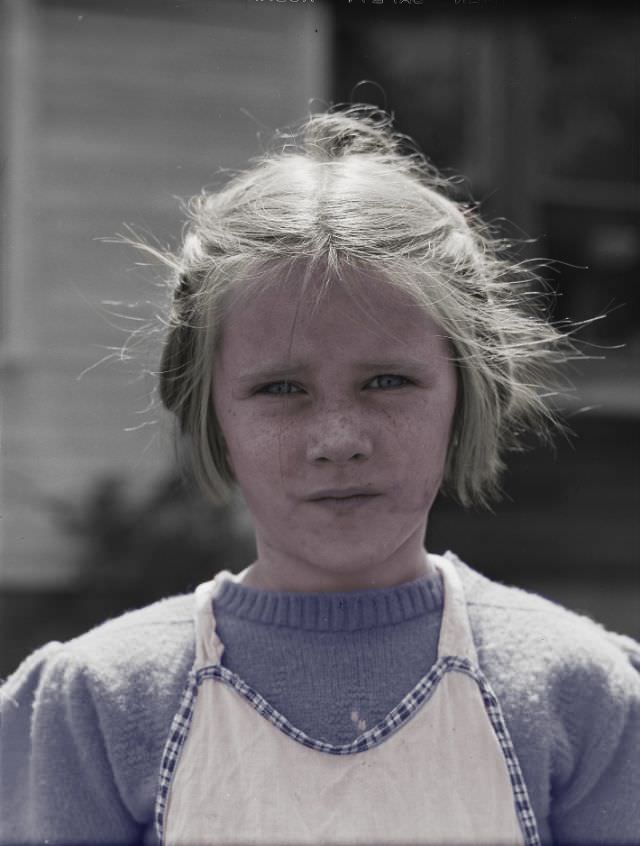
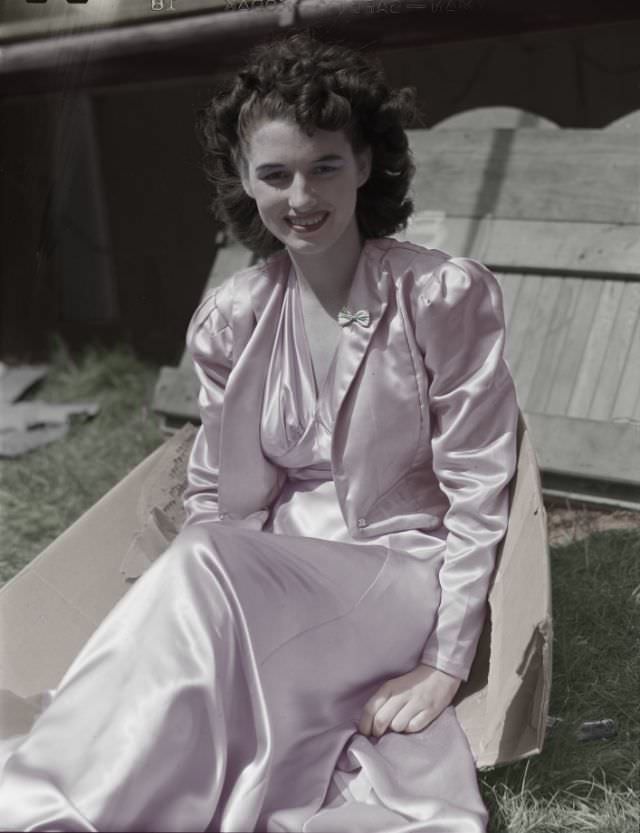
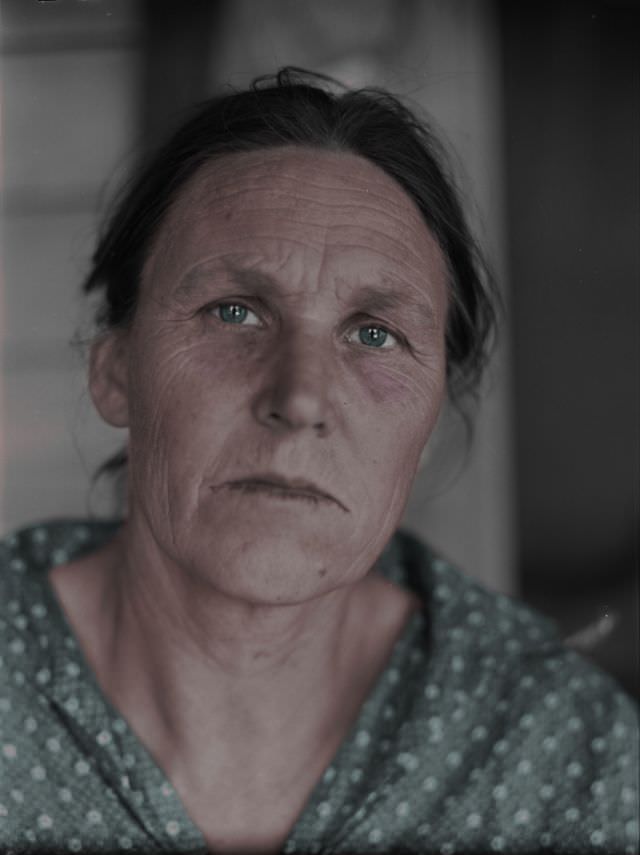
The families Delano photographed in Georgia’s Greene County appear again and again throughout his 1941 work. The Stewarts, the McWharters, and their neighbors were part of a larger story about Black Southern life under the FSA’s tenant purchase programs — federal efforts that tried, with mixed results, to give poor rural families a path toward land ownership.
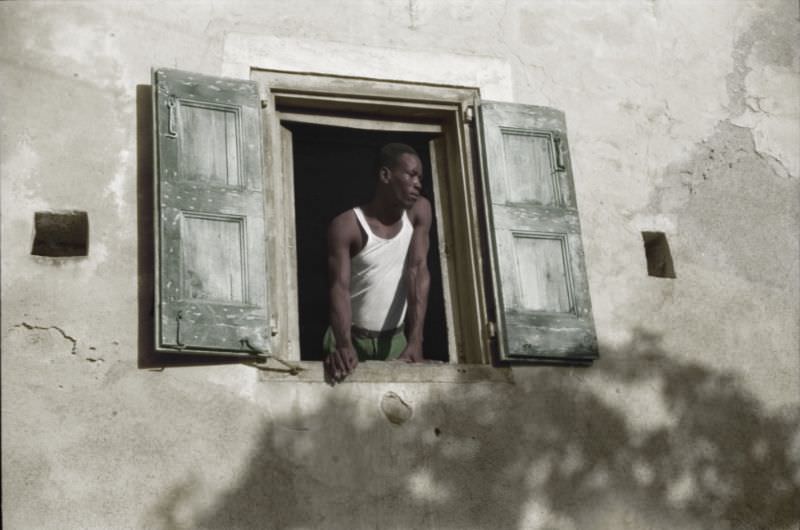
By 1942, Delano’s attention had shifted toward the urban North. In Chicago, he photographed a newsboy selling the Chicago Defender — one of the country’s most important Black newspapers, with a circulation that reached readers across the nation. Later that year, he turned his camera on a welder at work in the Chicago and Northwestern Railroad yard, a scene that captured the industrial workforce that kept the country moving as it mobilized for war.