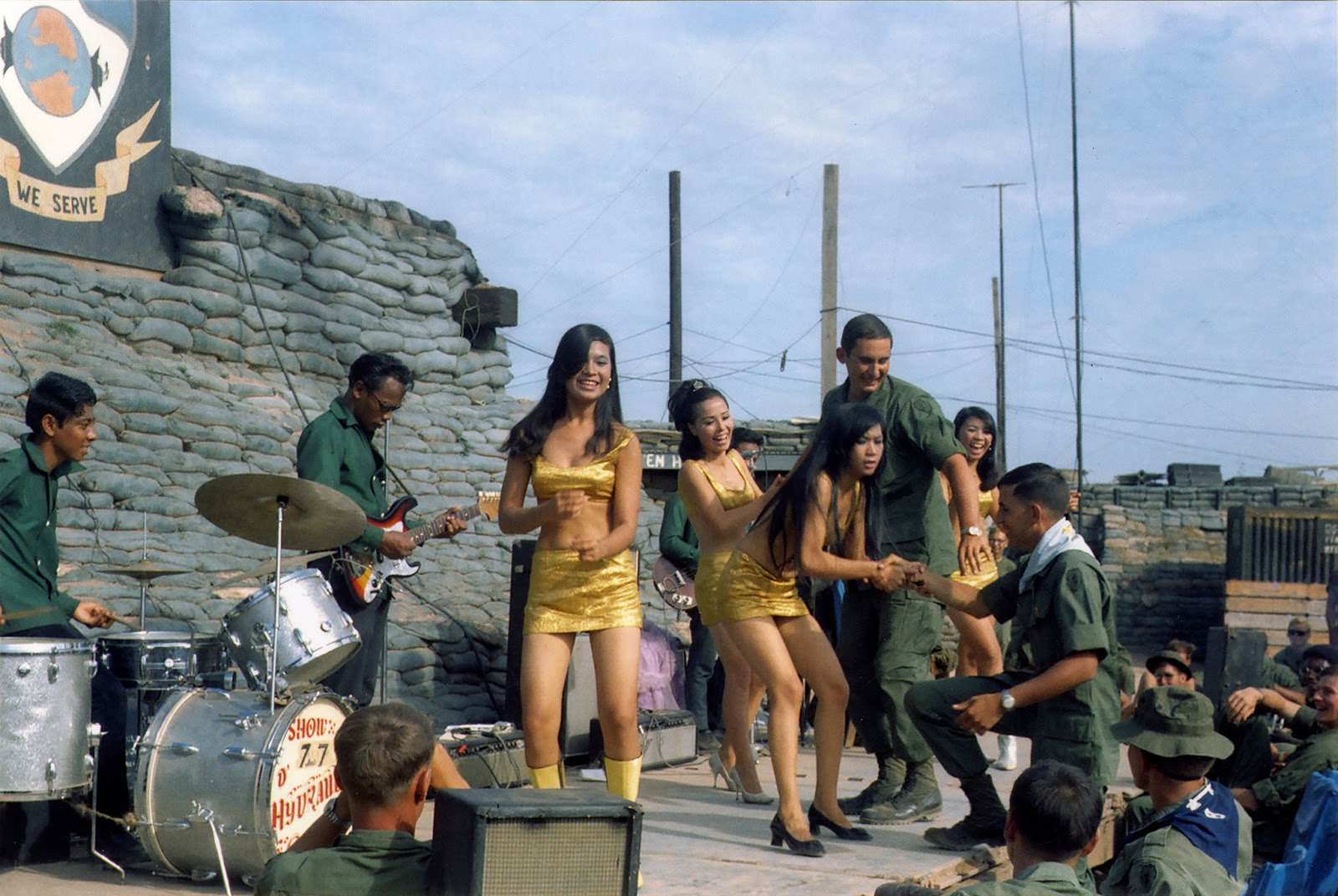
Sgt. Ernest W. Payne of Charlotte, North Carolina, served in Vietnam from 1967 to 1968 as a supply officer — formally designated “S4” — with the 2nd Battalion, 7th Cavalry, 1st Air Cavalry Division. While managing supplies across one of the war’s most active theaters, Payne also carried a camera. The photographs he took offer an unusually grounded look at South Vietnamese life: villages, city streets, civilians, and the realities of a country at war.
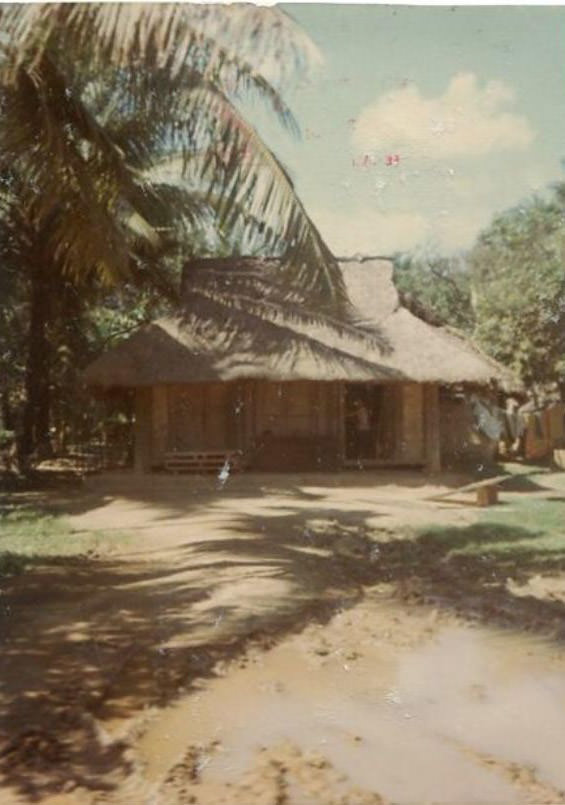
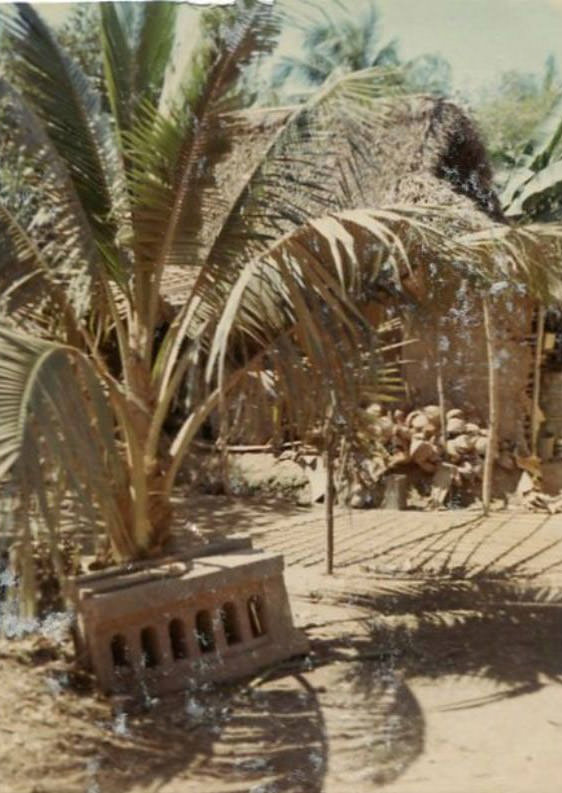
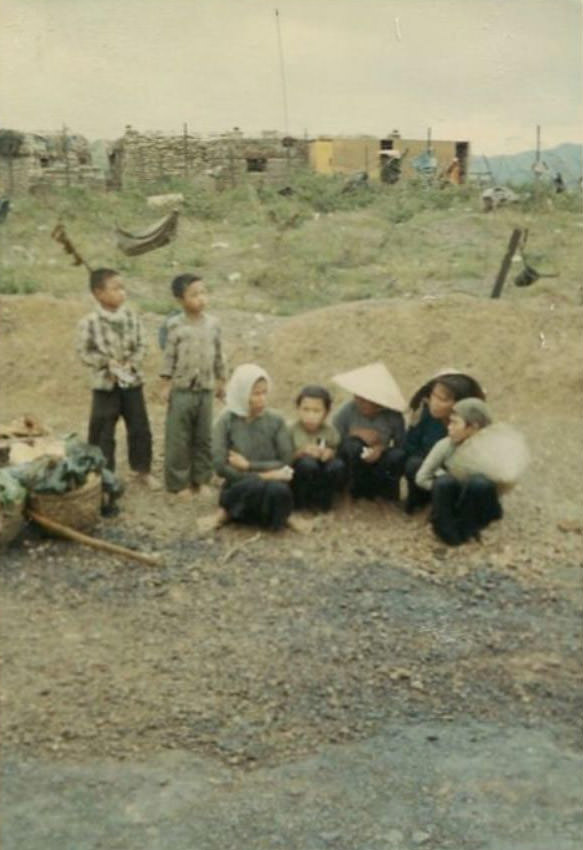
Many of Payne’s shots were taken in and around his military camps or at makeshift Army airfields used for supply drops. Most of the photos have no location or description written on the back, so identifying exact places is often impossible. Still, the images reveal consistent details of rural Vietnamese life — bamboo construction, coconut groves, dirt paths, and tight-knit village communities.
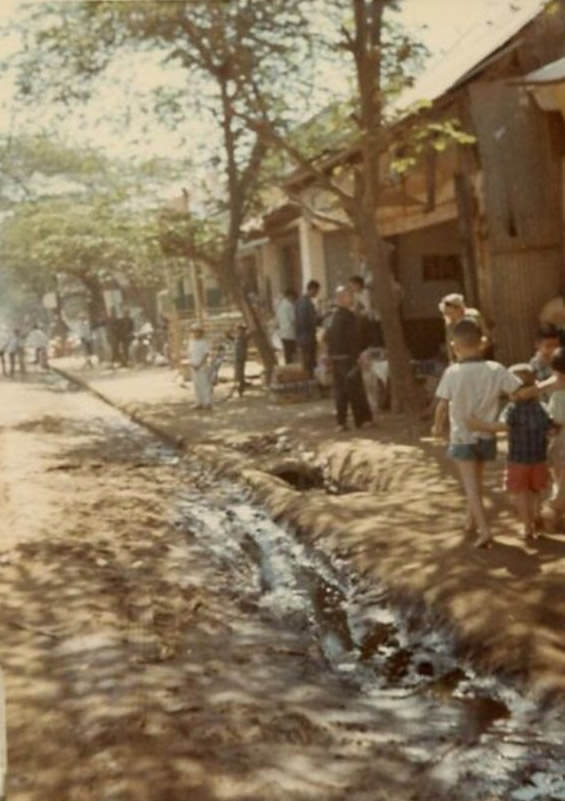
The city of Bồng Sơn appears in several of Payne’s photographs. Located in Bình Định Province, the city sat along Highway 1 — a vital supply corridor — and was a regular point of military activity for the 1st Air Cavalry Division throughout the war.
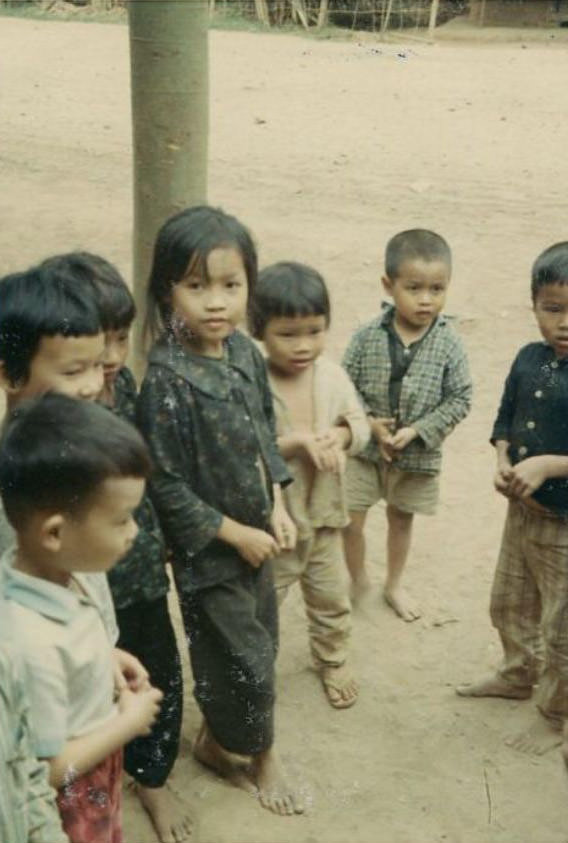
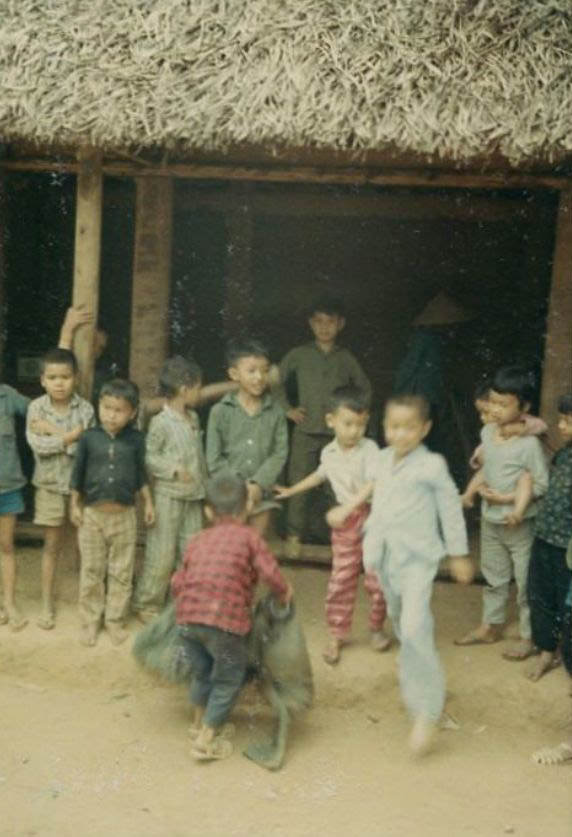
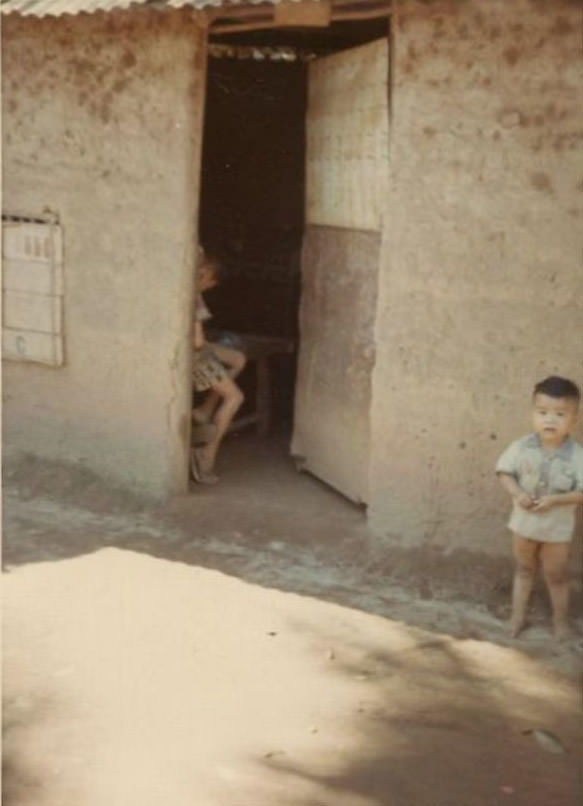
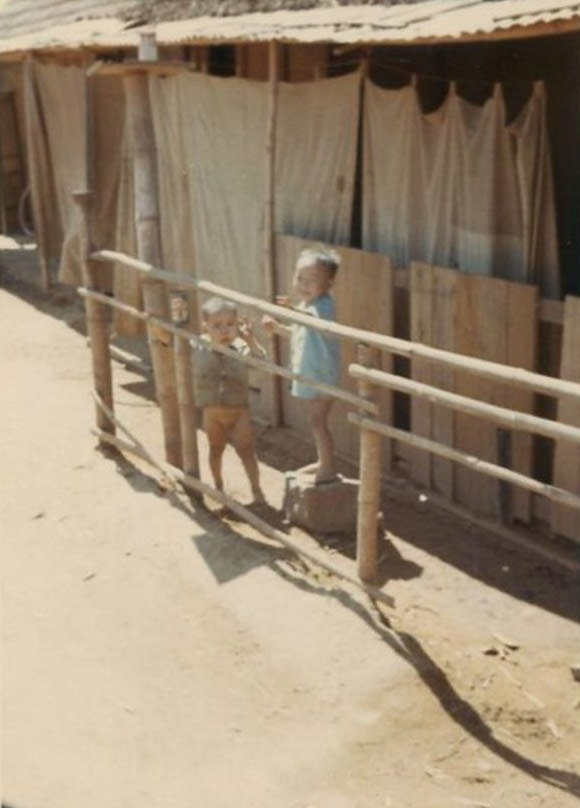
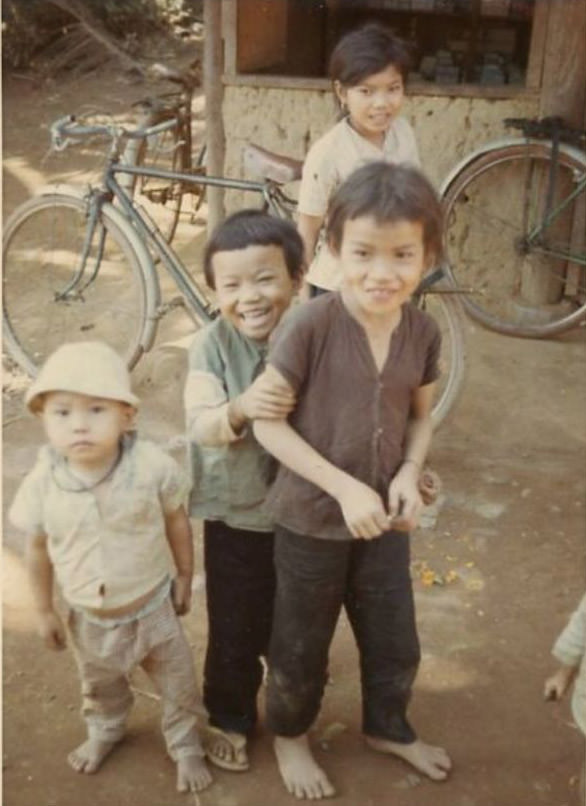
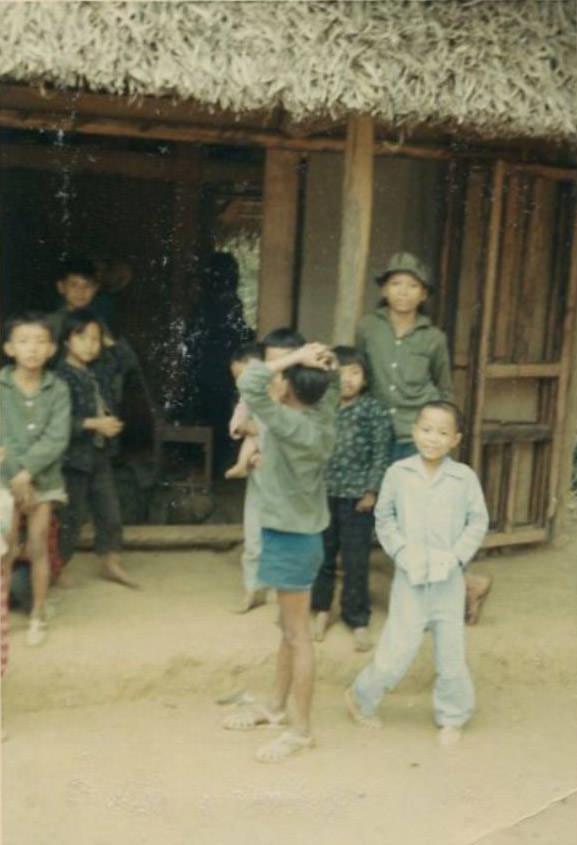
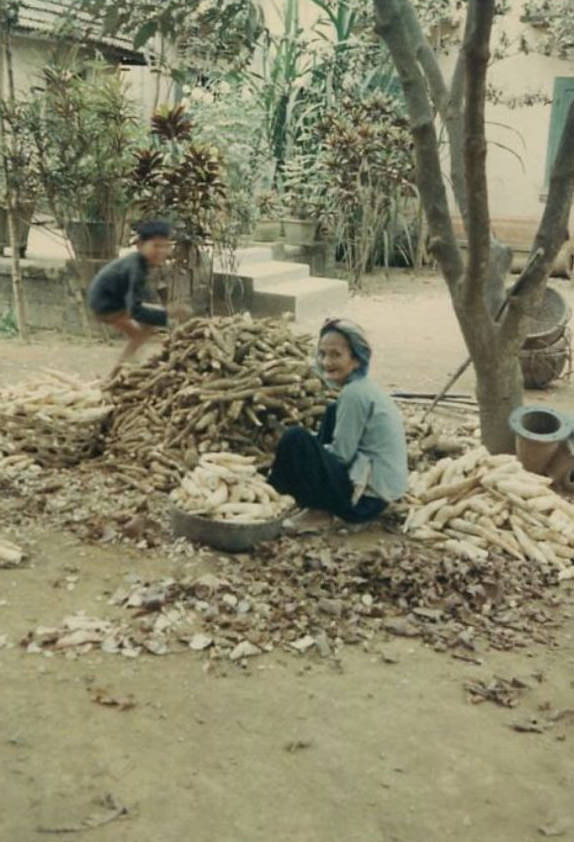
Children appear frequently in these photos. They are shown playing outside huts, posing for the camera, and going about daily routines in their villages. Their presence is a reminder that the war unfolded not just on battlefields but in the middle of ordinary civilian life.
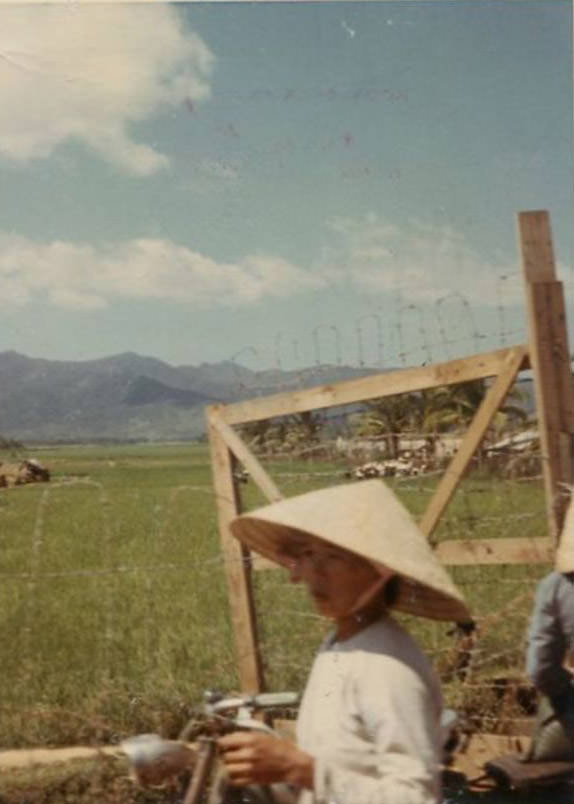
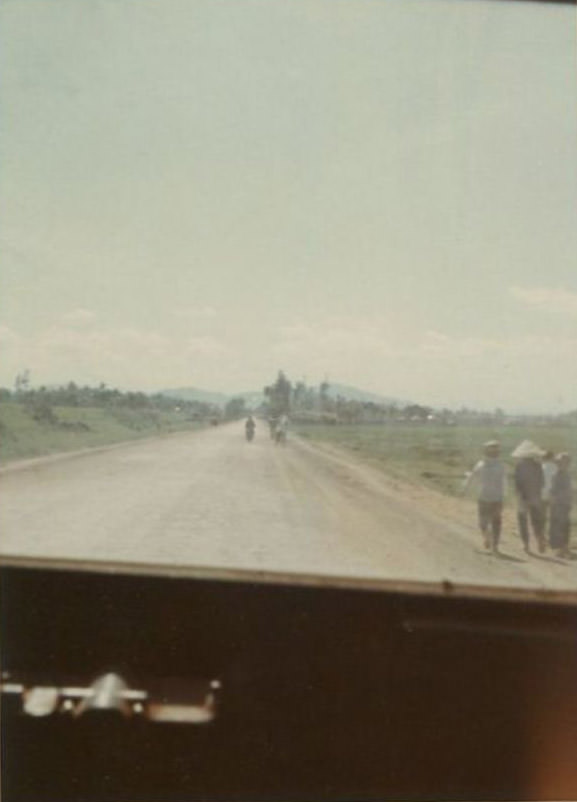
The Vietnamese countryside visible in Payne’s photos is defined by rice paddies stretching to mountain ranges and narrow roads cutting through dense tropical vegetation. These landscapes were the same terrain his unit navigated during more than 25 aerial missions in hostile territory — missions that would earn him the U.S. Army Air Medal.
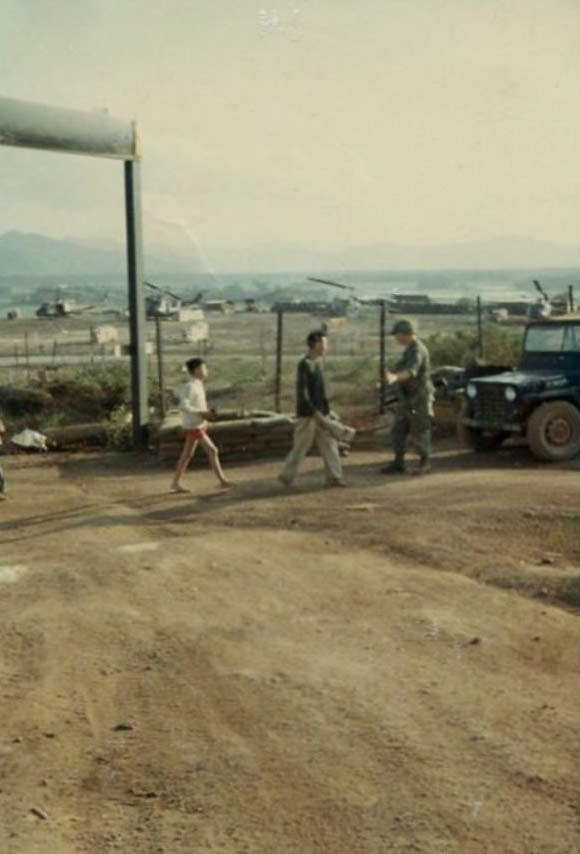
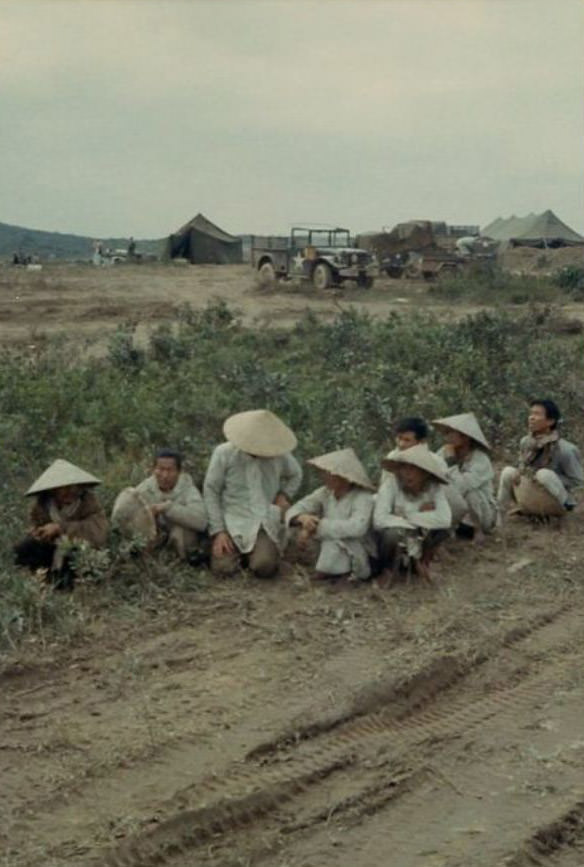
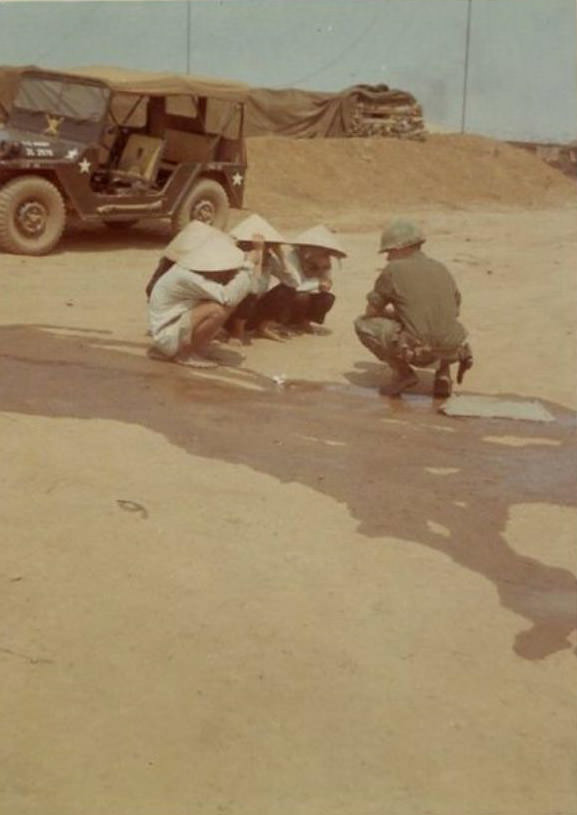
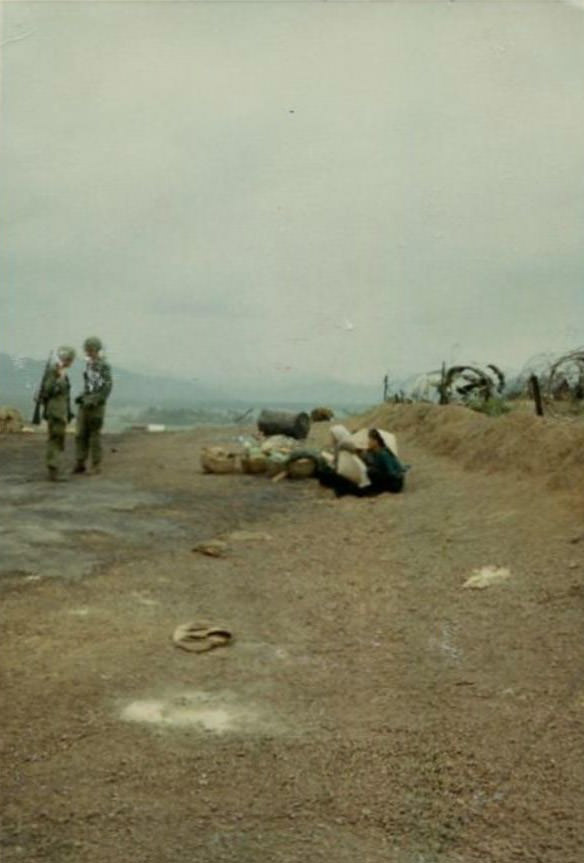
Civilian detentions were part of the 2nd Battalion’s operations, and Payne documented them directly. Vietnamese men, women, and children were stopped, questioned, and held near the battalion’s helicopter landing area. These images show soldiers interacting with detainees along dirt roads and open ground — a common scene during search-and-control operations of the era.
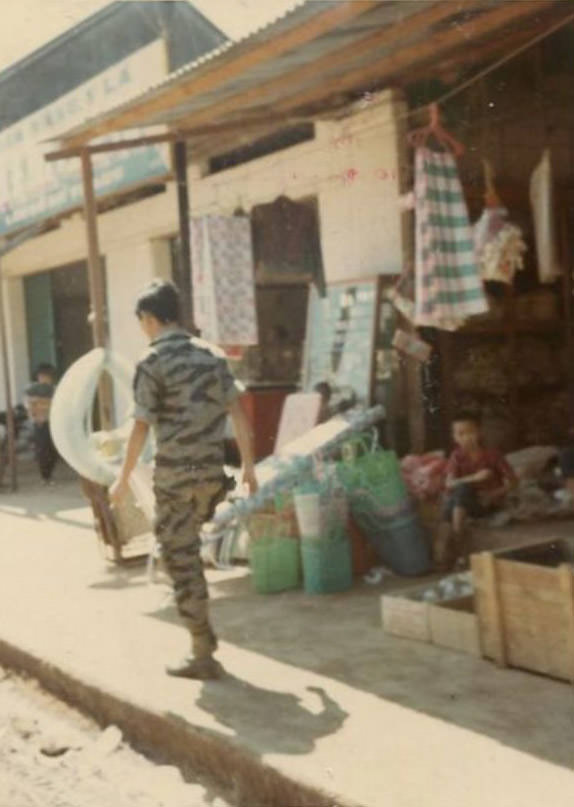
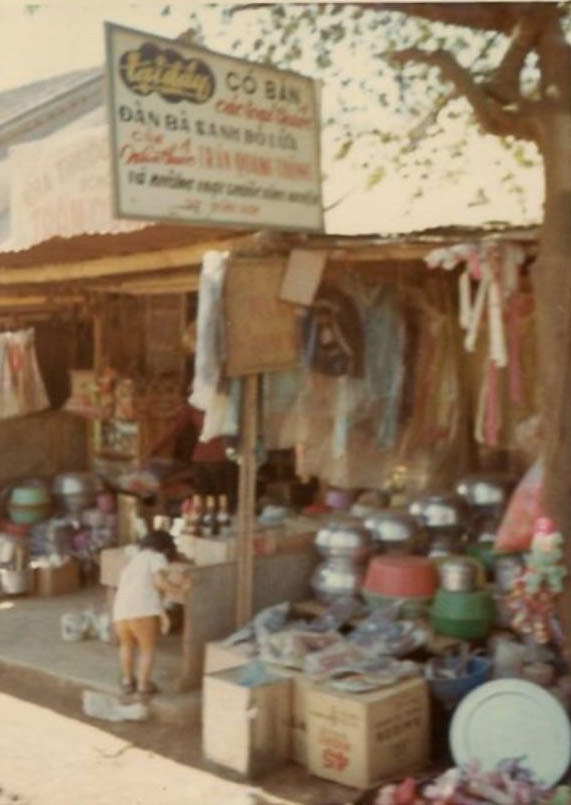
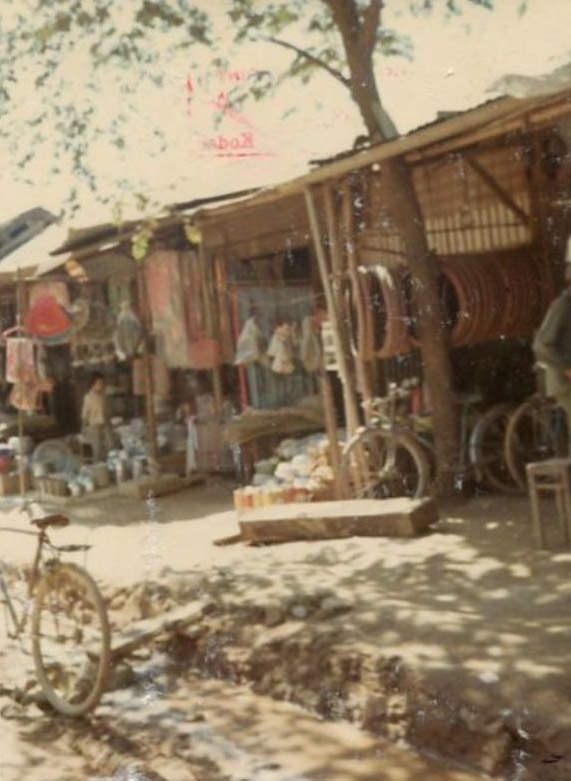
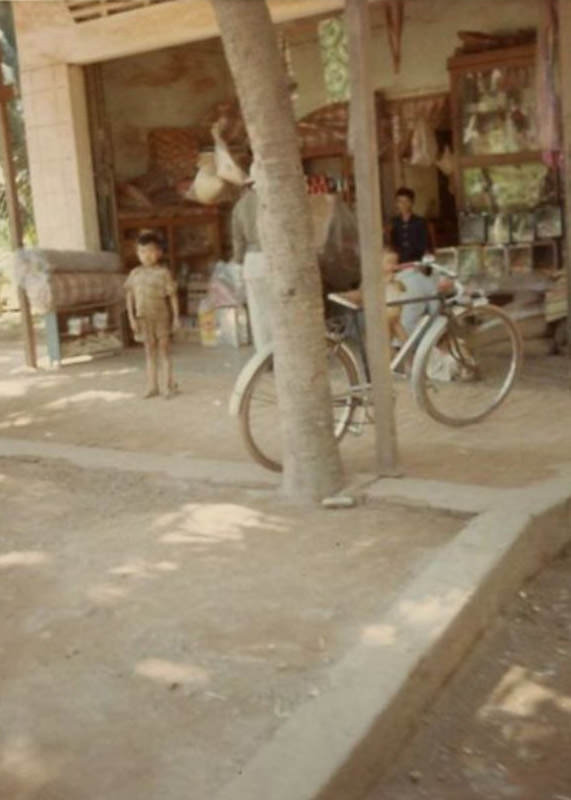
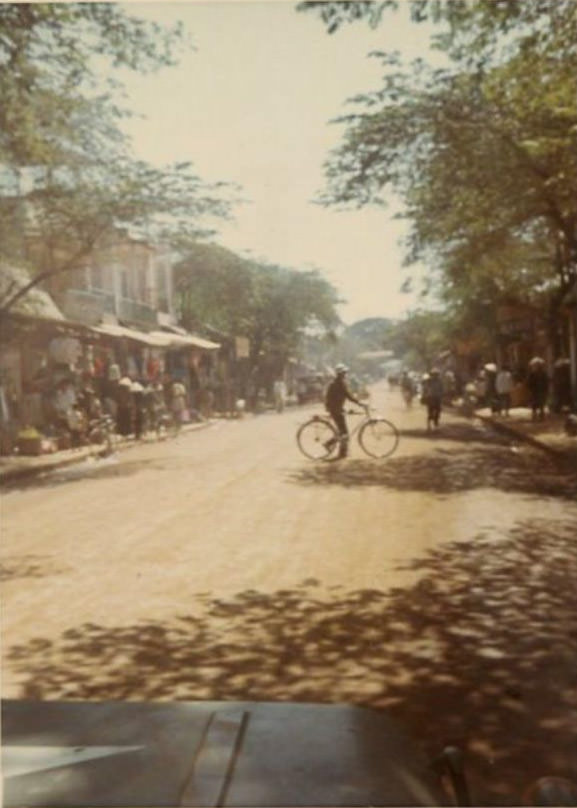
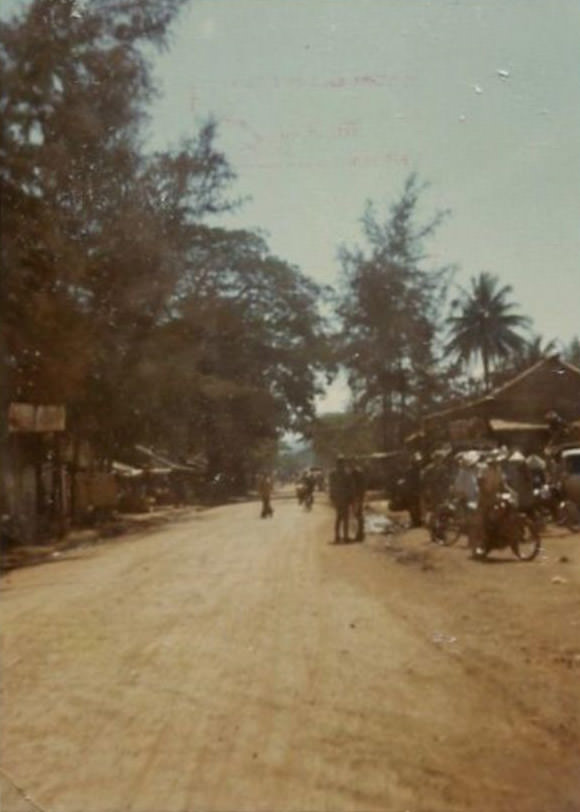
South Vietnamese Army (ARVN) soldiers also appear in the photographs alongside scenes of local commerce. Markets in Bồng Sơn show storefronts, bicycle shops, and vendors operating within sight of military personnel — a snapshot of war and daily commerce existing side by side.
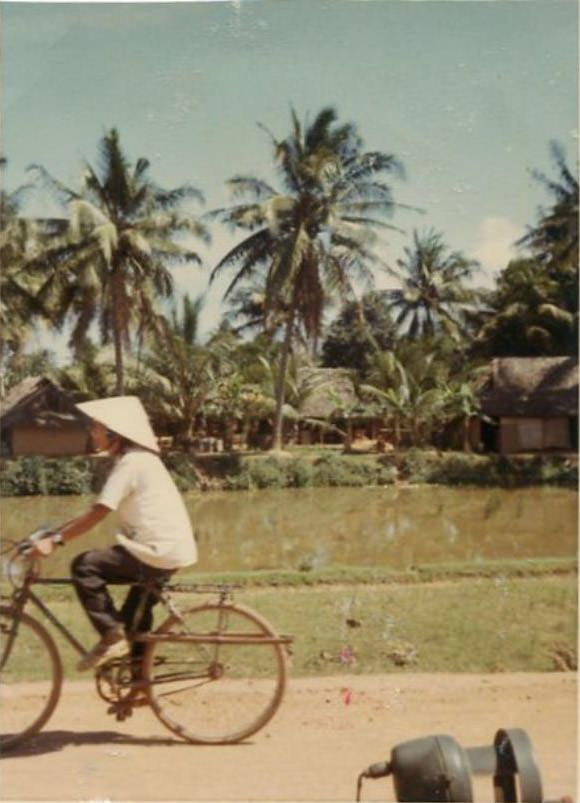
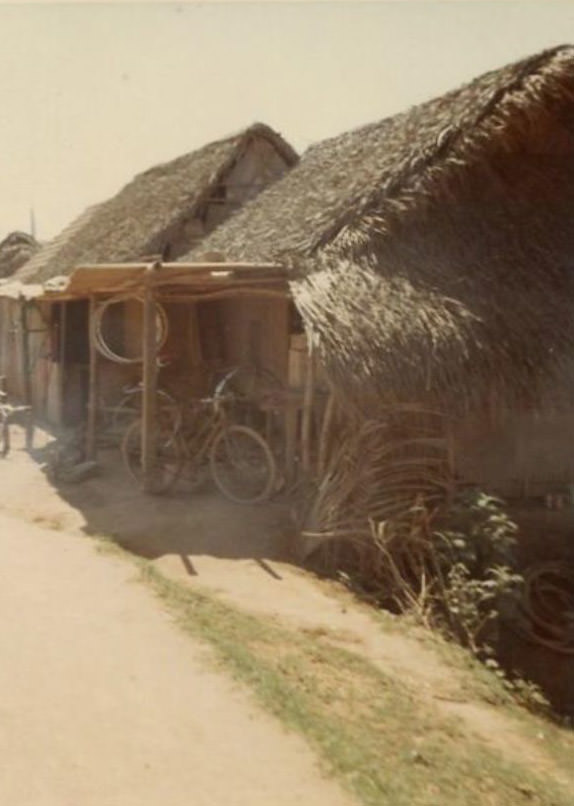
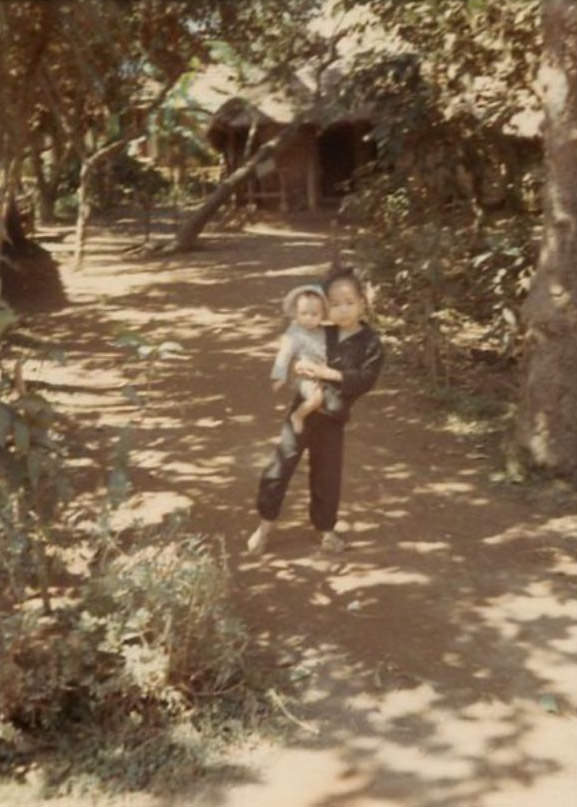
Bamboo was the primary building material in most rural villages Payne photographed. Walls, fences, and house frames were all constructed from it. Coconut palms lined the paths between structures, and the overall layout of these villages changed little from one location to the next.
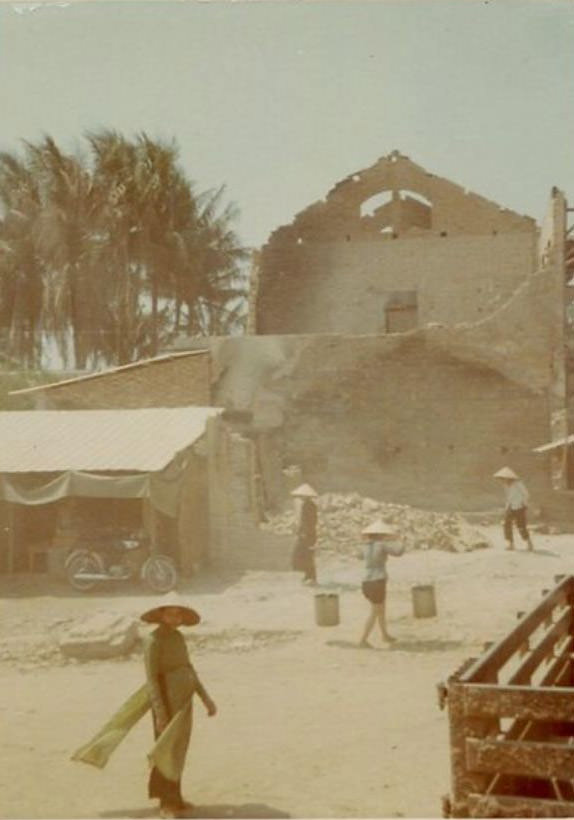
Some of Payne’s most striking photographs show the human cost of urban combat. Several images believed to be from the city of Huế capture the aftermath of the 1968 Tet Offensive — collapsed walls, blown-out rooftops, and streets left partially in ruin after some of the fiercest fighting of the entire war.
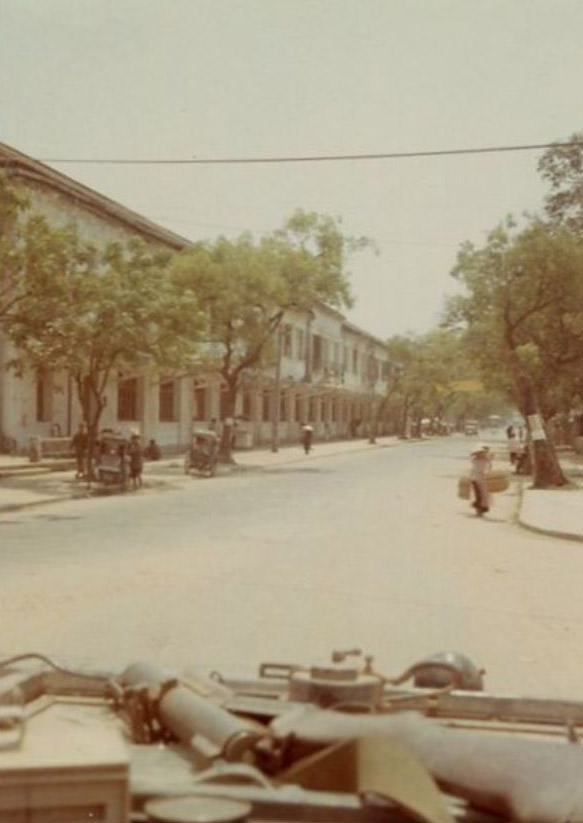
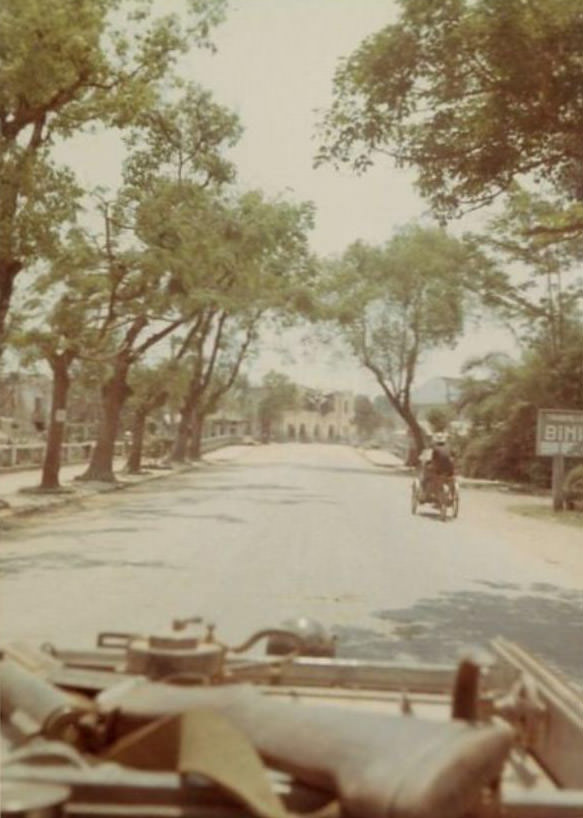
Back in Bồng Sơn, Highway 1 runs directly through the city center. Payne photographed the road from multiple angles, showing both paved stretches and dusty dirt sections lined with shops and foot traffic. The highway was a lifeline for military logistics and civilian trade alike.
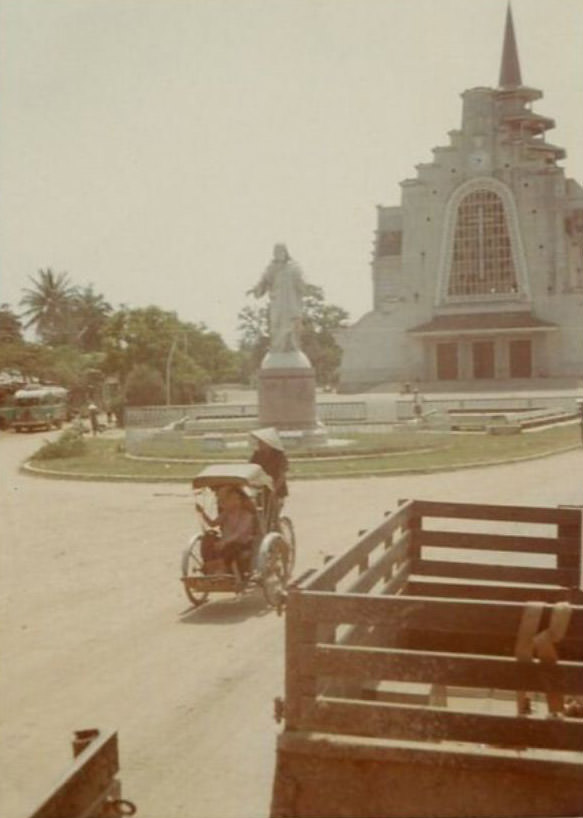
One photograph stands apart from the rest. Payne captured the Our Lady of Perpetual Help Church — also known as the Redemptorist Church — along with a statue of Jesus Christ. Catholic churches like this one were established throughout Vietnam during the French colonial period and remained active congregation sites well into the war years.
For his service between July 1967 and July 1968, Payne received the Bronze Star Medal on June 17, 1968. Combined with his Air Medal — earned through more than 25 aerial missions supporting counterinsurgency operations — his record reflects how central supply and logistics were to the 1st Air Cavalry Division’s operations in the field.