World War II reshaped every corner of British life. From bombed-out London streets to quiet rural villages, the conflict reached everyone. While soldiers fought abroad, millions of ordinary Britons faced the war at home — under threat from the air, stretched by rationing, and held together by necessity.
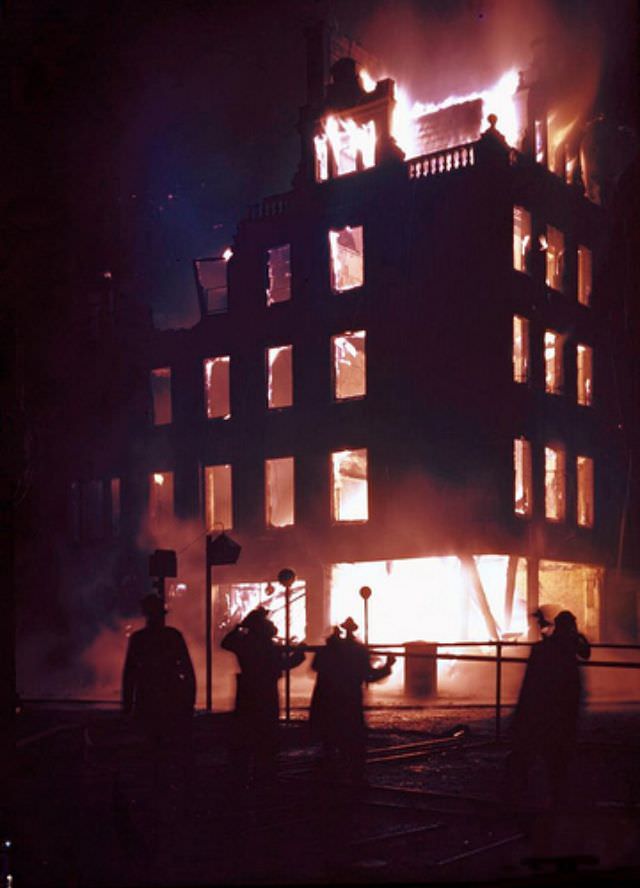
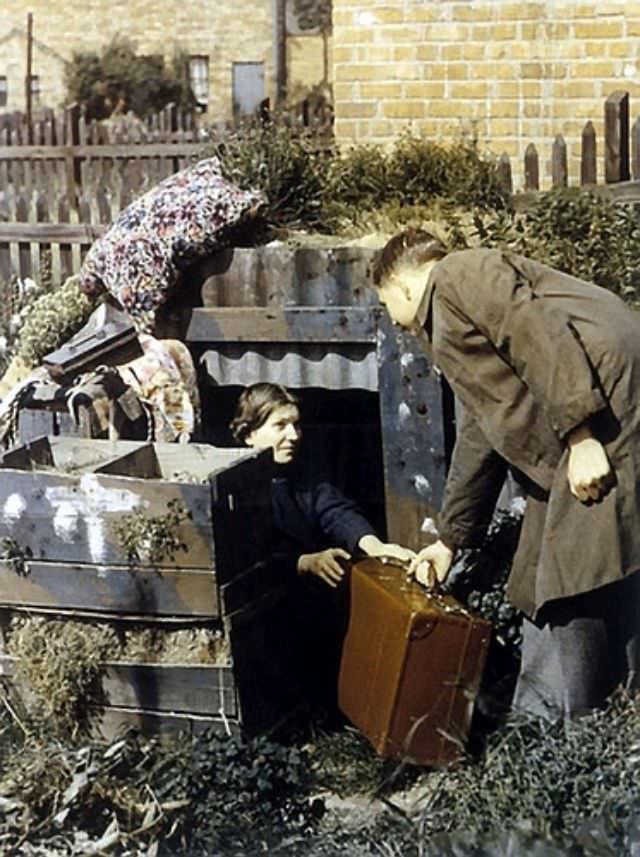
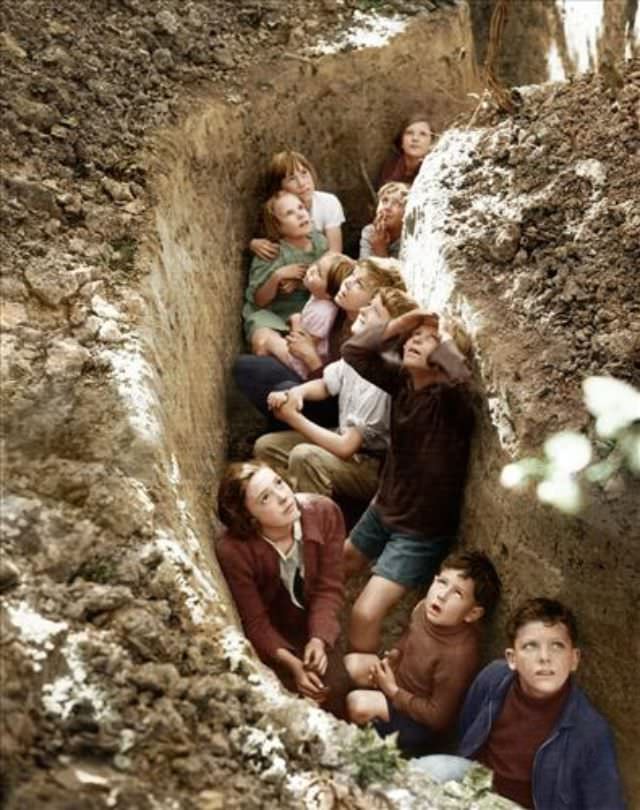
The Blitz, which began in September 1940, saw German bombers target London and other major cities night after night. Families took shelter wherever they could — in Anderson shelters in their back gardens, in underground stations, or in reinforced basements. The wail of air raid sirens became a familiar and dreaded sound.
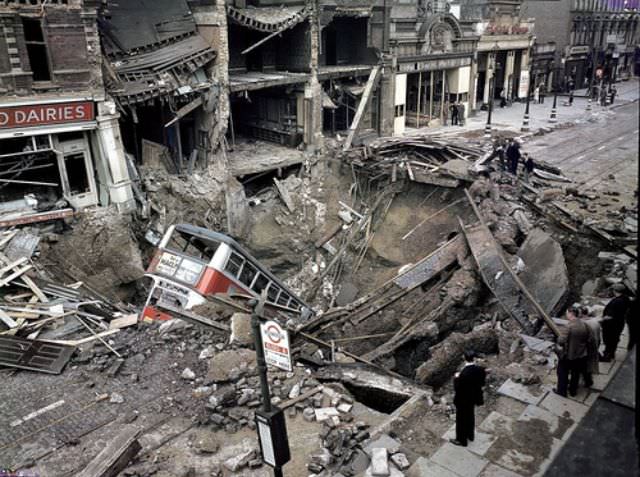
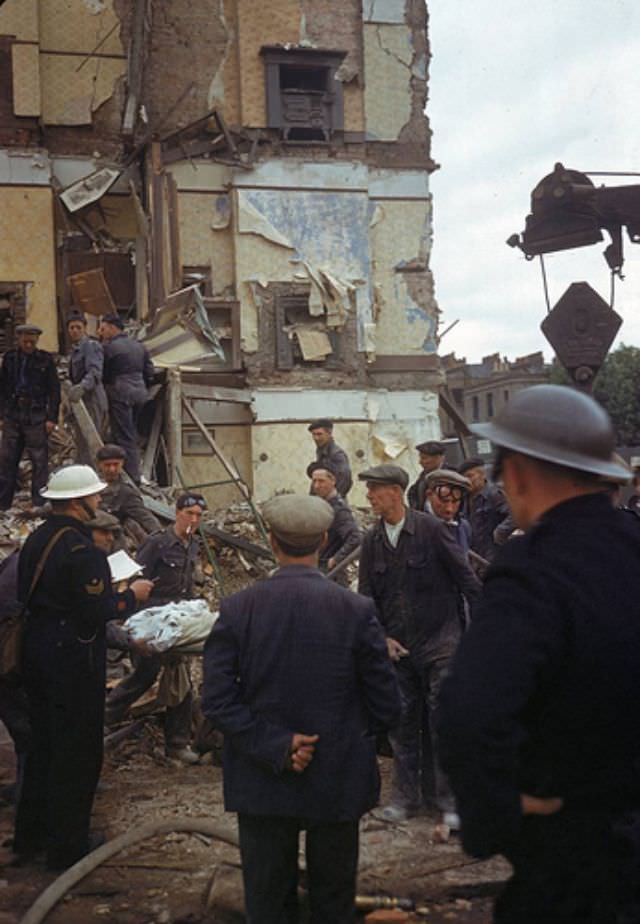
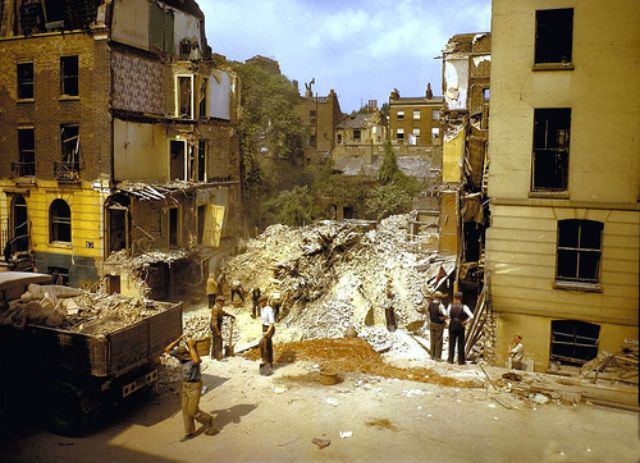
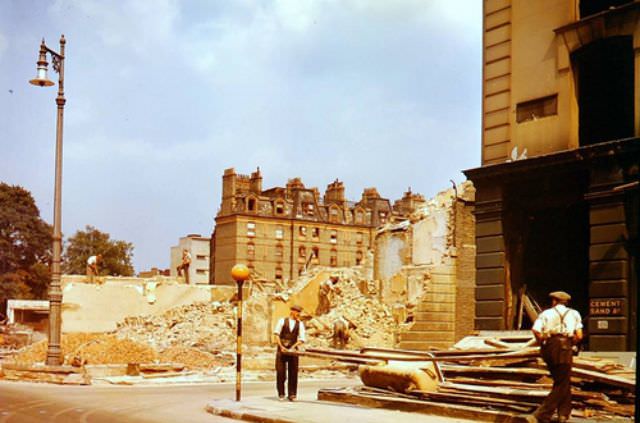
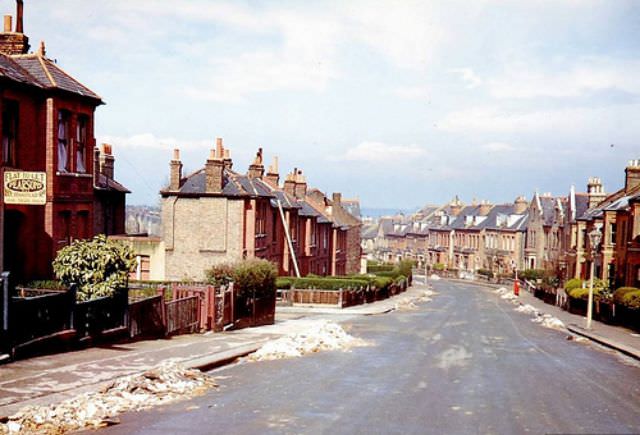
Bomb damage was widespread and often devastating. Entire streets were reduced to rubble, and communities had to rebuild — physically and emotionally — while the war was still being fought.
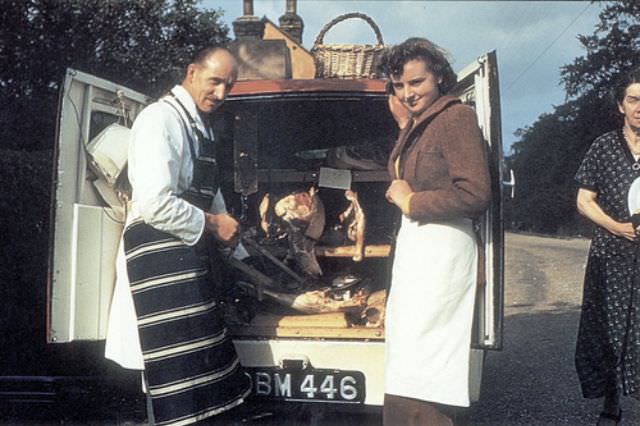
Rationing was introduced in January 1940 and covered food, clothing, fuel, and more. Families received ration books that controlled how much they could buy each week. Meat, butter, sugar, and tea were all strictly limited. People learned to cook creatively with whatever was available, and wasting food was seen as unpatriotic.
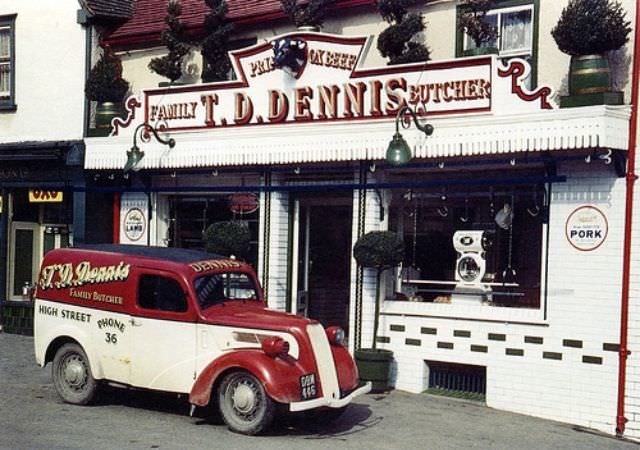
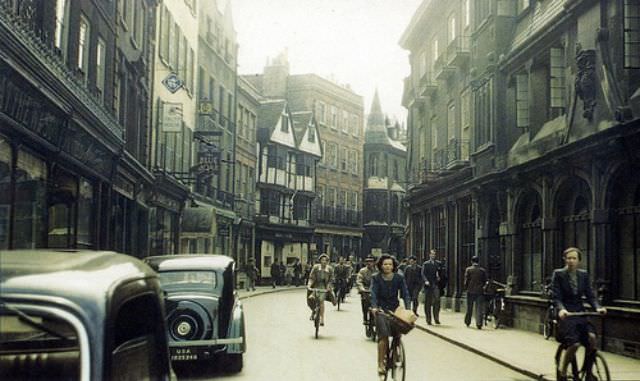
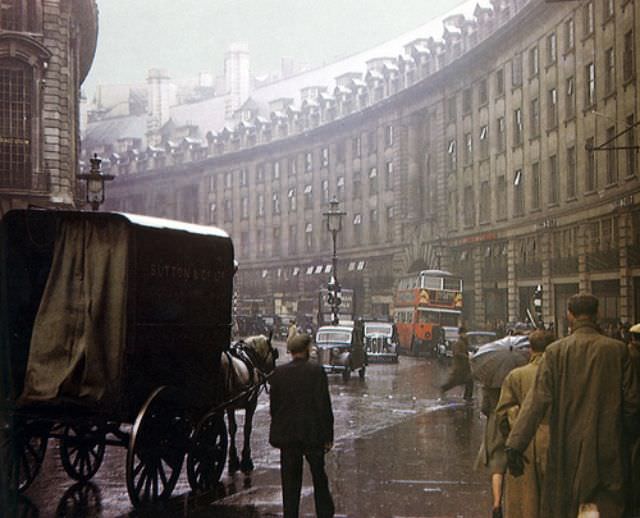
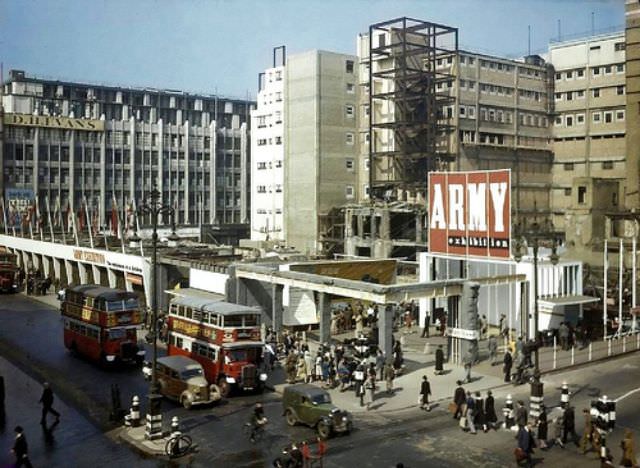
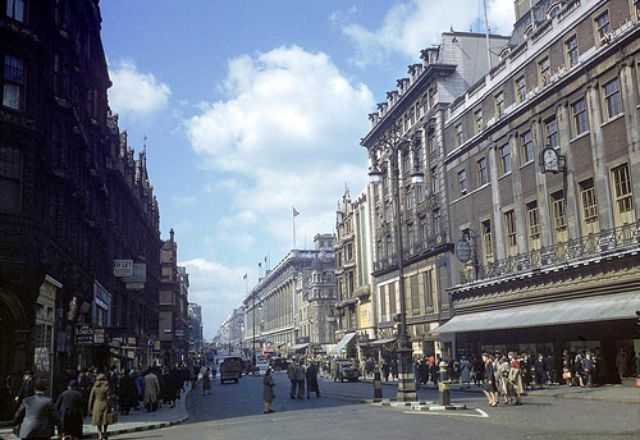
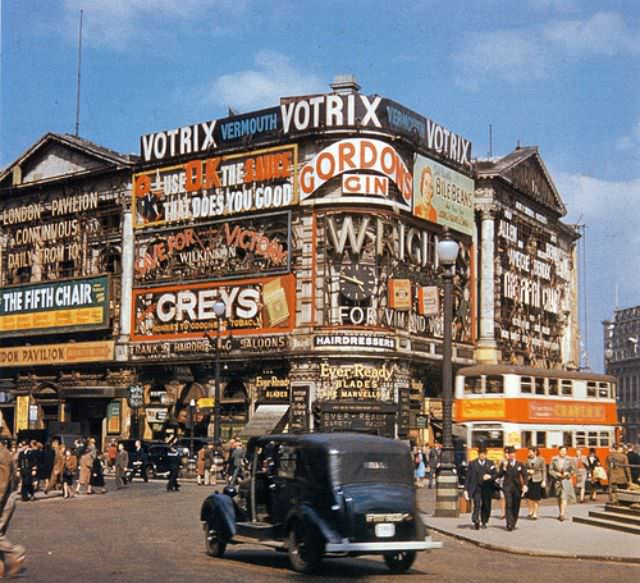
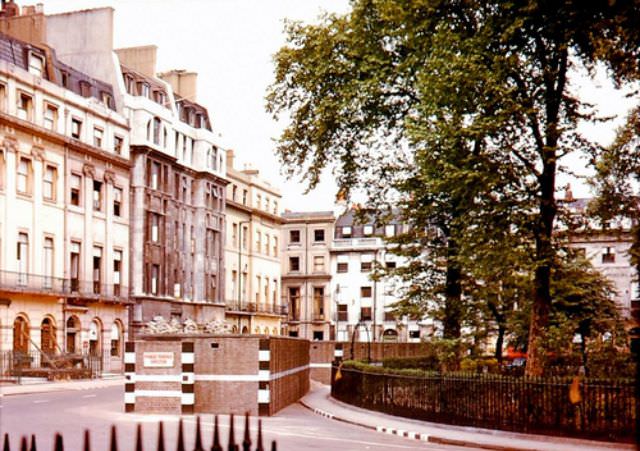
Despite shortages, British high streets stayed open. Shops on Oxford Street, Piccadilly Circus, and across the country continued trading, even as sandbags lined doorways and tape criss-crossed shop windows to limit blast damage from nearby explosions.
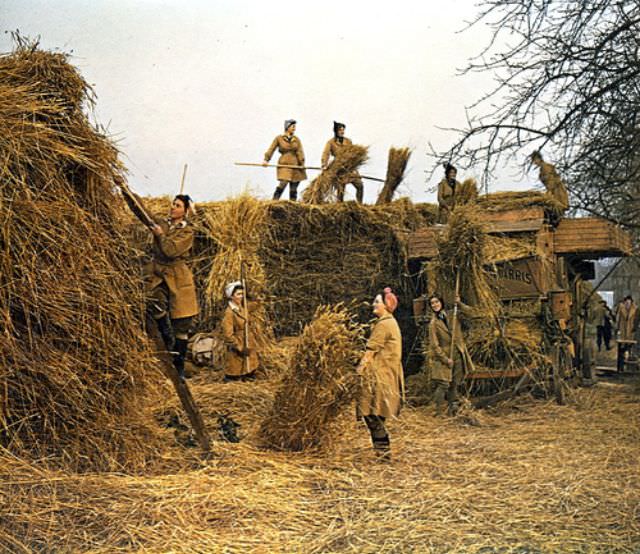
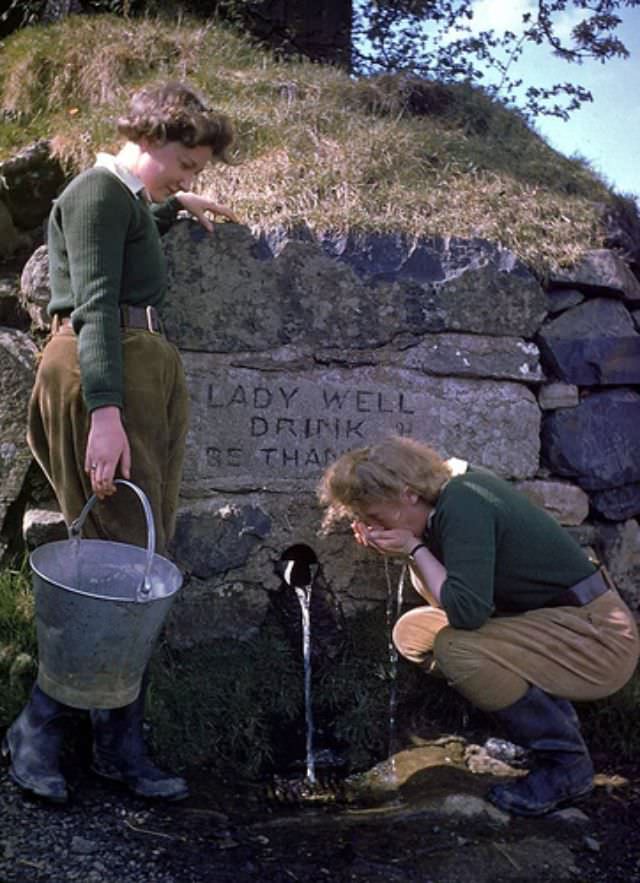
Women stepped into roles that had previously been closed to them. They worked in factories producing weapons and aircraft, drove ambulances, staffed hospitals, and served in the armed forces in support roles. The Women’s Land Army sent thousands of women to farms across Britain to keep food production going.
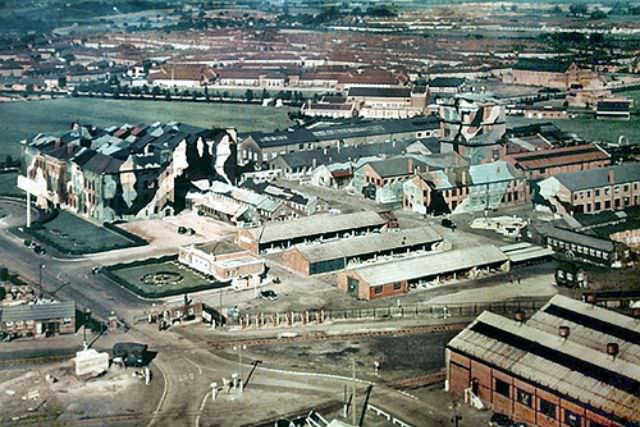
Industrial production was critical to the war effort. Plants like the ICI facility at Billingham produced chemicals and materials essential for both military equipment and civilian needs. Factories ran around the clock, with workers often doing double shifts.
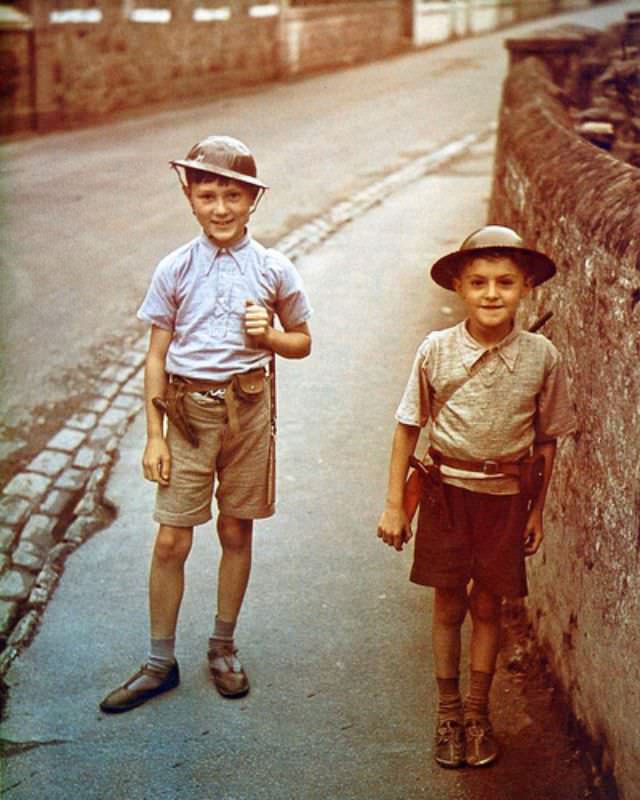
Children’s lives were turned upside down. Hundreds of thousands were evacuated from cities to the countryside, sent to live with families they had never met. Schools were sometimes relocated or closed entirely. For many children, evacuation meant years away from their parents.
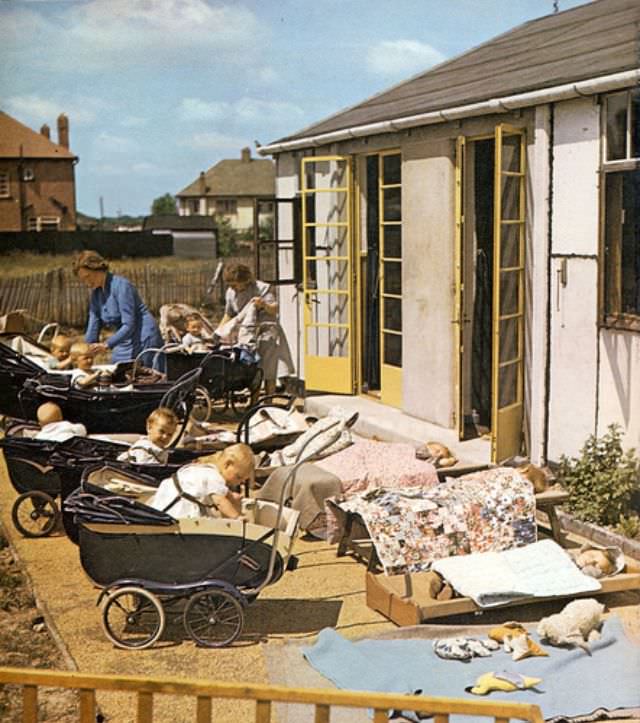
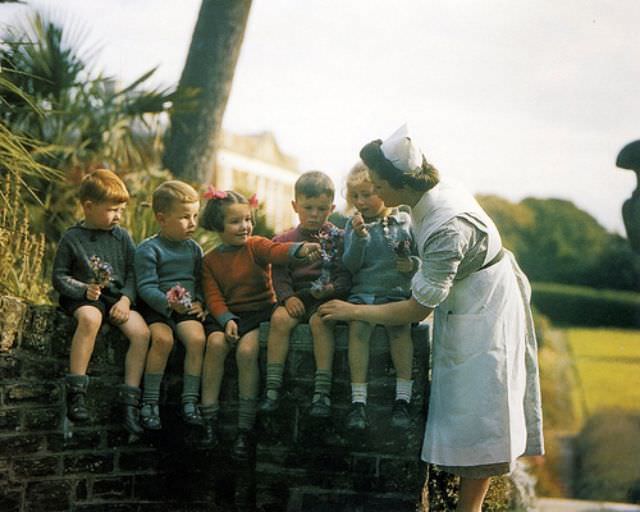
Day nurseries were set up in towns like Hatfield to care for young children whose mothers were working in war industries. These facilities allowed women to join the workforce while their children were looked after in a structured, safe environment.
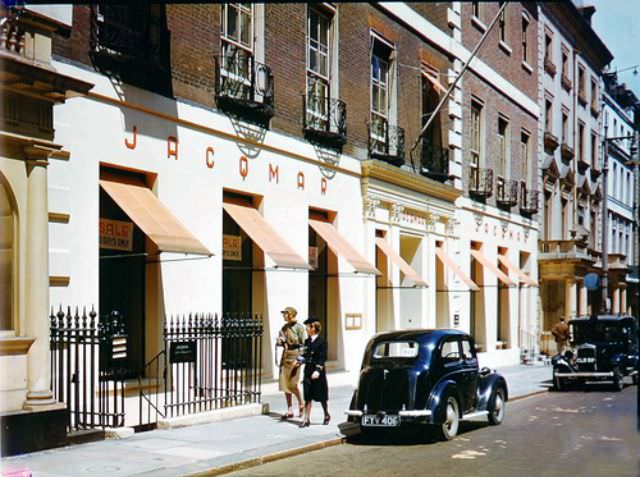
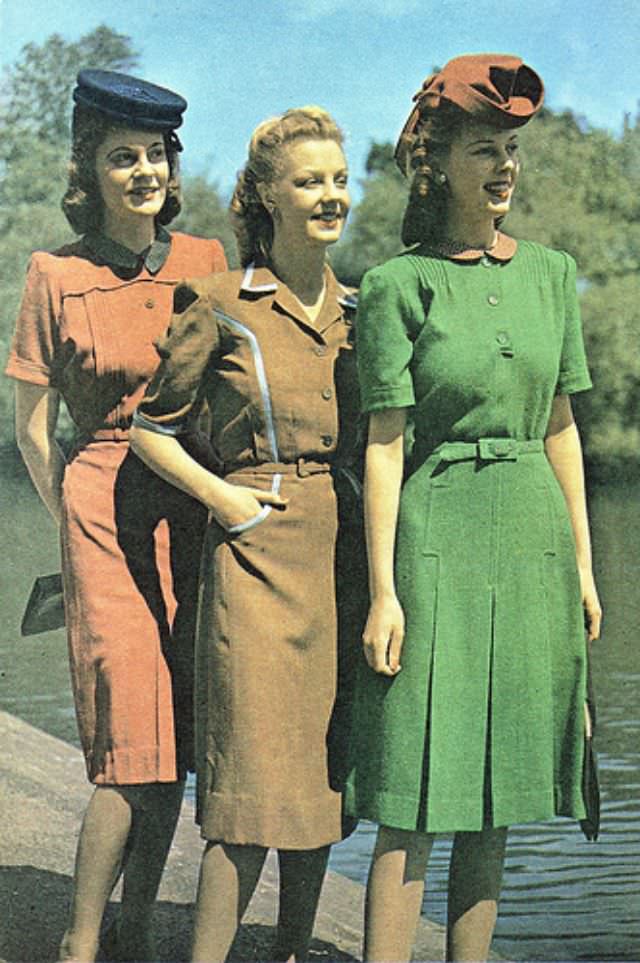
Fashion adapted to wartime restrictions. The government introduced the Utility Clothing Scheme in 1941, which limited the use of fabric and restricted design details like pleats and turn-ups. Despite these constraints, people still made an effort to dress well — maintaining appearance was seen as a way of keeping morale up.
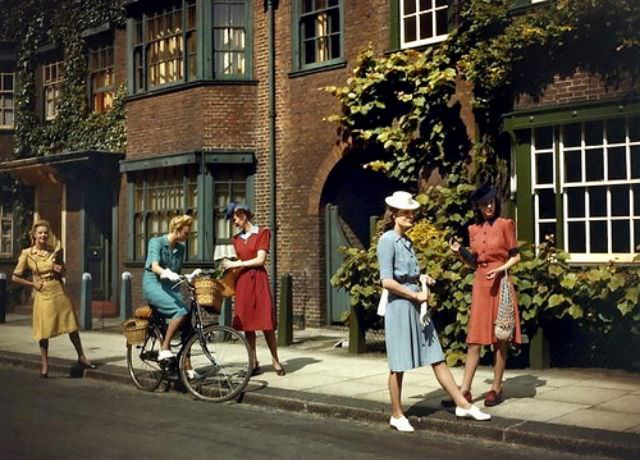
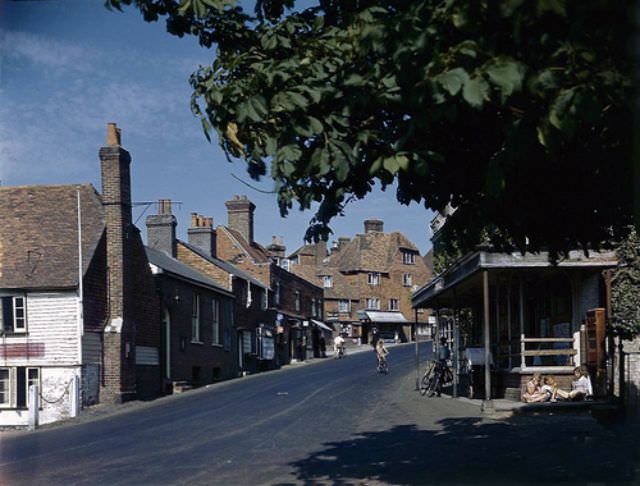
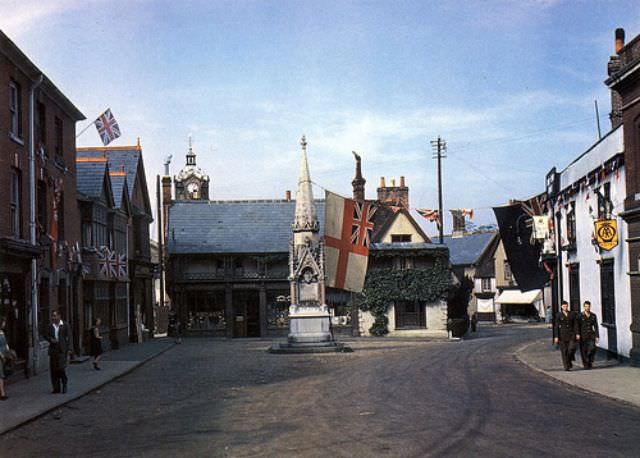
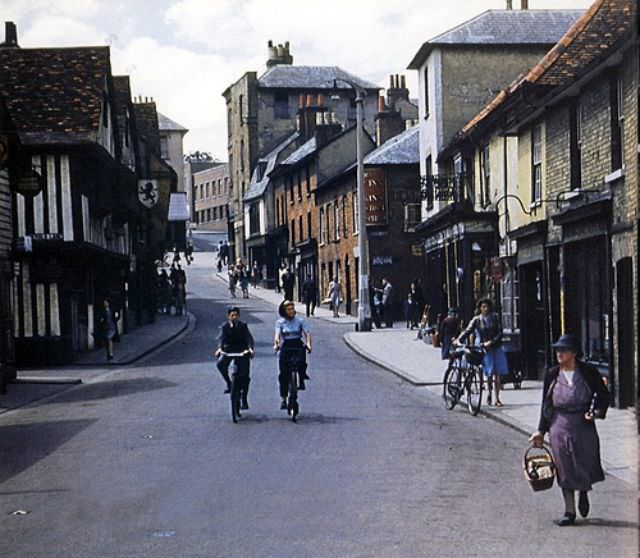
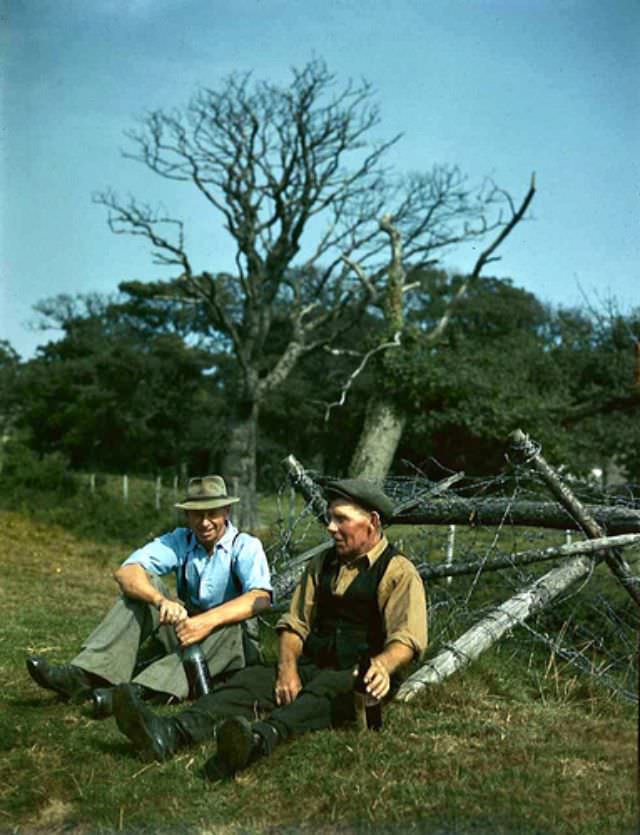
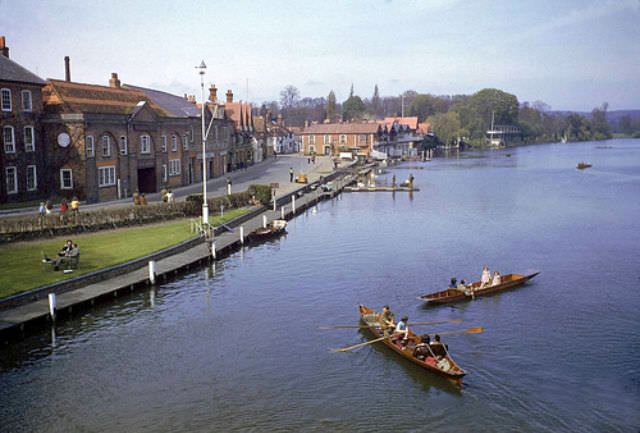
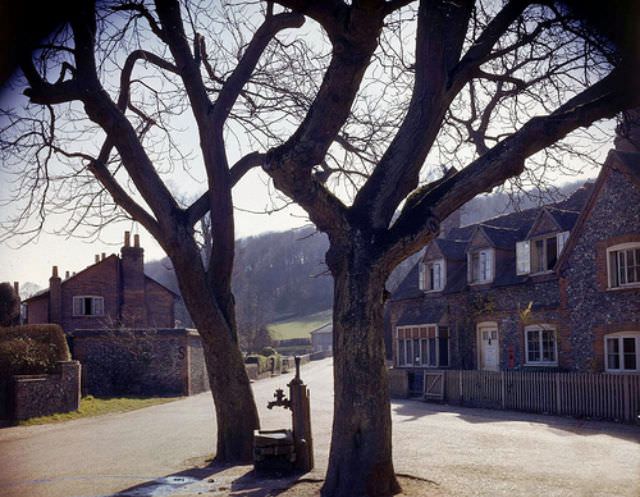
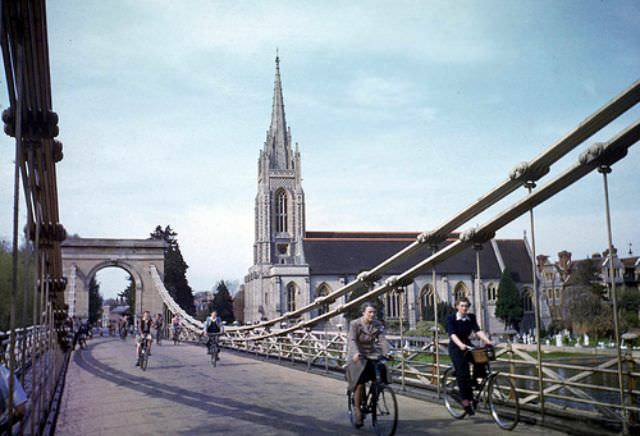
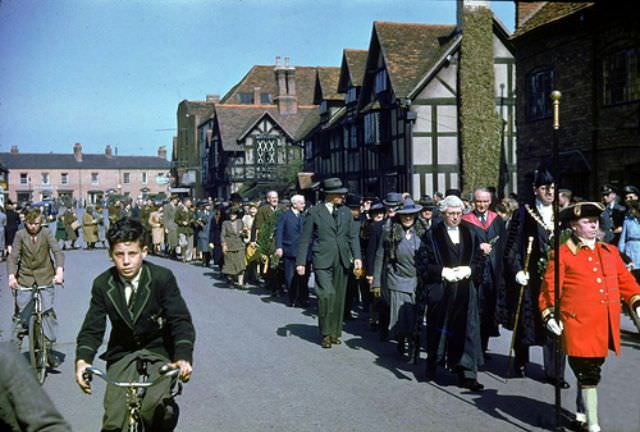
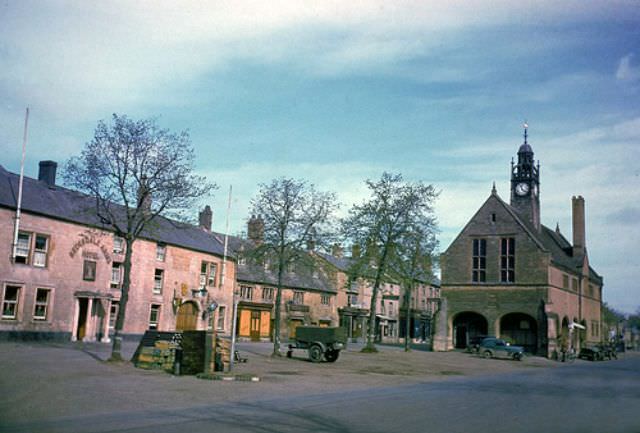
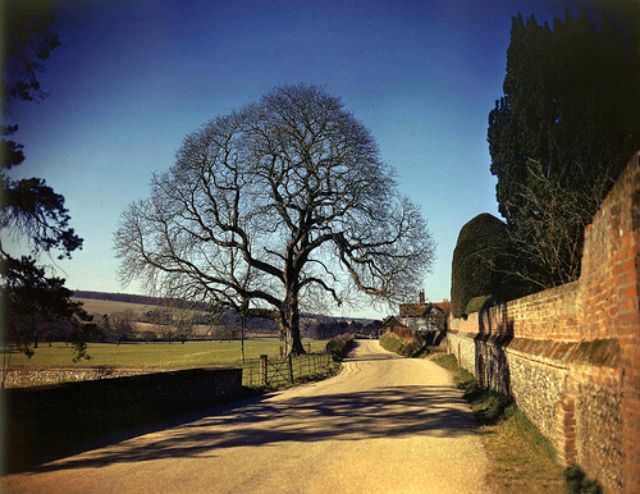
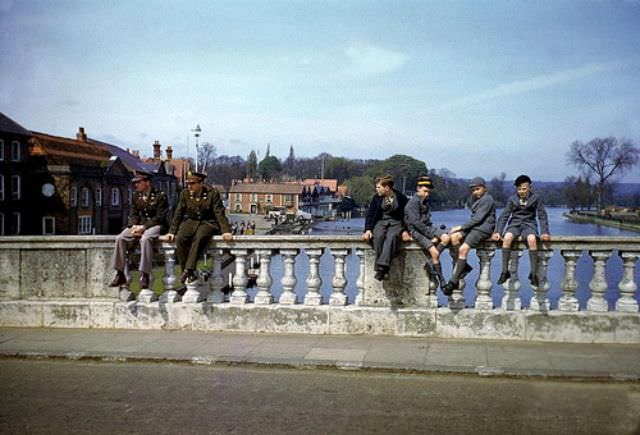
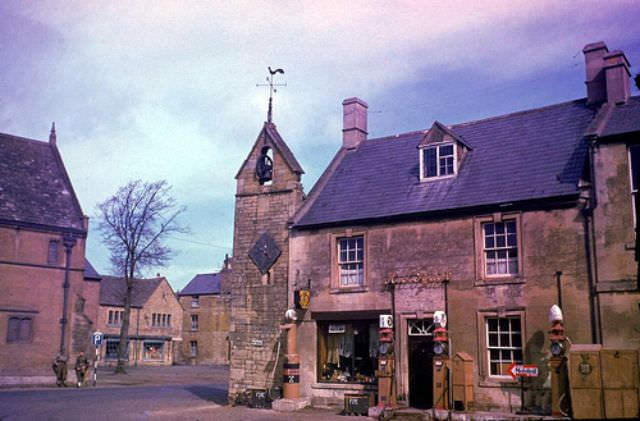
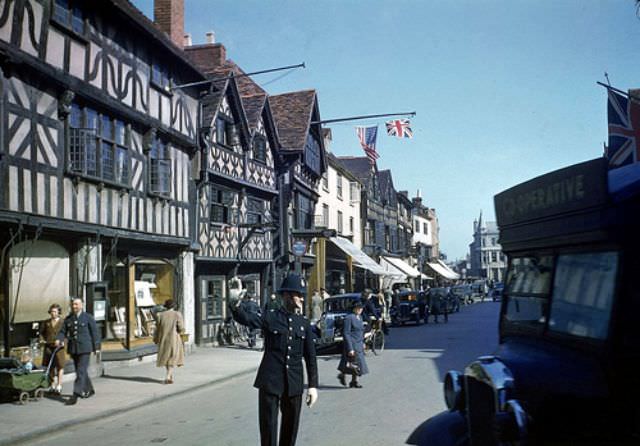
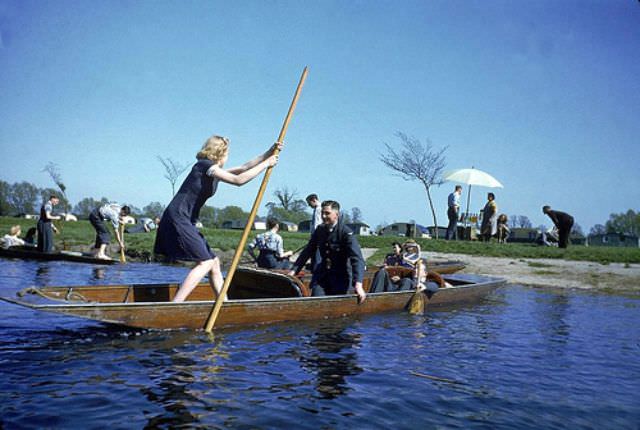
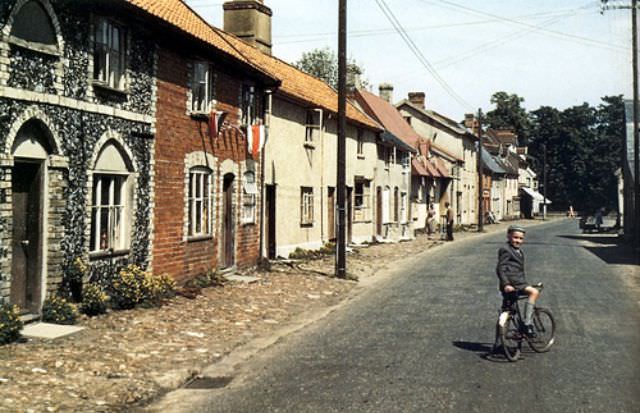
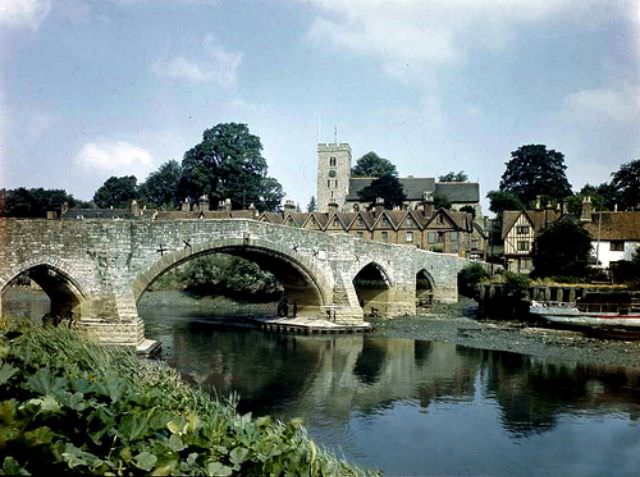
Life in Britain’s towns and villages carried on as normally as possible. Market towns, riverside communities, and country roads all showed a quieter side of wartime Britain — one that was far removed from the bombing raids but still shaped by shortages, uncertainty, and the absence of so many men.
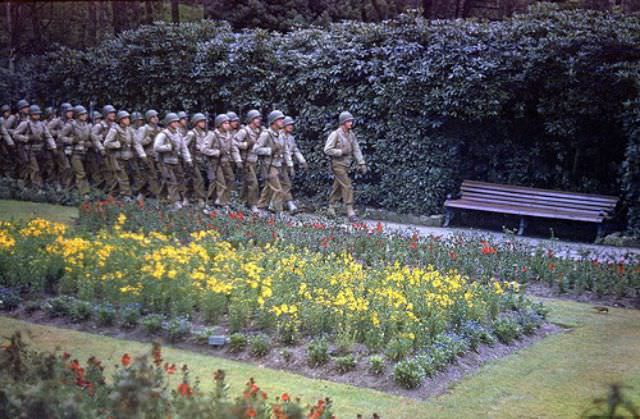
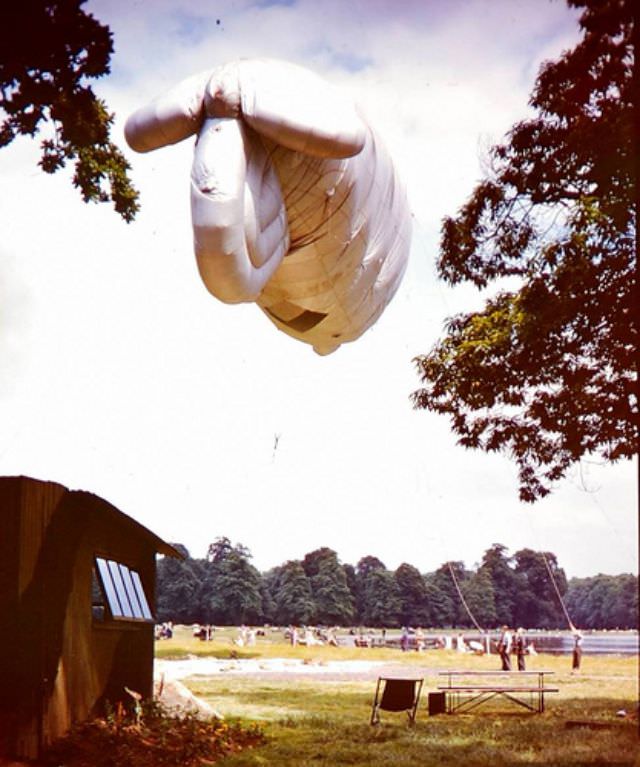
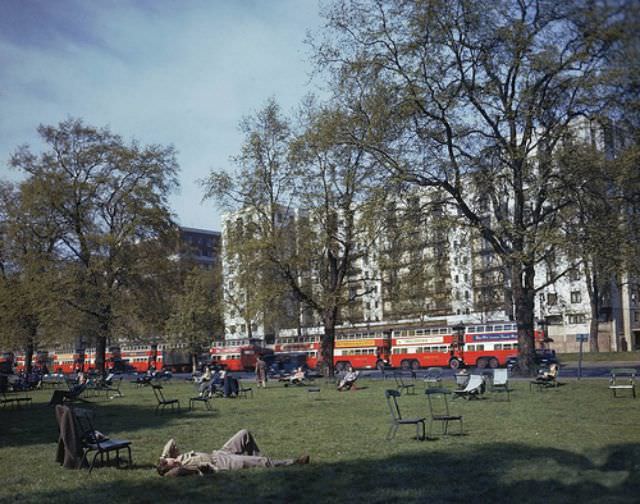
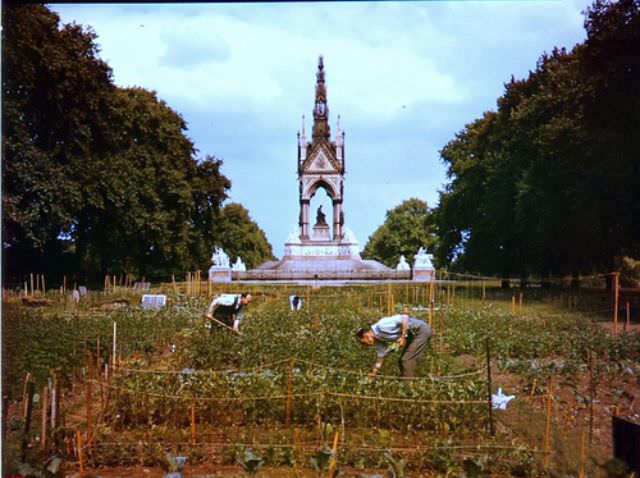
London’s parks, though partly dug up for air raid shelters and anti-aircraft gun emplacements, still offered Londoners a place to rest and breathe. On sunny days, people sat in deckchairs or walked along paths lined with sandbag fortifications — small acts of normality amid enormous disruption.
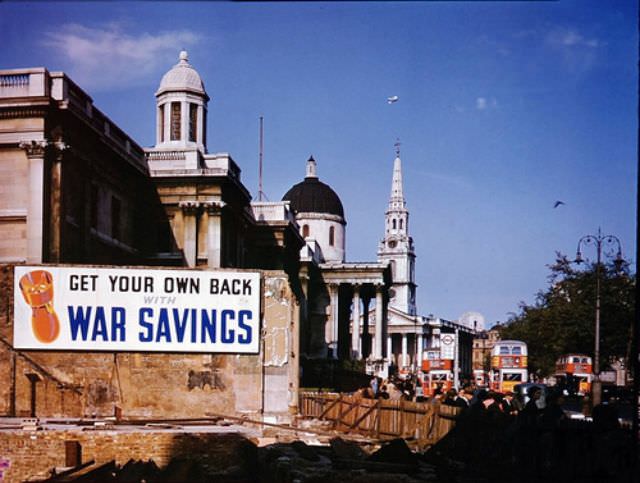
London’s streets in 1941 showed a city doing its best to keep functioning. Public transport, postal deliveries, and local services all continued despite the devastation caused by bombing raids the previous year.
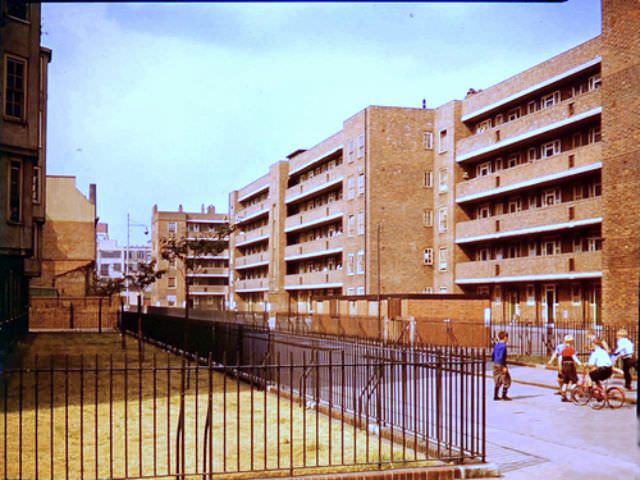
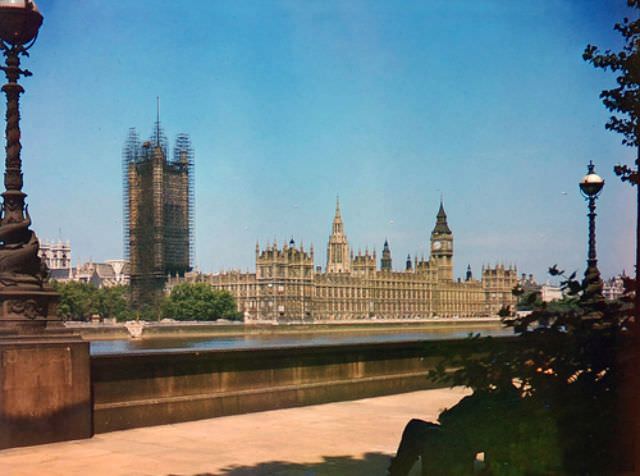
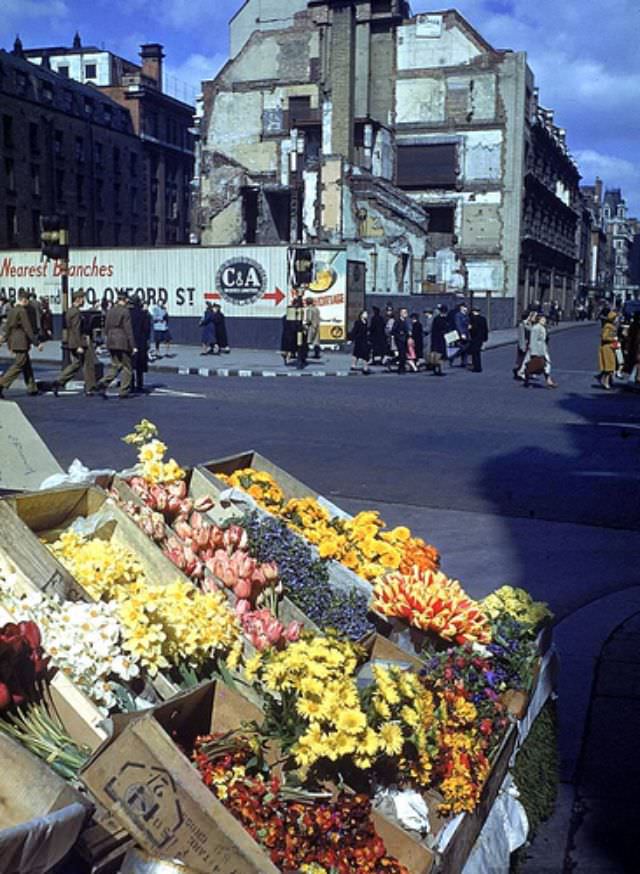
Rail travel was heavily used throughout the war to move troops, supplies, and evacuees. Stations like Royston became busy transit points, and train journeys were often slow, crowded, and unpredictable as military needs took priority over civilian timetables.
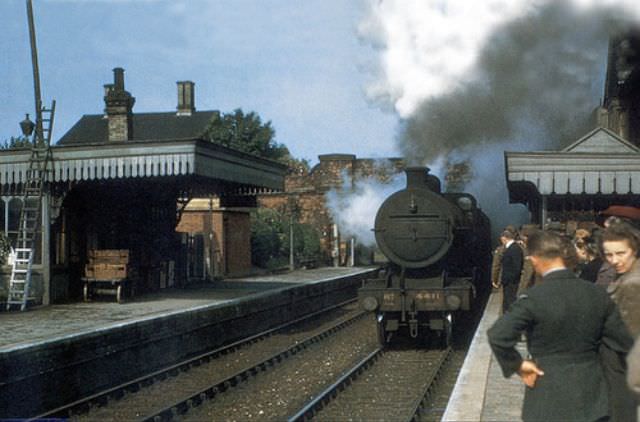
Weekly routines continued where possible. Milk rounds, postal deliveries, and local market days gave communities a sense of rhythm and structure. Neighbours depended on each other in ways that peacetime had never demanded.
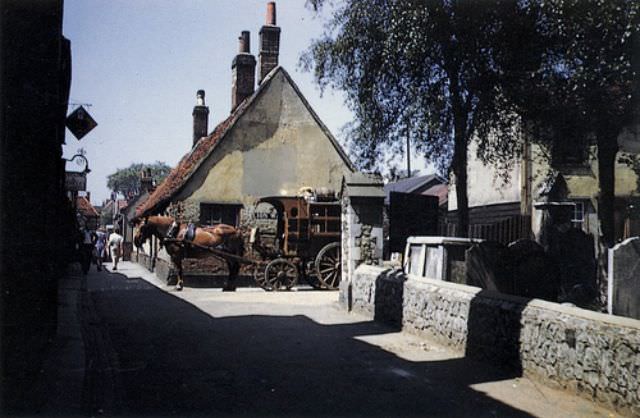
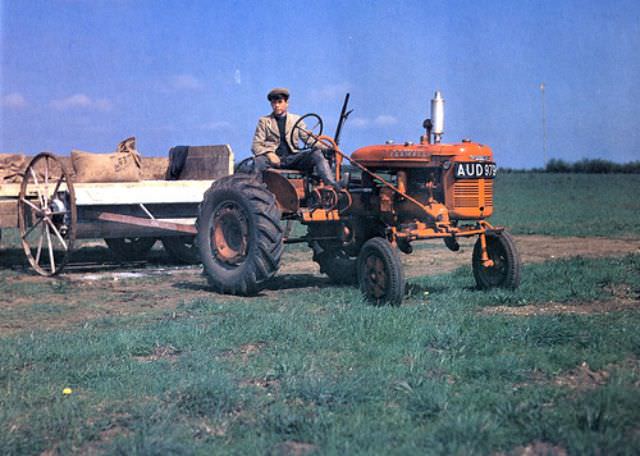
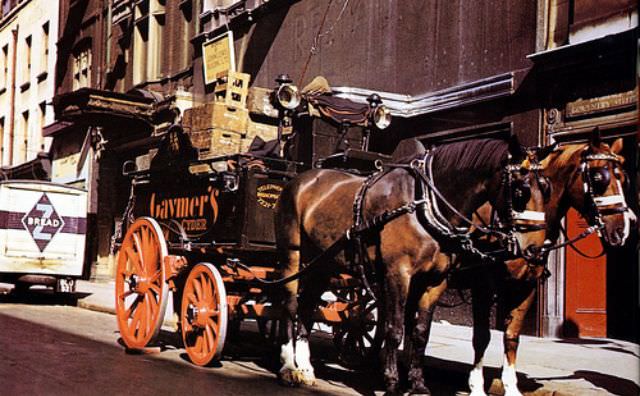
Horses still played a role in wartime Britain, particularly in rural areas where fuel shortages made motor vehicles impractical. Farms relied on horse power for ploughing and hauling, and horse-drawn carts remained a common sight on country roads well into the war years.
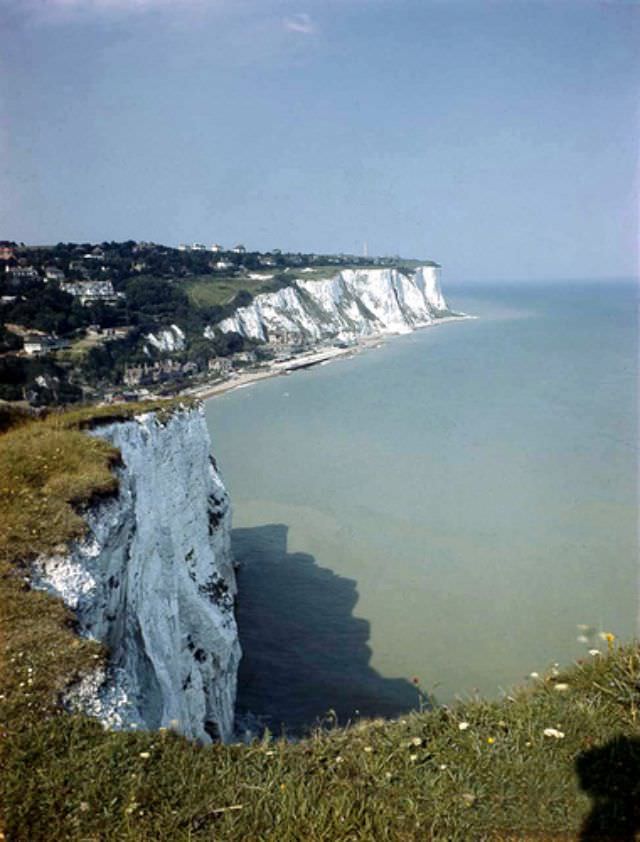
The coastal White Cliffs of Dover stood as a powerful symbol of Britain’s defiance. The cliffs overlooked the English Channel — the narrow stretch of water separating Britain from occupied France. The coast was heavily defended, with gun batteries, barbed wire, and naval patrols keeping watch.
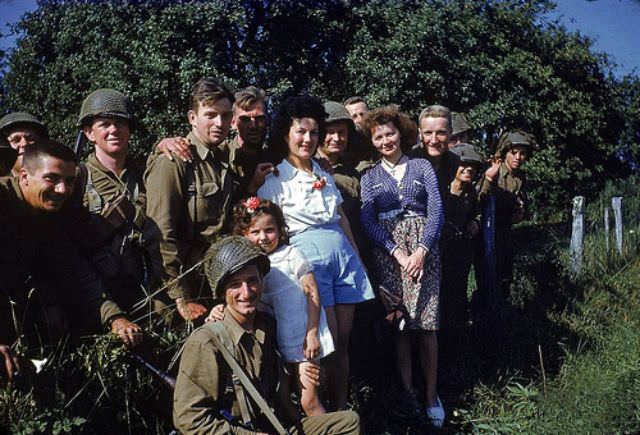
The Allied advance through Normandy in the summer of 1944 marked a turning point. British, American, and Canadian forces fought through towns like Avranches as they pushed German forces back across France. The liberation of Western Europe had begun.
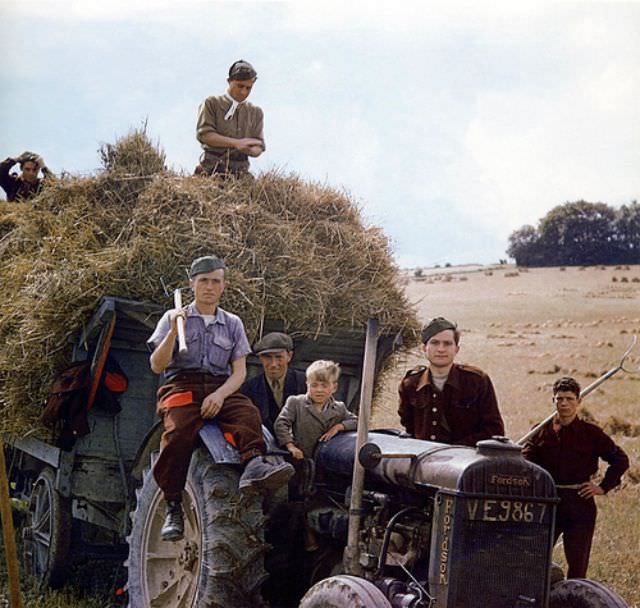
Displaced people and refugees were a common sight across Britain and Europe throughout the war. Many had fled bombing, occupation, or persecution, and found themselves far from home with few possessions and uncertain futures.
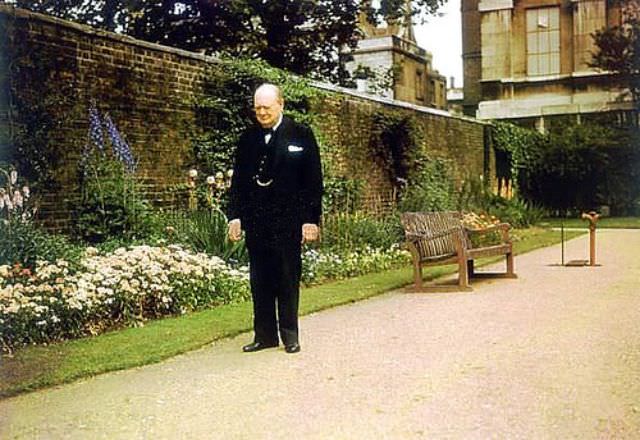
Public figures played an important role in keeping spirits up. Winston Churchill’s wartime speeches, broadcast on the BBC, gave people a sense of purpose and resolve. His presence was a constant reminder that the government was fighting back.
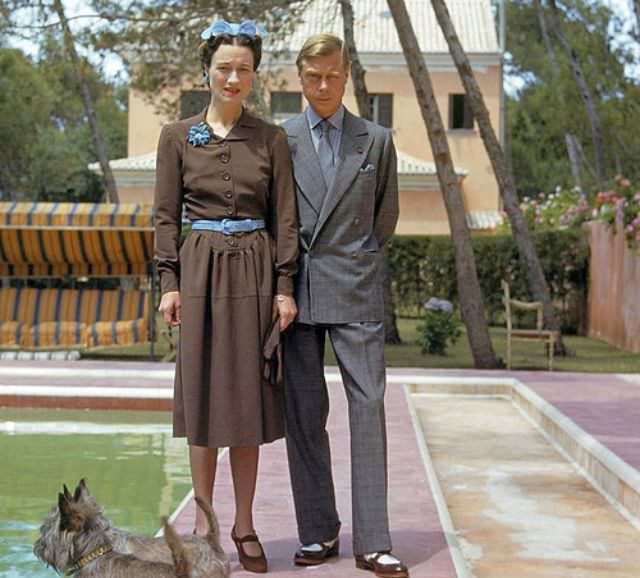
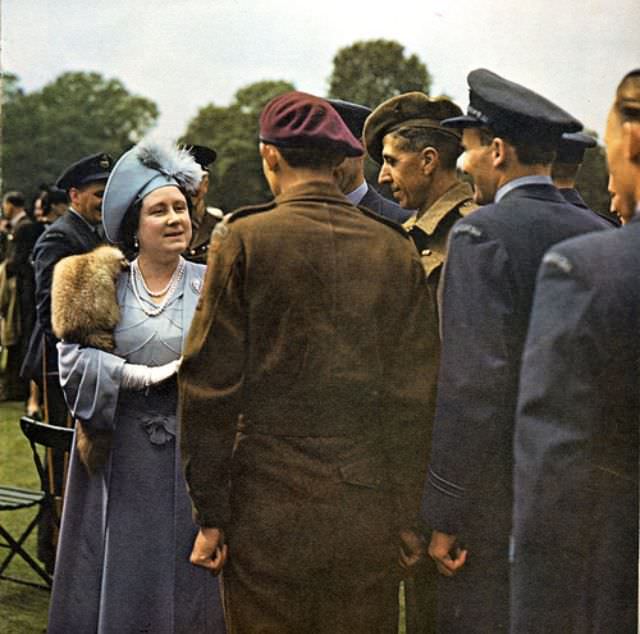
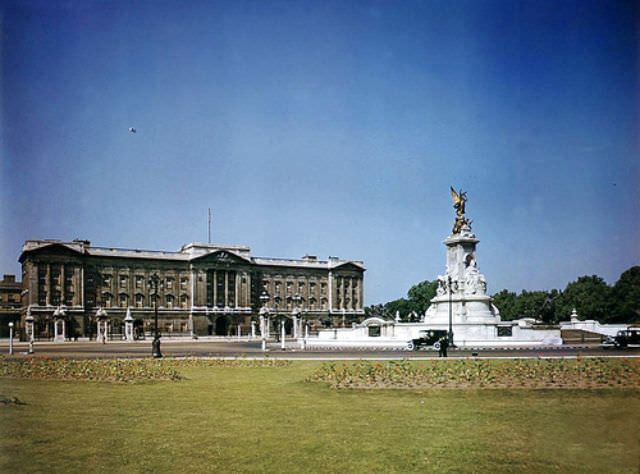
The Royal Family remained a symbol of national unity. The Queen was photographed at Buckingham Palace as the war drew to a close — the Palace itself had been bombed during the Blitz, and the Royal Family’s decision to stay in London had made a strong impression on the public.
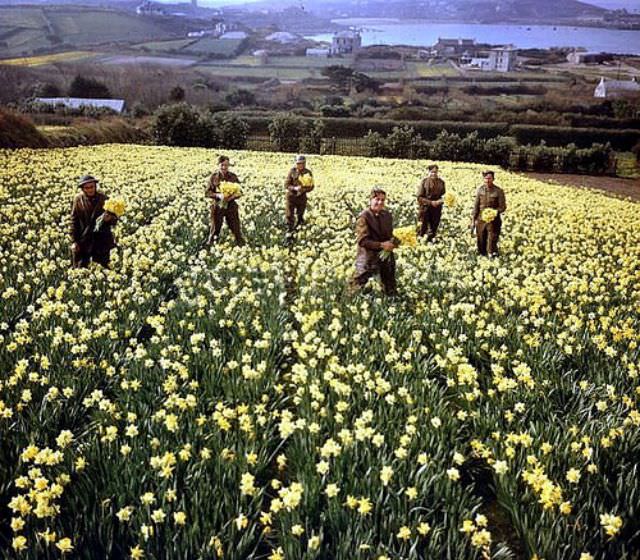
As the war moved into its final year, scenes of everyday British life — daffodil fields in spring, children at school, people going about their routines — showed a country that had endured years of hardship without breaking.