The Lamborghini Countach is one of the most recognized sports cars ever made. Its sharp angles, scissor doors, and low-slung body made it a poster car for an entire generation. But in the early 1980s, one California company looked at that iconic machine and asked a very different question: what if it had room for twelve?
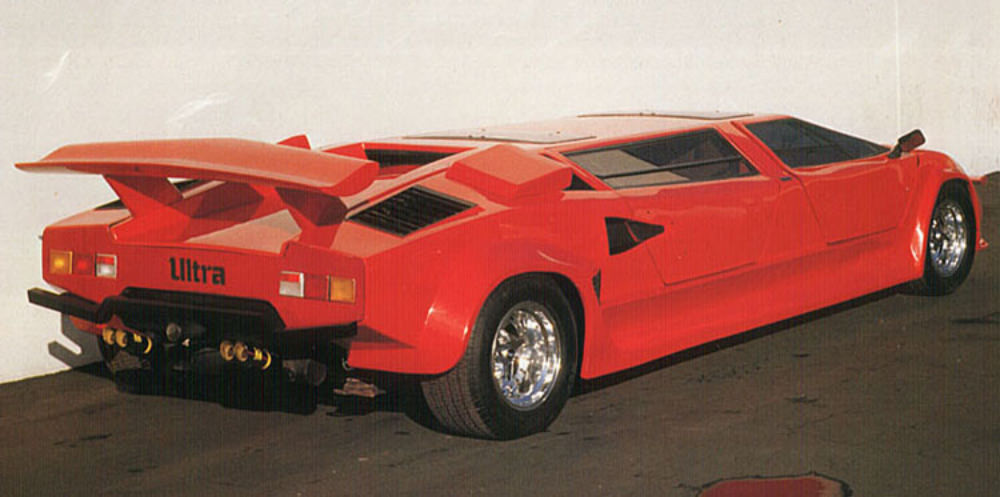
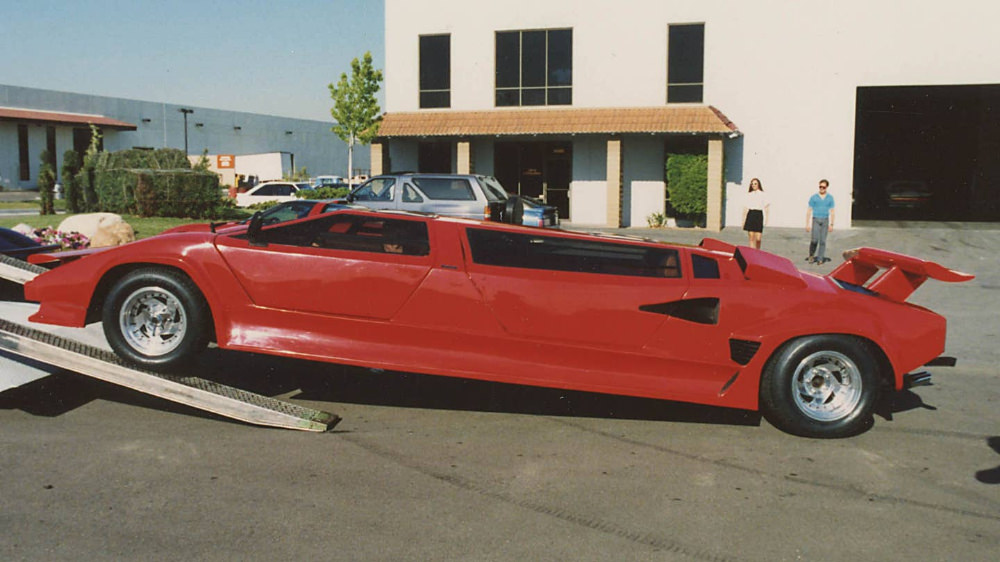
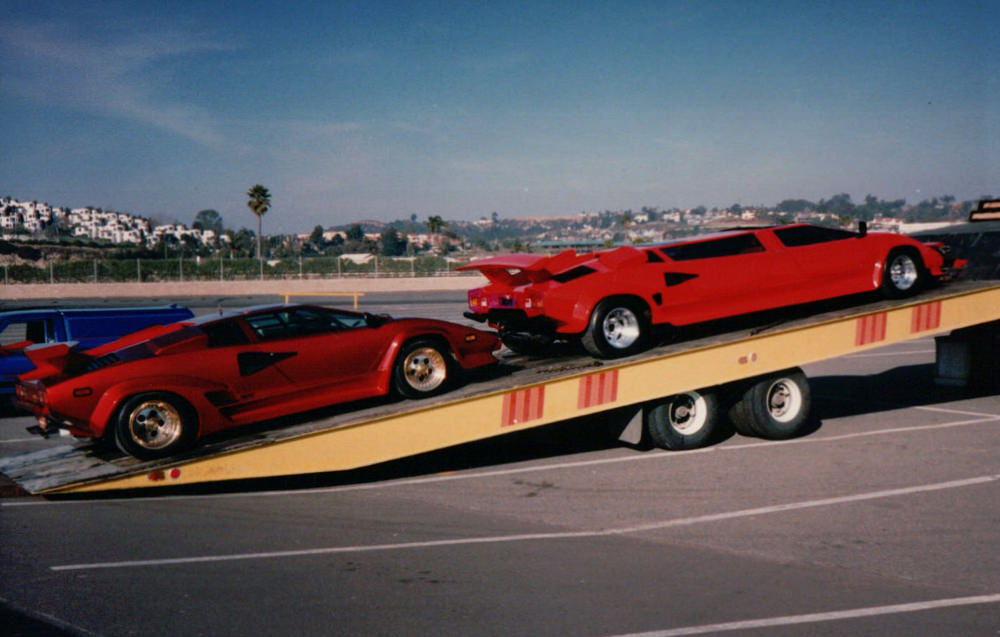
The answer was the Lamborghini Countach Limousine. Built by Ultra Limousines, a company based in California and founded in 1979 by Vini Bergeman, the car took the Countach’s standard bodyshell and stretched it by more than two meters. The final vehicle measured over six meters in total length. Bergeman started his career as a mechanic before moving into restoring and modifying classic cars. His passion for high-end automobiles led directly to this project.
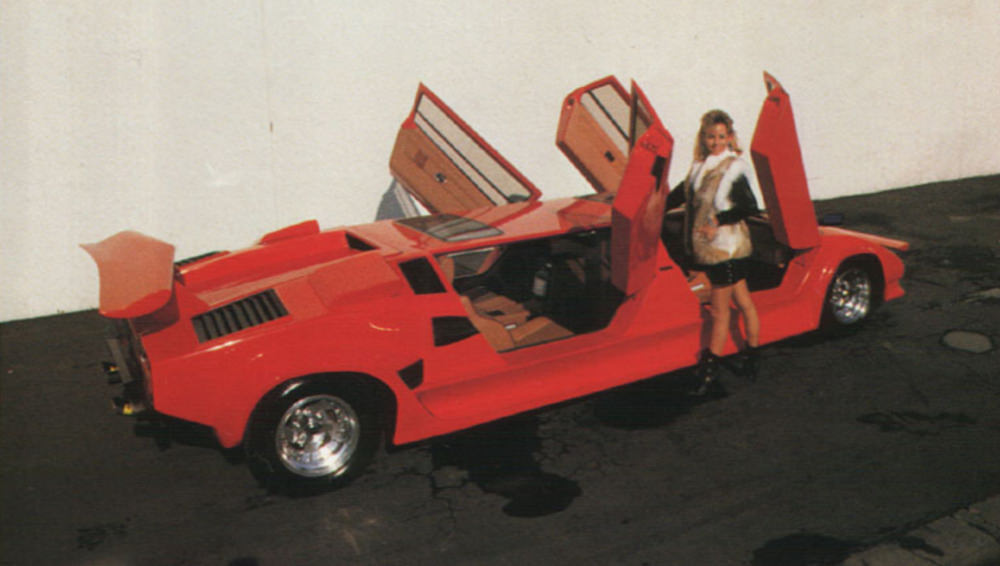
The extra length was added to the rear of the car. This kept the Countach’s famous front end completely intact, so the silhouette still read as a Lamborghini at first glance. The stretched rear section blended into the body with a sleek profile, maintaining a low roofline rather than the tall, boxy shape typical of most limousines.
Under the hood, the Countach Limousine did not use Lamborghini’s own V12. Instead, it was powered by a Ford 2.8-liter V6 engine. The choice made sense for a vehicle of this size and purpose — the limousine was built for event transportation, not track performance. The Ford V6 was more practical and easier to service than the exotic Italian powerplant.
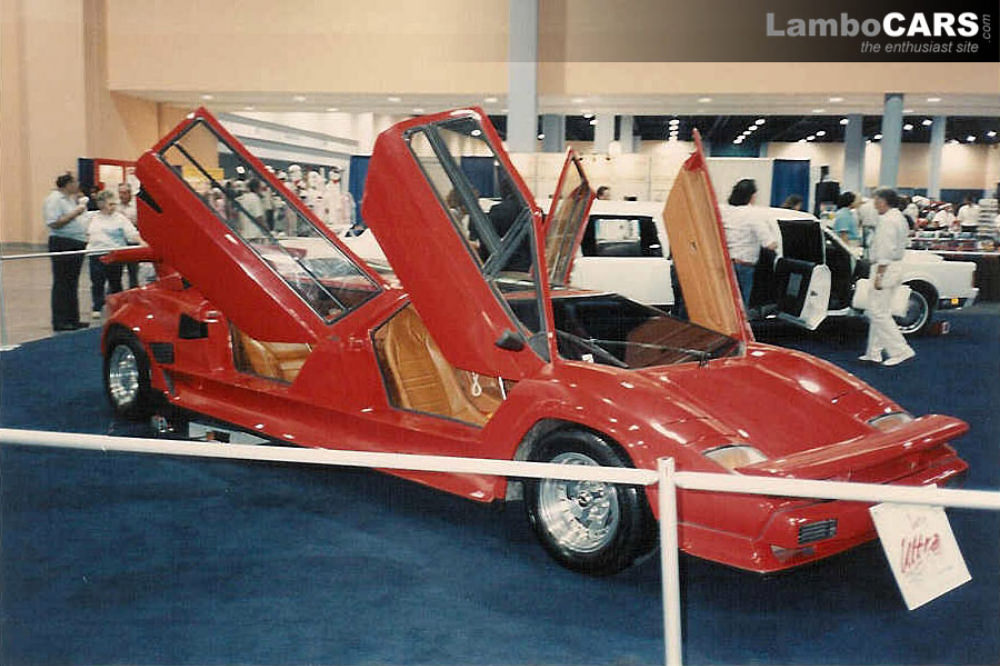
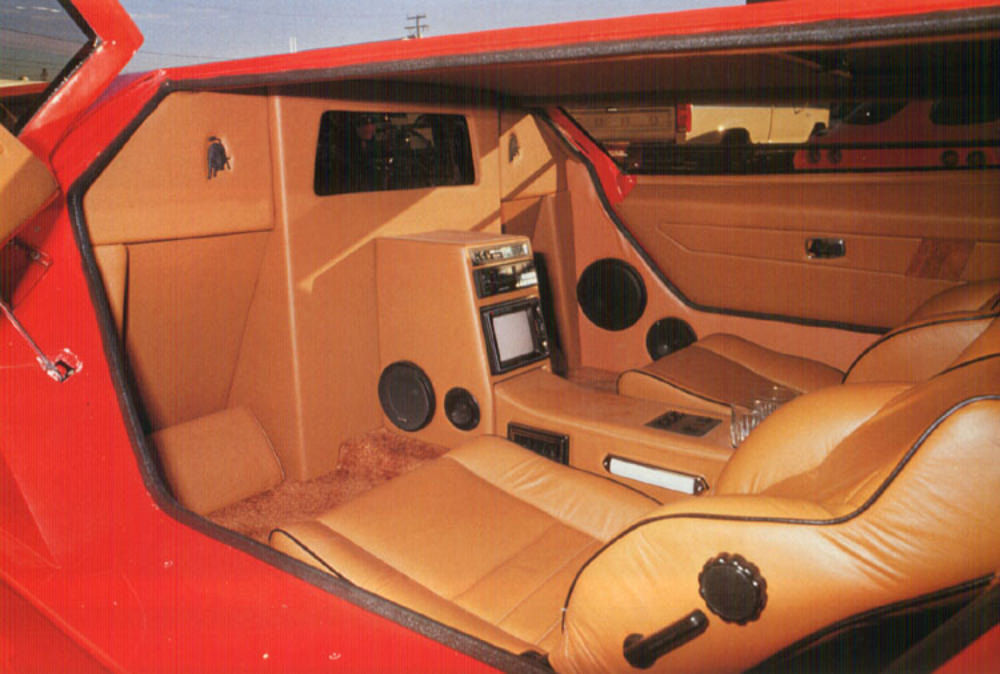
Inside, the original Countach seating was removed entirely. In its place, Ultra Limousines installed a bench seat setup that could accommodate up to twelve passengers. The interior was loaded with amenities that fit the era perfectly — a full bar, a television, and a stereo system were all part of the package.
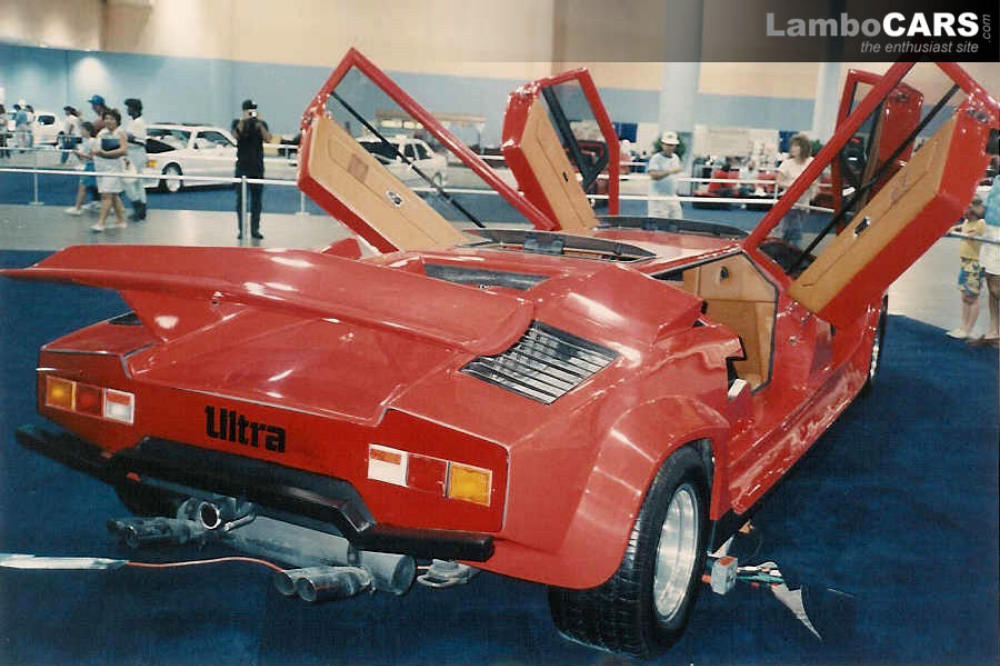
The Countach Limousine was unveiled in 1983. It immediately attracted attention from celebrities and high-profile clients looking for something that stood apart from the standard stretch limo. The car was booked for parties, special events, and high-end outings. It also appeared in music videos during the height of the decade’s excess-driven pop culture.
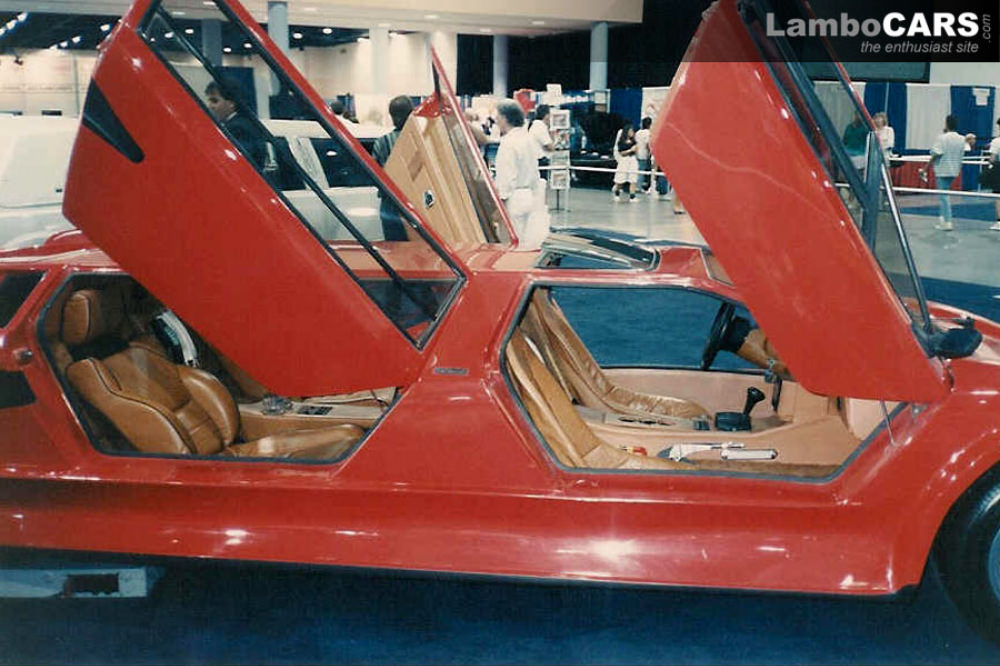
Production ran from 1983 through 1986. During that window, only a handful of examples were ever completed. The small production number was a direct result of the car’s complexity — stretching a Countach bodyshell and integrating a new drivetrain while preserving the car’s visual identity was no simple task.
Each build required skilled fabrication work. The Countach body, originally designed around a mid-engine layout, had to be fundamentally restructured to accommodate both the front-mounted Ford engine and the extended passenger cabin. Bergeman’s team handled every modification by hand, which kept output extremely low.
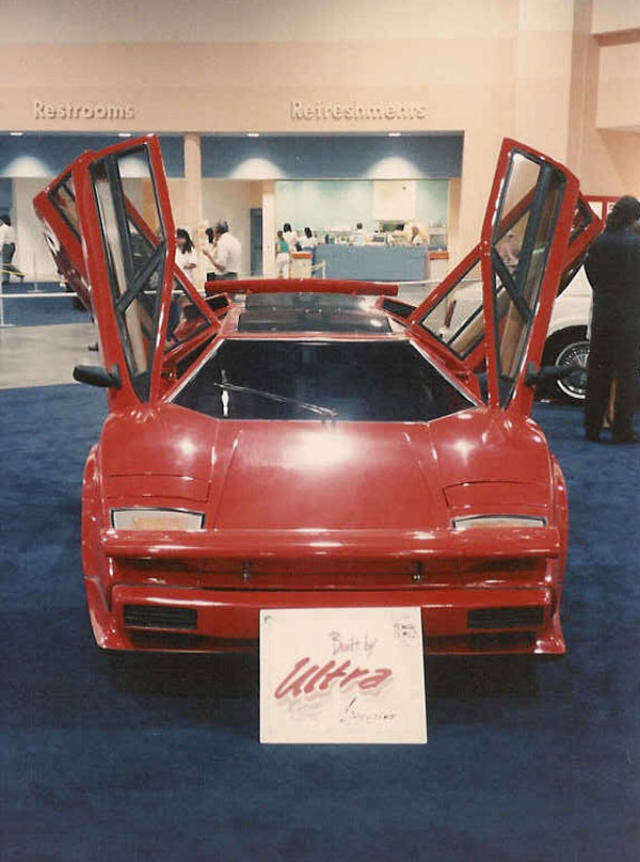
The cars that survive today are considered rare collector’s pieces. Current estimates place their value at over one million dollars. Sightings on public roads are extremely uncommon — most surviving examples have moved into private collections or are displayed at automotive shows.
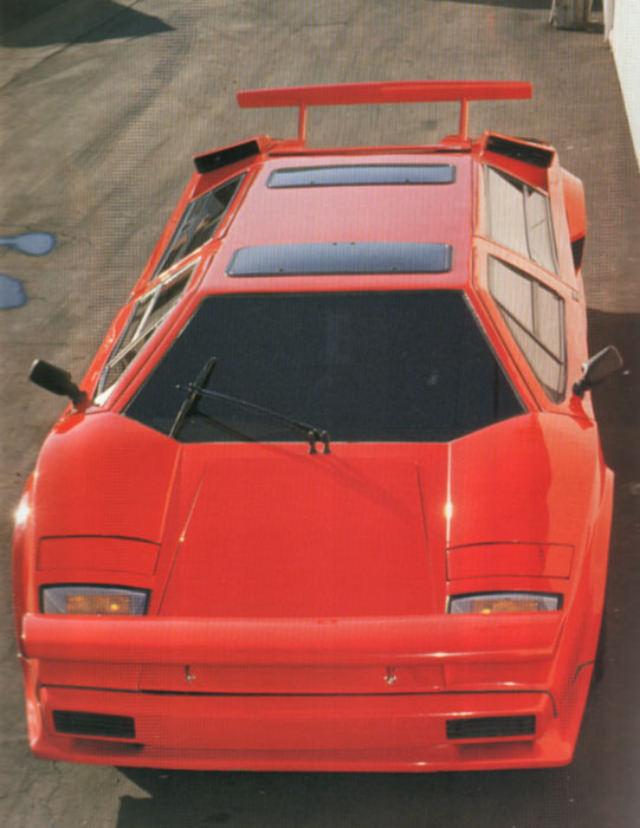
What makes the Countach Limousine so compelling as a historical object is the specific moment it came from. The 1980s were a decade when excess was a selling point, not a criticism. A twelve-passenger Lamborghini with a built-in bar fit perfectly into that world. It was never practical in any traditional sense, and that was entirely the point.

Ultra Limousines did not stop at the Countach. Bergeman’s company built custom limousines based on other exotic platforms throughout the 1980s. But the Countach Limousine remains the most talked-about project from that era — a machine that took one of the world’s most extreme sports cars and pushed it even further into the realm of spectacle.