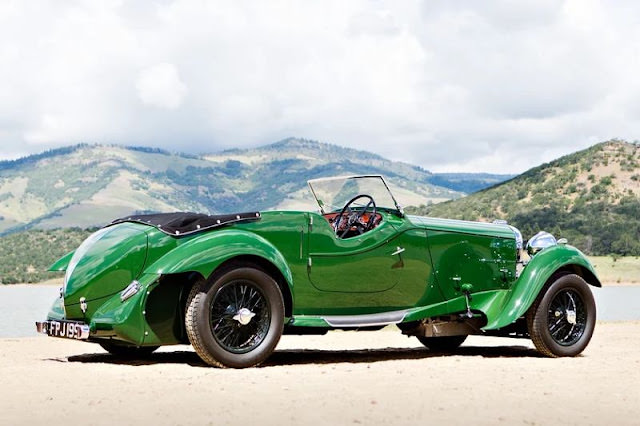
By the mid-1930s, the British automotive world had produced some remarkable machines. Few, however, matched the ambition and refinement of the Lagonda LG45 Rapide. It was a car built for drivers who wanted raw performance without giving up comfort — a rare combination at the time. To understand what made it special, it helps to know where it came from.
Lagonda was founded in 1906 by Wilbur Gunn, an American-born engineer who set up his workshop in Staines, England. The company quickly built a reputation for producing high-quality, well-engineered vehicles. By the time the LG45 Rapide arrived, Lagonda was already considered one of Britain’s premier luxury car makers. The Rapide was the performance-focused variant of the LG45 range, and it showed in every detail.
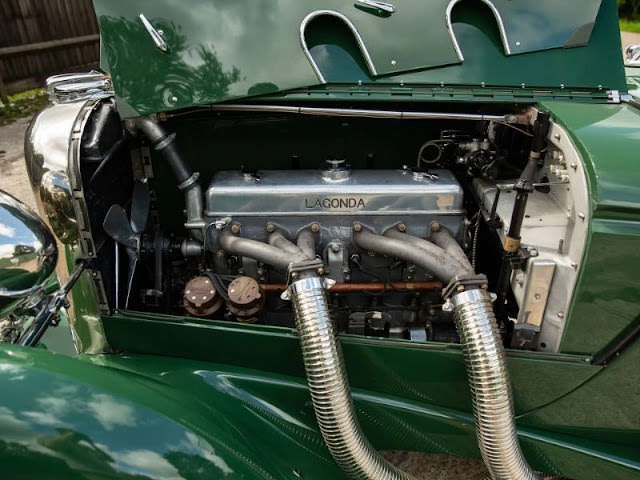
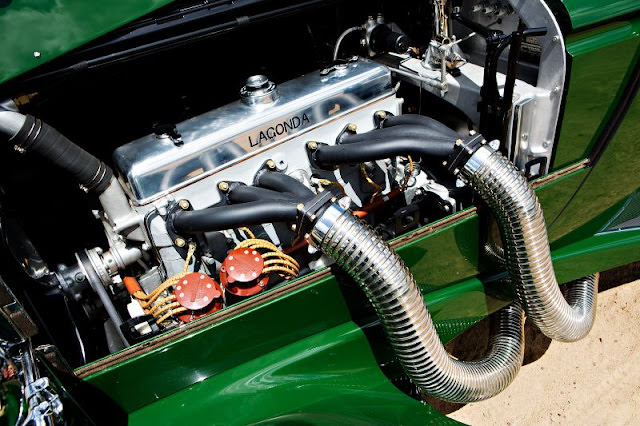
At the center of the LG45 Rapide was its engine — a 4.5-liter Meadows six-cylinder unit. This powerplant was well-regarded for both its reliability and its output. In an era when many cars struggled with mechanical dependability on long runs, the Meadows engine gave the Rapide a genuine edge. Drivers could push the car hard and trust it to hold together, which made it a favorite among serious motoring enthusiasts.
The 4.5-liter displacement gave the car strong, sustained power across a wide range of speeds. It wasn’t just quick off the line — it maintained its pace over distance. This endurance quality was part of what set the Rapide apart from more ordinary fast cars of the period. Speed without stamina was common. Speed with stamina was something else entirely.
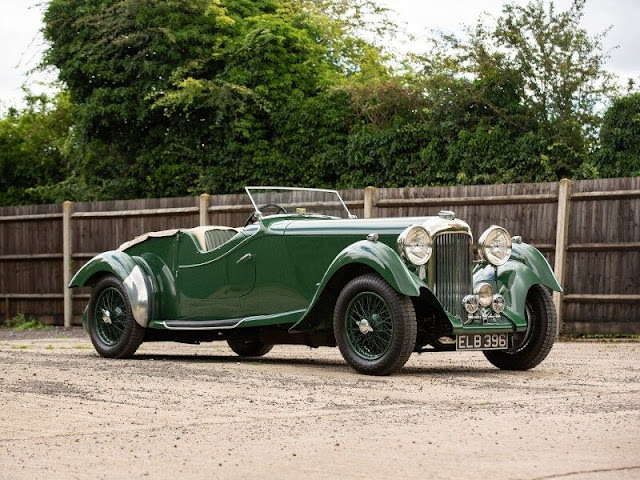
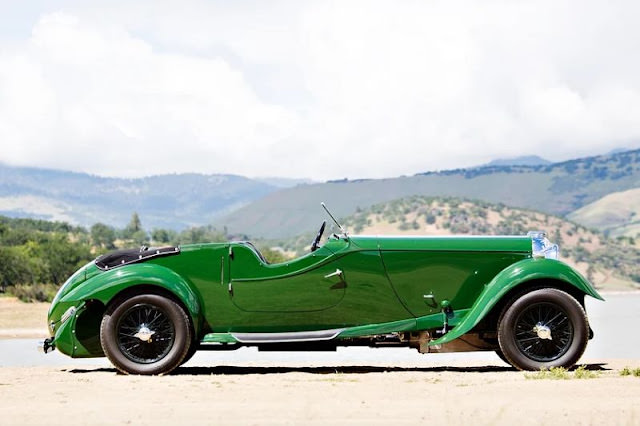
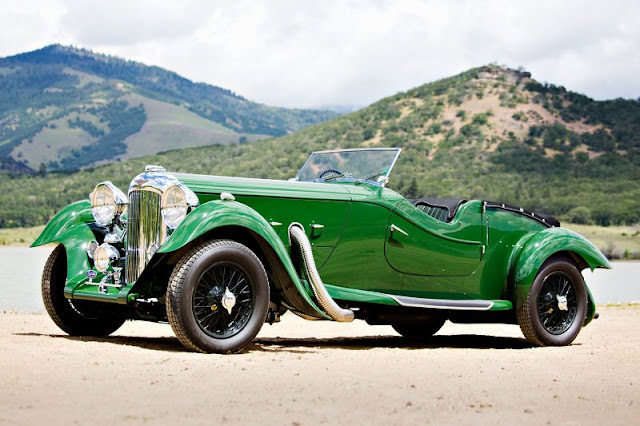
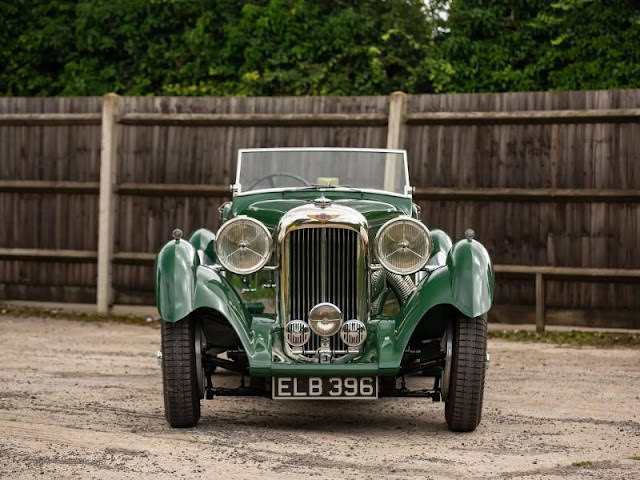
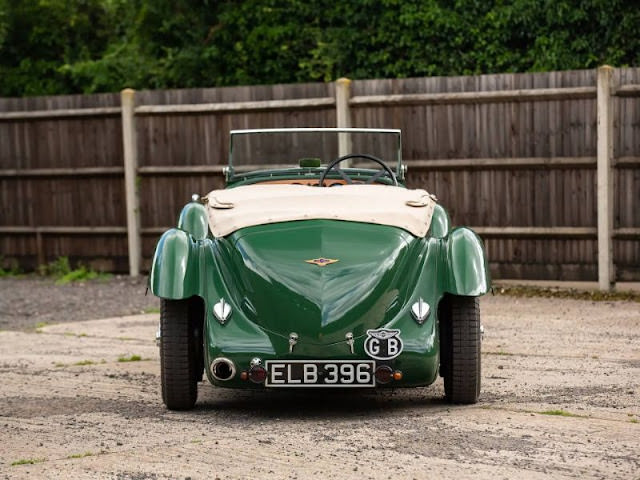
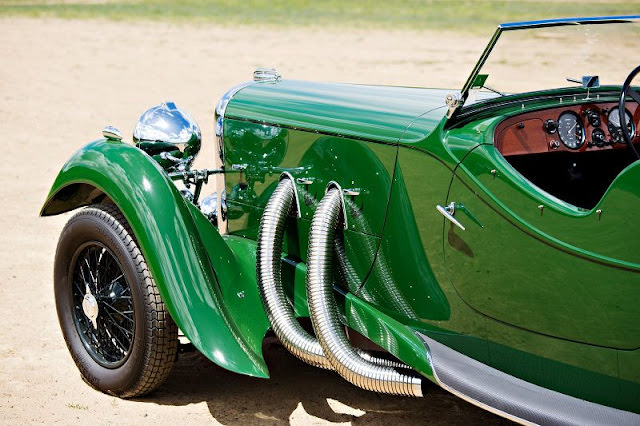
The body of the LG45 Rapide was designed with a clear purpose. Frank Feeley, the designer credited with shaping the car’s exterior, gave it a long bonnet, a short tail, and a low-slung chassis. The result was a profile that looked aggressive and purposeful. This wasn’t styling for its own sake — the aerodynamic form reduced drag and directly contributed to the car’s top-end performance.
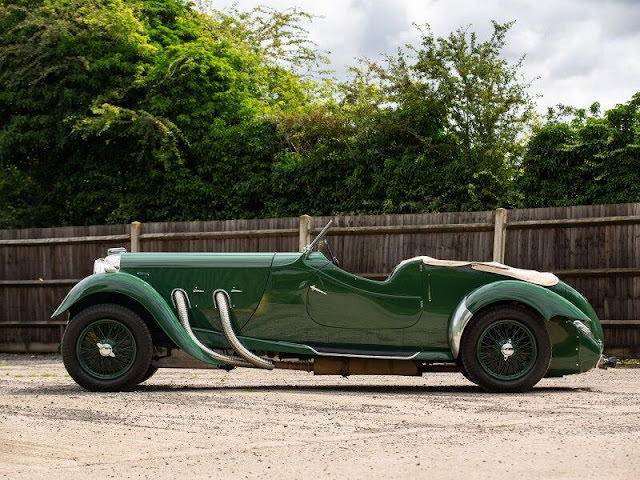
Feeley’s approach was rooted in function as much as form. The sweeping lines that made the Rapide so visually striking also helped it cut through the air more efficiently than many of its rivals. In the 1930s, aerodynamics in road car design was still relatively new territory, and Feeley’s work on the Rapide placed Lagonda ahead of most of the competition.
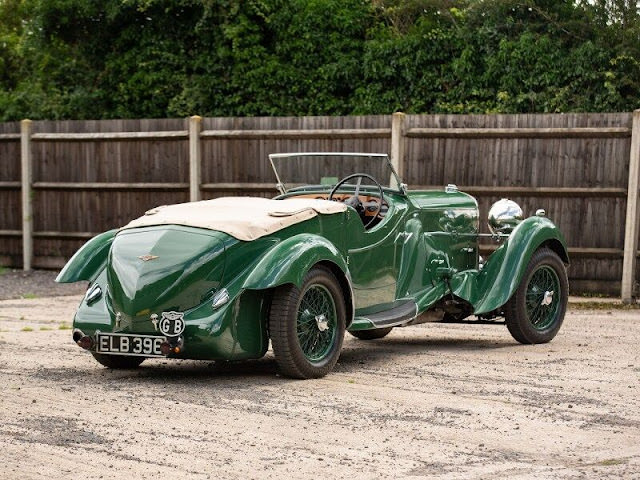
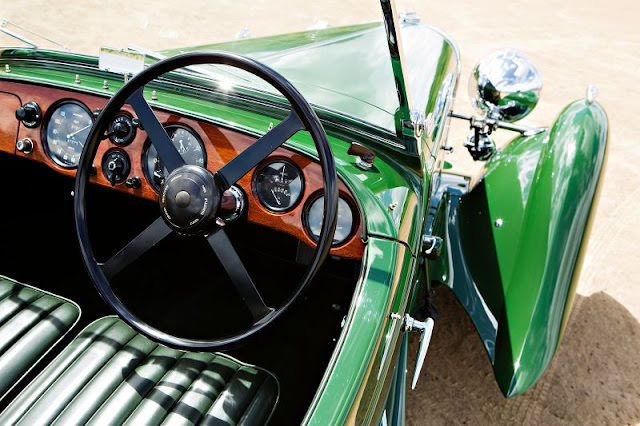
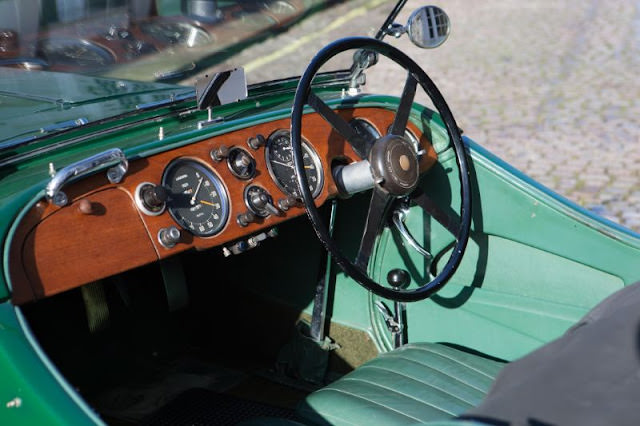
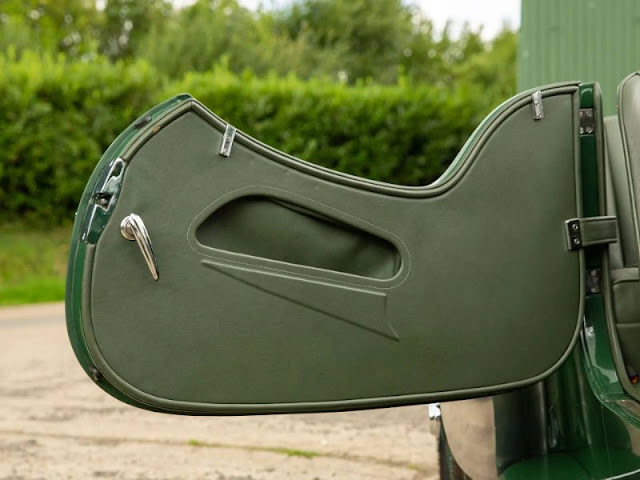
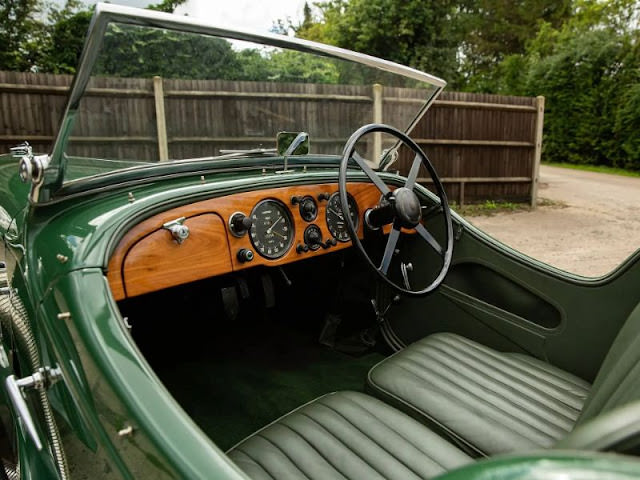
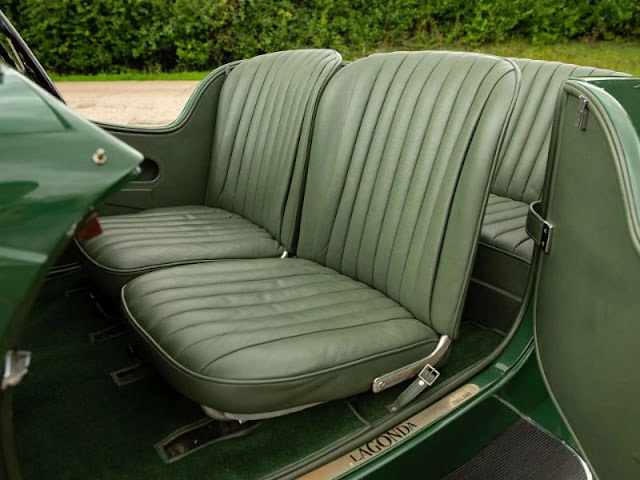
Step inside the cabin and the character of the car shifted noticeably. Where the exterior projected speed and aggression, the interior offered calm and quality. The passenger compartment was spacious for a performance car, lined with high-grade materials and finished with careful attention to detail. The upholstery and fittings reflected the expectations of buyers who were accustomed to the finer things.
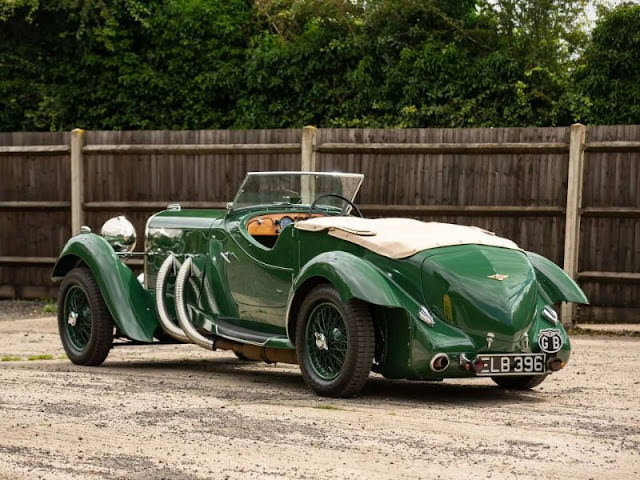
Long journeys were very much part of how wealthy motorists used their cars in the 1930s. The LG45 Rapide’s cabin was designed with this in mind. Comfort wasn’t an afterthought — it was built into the car from the ground up. This balance between a performance-tuned drivetrain and a genuinely comfortable interior was one of the Rapide’s most defining qualities.
Beyond comfort and performance, the LG45 Rapide carried a set of technical features that were genuinely advanced for its time. Independent front suspension was fitted as standard — a feature that dramatically improved how the car handled uneven road surfaces. In the 1930s, most cars used rigid front axles, which transferred every road imperfection directly to the steering wheel. Independent suspension changed that entirely.
The LG45 Rapide also featured hydraulic brakes, another forward-thinking specification for the era. Mechanical brakes, which relied on a system of rods and cables, were still common in the mid-1930s. Hydraulic systems offered more consistent stopping power and required less physical effort from the driver. On a car capable of the Rapide’s speeds, this was not a minor upgrade — it was a meaningful safety improvement.
Together, the independent suspension and hydraulic brakes gave the Rapide a driving experience that felt more refined and controlled than most cars of its generation. The handling was predictable, and the braking was dependable. Drivers who pushed the car on winding country roads or open highways found that it responded with confidence.
The LG45 Rapide occupied a specific and well-defined place in the market. It was not a racing car stripped of luxuries, nor was it a sedate town car dressed up with a sporting badge. It sat squarely between those two worlds — genuinely fast, genuinely comfortable, and genuinely capable. That precise positioning is what gave it such a strong identity among collectors and enthusiasts.
Production numbers were small, as was typical for coachbuilt cars of this caliber. Each example was built to a high standard, and the hand-crafted nature of the construction added to the car’s exclusivity. Buyers weren’t purchasing from a mass-production line — they were commissioning a machine built with individual care.
The choice of the Meadows engine also reflected Lagonda’s practical approach to engineering. Rather than developing an entirely new powerplant from scratch, they selected a proven unit and tuned it to suit the Rapide’s performance targets. The result was an engine that delivered strong output while remaining manageable to maintain — an important consideration for owners who actually drove their cars.
The low-slung chassis was another deliberate engineering choice. By keeping the center of gravity close to the ground, Lagonda’s engineers improved the car’s cornering stability. At higher speeds, this made a tangible difference to how the car felt through bends. The chassis design worked in concert with the suspension system to give the Rapide its composed, planted handling character.
Lagonda’s approach to building the LG45 Rapide reflected a broader philosophy that ran through the company’s output. Engineering decisions were made with both driver and passenger in mind. Performance targets and comfort standards were treated as equally important, not competing priorities. This thinking shaped every part of the car, from the chassis rails to the leather stitching inside the cabin.
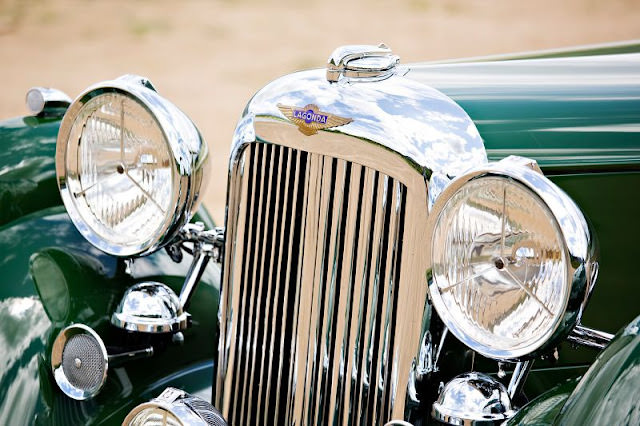
The styling cues introduced on the LG45 Rapide — the long hood, the flowing fenders, the low roofline — were hallmarks of the grand touring aesthetic that defined the best British and European cars of the 1930s. These visual elements weren’t arbitrary. They communicated speed, quality, and purpose at a glance.
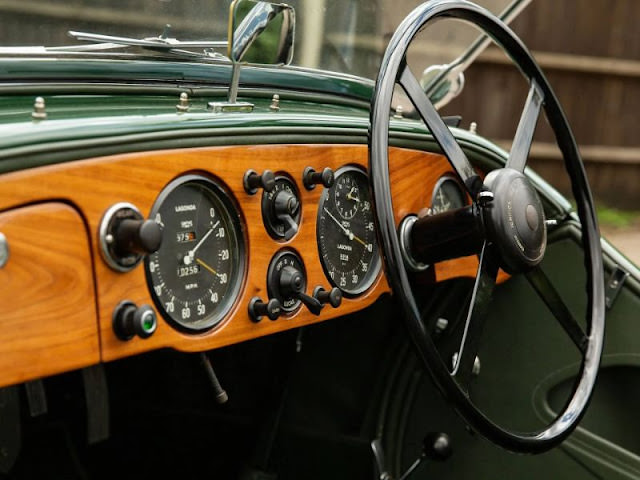
The dashboard and instrument layout inside the Rapide were arranged to give the driver immediate access to all necessary information without clutter. Gauges were clear and logically placed. Controls fell naturally to hand. For a car from the mid-1930s, the cockpit showed a level of ergonomic thinking that was ahead of many contemporaries.
Surviving examples of the LG45 Rapide are rare and highly regarded by collectors. The combination of coachbuilt construction, period-correct engineering, and the Lagonda nameplate makes each car a significant historical artifact. Restoration work on these vehicles demands specialized knowledge, as many of the components are unique to the model and unavailable through standard suppliers.
Auction appearances of LG45 Rapide examples consistently attract serious attention from the vintage car community. The cars tend to present well, owing to the quality of their original construction, and they remain drivable machines rather than static display pieces. That usability — the fact that a well-maintained Rapide can still be taken on the road — adds significantly to their appeal among active collectors.