In the early 1900s, Indian immigrants began arriving in British Columbia, but Canada was far from welcoming. In 1907, an anti-Asian mob attacked homes and businesses in Vancouver in what became known as the Vancouver Riot. The following year, the Canadian government passed two orders-in-council specifically designed to shut out Indian immigrants. One required each immigrant to carry $200 upon arrival — a large sum at the time. The other barred Indians already living in Canada from bringing their wives and children to join them. Pleas to change these laws went nowhere.
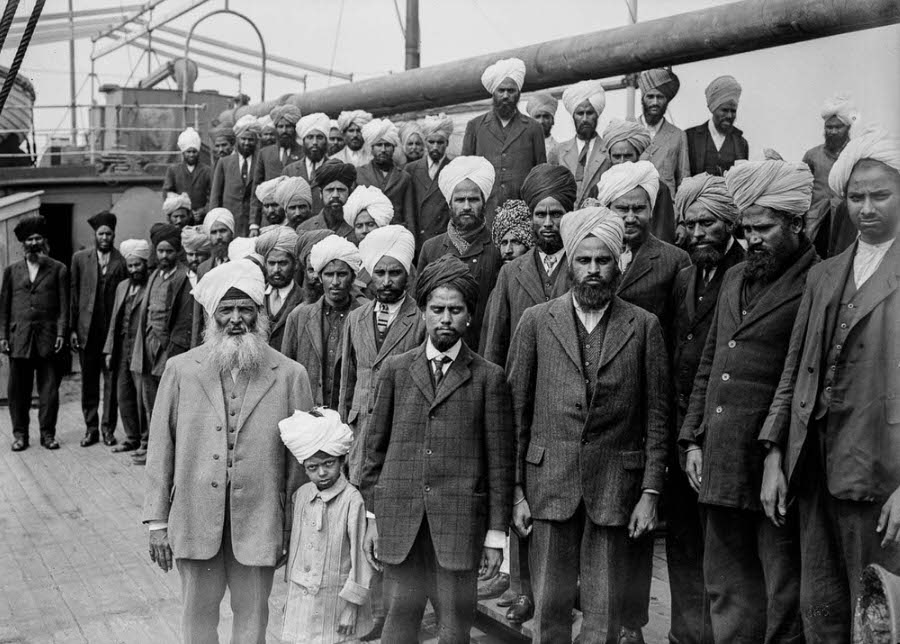
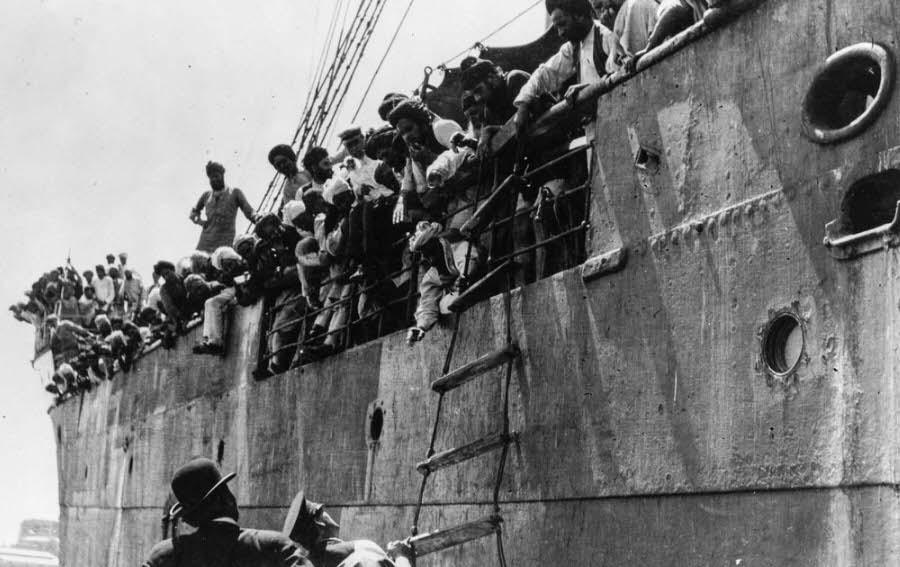
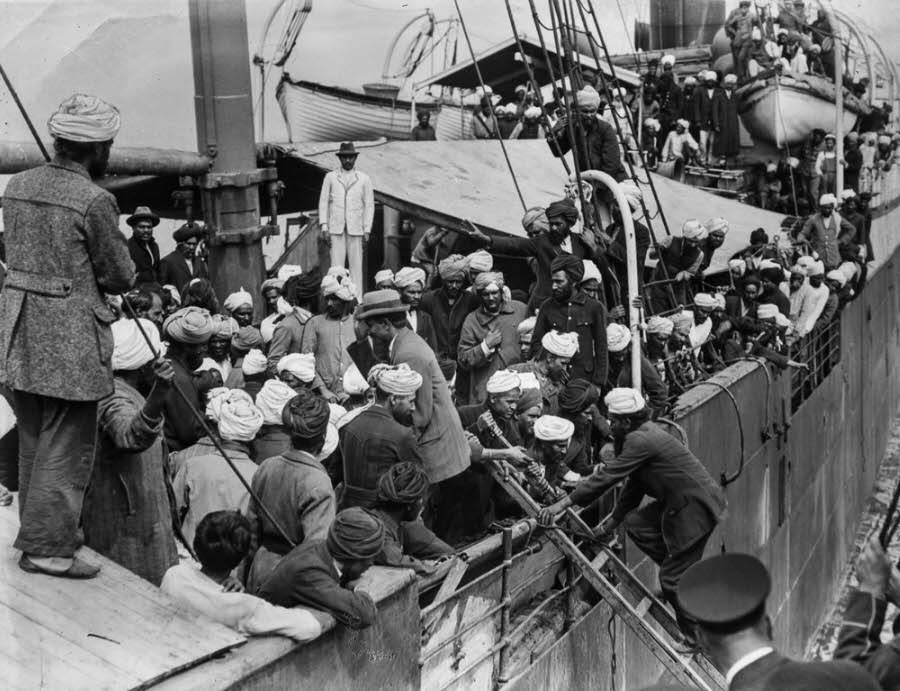
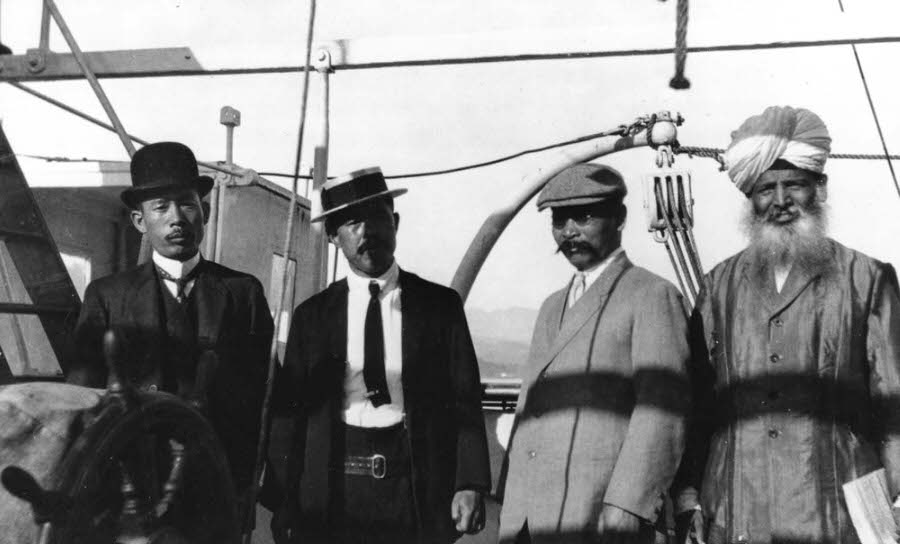
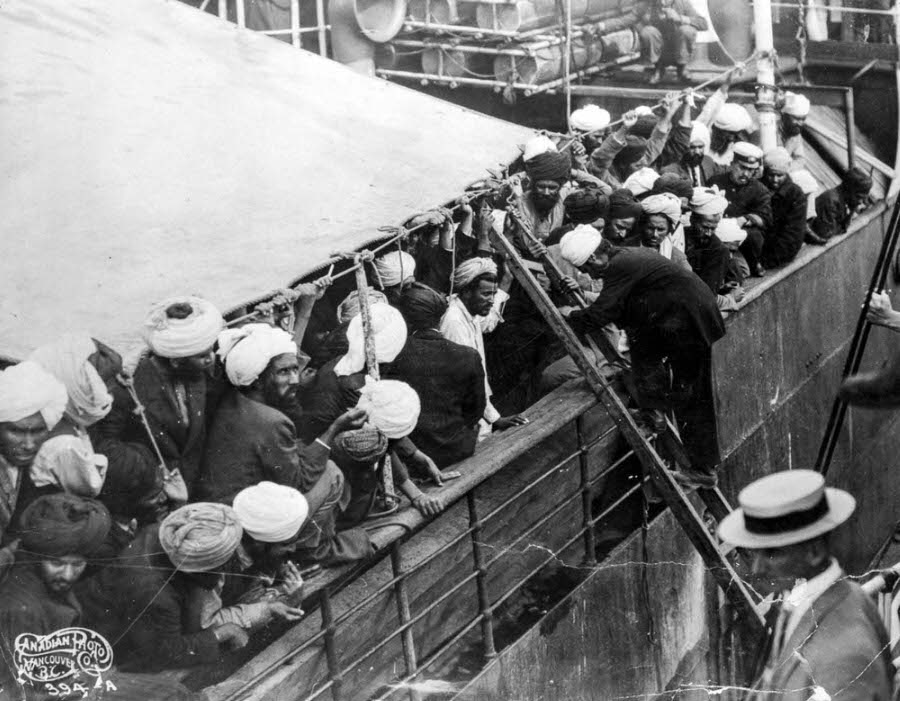
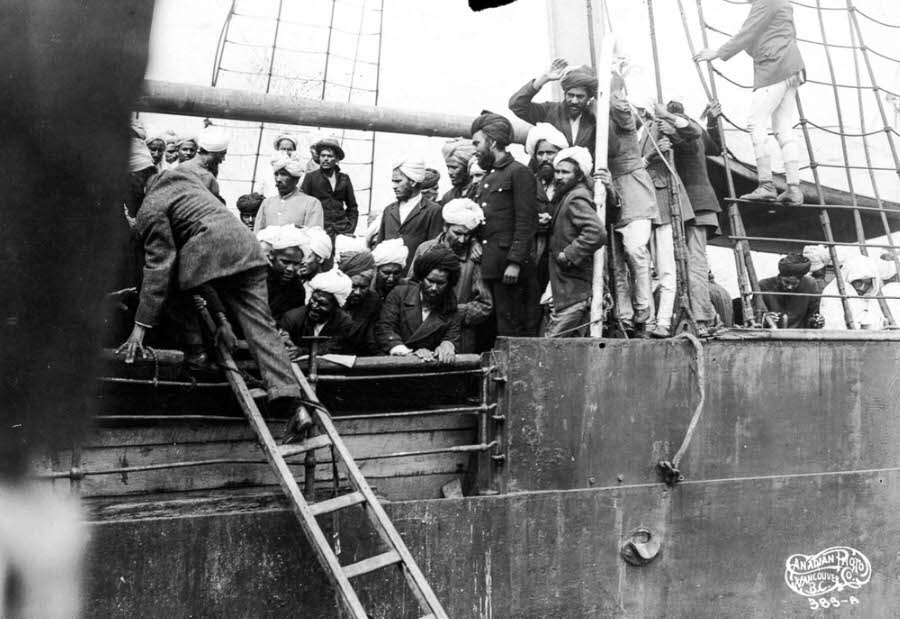
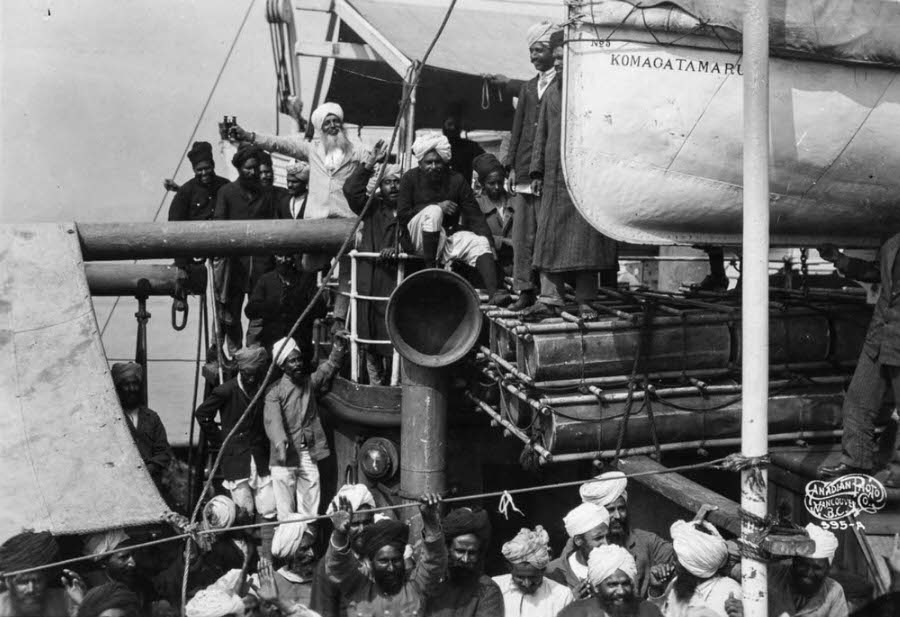
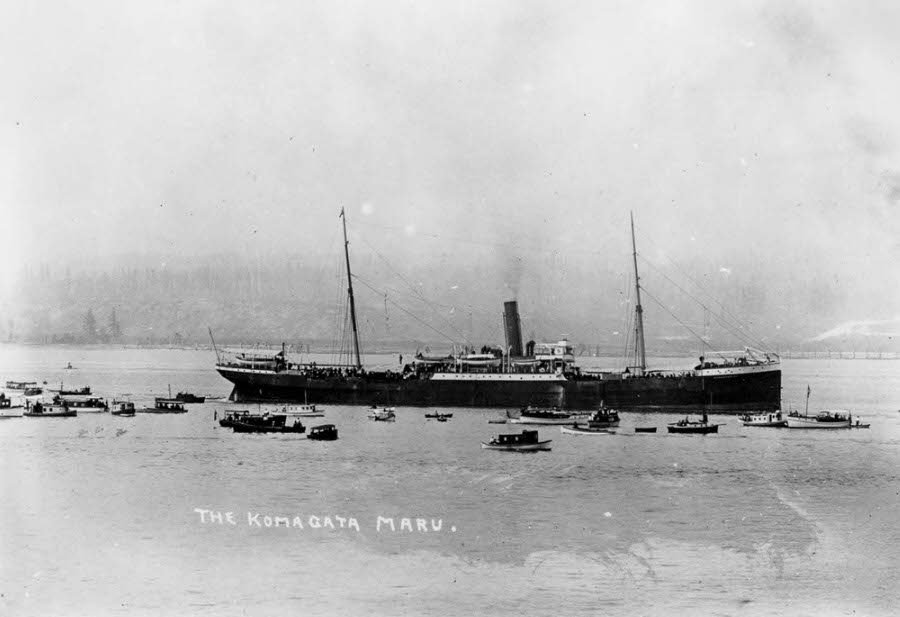
Gurdit Singh Sandhu, a Punjabi Sikh businessman, decided to challenge these laws directly. He chartered a Japanese steamship called the Komagata Maru in 1914 and set sail from Hong Kong with 375 fellow Indians — mostly Punjabi Sikhs, along with some Hindus and Muslims. The ship arrived at Vancouver Harbor on May 23, 1914, carrying a total of 376 passengers.
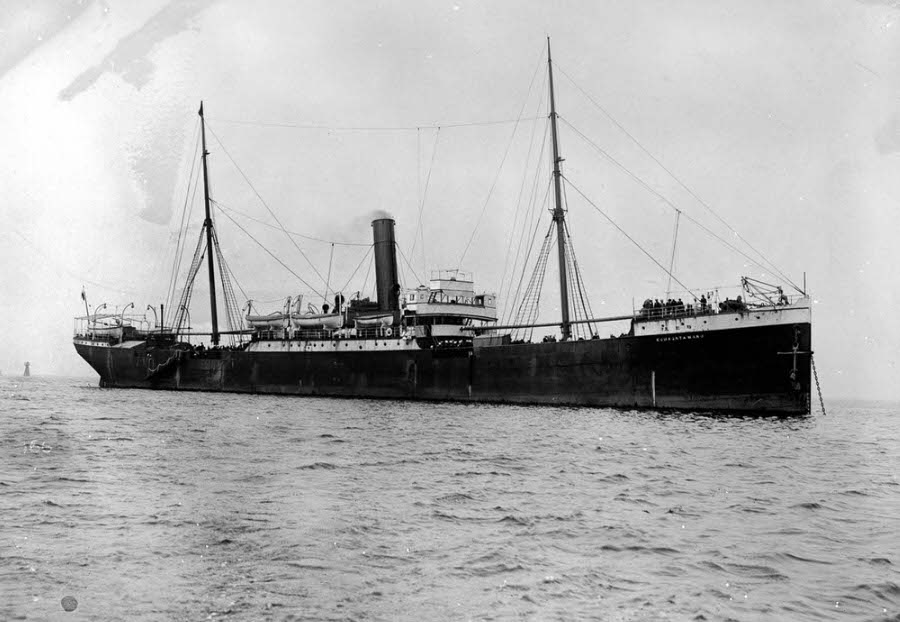
Canadian immigration officials refused to allow the passengers off the ship. What followed was a two-month standoff. Lawyers, politicians, and immigration officials argued over the passengers’ legal right to enter the country, while the passengers remained confined aboard the vessel in the harbor.
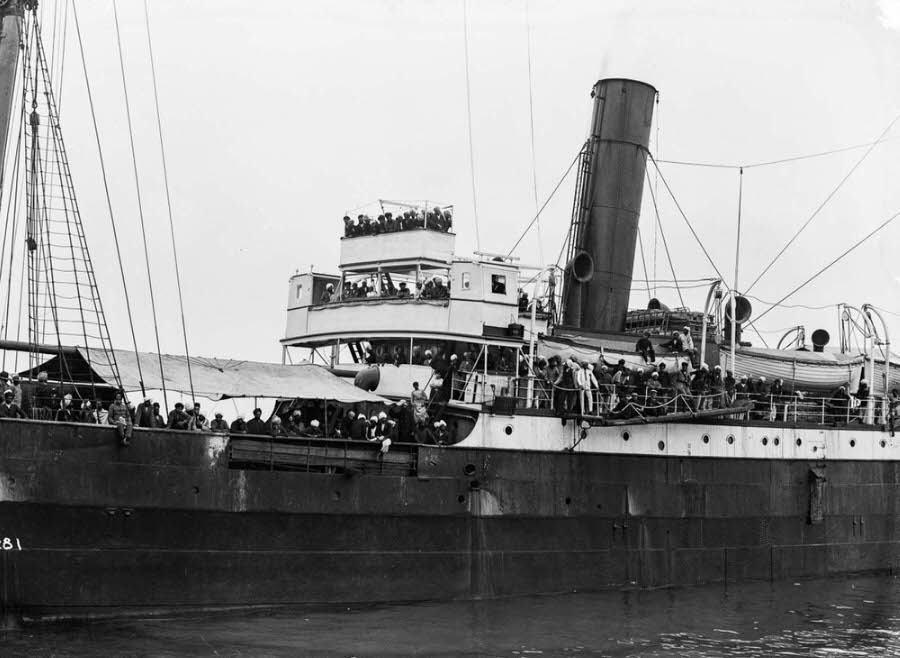
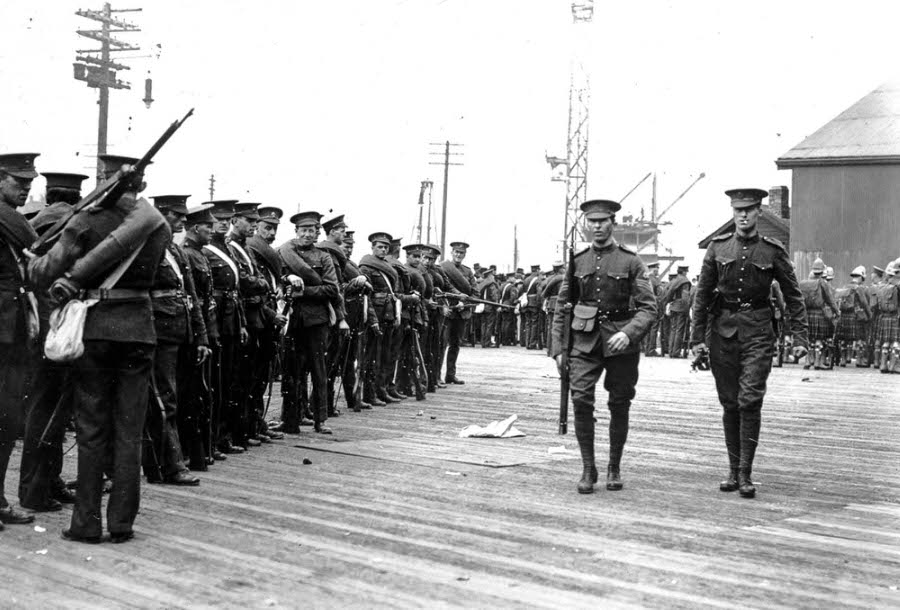
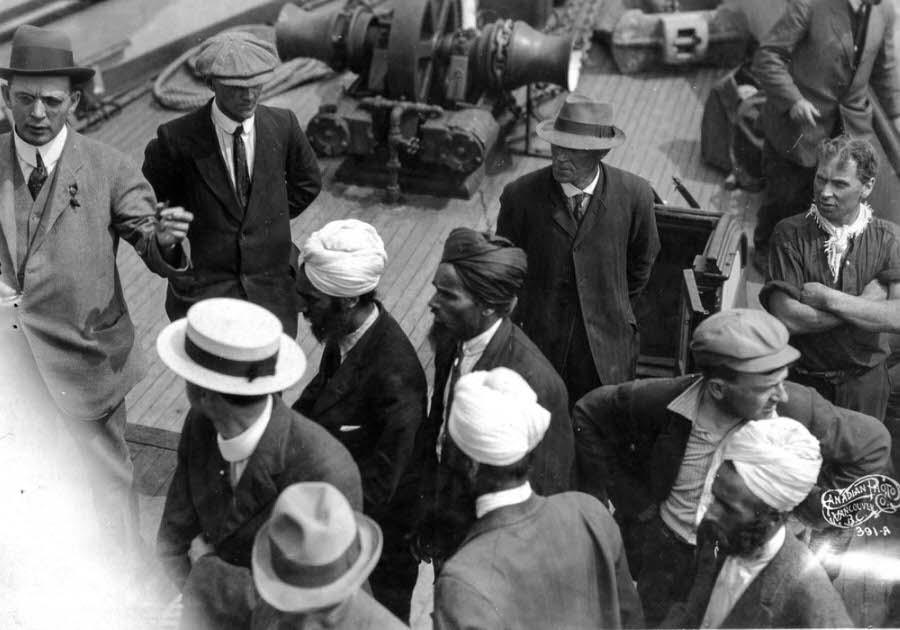
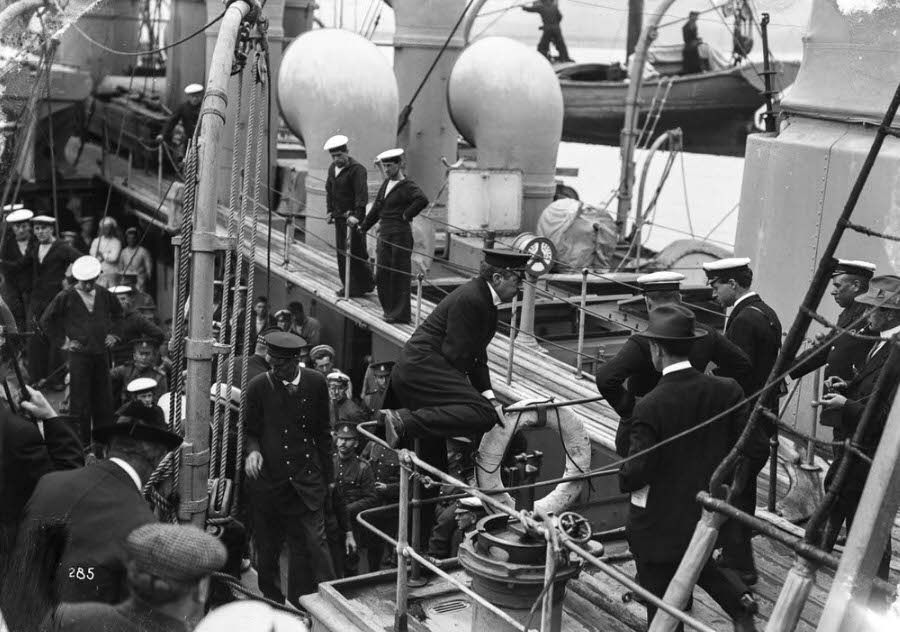
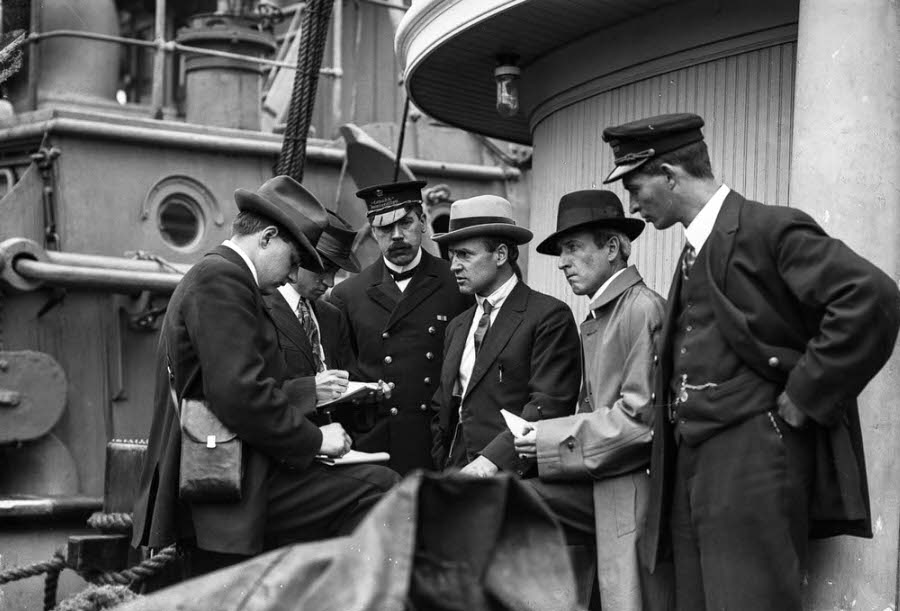
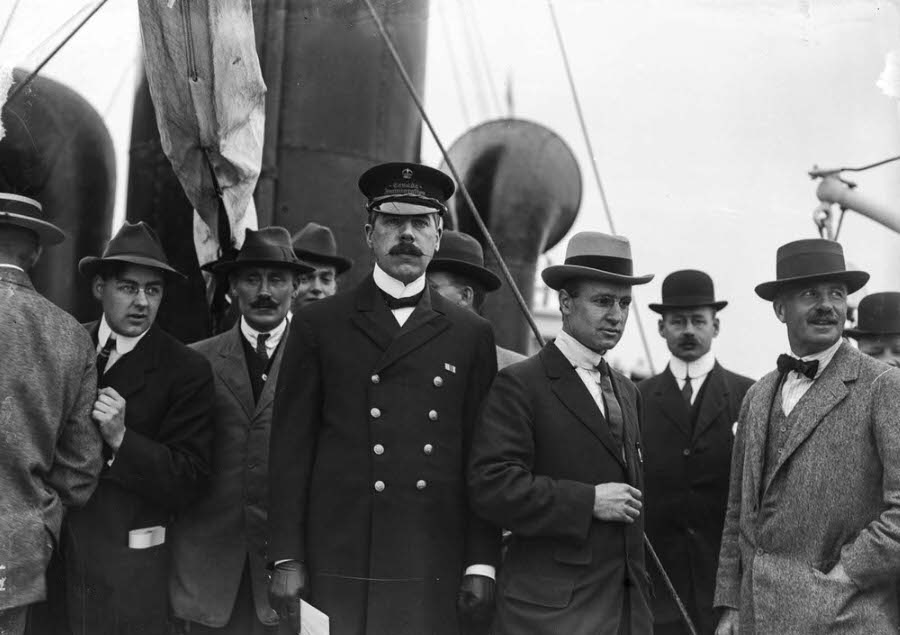
Tensions ran high throughout the standoff. The Canadian government sent tugboats toward the ship in an attempt to force it out of the harbor, but passengers fought back, throwing coal and other objects. Officials and journalists repeatedly boarded the Komagata Maru to press their case and document the situation.
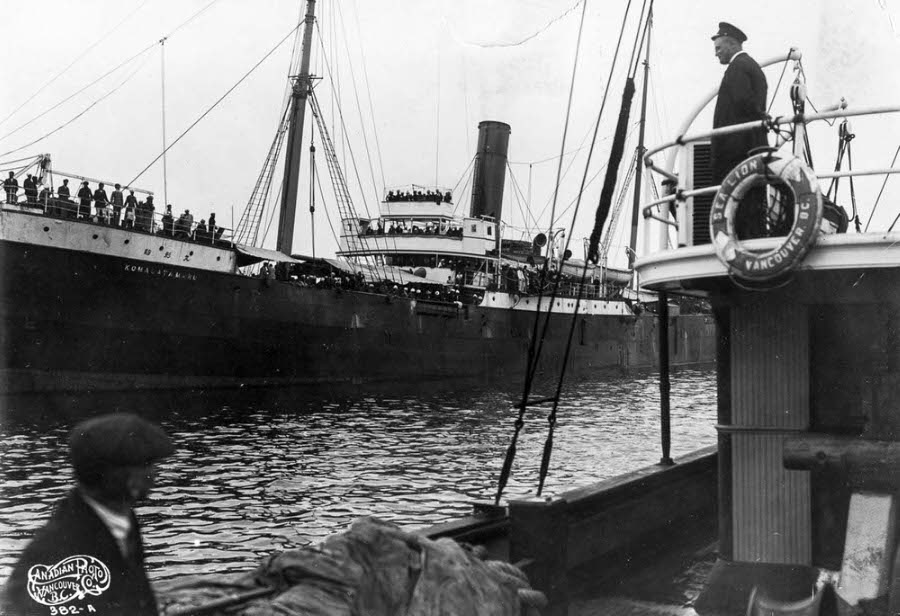
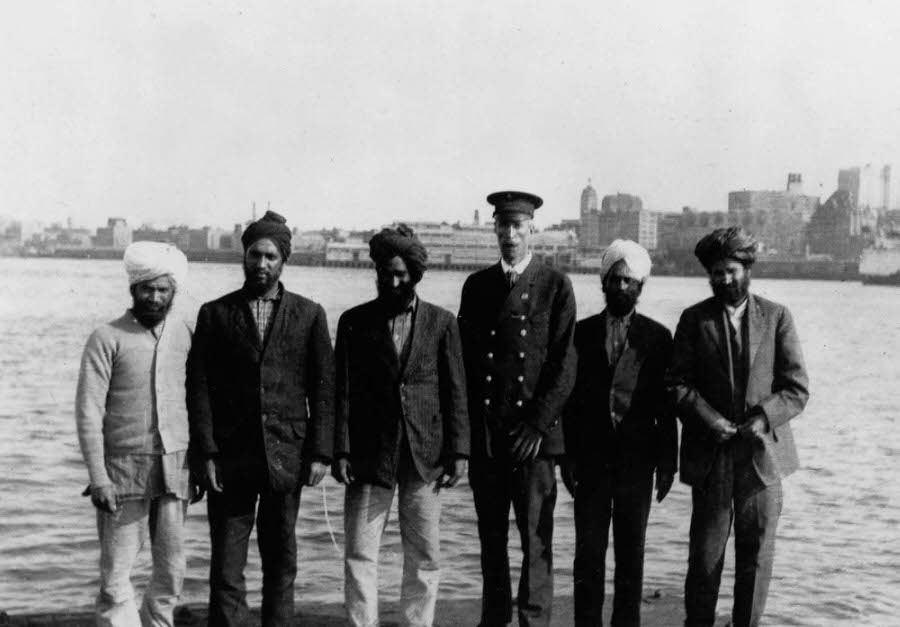
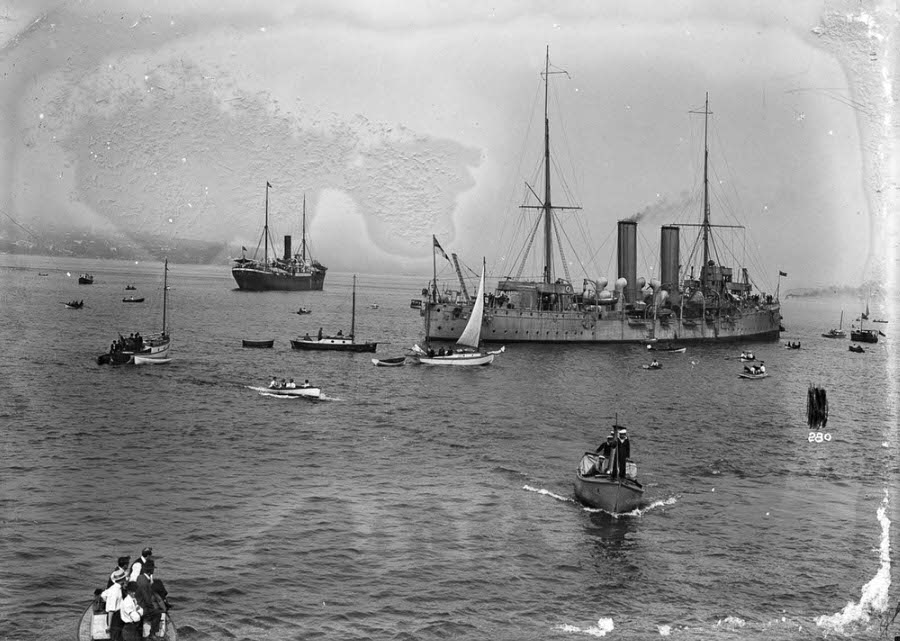
Customs Inspector Malcolm Reid was a central figure in enforcing the government’s position, boarding the ship alongside politicians like Conservative MP Henry Herbert Stevens. The passengers refused to leave voluntarily. Crowds of spectators gathered in small boats around the ship, and the standoff drew significant public attention.
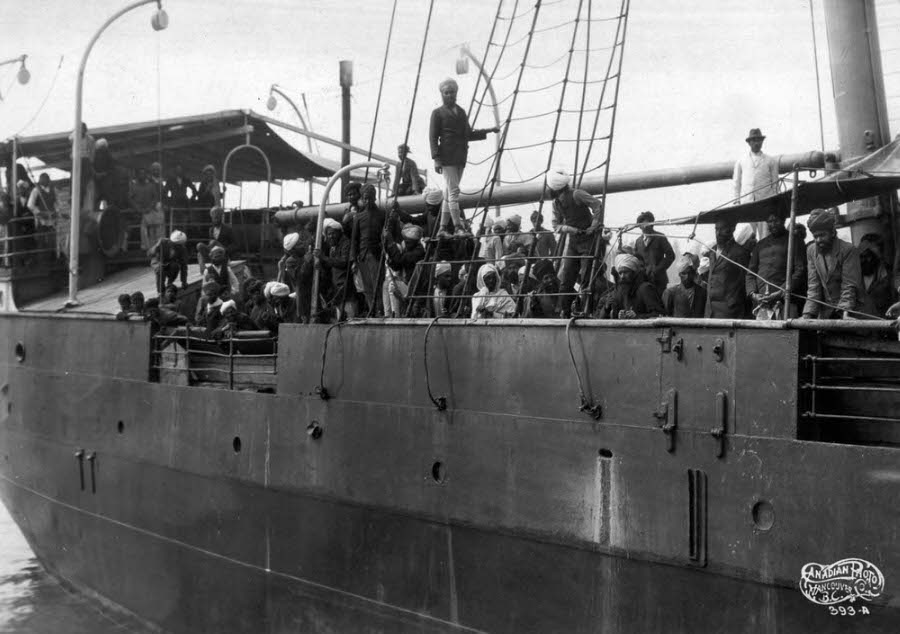
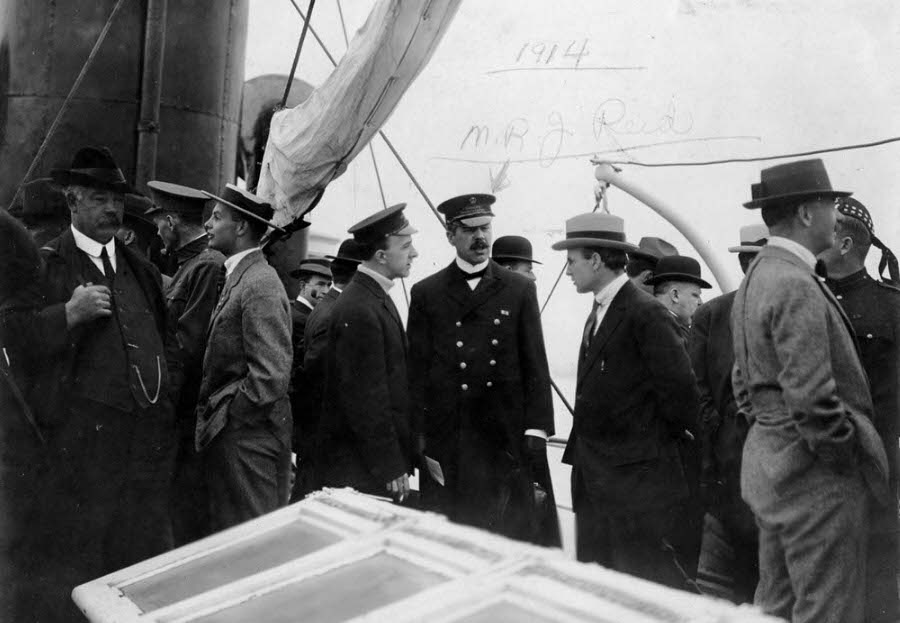
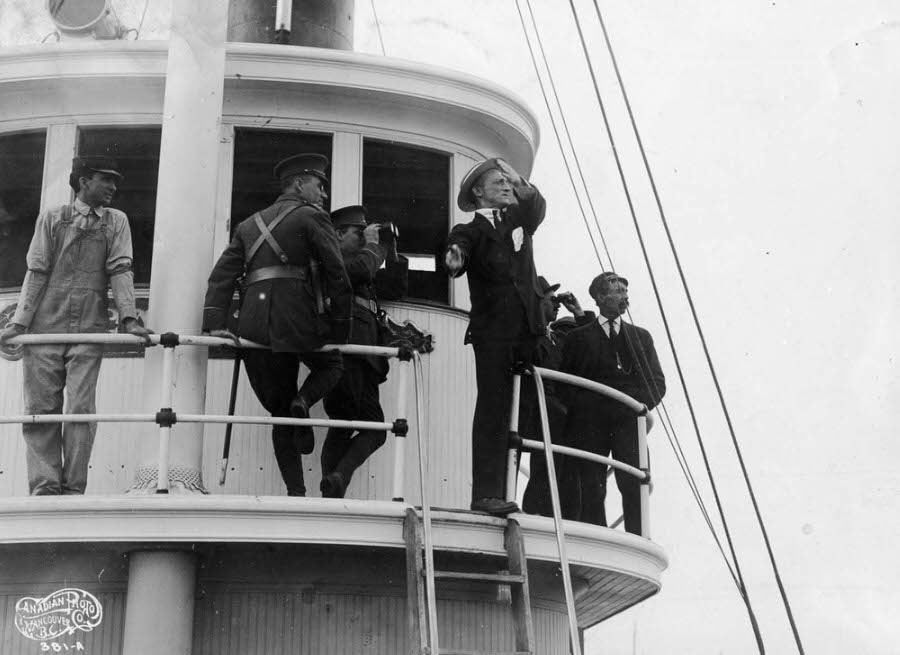
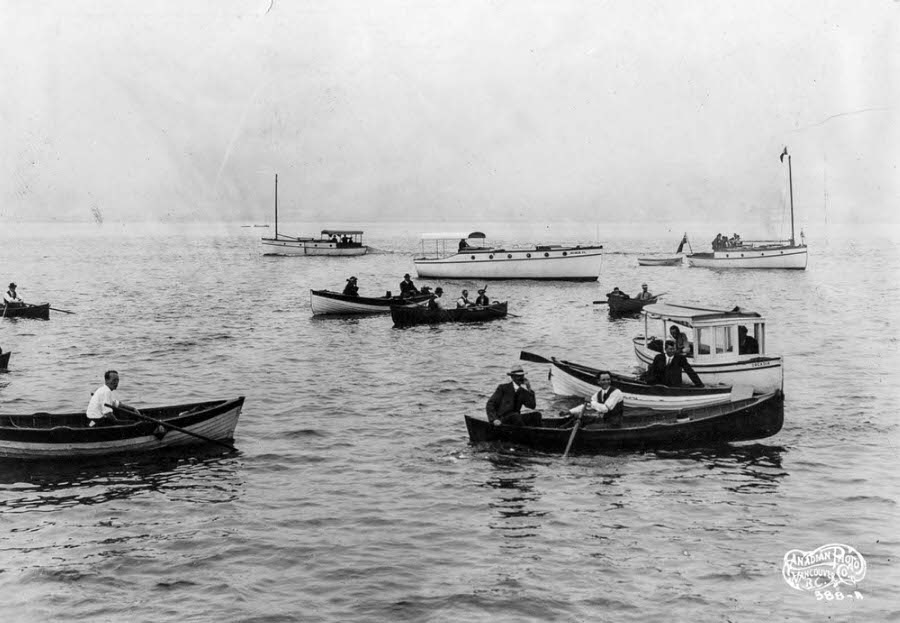
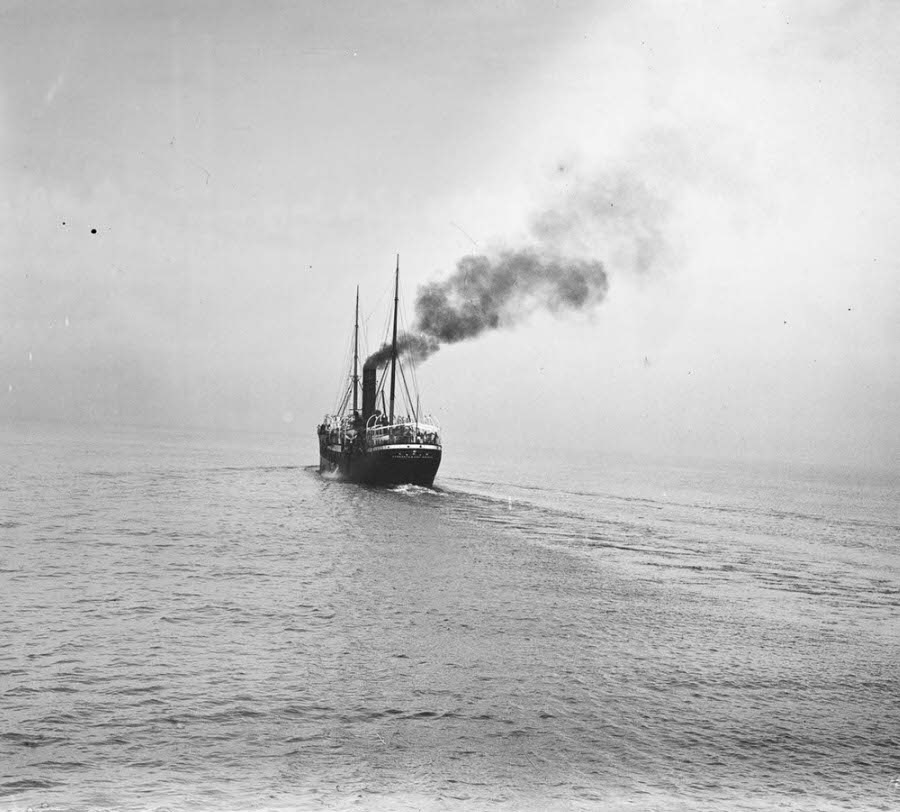
After two months, the Canadian government deployed the Royal Canadian Navy warship H.M.C.S. Rainbow to force the Komagata Maru out of Canadian waters. Of the 376 passengers, only 24 who had previously established residency in Canada were allowed to disembark. The remaining 352 were ordered back to India.
The passengers endured a long voyage back, arriving in Calcutta after weeks at sea. When the ship docked near Budge Budge, British colonial police were waiting. Authorities attempted to transport the passengers directly to the Punjab region without allowing them to disembark freely. The passengers resisted, and a riot broke out. Twenty passengers were killed, many more were injured, and hundreds were arrested.
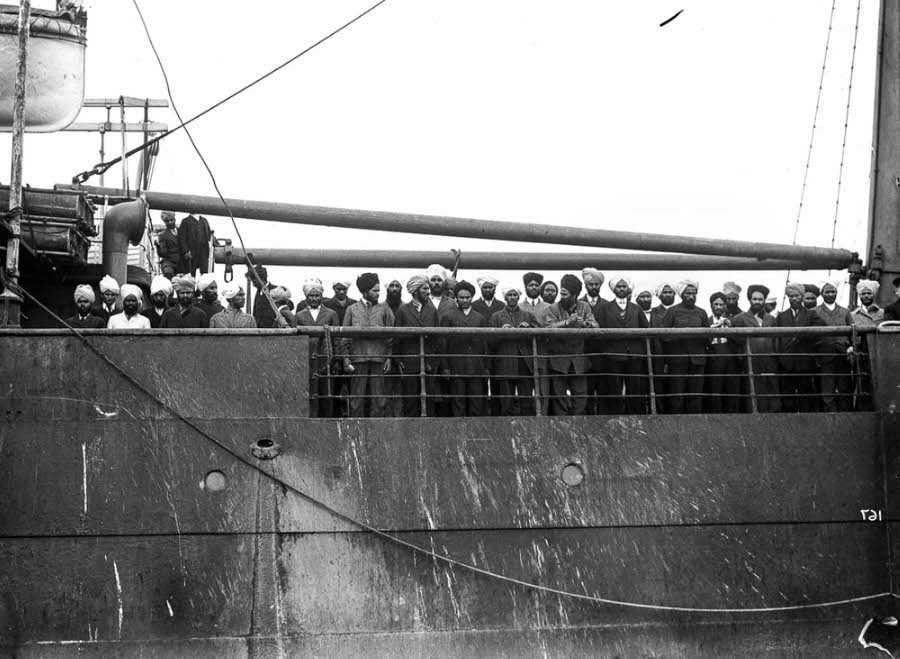
The Komagata Maru incident became one of the starkest examples of racial discrimination in Canadian immigration history. In 1952, India erected a memorial near Budge Budge to honor those who died. Canada’s discriminatory immigration policies remained in place until 1967, when the points-based system opened the door to immigrants from all countries regardless of origin. On May 23, 2008 — exactly 94 years after the ship arrived — the Legislative Assembly of British Columbia passed a unanimous resolution apologizing for the events of 1914.